Foreign Office has updated its travel advice for all UK nationals heading to Thailand
12:06, 08 Sep 2026Updated 12:14, 08 Sep 2026
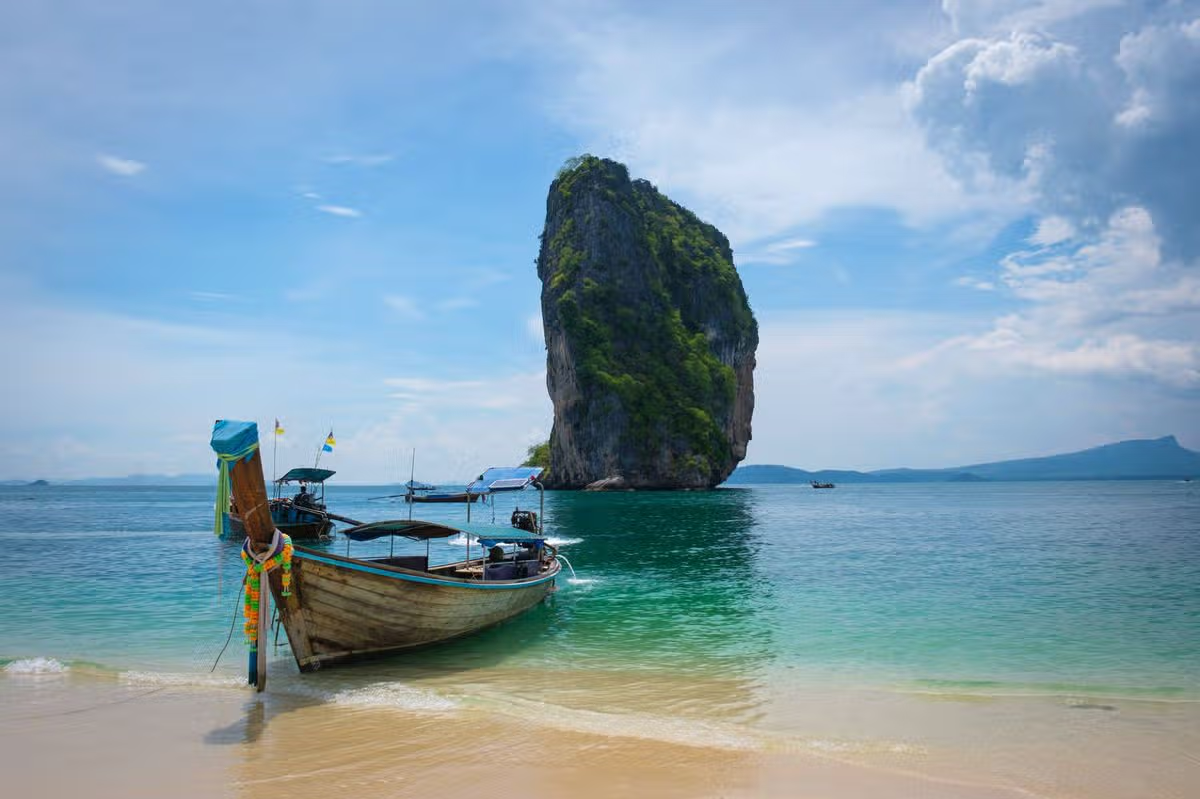
Around a million Brits head to Thailand every year(Image: Thitikarn Paothongthai via Getty Images)
The Foreign, Commonwealth and Development Office (FCDO) has updated its travel guidance for all UK nationals travelling to Thailand.
The south-east Asian country is enormously popular with Brits and other tourists alike, largely owing to its vibrant culture, cuisine, warm weather, and breath-taking beaches and islands. Approximately a million travellers make their way to Thailand from the UK each year. In a fresh new issued on Tuesday, September 8, the FCDO confirmed that a significant travel rule for Thailand is set to change.
The latest guidance refers to tighter restrictions on visa-free stays coming into force from September 15, 2026. This represents a departure from the previous rules, which allowed visa-free stays of up to 60 days for tourism, business engagements, and urgent work, with the option to extend for a further 30 days.
Those intending to work, study, retire, or settle in Thailand must obtain the relevant visa prior to travelling. If you entered Thailand before September 15, you will generally be permitted to remain for the duration granted upon arrival.
The updated guidance highlights that British nationals have been refused entry for failing to demonstrate sufficient funds or proof of return travel. Border authorities may request evidence of at least 10,000 Thai baht per person (or 20,000 Thai baht per family), as well as confirmation of onward travel.
The FCDO has also revised its safety guidance concerning Thailand’s rainy season. While the general timeframe remains May to October for the majority of the country, and November to March for Koh Samui and south-east Thailand, the updated advice notes that “weather patterns have become increasingly unpredictable and periods of intense rainfall can occur across Thailand.”
It continues: “Heavy rainfall can cause flash flooding, landslides and disruption to transport, particularly in northern, north-eastern and mountainous areas. Conditions can change rapidly and may result in road closures and local travel disruption. Lakes, caves and waterfalls are particularly at risk of dangerous flash flooding.”
Holidaymakers are urged to heed local authority guidance and keep a close eye on the Thai Meteorological Department for weather warnings.
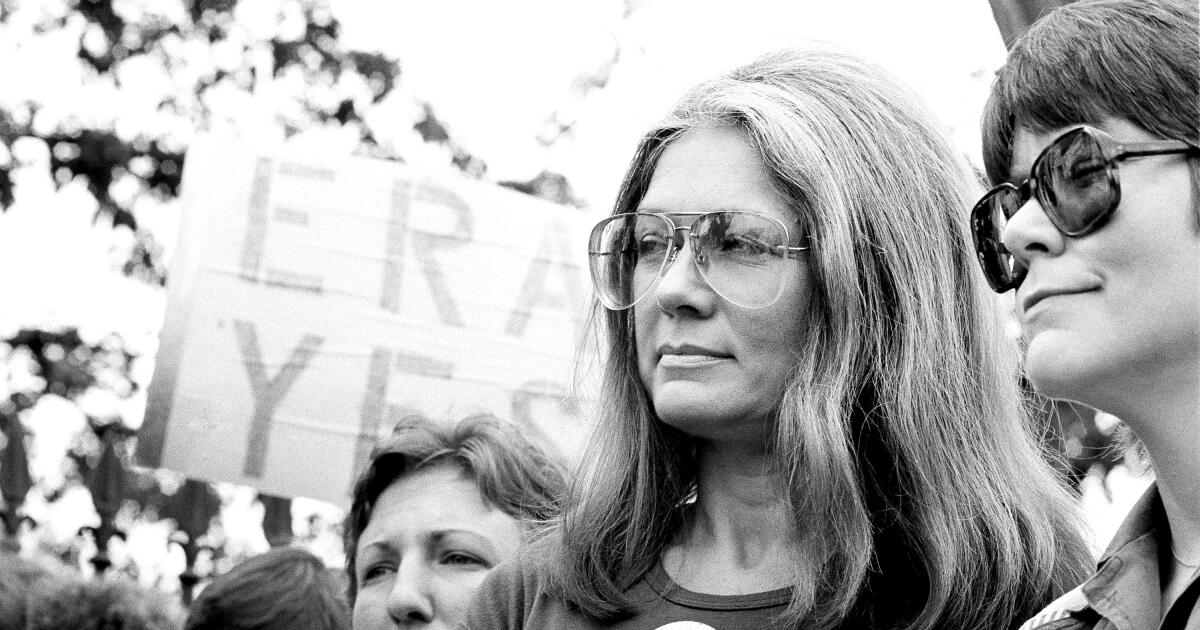
Gloria Steinem always listened more than she spoke, which is one reason her words had such lasting impact.
Ten years ago, I went with my older daughter and a group of her classmates to see Gloria Steinem speak. Though they were part of a feminist group recently formed at their all-girls Catholic high school, some were not quite sure who Gloria was, exactly. My daughter knew her mostly as my former “boss”; my first job out of college had been as an editorial assistant at Ms. magazine. That was back in the ‘80s — ancient history.
I was a tiny bit nervous about how the evening would go. Gloria herself was in her 80’s by then; how would she connect with a group of teenagers who had come of age post-post-everything in a social media world of makeup tutorials, fit checks, and so much rage bait?
By being precisely herself, as it turned out. Calm and witty, impassioned and informed, clear-eyed yet hopeful, Gloria enthralled them — and the entire audience — for almost two hours. By the time we left, the girls were ready to follow her anywhere.
“She’s a rock star,” my daughter breathed.
That she was. Gloria Steinem did not invent feminism, not even its second wave, but for many years she was its most recognizable frontwoman. Tall, slender, with (for many years) aviator glasses framed by her signature long, straight hair, she was the Jackie Kennedy of the women’s movement: a physical dismissal of all those childish critics who deride feminists as an army of unlovely and unloved women, devoid of humor and, most likely, surrounded by far too many cats.
Even so, how she looked was beside the point. No feminist I know ever wanted to look like Gloria; we all wanted to be like her. Smart, funny, incisive, generous and, perhaps above all, unflappable.
For an activist organizer, she had a low center of gravity. Her speech was measured, her tone was mellow — even when calling out the most outrageous hypocrisies, the most sinister forms of oppression, she rarely if ever raised it. Though by her own admission she was often furious about many things, her sharpest weapon was always a deadly talent for stating the obvious. “If women could sleep their way to the top, there‘d be a lot more women at the top.” “I have yet to hear a man ask for advice on how to combine marriage and a career. ” “A pedestal is as much a prison as any small, confined space.” “This is what 40 [or 50] looks like.”
She believed in shaping the future by being fearlessly frank about the present and the past. For more than seven decades, she helped millions strip away the veils of hierarchy, patriarchy and all the stories spun about gendered expectations to confront the actual experience of women’s lives. “If the shoe doesn’t fit, must we change the foot?”
She never incited anger; she simply pointed out the facts as she saw them and let human nature take its course. “The truth will set you free, but first it will piss you off.”
Gloria listened as much as she spoke, and with great attention and democracy. When I worked at Ms., she was always running late, invariably having been pulled into some conversation or other. Her assistant groaned over her calendar; Gloria would say “yes” when asked for help, even if it meant being two places at once.
She often came in for staff meetings to which everyone was invited and, when discussing ideas for future issues, would ask for, and attentively listen to, the opinions of even a lowly editorial assistant like myself. Her interest was sincere, astonishing and made for very long meetings. Wherever she went, it was the same. She needed to know what all manner of women thought about a wide variety of topics. More important, she wanted them to learn the habit of speaking up. In a private meeting or a public forum, to colleagues, politicians, friends, the boss or even a feminist icon, she wanted women to be unafraid of saying what they thought.
When I worked at Ms., and for many years after, people would invariably ask me: “What’s Gloria Steinem like?” and it was, and remains, impossible to describe. She was kind when she didn’t need to be, generous with her attention when no one expected it. She didn’t want laws and social constructs to be fairer, less dangerous, more fulfilling for women as a concept; she wanted it for you, for me, for the lady in the back row.
She gave aura but also advice about where to find discount shoes. She instantly claimed any room she entered and then made sure there were snacks. She believed that the world could change, that with work, we could change it. But she also believed in having fun; otherwise why bother?
On the day Gloria Steinem died at 92, I awoke to a text from one of the friends I made all those years ago at Ms.; soon there were four of us on the thread. I had just arrived in New York to take my youngest daughter back to college, and we had planned to meet one of those friends in Union Square at noon. Instead, we met at Gloria’s brownstone and laid flowers along the fence outside her door. It seemed the least we could do.
My youngest never got to hear Gloria speak and, at 19, she is too young to know who Gloria was, exactly. Which was always the point of all that Gloria did. She didn’t want the future to feel beholden to the past; she just wanted it to be better. And despite the recent setbacks, particularly in reproductive rights, and all the work that still has to be done, it is.
There stood my daughter. Like her sister, she never doubts for one minute that she is a first-class citizen, entitled to equal rights, bodily autonomy, basic respect and a life of her choosing. God help the poor souls who try to tell them different.
“She’s a big part of why you are here,” I tell her. “Of why your life at 19 is so better than mine was, and why mine, at 19, was so much better than hers.”
That’s not just a rock star; that’s a revolutionary.
Samantha Fox has been forced to cancel her upcoming show on ‘medical advice’ after suffering from ‘ongoing pain’Credit: PASamantha was due to play at the Hard Rock Live in Florida at the end of AugustCredit: Getty
Her Page 3 career also became the launch pad to a world of lavish celebrity parties and later for her global success as a pop star, with 30million record sales.
Samantha, 60, continues to perform and was set to appear at Hard Rock Live in Florida at the end of August alongside a string of other stars.
Sign up for the Showbiz newsletter
Thank you!
However, she has cancelled her appearance and took to Instagram to share a statement with fans.
She captioned the image: “Sorry, I’m truly so upset about doing this, I think in 40 years this is only the 3rd time I’ve had to cancel a show.
Samantha explained that due to ongoing back and hip pain she was unable to travelCredit: GettyShe became one of the country’s most famous women almost overnight after her debut on The Sun in February 1983Credit: GettyHer Page 3 career also became the launch pad to a world of lavish celebrity partiesCredit: RexSamantha Fox shared a statement to social mediaCredit: Instagram/samanthafoxofficial
“Getting the right treatment now but the worst is the pain, love you Foxys. I’ll be fighting fit soon love Sammy.”
In the statement, Samantha explained that she had been struggling with ongoing back and hip pain for some time and following medical advice, it wasn’t possible for her to make a long-haul journey.
She explained: “I absolutely hate letting my fans down, as well as everyone who worked so hard and was looking forward to the show.”
Samantha also revealed she was heartbroken to withdraw from the event as she was so excited to be back performing in America.
She added: “This isn’t goodbye America, I am determined to get myself properly fit and well.
“I very much hope to return to the USA for a live show again very soon.”
Fans flocked to comment and one wrote: “I hope you get better soon and sending you so much love and positive energy!
“Us fans in the US will be here with open arms when you return someday, until then, I hope you stay healthy and get well.”
Another said: “Sending lots of love and well wishes!”
“Your health is the most important! I wish a speedy recovery for you,” wrote another fan.
A fourth added: “I am so sorry that you have to cancel but your health is the most important! Get well soon.”
NS&I has just improved the prize draw odds but the personal finance expert has warned over the best place for money
11:18, 24 Aug 2026Updated 11:24, 24 Aug 2026
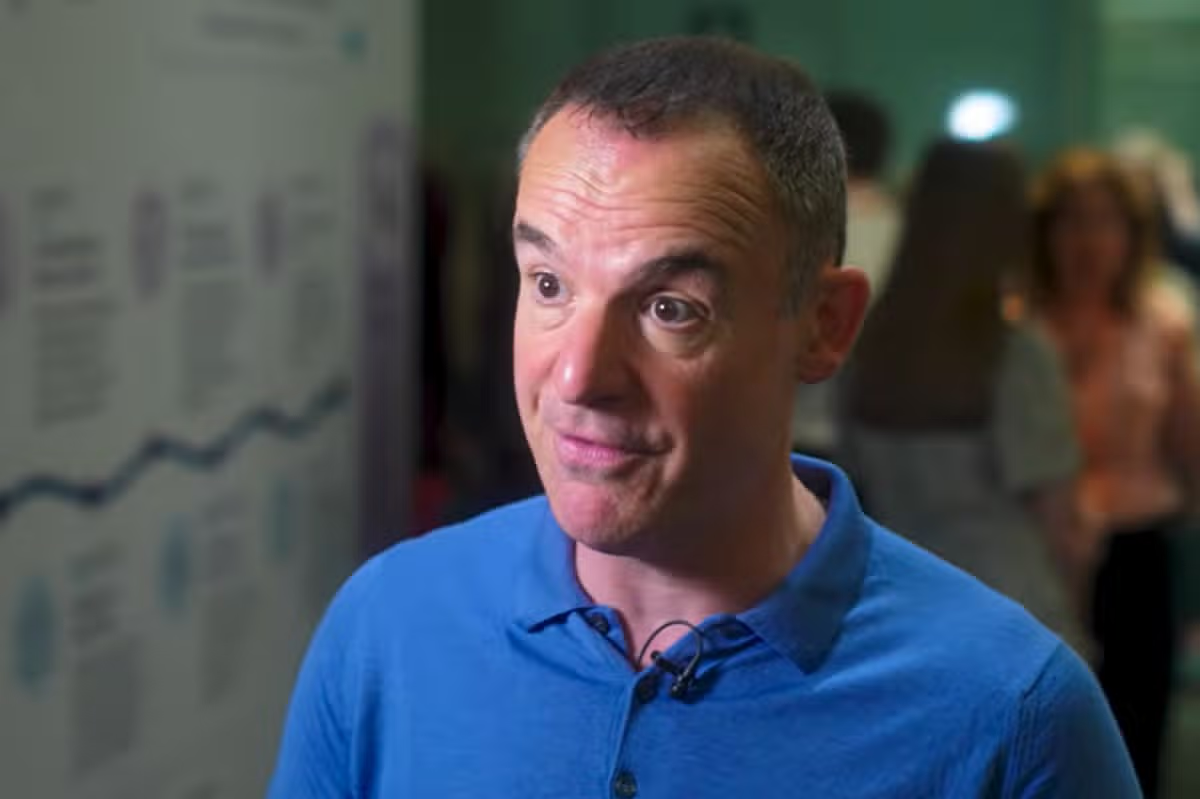
Martin Lewis has given advice for anyone with Premium Bonds on the chances of winning(Image: ITV)
Personal finance expert Martin Lewis has told anyone with Premium Bonds about the ‘£5,000 rule’ and warned about the chances of actually winning anything. The ITV and BBC star has said that unless people have at least £5,000 in there, the statistics suggest they might be wasting their time.
Premium Bonds are a government-backed UK savings product issued by NS&I (National Savings and Investments). Instead of earning regular interest, a person’s money buys unique £1 bond numbers that are entered into a monthly prize draw to win tax-free cash prizes ranging from £25 to £1 million.
Mr Lewis has spoken out about the bonds, and last week, in a new update, NS&I said that there will be an increase to the Premium Bonds prize fund rate and improved odds from the September 2026 draw. There will be an estimated £63 million of extra tax-free prizes in September, compared to August 2026, NS&I said. There is also an immediate interest rate increase for around 428,000 Direct Saver and 222,000 Income Bonds customers.
More than 22 million Premium Bonds holders will see a boost to the prize fund rate to 4.35%, up from 3.80%, for the September 2026 draw. At the same time, holders will have even more chances to win, with the odds shortening to 21,000 to 1 from 22,000 to 1. The Premium Bonds prize fund rate and odds were last improved in July 2026.
However, Mr Lewis has said that people would have a much better return with normal savings – if they don’t put enough money in – because of the odds. He explained that premium bonds are only worth getting if you have a certain amount of money. In particular, he advised that many grandparents would be better off giving grandchildren cash via normal savings accounts.
He said: “For years, many people, especially grandparents, have gifted their children premium bonds. And frankly, in my view, for many they would’ve done better sticking with normal savings. Premium bonds are government-backed savings, where the interest is based on a prize draw. The current prize fund rate is just 3.6 per cent, yet even that overestimates what most people will actually win with typical luck.”
Martin said that premium bonds are typically only worth buying if you have more than £5,000, to give you a chance of winning the prizes. He noted that premium bonds are “best for”: Those with larger savings, say over £5,000, as then you’ve a better chance of earning closer to the published prize fund rate. “With less, the odds are you will win little or nothing”, he said
Those who pay tax on their savings interest, who have used up their ISA allowances, as premium bond winnings are always tax-free
He added: “As most children have small amounts of savings and aren’t taxpayers, premium bonds are particularly unsuitable. Of course, there’s the ludicrously small chance your child will win a million, but they could also toss a coin and it land on its edge.”
“So if you’re thinking of putting £1,000 or less into premium bonds for a child, it’s worth noting that with average luck our premium bonds probability calculator shows they are likely to win nothing over a year (give it a try based on your scenario).”
He has also delivered his assessment of Premium Bonds in general: “Premium Bond prizes aren’t taxed, which means that if you’ve larger savings in cash, and have maxed out your £20,000 a year ISA allowance and earn enough interest to exceed your PSA, Premium Bonds are probably a decent choice… if you can accept the random nature of the ‘interest’.
“For everyone else, cash ISAs – savings accounts you never pay tax on – are still likely to be the better choice. The top easy-access cash ISA rate is currently 4.4% – slightly lower than the standard non-ISA rate, but tax-free and offering a guaranteed return that’s higher than the current Premium Bond prize rate of 3.6% (which you need to be lucky to get).”
He also said the prize rate – 4.35 per cent from September up from 3.80 per cent is the average return. He said: “The smallest prize is £25. So what happens on £100 is a lot of people get nothing and a few get £25.” He said the mena average, which is 4.35 per cent from Sept, but more important: “Is the median average which is zero on £100 in Premium Bonds over a year.
“Median is if you lined everybody up who had £100 in Premium Bonds from those who win the most to those who win the least what would the person exactly halfway along win.
“The first thing to say is someone with typical luck will always win less than the mean average. What affects the amount you win, generally, is the amount you’ve got in. The more you have in the closer you will get to the mean average on typical luck.”
However, the ‘tax-free’ nature of Premium Bonds could offer a benefit, he suggested: “Most people do not pay tax on savings. That’s because, as well as your normal personal allowance up to £12,570 a year you can earn from any source, most people are getting either a £1,000 personal savings allowance – so that’s £1,000 of interest they can earn a year without paying tax on it – or £500 personal savings allowance if you are a higher rate taxpayer.”
If someone has a lot of savings, it could mean they’re paying tax on the interest, and if that’s the case, he said people should consider making sure their ISA allowance is full.
He said: “If you’ve got a cash ISA allowance available, I’d be putting it there. Then, if you’re paying tax on your savings and you’ve filled up your cash ISA allowance, and especially if you’re higher rate taxpayers which means you’re going to be losing 40 per cent off your savings interest on any that you pay tax on, at that point, Premium Bonds even on typical luck at around 3.2 3.3 per cent after tax start to look good value.”
Mr Lewis also urged people to place their savings in high-yield accounts. For those who relish the excitement of potentially winning big, he proposed purchasing a small Lotto ticket: “To all those people who say ‘what about the thrill of winning’, yes there’s the thrill of winning but, you know what, if you put savings account, you’re going to win interest each month and you’ll know exactly how much you’ll be getting and it’ll probably be bigger.
“There is a chance of winning a million, but if you really want to talk about the thrill of winning, then it’s probably far more sensible and more effective for those people who don’t pay tax on savings and who aren’t higher rate taxpayers, to go and put their money in top savings and then take a couple of quid out and put it in the National Lottery and then you get your thrill of winning anyway but you get more return on the underlying savings.”
NS&I responded at the time: “Premium Bonds remain one of the nation’s favourite savings products and are a flexible and fun way to save. They offer the excitement of potentially winning tax-free prizes every month, the safety and security of the 100% government guarantee, and easy access to withdrawals.
“Every Premium Bond has a separate and equal chance of winning a prize each month, however the more Bonds you buy, the better your chances of winning.
“Each month we pay out millions of prizes ranging from £25 to £1 million. In our most recent draw, there were more than 6.1 million prizes worth over £403 million.”
The travel advice was shared to help prevent disruptions for people with upcoming trips
People should be aware of the travel guidance (stock photo)(Image: Getty)
HM Passport Office (HMPO) has shared essential travel advice for anyone travelling abroad. The alert comes amid the busy summer holiday period, when countless families are planning trips.
In a post shared on social media, HMPO urged people not to travel with a passport that they had previously reported lost or stolen. The X alert said: “Found a passport you previously reported lost or stolen? Don’t travel with it. Once reported, it’s cancelled and using it could disrupt your trip.”
Instead, they will need to apply for a replacement. HM Passport Office says it considers passports damaged if any of your details cannot be read, any of the pages are ripped or cut, there are holes in the cover, the cover is coming away, or there are stains on the pages. For instance, ink or water damage is not allowed.
HM Passport Office says it is important to cancel a lost or stolen passport as soon as you can. “This will reduce the risk of anyone else using your passport or your identity.
“You can report a lost or stolen passport for someone else if they cannot do it themselves.” If you have a photo of the lost passport, you can use this to answer the necessary questions.
Content cannot be displayed without consent
The advice continues: “You might be able to apply for an emergency travel document. You’ll need to pay a fee. If you apply for an emergency travel document, you do not need to cancel your passport now. You’ll cancel it as part of your application for the emergency travel document.”
When renewing your passport online, you will need a credit or debit card and a digital photo. It costs £102. If you are replacing a lost or stolen passport, you also need someone to confirm your identity online. More details are available on GOV.UK.
You can also follow @HM_Passport on X for general updates and tips. For instance, another recent post shares tips for taking your passport photos. The advice said: “A suitable passport photo can help avoid delays. Make sure your photo is in focus, against a plain background and meets all requirements.”
GOV.UK says: “In your photo you must: be facing forwards and looking straight at the camera, have a plain expression and your mouth closed, have your eyes open and visible, not have hair in front of your eyes, not have a head covering (unless it’s for religious or medical reasons).
“Do not have anything covering your face, not have any shadows on your face or behind you.”
BRITS heading to Europe now have to go through the new Entry/Exit System (EES), but some parents have been unclear on whether kids have to use it too.
Some families hadn’t realised that children under 12-years-old need certain biometrics taken at the border.
Some parents were unaware their children are required to have their face scanned for EESCredit: AlamyIt has resulted in longer delays at the borderCredit: Alamy
On ABTA, the confirmed advice reads: “People of all ages will need to go through the EES checks.
“Children under 12 will not need to provide fingerprints, but they will need to have a facial scan taken.”
Sign up for the Travel newsletter
Thank you!
This is where the confusion lay as some parents believed their younger children were exempt from checks altogether.
Any Brit over the age of 12 is required to have both their fingerprints taken and their face scanned for registering.
TWO earthquakes have rocked Granada, causing destruction across the region and the closure of popular attractions.
With a series of aftershocks also recorded, is it safe to travel to Spain? Here’s everything you need to know.
Vehicles and buildings were damaged following multiple earthquakes in AndalusiaCredit: AFPThe first earthquake struck the region on August 15Credit: AFP via Getty Images
Where are the earthquakes in Spain?
Granada in Andalusia has been affected by multiple earthquakes in the last five days.
On August 15, a state of emergency was declared in the southern city as parts of buildings collapsed, rocks crushed cars and residents and holidaymakers were evacuated.
The tremor was felt across Andalusia and as far as Madrid, with locals reporting shakes in Malaga, Seville, Cordoba, Jaen and Almeria.
At the very centre of the earthquake was the small town of Gojar, a municipality around five miles south of the city of Granada.
Hotels and council buildings open to the public were forced to evacuate following the scare.
In a statement on X, the Granada City Council said: “In response to the latest seismic movements recorded in the province, the Granada City Council has agreed, as a preventive measure, to the temporary closure of all municipal buildings and facilities open to the public.”
One of the attractions that closed was parts of Alhambra, a fortress which is now a popular tourist attraction.
There was a second earthquake on August 18 and aftershocksCredit: Reuters
In Calle Navas, which is one of the most popular tourist streets in the city, bars were closed as authorities were concerned about falling debris.
Granada Cathedral remains closed while its exterior is examined.
Two 4 and 4.2-magnitude aftershocks also hit nearby Churriana de la Vega and Alhendín.
Is it safe to travel to Spain right now?
Thetravel advicefor Spain remains unchanged. You can find all general information on the official FCDO website.
Authorities have closed multiple attractions due to potential damage to the buildingsCredit: AFP via Getty ImagesTravel advice to Spain remains unchangedCredit: AFP
As the Foreign Office has not warned against travel to Spain, there are no special circumstances in place for holidaymakers to cancel their trip and receive a full refund.
Depending on what travel insurance you have, your policy might include natural disaster cover.
If so, your insurance policy should cover you for when you are unable to reach your holiday destination due to natural disasters, like wildfires and earthquakes.
So it is worth checking your travel insurance policy.
Can I cancel my trip?
If you want to cancel your trip or holiday, it is best to contact your airline and/or holiday provider.
Companies do not have an obligation to refund bookings unless Government advice changes.
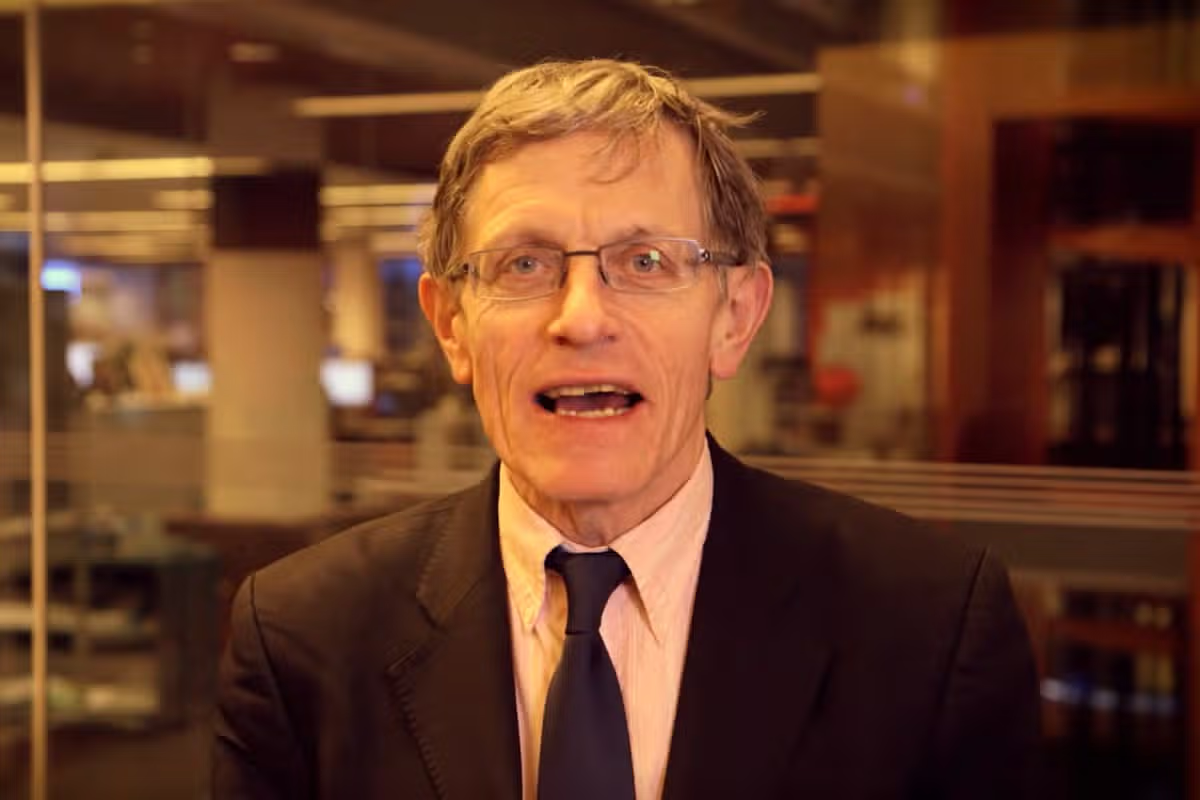
Travel expert Simon Calder has advice for those heading abroad
Travel expert Simon Calder has issued advice to young people(Image: BBC)
Students celebrating their A-level results are being urged to think carefully about safety before setting off on gap years and adventures abroad.
Travel expert Simon Calder has issued a stark warning to young people preparing to head overseas – telling them that risk management should be at the heart of their plans. Calder, speaking on The Travel Expert podcast with Telegraph journalist Greg Dickinson, said he wanted students to return home “in one piece with nothing but happy memories”.
His advice comes as thousands of young people consider gap years, holidays or trips abroad before starting university. Calder, who took a gap year himself, said there was plenty to gain from seeing the world – but warned that students and their parents should not overlook the potential dangers.
His top three concerns are: drugs and drink, accidents in water and road safety. Calder said: “If you are going to go on a gap year, the main thing to do is risk management.”
He added: “I am absolutely concerned to try to make sure that everybody comes back in one piece with nothing but happy memories.”
Drugs, drink and the risk of spiking
Calder’s first warning was about alcohol and recreational drugs. He acknowledged that many people drink and some take recreational drugs, but urged travellers to understand the risks – including the possibility of their drink being spiked.
He also specifically warned students about methanol poisoning, which has tragically killed travellers overseas. His message was not simply to avoid excessive drinking or drugs, but to understand the potentially serious consequences of what can happen abroad.
And students should never allow alcohol or drugs to lead them into taking unnecessary risks. Calder warned against doing things such as hiring a scooter or going for a midnight swim after consuming drink or drugs.
Take care around water
Calder’s second major warning was about accidents in water. Young travellers heading to beaches, islands and other holiday destinations are urged to understand the dangers posed by strong currents.
One particular hazard is a rip current – a powerful current of water moving away from the shore which can quickly carry swimmers out to sea. Calder said travellers should “make absolutely sure that you know how to identify a rip tide” and understand what to do if caught in one.
The important message is not to panic or try to fight directly against the current.
Road safety
Calder stressed there was one danger that sat “absolutely top of my risk list” , which is road safety. He warned that road risks can increase sharply once travellers leave Britain.
“As soon as you leave the UK, risks start to multiply on the roads,” he said. His advice was to consider how you are going to travel around a country before setting off.
He suggested that, where appropriate, using trains or flying in countries with high road accident rates could reduce the risks faced by young travellers. Calder’s warning is particularly relevant to gap-year students who may be tempted to hire scooters or motorcycles as a cheap and convenient way of getting around.
Content cannot be displayed without consent
Thailand warning
The discussion also turned to Thailand, a hugely popular destination for young British travellers. Dickinson warned that students should not assume the country is a place where drug use is tolerated simply because of its reputation for parties and nightlife.
He specifically highlighted the famous Full Moon parties – but stressed that Thailand has strict drug laws. Travellers can face serious consequences for possessing or taking illegal drugs. Dickinson said: “They’re extremely strict on drugs, so you basically need to not get involved with that whatsoever.”
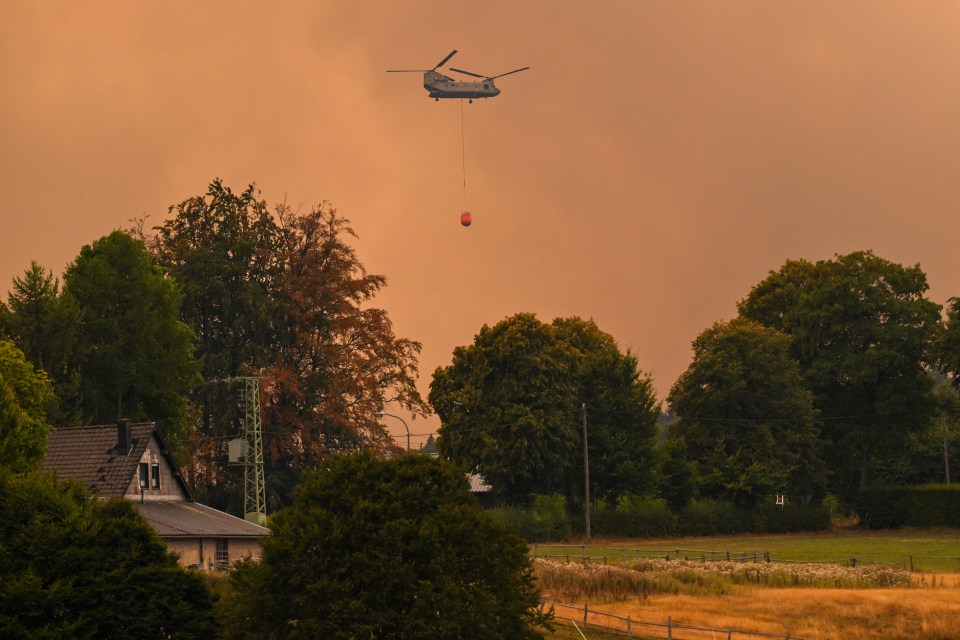
BELGIUM is currently seeing its largest wildfire on record, causing hundreds to evacuate.
Shifting winds have even caused smoke to drift as far as France and Germany as well.
Belgium is currently experiencing its biggest wildfireCredit: AFP
The fire first started on August 14 after temperatures reached 37C.
Here’s everything you need to know about the current situation and what to do if you are due to travel to Belgium:
Sign up for the Travel newsletter
Thank you!
Where are the wildfires in Belgium?
The wildfires in Belgium are currently concentrated in the High Fens nature reserve, which is in the Liege province in the eastern part of Belgium, close to the German border.
The reserve is Belgium’s largest nature protection.
Currently, surrounding impacted areas include Waimes, Bütgenbach, Jalhay and Malmedy.
Some smoke and fire is also evident near the German border in the town of Monschau.
Currently, the wildfires have impacted around 7,400 acres, making it the largest wildfire in Belgium’s history.
In parts of Waimes and Bütgenbach, around 600 residents have been evacuated so far.
It started on August 14 after temperatures hit 37CCredit: Reuters
Is it safe to travel to Belgium right now?
Major tourist hubs such as Brussels, Bruges, Ghent and Antwerp are entirely unaffected.
However, if you are planning or due to travel to the east of Belgium or the Ardennes region, you must exercise caution.
A recent rainfall and drop in temperature has helped to slow the fire spreading, but thick smoke has drifted widely and as far as eastern France.
Visitors and residents are currently being warned to not travel to the nature reserve, hiking trails or surrounding forests in eastern Liège.
Are flights still going to Belgium?
Flights are still operating as normal to Belgium.
The current fire zone is around 85 miles east of Brussels, and while the smoke has caused locals to evacuate it has not caused disruption to flights.
What if I have a holiday to Belgium booked?
As the Foreign Office has not warned against travel to Belgium, there are no special circumstances in place for holidaymakers to cancel their trip and receive a full refund.
Depending on what travel insurance you have, your policy might include natural disaster cover.
If so, your insurance policy should cover you for when you are unable to reach your holiday destination due to natural disasters, such as wildfires.
So it is worth checking your travel insurance policy.
It is also worth noting, that once in Belgium, open fires, disposable barbecues and wild camping outside official campsites are banned across Wallonian forests and nature reserves at the moment.
Can I cancel my trip?
If you want to cancel your trip or holiday, it is best to contact your airline and/or holiday provider.
Companies do not have an obligation to refund bookings unless Government advice changes.