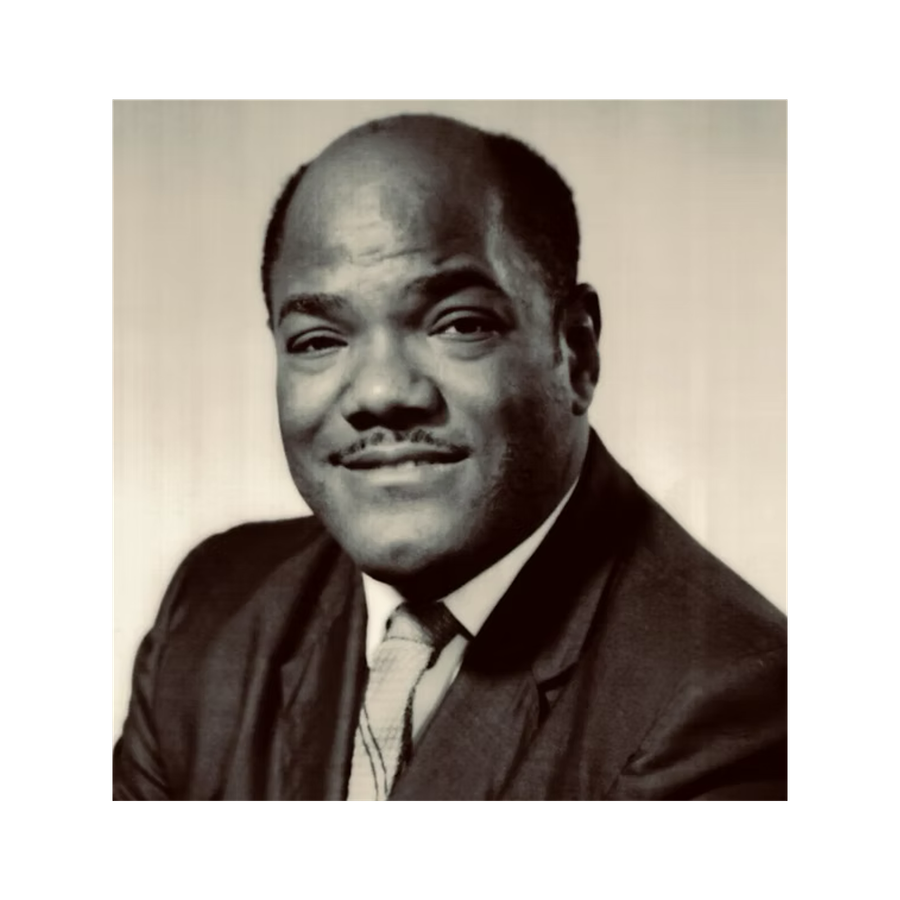
This article outlines the historical significance of Sir Randol Fawkes, a pivotal civil rights activist and pioneer of the trade union movement in the Bahamas. Known as the “father of Labour,” Fawkes was instrumental in establishing Labour Day as a public holiday in 1961 to honor the achievements of the working class. The text notes that the holiday was officially renamed in his honor in 2013 and highlights his recognition as a National Hero. Modern celebrations of the day involve vibrant parades in Nassau featuring union members and political leaders. Furthermore, the source details how Fawkes’s lifelong dedication to justice earned him a knighthood from Queen Elizabeth II. Through this overview, the reader gains an understandin …