Explore new cultures, find the best travel deals, and make informed decisions with our trusted travel news. Let your wanderlust thrive as you stay connected with the ever-changing world of travel.
THE Canary Islands are a hit with Brits offering everything from high octane activity breaks to spots with pretty beaches for relaxing – but which is best for your holiday?
Well, one TUI expert, Jack French, knows exactly which is best and gives his top tips for each location.
Sign up for the Travel newsletter
Thank you!
Jack French knows which Canary Island is best for your next holidayCredit: TUI Jack has some hotel recommendations too like the SUNEO Tamaimo Tropical in TenerifeCredit: TUI
Follow The Sun’s award-winning travel team on Instagram and Tiktok for top holiday tips and inspiration @thesuntravel.
Jack has already booked hundreds of holidays to the Spanish hotspots and says: “People often talk about the Canary Islands as if they’re all identical, but in reality each island has a completely different feel.
“Choosing the right island, and the right hotel on that island, can be the difference between a good holiday and an incredible one.”
Tenerife – The best all-rounder
Tenerife is the largest island in the Canaries and Jack believes is the best all-rounder thanks to it having “so much variety.”
He says: “You can combine beaches, scenery, local towns and family attractions all in one place.”
The island has golden-sand beaches like Playa de las Teresitas and Playa del Duque for those who want to relax on the shore or take a paddle in the waters.
For those who want more of a thrill, head to Siam Park which is ‘often described as one of the best waterparks in the world’.
Jack adds: “It’s got a bit of everything with those big adrenaline drop slides as well as kid-friendly water playgrounds.
“Even couples without children enjoy it. There are calmer areas like the lazy rivers, so it’s not just about thrills.”
Other must-visit spots are Teide National Park which has volcanic scenery and shows off a different side to the island.
When it comes to eating, Jack recommends heading away from busy promenades and towards villages like La Orotava to try out local restaurants.
He says to try fresh fish and papas arrugadas, which is a traditional boiled potato style Canarian dish.
When it comes to hotels the TUI BLUE Los Gigantes is a good spot for coupes because it’s peaceful, spacious with clifftop views which you can book from £607pp (per person based on two adults sharing a Double Room with Balcony or Terrace on a half-board basis).
Or, TUI offers seven-night breaks to TUI SUNEO Tamaimo Tropical in Tenerife from £464pp (per person based on two adults and two children sharing a studio on an all-inclusive basis).
Siam Park waterpark in Tenerife has been described as one of the bestCredit: AlamyThe dunes of Maspalomas are better seen in early sunrise or at sunsetCredit: Alamy
Gran Canaria – Best for families
Jack says that the island of Gran Canaria “surprises a lot of people”, particularly those who come for the beach “but end up loving how diverse the island feels.”
When it comes to exploring the island, some must-visit spots include the sand dunes of Maspalomas which are one of Gran Canaria’s highlights.
Try to visit either early morning or sunset when you’ll get the best views across the dunes.
Make sure to head inland too where you’ll find mountain villages and winding roads which have beautiful views.
Jack’s recommendation is heading to Gran Canaria’s ‘Little Venice‘ also known as Puerto de Mogan.
The town has its nickname thanks to its canal, and pretty blue-and-yellow-trimmed white cottages.
When it comes to hotels, check into the TUI BLUE Playa Feliz which suits families with younger children thanks to its splash park and big entertainment stage.
TUI also offers seven-night breaks to 4TTUI BLUE Playa Feliz in Gran Canaria from £482 per person (including a free kids’ place).
For a different side of Gran Canaria – head to the villages tucked away in the mountainsCredit: AlamyLanzarote is the best island for scenery, according to JackCredit: Alamy
For more breaks – here are our favourite TUI holidays…
*If you click on a link in this box, we will earn affiliate revenue.
Globales Montemar, Ibiza
This hotel sits on a quieter side of Ibiza, so you can soak up the island’s natural beauty away from the party crowds. This family-friendly option has a large pool that curves around the resort, surrounded by plenty of sunbeds, plus a kids zone. Here you’re just a 10-minute stroll from a horseshoe-shaped bay with clear waters.
This resort is set up like a small village, with low-rise buildings set among palm trees and six different swimming pools. Entertainment spans from DJ nights to bingo and live sports screenings, plus sports on offer include water polo, rifle shooting and shuffleboard.
This hotel sits on Majorca‘s Cala Gran Beach, a beautiful cove just a short drive away from the coastal town centre, with its trinket shops and relaxed bars. The hotel itself has all the activities and entertainment you’d expect, including bingo and live music – as well as some unique extras like mini golf and archery. Week-long breaks start from £478pp.
The Riu Baobab is the only TUI hotel in the country, sat on the Pointe Sarane coastline. There are the four huge pools overlooking the beach, swim up pool bars and a copious amount of sunloungers to choose from. The sushi at the Asian Dorayaki and the pasta dishes at Veneto are the highlight meals of this standout hotel. Week-long breaks start from £883pp.
For those who want a quiet and laid-back holiday, head to Lanzarote.
Jack advises it’s much “more about scenery and atmosphere than ticking off attractions.”
Along with its black-sand beaches, other must-sees include the Timanfaya National Park which has red hues thanks to its volcanic landscape.
When it comes to food, you can find hidden gems everywhere – especially at small seafront restaurants.
They serve up simple dishes and fresh local food so make sure to take a long lunches by the sea.
Jack’s top hotel pick is RIU Paraiso which is 30-meters from a Blue Flag beach.
It’s a great spot for those who want to take coastal walks and long lunches, for families, here’s an on-site kids’ club and children’s pool.
TUI offers seven-night breaks to4T Riu Paraiso Lanzarote from £778pp (based on two adults and one child sharing a twin room).
Breaks at the RUI Paraiso Lanzarote start from £778ppCredit: TUI Jack says the beaches are the gem of FuerteventuraCredit: Getty
Fuerteventura – Best for activities
When it comes to Fuerteventura, Jack says it “feels much more open and unspoilt than the other islands”.
Here, the beaches are the gem of the island, they’re miles long and usually aren’t too crowded.
So it’s no surprise that those heading on holiday here love long coastal walks at sunrise or sunset before the island wakes up.
If you’re heading to the island with all the family, Jack often recommends TUI MAGIC LIFE Fuerteventura.
There’s lots to do for teens and is ideal for active families and couples who love sports and being outdoors, with the likes of mountain biking, volleyball and trampolining all forming part of the activity list.
TUI offers seven-night breaks to4T TUI MAGIC LIFE Fuerteventura from £665pp (based on two adults and one child sharing a one bedroom family room with balcony or terrace on an all-inclusive basis).
BRITS have a habit of booking the same Spanish holidays on repeat. Benidorm. Marbella. Palma. Salou.
And fair enough – they are popular for a reason. But after years of working in travel and digging through the data, I’ve found something interesting.
Manilva on the Costa del Sol, in Andalusia, is an often-overlooked Spanish gemCredit: Alamy
The best-value holidays in Spain are often sitting right next door to the famous places.
So you can book and get the same sunshine, the same beaches and often the same flights – but you pay a fraction of the price, even in summer.
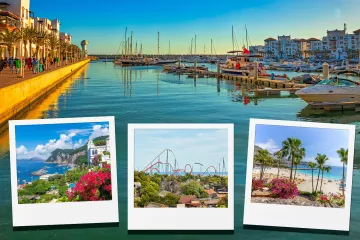
So here are 10 under-the-radar Spanish resorts that could save you hundreds this year.
Manilva, Costa del Sol
Manilva feels like Marbella…but without the price tag.
If Marbella feels a bit too “Champagne prices”, Manilva is what you book instead.
It sits right on the edge of the Costa del Sol, near Gibraltar, so you’re still getting that same guaranteed sunshine and polished coastline – just without the mass tourism or inflated prices.
The beaches are long, clean and far less packed, and the whole place feels calmer and more local.
With an historic old town, quaint fishing village and peaceful surrounding vineyards, there is something for everyone.
It’s the kind of spot where you can actually get a table by the sea without booking a week in advance.
And crucially: everything is cheaper. Drinks, meals, and especially accommodation.
Book a trip to Manilva
If you click on a link in this box, we will earn affiliate revenue
£200pp for five nights at Pierre & Vacances Terrazas Costa del Sol, flying from Bournemouth at the end of August – which is basically peak summer for the price of a shoulder-season trip.
Platja de S’ Arenal in Majorca looks almost Caribbean with its white sands and turquoise seasCredit: Alamy
El Arenal, Majorca
El Arenal is somewhere I’ve been banging on about for a while, because it’s one of the cheapest ways to stay near Palma.
You’re just 10 minutes from the airport, right on a long sandy beach, and a short taxi from Palma Old Town – arguably one of the most underrated city-style breaks in Europe.
So instead of paying premium prices to stay in Palma itself, you base yourself here and dip in and out, with the beach right on your doorstep.
It’s lively, yes – but it’s also incredible value if you use it right.
Book a trip to El Arenal
If you click on a link in this box, we will earn affiliate revenue
£298pp for five nights all inclusive at BLUESEA Costa Verde, flying from Dublin at the end of August.
Can Pastilla is a sunny Spanish destination with golden beaches close to Palma AirportCredit: Alamy
Can Pastilla, Majorca
This Majorca destination offers Palma vibes without the Palma prices.
Can Pastilla is one of the smartest bookings on the island.
You’re right next to Palma Airport, directly on the beach, and just a short cycle or taxi into Palma itself – which means you get the best of both worlds.
City break and beach holiday in one – it’s simple, easy, and consistently good value.
Book a trip to Can Pastilla
If you click on a link in this box, we will earn affiliate revenue
£293pp for five nights at Amic Can Pastilla Hotel, flying from Glasgow at the end of August.
La Pineda sits right next to Salou but tends to be cheaper, quieter, and a bit more family-friendly.
You’ve still got easy access to PortAventura, beaches, and everything that makes this area popular, just without the same level of mainstream popularity.
Hotels here often offer better value for money too, especially for families.
Book a trip to La Pineda
If you click on a link in this box, we will earn affiliate revenue
£260pp for five nights at Hotel Best Sol D’Or, flying from East Midlands at the end of August.
Hospitalet de Llobregat offers pretty Spanish city streets at a lower price than in central BarcelonaCredit: Alamy
Hospitalet de Llobregat, Barcelona
Perfect for a Spanish city break without the Barcelona price tag.
Barcelona hotels can get expensive quickly. But if you stay just outside the centre in Hospitalet, you can cut that cost massively while still being a short metro ride from everything.
You’re still doing the Sagrada Familia, the beach, the food – you’re just not paying tourist-centre hotel prices.
It’s one of the easiest ways to do Barcelona on a budget and is proving surprisingly popular with families looking for a little more than a fly-and-flop holiday.
Book a trip to Hospitalet de Llobregat
If you click on a link in this box, we will earn affiliate revenue
£235pp for five nights at Ona Living Barcelona, flying from East Midlands in mid-August.
Cantabria is home to Playa de El Bocal – a small, sheltered beach in Puerto Chico, SantanderCredit: Getty
Cantabria (Northern Spain)
This northern region is one of Spain’s best-kept secrets.
If you think Spain is all dry heat and packed beaches, Cantabria will completely throw you.
This is Spain’s green north – rolling hills, dramatic cliffs, and wild coastline that feels closer to northern Italy than the Costa del Sol.
It’s cooler, quieter, and far less built up, which is exactly why it stays so affordable in peak summer.
You’ve got proper Spanish towns, incredible seafood (this is one of the best regions in the country for it), and beaches that feel untouched compared to the south.
And because Brits still massively overlook it, prices haven’t been pushed up in the same way.
Book a trip to Cantabria
If you click on a link in this box, we will earn affiliate revenue
£285pp for five nights at Hotel Miera, flying from London Luton at the end of August – which, for a location this gorgeous in peak summer, feels like a bit of a steal.
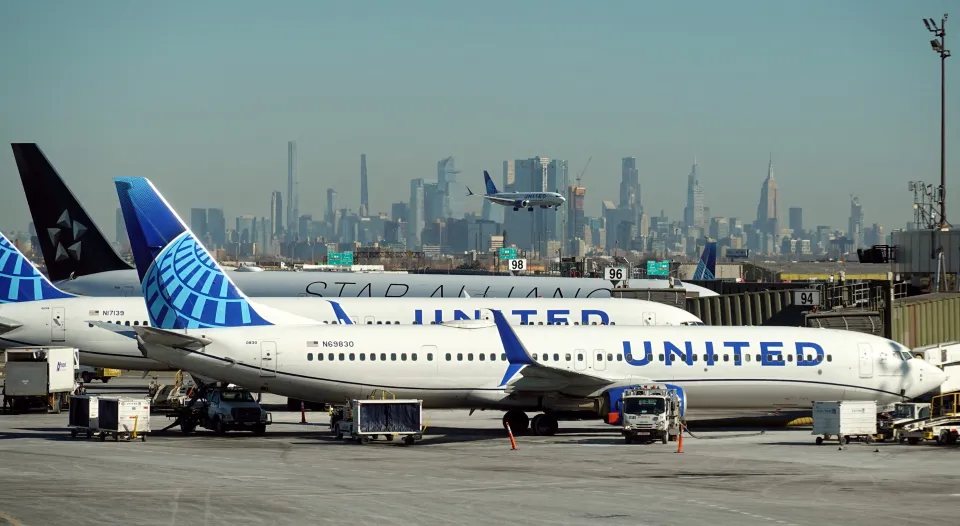
ONE of the world’s biggest airlines has said they could soon increase the cost of flights due to ongoing conflict.
United Airlines has warned that fares could go up by as much as 20 per cent because of soaring jet fuel prices.
Sign up for the Travel newsletter
Thank you!
United Airlines has said it might need to increase flight faresCredit: Reuters
The airline flies mainly to America from a number of UK airports including Edinburgh, Manchester and London Heathrow.
According to Reuters, the airline’s CEO Scott Kirby said on Wednesday that the airline could increase flight prices by between 15 and 20 per cent to offset the surge in fuel costs.
For example, if a flight was £500 before, after the price rise it could be as much as £600.
The airline added that it has already begun raising some prices, as well as higher baggage fees – all to offset increased fuel costs.
Kirby added that the airline has not yet seen a drop in demand, despite prices rising.
However, he also accepted that if the airline does introduce higher prices, it may test and put off travellers.
United Airlines has also already confirmed that five per cent of flights would be cancelled – or around 250 flights a month – because of rising fuel cost fears.
This news follows data released by The Transport & Environment (T&E) that disruption to jet fuel supplies has added as much as $100 (£77) per person to the price of long-haul flights from Europe.
As such, for a family of four heading on a long-haul holiday it would cost them an extra £308.
For short-haul flights within Europe, prices have increased by £25.26 per passenger – which would be more than £100 per family heading on holiday.
And a number of airlines have already raised their prices to offset the increasing cost of jet fuel.
For example, on Virgin Atlantic flights economy fares have been increased by £50.
Anyone flying in premium economy will pay an extra £180 and those in business class will pay an extra £360.
What does this mean for your upcoming holiday?
1. How will this affect my holiday?
Getaways should not be seriously impacted immediately as airlines bought fuel far in advance at a fixed rate.
But if the crisis continues into June, operators may start adding a surcharge to holiday prices.
A limited number of flights may be cancelled, but mostly on well-served routes with alternatives.
If supplies start to dry up, cancellations would increase.
2. Am I entitled to a refund?
IF some or all of your holiday is cancelled by the provider, your refund depends on whether you booked your trip as a package holiday, or individually.
Your money tends to be much better protected with a package deal.
3. Is now a bad time to book?
There are some great deals, but book with caution.
You must take out travel insurance as, if your flight is cancelled, you may have protection against the cost of other elements of your holiday, such as accommodation.
Air France and KLM, which are part of the same company, are also increasing round-trip fares by €100 (£87) on most of their long-haul flights.
Some airlines have cancelled flights as well.
For example, Lufthansa has cancelled 20,000 flights up to September, Air New Zealand and Scandinavian Airlines have cancelled around 1,000 flights, KLM has cancelled 160 flights and Cathay Pacific has cancelled two per cent of flights up to June.
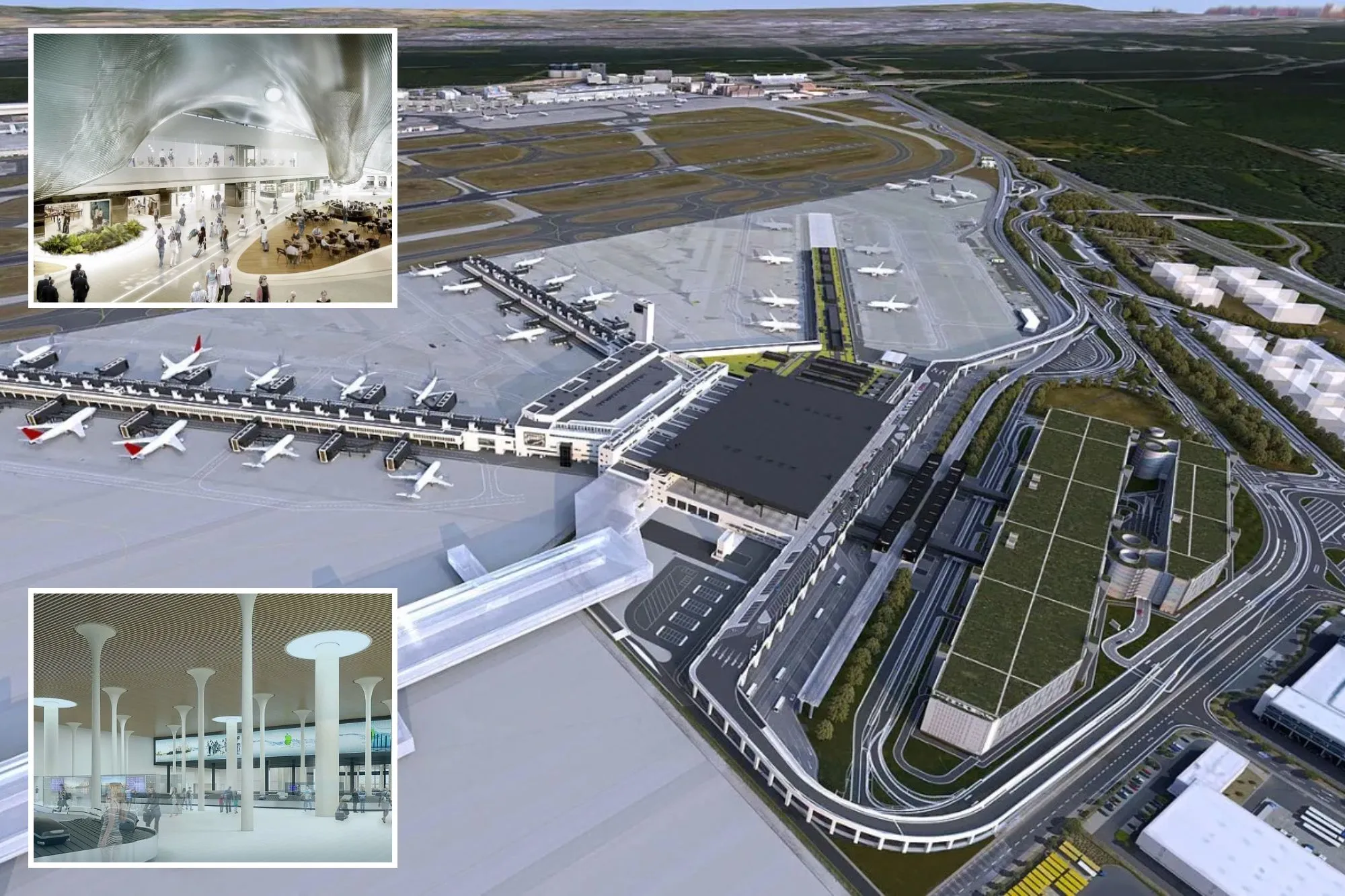
ONE of Europe’s biggest airport hubs has opened its huge new third terminal – more than a DECADE after works started.
Frankfurt Airport, the busiest in Germany and 6th busiest in Europe, is often used as a stopover airport for long-haul flights.
Sign up for the Travel newsletter
Thank you!
Frankfurt’s new Terminal 3 has now openedCredit: Frankfurt AirportThe new terminal started works back in 2015Credit: Frankfurt AirportIt is being compared to a mini city insideCredit: Frankfurt Airport
Designed by German architect Christoph Mäckler he said he wants to make the terminal feel like a “city in its own right”.
He added: “These days airports have become a destination in their own right. In fact, they typically receive more visitors than many city centres.
“This makes it even more important for airports to also perform some of the same functions as cities. We’re making this happen in Terminal 3.”
Around 57 airlines will move to the new terminal from Terminal 2, which includes Qatar Airways and Cathay Pacific.
There will also be a shuttle between the terminals, taking less than 10 minutes.
Initially it will welcome up to 19million passengers, although this will eventually increase to 25million by June with the opening of the fourth phase.
Frankfurt Airport welcomed 63.2million passengers last year.
Brits can currently fly to Frankfurt with British Airways for £69, whereas Ryanair’s £15 flights go to the smaller Frankfurt-Hahn Airport.
And Condor Airlines launched a new flight route to Frankfurt from London Gatwick this month, the first UK route for the airline.
Inside will be more than 60 restaurants and shopsCredit: Frankfurt AirportIt will eventually welcome up to 25million passengersCredit: Frankfurt Airport
You know you’re in a city that takes its fashion seriously when even the Virgin Mary is dressed head to toe in couture. A short walk from Antwerp’s old town, with its ornate medieval guild houses and cobblestone streets, is the baroque church of St Andrews. Like many of the city’s Catholic churches, it has beautiful stained glass windows, an exuberantly carved wooden pulpit and more artworks by Flemish masters than you can shake an incense stick at. But we’re here to pay homage to an art form of a different kind.
In a quiet chapel, an elegant 16th-century wooden statue of the Madonna is clothed not in her usual blue cloak, but a dress of pale gauzy fabric, trimmed with a collar of white pigeon feathers, custom made by renowned Belgian fashion designer Ann Demeulemeester. It’s a bold statement but one that’s entirely in-keeping with a city where a love of fashion seems woven into the fabric of everyday life.
The Virgin Mary dressed by Ann Demeulemeester in St Andrew’s Church. Photograph: Joanne O’Connor
It wasn’t always so. In the 19th century this impoverished neighbourhood was known as the “parish of misery”– a reputation that endured well into the 1980s when a young designer named Dries van Noten took the plucky decision to open a shop on Nationalestraat, across the road from his grandfather’s tailor shop. Almost four decades on, the beautifully restored art nouveau building, with its curved windows, marble floor and chandeliers, is at the centre of Antwerp’s vibrant Fashion District (rebranded, presumably, because “Misery District” was a harder sell for the tourist board).
“You have to understand that there was nothing here at all before this shop opened. It changed everything,” says Yentl, a guide who is leading my daughter and I on a walk around some of the area’s key fashion sites and shopping streets.
Van Noten and Demeulemeester are both members of the “Antwerp Six” – a group of bright young graduates of the city’s Royal Academy of Fine Arts who exploded on to the international fashion scene in the late 1980s. Along with their peers, Walter van Beirendonck, Dirk Bikkembergs, Dirk van Saene and Marina Yee, they are credited with injecting new life into a fashion scene which had been dominated for decades by Paris, Milan and London.
The Antwerp Six pictured in 1987. Photograph: Philippe Costes
Their story is being told in a major new exhibition at MoMu, Antwerp’s world-class fashion museum, just a few doors along from Van Noten’s flagship store. The retrospective, which runs to January 2027, marks the 40th anniversary of the group’s first foray to London in 1986, when they piled into a rented van and caught a ferry from Ostend to show their debut collections at the British Designer Show in Olympia. The young Belgian designers won over the international fashion press and buyers alike with their talent, originality and chutzpah – creating their collections on a shoestring, often from upcycled materials, championing self-expression over marketability, hosting fashion shoots in abandoned car parks, and making their own flyers and posters.
Though it suited the foreign press to label them as the Antwerp Six (far easier than typing out all of those long Flemish names), they were never a collective and it’s gratifying to see that the exhibition has given each designer their own individually curated space. From the avant garde exuberance of Van Beirendonck’s colourful creations to the dark drama of Demeulemeester’s monochrome palette, the displays are as thought-provoking and imaginative as the clothes they showcase, combining film projections, recorded interviews, a moving conveyor belt of mannequins and an evocative soundtrack.
Ganterie Boon, which has been selling handmade gloves since 1884. Photograph: Joanne O’Connor
Emerging from the exhibition into the spring sunshine, it’s clear that the legacy of this pioneering group extended far beyond the catwalk and lives on in the city. On Nationalestraat contemporary designers rub shoulders with kilo stores where second-hand clothes are sold by weight. At Labels Inc you can browse pre-loved pieces from established Belgian designers such as Raf Simons and Martin Margiela or check out the featured collections from the city’s latest crop of fashion graduates. Nearby Kammenstraat and Steenhouwersvest are lined with vintage stores, streetwear brands and independent labels such as Arte Antwerp, which specialises in sleek, urban menswear inspired by graphic design, art and architecture. Even if you wouldn’t know a Bikkembergs bag from a Belgian waffle it’s impossible not to be inspired.
“The Antwerp Six taught people how to be entrepreneurs and to follow their inner voice,” says designer Tim van Steenbergen, who did his apprenticeship with Dries van Noten, and then went on to found the social enterprise and sustainable fashion label ReAntwerp. “They showed that if you want to do things differently, you can.”
Launched as a response to the vast amount of textile waste produced by the fashion industry, ReAntwerp sells a range of beautifully tailored, limited-edition classics, from shirts to trench coats, using leftover fabric from designers such as Van Noten and Christian Wijnants. The enterprise also provides training, employment and support to refugees, who make the clothes in the on-site atelier. “I wanted the clothes to have as much meaning and value for the people who make them as the people who buy them,” says Van Steenbergen. “We have worked with refugees from Afghanistan, Syria, Pakistan, Palestine, Brazil and Costa Rica. Our common language is textiles.”
It’s a fitting motto for a city whose wealth was built, in part, on the textile trade. In the 16th-century Antwerp was Europe’s largest river port, with cargos of English wool and Italian silks, as well as diamonds from India, spices from Portugal and sugar from the West Indies, being shipped up and down the River Scheldt. Riches from this trade were poured into the elaborate guild houses and civic buildings which surround the Grote Markt, the city’s showpiece square. The story of Antwerp’s port is told at the MAS museum, housed in a strikingly modern 10-storey building in the dockside Eilandje district. Don’t miss the panoramic views across the river and sprawling dockyards from the roof terrace, or the chance to snack on street foods from around the world at the Wolf Sharing Food Market, in an old warehouse with a waterside terrace.
The Brabo fountain and ornate guildhalls of Grote Markt, Antwerp’s main square. Photograph: Bruno Silva/Alamy
Not only was golden age Antwerp a great commercial hub, it was also an artistic and intellectual powerhouse, home to painters such as Anthony van Dyck, Pieter Bruegel the Elder, Clara Peeters and Peter Paul Rubens. You can see a collection of their works at the Royal Museum of Fine Arts but nothing compares to the impact of seeing four of Rubens’ huge altarpieces, in situ, at the imposing Cathedral of Our Lady.
The artist’s house and studio are now closed for major renovation work but, after a long day’s sightseeing and shopping, it was a relief to sit quietly among the displays of tulips and spring flowers in the Italian-style formal gardens which are still open to the public. We also stumbled upon some extraordinary family portraits by Rubens at the Plantin-Moretus Museum, the former home and workplace for nine generations of a family who completely revolutionised printing. The first atlas, countless scientific books and beautifully illustrated Bibles passed through the wooden printing presses here, some of which date back to the 1600s. With its dark panelled walls, leaded windows and creaking floorboards, it’s an atmospheric and fascinating place, where time seems to have stood still.
There’s just time for one last bolleke beer and a shrimp croquette in the sun-trap square next to our hotel, the charming Hotel t’Sandt, before we have to check out and hop on the tram to Antwerp’s central station for the 45 minute train ride to Brussels, where we’ll catch our Eurostar train home. The hotel, which is in a beautifully restored 17th-century mansion with polished wooden floors, a spiral staircase and beamed ceilings, has lived through many previous incarnations: banana warehouse, custom house, soap factory and sculptor’s studio. Today it makes a perfect base for exploring the city; friendly, stylish and wears its history well … much like Antwerp itself.
The Antwerp Six exhibition runs at MoMu until 17 January 2027. Admission is €13 per adult and free for under-18s. The trip was provided by Visit Antwerp. Double rooms at the Hotel ’t Sandt start from €217 a night
Tourists visiting this holiday hotspot may find it harder to book a hotel room in the future as local authorities are seeking to freeze new hotel licences in a bid to tackle tourist numbers
The city could start clamping down on new hotels(Image: Getty)
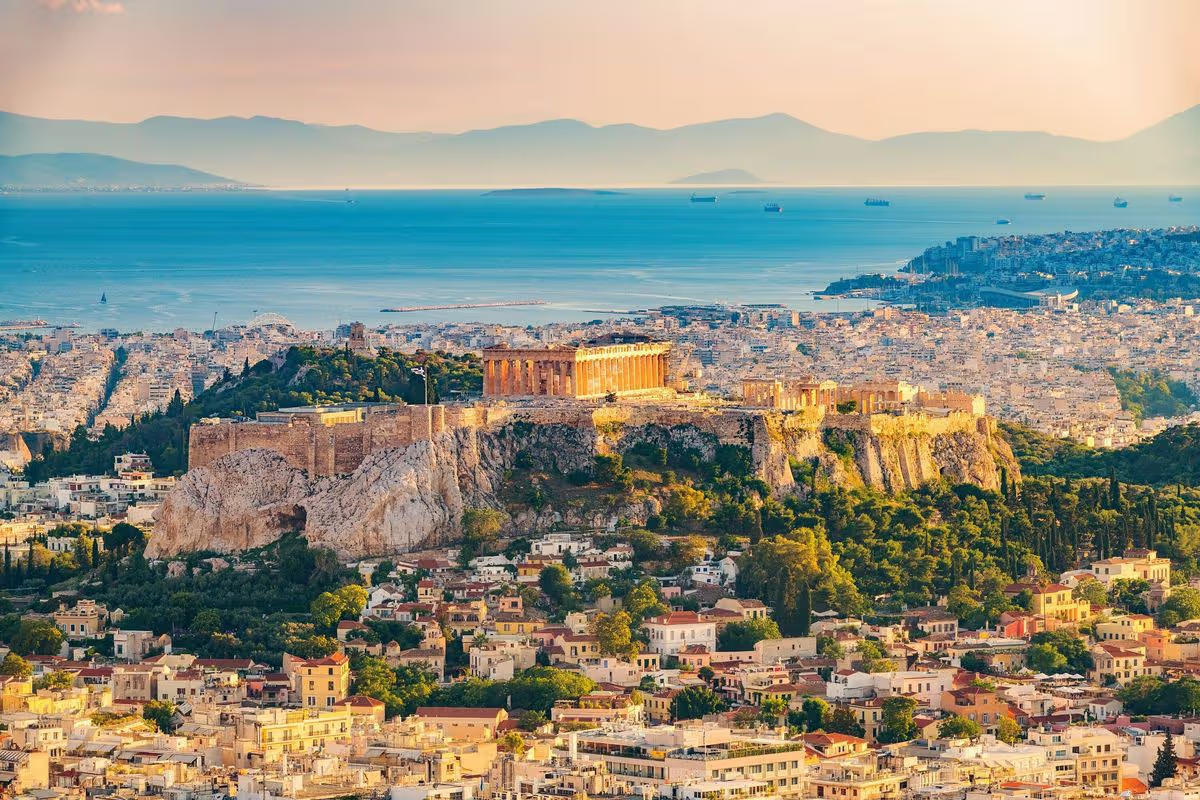
A European tourist hotspot that’s popular with Brits is eyeing plans to tackle overtourism, including potentially putting a freeze on the opening of new hotels.
The mayor of Athens, Haris Doukas, is desperate for his city not to become too overcrowded and overwhelmed by tourists. Haris previously oversaw a ban on new permits for short-term rentals such as Airbnbs in three neighbourhoods in central Athens.
Now, he has told Euronews that he wants to avoid the city becoming like other crowded spots. He said: “We really need to see if and how many more hotels we need and where. We need to see and think about how much extra tourist load we can lift and where.
“We must not become Barcelona. We have to understand that there are saturated areas that cannot afford new beds: whether short-term rentals or not. Talking at events around the globe, we see that capping is not only being put on short-term rentals but also on hotels; in specific, ‘saturated’ areas.”
Across the Attica region, where Athens is located, there are 68,934 rental apartments, nearly half of which are found in the city center. Across Greece, tourist demand has seen a huge increase in the amount of accommodation available, with 450 new four- and five-star hotels opening between 2019 and 2024.
Should Athens enact the ban, it would join cities including Barcelona and Amsterdam, which already have similar initiatives to tackle the issue of overtourism.
Evgenios Vassilikos, President of the Athens – Attica & Argosaronic Hotel Association – spoke at the same event. He argued that there needed to be a careful planning process when it comes to expanding the number of hotel beds and short-term rentals.
He said: “There are practices abroad which have been implemented. We don’t need to reinvent the wheel. The example I gave is that in Barcelona they have completely banned short-term rentals from 2028 and from 2017 onwards no new hotel licences are being issued. So there are, therefore, these restrictions abroad. We will possibly have to see in Athens what we want in terms of where we want to be in 10 to 15 years. “
He added: “We will definitely need hotel beds there. How many will these be? How many will be five-star, how many four-star, etc. There has to be a specific plan. And of course that drags in all kinds of beds, meaning non-primary tourist accommodation and short-term rentals.”
Athens has become the most popular tourist destination in Greece with about 12 million international arrivals in 2025. This included around 4.5 million British tourists, up from 3.5 million in 2019. The Acropolis alone receives millions of visitors a year, and at peak times can see over 17,000 visitors a day.
Have a story you want to share? Email us at webtravel@reachplc.com
Several UK airlines may have to cancel flights or hike prices ahead of summer with travel experts warning passengers to ensure insurance is in check with ‘refund’ update
05:20, 23 Apr 2026Updated 05:20, 23 Apr 2026
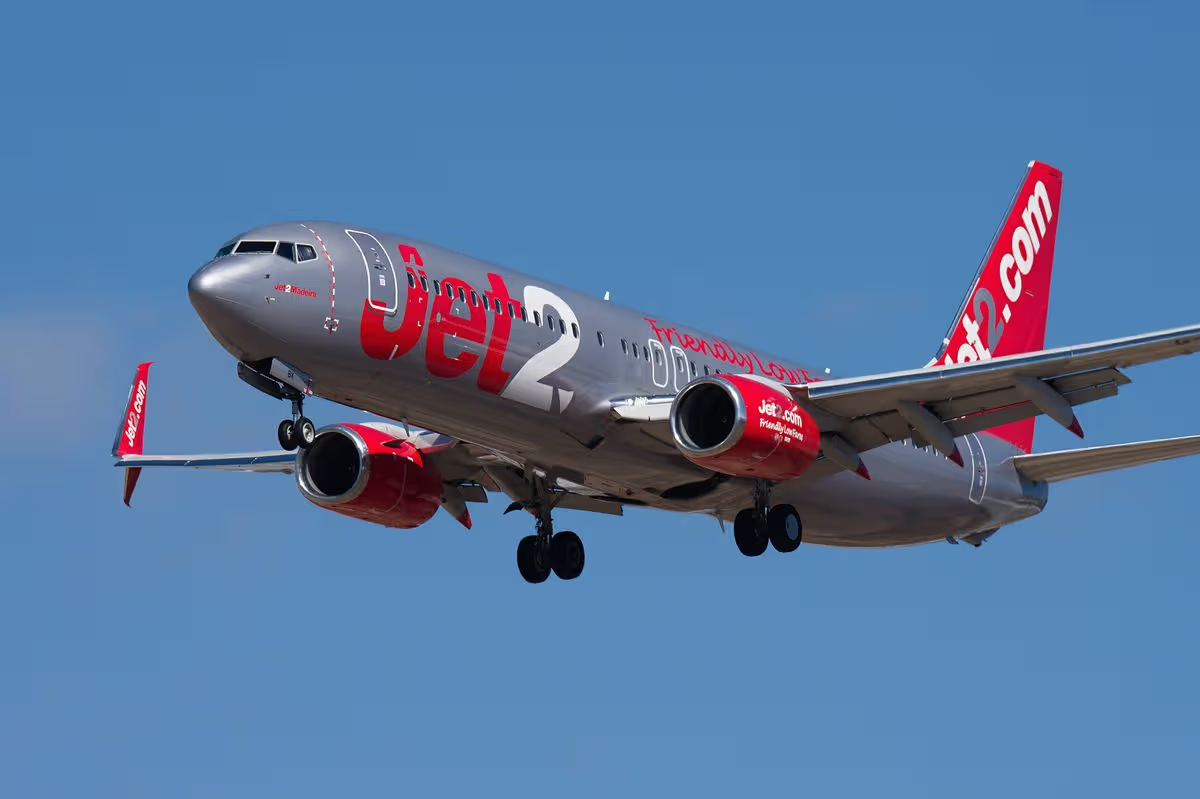
EasyJet, Jet2 and Ryanair flight warning(Image: Pavel1964 via Getty Images)
As summer holidays are approaching and UK airlines are facing some disruptions due to the Middle East conflict, passengers have been urged to be aware of their refund rights.
Travel experts are warning holidaymakers to be aware of how to protect your plans before summer commences.
Fuel prices have nearly doubled since the war began, with the International Energy Agency describing the situation as potentially the largest energy crisis the world has faced.
A document has been submitted to ministers and the Civil Aviation Authority warning that if disruption “worsens” airlines in the UK will be forced to increase fares and cut flights.
Airlines UK, which represents a number of carriers, including EasyJet, Jet2, British Airways and Ryanair, say in the document that “the doubling of jet fuel costs (with fuel accounting for around one-third of airline costs) represents a major additional price shock”.
The letter is an attempt to get the government to step in to secure fuel supplies and give airlines more flexibility to cope with soaring costs.
One of the asks is to allow the temporary import and use of Jet A – a grade of jet fuel produced in the US, according to ITV.
The emergency document illustrates the financial fears of airlines, adding to the concern that flights may be cut or prices escalated.
A travel expert has warned that British travellers should ensure “travel insurance is in order” and “check booking terms” ahead of summer.
Airlines will still be required to offer full refunds, should flights be cancelled, or provide an alternative route.
The spokesperson for Ski Vertigo said: “This is a situation every traveller with a summer booking should be watching closely. Prices are already moving and the risk of cancellations is real, particularly on shorter intra-European routes where the economics are tightest.
“Our advice is to make sure your travel insurance is in order, check your booking terms, and keep a close eye on any communications from your airline.” They added: “If your flight is cancelled, airlines are still required to offer you a full refund or an alternative route, and their duty of care — covering meals, accommodation where needed, and rebooking — remains in place regardless of the reason for the disruption.
“However, because this crisis stems from a geopolitical conflict outside the airline’s control, it is likely to be treated as an extraordinary circumstance, which means financial compensation beyond a refund is unlikely in most cases.”
A beautiful UK beach that’s perfect to visit in May has been compared to the Caribbean, thanks to its crystal-clear turquoise waters and unspoiled sand – and even locals agree
This stunning beach might just be the UK’s answer to the Caribbean (Image: Getty Images)
You don’t have to hop on a long-haul flight to lap up the pristine shores and azure waters of the Caribbean, as there’s a stunning beach right on our doorstep that starkly compares.
The coastline of the UK is perhaps one of the most diverse and striking. There are dramatic whitewashed cliffs in Devon, stretches of golden sand beaches in Dorset, azure waters in Scotland, and traditional Victorian piers stretching out to sea in Somerset.
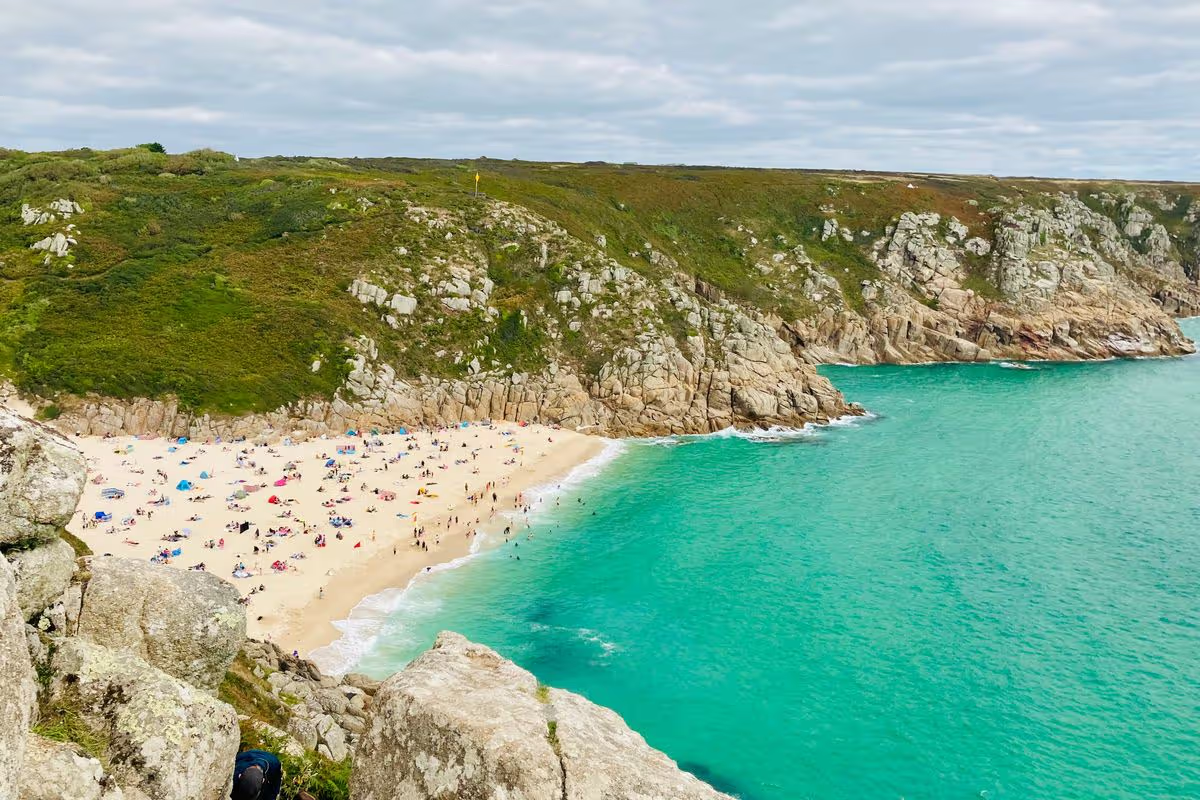
Yet among these picturesque shores is Porthcurno Beach in Cornwall, which has been compared to Caribbean vistas, thanks to its sugar-white sand and sensational, crystal-clear turquoise waters. It’s a sheltered oasis with rugged cliffs encircling the sandy shores, and thanks to its south-facing position, it offers a natural shelter from coastal winds, alongside warming temperatures.
It’s often been dubbed one of the UK’s most beautiful beaches, and the experts at GO Outdoors ranked the Cornish beach, near Land’s End, among its top 10 for the ‘best UK beaches to visit this Spring’. It’s ideal for a day spent at the beach, whether you’re building sand castles, having a picnic, playing games, or simply reading a book against its scenic backdrop.
Dubbed a UK paradise, one fan shared on TripAdvisor: “I am Cornish born and bred, and can recommend lots of lovely beaches to visit in Cornwall. But Porthcurno beach wins hands down every time! It is truly stunning! We visit as often as we can – you could well be in the Caribbean!”
Another wrote: “The most amazing beach, beautiful white sand and turquoise sea. Breathtaking views and definitely one of the best beaches you will ever find.” A third also noted: “An absolutely beautiful beach in Cornwall with really clear water and white glorious sand and some stunning scenery, a very special beach, one of the most beautiful I’ve seen in the UK.”
With notoriously clear waters, it’s ideal for a paddle or swim, and has often been a popular spot for bodyboarding. There’s also a small stream that runs down one side of the beach, ideal for young children and families as a safe place to play in the water.
For those looking to explore the coast on foot, there are ample coastal paths that wind around Porthcurno. The South West Coast Path is situated just behind the beach, where ramblers can stroll west to Porthgwarra, “a reclusive cove”, or walk east to discover Treryn Dinas, “the iconic headland that features a promontory fort that dates back to the Iron Age”, as Visit Cornwall notes.
Yet visitors to Porthcurno Beach may also find themselves transported to Greece, thanks to its renowned open-air theatre overlooking the breathtaking coast. Minack Theatre, which dates back to the early 1930s and still runs performances from May to September, sits atop the rugged cliffs with its magnificent architecture echoing that of the famous Theatre of Dionysus.
Aside from its picture-postcard scenes, that is enough to warrant a visit, the experts at GO Outdoors found that Porthcurno Beach has an average spring temperature of around 10C and an average of 7.3 hours of sunshine per day. While it may feel a little brisk along the coast at times, it’s well worth exploring one of the ‘best beaches in the UK’ to feel as though you’ve stepped onto the sandy shores of the Caribbean, minus the scorching heat.
Calum Jones, author and outdoor enthusiast at GO Outdoors, offered advice for anyone looking to enjoy a beach day trip. “As the days get longer and the weather warms up, spring is the perfect time to explore the stunning coastlines across the UK. From Druridge Bay Beach in the North East to Immeridge Bay in the South West, there are breathtaking beaches to discover all around the country,” he said.
“When planning your spring beach trip, keep in mind that British weather can still be unpredictable. Bring a waterproof jacket to stay dry in case of sudden showers, choose supportive, waterproof footwear for any slippery sand or rocks, and layer your clothing so you can easily adjust to changing temperatures.
“Sun protection is also important, even in spring. Apply a generous layer of suncream before you head out, and don’t forget a cap and sunglasses to shield yourself from harmful UV rays.”
Do you have a travel story to share? Email webtravel@reachplc.com