TODAY

Discover the latest happenings and stay in the know with our up-to-date today news coverage. From breaking stories and current events to trending topics and insightful analysis, we bring you the most relevant and captivating news of the day.

Rosenior confirms Chelsea deal to replace Maresca at Premier League club | Football News

Liam Rosenior says he could not turn down Chelsea but admits unusual situation as a deal has not yet been signed.

Racing Strasbourg coach Liam Rosenior says he has reached an agreement with Chelsea to become their next manager but has yet to sign a contract with the Premier League club.

“I ‍haven’t signed yet. I have agreed verbally with Chelsea. It’s really important – this is different to anything anyone has ever done. Nobody has made a statement before they have signed a contract,” ‍Rosenior said at a ⁠news conference on Tuesday.

“Everything is agreed, and it will probably go through in the next few hours,” he said in Strasbourg, France. “I’m here because I care about this club and I felt it was right to answer your questions physically here today before I move on.”

Rosenior added that he would take his ⁠assistants Kalifa Cisse and Justin Walker with him to the Premier League club.

The 41-year-old, who joined Ligue 1 side Racing Strasbourg in 2024, said his time at the club had been the most rewarding period of ​his career after spells at Derby County and Hull City.

“The ‌last 18 months have been a joy and the best of my professional career,” Rosenior said. “I have met some incredible people, created incredible memories and made history.”

He said he had been transparent with Strasbourg’s ‌ownership about outside interest.

“I have had interest from many clubs, including Champions League clubs, which I have always been open ‌with to our president, Marc Keller, and our ownership,” ⁠Rosenior said. “I will love this club for the rest of my life, but I cannot turn down Chelsea.”

Little-known Rosenior had been widely touted as the front runner to succeed Enzo Maresca since the Italian was sacked on Thursday, not least because Strasbourg and Chelsea are owned by the same consortium, BlueCo.

Rosenior, who has no Premier League coaching experience, will become Chelsea’s fourth permanent boss since BlueCo took control of the Londoners in 2022.

Chelsea has yet to confirm the appointment but held talks with Rosenior in London on Monday.

Source link

Yemeni separatists to attend Saudi talks after losing key southern sites | Conflict News

The forum, which comes after government forces retook two governorates, could help end the conflict with separatists.

Yemeni government troops backed by Saudi Arabia have completed the handover of all military sites in Hadramout and al-Mahra governorates, which they successfully reclaimed from the United Arab Emirates-backed secessionist Southern Transitional Council (STC) in recent days, according to Yemeni media.

A delegation led by STC leader, Aidarous al-Zubaidi, was meanwhile expected to travel to Saudi Arabia for a peace forum, the Reuters news agency reported – a potential sign of progress towards ending the conflict that has rocked war-torn Yemen and spiked tensions between Riyadh and Abu Dhabi.

Recommended Stories

list of 4 itemsend of list

Over the last two days, STC troops have withdrawn from the city of Mukalla, the key eastern port and capital of Hadramout, which Saudi Arabia bombed last week in a limited coalition operation targeting cargo and weapons.

Civilian life has started to return to normal, local sources told Al Jazeera Arabic. Shops have opened their doors, while traffic has gradually picked up again in city streets.

The fractured country has seen soaring tensions since early December, when STC forces took over Hadramout and al-Mahra. The two provinces make up nearly half of Yemen’s territory and share a border with Saudi Arabia.

Last week’s new round of fighting saw Yemen’s Saudi-backed Homeland Shield forces achieve “record success” in clawing back “all military and security positions”, said Rashad al-Alimi, head of the internationally recognised government’s Presidential Leadership Council (PLC).

By Friday, the Yemeni government said it had asked Saudi Arabia to host talks with separatists. The STC welcomed the offer, though the timing and details of the talks remain unclear.

Renewed tensions

At least 80 STC fighters had been killed as of Sunday, according to an STC official, while another 152 were wounded and 130 were taken captive.

Skirmishes broke out two days earlier in Hadramout after the STC accused Saudi Arabia of bombing its forces near the border, killing seven people and wounding 20.

An STC military official separately told the AFP news agency that Saudi warplanes had carried out “intense” air raids on one of the group’s camps at Barshid, west of Mukalla.

As fighting was under way, the STC announced the start of a two-year transitional period towards declaring an independent state, warning it would declare independence “immediately” if there was no dialogue or if southern Yemen again came under attack.

The Yemeni government defended the military actions, with Hadramout Governor Salem al-Khanbashi saying efforts to take back bases from the STC were “not a declaration of war” but meant to “peacefully and systematically” reclaim the sites.

The government also accused the separatists of preventing civilian travellers from entering Aden and called the STC’s restrictions on movement “a grave violation of the constitution and a breach of the Riyadh Agreement”, which was intended as a peace deal between separatists and the government.

Outside Yemen, the crisis has continued to upset relations between the UAE and Saudi Arabia.

Riyadh, Abu Dhabi and the STC are part of a decade-old military coalition that Riyadh convened to confront the Houthis, who continue to control parts of northern Yemen and Sanaa, the capital.

But the STC’s increasingly separatist approach – along with tit-for-tat accusations of Riyadh and Abu Dhabi-backed escalations – have stoked tensions among the trio.

Late on Friday, Abu Dhabi said all Emirati forces would withdraw from Yemen. Riyadh officially called for a peace forum early Saturday.

Source link

Venezuela’s Maduro and Flores Plead Not Guilty in US Court as New National Assembly Calls for Unity

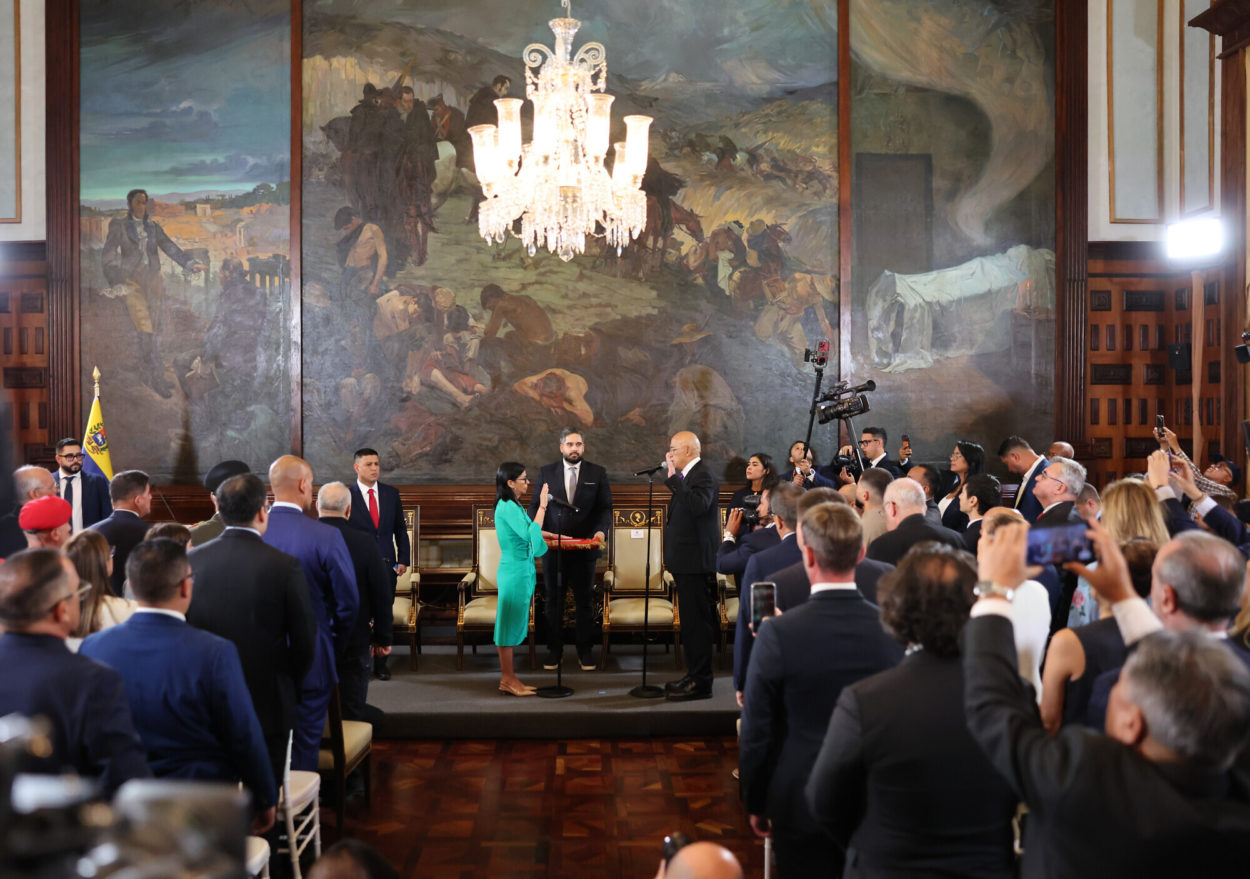
The National Assembly swore-in Delcy Rodriguez as interim president. (Prensa presidencial)

Caracas, January 5, 2026 (venezuelanalysis.com) – Venezuelan President Nicolás Maduro and First Lady Cilia Flores have pleaded not guilty to charges of “narcoterrorism” after being arraigned on Monday.

During a short session in a New York court, Maduro told Judge Alvin Hellerstein that he was the president of Venezuela and had been “illegally captured” in his Caracas home.

The Venezuelan leader was kidnapped by US special operations forces in the early hours of January 3 following US bombings against military installations.

He was indicted on charges of “narcoterrorism conspiracy, cocaine importation conspiracy, possession of machineguns and destructive devices, and conspiracy to possess machineguns and destructive devices against the United States.” Flores faces the same charges except narco-terrorism conspiracy.

Maduro is being represented by Barry Pollack, who previously defended Wikileaks founder Julian Assange. Pollack did not request bail but questioned the legality of Maduro’s “military abduction” and stressed that the Venezuelan leader is “entitled to the privilege” of being treated like a head of state.

Flores’ attorney, Mark Donnelly, said that her client had sustained “significant injuries during her abduction” and requested that she receive medical attention.

The trial is set to resume with a hearing on March 17.

US officials have issued repeated “narcoterrorism” accusations against Maduro and other high-ranking Venezuelan leaders over the years. However, they have never produced court-tested evidence to sustain the claims. US prosecutors reportedly withdrew claims of Maduro leading the so-called “Cartel de los Soles” in their indictment. 

Drug trafficking reports over the years from the United Nations Office on Drugs and Crime (UNODC) and the US Drug Enforcement Agency (DEA) have found Venezuela to play a marginal role in global narcotics trafficking.

China and Russia condemn US violations of international law

The United Nations Security Council (UNSC) held an emergency session on Monday to address Washington’s military attacks and kidnapping of Maduro and Flores. The session ultimately produced no resolutions.

Russian UN Ambassador Vasily Nebenzya accused Washington of seeking to return the world to “an era of lawlessness.”

“We cannot allow the United States to proclaim itself as some kind of a supreme judge with the right to invade any country and hand down punishments with no regard for international law,” Nebenzya said.

Chinese representative Fu Cong accused the US of “trampling Venezuela’s sovereignty” and demanded that the Trump administration cease its “bullying and coercive practices.”

Both Moscow and Beijing labeled Maduro’s abduction a violation of the UN Charter and demanded the Venezuelan leader’s release. Brazil, Colombia, Mexico, and several other nations joined the condemnation of the Trump administration’s military operations against Venezuela. 

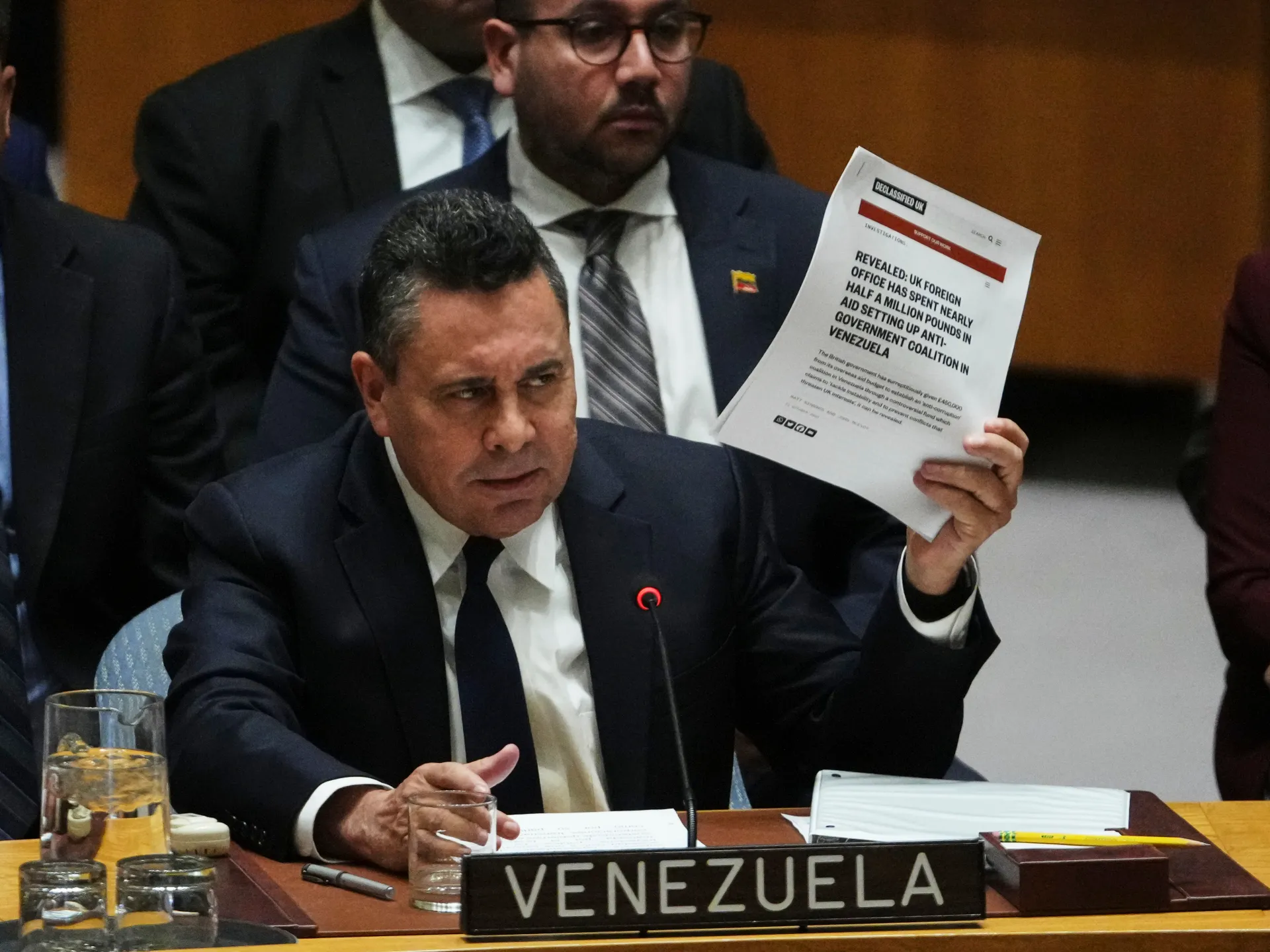
For his part, Venezuelan UN Ambassador UN Samuel Moncada decried the “illegal and  illegitimate armed attack” against his country that had caused civilian casualties. Unofficial reports have tallied over 80 killed during the January 3 strikes.

In response, US representative Mike Waltz claimed that Washington was not at war with Venezuela and that the military operations constituted a “law enforcement” action.

Delcy Rodríguez sworn in as interim president

Monday likewise saw the Venezuelan National Assembly take office for a new five year term. 277 deputies, elected in the May 2025 elections, were sworn in. Jorge Rodrìguez was once more chosen by his peers to lead the legislative body. During his speech, he emphasized the importance of national unity in the present context.

Rodríguez stated that his main mission is to secure Maduro’s release and return to the South American nation. He likewise pointed out the absence of Cilia Flores, who was also elected to a new term as legislator.

The January 5 session concluded with the swearing in of Vice President Delcy Rodríguez as interim president following a Supreme Court ruling last Saturday.

“This is a historic commitment that I assume with the certainty that national unity and the people’s strength will guarantee our sovereignty,” she said. Rodríguez expressed “pain” over Maduro and Flores’ kidnapping but vowed to “work tirelessly” for peace.

In the wake of the January 3 attacks, US President Donald Trump has issued renewed threats against Caracas, demanding privileged access to oil resources.

In a Sunday cabinet meeting, Rodríguez urged respect for Venezuelan sovereignty and called on the US government to establish an “agenda of cooperation” with Caracas.

Source link

Israel kills two in Gaza as Palestinians call for Rafah crossing to open | Israel-Palestine conflict News

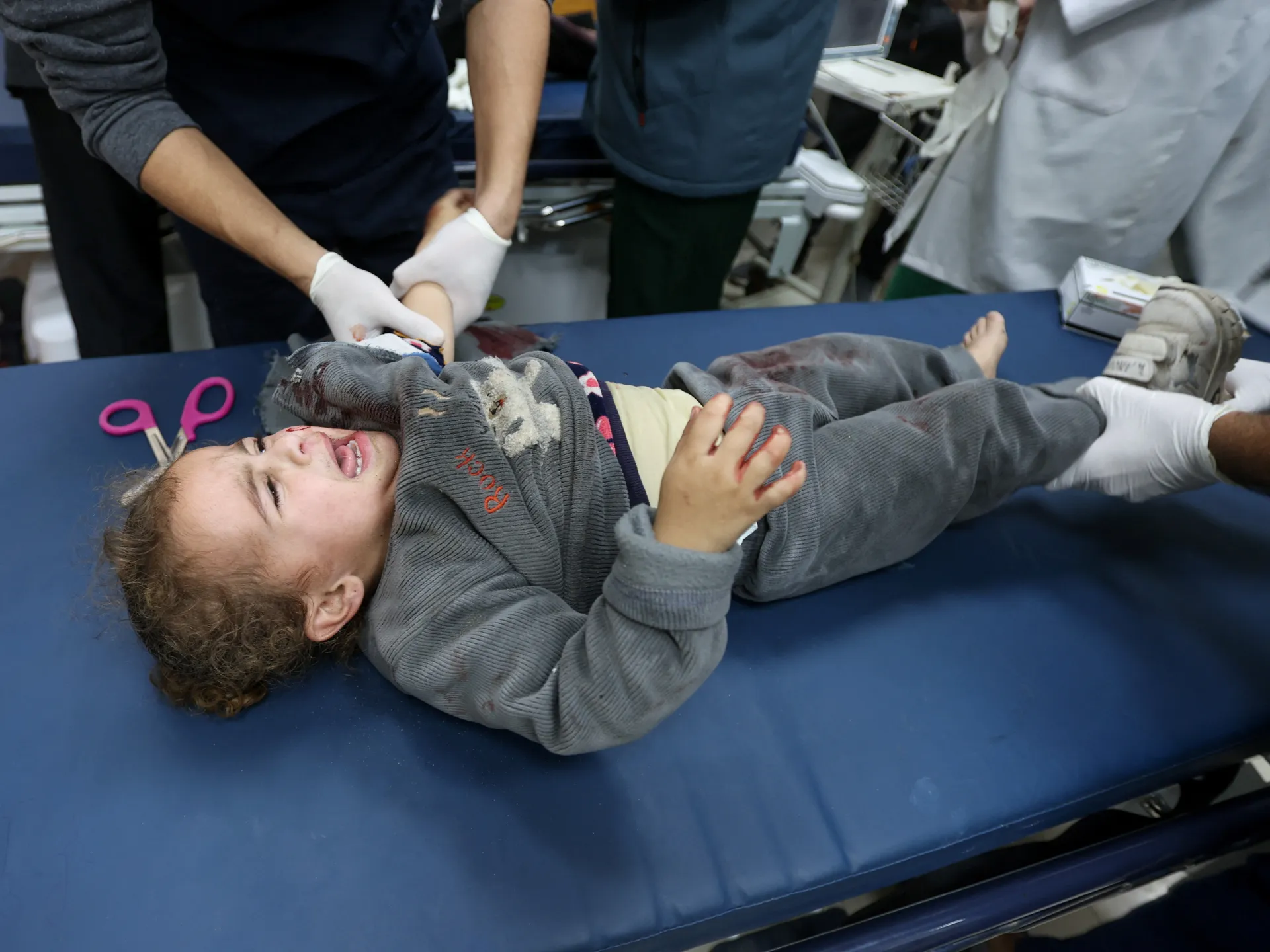
Israel has launched intense artillery and helicopter attacks on southern Gaza despite a United States-brokered ceasefire, bombing a tent housing displaced Palestinians and killing a five-year-old girl and her uncle, according to officials.

The killings on Monday brought the number of Palestinians killed by Israeli forces since the truce came into effect in October to at least 422, according to Gaza health authorities.

Recommended Stories

list of 4 itemsend of list

The Nasser Medical Complex in southern Khan Younis said the deadly Israeli strike hit a tent in the coastal al-Mawasi area, and that four others, including children, were also wounded.

Israel’s military said it struck a Hamas fighter who was planning to attack Israeli forces “in the immediate timeframe”. But the military did not provide evidence for the claim, and it was not clear if its statement referred to the tent attack.

Despite the ceasefire, Israeli forces have continued near-daily attacks on Gaza and have maintained restrictions on the entry of humanitarian aid. Much of the enclave has been devastated by Israel’s genocidal war, with roughly 88 percent of buildings damaged or destroyed, Palestinian officials say.

Most of Gaza’s two million people are now living in tents, makeshift shelters or damaged buildings in areas vacated by Israeli troops.

The Palestinian Civil Defence said on Monday that another Palestinian home damaged in earlier Israeli strikes collapsed in the central Maghazi camp, killing a 29-year-old father and his eight-year-old son.

But the rescue service said in a subsequent statement that it was unable to respond to requests to remove hazards caused by damaged buildings because of a lack of equipment and continuing fuel shortages.

The Gaza ceasefire, agreed upon after more than two years of Israeli attacks that killed more than 71,000 people, is being implemented in phases. The first stage includes exchanges of captives and prisoners, increased humanitarian aid and the reopening of Gaza’s Rafah border crossing with Egypt.

Hamas has freed all remaining living captives and returned dozens of bodies, except for one, while Israel has released nearly 2,000 Palestinian detainees and prisoners, including some serving life sentences.

Hopes for Rafah crossing

However, humanitarian groups say that Israeli restrictions continue to hamper aid deliveries, while Gaza’s Rafah crossing with Egypt remains closed. The crossing had long been Gaza’s only connection to the outside world until the Israeli military occupied the Palestinian side in May 2024.

Israel’s Kan broadcaster reported on January 1 that Israeli authorities are preparing to reopen the crossing in “both directions” following pressure from US President Donald Trump.

If confirmed, it would mark a shift from an earlier Israeli policy that stated the crossing would only open “exclusively for the exit of residents from the Gaza Strip to Egypt”. The policy drew condemnation from regional governments, including Egypt and Qatar, with officials warning against the ethnic cleansing of Gaza.

The latest Israeli report has left many Palestinians hopeful.

Tasnim Jaras, a student in Gaza City, told Al Jazeera that it was her “dream that the crossing opens so we can continue our education”.

Moaeen al-Jarousha, who was wounded in the war, said he needed to leave Gaza to receive medical treatment abroad. “I need immediate medical intervention. I live in very difficult conditions,” he said.

Al Jazeera’s Hani Mahmoud, reporting from Gaza City, said Palestinians in Gaza have been waiting for the crossing to open for a long time.

“For many, this isn’t about travel, it’s about survival. Parents are asking about medical access they haven’t been able to obtain over the past two years. Students think of this as an opportunity to continue their education,” he said.

“And for many families, this is an opportunity to reunite with family members who have been separated for too long. But hope here is never simple. People here have heard about these announcements numerous times, and many recall how quickly it shut again,” he added.

Israel, meanwhile, continues to retain control of 53 percent of Gaza, and witnesses on Monday reported continued demolitions of residential homes in the eastern Zeitoun neighbourhood of Gaza City.

The Israeli military also said it attacked a Palestinian who had crossed the so-called “yellow line” – an unmarked boundary where the Israeli military repositioned itself when the truce came into effect – in southern Gaza on Monday with the aim of “removing the threat”. It did not provide evidence for the claim.

Israel also said it had carried out strikes against Hezbollah and Hamas targets in southern and eastern Lebanon.

Source link

US critics and allies condemn Maduro’s abduction at UN Security Council | Nicolas Maduro News

Denmark and Mexico, also threatened by US President Donald Trump, warn that the US violated international law.

Members of the United Nations Security Council (UNSC), including key US allies, have warned that the abduction of Venezuelan President Nicolas Maduro and his wife by US special forces could be a precedent-setting event for international law.

The 15-member bloc met for an emergency meeting on Monday in New York City, where the Venezuelan pair were also due to face drug trafficking charges in a US federal court.

Recommended Stories

list of 4 itemsend of list

Venezuela’s ambassador to the UN, Samuel Moncada, condemned the US operation as “an illegitimate armed attack lacking any legal justification”, in remarks echoed by Cuba, Colombia and permanent UNSC members Russia and China.

“[The US] imposes the application of its laws outside its own territory and far from its coasts, where it has no jurisdiction, using assaults and the appropriation of assets,” Cuba’s ambassador, Ernesto Soberon Guzman, said, adding that such measures negatively affected Cuba.

Russia’s ambassador, Vassily Nebenzia, said the US cannot “proclaim itself as some kind of a supreme judge, which alone bears the right to invade any country, to label culprits, to hand down and to enforce punishments irrespective of notions of international law, sovereignty and non-intervention”.

Notable critics at the emergency session included traditional US allies, Mexico and Denmark, both of whom Trump has separately threatened with military action over the past year.

Mexico’s ambassador, Hector Vasconcelos, said that the council had an “obligation to act decisively and without double standards” towards the US, and it was for “sovereign peoples to decide their destinies,” according to a UN readout.

His remarks come just days after Trump told reporters that “something will have to be done about Mexico” and its drug cartels, following Maduro’s abduction.

Denmark, a longstanding US security ally, said that “no state should seek to influence political outcomes in Venezuela through the use of threat of force or through other means inconsistent with international law.”

“The inviolability of borders is not up for negotiation,” Denmark’s ambassador, Christina Markus Lassen, told the council in an oblique reference to Trump’s threat that the US would annex Greenland, a self-governed Danish territory.

France, another permanent member of the UNSC, also criticised the US, marking a shift in tone from French President Emmanuel Macron’s initial remarks that Venezuelans “can only rejoice” following Maduro’s abduction.

“The military operation that has led to the capture of Maduro runs counter to the principle of peaceful dispute resolution and runs counter to the principle of non-use of force,” said the French deputy ambassador, Jay Dharmadhikari.

Representatives from Latvia and the United Kingdom, another permanent UNSC member, focused on the conditions in Venezuela created by Maduro’s government.

Latvia’s ambassador, Sanita Pavļuta-Deslandes, said that Maduro’s conditions in Venezuela posed “a grave threat to the security of the region and the world”, citing mass repression, corruption, organised crime and drug trafficking.

The UK ambassador, James Kariuki, said that “Maduro’s claim to power was fraudulent”.

The US ambassador, Mike Waltz, characterised the abduction of Maduro and his wife as a “surgical law enforcement operation facilitated by the US military against two indicted fugitives of American justice”.

The White House defended its wave of air strikes on Venezuela, and in the waters near it, and Maduro’s abduction as necessary to protect US national security, amid unproven claims that Maduro backed “narcoterrorist” drug cartels.

Source link

Eva Schloss, Holocaust survivor and stepsister of Anne Frank, dies at 96 | History News

UK’s King Charles III praises Schloss for her lifelong work on ‘overcoming hatred and prejudice’ around the world.

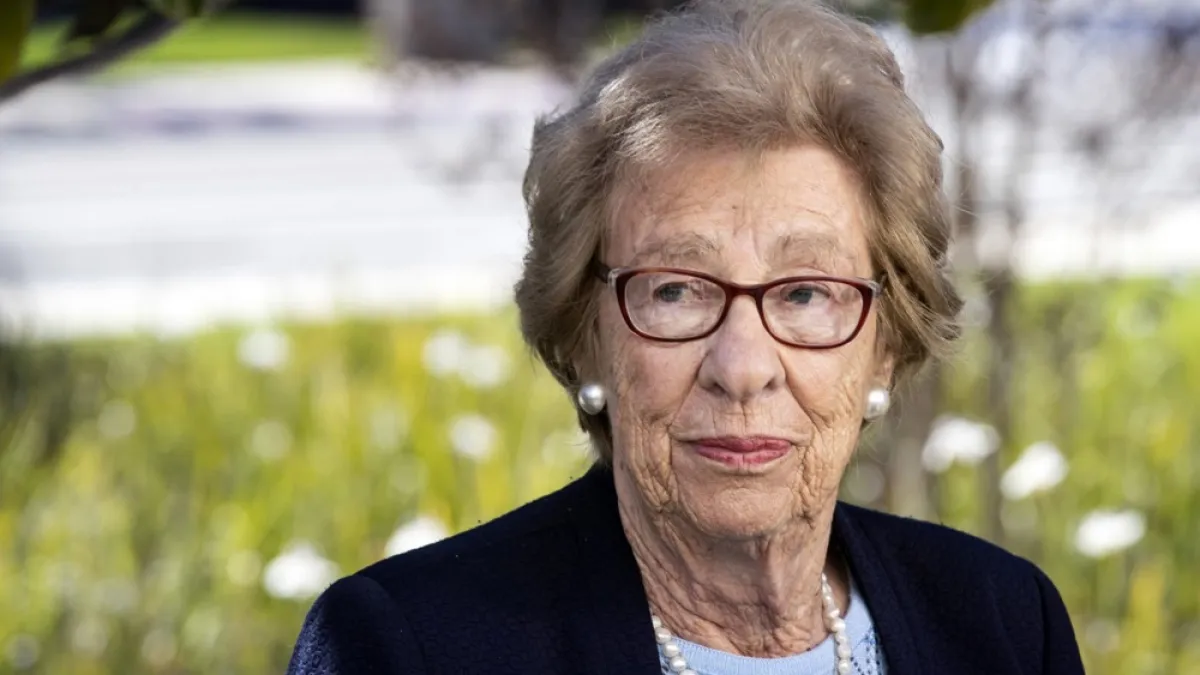
Eva Schloss, the Auschwitz survivor who dedicated decades to educating people about the Holocaust, and who was the stepsister of diarist Anne Frank, has died aged 96, according to her foundation.

The Anne Frank Trust UK, of which Schloss was the honorary president, said on Sunday that she died on Saturday in London, where she lived.

Recommended Stories

list of 3 itemsend of list

The United Kingdom’s King Charles III said he was “privileged and proud” to have known Schloss, who co-founded the charitable trust to help young people challenge prejudice.

“The horrors that she endured as a young woman are impossible to comprehend, and yet, she devoted the rest of her life to overcoming hatred and prejudice, promoting kindness, courage, understanding and resilience through her tireless work for the Anne Frank Trust UK and for Holocaust education across the world,” the king said.

In a statement posted on X, the European Jewish Congress said it was “deeply saddened” by the passing of Schloss, who it described as a “powerful voice” for Holocaust education.

Born Eva Geiringer in Vienna in 1929, Schloss fled with her family to Amsterdam after Nazi Germany annexed Austria.

She became friends with another Jewish girl of the same age, Anne Frank, whose diary would become one of the most famous chronicles of the Holocaust.

Like the Franks, Eva’s family spent two years in hiding to avoid capture after the Nazis occupied the Netherlands. They were eventually betrayed, arrested and sent to the Auschwitz death camp.

Schloss and her mother, Fritzi, survived until the camp was liberated by Soviet troops in 1945. Her father, Erich, and brother, Heinz, died in Auschwitz.

After the war, Eva moved to the UK, married German-Jewish refugee Zvi Schloss, and settled in London.

In 1953, her mother married Frank’s father, Otto, the only member of his immediate family to survive.

Anne Frank died of typhus in the Bergen-Belsen concentration camp at the age of 15, months before the end of the war.

Schloss did not speak publicly about her experiences for decades, later saying that wartime trauma had made her withdrawn and unable to connect with others.

“I was silent for years, first because I wasn’t allowed to speak. Then, I repressed it. I was angry with the world,” she told The Associated Press news agency in 2004.

But after she addressed the opening of an Anne Frank exhibition in London in 1986, Schloss made it her mission to educate younger generations about the Nazi genocide.

Over the following decades, she spoke in schools, prisons and international conferences, and told her story in books, including Eva’s Story: A Survivor’s Tale by the Stepsister of Anne Frank.

She kept campaigning into her 90s.

“We must never forget the terrible consequences of treating people as ‘other’,” Schloss said in 2024.

Schloss is survived by their three daughters, as well as grandchildren and great-grandchildren.

Source link

Trump administration sets meetings with oil companies on Venezuela: Report | Nicolas Maduro News

The administration of United States President Donald Trump is planning to meet with executives from US oil companies later this week to discuss boosting Venezuelan oil production after US forces abducted its leader, Nicolas Maduro, the Reuters news agency has reported, citing unnamed sources.

The meetings are crucial to the administration’s hopes of getting top US oil companies back into the South American nation after its government, nearly two decades ago, took control of US-led energy operations there, the Reuters news agency report said on Monday.

Recommended Stories

list of 4 itemsend of list

The three biggest US oil companies – Exxon Mobil, ConocoPhillips and Chevron – have not yet had any conversations with the Trump administration about Maduro’s ouster, according to four oil industry executives familiar with the matter, contradicting Trump’s statements over the weekend that he had already held meetings with “all” the US oil companies, both before and since Maduro was abducted.

“Nobody in those three companies has had conversations with the White House about operating in Venezuela, pre-removal or post-removal, to this point,” one of the sources said on Monday.

The upcoming meetings will be crucial to the administration’s hopes to boost crude oil production and exports from Venezuela, a former OPEC nation that sits atop the world’s largest reserves, and whose crude oil can be refined by specially designed US refineries. Achieving that goal will require years of work and billions of dollars of investment, analysts say.

It is unclear what executives will be attending the upcoming meetings, and whether oil companies will be attending individually or collectively.

The White House did not comment on the meetings, but said it believed the US oil industry was ready to flood into Venezuela.

“All of our oil companies are ready and willing to make big investments in Venezuela that will rebuild their oil infrastructure, which was destroyed by the illegitimate Maduro regime,” said White House spokesperson Taylor Rogers.

Exxon, Chevron and ConocoPhillips did not immediately respond to requests for comment from Reuters.

One oil industry executive told Reuters the companies would be reluctant to talk about potential Venezuela operations in group settings with the White House, citing antitrust concerns that limit collective discussions among competitors about investment plans, timing and production levels.

Political risks, low oil prices

US forces on Saturday conducted a raid on Venezuela’s capital, arresting Maduro in the dead of night and sending him back to the US to face narcoterrorism charges.

Hours after Maduro’s abduction, Trump said he expects the biggest US oil companies to spend billions of dollars boosting Venezuela’s oil production, after it dropped to about a third of its peak over the past two decades due to underinvestment and sanctions.

But those plans will be hindered by a lack of infrastructure, along with deep uncertainty over the country’s political future, legal framework and long-term US policy, according to industry analysts.

“While the Trump administration has suggested large US oil companies will go into Venezuela and spend billions to fix infrastructure, we believe political and other risks, along with current relatively low oil prices, could prevent this from happening anytime soon,” wrote Neal Dingmann of William Blair in a note.

Material change to Venezuelan production will take a lot of time and millions of dollars of infrastructure improvement, he said.

And any investment in Venezuelan infrastructure right now would take place in a weakened global energy market. Crude prices in the US are down by 20 percent compared with last year. The price for a barrel of benchmark US crude has not been above $70 since June, and has not touched $80 per barrel since June of 2024.

A barrel of oil cost more than $130 in the leadup to the US housing crisis in 2008.

Chevron is the only US major currently operating in Venezuela’s oil fields.

Exxon and ConocoPhillips, meanwhile, had storied histories in the country before their projects were nationalised nearly two decades ago by former Venezuelan President Hugo Chavez.

Conoco has been seeking billions of dollars in restitution for the takeover of three oil projects in Venezuela under Chavez. Exxon was involved in lengthy arbitration cases against Venezuela after it exited the country in 2007.

Chevron, which exports about 150,000 barrels per day of crude from Venezuela to the US Gulf Coast, meanwhile, has had to carefully manoeuvre with the Trump administration in an effort to maintain its presence in the country in recent years.

A US embargo on Venezuelan oil remained in full effect, Trump has said.

The S&P 500 energy index rose to its highest since March 2025, with heavyweights Exxon Mobil rising by 2.2 percent and Chevron jumping by 5.1 percent.

Source link

Central African Republic’s Touadera wins third presidential term | Elections News

Provisional results show Faustin-Archange Touadera received 76.15 percent of the vote in December 28 election.

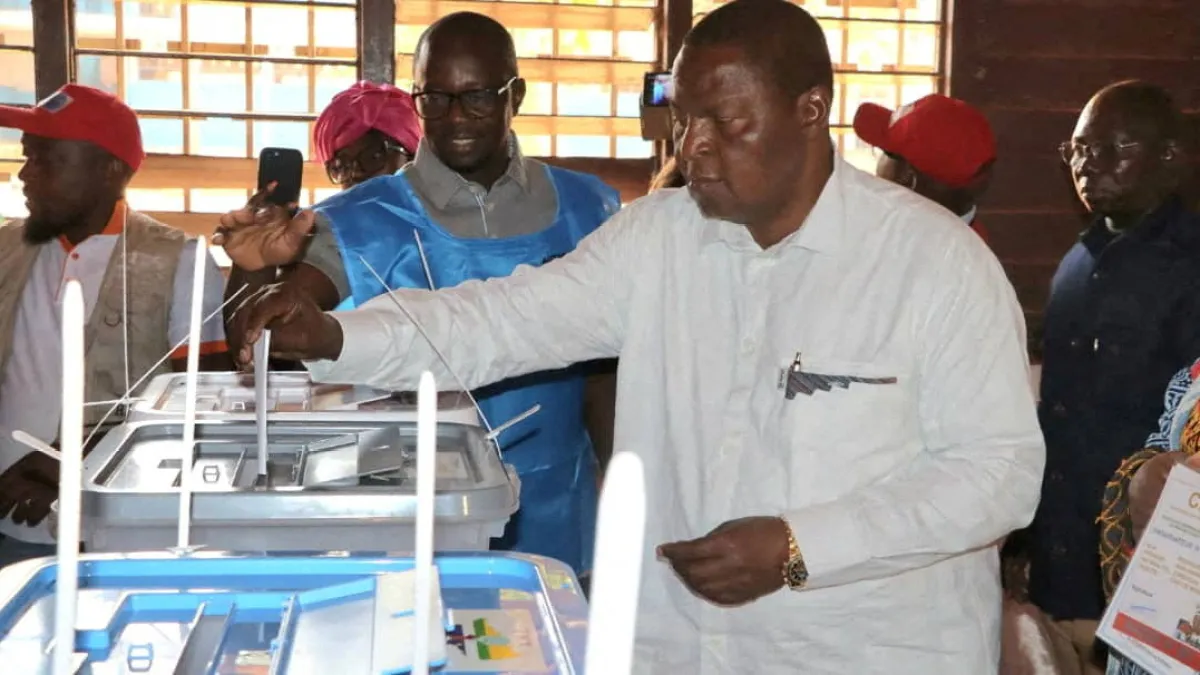
Central African Republic President Faustin-Archange Touadera has won a third term in office, securing an outright majority in the presidential election held on December 28, according to provisional results.

The results announced on Monday showed Touadera received 76.15 percent of the vote, while former Prime Minister Anicet-Georges Dologuele received 14.66 percent and former Prime Minister Henri-Marie Dondra received 3.19 percent.

Recommended Stories

list of 4 itemsend of list

Voter turnout ‍was 52.42 percent.

Touadera, a 68-year-old mathematician who took power a decade ago, was seeking a third term ⁠after a constitutional referendum in 2023 scrapped the presidential term limit.

He campaigned on his security record in the ​chronically unstable nation after enlisting help from Russian mercenaries and Rwandan soldiers. He also signed peace ‍deals with several rebel groups this year.

The ⁠main opposition coalition, known by its French acronym BRDC, boycotted the election, saying it would not be fair.

Even before the results were announced, Dologuele and Dondra had cast doubt on their credibility, calling separate news conferences to denounce what they described as election fraud.

Dologuele, the runner-up in the 2020 election, told a news conference on Friday that there had been “a methodical attempt to manipulate” the outcome.

“The Central African people spoke on December 28,” Dologuele said. “They expressed a clear desire for change.”

Touadera’s government has denied ​that any fraud took place.

The Constitutional Court has until January 20 to adjudicate any ‌challenges and declare definitive results.

Source link

Tuesday 6 January Armenian Orthodox Christmas Day

Armenian Christmas is a culmination of celebrations of events related to the birth and baptism of Christ.

The reason for the different date is that until the fourth century, Christ’s birth was celebrated by all Christian churches celebrated Christ’s birth on January 6th. Two of the Gospels in the Bible mention the birth of Christ but neither give any details as to the date. This lack of detail also combined with the celebration of birthdays not being a big Christian tradition and Easter being seen as the more important date.

As Christianity expanded into Western Europe, the people there had been celebrating a Roman holiday (‘Solis Invicti’) on December 25th. Rather than compete with an already popular holiday, the church simply decided to move Christmas Day to December 25th and celebrate January 6th as the Feast of the Epiphany. Undoubtedly, Solis Invicti itself was a holiday created to overwrite previous Pagan winter solstice celebrations.

In Armenia however, there was no such solstice tradition and Armenian Christians didn’t feel bound to move their Christmas from January 6th.

Two Apostles of Jesus, Bartholomew and St. Thaddeus (Jude) brought Christianity to Armenia in the first century. Because of these two founding apostles, the official name of the Armenian Church is the Armenian Apostolic Church.  Christianity was declared as the state religion of Armenia in 301, making Armenia the first nation in the world to do so.

Things got more complicated with the adoption of the Gregorian calendar, as some regions in the Middle East stayed with the Julian Calendar and therefore Armenian Christmas there is still celebrated on 18th January.

Hundreds of tourists stuck on Yemeni island as tensions simmer on mainland | Conflict News

Hadramout governor says ports and airports will soon be operational after Saudi-backed government forces ousted secessionists from the south.

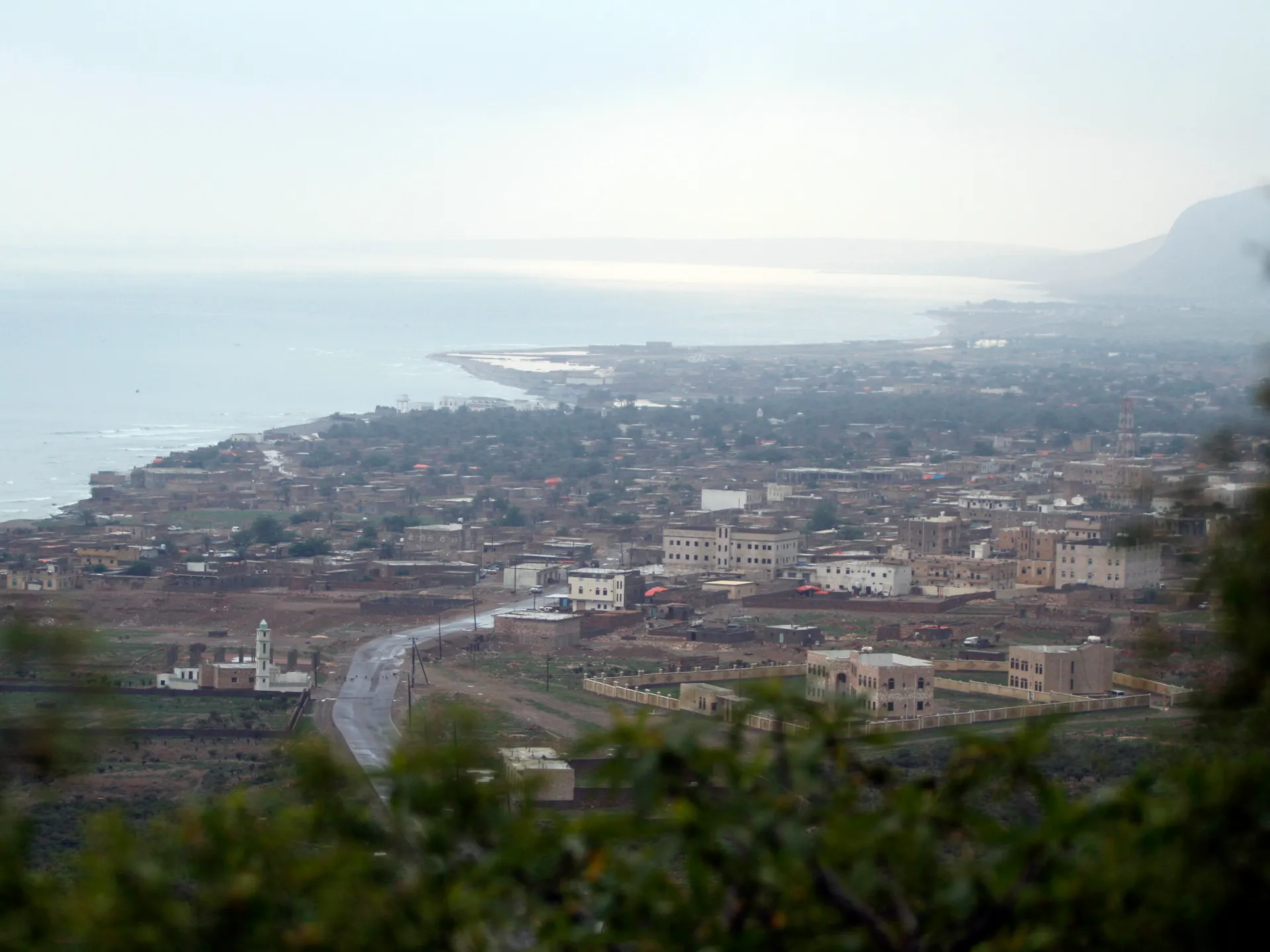
About 400 tourists are stuck on the Yemeni island of Socotra after flights were grounded because of clashes on the mainland between government troops backed by Saudi Arabia and secessionists with links to the United Arab Emirates.

Over the past few days, flights in and out of Yemen have been largely restricted during heavy fighting between rival armed factions loosely grouped under the Yemen’s fractious government, which is based in the southern port city of Aden.

Recommended Stories

list of 3 itemsend of list

The Socotra islands, 380km (236 miles) south of the mainland, are under the control of the United Arab Emirates-backed Southern Transitional Council, which has clashed with Yemen’s Saudi-backed government in the provinces of Hadramout and al-Mahra.

Yahya bin Afrar, the deputy governor for culture and tourism on Socotra, the largest island in the Socotra archipelago, said that “more than 400 foreign tourists” are stranded after their flights were “suspended”.

A local official, who spoke to the AFP news agency on condition of anonymity, said that 416 people of different nationalities were stranded on Socotra, including “more than 60 Russians”.

An unnamed Western diplomat said that “British, French and American” nationals were also among the stranded tourists.

Highly unstable region

In a post on X on Sunday, Poland’s Ministry of Foreign Affairs spokesperson, Maciej Wewior, said Polish tourists were stuck too, adding that flights to Socotra by an Emirati airline had been suspended until Tuesday.

“Socotra is located in a highly unstable region, where an armed conflict has been ongoing for years. Currently, the security situation has further deteriorated. Due to the intensification of military operations, airspace has been closed,” the post said.

A travel agent in Socotra said at least two Chinese nationals were also there.

Tourists stuck on the island, many of whom went there to for New Year’s celebrations, are now reaching out to their embassies for help to be evacuated, according to another Western diplomat.

“Their relevant embassies have reached out to the Saudi and Yemeni governments to seek their evacuation,” said the diplomat.

The airport in Aden has been functional since Sunday, after disruptions that lasted for several days.

Pledge to restore order

Yemen’s civil war entered a new phase last month when secessionists with the UAE-backed STC extended its presence in southeastern Yemen with the aim of establishing an independent state.

But this week, the Saudi-backed “Homeland Shield” forces took back the oil-rich southern governorates of Hadramout and al-Mahra, which make up nearly half of Yemen’s territory, from the STC rebels.

In the past, the opposing forces were allied under the umbrella of the Aden-based  Presidential Leadership Council (PLC) – the governing organ of the internationally recognised government – against the Houthis, who control most of northwestern Yemen, including the capital, Sanaa.

On Friday, Salem al-Khanbashi, the governor of Hadramout, was chosen by the government to command the Saudi-led forces in the governorate.

In an interview with Al Jazeera Arabic on Monday, al-Khanbashi said that ports and airports in the governorate would soon be operational, stressing the need to restore service at the Seiyun airport in northern Hadramout.

He pledged to re-establish security and stability, saying meetings will be held with all political and tribal groups to form a united front to protect the governorate against future attacks.

Compensation will be extended for damage to public and private property caused during the STC’s advance. The authorities are focused on getting electricity, water and health services up and running again, al-Khanbashi said.

Source link

U.S. Special Ops Aircraft Arriving In UK Could Point To Looming Oil Tanker Boarding Operation

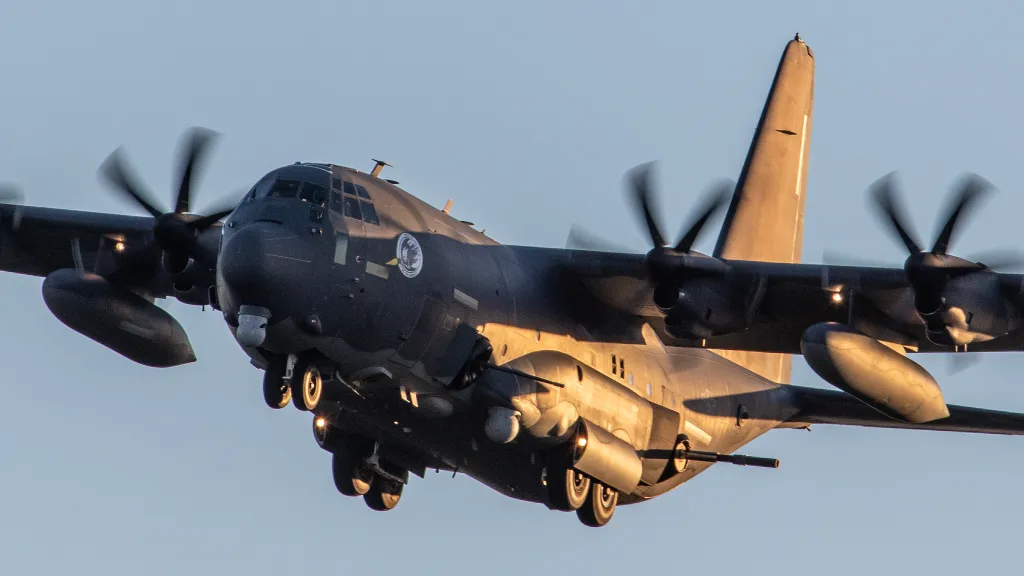
Open-source tracking data and spotters on the ground are showing a sudden surge of U.S. aircraft to Europe. The deployments include C-17 Globemaster III cargo jets, possibly packed with helicopters, emanating from the home of the 160th Special Operations Aviation Regiment (SOAR), AC-130J Ghostrider gunships, and a shadowy special operations turboprop aircraft. While U.S. aircraft routinely transit to and through that continent, the number of flights and their origin have raised speculation of potential future special operations missions in the region, and that speculation could be well founded.

The deployments of these aircraft increasingly seem like they are in support of a future operation to board the Russian-flagged Crude Oil Tanker Marinera, which until recently has been known as the Bella-1, and has been pursued by the Coast Guard since last month. CBS News on Monday afternoon reported that the U.S. will likely try to intercept the vessel, now in the North Atlantic. We’ll discuss that more later, including why the 160th SOAR may be needed for such an operation, in this story.

Here is what we have seen over the past 36 hours. Online flight tracking data shows that there were at least 10 Globemaster flights that left the U.S. for Europe on Jan. 3. At least four of these flights were from Fort Campbell in Kentucky, fueling unconfirmed speculation of an influx of U.S. special operations aviation assets. Fort Campbell is home to the 160th SOAR, also known as the Night Stalkers, the elite aviation unit that played a key role in locating and capturing Venezuelan dictator Nicolas Maduro and his wife. You can read more about that in our story about Operation Absolute Resolve here.

There are claims that several of the Night Stalkers’ highly modified MH-47 Chinooks and MH-60M Black Hawks, presumably dropped off by the C-17s, were seen at RAF Fairford; however, no visual evidence has emerged to confirm that. 

“As I think we have offered many times previously, we do not comment on the operational activity of other nations, including use of UK bases,” a U.K. Defense Ministry (MoD) official told us. “Likewise, neither the MOD or RAF would offer comment on speculation on what [U.S. bases in England] assets are or indeed are not doing.”

The 160th did not immediately respond to requests for comment.

Beyond the possibility of the helicopters being delivered, at least two AC-130J Ghostrider gunships landed Sunday at RAF Mildenhall, where they still remain, according to Andrew McKelvey, a local spotter who was kind enough to share his photos of the aircraft with us. U.S. Air Force Special Operations Command, which operates those aircraft, declined to comment.

(Andrew McKelvey)
(Andrew McKelvey)
(Andrew McKelvey)

AC-130 GUNSHIPS ARRIVE IN UK


One of the U.S. Air Force’s shadowy CASA CN-235 intelligence, surveillance, and reconnaissance planes was also deployed to RAF Fairford.

U.S. European Command, which oversees American military operations in that region, declined to offer any specifics about the nature of these flights.

 “U.S. European Command routinely hosts transient U.S. military aircraft (and personnel) in accordance with access, basing, and overflight agreements with Allies and partners,” the command told us in an early Monday morning email. “Taking into account operational security for U.S. assets and personnel, further details are not releasable at this time.”

While the nature of these flights remains unclear, there was a similar surge from Fort Campbell in the days leading up to Operation Absolute Resolve.

The 160th SOAR works across the globe on a daily basis, deploying for operational tasking to execute a huge array of mission sets. These include training and large-force exercises and combat operations. Night Stalker crews get experience all over the world in many environments. Movements of this kind are not that unusual, but after the Venezuelan mission, they certainly are drawing more attention.

U.S. President Donald Trump has confirmed that Venezuelan dictator Nicolas Maduro and his wife were flown first to the U.S. Navy's Wasp class amphibious assault ship USS Iwo Jima following their capture overnight.
A stock picture of an MH-47 Chinook belonging to the US Army’s 160th Special Operations Aviation Regiment operating from an amphibious assault ship. USN/Mass Communication Specialist Seaman Christopher Jones

The Marinera is another connection to Venezuela. The vessel is laden with Venezuelan oil and part of a so-called shadow fleet transporting oil for Russia, Iran and Venezuela in violation of sanctions imposed by the United States and other countries. The Trump administration said this weekend they would continue to interdict these vessels. The Coast Guard attempted to board the ship on Dec. 20, but the crew refused to allow it. As we saw last month, personnel fast-roping from helicopters played a key role in the seizure of the M/V Skipper, another sanctioned oil tanker. Night Stalker assets could very well assist in any attempt to capture the Marinera, which could be considered a more dangerous operation due to the intelligence gathered and interactions with its crew.

You can see video of the boarding of the Skipper below.

Today, the Federal Bureau of Investigation, Homeland Security Investigations, and the United States Coast Guard, with support from the Department of War, executed a seizure warrant for a crude oil tanker used to transport sanctioned oil from Venezuela and Iran. For multiple… pic.twitter.com/dNr0oAGl5x

— Attorney General Pamela Bondi (@AGPamBondi) December 10, 2025

Highlighting the potential danger of this kind of operation, CBS News reported that “Venezuelan officials had discussed placing armed military personnel on tankers — disguising them as civilians for defense purposes — as well as portable Soviet-era air defense systems.” The discussions took place before the capture of Maduro and his wife, the network added.

Night Stalkers are far better prepared for taking down a defended ship like this, including with their defensive systems and the ability to provide their own air support. The AC-130J is also capable of making pinpoint gun strikes on vessels for exactly this kind of operation as we have showcased in our previous reporting.

27th Special Operations Wing conducts sinking exercise during RIMPAC 2024


Bolstering the theory that a special operations boarding mission may be imminent, U.S. Navy P-8 Poseidon maritime patrol aircraft have been observed by online trackers following the Marinera.

A U.S. Navy P-8 Poseidon maritime patrol jet taking off from RAF Mildenhall on Jan. 4. (Andrew McKelvey)

Other nations are following the oil tanker. Irish Air Corps C-295W maritime search aircraft have also been observed by flight trackers operating near the location of the Marinera.

There are other potential reasons for the special operations aviation assets to be deployed to Europe. One possibility is a NATO exercise called Steadfast Dart 2026 that kicked off on Jan. 2.

The exercise “is a Joint Deployment Exercise to test and train the operational deployment and reinforcement of the [Allied Reaction Force] ARF 25 Elements to NATO Vigilance Area Center under peacetime conditions,” according to NATO. However, given that this was a long-planned exercise, the snap nature of the deployments from Fort Campbell and elsewhere makes it unlikely there is a connection.

Meanwhile, SOAR is also conducting a recruiting drive in Germany that begins Jan. 6, the regiment stated on X. It is unclear how many, if any, SOAR aircraft have been forward deployed for the recruitment effort. SOAR did not immediately respond to our request for comment.

KATTERBACH / ANSBACH,GERMANY. The 160th SOAR recruitment team will hold career opportunity briefs on 06 JANUARY 2026 at Katterbach/Ansbach. Looking to Go Beyond the Conventional in your military aviation career you’ll want to attend. Learn More & Apply at https://t.co/lM8G5cgcF9. pic.twitter.com/aTixBcpAm8

— Go160thSOAR (@Go160thSoar) January 4, 2026

Beyond these possibilities, there has been speculation that some U.S. assets might be heading to the Middle East ahead of a potential future conflict with Iran. We saw similar movements in the run-up to Operation Midnight Hammer, the June attack on Iran that saw U.S. Air Force B-2 Spirit stealth bombers drop 14 30,000-pound GBU-57/B Massive Ordnance Penetrator (MOP) bunker buster bombs on Iran’s Fordow and Natanz nuclear facilities.

It is also possible that the cargo flights to the Middle East are routine. There is a lot of air traffic back and forth from that region.

For example, five US Air Force C-17s landed in the region Wednesday, i didn’t even post about it because it is very normal, i dont do fearmongering pic.twitter.com/ZgfjXlJ0LS

— MenchOsint (@MenchOsint) January 4, 2026

Still, given that other major U.S. operations have followed these kinds of aircraft deployments, and the situation with the now Russian-flagged Marinera tanker and reports of it being a harder target than what has been seen in other recent boarding operations, the 160th SOAR may be back at it on a world stage very soon.

Contact the author: howard@thewarzone.com

Howard is a Senior Staff Writer for The War Zone, and a former Senior Managing Editor for Military Times. Prior to this, he covered military affairs for the Tampa Bay Times as a Senior Writer. Howard’s work has appeared in various publications including Yahoo News, RealClearDefense, and Air Force Times.


Source link

Manchester Arena bereaved families say MI5 must be fully included in new law on cover-ups

Daniel De SimoneInvestigations correspondent

AFP via Getty Images People look at flowers in St Ann's Square in Manchester on 29 May 2017.AFP via Getty Images

Twenty-two people died and hundreds were injured when Salman Abedi detonated a homemade device at the end of an Ariana Grande concert in Manchester on 22 May 2017

Families bereaved by the Manchester Arena bombing say MI5 failed them and must be fully included in a new law designed to stop cover-ups in public life.

In a letter to Sir Keir Starmer, seen by the BBC, they ask the prime minister: “How many times must MI5 show that it cannot be trusted before something is done?”

MI5 was found by a public inquiry not to have given an “accurate picture” of the key intelligence it held on the suicide bomber who carried out the attack which killed 22 people and injured hundreds on 22 May 2017.

The “Hillsborough Law”, making its way through Parliament, follows campaigning by families affected by the 1989 Hillsborough disaster that claimed 97 lives.

Police leaders were found to have spread false narratives about that disaster, blaming Liverpool fans, and withheld evidence of their own failings.

The new law will force public officials to tell the truth during investigations, including those into major disasters.

But a director of the campaign behind the new law told the BBC he has been “misled” by the government during negotiations over how it will apply to the intelligence services.

The government said: “We are listening to feedback about how to strengthen [the law] whilst also protecting national security.”

Known as the Public Office (Accountability) Bill, the new law has three pillars:

  • The first establishes a general duty of candour on all public officials, meaning they will be required to tell the truth proactively in their working life
  • The second is an ancillary duty of candour that applies to official investigations, which includes inquiries and inquests
  • The third is set to re-balance funding for legal representation for state bodies and victims during inquiries

The bill would create criminal sanctions for breaches in the duty for candour.

Labour’s manifesto for the 2024 general election said: “Labour will introduce a ‘Hillsborough Law’ which will place a legal duty of candour on public servants and authorities”.

Speaking last year, Sir Keir said the new legislation would change “the balance of power in Britain” to ensure the state could “never hide from the people it is supposed to serve”.

But barrister Pete Weatherby KC, director of Hillsborough Law Now (HLN) campaign group, told the BBC the government had “misled” him during negotiations over how the law will apply to MI5, MI6 and GCHQ.

He represented victims’ families during the landmark Hillsborough inquests a decade ago and has played a central role in making the new law a reality.

He also represented families bereaved by the Manchester Arena attack during the public inquiry into that atrocity, during which MI5 was criticised for giving a false account.

Weatherby said the “government have tried to put forward measures relating to intelligence services which look better than they are, and we’ve ended up in a position which certainly wasn’t the position that we negotiated with them”.

He said it was a “major problem” and “very disappointing”.

He said HLN accepts there are some caveats that will apply to MI5 and the intelligence services, as the prime minister himself has said.

During the Manchester Arena public inquiry, and an earlier official review, MI5 provided a false narrative about intelligence it received about the suicide bomber before the attack.

The public inquiry chairman concluded that the statements had not presented an “accurate picture”. He also found MI5 missed a significant opportunity to take action that might have prevented the attack.

Handout Profile pictures of (clockwise from top left) Liam Curry, Chloe Rutherford, Megan Hurley, Eilidh MacLeod and Kelly Brewster, victims of the Manchester Arena attackHandout

The families of (clockwise from top left) Liam Curry, Chloe Rutherford, Megan Hurley, Eilidh MacLeod and Kelly Brewster have written a letter to the prime minister

The families of five people killed in the Manchester Arena attack in 2017 have written to the prime minister, calling on him to ensure the new law will apply in the fullest way to MI5 and the other services.

The authors of the letter are the families of Liam Curry, 19, Chloe Rutherford, 17, both from South Shields, Megan Hurley, 15, from Liverpool, Eilidh MacLeod, 14, from the Isle of Barra, and Kelly Brewster, 32, from Sheffield.

In the letter, the bereaved families say: “You made a personal promise that you would bring in the law.

“We’re now asking you to keep that promise in full by ensuring the new law applies to the security and intelligence agencies in the same way it applies to everyone else.”

The letter adds: “MI5 failed our loved ones and failed us.

“It did so by failing to prevent the Arena bombing. But it then failed and hurt us further through its lack of candour after the attack.

“During the Manchester Arena inquiry, MI5 lied about the key intelligence it held about the suicide bomber before the attack.

“Despite MI5 lying to a public inquiry in this way, no one has been held to account.

“This lack of accountability needs to change. Creating a full duty of candour responsibility on MI5, MI6 and GCHQ is the clearest route to creating this change.

“We are dismayed that, as the draft bill is currently written, MI5 and the other organisations are being allowed to escape the full duty of candour responsibility.

“Every security and intelligence officer should be required the tell the truth, and the leaders of the organisations should also bear full responsibility.

“How many times must MI5 show that it cannot be trusted before something is done?

“We are calling on you to keep your promise and ensure that MI5, MI6 and GCHQ are held to the same standards as everyone else.”

Claire Booth, a sister of Kelly Brewster, survived the bombing and her daughter was severely injured. She told the BBC that MI5’s conduct after the attack was “infuriating” and made her feel like “we were collateral damage”.

She added: “It was just one of them things as far as MI5 were concerned.

“They didn’t stop it [the attack], but the fact that they’ve then not been truthful about what their involvements were, what they knew… it all just adds insult to injury. It’s not fair.”

In response, a government spokesperson said: “The Hillsborough Law will once and for all end the culture of cover-ups and hiding the truth, ensuring transparency, accountability, and support for people affected.

“The law will apply to all public authorities including the intelligence agencies.

“The Bill creating the Hillsborough Law is currently going through Parliament and we are listening to feedback about how to strengthen it whilst also protecting national security.”

Weatherby said the key problem is a provision which would have the effect of “disapplying” the ancillary duty of candour to individual security and intelligence officers.

He said that, in the context of Manchester Arena case, this is crucial, adding that if the duty falls on the organisation only, nothing will change.

If it falls on the individual officers as well, they will risk criminal liability and sanction if they sit on their hands whilst the corporate body lies to inquiries and courts.

Last year MI5 was forced to apologise after it gave false evidence to three courts in a neo-Nazi spy and is currently under investigation by its regulator.

In December, MI5 apologised after it was heavily criticised by a major police investigation into the IRA spy known as Stakeknife. MI5 had disclosed documents years late and provided misleading evidence about its knowledge of the spy.

Booth said that the intelligence services “should have the same duty as everybody else to be open and honest.

“And I think if it’s not applied to them, we’re never going to get to the bottom of when things like terrorist attacks or the Hillsborough disaster”.

Source link

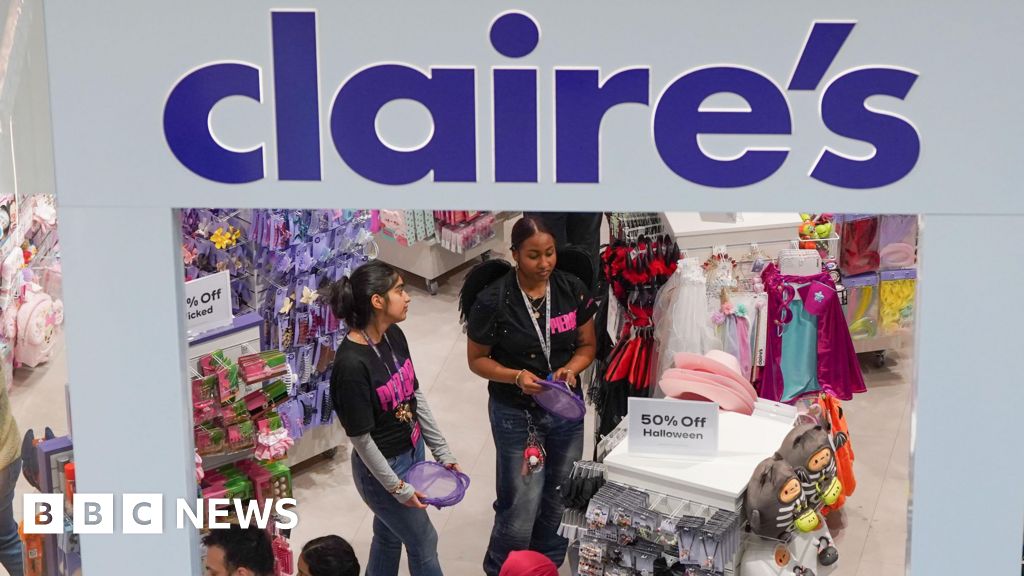
Claire’s and The Original Factory Shop enter administration

High street retailers Claire’s and The Original Factory Shop are being put into administration, risking 2,500 jobs.

It comes amid a turbulent time for Claire’s, popular with tweens for its brightly coloured accessories, which was seeking a buyer after its US owner filed for bankruptcy last year.

Modella Capital, which owns both chains, said the retailers would enter insolvency proceedings across the UK and Ireland. The administration will give them breathing space to find a new buyer.

Modella said tough trading conditions and “alarming” low Christmas trading left both in a “vulnerable” position.

Claire’s has 154 stores and 1,355 staff, while The Original Factory shop has 140 stores and 1,220 staff.

Modella purchased Claire’s in September, six weeks after its previous collapse into administration, in a deal which saw around 1,000 job losses at the retailer, while 145 stores closed.

The investment firm has owned The Original Factory Shop since early last year.

“This has been a very tough decision,” said Modella. “We have worked intensively in an effort to save both businesses, having made last-ditch attempts to rescue them, but neither has a realistic possibility of trading profitably again.”

Modella said that the chains were “highly vulnerable” even before it bought them. It also blamed challenges including the climate on the high street, which it said “remains extremely challenging”, and government policy.

The two shops are the latest casualties of a tough trading environment which has seen high street sales fall as shoppers move online, ditching old favourites facing the high cost of maintaining brick-and-mortar stores.

“A combination of very weak consumer confidence, highly adverse government fiscal policies and continued cost inflation is causing many established and much-loved businesses to suffer badly,” Modella said.

The investment firm has become increasingly prominent on Britain’s high streets, having bought WH Smith’s high street chain last year and taken over arts and crafts retailer Hobbycraft a year earlier.

Modella is the latest business to criticise measures by Chancellor Rachel Reeves which have seen operating costs rise, making trading even more difficult as high inflation – the price at which prices rise – squeezes household budgets.

Her last Budget hiked taxes, while her previous Budget increased the minimum wage and raised employer National Insurance contributions.

One London pub owner warned he may have to close after tax rises announced in the last Budget.

James Fitzgerald, landlord of the Thatched House in Hammersmith, said his costs have risen by £22,000 over the past year – with the increase in National Insurance a major factor.

The Treasury was asked to comment.

Source link

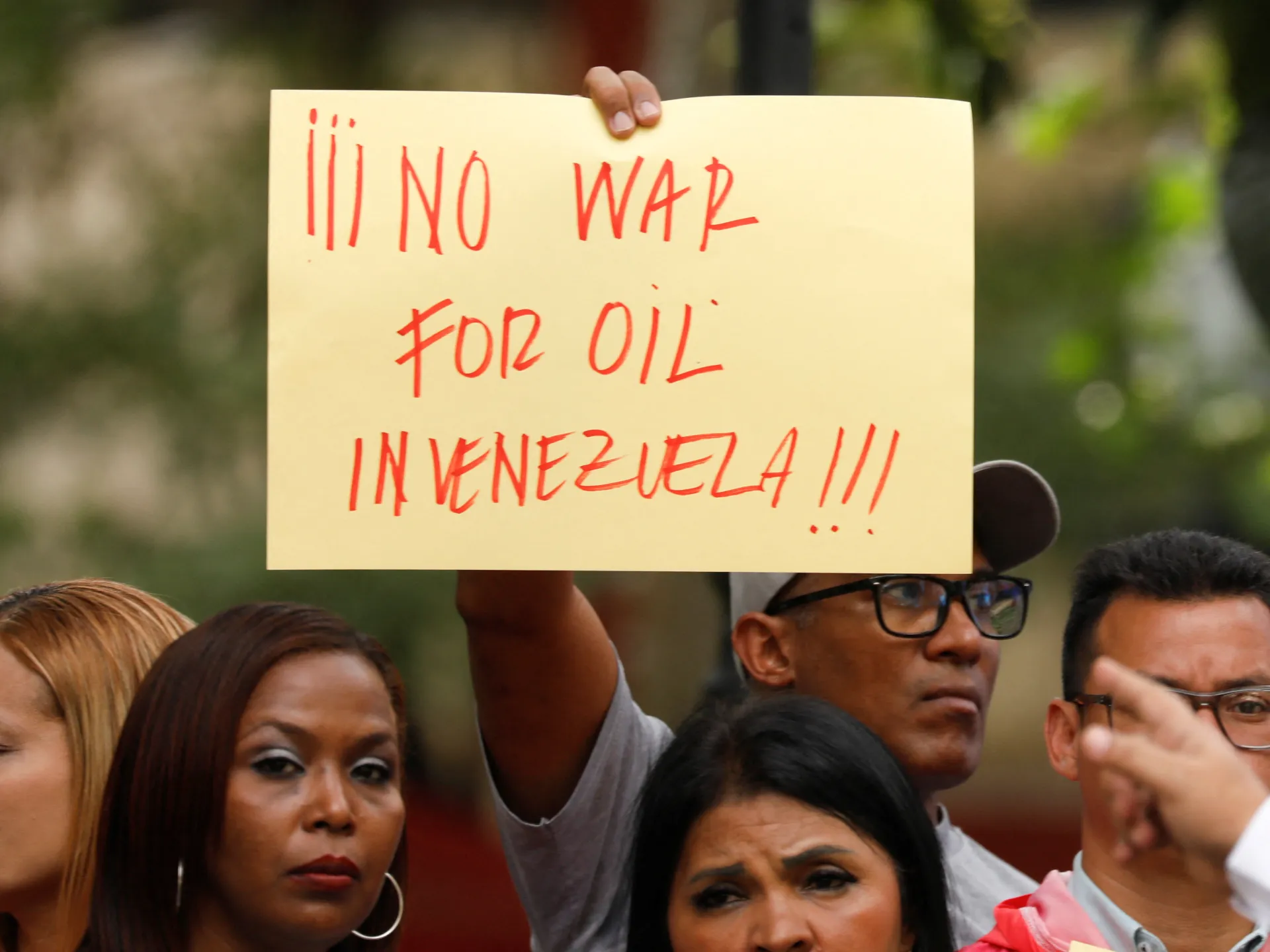
Venezuelans Take to the Streets to Denounce US Bombings, Demand Maduro’s Release

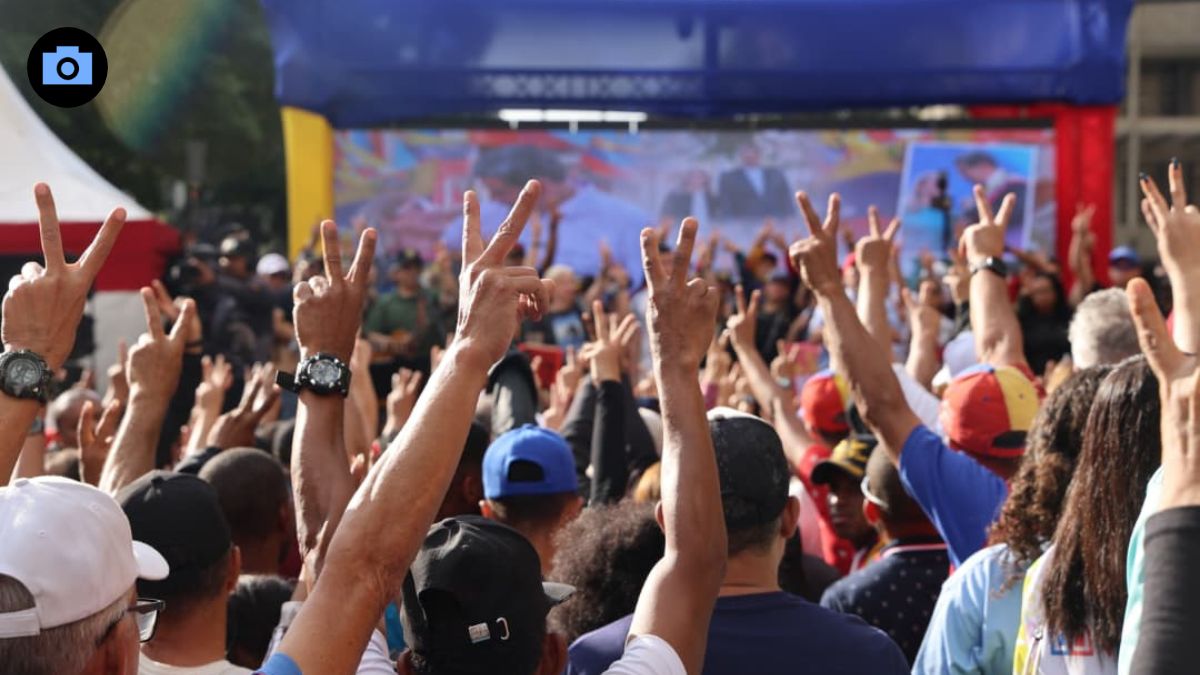
Demonstrators condemned the US bombing and demanded Maduro’s return. (Rome Arrieche)

Caracas, January 5, 2026 (venezuelanalysis.com) – Venezuelan social movements and political parties held a massive rally in Caracas on January 4 to reject the US military attacks against the country and the kidnapping of President Nicolás Maduro.

The Sunday march took place in the center of the Venezuelan capital and ended close to Miraflores Presidential Palace.

Demonstrators held handmade signs demanding the release and return of Maduro and First Lady Cilia Flores, who were abducted in the early hours of January 3 by a US special operations team. US forces bombed several military sites in Caracas and surrounding states.

Venezuelan authorities have yet to report on damages and casualties, with unofficial sources claiming at least 80 people killed.

Venezuelan Vice President Delcy Rodríguez has taken over the presidency on an interim basis after a ruling from the Supreme Court. Following a Sunday cabinet meeting, Rodríguez called on the US to respect the country’s sovereignty and invited Washington to agree to an “agenda of cooperation.”

Photos by Rome Arrieche.

Source link

Maduro’s son delivers message to father at Venezuelan congress | US-Venezuela Tensions

NewsFeed

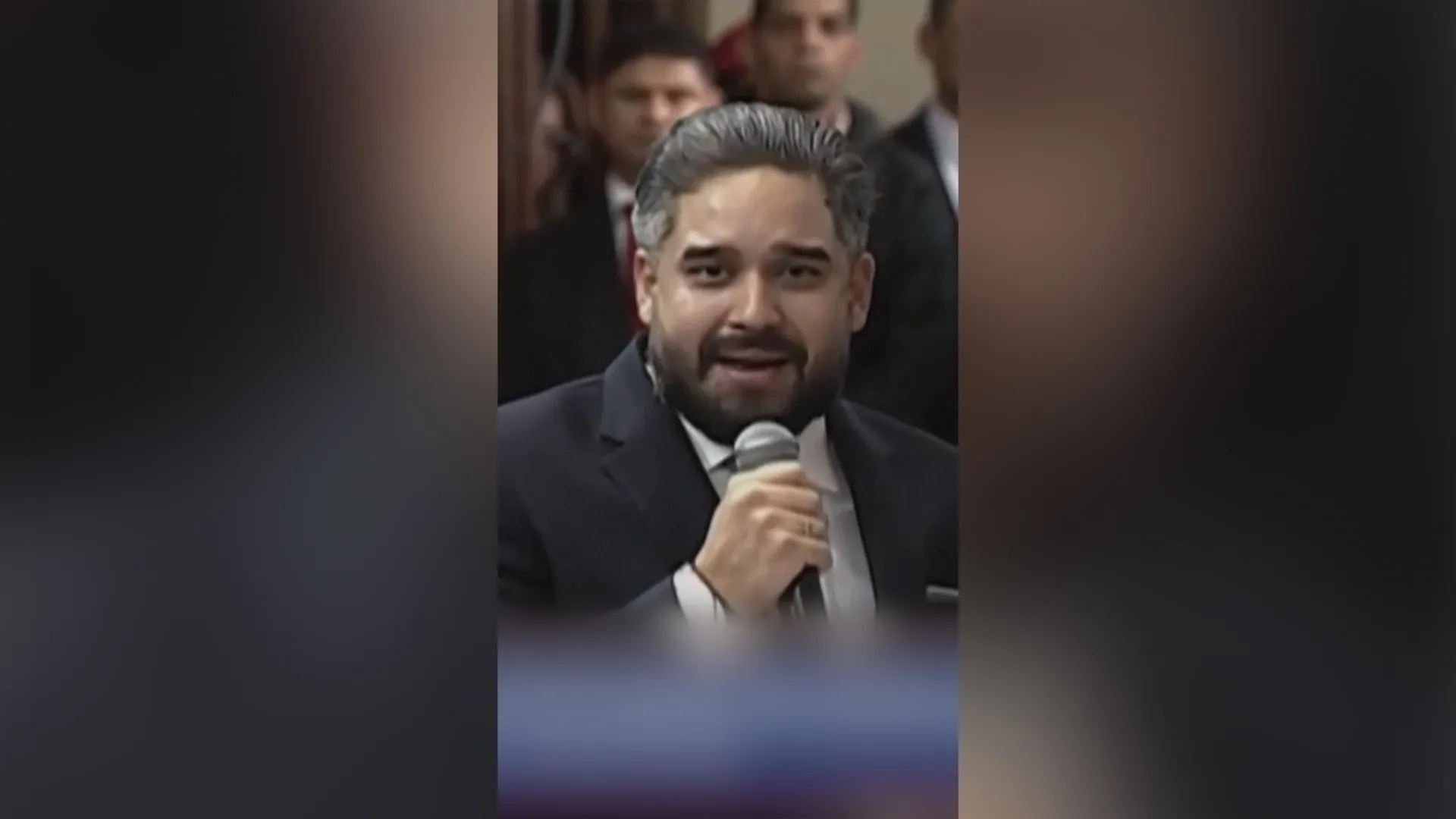
“We are here fulfilling our duties until you return.” The son of abducted Venezuelan leader Nicolas Maduro delivered a message to his father from the floor of the country’s congress, where he also serves as a lawmaker. He also mentioned his mother, Cilia, who is also in US custody.

Source link

Ofcom asks X about reports its Grok AI makes sexualised images of children

Ofcom has made “urgent contact” with Elon Musk’s company xAI following reports its AI tool Grok can be used to make “sexualised images of children” and undress women.

A spokesperson for the regulator said it was also investigating concerns Grok has been producing “undressed images” of people.

The BBC has seen several examples on the social media platform X of people asking the chatbot to alter real images to make women appear in bikinis without their consent, as well as putting them in sexual situations.

X has not responded to a request for comment. On Sunday, it issued a warning to users not to use Grok to generate illegal content including child sexual abuse material.

Elon Musk also posted to say anyone who asks the AI to generate illegal content would “suffer the same consequences” as if they uploaded it themselves.

XAI’s own acceptable use policy prohibits “depicting likenesses of persons in a pornographic manner”.

But people have been using Grok to digitally undress people without their consent and without notifying them.

The European Commission – the EU’s enforcement arm – said on Monday it was “seriously looking into this matter” and authorities in France, Malaysia and India were reportedly assessing the situation.

Meanwhile, the UK’s Internet Watch Foundation told the BBC it had received reports from the public relating to images generated by Grok on X.

But it said it had so far not seen images which would cross the UK’s legal threshold to be considered child sexual abuse imagery.

Grok is a free virtual assistant – with some paid for premium features – which responds to X users’ prompts when they tag it in a post.

Samantha Smith, a journalist who discovered users had used the AI to create pictures of her in a bikini, told the BBC’s PM programme on Friday it had left her feeling “dehumanised and reduced into a sexual stereotype”.

“While it wasn’t me that was in states of undress, it looked like me and it felt like me and it felt as violating as if someone had actually posted a nude or a bikini picture of me,” she said.

Under the Online Safety Act (OSA), Ofcom says it is illegal to create or share intimate or sexually explicit images – including “deepfakes” created with AI – of a person without their consent.

Tech firms are also expected to take “appropriate steps” to reduce the risks of UK users encountering such content, and take it down “quickly” when made aware of it.

Dame Chi Onwurah, chair of the Science, Innovation and Technology Committee, said the reports were “deeply disturbing”.

She said the Committee found the OSA to be “woefully inadequate” and called it “a shocking example of how UK citizens are left unprotected whilst social media companies act with impunity”.

And she called for the government to take up recommendations by the Committee to compel social media platforms “to take greater responsibility for their content”.

Meanwhile, European Commission spokesperson Thomas Regnier said on Monday it was aware of posts made by Grok “showing explicit sexual content,” as well as “some output generated with childlike images”.

“This is illegal,” he said, also calling it “appalling” and “disgusting”.

“This is how we see it, and this has no place in Europe,” he said.

Regnier said X was “well aware” the EU was “very serious” about enforcing its rules for digital platforms – having handed X a €120m (£104m) fine in December for breaching its Digital Services Act.

A Home Office spokesperson said it was legislating to ban nudification tools, and under a new criminal offence, anyone who supplied such tech would “face a prison sentence and substantial fines”.

Source link

Trump has made US militarism worse | US-Venezuela Tensions

For many years before becoming president, Donald Trump publicly criticised the George W Bush administration over its decision to launch the war on Iraq. And yet, today, in his second term as president, he finds himself presiding over a military debacle that is quite reminiscent of Bush’s.

Trump ordered a military intervention to remove an antagonistic foreign leader, based on a flimsy argument of national security, with the goal of accessing that country’s oil. In both cases, we see a naive confidence that the United States can simply achieve its goals through regime change. US intervention into Venezuela reeks of the same hubris that surrounded the Iraq invasion two decades ago.

Yet there are also important differences to consider. The most important distinguishing feature of the operation in Venezuela is its lack of an overarching vision. On Saturday after Trump finished an hour-long news conference alongside his secretaries of defence and state, it was not clear what the plan was for Venezuela going forward, or if there was a plan at all. His statements threatening more attacks in the following days brought no clarity either.

Past instances of US-led regime change fit into the larger ideological visions of the incumbent US commander-in-chief. In 1823, President James Monroe declared the Western Hemisphere off-limits to European colonialism. As the United States spent the 20th century consolidating its sphere of influence across the Americas, the Monroe Doctrine would justify various interventions in Latin America and the Caribbean. The Cold War added new justifications for the United States to overthrow leftist regimes and install friendly governments in the Americas.

As the Cold War ended, President George HW Bush sought to serve as a caretaker for a “new world order” in which the US had emerged as the world’s lone superpower. When Bush sent troops to Somalia in 1992 and his successor Bill Clinton reversed a military coup in Haiti in 1994, they did so under the paradigm of “humanitarian intervention”. When George W Bush ordered the invasion of Iraq, it was done under the umbrella of the post-9/11 “war on terror”. When President Barack Obama intervened against the forces of Libyan leader Muammar Gaddafi in 2011, he was guided by the “responsibility to protect” doctrine concerning civilians in danger.

But in the case of the US attack on Venezuela, there has been no ideological justification. Trump and his team have haphazardly thrown around references to humanitarianism, counterterrorism and more to justify the attack. The president even brought up the Monroe Doctrine. But just as it seemed that he was grounding his foreign policy in a larger ideology, albeit one borrowed from two centuries ago, he made a joke of the concept.

“The Monroe Doctrine is a big deal,” Trump explained on Saturday. “But we’ve superseded it by a lot, by a lot. They now call it the Donroe Doctrine.” Trump did not make up this pun; it was used by the New York Post a year ago to describe Trump’s aggressive foreign policy as he threatened to annex Canada, Greenland and the Panama Canal.

The president’s decision to embrace the tongue-in-cheek term illustrates a disturbing reality of his foreign policy: Any notion that he is promoting an ideological vision is a joke.

The truth is Trump is pursuing an increasingly aggressive and militaristic foreign policy in his second term, not because he wants to impose a grand vision, but because he has discovered he can get away with it.

Striking a variety of foreign “bad guys” who have little capacity to fight back – ISIL (ISIS) affiliates in Nigeria who are “persecuting” Christians and “narcoterrorists” in Latin America – appeals to members of Trump’s base.

After he mentioned the Venezuelan gang Tren de Aragua during Saturday’s news conference, he went on a minutes-long tangent to brag about his military interventions into US cities. While the president’s inability to stay on topic may be concerning for those questioning his health and mental fitness, this digression into domestic affairs had some relevance for his Venezuelan intervention, at least as far as he was concerned: His increasingly militarised war on drugs and crime abroad justifies an increasingly militarised war on drugs and crime at home.

Past presidents have used US power to pursue a wide variety of ideologies and principles. Trump appears to be paying lip service to past ideologies to justify the use of US power. Many times, the “good” intentions of previous  presidents paved the way to hellish outcomes for the peoples who found themselves on the receiving end of US intervention. But those intentions at least created a level of predictability and consistency for the foreign policies of various US administrations.

Trump, by contrast, seems driven solely by immediate political concerns and short-term prospects for glory and profit. If there is a saving grace of such an unprincipled foreign policy, it may be the ephemeral nature of interventions conducted without an overarching vision. An unprincipled approach to military intervention does not foster the kind of ideological commitment that has led other presidents to engage in long-term interventions like the Iraq occupation.

But it also means that Trump could conceivably use military intervention to settle any international dispute or to pursue any ostensibly profitable goal – say assuming control of Greenland from Denmark.

Last year, he decided tariffs were a potent tool for asserting his interests and started applying them almost indiscriminately on allies and adversaries alike. Now that Trump has grown comfortable using the US military to achieve a range of goals – profit, gunboat diplomacy, distraction from domestic scandals, etc – the danger is that he will grow similarly haphazard in his use of force.

That does not bode well for the US nor for the rest of the world. At a time when multiple global crises are overlapping – climate, conflict and impoverishment – the last thing the world needs is a trigger-happy superpower without a clear strategy or a day-after plan.

The views expressed in this article are the author’s own and do not necessarily reflect Al Jazeera’s editorial stance.

Source link

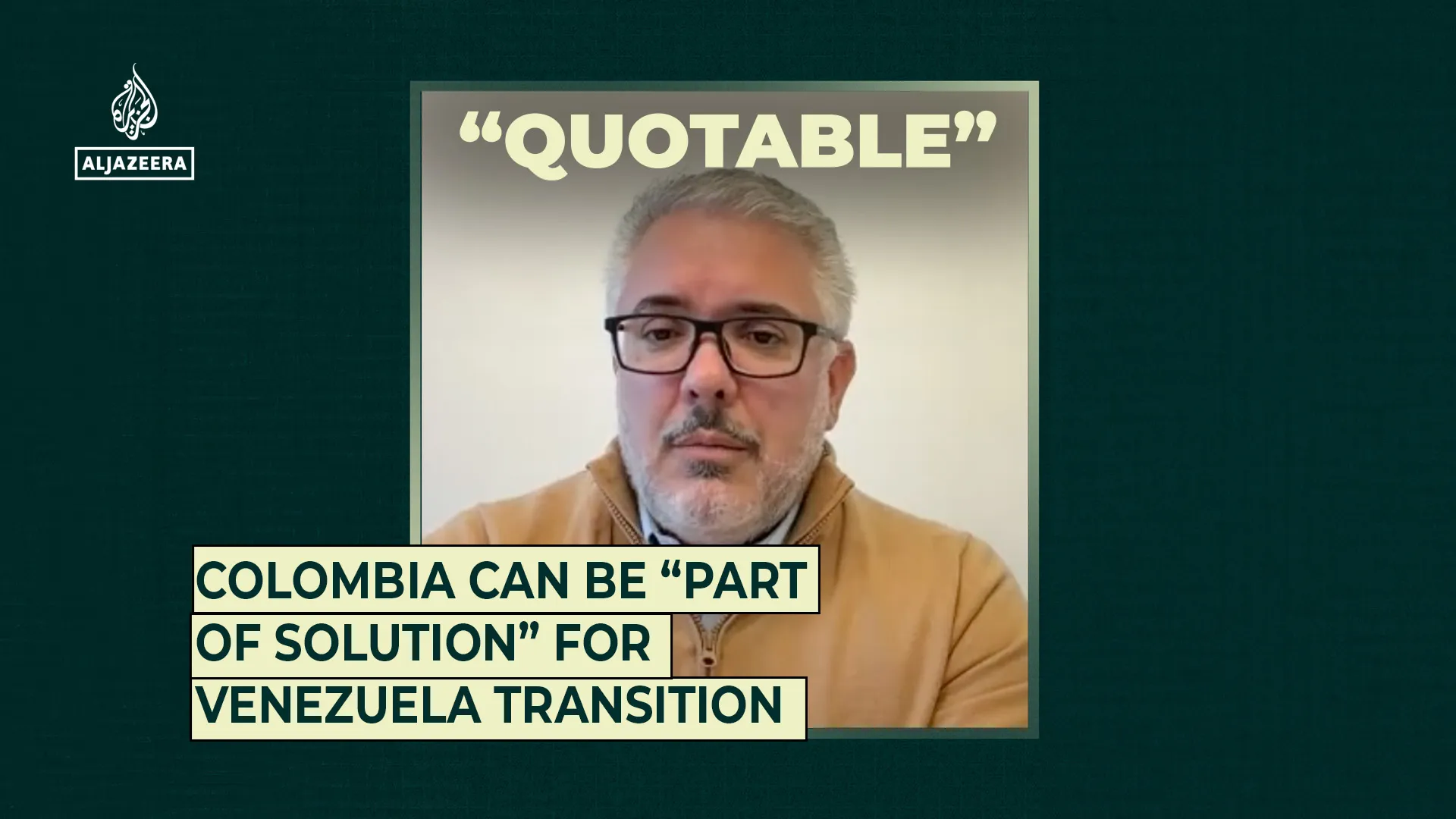
Colombia can be “part of solution” for Venezuela transition | US-Venezuela Tensions

Former Colombian President Ivan Duque Marquez, discusses how Colombia’s could play a supporting role in Venezuela transition after the abduction of Nicolas Maduro. US President Donald Trump has threatened military action against Colombia, accusing its government of making and selling cocaine to the United States.

Source link

Bangladesh bans IPL broadcast amid growing tensions with India | Cricket News

The move comes after star Bangladesh fast bowler Mustafizur Rahman was dropped by his IPL team on the BCCI’s directives.

Bangladesh’s interim government has banned broadcast ‍of this ‍year’s Indian Premier League (IPL), the latest flashpoint in a growing row with neighbouring India, which has now extended to cricket ties between the two nations.

The move follows the decision by the Board of Control for Cricket in India (BCCI) to have the Kolkata Knight Riders drop Bangladesh pacer Mustafizur Rahman, ​who had signed for the IPL franchise for ‍this season.

The unceremonious dumping of a “star player” like Mustafizur from the IPL “defied logic” and had “hurt people”, the country’s Ministry of Information and Broadcasting said in a statement explaining its decision.

Bangladesh have also refused to play their matches of next month’s Twenty20 (T20) World Cup in India, demanding that those ‍be staged ⁠in Sri Lanka, co-host of the 20-team tournament.

The Bangladesh Cricket Board’s directors met in an emergency meeting on Sunday and confirmed their decision shortly afterwards.

“Following a thorough assessment of the prevailing situation and the growing concerns regarding the safety and security of the Bangladesh contingent in India and considering the advice from the Bangladesh Government, the board of directors resolved that the Bangladesh national team will not travel to India for the tournament under the current conditions,” it said.

“The board believes that such a step is necessary to safeguard the safety and wellbeing of Bangladeshi players, team officials, Board members and other stakeholders and to ensure that the team can participate in the tournament in a secure and appropriate environment,” the statement added, urging the ICC to take swift action.

The International Cricket Council (ICC) has not publicly responded to Bangladesh’s ‌demand to play World Cup matches in Sri Lanka.

Tensions have risen ‌in recent weeks between India ⁠and Bangladesh.

Following the protests, the Indian board asked ‍Knight Riders to drop Mustafizur.

The IPL, the ​world’s richest T20 league, is scheduled ‌from March 26 to May 31.

Source link

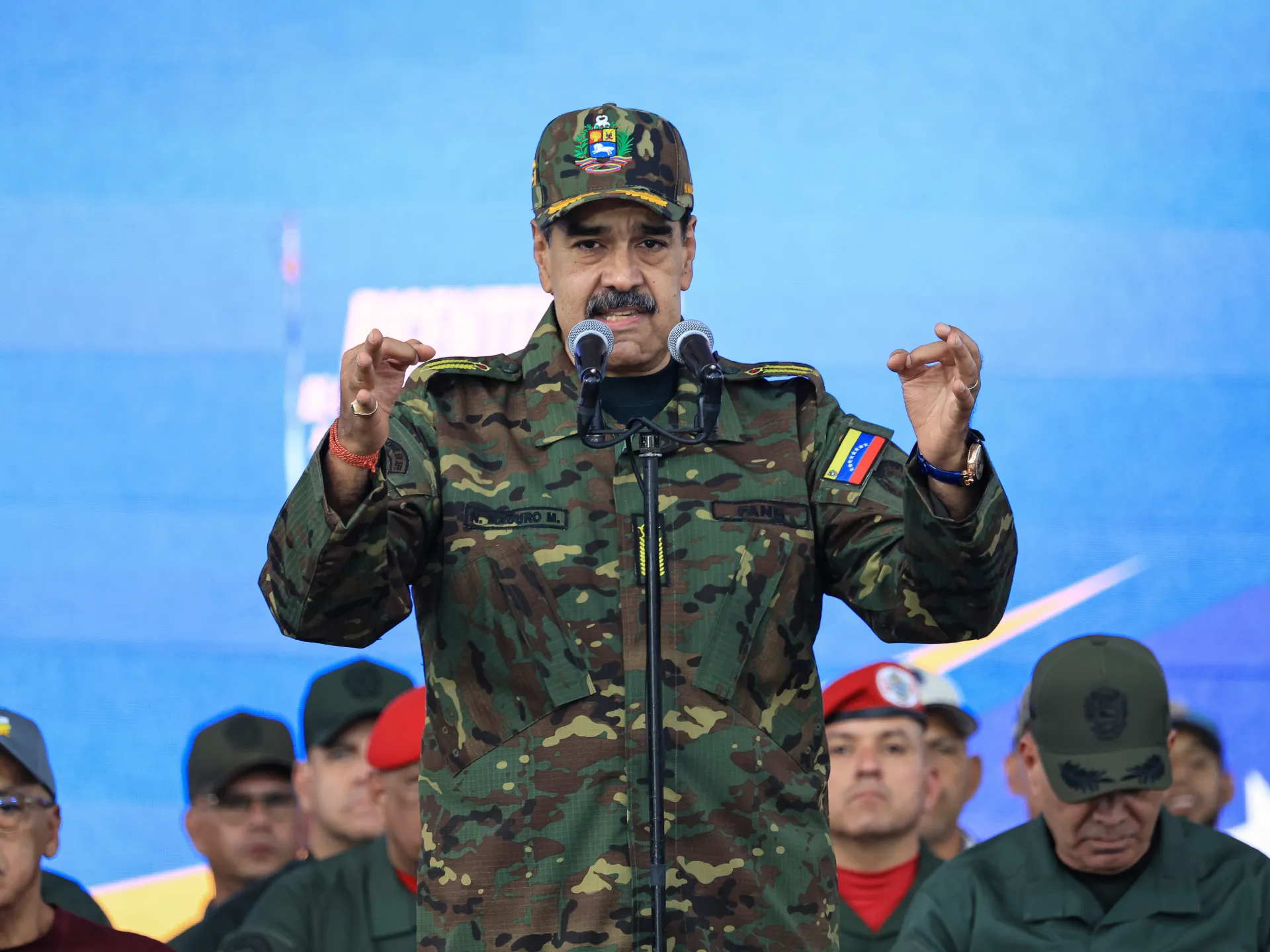
Maduro to appear in New York court: What to expect | Courts News

Venezuelan President Nicolas Maduro is to appear in a New York court on Monday, two days after he was abducted by US special forces in a military operation in Caracas.

The US military arrested Maduro and his wife, Cilia Flores, on Saturday and brought them to New York, where they face multiple federal charges, including drugs and weapons charges.

Recommended Stories

list of 4 itemsend of list

Here is more about Maduro’s scheduled court appearance:

When and where will it take place?

Maduro is to appear before a federal judge at noon (17:00 GMT).

The appearance is scheduled to happen in the Daniel Patrick Moynihan United States Courthouse in the Southern District of New York. Maduro is to appear before US District Judge Alvin Hellerstein.

A court spokesperson told NBC News that Flores, who is also listed as a defendant in a US indictment unsealed on Saturday, will appear in court on Monday as well.

What are the charges?

According to the indictment, the US accuses Maduro of being at the forefront of corruption to “use his illegally obtained authority” to “transport thousands of tons of cocaine” to the US with his coconspirators.

Additionally, the indictment alleges that Maduro has “tarnished” every public office he has held. It adds that Maduro “allows cocaine-fueled corruption to flourish for his own benefit, for the benefit of members of his ruling regime, and for the benefit of his family members”.

Maduro faces four counts:

  • Count 1, narcoterrorism conspiracy: US prosecutors say Maduro and his coconspirators knowingly provided something of financial value to US-designated “foreign terrorist organizations” and their members. The indictment lists these organisations as the Revolutionary Armed Forces of Colombia (FARC), a leftist rebel group that signed a peace deal in 2016 but has dissidents who refused to lay down their arms and are still involved in the drug trade; Segunda Marquetalia, the largest dissident FARC group; National Liberation Army, another leftist Colombian rebel group; Mexico’s Sinaloa Cartel; Los Zetas/Cartel del Noreste, another Mexican drug cartel; and Tren de Aragua, a Venezuelan gang.
  • Count 2, cocaine importation conspiracy: It accuses Maduro and his codefendants of conspiring to manufacture, distribute and import cocaine into the US.
  • Count 3, possession of machineguns and destructive devices: The indictment accuses the defendants of possessing, carrying and using machineguns in relation to the above drug‑trafficking counts.
  • Count 4, conspiracy to possess machineguns and destructive devices: It further accuses the defendants of conspiring to use, carry and possess those weapons in furtherance of drug trafficking.

The indictment also says Maduro and his codefendants should forfeit to the US government any proceeds and assets obtained from the alleged crimes.

Is there evidence for these charges?

There is little evidence that drugs are trafficked from Venezuela on a large scale. The 2023 United Nations Office on Drugs and Crime World Drug Report said global cocaine production hit a record of 3,708 tonnes, up nearly one‑third from 2022, with most coca cultivation taking place in Colombia, followed by Peru and Bolivia.

Trafficking routes into the US in 2023-2024 primarily passed through Colombia, Peru and Ecuador, not Venezuela, although it does serve as a minor transit corridor for Colombian cocaine moving into the eastern Caribbean.

Who is named in the indictment?

Maduro

Maduro, 63, who became Venezuela’s president in 2013, was declared the winner of 2024’s election. His re-election was rejected as fraudulent by the US and independent observers, such as the Carter Center. A UN expert panel said the 2024 vote failed to meet international standards.

Nine Latin American countries called for a review of the results with independent oversight.

Maduro defended the election results and accused his opponents of undermining the country’s sovereignty.

Since returning to the White House nearly a year ago, US President Donald Trump has expanded sanctions and punitive measures against Maduro and senior officials in his government.

The Trump administration ramped up military pressure starting in August when it deployed warships and thousand of its service members in the Caribbean near Venezuela. It has since carried out dozens of air strikes on alleged Venezuelan drug boats, killing more than 100 people.

Maduro has pushed back by mobilising Venezuelan military personnel.

During this time, the Caracas-based news network Globovision quoted Maduro as saying: “From the north, the empire has gone mad and, like a rotten rehash, has renewed its threats to the peace and stability of Venezuela.”

But a day before Saturday’s US attack on the country, Maduro had offered to hold talks to combat drug trafficking.

Flores

Flores, 69, has been married to Maduro since 2013.

Known as the “first combatant” rather than first lady, Flores is a veteran lawyer and politician who rose to prominence by defending future President Hugo Chavez after his failed 1992 coup. She helped secure his release and later became a key Chavismo figure and the first woman to preside over Venezuela’s National Assembly. Chavismo, which promotes socialism and anti-imperialist politics, is the political movement started by Chavez, Maduro’s mentor.

The indictment accuses Flores of joining Maduro’s cocaine importation conspiracy.

Other defendants

The indictment names four other people as Maduro’s coconspirators, namely Diosdado Cabello, Venezuela’s interior minister; Ramon Rodriguez Chacin, former Venezuelan interior minister; Nicolas Maduro Guerra, Maduro’s son and a Venezuelan politician; and Hector Rusthenford Guerrero Flores, the leader of Tren de Aragua, which was designated as a “foreign terrorist organization” by the US in February. But most experts do not define Tren de Aragua as a “terrorist organisation”.

It is not clear yet who will represent Maduro, Flores and the other defendants.

Who is the judge?

Hellerstein was born in 1933 in New York. He was appointed to the federal bench in 1998 by former President Bill Clinton.

He is likely on Monday to advise Maduro and Flores about their rights and ask them if they want to enter a plea.

What’s at stake?

Maduro’s freedom is primarily at stake. If convicted, he could face 30 years to life in prison.

“This is less about Maduro as it is about access to Venezuela’s oil deposits,” Ilias Bantekas, a professor of transnational law at Hamad Bin Khalifa University in Qatar, told Al Jazeera. “This is the number one target. Trump is not content with just allowing US oil firms to get concessions but to ‘run’ the country, which entails absolute and indefinite control over Venezuela’s resources.”

Venezuela’s oil reserves are concentrated primarily in the Orinoco Belt, a region in the eastern part of the country stretching across roughly 55,000sq km (21,235sq miles).

While the country is home to the world’s largest proven oil reserves – at an estimated 303 billion barrels as of 2023 – it earns only a fraction of the revenue it once did from exporting crude due to mismanagement and US sanctions.

Last month, Trump accused Venezuela in a post on his Truth Social platform of “stealing” US oil, land and other assets and using that oil to fund crime, “terrorism” and human trafficking.

Trump repeated his false claims after Maduro’s arrest. During a news conference on Saturday, Trump said the US would “run” Venezuela until a “safe, proper and judicious transition” could be carried out.

“Given the opposition of all South American states, save for Argentina, to US dominance in the region, Trump’s plan requires a vast military deployment. We need to see how countries like Brazil and Colombia react to this, including also BRICS,” said Bantekas from Hamad Bin Khalifa University.

In a joint statement released on Sunday, the governments of Spain, Brazil, Chile, Colombia, Mexico and Uruguay said the US actions in Venezuela “constitute an extremely dangerous precedent for peace and regional security and endanger the civilian population”.

“If there was an armed conflict between Venezuela and the USA and, given that Maduro is the head of his country’s armed forces, then he would be a legitimate target,” Bantekas said.

“However, under the circumstances there is no armed conflict between the two countries and in the absence of an armed attack by Venezuela against the US, the latter’s invasion in Venezuela violates article 2(4) of the UN Charter, as does the abduction of the country’s President. It is a blatant act of aggression.”

Article 2(4) of the UN Charter bars UN members from the threat or use of force against the territorial integrity or political independence of any state.

A United Nations Security Council meeting on Monday will determine the legality of the US abduction of Maduro.

“Given that Maduro is already in US custody and in the USA, it is in the interests of all parties that he appear before a court. At the very least, Maduro can challenge the legality of his arrest and the jurisdiction of the court,” Bantekas said.

“The court itself has an obligation to decide if it has jurisdiction and as a preliminary issue decide whether Maduro enjoys immunity from criminal prosecution. If these issues are dispensed the court nonetheless finds that it has jurisdiction and that Maduro does not enjoy immunity, then the prosecutor must prove its case.”

What’s next?

The Trump administration has not explicitly stated a clear plan for Venezuela, with analysts saying the administration has sent out confusing signals.

In an interview with the NBC news channels on Sunday, US Secretary of State Marco Rubio suggested that Washington will not govern Venezuela on a day-to-day basis besides enforcing an existing “oil quarantine”.

Rubio told ABC news on Sunday that the US had leverage over Venezuela and the US would “set the conditions” to ensure that Venezuela is no longer a “narco-trafficking paradise”.

But on Sunday, Trump told reporters that the US is ready to carry out a second military strike on Venezuela if its government refuses to cooperate with his plan to ‘resolve’ the situation there.

She could “pay a very big price” if she “does not do what’s right”, Trump said, refering Venezuela’s new leader, Delcy Rodriguez.

During his Saturday conference, Trump said that Rodriguez told Rubio that she will do what the US needs her to. “She really doesn’t have a choice,” Trump had said.

In his first press conference after Maduro’s illegal abduction on Saturday, Trump ruled out the possibility of working with opposition leader and Nobel Prize winner Maria Corina Machado, who was barred from running in the 2024 presidential elections.

Machado, a member of the Venezuelan National Assembly, is seen as the most credible adversary of Maduro’s leftist government.

On Monday, Rodriguez, the interim leader, offered to cooperate with Trump. In a statement posted on social media, she invited Trump to “collaborate” and sought “respectful relations”.

“President Donald Trump, our peoples and our region deserve peace and dialogue, not war,” she wrote.

Her conciliatory tone came a day after she appeared on state TV declaring that Maduro was still Venezuela’s sole legitimate president.
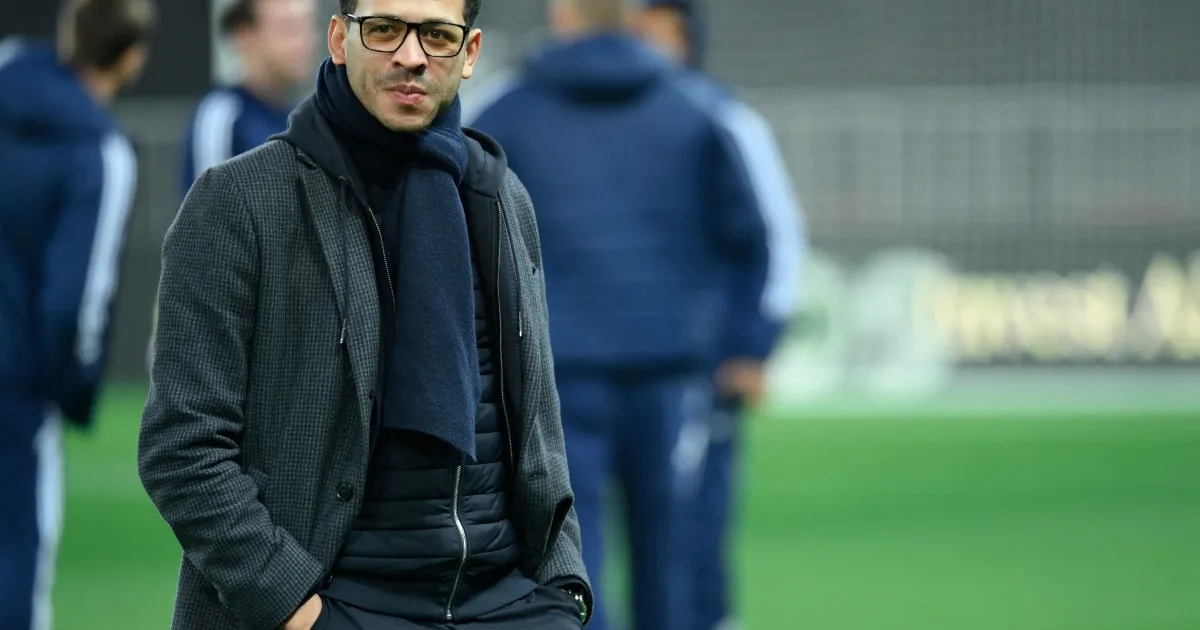
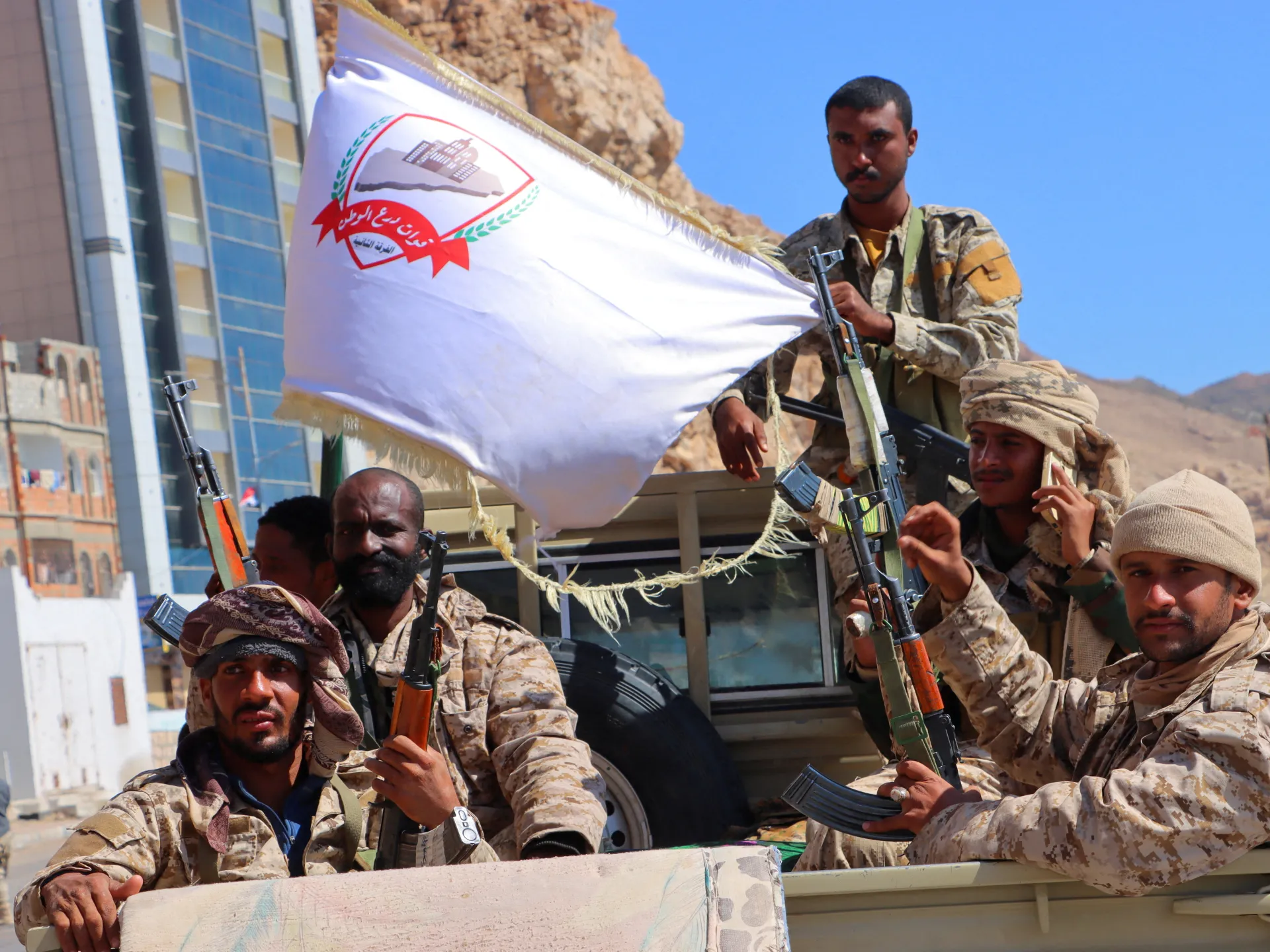
Source link