Travel Desk

Lochs, bothies and burial chambers: readers’ favourite trips in Scotland | Scotland holidays

Winning tip: Bothies and a fogbow in the northern Highlands

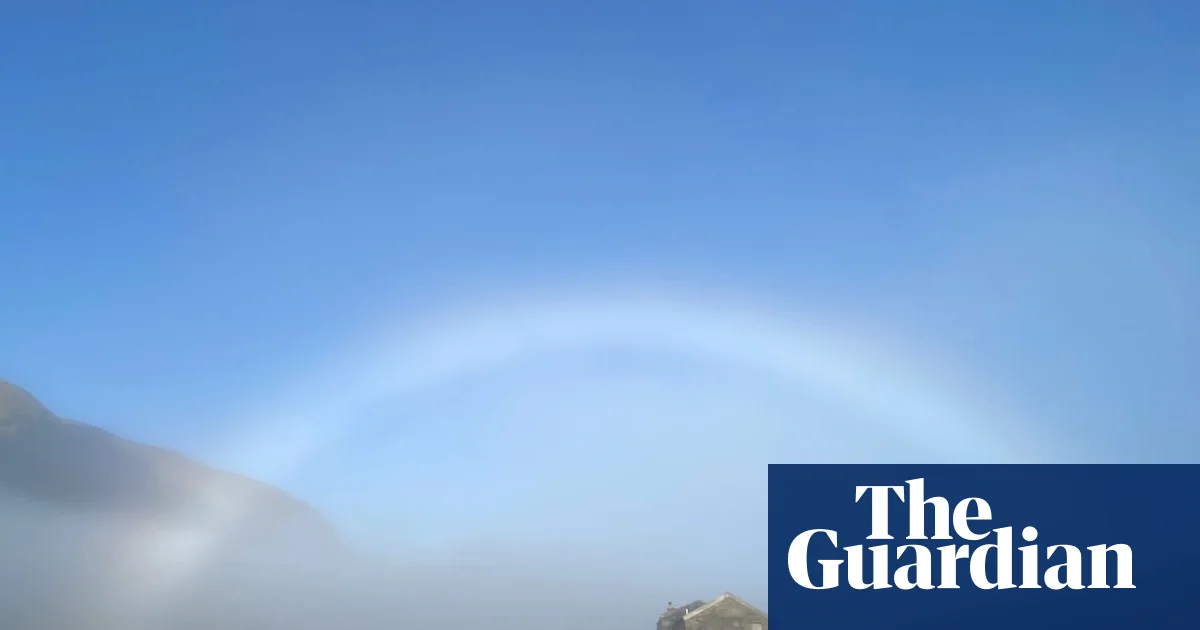
After trekking in from near Oykel Bridge, our group stayed the night at Choire Mhoir and Magoo’s bothies (conjoined Mountain Bothies Association and non-MBA bothies, both free) in the northern Highlands. Emerging from the bothies come morning, a fog hovered between the mountains leading up to the summit of Seana Bhràigh, peaking out above, and Loch a’ Choire Mhóir below. As the sun rose, the fog steadily lifted, but not before creating a magical fogbow above the loch and bothies.
Rory

Stone age on two wheels in Orkney

Standing stones of Stenness. Photograph: Barbaraaaa/Getty Images

We took our bikes on the ferry from Scrabster on the mainland to Orkney (worth the trip on its own for the views of the Old Man of Hoy) for a spin round the island to take in some of the most impressive neolithic sites in Europe. Starting in Stromness, we headed north to Skara Brae, then looped round to Kirkwall via the must-see road sign for Twatt. The next morning we spent exploring the majestic Ring of Brodgar and nearby standing stones of Stenness. The setting, where the lochs of Harray and Stenness meet, is spectacular. These neolithics clearly had an eye for the dramatic! We finished with Maeshowe burial chamber before catching the ferry back to the mainland.
Matt Lunt

Profile

Readers’ tips: send a tip for a chance to win a £200 voucher for a Coolstays break

Show

Guardian Travel readers’ tips

Every week we ask our readers for recommendations from their travels. A selection of tips will be featured online and may appear in print. To enter the latest competition visit the readers’ tips homepage

Thank you for your feedback.

Total escape on Harris

Luskentyre beach in Harris. Photograph: Westend61/Getty Images

I had a child-free week last summer and for my first solo trip chose the Outer Hebrides. The adventure began on the ferry from Ullapool to Stornoway where I spotted minke whales and acrobatic dolphins. I stayed in one of Wigwam Holidays’ cosy shepherd’s huts on a croft in Harris, painted the colours of a Hebridean sky with rich tweed blinds and a wood-burning stove. Storm Floris hit while I was there and I had endless windy beach walks seeing otters, sea eagles, grey seals, my mind clear to write poetry and daydream. I have never struggled to return to normal life so much after a trip; a total escape.
Lynda Gairns

West coast campervan epic

Hannah on the path along Loch Morar from Morar to Port Tarbet. Photograph: Hannah

We did a campervan trip along Scotland’s west coast and ended up loving the quieter spots most. Kinlochewe, a village in Wester Ross, is stunning in good weather. I climbed 981-metre Slioch from there, which has incredible views over Loch Maree (with a bit of scrambling near the top). We then stayed near Gairloch and enjoyed the huge beaches and views out to Skye and the Outer Hebrides. My favourite stretch was near Mallaig: walking along Loch Morar to tiny Tarbet, then getting the boat back, it felt so remote. Ardnamurchan was also a highlight with Sanna beach, a quick climb up Ben Hiant on the drive over, and watching an otter one evening. Campsites were £10-£33 per night.
Hannah

Exploring Scotland’s longest peninsula

Moira’s photograph of Skipness beach on ‘wonderfully unspoilt’ Kintyre.

Last year we opted for Kintyre for our Scottish break and found it wonderfully unspoilt. As the country’s longest peninsula it has west coast island scenery all around, without the hassle of ferries. As well as the Kintyre Way coastal path, we enjoyed fish and chips at Tarbert harbour and explored the region’s whisky capital, Campbelltown. A final highlight was a peaceful picnic on Saddell Bay (location of Paul McCartney’s Mull of Kintyre music video), where Anthony Gormley’s GRIP sculpture now looks out over Kilbrannan Sound towards Arran.
Moira B

A city break in Glasgow

Kelvingrove Art Gallery and Museum. Photograph: Robert Wyatt/Alamy

Arriving in the city for the first time ever at Glasgow Central, it seemed to me that’s exactly how a station should look. Off I went in search of the handsome Kelvingrove museum, Billy Connelly’s banana boots (currently at St Enoch shopping centre) and the small and thoughtful tenement house run by the National Trust for Scotland that tells the poignant story of an independent, single woman who lived there virtually all her life. Glasgow tells the history of its people as it is, and nowhere more so than the Barras flea market. The Mackintosh tea rooms proved an excellent pit stop. It’s so sad to think that Charles Rennie Macintosh died in obscurity and relative poverty at the age of 60 but his legacy is everywhere, including the Glasgow School of Art, diminished after the fire, but it will in time rise again.
Liz Owen Hernandez

Community-owned Hebridean island

Margherita climbed the hill Sgòrr an Fharaidh on Eigg to take this photograph towards Rùm. Photograph: Margherita

We spent an unforgettable week on the Isle of Eigg at Cleadale Bothy (£80 a night, two-night minimum). Cleadale is one of the most northern settlements on the island, surrounded by wild and windy beaches, views to the south of An Sgùrr (the island’s single peak) and the Mordor-esque hills of the island of Rùm, native bluebells everywhere, and screeches of manx shearwaters at night. The island, which is 12 miles off Mallaig on the mainland, is community owned and very welcoming – while we were there we were invited to a free film night. There’s a shop, a bar, a brewery, a tiny museum, and a watersport equipment and bike hire outlet (no cars can be brought on to the island by visitors).
Margherita

Rewilded Southern Uplands

Forest regeneration in Carrifran. Photograph: Nature Picture Library/Alamy

Carrifran Wildwood in the Moffat Hills is a landscape shaped by care and determination. Volunteers have returned native trees to the once-bare glen, and the scale of what they have achieved brought a lump to my throat when I first saw the valley open out from the viewpoint. It is a hopeful place, showing how collective effort can heal the land and create something enduring for future generations to experience. At the wood, there are paths and information boards for visitors, and nearby Moffat has independent shops, a museum and a park with a fantastic kids’ play area.
Hannah Price

Castles and lidos in Aberdeenshire

Dunnottar Castle. Photograph: Federico Rostagno/Alamy

Coastal Aberdeenshire might not be as popular as the Highlands and islands, but Stonehaven is a great place and one of my favourite Scottish seaside towns. A nice shingly beach, a (heated!) seawater lido and a fantastic seafront ice-cream shop called Aunty Betty’s are a few of the town’s attractions. But it’s nearby Dunnottar Castle that is the biggest draw for me. Views of the coastal medieval fortress are, for my money, some of the best and most dramatic in Scotland. Then there is Aberdeen, a 20-minute train ride away from Stonehaven, with its lovely art gallery and striking granite architecture. Some day, I hope to go up for Hogmanay to experience the Stonehaven fireball festival.
Emma R

Shelter from a storm on Tiree

Crossapol beach. Photograph: Wayne Hutchinson/Alamy

Camping on the island of Tiree amid Storm Dave, I needed an indoor activity to stay warm, so I went to Screen Argyll in Crossapol. This was the truest form of tourism; feeling like you’ve accidentally stumbled into someone’s living room where everyone knows everyone, and being welcomed in. As the snow storm raged outside, I laughed with 30 locals and watched a silly movie, for the price of a pint down south (£7.50). My outdoor adventures were cut short, but it meant I had the best evening of the trip.
Calum

Source link

Holiday alert as 14 UK tourist hotspots face ‘indefinite’ strikes from Friday, April 17

Air traffic controller strikes will cause ‘indefinite’ disruption to flights from April 17, affecting some of the most popular European holiday locations

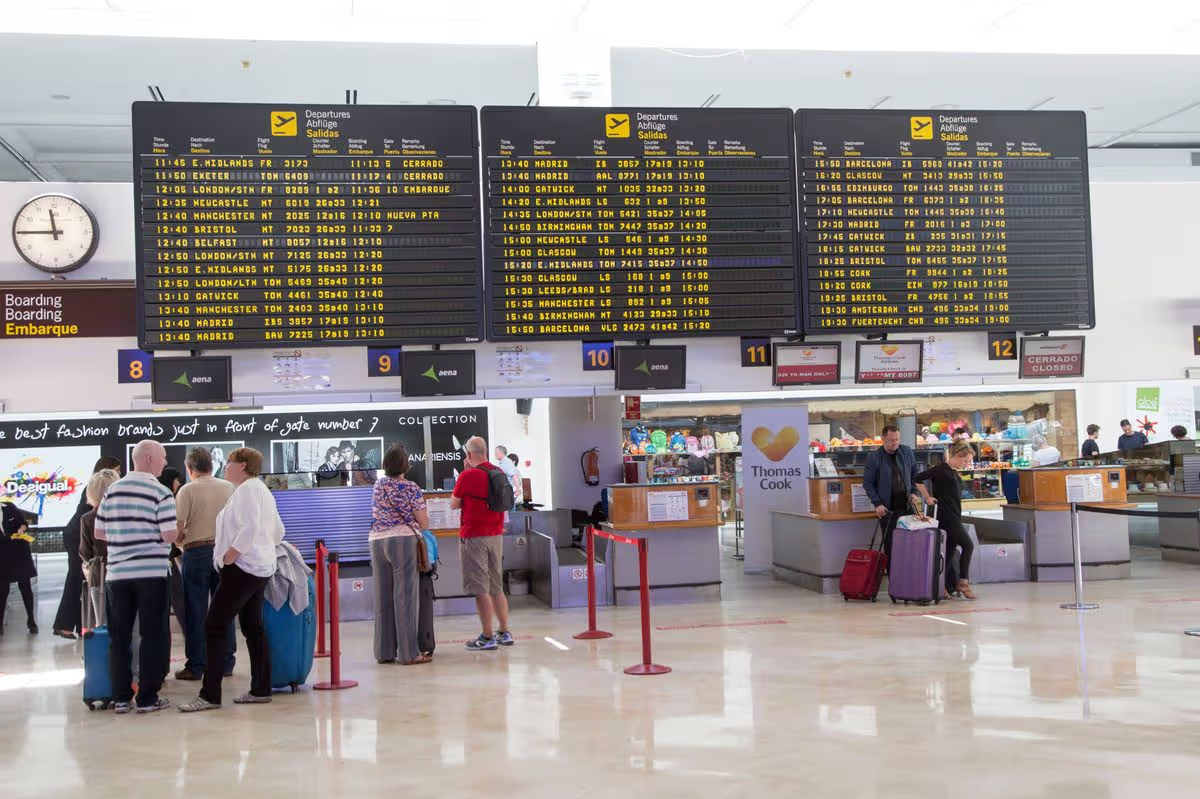
British holidaymakers are facing the prospect of indefinite disruption starting from tomorrow at major European holiday destinations. A total of 14 airports at popular holiday locations are preparing for strike action from Friday, April 17.

Air traffic controller unions are warning that the strike action is ‘indefinite’. Spanish media reports indicate that the action by USCA kicks off on April 17 at the Canary Island hotspots of Lanzarote, Fuerteventura, La Palma, La Gomera and El Hierro – with nine further locations also affected.

Other popular holiday destinations set to be hit by airport strikes include the mainland locations of Jerez de la Frontera, La Coruña, Madrid-Cuatro Vientos, Vigo and Seville. Castellón, Burgos, Huesca and Ciudad Real are also set for strike action.

Travel website Travel On World is cautioning tourists that the greatest risk is likely to be “delays, late aircraft rotations, missed connections and short-notice timetable changes.”

The site notes that for many travellers, the main concern is not a complete shutdown of operations. Instead, it is planes departing late from earlier locations, inbound flights being held up, departure slots changing around, turnaround times tightening and passengers having to put up with long waits for clear details on what is happening.

Because air traffic control is classed as an essential service, Spanish authorities have the power to impose minimum service levels. This should mean that some flights continue to operate.

Some flights are therefore likely to depart close to schedule. Yet others may face significant delays, and some could be cancelled where airlines determine the knock-on effect has become too serious.

What are my rights over the Spain airport strikes?

According to the Civil Aviation Authority, if your UK flight is delayed, and a post-Brexit regulation known as UK261 applies to it, your airline must care for you while you are delayed. This includes supplying you with food and drink depending on the length of your delay, and accommodation if you are delayed overnight.

You may also be entitled to compensation if the delay results in you reaching your destination airport more than three hours late. If the delay exceeds five hours, you can opt not to travel and receive a refund.

What is the Spain strike action all about?

The airports affected by the industrial action share a common thread – all are operated by SAERCO. Further strikes had previously been anticipated at Lanzarote and Fuerteventura, linked to a separate ongoing dispute involving Groundforce baggage handlers. However, it emerged earlier this week that this action has now been suspended.

Travellers must now contend with this latest wave of industrial unrest. Air traffic control unions say they are taking strike action over staff shortages and shift scheduling disputes – and passengers should be ready for disruption.

USCA spokesman José Luis Feliú told El Espejo Canario that delays are a real possibility. And the sunspots are busy all year long. Aena reports that 5.7million British holidaymakers visited the Canary Islands in 2023 alone.

Even outside of the school holidays, the islands remain a firm favourite with British travellers – and for good reason. According to the Hello Canary Islands website, with 4,800 daylight hours a year, the Canary Islands have the most daylight hours of anywhere in Europe.

What the unions are saying about the Spain airport strikes?

USCA spokesman José Luis Feliú told Spanish media there is currently a “shortage of air traffic controllers,” which he said directly impacts the system’s operation. “It generates greater stress, more fatigue, and makes it impossible to guarantee service continuity,” he warns.

The union spokesman highlights that the surge in air traffic has worsened the situation, compelling professionals to shoulder heavier workloads under increasingly difficult conditions, reports El Espejo Canario. One of the most pressing concerns is shift management, he alleges. “The company unilaterally changes the schedule,” alleges Feliú, leaving workers unable to plan their personal lives, he claims.

He claims that air traffic controllers are forced to “give up leave, vacations, and planned changes,” a situation he regards as unsustainable in the long run. “In the end, you work the same hours, but without any planning,” he claims.

The strike is indefinite, although minimum services will remain in place, it is understood. Spanish website Larazon reports that the union cites “staff cuts of up to 33%” as the reason for this nationwide strike.

The website reports that the action is set to affect football fans using Seville airport. The Copa del Rey final will take place in Seville between Atlético de Madrid and Real Sociedad on Saturday, April 18.

According to Diario de Jerez, as of midday Thursday, the Jerez airport schedule still showed 18 commercial flights planned for Friday (nine landings and nine takeoffs). Meanwhile, another 18 commercial operations are scheduled for Saturday, two of them with Germany.
Source link

Senior travellers urged to do simple exercise on the plane ‘every 30 minutes’

Long-haul flights can cause in-flight circulation stiffness and fatigue, especially for older travellers

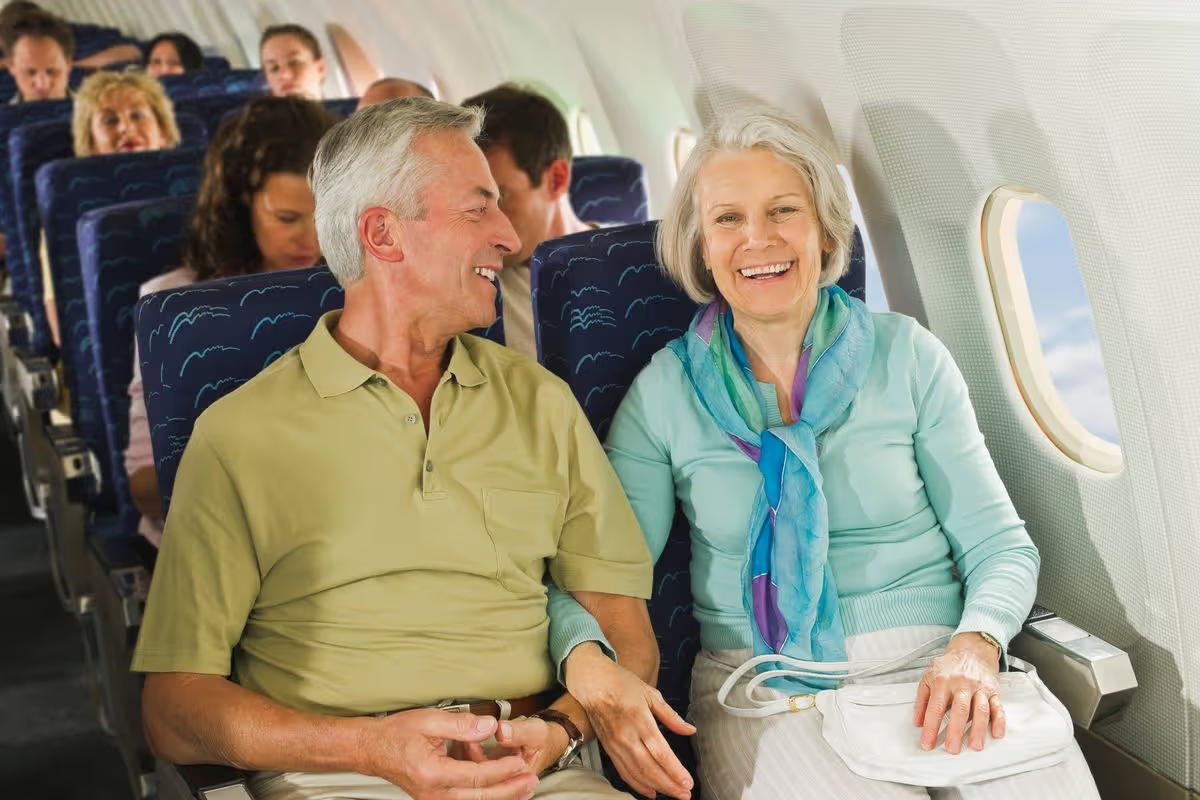
Anyone who’s flown long-haul will be acutely aware of the stiffness, exhaustion and sluggish circulation that can develop, potentially marring the start of your holiday. And this is particularly relevant for older passengers.

With this in mind, Inspiring Vacations has teamed up with Melbourne-based Pilates instructor Brittany Tatterson to reveal some movements anyone can perform while still aboard their flight.

She explained: “Seated movements every 30 to 60 minutes are ideal, with the opportunity to stand and walk every one to two hours where possible. Many people wait until they already feel stiff, but by that point the body has already tightened and circulation has slowed.

“The good news is you don’t need to stand in the aisle or take up extra space. The most effective movements are often the smallest and can be done entirely within your seat.”

The discreet in-seat exercises you can do (without anyone noticing)

The first movement Brittany suggests is gently tilting your pelvis forward and backwards, as this can help engage your core and relieve pressure from your lower back.

“You can also keep your toes on the floor and slowly lift your heels up and down to encourage circulation through the legs, which is particularly important on long-haul flights,” Brittany added.

“Breathing is another big one. Inhaling through your nose and allowing your ribs to expand, then exhaling slowly, can help improve both your breathing and overall energy levels.” She also notes that even minor neck movements, such as gentle nods, turns and slight tilts, can alleviate tension that accumulates from screen time and poor posture.

Meanwhile, simply clenching and releasing your glutes can help support your pelvis and ease strain on the lower back without drawing any attention from those around you.

How to move without annoying your neighbour

While these movements are vital for a comfortable journey, Brittany emphasises that they should never come at the expense of those around you.

“Move slowly and mindfully; there’s no rush. Slower movement is not only more considerate, it’s actually more effective for the body,” she says. “The key is to keep everything small and controlled, staying within your own space wherever possible.”

A few simple etiquette rules can make all the difference:

  • Keep movements small and within your seat space
  • Avoid wide arm stretches or anything intrusive
  • Move during quieter moments, not meal service
  • Only walk the aisle when it’s clear

Source link