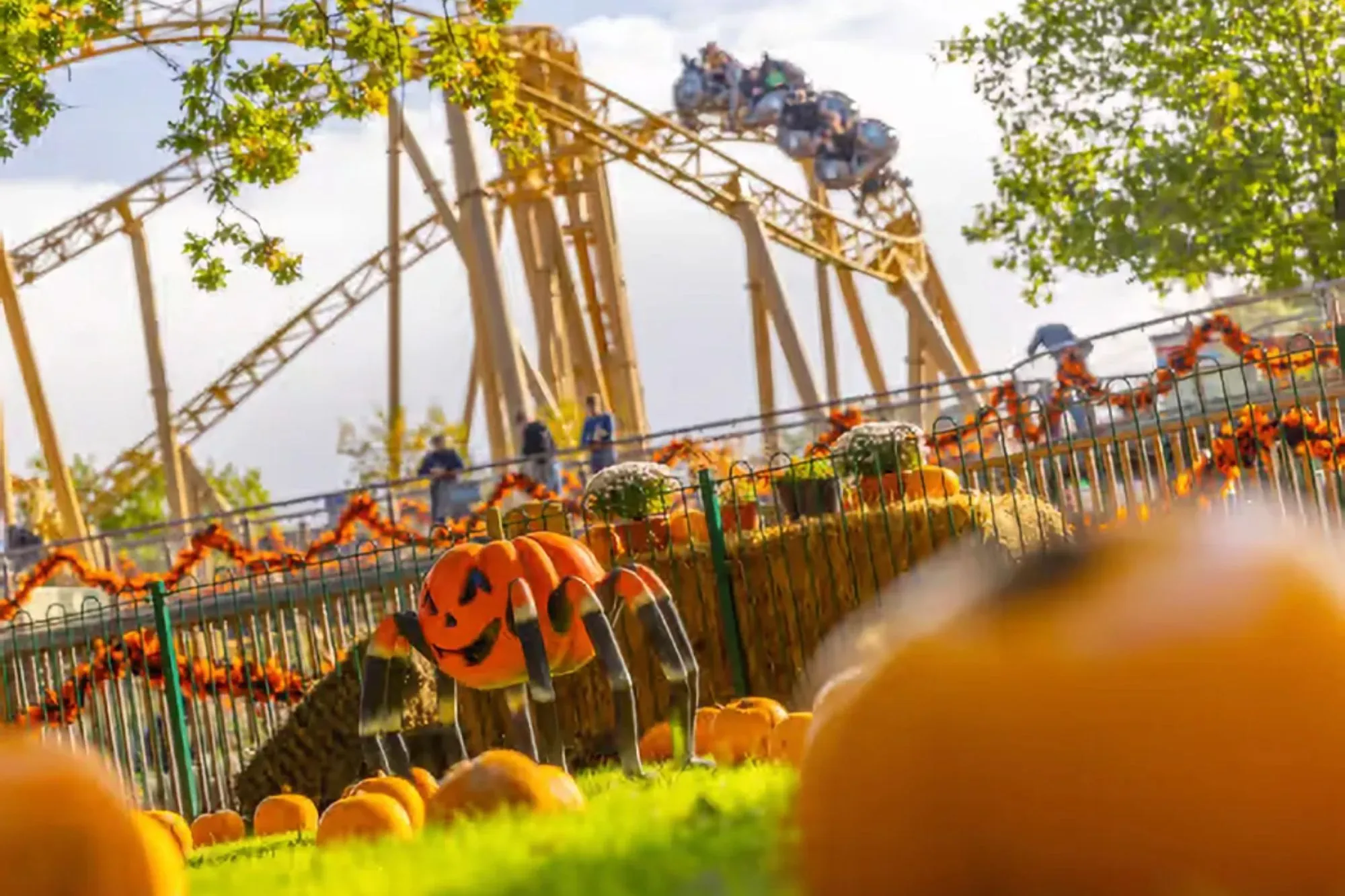
THERE’S lots of exciting things happening in 2027 across England, with plenty to interest all ages.
From the opening of the world’s first Minecraft land to a beautiful resort in Oxfordshire and the reopening of a funicular cliff lift in Kent – these spots should be on your radar.
A new resort in Oxfordshire will open in 2027Credit: CABÜChessington World of Adventures is opening its new Minecraft WorldCredit: chessington
Chessington, Surrey
If you’re a fan of the Minecraft video game, head to Chessington World of Adventures in Surrey for the opening of an immersive new land.
Minecraft World will cost £50million and will also have the first ever Minecraft coaster.
Sign up for the Travel newsletter
Thank you!
There will be other interactive features too like “epic block built playscapes” along with themed food and drink stores and a gift shop.”
It’s easy to make a day of it too by checking out the other 40 rides and attractions at the theme park.
Paultons Park will open a new water coaster as part of Valgard: Realm of the VikingsCredit: Paultons ParkIt will be one of the biggest rides ever built in the theme parkCredit: Paultons Park
Over at Paultons Park in Hampshire, the theme park will be opening its very first water coaster.
Called Serpent’s Curse, it will be an exciting new additionValgard: Realm of the Vikingsand it will be one of the biggest rides ever built in the theme park.
The watercoaster will be 471-metres long, with top speeds of 44mph and will open next spring.
For ride enthusiasts the details say that it will have ‘a lift hill, fast-flowing twists and curves, and a dramatic plunge into a final splashdown.’
The exact date of the opening of the ride is yet to be confirmed.
Blackpool, Lancashire
The River Caves at Blackpool Pleasure Beach are set to reopen next yearCredit: AlamyThe ride first opened in 1905 and closed in 2024Credit: Theme Park Guide
The classic water ride first opened in 1905 before closing in 2024 due to technical complications – it will reopen next year after a period of “reimagination”.
It’s one of the oldest operating dark rides in the world and takes visitors through Ancient Egypt and lost jungles past dinosaurs and temples on a boat.
Amanda Jean Thompson OBE, the managing director of Pleasure Beach Resort teased some details, she said: “What I can tell you is what will remain – the Egyptian scene will remain but it and the Angkor Wat scene, which is so integral to Aviktas will remain, but rethemed and redone.”
She added: “I think the Blue Grotto may stay because I particularly like that area. The rest will be new and remains top secret for now, because I keep changing my mind.”
For anyone heading to Blackpool, another must-do is head to Sandcastle Waterpark which was recently voted the best waterpark in the country.
It’s kept at a toasty 29C and has more than 18 waterslides and attractions including a spa.
Don’t forget to pop into the seafront Wetherspoons either – called Velvet Coaster, it sits right on the front with views across the pleasure beach.
It’s across three floors, there’s a beer garden on the ground floor, a balcony on the first floor, and a roof garden on the pub’s highest level.
Morecambe, Lancashire
The new Eden Project in Morecambe is currently in developmentCredit: Lancashire County CouncilThe Bring Me Sunshine Garden will open next year as part of the first phaseCredit: Unknown
Work has officially started on the £100 million Eden Project in Morecambe and the majority will open in 2028.
But part of it will actually open next year – and it will be completely free to enter.
Called the Bring Me Sunshine Garden, it will have tall Austrian pine trees, grasses, a natural flower meadow as well as a solar-powered, shell-shaped outdoor pavilion and classroom that harvests rainwater.
The garden was shown off at the 2026 RHS Chelsea Flower Show and will open as a permanent part of the Eden Project in Morecambe in spring 2027.
The rest of the Eden Project Morecambe is scheduled to fully open in winter 2028.
There’s plenty to see in Morecambe like the Happy Mount Park, the Eric Morecambe Statue and The Smugglers Den pub all rated highly on TripAdvisor.
Folkestone, Kent
Head to Folkestone Kent to try out the reopened funicular lift next yearCredit: AlamyIt will reopen along with the cafe, waiting room and outdoor terraceCredit: Folkestone Leas Lift
If you love the Kent coast, Folkestone might be the seaside town to visit next year as its funicular lift is set to open after being closed for 10 years.
Folkestone’s Leas Lift first opened in 1885 and was forced to close back in 2017.
But a long campaign has finally seen restoration works start – and it’s set to reopen in 2027.
The £6.6million works will restore the main systems, which connect the top of the cliff to the beach.
The cafe is also being restored, along with the waiting room and addition of an outdoor terrace.
It remains one of the oldest in the UK, and one of just three of its kind left, being a water-balance funicular.
Along with its beach, the town has its own art trail, including a 2014 Banksy, as well as the Antony Gormley cast iron statues and ‘Folkestone Mermaid,’ similar to the one in Copenhagen.
Pop by its Artist’s Quarter to see local artwork and coffee shops.
Oxfordshire
CABÜ is currently building their third resort in OxfordshireCredit: CABÜIt will have 51 cabins, two swimming pools and a natural spaCredit: CABÜ
If a bit of R&R is part of your 2027 plans then perhaps a trip to Oxfordshire is on the cards.
CABÜ is set to open a new resort just outside of the Cotswolds – and it will be the third of its kind in the UK.
It will have beautiful luxury cabins, a relaxing nature spa as well as indoor and outdoor swimming pools.
There will be a new range of 51 “ultra- cool timber cabins” which will have either one, two or three bedrooms.
Guests will be able to use all of the facilities which include a nature spa, hot tubs, saunas and plunge bucket.
There will be an indoor swimming pool too surrounded by loungers and huge windows which will let in lots of natural light.
During the warmer months, guests can enjoy the outdoor pool – also on site will be a shop, restaurant, two bars and a studio events space.
Skipsea Sands is undergoing a £5million makeoverCredit: Trip Advisor/ Skipsea Sands ManagementThorness Bay will add new facilities to its holiday park tooCredit: Unknown
If you’re looking for a holiday park break next year, then two Parkdean Resorts are getting major makeovers for spring 2027.
Added to the site will be the new Hat-Tricks Sports Bar with pool and darts.
Joe’s American Grill is its new dining and there will be Minigolf & Adventure Activities which include high ropes, low ropes and climbing wall.
The second resort undergoing an upgrade is Skipsea Sands in East Riding of Yorkshire.
As part of a £5million makeover, it has recently added a Clip & Climb wall, Bear Grylls Escape Rooms and Fairground Golf.
Paignton, Devon
The enormous Redcliffe Hotel in Paignton will reopen in summer 2027Credit: AlamyIt’s getting a revamp including a new restaurant and barCredit: Twelve Architects
If you fancy a trip to the seaside this summer, one of the biggest hotels in Paignton is getting a huge refurb.
The Redcliffe Hotel is set to open in early 2027 and when it does, it will have been closed for a full year for the refurbishment.
The hotel has Indian-style architecture and sits right next to Paignton Beach and Preston Sands.
During the refurb, the 67-room hotel will be reduced to 55 rooms and the ground floor function room will be converted into guest rooms.
There will be a new restaurant and bar, and enhanced spa facilities.
Outside, there will be a restaurant patio with seating pods, planters and benches, terraced terraced gardens, guest patios and a refurbished outdoor pool area as well.
If you want to find a slice of Greece in Devon, then head to Elberry Cove which sits on the South West Coast Path between Paignton and Brixham and has crystal clear waters.
The announcement late last year that the iconic train company would start running double-decker trains across its network from 2031 was big news for those of us who love the towering carriages found in Italy, France and Spain
Eurostar’s new trains will be up and running by 2031
Eurostar’s new-look trains will feature two-storey bars, maximizing passenger capacity and Continental drinking opportunities.
The announcement late last year that the iconic train company would start running double-decker trains across its network from 2031 was big news for those of us who love the towering carriages found in Italy, France and Spain, but never in the UK. The height of UK tunnels means we’re stuck trundling around on lower-capacity, single-storey trains.
Except that is on the high-speed line from London to mainland Europe, which is perfectly capable of taking taller trains, a la France’s TGV Duplex, Switzerland’s SBB IR Dosto and Germany’s DB IC2.
Eurostar’s double-decker announcement last year was exciting enough, but now the Belgium-headquartered firm has announced that its new Celestia trains will feature two-storey bars as its “star attraction”. A Eurostar spokesperson told Euronews Travel: “The name Celestia means ‘heavenly’, reflecting the idea behind the double-decker bar: to create a travel experience beyond the ordinary.”
Eurostar has ordered 30 Celestia trains, with the first scheduled to begin service in May 2031. As well as sporting the bar, the classic blue, grey, and yellow livery that high-speed train fans have become used to seeing whizzing through the countryside will be replaced by a new, more understated grey and green. Their capacity will also be increased.
A Eurostar spokesperson explained: “Eurostar Celestia will have a bespoke design to capture the unique, premium experience Eurostar passengers expect. It is expected that each 200-metre set will have around 540 seats. If running in 400m formation (as through the channel tunnel today), there would be around 1,080 seats per service, a 20% increase from today.
“The first trains are due to join the fleet in January 2031, with commercial services launching in May 2031. Six new trains will be operational at that time, marking the beginning of a new era for travel on board Eurostar Celestia. Once delivered, the new trains will operate alongside the current fleet of 17 e320s, bringing the total fleet to 67 trains – a 30% uplift overall versus today.”
The train company has pledged that the new trains will offer 20 to 50% energy savings compared to the current fleet.
Eurostar is upping its game ahead of the arrival of a potential competitor on the rails. In August, Virgin was granted track access by the Office of Rail and Road, having announced plans to run a rival rail service to Eurostar through the Channel Tunnel. The access will allow Virgin to run up to 20 daily return services between London and Paris, Brussels or Amsterdam, with the agreement running from 1 October 2030 to 31 December 2040.
Eurostar has held a monopoly on passenger services since the tunnel opened in 1994. Before Virgin can join it on the tracks, it needs to secure rolling stock for the services and get safety approval from UK and EU authorities. The ORR approval only covers the HS1 route from London St Pancras to the Channel Tunnel, and not on rail networks in mainland Europe.
FANCY experiencing something totally sexy for an evening out? Well, you can, can, can at one London stage show.
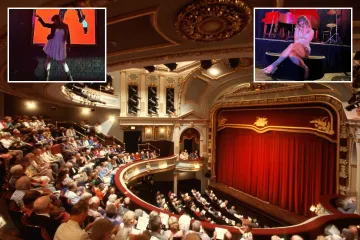
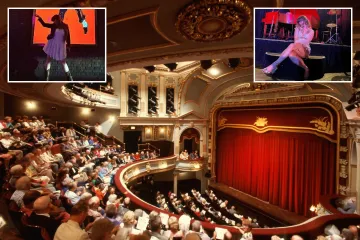
Moulin Rouge! The Musical at Piccadilly Theatre on London’s West End is high-octane magic and what makes it even better is you can get cheaper tickets with Sun Club.
Moulin Rouge! has been on the West End for five yearsCredit: Cyann FieldingThe set is glamourous as is the productionCredit: Cyann Fielding
Sun Club members can get 10% off tickets with London Theatre Direct, when booking via our Sun Club Promo page.
To get your tickets, sign up to Sun Club for £1 in our flash sale, which gives you three months of access (£1.99 per month thereafter), then head to the Sun Club Offers hub and London Theatre Direct page or click here.
Sign up for the Travel newsletter
Thank you!
And let’s be honest: a night out surrounded by leather, lace and a stage bursting with hit songs is pretty hard to top.
If you’ve been living under a rock, Moulin Rouge! follows Christian, an optimistic American songwriter who lands in bohemian Paris and gets swept up by a pair of flamboyant locals.
They then introduce him to Satine, the Moulin Rouge’s sparkling star.
Mistaking him for the wealthy Duke, who is needed to bankroll the struggling venue, Satine seduces him.
But behind her vibrant facade lies a tragic secret, kicking off a tale of forbidden romance – think Romeo and Juliet, but injected with explosive choreography, killer pop hits and pure, unapologetic queer glamour.
The magic starts from the moment you step inside the theatre, where the stage glows with dazzling warm yellow lights framed by massive arches that transform the space into a giant heart.
And you can get money off with The SunCredit: Cyann Fielding
Side podiums host alluring bohemians moving to the seductive and rhythmic music, before the curtain even lifts.
Beyond the podiums, there’s a giant elephant in one of the boxes looming over the audience and directly opposite, there’s the iconic red windmill setting the Parisian scene.
When it comes to the show, rather than an original score, the production of Baz Luhrmann’s iconic musical movie mashes up iconic hits spanning decades including A-ha’s Take on Me to Lady Gaga‘s Bad Romance.
The result? A gripping and energetic performance that leaves you singing along in your head.
Each stage set is cleverly laid out to bring the audience in, with scenes of Paris in the background including smoky night- time skies and sparkling lights.
The costumes are just as decadent as the set itself as well.
The show mashes-up pop hitsCredit: Cyann FieldingTickets start from £25 per personCredit: Cyann Fielding
And the cast brings all of this excitement to boiling point with remarkably talented singing and acting.
Who doesn’t love a show with a villain? The Duke is suave and sexy and while I know I should have hated him, I found myself loving his characterisation.
Other standout performances include Santiago, “the finest tango dancer in Paris” played by Ivan De Freitas – his cheeky and endearing charm lightens the tragedy unfolding.
Alistair Brammer, who plays Christian and Karis Anders, on who plays Sat, ine deliver a stunningly alluring performance, too bringing the chemistry of the characters to life.
Everything oozes sexiness, but with sophistication.
November marks five years since the show launched in the West End and I simply cannot name a single fault with the show – it is a must-see that I hope stays around a lot longer as I will be back.
Tickets start from £25 per person.
Q&A What you need to know
Is there a minimum age requirement for attending the show?
Children under five-years-old are not permitted.
The show recommends guests to be 12-ears-od and above due to mature themes and adult content.
Do you agree with the age rating?
I would say leave this one for the adults – a date night or girls night out is best.
How much is the programme and is any merch available?
There are two programmes available. The show programme costs £7 and a souvenir programme costs £12. You can also purchase both for £16. There is also merchandise available such as magnets and pin badges.
Any extras?
There are four bars in the theatre including the Piano Bar and Tanqueray Gin Bar. There is also a paid-for cloakroom. And if you want to elevate your experience, you can book the premium Can Can! Table Seating which is right by the stage, with prices starting from around £105 per person.
Is there a best seat in the house?
The stalls are slightly tiered, which is where I sat and had no issue even with someone in front of me. Seats in the circle also look great. The theatre is smaller than most, so everything feels closer and more intimate.
Where’s the closest affordable hotel?
A couple of minutes’ walk from the theatre is Zedwell Piccadilly Circus capsule hotel which costs from £30 per night. If you don’t want to sleep in a pod, a few minutes more away is Z Hotel Piccadilly with rooms from £85 per night.
Where is the closest place to get a pint?
Right next to the theatre is The Queen’s Head, where a pint will set you back around £5.20.
Where is the closest place to have a meal?
The Piccadilly area has plenty of places to grab a bite to eat, including Bill’s, The Devonshire and Flat Iro, n and numerous watering holes for pub grub.
I want to make a day of it. What else is nearby?
Thanks to being in central London, there is a lot on your doorstep. Piccadilly Circus is just around the corner, where you can see the giant LED screens. Just off Piccadilly Circus is Regent Street if you fancy some shopping. And for a fun experience, you can head to the Crystal Maze Live Experience – you can read what we thought of the experience here.
18+ Subscription to Sun Club required. Online access required. Save an additional 10 per cent off tickets. Offer ends at 23:59pm on Thursday, December 31, 2026. Sun Club: 18+ UK only. Introductory offer: £1 for the first 3 months, then £1.99 thereafter unless you cancel at least 7 days before your next billing date. Offer ends 4pm Monday, September 21 2026. For full T&Cs, visit thesun.co.uk/club
IF YOU are looking for your next weekend adventure, then you’re in luck as a huge £12million attraction set to become the largest of its kind in the UK, is opening in just days.
A new 160-acre outdoor attraction is opening in Oldham, Greater Manchester this weekend and it will be the country’s largest urban farm and eco-park.
A new attraction is opening in the UK this weekendCredit: North RootsNorth Roots is located in Oldham, just outside of ManchesterCredit: Darren Robinson PhotographyThe £12million attraction will open this Saturday with an opening eventCredit: Northern RootsThe attraction which focus on nature will have workshops, skills sessions, a large play area and moreCredit: Northern Roots
Called Northern Roots, the new attraction will open on Saturday, September 19 and boast a Welcome Building, Forestry Skills Centre, outdoor amphitheatre, café and shop and play area.
Part of the attraction is also Snipe Clough Farm – a four-acre farm where produce is grown for the café.
Sign up for the Travel newsletter
Thank you!
Win one of five incredible holidays to Turkey, the Norwegian fjords and Spain by voting in The Sun’s Travel Awards – enter here to win.
The café will feature food by award-winning chef, Mary-Ellen McTague and serve breakfast and lunch.
Dishes currently on the menu include seasonal soup, mezze, tarts, cheese and onion pie, sandwiches, cakes and sweet treats baked on site.
Surrounding the site, there are meadows and a woodland with different trails to explore.
The attraction will host different events, guided walks and arts and wellbeing activities at the destination.
And if you head there this weekend, there will be a huge opening event with fairground rides and performers.
The outdoor play area will feature swings and climbing logsCredit: Darren Robinson PhotographyThere’s a Welcome Centre too where they will be a cafeCredit: Northern Roots
Works on the attraction started five years ago and it sits on land that once used to be home to cotton mills, a coal mine and even a council tip.
By 2030, the £12million attraction aims to be the UK’s largest urban farm and eco-park.
In the future, the attraction will open additional experiences.
The attraction is also next to the Grade II-listed Alexandra Park and is around a 20-minute walk from Oldham town centre.
And there is a shop with local produce as wellCredit: Northern RootsAnd this opening weekend there will be a large family event with performersCredit: Northern Roots
Anna Da Silva, Chief Executive of Northern Roots, said: “This project has been built on the belief that nature can be a powerful force for positive change, particularly in urban communities that have historically had less access to green space and opportunity.
“What makes Northern Roots different is that we’re not simply creating a visitor destination.
“We’re creating a place that improves lives, supports businesses, restores habitats, develops skills, strengthens communities and delivers measurable social value.
“When we open our buildings in September, we hope people will see not only what Northern Roots can achieve for Oldham, but what it could teach us about the future of urban regeneration across the UK.”
BRITISH Airways has confirmed one of its routes won’t start up again until next winter at the earliest, due to the Iran conflict.
It first suspended flights to the destination in February of this year.
British Airways won’t be restarting its route to a major city in the UAECredit: Getty Route to Abu Dhabi won’t start up again until at least next winterCredit: ac productions
British Airways has confirmed the suspension of its flights to Abu Dhabi won’t lift until winter 2027 at the earliest.
The airline cited the Middle East conflict and ‘airspace instability’ as the reason for its continued delay.
Sign up for the Travel newsletter
Thank you!
Talking to Simple Flying, a BA spokesperson said: “Due to the ongoing situation in the Middle East, we have made further changes to our flying schedule to provide greater clarity for our customers.
“We’re keeping the situation under constant review and are directly in touch with affected customers to offer them a range of options. (…) Our flights to Abu Dhabi are scheduled to resume in Winter 2027/2028.”
However, Simple Flying noted that Abu Dhabi appears to have been removed from BA’s long-haul plans for 2027 altogether.
Currently for those wanting to travel to Abu Dhabi with BA, they will have to book a flight from Heathrow to Doha, then switch to another airline like Qatar Airways to continue their journey.
The indirect route takes around 11 hours rather than seven.
But there are two routes back on the cards this year with British Airways – the first is to Dubai.
The airline will resume flights to Dubai from November 3.
These will initially operate once a day during the winter season before increasing two services each day during the summer season.
Flights to Amman will also restart on November 3 after being suspended in March.
However the airline will start flying to Dubai again from NovemberCredit: Alamy
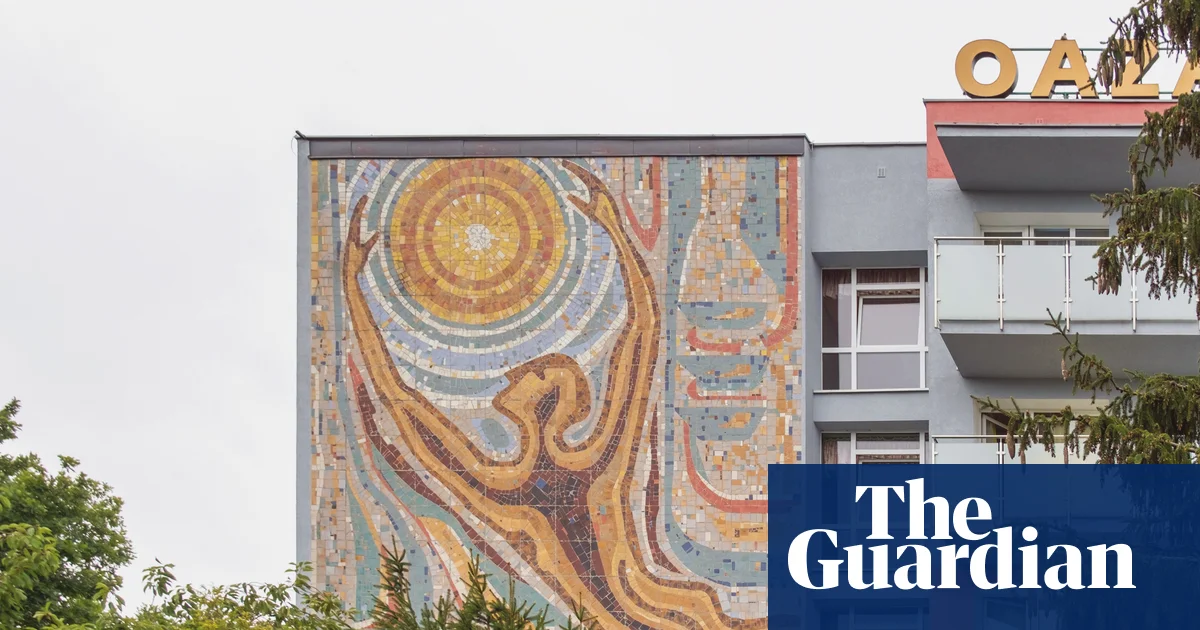
Socialist Hotels is the first photography book to focus solely on the architecture of hospitality in Eastern Europe and the post-Soviet landscape. These state-constructed buildings were used by visiting government workers and ordinary citizens. Today they are a fascinating legacy of a social and cultural idiosyncrasy.
A grainy photograph, dated 1938, hangs in a frame on the downstairs wall of my B&B. It shows 100, perhaps 200, elegantly attired trippers sitting on the green at Shipley Glen in West Yorkshire. They’re picnicking, chatting, taking the air and enjoying the sunshine, while admiring the rocks and woods that frame the deep gully below. It’s local, low-carbon, cheap-as-chips tourism before the jet age – and also a model for how we may travel in the future.
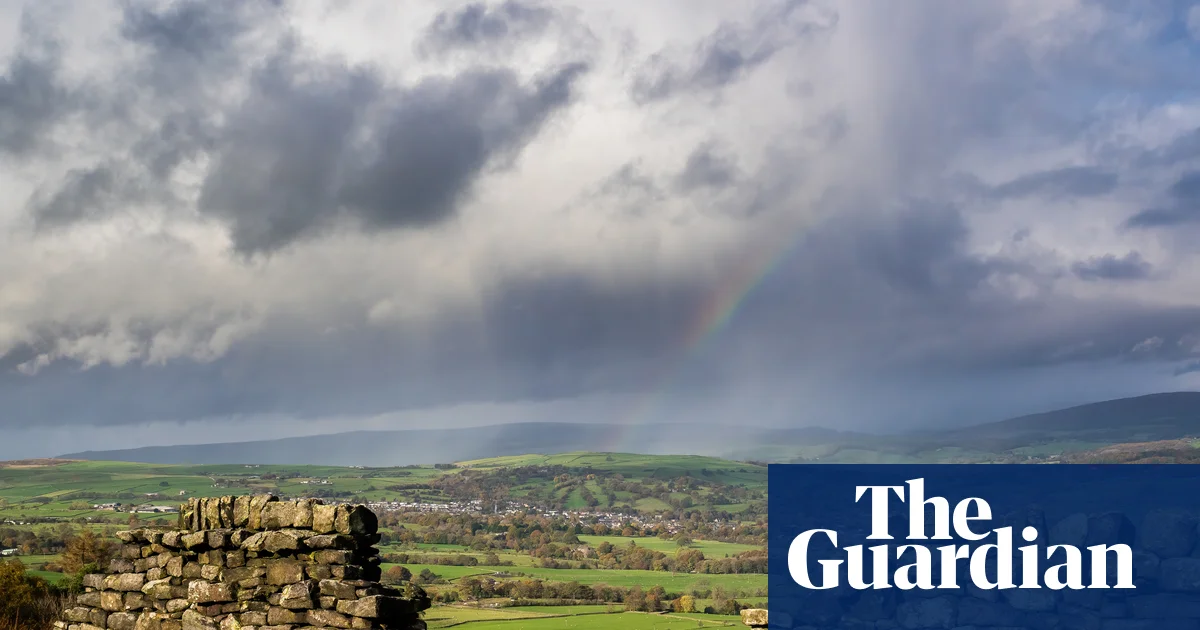
I arrived here thanks to a new trail, launching on 19 September, that runs through the also newly established Bradford Pennine Gateway national nature reserve – astonishingly, the first reserve of this kind to be created in West Yorkshire. The trail uses almost the same name and is a savvy bit of sustainable planning, connecting the three towns of Ilkley, Saltaire and Haworth but, by appealing to walkers, hopefully inspiring people to explore beyond the confines of these honeypots.
I began at Ilkley on a Monday morning. I’d been on its moor once before, for a long circular hike. But I actually prefer linear walks, and it felt like a challenge to start out by crossing the moor. The first half hour was all upward, with lots of stone staircases and some steep sections. A hovering kestrel welcomed me to the top as a reward.
In fact, the great ridge of moorland above Ilkley is called Rombalds Moor; named after a legendary giant, and which comprises several named moors. I tramped across Ilkley, Burley and Bingley moors in a single lunge, stopping only a few times to drink water, take in the massive views back to the “golf ball” radomes of RAF Menwith Hill near Harrogate, over to Leeds – increasingly a high-rise city – and down to the Emley Moor transmitter near Wakefield (the tallest freestanding structure in the UK), and to admire the Twelve Apostles stone circle near the summit.
Twelve Apostles stone circle on Burley Moor. Photograph: Mark Sunderland Photography/Alamy
I had an easy downward stroll before ascending, more gently this time, to the shoulder of Baildon Moor. The vegetation on these moors is mainly heather (pinkish purple now), dense swathes of bracken, tough upland grasses and peat bog, broken up by gritstone outcrops. The NNR designation recognises that it is an area rich in biodiversity, for flora and fauna, and that it plays an important role in tackling challenges like the climate crisis, floods and wildfires. I was walking more than I was watching, but I clocked skylarks, meadow pipits, wheatears, swallows and, on the south side of Baildon, a colony of tree sparrows. As well as clusters of forestry conifers, there were patches of native trees, including birch, rowan and elder, and the occasional willow. Though it’s not wild all the way: I passed tourist chalets, crossed a few fast roads, and walked through a busy golf course (where there were benches, few and far between on the first half of the trail).
The moors are dotted with human history. A big hole, like a meteor crater, turned out to be an abandoned pit, for extracting coal in the preindustrial era. Signage and traces in the landscape point to second world war tank training. Quarries litter the moorlands and dry-stone walls and extensive ditches point to centuries of management.
The trail is 18 miles (28.9km) long. I could probably have walked it in a day with a bit of effort. I’m glad I didn’t, not least because Shipley Glen was a revelation. Despite having visited nearby Saltaire several times, I’d never gone up the hill to see the ravine, which probably became a “glen” because it sounded Scottish and picturesque. For more than a century and a half, it has served many purposes: as a place for radical rallies and suffragettes’ meetings, a temperance hotel and teashop, Victorian pleasure gardens and quirky amusements and rides – and a tramway, opened in 1895, which still operates. I recommend breaking the walk here, even if it’s not quite a midpoint, because the setting is glorious; Bracken Hall House is a gorgeous B&B (doubles from £110 a night), and Saltaire is full of art, industrial history, and great food and drink. There are benches beside the glen, if you decided to pause for a picnic.
While overnighting, I met Danny Jackson, the former countryside and rights of way manager for Bradford council, who devised and plotted the trail. “I want to change people’s perceptions of what Bradford is,” he said. “It’s not just a city. It’s a district. And it’s very rural.
At the top of Bingley Five Rise Locks. Photograph: Ros Crosland/Alamy
“I also want to highlight things that are overlooked. Through the NNR and the trail, we want to maximise the benefits from air quality, carbon capture, wildfire and flood reduction, rewetting, peat restoration – and obviously all the health benefits from being outdoors.”
From Shipley Glen, I walked on via a series of nature-rich spots to Haworth. The first, Trench Meadows, is a Site of Special Scientific Interest (SSSI), notable for its grasses and wildflowers, including red fescue, sweet vernal and crested dog’s-tail. The path took me through an elaborate beautiful old kissing gate, and along cobbled and flagged paths; Victorians and Edwardians made their footpaths beautiful as well as functional – and built them to last.
I passed through Bingley by way of several smart housing estates above the town. I recalled John Braine’s 1957 novel, Room at the Top, set precisely in these airy heights; the novelist renamed it “Warley”, perhaps to make more locally innocuous his tale of social-climbing and adultery. The trail takes in the Five Rise Locks and Three Rise Locks sections of the Leeds-Liverpool canal, which I had only ever spied from the main road. Between the two lock-ladders is Bingley North Bog – a small but precious site that supports a variety of insects, birds and amphibians.
Over the previous 10 miles or so, I’d swapped Wharfedale for Airedale and now found myself walking along attractive stretches of the River Aire. At Bingley St Ives, I skirted a large pond full of waders, another golf club and a large equestrian centre; some mouldering old properties had ecclesiastical-looking doorways, perhaps harking back to the pre-dissolution period when the estate was in the hands of Rievaulx Abbey and Drax Priory. A splendid hide has been built where you can watch bullfinches, goldcrests and siskins that come to use the feeders.
A cobbled street in Haworth – once home to the Brontë sisters. Photograph: Steve Swis/Getty Images
I got my first proper blast of a west wind on Harden Moor – the third of the day’s special sites, being a very rare dry heath alongside mixed woodland, and an ideal habitat for bees (including the nationally scarce tormentil mining bee), wasps, spiders, flies, grasshoppers and other invertebrates. With Haworth now on my mind, slightly irritating Kate Bush-related earworms began to wriggle. I had a cheese butty and tea at a suitably Heathcliffian area called Catstones End, all wild heather and quarried rocks – with huge boulders forming natural sculptures.
Rain came in with the wind and I got absolutely drenched on the final approach to Haworth. But soon after, I was entering Bradford’s prettiest township and thinking about coffee and cake. The walk officially ends at Penistone Hill country park, but after taking walking therapy a few years ago, I am no longer a completist – and was satisfied with my walk and mini achievement. I bowed out on Haworth high street, without so much as a glance at the Brontë Parsonage Museum.
The visit was supported by Bradford Culture Company, which is developing projects related to the 2025 UK City of Culture
Ilkley, Saltaire and Haworth are easy to reach by train or bus. If arriving by car, park at Keighley and use the 62 bus to get to Ilkley and the B1, B2 and B3 Brontëbuses to travel from Haworth back to Keighley
A European city with a lot of history and beauty at odds with its negative reputation is quicker to get to from the UK via train than by plane.
New research from global travel booking site Omio has identified 25 European routes where travelling by train is actually faster than flying once airport transfers, security queues and boarding times are taken into account. While many holidaymakers automatically book flights for a weekend escape, the findings suggest they’re often overlooking rail journeys that are not only quicker, but also less stressful.
They’re also much less environmentally damaging, with the emissions per plane passenger typically several times higher than those of train passengers.
A trip from London to Brussels is one of the biggest examples of where rail beats air. The Eurostar takes just 125 minutes, making it 83 minutes faster than flying once airport transfers, security checks and boarding times are factored in. Tickets start from around £148, with passengers arriving directly in the heart of the Belgian capital.
Whether or not the city is worth a visit is a different matter. Brussels is, according to some people, a boring city.
“As much as I tried, I still could not shake the feeling that Brussels was undeniably boring,” one travel blogger recently wrote of Brussels following a trip there. Back in 2008, it was awarded the title of the world’s dullest city in a survey of international travelers, who judged it duller than Zurich and Warsaw.
Having made a short visit to the city in recent years, the criticism does seem a little just. Brussels does have a functional, workman-like feel to it, thanks to the huge number of governmental buildings. And yes, it does look like an AI picture generator’s attempt to ‘simulate a standard European capital’, as one online commenter complained.
However, there are plenty of redeemable qualities of Brussels. The atmosphere is pleasant enough, many of the buildings are beautiful, and it is home to two of the Continent’s great contributions to culinary culture – waffles and chips – even if there is a distinct Sunday afternoon feel to the place.
“Brussels is an ideal destination for a short city break, thanks to its impressive medieval architecture, relaxed atmosphere and more than 100 museums. Visitors can spend the day wandering the city’s historic streets before stopping for Belgian beer and world-famous chocolate. With average July temperatures of 23°C, it’s also an ideal city to explore on foot,” writes Omio.
Given Brussels’s closeness to the UK, a day trip is well on the cards. If you do go down that route, I suggest the following one-hour tour of the city:
Starting at the famed Manneken Pis statue depicting a urinating child (who had been dressed up in a miniature gown and hat to celebrate the city’s graduating students when I was there), dash to the Monument a Everard t’Serclaes, helping the reclining lady’s leg become even shinier with a quick, traditional good luck rub.
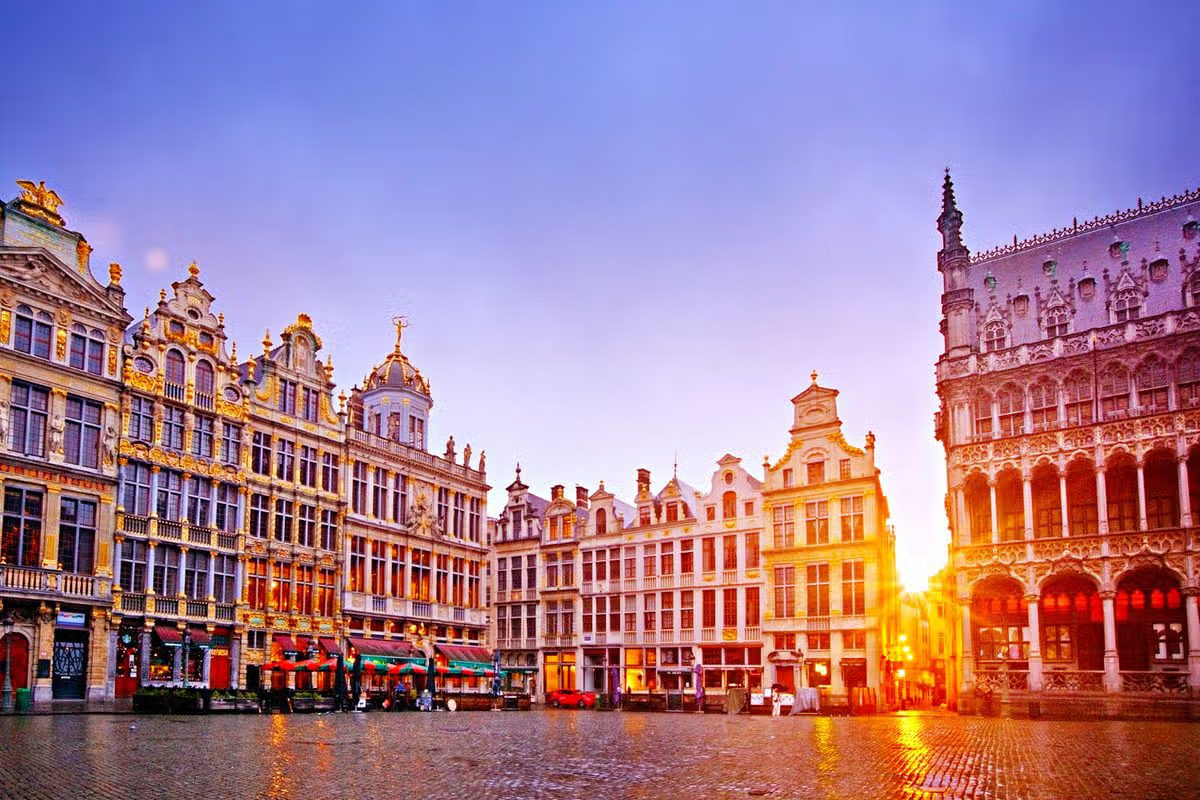
Pausing in the central Grand Place square for a moment, take in the opulent Baroque guildhalls and the neo-Gothic King’s House. Not wanting to waste any more time or spend six euros, read the first paragraph of the Grand City Museum’s Wikipedia entry while looking at its exterior.
Culturally enriched, next up was a portion of mayonnaise-covered frites eaten while looking at a René Magritte painting on the side of a house, before a crispy waffle powers you up the hill towards the Royal Palace. Glance back at the impressive view of the city’s rooftops as you barrel onto a coach and out of there, catching a glimpse of one of Auguste Rodin’s Thinkers through the window before quickly stopping to stand in front of ‘Belgium’s Eiffel Tower’, the futuristic Atomium statue.
Universal Studios Hollywood’s landscape-changing, park-altering new thrill ride, Fast & Furious: Hollywood Drift, is officially open. The coaster boasting spinning, drifting cars along 4,100 feet of track had been in a soft launch phase since late July. But as of Wednesday morning, the theme park has declared the ride fit for daily operation.
“It elevates us to a new level,” says Jon Corfino, the park’s lead creative executive. “When we first started thinking about this 10 years ago, we recognized that. It’s our first big outdoor coaster. It changes the complexion of who we are, even the visual nature of who we are. You can see this from the freeway.”
You’re reading Mr. Todd’s Wild Ride newsletter
Todd Martens’ newsletter delivers news and commentary on the past, present and future of theme parks, right from the theme park capital of the world — Southern California.
By continuing, you agree to our Terms of Service, which include arbitration and a class action waiver. You agree that we and our third-party vendors may collect and use your information, including through cookies, pixels and similar technologies, for the purposes set forth in our Privacy Policy such as personalizing your experience and ads.
The theme park hosted a private ribbon-cutting ceremony — in this case, a metal chain cutting to better represent the action-focused, garage-like grit of the “Fast & Furious” film franchise — on Tuesday evening. Mark Woodbury, the chairman and chief executive of Universal Destinations & Experiences, and Scott Strobl, executive vice president and general manager of Universal Studios Hollywood, together sliced the cable.
‘“Fast & Furious’ has delivered 25 years of high-speed thrills and big blockbuster movie moments and it was the perfect story for us to build this incredible, one-of-a-kind innovative attraction,” Woodbury said, noting a similar coaster, set to open next year, is under construction for Universal’s Florida resort.
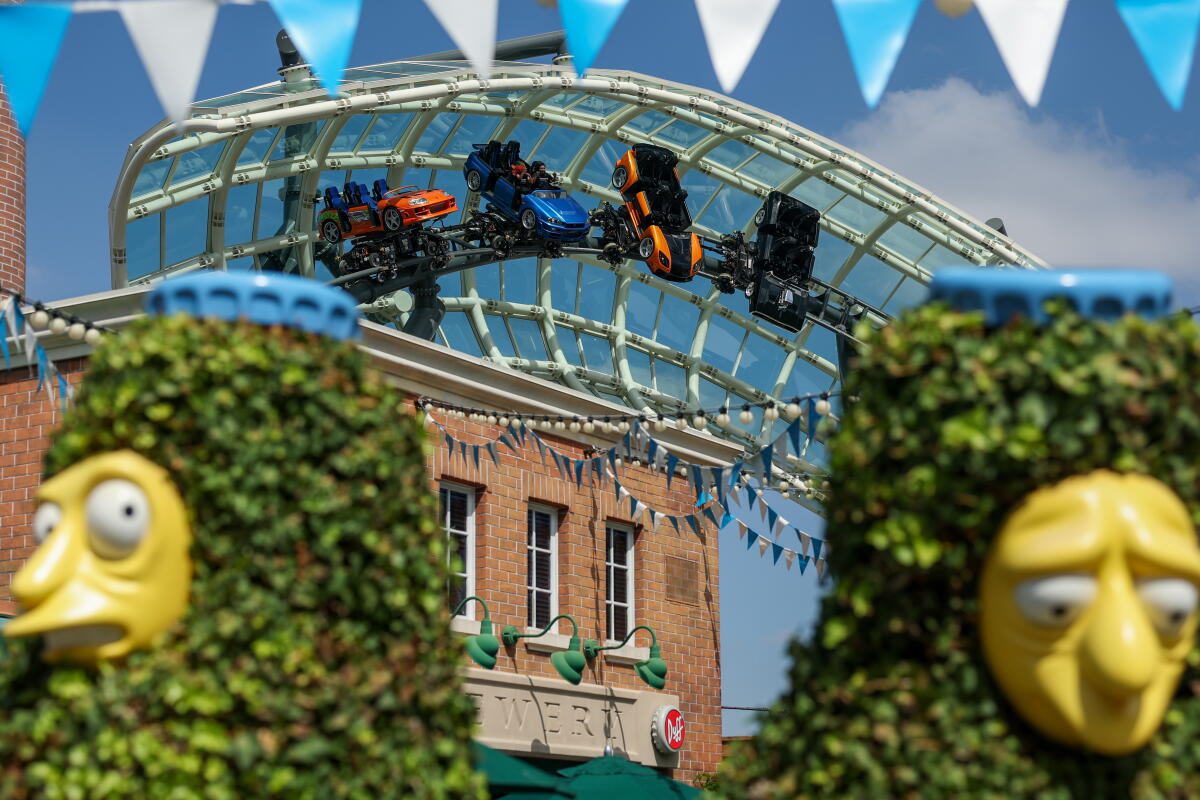
Universal Studios Hollywood’s Fast & Furious: Hollywood Drift towers over the theme park.
(Ronaldo Bolaños / Los Angeles Times)
The coaster reaches a top speed of 72 mph, the fastest coaster in Universal’s global portfolio, and places riders in authentic, mini-re-creations of real cars that can rotate 360 degrees to create the drifting sensation of a stunt vehicle. With four inversions that bring guests upside down, Hollywood Drift is decidedly intense.
Wait times on Wednesday were hovering around 90 minutes. “I’m a big fan of the movies, and I think this is the best coaster in Southern California, hands down,” said L.A.’s Peter Lee, 43, as he was exiting the attraction on Wednesday. Lee has ridden the coaster 10 times since late July, but wanted to attend its opening day to purchase a picture of himself on the ride on its first proper day of operations.
Phillip Lambert Duke, 42, of Orlando, came to Universal Studios Hollywood to experience the West Coast edition of Halloween Horror Nights but said Hollywood Drift will be a highlight of the trip. “It’s fantastic,” Lambert Duke said. “It’s beautiful. I love how all the cars move independently of one another. “
Yet Fast & Furious: Hollywood Drift has also attracted some unwanted attention from the neighboring community of Toluca Lake, where residents have cried foul at the sound of rider screams emanating from the coaster. “Untenable,” “disturbing” and “like someone is getting murdered” have been a few of the ways longtime Toluca Lake homeowners have described the noise of riders.
An upside down rider enjoying Fast & Furious: Hollywood Drift at Universal Studios Hollywood.
(Ronaldo Bolaños / Los Angeles Times)
A number of Toluca Lake residents sent a media alert and hosted reporters in their neighborhood on Wednesday’s opening day to showcase just how disruptive the screams could be. Standing in the backyard of a house situated near a neighboring golf course, rider screams are certainly audible, and residents said the consistency of them is destroying their quality of life.
“It’s a constant stress,” said Colby Jensen, 55, a Toluca Lake resident of 26 years. Jensen said some residents have begun exploring their legal options, citing both the emotional duress of hearing constant screams and also a fear of potentially lower property values.
“It’s not just a noise, like the freeway, which is in the background,” Jensen said. “It’ll be quiet for a minute, and then you’ll hear this cacophony of screams. It inherently raises your blood pressure and stress level and it’s unnatural to hear that.”
Sofia S., who declined to give her full last name, said she just returned home to Toluca Lake after graduating from Indiana University. The 22-year-old noted the coaster has made it difficult to work from home.
“I have a little dog, and she’s barking a lot more because she thinks people are trying to come into the house,” she said.
Fast & Furious: Hollywood Drift was designed as one of the quietest thrill rides ever constructed so as not to disrupt the working studio below and the communities nearby. Its track has been filled with pea gravel to mitigate rumbles, and multiple walls and glass-outfitted curved shields have been placed on or near its layout. Universal has even stated that it can rotate the cars so riders scream away from the nearby neighborhood at particularly extreme moments. Such measures have been welcomed by the community, but they’re not enough, say many neighbors.
Universal has scheduled a community meeting with residents for Sept. 30. The park also last month pledged to build additional sound barriers to further dampen rider screams.
Fast & Furious: Hollywood Drift has been the most anticipated theme park attraction of 2026.
(Ronaldo Bolaños / Los Angeles Times)
At Tuesday’s media event, Universal executives declined to discuss community concerns or efforts to alleviate them, but later issued a statement acknowledging that community feedback has been an important part of the process.
“Testing completed to date confirms the attraction is operating in compliance with sound ordinances applicable to Universal property, which are more stringent than city and county codes,” the emailed comment reads.
Toluca Lake residents dismiss criticisms that this comes with the territory of living next to a theme park, noting for much of its history Universal focused on indoor attractions and has previously worked with the community, such as adjusting the audio on its “WaterWorld” stunt show.
Fred Iberri, who said he’s lived in his inherited Toluca Lake home since the early ’70s, said everyone has a right to peace in their home.
“People say, ‘If you don’t like it, it’s your choice to live next to a theme park.’ That’s not true. Universal hasn’t had a coaster outside until three months ago,” Iberri said. “I’ve been here for 52 years, my family for 90, and Toluca Lake has been a peaceful neighborhood until three months ago. Anyone who says that doesn’t know us or the neighborhood. It’s not so easy for seniors to just pick up and move.”
Mr. Todd’s Wild Ride comes out every Tuesday, but we occasionally publish special editions (like this one!) when we have breaking theme park news. Make sure you’ve signed up to be the first to know.
The Sunday lunch uses seasonal produce in a welcoming settingCredit: Alamy
What is there to eat and drink at the hotel?
The kitchen is led by executive chef Michael Shaw who has worked for some of Britain’s best known chefs including Gordon Ramsay and Raymond Blanc.
We visited on a Thursday so Mike popped out of the kitchen and encouraged us to enjoy a six-course tasting menu (£85pp).
English asparagus, cornish crab, stuffed mushrooms, glazed duck and salted white chocolate.
Andrew, our host, allowed us to choose some wine, before choosing us a better bottle of red. An a la carte menu is also available.
The following morning we enjoyed a three-course breakfast – fresh baked pastries, smoked salmon and cured meats and a delicious cooked breakfast.
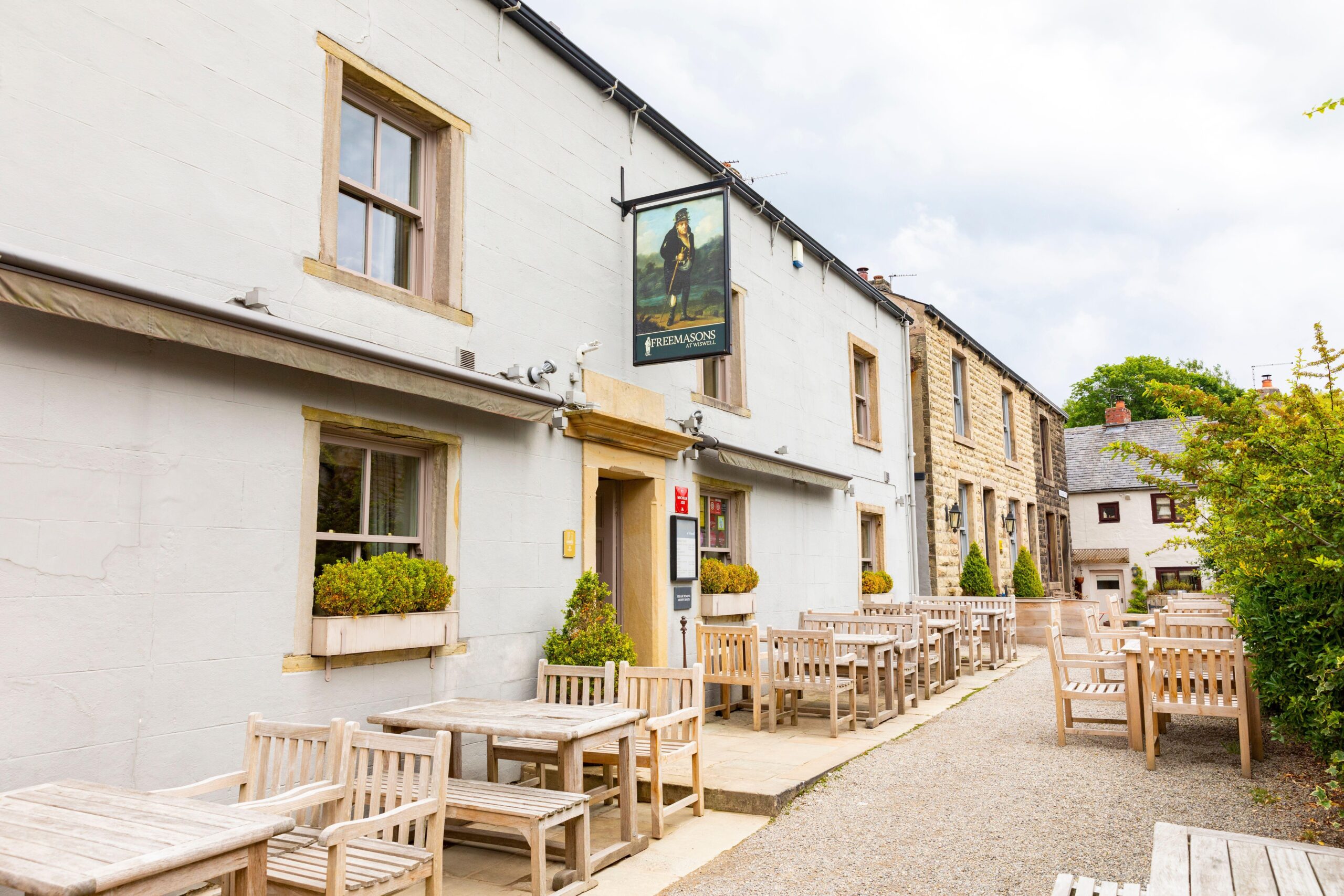
Even if not staying at the hotel, the Freemasons is a lovely place for a pint, or a celebratory meal. Sunday lunch (£39.50 for two courses) looks good too.
What else is there to do there?
Chocolate box Wiswell is lovely to stroll around before or after a meal.
A few minute’s drive away is the popular village of Whalley which features lovely little shops, wine bars and traditional pubs.
We got into the car and drove 15 minutes to nearby Barley and spent a lovely couple of hours walking up 557-metre Pendle Hill, famous as the spot where ten people were hanged during the 1612 Pendle Witch trials.
Is it family friendly?
For families, it is advisable to get in contact to discuss the needs of your stay so there’s plenty of room for everyone.
Is there access for guests with disabilities?
Freemasons at Wiswell offers disabled access rooms on the ground floor.
The village has been crowned the finest seaside destination by Which? and is a must-visit for anyone seeking a peaceful autumn break in the UK
15:31, 16 Sep 2026Updated 15:33, 16 Sep 2026
One spot is perfect for getting away during the cooler autumn months(Image: Getty Images)
As the summer crowds begin to thin out, late September offers the perfect chance to explore the UK’s stunning coastline, with quieter beaches, milder temperatures and spectacular coastal paths just waiting to be discovered. Tucked away on the north Devon coast, one spot is a picture-postcard seaside village where the East and West Lyn rivers meet the Bristol Channel.
A charming seaside village tucked between dramatic hillsides and the Bristol Channel has been named Devon’s best seaside destination by Which?, cementing its status as an essential stop for a quintessential West Country getaway. Lynmouth sits beneath its hilltop neighbour, Lynton, with both forming part of the spectacular Exmoor National Park.
Sitting on the edge of Exmoor National Park, it is surrounded by stunning landscapes and is frequently likened to “Little Switzerland”.
At the heart of the village is its harbour, a reminder of Lynmouth’s roots as a small fishing settlement. Its history stretches back centuries, with records dating to at least the 13th century.
One of the area’s most famous attractions is the Lynton & Lynmouth Cliff Railway, which connects the seaside village with Lynton high above. The historic railway is powered by water and offers visitors a memorable way to travel between the two communities while taking in the surrounding scenery, reports the Express.
Today, Lynmouth offers a winning combination of harbour views, rushing rivers, wooded valleys and dramatic coastline. With Exmoor’s walking trails right on its doorstep, it is an appealing destination for anyone looking to escape the crowds and enjoy a peaceful slice of the Devon coast.
Visitors can follow the River Lyn upstream towards Watersmeet, a magnificent tree-lined gorge managed by the National Trust, complete with riverside walkways and a charming tea garden.
For those looking for a spectacular group getaway, the area is also home to Lynhurst, an impressive and distinguished property just a short walk from the historic village of Lynton.
Tucked within stunning gardens and natural woodland, it features a games room with a slate pool table and dartboard, as well as an outdoor table tennis table to keep guests thoroughly entertained.
For couples in search of a romantic getaway, River View is a second-floor apartment set right on the riverbank in Lynmouth. The property features a furnished balcony overlooking the bay, and on a clear day, guests may even spot the Welsh coastline in the distance.
Inside the apartment, visitors will find a cosy open-plan living and kitchen area, fully kitted out for a hassle-free self-catering break. A king-size master bedroom with an en-suite shower room offers a peaceful retreat in which to unwind after a day exploring the local coastline.
The balcony is a particularly lovely spot to savour a morning coffee or an evening drink, with sweeping views across the river and the picturesque village below. With plenty of cafés and restaurants nearby serving breakfast, lunch and dinner, there’s absolutely no pressure to cook every meal either.
For a change of scenery, Ilfracombe lies fewer than 20 miles away, well known for its diverse dining scene and historic harbour. Visitors can also take in Damien Hirst’s iconic ‘Verity’ statue at the harbour entrance before heading back to the tranquil surroundings of Lynmouth.
Previous guests at River View have been fulsome in their praise online. One visitor wrote: “Lovely apartment. Perfectly situated with everything we needed. A real ‘home from home’. We love Lynmouth and will be back.”
Another noted: “A wonderful location for walkers as several spectacular river and coastal walks from the door. Great for visitors with dogs, close to the promenade for walks and meeting lots of other dogs.”
One particularly detailed review read: “A small but well-equipped and comfortable flat with beautiful views over the river to the sea. Good location to explore the area. Luckily found a temporary parking spot initially on Riverside Road in order to unpack, as the flat entrance is on a pedestrianised street.
“Parking permit was £25 for the week at the nearby Upper Lyndale car park. Tesco delivered groceries without difficulty. Walks locally and some National Trust properties made it a very enjoyable week in a lovely location.”
One guest noted that “the two flights of steep stairs would need to be taken into consideration by anybody perhaps not a 100% fit”, while another savoured the surroundings, remarking: “We had the door open all the time and could listen to the water and the wildlife, which we really enjoyed.”
River View can be booked through Holiday Cottages, with a four-night stay in September starting from £449.
WITH autumn here and the 2026 never-ending heatwave in the rearview mirror, it’s time to brush up on our knowledge of rainproof attractions.
So, there’s no better time to discover some fun indoor attractions to keep the family occupied as the weather turns – and we have quite a few to share.
There are a number of great indoor attractions across the UKCredit: Flip Out
Whether you prefer adrenaline-filled rides or obstacle filled challenges – there are loads of great indoor attractions across the UK.
From older kid favourites to the ideal toddler spots, here are the top indoor UK theme parks and attractions:
Sign up for the Travel newsletter
Thank you!
Win one of five incredible holidays to Turkey, the Norwegian fjords and Spain by voting in The Sun’s Travel Awards – enter here to win.
Babylon Park, London
Babylon Amusement Park, London, is one of the only fully indoor theme parks in the countryCredit: Supplied
Found in Camden, London, Babylon Park is one of the only fully indoor theme parks in the UK.
The entire attraction is outer space-themed and boasts different rides and attractions such as a rollercoaster, a drop tower, bumper cars and an arcade.
The park is free to visit but to go on the different rides and attractions you’ll need to buy Game Coins, Bonus Coins and Ride Coins.
Packages for these cost between £14 to £100.
The Playhive, North Yorkshire
The Playhive, North Yorkshire, has four themed areas for kids to exploreCredit: The Playhive
Stockeld Park in North Yorkshire is home to The Playhive, which calls itself one of Europe‘s largest indoor playgrounds.
Inside, there are four themed worlds including space, air, jungle and sea.
The different areas feature giant slides, games, tunnels and climbing trails.
Tickets cost from £11 per person, which includes entry to the entire Stockeld Park attraction as well as The Playhive.
Woodlands, Devon
Woodlands in Devon claims to be home to the biggest indoor soft play in the countryCredit: Alamy
In Devon, Woodlands family theme park has loads of outdoor attractions to explore, but when the weather gets ba, d head inside and you will find what the park claims to be the biggest indoor soft play in the country.
There are multiple different areas for kids to explore across five floors, with net towers, drop slides and ball pits.
There are even specific areas for little ones too.
Big kids – or daredevils – have more thrilling attractions such as a 15.2-metre drop ride too.
And parents can feel at ease by keeping an eye on the kids from one of the many tables around the play area.
Tickets cost £16.50 for adults and kids over 92 cm, which includes access to the theme park and indoor adventure park.
Older kids will love Gravity Max which has two venues – one in Wandsworth and the other in Westfield Stratford.
The attractions feature a huge e-karting track that looks like a real-life Mario Kart game.
There’s also immersive bowling, AR darts, and VR arenas.
Individual activities cost from £16 per person.
Ninja Warrior UK Adventure Parks, multiple locations
You can even try out your Ninja Warrior skills in several UK destinationsCredit: Ninja Warrior UK
Who hasn’t wanted to try out the Ninja Warrior course? Well, you can in a number of places across the country.
With 15 venues across the UK including in Sheffield, Milton Keynes, Cardiff, Bristol and Leicester, the indoor Ninja Warrior UK Adventure Park obstacle courses are the perfect way to have fun indoors.
The obstacle courses have balance beams, monkey bars and the famous TV show obstacle, The Warped Wall.
Tickets cost from £9.50 per person.
Zip World, Llechwedd
There’s an underground cave attraction in WalesCredit: Not known, clear with picture desk
Head underground at Zip World Llechwedd in Wales, where there are caves and huge trampolines in a disused slate mine.
There are a number of different activities to choose from including Underground Golf with neon lights from £29 per person.
Or for the same price, there’s a cave tour.
For kids needing to let off steam, there are Bounce Below with a number of giant trampolines across six chambers.
Bounce Below sessions cost from £29 per person.
For the ultimate adventure, head to Caverns at the attraction, where you can zip line through the caves for £79 per person.
Play Factore, Manchester
Play Factore in Manchester has a giant play frame with spider netsCredit: Play Factore
Play Factore in Manchester claims to be the biggest indoor entertainment attraction in the UK.
Inside, there’s a giant play frame with spider nets, rollers and even the UK’s tallest indoor standing slide.
For younger guests, it has the biggest toddler area in the country too.
Tickets cost from £2.95 to £12.95 depending on the kids’ age, while adults pay £4.75.
Adventure Inside, Essex
Adventure Island in Essex has a six-storey soft play areaCredit: Adventure Island
Over in Essex, Adventure Inside has a six-storey soft play area with monkey bars and ball pits, ideal for young children.
There’s also a carousel, drop tower ride,swinging pirate ship and a racing spin ride.
An Adventure Island Day Band costs from £30 per person.
And currently, when you buy one you’ll get an annual pass as well for free.
Riverside Hub, Northampton
Riverside Hub in Northampton has imaginary worlds for kids to play inCredit: facbook
In Northampton, Riverside Hub is home to several different zones which include Role Play Villages where kids can explore an imaginary world with its own cafe, shop, witch’s house and tooth fairy dentist.
Older kids aren’t left out though as they can try out different climbing activities, including a 10-metre beanstalk.
There’s a giant play frame with slides, games and even a football pitch too.
Travel writer Catherine Lofthouse said: “There’s so much to do here that it’s a struggle to fit it into the two and a half hours that each session is allocated.
“We could have happily spent the whole day and still have gone back for more.
“With three boys aged between five and 12, it can sometimes be difficult to find somewhere that has enough to keep all ages happy as the older two are getting a bit big for soft play, but that certainly wasn’t a problem here.”
Tickets cost £8.50 per adult, £14.50 per child aged one to three-ears-od and £17.50 for kids between four and 17-yers-old.
Flip Out, various locations
Flip Out has venues across the UK with inflatable obstacle coursesCredit: Flip Out
Another great indoor attraction with venues across the UK including Bradford, Doncaster, Chichester and Coventry, is Flip Out.
Inside each venue there is a trampoline park with foam pits and stunt walls.
Some venues have additional attractions such as Flip Out Canary Wharf, where there is also laser quest and bumper cars.
Prices vary depending on destination and session length.
£1 DOESN’T go all too far these days. Unless you’re using it to sign up to Travelzoo.
Travelzoo is a travel club that gives its members major discounts on holidays, as well as fancy airport lounge access if your flight gets delayed.
Enjoy free food and drinks inside an airport lounge instead of wandering the busy airportCredit: GettyTravelzoo connect holidaymakers with over 1,600 airport lounges when their flights are delayedCredit: Getty
Try Travelzoo for 30 days for £1
The membership usually costs £30 for a year, which is already a bargain.
But Sun readers can bag a 30 day free trial for only £1 by clicking here.
Sign up for the Travel newsletter
Thank you!
There’s no worse feeling than looking up at the board in the airport to see your flight has been delayed, or being sat at the gate ready to board when it gets pushed back again.
Then comes the waiting game, and if you’ve ever wanted to swap those hard airport chairs for somewhere more comfortable, you’re in luck.
With Travelzoo, if your flight gets delayed by an hour or more, you’ll see airport lounge tickets pop up straight into your email inbox or via text.
Then you can simply head straight to the lounge to enjoy free Wi-Fi, somewhere to charge your phone, free food and drinks (including alcohol) as well as comfy seats.
Travelzoo are connected with the majority of airports, with access to more than 1,600 lounges across 500+ airports in 100+ countries. So if you’re just headed off on a standard holiday abroad, you’re more than likely covered.
Some locations even have showers and sleep pods, so you can freshen up or take a nap.
You can register up to three travel companions to enjoy the lounge with you, so no need to worry about splitting up your group.
So instead of sitting bored at the gate or squeezing onto a table in an expensive airport restaurant, you could treat the family to a comfy sofa with free-flowing food and drink.
Relax back into a soft chair in an airport lounge instead of trying to get comfortable at the gateCredit: Getty
Try Travelzoo for 30 days for £1
Airport lounge day passes typically cost between £30 – £40, whereas a Travelzoo membership costs £30 for an entire year.
That means just one delayed flight would justify the cost of an entire year’s membership.
Instead of blowing £30 on bottles of water, snacks and in overpriced airport shops, you could bag yourself an entire year of comfort when you most need it.
But there’s no need to pay the £30 without trialling it out first, when you can pay £1 to give Travelzoo a go for a month by clicking here.
But it’s not all about the stylish airport lounges. Travelzoo members also get access to super cheap holiday deals.
We’ve found UK breaks from£89pp, Portugal holidays from £127pp, and even an incredible 11-night River Nile cruise and hotel package for £549pp – package deals that are reserved for Travelzoo members.
One of the best deals this week is a three-night £151pp all inclusive holiday to Marrakesh including flights, staying the 4-star Aqua Mirage Club & Aqua Parc, set at the foot of the Atlas Mountains.
The hotel has three swimming pools onsite, two of which are heated through winter, plus a wellness centre, tennis courts and football field.
And guests can take the daily shuttle into central Marrakesh to explore the souks and medina.
How to register for lounge access
Once you’re signed up to Travelzoo by clicking here, follow these steps:
Visit airportlounge.travelzoo.com and register your flight at least 24 hours before departure
Enter your flight number, travel date, and passenger details. You can register up to 3 travel companions on the same itinerary.
Each flight leg requires a separate registration (roundtrips and connections need individual entries).
If your flight is officially delayed by 1+ hour, you’ll automatically receive QR-code vouchers via email and text with participating lounge options.
Note: Cancelled flights or flights rescheduled to the next day do not qualify.
With their unique adults-only approach to cruising, Virgin Voyages is attracting a whole new generation of cruisers
The ship’s resident drag queen, Daisy Bucket, kept us entertained(Image: Ollie Leitelmayer)
If you’d asked me a few years ago to go on a cruise, it’s fair to say I’d be apprehensive. The idea of being trapped on a floating Butlin’s, pushing past screaming toddlers to reach the lukewarm buffet, wasn’t exactly my idea of a relaxing holiday. Then I heard about Virgin Voyages : no kids, no buffets, and the few people I knew that’d tried it raved about it.
Billed by the company as an adults-only boutique hotel at sea, Richard Branson’s cruise line has won multiple awards since it launched in 2021, as well as amassing a loyal fanbase.
I thought it was time to see if I could become one of those fans, could I finally be a cruise person? I embarked on one of Virgin Voyages’ sailings from Portsmouth, an easy 90-minute drive from my home in Oxfordshire.
This wasn’t just any cruise though, this was one of the company’s specialty comedy cruises – promising top acts from across the UK, all included in your fare.
I have to say, the standard of names was well above what I expected for a cruise ship. Headliners included Celebrity Traitors star Lucy Beaumont, Gogglebox regular Babatunde Aleshé and I’m A Celebrity all-star Seann Walsh, to name a few. All of the comedy shows were excellent, but my standout has to be Matt Richardson, of Xtra Factor fame. His show was genuinely one of the funniest things I’d ever seen, and had the audience in hysterics.
This was all offered alongside Virgin’s regular entertainment offering, which includes bingo with the ship’s resident drag queen, cabaret shows and gameshows – one of which even had a prize from the on-board tattoo parlour.
A tattoo parlour at sea pretty much sums up the whole design and vibes of the ship. Stepping onboard is like walking into a chic beach club in Ibiza. We entered our balcony cabin, and within a few minutes I was sitting in the iconic Virgin Voyages hammock with a glass of champagne. Not bad for a cruise sceptic.
The Valiant Lady may only be five years old, but it’s already had a refurb with refreshed seating areas, menus and a brand new restaurant.
At the very back of the ship sits The Dock, an outdoor lounge and casual small plates eatery that feels extremely relaxed. Forget clunky plastic sunloungers, here you sink into comfortable modern seats and huge beds and look out to the incredible views.
It was here that I started to think ‘I could get used to this’, as a helpful waiter handed me my third sangria and delivered our snacks. Think charred octopus and hanger steak, all included in the fare.
That brings me to one thing I’d heard about cruising – ‘it’s a constant sales pitch’. That may be the case on other cruise lines, but based on what I experienced, it could not be further from the truth on Virgin.
Standard WiFi and soft drinks are free, and every single restaurant on board is included. The majority of dishes are included in the fare, although some venues have one or two premium menu items at an extra cost. We never felt compelled to try these as there were so many appealing options which were included.
In fact, the food is one point that I heard so much about. Replacing the traditional buffet, you have The Galley, a food market style venue with multiple cuisines offered – all made to order. Imagine lots of street food stalls, including tacos, burgers and sushi.
Then there are the sit-down restaurants, which feel like trendy London eateries that I’d genuinely want to eat at on land. There’s no traditional ‘main dining room’ here, and no strict dress code to boot.
Highlights on-board included Ariya, the new Indian restaurant which, for me, blew Dishoom out of the water with its tender lamb shank biryani, and The Wake, a high-end steak restaurant nestled at the bottom of a glamorous, cascading staircase.
There were, of course, things I didn’t love. The pool area is relatively small, and although not an issue on our chilly UK cruise, I could see it becoming more of an issue on a sunnier trip.
There is honestly so much more I could write about this ship. I haven’t even touched on the spectacular Scarlet Night, where the entire ship transforms into a massive bright-red pool party.
I left this holiday feeling fully converted into a ‘cruise person’, so much so that I even booked two more trips before we pulled back into Portsmouth.
If you’ve spent your whole life swearing you’d never set foot on a cruise ship, it might just be time to eat your words. I certainly did, and luckily, the food was spectacular.
THE 40 most trendy spots in the world have been announced, and three neighbourhoods in the UK have made it onto the list.
The locations were chosen by Time Out’s on-the-ground experts based on criteria like food and drink, nightlife and liveability – so which ones came out on top?
Govanhill in Glasgow is officially one of the world’s trendiest neighbourhoodsCredit: AlamyAnother trendy neighbourhood is the Cathedral Quarter in BelfastCredit: Alamy
According to Time Out,one of the best neighbourhoods is Govanhill in Glasgow – it came in fifth place.
Just beating it to the punch were Jongno 3-ga in Seoul, the L’Ocean District in Rabat, Neos Kosmos in Athens and Chinatown in Los Angeles.
Sign up for the Travel newsletter
Thank you!
Talking about Govanhill, the publication described it as for years being “Shawlands‘ rougher little sibling”.
But over the past few years it has been transformed with trendy new bars, bookshops and brunch spots.
It added: “Gen Z are migrating from West End bars and brunch spots to trendy new spots in Govanhill, injecting this once-overlooked sandstone suburb with quirkiness and energy.”
When it comes to pubs, Time Out suggests popping into the Bell Jaror theRose Reilly.
Reporter for the Scottish Sun Oliver Norton gave us the inside track on the neighbourhood, he said: “The Govanhill district of Glasgow has just been voted the fifth coolest neighbourhood in the world. I’m not surprised.
“I don’t live there, but I spend a lot of time in the area as it’s home to some of my favourite people and places.
“There’s always something going on, and the multicultural vibe has totally transformed what some once considered a deprived dump.
“The area in the south side of the city is home to around 17,000 people and has experienced a visible wave of gentrification over recent years.”
Oliver says that Govanhill has recently transformed into a trendy suburbCredit: Alamy
Oliver continued: “It is now home to people from at least 52 different nationalities speaking over 88 different languages, also making it Scotland’s most culturally diverse neighbourhood.
“As a regular visitor, I’ve experienced how dedication from local activists, entrepreneurs and creatives has helped raise the profile of the area and made it a welcoming home to many.
“Time Out, which tipped Govanhill among its top five cool neighbourhoods, hailed it for it for the ‘vibrant community spirit, independent shops, and creative culture’.
“And that’s a fair assessment.
“When visiting, I like to swing by Cibo, an Italian kitchen and deli, or one of the trendy cafes before browsing through local book and record shops.
“Later in the day, the area comes alive thanks to some of Glasgow’s best pubs – far away from the stress of the city centre.
“Personal favourites include McNeill’s Bar or Ryan’s Bar where some of the city’s finest DJs and selectors have provided the soundtrack to many a night.
“Pubs like The Rose Reilly or the The Bell Jar, both name-checked by Time Out, are great for relaxed drinks with friends.
“Govanhill also hosts regular arts and music festivals, concerts and exhibitions which draw people from across the city and beyond, especially during the summer.
“My personal highlights this year include the Sub Club Southside Weekender with house pioneer Kerri Chandler and Detroit techno legend Robert Hood’s Floorplan project.
“Queen’s Park, which is great for a walk or a picnic with friends, also hosts regular events, including concerts, film screenings and entertainment for kids.
“In July, Libertines front man Pete Doherty headlined the annual Recovery Connects festival which is alcohol-free and aimed at supporting people in recovery.”
Travel Reporter Jenna Stevens loves exploring the Cathedral Quarter in BelfastThere are buzzy bars, pubs and independent shops
“The Govanhill Street Music Festival and the Govanhill International Festival and Carnival are also hot tips for music and art lovers planning to visit.”
Two other UK spots made the list – and coming in 24th position is the Cathedral Quarter in Belfast.
It was described as having “cobbled lanes and old warehouses house galleries, gig spaces, restaurants, yoga studios and enduring cultural institutions.”
Travel Reporter Jenna Stevens said: “Whether you’re wanting a pint in a pretty setting, the city’s coolest souvenir shopping or a backdrop for your Instagram pictures, the Cathedral Quarter is the place to be in Belfast.
“The area is anchored by St Anne’s Cathedral, where cobbled streets branch out to reveal buzzy bars, pubs and independent shops.
“Once an old warehouse district, this trendy quarter is now the city’s creative heart. Victorian warehouses that used to store linen and rope now house art galleries and indie coffee shops.
“Red brick walls are plastered with impressive murals of hyper-realistic portraits and landscapes.
“It also hosts many of the city’s festivals, including the yearly Cathedral Quarter Arts Festival packed with comedy, street theatre and arts, and a hilarious Improv Festival in September.
“The Metropolitan Arts Centre is always switching up with the latest theatre and art exhibitions, while the Golden Thread Gallery and Oh Yeah Music Centre are a shrine to the city’s musical heritage, celebrating artists from Van Morrison to Snow Patrol.
“When it comes to shopping, here you’re trading bland malls for independent gems. Hill Street and Commercial Court house vintage clothing, boutiques and specialist shops.
“One must-visit is The Friend in Hand, a whiskey shop and museum that feels like a Harry Potter wand shop, with warm orange lighting filling the small wooden space.
“Inside you’ll find a plethora of Irish whiskeys, including the Writers’ Tears collection celebrating the city’s best authors. King Charles and Queen Camilla even visited in 2025, and you’ll see a framed photo of them propped up at the till.
“Then there’s the food and drink scene, which is one of the quarter’s biggest draws.”
The top neighbourhood on the world’s most trendy is Jongno 3-ga in SeoulCredit: AlamyNew York’s financial district is one of the must-visit spots tooCredit: Alamy
Jenna added: “The Dirty Onion and Yardbird is a popular pub housed in Belfast’s oldest building, which puts on traditional music seven nights a week and has a massive beer garden. You can grab a crispy fried chicken burger for £13.50, or a rack of ribs smothered in sauce for £25.50.
“The Muddlers Club is a more modern spot, serving Michelin small plates in an eight-course tasting menu for £80pp – which is great if you have a special occasion to celebrate.
“As for cheap eats, Common Market is a giant food hall where you can grab dirty loaded fries, gyros, wings and more to sink down with a perfectly-poured pint. Lunch here will cost around £8 – £15.
“For something sweet, Established Coffee does a banging banoffee french toast and lemon meringue pie, plus unique drinks like an apple pie latte (£4.80).
“Whether you’re after a cosy traditional pub, a vintage clothes shop or industrial cocktail bar, the Cathedral Quarter offers them all – often on the same street.
“Oh, and make sure to visit Commercial Court when it gets dark to get that classic picture underneath the neon-lit hanging umbrellas.”
The last spot in the UK to make the list is the neighbourhood of Newington Green in London which came in at number 33.
Time Out describes Newington Green as a mix of old and new London.
The publication said: “These days it’s brimming with brilliance. From newly forged, hipstery gastropub Golden Tooth and small-herd butcher-cum-nightclub Stella’s to legendary Turkish seafood joint Sariyer Balik and the old Mildmay Club, Newington Green successfully combines both new and old London.”
Some of the top spots are Jolene, a trendy bakery and restaurant that is constantly popping up on Instagram thanks to its daily rotating menu, pastries, and natural wines.
There’s a trendy pizzeria called Bar Etna, Stella’s restaurant and the Army & Navypub.
The full list of Time Out’s 40 trendiest neighbourhoods around the world…
A EUROPEAN airline that carries thousands of British passengers every week has filed for bankruptcy.
The travel company organises flights to the Baltic region from both London Gatwick and Aberdeen airport.
AirBaltic, which carries thousands of passengers from the UK every week, has entered voluntary bankruptcyCredit: Getty
The national airline of Latvia, airBaltic, has had its bankruptcy protection approved in a move that hopes to cut mounting costs.
Around 4,000 British passengers fly on AirBaltic flights weekly, with the airline operating direct flights between London Gatwick and Riga, along with seasonal twice-weekly routes from Aberdeen to the capital.
Sign up for the Travel newsletter
Thank you!
The voluntary decision saw the carrier file for Chapter 11 bankruptcy protection in the United States, later securing $405million in financial commitments from various financial groups.
Despite the filing, experts have warned passengers not to interpret bankruptcy as cancellation and to wait before considering changing bookings.
Anton Radchenko, CEO of AirAdvisor, said: “Cancelling voluntarily could leave the passenger subject to the ticket’s normal restrictions, whereas waiting for the airline’s decision preserves their statutory rights if the service is later changed or cancelled.”
AirBaltic has confirmed that operations would continue as usual during the bankruptcy process, which is expected to finish by June 2027.
This includes scheduled flights, ticket sales, reservations and customer service, with all existing tickets, vouchers and credits remaining valid.
AirBaltic flies to over 70 destinations around the Baltics, including Europe, North Africa and the Middle East out of its main hub in Riga, Latvia.
The carrier is majority-owned by the Latvian government and has agreements with major international airlines such as Air France, KLM and Delta Airlines.
It currently operates a fleet of 54 aircraft, but announced a business plan in August to reduce its fleet to 36 planes to improve its financial stability.
Tripadvisor has revealed its 2026 Travellers’ Choice Awards: Best of the Best Restaurants and 12 of the top spots in the world are in the UK
All the spots featured were decided on by millions of reviews for the past year.
Here is a rundown of the top places to head for a bite in the UK:
Sign up for the Travel newsletter
Thank you!
Coming out eighth in the world in the Casual Dining category was Casa Brazilian Rodizio in York.
The family-run Brazilian steakhouse – also named the top spot in the UK in the category for a second year in a row – is more of a dining experience than your usual sit-down-and-eat restaurant.
Diners have to flip a card on their table to green if they want the chef, who is doing loops of the room, to carve spit-roasted meats at the table.
For a breather, visitors must turn the card to red.
Dinner costs £36.95 per person and is available every evening from 4pm and includes premium cuts such as flank steak and chilli beef.
Next up, longtime Travellers’ Choice favourite Makars Gourmet Mash Bar, Edinburgh was named twelfth in the world on the same list.
Makars Gourmet Mash Bar in Edinburgh was named twelfth in the world on the Casual Dining listCredit: Instagram/makarsmashbar
Diners are meant to pick a meat or plant-based alternative, with one of nine mash options including Scottish cheese and black pudding.
When it came to the Hidden Gems list, Hampstead-based spot Bonoo Indian Tapas which serves Indian small plates was named 13th in the world.
Prices range between £20 and £40 per person.
A few UK destinations were named on the best Date Nights spots in the world, as well.
London Steakhouse Co., which was opened by chef Marco Pierre White in 2008 and typically ranges from £40 to £100 per person, secured fourth place.
Another steak spot – The Herd Steak Restaurant in Bath – was then named in eleventh place.
Modern family-run British bistro 1863 Restaurant in the picturesque village of Pooley Bridge in the Lake District came in at 19th for the best Date Night spots in the worldCredit: 1863 Restaurant with Rooms
The top 10 hidden gem restaurants in the UK
Bonoo Indian Tapas Hampstead – London
Saffron Kitchen & Bar – Northampton
The White Hart Inn, Hawes – Hawes, North Yorkshire
Sarthi – Authentic Indian Restaurant – Bath
Baqueano – Brighton
The Saddle Room Restaurant – Leyburn, North Yorkshire
Bar eS – Ambleside, Cumbria
Kapadokya 50 – York
Thewitchez Restaurant – Brighton
Diego’s Rotisserie – Southampton
And finally, modern family-run British bistro 1863 Restaurant in the picturesque village of Pooley Bridge in the Lake District came in at 19th.
Up in Glasgow, Indian spot Green Gates Merchant City made the world list for the first time, ranking sixth in Vegan & Vegetarian restaurants category.
When it comes to immersive food and drink experiences, the Royal Historic Pubs Walking Guided Tour in London, costing from £32 per person, was named tenth in the world on the World Wine & Beer Experiences list.
The tour usually includes heading to different historic pubs and learning about their history and famous visitors including former Prime Minister Winston Churchill, King Charles II and pop icon Ed Sheeran.
Dishoom was first on the Viral Right Now list, with London hotspots Mad Hatter’s Tea at Sanderson’s following in third and Borough Market Food Tour London named twelfth.
If you don’t mind splashing the cash, in Edinburgh, Scotland, The Witchery was named fourth in the World in the Fine Dining category.
Dishoom came out on top on the Viral Right Now listCredit: Alamy
The top 10 casual dining spots in the UK
Casa Brazilian Rodizio – York
Makars Gourmet Mash Bar – Edinburgh
Lavang Shirley – Solihull, West Midlands
Green Gates Merchantcity – Glasgow
Vincenzo Trattoria – Manchester
Andy’s Greek Taverna – London
Balti Curries – Falmouth, Cornwall
Copper Mahal Contemporary Indian Cuisine & Bar – Andover, Hampshire
Momo Hub Mother Nepal – Glasgow
Tower Tandoori Restaurant – London
The Witchery also claimed the top spot in Europe and the UK, for Fine Dining.
The well-known restaurant is a Gothic-style luxury restaurant which originally opened back in 1979 and can be found inside a historic building dating back to the 16th century.
Inside, diners can expect candlelight and oak panels with meals usually costing over £100 per person.
The Witchery in Edinburgh secured a spot on the Fine Dining listCredit: The Witchery
The top 10 food tours in the UK
Winner 2026 London East End Food Tour: 10 Year Anniversary – London
Edinburgh Food Tour with Scotch, Haggis, a Secret Dish and More – Edinburgh
London Borough Market and London Bridge Food Tour – London
Eating Edinburgh: Old Town Food & Drinks Tour – Edinburgh
NEW London Notting Hill Food Walking Tour by Eating Europe – London
A CLOSED-off part of a major London landmark is opening to the public today after being shut for almost a century.
The Natural History Museum is letting visitors inside a hidden gallery that has been closed since World War II.
A new gallery will open to the public after 80 yearsCredit: Natural History MuseumInside are 50 objects linked to humans’ relationship with the natural worldCredit: David Parry/ Natural History Museum
Previously, it was used as a skeleton gallery, then closed in order to store a surviving botanical collection after the museum’s original herbarium was damaged during the war.
It completely closed in 1943 but reopened to the public earlier today.
Sign up for the Travel newsletter
Thank you!
The new gallery is called ‘Nature and Us’ and on display are 50 specimens and objects all to do with humans’ relationship with the natural world.
This includes a miniature model of a Crystal Palace dinosaur, a Victorian skeleton of a monk seal and visitors can touch a replica jaw of one of Britain’s very first domesticated dogs.
There’s also a 400,000-year-old handaxe and a bryozoan-encrusted Star Wars toy.
Visitors will still be able to see the room’s original wooden cabinets from when it was used as a herbarium.
The gallery will remain open for 18 months, with some objects being moved to a permanent space in 2029. Those chosen will be based on visitor feedback.
Dr Doug Gurr, director of the museum, said: “It’s a wonderful space with a fascinating history, and we’re excited for visitors to discover it for themselves.
“Opening the doors is a really special moment for everyone involved in bringing this space back to life, and we can’t wait to see visitors exploring it for the first time.”
If you want to see the gallery, you’ll find it on the second floor of the South Kensington’sWaterhouse Building.
The Natural History Museum is completely free to visitCredit: Alamy
The reopening of the gallery is part of the NHM150 campaign which includes opening a new or revitalised gallery each year until 2031.
Another new attraction coming in 2027 will be a new permanent gallery specifically for young children.
It will be designed for four to seven-year-olds with lots of hands-on interactive experiences about the natural world.
The Natural History Museum is completely free to enter – if you want to guarantee entry at a certain time then make sure to book in advance.
The line at Holbox during the midweek lunch hour has become a cultural sensation, a queue of locals and visitors trailing past the automatic doors and around the parking lot like devotees angling for the latest iPhone series or limited-release sneakers. Believe the lauds, including ours when we named Holbox as The Times’ 2023 Restaurant of the Year. Gilberto Cetina’s command of mariscos is unmatched in Southern California — his ceviches, aguachiles and tostadas revolutionary in their freshness and jigsaw-intricate flavors. The smoked kanpachi taco alone — clinched with queso Chihuahua and finished with salsa cruda, avocado and drizzles of peanut salsa macha — is one of the most sophisticated things to eat in Los Angeles.
Holbox could be considered for the top ranking on its own strength. But in a year when disasters tore at our city, honoring the power of community feels more urgent than ever. Cetina’s seafood counter doesn’t thrive in a vacuum. Holbox resides inside the Mercado La Paloma in South L.A. The mercado is the economic-development arm of the Esperanza Community Housing Corp., a nonprofit organization founded in 1989 that counts affordable housing and equitable healthcare among its core missions. When the mercado was in the incubation stage, Esperanza’s executive director Nancy Ibrahim interviewed would-be restaurateurs about their challenges and hopes in starting a business. Among the candidates was Cetina’s father, Gilberto Sr., who proposed a stall serving his family’s regionally specific dishes from the Yucatán. Their venture, Chichén Itzá,was among the eight startups when the mercado opened in a former garment factory nearly 25 years ago, in February 2001.
Step into the 35,000-square-foot market today, and the smell of corn warms the senses. Fátima Juárez chose masa as her medium when she began working with Cetina at Holbox in 2017. Komal, the venue she opened last year with her husband, Conrado Rivera, is the only molino in L.A. grinding and nixtamalizing heirloom corn varieties daily. Among her deceptively spare menu of mostly quesadillas and tacos, start with the extraordinary quesadilla de flor de calabaza, a creased blue corn tortilla, bound by melted quesillo, arrayed with squash blossoms radiating like sunbeams.
Wander farther, past the communal sea of tiled tables between Holbox and Komal, to find jewels that first-timers or even regular visitors might overlook.
Taqueria Vista Hermosa, run by Raul Morales and his family, is the other remaining original tenant. Order an al pastor taco, or Morales’ specialty of Michoacan-style fish empapelado smothered in vegetables and wrapped in banana leaf. The lush, orange-scented cochinita pibil is the obvious choice next door at still-flourishing Chichén Itzá, but don’t overlook crackling kibi and the brunchy huevos motuleños over ham and black bean puree. The weekends-only tacos de barbacoa de chivo are our favorites at the stand called Oaxacalifornia, though we swing through any time for the piloncillo-sweetened café de olla and a scoop of smoked milk ice cream from its sibling juice and snack bar in the market’s center. Looking for the comfort of noodles? Try the pad see ew at Thai Corner Food Express in the far back.
The everyday and the exquisite; the fast and the formal (just try to score a reservation for Holbox’s twice-a-week tasting menu); a food hall and sanctuary for us all. Mercado La Paloma embodies the Los Angeles we love.
IT’S NO secret that Brits love a cuppa – and what better way to enjoy your hot drink than with a view?
As autumn sets in, it’s time to pack up the flash and head off to some of the country’s most scenic spots.
The best plkaces to enjoy a cuppa while enjoying a view have been revealedCredit: Alamy
According to new research from coffee roaster, Taylors of Harrogate, which is known for the UK’s best-selling coffee bags, more than half of Brits opt for a weekly coffee break with an outdoor view.
Nearly a quarter drink coffee with a scenic outdoor view at least every other day.
Sign up for the Travel newsletter
Thank you!
Win one of five incredible holidays to Turkey, the Norwegian fjords and Spain by voting in The Sun’s Travel Awards – enter here to win.
And it’s not just about taking a moment to yourself – the science says that a cup of coffee or tea actually tastes better if you drink it outdoors.
Coffee flavour is influenced by aroma, so when you’re in fresh air then the coffee is competing with less additional smells and will taste more intense.
Your brain also links the hot drink to a reward if you enjoy it at the end of a long walk, which makes it taste better too.
If you’re feeling inspired to combine your flash of tea or coffee with an autumn hike soon, here are the best spots with a view to enjoy your tipple across the UK:
#10 Quiraing, Skye
Quiraing on the Isle of Skye is an imposing rocky area with dramatic cliffsCredit: Alamy
Found on the Isle of Skye in Scotland, Quiraing comes in as the 10th best spot for enjoying a cuppa with a view.
It is a massive rocky area with dramatic, towering cliffs covered in vibrant green grass.
Head on a circular walk around the area or simply sit and admire the landscape.
Key spots to visit include The Prison which is a towering slab of rock that looks like a medieval fort and The Needle, which is a huge 37-metre rock.
#9 White Cliffs of Dover, Kent
You can see France on clear days from the White Cliffs of DoverCredit: Alamy
The White Cliffs of Dover in Kent are famous for a reason – and come in as the ninth best spot.
These 110 to 150-metre tall natural chalk cliffs are the ideal spot to enjoy a walk with a cuppa.
While enjoying the view, look out for birdlife as well as Exmoor ponies grazing on the grass.
#8 Buachaille Etive Mòr viewpoint, Glencoe
Buachaille Etive Mòr in the Scottish Highlands is one of the country’s most photographed spotsCredit: Alamy
Buachaille Etive Mòr Viewpoint in Glencoe in the Scottish Highlands is known for being one of the country’s most photographed spots.
With a cup of coffee in hand, admire the imposing mountains often topped with snow.
There is also a short walk from the main viewing areas to second spot that overlooks a river with a number of small waterfalls.
The area was also used as a filming spot in Skyfall.
#7 Surprise View Derwentwater, Lake District
Alternatively, in the Lake District, you could head to Surprise ViewCredit: Alamy
Surprise View is exactly what it sounds like on the tin – a elevated clifftop viewpoint that has a surprisingly stunning view of Derwentwater and the surrounding mountain fells of the Lake District National Park.
Sit and enjoy the view or head on The Watendlath Loop to explore the hamlet of Watendlath.
If you forgot your Thermos, grab a hot drink at a traditional cash-only tearoom in the hamlet.
Alternatively, sit on the hillside and admire the calm, mirror-like water.
#6 Whitby Abbey, North Yorkshire
The ruins of Whitby abbey ruins is known for being the backdrop of Bram Stoker’s DraculaCredit: Alamy
Sat on a hilltop on North Yorkshire, Whitby Abbey is a 13th-century Gothic abbey looked after by English Heritage.
The ruined abbey has inspired many famous writers over the years too including Bram Stoker who used key facts about the abbey including the windswept headland, bat populations and the 1999 steps leading up to the ruins as the backdrop for Dracula.
#5 Three Cliffs Bay, Gower
Three Cliffs Bay is know for its sprawling beachCredit: Alamy
Three Cliffs Bay in Gower, Wales, is known for its pretty shoreline which is framed by three limestone cliffs.
The beach features a mix of sand dunes and salt marshes, and the Pennard Pill stream.
While not great for swimming, the beach is nice for taking in the salty, fresh breeze with a cuppa in hand – dogs are allowed on the beach all year round too.
Spot Pennard Castle at one end of the beach – the ruins date back to the medieval period.
#4 Llanddwyn Island, Anglesey
Llanddwyn Island is a tidal island on the coast of AngleseyCredit: Alamy
Also in Wales, Llanddwyn Island is a tidal island on the coast of Anglesey.
It features a sprawling beach, lighthouses and a hidden connection to the Welsh patron saint of lovers.
Sit with a warm cup of coffee and look out at the Tŵr Mawr lighthouse which was built in 1845 and is shaped like a windmill and the older Tŵr Bach tower.
Also catch a glimpse of Eryri National Park (Snowdonia).
#3 Old Man of Storr, Skye
On the Isle of Skye, you could also enjoy your hot drink while look out at the Old Man of StorrCredit: Getty
Having featured in several films including The Wicker Man and Snow White and The Huntsman, the Old Man of Storr looks like something out of folklore.
The tower rock on the Isle of Skye towers 55-etres into the sky and is a basalt rock that dates back 2,800-mllion-yers.
Marvel at the rock with your cuppa or head on the Storr trail which takes about an hour and 15 minutes.
#2 Calton Hill, Edinburgh
Not too far from Edinburgh Waverley Station, you can wander around Calton Hill with a cup of coffee in handCredit: Getty
In the Scottish capital, Calton Hill takes second place among the best spots to have a cuppa and a view.
The park has 360-degree views of the city skyline, including Arthur’s Seat and Edinburgh Castle.
And what makes it even better is that you don’t have to hike there as it is only a five to 10-minute walk from Edinburgh Waverley Train Station.
In the park you will find the Nelson Monument, which is a telescope-shaped tower with a public viewing gallery at the top.
There’s also the Dugald Stewart Monument – a circular neoclassical temple that is one of the city’s most photographed landmarks.
Make sure to visit at sunset as well to capture orange-yellow skies above the city.
#1 Giant’s Causeway, Belfast
And taking the top spot was Giant’s Causeway, BelfastCredit: Getty
Coming out as the best place to enjoy a cuppa with a view is Giant’s Causeway in Belfast.
The natural phenomena boasts 40,000 hexagonal basalt columns and was caused by violent volcanic activity.
The UNESCO World Heritage site managed by the National Trust genuinely looks like something out of a fairytale.
Head along one of the trails, where you can see views of Scotland on clear days.
A visitor centre features exhibitions on local geological history and folklore.
EUROPE’S biggest pumpkin festival is kicking off in the UK this weekend.
Fans of all things autumn are in for a major treat as the annual event returns for 2026.
Europe’s biggest pumpkin festival is kicking off in Sussex this weekendCredit: tulleys farmTulleys Farm’s annual autumnal experience is always hugely popularCredit: TULLEYS FARM
Tickets are available to buy now for the entire pumpkin seasonCredit: AlamyWith day and night sessions running, there are so many photo opportunitiesCredit: TULLEYS FARM
The pumpkin fields have produced over one million pumpkins and gourds for visitors to pick from this autumn, with everything from shiny, round orange ones to knobbly, unique ones planted all over the patch.
Once fans of fall have secured their pumpkin haul, exploring the festival’s attractions, including the new Pumpkin Village is a must.
Guests can pick pumpkins, enjoy tasty treats and embrace fall funCredit: Getty ImagesTulleys Farm’s new Pumpkin Village is launching for 2026Credit: TULLEYS FARM
It’s the perfect place for adorable photo opportunities. Nestled within the “heart of the festival”, you can explore “winding paths, with wooden bridges leading across gentle streams and peaceful ponds”.
Guests can soar to heights of 108 feet during a ride on the observation ferris wheel or enjoy a spin on the Vintage Carousel, before checking out the themed entertainment dotted around the farm.
There’s dressed-up performers, roaming musicians and quirky street theatre to enjoy.
And for those who love nothing more than a tasty festival treat this time of year, there’s no shortage of food and drink offerings.
Grab a boozy beverage at the Cauldron Bar or a cup of something warming at the Coffee House.
Visitors can toast marshmallows and cheese on open fires or indulge in pasta, pizza, foot-long hotdogs, burgers, Greek delights and much more.
DARKER nights and chilly days are on the way, but that doesn’t mean it’s time to hibernate – there’s still plenty to do.
From Halloween events with family-friendly discos to terrifying scare mazes and tropical indoor waterparks – we’ve found some of the best days out this autumn that will entertain the whole family.
Embrace the spooky season with autumnal Halloween takeovers at UK theme parksCredit: paultonspark.co.uk Or head to tropical waterparks around the UK – like Coral Reef WaterworldCredit: everyoneactive
Alton Towers
Along with its high thrills rides, Alton Towers is getting a spooky makeover this autumn.
During the day, the park is still family-friendly just with a little spookiness thrown in during the lead-up to Halloween.
Trick O’Treat Town is open for business and at the CBeebies Land Monster Ball, kids can dance their socks off.
During Dia de los Muertos, the interactive day of the dead celebrations, kids can stroll through the colourful festival and meet some mysterious characters along the way.
For teens and adults looking for adrenaline-pumping thrills, then book Scarefest when the theme park will be open when the sun goes down.
Take on signature rides like The Smiler, Nemesis Reborn and Wicker Man under the cloak of darkness.
Visitors can also put their bravery to the test in the Edge of the Forest, a live action scare maze – then see if they can find a way out of Compound – a terrifying escape room.
Day tickets start from £37pp and Scarefest Halloween Breaks start from £100pp.
Chessington World of Adventures Resort
Chessington World of Adventures Resort has over 40 attractions to exploreCredit: chessington.com
With over 40 rides and attractions, a zoo and aquarium, Chessington World of Adventures Resort is a great choice for a family day out – and from October 3, it will have a Halloween twist too.
Returning for 2026 is the Stone Watchers: Vampire’s Lair – try to sneak through the maze without disturbing the terrifying gargoyles.
At the Enchanted Hollow: Trick or Treat, there will be underground burrows full of whimsical characters, with treasures and sweet treat surprises.
Other activities include dancing your heart out at Dr Frankenfun’s Haunted House Party and Barnyard Boogie.
The theme park stays open a little later on selected dates, so you can hop on its rides at dusk too for more thrills than usual.
Howl’o’ween Day Tickets start from £34 and short breaks from £74pp.
Thorpe Park
Thorpe Park is celebrating 25 years of its terrifying Fright NightsCredit: thorpepark.com
Thorpe Park are bringing back Fright Nights – or as they’ve named it for 2026, ’25 Years of Fear’.
For those who REALLY want to have their hearts racing, head to the all new Tenement – a fully immersive, pitch-black scare maze.
Set in an abandoned building where the power has failed and the tenants have vanished – anyone who enters will have to find their way out in the dark.
The other four existing scare mazes are all returning too; DeadBeat, Stitches, Survival Games and Trailers.
Other activities for 2026 include Creature Campus: Reunion Reckoning, a terrifying live scare show, and The Conjuring 4D Experience which brings the story to life at the Sunset Cinema.
Purgatory Town will be back with new characters and Rebel Ball has music, dance and fire performances.
Make sure to take on the rollercoasters in the dark, including Hyperia, which is the fastest rollercoaster in the UK, and SAW – The Ride that’s the world’s first horror movie–themed rollercoaster.
Drayton Manor is finishing spooky season with epic lake shows and firework nightsCredit: Drayton Manor
Drayton Manor isn’t missing out when it comes to Halloween – on selected dates from October 10 to November 11 it is holding frightfully fun family events.
This year, the theme park is introducing its Blazing Halloween which include an all-new Trick or Treat Trail where little monsters can collect sweet treats and take selfies with mischievous Halloween characters along the way.
Hop onboard the Revenge of the Haunted Express on a ghostly journey through the darkest corners of the theme park (this experience costs an extra £5pp).
Make sure to stay until the evening for the End of the Day Lake Show with waterjets, bursts of fire and flashing lights.
It will all come to an end with two spectacular fireworks nights held on October 31 and November 1.
Day tickets start from £24.90pp (when booked in advanced), overnight stays vary in price depending on the time and day of booking.
Paultons Park
Paultons Park Halloween Spooktacular will start on October 9Credit: paultonspark.co.uk
Families will have a great time at Paultons Park, which was crowned UK’s best theme park at last year’s UK Theme Park Awards, this spooky season.
Its Halloween Spooktacular will begin on October 9 and continue up until November 2.
Families can check out Ghostly Manor which is an interactive dark ride open throughout the event, and The Little Monsters Ball dance-party held on the main show stage.
Speaking of shows, there will be two this year; The Great Halloween Mystery and the Spirit Squad Ghoul School.
Even Peppa Pig World will be decorated for Halloween – make sure to meet Peppa and George in their pumpkin and witch costumes.
But if you want to forget the Halloween scaries, head to The Fairy Garden – the majestic secret garden will be decorated with webs and pumpkins.
On selected dates there will be late-night openings until 7.30pm.
Legoland rides are open as usual but some will have a spooky autumn twistCredit: LEGOLAND.co.uk
Legoland is starting its seasonal event, Brick or Treat, on October 10 – and they’ve teased that it will be the biggest party yet.
There are TWO house parties this year, first up, the Haunted House Monster Party, and the Lord Vampyre’s House Party will also return.
There’s also a Monster Jam show, character meet and greets and dressing up is also highly encouraged.
The dragon rollercoaster will get a disco makeover with sparkly lights.
Don’t miss all the other rides that remain open as usual, like Flight of the Sky Lion, LEGO City Deep Sea Adventure and Driving School.
Day tickets start from £37pp with short breaks including an overnight hotel stay and breakfast starting from £123.
Coral Reef Waterworld, Bracknell
The Carolina pirate ship is at the centre of Coral Reef WaterworldCredit: everyoneactive
When the weather turns and outdoor pools just aren’t a possibility anymore, it’s time to hit the indoor waterparks.
If you want to go big then head to Coral Reef Waterworld in Bracknell which is one biggest in England – lots of it is interactive too with flashing lights and sounds.
It’s tropical with temperatures of 30C and has an erupting water volcano, rapid river, bubble pool and children’s splash zone
The pirate-themed splash area is centered around a ship called The Coralina which comes with water cannons and interactive water features.
The biggest waterslide is The Cannon, which launches riders down a 67 metre-long chute like a cannonball.
Poseidon’s Peril is another popular ride – it’s for two people who are attached to an inflatable raft as it rotates and swirls through a tunnel with colour-changing lights.
If you’re after relaxation, then head to the Coral Spa which has heated loungers, three saunas, a cool pool and a Japanese steam room.
Adult tickets cost £20.55, children 5-16 cost £14.55 those aged children between 0-4 cost £1.95.
The Wave, Coventry
The Wave has a huge wave machine and six waterslidesCredit: TripAdvisor
The Wave in Coventry is a not only an enormous indoor waterpark, but it has the largest wave pool in England too which churns out more than 20 million litres of water per day.
There are six waterslides including The Riptide which is a half-pipe slide that blasts riders in a rubber ring down a near-90-degree drop.
The Cyclone spins swimmers around a giant open bowl, and The Rapids, which is a ‘water-coaster’, hurl riders uphill before dropping them down through tight corners and tunnels.
The Reef is its splash pad which is suited for younger children with miniature slides, tipping buckets, jets and water fountains.
When you want to relax, bob along the lazy river then pop into the Mana Spa which has a spa pool, aromatherapy room, sauna and steam room.
Tickets cost £15 per adult, £13 for children 11 and under and under ones go free.
Waterworld, Stoke-on-Trent
Waterworld in Stoke-on-Trent has waterslides which have riders travelling at 25mphCredit: Waterworld
Waterworld has over 30 rides and attractions with wave pools and rapids.
It has the Thunderbolt ride, which is the UK’s first trap door drop waterslide and riders travel at 25mph.
Another speedy ride is Hurricane which descends at 17mph and has lightning effects inside the tunnels.
There are also dedicated water attractions for younger children like the interactive Jungle House and Toddler Boat slide.
Waterworld also has a mini adventure golf course as well as a restaurant and cafe serving up pizza, burgers, salads, drink and there’s a new dessert bar with 22 different flavours of ice cream.
Tickets for adults and children start from £17.70, children under three-years-old start from £6.10.
Blenheim Place, Oxfordshire
Blenheim Palace is hosting a special Halloween event this year – and Haunted Half-TermCredit: Unknown
Of course, you can visit Blenheim Palace year-round but there are lots of events coming to it this autumn.
Halloween at Blenheim Palace runs from October 22 to November 1.
Kids will love its after-dark trail, light displays, immersive entertainment and spooky surprises – you might stumble upon the Spider’s lair or the Pirate’s Wreck.
Haunted half-term will return between October 24 and Sunday 1 to the Walled Garden – here there will be a circus workshop, witchy storytelling sessions and are even giant wizards will wander about.
There will be a chance to get up close and personal with animals like snakes, tarantulas, giant snails and frogs with ZooLab.
As for its other exhibitions, Dinosaurs Are Forever runs until November 1 – and it has five full-scale Megalosaurus sculptures.
Tickets for Halloween at Blenheim palace start from £23 for adults and £32 for children (between 3-16).
Tickets for Haunted Half-Term are included in general day tickets starting from £31 for adults and £15 for children.
Cumbria Dark Skies Festival
You can observe the dark skies from a canoe with the Cumbria Dark Skies FestivalCredit: Unknown
While most Brits won’t be looking forward to the darker evenings, but for stargazing, they’re perfect – where better to see them than at a dark sky festival?
From October 23 to November 20 the Cumbria Dark Skies Festival will be taking place across the county.
You can try out dark sky canoeing on Coniston Water or even try out a stargazing swim in Ullswater if you’re feeling brave enough.
There are also guided walks, and lantern-making at Nenthead Mines.
If you want to see more of the night skies, head to the new Grizedale Observatory and Planetarium which holds daily shows and stargazing events.
Make sure to check out the camping and glamping opportunities where you can see the night sky right from your bed – check out all the events and stays during the festival, here.
Tulleys Farm, West Sussex
Tulleys Farm has Europe’s largest pumpkin patch – with over 1.5millionCredit: Tulleys Farm
Whether you’re after an autumnal day out pumpkin picking with the kids or want to be scared witless in a scare maze – Tulleys Farm has it all.
This year, the family-friendly Pumpkin Festival returns with Europe’s largest pumpkin patch (with 1.5million pumpkins), an observation wheel, live music, carousel, street food and marshmallow roasting.
A new land within it is The Pumpkin Valley which, as the name suggests, is filled with pumpkins scattered across winging paths and ponds.
If being scared is on your list then head to Shocktober Fest – Europe’s largest scream park.
It has scare mazes, escape rooms, even immersive zombie experiences as well as live music across three stages and rides too.
New for this year is an escape room called Relic which has a scare rating of eight out of 10.
Teams must enter to explore forgotten chambers, find clues and solve puzzles to escape the temple before the doors seal forever.
Tickets for the Pumpkin Festival start from £8.95pp, tickets to Shocktober Fest with an XScream pass start from £42.95.
The Enchanted Forest, Pitlochry
The Enchanted Forest has a light and sound show to see in autumnCredit: Lesley Martin
On the outskirts of the Scottish Highlands in Faskally Wood is The Enchanted Forest – a light and sound show – perfect for an autumnal evening.
This year, it celebrates its 25th anniversary with a new show called ‘Stop The Clock: The 25th Hour. ‘
When the sun goes down, The Enchanted Forest transforms the natural woodland into a glowing wonderland with synchronized laser lights, projections to the backdrop of music.
The event will run from October 8 to November 8.
It’s worth noting that all visitors are transported to Faskally Wood by bus and there are accessible sessions too.
Adult tickets start from £28.50, child tickets start from £15.50 – and family tickets start from £78.50.
Autumn Fest, Morden Park
Morden Park will have one week of spooky events and performancesCredit: Autumn Fest
If you love everything autumn has from the cosy pumpkin picking with a hot chocolate in hand to spooky experiences – consider Autumn Fest in Morden Park.
It has an Enchanted Light Trail, a carnival, roaming entertainers, flash mob performances and plenty of places for seasonal photos.
The park will have a spooky makeover too with spiders suspended from the trees and haunted lake instillations.
With add-on tickets, you can see inside The Freak Show where there will be entertainment from sword swallowers, fire breathers, aerial performers and theatre.
Friday Fright Night is the outdoor Halloween cinema experience with themed movie screenings – with family and adult screenings throughout the day and night.
Autumn Fest runs between October 22 – October 31.
Tickets to the Light Trail start from £18 for adults, £12.50 for children.
Additional ticketed experiences, workshops and performances vary in price and must be purchased as an add-on.
Heritage Open Days, UK
Heritage Open Days Festival will run across 10 days later this monthCredit: Arnhel de Serra Powderham Castle
Across 10 days Brits can enjoy thousands of free events thanks to Heritage Opens Days.
From the races at Silverstone to codebreaking trails at Bletchley Park, there’s something for everyone.
If strolling about a country home filled with autumn trees tickles your fancy, head to the likes of Lyme Park in Cheshire, Wightwick Manor and Lyveden.
For any transport enthusiasts then you can check out vintage vehicles from trams to trains at the likes of Aldridge Transport Museum, Dover Transport Museum, East Anglia Transport Museum and the Museum of Transport in Manchester.
To get into the Halloween spirit, check out the ghost walks – some of which will be held at Ripon Market Place inNorth Yorkshire, Knutsford, and Chester.
The event runs from 11-20 September – for a full list of the events check out the website (for some you may need to pre-book a slot online).
The Eden Project, Cornwall
The Eden Project is cosy and warm when the chilly nights draw inCredit: Alamy
Thanks to its two heated biomes – The Eden Project is a great place to visit throughout the year, and it’s a great place to warm up in the colder months.
Make sure to wear layers so you can be comfortable in the world’s largest indoor rainforest which can be as hot as 35C.
Inside are beautiful waterfalls, a canopy walkway, wobbly bridges, free-roaming partridges and over 1,000 varieties of plants.
The Mediterranean Biome is slightly cooler but can still get up to 25C with pretty flowers and plants from the Mediterranean, California and even Western Australia.
There is an upcoming Celebration of Stories Weekend coming up where children’s authors will read stories – there will also be workshops and family activities.
General admission tickets for adults start from £35.50 and children (between 5-15) start from £12.50.