Finance Desk

Sri Lanka: FDI Is on the Rise

VITAL STATISTICS
Location: South Asia
Neighbors: India and the Maldives by sea
Capital city: Colombo is the executive and judicial capital; Sri Jayewardenepura Kotte is the legislative capital
Population [2024]: 21.8 million
Official language: Sinhalese, Tamil
GDP per capita [Est. 2026]: $5,250
GDP growth [Est. 2026]: 3.1%-3.3%
Inflation [March 2026]:
2.2%; 5.2% expected for 2026
Currency: Sri Lankan rupee
Credit Rating (Fitch January 2026): CCC+
Investment promotion agency: The Board of Investment of Sri Lanka (BOI) and the Export Development Board. The BOI has reduced the minimum investment threshold to $250,000 from $3 million.
Further reductions are available for tech-based branch offices. Service exports (IT/BPO) have 15% corporate tax rate. Multi-year income tax break are available for strategic development projects that exceed $50 million. Foreign owners guaranteed repatriation of capital and profits under the law.
Corruption Perceptions Index rank [2025]: 107/182, where 182 is the most corrupt
Political risk:
The energy and cost-of-living crisis; risk of public unrest; bureaucratic red tape
Security risk:
Violent crime against foreigners is rare

Sri Lanka is rewriting its economic story. After enduring the 2022 economic collapse and the devastation of Cyclone Ditwah in late November 2025—the deadliest disaster since the 2004 tsunami—the nation has emerged with renewed global confidence. The Board of Investment (BOI) recently reported that 2025 foreign direct investment (FDI) surged by 72%, reaching a historic $1.06 billion—the first time foreign investments in the country crossed the billion-dollar threshold.

Foreign investors are not merely maintaining their existing positions but are placing fresh, long-term bets on the country’s future in the form of greenfield investments that involve the highest upfront risk and longest payback horizons, says Hirotaka Mizutani, Founder & Representative Director of management consultancy One Step Beyond.

“Notably, 24 new greenfield projects contributed $134 million, representing approximately 13% of the total FDI,” he added. “This significantly exceeds the historical norm of 2% to 10%.”

This rebound is anchored by Singapore ($318.9 million), India ($213.7 million), and France ($122.5 million), followed by the Netherlands and Luxembourg. New capital is also flowing from the US, Malaysia, and Hong Kong. By sector, manufacturing led with a 46% share of the new capital, followed by port development (26%), tourism (11%), telecommunications (6%), and property development (5%).

Sri Lanka: ‘A Neutral Zone’

Although a smaller slice of the investment pie, the real estate sector is viewed as a high-upside opportunity. Indika Hettiarachchi, an independent private market investment and strategy consultant, notes that Sri Lanka’s real estate offers attractive entry costs as the economy stabilizes. He argues that by maintaining strategic neutrality, the island provides a secure alternative to Middle Eastern hubs disrupted by the Iran war.

“This reliability was strikingly demonstrated during the 2026 International Cricket Council Men’s T20 World Cup, where Colombo successfully hosted high-stakes fixtures like the India-Pakistan match, signaling to investors that the nation’s emergence as a regional center is increasingly compelling,” he adds.

Sri Lanka’s reputation as a stable “neutral zone” has increased investor confidence and capital inflows. The $3.7 billion Sinopec oil refinery project in Hambantota, finalized in 2025, is the country’s largest-ever FDI and a cornerstone in addressing its energy challenges. This commitment exceeds other major projects, including the $1.4 billion Colombo Port City development and the $700 million Adani Group terminal.

Meanwhile, China Harbour Engineering Company Port City Colombo confirmed a $300 million FDI commitment in January 2026.

Beyond securing the nation’s energy and port development, investments are diversifying into high-value niches, such as information and communication technology, renewable energy, and a “Green and Digital Economy” mandate that includes the 2030 Digital Economy Strategy and the use of quartz in the solar supply chain.

PROS
Located on a major strategic shipping route between Asia and Europe
Fast-growing transshipment hub
Aims for 70% of electricity to be generated from renewable sources by 2030
South Asian Free Trade Area, Asia-Pacific Trade Agreement, current EU GSP+ program valid till 2027, and the Thailand-Sri Lanka Free Trade Agreement
English-speaking, technologically
proficient workforce
A 10-year residency visa is available for a $200,000 investment in government-approved investments

Promising Sectors

Yasiru Ranaraja, Founding Director of the Belt and Road Initiative Sri Lanka, highlights that the most promising sectors are logistics, supply chain management, and high-value services.

“Sri Lanka sits directly along the main East-West shipping route, and the Port of Colombo has already become South Asia’s largest transshipment hub,” he says.

“As trade between Asia and Africa expands in what many analysts call the ‘Asian century,’ maritime traffic through the Indian Ocean is expected to grow significantly. Colombo is well-positioned to benefit from this shift.”

Corporate titans are propelling this expansion. Indian heavyweights include UltraTech Cement, a gray cement manufacturer, alongside tire leader CEAT, and energy giant Lanka IOC.

US-based Synopsys and Virtusa lead in semiconductor design and digital engineering, respectively.

Japanese firms, such as Tos Lanka, manufacture high-precision electronics, and YKK Lanka makes zippers for apparel.

CONS
India-China investment competition may affect project approvals
Volatile currency
Foreigners can only lease real estate
Highly vulnerable to climate disasters
Small domestic market
IMF reform pressures
SOURCES: World Bank, KPMG Sri Lanka Budget Analysis 2026 Snapshot Report, IMF, Ministry of Finance, Economic Policy Statement 2026, Board of Investment Sri Lanka – Investment Guide 2026, Central Bank of Sri Lanka, Asian Development Bank Outlook 2026, Transparency International, www.newswire.lk, 15th Census of Population and Housing
For more information on Sri Lanka, check out our Country Economic Reports.

Tourism Steps Up

Sri Lanka’s tourism industry is a magnet for premium global brands. Hong Kong’s Shangri-La anchors Sri Lanka’s luxury sector with properties in Colombo and Hambantota, alongside a significant presence from India’s Taj Hotels and ITC, and US leaders Hilton and Marriott.

Regional strength is further bolstered by Nepal’s CG Corp Global, which holds strategic stakes in the island’s homegrown Jetwing Hotels. With more than 20,000 new hotel room keys expected to be operational in 2026, Sri Lanka’s tourism strategy has shifted toward high-yield, experiential travel.

Facilitating this influx of capital is a package of structural incentives designed to eliminate red tape. This includes amending the Strategic Development Projects Act to allow tax holidays of up to 40 years within the Colombo Port City Special Economic Zone.

Additionally, Sri Lanka’s new Investment Protection Bill and a “single-window” approval system ensure a predictable business environment. However, while the government has committed to this initiative, “the real test will be whether it delivers genuine bureaucratic streamlining rather than a cosmetic rebranding,” argues One Step Beyond’s Mizutani.

A new Public-Private Partnership Act, expected to be introduced in the first half of 2026, will further liberalize the economy by inviting private equity into the infrastructure, energy, and telecom sectors.

It will also enhance stability through the restructuring of state-owned enterprises.

Sri Lanka’s investor-friendly landscape is underpinned by a network of four Free Trade Agreements, 28 Bilateral Investment Protection Treaties, and 46 Double Tax Avoidance Agreements.

Furthermore, while the IMF projects growth of 3.1%-3.3% for 2026, the Central Bank of Sri Lanka has upgraded its forecast to 4%-5%. Reserves are at a post-crisis high of $7 billion, supported by a 32% surge in early-year remittances and a 92% completion rate on public external debt restructuring.

Nonetheless, Sri Lanka’s staff-level agreement for $700 million confirms a return to stability, though it remains fragile.

The IMF stresses the need to build resilience against Middle East energy shocks and post-Cyclone Ditwah reconstruction. Additionally, the government must pass its anti-money laundering evaluation to avoid inclusion on the Financial Action Task Force’s “Grey List” of jurisdictions under increased monitoring for financial crime and secure a long-term recovery.

The post Sri Lanka: FDI Is on the Rise appeared first on Global Finance Magazine.

Source link

EU and US trade chiefs to meet as tariff tensions escalate

Published on

The EU Trade Commissioner Maroš Šefčovič is scheduled to meet his US counterpart Jamieson Greer on Tuesday amid rising tensions between the bloc and the US following President Donald Trump’s announcement of a potential 25% tariff on EU automobiles.


ADVERTISEMENT


ADVERTISEMENT

The discussions, scheduled ahead of a G7 trade ministers’ meeting in Paris, were planned before President Trump’s latest tariff threat, Euronews has learned.

But they now give both sides an opportunity to ease tensions after Trump signalled measures that would breach the EU-US trade deal agreed last summer in Turnberry, Scotland, between Trump and Commission President Ursula von der Leyen, which caps US tariffs on EU goods at 15%.

On Monday, the Commission sought to project a sense of calm.

“It’s not the first time we have seen threats,” Commission spokesperson Thomas Regnier said, adding: “We remain very calm, focused on enforcing the joint statement in the interests of our companies, of our citizens.”

Trump’s threat came after German Chancellor Friedrich Merz criticised the US approach to the war in Iran, and after Washington announced the withdrawal of 5,000 US troops from Germany, further straining transatlantic relations.

German MEP Bernd Lange (S&D), chair of the European Parliament’s trade committee, told Euronews on Monday that Trump’s threats were aimed specifically at German car manufacturers.

“All options remain open”

The US president also accused the EU of moving too slowly to implement the agreement.

“Since day one we are implementing the Joint Statement [the EU-US deal] and we are fully committed to delivering on our shared commitments,” Regnier said, adding that the EU was seeking predictability in the EU-US trade relation.

The Turnberry deal is currently being negotiated between EU governments and lawmakers before it can enter into force on the EU side. Co-legislators must still agree on the modalities for cutting EU tariffs on US goods to zero, as outlined in the agreement.

MEPs have nonetheless introduced safeguards to ensure the EU is not the only party adhering to its commitments and to protect the bloc from future US threats.

The Commission reiterated Monday that if the US takes measures that are “inconsistent” with the trade deal, all “options” remain open.

Last year, during the trade dispute that followed Trump’s return to power, the EU executive prepared a package targeting €95 billion worth of US products, though the measures were later suspended.

At the time, several EU countries also urged the use of the bloc’s anti-coercion instrument, which enables the EU to respond to economic pressure from third countries with a wide range of trade defence tools, including restrictions on licences and intellectual property rights.

Source link

Anthropic in talks to secure UK-based Fractile AI chips and diversify supply

Published on

The major AI company Anthropic is exploring a potential partnership with the British semiconductor firm Fractile to secure a steady supply of chips for custom inference and reduce the significant overheads associated with current semiconductor solutions.


ADVERTISEMENT


ADVERTISEMENT

According to reports, these talks represent a strategic effort by the San Francisco-based firm to decrease its dependency on Nvidia whilst enhancing the speed and efficiency of its current and next-generation models.

As the global demand for generative AI capacity continues to climb, the financial burden of the hardware required to run these systems has become a primary hurdle for developers.

Anthropic, which has received multi-billion-dollar investments from both Amazon and Google, currently relies heavily on Nvidia’s H100 units alongside custom processors provided by its cloud partners.

However, the high market price and limited availability of these industry-standard chips have squeezed profit margins, prompting firms to look elsewhere.

According to industry analysts, a deal with a specialised firm like Fractile could allow Anthropic to exert greater control over its technical infrastructure.

This strategy reflects a broader trend among tech giants, including Microsoft and Meta, who are increasingly moving away from general-purpose chips in favour of internal or boutique designs.

A shift in memory architecture and a boost for British technology

Founded in 2022 by Oxford PhD Walter Goodwin, Fractile has gained significant attention for its unconventional approach to processor design.

Unlike standard chips that must constantly shuttle data between the processor and separate memory modules, Fractile’s “memory-compute fusion” architecture keeps data directly on the chip using static random-access memory, or SRAM, which does not need to be refreshed.

According to the British start-up, this method can run large language models up to a hundred times faster than existing hardware while lowering operational costs by 90%.

While these performance claims are impressive, the technology is still in the development phase.

Fractile has not yet launched a commercial product, and its specialised chips are not expected to be ready for full-scale data centre deployment until 2027.

Despite the long timeline, the start-up is reportedly in negotiations to raise $200 million (€170.5m) in funding at a valuation exceeding $1 billion (€853m).

The potential partnership highlights the growing significance of the UK’s semiconductor sector on the world stage. If a formal agreement is reached, Fractile could become Anthropic’s fourth major chip supplier, joining the ranks of Nvidia, Google and Amazon.

According to market reports, the discussions remain at an early stage and no binding contract has been signed.

However, the interest from a major player such as Anthropic suggests that in the AI race, the ability to deliver faster and cheaper compute power is the defining factor.

Source link

Bitcoin surge above $80K fuels rally in cryptocurrency-linked stocks (BTC-USD:Cryptocurrency)

Abstract Bitcoin Cryptocurrency concept

Olemedia

Crypto-linked equities advanced in U.S. premarket as Bitcoin (BTC-USD) surged past $80,000 – its highest level in over three months – amid renewed investor risk appetite.

Coinbase (COIN) gained 4.1%, while other gainers included Strategy (MSTR) +3.3%, MARA Holdings (

Source link

Quant Rating:Analyzing the impact of Spirit’s collapse on airline stan

The airline sector is currently navigating a distinct performance gap as the slump in Spirit Airlines (FLYYQ) shares sparked by the company’s Saturday announcement of an immediate, orderly wind-down prompts a wider industry reassessment within the Quant rating framework.

The

Source link

Oil markets lower as Trump vows to help ships leave Strait of Hormuz

Published on

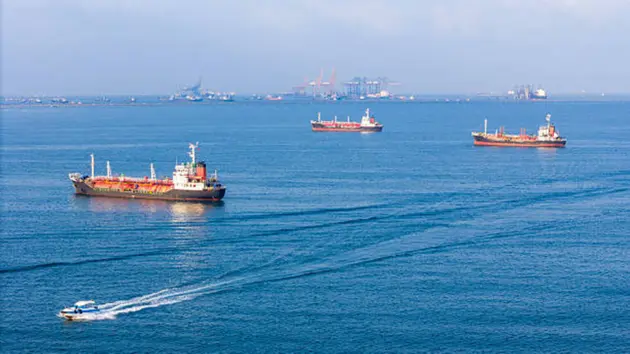
Crude prices were slightly lower ahead of European markets opening as traders digested comments from US President Donald Trump that Washington would help ships leave the Strait of Hormuz from today. Iran, however, has rejected the plan.


ADVERTISEMENT


ADVERTISEMENT

At the time of writing, the price of a barrel of US benchmark crude (WTI) was down 0.28% to $101.65 a barrel, while Brent crude, the international standard, edged down 0.06% to $108.10 a barrel.

Much hinges now on progress towards ending the war with Iran and unlocking the bottleneck through the Strait of Hormuz.

The oil market “remains the fulcrum, with hundreds of tankers, bulk carriers, and cargo ships still stranded across the Gulf, idling as storage constraints force producers to shut … production simply because there is nowhere left to store it,” Stephen Innes of SPI Asset Management said in a commentary note.

Trump said what he called “Project Freedom” would begin Monday morning in the Middle East. The US Central Command said it would involve guided-missile destroyers, more than 100 aircraft and 15,000 service members, but the Pentagon did not immediately answer questions about how they would be deployed.

Asia-Pacific and US markets

In Asian share trading overnight, Hong Kong’s Hang Seng jumped 1.4% to 26,135.47. Markets in mainland China and Japan were closed for “Golden Week” holidays. In Australia, the S&P/ASX 200 slipped 0.3% to 8,704.70.

Strong buying of tech stocks pushed shares in South Korea sharply higher, as the Kospi gained 3.8%. Taiwan’s Taiex surged 4.2%.

On Friday, the S&P 500 climbed 0.3% to another all-time high of 7,230.12, closing out a fifth straight winning week. The Dow Jones Industrial Average dipped 0.3% to 49,499.27, and the Nasdaq composite added 0.9% to a record close of 25,114.44.

Apple led the way after delivering better profit than expected. Because it’s one of Wall Street’s biggest stocks in terms of overall size, its rally of 3.3% was by far the strongest force lifting the S&P 500.

Stock prices generally follow the path of corporate profits over the long term, and US companies have been exceeding expectations for earnings in the first three months of 2026. That’s even with the war with Iran and high oil prices souring confidence for many US households.

Strong earnings boost S&P 500

A little more than a quarter of the companies in the S&P 500 have reported already, and 84% of them have topped analysts’ estimates, according to FactSet. The index is on track to deliver roughly 15% growth in profit from a year earlier.

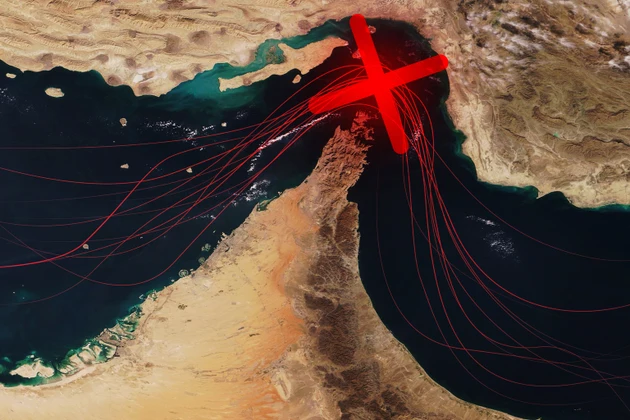
The main uncertainty for the global economy is where oil prices are heading because of the Iran war. Oil prices moved higher last week on worries that the war might keep the Strait of Hormuz closed for a long time, trapping oil tankers pent up in the Persian Gulf instead of delivering crude to customers worldwide.

Brent was selling for a little more than $70 per barrel before the war began, and soaring prices helped the two biggest U.S. oil companies report stronger profit for the latest quarter than analysts expected. But stock prices nevertheless fell for both Exxon Mobil, 1%, and Chevron, 1.4%, as oil prices regressed Friday and each reported drops in net income from a year earlier.

In other dealings early Monday, the dollar rose to 157.18 Japanese yen from 156.80 yen. The euro fell to $1.1724 from $1.1746.

Source link

Cannabis Policy Shift in US Doesn’t Move the Money

The White House’s long-anticipated cannabis regulatory shake-up may ease rules on paper, but for banks, processors, and payment networks, little changes in practice.

While the rescheduling of cannabis from Schedule I to Schedule III has sparked hope for industry reform, the reclassification doesn’t change the ongoing banking hurdles for smaller cannabis businesses in the U.S.

As large, publicly traded multi-state operators (MSOs) secure banking access, the majority of smaller cannabis companies still operate in a cash-only environment, with federal illegality, strict anti-money laundering rules, and a stalled bill blocking wider access to financial services. Alan Brochstein, an Austin, Texas-based analyst and founder of marketing firm New Cannabis Ventures, told Global Finance that meaningful reform still hinges on the passage of the SAFER Banking Act.

“Just because you’re Schedule III instead of Schedule I, you’re still federally illegal,” he said, referring to an April 23 order signed by Todd Blanche, President Donald Trump’s acting attorney general.

The reclassification formally recognizes cannabis for medical use. But the shift stops short of legalization and serves as a sobering reminder of the legal ambiguity that has kept major financial players wary.

“So, I don’t think that’s going to change,” Brochstein said. “Visa and Mastercard won’t allow processing, [and] rescheduling doesn’t change that.”

The bipartisan SAFER Banking Act, proposed in 2023, would provide a safe harbor for financial institutions serving state-sanctioned cannabis businesses, Brochstein explained. Lawmakers designed the bill to shield banks and credit unions from federal penalties and asset forfeiture when working with legal operators in compliant states. It remains stalled in Congress.

The reclassification has its benefits—expanding research, reducing tax burdens, and further legitimizing state medical programs across 40 states. Cannabis operators, however, remain boxed out of mainstream banking. Lenders, card networks, and cross-border investors are unlikely to change their stance substantially.

Regulatory Change, Financial Stagnation

For now, rescheduling grants medical cannabis some legitimacy, but the financial plumbing that underpins the industry remains frozen. As a result, operators rely on cash-heavy systems and state-by-state workarounds, especially in markets where recreational sales dominate revenue.

“I don’t think the banking landscape will change that much at this time,” said Richard Ormond, a partner at Los Angeles-based law firm Buchalter, capturing the industry’s central tension as financial institutions stay on the sidelines.

“Things will remain cautious as the majority of businesses, particularly in California, really focus on recreational use rather than just medical use,” Ormond predicted.

A broader review is coming, with Congressional hearings on the SAFER Act scheduled for June. Until then, cannabis suppliers are left with incremental progress on regulation—and persistent uncertainty in the banking system. 

Source link

Sandisk forecasts Q4 revenue of $7,750M-$8,250M while authorizing a $6B share buyback (NASDAQ:SNDK)

Earnings Call Insights: Sandisk (SNDK) Q3 FY2026

Management View

Seeking Alpha’s Disclaimer: This article was automatically generated by an AI tool based on content available on the Seeking Alpha website, and has not been curated or reviewed by humans. Due to inherent limitations in using AI-based tools, the accuracy, completeness, or timeliness of such articles cannot be guaranteed. This article is intended for informational purposes only. Seeking Alpha does not take account of your objectives or your financial situation and does not offer any personalized investment advice. Seeking Alpha is not a licensed securities dealer, broker or US investment adviser or investment bank.

Source link

Exclusive: EU vows to fight ‘tooth and nail’ for European industry as China threatens retaliation

In an interview with Euronews, EU Trade Commissioner Maroš Šefčovič issued a firm warning that the European Union will not hesitate to defend its industries after Beijing signaled possible retaliation over new EU plans to bolster its industrial base.


ADVERTISEMENT


ADVERTISEMENT

China this week up the pressure on Brussels, threatening countermeasures unless the EU softens core elements of its “Made in Europe” proposal—designed to tighten market access for foreign companies—and its Cybersecurity Act, which could ultimately restrict Chinese telecom firms’ presence across the bloc.

Asked about China’s reaction to what the EU describes as much-needed measures to reinforce its sovereignty and restore a level playing field, Šefčovič told Euronews the EU will “always” defend the interests of its companies.

“We will fight tooth and nail for every European job, for every European company, for every open sector, if we see they are treated unfairly,” said Šefčovič in comments to Euronews in an exclusive interview Friday.

Ballooning trade deficit in detriment to EU

Relations between Brussels and Beijing have deteriorated sharply over the past year, with China tightening export controls on rare earths vital to Europe’s clean-tech and defence industries, as well as restricting chips essential to the automotive sector, intensifying pressure on already fragile supply chains across the bloc.

In response, the EU has pushed for legislative proposals in the domain of cybersecurity and single market rules for companies, prompting a sharp reaction from China which has accused the EU of unfair practices. Earlier this week, Beijing said the EU should not underestimate China’s “firm resolve” to safeguard its interests.

Šefčovič rejected the suggestion that recent developments signal a looming trade war but stressed that the EU does not operate under pressure and expects to be treated with respect. “We never threaten our partners, and we certainly don’t do it through the media,” he said. “What we need is strategic patience and a great deal of courage.”

He said a “war” is often easy to start, but difficult to exit. A Chinese official told Euronews Beijing does not wish for a trade spat to escalate, but said China is serious about what it considers discriminatory practices. The EU disputes discrimination.

The EU’s trade chief pointed to a ballooning trade deficit between the two sides as a cause for concern. The bloc’s trade gap with China surged to €359.3 billion in 2025, a level Šefčovič called “simply unsustainable” that does not show signs of improvement.

He also said policymakers, the European parliament and economic actors in the EU have delivered “a very strong economic and political reaction” to tackle the trade deficit.

So far, Brussels has failed to secure meaningful commitments from Beijing to rebalance trade relations. At the same time, EU officials are growing increasingly concerned that Chinese exports—shut out of the US market by higher tariffs—are being redirected towards Europe. Brussels also points to China’s overcapacity as a source of concern.

The EU is now pressing Beijing to enter serious negotiations and deliver concrete results.

“I invited the Chinese foreign minister to visit Brussels because I think we need a very thorough assessment of the current situation,” Šefčovič told Euronews. “What I want is constructive engagement.”

Faced with a surge in low-cost Chinese imports, the EU is relying on trade defence instruments to counter what it sees as dumped and heavily subsidised goods, while also monitoring efforts by Chinese firms to bypass restrictions by shifting production outside China. Šefčovič made clear the EU will not be pushed into retreat from those issues.

“There are very strong industrial policies in China. You have the same in the US, in Canada, in Japan and in Korea. So, nobody should be surprised if the European Union responds in kind—especially when it comes to public money and public funds.”

Source link

Oil temporarily surges above $126 per barrel as Iran war seemingly intensifies

Published on Updated

Brent crude, the international standard for oil prices, jumped by over 7% during early trading on Thursday, touching $126 per barrel, the highest intraday level since 2022 when Russia initiated the full-scale invasion of Ukraine.


ADVERTISEMENT


ADVERTISEMENT

The US benchmark crude, WTI, also rose more than 3% and hit over $110 per barrel.

At the time of writing, prices have corrected slightly with the front month contract for Brent trading at around $122 per barrel and WTI at roughly $108.5.

Prices are now the highest they have been since the start of the Iran war.

The surge in oil prices is a direct consequence of stalled negotiations over the reopening of the Strait of Hormuz, the absence of a clear path toward ending the war and a seemingly increased chance of US-Israeli military action returning.

US President Donald Trump is set to meet with the head of the US Central Command, Admiral Brad Cooper, on Thursday and receive a briefing on new military options for action in Iran, according to Axios which cites two unnamed people.

The meeting signals the potential for fresh escalation in the Middle East as the resumption of combat operations is reportedly “seriously under consideration” and oil markets have reacted swiftly to the news.

A ceasefire has held since early April but recent negotiating efforts have fallen flat with the two sides refusing to meet. Meanwhile, the US and Iran both maintain their blockade of the vital Strait of Hormuz.

US Central Command has also reportedly asked for hypersonic missiles to be sent to the Middle East, which would mark the first time the US army has deployed that type of weapon.

The persistent blockade of ports and the threat of expanded combat have fundamentally reshaped market expectations.

A shifting landscape for OPEC and global supply

The spike in prices is occurring against a backdrop of significant structural change within the global oil hierarchy.

Earlier this week, the United Arab Emirates officially withdrew from the Organisation of the Petroleum Exporting Countries (OPEC) and its wider alliance (OPEC+), a move the nation claimed was necessary to prioritise its own national interests.

Under normal market conditions, the exit of a major producer from the cartel might be expected to signal a potential increase in supply or a decrease in price stability.

However, the sheer scale of the Iran war has rendered the UAE’s departure secondary in the minds of traders.

Despite the UAE’s exit, which was expected to potentially weaken OPEC’s grip on production quotas, prices have continued their upward trajectory.

This suggests that the “war premium” currently dominates all other market fundamentals.

Investors are currently less concerned with the internal politics of oil-producing nations and more focused on the immediate physical absence of Iranian crude, suspended shipping routes through the Strait of Hormuz and the threat to regional infrastructure.

However, the transition of the UAE to an independent actor still highlights a growing fragmentation in global energy governance at a time when the world’s energy security is at its most vulnerable.

Source link

Jerome Powell Chairs Final FOMC Meeting

After eight years as leader of the Federal Board of Governors, Jerome Powell leaves behind a considerable legacy.

Jerome Powell concluded his final Federal Reserve Open Market Committee (FOMC) meeting as chair on April 29, but said he would remain on the Board of Governors after his term as chair ends on May 15. His four-year term on the board ends January 31, 2028.

Powell’s term was marked by his decisive move at the start of the pandemic to stabilize markets, which could have faced a financial crisis comparable to 2008, said Krishna Guha, Evercore ISI’s vice chairman, in an email interview.

“The Powell Fed was slow to pivot to deal with post-pandemic inflation, but when it turned, it turned decisively, and Powell achieved the remarkable feat of bringing inflation back down without causing a recession,” he said. “Indeed, the data clearly show Powell was on the brink of delivering the fabled soft landing when Trump tariffs pushed inflation up again.”

Guha says Powell will mainly be remembered for the “dignity and professionalism that he brought to public service,” as the Fed endured “the most serious attack on central bank independence in decades, without yielding to political pressure or making the opposite error of turning hawkish in retaliation.”

Fight For Independence

The fight to preserve the Fed’s independence truly began in President Donald Trump’s second administration and has been a sustained conflict over lower interest rates. First came accusations of ballooning cost overruns during the refurbishment of the Federal Reserve’s Washington, D.C., headquarters in late July 2025. Next came the administration’s attempt to fire Federal Reserve Governor Lisa Cook a month later, citing alleged mortgage fraud.

The Department of Justice dropped its investigation into Powell on April 24, a few days before the April FOMC meeting. The Supreme Court has yet to decide on Cook’s case.

The cessation of lawfare against the Fed was welcomed by many in the Beltway, who see it as returning to business as usual.

“I felt like the accusations that Chairman Powell had committed some sort of crime connected to the building construction were a distraction, and it would delay President Trump in selecting a new chairman,” said Republican Rep. French Hill, chairman of the House Financial Services Committee, in a public statement. President Trump has nominated Kevin Warsh, a former Fed official, as Powell’s successor. A vote on his confirmation is expected in the coming weeks.

Editor’s note: This story has been updated to indicate Powell will stay on at the Fed after his term as chair ends.

Source link

China pushes EU capitals to scrap ‘Made in Europe’ law or face retaliation

Published on Updated

China has called on EU member states to revise the bloc’s proposed “Made in Europe” legislation, according to Suo Peng, trade and economy minister at China’s mission in Brussels.


ADVERTISEMENT


ADVERTISEMENT

The European Union is currently debating the draft, which was unveiled by the European Commission in March and aims to impose stricter conditions on foreign companies seeking access to EU public procurement and investment opportunities.

The proposal — widely interpreted as targeting Chinese firms — has already drawn a warning from Beijing. Earlier this week, China’s commerce ministry said it would consider retaliatory measures if the EU proceeds without significant changes.

“Chinese embassies in EU member states have conveyed China’s comments and suggestions to the governments of their hosting countries,” Peng told journalists in Brussels.

He added that if the EU “insists on this punishment and treats China’s enterprises in a discriminatory manner,” Beijing would be forced to respond with countermeasures.

Public procurement rules and investment limits

The so-called Industrial Accelerator Act would, if adopted by EU governments and the European Parliament, prioritise European-made products in public procurement in sectors considered strategic, including automotive, green technologies, and energy-intensive industries such as aluminium and steel.

It would also place conditions on foreign direct investment exceeding €100 million in areas such as batteries, electric vehicles, solar panels and critical raw materials.

Companies from countries with more than 40% global market share in a given sector could be required to form joint ventures with European partners and transfer technology. At least half of jobs in such projects would also need to go to EU workers.

China has criticised the measures as discriminatory, with Peng accusing the EU of double standards on technology transfer rules. He pointed to a 2018 joint statement with the United States and Japan opposing forced technology transfers.

Divisions within the EU

EU member states remain split over the proposal. France is pushing for stricter local content requirements, while Germany and others are calling for a broader approach that includes cooperation with like-minded partners.

Some countries have also warned that the rules could increase costs and limit access to innovation.

The proposal includes a reciprocity principle in public procurement, meaning the EU would only open its market to countries that grant similar access to European firms.

China, which does not currently have such an agreement with the EU, says it is open to a bilateral deal on government procurement. Peng urged Brussels to respond “as soon as possible”.

Otherwise, he warned, the plan “will seriously damage the actual interests of Chinese and European companies.”

Source link

TDB Group at 40: Driving Africa’s Growth

Global Finance: Over the past four decades, how has TDB Group’s mandate and geographical footprint evolved, and what have been the most significant milestones in advancing trade, regional integration and sustainable development across member states?

Admassu Tadesse: TDB Group is an MDB that has evolved into a group with different subsidiaries and strategic business units which provide specialised financial and non-financial services across all sectors in trade and development banking, asset management, concessional and impact financing, captive insurance, and capacity building.

We were conceived 40 years ago by COMESA Member States to support the region’s economic integration and sustainable development agendas with specialised short and long-term trade and infrastructure financing. We then gradually reformed to welcome other African economies – to better capitalise on cross-country complementarities and support economies of scale. While our initial mandate to finance and foster trade, regional economic integration, and sustainable development has stayed the same, our structure, stable of vehicles and toolbox have evolved through institutional reforms and new solutions, to make sure we remain fit-for-purpose as times change.

With nearly US$ 60 billion in financing deployed over the years, we have become an important player in the African trade finance market and these days, we are focusing efforts on clean energy and cooking, trade-enabling infrastructure, and industrial capacity in sectors like agriculture, health, and structural materials like cement and steel.

GF: What are the key structural challenges that African countries face in accessing affordable, long-term capital, and why are development finance institutions (DFIs) critical in bridging this gap?

AT: Regional DFIs like TDB Group were set-up decades ago following global ones, to help bridge the financing gap and cater to Africa-specific imperatives. To do this, we catalyse global and African capital, de-risking it, and escorting it via different solutions into sustainable development initiatives.

The lack of affordable and long-term capital is indeed a core issue. Beyond perception premiums which persist even amid calm market conditions, global and African geopolitics greatly impact risk pricing and debt sustainability, with commodity price volatility and supply chain turbulence adding further pressure. This also affects our financial industry, which is already continuously working to adapt to evolving industry rules, while innovating out-of-the-box solutions to solve for the problems of scale, price and tenor, and availability of investible opportunities. That’s why we grew into a Group with different vehicles and offerings.

Structurally, while our policy makers work on improving the regulatory and policy environment to facilitate cross-border money flows, improve savings and tax revenues, and give more comfort to capital – the financial industry can work on supporting the expansion of African capital markets, help build repo markets, step-up local currency activity, innovate products, and more.

GF: How can alternative funding structures and innovative financial products help mobilize capital, attract partners and expand access to finance for both governments and the private sector in Africa, and what role do DFIs play in driving these efforts?

AT: Different types of capital and partners gravitate toward different institutional structures and products – hence our Group structure.

We have our Trade and Development Banking SBU, which offers bilateral and syndicated short-term trade and long-term project finance, through direct debt or equity financing, credit enhancement, and advisory and agency services.

We have our Trade and Development Fund, TDF, which plays a catalytic role offering concessional and impact funding, addressing project upstream issues through technical assistance and grants, and channelling capital to sectors and communities often overlooked by traditional finance including through SME lending.

Then, we have our asset management arm which has diverse vehicles customised to match varying investor preferences and impact priorities, and which comprise funds and initiatives with high quality alternative assets that deliver competitive returns and impact, as well as specialised trade and infrastructure-focused fund managers including the ESATAL trade asset management company and the TDB Infrastructure Investment Management Company.

Finally, in addition to our TDB Captive Insurance Company – TCI – we also have a capacity building vehicle, the TDB Academy, which offers trainings, seminars, conferences, and other human and institutional capacity development interventions to TDB and its partners.  

GF: As TDB Group looks ahead to the next 40 years, what are the key infrastructure and trade-enabling investments needed to support Africa’s growth? What policy alignments, partnerships and long-term capital strategies are essential to scale impact and drive sustainable development?

AT: The needs are large and multifaceted. The list is long. We need to invest in both economic and social infrastructure – transport including road, rail, ports, airports, logistics hubs; water and sanitation; digital and telecommunications infrastructure; industrial infrastructure like different types of processing zones and facilities; energy to power industrial growth and electrify our communities; health including hospitals and medical equipment; education to build the workforce of the future; housing; etc.

To advance on our development aspirations, we need to grow faster than our population, and offer job opportunities for the latter, which is achievable through a robust industrial base, and the ability to trade our products among ourselves and with the world, with more value-added production and value chains.  

I have already referred to policy, partnerships and long-term capital strategies. What I will add is that diversification in partnerships is key to bolstering resilience to different shocks and mitigating risks. This is at the core of our funding strategy. We are keen on staying nimble and quick to innovate to do more with our balance sheet, so that we can do more for our continent and its myriad communities.

Source link

Oil prices rise despite UAE exit from OPEC as Iran war ceasefire hangs in balance

Oil markets face renewed instability following the United Arab Emirates’ formal exit from the Organisation of the Petroleum Exporting Countries (OPEC) and its wider alliance (OPEC+), announced on Tuesday and taking effect on Friday.


ADVERTISEMENT


ADVERTISEMENT

The move, which ends decades of membership, comes as the global economy continues to reel from the ongoing war with Iran and the blockade of the Strait of Hormuz remains in place.

Investors are currently weighing the potential for higher future output from the UAE against the immediate and acute risks posed to global supply routes, as well as the increased chances that more countries drop out of OPEC and OPEC+.

Following the announcement, markets reacted swiftly as the potential for oversupply from the UAE was priced in. Oil prices fell by between 2% and 3%, particularly in futures contracts a couple of months ahead.

However, the move was just as quickly offset by the risk premium associated with the Middle East conflict and the current halt to US-Iran negotiations.

At the time of writing, US benchmark crude, WTI, is trading above $105 a barrel, while Brent crude, the international standard, is over $112. Both prices are around 4% higher on Wednesday from the UAE announcement low.

The UAE’s decision follows years of simmering tension between Abu Dhabi and Riyadh over production quotas. The UAE has invested over $150 billion (€128bn) in the state-owned Abu Dhabi National Oil Company (ADNOC) to expand its capacity to five million barrels per day.

However, under OPEC’s restrictive framework, much of this capacity remained underutilised, now prompting the government to prioritise its national interest.

The departure of the group’s third-largest producer is a significant blow to the cohesion of the 60-year-old organisation. Maurizio Carulli, global energy analyst at Quilter Cheviot, noted the limitations this exit places on the remaining members.

“Until tanker traffic through the Strait of Hormuz is safe again, OPEC’s ability to stabilise prices is sharply constrained, while US producers have gained outsized influence,” Carulli explained.

While the UAE has pledged to bring additional production to the market in a “gradual and measured” manner, the sudden lack of coordination within OPEC has introduced a new layer of uncertainty.

For the UAE, the blockade served as a final catalyst for its exit. With its primary export route under threat, Abu Dhabi has sought the diplomatic flexibility to forge independent security and trade partnerships outside the traditional cartel structure.

Despite the geopolitical turmoil, energy equities have remained resilient.

According to Carulli, “integrated majors such as BP, Shell, TotalEnergies, ENI, Chevron and ExxonMobil are benefitting from a price uplift that could add 5-10% to operating cash flow for every $10 increase in oil prices.”

Standoff over the Strait of Hormuz

In a separate but related development, the security situation in the Middle East remains precarious despite a fragile ceasefire. Iran has recently offered a ten-point proposal to reopen the Strait of Hormuz.

In exchange for restoring maritime traffic, Tehran is demanding a full withdrawal of the US naval blockade and an end to the current hostilities.

US President Donald Trump, who recently extended the two-week ceasefire mediated by Pakistan, described the latest Iranian offer as “much better” than previous iterations but still did not accept the terms.

Shortly after, Trump posted on social media claiming that Iran is in a dire and desperate condition with no leverage to negotiate.

Washington continues to insist on a permanent settlement regarding Iran’s nuclear programme and an “unconditional” reopening of the waterway before sanctions are lifted.

The impact of this blockade on global energy security cannot be overstated.

“The prolonged closure of the Strait of Hormuz has removed roughly 12% of global oil supply from the market, according to the IEA, a bigger disruption than the Yom Kippur war, the Iran‑Iraq conflict, the invasion of Kuwait or even the fallout from Ukraine,” Carulli highlighted.

Source link

UAE To Exit OPEC, Fracturing Powerful Gulf Oil Alliance

UAE exits OPEC, exposing Gulf rift over oil strategy, Iran policy, and market stability.

The United Arab Emirates’ announcement to leave OPEC on May 1 marks more than a policy shift: It signals the unraveling of a long-eroding Gulf consensus on oil, economic strategy, and Iran. The announcement comes on the heels of the Gulf Creators event in Dubai on April 27.

“Every Gulf state had its own policy of containment toward Iran, and all of those containment policies have failed,” senior Emirati official Anwar Gargash said at the event. “All our policies have failed miserably,” he added—a rare public admission of strategic exhaustion that underscores why Abu Dhabi is recalibrating its regional and energy posture.

That recalibration now includes leaving the Organization of the Petroleum Exporting Countries. The UAE joined the bloc in 1967, when Abu Dhabi—now the federation’s capital—emerged as an oil producer. In announcing its exit from both OPEC and OPEC+ (a larger coalition that includes Russia), the UAE said the move aligns with its long-term strategy and will allow it to increase output in line with market demand gradually.

Widening Divide

At the heart of the split is a widening divide between Riyadh and Abu Dhabi. Oil policy has long been a source of tension between the two Gulf powerhouses. The UAE’s exit now leaves Saudi Arabia to shoulder a heavier burden in stabilizing global oil markets.

The UAE isn’t the only country to abandon OPEC cohesion. Qatar exited OPEC in 2019, breaking with the Saudi-led bloc amid an ongoing boycott.

Angola and Ecuador also left in recent years. The UAE’s similar move underscores that politics continues to shape the cartel, even as it focuses on stabilizing oil prices through production decisions. And because of its status as a major producer, the UAE’s exit is structurally more consequential for global supply management.

Experts say the UAE produced about 3.4 million barrels per day—about 13% of OPEC’s total output—and had the capacity to reach 5 million barrels per day before the US-Iran war began on February 28.

In effect, OPEC is not just losing a member—it is losing a key balancing force at a moment when geopolitical instability and oil market fragmentation are accelerating.

Source link