The Treaty made New Zealand a part of the British Empire, guaranteed Māori rights to their land and gave Māori the rights of British citizens.
The treaty was signed in Waitangi, a town in the Bay of Islands, by a group of Maori chiefs and the British Government, as represented by Lieutenant-Governor Hobson.
In February 1840, it was at Te Tii marae where Ngāpuhi (the largest Māori iwi – tribe) hosted around 10,000 Māori to debate the agreement for several days. On February 6th, Te Tiriti o Waitangi was signed by around 40 Māori rangatira (chiefs) and representatives of the British Crown outside British Government Representative James Busby’s house (now known as Treaty House) on the Waitangi grounds.
The treaty (‘te Tiriti’) was subsequently signed by another 500 Māori chiefs in various locations throughout the country.
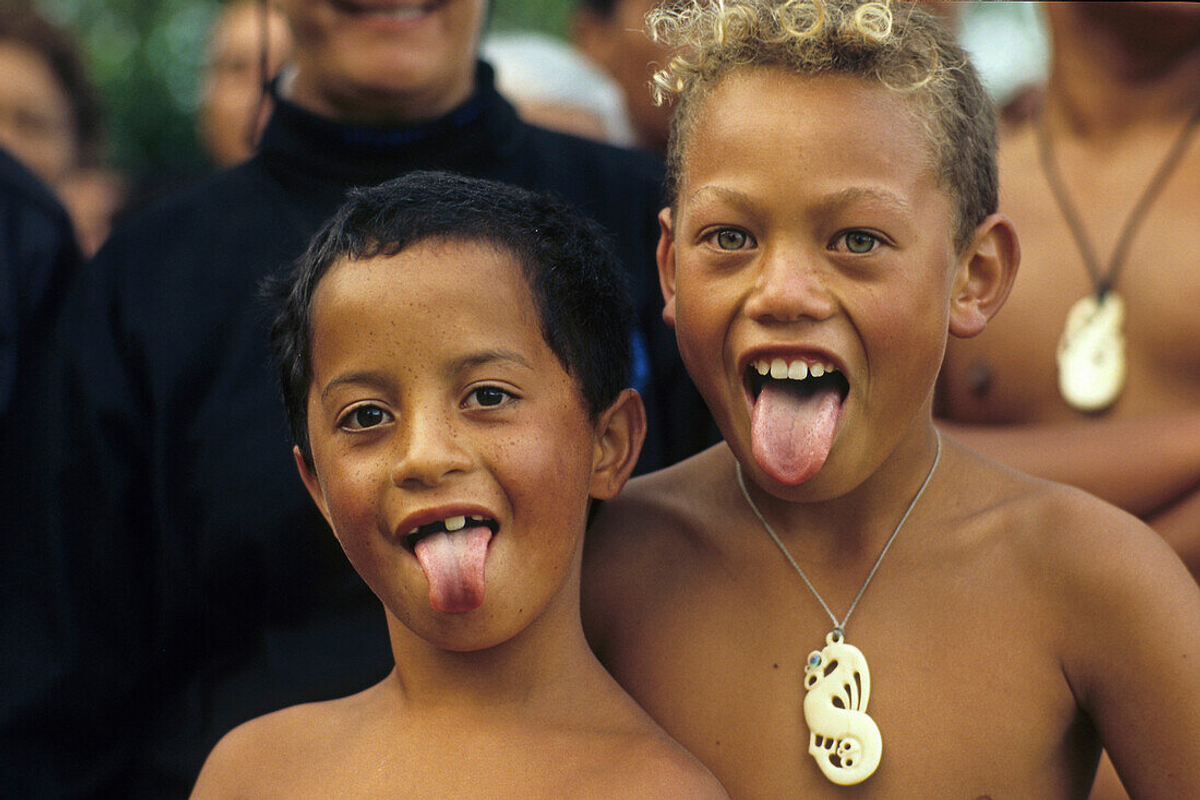
The Māori are the Indigenous Polynesian people of New Zealand, which they called Aotearoa (“land of the long white cloud”). They arrived from Polynesian islands sometime before 1300 AD. They are the first known inhabitants before the Europeans arrived in the early 1800s.