Los Angeles is the best food city in the United States. When considering breadth and scope, quality of ingredients and cooking, diversity and innovation, and sheer volume, it just can’t be beat. There’s no beginning and no end to its wonders.
But it’s more than that. Although our city can feel chronically fractured, our foods and restaurants may be the only possible glue that binds us. So we asked our Food writers, what are the local dining experiences that define living in our city?
This is our answer. The following are not the definitive “best” restaurants or meals in L.A. — we have a proper critics’ list for that each year. Instead, these experiences are the foundation for understanding what it means to love L.A. through its foods.
Tell us if you disagree, or if there’s anything you think we missed. Whether you’re a hard-boiled native or a first-time visitor with a big appetite, we’re confident that any combination of these 50 dining experiences will make your heart sing with love for L.A.’s invincible food scene. — Daniel Hernandez
To understand the gravitational pull toward golf, consider the sport as a sequence of problems. Aaron Singleton, a skilled player in the Dads Link Golf Club, is playing particularly well today at Palos Verdes Golf Course, having just hit two back-to-back birdies. But even on the shots that fly into a grassy oblivion, he smiles.
Share via
“Golf is 18 different holes. 18 different chances to solve a problem,” he says. “Each hole presents a different problem. Each shot is a different problem.” According to Singleton, this wisdom that players inherit on the golf course — especially resilience and patience — translates to fatherhood.
Singleton, who has a 3-year-old son, is part of a growing group of fathers who participate in the Dads Link Golf Club. The club is part of the region’s golf boom; Southern California Golf Assn. is estimated to have one of the largest memberships in the country, with over 200,000 golfers.
Ian Davis, the founder of Dads Link and Golf Club, watches his drive.
Ian Davis is the founder of Los Angeles’ Dads Link Golf Club. Each month, he invites fathers to enjoy golf together to focus on fellowship, fatherhood and their well-being.
“This has grown in a way that I couldn’t have imagined,” says Davis, who works as a wellness coach with an emphasis in mindfulness and meditation. He started the club in 2023 on the East Coast before relocating it to Los Angeles in January 2024, where the club hosts an annual Father’s Day tournament and various golf clinics.
At the driving range, Davis leads the group through “a grounding practice” that involves stretching and deep breathing. Member Ose Akhile, a personal trainer, follows up with stretching and other warm-up exercises. For many of the men, golf has become a rediscovered hobby. Singleton returned to the sport after playing it as a teenager. “I’m looking forward to getting better,” he says.
Club member Darius Ingram, father of 3-year-old daughter, says that reconnecting with the game has allowed him to prioritize his own well-being.
“I used to play golf recreationally. Now, I do it for mental stability,” he says.
Ian Davis greets Ose Akhile as Darius Ingram stands nearby.
Ian Monteilh, who is new to the group and has two daughters ages 11 and 15, says the outing provides camaraderie that was missing from his life.
“It’s a community that I didn’t have. I’m blessed to be around like-minded men with no pressure,” he says. “Even if we’re having a rough day on a golf course, there’s camaraderie.”
Once considered a predominantly white sport, golf is now being reshaped by a new generation of Black players and other players of color, including many of the fathers in Dads Link Golf Club. In 2024, 25% of golfers across courses nationally were Black, Asian and Latino, marking the most diverse era in the sport’s history, according to the National Golf Foundation.
Darius Ingram reacts to barely missing a putt on the 18th green as Ian Davis watches.
Ingram partly attributes Black men’s interest in golf to renewed interest from other professional athletes. Star athletes like Michael Jordan and Steph Curry — who also happen to be dads — are skilled golfers.
“There are a lot of people who play their main sport, and they play golf when they retire,” says Ingram.
Ose Akhile smiles before teeing off.
Rappers like Schoolboy Q and DJ Khalid have also become interested in the sport, adding to its cachet.
The benefits of the groups are apparent, explains Akhile, who has three daughters, ages 6, 7 and 9.
“I’m outside — fresh air, sunshine, a break for my family. I get to decompress,” he says. Describing himself as a “Caribbean baby,” he explains that the ocean waves have a hypnotic effect on him. As the golfers move along the Palos Verdes course, the ocean stretches beyond them.
“Nature helps a lot with stress relief. There’s a lot of green grass and quiet out here. I love my child, but it’s hard to hear her yell, ‘Dad!’ every three seconds,” says Singleton. During the game, he stays calm while a squirrel approaches him. “Me and nature are one with each other,” he says. Behind him, a baby coyote prances into the fog.
Singleton adds that in the chaos of fatherhood, friendships occasionally fall to the wayside.
“There’s so much to do. Everyone separated. It’s beneficial to have a group text, a fellowship like this, where you can hear someone going through the same thing as you,” Singleton says.
Akhile agrees. “These are probably the only guys that understand the day-to-day stressors and pressures of my life,” he says.
Ose Akhile, Darius Ingram, Ian Monteilh, Ian Davis, Aaron Singleton and other Dads Link and Golf members have breakfast together.
After finishing nine holes, the men enjoy breakfast burritos. They joke that they will begin ranking the golf courses in the L.A. area by the quality of their breakfast burritos. Meanwhile, Davis leads the group through a conversation about fatherhood. Each month he chooses one dad to be the focus. This morning that’s Ingram. He speaks on being a father and how it relates to golf.
“I’m not as good as I want to be, so there’s frustration there,” Ingram says, referring to the challenges of parenting. He adds that to “right things” he doesn’t like about himself, he focuses on how his efforts could result in his daughter becoming a better version of him. The men offer encouragement as birds circle above. The sun pierces through the fog.
Monteilh looks up and jokes: “The only birdies I saw today were in the sky.”
The World Cup on Tuesday features tournament heavyweights Argentina and France, who are beginning their campaigns.
France, the 2018 World Cup winners, take on Senegal in East Rutherford, New Jersey, in a repeat of their famous opener in the 2002 edition while Lionel Messi’s reigning champions Argentina face Algeria in Kansas City, Missouri. In Tuesday’s other matches, Norway return to the World Cup for the first time in 28 years against Iraq, and Austria meet Jordan in the day’s final fixture.
Away from the games, Cape Verde are still celebrating their historic draw with Spain while Iraq’s return to the tournament has sparked both happiness and frustration among their supporters.
Here’s what to watch on Day 6 of the World Cup:
What is the schedule for Tuesday?
Four more teams begin their campaigns on Tuesday.
France vs Senegal at New York New Jersey Stadium is scheduled to kick off at 3pm (19:00 GMT).
Later, Norway return to the World Cup for the first time since 1998 when they take on Iraq at Boston Stadium in Massachusetts with kickoff at 6pm (22:00 GMT).
And Argentina will also play against Algeria at Kansas City Stadium at 8pm (01:00 GMT on Wednesday) before Austria meet Jordan at San Francisco Bay Area Stadium in California at 9pm (04:00 GMT on Wednesday).
What are the predictions for France vs Senegal?
France head into the tournament as one of the favourites, sitting third in FIFA’s world rankings. But African powerhouse Senegal, ranked 16th, are expected to provide a stern early test in their opening match.
The teams’ only previous World Cup meeting came in the opening match of the 2002 tournament when tournament debutants Senegal stunned defending champions France 1-0. Papa Bouba Diop’s memorable winner sparked celebrations across Dakar, and then-President Abdoulaye Wade declared a national holiday. Senegal went on to reach the quarterfinals while France exited without winning a game.
Opta’s supercomputer still gives France a clear edge at New York New Jersey Stadium, assigning Les Bleus a 64.8 percent chance of victory. Senegal’s chances of pulling off another upset stand at 14.9 percent while the probability of a draw is put at 20.3 percent.
What are the predictions for Iraq vs Norway?
Tuesday’s Group I clash will be the first meeting between Iraq and Norway, and it will be the Nordic country’s first World Cup match against a team from the Asian Football Confederation.
Norway have relished their return to the World Cup after a long hiatus from the tournament. Fans have drawn attention with their synchronised “Viking row” celebrations while Erling Haaland shared a Viking-themed team photo on social media, describing the tournament as “a dream 28 years in the making”. Led by Haaland and Martin Odegaard, the Norwegians arrive with high hopes.
Opta’s supercomputer expects Norway to start strongly, giving them a 77.4 percent chance of victory. A draw is rated at 14 percent while Iraq have an 8.6 percent chance of pulling off an upset.
What are the predictions for Argentina vs Algeria?
Argentina and Algeria have never faced each other at the World Cup although they did meet in a friendly in 2007 when Argentina came from behind to secure a thrilling 4-3 win at Barcelona’s Camp Nou. A teenager by the name of Lionel Messi scored the first two goals of his international career that day.
History also favours the South Americans. Argentina have won each of their last six World Cup matches against African opponents, rebounding from their shock 1-0 defeat to Cameroon in 1990. Algeria, meanwhile, have enjoyed mixed fortunes against South American sides at the tournament, beating Chile in 1982 before losing to Brazil four years later.
Opta’s supercomputer expects Argentina to make a winning start in Group J. After 25,000 simulations, Lionel Scaloni’s side emerged victorious 68.2 percent of the time. Algeria were given a 13.2 percent chance of causing an upset while a draw was the outcome in 18.6 percent of the projections.
What are the predictions for Austria vs Jordan?
Austria enter the match as the clear favourites on paper. Ranked 25th in the world, they sit 39 places above Jordan, who are 64th in FIFA’s standings, and the Europeans are widely expected to challenge for a place in the knockout rounds.
Opta’s supercomputer strongly backs Austria to open their campaign with a victory in San Francisco, giving them a 70.3 percent chance of taking all three points. Jordan have been assigned a 12.9 percent probability of pulling off an upset while the likelihood of a draw stands at 16.9 percent.
Looking beyond this match, Austria are considered Argentina’s main challengers in Group J. They have an 18 percent chance of finishing top of the group, compared with just 2.9 percent for Jordan.
What else is shaping the World Cup?
Cape Verde celebrate historic point
Cape Verde’s 0-0 draw with Spain led to wild celebrations among fans, including in Boston, home to a large Cape Verdean community. Supporters said they were proud to see their country shine on the World Cup stage.
“Everyone thought Spain would beat us,” one fan said. “We’re a small country, but we have a big heart.”
According to a report on the NBC TV network, goalkeeper Vozinha also became an overnight social media sensation with his Instagram following soaring after the game. NBC said the goalkeeper went from 50,000 followers on Instagram to 4.9 million.
Cape Verde fans watch the World Cup group stage match against Spain from Praia, Cape Verde, on June 15, 2026 [Danilson Sequeira/Reuters]
Saudi Arabia deny Uruguay victory
Saudi Arabia looked set for another famous World Cup upset after Abdulelah Alamri gave the Green Falcons the lead against Uruguay, four years on from their shock win over Argentina.
But Uruguay’s Maximiliano Araujo struck 10 minutes from time to earn Uruguay a 1-1 draw. Saudi goalkeeper Mohammed Alowais then made several key saves to preserve the point, leaving Group H finely balanced after the opening round of matches.
Abdulelah Al-Amri #4 of Saudi Arabia scores his team’s first goal against Uruguay during the FIFA World Cup 2026 Group H match at Miami Stadium on June 15, 2026 [Lars Baron/Getty Images/Getty Images via AFP]
Tunisia sack coach after heavy defeat
Tunisia have dismissed Sabri Lamouchi after their 5-1 loss to Sweden in their World Cup opener. Mondher Kebaier is set to take over on an interim basis as Tunisia try to revive their campaign before matches against Japan and the Netherlands.
Meet Merlin, Mexico’s unlikely mascot
A duck named Merlin became one of the World Cup’s first viral stars after appearing in Mexico City celebrations dressed in the national team’s colours. Fans on social media called the two-year-old a “national treasure” and even called for him to attend matches as the tournament’s unofficial mascot.
Norway embrace their Viking roots
Norway have brought Viking fever to the tournament. Fans have debuted a synchronised “Viking row” celebration in the stands while the team posed for a Viking-themed photoshoot that sparked both excitement and debate back home. The images, shared by Erling Haaland, have become one of the tournament’s early talking points.
FIFA clears VAR official Shaun Evans
FIFA said it found “no evidence” to support allegations that video assistant referee Shaun Evans breached its disciplinary code after he was accused of making a white supremacist hand gesture during Germany’s World Cup opener against Curacao. Evans, an Australian, said the gesture was an involuntary movement and denied any intent to communicate a racist message.
For many Iraqis, qualifying for the World Cup has brought a rare moment of joy after decades of conflict and hardship.
Fans said the team’s return to football’s biggest stage after more than 40 years offers people a chance to unite and move away, even briefly, from the tensions in the region.
“We haven’t felt this happy in a long time,” Ahmed Salman, an Iraqi fan, told Al Jazeera.
“This is a chance for people to come together and move away from the atmosphere of war, especially given the tense situation in the region.”
But the celebrations have also been mixed with frustration over restrictions that some said have prevented Iraqi supporters from attending the tournament in the United States.
“Banning the fans is a very negative step because sports have nothing to do with politics,” Salman said. “People are coming to celebrate.”
Another Iraq supporter described the emotions as bittersweet.
“As Iraqis, after more than 40 years, we have qualified for the World Cup,” Taha Mohamed said. “It brings a feeling of joy and comfort, … but regarding the fans, it is frustrating.”
If you want personal stories of survival, family trauma or just how to get over a breakup, look no further than adult animation. Even better: Sometimes these shows do all that and are still funny. We’ve rounded up some of this season’s best examples in the genre.
‘Genndy Tartakovsky’s Primal’ (Adult Swim)
Set in an anachronistic world where prehumans and dinosaurs fight for survival, “Primal” is told sans dialogue and focuses on a Neanderthal named Spear (whose vocal grunts are provided by actor Aaron LaPlante) and a female Tyrannosaurusrex known as Fang. It’s raw, bloody and, somehow, tear-jerking.
“There’s drama, there’s violence, certainly there’s a bit of lightheartedness … we’re not trying to do it like a live-action thing, but we’re trying to get cinematic,” says creator Genndy Tartakovsky. “And because it’s dramatic and there’s no dialogue, we’re leaning into the visual storytelling of it all. This makes it seem a little bit more sophisticated.”
Tartakovsky says he even tries to make “the blood spurts look beautiful and designed”: “We’re not doing it for shock value.” The show also added the escaped female slave Mira (voiced by Laëtitia Eïdo) at the end of Season 1 because the creator felt it worked for the story.
‘Kevin’ (Prime Video)
Talking cats are not new to animation. But this one is going through the very human roller coaster of a relationship rebound and self-discovery.
Joe Wengert co-created “Kevin” with ex-girlfriend/series voice actor Aubrey Plaza as a cathartic thought experiment about their actual pet cat, Kevin. (Jason Schwartzman voices him in the show.)
“It’s more fun to write for the animals,” says Wengert, whose credits include Netflix’s animated “Big Mouth” and Fox’s live-action “New Girl.” “They have another level of crazy.”
The show also doubles as therapy.
“I’ve always been too into my relationship and I sort of neglect my friends,” he says, adding that “I’ve always wanted to write something about that, but it’s kind of sad when it’s a human man. It’s less sad when it’s a cat.”
‘Long Story Short’ (Netflix)
Raphael Bob-Waksberg, who also created Netflix’s “BoJack Horseman,” knows his beat is animated shows that are both funny and thought-provoking. He says the difference with “Long Story Short,” in addition to it being about humans and not an anthropomorphic horse, is that it has “sadness we can relate to.”
“Here, we see characters sad in the way that we are sad and we go, ‘Oh, this is not a cartoon exaggeration of our sadness.’ This is exactly the same as our sadness,” Bob-Waksberg says.
In order to keep the show from being a total buzzkill, the writers will craft scenes like an intense conversation between adult siblings about fertility treatments in the midst of the chaos and the bizarre costuming of a child’s dance concert.
He says you can do this in live-action, but it would have to be something in the Tina Fey-Robert Carlock style like NBC’s “30 Rock” or Netflix’s “Unbreakable Kimmy Schmidt,” which are known for rapid-fire bits.
“Usually in live-action, when you think about dramedy, your head goes to like, well, not too funny and not too dramatic. And my shows are kind of the opposite,” he laughs.
‘Mating Season’ (Netflix)
Like another show Andrew Goldberg co-created, Netflix’s “Big Mouth,” “Mating Season” is about sex and relationships. But, because it’s not about kids, it can be less metaphoric. And, because it’s about a group of Gen Z-ish forest animals, it can almost seem … cute?
“It feels less voyeuristic than with people,” Goldberg explains of “Mating Season.”
Goldberg, who loves nature documentaries like Netflix’s “Life on Our Planet,” says they opened the second episode of “Mating Season” with a parody documentary because “we wanted to remind people as much as possible that, yes, these are cartoon characters. But these animals are real, and they’re out there, and they’re going about their lives.”
He says the writers were also inspired by dating shows about humans such as Netflix’s “Love Is Blind” and Peacock’s “Love Island,” because “we really discovered, as we were writing the first season, how much the show was a romantic comedy.”
‘Strip Law’ (Netflix)
“Strip Law,” about a Las Vegas lawyer attempting to live up to his late mother’s legacy, is a David and Goliath story, in which Adam Scott’s Lincoln Gumb and a ragtag crew attempt to defeat the powerful and nefarious attorney Steve Nichols (Keith David). It’s also a send-up of legal procedurals, with Lincoln’s cases including a fight over who’s the real Santa Claus and a custody battle that devolves into a theological debate. Even the season finale is a meta masterpiece that’s told from the points of view of Lincoln’s rival attorneys.
“It would be disingenuous to say we weren’t at least a little trying to weird people out,” creator Cullen Crawford laughs.
Crawford cut some of his teeth on CBS’ “The Late Show With Stephen Colbert,” but says he switched formats when he got burned out writing jokes about President Trump. He says that, at least in the comedy world, “a good animation writer will be a good live-action writer and the other way around, to an extent, as long as you understand the mediums.”
SUN Club members can bag tickets to Drayton Manor Resort for the cheapest rate available anywhere – guaranteed.
Full-price tickets start at £29.50 online and can cost up to £45 at the gate.
Sign up for the Travel newsletter
Thank you!
We’ve spoken to General Manager Ollie Carr to gather his top tips for a visit to Drayton ManorCredit: SuppliedThomas Land has plenty of themed rides and experiences – but did you know about its film set?Credit: Supplied
However Sun Club members can bag their tickets for £20 each.
To claim them, simply sign up to Sun Club for £1.99 per month.
Once you’re signed up, head to the Sun Club Offers Hub where you can claim up to four tickets.
Drayton Manor sits just 25 minutes’ drive from Birmingham, and has rides and activities for all ages – from tiny tots to thrill-seeking teenagers.
The theme park is home to over 50 rides and attractions, plus its very own on-site zoo.
We spoke to Ollie Carr, General Manager of Drayton Manor, for his ultimate insider tips on how to make the most of your trip.
He said: “Drayton Manor is unique compared to other parks because we have five bespoke lands that are all completely different.
“We have Thomas Land (Europe’s only Thomas the Tank Engine-themed land), plus we have Vikings land which is great for the braver folk.
“Then there’s Frontier Falls, our Wild West-themed zone with one of our newest attractions, Gold Rush.
“Plus Adventure Cove which is nautical-themed and the Main Park. All of that, plus a 15-acre zoo as well! There really is something for everyone”.
Thomas Land is one of five lands in the park, and is ideal for those with younger childrenCredit: SuppliedGeneral Manager Ollie Carr says the park is ideal for mixed-age families with a wide range of ridesCredit: Supplied
The theme park is an ideal day trip for mixed-age families, with rides that cater to all ages – some of which guests can go on from just 0.9m in height.
Ollie said “For young children, head to Thomas Land. Even if they’re not specifically Thomas The Tank Engine fans, we have lots of different rides for younger kids.
“The rides there are really gentle and we have a huge amount with very low height limits, which is different to other theme parks.
“We have a carousel, Submarine Splash which is a mini flume, and kids can drive their own Terence the Tractor.
“We also have an indoor soft play called Emily’s, which families with little ones really like.
“For slightly older kids, I’d recommend Accelerator, right in the middle of the park.
“It’s our boomerang coaster. It goes really high which is fun, but it’s not too intense.
“And if you’ve got teenagers or some real thrill-seekers in the group, there’s lots for them to.
“We’ve got Stormforce 10, which is a water ride with three drops. Then of course The Wave, a thrilling family coaster with a loop and inversions.
“We’ve also got Maelstrom which is a gyro swing ride, as well as Thor and Loki in Vikings.
“One thing that people might not know about is that one of our newest attractions, Gold Rush, has two settings.
Drayton Manor’s Gold Rush ride has two settings – providing two totally different experiencesCredit: Supplied
“That means if you ride it in the morning you’ll get one type of experience, and if you come back and ride in the afternoon, it’ll be totally different.
“On one setting it launches you forwards, and on the other one you go backwards. It’s a whole different sensation. It’s like going on two totally different rides“.
Knowing the resort inside-out as General Manager, Ollie shared his other little-known tricks and secrets about Drayton Manor.
“If you want a good way to take in the views of the park, you should ride the Polperro Express.
“It’s a miniature railway which takes you all the way around our lake and through Adventure Cove and Thomas Land.
“It’s a gentle ride that you can do all together as a family, and it gets you really familiar with the park.
“The theme park has been around for 76 years, so it also has a lot of history.
“A lot of people don’t know about the Discover Thomas and Friends Exhibition.
“It’s a model railway with the original models used in the filming of the TV series decades ago. You can see the original engines going around on the set that they used to record the show.
“There’s lots of nice areas outside, too. We have an outdoor play area called Spencer’s down by the zoo, which is a really nice area to sit down with a picnic.
“The zoo has been around for years, and it’s like its own attraction.
“We’ve just had baby meerkats born, and new animals have moved in like Babirusa, which are like giant pigs.
The Maelstrom gyro swing ride at Drayton Manor Resort is one for the thrill-seekers of the familyCredit: AlamyDrayton Manor has its own theme park mascots – Rory and LaurieCredit: Supplied
“Another thing that people might not know that our mascots, Rory and Laurie, put on daily shows and meet and greets around the park.
Ollie also shared his top tips for making the most of a family day out at Drayton Manor Resort.
“The gates open at 10:30. My advice to guests would be to arrive 30 minutes early, and that way you’ll be there for the opening show with Rory and Laurie, which is held at the main entrance.
“Then head straight to the attractions that you know you want to go on, just in case they get busy. There are also fast passes if you want to guarantee a quicker queuing experience.
“We have some fun events coming up, too.
“In July we have our Rock ‘n’ Rumble event with live wrestling and a Shania Twain tribute act, which will take over the whole park and takes place on the first two weekends of July.
“In October we’ll be running our first ever Blazing Halloween event, which tickets are available for now. There’ll be a Trick or Treat trail and fireworks shows”.
BRITISH holidaymakers going to France may be forced to cover their bare chests or risk being slapped with a £130 (€150) fine.
Men have been banned from walking around shirtless in several seaside resort towns – with one mayor citing concerns over hygiene and decency.
Sign up for the Travel newsletter
Thank you!
Tourists and locals alike ripped their shirts off amid blistering temperatures in July last yearCredit: GettyA shirtless tourist at a water fountain in ParisCredit: Alamy
Topless sunbathing is still legal in France – but around 20 towns are clamping down on locals and tourists from baring their chests in city centres.
The glamorous resort of Deauville has hiked up its token fine of £15 (€17) to a heftier £130 (€150).
And in the southern French city of Narbonne – which last year saw blistering highs of 43 degrees – men are barred from going shirtless all summer.
The ban came into force on Monday and will end only at the end of September.
The mayor of the resort town claimed it was common sense for a tourist hotspot to crack down on bare-chests.
“It’s about hygiene and avoiding exhibitionism,” he said.
One Narbonne restaurant owner hailed the crackdown as “a very good thing”, saying that “this isn’t something the staff of our café can easily police on their own without getting into arguments with customers”.
“Having bare-chested guys on the terrace can put off other customers”, added Anthony Hill, 53, who runs Le 89 cafe in the city centre.
But as a heatwave swept across the holiday hotspot – hitting highs of 34 degrees – not everyone welcomed the ban.
Tourists cool off in the fountains opposite the Eiffel TowerCredit: AFPTwo women marching shirtless at a Gay pride event in 2019Credit: Alamy
“This excessive puritanism is disturbing. Let people live a little. A bare chest never killed anyone”, complained one user named Gabriel on X.
Another seaside port – La Grande‑Motte – has imposed the same restriction and local resident Marie welcomed the change with open arms.
“If I’m out with my kids in the town centre I really don’t want to see guys without shirts. It’s a matter of decency — and there’s also the smell when they walk past you”, the 37-year-old told French TV.
But one holidaymaker, 55, questioned whether the £130 (€150) was “a bit steep” – though he added that he found rule logical.
French law forbids women from going topless – but there is no nationwide ban on men’s shirtlessness.
If a woman walks around bare-chested anywhere other than on a beach she risks being arrested for “sexual exhibitionism” and thrown in jail.
She may also be charged a fine of around £13,000 (€15,000).
In 2020 a row erupted across the nation after cops asked three topless women sunbathing on a southern French beach to cover up.
A family had complained that the women’s bare breasts had upset their children – but when police took action they were blasted for betraying the “French way of life”.
SAN FRANCISCO — Any of the good vibes the Sparks generated from their three-game win streak were dissipated Monday.
In their 78-58 defeat, the Sparks’ worst weaknesses were exposed: continued struggles on defense and a punchless offensive scheme with Kelsey Plum struggling to score. Their 58 points were the fewest they have scored all season and they shot a second-worst 33.3% from the floor.
It was the fewest points scored by the Sparks since they were held to 57 by the Connecticut Sun on Sept. 9, 2021.
“We weren’t very good,” Sparks coach Lynne Roberts said.
The Sparks (7-7) were coming off victories against Portland and at Seattle and Phoenix but had no answers for the Valkyries’ smothering defense. They were notably unhappy with their effort.
“They played harder,” Roberts said of the Valkyries.
Golden State’s Kaila Charles and Gabby Williams kept Plum mostly in check, holding her to a season-low nine points after her career-high 43-point game in Phoenix on Saturday. Plum fouled out midway through the fourth quarter after being held to four points in the third quarter.
It was only the second time Plum fouled out of a WNBA game, and her first with the Sparks.
“We were down 12 or 13 and had to roll the dice,” Roberts said of keeping Plum in the game with five fouls in the fourth quarter. “It’s not like time was on our side.”
Plum shot three for 10, tied for her fewest attempts in a game this season. The only other time she was held to single-digit points with the Sparks was in another road game at Golden State last season.
In her last four games against the Valkyries, Plum is 17 for 57 from the field.
“We were throwing her different coverages, different looks, but again, just give credit to Gabby and [Veronica Burton],” said Valkyries coach Natalie Nakase about shutting down Plum. “They were taking that matchup.”
To make matters worse, Cameron Brink, who led the Sparks with 10 points, appeared to roll her left ankle in the waning minutes of the game and needed to be helped to the bench and then the locker room. Roberts said Brink’s injury was still being evaluated.
The Valkyries (9-5) ended the first quarter on a 17-4 run to lead 25-10. The Sparks went the final 3:45 without scoring. They made just three first-quarter baskets.
The Sparks cut the deficit to nine midway through the second quarter after a 16-6 run, powered by eight points from Brink off the bench.
But the Sparks’ defense couldn’t keep up with a Valkyries squad that shot 51.5% in the half. The Sparks trailed 45-26 at halftime after two Plum shots were blocked. Golden State scored the next 12 points and led by as much as 24.
Brink’s third-quarter entry gave the Sparks some life again as they narrowed it to a 13-point game.
The Sparks shot three for 21 from three-point range for their second-worst night from behind the arc this season. They committed 15 turnovers that turned into 22 Golden State points.
Along with Plum’s foul trouble, starting point guard Erica Wheeler finished with five fouls. In her return to Golden State, Sparks development player Kate Martin was the lone player with a positive plus/minus at plus-two in the ninth of her 12 allotted games.
The Sparks actually held the Valkyries to their third fewest points in a game this season, but they simply fell in too big of a hole early to recover.
“That is a hell of a team over there, in terms of offensive ammo,” Nakase said. “So holding them to 58, like that was a pretty good accomplishment.”
The Sparks return home to face the first-place Minnesota Lynx (11-3) on Wednesday before another tough matchup with New York. After what looked like a successful road trip, the Sparks will need to recover from another poor game.
“Defense is a choice, and you know, we came out casual in the first quarter,” Roberts said. “We were down 15, and we were playing catchup the whole time. To me, that’s the story.”
Minecraft fans can enjoy an immersive pop-up event during the school summer holidays that includes the chance to meet baby Mobs and other characters from the popular video game universe
Minecraft fans will be able to spot ‘Mobs’ around the theme park(Image: Staffordshire Sentinel News Medi)
Alton Towers will launch a pop-up event for the six-week summer holidays where guests can enjoy an immersive Minecraft experience, including meeting adorable all-new Baby Mobs.
Announcing the new arrivals with a Buckingham Palace-style sign, the theme park has promised fans the chance to “meet baby Minecraft Mobs in real life across the park” in a first-of-its-kind event. Minecraft Meet the Mobs will take place between July 18 and August 28, coinciding with the school holidays in England and Wales.
Character appearances will include the Iron Golem, Chicken Jockey and Creeper, plus baby Mob scenes featuring yellow axolotls, pandas, pigs, goats, chicks and wolf pups.
The baby Mobs will be positioned in six Minecraft-inspired scenes across Alton Towers, and as visitors find each one, they can stamp their game card. Those who complete the trail will unlock an exclusive downloadable in-game reward – only available to visitors who’ve been to the theme park.
According to Alton Towers, Mobs “are living creatures in the Minecraft videogames that move, interact with the environment and can be passive, neutral, or hostile.”
In addition to the Minecraft trails, visitors can enjoy themed snack stands featuring Minecraft-inspired TNT popcorn and ice lollies. There will also be a range of exclusive Minecraft merchandise to purchase in the park.
Minecraft fans can book tickets for Alton Towers online now for summer dates, and the Meet the Mobs experience is included with the regular price of admission for all visitors from July 18 to August 28.
Minecraft is one of the best-selling video games of all time, with 350 million copies sold, a number only beaten by the addictive puzzle game Tetris. Its first formal release was in 2011 for the PC, and since then, it has been released on a number of consoles and mobile platforms. A version for the Nintendo Switch 2 was recently announced, with many fans speculating it could be released by the end of 2026.
Howard Ebison, vice president at Alton Towers Resort, said in a statement: “Minecraft is loved by families around the world, and this summer we’re bringing that sense of play and discovery into our park. ‘Minecraft Meet the Mobs’ is set to delight our guests with interactive moments across the park, an opportunity to unlock exclusive in-game rewards, enjoy themed treats and plenty of surprises along the way.
“We are proud to offer this unique Minecraft event for our guests joining us over the summer, all within the price of admission to Alton Towers Resort.”
Recently, the Staffordshire-based theme park opened brand new Bluey the Ride: Here Come the Grannies!, the world’s first rollercoaster based on the much-loved cartoon pup and her family. It’s also home to CBeebies Land, where kids can enjoy rides and experiences based on Hey Duggee, JoJo and Gran Gran, Go Jetters, and the Octonauts.
Have a story you want to share? Email us at webtravel@reachplc.com
Solar panels stand at the Anjwa Solar City power plant in Shinan County, South Jeolla Province, on Friday. The county distributes part of the project’s profits to residents through local cooperatives under its Sunlight Pension program. Photo by Asia Today
June 15 (Asia Today) — Salt-damaged farmland once unsuitable for either agriculture or aquaculture has become a source of pension income for residents of islands in southwestern South Korea.
Shinan County in South Jeolla Province operates what it calls a “Sunlight Pension,” sharing part of the profits from solar power projects with local residents. The program is regarded as a social economy model that connects large-scale renewable energy infrastructure with household income and local spending.
The county began distributing the pension on Anjwa and Jara islands in 2021 under a renewable energy profit-sharing program. It has since expanded the program to Jido, Saokdo, Imjado and Bigeumdo.
Under the program, part of the profits generated by solar power projects is distributed to residents through local cooperatives.
South Korea’s Ministry of the Interior and Safety regards the Shinan program as a social economy model that converts local resources into resident income while keeping spending within the community. The program brings residents, local government and private businesses together to ensure that some profits from power generation remain in the region.
The model is also consistent with the national government’s initiative to create “Sunlight Income Villages,” where communities receive income from renewable energy projects.
Shinan County enacted an ordinance in 2018 establishing a system to share profits from renewable energy development with residents. Residents do not directly pay the cost of building the power plants. Instead, resident cooperatives participate in the projects and receive dividends from the resulting revenue.
The dividends are paid through local gift certificates, encouraging recipients to spend the money within Shinan County.
“Existing residents are guaranteed dividend benefits, while benefits for new residents vary according to age to encourage younger people to move here,” a county official said. “New residents age 40 or younger are eligible immediately, without a waiting period.”
The program has produced measurable results.
Renewable energy development dividends generated cumulative revenue of 24.71 billion won, or about $16.1 million, between April 2021 and April 2025. Of that amount, 22.32 billion won, or about $14.6 million, was distributed through the Sunlight Pension.
An additional 2.39 billion won, or about $1.6 million, was distributed as a Sunlight Child Allowance for residents younger than 18.
Of Shinan County’s 16,483 residents, 13,284 are members of participating cooperatives, representing a participation rate of 81%.
The Anjwa Solar City power plant serves as the foundation of Shinan’s Sunlight Pension model.
The facility has a combined generating capacity of 288 megawatts, consisting of a 96-megawatt first phase and a 192-megawatt second phase. The first phase began commercial operations in November 2020, followed by the second phase in January 2023.
Plant officials said the project cost about 560 billion won, or approximately $366 million. It generates annual revenue of between 80 billion won and 85 billion won, or roughly $52.3 million to $55.6 million.
The history of the site is also significant.
The land was originally used for farming but became unsuitable for both agriculture and aquaculture because of salt damage and years of use as fish farms. A 2019 revision to South Korea’s Farmland Act allowed salt-damaged farmland to be used temporarily for other purposes, clearing the way for the solar project.
The land is scheduled to be restored to farmland after the solar facilities cease operations.
Anjwa Solar City is considered a leading example of South Korea’s resident-participation renewable energy profit-sharing system. Large solar projects can generate local opposition when residents receive few tangible benefits, making the profit-sharing structure a central element in securing community acceptance.
The Shinan model, however, may be difficult to reproduce in every region. Large renewable energy projects require several conditions, including government approval, resident consent and access to transmission infrastructure.
Project profitability and local acceptance must also be considered to maintain a stable dividend system.
“The Sunlight Pension was designed to ensure that development profits remain with residents and circulate within the community,” the county official said. “We plan to expand the profit-sharing program beyond solar power to offshore wind and other renewable energy projects.”
Since Israel launched its latest war on Gaza, Palestinian activist Mohammad Hannoun has been a figurehead in demonstrations across Italy.
Wrapped in a keffiyeh and waving the national flag, as head of the Palestinian Association in Italy he delivered impassioned speeches condemning the Italian government’s military cooperation with Israel and demanding an end to the genocide in Gaza.
Recommended Stories
list of 3 itemsend of list
The 63-year-old Jordanian national, who lives in the port city of Genoa and is an architect by profession, was arrested in December, under the accusation of having raised around 7 million euros ($8.1m) through his non-profit Association of Solidarity with the Palestinian People (ABSPP) that allegedly ended up in Hamas’s coffers.
Italian Prime Minister Giorgia Meloni expressed “appreciation and satisfaction” when the so-called “Operation Domino” led to the arrest of nine people, including Hannoun, described by investigators as the “head of the Italian cell of the Hamas organisation”.
But Italy’s Supreme Court of Cassation last month demanded a “comprehensive re-evaluation” of the evidence, describing it as too “generic”, according to the ruling seen by Al Jazeera.
The material presented in court consisted of Israeli intelligence sent to Italian authorities, as well as open-source online information whose provenance and reliability had not been established.
Hannoun’s case is not an isolated one.
Last month, Amin Abu Rashid, a Dutch national of Palestinian origin, was acquitted in the Netherlands by the Rotterdam District Court of financing Hamas, after a years-long legal battle landed him in jail for a year. Similarly, the evidence had relied on Israeli government reports and unverified newspaper articles.
The UK-based advocacy organisation CAGE International described Abu Rashid’s acquittal as a “direct rebuke of the use of Israeli intelligence as the basis for prosecuting Palestinian humanitarian organisers in Europe”.
Anas Mustapha, head of public advocacy at CAGE, told Al Jazeera that relying on Israeli evidence to prosecute Palestinians was tantamount to relying on Chinese information to try Hong Kong dissidents.
This practice constitutes a “major threat to the rule of law in Europe”, he said.
“Israeli intelligence is being laundered through European legal systems to suppress Palestinian civil society,” said Mustapha. “The aim is to disrupt and restrict activism and action against the state of Israel.”
‘Battlefield evidence’
Nicola Canestrini, who is among the lawyers representing the nine defendants including Hannoun, liaised with Abu Rashid’s representatives over the course of several months to challenge the use of so-called “battlefield evidence” in both Italian and Dutch courts.
The term refers to evidence collected by military forces during active hostilities or combat operations. Just like a standard crime scene, the collection of this type of evidence under European requirements must be presented with a chain of custody – the chronological documentation of the seizure, transfer, analysis, and storage of the materials.
In Hannoun’s case, the files alleging cooperation between the ABSPP and Hamas’s military wing were not accompanied by a chain of custody, but sent by an Israeli official “whose personal details remain confidential”, according to court documents.
The only indication of their provenance was the word “Avi”, which Canestrini said was later found to mean Israeli intelligence official Avi Abramson.
The evidence purportedly originated from hard drives found in Gaza’s hospitals as they were taken over by Israeli forces, namely in al-Shifa, al-Rantisi and Jabalia, as well as the Maghazi refugee camp and other locations across the Gaza Strip.
United Nations experts and organisations, including Human Rights Watch, have found that Israeli military actions in Gaza, including the forcible displacement of patients from those hospitals, amount to war crimes.
Canestrini and his legal team argued in court that unverifiable evidence collected by a state undergoing trial at the International Criminal Court (ICC) and the International Court of Justice (ICJ) was inadmissible.
“There’s a short-circuit in the legal system that is very troublesome for the rule of law,” the lawyer told Al Jazeera. “We’re seeing a foreign state under investigation for war crimes and crimes against humanity bringing evidence forward, and Italian authorities copying and pasting it in their reports.”
Additionally, rather than file an arrest warrant through established international cooperation channels, Israel sent the documents through a “spontaneous information exchange”. That measure bypasses oversight mechanisms established by the European Union Agency for Criminal Justice Cooperation (Eurojust) and the UN Military Evidence Guidelines.
“I believe this was done wilfully to avoid checks and balances that guarantee the respect of human rights,” the lawyer said.
Al Jazeera contacted Italian officials Riccardo Perisi, director of the Service for Combatting Extremism and External Terrorism, and District Attorney Marco Zocco, who declined to comment on Hannoun’s case due to ongoing legal proceedings. Avi Abramson, the Israeli intelligence official identified as the source of the evidence, did not respond to requests for comment.
According to the European Legal Support Center (ELSC), an independent organisation offering legal assistance to organisations and individuals advocating for Palestine, European states have systematically deployed “counterterrorism” and “public order” measures against Palestine solidarity efforts.
ELSC found a pattern of repression to “demobilise opposition to the Israeli genocide against Palestinians” in the United Kingdom, Germany, the Netherlands, and France, “advanced through alliances between state actors, Zionist lobby groups, and arms manufacturers”.
In Italy, activities around Palestinian solidarity are increasingly “equated with terrorism,” Italo Di Sabato, the national coordinator of Osservatorio Repressione (Observatory on Repression), an Italian organisation focused on tracking state control and defending the right to protest, told Al Jazeera.
The observatory documented cases in which pro-Palestinian activists were targeted by lawsuits, searches and administrative sanctions. “The objective is stifling any real form of solidarity with the Palestinian people,” Di Sabato said.
He argued that accepting opaque evidence to be used against Hannoun would have created a dangerous legal precedent.
“Israel’s aim was to have a free zone where everything is permitted,” Di Sabato said. “The political meaning of the Supreme Court of Cassation’s ruling is that the rule of law cannot be suspended when we deal with Palestine.
“What today constitutes the basis for the repression of Palestinian activism could tomorrow be the basis for the repression of any form of dissent.”
The “Love Island USA” production team is mourning the loss of executive producer James Barker, who died last week while on set in Fiji.
“Love Island USA” producers ITV America and Peacock confirmed Barker’s death in a media release shared with The Times on Monday. The announcement said that Barker died after “an unexpected medical emergency” but did not provide additional details, including the day of his death and a cause of death. Barker was 40.
“James’ unimaginable loss has been deeply felt across not just the entire Love Island USA production, but throughout all of ITV and Peacock,” the television companies said in a joint statement. “He was a beloved and greatly valued member of our collective family whose kindness, talent and dedication left an indelible mark on all of us and everyone who had the privilege of knowing and working with him. We extend our heartfelt condolences to James’ family, friends and colleagues.”
Barker began his tenure on “Love Island USA” in 2020, first working as a story producer. He has worked as an executive producer on the series for the last three seasons and was also a member of the producing team on “Love Island” companion series “Love Island Games” and “Love Island: Beyond the Villa.”
Barker, according to Monday’s statement, also oversaw the hit series’ pop soundtrack. For an interview with Rolling Stone in 2025, Barker recalled watching the original British “Love Island” series and how pop music supplemented the on-screen romances and heartbreak: “I think that is where my brain immediately said, ‘One, this is amazing, and more shows should be like this.’ And two, ‘How do I work on “Love Island”?’”
Barker also noted in the interview that he drew inspiration for the “Love Island USA” villa sound from his pre-TV career as a nightlife DJ and spoke about the process of hand-selecting music from established pop acts and up-and-coming artists.
“In the past, there was such a stigma about reality shows that a lot of artists didn’t want their music associated with reality shows. And that’s starting to turn around now,” Barker told the outlet. “[Artists are] more and more seeing, well, one, the financial aspect of having your music synced in these kind of shows, and also just the wide reach of viewers.”
Before “Love Island USA,” Barker was a producer on reality series “Pawn Stars,” “Counting Cars” and “Forged in Fire.” He later served as a story producer on “Queer Eye,” “Cosmic Love” and “Are You My First?” Outside of his TV work, Barker often performed as DJ Chaotic at gay bar C’mon Everybody in Brooklyn.
“Love Island USA,” which began its eighth season earlier this month, will pay tribute to Barker in Tuesday’s episode.
The central bank’s increase in the uncollateralised overnight rate, by a quarter of a percentage point from 0.75%, puts it at a three-decade high.
ADVERTISEMENT
ADVERTISEMENT
The Bank of Japan has been trying to normalise monetary policy lately after decades of keeping interest rates near or below zero. It adopted ultralow rates to try to encourage more borrowing and spending to counter deflation and pull the economy out of the doldrums.
Inflationary pressures because of the war in Iran, which has sent oil prices soaring in recent months, have hit Japan hard since it imports almost all its oil and gas.
Low interest rates had added to pressures on the Japanese yen, which has fallen lately to about 160 yen to the US dollar.
BOJ Gov. Kazuo Ueda, who has been hospitalised recently, did not attend Tuesday’s policy board meeting. Deputy Gov. Shinichi Uchida was expected to take his place at the news conference set for later in the day.
Before the BOJ decision, Tokyo’s benchmark Nikkei 225 index briefly topped 70,000 early Tuesday before giving up some of those early gains.
PHOENIX — Pavin Smith hit a tiebreaking, solo homer off the right-field foul pole, Ryne Nelson threw seven quality innings, and the Arizona Diamondbacks beat the Angels 4-3 on Monday night.
Smith broke a 2-2 tie in the seventh when he launched his first homer in nearly a calendar year. The veteran first baseman — who came into the game with a .103 batting average — has spent most of this season on the injured list after surgery to remove bone chips in his left elbow.
Geraldo Perdomo added an RBI double later in the seventh that made it 4-2. Paul Sewald gave up a solo homer to Donovan Walton with two outs in the ninth but struck out Oswald Peraza to earn his 18th save in 19 chances.
Nelson (3-5) gave up two runs, scattering nine hits and striking out five. The right-hander has thrown at least seven innings in five of his last seven starts.
Angels slugger Mike Trout hit his 16th homer, an opposite-field shot, to tie the score 2-2 in the fifth. It was the three-time MVP’s 420th career home run.
Walbert Ureña (4-5) threw seven innings for the Angels, giving up four runs (three earned).
The Angels (29-44) grabbed a 1-0 lead in the first on Jo Adell’s double down the right-field line that brought home Trout. The Diamondbacks (37-35) tied it in the bottom half on Gabriel Moreno’s single.
Lourdes Gurriel Jr. returned to Arizona’s lineup after missing roughly three weeks because of a strained left hamstring. He had an RBI single in the fourth.
Up next: The Diamondbacks throw RHP Merrill Kelly (5-5, 5.46 ERA), while the Angels counter with LHP Reid Detmers (2-5, 4.00) on Tuesday.
Los Angeles – “I’m sure when we score a goal today, everyone will be cheering.”
That was the prediction of Iranian fan Parsa Tafreshi, who had travelled from New York to Los Angeles to see Iran take on New Zealand on Monday.
Recommended Stories
list of 3 itemsend of list
His words would prove largely true.
The game ended in a thrilling 2-2 draw, and each time Iran – known as Team Melli – scored, the stadium erupted in deafening celebrations.
There were two opposing sets of Iranian flags in Los Angeles, home to a large Iranian American community that is largely staunchly opposed to the governing system in Tehran.
Some fans waved the Islamic Republic flag, adorned with the name of God. Others opted for the pre-1979-revolution flag featuring the lion and sun, used by the Iranian opposition.
But when Team Melli were building up an attack, their supporters sang in unison.
Chants of “Iran, Iran” rang throughout the stadium, and the fans held their breath collectively each time Iran’s attackers came near New Zealand’s goal.
Concerns of unrest around the game did not materialise. Iranian fans vastly outnumbered their New Zealand counterparts at the stadium, and the game ended without any major incident.
Anti-team protest
A small group of demonstrators had gathered outside the venue, waving Israeli flags and chanting in support of opposition figure Reza Pahlavi.
They also called on United States President Donald Trump to resume the war with Iran, although Washington and Tehran have already reached a ceasefire deal.
“President Trump, finish the job,” they chanted on a loud megaphone.
Protesters also shouted slogans against the Palestinian group Hamas and Lebanon’s Hezbollah.
One of the demonstrators held a banner featuring the faces of Team Melli players with red crosses on them.
“IRGC Team,” it said, referring to Iran’s Islamic Revolutionary Guard Corps, with red ink meant to resemble blood dripping from the letters.
Protester Kourosh Kiumarsi told Al Jazeera that the Iranian squad is the “regime team”.
Asked about the Israeli flags at the demonstration, he said: “Israel and the USA attacked the regime and helped the people of Iran. They are not at war with Iran. They are at war with the Islamic Republic regime.”
Despite the intensity of the slogans at the protest, it was small and contained.
Protesters outside Los Angeles Stadium, June 15, 2026 [Ali Harb/Al Jazeera]
“I love that all the hype was just outside of the stadium,” said Sudi Farokhnia, who wore a green, white and red wig and a shirt featuring the lion and sun flag.
“Once you walked into the stadium, all you could hear was Iran, Iran, Iran. The energy was amazing. The people were amazing,” she told Al Jazeera after the match.
But that does not mean the entire affair was apolitical.
It would be difficult to argue that the pre-revolution flag is not a political statement.
FIFA bans political symbols at international matches, but thousands of Iranian fans on Monday were able to come in with lion-and-sun flags, shirts and hats.
Many also wore political slogans like “Make Iran Great Again” and “free Iran”.
FIFA did not respond to Al Jazeera’s request for comment on the issue.
Minab message
There were also other political expressions at the match.
Arash, an Iranian fan who asked to be identified by his first name only, wore a shirt that said “Mibab 168” on the back.
The US-Israel war on Iran killed hundreds of civilians, including 168 children at a girl’s school in the southern city of Minab, during the first day of the conflict.
“This is not a political shirt. This is not just to send a political message,” Arash told Al Jazeera.
“It’s a simple, simple statement: Schools are sanctuaries, whether it’s school shootings, bombings. School is a place of virtue. It’s a place of learning. It’s a place that – no matter who you are, what you believe in, what country – school should be off limits.”
An Iranian fan in Los Angeles wears a shirt that says, ‘Minab 168’ [Ali Harb/Al Jazeera]
Inside the stadium, a group of Iranian fans also revealed a “MINAB 168” message during the game.
There were also Palestinian and Israeli flags visible in the stands.
The match kicked off with a political message: Many fans jeered the Iranian national anthem, which opposition activists see as representative of the government.
Iran’s participation in the tournament was in peril earlier this year because of the war. Team Melli were forced to stay in Mexico as their base camp, while all their group-stage matches were in the US, because the Trump administration refused to host them.
Once the ball was kicked, however, that all faded into the background.
It was 11 versus 11. And the football delivered excitement, joy and disappointment.
Iran dropped two valuable points against a lower-ranked team, but came twice from behind and hit the woodwork once.
And each of the two times the net bulged, the goals brought happiness to a nation with two flags at home and abroad that has gone through war and immense hardship.
There was a number of protesters outside.
But when Iran scored, almost all Iranians cheered.
Venezuela has signed an agreement with General Electric Vernova aimed at boosting electricity generation as the country seeks to improve a power system plagued by years of outages. Officials say the deal could add 5 gigawatts of capacity over four years.
Former Top Gear host Jeremy Clarkson headed to the auction house on the Prime Video series
Jeremy Clarkson’s net worth after farm show proves massive success BigCityLife
Jeremy Clarkson and Kaleb Cooper bid farewell to an iconic member of Diddly Squat Farm.
Season five of Clarkson’s Farm saw Jeremy selling off the fan-favourite Lambo tractor after it wasn’t getting much use, following his purchase of the AgBot in the new series.
The AgBot, a fully autonomous, driverless tractor, was busy ploughing the fields of Diddly Squat Farm and sowing seeds.
Jeremy and Kaleb could monitor the tractor’s progress on their computer while they got on with other things on the farm, which meant the 2016 Deutz-Fahr tractor wasn’t getting much use.
The veteran broadcaster decided to sell it off, explaining in voiceover: “”The green Lambo hadn’t turned a wheel in weeks, so I decided to sell it, which meant getting it valued by an agricultural auctioneer.”
The valuation on the prized piece of agricultural kit from Oliver Godfrey left Jeremy somewhat surprised and dismayed.
Oliver responded: “It’s not the easiest thing to sell in the world, I’ll be honest, but I would look somewhere in the region of between £50,000 and £60,000.”
Jeremy revealed that the valuation was “quite a lot less” than he’d initially paid for it when he bought it for £80,000.
On the day of the auction, Jeremy didn’t appear too hopeful about his Lambo’s prospects and said: “Here it is. There’s going to be a frenzy of bidding…”
However, the bidding did start to pick up as people put in their offers for the green tractor that Jeremy had customised and adorned with Lamborghini badges.
As the offers went up, Jeremy remarked: “We are actually getting closer to the £80,000 that I had paid for it.”
Despite the valuation, both Jeremy and Kaleb were left astonished and rather relieved when the Lambo ended up getting snapped up for the sum of £70,500.
Get 30 days of Prime Video totally free
This article contains affiliate links, we will receive a commission on any sales we generate from it. Learn more
TV lovers can get 30 days’ free access to binge great shows like Clarkson’s Farm by signing up to Amazon Prime. Just remember to cancel at the end and you won’t be charged.
Once the hammer went down, Jeremy said: “Well, it was a financial hit, but it wasn’t a financial kick in the nuts.”
The auction comes ahead of tomorrow’s Clarkson’s Farm season five finale, when audiences will get the final two episodes titled Sickening and Reaping – referring to the TB outbreak and the harvest at Diddly Squat.
Clarkson’s Farm season 5 concludes tomorrow on Prime Video
Head coach Danny Rohl’s exit from Rangers, to be replaced with Heart of Midlothian’s Derek McInnes, appears to move closer as Barney Stewart is reportedly poised to be sold by Falkirk to West Bromwich Albion.
Contracts have been agreed for head coach Danny Rohl’s switch from Rangers to RB Salzburg and for Hearts’ Derek McInnes to arrive at Ibrox as his replacement, but talks are continuing about the German’s desire to take his backroom team with him. (Scottish Sun), external
Rangers are set to receive a £2m compensation fee when head coach Danny Rohl’s switch to RB Salzburg is completed. (The National), external
Senior Hearts officials will interview candidates this week as they prepare for head coach Derek McInnes’ departure for Rangers after compiling a shortlist and hope to make an appointment within 10 days. (Edinburgh Evening News), external
Hearts officials have already held informal talks with head coach candidates from Britain and abroad as they prepare to appoint a new head coach ahead of the first-team reporting back to the Oriam on 25 June before flying out to Spain for a warm-weather training camp. (Hearts Standard), external
Motherwell are down to the final three candidates for their new manager and Gonçalo Feio, who took over at Tondela in March before their relegation from the Portuguese top flight, is among them but also has options in Portugal, Poland and Scandinavia. (Ben Jacobs on X), external
Former Rangers manager Giovanni van Bronckhorst has agreed a deal to become Feyenoord head coach for a second time after leaving his role as Liverpool assistant. (Fabrizio Romano on X), external
Bayer Leverkusen have made fresh contact with Rangers amid interest in centre-back Emmanuel Fernandez, but there is significant other interest in the 24-year-old for whom the Ibrox club want at least £25m. (TeamTalk), external
Bailey Rice has agreed a new contract with Rangers and will put pen to paper later this week despite interest from Ajax, Schalke, Leeds United, Nottingham Forrest and West Ham United in the 19-year-old midfielder. (Daily Record), external
West Bromwich Albion are close to finalising the seven-figure signing of 22-year-old striker Barney Stewart from Falkirk. (Daily Record), external
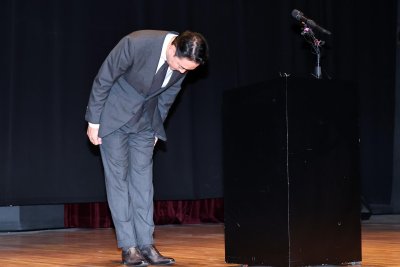
JoongAng Group Vice Chairman Hong Jeong-do bows in apology during a news conference at the JoongAng Ilbo building in Seoul on Monday after JTBC and other group affiliates filed for court-led rehabilitation amid a liquidity crisis. Photo by Yonhap News Agency
June 15 (Asia Today) — South Korean broadcaster JTBC and four other companies affiliated with JoongAng Group filed for court-led rehabilitation Monday, two days after the television network defaulted on 20.6 billion won, or about $13.6 million, in debt.
The applications could lead to restructuring, asset sales and efforts to attract new investment if the court approves the rehabilitation proceedings.
The five applicants are JTBC, Contentree JoongAng, Megabox JoongAng, JoongAng Holdings and JoongAng P&I.
JoongAng Group Vice Chairman Hong Jeong-do apologized during a news conference at the JoongAng Ilbo building in western Seoul.
“As a senior executive of JoongAng Group, I sincerely apologize to our employees,” Hong said.
“Management has explored every possible option to overcome the credit crunch and liquidity crisis and maintain the group’s operational stability,” he said. “However, accumulated financial burdens and the prolonged contraction of the capital market have left us with no choice but to file for rehabilitation proceedings.”
JTBC declared a payment default Friday after failing to repay 20.6 billion won in securitized borrowings at maturity.
South Korean credit-rating agencies subsequently downgraded the credit ratings of JTBC and other major group companies.
NICE Investors Service cut JTBC’s unsecured bond rating from BBB with a negative outlook to CCC. A CCC rating indicates a substantial risk of default and generally makes it difficult for a company to raise funds through conventional financial markets.
The agency also downgraded JoongAng Ilbo’s long-term credit rating from BBB with a negative outlook to BB- and lowered its short-term rating from A3 to B-.
Korea Ratings lowered JTBC’s unsecured bond rating from BBB with a negative outlook to BB under negative review. It also downgraded the broadcaster’s commercial paper and electronic short-term bond ratings from A3 to B under negative review.
The group’s financial difficulties have been attributed partly to a sharp decline in television advertising as audiences and advertisers move toward digital platforms and streaming services.
Heavy investment in sports broadcasting rights has also placed pressure on the group’s finances.
JTBC acquired exclusive South Korean broadcasting rights for the FIFA World Cup through Phoenix Sports, an affiliate of JoongAng Group.
Contentree JoongAng, the parent company of Phoenix Sports, reportedly invested $125 million, or about 190 billion won, to secure World Cup rights.
The group also reportedly committed about $500 million for rights to broadcast the Olympic Games from 2026 through 2032 and FIFA World Cup tournaments through 2030.
JTBC failed in February to resell Winter Olympics broadcasting rights to South Korea’s three terrestrial television networks, contributing to substantial losses.
For the 2026 World Cup, JTBC sold some broadcasting rights to public broadcaster KBS for 14 billion won, or about $9.2 million, but did not reach agreements with MBC or SBS.
If the court approves the applications, the companies are expected to consider workforce and business restructuring, asset sales and outside investment as part of a financial recovery plan.
The Seoul Bankruptcy Court assigned the cases involving the JoongAng Group companies and subsidiaries to its Rehabilitation Division 2.
The court will review financial records and other documents submitted by the companies before deciding whether to formally begin the proceedings. Such decisions are generally made within about a month.
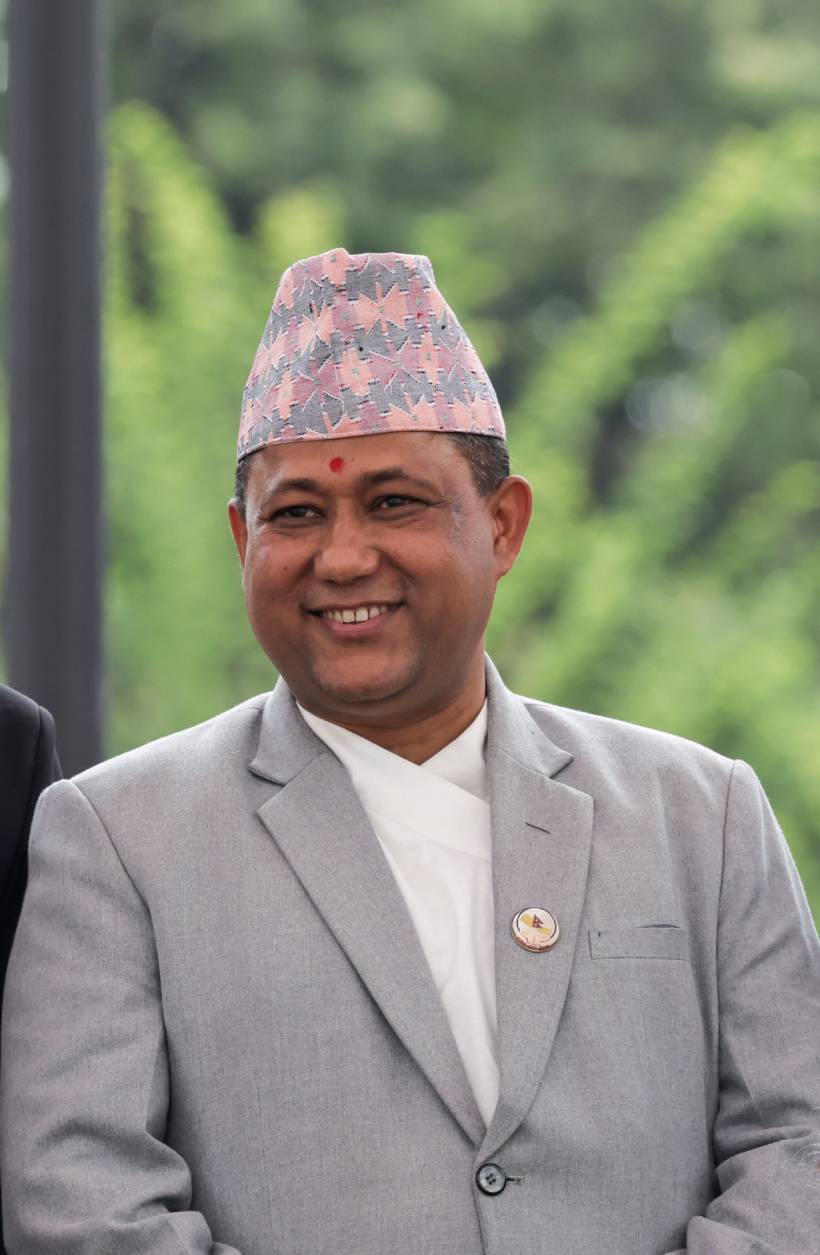
Nepalese Foreign Minister Shisir Khanal met Chinese Foreign Minister Wang Yi in Beijing on Monday, marking his first visit to China since Nepal’s Rastriya Swatantra Party won elections in March and formed a new government. The trip came just days after Khanal visited India, underscoring Kathmandu’s efforts to maintain strong ties with both regional powers.
China has long viewed Nepal as a key partner in its neighborhood diplomacy and has invested heavily in infrastructure projects under the Belt and Road Initiative. However, several projects have faced delays and financing disputes, limiting progress in bilateral cooperation.
Why It Matters
Nepal’s new government is reshaping the country’s foreign policy at a time of growing competition between China and India for influence across South Asia. While China has sought deeper economic and strategic engagement with Nepal, the Himalayan nation remains closely linked to India through geography, trade, employment, and cultural ties.
Analysts say Kathmandu’s willingness to engage both powers gives it greater diplomatic leverage. The new government has signaled that it wants improved relations with India while also keeping Chinese investment and infrastructure cooperation on track. This balancing strategy could strengthen Nepal’s bargaining position as Beijing and New Delhi compete for regional influence.
The visit also comes as China faces questions about the effectiveness of some Belt and Road projects in Nepal, including concerns over costs and implementation delays at major infrastructure developments such as Pokhara International Airport.
What’s Next
Nepal is expected to continue pursuing a balanced foreign policy that avoids choosing sides between China and India. Beijing will likely push to accelerate infrastructure cooperation and demonstrate the benefits of its investments, while India will seek to strengthen ties with Nepal’s new leadership.
The success of this approach will depend on whether Nepal can secure tangible economic benefits from both neighbors while maintaining its strategic autonomy. Upcoming decisions on infrastructure financing, trade cooperation, and anti-corruption investigations could shape the future of Nepal’s relationships with Asia’s two largest powers.
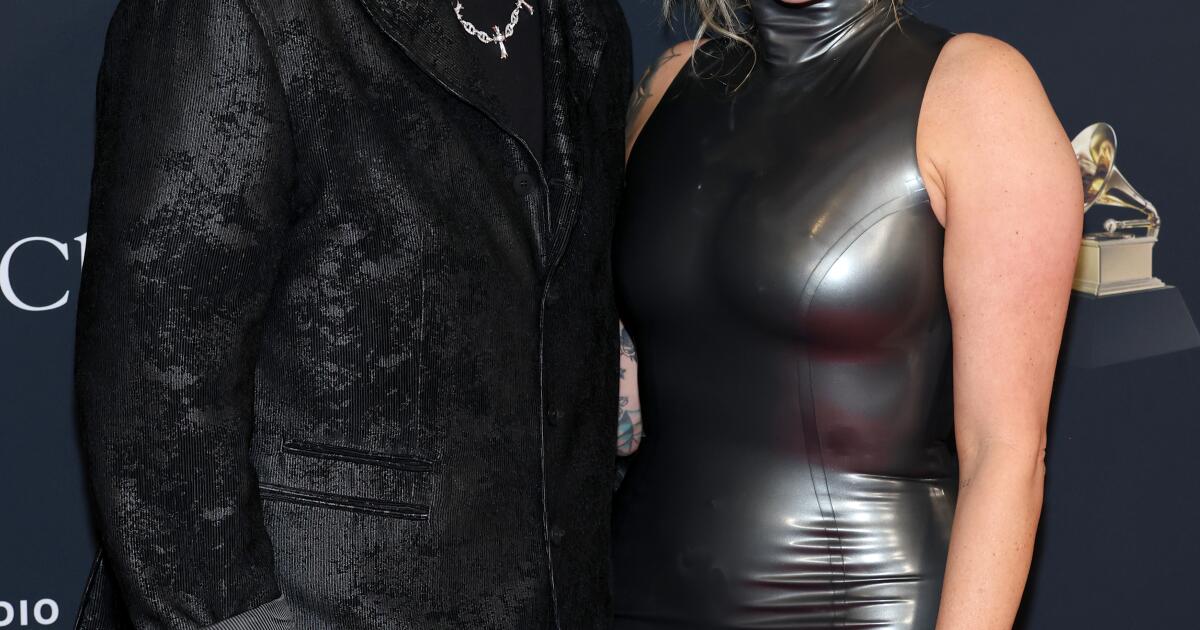
The country music star filed for divorce from his wife in Tennessee’s Williamson County on May 18, according to court documents obtained by People — TMZ broke the news. The announcement may come as a shock for country fans who have followed the couple through their sappy podcast appearances and gushy acceptance speeches.
Bunnie XO, who hosts the “Dumb Blonde” podcast, met Jelly Roll at one of his Las Vegas Country Saloon concerts in 2015. Then, a year later on a Las Vegas stage, the “Save Me” hitmaker popped the question.
The pair said their “I do’s” at a local courthouse later than night in a secret ceremony.
Jelly Roll and Bunnie XO have been candid on the podcast circuit about the ups and downs of their relationship. In Bunnie’s 2026 memoir, “Stripped Down: Unfiltered and Unapologetic,” she wrote about Jelly Roll’s 10-month affair in 2018 and her subsequent emotional unraveling.
The couple also has been open about their struggle with IVF in recent years.
As recently as February, while accepting his win for contemporary country album for “Beautifully Broken,” Jelly Roll thanked Bunnie XO in his acceptance speech, saying that he wanted to thank his “beautiful wife” and that he’d be dead or in jail without her.
And during a 2023 appearance on “Bussin’ With the Boys” podcast, Jelly Roll was overcome with emotion recounting his early days with Bunnie XO. “When Bunnie comes into my life, I have to sit Bunnie down and go, ‘Look, I have a kid that you know about that I’m fixing to have to get full custody of.’”
According to the Grammy winner, Bunnie had his back from the beginning.
“I don’t have a house, I’m homeless. So she’s like, ‘Well, the first thing we have to do is get you somewhere to live in Nashville.’ I was like, ‘Well, I can’t put it in my name, I’m a felon, I don’t have enough proof of income to get the kind of place we need to get her in the right school district.’
“Bunnie’s like, ‘Let’s just go get a condo, so you have a bedroom for her.’ … So Bunnie comes down, and we’re getting a condo. I’ll never forget, Bunnie looked at me, and, man, it makes me emotional. She said, ‘No matter what happens with us. I’m gonna help you get this little girl.’
“And I was like, man, what character this woman has,” he continued.
Hours before news of the couple’s split broke, Bunnie XO posted a video on Instagram dancing to Nickelback’s “How You Remind Me,” and mouthing the lyrics “I said I love you and I swear I still do.”
My wife and I moved from London to Marseille a little over five years ago when our British passports still conferred “right to reside” in France. That first winter on the beach, in short sleeves, as our daughters played in the topaz-coloured Mediterranean and the sun set across an ever-clear blue sky, I understood why this part of southern France has always been popular with artists.
I was recently speaking about this with the painter Fanny Nushka and her sailor husband, Benoît Bouchet, on the terrace of Café la Muse in Marseille’s “coolest” neighbourhood. She said: “It took a long time to go back to blue. It’s like being in Paris and painting the Eiffel Tower. It’s dangerous to paint the Calanques [limestone coves] as an artist from here.”
We moved to Marseille for the same reason that has attracted countless artists: it’s cheaper to live here. Marseille’s affordability enables Fanny to paint full-time and Benoît to sail without being away from his family for weeks. Benoît runs daily catered cruises on a listed sailing yacht, Le Don du Vent. For €135, you get a taste of Mediterranean luxury with swimming, snorkelling and sunbathing in the unspoiled sea coves around Marseille, pausing briefly for wine and a lunch prepared onboard.
Always buzzing … La Friche in Marseille. Photograph: Hemis/Alamy
Céline Ghisleri, co-president of Provence Contemporary Art, which represents 62 arts organisations in and around Marseille, tells me the city has always had a dynamic art scene. However, the turning point came when Marseille was named European Capital of Culture in 2013. Since then, large institutions such as Frac Sud, Mac and the Museum of European and Mediterranean Civilisations (Mucem) have expanded the city’s offering with bigger exhibitions from more widely recognised artists.
This summer, the Mucem’s exhibitions are Bonnes Mères, a collection of contemporary and historical works on the theme of motherhood, and Clément Cogitore’s fascinating Ferdinandea, l’île éphémère, a body of work centred on the brief existence of a volcanic Mediterranean island. At the end of August, the art fair Art-O-Rama will be hosted at La Friche La Belle de Mai. La Friche (the Wasteland) was a tobacco factory and is now an enormous warren of a multidisciplinary arts centre that is always buzzing, especially in the summer when they set up a movie screen and food trucks on the roof. La Friche is emblematic of the art scene in Marseille: absolute chaos, but somehow it works.
Outside Marseille, Plein Sud, a network of contemporary art organisations between Monaco and Montpellier, produces a guide with travel itineraries. It’s how I discovered the charming Gallifet art centre in nearby Aix-en-Provence, which is only about 40 minutes from Marseille but exists in a completely different universe.
Mucem in Marseille. Photograph: Pcalapre/Alamy
You couldn’t be further away from Marseille’s port city energy than Aix’s daily market at Place Richelme, where you can grab a coffee and, if you are lucky, an outdoor seat at the patisserie and salon de théMaison Weibel. For lunch, I recommend Drôle d’Endroit (Funny Place). It is tucked down an alley off a sidestreet, but the meals are always pleasing and the atmosphere friendly. Another solid choice is Tita for Levantine street food.
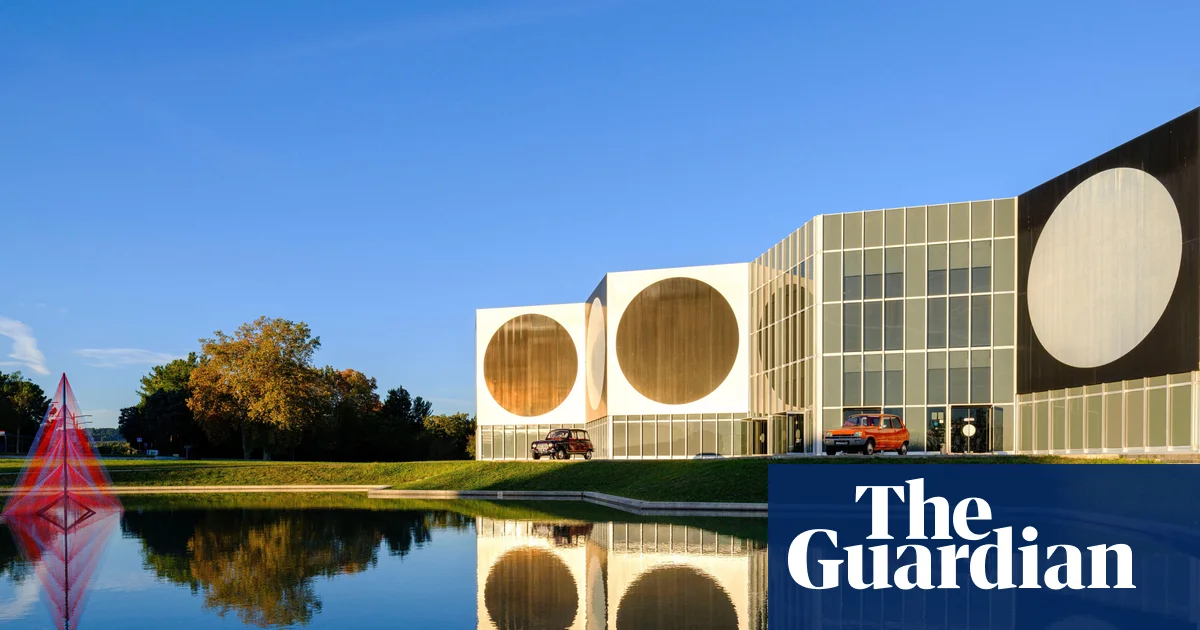
As tiny and quiet as Aix is, it has an abundance of museums, such as the Granet Museum, the Caumont Art Centre and the Vasarely Foundation, but they tend to lean heavily on art that historians have already anointed. For example, it wasn’t until 1984 that the Granet acquired any works by the local boy done good, Cézanne, whose preserved studio is just up the hill.
A striking sculpture by Diadji Diop in the courtyard of Gallifet gallery, Aix-en-Provence. Photograph: Javier Larrea/Alamy
That’s why it was refreshing to find Gallifet trying something different. The owners, Nicolas Mazet and Kate Davis, have a mission to bring contemporary art to conservative Aix. Located on the ground floor of an 18th-century townhouse, the courtyard’s striking red sculpture of a swimmer mid-stroke, by Diadji Diop, hints that Gallifet is more than just a home (the owners live above the art centre).
This summer’s exhibition features a retrospective of the photographer François Halard, with more than 100 works spanning more than three decades. Until the end of September, Gallifet also hosts a seasonal restaurant and chef’s residency. This year, two Paris-based chefs, Lisa Desforges and Bruno Hammerle, will use Provence’s abundant and delicious ingredients to create menus including entrees such as smoked ricotta gnocchi with peas and a peapod veloute. Gallifet also offers two apartments (from €200 and €160 per night), both decorated with pieces from previous exhibitions and filled with Provençal features such as marble fireplaces and tomette terracotta tiles.
Palais des Papes, in Avignon. Photograph: Image Broker/Alamy
A little further up the Rhône, Avignon nestles against the river, enclosed by preserved medieval walls. The Palais des Papes overlooks the renowned vineyards of Châteauneuf-du-Pape to the north and lavender fields to the south. Each July, the town is taken over by the Avignon festival, one of the oldest performance arts festivals.
After a visit, take a walk along the most picturesque and charming street in Avignon, La Rue Peyrolerie. A winding medieval cobbled alley leads to an equally charming restaurant, L’Épicerie, situated in a square beside a small 14th-century gothic church with an ornately carved walnut-wood door. The cuisine is classic French, served in generous portions by friendly staff. Every time we visit Avignon, we dine here and have never been disappointed, but be warned that the terrace fills up quickly. This is a well-known and well-loved spot among locals. Another safe bet for outdoor courtyard dining is Numéro 75.
The most notable address for contemporary art in Avignon is the Lambert Collection, housed in two stunning 18th-century townhouses, Hôtel de Caumont and Hôtel de Montfaucon. The collection is the legacy of Yvon Lambert, a celebrated gallerist and collector who made his reputation in the latter half of the 20th century championing American artists such as Nan Goldin, Donald Judd, Lawrence Weiner and Cy Twombly. The collection continues to support up-and-coming local artists in its Antechamber of Summer exhibition. This year’s exhibition is by Melika Sadeghzadeh, an Iranian artist living and working in Montpellier.
Luma art complex, with a tower by the architect Frank Gehry, in Arles. Photograph: Hesham Elsherif/Getty Images
Just south of Avignon, Arles has at its centre a nearly 2,000-year-old Roman amphitheatre, which hosts plays and concerts. The Vincent van Gogh Foundation and Luma host several exhibitions throughout the year, but the real treat comes in July during the Rencontres d’Arles. For 50 years, venues across town, from galleries to grocery stores, have showcased a wide range of contemporary and historical photography.
Recently,we went to Arles for its Festival of Drawing. After a wander through the picturesque medieval streets of the Roquette district on the east side of town, popping into venues as we went, we discovered the tiny restaurant Páouin the quaint Place Paul Doumer. The menu promised sharing plates starring local produce and wines. So we sat down for another meal at another terrace table, under another clear blue sky.

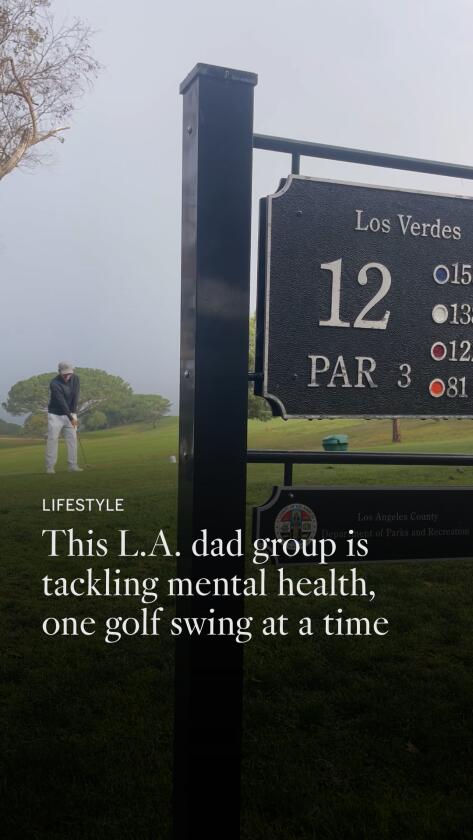


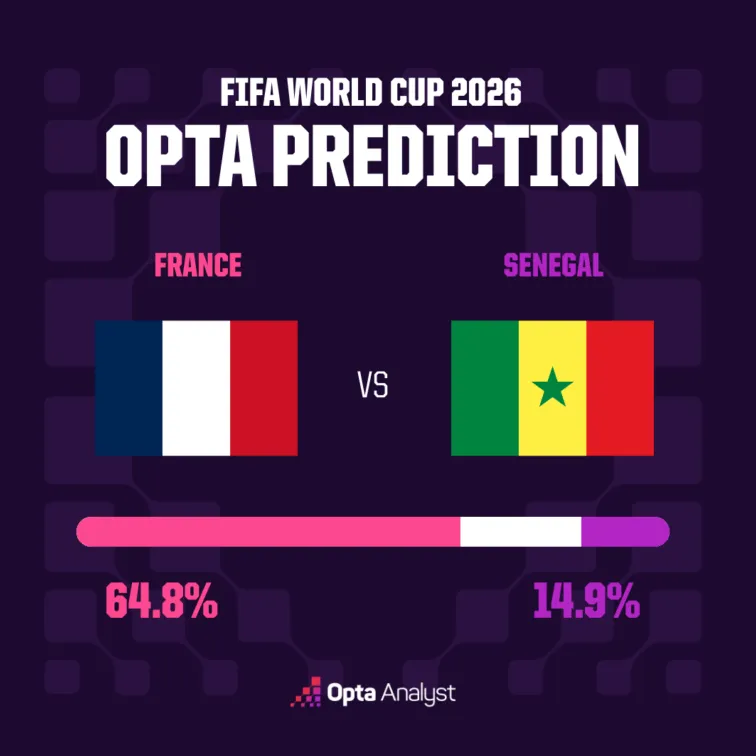

























![Protesters outside the Los Angeles Stadium [Ali Harb/Al Jazeera]](https://i0.wp.com/occasionaldigest.com/wp-content/uploads/2026/06/1000180724-1781564207.jpg?w=640&ssl=1)