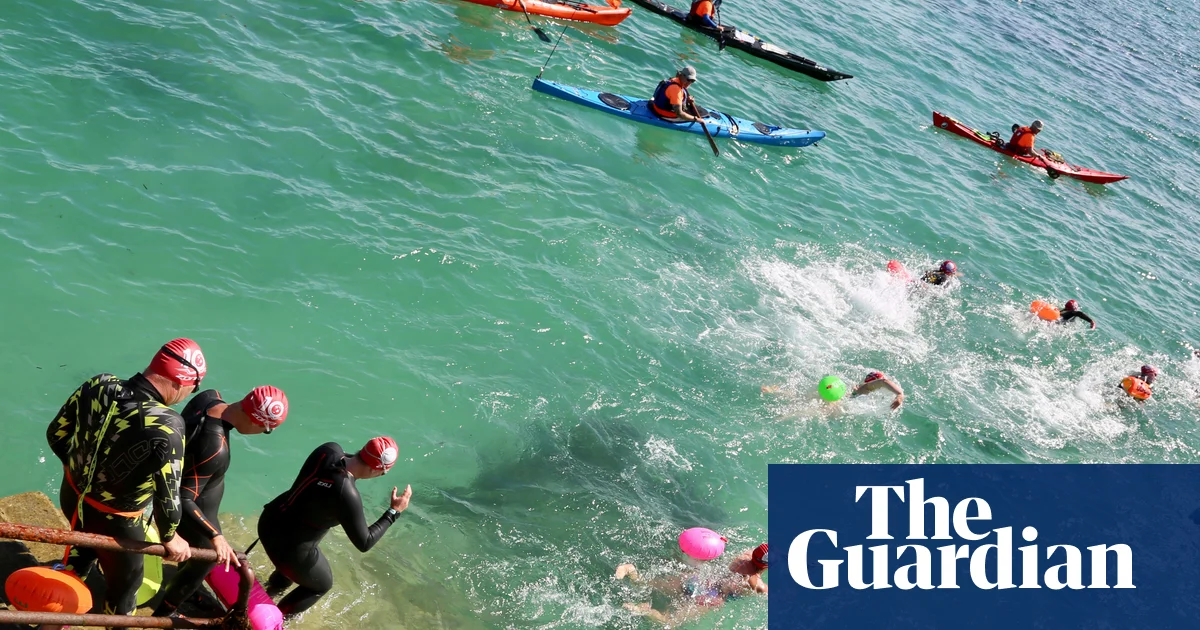
SwimQuest’s annual Isles of Scilly challenge is a 15km island-hopping swim, broken into five sessions with walks in between. The longest swim is the 6km leg from St Agnes to Bryher; the shortest is 600 metres from Bryher to Tresco; and the island walks in between are no longer than 45 minutes. Swimmers can opt to complete the challenge in one tough day, or space it out over two – there is a party after both events. Entry is £299 for the one-day challenge on 20 September or £379 for two days (17 and 18 September), no minimum fundraising, scillyswimchallenge.co.uk
Ultra Challenge, across the UK
Those who take part in Ultra Challenge treks can tackle walks, runs or cycles of various lengths in a wide range of locations across the UK
With 18 annual events, Ultra Challenge is one of the UK’s biggest series of treks and trail runs. Fundraising is optional but popular – there are 600-plus charities to choose from and the events raise more than £12m a year for good causes. Despite the name, it doesn’t have to be ultra-challenging; beginners can try a 10km taster trek, and build up to 25km, 50km or even 100km, and participants walk or run at their own pace. There’s lots of support, too, from a training app to shuttle buses to the events, plus a medal, massage and meal at the end. Locations include coastlines and countryside in England and Wales; new this year is Scarborough to Whitby. Registration and recommended fundraising varies; next events are London Winter Walk, 24 and 25 January and the Bath 50, 28 March, ultrachallenge.com
Ride the Route, London loop
Railway Children is a charity that helps young people living on the street, or at risk of it, in the UK, India and Tanzania. Its annual Ride the Route event is a three-day group cycle ride covering more than 200 miles, requiring a “moderate to good” level of fitness and enough training to withstand six to eight hours a day in the saddle. The route changes every year and always follows a railway line. This year it is a circular route following the High Speed 1 line from London to Folkestone, continuing along the coast to Brighton, then back to London. £50 for one day’s cycling with £150 fundraising pledge, or £75 for all three days, with a £350 fundraising pledge, 3-6 September, railwaychildren.org.uk
Race the Sun, England
Race the Sun challenges combine cycling with kayaking and hiking. Photograph: James Vincent
This is a team challenge for two to four people across three disciplines: cycling, hiking and canoeing/ kayaking. It’s not a relay – all team members must cycle 23-34 miles, hike 6-10 miles and paddle 2 miles. The fastest teams race around the course in five hours; others take from dawn to dusk. There are five races: a new one on the South Downs (25 April), plus Cheddar Gorge (11 July), the Jurassic Coast (27 June) and two in the Lake District (13 June and 15 September). All events are in aid of Action Medical Research. £120 for two, £240 for four, minimum fundraising £1,000/£2,000, action.org.uk
Lake 24 Peaks Challenge, Cumbria
This Hatt Adventures event is a tough challenge that requires a high level of fitness: climbing 24 Lake District peaks in 24 hours, all of them over 700 metres (2,400ft). Groups tackle 10 mountains on the 14-hour first day (including Scafell Pike, England’s highest) and 14 mountains over 10 hours on the second day. The cost includes a 12-week fitness plan; transport from Manchester, Birmingham, London or Brighton; two nights’ bunkhouse stay; two buffet breakfasts, packed lunches and pub dinners; and a qualified mountain leader. The company also runs Yorkshire and UK Three Peaks Challenges. £5,600 for groups of eight to 12, April to October, fundraise what you can for a charity of your choice, thehatt.co.uk
SupBikeRun, England and Wales
Beautiful countryside is a feature of SupBikeRuns. Photograph: Jake Baggaley
This is a triathlon with a difference: instead of open-water swimming, it starts with paddleboarding, followed by either mountain biking or road cycling, then a trail run. The shorter race is a 3k paddleboarding, 15k mountain biking (or 21k on road) and a 5k run; the longer one is double and there is also a three-person team relay. The events take place at lakeside locations in mid-Wales (16-17 May), Devon (11-12 July) and the Lake District (12-13 September) – camping and family and friends welcome. From £65pp (team) or £123 (individual), board hire £16, camping extra, fundraise what you can for a charity of your choice, supbikerun.co.uk
Great River Race, London
London’s “river marathon” is an annual 21.6-mile boat race from Millwall in the east to Ham, Richmond, in the south-west, passing under 28 of the city’s famous bridges. It is for fixed-seat rowing boats only, and the 2,500 competitors range from record-breaking athletes to friends in fancy dress. Crews can camp at the Thames Young Mariners campsite, a few minutes’ walk from the end of the race, from Thursday to Sunday (the race is on Saturday). There is a barbecue and bar on the Friday night, breakfast on Saturday and Sunday mornings, and a transfer bus to the starting point. Entry £80 adults/£60 under 18s, fundraise for a charity of your choice, entries open on 1 April, race on 12 September, greatriverrace.org.uk
SuperHalfs, Europe
SuperHalfs marathons are held across the year in six European cities: Lisbon, Prague, Berlin, Copenhagen (pictured), Cardiff and Valencia. Photograph: Joe Miller
If one half marathon isn’t enough of a challenge, how about six? The SuperHalfs series rewards runners who complete the Cardiff, Lisbon, Prague, Berlin, Copenhagen and Valencia half marathons with a SuperMedal. More than the medal, the series is “For the fun of running. For the thrill of travel. And for the joy of saying ‘I did it!’” In return for a minimum fundraising target, entrants can pick a charity from an extensive list for guaranteed entry into their chosen race or the entire series. £175 refundable deposit for entry into all six races, minimum fundraising target £1,950; 8 March Lisbon;28 March Prague;29 March Berlin; 20 September Copenhagen; 4 October Cardiff; 25 October Valencia; superhalfs.com
24-hour skiing relay, French Alps
There are lots of cheering spectators at Glisse en Coeur. Photograph: David Machet
The ski resort of Le Grand-Bornand in the French Alps hosts an annual 24-hour nonstop skiing challenge in aid of children’s charities. Teams of eight to 10 ski relay laps of an easy intermediate slope, which is suitable for anyone just above beginner level, from 2pm on Saturday to 2pm on Sunday. Each team must complete between four and 12 laps every hour. In 2025, 158 teams took part, and since it began in 2008, Glisse en Coeur has raised almost €5.5m for four charities. There is a carnival atmosphere, with a concert on the slopes, celebrity appearances and lots of cheering spectators. €690 for a team of 10, plus €500 minimum fundraising, 20-22 March, legrandbornand.com
Hyrox fitness races, worldwide
Hyrox has taken in off in popularity – 550,000 keep-fitters competed in around 85 indoor races in more than 30 countries around the world last year. The format is the same globally, comprising a 1km run followed by a “functional workout station” (various pushes, pulls, jumps, carries, etc), repeated eight times. It is open to “everyday fitness enthusiasts”, with no entry qualifications or time limits. The UK events are in aid of Macmillan Cancer Support; £64 entry plus £400 minimum fundraising; 21-25 January in Manchester, 11-15 March in Glasgow, 24-29 March in London and 29 April to 4 May in Cardiff; hyrox.com
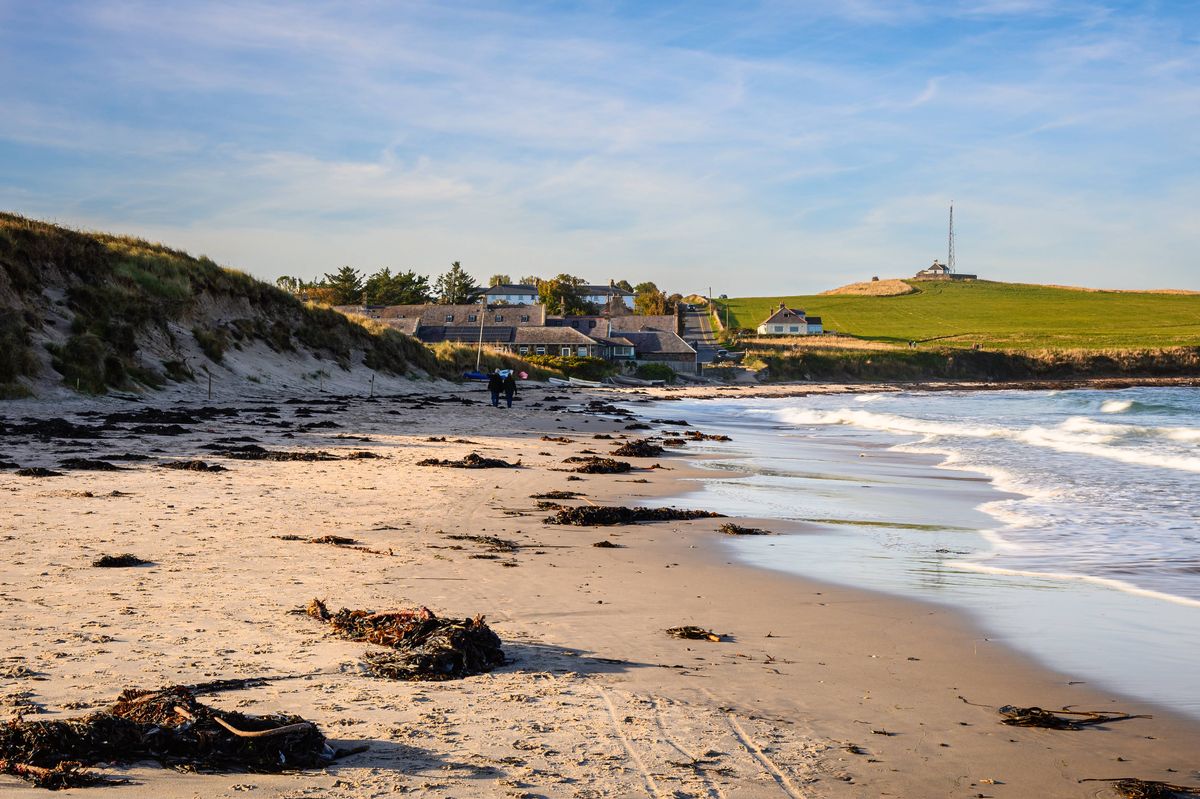
This hidden gem offers stunning beaches within an area of more than 30 miles of unspoilt sands
The beach is relatively quiet all-year round (Image: daverhead via Getty Images)
This delightful fishing village nestles peacefully along the Northumberland coastline and continues to captivate visitors with its nature-focused pursuits, all overseen by the National Trust.
Featuring a stunning shoreline, Low Newton-by-the-Sea provides a perfect retreat outside the peak tourist season, where its beaches remain just as magnificent, and the ambience is utterly tranquil. Its lovely cream-coloured cottages are scattered along the coast, enabling both locals and visitors to gaze out over the ocean from every vantage point in the most scenic surroundings.
The beach serves as the real jewel in the crown of this location, described as “more than 30 miles of barely trodden” sands. Throughout the region, you can uncover secluded coves and witness the most spectacular sunsets, all free from the chaos and crowds of a conventional seaside resort.
One recent holidaymaker posted on TripAdvisor: “We love this place. Newton Point is beautiful. The beach is beautiful. The sea is unbelievably blue – or silver. Walk from Low Newton to Craster along the beach, stopping for refreshments at the golf club.”
Another visitor declared: “We have visited most, if not all, of the beaches in Northumberland and this is definitely up there with the very best.”
A third person shared: “It is a huge expanse of white sands not to be missed on your visit to the Northumberland coast.”
Beyond its stunning coastline, Low Newton boasts a beloved microbrewery at the village centre, called The Ship Inn. This welcoming establishment serves up traditional fare and beverages, all accompanied by spectacular seaside vistas.
One delighted customer described this location as the “perfect refuge on a rainy day”. They went on to say: “This wonderful pub was an unexpected gem of a find on a rainy day. Excellent beers from the in-house brewery and perfect crab sandwiches. Great atmosphere, quick, friendly service, despite being busy, and a perfect pub experience all round. Can very highly recommend.”
The fishing village also draws visitors with its rich birdlife, particularly captivating for avid twitchers and wildlife enthusiasts. Nestled between the sweeping beaches and dunes lies a wooded sanctuary called Newton Pool Nature Reserve, devoted to watching the region’s diverse array of coastal birds and seabirds.
One guest characterised the location as having “wildlife galore”, noting: “This is a lovely little bird reserve overlooking Newton Pool, a peaceful place to sit awhile and watch the birds and other wildlife and take a moment away from the bustle and noise of the rest of the world.”
Someone else remarked that this was a “real highlight of a trip up the Northumberland coast”. One enthusiastic visitor commented: “Anyone interested in nature and, in particular, birds should spare time for a visit here when in the area.
“With bird hides and good photograph opportunities, there’s something for all nature lovers. Visit the beach as well, as it’s beautiful, and grab a well-deserved drink and a bite to eat in the nearby Ship Inn (Newton by the Sea) afterwards.”
An often overlooked city in the UK has been tainted with titles such as being the ‘worst’ place to stay, yet a travel writer has uncovered its allure and urges everyone to visit
Ben Aitken is an award-winning travel writer who uncovers hidden gems across the UK(Image: Handout)
A travel expert has defended the UK city that has been tainted by negative views, hailing it as one of the best and highlighting its thriving independent businesses and welcoming allure.
Earlier this year, Newport was named as the “worst” place to stay in the UK following research from Go Compare, which evaluated 55 destinations across the country for their family-friendly accommodation and visitor attractions. Elsewhere, a report by the Centre for Cities this year found that Newport has one of the highest numbers of empty shops of anyone in the UK.
Such damning reports mean that the Welsh city is often overlooked by travellers looking for a place to explore. Yet, an award-winning travel writer, who dedicates much of his time to discovering hidden gems across the UK, has labelled it as one of the best cities.
Ben Aitken, 39, loves to visit and explore British locations that are frequently dismissed by tourists, uncovering their often underappreciated charm. And Newport is one of them. “It’s punching massively below its weight in the sense that it’s got a lot going for it and people aren’t recognising that and are not taking advantage of that,” Ben exclusively told the Mirror.
“It’s peppered with these really excellent independent businesses. There are a lot of diamonds in this unfashionable place. And I can’t claim to have met all of the people that live in Newport, but I met a fair few, and each of them was friendly and welcoming.”
Having first visited in April last year, Ben said: “The first thing that struck me about Newport was its architecture. It was a boom town in the 1800s, and the legacy of its importance and significance, both industrial and civic, is still evident.
“The architecture is quite quirky; it’s not straightforwardly classic or Gothic. The high street curves and slopes in a nice way. It wasn’t buzzing, but that’s true for many towns and cities across the UK, if not the world, these days. It’s just a reality that the behaviour or habits of consumerism have changed so much.
“We no longer use high streets in the same way anymore, and when there’s no tourism in a place, that reality can appear a little unappealing, creating a quiet atmosphere. However, there are a few independent businesses that really impressed me in Newport after I wandered around for an hour.”
Ben revealed: “I had a great Italian meal at a place called Vittorio’s on the top of Stow Hill, opposite the cathedral. That’s been run by a family of third-generation Italian immigrants for about 30-40 years, as miners from Tuscany came to Newport in the 19th or early 20th century. That was a fantastic meal.
“There was also a great pub called Le Pub, which is short for Le Public space, and they do gigs and other events. It’s really relaxed, and has an inviting and quirky vibe. I chatted with the locals there and had a Trevor Nelson. It’s the local cocktail, but no one seems to know what it’s made of.
“Across the street, you’ve got a pub called Ye Olde Murenger House, and that’s about 4,000 years old. It’s the oldest and cosiest pub in Newport.” Ben added that the cafe, Rogue Fox, and fine dining restaurant at Gem 42 were other standout independent establishments in Newport.
He continued: “I also went to the Geraint Thomas National Velodrome of Wales, and there’s a brilliant velodrome just across the River Usk. Anybody can have a go. For about £20, they provided me with a bike, a helmet, and some instructions, and I whizzed around the velodrome for about an hour. It was the first time I’ve ever done that.
“Then I went to watch a rugby match at Rodney Parade. The pies were delicious. I didn’t really know what was going on, but it was atmospheric and meaningful.”
During his time in Newport, Ben stayed at the five-star Celtic Manor Resort, one of the country’s most renowned hotels. “It was really nice, it does what it does very well. I just wish it supported Newport city centre a little bit more by directing its guests there for dinner rather than to Cardiff or Bristol.
“I think I was the first visitor to have walked to the hotel from the train station, but I just wanted to demonstrate that you can do it.”
Ben added: “I’m not asking people to up sticks and move to Newport. I’m just asking them to consider visiting, staying over for the night, and I promise you can fill a weekend there. It has food, history, fun, and accommodation. Itjust goes to show that anywhere can be interesting and enjoyable if you just give it half a chance.”
You can read more about Ben’s UK travels and treasured finds in his book, Sh**y Breaks: A Celebration of Unsung Cities, which was released earlier this year. Alternatively, you can visit his Instagram page.
Do you have a travel story to share? Email webtravel@reachplc.com
This Swiss train route is often listed among the most beautiful in the world, but the ticket price is unaffordable for many travellers. However, there’s a trick that allows you to see the same sights for much less
This stunning train journey takes you through the most beautiful places in the Alps(Image: Glacier Express AG)
There are many stunning train journeys across the world, and luckily, many of them can be found in Europe, with views from unspoilt mountain scenery to stunning coastlines.
Unfortunately, many of these bucket list experiences also come with a hefty price tag, especially if you choose to travel on a vintage train or opt for extras such as afternoon tea or fine dining with champagne.
However, on one route, often considered among the most beautiful in the world, you can enjoy the views without maxing out your credit card, thanks to the local train service.
The Glacier Express is an epic eight-hour train journey that connects the Swiss mountain towns of Zermatt and St. Moritz. It starts at the foot of the Matterhorn, an iconic peak in the Alps, then passes through spectacular scenery that includes lakes, mountains, and over 291 bridges.
The route was high on the list of Conde Nast’s best train trips in the world, and reviews of the train call it a “once in a lifetime experience”. The Glacier Express has huge panoramic windows, comfortable seats with tables, and an audio guide to point out the highlights of the route, making it an incredible way to see the Alps.
Passengers can also upgrade to Excellence Class for extras such as Champagne on departure, a five-course Alpine meal served at their table, and access to an individual iPad which provides interesting facts and figures along the way for an immersive tour. This carriage also features its own exclusive bar, situated under a gold dome, where passengers can enjoy fine wines and cocktails throughout the journey.
As you can imagine, this kind of experience doesn’t come cheap, and tickets often sell out well in advance. A second-class seat costs around CHF 213 in total, just under £200, while a first-class seat costs CHF 326, just over £300. Excellence Class costs around CHF 812, approximately £761, although this does include your meal with wine accompaniments, plus many extras that add to the experience.
However, the Glacier Express isn’t the only train to run on this line. Railway operator Schweizerische Bundesbahnen (SBB), the national railway company of Switzerland, also runs a regular service which is often used by locals.
This means, if you’re willing to forgo the panoramic windows and plush seats and travel on a normal train, you can enjoy the same route for a fraction of the cost. Tickets can be booked on the SBB website, making it easy to view the available dates and times.
Simply search for trains from Zermatt to St. Moritz, or vice versa, and make sure they’re the ones travelling via Brig and Andermatt. This brings the cost of the journey down to CHF 44 for second class, about £41, or CHF 59 for first class which is about £55, and offers larger seats.
Doing this journey on a normal train will mean making a few changes along the route, so it’s not just one journey. However, some tourists prefer to do the route this way, spreading it out into smaller journeys and stopping to explore the towns along the way. It gives you more flexibility to visit sites along the way, for example, you may wish to leave the train at Brig to hike the Aletsch Glacier, the largest glacier in the Alps.
You could also spend some time in Andermatt, a charming Alpine village with traditional wooden homes set among the mountain landscapes. From here, you can also visit Schöllenen Gorge, crossing the famous stone Devil’s Bridge, which gives you spectacular views across the area.
And while you won’t see butlers serving Champagne on an SBB train, some of the longer routes have buffet cars serving food and drink. You can also bring your own picnic, and alcohol is allowed, so bring your own bottle to enjoy while taking in the scenery.
Have a story you want to share? Email us at webtravel@reachplc.com
IF manicured gardens and grand, Downton Abbey-style houses are your thing, you’re going to love our country house picks.
As the new year approaches, Britain’s most grand estates are ready to shine.
Sign up for the Travel newsletter
Thank you!
Ashridge House in Hertfordshire is almost castle-likeCredit: Alamy
Country houses and estates are a great choice for a family day out, with wide-open grounds and historic buildings to explore.
But it’s not all countryside walks and grand buildings – plenty of country estates now have loads to do for children, too.
We’ve rounded up some of the most magnificent country houses across the UK, packed with exciting events, gorgeous grounds and plenty of kids’ activities.
With impressive interiors and gardens made for wandering, here’s the Sun Travel team’s top picks for 2026.
Now I don’t know about you, but the thought of seeing inside the home of one of our Prime Ministers’ was thrilling.
And Chartwell House, the home of Sir Winston Churchill and his family, really did live up to the thrill.
Inside the stunning country home in Kent, there are lots of the former Prime Minister’s belongings, all laid out just as he himself positioned them.
But it isn’t just the house that is impressive – there is also a studio in the grounds, which is home to the largest single collection of Winston Churchill’s paintings.
Most read in Best of British
Many are landscapes and they truly are fascinating to look at. Whilst he was no Picasso, Churchill certainly was talented with a paintbrush.
Outside there is also a rose garden that was designed by Lady Churchill and a lawn which looks over the surrounding countryside.
Chartwell house was the former home of Sir Winston ChurchillCredit: David Bebber – The Times
If you want to grab a quick bite to eat, then head to Landemare Café, which serves light lunches, cakes and hot drinks.
Kentwell Hall even holds Tudor reenactment weekendsCredit: Alamy
Ashridge House, Hertfordshire
Having first visited Ashridge House in 2022, I wouldn’t wait to go back.
Most of the house is actually closed because it’s used for weddings, but I still encourage anyone to go and see it.
It’s perfect to explore either on a crisp winter morning or sunny afternoon as there’s 190 acres of grounds to see from landscaped gardens to woodlands.
Thanks to its sprawling house and estate, it’s been used for filming things like The Dirty Dozen and Maleficent.
When you’re there, make sure to check out the Bakehouse as well which is a cafe in the courtyard that serves hot drinks, tasty pastries as well as breakfast and lunch.
During the festive season, the house also puts on a huge Christmas light display – which happens to be the biggest in Hertfordshire.
It has 20 installations across the estate along with a Ferris wheel that takes visitors up 115 feet into the air.
Ashridge House is a Gothic Revival country house built between 1808-1813Credit: Getty
Holkham Hall, Norfolk
Holkham Hall in North Norfolk is a sprawling estate featuring a grand hall with beautiful stately rooms, surrounding wildlife and plenty of exciting events throughout the year.
I’ve never visited an estate that has so much to do.
You’ll also find plenty of spots to set up a picnic down by the river of Holkham Park amongst wandering deer, as well as a summer food festival.
The warmer months also see the Ropes Course open for adventurers keen to climb and swing through the treetops.
There’s even a deer and wildlife safari for £6 per person (though if you drive to nearby Snettisham Farm Park, there you can feed the deer by hand).
But Christmas is my favourite time to visit, with craft markets, candlelight tours of the Hall, and even Canine Carolling (a performance from a choir of festively-dressed dogs).
It’s a popular time to visit, with many flocking over after seeing the estate sparkle in Channel 4‘s Christmas at Holkham Hall decorating documentary.
The expansive country estate is also just a short walk away from Holkham Beach – a royal favourite and often visited by the Prince and Princess of Wales.
Farlam Hall is a country house come hotel in the Lake DistrictCredit: Farlam HallThe country house in Cumbria feels like something out of a period dramaCredit: Farlam Hall
Coleton Fishacre, Devon
Hidden in the lanes of Devon, Coleton Fishacre is a stunning “1920s country retreat complete with tropical garden by the sea”, states the National Trust.
The pretty house used to be a retreat for the D’Oyly Carte family, which included Rupert D’Oyly Carte – the son of Richard D’Oyly Carte who was the mastermind behind the Savoy Hotel.
The interiors are fascinating with lots of Art Deco features – all of which are in perfect condition.
Outside, visitors will find the RHS-accredited coastal valley garden, full of exotic plants and boasting sea views.
The entire house feels like exploring a treasure chest, with something exciting around each corner.
There is also a cafe at the house and a really good gift show with local handmade items.
Coleton Fishacre in Devon blooms with colour in the spring and summerCredit: �National Trust Images/Mel PetersColeton Fishacre gardens and house are looked after by the National TrustCredit: Alamy
Heythorp Park, Cotwsolds
ONE of the latest grand country house hotels to join the Warner Hotels group, this imposing 18th century country house set in 440 acres of glorious parkland is just a stone’s throw from Burford and Bourton-on-the-Water.
Follow in the aristocratic footsteps of the Duke of Shrewsbury, who built the house in 1707 with a spot of clay pigeon shooting, archery or indulge in an afternoon tea on the terrace overlooking the stunning grounds.
And yet, for all its grandeur, this is a fantastic value way to enjoy a country house hotel.
Mid-week breaks with Warner include half board and all your entertainment and start from just £190 per night in January 2026.
Indulge in British classics in the Market Kitchen buffet restaurant at breakfast, lunch or dinner or enjoy a la carte fine dining in Brasserie32 and gastro pub classics in The Travelling Duke.
As well as an 18-hole championship golf course there’s a luxurious spa. For the real Downton experience, go for one of the mansion rooms in the original country house.
The spa offers luxurious facials and massagesCredit: Warner HotelsHeythrop Park in the Cotswolds is the ultimate stay with a spa and golf course on siteCredit: Heythrop Park
Wimpole Estate, Cambridgeshire
Wimpole Estate in Cambridgeshire is the kind of place you turn up to for a morning walk, and somehow end up staying all day.
The stately house sits in the middle of the countryside, on a working farm straight out of a picture book.
This National Trust estate is perfect for strolls down woodland walkways before settling down in the Old Rectory for tea and homemade scones.
Plus the 17th century mansion is well worth stepping inside to poke around its ornate rooms.
Families can head to Home Farm to meet rare-breed animals, climb on tractors and watch the shire horses at work.
There’s always something happening too, with open-air theatre in the warmer months and popular harvest fairs in the autumn.
And if you want a postcard-perfect picture, the walk up to the Gothic Tower gives you some of the dreamiest views in Cambridgeshire.
Wimpole Estate in Cambridgeshire is beautiful at all times of yearCredit: National Trust ImagesWimpole Hall is a grand building with even more impressive groundsCredit: Alamy
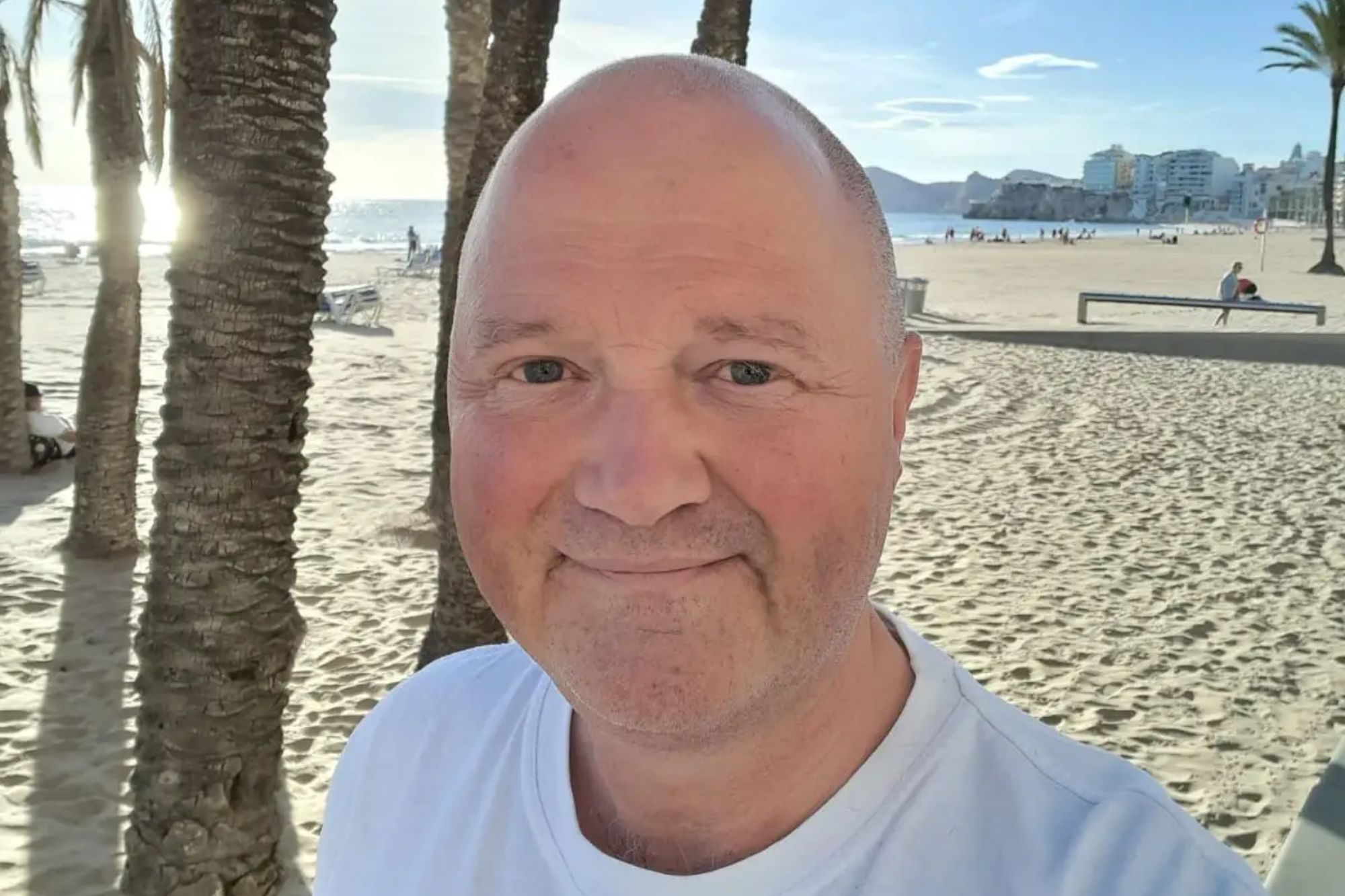
SUNSHINE fan Scott Dixon has spent every winter in Benidorm for the past seven years and the canny traveller insists the annual pilgrimage SAVES him money.
The 55-year-old takes his work with him on his annual lengthy getaways, saying he sleeps better and returns to the UK refreshed and energised. Sound too good to be true? Here, he explains how he gets such “staggering value’ on his winter sunshine breaks.
Scott Dixon has spent every winter in Benidorm for the past seven yearsCredit: Scott DixonScott will have no food bills, no heating bills, no petrol bills and will be spending his days in 20C sunshineCredit: Scott Dixon
“It’s a no brainer,” says Scott, as he preps to jet away from his “freezing” home for the Spanish holiday resort.
“Many people think extended winter sun breaks are a luxury but I say it’s smart budgeting.
“Covid has opened up a whole new world of possibilities to work and live anywhere affordably
“I’ll have no food bills, no heating bills, no petrol bills and I’ll be spending my days in 20C sunshine instead of enduring it in freezing Edinburgh.”
For the past few years, Scott has tried out several different kinds of accommodation in Benidorm’s Old Town for the season, including self-catering long term lets, but this year he has booked two, three week half-board holidays with Jet2.
The digital nomad’s Benidorm package deals will include breakfast, evening meals with half a bottle of wine each night, flights, transfers and WiFi.
The ‘snowbird’, a name for people who move to sunnier climes for the winter, says the three weeks in December costs him £1,443 and the three weeks in February £1,205, totalling £2,648.
This, he has worked out, breaks down to a spend of £63 a day.
“To put it into perspective, my one bedroom flat in Edinburgh costs me up to £45 a week for electricity,” says Scott, who is mortgage free.
“Food is another £30 a week plus a load of other household costs.
“At home, I’m paying hundreds of pounds just to sit around in the cold, cooking for myself and keeping the heating on.
“The value for money I’m getting abroad is staggering – I’m getting sunny weather, daily cleaning with no housework and cooked meals.”
Thousands of Brits head to Benidorm every winter, with the resort’s long-stay visitors attracted by its weather and British-style pubs and shops.
“I’ve got to know a few familiar faces over the years,” says Scott, who is single and travels solo.
“Regular winter visitors, locals, bar staff and people who have become friends.
Scott says the value for money he’s getting abroad is staggering – “sunny weather, daily cleaning with no housework and cooked meals”Credit: AlamyWhile the lively, budget-conscious destination in Southern Spain has been unkindly dubbed ‘Blackpool with sunshine’ by some, Scott insists Benidorm’s Old Town is a true hidden gemCredit: Scott Dixon
“You see a lot of the same people each year and there’s a real community feel.
“It’s become quite common for people to escape the UK winters, especially pensioners, remote workers and anyone who realises they can live well for less in the sun for a few weeks.”
While the lively, budget-conscious destination in Southern Spain has been unkindly dubbed ‘Blackpool with sunshine’ by some, the writer insists Benidorm’s Old Town is a true hidden gem.
Filled with whitewashed buildings, narrow streets and traditional architecture, this area is known for its tapas bars and vibrant nightlife.
“The Old Town is traditionally Spanish and a polar contrast to the New Town, which is where everyone forms their ‘Brits abroad’ and ‘Blackpool with sunshine’ negative opinions,” says Scott.
“People who have seen my photos can’t believe how nice and clean it is, with pristine beaches and everything you can wish for.
“It’s reliable, warm, affordable, has everything I need and only a two-and-a-half-hour flight each way.
“Benidorm is a completely different place compared to the summer peak season in general – it’s calm, clean and more chilled out.”
The weather in the winter is mild and pleasant, with an average of six hours of sunshine each day compared to less than two hours back in the UK.
“The weather is the biggest draw,” says Scott.
“It’s perfect. Not too hot, not too busy and the weather is warm enough to sit outside with a beer on the beach front, go for long walks or just have a snooze on the beach without getting burned.
“Once you’re into January and February, it can sometimes be a bit too hot to sit out in.”
Moderate exposure to sunlight is a primary source of vitamin D for most people and this vitamin produces the ‘happiness hormone’ serotonin that positively affects people’s mood, appetite and sleep.
It could be why wintering in the holiday resort always has a positive effect on Scott’s mental wellbeing.
“I started going during the winter in 2018 because I realised I didn’t need to spend it in the UK, freezing, paying high bills and feeling miserable,” he explains.
“And the first time I tried it, I honestly couldn’t believe the difference in how I felt – more energy, better sleep, a better mood and a different mindset.
“That made it a yearly habit.
“I eat better and walk more, and return home refreshed and energised – not run-down and drained.”
The ‘snowbird’, a name for people who move to sunnier climes for the winter, says the three weeks in December will cost him £1,443Credit: Scott DixonScott says endless days of blue skies and warm sunshine really lifts his spirits and benefit his mental healthCredit: Alamy
Scott, a consumer rights expert known as The Complaints Resolver, takes his work with him on his extended holidays – and says he usually isn’t the only digital nomad around.
“Since I freelance, I’ve built flexibility into my schedule,” he explains.
“WiFi is good, and hotel staff are used to digital nomads now.
“I have stacked my work in advance so I can relax, and do some light work in the sunshine if necessary.”
So as Scott packs his suitcase for Spain, he has a simple message for anyone thinking of becoming a ‘snowbird’: do it.
“You don’t need to be wealthy,” he says.
“Package deals in winter are cheaper than many people think and if you compare it to the cost of staying at home you may find it’s not that expensive.
“The endless days of blue skies and warm sunshine really lift your spirits and benefit your mental health, you can’t put a price on that.
“It’s a place where you can relax without thinking about life admin, bills and the day-to-day drudgery of winter in the UK.
Scott says package deals in winter are cheaper than many people think and if you compare it to the cost of staying at home you may find it’s not that expensiveCredit: Alamy
This article contains affiliate links, we will receive a commission on any sales we generate from it. Learn more
If you’re planning a family holiday, the chances are a place like Venice won’t be at the top of your list. The city is known for history and heritage, drama and adventure, romance and mystery – but it probably isn’t the kind of place you would think of taking a young family for a week or two.
There is one way to fix that: Eurocamp. Eurocamp is a holiday company that arranges self-catering camping holidays in Europe, providing pre-sited homes in partner campsites, offering a mix of outdoor relaxation and on-site activities like pools, kids’ clubs, and sport. Think Spain, France, Portugal – in fact, more than 400 locations, including Croatia, Switzerland and Germany.
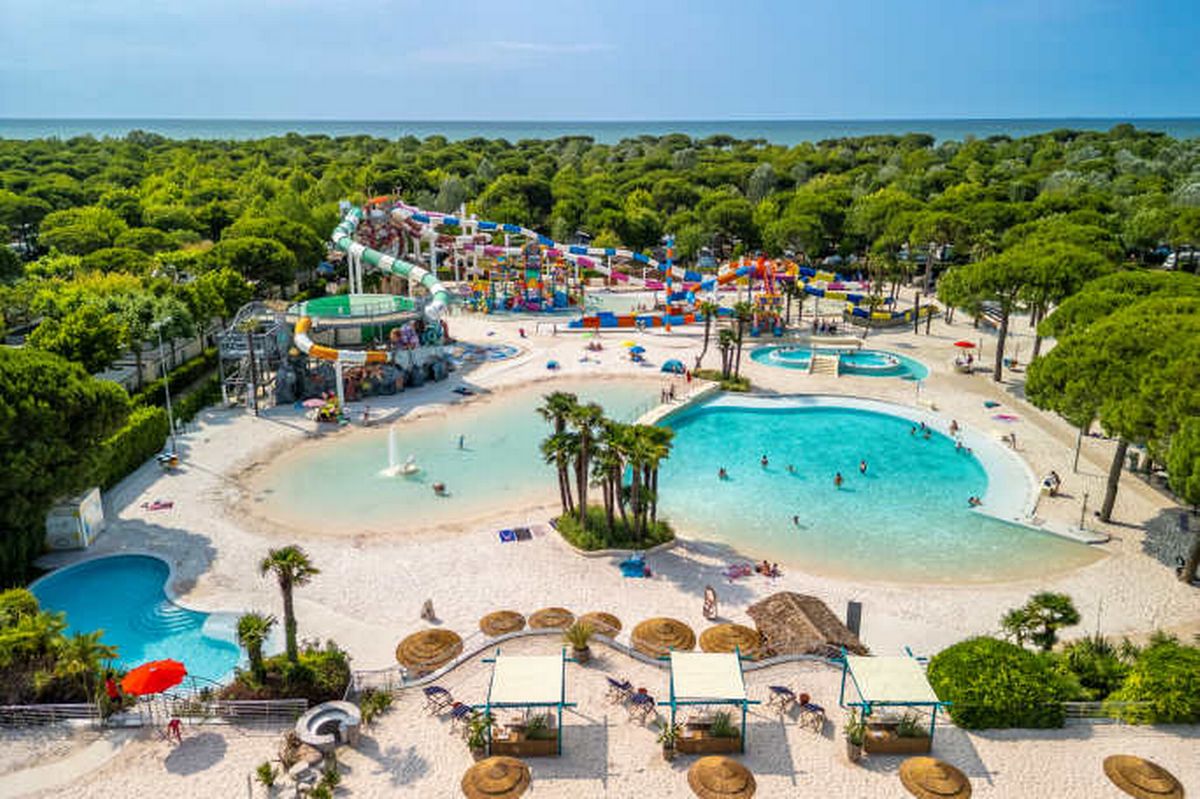
Effectively, a Eurocamp turns any holiday into a family-friendly adventure, and the same goes for our two-week adventure in Lido, just across the lagoon from Venice. Eurocamp has eight sites near Venice, primarily on the Cavallino-Treporti peninsula. The parks offer direct access to the Venetian Lagoon, with popular options including Marina di Venezia and Union Lido, featuring extensive pool complexes and family-friendly activities.
We stayed at the 60-hectare beach resort Union Lido, founded in 1955 and named the first five-star campsite in Italy. The park is effectively a whole gated town – with two huge water parks inside as well as a fully-equipped spa with an indoor/outdoor infinity pool looking out across the lagoon. There are around two dozen shops on the site – including two supermarkets – and a dozen cafes, bars and restaurants. There are outdoor pools and play areas and multiple entertainment venues – including an outdoor theatre and activity spaces.
In short, you could easily spend three weeks inside the resort and never run out of things to do, or you can use it as a base to explore the area – including Venice.
We flew into Marco Polo Airport and from there, there are a number of options to get to Union Lido – as well as regular buses you can get a taxi, and of course water taxis will run you into Venice. You can hire a car, and many Eurocamp sites are made much better if you have access to your own transport. But Union Lido is well connected by public transport. We were at the resort in about 50 minutes. Our accommodation was similar to that we’ve found at other Eurocamp resorts, a clean, well-equipped modern lodge with a lounge/kitchen/dining space, two double bedrooms, two bathrooms and a large outdoor area perfect for eating or just resting after a busy day. Some of my favourite memories of the holiday are the family meals we ate at the outdoor table before playing cards with a few drinks and waiting for the sun to go down.
The cabin also had air conditioning, a blessing when almost every day for our break was glorious sunshine and nudging 30C.
While the resort is large, you can easily get around on foot with very little traffic on site – and if you like, you can use the landtrain, or hire bikes. One tip, you can hire bikes from the camping store across the road from the main entrance, and it will work out a little cheaper. The same goes for all the facilities on the site. If you’ve stayed at any holiday site like this before you will know there is always a little premium to be paid for food, drink etc. If you want to save some money there are discount supermarkets near the park – which you can reach by bus or car. But the prices on site really aren’t over-inflated.
We made up a lot of our meals with bread from the on-site bakery, fresh fruit and vegetables from the grocery and meats and cheeses from one of the shops. There are few things more fulfilling than walking down to one of the cafes in the early morning and grabbing a hot, fresh Italian coffee or two for a couple of Euros. And if you happen to fall into the bakery for a fresh pastry on the way back, accidents happen.
For lunch or in the evenings, there is a place that will make you authentic pizzas to grab and take away just next to one of the big pool complexes. It’s hard not to spend all your time at the resort – we tried all the pools, including the massive new water slides and lazy river, hot tubs, wave pools and water fitness activities. We tried several restaurants and cafes – from a full meal overlooking the Atlantic to light bites in the evening while live music was playing. And we caught a lot of shows and parties – including two right on the beach with more live music, light shows, tribute acts and a festival atmosphere.
Content cannot be displayed without consent
The pools can get busy, so if you want a chair, you will need to head down early, but you can also just take your own towels and sit in the shade of trees on the grass or artificial beaches. And don’t forget the real beaches – planet of space for sunbathing as well as sports and games, or hire a pedalo to go out to sea.
There are also events every day, from children’s shows and activities to markets and entertainment. But as incredible and immersive as the resort is, we really came to see Venice – and as mentioned, the resort is ideally located as a base to explore.
You can buy tickets at the resort and a bus will pick you up from the main entrance. It’s a short run to Punta Sabbionio, where a ferry will take you across the lagoon into St Mark’s Square in the heart of Venice. We spent days exploring the ancient city – pre-booked tickets mean you can skip the queues and take a look inside the Basilica, or climb the belltower. You can also just wander the streets, follow the crowds towards the Rialto Bridge and its huge market, and of course the Bridge of Sighs, the Doge’s Palace and a dozen other world-famous sights.
Don’t be afraid to just wander the back streets and explore. The further you get from the main tourist areas, the cheaper (and more authentic) the food, drink and experience will be. We spent hours travelling across the city, stopping at little cafes for a drink or snack, or grabbing food from a little trattoria. We’d been to Venice twice before – years ago – and we were apprehensive about the crowds, but despite our trip being in the middle of August, it was surprisingly quiet.
The last time we were there, we had to queue to walk through St Mark’s Square, and a lot of streets were crowded. This time it was nowhere close to that. There are tourist taxes to pay now, a few Euros a day, and that combined with a ban on cruise shops in the city seems to have cut the numbers down. The Rialto Bridge was the only place it seemed really busy – with tourists stopping to get the perfect picture. And we noticed that many more of the shops now are tourist traps – selling the same imported Chinese glass ornaments.
But as mentioned, get off the main drag and within a few steps you will find authentic Venice. We didn’t opt for a 90 Euro gondola ride. Inside, we picked up a traghetto – a traditional gondola and gondolier, that took us across the canals for two Euros each. The taxis are in place to carry people across the water where there are no nearby bridges, and offer the same gondola experience – but actually take you somewhere useful rather than just going in a loop. So we took a traghetto across to the Dorsoduro district – home to the Guggenheim collection and the Gallerie dell’Accademia. It is even less crowded and more ‘authentic’ with a lively atmosphere and beautiful waterfront locations to sit and watch.
We also used the vaporetti to get around, the water buses that glide from island to island and along the Grand Canal – the best way to get to places like Murano and Burano. Murano should not be missed, the traditional glassmaking hub of Venice you can watch the traditional craft in action and find plenty of genuine, unique pieces to buy. A walk along the canal here will leave you feeling renewed.
We went into the heart of Venice a couple of times during our stay – visiting some of the main sites, including the DaVinci museum, and digging out TikTok-famous must-sees like the Acqua Alta bookshop and the Despar supermarket built inside a church in the Cannaregio district. If it does all get too much, keep walking along the canal from St Mark’s and you will find the Royal Gardens. Lush greenery in the heart of the city that offer a quiet sanctuary and shade.
But there are plenty of other places to visit, other than Venice, that are just as easy to get to – and not as challenging on your wallet.
If you take the bus from the Union Lido in the other direction, you will end up in Jesolo. The town is home to miles of golden beaches and is the place where people from Venice, and across Italy, come to spend their holidays. It is home to the longest shopping street in Europe, and we walked a good chunk of it – stopping in cafes for cooling drinks and refreshments.
The town is also famous for its sand art, huge sand-built sculptures in the centre that form a unique and impressive trail worth following. And there are tourist attractions. We visited the Tropicarium – part indoor zoo, part aquarium and hugely impressive. It is well worth the entrance fee and will keep any family entertained for hours with everything from sharks and huge lizards to butterflies and penguins. There are more than 400 species at the site, including monkeys, turtles and geckos. And there is a family-friendly science museum directly opposite, as well as an observation wheel.
Between there and Union Lido you will find several towns, with ancient churches and traditional markets. And the lagoon and peninsula are havens of unique wildlife with green spaces and places packed with interest and adventure. If you have a car, or have hired bikes, it is a great region to explore – and the buses will drop you off at a lot of interesting places.
In short, Union Lido with Eurocamp is the epitome of a family holiday. The resort is massive and so well equipped you could spend your entire break there, or you can – with or without a car – explore the local area and visit Venice, finding more than enough to keep people of all ages and interests satisfied. If you want something a little different, offering everything from luxurious relaxation to thrilling adventure, from children’s entertainment to authentic heritage, this is the holiday for you. This is a holiday that will give you a lifetime of family memories.
Union Lido price example:
Seven nights from Saturday 23 May 2026 (May half term) staying in a Comfort three bedroom holiday home that sleeps up to six guests, from £1725.71 per party.
Seven nights from Saturday 25 July 2026 (summer holidays) staying in a Comfort two bedroom holiday home that sleeps up to four guests, from £2522.24 per party.
Key features:
● 10,000m two water parks with eleven twisty waterslides, a wave pool, jacuzzi and a shallow children’s pool with a sprayground.
● Newly refurbished second water park “Speedy Island” with new pools, waterslides and a lazy river.
● Private sandy beach accessible from the parc with watersports and pedalo hire.
● Sports and activities including mini golf, archery and horse riding, plus a mini fun fair.
● Spa and wellness facilities.
● Restaurants and a pizzeria on park, including Al Mara which serves fresh seafood.
● Take a 30 minute boat ride from nearby Punta Sabbioni (8km away) to Venice.
● Nearest airport: Venice Marco Polo Airport – 42.6km away.
About Eurocamp:
● Eurocamp is the UK’s leading European outdoor holiday specialist with over 400 parcs across 11 countries, providing family holidays.
● Eurocamp has a wide range of holiday homes to choose from, with parks set in a variety of locations from beachside to mountainside.
● There are no restrictions on arrival and departure days, and you can stay for as many nights as you choose – from a 3 night family getaway to a 16 night super-stay with extended family or friends.
● Eurocamp holidays are an affordable option for families. With one price per accommodation and the ability to travel via sea or air
MANY of us have fond memories of our UK seaside summer holidays growing up.
Fish and chips, building sandcastles, braving the British waters – this is all a part of growing up holidaying in the UK.
Sign up for the Travel newsletter
Thank you!
Cromer in Norfolk is known for crabbing and classic bucket-and-spade holidaysCredit: Getty
But as time went by, many seaside resorts lost their sparkle, leaving behind abandoned fairgrounds or forgotten piers, especially following the boom in cheap package holidays abroad.
Thankfully, many major seaside resorts in the UK have had some serious revamps – with new restaurants, hotels, cafes and shops breathing fresh life into these beloved beach towns.
Now, some of these familiar towns are becoming family holiday hotspots, and are fast-becoming some of the UK’s must-visit destinations.
Here are some of the seaside towns that were once left to ruin – only to have become the coolest places to visit in recent years.
Folkestone was was once dubbed a “dump” in a viral TikTok video, and was left rundown after years of neglect, despite being a popular holiday resort back in the Victorian times.
Not only was there once a direct train from London to the harbour itself, but it had a thriving funicular, lido and even rollercoaster.
Yet over the years, these were all left to fall into disrepair before closing or being knocked down.
However, the seaside town is becoming a new coastal hotspot.
Most read in Best of British
The town was named the Best Place to Live in South East England last year in The Sunday Times, and even charted as Time Out’s best UK place to visit in 2025.
Folkestone has undergone major transformation in recent years.
Folkstone’s most popular beaches include Sunny Sands and Sandgate BeachCredit: GettyThe historic Leas Lift, installed in 1885. is making a return in 2026Credit: Getty
Once a tired ferry port, Folkestone has been refreshed with the addition of trendy seafront bars, high-end restaurants, and a thriving Creative Quarter.
The once-derelict Harbour Arm celebrates it’s 10th anniversary this year, now lined with nearly 70 food and retail stalls, bars and live music spots.
Linking the Harbour Arm to the Lower Leas Coastal Park is the Boardwalk – a path over the calm shingle beach made from old railway sleepers.
Or wander up the hilly, cobbled streets from the harbour into the town centre, and you’ll find the vibrant Creative Quarter – packed with galleries, studios, and independent shops.
Here you’ll find the Folkestone Quarterhouse, showing a range of theatre shows, comedy and music events and festivals.
In fact the town is home to many artistic festivals – celebrating everything from poetry to documentaries.
The seaside town even attracts hoards of Kate Bush fans for the viral Wuthering Heights day.
And the transformation isn’t slowing down anytime soon.
The historic Leas Lift, a Grade II listed funicular railway taking passengers between the seafront and promenade, is set to reopen in 2026.
Artsy resort Folkestone was once a quiet harbour town and ferry portCredit: GettyFolkstone’s creative quarter is dotted with colourful boutique shopsCredit: Getty
Cromer, Norfolk
Cromer in North Norfolk was seen as a dated seaside town for a long time.
With trendy seaside towns like Wells-next-the-Sea and Holkham drawing in crowds to North Norfolk each summer, to many Cromer appeared bland and dreary in comparison.
However, Cromer has recently reinvented itself with a wave of new cafes, shops and quirky art spaces.
And with Norfolk being named a must-visit destination by Condé Nast in 2025, the limelight is shining back on the Victorian seaside town.
Cromer once seemed bland compared to quaint and pretty Blakeney or royal favourite HolkhamCredit: GettyCromer’s traditional seaside charm now mixes with trendy art galleries and coffee shopsCredit: Getty
“Come for the party but stay for one of the UK’s very best summer getaways […] as you stroll Cromer’s charmingly retro pier” states the travel magazine.
Cromer Artspace is home to contemporary art and exhibitions, whilst the artisan Grey Seal Coffee shop offers a trendy new spot to grab a flat white.
And recently, new dessert spot Norfolk Crumble has seen queues long out the door for its unique crumble flavours and popular thick shakes.
Down at the Blue Flag beach, you’ll find a maritime museum, pretty painted beach huts, and Norfolk’s best waves for surfing.
There’s also a year-round weekly market on Fridays, and the Amazona Zoo where you can meet jaguars, parrots and anacondas.
Cromer has been home to a seaside pier since 1391Credit: Getty
Hastings, Sussex
For many, Hastings has not been a top pick when choosing a seaside town to visit in the South-East of England.
In fact, a Which? survey of more than 3,500 people saw the resort rank in last place under the “best smallUK citiesfor a short break“.
Hastings was one of 101 UK towns to be given a share of investments from the government in their £3.6bn Towns Fund – a plan to “level up our regions”.
The program has seen the addition of public art, extra green spaces, and even a boost in affordable housing for locals.
Thanks to these investments, Hastings is not only becoming a desirable place to live – but a trendy seaside spot to visit.
The East Hill Lift up to Hastings Castle is the UK’s steepest funicular railwayCredit: Getty
Historic Hastings Castle is home to Norman ruins and breath-taking clifftop views, whilst the iconic Hastings pier (opened in 1872) is a Victorian classic revamped.
The pier, which suffered a dramatic fire in 2010, has been rebuilt with cafes, children’s rides, and even live music in the summertime.
It’s also home to the Pavilion Restaurant and Bar, a 2x AA Rosette-winning restaurant inside of the original pier’s only remaining building.
There’s also plenty to see and do in Hastings with the kids, including the traditional Flamingo Amusements, and Hastings Aquarium – home to pufferfish, pythons and axolotls.
There’s also the exciting Smugglers Adventure – a journey through caves and caverns to discover the secrets of real smugglers.
The colourful Hastings beach huts make for a postcard-perfect pictureCredit: Alamy
Southend-on-Sea, Essex
Southend-on-Sea has long had a divisive reputation, and was even once dubbed the “worst place on earth” by a resident on TripAdvisor.
In fact, Which? Travel ranked the Essex town number 10 in their list of the Top 10 Worst Seaside Towns in the UK earlier this year.
Many have thought the town to be an unsafe place to visit, but a £16 million cash injection has revived the once-faded seaside resort.
Now, Southend is swapping tacky for trendy, with a line-up of brand new restaurants, hotels and revitalised shores.
The well-known Essex Mimosa restaurant has opened up a stylish location on Southend’s seafront, and the brand-new boutique Seven Hotel has added a splash of luxury to the resort.
Southend’s strip of sandy beach sees thousands of tourists each summerCredit: Getty
Plus an £8m refurbishment of the popular Cliffs Pavilion arts venue is underway, which will see a major restaurant expansion, a modern new entrance and brand new outdoor piazza.
Another major change the town has seen is the introduction of a “green oasis” on the seafront.
Work is underway to create luscious gardens which will both prevent flooding and add a pretty landscape of canopies and greenery.
Alongside these new additions, classic attractions such as Adventure Island continue to bring in hoards of thrill-seeking tourists.
Many continue to return to Southend year after year for the ever-popular pier and railway, chasing a wave of childhood nostalgia from bucket and spade summer holidays.
Now in the coming years, the seaside town is set to offer the perfect mix of classic coastal charm and modern design.
Adventure Island in Southend is a fairground with free admissionCredit: GettyHastings is full of picturesque old houses, nestled in the Bourne Stream valleyCredit: Getty
BEFORE I headed to the Greek island of Alonissos, a waiter in neighbouring Skiathos told me: “It’s too quiet there, I prefer to party here.”
Now I was looking forward to the trip even more.
Sign up for the Travel newsletter
Thank you!
Many visitors skip the party scene and take the short ferry ride to Alonissos or Skopelos, aboveCredit: GettyIdyllic bathing at Agios Dimitrios beach, AlonissosCredit: GettyMy first stop was the relatively untouched AlonissosCredit: Getty
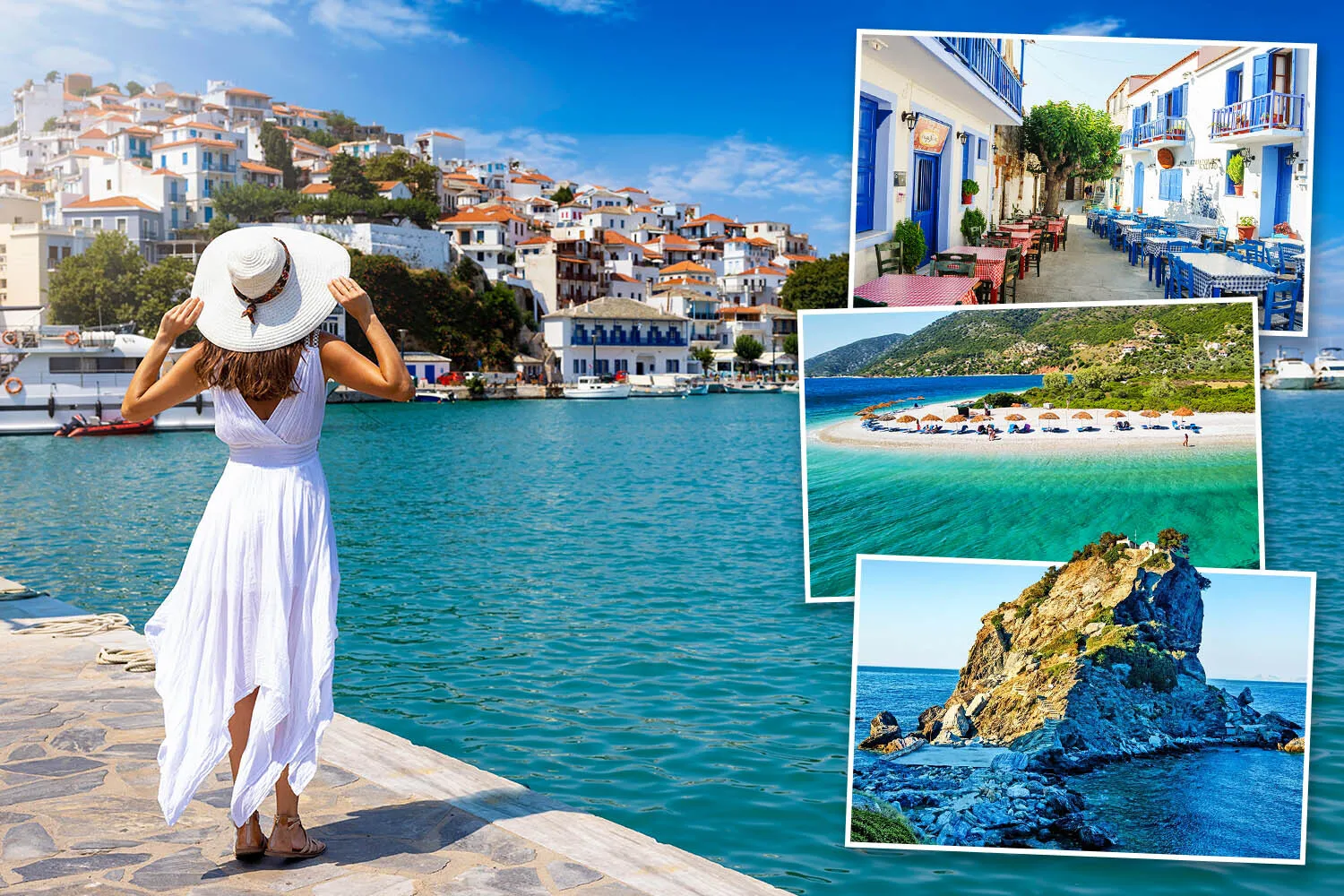
While most tourists tend to land at Skiathos airport and stick to that lively destination, many are making the short ferry ride to Alonissos or Skopelos, where scenes for 2008 film Mamma Mia! were shot.
These two beautiful islands rising out of the Aegean sea offer alternatives to bars and restaurants blasting out music from competing sound systems.
With just 5,000 beds for tourists and 3,000 locals living on this slender, 12-mile-long island, I was immediately struck by how quiet and unhurried everything is.
Even though there is only one main snaking road, I hardly encountered another car.
And at the first beach I tried, Agios Dimitrios, to the north of the island, the chatter on the sun loungers was soft, no phones rang and no music disturbed the peace at the closest taverna.
The tourists had sensibly decided that the pristine turquoise waters, facing another island so that you might think you are in a lake, were captivating enough.
Other beaches to lay your towel on include the crescent of pebbly sand at Kokkinokastro, backed by towering red cliffs, and Chrisi Milia, with its shallow water.
Further down the coast, the tiny port of Kalamakia is well known for its fresh fish restaurants.
One such restaurant is Corali, overlooking the tranquil bay and run by two sisters. They served us the delicious local specialty — a cheese pie, which is fried rather than baked.
Up above the main port of Patitiri, its old town, thoughtfully rebuilt following a 1965 earthquake, is pedestrianised and you won’t be harassed by scooters while attempting to navigate the steep stone steps.
Rarely have I relaxed into holiday mode so quickly on a break.
If you want maximum splendid isolation, join Albedo Travel’s day trip to meet the sole monk living at a 17th century clifftop monastery on the otherwise uninhabited Kyra Panagia island.
With 90 per cent of the guests at the Atrium hotel where I stayed hailing from Britain, it is clear that I was not alone in wishing to escape the crowds
The excursion, which takes in three breathtaking swimming stops, is led by the white-bearded maritime entertainer Captain Pakis, who has honed his patter such as “GMT time is Greek Maybe Time” to perfection.
If you are more adventurous, Alonissos has become a popular scuba-diving spot due to the presence of a 5th century BC shipwreck 66ft underwater.
The island is also home to Europe’s first national marine park, established in 1992 to protect the endangered population of Mediterranean monk seals.
With 90 per cent of the guests at the Atrium hotel where I stayed hailing from Britain, it is clear that I was not alone in wishing to escape the crowds.
Skoplelos’ Agios Ioannis chapel, atop rocky outcrop, where Mamma Mia! wedding scene was filmedCredit: GettySaint John’s Chapel was the backdrop to the Does Your Mother Know sequenceCredit: Alamy
This lovely little hotel’s hillside location means there are stunning sea views from all of the rooms.
Travellers seeking a middle ground between party Skiathos and quiet Alonissos can opt for Skopelos, which sits between them.
Chic pool area
With 30,000 tourist beds and 4,500 locals, it is far more developed, with busy bars, coffee shops and restaurants vying for your custom at the harbour to the main port, Skopelos town.
One of the big attractions is its connection to hit musical Mamma Mia!, starring Meryl Streep and Amanda Seyfried.
As I sat on a small coach waiting for my four-hour Mamma Mia! tour of the island to begin, I started to get nervous because the music sounded like someone had asked ChatGPT to play Abba in a Greek style.
Every detail of the boutique hotel and spa has been immaculately planned, from the modern take on colonial styling to the best breakfast buffet I’ve experienced
But Dolphin Of Skopelos’ trip proved to be enormous fun, taking in Saint John’s Chapel’s 199 steep steps, which Donna (Streep) climbed for the wedding of Sophie (Seyfried), and Kastani beach, which was the backdrop to the Does Your Mother Know sequence.
The tiny Saint John’s church has incredible views that shouldn’t be missed.
The party vibe is more obvious here, with a DJ on the decks at the bar behind Kastani.
But when I drove to Panormos beach on another day, the atmosphere was relaxed as a waitress brought drinks to the free sun beds in front of the serene bay.
And at the new 5-star Minno hotel in Skopelos town, the chic pool area makes you feel you’re winding down with the jet set.
Poster shot for 2008 filmCredit: Alamy
Every detail of the boutique hotel and spa has been immaculately planned, from the modern take on colonial styling to the best breakfast buffet I’ve experienced.
The restaurant offers fine dining for a price comparable to burger and chips in a London pub.
If you are looking for amazing food, quiet, clean beaches and welcoming locals you should be saying I Do, I Do, I Do to both islands.
TRAVELERS visiting America’s famed national parks are going to face an extra $100 entry fee this week.
It comes as the National Park Service announced a new initiative, called the “America-first entry fee policy”.
Sign up for the Travel newsletter
Thank you!
The National Park Service has abruptly upped its fees for international visitorsCredit: GettyThe amount of free entry days for US citizens has also been alteredCredit: Alamy
Under the policy from January 1 2026, citizens of the US will be prioritized for free entry, while international visitors will now face higher entry fees overall.
This will bring the cost of annual passes for non-residents to $250, while US residents will continue to pay $80.
The parks will no longer offer free admission at all on select days of celebration including Martin Luther King Jr. Day, which falls on the third Monday of January, or Juneteenth, celebrated on June 19.
Though Flag Day (June 14), the anniversary of the NPS (August 25), Constitution Day (September 17), and President Theodore Roosevelt’s birthday (October 27), will be acknowledged as fee-free days.
So if you’re planning a trip as a US citizen, these are the best days to aim for.
Eleven national parks will be affected, including the Grand Canyon, Yellowstone, and Yosemite, according to the U.S. Department of the Interior.
In total, there will be eight free-entry days in 2026, up from six in 2025, but only for American citizens and residents.
Fees and increases will continue to vary by park, so it’s always best to check online before you book or travel.
The changes will make sure US taxpayers “continue to enjoy affordable access, while international visitors contribute their fair share to maintaining and improving our parks for future generations,” Interior Secretary Doug Burgum posted on X.
The increased fees come months after President Donald Trump signed an executive order to increase entry fees for foreign tourists.
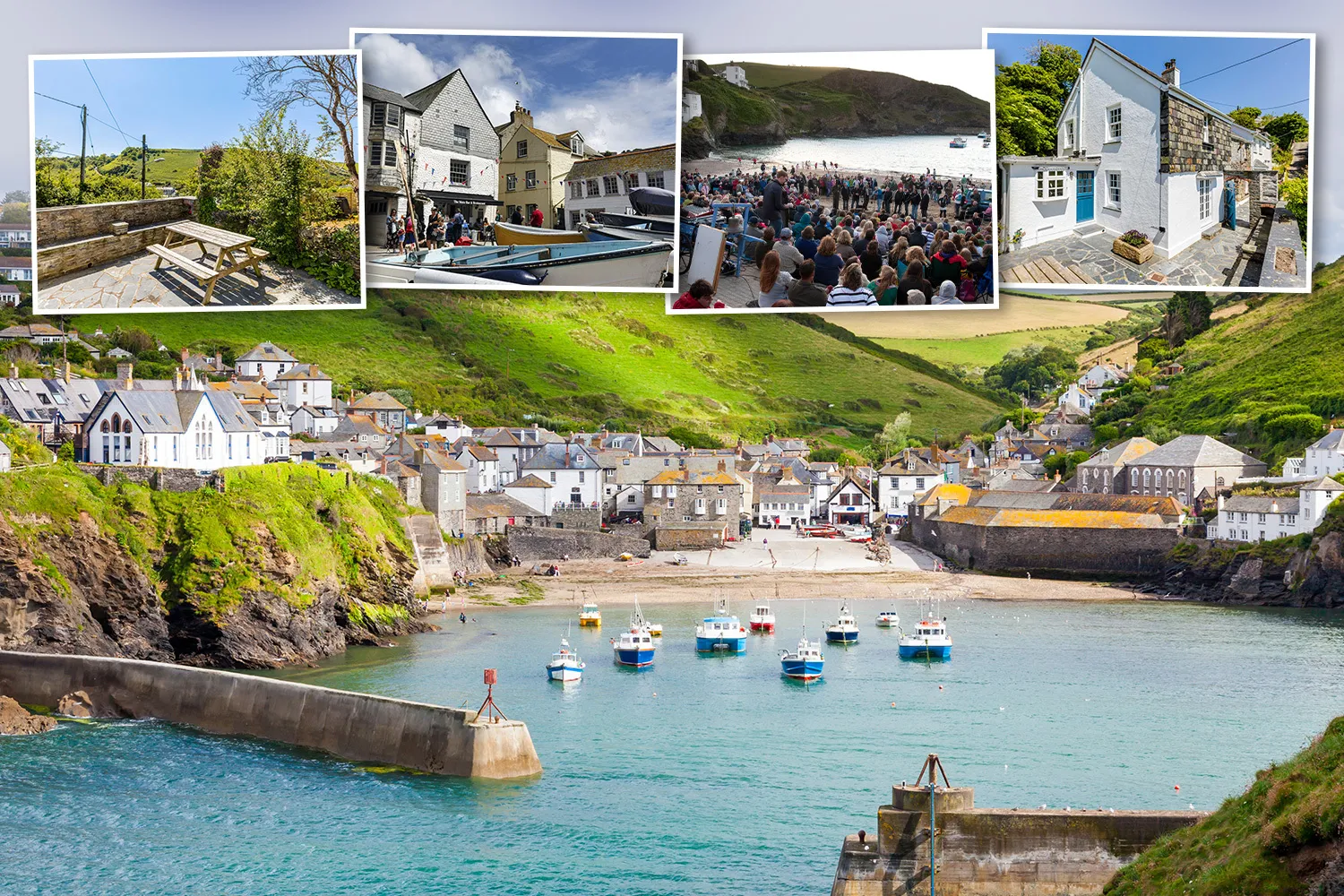
WITH its tiny, twisty streets that lead to the harbour, there’s something magical about the small Cornish fishing village that is the setting for ITV’s Doc Martin.
The TV series, set in stunning Port Isaac, aired its final episode in 2022 but its legacy lives on.
Sign up for the Travel newsletter
Thank you!
The Cornish fishing village of Port Isaac, made famous on TV’s Doc Martin, still casts a spell on visitors years after the cameras stopped rollingCredit: GettyI was visiting with my husband Paul and daughter Lexi, staying in Mermaid CottageCredit: sykescottages.co.ukThe view from the patio of Mermaid CottageCredit: sykescottages.co.uk
Daily tours take in some of the most famous landmarks and many of the shops are full of merchandise dedicated to the loveable doctor, played by Martin Clunes.
I was visiting with my husband Paul and daughter Lexi, staying in Mermaid Cottage booked through self-catering site sykescottages.co.uk.
Our central village location meant that once we had pulled into our private parking space, we could enjoy almost everything without having to use the car.
The three-bedroom cottage sleeps up to six and was beautifully furnished and full of extra comforts such as spacious bedrooms and a powerful shower.
The two wood-burners provided a cosy ambience in the evening, although we did have to splash out £50 for wood and kindling.
We were lucky with the weather and, despite the odd shower, enjoyed everything that Port Isaac had to offer — including a couple of spectacular rainbows.
The harbour is known for sea glass (weathered glass from discarded bottles etc), and Lexi and I spent hours searching for treasure and came up trumps.
You won’t go hungry when staying in Port Isaac and if you want to give the cooking a miss (which we did) you will be spoilt for choice.
Apparently lots of artists visit the area to collect pieces to use in jewellery and artwork.
There’s more than just sea glass to spot near these waters, though.
We went on a Sea Safari courtesy of Wavehunters, which was an exhilarating 90 minutes looking for seals, tuna and other wildlife. It was awesome exploring parts of Cornwall that you cannot access by road.
The father-daughter skipper combo were able to point out local highlights including remnants of the old tin mines, where communities lived perched on the side of the cliff, and many tiny beaches that can only be visited via boat.
You won’t go hungry when staying in Port Isaac and if you want to give the cooking a miss (which we did) you will be spoilt for choice.
For delicious drinks, huge pastries, and filled rolls that were probably the best I’ve ever eaten, I can’t recommend Cleaves Cafe Deli enough.
Crowds gather to watch Fisherman’s Friends perform a secret gig in the villageCredit: Alamy
More laid-back
We also had a delicious dinner at The Slipway (portisaachotel.com) in the heart of the village which offers tasty food at decent prices in a relaxed atmosphere. On the menu were burgers, sausage and mash, and glazed pork belly.
Nestled in a tiny hamlet adjacent to Port Isaac is newly renovated hotel and restaurant The Port Gaverne, open from 8am through to 8.30pm for breakfast, lunch, snacks and dinner.
Owned by the St Austell Brewery, The Port Gaverne offers great food with harbour views. Port Isaac has long been a favourite location for both TV and films.
With so much beauty and adventure, it is no wonder Doc Martin chose to settle here
The sea-shanty group which inspired that film still sing in the harbour, but these days they do so unannounced to prevent chaos in the village.
If you do want to venture out, Trevathan Farm Shop & Restaurant is just minutes away in the car and so much more than your average farm shop.
Summer months draw the masses, but the ‘shoulder season’ is when you can truly enjoy the sights away from the crowdsCredit: GettyDoc Martin stars Martin Clunes and Caroline CatzCredit: Neil Genower
They have a great restaurant as well as the well-stocked shop — and the outside area is ideal for children who want to let off steam in the park.
We also took a trip to seaside favourite Padstow. I would never visit the town in August because of the crowds — but it was ideal in October, when the vibe was more laid-back.
Farther afield, and a great day out for youngsters is The Milky Way Adventure Park in Higher Clovelly — home to rides, slides, soft play, minigolf, live shows and an incredible birds-of-prey display.
With so much beauty and adventure, it is no wonder Doc Martin chose to settle here.
GO: PORT ISAAC
STAYING THERE: Three nights’ self-catering at Mermaid Cottage costs from £121.34pp, based on six sharing. See sykescottages.co.uk.
OUT & ABOUT: Wavehunters’ 90-minute sea safari (wavehunters.co.uk) is from £27.50pp. Milky Way Adventure Park tickets from £18.95 (themilkyway.co.uk).
THE safest country to visit in Africa has been revealed – and its a tropical island paradise.
Mauritius is known for its beautiful beaches, year-round warm weather and safe-to-swim waters.
Sign up for the Travel newsletter
Thank you!
The island of Mauritius has been named the safest place in AfricaCredit: GettyMost people visit the island for its beautiful white sand beachesCredit: Getty
And the African island has been named the safest place to visit in Africa by Altezza Travel.
The south-east African country also ranked top within Africa in the 2025 Global Peace Index.
It was followed by Botswana and Namibia coming in second and third respectively.
The island is considered a very safe place to visit due to its low crime rate.
And whilst it’s popular with Brits for winter sun, Mauritius boasts sunny temperatures year-round – averaging a daily maximum temp of 27.6C.
Their summer season (November – April) is hottest, where temperatures average at around 30C.
And even in the colder months, it’s rare to see temperatures dip below 17C.
The sea temperature is warm too, and can even reach 27C during summer months – 10C warmer than that of the UK.
Most read in Beach holidays
When it comes to paradisical beaches, you’re spoilt for choice in Mauritius.
Flic en Flac is an enormous stretch of white sand facing a glittering lagoon, whilst Le Morne beach is backed by the luscious greenery and its iconic mountain.
Expect highs of 30C when the UK is in its winter seasonCredit: GettyCoral reef snorkelling is a popular activityCredit: Getty
There’s also lesser-known gems like Pointe aux Biches, where the locals go to find a slice of quiet sand between rocky coves.
Whilst Mauritius is paradise for spending days relaxing on the beach, there’s also plenty more to see and do.
The island is very popular with divers, snorkelers and adventurers who love to explore its dramatic landscapes.
The Blue Bay Marine Park is a magical spot to go snorkelling, with clear shallow waters and an abundance of colourful fish.
Mauritius has excellent coral reefs, if you fancy trying out some scuba diving.
Some of the best spots for divers are Coin de Mire in the North and Belle Mare in the East.
And if you want to explore the island by foot, the Black River Gorges National Park has over 30 miles of hiking trails and breath-taking waterfalls to explore.
Here you may also see wildlife like macaque monkeys, parakeets, and the painfully-cute Mauritian flying fox.
The sunsets are just as spectacular over the islandCredit: Getty
Typically, tourists visit the north of the island for a nice mixture of stunning beaches and towns with shops and restaurants, like Grand Baie and Trou aux Biches.
The South is where you’ll find more wild landscapes, the national parks and historic sites.
But don’t just stick to the outskirts for beach resorts and sea swimming – head inland and you’ll find waterfalls, volcanic craters and beautiful mountain ranges.
The capital and largest city in Mauritius is Port Louis.
Port Louis is known for its bustling central market, where vendors sell bright fresh fruits and typical Mauritian cuisine.
The island is popular for its all inclusive resorts, but if you’re looking to sample some Mauritian food out and about, the street food here is delicious – and very cheap.
Street food is extremely cheap tooCredit: Getty
A spiced Creole curry can cost you as little as 40 Mauritian Rupees – which is approximately 66p.
Here you can also visit Le Caudan Waterfront, where a colourful umbrella canopy shades the streets.
There’s some beautiful buildings to admire too, like the grand St. Louis Cathedral and the bright white Jummah Masjid mosque.
TUI offers package holidays across Mauritius, ranging from adults-only romantic hotels to golfing resorts.
One of their cheapest options in Mauritius is a week-long stay at the Aanari Hotel and Spa with breakfast for £1,157 pp.
Similarly, deals on loveholidays can have you staying by the lagoon of Trou aux Biches for £849 pp.
For direct flights, British Airways offers direct round-trip flights from London to Port Louis for £876.
Mauritius offers year-round sun, but the best season is from May through to September, when humidity is low.
TUI has some great deals to Mauritus including at the Aanari Hotel and Spa
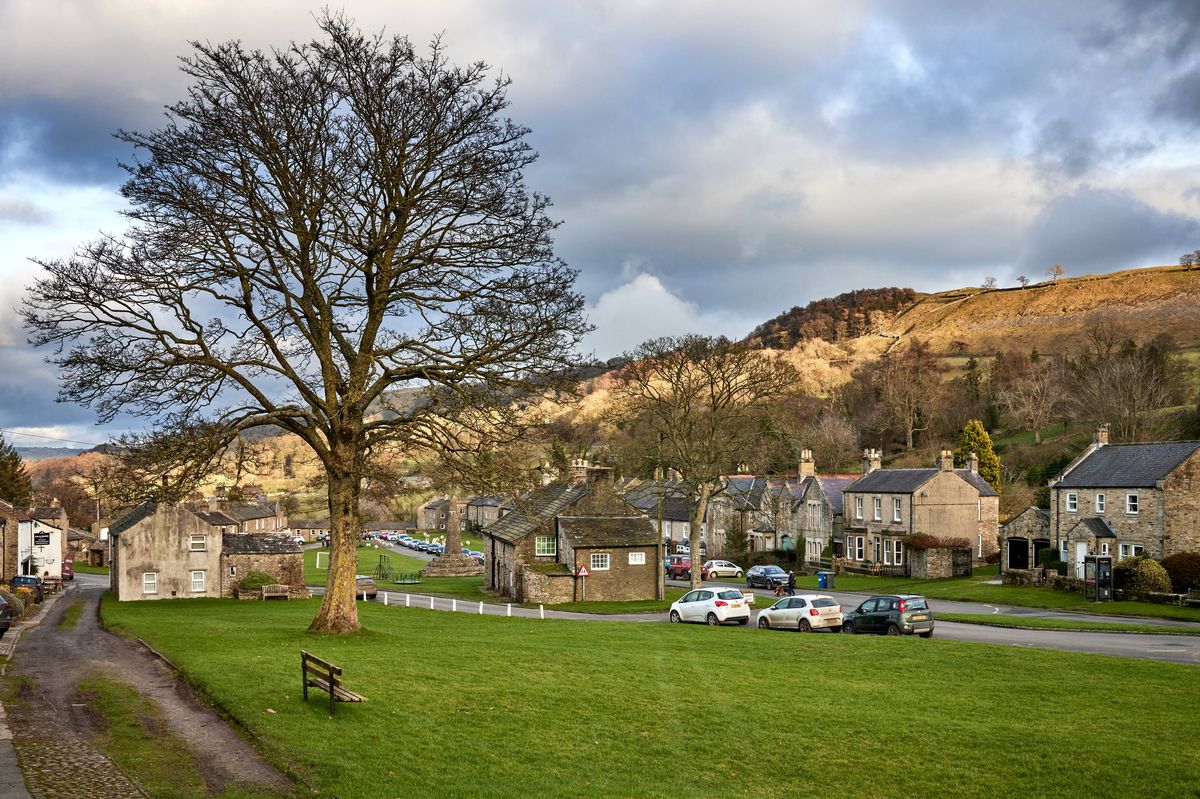
This village in the Yorkshire Dales is a hidden gem with stunning waterfalls and green landscapes that inspired a famous artist hundreds of years ago
It provides a tranquil backdrop for relaxing in the countryside (Image: Michael Campbell Cole via Getty Images)
Nestled in the Yorkshire Dales, this quaint village provides the perfect getaway for those seeking to immerse themselves in nature’s splendour – and a renowned artist did just that.
West Burton, tucked away in a side valley of Lower Wensleydale, has a deep-rooted connection with the celebrated painter J. M.W. Turner, who is acclaimed for his evocative depictions of expansive landscapes. The village itself, particularly its breathtaking waterfall, served as inspiration for Turner. A sketch of the Cauldron Falls, drawn by the artist during his tour of Yorkshire in 1816, still exists. It’s thought that he spent a significant amount of time by the water, studying its flow and observing how it cascaded over the falls.
His plan was to create a larger, more detailed piece in his signature watercolour style; however, it famously remained unfinished. Despite this, the artwork can be viewed alongside his other masterpieces at the Tate in London. Remarkably, the falls remain unchanged even after 200 years, allowing visitors to appreciate their full colour and beauty firsthand. A brief stroll from the charming West Burton village will lead you there, where you can marvel at the stunning plunge pool, filled with naturally tumbling water.
A recent holidaymaker left their review on TripAdvisor, stating: “Wow, what a hidden gem this is, tucked away in the quaint village of West Burton. Really easy to access the falls, a very short walk from the village itself. Stunning waterfall and peaceful away from the crowds. Simply magical.”
Beyond this attraction, the village centre boasts a verdant green space, surrounded by numerous period buildings and charming cottages that perfectly capture authentic Yorkshire countryside living. The settlement serves as a favoured stopping point for those keen to discover the dales and surrounding regions.
Standing proudly on the green is the impressive West Burton Obelisk, a stone monument built in 1820. While such features are typical of many market settlements, this particular structure is thought to have originally been a preaching cross, now serving as a significant historical marker for the locality.
The village’s heritage stretches back much further, with connections to an Iron Age community, evidenced by the Burton Moor hut circles, which eventually evolved into a mediaeval estate. During the 18th century, it flourished as a bustling settlement centred on lead extraction, stone quarrying, traditional crafts, and naturally, farming.
Traditional crafts remain a local speciality, most notably the distinctive Cat Pottery. This charming establishment has been creating adorable Moorside cats since 1982, with every piece lovingly handmade within the village itself – preserving the region’s rich tradition of skilled craftsmanship.
One visitor hailed the spot as a “hidden gem”, adding: “Perfect for cat lovers. Bought two ceramic cats and had a lovely conversation with the gentleman who was working there at the time. It was hard to pick which we wanted because all of the pot cats are adorable. Will be ordering more online!”.
The day starts with a gentle trek. We clamber up from Flodigarry to circle under the black cliffs of the Quiraing where clouds flood around the bizarre rock formations. At the pass, we meet a howling wind and force our way down with shrieks of laughter.
I’m walking on the Isle of Skye, specifically a section of the Trotternish Ridge for CoppaFeel!, the young people’s breast cancer awareness charity. There are 120 participants in total, split into four groups of 30. Over five days, we will trek about 100km on the island’s rugged trails, traversing sea cliffs, climbing mountains, passing ruined castles, crossing bogs and jumping over rivers to raise money for the charity.
I’ve never been out in the hills with so many other women before. Some 117 of the participants are female, with a further six female celebrities spurring us on. We’re a raucous bunch.
After a scenic lunch overlooking Raasay and the distant Scottish mainland, we tackle the second half of the day’s trek – then bad weather rolls in. As we climb, rain starts falling, thick as smoke. The ground is sodden. Cold water drips from my hood, running down my nose, cheeks and chin. It’s grim. My waterproofs need reproofing and I’m soon drenched right through, like everyone else.
Of the 30 women in my group, most are new to mountain walking. For some, it’s their first time in Scotland. But somehow in these difficult miles across the wind and rain-battered mountain, morale stays high. I don’t need to turn and check where everyone is. I can hear them singing. They’re belting out Bohemian Rhapsody. When we pause, they dance.
Singing helps to keep morale high while traversing a bog.
Back on the campsite in the village of Uig, our base for the week, we shower, change and eat hot lasagne from Really Delicious, the Glasgow caterer looking after us all week. The event is organised by CoppaFeel! in partnership with Charity Challenge, which specialises in adventure challenges, providing the transport, routes and accommodation, as well as the expert mountain leaders who guide the inexperienced walkers across the island.
Mass participation charity events such as this are growing, and since Covid, Charity Challenge reports a huge increase in demand. From national Three Peaks Challenges to Hadrian’s Wall and overnight ascents of Yr Wyddfa (Snowdon), group trekking in the UK has exploded. The events bring a range of benefits. Businesses find them a good way to bring teams together in person, boosting employee morale and mental health. In a tough funding climate, charities gain much-needed income and visibility. CoppaFeel!’s record is exemplary: in 2017, the charity raised £200,000 from trekking; in 2025, it was aiming to reach £2m.
After dinner, we gather in the marquee for the daily debrief – 150 people crowd in, taking shelter from the wind. The ground squelches beneath our feet. Today was tough, a baptism of fire for novice walkers. I expect sullen stares and low spirits, but when the celebrity leaders and CoppaFeel! staff walk in, the tent erupts.
The walkers and a guide cross a stream on the Quiraing with views to Trotternish Ridge.
“What a day!” says author and podcaster Giovanna Fletcher, one of CoppaFeel!’s celebrity patrons. The tent falls quiet, as everyone strains to catch her words. We’re two days in, and an intense cohesion is forming. It feels like family. Standing in front of the crowd wearing a giant boob costume, Giovanna reflects on the day.
Tonight, even after the brutal storm, most people are laughing and cheering. She reminds us all to dig deep and remember our personal motivations – our “why” – to get through the week. Giovanna’s is Kris Hallenga, the inspirational woman who founded CoppaFeel! in 2009 after she was diagnosed with stage four breast cancer when she was 23. “Kris is why I’m here,” she says. Kris died in 2024.
Over five days, we complete five different routes around Trotternish, the northernmost peninsula on Skye. It’s stunning. With each hike, we gain different views of the hills of Harris and North Uist, watching the light change on the sea between the mainland and the Outer Hebrides. The days are long and demanding but everyone shows good stamina and determination. By day three, a committed group have drunk the local bar dry.
On our fourth day, we hike from Sligachan to the Fairy Pools and back again. Circling underneath the Black Cuillin (Skye’s highest and rockiest range), the women are awestruck. “It feels like we’re on another planet!” one woman says.
For many, these treks provide a guided entry to adventure. The leaders support everyone on the mountain, covering route-finding and first aid, while CoppaFeel! helps with kit lists, a training plan, regular webinars and online meetups. I watch women who trained in London’s Richmond Park become adventurers, newly comfortable with trekking poles, gaiters and “nature pees”. They all say they will go out and do this again.
Stopping for lunch at the Fairy Pools, a series of natural pools and waterfalls not far from the Black Cuillin, the women pose for photos and make videos. They dip their faces in the clear water and share their experiences on social media to raise awareness and fundraise. Every participant has a target of £2,500.
Hikers on the way to the Fairy Pools from Sligachan under ominous skies.
By this point in the week, we’ve relaxed into each other’s company. Five days is a long time to spend with strangers, but as the week goes on, I come to see that the length of this challenge is part of its power.
“At the start,” Giovanna says, “a week will feel like for ever. But make the most of it. Trust me, by the end, you won’t want to finish.”
Strangers form close bonds and my team becomes deeply supportive. In this safe space, people open up.
Many of the participants have personal experience of breast cancer. For some, it was five, 10 or 20 years ago – while others are now in treatment. Many have also experienced grief. In this context, the challenge is not merely physical: deep, raw emotions are close to the surface.
Walking and talking beside the river underneath the Cuillin, one woman tells me about her life. From chronic illness to having children, her breast cancer diagnosis and treatment, everything flows out in an easy conversational way. Then she falls behind, starts chatting with someone else and that’s how it goes. An hour later, we catch up and she says she cried after sharing those things with me – she realised she had never said them aloud before.
Participants ford a river in tutus.
She’s not alone. People change over this week. There’s a mother in my group who has two young children. She has recently finished her breast cancer treatment and is emotionally wobbly. But by the end of the week she is beaming, looking stronger and happier, as if a weight has been lifted. The trek creates a profound space of mass empathy. Stigma is removed and the experience of breast cancer is normalised.
The final day dawns like a festival. Glitter goes on like war paint. There are flower garlands, frilly tutus and giant pink knickers. About 150 of us toil uphill through bog to reach the summit of Beinn Edra. The sun comes out and on the breast of this hill, those who choose to, bare it all.
Back at camp, we cross the finish line, singing, hugging and crying. Looking around, I see new friends for life have been made. Then the CoppaFeel! girls read out the fundraising total. The reach is astonishing. This week, 120 women walking the rough trails of Skye have raised over £500,000. They are a force to be reckoned with.
CoppaFeel! is running four treks in 2026, including two day-long treks in the UK; apply to do a trek or register interest at coppafeel.org/trek
Moldova, one of Europe’s least visited countries, offers incredible value for British travellers with restaurant meals from £3.50, flights from London starting at £51, and stunning scenery including underground wineries and historic monasteries without the crowds
Moldova is considered one of the least visited countries in Europe(Image: Getty)
A stunning European destination that remains “unnoticed by tourists” serves up dining experiences for just £3.50. Fewer than 150,000 visitors annually are believed to venture to Moldova, tucked between Ukraine and Romania.
Yet this nation presents budget-friendly travel possibilities with flights from London starting at merely £51. Holiday-makers can also savour a restaurant meal for as little as £3.50 (€5) whilst a soft drink costs under £1.
The typical hotel in the capital Chisinau is reported to charge travellers approximately £26 per night, according to El Economista, reports the Express.
This landlocked country showcases breathtaking landscapes including the Nistru River and the ancient cave monasteries of Tipova. It’s also the location of enormous subterranean wineries like Cricova alongside the sprawling Codru National Reserve.
Moldova even houses the globe’s most extensive collection of wine bottles. The nation stores 1,500,000 valuable bottles of wine, including one that once belonged to Russian President Vladimir Putin.
This country, which proclaimed its independence in 1991, has remained torn between its connections to Russia and the European Union.
It submitted its EU membership application in March 2022, receiving candidate status in June that same year. The nation is targeting complete EU membership by 2030.
However, it’s believed the separatist region of Transnistria might prove problematic following Russia’s invasion of neighbouring Ukraine. The UK Government strongly advises against all travel to the Transnistria region.
The Foreign, Commonwealth & Development Office warns: “FCDO advises against all travel to Transnistria. There is widespread military activity in Ukraine, including close to some Moldovan borders. Transnistria is outside the control of the Moldovan government.”
YouTuber Steve Marsh ventured to the nation in 2023, confessing he felt “nervous” during his journey after his return flight was cancelled due to “security” concerns. However, he quickly found himself charmed by the country.
He shared: “As first impressions go, I really like this place, and even with this horrible weather. The fact that nobody comes here just adds to the allure for me.”
Travel blogger Drew Binksy also had words of praise for the small nation. He expressed: “I actually really like Moldova.
“Chisinau is the capital. It’s like the least visited city and country in Europe. No one really knows about it.
“[It is] Very similar to Russia. They speak Russian. They look Russian, they act Russian, but it’s this kind of mix of European, little bit of Ukrainian vibes because it’s kind of sandwiched there on the border.
“They have really good wine in Moldova. There’s a place called Orhei. I’m not pronouncing it right, but I went down there for the winery tour and it was fantastic.”
Has the new series of BBC’s The Traitors got you yearning for a Scottish staycation? We took a history-filled trip to Edinburgh and found a surprisingly affordable hotel
06:00, 03 Jan 2026Updated 11:43, 04 Jan 2026
Where to stay, eat and visit in Edinburgh, says travel editor Laura Mulley(Image: Laura Mulley)
Looming over the city from up high and lit up in dramatic red lights at night, Edinburgh Castle looks like it could be straight out of a Traitors scene. Tickets (£21.50 for adults) get you access to all parts of the 900-year-old site, including the Scottish crown jewels, St Margaret’s Chapel (the oldest building in Edinburgh, dating back to 1130) and the Prisons of War exhibit.
It’s off The Royal Mile, however, that we found our favourite tourist attraction in Edinburgh: The Real Mary King’s Close. This guided tour takes you back in time through some of the city’s former residential streets, which were built over in 1753 to construct the Royal Exchange above them. Interesting for adults and older children alike, the guides are engaging and it’s fascinating to see how people lived here over 400 years ago, including through devastating plague years.
Where to eat in Edinburgh
When it was time to rest weary feet – and Edinburgh’s streets are notoriously steep – and fill up rumbling stomachs, we loved Ka Pao for its delicious Southeast Asian sharing dishes (don’t skip over the fried Brussels sprouts, which even had our party’s sprout-hater converted). Booking is essential, as there was a two-hour wait for walk-ins on the Friday night we visited.
For traditional pubs, head to the historic Grassmarket area and nearby Rose Street. For fancier cocktails served with flair, we loved Commons Club (part of the Virgin Hotel), Panda & Co, a cool, speakeasy-style establishment posing as a barber shop, and The Last Word, a romantic, candle-lit gem with an impressive whiskey list in Edinburgh’s upmarket Stockbridge area.
Where to stay in Edinburgh
We stayed at The Bruntsfield, about half an hour’s walk from the city centre, or a cheap taxi ride. Although the hotel could do with a bit of an update (we’re told there are plans for this), the rooms are very big for an affordable city hotel, and come with a complimentary dram of whiskey and square of crumbly Scottish fudge. There’s also a bar and kitchen downstairs serving casual pub-style dishes.
Perhaps the highlight of our stay, however, was the warm and friendly reception staff that welcomed us, pointing out a bowl of help-yourself Tunnock’s Teacakes, handing us a map of the city and, later, helping us successfully locate a bag we’d left in the back of a taxi.
The Bruntsfield Hotel
This article contains affiliate links, we will receive a commission on any sales we generate from it. Learn more
Has the new series of BBC’s The Traitors got you yearning for a Scottish staycation? We took a history-filled trip to Edinburgh and found a surprisingly affordable hotel
06:00, 03 Jan 2026Updated 11:57, 03 Jan 2026
Where to stay, eat and visit in Edinburgh, says travel editor Laura Mulley(Image: Laura Mulley)
Looming over the city from up high and lit up in dramatic red lights at night, Edinburgh Castle looks like it could be straight out of a Traitors scene. Tickets (£21.50 for adults) get you access to all parts of the 900-year-old site, including the Scottish crown jewels, St Margaret’s Chapel (the oldest building in Edinburgh, dating back to 1130) and the Prisons of War exhibit.
It’s off The Royal Mile, however, that we found our favourite tourist attraction in Edinburgh: The Real Mary King’s Close. This guided tour takes you back in time through some of the city’s former residential streets, which were built over in 1753 to construct the Royal Exchange above them. Interesting for adults and older children alike, the guides are engaging and it’s fascinating to see how people lived here over 400 years ago, including through devastating plague years.
Where to eat in Edinburgh
When it was time to rest weary feet – and Edinburgh’s streets are notoriously steep – and fill up rumbling stomachs, we loved Ka Pao for its delicious Southeast Asian sharing dishes (don’t skip over the fried Brussels sprouts, which even had our party’s sprout-hater converted). Booking is essential, as there was a two-hour wait for walk-ins on the Friday night we visited.
For traditional pubs, head to the historic Grassmarket area and nearby Rose Street. For fancier cocktails served with flair, we loved Commons Club (part of the Virgin Hotel), Panda & Co, a cool, speakeasy-style establishment posing as a barber shop, and The Last Word, a romantic, candle-lit gem with an impressive whiskey list in Edinburgh’s upmarket Stockbridge area.
Where to stay in Edinburgh
We stayed at The Bruntsfield, about half an hour’s walk from the city centre, or a cheap taxi ride. Although the hotel could do with a bit of an update (we’re told there are plans for this), the rooms are very big for an affordable city hotel, and come with a complimentary dram of whiskey and square of crumbly Scottish fudge. There’s also a bar and kitchen downstairs serving casual pub-style dishes.
Perhaps the highlight of our stay, however, was the warm and friendly reception staff that welcomed us, pointing out a bowl of help-yourself Tunnock’s Teacakes, handing us a map of the city and, later, helping us successfully locate a bag we’d left in the back of a taxi.
The Bruntsfield Hotel
This article contains affiliate links, we will receive a commission on any sales we generate from it. Learn more
The tiny Greek island is offering incentives to families and skilled workers to relocate there, including free food, accommodation, and a monthly stipend.
Sophie Law Deputy Editor Spare Time
05:05, 03 Jan 2026
Families could be paid 500 euros a month to live here(Image: Getty)
Ever fancied packing up and moving to a picturesque Greek island, complete with whitewashed buildings, a charming harbour, and shimmering turquoise waters?
It might seem like a pipe dream, but thanks to an initiative from the tiny island of Antikythera, it could become your reality.
Nestled in the Aegean Sea between Crete and the Peloponnese, this stunning island is rolling out the welcome mat for families and skilled workers, offering free grub, digs, and a monthly allowance.
In a bid to boost its dwindling population, Greece is dishing out €500 per month to newcomers on Antikythera for three years after they settle in.
That’s a tidy sum of €18,000 in total, or roughly £15,000. The island offers a tranquil, rural lifestyle, complete with breathtaking beaches and the balmy Greek climates.
“Antikythera has only 45 permanent residents as of now, so it’s a tranquil and close-knit community,” shares Wayne Mills, Head of Operations at Seven Seas Worldwide, an international shipping firm.
“They’re especially keen to attract young families to revitalize the island and bring back youthful energy, so you’ll no doubt be extremely popular as soon as you arrive!”
In response to falling populations and brain drains, numerous countries are laying out the welcome mat to lure new inhabitants to specific regions. Most of Antikythera’s residents are over 50, and children are few and far between.
According to Elxis, a Greek real estate and legal services provider, the scheme has been organised by the Greek Orthodox Church of Kythera, which also covers Antikythera, to attract bakers, fishermen, and families with children.
Aimed at a total of five families, applicants will be interviewed before receiving the financial incentive to relocate to Antikythera.
Andrea Harhalakis, the president of Antikythira, told Iefimerida.gr that “we need young families, large enough to make Antikythira alive and full of children’s voices.”
However, there is a catch. Whilst families wishing to relocate to the island will have their choice of a new house, the properties have not yet been constructed due to delays in paperwork.
As a result, Antikythira has not yet welcomed any families through this programme. For updates on construction progress, interested parties are advised to contact Kythira’s Tourism Department.
The island, covering a mere 7.89 square miles, can be reached by ferry from the nearby island of Kythira or from Kissamos port in Crete.
Antikythera, with its sparse population and secluded setting, offers an authentic taste of traditional Greek island life.
During the winter months, there’s only one small shop selling basic foodstuffs and vegetables. However, the island is equipped with electricity and internet access.
Antikythera is renowned for the Antikythera Mechanism, an ancient Greek analogue computer dating back to approximately 150-100 BCE.
This contraption was utilised to forecast astronomical positions, eclipses, and potentially other celestial events.
Unearthed in 1901 from a shipwreck off the island’s coast, it’s hailed as one of antiquity’s most significant technological relics.
The Antikythera shipwreck (around 70-60 BCE) ranks among the richest ancient wrecks ever discovered, brimming with artefacts such as statues, coins, and luxury items.
The island is also acclaimed for its raw beauty and wildlife. Antikythera serves as a crucial pit stop for migratory birds journeying between Europe and Africa, making it a birdwatcher’s paradise.
AeroMexico topped the world’s global airlines with an on-time rate of 90.02% in 2025, global airlines analyst Cirium announced on Friday, marking the second straight year the Mexican airline finished at the top. Photo by Jose Mendez/EPA
Jan. 2 (UPI) — Mexico-based AeroMexico won Cirium’s On-Time Performance Review for the second straight year with more than 90% of its flights being on time in 2025.
U.K.-based Cirium is a global aviation analytics firm and made AeroMexico the second global airline to win its On-Time Performance Review in consecutive years since it began the review in 2009, according to Business Wire.
AeroMexico maintained its industry-leading schedule across 188,859 flights in 23 countries with 90.02% completed on time.
Saudi Arabia’s Saudia Airlines finished second with an on-time rate of 86.52%, followed by Scandinavian Airlines’ SAS at 86.09%.
Several regional airlines exceeded AeroMexico’s on-time rating, while claiming regional crowns in Cirium’s annual airline ratings competition.
U.S.-based Delta Airlines won the regional crown in North America for a fifth-straight year with 80.9% of its flights being completed on time, while Copa Airlines secured a record 11th regional win with a 90.74% on-time rate.
International Airline Group’s Iberia Express topped the European market for a third-straight year with an on-time rate of 88.94%, and Philippine Airlines claimed the top spot in the Asia-Pacific region with 83.12% of its flights being completed on time.
In the Middle East and Africa, Safair Airline of South Africa topped the competition with an on-time rate of 91.06%.
Cirium’s platinum award for 2025 goes to Qatar Airways, which logged an on-time rate of 84.42% while completing 198,303 flights across six continents.
U.K.-based Virgin Atlantic secured the most-improved award with a 9.44% on-time rate improvement, from 74.01% in 2024 to 83.45% in 2025.
Among global airports, Santiago Arturo Merino Benitez International Airport in Chile won the large airport category with 87.04% of its flights departing on time.
Among medium-sized airports, Panama’s Tocumen International Airport took the top spot with 93.34% of its flights departing on time.
Turkey’s Istanbul Airport won Cirium’s Airport Platinum Award for its operational services, passenger care during flight disruptions and its general growth.
From Thailand to Barbados, a travel content creator shares top winter sun destinations with temperatures ranging from 21 to 30C to beat the British chill.
There are plenty of hot getaways this winter(Image: AzByCx via Getty Images)
The chilly winter weather is in full swing as frosty conditions continue to blanket the UK. With the festive season behind us, we’re still facing plenty of dark evenings as we yearn for the warmth of summer.
January is a prime time for planning holidays for the year ahead, but it’s also an ideal month to travel if you want to beat the crowds. Many people use this time of year to recharge their batteries, and what better way to do so than on a sun-soaked beach?
There are numerous holiday destinations that boast temperatures above 22C at this time of year. Plus, you’re likely to encounter fewer tourists than during the peak summer travel season.
So, if you’re considering a last-minute escape to warmer climes, a travel expert has compiled a list of their top seven picks for this year, reports the Express. TikTok user @kelseyinlondon, who regularly shares travel advice online, has chosen her favourite winter sun destinations that are sure to deliver some much-needed heat.
Thailand
First on Kelsey’s list is Thailand, a destination that’s growing increasingly popular with Brits. In January, the average temperature is a balmy 30C, and visitors can take advantage of the dry season. Imagine endless blue skies, crystal-clear waters, and a laid-back island atmosphere.
Dubai
Dubai is renowned for its scorching temperatures, but in January, you can experience the desert heat without it being too intense. The average temperature this month is a comfortable 25C.
Kelsey recommends: “January in Dubai is the perfect balance of warm days and cool evenings. Soak up the sun at beach clubs, explore the desert by hot air balloon, and enjoy alfresco dining in Dubai Marina.”
Maldives
Why not jet off to paradise and bask in 28C heat in the Maldives? Start your New Year’s resolutions surrounded by crystal-clear waters and tranquil seas. Unwind in an overwater villa or discover the local marine life on a snorkelling adventure.
Marrakech
Consider a winter getaway to Morocco, where you can relish strolling through the streets of Marrakech with fewer tourists. With temperatures hovering around a pleasant 21C, immerse yourself in the rich culture the city has to offer.
Canary Islands
This beloved European winter sun destination is ideal for savouring beach days away from the summer crowds. Expect an average temperature of 22C as you relax on the islands of Tenerife, Lanzarote, Fuerteventura, Gran Canaria or La Palma.
Barbados
For a hotter island experience, make your way to Barbados, where temperatures average a balmy 28C.
Kelsey suggests: “It’s peak dry season, so you can spend all day lazing on white sand beaches, sipping rum punches, and enjoying the island’s incredible laidback vibes.”
Red Sea Coast, Egypt
Venture to destinations like Hurghada, El Gouna and Sharm El Sheikh where you’ll find sunshine, golden sands and warm turquoise waters. With temperatures around 24C, you can still enjoy mild evenings out.
Jan. 2 (UPI) — Travel restrictions for 20 more nations and locales took effect on Thursday in accordance with President Donald Trump‘s Dec. 16 order expanding travel restrictions to 39 nations.
President Donald Trump has restricted travel from a total of 39 nations and entities due to deficiencies in their respective screening and vetting processes that make it difficult to protect the United States against public safety and national security threats.
“The United States government has identified additional countries that are unable to meet basic criteria for identifying their nationals and residents who may pose national security and public safety risks, or for sharing necessary information with the United States,” U.S. Customs and Immigration Services officials announced on Thursday.
“It is paramount that the United States government ensure aliens in the United States do not intend to threaten its citizens or undermine or destabilize its culture, government, institutions, or founding principles,” USCIS added.
“Entry will not be granted to aliens who advocate for, aid or support designated foreign terrorists or other threats to our national security or public safety.”
A dozen high-risk nations identified by the White House are Afghanistan, Burma, Chad, the Republic of the Congo, Equatorial Guinea, Eritrea, Haiti, Iran, Libya, Somalia, Sudan and Yemen, and their citizens are fully restricted from traveling to the United States.
Another five nations, Burkina Faso, Mali, Niger, South Sudan and Syria, plus anyone holding travel documents issued by the Palestinian Authority, also are subject to full restrictions on U.S. travel.
Full restrictions also are in effect for travelers from Laos and Sierra Leone, which previously were subjected to partial restrictions.
Prior to the Dec. 16 order, 19 nations were subject to travel restrictions, but the president added the 19 additional nations and the Palestinian Authority amid ongoing violence and recent revelations of fraud.
Some exceptions to the travel bans are allowed for diplomats and athletes competing on teams that are participating in the Olympics, FIFA World Cup and other events.
The city is, by some counts, the hottest in the world. However, in January, the coldest time of the year, the thermometer rarely rises much higher than 20 °C, while staying in the balmy mid-teens
Waleed Alkhamees has lived his whole life in Kuwait City (Image: Waleed Alkhamees)
It’s possible to get to the hottest city in the world for £78 this month.
Kuwait City is, by all measures, ferociously hot. On July 21, the mercury reached 53.9C in Mitribah, which is near to the Capital. That temperature was verified by the World Meteorological Organization as the highest ever recorded in Asia.
Given how dangerous such high temperatures can be, it’s advisable to visit Kuwait in the winter or spring months, rather than the summer. In January, the coldest time of the year, the thermometer rarely rises much higher than 20 °C, while staying in the balmy mid-teens.
If escaping the UK’s frosty shores for a spot of Kuwaiti sunshine appeals, then you’re in luck. Flight prices are relatively low at this time of the year. Skyscanner lists flights from London for £78 return this January, with services from Bristol, Birmingham and Manchester coming in at under £100.
Waleed Alkhamees has lived his whole life in Kuwait City – a destination the tour guide describes as one that “no one ever moves away from”. Yet this Middle Eastern metropolis holds the dubious distinction of being the planet’s most scorching urban centre. During 2021, the mercury climbed above 50C (122F) for 19 consecutive days.
When we caught up with Waleed, he told us how locals deal with the weather. “Everybody is trying to keep indoors, as everywhere in Kuwait is air-conditioned. Most of the locals escape from the heat and go outside Kuwait during the summer. Businesses close down. By law you can’t work outdoors from 10am to 5pm, so the workers work from midnight until the morning.”
Waleed has observed the average temperatures inching up year on year. Each summer, he notes, it seems to get a tad hotter. While it’s always been a place where the mercury soars, residents of the largely concrete city are finding themselves making more and more adaptations just to manage.
The state heavily subsidises electricity – funded alongside healthcare and education from vast oil reserves that keep the tax rate at zero – enabling most of the 3.3 million city dwellers to run their air conditioning units non-stop.
Nearly all enclosed public spaces are filled with artificial cold air throughout the day and night, while streets are enveloped in clouds of cooling water. A government prohibition on outdoor work from 10am to 5pm during the summer months aims to prevent people from collapsing and dying in weather conditions that pose a constant threat to human health.
However, if you visit Kuwait City in the summer, you might notice that this rule isn’t strictly enforced. Workers, often recent immigrants, defy the heat and the ban to labour on the streets, their bodies fully covered from head to toe for some respite from the relentless sun.
Waleed guides tourists around the city, showcasing landmarks such as the spaceship-like Kuwait Towers, which tower over the city as a clear symbol of its wealth in a style reminiscent of the 1970s. The Grand Mosque and the old Souk are the other major attractions.
His tour groups typically comprise around 80% Americans, with the remainder being European visitors – a demographic that mirrors the significant US military presence at Camp Arifjan in the country’s south-east. Even during the scorching months of June and July, tours operate year-round, with visitors seldom stepping out of air-conditioned vehicles whilst discovering the city.
Western travellers seeking a refreshing beer in the evening will be disappointed in Kuwait, which maintains a rigorous and strictly enforced alcohol ban, even within hotels frequented by tourists. For those brave enough to trust their sun cream, the city’s coastline proves particularly attractive.
The expansive sandy shoreline ranks among the longest in the Middle East and boasts excellent diving locations.
Despite the unrelenting heat – so extreme it forces pigeons to stay grounded during parts of the day and has even killed off marine wildlife in the bays – Waleed insists his fellow citizens have no intention of leaving.
“Kuwait City has gotten hotter. For years now. It is hotter and hotter every year. I am worried about global warming. It’s half a degree every couple of years. But we won’t move away. Kuwaitis never move away. There are lots of benefits in Kuwait,” he explained.
“The currency is the highest currency in the world, we pay zero tax, everything is subsidised by the government, fuel cost is half that of Saudi Arabia. Medication and education is free. People, they don’t move away.”