From finding pants on the floor to a blood-stained sheet on the bed, there’s a lot that can go wrong when staying in a hotel – but there’s one thing I always check before using
There’s something I always check with every hotel room(Image: Getty Images/iStockphoto)
The hospitality sector is known for its gruelling demands, with long hours and erratic shift patterns, making anyone in the industry a true unsung hero in my book. It’s a tough gig, with intense time constraints, so it’s hardly surprising that occasionally things can get overlooked when it comes to preparing hundreds of rooms before the 3pm check-in on a busy Friday night.
I’ve discovered everything from discarded underwear on the floor, a half-drunk bottle of water in the fridge, a dirty dressing gown and a blood-stained sheet after checking into my supposedly clean hotel room at various hotels. While these areas are easy to spot at a glance, there’s one thing I always meticulously inspect and clean whenever I enter a hotel room – the glassware.
Most of us have checked into a hotel room to find a complimentary tea and coffee setup waiting for us. However, during my time working in the hospitality industry, I’ve discovered that not all hotels thoroughly clean their mugs before the next guest arrives, which is rather revolting.
On several occasions, I’ve seen housekeepers simply rinse the mugs in the bathroom sink, give them a quick wipe with a cloth, and then place them back on the table ready for the next guest. While this might remove any leftover coffee or tea residue, it doesn’t quite suffice for properly cleaning a mug that’s used repeatedly by guests.
This applies to the water glasses perched on the sink or bedside table, too – a quick rinse and Bob’s your uncle! Now, I’m not suggesting that every hotel is guilty of this, but based on my own experiences, I tend to be a bit sceptical.
So, with every hotel check-in, I now make it a point to inspect the glassware and give it a good rinse with boiling water from the kettle as a precautionary measure, and a dab of hand soap doesn’t hurt either. After all, I don’t want to be that guest who insists on a fresh mug and glass just in case they haven’t been properly cleaned; a simple DIY sterilisation is enough to set my mind at ease.
But I do empathise with the housekeepers. They have a lengthy checklist of cleaning tasks ranging from changing the bed linen, deep cleaning the bathrooms, hoovering the floor, replacing robes and slippers, wiping down glass and windows, restocking the mini fridge, to meticulously folding countless towels.
Sometimes they barely have a moment to catch their breath, let alone dash down to the kitchen, load the dishwasher and replenish a tray of glasses for each room. They typically have a 3pm deadline for every room, and staff shortages only add to the pressure.
In the past, ABC News conducted an undercover investigation that revealed that housekeeping at 11 out of 15 hotels didn’t replace the glassware when tidying the rooms. Instead, they were simply rinsed in the sink and wiped down with a cleaning cloth or sponge.
To circumvent this hygiene issue, some hotels opt for plastic-wrapped cups, while others insist on their rigorous glassware cleaning practices. However, even if the glass or mug seems spotless and clean, it’s not always easy to be sure.
The next time you settle into a hotel room, consider giving your mug a quick rinse with boiled water as a precautionary measure. If you’re particularly concerned, bring along your own reusable water bottle and request a fresh mug from the hotel bar, because let’s face it, no one fancies pondering over someone else’s lips whilst enjoying their morning brew.
Do you have a travel story to share? Email webtravel@reachplc.com
The underrated ‘Capital of Christmas’ has everything you could want for a festive break but there’s also plenty more than just Christmas – including Stranger Things locations
12:44, 23 Dec 2025Updated 13:43, 23 Dec 2025
Niamh takes a selfie in front of the main Christmas tree(Image: Niamh Kirk)
Nestled in the south of Lithuania, Vilnius, the second largest city in the Baltic states, is a place where Christmas is celebrated with gusto.
Every nook and cranny of the city sparkles with festive lights, baubles, gifts, and all sorts of decorations you can imagine. The streets are festooned with Christmas trees, buskers strumming carols on their guitars, and everyone indulging in warm wine, soaking up the holiday cheer.
The city has earned the title ‘Capital of Christmas’, and it’s not hard to see why – they pull out all the stops when it comes to decking the halls.
I had the pleasure of visiting this enchanting city and was swept away by the festive euphoria. There’s a magical aura that permeates the city, making the spirit of Christmas palpable.
As I wandered around, snowflakes gently falling, fairy lights twinkling, and shop fronts adorned with such stunning decorations that you can’t help but stop for a closer look.
A short flight from London City airport (with return fares starting at £33) transported me within hours to this vibrant and mystical Baltic city, steeped in rich history and home to over 50 churches, subterranean spas, numerous museums, and an arts quarter. It’s also gained fame as a filming location for Netflix’s hit series Stranger Things, with parts of season four shot here, including scenes in a now-defunct 100 year old prison.
Vilnius is famed for the architectural splendour of its Old Town, one of Europe’s largest and best-preserved historical centres, earning it a UNESCO World Heritage Site status in 1994. This heritage-rich area also hosts the city’s iconic Christmas market.
The European Parliament’s Christmas Cities Network crowned Vilnius as the Capital of Christmas, largely due to its internationally acclaimed Christmas trees. The Vilnius Christmas tree has topped the European Best Destinations list two years running.
For me, it was the picture-perfect Christmas markets that drew me to this city. The main Christmas market is nestled in the enchanting Cathedral Square, within the old town, and is renowned for its stunning, award-winning Christmas tree – a genuine 205-square-metre installation standing 20 metres tall.
The market is brimming with quaint wooden stalls offering sweet delicacies, mulled wine, and festive crafts.
You can enjoy a warming mulled wine or a hot chocolate for €7 each, but if you return your mug, you’ll receive a €2 refund, making these festive beverages a bargain at just €5 (roughly £4.60).
If all that wandering about works up an appetite for some authentic Lithuanian fare, you can sample regional specialities from the vendors, including traditional “kaladinis” chimney cakes, sweet curd doughnuts and plenty of pudding-style treats such as confectionery, gingerbread, doughnuts, hot chocolate and naturally mulled wine. The vendors also offer numerous handcrafted goods and locally-made products created specially for Christmas.
Adorned with fairy lights scattered throughout the market and featuring an enormous sparkling tree, the principal Christmas market is genuinely spectacular, but in typical Vilnius fashion, one market simply won’t suffice and the city plays host to ten different ones across the area. Once you’ve finished browsing the stalls, be sure to explore the stunning Jewish quarter within the Old Town district.
Alternatively, if you’re seeking somewhere for supper, you might venture to Lokys, the city’s most established family-operated restaurant, which serves vibrant pink chilled beetroot soup with potatoes, alongside beaver casserole – genuine regional specialities of the area.
The Christmas market launched on 29th November and will remain in the square until 6th January, whilst you can discover the additional markets at the railway station, Hale Market and a rather unconventional market in Lukiški prison (yes, genuinely!).
The city adores Christmas so thoroughly that the national bank even introduced Vilnius’ own Christmas currency, enabling you to purchase goods from the Christmas markets using the festive tender which was revealed as red pine cones. Another yuletide attraction in the square is the two-storey Christmas carousel.
Standing at a towering 10 metres high, it’s been crafted by Italian artisans in a traditional style. Other jolly features to keep an eye out for in Vilnius include the ice rink in Town Hall Square and the Christmas train that whisks visitors on a 20-minute journey through the twinkling streets of Old Town Vilnius for a mere €1.80.
Book the trip
LOT Polish Airlines provides direct flights to Vilnius from London City airport. Ryanair and Wizz Air also offer non-stop flights from the UK.
Rooms at the Hotel Pacai start from €176 a night (approximately £153).
For more information about Vilnius, visit govilnius.lt.
THE Holiday is one of the UK’s favourite Christmas watches – and who hasn’t wanted to step into the magic of the film?
From the Cotswolds to Yorkshire, here are five of the best villages that will make you feel like you’re Cameron Diaz exploring England for the very first time.
Sign up for the Travel newsletter
Thank you!
To feel like you’re in The Holiday – check out these beautiful English villagesCredit: AlamyIn Shere, Surrey, you can pop into one of the real-life filming locations – The White HorseCredit: Alamy
Shere, Surrey
Of course first up is Shere in Surrey which fans of The Holiday will know that it was actually used as a filming location.
Found in the Guildford district, the pretty village is considered to be most photographed of all Surrey towns.
You can actually have a pint in the pub where Amanda (played by Cameron Diaz) and Graham (Jude Law) have their first date.
The couple visit The White Horse, a cosy pub that serves up hearty breakfasts, Sunday Roasts and lunches.
You can also pop into The Dabbling Duck cafe, or take a hike around the nearby Surrey Hills.
The Holiday isn’t the only film to have set scenes in Shere – it’s also been the backdrop of Four Weddings and a Funeral, Bridget Jones: The Edge of Reason, and The Wedding Date.
Kettlewell, Yorkshire Dales
The Yorkshire village of Kettlewell is filled with classic stone cottages – just like Iris’.
But there’s also traditional tea rooms, and a quaint High Street and incredible views of the countryside – perfect for a weekend walk.
Most read in Best of British
The village has three pubs, The Blue Bell Inn – a homely spot which serves up tasty home-cooked food by its crackling fire.
Or check out The King’s Head and The Falcon Inn.
Elterwater is a tiny village in The Lake DistrictCredit: Alamy
Elterwater
Elterwater is a village in the Lake District, Cumbria.
The village lies half a mile north-west of the lake of Elter Water – where it gets its name.
It’s tiny with around 100 residents, some of whom live in its charming slate or stone cottages along the narrow roads.
The local pub is The Britannia Inn which serves seasonal food by its log fire – and during the summer has a pretty beer garden.
The village has incredible views of the Langdale Pikes which are famous mountains in the Great Langdale Valley.
You can also go for a stroll along the River Brathay or go further afield and you might even spot a waterfall or two.
Burford in the Cotswolds has beautiful stone cottagesCredit: Alamy
Burford, Oxfordshire
The Cotswolds is an obvious choice when it comes to pretty English villages – and Burford is a very charming spot.
It has the classic pretty stone cottages and a very traditional feel to it.
Along the High Street are antique shops, tea rooms and pubs like The Angel at Burford, The Prince Of Burford and The Lamb Inn.
The oldest pharmacy in England can be found here, and there’s a medieval bridge that crosses over the River Windrush as well as a Grade I listed church.
And for even more magic from The Holiday, actress Kate Winslet used to live very nearby.
The other Cotswolds village, Stanton, has a traditional English feelCredit: Alamy
Stanton, Gloucestershire
Another very English-looking Cotswolds village is Stanton.
40 minutes up the road from Burford is Stanton, which looks very ‘The Holiday’ with its limestone and half-timbered cottages.
The village is on the smaller side so there isn’t too much to do, but it makes for a charming trip – and there will be great photo opportunities.
Nearby you can hike the Cotswold Way or visit Snowshill Manor, and if you fancy it, you can even book to go horse-riding through Stanton.
The Mount Inn pub is the only pub in the village and has incredible views of the Malvern Hills.
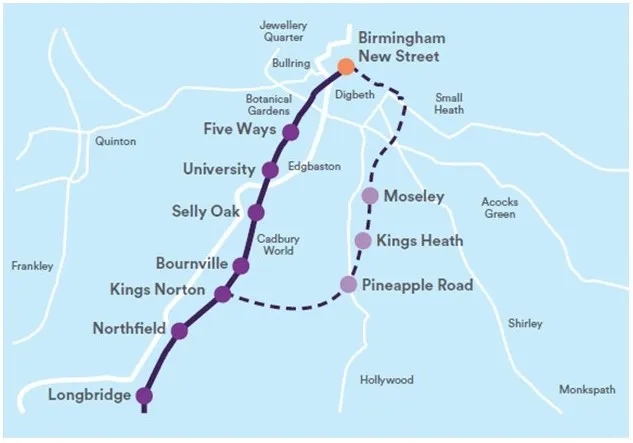
Each station will have two platforms for six-carriage trains, bike parking, ticket machines, information screens and lifts.
There will also be pick up and drop off zones at Moseley Village and Pineapple Road stations.
This also means that the stations will gain services for the first time since World War II.
The services will call at each of the stations every 30 minutes, with destinations including Birmingham New Street and Kings Norton.
It is estimated that the reopened stations will cut journey times to Birmingham New Street by between nine and 31 minutes.
As for the two stations between Wolverhampton and Walsall – Darlaston and Willenhall – there will be train services for the first time since 1965 when the stations were both closed.
To begin with, there will be two services an hour between Wolverhampton and Birmingham.
A direct service to Walsall town centre, known as the ‘leather capital of the world’ due to its leatherworking history, is also being discussed with the Department for Transport and Walsall Council.
In total, the two stations have cost £85million to reopen.
Walsall Council hopes that the stations will better connect local residents to the wider region, as well as create more opportunities for people to travel, whether that be for holidays or for work.
Richard Parker, Mayor of the West Midlands, said: “For some communities, this is the first time in more than 80 years they’ve had their own train service.
“That changes everyday life. Getting to work, college or seeing family becomes simpler and quicker.
“It also means more people coming into town centres. More footfall for shops and cafés. More confidence for local businesses to invest and grow.
“This is what delivery looks like – backing places that have waited far too long for decent connections.”
Chef Zachary Pollack is ringing in the New Year right with a variety of dinner options at his new Santa Monica spot, Cosetta. Choose from three seatings, including an early, all-ages a la carte option; a low-key, four-course menu from 6 to 7:30 p.m. for $75; and a five-course Capodanno feast with Champagne and caviar from 8-11 p.m. for $120 per person. On New Year’s Day, the restaurant will transform into “Aloha, Cosetta,” an all-day Hawaiian BBQ celebration from 12 to 7 p.m., featuring dishes such as coconut shrimp, risotto Spam musubi, macadamia-chile pork ribs and tiki-style cocktails. With three price tiers, the top CHIEFTAIN tickets ($100) include tomahawk steaks, lobsters and a 24-ounce mai tai in a keepsake mug. Book New Year’s Eve on the website, and New Year’s Day via Resy.
Under the glow of fluorescent lights at Seafood City market in North Hills, packages of pre-made adobo, salted shrimp fry and and dried anchovies glisten in meat coolers.
A DJ, dressed in a traditional barong, blasts a dance remix of Whitney Houston’s “I Wanna Dance with Somebody” as a crowd gathers to take a shot of fish sauce together.
“That was disgusting!” a man shouts into the mic, flashing a grimacing expression.
At Seafood City, DJs 1OAK, left, EVER ED-E and AYMO spin in barongs, the Philippines’ national formal shirt.
The smells of lechon and lumpia float through the air. Smiling children munch on halo-halo (a Philippine dessert made with ube ice cream, leche flan and shaved ice). Flags of the Philippines wave in the air as a man in UCLA Health scrubs hops into the center of an energetic dance circle. Employees shoot store coupons out of a money gun and toss bags of Leslie’s Clover Chips into the crowd. Fathers hold their children on their shoulders as a group of college students perform a Tinikling routine, a traditional Philippine dance in which performers step and hop over and between bamboo poles.
“This is so Filipino,” a woman says, in awe of the scene.
Sabria Joaquin, 26, of Los Angeles, left, and Kayla Covington, 19, of Rancho Cucamonga hit the dance floor at “Late Night Madness” in North Hills.
“I came here for groceries,” explains an elderly man, adding that he decided to stay for the party.
Seafood City, the largest Philippine grocery store chain in North America, typically closes at 9 p.m. But on certain Friday and Saturday nights, its produce or seafood aisle turns into a lively dance floor for “Late Night Madness.” On social media, where the gathering has exploded, it looks like a multigenerational nightclub that could use dimmer lighting. But for attendees who frequent the store, it’s more than that. It’s a space for them to celebrate their Filipino heritage through food, music and dance in a familiar setting.
“This is something that you would never expect to happen — it’s a grocery store,” says Renson Blanco, one of five DJs spinning that night. He grew up going to the store with his family. “My mom would [put] us all in the minivan and come here, and she’d let us run free,” he adds. “It’s comfortable here. It’s safe here.”
1
2
3
1.Rhianne Alimboyoguen, 23, of Los Angeles follows an employee through the produce section.2.Allison Dove, 29, left, and Andrea Edoria, 33, both of Pasadena, enjoy Philippine street food. 3.Katie Nacino, 20, left, Daniel Adrayan, 21, and Sean Espiritu, 21, of the Filipino American Student Assn. at Cal State Northridge, practice tinikling, a traditional Philippine folk dance, in an aisle.
The first Seafood City location opened in 1989 in National City, a suburb of San Diego, which has a nearly 20% Asian population including a rich Filipino community. For its founders, the Go family, the mission was simple: to provide a market where Filipinos and people within the diaspora could comfortably speak their native language and buy familiar products. It’s since become a community anchor. Of the nearly 40 locations in Northern America, at least half of them are based in California, which has the highest population of Asian Americans in the United States.
Share via
The first “Late Night Madness” event happened in September in Daly City, Seafood City’s newest location. The company wanted to launch a street food program at the store’s food hall in a fun and creative way.
The DJ played a selection of hip-hop, pop, soul and classic Pinoy records like VST & Company’s “Awitin Mo, Isasayaw Ko.” Hundreds of people showed up, and videos of people of all ages turning up in the popular supermarket spread like wildfire. So the company decided to continue hosting the event in October during Filipino American History Month and for the rest of the year. It’s since expanded to more locations around the country and in L.A., including Eagle Rock.
By 10 p.m. at the Seafood City in North Hills, at least 500 people are dancing in the produce section, next to rows of saba bananas, fresh taro leaves and bok choy. The lively crowd forms dance circles throughout the night, taking turns jumping in the center to show off their moves to songs like Earth, Wind & Fire’s “Let’s Groove,” “Nokia” by Drake and Justin Bieber’s “I Just Need Somebody to Love.” At one point, TikToker and artist Adamn Killa hops on the mic and says “If you a Filipino baddie, this is for you,” before doing his viral dance.
Among the Philippine street food offerings were pandesal sliders, lumpia-style nachos, lobster balls and various skewers.
(Christina House/Los Angeles Times)
(Christina House/Los Angeles Times)
(Christina House/Los Angeles Times)
A group of employees dance behind the counter as they serve hungry patrons who fill their trays with various Filipino street food including pandesal sliders (soft Philippine bread filled with adobo, lechon or longganisa) and Lumpia Overload (think nachos, but a bed of lumpia instead of tortilla chips), lobster balls and barbecue chicken skewers. (No alcohol is served.) Meanwhile, a few lone shoppers sprinkle into the store to get their weekly groceries as music blasts through the speakers.
First-generation Filipino American Andrea Edoria of Pasadena says “Late Night Madness” reminded her of the family parties she attended as a child in L.A. and in Manila, where her parents are from.
“Growing up as a child of immigrants, I was kind of self conscious about displaying too much of my culture,” she says between bites of spiral fried potato. She went to the Eagle Rock event with her mother last month as well. “So it kind of fed my inner child to see so many people celebrating this shared culture and experience that we each grew up [with].”
A multi-generational crowd is drawn to the dance floor. At center is Jade Cavan, 44, of Chatsworth.
Members of the Filipino American Student Assn. at Cal State Northridge perform a tinikling performance.
She adds, “I think it’s so important especially now at a time where our country is so divisive and culture is kind of being weaponized, I think it’s a beautiful reminder that we can come together and find something that unites us.”
About 10 minutes before midnight, the grocery store is still bustling with activity. A dance battle breaks out and people begin hyping up the young women. The DJ transitions into slower tracks like Beyoncé’s “Love on Top” and Mariah Carey’s “All I Want for Christmas is You.” The remaining folks sing along loudly as they walk toward the exit, smiles imprinted on their faces. Staff rush to clean up, then huddle together for group photos to memorialize the evening.
After the final song is played, employees rush to clean up the supermarket.
Patrick Bernardo, 34, of Van Nuys looks at the counter, where a man had been chopping lechon, before stepping outside.
“There’s barely anything left on that pig,” he says, pointing to it as proof that the night was a success.
The line at Holbox during the midweek lunch hour has become a cultural sensation, a queue of locals and visitors trailing past the automatic doors and around the parking lot like devotees angling for the latest iPhone series or limited-release sneakers. Believe the lauds, including ours when we named Holbox as The Times’ 2023 Restaurant of the Year. Gilberto Cetina’s command of mariscos is unmatched in Southern California – his ceviches, aguachiles and tostadas revolutionary in their freshness and jigsaw-intricate flavors. The smoked kanpachi taco alone — clinched with queso Chihuahua and finished with salsa cruda, avocado and drizzles of peanut salsa macha — is one of the most sophisticated things to eat in Los Angeles.
Holbox could be considered for the top ranking on its own strength. But in a year when disasters tore at our city, honoring the power of community feels more urgent than ever. Cetina’s seafood counter doesn’t thrive in a vacuum. Holbox resides inside the Mercado La Paloma in South L.A. The mercado is the economic-development arm of the Esperanza Community Housing Corp., a nonprofit organization founded in 1989 that counts affordable housing and equitable healthcare among its core missions. When the mercado was in the incubation stage, Esperanza’s executive director Nancy Ibrahim interviewed would-be restaurateurs about their challenges and hopes in starting a business. Among the candidates was Cetina’s father, Gilberto Sr., who proposed a stall serving his family’s regionally specific dishes from the Yucatán. Their venture, Chichén Itzá, was among the eight startups when the mercado opened in a former garment factory nearly 25 years ago, in February 2001.
Step into the 35,000-square-foot market today, and the smell of corn warms the senses. Fátima Juárez chose masa as her medium when she began working with Cetina at Holbox in 2017. Komal, the venue she opened last year with her husband, Conrado Rivera, is the only molino in L.A. grinding and nixtamalizing heirloom corn varieties daily. Among her deceptively spare menu of mostly quesadillas and tacos, start with the extraordinary quesadilla de flor de calabaza, a creased blue corn tortilla, bound by melted quesillo, arrayed with squash blossoms radiating like sunbeams.
Wander farther, past the communal sea of tiled tables between Holbox and Komal, to find jewels that first-timers or even regular visitors might overlook.
Taqueria Vista Hermosa, run by Raul Morales and his family, is the other remaining original tenant. Order an al pastor taco, or Morales’ specialty of Michoacan-style fish empapelado smothered in vegetables and wrapped in banana leaf. The lush, orange-scented cochinita pibil is the obvious choice next door at still-flourishing Chichén Itzá, but don’t overlook crackling kibi and the brunchy huevos motuleños over ham and black bean puree. The weekends-only tacos de barbacoa de chivo are our favorites at the stand called Oaxacalifornia, though we swing through any time for the piloncillo-sweetened café de olla and a scoop of smoked milk ice cream from its sibling juice and snack bar in the market’s center. Looking for the comfort of noodles? Try the pad see ew at Thai Corner Food Express in the far back.
The everyday and the exquisite; the fast and the formal (just try to score a reservation for Holbox’s twice-a-week tasting menu); a food hall and sanctuary for us all. Mercado La Paloma embodies the Los Angeles we love.
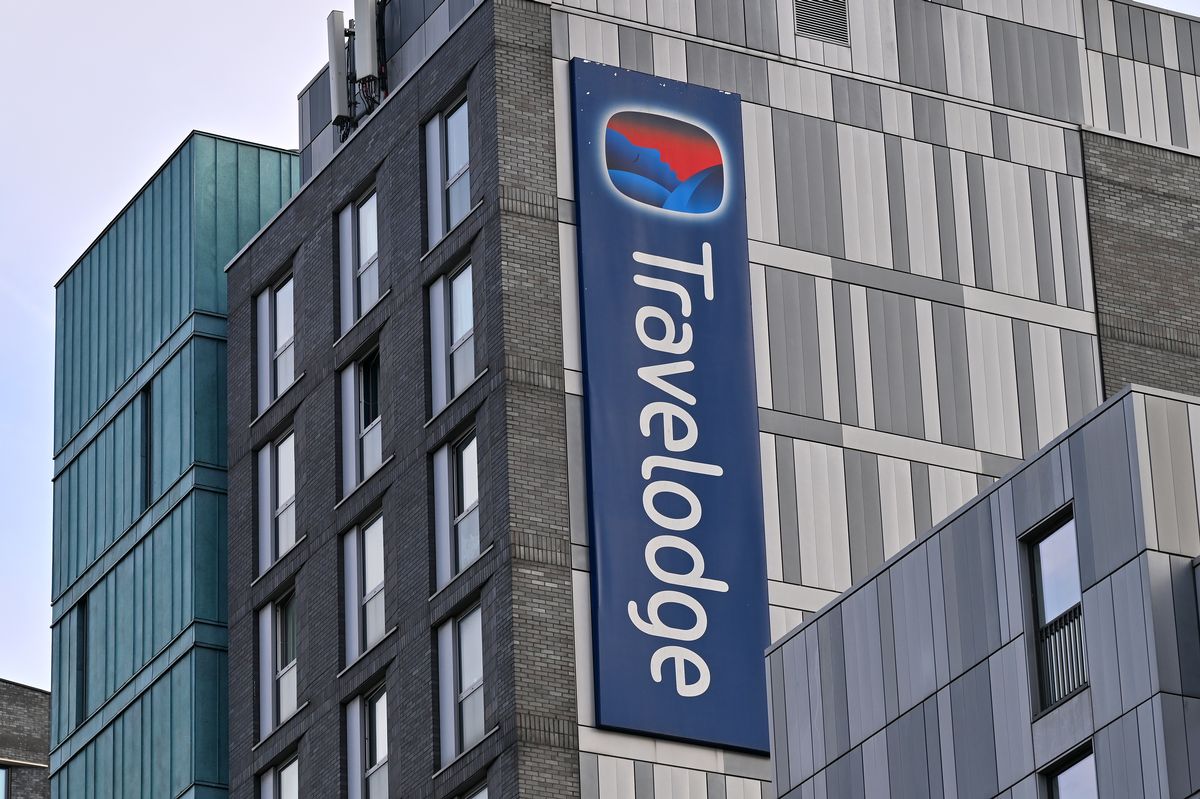
A traveller discovered that paying a small fee to choose your specific room at Travelodge can get you a noticeably larger space in the same category – without upgrading
You can get a bigger hotel room at Travelodge for an extra £3.50(Image: Getty Images)
When booking a hotel, aside from selecting your room category, you’re often left in the dark about what room you’ll end up with. But I’ve stumbled upon a nifty trick that could land you a larger hotel room for just £3.50.
Securing a hotel for any occasion, be it a city break with mates or a romantic weekend getaway, can be a bit of a headache, given the vast array of options available. And even after you’ve picked your preferred hotel, you then have to decide on your room category, which is usually dictated by price (let’s face it, we’d all opt for the premium suites if our wallets allowed).
But what if I told you there’s a way to bag a bigger room when booking through Travelodge, without having to rely on the whims of the booking system? This little gem came to light during a trip to London with my pals earlier this year.
We were staying overnight after catching an evening show, so I booked us into a Travelodge on Central City Road in London. As there were three of us, I opted for a triple family room – the most budget-friendly choice for a Saturday night in the capital.
A few days prior to our stay, I noticed an option in my booking that let me ‘choose my room’ before checking in. Initially, I was a tad sceptical, but I’m chuffed I decided to delve a bit deeper.
For a mere additional £3.50, I discovered that I could handpick the exact room my mates and I would bunk in during our getaway. In the spirit of investigation and intrigue, I coughed up the trifling £3.50 and was directed to a site map showcasing all the available rooms within my category, enabling me to select our quarters.
What took me aback was that, despite all the rooms displayed falling within the specific category I’d booked, a handful were markedly larger as per the floor plan. So naturally, I opted for the most spacious room on offer.
Even at this juncture, I was sceptical about whether we’d actually be allocated this room upon check-in, given that I’d shelled out less than a fiver and it was significantly roomier than the rest. So you can imagine my delight when I checked in on Saturday afternoon and they handed over the keys to the exact room I’d chosen – it was absolutely worth the extra £3.50.
We found ourselves in a sprawling room equipped with a double bed and two single beds, despite never altering the room category. Plus, it afforded us crucial additional space for prepping for a night on the town without having to splurge on an expensive upgrade.
This nifty trick can be employed at over 575 Travelodge hotels, and it’s not just for securing extra room. You can opt to ‘choose your room’ to ensure you’re lodged near family or friends, secure a particular view, guarantee a top or ground floor room, or ensure you’re close to a lift.
Not only does this trick potentially offer the bonus of a larger room, as I discovered, but it also eliminates any check-in uncertainty. However, it’s crucial to bear in mind that this hack depends on the hotel’s availability and layout.
Some Travelodge hotels may not have a bigger room available in the category you’ve booked, but it’s definitely worth enquiring. Furthermore, the cost can fluctuate depending on the hotel, room type and duration of stay, but it’s applicable for a range of Travelodge room categories.
Got a travel story you want to share with us? Email us at webtravel@reachplc.com
With two glorious beach-fringed coasts, a pair of national parks, plus quaint villages and vibrant cities, Devon is the ultimate staycation destination.
This picturesque county – sandwiched between Cornwall to the west and Somerset and Dorset to the east – has everything you need for a fantastic holiday.
Devon is the ultimate staycation destination, sandwiched between two coasts at the top and bottom of the countyCredit: Getty
Fill your days by building sandcastles, walking the coastal path, trying various watersports, diving into fascinating history or simply embracing nature.
So the hardest question on your upcoming £9.50 Holiday will be: where to visit first?
If there are keen surfers in your group, you’re in the right place.
North Devon boasts some of the country’s best surf spots, such as Croyde, Woolacombe and Saunton Sands, with companies like Surfing Croyde Bay and Woolacombe Surf Centre offering lessons and equipment hire.
The more sheltered south coast also has a handful of spots to ride perfect waves, including Bantham, Bigbury-on-Sea and Challaborough Bay, and you can book classes with a provider such as Bantham Surfing Academy.
If you still want in-water action but prefer something gentler, both North and South Devon are ideal for other water sports, such as bodyboarding, kayaking and canoeing.
You can even add a splash of history, by hiring a paddleboard with an operator like Discovery Surf and then paddleboarding amidst the shipwrecks of Hope Cove in the south.
Or maybe you’re up for leaping into swirling seas near Baggy Point, a significant World War II site in Croyde, with a coasteering session from the likes of Coastline Sports.
With over 500 miles of jaw-dropping coastline, you’re sure to find a sandy bay, hidden cove or private pebbly beach during your visit.
Those looking to escape the crowds could head to Barricane Beach, which is more hidden than its more famous neighbour, Woolacombe.
In South Devon, you’ll get Ayrmer Cove and Wyscombe Beach almost to yourself, so long as you’re prepared to walk to get there.
Families with prams, and wheelchair users, are able to roll straight onto Challaborough Beach, Bigbury-on-Sea and Saunton Sands – where bucket-and-spade perfection awaits.
Meanwhile, dog walkers will never have to tread the same path twice, with miles of dog-friendly beaches, coastal paths and country trails to explore.
The Tarka Trail, a 180-mile traffic-free loop in North Devon, is a good place to start – and also works well for a family-friendly cycle ride with staggering sea views.
North Devon boasts some of the country’s best surf spots, such as Croyde (pictured)Credit: GettyThe top-rated Donkey Sanctuary in Sidmouth, where entry and parking are both freeCredit: Donkey Sanctuary
When it’s time to refuel, Devon’s mainly rural cuisine will satisfy your taste buds.
Think hot pasties, fresh fish and cheeses like Curworthy, Sharpham and Vulscombe – yum!
No Devon holiday experience would be complete without a traditional cream tea.
Unlike in neighbouring Cornwall, here locals spread cream before jam on their scones, which are known as “Devonshire Splits” – with Someday Something in Sidmouth, Chandlers Cafe in Paignton and Ullacombe Farm in Newton Abbot all rated highly for theirs.
When it comes to natural and historic attractions, Devon is bursting to the seams.
You could begin a deep dive into history at the 600-year-old Dartmouth Castle, or by meandering through the grounds of Saltram, a Georgian house and gardens in Plympton.
There are also museums and galleries located near Devon’s holiday parks.
Family-friendly options in Plymouth include the top-rated National Marine Aquarium and The Box, an engaging art gallery that is free to enter.
And you’ll never be too far from a natural attraction in Devon, with five Areas of Outstanding Natural Beauty (AONB) and two national parks (Dartmoor and Exmoor) to explore.
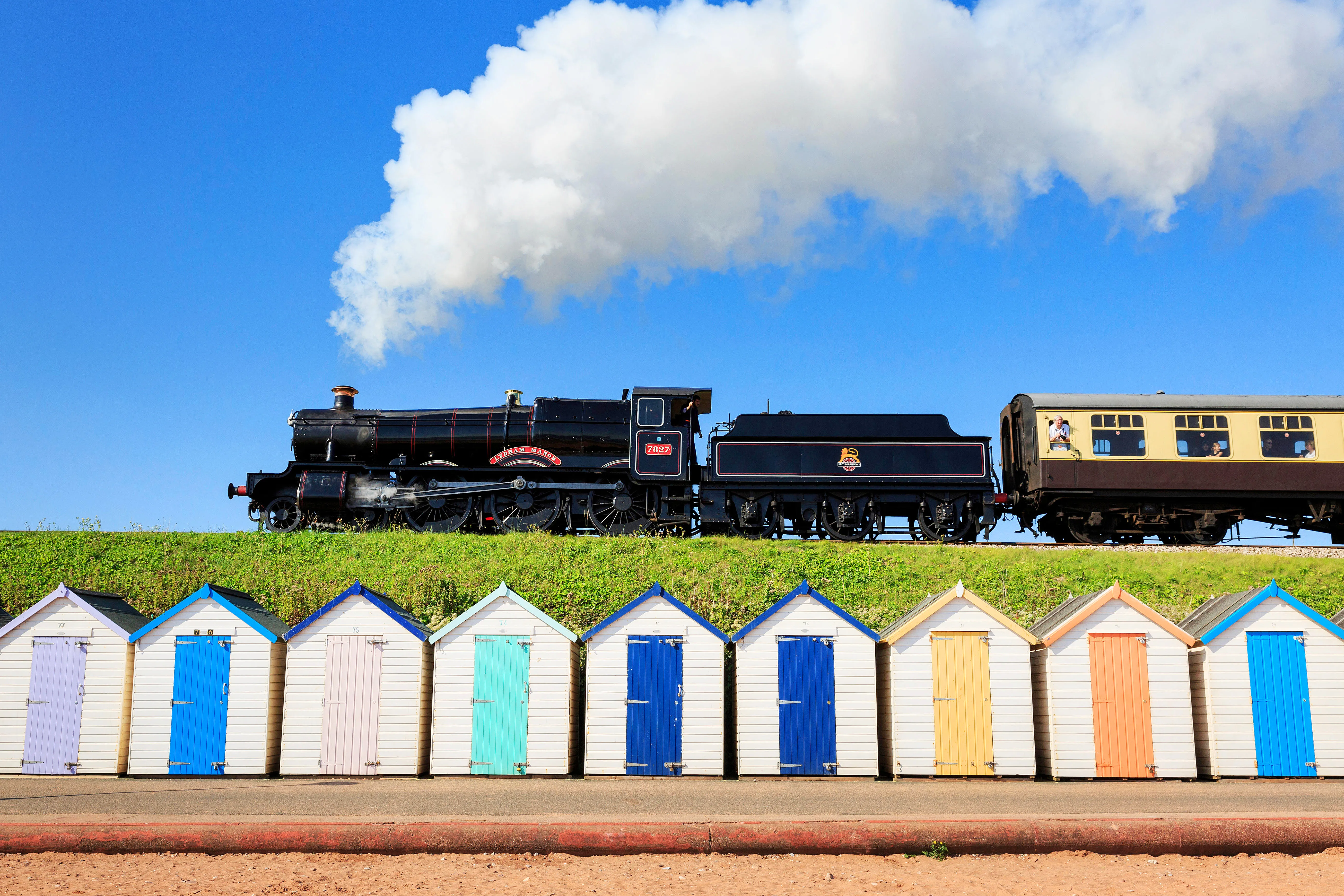
The Dartmouth Steam Railway runs past the beach huts of Goodrington Sands in PaigntonCredit: Alamy
Families may prefer to swap hiking for a relaxed steam train ride, with the Dartmouth Steam Railway a sure bet to keep kids happy while adults take in sweeping views of the South Devon coastline.
To keep costs down, dads can head to free toddler play sessions, or you can simply build sandcastles on the beach.
Another wallet-friendly day out for families is the top-rated Donkey Sanctuary in Sidmouth, where entry and parking are both free.
IF you have a thirst for history and nature, Sussex is the place for you.
This county, which boasts around 140 miles of coastline, has sunny seaside resorts, the rolling chalk hills of the South Downs, country parks and wildlife-packed nature reserves.
East Sussex is home to Hastings Castle (Britain’s first Norman castle, built by William the Conqueror in 1067)Credit: WikipediaDaniel Start, author of Wild Guide London and South England, recommends visiting Kingley Vale, just north of Chichester in West SussexCredit: daniel@danielstart.com
It’s also loaded with history. The name Sussex is from the Saxon period, but its history goes back even further – just take a look at the Iron Age hillfort at Cissbury Ring or Boxgrove where the oldest human remains in Britain were discovered.
To find out which natural and historic attractions are worth visiting on your upcoming £9.50 Holiday, we spoke to Sun readers and local experts, and have suggested some of our own.
Here’s our pick of the best…
Explore ancient forests
Daniel Start, author of Wild Guide London and South England, recommends Kingley Vale, just north of Chichester in West Sussex.
It’s a nature reserve that’s home to one of Europe’s most ancient yew forests, with twisted trunks that have stood here for more than 500 years.
Daniel says: “These majestic, gnarled trees create an almost mythical atmosphere, their branches twisting skyward like ancient sentinels.
“Strolling through the groves is a journey through history, with some yews as old as the Norman conquest, sheltering a wealth of wildlife beneath their shade.”
As you explore, look out for various types of orchids on the ground and red kites and buzzards overhead.
Pedal to Rye Harbour Nature Reserve
Home to more than 4,355 species of plants and animals, Rye Harbour Nature Reserve is one of the country’s most important wildlife sites.
Spend the day watching them from one of five bird hides, before learning more in the Discovery Centre (or sipping a cuppa at the Lime Kiln Cafe).
You can reach it by public transport or car, but Georgie Radford-Brown, Assistant Guest Experience Manager at Camber Sands Holiday Park, reckons the best way to get there is by electric bike.
She said: “It’s a more unusual way to get there. There’s e-bike hire at Rye Harbour and you can cycle all the way through the nature reserve to the beach. It’s a beautiful ride.”
You can spot some seals by boatCredit: Chichester Harbour Conservatory
Seal spotting
Wildlife lovers can jump in a boat for a seal-watching adventure. Harbour seals are commonly spotted along the East Sussex coastline, while some large colonies of grey seals live off the West Sussex coast.
Chichester Harbour has a colony of more than 40 mixed seals, and you can cruise around the harbour in search of them on an organised trip with Chichester Harbour Water Tours (90 minutes from £25 per adult, £20 per child).
Meanwhile, in East Sussex, a one-hour seal safari boat trip from Rye Harbour costs £37pp.
Castles and cathedrals
History lovers can get their fill on a whole host of historic attractions within easy reach of coastal holiday parks, including a number of famous castles.
East Sussex is home to Hastings Castle (Britain’s first Norman castle, built by William the Conqueror in 1067) and Camber Castle, a coastal fort built by Henry VIII (tip: it’s only accessible via a one-mile walk from Rye).
In West Sussex, you have Arundel Castle with its Norman Keep, medieval gatehouse and award-winning grounds that have plenty of space for kids to run off steam.
Sun reader Clare Johnson, 52, from Brighton, recommends Chichester for “a mooch about”.
She said: “It’s got good shops, a theatre and an incredible cathedral.”
The 900-year-old Cathedral is free to enter (although donations are welcome) and should also be top of your list.
Admire its stunning stained glass windows and look out for the Roman mosaic floor, uncovered during renovations 50 years ago.
Tip: to discover more, book a guided tour (£6pp, free for under-12s) – they run at 11.30am and 2.30pm Monday to Saturday and take around 45 minutes.
Step inside Anne of Cleves’ house
Get a glimpse of Tudor and Elizabethan life by stepping inside the Anne of Cleves House in Lewes, not far from the coast in East Sussex.
The 15th-century timber-framed pad was given to Anne of Cleves at the end of her short marriage to Henry VIII – but she never lived there.
Still, there’s plenty to explore here from its Tudor kitchen to the garden with herbs and fruit trees that would have been grown at the time.
Kids will love rifling through the dressing-up box that will bring their surroundings to life.
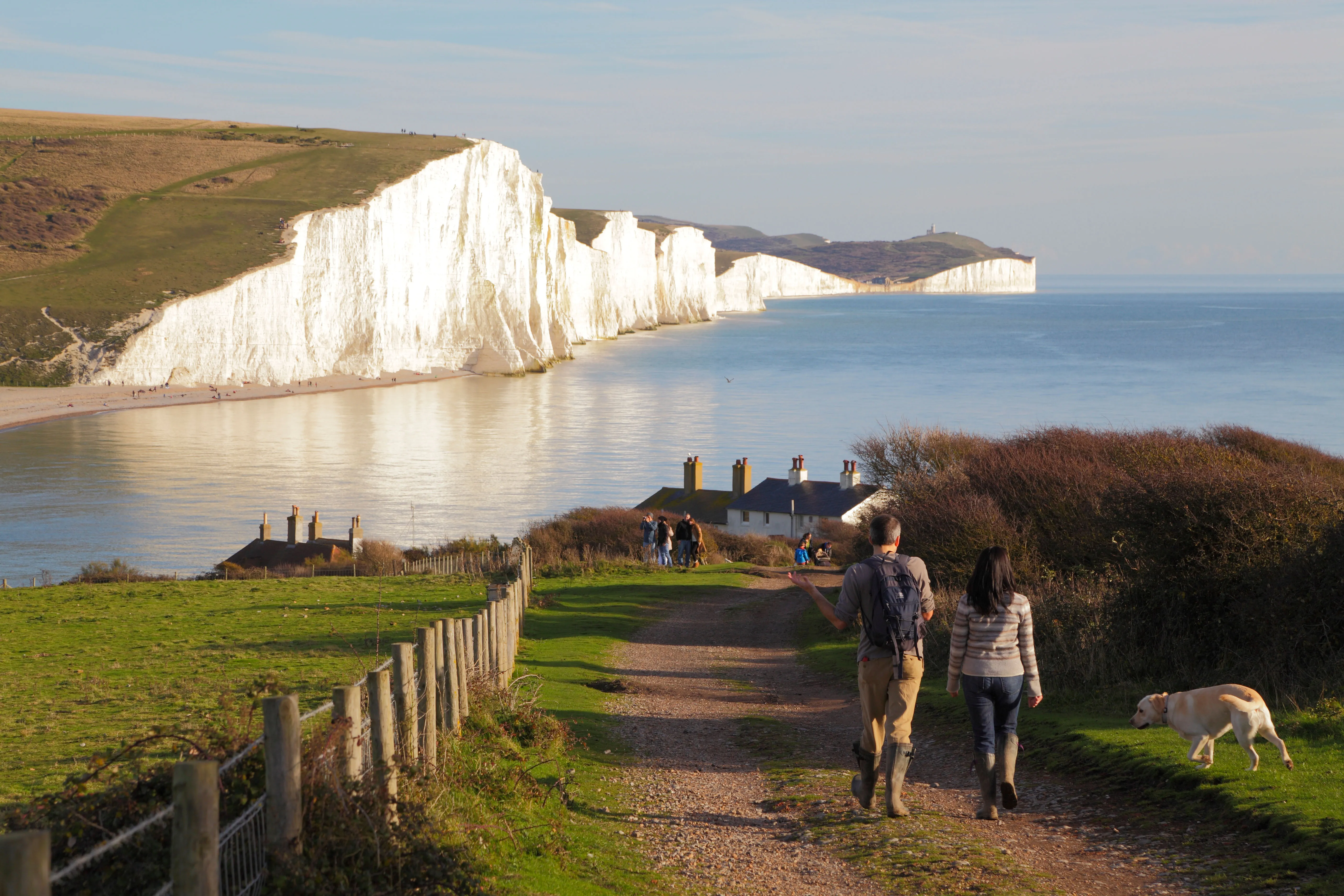
The white cliffs of the Seven Sisters and Beachy Head can be explored by foot on the South Downs WayCredit: Alamy
Hike along the white cliffs
You can’t miss the South Downs National Park when you’re visiting Sussex – it spans 86 miles through Hampshire and Sussex (both West Sussex and East Sussex).
The park’s crowning glory is arguably the coastal section, particularly the white cliffs of the Seven Sisters and Beachy Head.
You could explore it on foot by picking up the South Downs Way National Trail, taking in epic views of Cuckmere Haven, Belle Tout and Beachy Head lighthouses.
Tip: the views are better if you start the walk from Seaford Esplanade, potentially finishing with a pint at the Tiger Inn at East Dean.
The pub is a short walk away from a bus stop (with routes to Eastbourne, Brighton or back to Seaford).
WITH its staggeringly beautiful beaches, scenic woodlands and hidden waterfalls, Cornwall has natural attractions galore.
There’s also fascinating history to discover, from legendary King Arthur’s roots, the tin mining heyday and the infamous pirates that terrorised the coastline for hundreds of years.
The beautiful St Nectan’s Glen, on Cornwall’s north coastCredit: Getty
We’ve spoken to Sun readers who have visited Cornwall on £9.50 Holidays to get their recommendations of the best local natural and historic attractions to visit.
We’ve also asked local experts and holiday park staff for their top tips, with options that are all within easy reach of your £9.50 Holiday. Here’s what they said…
A scenic woodland walk leads you to a spectacular 60ft waterfall with a cafe at the top (tip: wear decent footwear as it can be wet and uneven underfoot).
Kids will be amazed by the sight and sound of the waterfall.
Admission costs £9 per adult and £5 per child (free for under fives), but you can see some of the smaller rapids for free, which are also lovely. Don’t forget to take £3 cash for the car park.
Castle legends
You could pair St Nectan’s Glen with a trip to Tintagel Castle, just a couple of miles away.
Said to be the birthplace of King Arthur, it has medieval ruins to explore, accessed by a jaw-dropping footbridge.
At low tide, don’t miss Merlin’s Cave – located below the castle, which is believed to be where Merlin lived.
If you’re staying further south, Pendennis Castle offers a glimpse into Tudor Cornwall.
One of Henry VIII’s finest seaside fortresses, it’s ideal for a family day out, with kid-friendly tours, an events programme and even a soft play for little ones.
Said to be the birthplace of King Arthur, Tintagel Castle has medieval ruins to explore, accessed by a jaw-dropping footbridge.Credit: Getty
Tin mining legacy
For Sun reader Anne Walton, 71, from Newport in Wales, there are lots of historic attractions in Cornwall worth visiting.
She said: “You’ve got the Poldark area and Jamaica Inn, which they filmed near Holywell Bay. We’ve been down on the beach when they’ve been filming it.”
Another highlight that Anne recommends, and which features in Poldark, are the tin mines.
You can walk right next to well-preserved engine houses on the coastal path near St Agnes Head, one of the filming locations for the BBC drama.
Or, delve deeper into the history of Cornish mining and more at the Royal Cornwall Museum in Truro, which is a wallet-friendly option for families (free for under-18s, £7.50 for adults).
It houses over 300,000 artefacts, with hands-on exhibits to capture kids’ imaginations.
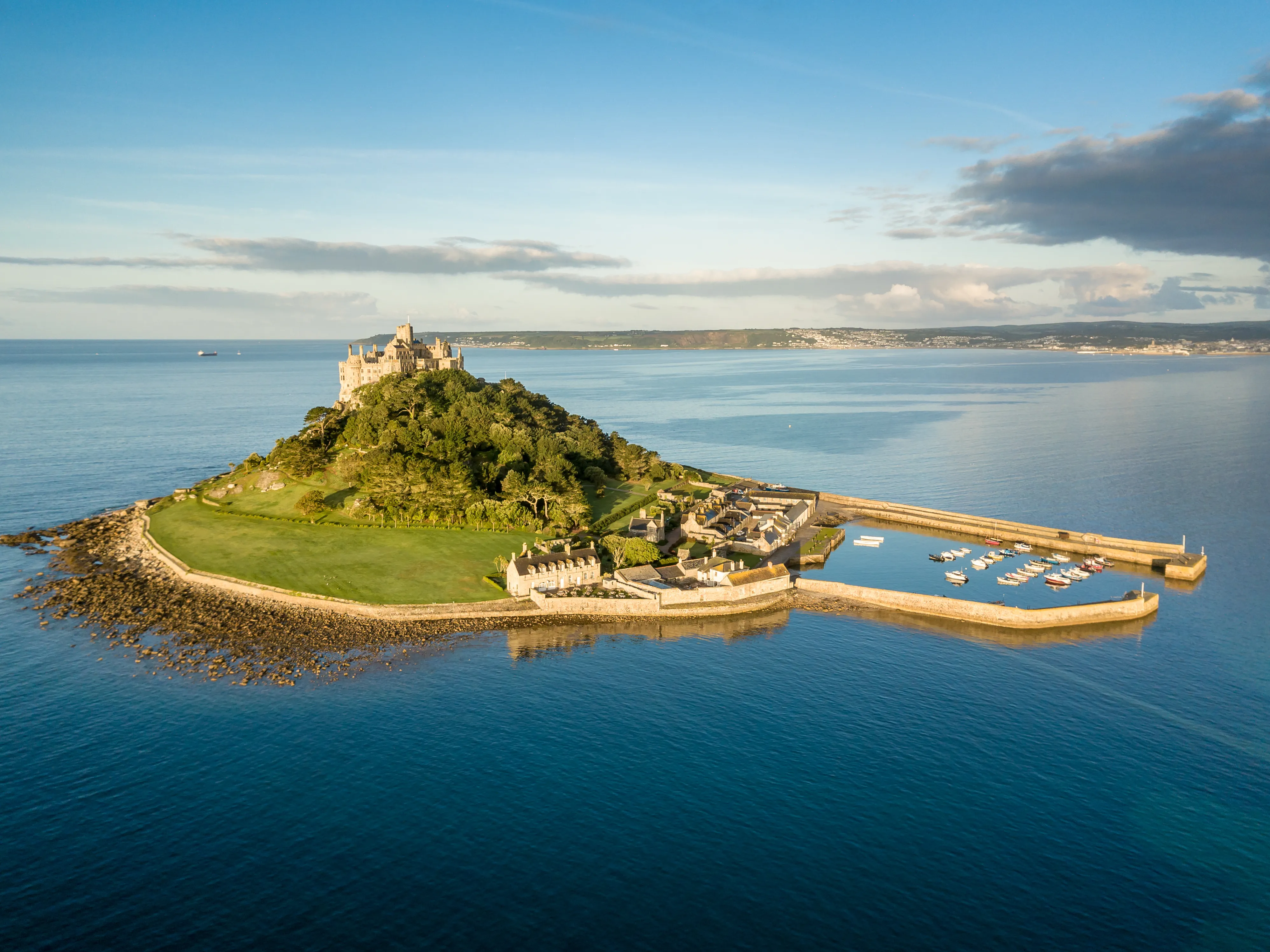
St Michael’s Mount in Marazion has a French counterpart across the Channel, in NormandyCredit: Getty
She recommends taking the hop on, hop off bus from outside the holiday park to Marazion, to visit St Michael’s Mount, an island fortress that she says is “beautiful”.
And it might look a tad familiar – it has a French counterpart across the Channel, in Normandy.
Located on a tidal island, you need to take a boat to reach the castle and its subtropical gardens at high tide (£2.80 one way for adults, £1.50 for children).
But at low tide, you can get there for free by walking across the granite causeway (it’s open for about four hours each day).
Tip: there is a great cafe on the island, but you can keep costs down by packing a picnic and finding a grassy spot.
Pendennis Castle offers a glimpse into Tudor CornwallCredit: Getty
Swim in a natural sea pool
Cornwall is blessed with more than 400 beaches – so you’re never short of sea swimming locations.
But for something more sheltered and a little more unique, head to a natural sea pool.
Cornwall expert and Sun travel writer Ellie Ross recommends Trevone Natural Sea Pool, which you can walk to from Trevone Bay car park in under ten minutes.
She says: “You have to time it for low tide, and clamber across some rocks, but it’s well worth it for the experience of swimming in a sea pool – which is completely free.
“There is also a shallow end nearest the path so supervised children can play here, too.”
Other tidal pools include a man-made rock pool, which is relatively unknown, hidden out of sight at Porthtowan Beach.
Anyone travelling to these destinations could invalidate their holiday insurance
Passengers travelling overseas have been given a list of 55 countries they should not travel to (Image: PA)
There are certain spots around the globe that are considered quite risky, and travellers heading there receive guidance on safety precautions they should adopt to avoid mishaps.
However, only 55 locations feature on the ‘do not travel’ list, which has been flagged with a warning by the Foreign Office.
Anyone journeying to these places will be voiding their holiday insurance, meaning if things go pear-shaped, they’ll be left without support. Officials also caution that they could be jeopardising their safety. If you require consular assistance locally, it will likely be difficult to obtain.
For specific countries, the Foreign Office also advises against all but essential travel, implying you should reconsider any holiday plans The Foreign Office cautions: “Get advice and warnings about travel abroad, including entry requirements, safety and security, health risks and legal differences.”
It explained: “No foreign travel can be guaranteed safe. FCDO publishes travel advice to help you decide if it’s safe enough for you to travel to a particular destination. In some instances we also give information about how to reduce the risks you may face there. All environments contain some level of risk and you should consider what precautions you should take.
“You must take personal responsibility for your own travel. Only you can decide whether you should travel to a country or stay there, and what activities to take part in.”
The FCDO sometimes formally advises British people against ‘all but essential travel’ or ‘all travel’ to a particular country. It said:
“Your travel insurance could be invalidated if you travel against advice from FCDO. We only advise against travel if we think the risk to British nationals is unacceptably high. For example, this could be due to:
armed conflict
military coups
civil unrest
disease outbreaks
natural disasters
“For terrorist threats, we only advise against travel:
in situations of extreme and imminent danger
where the threat is sufficiently specific, large-scale or widespread to affect British nationals severely
“We may advise against travel to:
a whole country
parts of a country
“The ‘Warnings and insurance’ section of each travel advice page lists all the areas where we advise against travel. If you want to know about changes to travel advice for a specific country, you can sign up to receive email alerts about updates.”
FCDO advises against all travel
Afghanistan – “The security situation is volatile”
Belarus – “You face a significant risk of arrest”
Burkina Faso – “Due to the threat of terrorist attacks and terrorist kidnap”
Haiti – “Due to the volatile security situation”
Iran – “British nationals are at significant risk of arrest”
Mali – “Due to unpredictable security conditions”
Niger – “Due to the rise of reported terrorist and criminal kidnappings”
Russia – “Due to the risks and threats from its continuing invasion of Ukraine”
South Sudan – “Due to the risk of armed violence and criminality”
Syria – “Ongoing conflict and unpredictable security conditions”
Yemen – “Unpredictable security conditions”
FCDO advises against all travel to parts
Algeria – all travel to within 30km of Algeria’s borders with Libya, Mauritania, Mali, Niger, Tunisia
Armenia – within 5km of the full eastern border between Armenia and Azerbaijan, the M16/H26 road between the towns of Ijevan and Noyemberyan
Azerbaijan – within 5km of the Azerbaijan-Armenia border
Benin – northern border regions
Burundi – Cibitoke and Bubanza provinces, former Kayanza province, former Bujumbura Rural province and the RN5 road north of Melchior Ndadaye airport
Cambodia – within 50km from the border with Thailand
Cameroon – Bakassi Peninsula, parts of the Far-North Region, North-West Region and South-West Region and within 40km of the Central African Republic, Chad and Nigeria borders
Central African Republic – against all travel except to the capital, Bangui
Chad – Borkou, Ennedi Ouest, Ennedi Est and Tibesti provinces, Kanem Province, including Nokou, Lake Chad region and within 30km of all Chad’s other borders
Congo – within 50km of the Republic of Congo-Central African Republic border in Likouala Region
Côte d’Ivoire – within 40km of borders with Burkina Faso and Mali
Democratic Republic of the Congo – within 50km of the border with the Central African Republic, the province of Kasaï Oriental, the Kwamouth territory of Mai-Ndombe Province and provinces in Eastern DRC
Djibouti – Djibouti-Eritrea border
Egypt – within 20km of the Egypt-Libya border and the North Sinai Governorate
Eritrea – within 25km of Eritrea’s land borders
Ethiopia – international border areas, parts of the Tigray region, Amhara region, Afar region, Gambela region, Oromia region, Somali region, Central, Southern, Sidama and South West regions and Benishangul-Gumuz region
Georgia – South Ossetia and Abkhazia
India – within 10km of the India-Pakistan border and Jammu and Kashmir
Indonesia – Mount Lewotobi Laki-Laki, Mount Sinabung, Mount Marapi, Mount Semeru, Mount Ruang, Mount Ibu
Iraq – advises against all travel to parts of Anbar province, Basra province, Diyala province, Kirkuk province, Ninawa province, Salah al-Din province, Sadr City and within 30km of federal Iraq’s borders with Iran, Syria, Saudi Arabia and Kuwait
Israel – against all travel to Gaza, parts of the West Bank and Northern Israel
Jordan – within 3km of the border with Syria
Kenya – Kenya-Somalia border and northern parts of the east coast
Lebanon – areas in Beirut and Mount Lebanon Governorate, the South and Nabatiyeh Governorates, the Beqaa Governorate, the Baalbek-Hermel Governorate, the Akkar Governorate, the city of Tripoli and Palestinian refugee camps
Libya – advises against all travel to Libya except for the cities of Benghazi and Misrata
Mauritania – Eastern Mauritania and within 25km of the Malian border
Moldova –Transnistria
Mozambique – Cabo Delgado Province
Myanmar (Burma) – Chin State, Kachin State, Kayah State, Kayin State, Mon State, Rakhine State, Sagaing and Magway regions, Tanintharyi Region, Shan State North, North Mandalay Region
Nigeria – Borno State, Yobe State, Adamawa State, Gombe State, Kaduna State, Katsina State, Zamfara State and the riverine areas of Delta, Bayelsa, Rivers, Akwa Ibom and Cross River states
Pakistan – within 10 miles of the border with Afghanistan, areas in Khyber Pakhtunkhwa Province and the Balochistan Province
Philippines – western and central Mindanao and the Sulu archipelago
Saudi Arabia – within 10km of the border with Yemen
Somalia – advises against all travel except the western regions Awdal, Maroodijeh and Sahil
Sudan – against all travel except to the Hala’ib Triangle and the Bir Tawil Trapezoid
Palestine – against all travel to Gaza, parts of The West Bank and Northern Israel
Thailand –parts of the south, near the Thailand-Malaysia border, the Hat Yai to Padang Besar train line and within 50km of the whole border with Cambodia
Togo – within 30km of the border with Burkina Faso
Tunisia – parts of Western Tunisia, including the Tunisia-Algeria border and Southern Tunisia, including the Tunisia-Libya border
Turkey – within 10km of the Turkey-Syria border
Ukraine – all regions of Ukraine with the exception of some western regions
Venezuela – within 80km of the Venezuela-Colombia border, within 40km of the Venezuela-Brazil border, Zulia State
Western Sahara – within 30km of ‘the Berm’ boundary line and areas south and east of the Berm boundary line
FCDO advises against all but essential travel
With regard to the definition of ‘essential travel’, the FCDO says: “Whether travel is essential or not is your own decision. You may have urgent family or business commitments which you need to attend to. Only you can make an informed decision based on your own individual circumstances and the risks.”
North Korea – “The security situation can change quickly with no advance warning”
Virgin Atlantic will start daily direct flights from London Heathrow to Seoul from 29 March, with the South Korean city named favourite destination by millennials and Gen Z for the fourth year running
10:19, 23 Dec 2025Updated 10:21, 23 Dec 2025
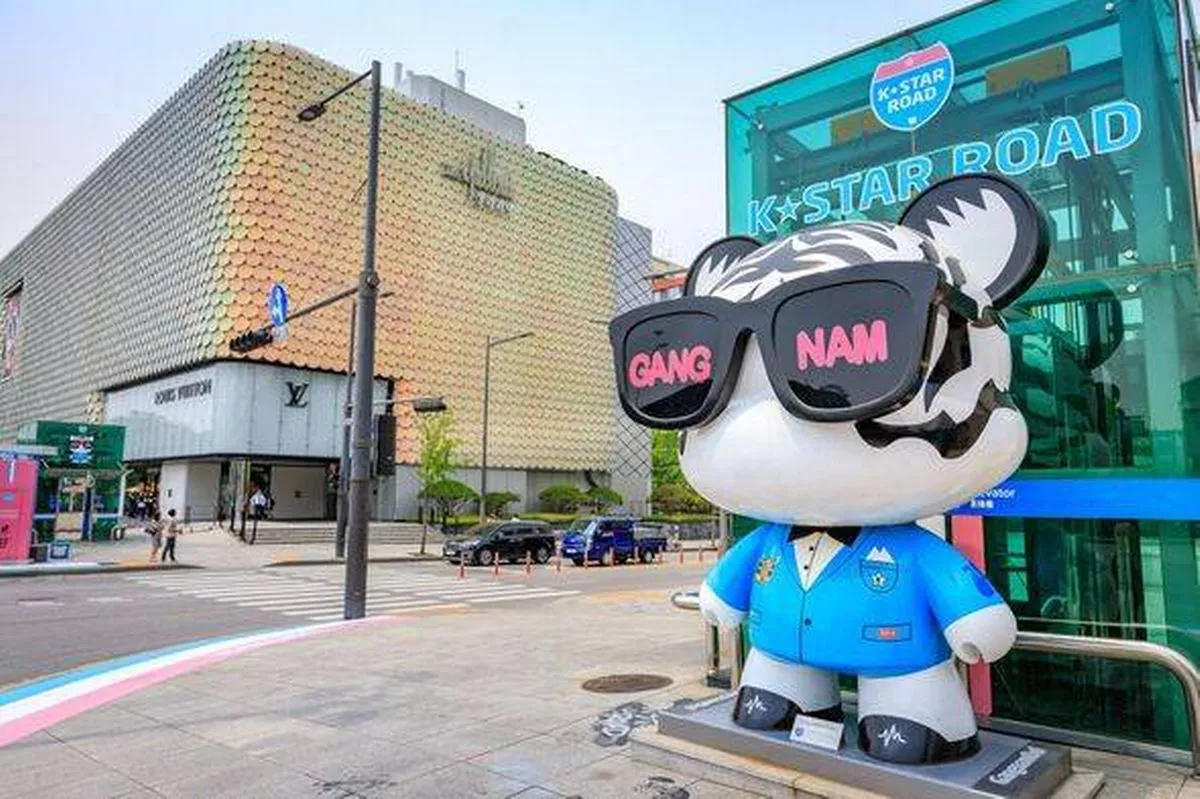
K-Star Road in Gangnam is a must-visit for K-Pop fans(Image: Getty)
Virgin Atlantic is set to launch a new direct route from London Heathrow to Seoul, a city that’s become a must-visit for many millennials. The airline has confirmed that daily flights to the South Korean capital will commence from 29 March.
This exciting news follows Seoul being crowned the Favourite Worldwide City at the 2025 Trazees Awards, an accolade it has now won four years running. The awards celebrate destinations and brands that resonate with millennials and Gen Z travellers, highlighting Seoul’s appeal to the under 40s.
A key factor in attracting younger tourists to Seoul could be the global rise of K-Pop. With Korean bands like BTS dominating music charts and K-Pop Demon Hunters becoming Netflix’s most-watched film ever, 2025 was a landmark year for the genre.
K-Pop enthusiasts visiting Seoul can explore K-Star Road in Gangnam, the district immortalised by PSY’s 2012 smash hit Gangnam Style. This vibrant shopping street features giant bear statues, each one symbolising a different K-Pop band who’ve hit the big time, reports the Express.
Another must-see is the Starfield COEX Mall, home to shops like the expansive KTown4U, brimming with K-Pop merchandise. It even boasts a massive Gangnam Style statue depicting the dance’s iconic crossed hands pose, providing the perfect backdrop for a memorable photo.
Seoul, a city of the future, is renowned for its colossal shopping centres like Times Square, home to the mammoth Shinsegae Department Store and multiple floors filled with shops, eateries, cafes, and even a hotel. Don’t forget to head to the rooftop for breathtaking views of the city.
For an unparalleled view, make your way to the Lotte World Tower. Standing at 123-storeys and 555 metres, it’s not only South Korea’s tallest building but also the sixth tallest globally.
Daredevils can visit the Seoul Sky observatory for panoramic vistas and walk on the glass floor where just a couple of panes separate you from a dizzying drop below.
Despite its futuristic reputation, Seoul also boasts numerous well-preserved historical sites. Gyeongbokgung, a former Royal palace dating back to 1395, features a vibrant interior adorned with traditional artwork.
You’ll see locals donning national costumes, and if timed right, you can witness the twice-daily changing of the guard ceremony. Gyeongbokgung also houses the National Folk Museum of Korea and the National Palace Museum of Korea, both excellent spots to delve into the country’s history and view ancient artefacts.
At Bukchon Hanok Village, you can gain insights into the lives of ordinary Koreans throughout history. Meander down winding streets lined with over 900 traditional homes, some centuries old, alongside artisan shops offering souvenirs crafted using time-honoured techniques passed down through generations.
No trip to Seoul would be complete without a visit to one of its bustling markets. The Myeongdong Night Market, open until 1am, is the perfect spot to taste local delicacies and snag vibrant keepsakes.
Be sure to try tteok-bokki, a rice cake smothered in a sweet and spicy fish sauce, Korean hot dogs encrusted with cheese and panko breadcrumbs, and flame-grilled skewered meats.
Each of Seoul’s districts boasts its own distinctive charm, making it easy to find an area that aligns with your travel preferences. Luxury seekers might gravitate towards the high-end district of Gangnam, while shopaholics will love the central location of Myeongdong, surrounded by numerous shopping centres.
Itaewon offers a lively atmosphere with an international flair, renowned for its vibrant nightlife, whereas Insa-dong provides a more traditional experience with weekend markets and street performances.
Virgin Atlantic’s new flight path to South Korea will utilise the airline’s Boeing 787-9 Dreamliner, offering economy, premium economy, and upper class seating options. This latest addition to their routes marks Virgin Atlantic’s ongoing efforts to diversify its destinations beyond its typical transatlantic flights, with new paths to Ghana and the Caribbean also recently announced.
Have a travel story you want to share with us? Drop us an email at webtravel@reachplc.com
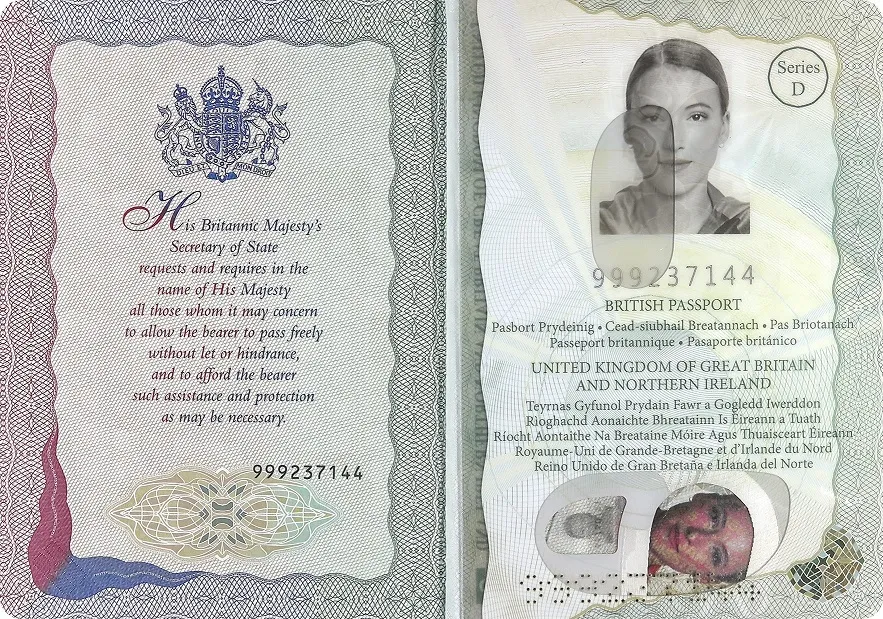
Passport rules are catching tourists out seven years after they changedCredit: Home Office
Now, passports must be only be valid for 10 years, with any months rolled over from previous passports no longer allowed.
Alongside the requirement to have between 3-6 months left on it, enforced by a number of countries, it is still causing confusion for travellers.
And elderly couple recently were banned from their cruise because of the rules.
Their son Ben explained to The Times: “Unfortunately, my mum’s passport fell foul of the ‘not issued more than ten years ago’ passport rule for entry to the EU, and so at the terminal, despite having six months’ validity left on the passport, and after a terribly stressful journey down during a storm, they weren’t allowed to board.
“Clearly they had never heard of this rule, and I freely admit, nor had I.
“Having asked many people, it isn’t well known.”
Despite the rules being seven years old, it is thought thousands are still being caught out every year.
Figures have shown up to 100,000 holidaymakers a year face being turned away at airports if their passport is more than 10 years old.
So holidaymakers should be checking their start date, not their expiry date, to see if it is valid.
For example, if a passport has an October 2015 start date but a January 2026 expiry, it has technically expired.
And always check how many months are required from countries as well – lots of places in Europe require travellers to have at least three months left on their passport.
Some places like Dubai and Thailand require at least six months left.
The last burgundy passport will expire in 2030, as blue passports were rolled out in 2020.
The cheapest destinations for package holidays in summer 2026 have been revealed, with five Spanish getaways making the list, with a seven-night stay starting from £864 per person
Five Spanish destinations were revealed as the cheapest for summer 2026(Image: Getty Images)
As we near the end of 2025, there’s no better time to think about booking your sun-soaked getaway for next year, and some popular holiday hotspots have been revealed as the cheapest.
Whether you’re dreaming of a well-deserved trip under the Mediterranean sun on a golden sand beach or time spent wandering around European streets soaking up a city’s vibrant culture, there’s a bundle of desirable holiday destinations on offer. In a bid to help you choose your next getaway, the experts at Which? have revealed the 10 cheapest destinations to book for a package holiday for the summer of 2026.
For the results, they compared the prices of 5,393 package holidays from Jet2holidays and easyJet Holidays. This was based on a seven-night stay, including flights, departing on or around August 2, with two people sharing a room with various board types.
The winner
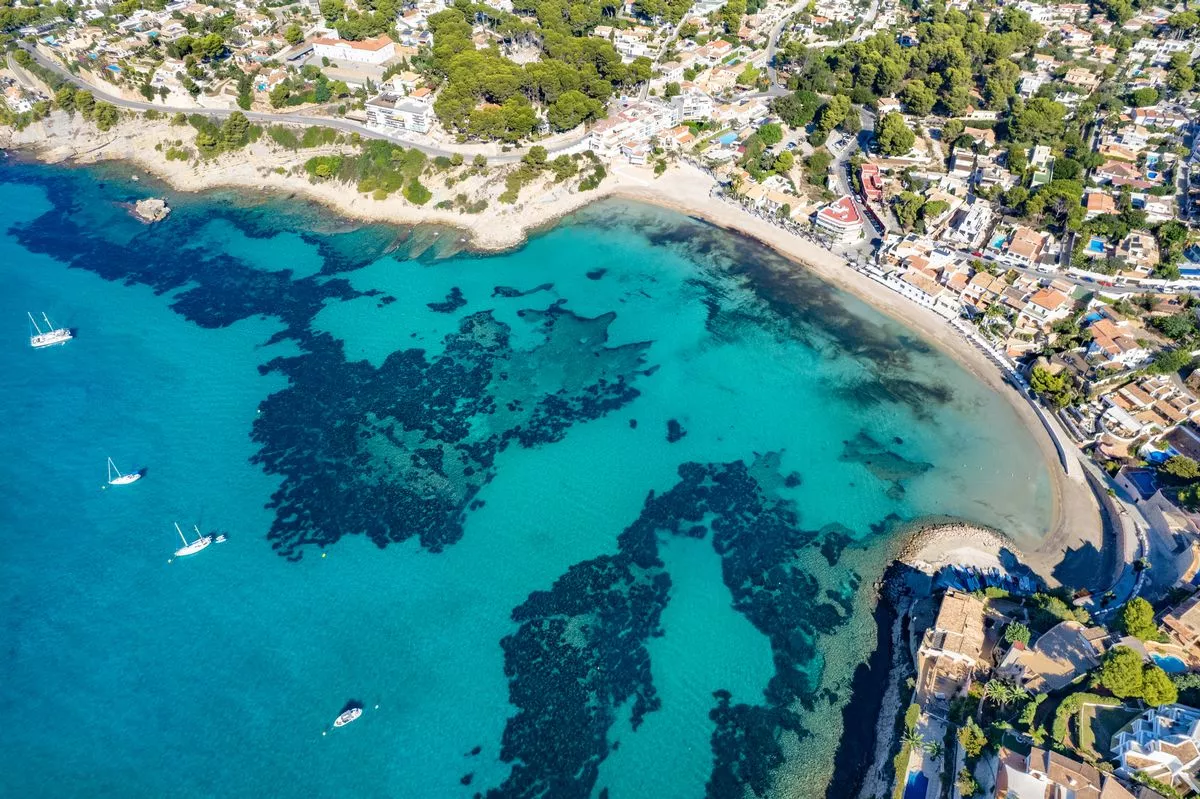
With its white-sand beaches and sprawling resorts, Which? found Costa Blanca along Spain’s Mediterranean coastline as the cheapest option for a package for next year. Known as the White Coast, it boasts popular resorts like Benidorm, Alicante, and Altea, each offering its own unique allure.
For a stay in Costa Blanca during the peak of summer, Which? found that it would cost, on average, £864 per person for a seven-night package. This was the only destination they found to be less than £900 for a week’s stay in August.
The second-cheapest package holiday was to Tuscany in central Italy, famed for its rolling hills, Renaissance art, and cities like Florence, Siena, and Pisa. A week’s stay in the gorgeous Italian region would cost £929pp per week, including flights and accommodation – what’s not to love?
This is in stark contrast to the Italian region of Sardinia, which would cost around £1,508pp for the same stay, saving you a whopping £579. Tuscany is said to be more affordable due to its wide range of accommodations available, from self-catering to bed-and-breakfast, room-only, as well as all-inclusive and full-board packages.
Ranked as the third cheapest for a summer getaway was the stunning Agadir coast in Morocco, known for its sprawling sand beaches and as a major resort destination. With plenty of accommodation options along the coast, with beach days at its core, a stay here would cost £946pp.
Following the research from Which? they found that six of the cheapest holiday hotspots for 2026 were in Spain, with Tenerife, Fuerteventura, and Gran Canaria also on the list. Elsewhere, Zante in Greece, with its pristine blue waters, fruity landscapes and lively nightlife, also made the top 10.
Here are the cheapest package holiday destinations for 2026, as outlined by Which? The results show the average price, per person, for a seven-night package stay.
Costa Blanca, Spain – £864
Tuscany, Italy – £929
Agadir coast, Morocco – £946
Dalaman area, Turkey – £1,048
Tenerife, Canary Islands – £1,073
Fuerteventura, Canary Islands – £1,119
Gran Canaria, Canary Islands – £1,121
Costa Brava, Spain – £1,125
Costa Dorada, Spain – £1,133
Zante, Greece – £1,142
Do you have a travel story to share? Email webtravel@reachplc.com
It was a chilly Sunday in November 2000 when the gods chose to smile on Ken Wallace. The retired teacher was sweeping his metal detector across a hillside in Leicestershire’s Welland valley when a series of beeps brought him up short. Digging down, he found a cache of buried coins almost two millennia old. He had chanced upon one of the UK’s most important iron age hoards, totalling about 5,000 silver and gold coins.
More than 25 years on, I’m staring at Ken’s find at the civic museum in the nearby town of Market Harborough. The now gleaming coins are decorated with wreaths and horses. They’re about the size of 5p pieces, but speak of a wild-eyed age of tribal lands and windswept hill forts.
Hidden riches are something of a local theme here. The treasure was unearthed close to the Leicestershire-Northamptonshire border, in a sloping, sheep-dotted landscape where the River Welland ribbons eastwards in no special hurry. The town (“people just call it Harb”, one of the museum staff tells me) is the main settlement in this stretch of the valley. I’ve come here on a short winter visit to see why the area – hills, villages, Harb and all – gets described as an unsung alternative to the Cotswolds.
The stilted Old Grammar School in Market Harborough. Photograph: Colin Waite/Alamy
The town itself has ancient Saxon roots and is easy to like, with a head-turning mix of Jacobean, Georgian and Victorian architecture. I stumble on Quinns, a cracking independent bookshop tucked down an alleyway, then devour a curry bowl at a lively cafe called Two Old Goats. A board on the street lists notable town residents through the ages, the most recent being rugby giant Martin Johnson. I read this, then turn and immediately see him on the pavement 10 metres away. It’s unclear if this clever routine is something he does for all visitors, but he’s hard to miss in any case.
The real pull of the Welland valley is the countryside, a slow-moving world of hushed green dales and drifting red kites. On local advice, I head to rural Foxton Locks – Britain’s highest combination of staircase canal locks, where 10 adjacent early 19th-century locks transport boats up and down a 23-metre hillside – for a gawp and a wander. “It takes 50 minutes for boats to get from one end to the other,” says volunteer Malcolm, who seems delighted to have a visitor to talk to. The neatly painted locks rise up handsomely beside us.
You need a decent woolly hat to go gongoozling (that is, canal-watching) in December, but there are rewards to be had. The skies are already fading to a wintery grey when I climb past the locks to the upper towpath. The narrowboats I see are moored up, their chimneys smoking and their roofs decorated with bums-out gnomes. I walk the path for an hour of rippled quietude, passing little other than moorhens and blackthorn sloes, then return the same way.
Foxton Locks. Photograph: Ben Lerwill
Back at the locks I stop at tiny canalside pub Bridge 61, where I find a crackling log grate and a row of Camra certificates. The barman pours me a Widebeam bitter from Langton Brewery. “Local ale,” he says. “From three miles up the way as the crow flies.” Proof, it turns out, that beer doesn’t have to travel far to hit the spot.
My base is nearby Medbourne, one of numerous placid, calendar-pretty villages that stud the Welland valley. Medbourne has a clear stream, a lovely pub – the Nevill Arms, where I spend the night in a four-poster and enjoy exactly the kind of warming, candle-lit dinner you’d want from a country inn in winter – and cottages built of tough, reddish Leicestershire ironstone.
The next morning I meet local author and poet Tim Relf for a three-hour footpath ramble in the hills. Crossing stiles and ridge-and-furrow fields, he leads us to a spot above his home village of Drayton, from where the valley’s rolling green folds reveal themselves to the full. “You can make out six churches from here,” he says. He’s right. Their medieval spires punctuate a view that tumbles out for miles in all directions.
Drayton itself is home to the smallest of these churches, a stone chapel with pews that seat about 25 people. It once spent time as the village bakery and still has a bricked-up serving hatch. “The vicar likes joking about the fact that Bethlehem translates as ‘House of Bread’,” Tim smiles.
Close by, they’re used to far bigger crowds at the hilltop Nevill Holt Hall. In early summer, the Grade I-listed hall draws thousands of opera and music lovers for its annual arts festival, though when we pass it on this midweek December morning its trimmed lawns and topiary are as quiet as everywhere else.
The Nevill Arms in Medbourne. Photograph: Ben Lerwill
We finish in Great Easton, another village of thatched roofs and wide lanes. It has a little cafe, aptly called the Great, where I refuel on coffee and sticky spiced ginger cake before heading to Eyebrook reservoir on the village outskirts. It’s a glorious spot for winter birding – teal, wigeon and great white egrets in the shallows, a 200-strong flock of lapwings billowing overhead – and completely uncommercialised, with a tiny car park and just one other birdwatcher. He’s excited at seeing five smew a little earlier. I give it an hour and don’t see them, but still leave feeling enchanted.
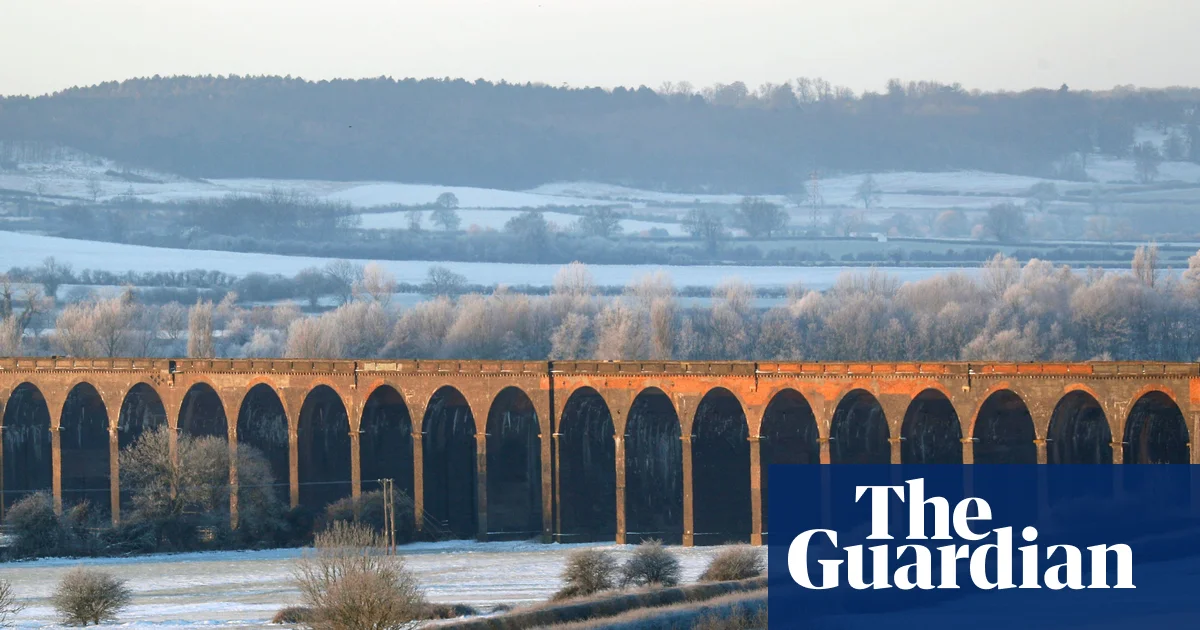
Even a short trip needs a finale, which comes in the form of the extraordinary Harringworth Viaduct. I’m staggered when it comes into full view. The viaduct is a bona fide marvel of Victorian mega-engineering, a colossal 82-arch span stretching right across the valley. Glinting beneath it is the River Welland itself, looping and languid. It seems improbable that such an attractive valley should be hiding in plain sight in the middle of the country, but there’s not a tour bus to be seen. A treasure, indeed.
The trip was provided by the Nevill Arms in Medbourne, which has doubles from £140B&B
Mar Hall Hotel and Resort near Glasgow underwent a £20m refurbishment and was voted in the top 20 resorts in Europe by Condé Nast Traveler readers – and I recently stayed there
Ketsuda Phoutinane Spare Time Content Editor
05:34, 23 Dec 2025
Many tourists are drawn to Scotland for the Highlands, Loch Ness and whisky — not necessarily the outskirts of Glasgow. However, I recently discovered a charming corner of Scotland is just a stone’s throw from the baggage claim.
The phrase “airport hotel” isn’t one that ignites much enthusiasm. They’re more often a necessary inconvenience than a destination, but just outside Scotland’s largest city lies the newly refurbished Mar Hall Hotel and Resort. Let’s be clear, this isn’t so much an ‘airport hotel’ as it is a hotel near an airport. The five-star resort has recently undergone a £20million makeover under new management.
Despite being no more than 30 minutes from my flat, it feels like an escape to the country. Arriving at 3pm, which is sunset during the depths of winter here, the sun casts a golden hue over the Clyde and the gently rolling hills and trees beyond. Toto, I don’t think we’re in Glasgow anymore.
The new Mar Hall
At the grand old age of 180, Mar Hall has had several incarnations. Originally commissioned by the 11th Lord Blantyre as the latest Erskine house estate, it was later transformed into a hospital for soldiers returning from World War 1 with amputations.
Fast forward to 2025 and Mar Hall finds itself under fresh ownership once more. For Glaswegians such as myself, an evening spent in a lavish period property offers a welcome escape from everyday life. For those travelling from further away, it provides an exceptionally luxurious introduction to Scotland.
Despite the hotel’s new proprietors being Dubai-based — and its Instagram-ready aesthetic — Mar Hall’s makeover feels unmistakably Scottish. During a tour of the recently renovated establishment, Jim Hamilton from Graven, the interior design company behind the transformation, told me he grew up locally and still lives minutes away.
The quintessentially Glaswegian design house Timorous Beasties provided wallpapers and fabrics, while Glasgow’s Artpistol gallery sourced much of the artwork displayed throughout, including pieces from recent Glasgow School of Art graduates.
Noting how Mar Hall has transformed from “home to hospital to hospitality”, Jim said they aimed to maintain that sense of homeliness and care in its latest incarnation.
One of the callbacks to its Victorian roots is the potted palm trees flanking the entrance hall — a nod to an era when exotic plants were a symbol of sophistication and worldliness. The attention to detail extended to the very walls. A series of four large paintings depicting Scotland’s seasons, commissioned from Scottish artist Nichol Wheatley, are set within custom wall panelling, reflecting the style of the period.
The aesthetic is a bold mix of vibrant colours and patterns: it’s Victorian, but with a 2025 twist. Your gaze is constantly drawn upwards through the lofty spaces towards the stunning vaulted ceilings above. The overall effect is lavish and chic, yet inviting. Whilst it is a five-star resort, the staff are incredibly friendly, making me feel perfectly at ease.
The rooms
It’s nearing December and the hotel has been fully decked out for the festive season. The receptionist, who offers a typically warm Scottish welcome, pauses before the doors to the Gallery, clearly excited to show me the grand room at the heart of the hotel.
For a moment, I worry about having to feign excitement for this kindly lady, but when she swings open the doors, I’m genuinely taken aback. It’s even more impressive in person than online.
To reach one of the hotel’s 74 rooms, guests walk through the Gallery with its plush seating, fireplaces and marble bar. I’m handed the keys to the Erskine grand suite for the night, priced at £1,125 per night, kitted out with a regal sitting room and grand piano.
The sitting room and bathroom, featuring a rolltop bath, offer views over the golf course, River Clyde and picturesque woodlands beyond, in that order. The bespoke bookcases are so perfectly illuminated — as is everything in the hotel — that when I meet Jim, I can’t resist asking if he would design my flat pro bono.
The festive decorations extend to the rooms. I’m thrilled to discover a Christmas tree in the lounge, sparkling next to a handwritten note and dish of treats welcoming me to Mar Hall. It’s enough to make anyone feel warm and fuzzy.
The bedroom, with its luxurious four-poster bed and impeccably luxurious bedding, lulls me to sleep shortly after I start watching a cheesy Netflix Christmas film. It’s a pity I can’t spend more time savouring a hotel room of this standard.
Mar Hall only reopened in May this year, but I hear Kylie Minogue has already stayed in these suites twice.
The food
Before dinner, I enjoy a drink in the Slàinte bar, which is delightfully cosy with a crackling fireplace and a Christmas tree. For dinner, smoked salmon, beef, and sticky toffee pudding are the mainstays of ‘fancy dining’ in Scotland and rightly so. I’m pleased to see all three on the menu.
Layering local smoked salmon on a bed of horseradish and a crunchy cracker was a real treat. The blade of beef was as tender as expected, with dauphinoise and honey-roasted carrots making for a perfect mouthful. The only critique I’d have is that the pudding could have done with more toffee sauce, as is often the case.
The unexpected highlight, however, were the warm fig bread rolls – they’ve been on my mind ever since. And all throughout, the service struck a good balance between being attentive and unobtrusive.
Breakfast in the Dining Room offers a continental selection with a variety of hot options including full Scottish breakfast, sausage egg roll, eggs Benedict, and porridge. I chose the ‘rise & shine crumpet’, a tasty combination of Argyll smoked salmon with scrambled egg.
Location and facilities
Mar Hall is set within a 240-acre estate, just a 25-minute drive from Glasgow city centre or a mere 10 minutes from Glasgow Airport. However, it’s not easily reachable by public transport.
The 18-hole Earl of Mar golf course is conveniently located just outside. Like the hotel, it boasts picturesque views of the River Clyde and the Kilpatrick Hills.
The spa features a swimming pool, saunas and steam rooms. Other amenities include a gym, games room and private screening room.
Final thoughts
Mar Hall’s new owners have invested millions into the hotel with the aim of making it a world-class destination. Resort director Andy Roger shared plans for a clubhouse featuring a second restaurant and a state-of-the-art indoor-outdoor spa.
However, it faces tough competition just an hour up the M8. This year, Mar Hall made it into the top 20 resorts in Europe as voted by readers of American luxury travel magazine Condé Nast Traveler. The number one spot on the list? Gleneagles. This iconic resort is a Scottish summer camp for the rich, offering seven eateries, three golf courses and a spa, along with horse riding, shooting, fishing, off-roading and more in the hills of the Perthshire resort.
While it may not be a full-service millionaire’s playground, I’m already excited about returning. Mar Hall tops my list for a pampering staycation with my husband or for afternoon tea with out-of-town visitors. Once the spa is refurbished, I know it’ll be a huge hit with locals.
The more time I spent at Mar Hall, the less I wanted to leave, and that’s the sign of a great hotel.
Booking details
Rooms and packages can be booked through Mar Hall’s website. Rooms start from £292.
Theme parks have long had a checkered reputation when it comes to dining.
And theme park designer Eddie Sotto once wanted to put an end to such a reputation. “Why,” Sotto reflected to me in 2023, “are we not thinking more holistically as to what we’re putting inside the guest as to what we’re putting in front of the guest?”
“The old joke is that people don’t expect the food to be any good in an immersive environment,” Sotto said. “I don’t believe that. I believe it should all be good. You’re paying a lot. The opportunity is for it all to be transformative.”
Sotto, whose outspoken passion for theme park design made him a favorite among Disney’s vast fanbase, died on Dec. 17 in Orange County after a long battle with various heart-related issues, said his wife of 48 years, Deena. He was 67.
While Sotto’s best-known masterworks are overseas, be it the creation of Main Street, U.S.A., for Disneyland Paris or overseeing the development of the early trackless attraction Pooh’s Hunny Hunt for Tokyo Disneyland, he had a reputation for fighting tirelessly to enhance the theme park experience, pushing for improvements to everything including ride vehicles and the food on guests’ plates.
In the early ’90s while working for Walt Disney Imagineering, the company’s secretive arm devoted to theme park experiences, Sotto took it upon himself to hold a chef-led symposium for Imagineers.
“They taught us Imagineers a lot about the ritual of dining, and understanding what foods do to you,” he said, describing how theme park dining should go beyond developing a burger with a cute name.
He was also an early designer on Disneyland’s Indiana Jones Adventure, brought music to Space Mountain and elevated a Los Angeles landmark: He led an interior refresh of the now-shuttered Encounter restaurant at LAX.
Born in Hollywood on March 14, 1958, and raised in La Mirada and Fullerton, Sotto grew up obsessed with Knott’s Berry Farm and Disneyland. He married Deena, his high school sweetheart, when he was 19. Sotto initially followed in his late father’s early footsteps, working at Sears. His meteoric rise in theme park design would be unheard of today, as Sotto never attended college and was self taught, drafting theme park designs in his down time while selling appliances.
His hiring at Imagineering caused some debate, says Tony Baxter, the Disney legend who oversaw the creation of such attractions as Big Thunder Mountain, Indiana Jones Adventure, Star Tours and Splash Mountain. Outgoing and driven, Sotto began reaching out to Baxter for advice in the late ‘70s, says Baxter. It would take nearly a decade for Baxter to persuade his superiors to take a chance on Sotto, who was eventually hired by Imagineering in 1986 after stints at Knott’s Berry Farm and the Landmark Entertainment Group. It was at Landmark where he met one of his key mentors, Herb Ryman, a fine artist and longtime concept designer with Imagineering.
Eddie Sotto’s most famed Disney work is the design of Main Street, U.S.A., at Disneyland Paris.
(Michel Euler / Associated Press)
“For people in management, they kind of want to see a portfolio of something solid,” Baxter says. “But for me, it’s what’s going on in someone’s mind. And Eddie’s mind was sharp as a tack.”
So savvy, believed Baxter, that he was given the task of reimagining Main Street, U.S.A., for a French audience at Disneyland Paris. Sotto’s take on the introductory turn-of-the-century land is widely regarded as its finest, with its grand Victorian-inspired designs diving more deeply into factual American history than its predecessors. Enclosed archways line each side of the street behind the shops. The arcades serve as a shield from Parisian weather but also gave Sotto the opportunity to design installations that focus on the Statue of Liberty, American inventions and the bond between the United States and France.
The goal, says Baxter, was “to create shops in competition with European architecture.” Tom Morris, a retired Imagineer who worked closely with Sotto, says Sotto’s Main Street possesses “an extra layer of storytelling,” adding that Sotto gave the thoroughfare “more of an opportunity for exploration.”
“It’s excessive in the best way possible,” adds Christopher Merritt, a theme park designer and author who worked with Sotto on Pooh’s Hunny Hunt.
Morris recalled first meeting Sotto when they were teens in the 1970s. Morris jokes that he and Sotto both went to Disneyland “more than our parents thought was healthy, which was four or five times per year.” Their paths initially crossed at the Anaheim public library, where they went to peruse its Disneyland collection.
“There were files and files of photographs and employee newsletters — all sorts of weird and interesting things,” Morris says. “I always thought I must be the only weirdo who is interested in all of this, but one day there was another person in there and that person was Ed Sotto. That’s where we met, and I was really surprised, actually, that there was someone else afflicted with the same obsession for Disneyland.”
At Knott’s, Sotto was tasked with reimagining a motorcycle chase ride. Sotto, as recalled in the book “Knott’s Preserved” by Merritt and J. Eric Lynxwiler, took four buttons off a coat and created a mini soapbox car and ran it around a conference table as if it were a Matchbox toy. This would lead to the creation of the Wacky Soap Box Racers, in which the makeshift cars would careen through painted facades of cartoon-ish animals cheering on the guests. The attraction emphasized silliness, taking riders into “Catnip Junction” and through rat-infested sewers.
Eddie Sotto in 2015. In his 13-plus years at Imagineering, the designer touched multiple Disneyland attractions.
(Courtesy of Deena Sotto)
“He told me that everyone backed away from the project because he was the new kid,” says Merritt. “He got literally no budget. There was an end scene in a fireworks factory and they were making bombs out of rubber beach balls that they spray painted black. There were doing this by hand. And it’s a big hit.”
Sotto in his 13-plus years at Imagineering had an influence on Disneyland. As a concept designer on Indiana Jones Adventure, Sotto, says Baxter, conceived the idea in which the ride vehicles would appear to go through one of three different doors, an illusion accomplished by a rotating wall. Repeat visitors would sense as if the car was moving on an alternate track. Today, the walls no longer move and the effect is attempted via projection technology. “I felt my rolling ball [at the ride’s end] and Eddie’s choice room were the two things that really made the ride unique in terms of, ‘Wow, how did they do that?’” Baxter says.
Sotto ascended quickly while at Imagineering, rising to the position of senior vice president, concept design.
“Eddie just kept sketching and drawing,” Morris says. “He was inspired by Herb Ryman and that was Herb’s motto: ‘Just keep drawing.’ I just think when you have a lot of quick sketching acuity, word gets out. People know. This is someone you want on your team, especially in the early stages, to help concept, bring forth and pitch an idea.”
In the mid-’90s, Sotto realized a dream of many an Imagineer, particularly Morris, of bringing onboard audio onto a roller coaster, specifically Disneyland’s Space Mountain. Today, it’s commonplace for coasters to have synced music or sound effects, but Morris says there were technical hurdles that needed to be solved, most notably related to the engineering of the speaker sets on individual cars.
Sotto pushed it through, but not without some personal touches. An avid fan of rock ‘n’ roll, Sotto tapped surf rock guitar legend Dick Dale for a part of the composition, which heavily pulled from Camille Saint-Saëns’ “Aquarium” section of “The Carnival of the Animals.” The result was otherworldly, but also rooted in a sound associated with riding the Southern California waves. Dale’s riffs, wrote Sotto on his website, “were to be triggered to compliment each twist, turn and drop of your ‘rocket.’”
“He loved Orange County surf guitar music,” says Merritt. “So he hires Dick Dale for this intergalactic soundtrack for Space Mountain. They did some promotional thing where they put Dick Dale standing on Space Mountain playing his guitar. That’s just the audaciousness of Eddie.”
In fact, Sotto wrote on his site, it was the promise to play atop Space Mountain that sold Dale on the gig. Sotto would leave Imagineering in 1999 to soon after establish his own Laguna Beach-based SottoStudios, but not before getting an opportunity with Imagineering to remodel Encounter at LAX. Sotto’s vision was a space-age bachelor pad, a place, he said in 2023, “where George Jetson and Barbarella might meet for a drink,” with lava lamp-inspired pillars and soda fountains modeled in the shape of vintage sci-fi ray guns, complete with sound effects.
A remodel of the interior of LAX restaurant Encounter was one of Eddie Sotto’s career highlights.
(David McNew / Getty Images)
Sotto long spoke of the restaurant, which closed in 2013, as one of his favorite projects.
“Theme has to go deep,” Sotto said. “It has be something that’s relevant and exciting to people. I spent weeks putting together 11 hours of music for Encounter. What you were hearing could be a B-side from William Shatner’s space album. Theme has to reward your close inspection at a rich level. That’s why people return.”
SottoStudios over the years was heavily involved in the automobile industry, as Sotto led the design of many car showrooms. Sotto also had a passion for restaurants, and worked on numerous L.A. establishments including John Sedlar’s shuttered but acclaimed Rivera. Sotto’s career would also take him to Jeff Bezos’ Blue Origin offices, for which he designed a Jules Verne-inspired rocketship fireplace that doubles as a lobby meeting space.
And his passion for theme parks never wavered, says Baxter, even as his heart issues worsened. At their monthly lunches, Baxter notes that he and Sotto would continue to brainstorm new Disney attractions or alternative directions to what the company was announcing. Sotto, says Baxter, spent his final few days at Orange’s UCI Medical Center, but was given a room with a view of Disneyland’s fireworks, which he looked forward to watching each evening. Baxter recalled a picture of the two of them eating chili cheese dogs at Disneyland.
“He sent it to me, and said, ‘I’m dreaming of a day when we can do this again,’” Baxter says. “That was just two weeks ago.”
In addition to his wife, Deena, Sotto is survived by their son Brian, daughter Venice and her husband, Rocky.
GLIDING into the glitzy Grand Atrium and gazing up at three marble-clad floors of bars and boutiques, a thought hit me.
If this is just one small section of the impressive ship Iona, how am I going to experience everything on offer in just one-and-a-half days?
Sign up for the Travel newsletter
Thank you!
P&O Cruises’ Iona is the perfect ship for first-time British cruisersThe luxe Conservatory Suite has floor-to-ceiling windows offering breathtaking viewsThe Glass House in the Grand Atrium offers a heavenly seven-course tasting menu and wine pairingCredit: P&O Cruises
This was my first cruise and, as a total novice, I’d decided to book a short, two-night sailing.
P&O Cruises’ Iona is deemed the perfect ship for first-time British cruisers, partly because — carrying 5,200 guests and 1,800 crew, it is big enough to not feel cramped or overwhelming.
Plus there are plenty of familiar UK favourites on board from roast dinners to Tetley tea.
And with prices starting at £199 per person, including all your food and activities, you can’t go wrong.
Longer voyages are cracking value, too, with five nights on a European itinerary costing less than £500pp.
You could spend a week on board and not run out of things to do thanks to Iona’s 30 bars and restaurants, ten entertainment venues — including a cinema, theatre and spa — swimming pools and hot tubs along the decks.
I stayed in a Conservatory Suite, where floor-to-ceiling windows offered breathtaking views without having to brave the biting wind on the balcony — the only downside of a UK cruise.
Luckily, the SkyDome has a heated indoor pool and this area of the boat has just had a sleek refit.
It’s a great place to kick back with a beer in hand (a pint of Moretti costs £6.25).
Nowhere is quite as relaxing as the spa, though — home to a therapeutic sauna, sensory steam room and rejuvenating hydrotherapy pool.
If that doesn’t float your boat, why not indulge in some retail therapy at the on-board boutiques, where you’ll find designer watches, bags and sunglasses, among other gems.
A particular hit with my husband was the Barbour shop — I’m fairly certain he came home with a whole new wardrobe.
When we weren’t watching aerial acrobatics in the large theatre, or rolling dice at the casino, we were sampling the excellent food.
‘BUFFET OF DREAMS’
The Horizon Restaurant — an all-you-can eat buffet of dreams — has salads and sandwiches, freshly-cut kebabs and full roast dinners.
Meanwhile, The Quays offers a street food style selection of live cooking stations, where I tucked into delicious breakfasts of fresh scrambled eggs and hash browns.
And Ripples ice cream parlour serves treats with edible cups and spoons — a small but fabulous nod to P&O cutting back on waste.
It would be hard to tire of the dining options included in your fare, but if you do fancy treating yourself, the speciality joints are top notch.
We loved Sindhu, the Indian restaurant where you can get three courses for £22, with a £3 supplement for the lobster thermidor.
My husband and I enjoyed Sindhu’s signature cocktail, the East India punch, a muddle of spiced rum, cognac, falernum (a sweet syrup) and tropical juices.
Jemma enjoying her time on the cruiseCredit: SuppliedThe on-board boutiques, including a Barbour store, will delightCredit: supplied
And if you can’t decide what to eat, the Sindhu Signature Plate boasts smaller portions of three of their most popular dishes: the duck tikka malabari, the beef lali mirch masala and the creamy lobster, drenched in thermidor sauce.
Elsewhere, the Glass House in the Grand Atrium offers a heavenly seven-course tasting menu and wine pairing (priced at around £35 a person), by award-winning wine expert Olly Smith and acclaimed Spanish chef Jose Pizarro.
Our highlight was a black tie dinner and show at the adults-only Limelight Club, with a performance from singer Jonathan Wilkes and a nightclub boogie on board.
If that doesn’t convert you to a cruise lover, I’m not sure what will.
The Iona can carry 5,200 guests but is big enough to not feel cramped or overwhelmingCredit: Alamy
GO: P&0 CRUISES: IONA
SAILING THERE: A five-night Belgium France And Netherlands sailing on board Iona is from £479pp, departing from Southampton on February 8, 2026, and calling at Zeebrugge (for Bruges) in Belgium and Rotterdam in the Netherlands.
IT’S almost January, known by many as the most depressing month of the year.
So why not sack off the UK for one of these seven incredible destinations, all within four hours from the UK with very affordable flights.
Sign up for the Travel newsletter
Thank you!
You can be in Barcelona in two hours and flights will set you back just £14.99Baden-Baden in has Germany has hot spring spas and the country’s steepest funicular railwayCredit: Alamy
A city break blended with beautiful beaches, not to mention it’s very flat and walkable.
There are plenty of cultural and historical attractions and of course the the iconic architecture like the Sagrada Familia and Park Guell.
Don’t forget to stop by Sant Pau a former hospital turned historical attraction, which is minutes away from the famous cathedral in the city centre, but much lesser-known.
Our own Travel Reporter Cyann Fielding loves Las Ramblas – the iconic street that’s 1.5km covered in market stalls.
Some of her favourite spots are Casa Beethoven – essentiallyHarry Potter’sOllivanders but for sheet music not wands, and La Boqueria market.
You can get to Barcelona for as little as £14.99 with Ryanair if you fly out on January 25, 2026 from London Stansted.
Baden-Baden, Germany
You won’t be getting January sun here, but Baden-Baden in southwest Germany is a great option for a city break.
The spa town is in Germany‘s Black Forest near its French border – and is famous for its thermal baths – and THAT summer in 2006 when England’s WAGS were arguably as famous as their footballer husbands during the World Cup.
Baden-Baden sits on top of a natural mineral-rich hot springs that bubble up from deep underground and you can enjoy them at the likes of the Caracalla Spa or the Friedrichsbad Spa.
Poznan is one of the largest cities in PolandCredit: Getty
At both, you can go swimming, check out the saunas, steam baths and treatment rooms.
For the more active, take a wander through the Lichtentaler Allee park, casino or take Germany’s steepest funicular railway up the Merkur Mountain.
You can fly from London Stansted to Karlsruhe/Baden-Baden for £15 on January 30, 2026, with Ryanair.
Poznan, Poland
Poznan, the fifth largest city in Poland it sits by the Warta River and boasts a pretty colourful Old Town.
When you get there, wrap up warm and take a wander around the city starting at the Old Market Square, also known as Stary Rynek.
At noon, head over to the town hall where mechanical Billy Goats emerge from the clock tower and butt heads.
Ostrów Tumski is a huge cathedral which gives visitors an insight into how the region started in Poznań.
With Wizz Air you can fly from London Luton to Poznan for £14.97 departing on January 19, 2026.
The Alexander Nevsky Cathedral is a must-see in SofiaCredit: Alamy
Sofia, Bulgaria
The capital of Bulgaria is in the west of the country and is filled with incredible landmarks like Alexander Nevsky Cathedral and Rotunda of St. George.
You can take time to sightsee, take a break on Vitosha Boulevard which is filled with shops, cafes and restaurants or head up Vitosha Mountain on a hiking trail.
The city can be as little as three hours and 10 minutes from the UK, so it’s no wonder one man even took an extreme day trip to Sofia after bagging a return flight for £43.
He spent the day exploring the city using a self-guided tour on his phone and picked up local treats like a pastry called a banitsa and stopped for a sit down meal too.
You can fly to Sofia in Bulgaria from London Stansted on January 20, 2026 from £16.99
You can explore Carcassonne for just £16.99 with RyanairCredit: Alamy
Carcassonne, France
The city of Carcassonne in France is famous for its citadel and castle
that look like it belongs in the medieval period – it’s even said to be one of the best preserved medieval ensembles in the world.
Inside the old town are winding old streets and grand Château Comtal and Basilique Saint Nazaire.
To learn more about the history of Carcassonne, visitors can take tours during the day and at night.
There’s also the new town to explore called Bastide Saint Louis which has an impressive localwinescene, museums and plenty of shops.
Brits can fly directly Manchester to Carcassonne on January 26, 2026 with Ryanair from £16.99.
Naples is home to pizza and offers day trips to the likes of Capri and the Amalfi CoastCredit: Alamy
Naples, Italy
Naples, the pretty southern city in Italy known for its pretty ruins, vibrant street life and more importantly, pizza.
The city is considered the birthplace of pizza – it evolved from simple flatbreads sold to the working poor in the 18th century to the tasty meal we know today.
Naples also has a Spanish quarter where you can see sites like Piazza del Plebiscito andCastel Nuovo and try some different cuisine.
If you fancy a longer trip or heading out to the city, from Naples you can easily reach destinations like the historical Pompeii, Capri, or the Amalfi Coast.
You can fly from London Stansted to Naples on January 10, 2026 from £15 with Ryanair.
In Bratislava you can check out the pretty Old Town and try traditional dumplingsCredit: Alamy
Bratislava, Slovakia
Bratislava in Slovakia is pretty small for a European capital, but that doesn’t mean there’s any less to do.
It has bright pastel coloured buildings along small cobbled roads lined with cafes and restaurants.
One of the most famous buildings to visit in the city is Bratislava castle.
It has four corner towers and stands on an isolated rocky hill of the Little Carpathians, directly above the Danube river.
Tourists can also check out the Gothic St. Martin’s Cathedral, Blue Church, plus enjoying Slovak food like Bryndzové Halušky which are potato dumplings with cheese and bacon.
You can fly to Bratislava on January 11, 2026 from Manchester from £16.99 with Ryanair.
Nothing but dirt and dry, brown chaparral rolled beneath skis and snowboards dangling from a chairlift at Big Bear Mountain Resort on Friday, as forlorn adventure seekers joked they should rename the place “Big Bare.”
Unseasonably high temperatures even left the impressive array of high-tech artificial-snow makers below mostly useless, their fans spinning idly in the warm breeze.
“The word I’ve been using is “abysmal,” said Cameron Miniutti, 29, who was riding the lift in a light cotton shirt, with the hot sun glinting off his ski goggles. “This is, for sure, the toughest start [to a season] I’ve seen.”
Similarly bleak panoramas can be found at ski areas across the American West so far this year, but especially in California, where a wet November gave way to one of the driest Decembers in recent memory.
People visit Big Bear Village on Sunday, with no snow in sight.
As of Friday, the state had only 12% of the snow that’s normal for this time of year, and only 3% of what water managers hope for in an average year, according to the California Department of Water Resources.
Which is why water managers — and skiers — are hoping for a Christmas miracle as an enormous atmospheric river takes aim at California this week. The soaking rains may threaten coastal cities with flash floods and nightmarish traffic, but they promise sweet relief for snow-starved thrill seekers from Lake Tahoe to the San Bernardino Mountains in Southern California.
Mammoth Mountain, the tallest commercial ski resort in California, could get up to 7 feet of snow this week, according to On the Snow, a website that tracks conditions at ski areas.
Resorts on the north end of Lake Tahoe could see up to 5 feet, and even Big Bear could get 3 feet, assuming the temperature stays below freezing, according to the website.
That’s important to everyone, even nonskiers, because roughly a third of the water California relies on each year for drinking, farming and fighting wildfires accumulates as snow in the mountains during the winter and then gradually melts through the spring and summer, when the state can otherwise be bone dry.
Many California ski areas were forced to delay opening this year, and even those that got the lifts spinning have had to confine skiers to only a handful of runs, often on man-made snow.
That has been this case at Big Bear, where a thin strip of artificial snow snakes from the 8,440 top of the Bear Mountain Express chairlift to the base at just over 7,000 feet. While crews worked diligently to rake the fake snow over exposed rocks and patches of bare dirt on Friday, skiers and boarders scraped by like traffic on the 405 Freeway.
“It’s crazy,” Miniutti said, “I mean, I can’t even imagine what this is like on a weekend.”
And the range of abilities of people crammed onto the same run creates its own, unique kind of “obstacle course,” Miniutti said.
You have to concentrate on not crashing into people in front of you — many of whom are absolute beginners, tumbling to the snow for no apparent reason — while praying the very good skiers and snowboarders you can hear racing up behind you will somehow avoid mowing you down.
People ski and snowboard at Big Bear Mountain Resort on man-made snow on Sunday.
“There’s, like, the best snowboarders in the world and people on their first day right next to each other,” Miniutti said.
But under the circumstances, Miniutti had nothing but admiration for the mountain staff for keeping the run open despite the seemingly impossible weather.
“I’m still having a blast,” he said, “it’s absolutely worth coming up.”
Devon James, 24, from Pasadena, felt the same way. He was warm in long sleeves, which he took to wearing after wiping out in short sleeves a week ago and “getting cut up.”
One day lift tickets at Big Bear cost more than $150 this season. At fancier resorts, like Mammoth Mountain, they can easily climb to more than $200 per day. So most serious skiers buy season passes for just under $1,000 that are good at many mountains across the country and around the world.
But that means they feel compelled to get their days in, no matter the conditions.
“I mean, that’s kind of the whole game, right,” James laughed. “I’ve got to get at least eight or nine days to get back to even.”
Skiers and snowboarders navigate bare areas at Big Bear Mountain Resort.
Miniutti, who is originally from Massachusetts, and learned to snowboard on the freezing, icy hills of New England, still prefers the alpine experience on the West Coast.
Even when there are legitimate winter conditions at Big Bear, he loves hopping in his car at the end of the day and driving home to Los Angeles, where it’s seemingly always 70 degrees and sunny.
“I can’t really beat that,” he said, “I’m not complaining.”
Booking a hotel can feel like a daunting task, especially with the surge in prices, but there’s a simple Travelodge hack to get a bigger room without needing to fork out extra for an upgrade
This article contains affiliate links, we will receive a commission on any sales we generate from it. Learn more
You can get a bigger hotel room at Travelodge for an extra £3.50(Image: Getty Images)
Aside from choosing your room category when booking a hotel, you never quite know what room you’ll be given. However, I discovered a clever hack that can get you a bigger hotel room, and it costs just £3.50.
Booking a hotel for any occasion, whether that’s a city break with pals or a romantic weekend away, can be a daunting task, with a lengthy list of establishments to choose from. Yet, even when you’ve chosen your desired hotel, you then need to select your room category, although the price often determines which one we book (in an ideal world, we’d all book the premium suites if we could afford them).
However, what if I told you that you could get a bigger room when booking through Travelodge, without having to hope that the booking system gods have been kind? I found this out during a trip to London with my friends earlier this year.
We were spending the night after watching an evening show, so I found us a Travelodge in London, Central City Road, to book for the night. As there were three of us, I booked a triple family room – the most affordable option I could find for a Saturday night in the capital.
A few days before our stay, I discovered an option in my booking that allowed me to ‘choose my room’ before arrival. I was a little sceptical at first, but I’m so glad I investigated further.
For an additional £3.50, I found that I could choose the exact room my friends and I would stay in during our trip. In the name of research and curiosity, I paid the mere £3.50 and was taken to a site map of all the rooms available in my category, which allowed me to choose our room.
What surprised me was that, although the rooms shown were all in the specific category I had booked, a few were noticeably larger as shown on the floor plan. So naturally, I selected the biggest room available.
Even at this stage, I was questioning whether I’d get this room at check-in, considering I had paid less than £5 and it was noticeably larger than the others. So when I checked in on Saturday afternoon, I was delighted when they handed me the keys to the exact room I had chosen, and it was well worth the extra £3.50.
We were treated to a sprawling room with a double bed and two twin beds, despite never changing the room category. Plus, it gave us vital extra space when getting ready for a night out without having to fork out for a pricey upgrade.
This handy hack can be used at more than 575 Travelodge hotels, and it’s not just for extra space. You can select to ‘choose your room’ to ensure you’re staying near family or friends, have a specific view, ensure you have a top or ground floor room, or that you’re near a lift.
Not only can it provide an additional perk of a bigger room, as I found out, but it also avoids the uncertainty at check-in. However, it’s essential to note that using this hack is contingent upon the hotel’s availability and layout.
Some Travelodge hotels may not have a larger room available in the category that you’ve booked, but it’s certainly worth checking. Additionally, the price can vary by hotel, room type and length of stay, but it’s available for a selection of Travelodge room categories.
Do you have a travel story to share? Email webtravel@reachplc.com