EDMONTON, Canada — Jason Hills grew up in a rural hamlet in southern Alberta so small there were no traffic lights. Which wasn’t a problem because there wasn’t any traffic either.
But there was a curling rink.
“There was nothing else really to do,” Hills said. “So if you weren’t curling you’d go hang out at the curling rink. It’s a community thing. It’s like everyone gets together.”
In much of the world curling is a curiosity, a sport which, like luge or the biathlon, surfaces every four years at the Winter Olympics — as it will do in February in Cortina D’Ampezzo, Italy — then quickly fades from view.
Canada’s Tracy Fleury (R) releases the stone during a gold medal match against Switzerland at the World Women’s Curling Championship in Uijeongbu on March 23.
(JUNG YEON-JE/AFP via Getty Images)
In Canada, however, it’s as much a part of the culture as poutine and maple syrup.
More than 2.3 million people — or one of every 18 Canadians — participate in the sport annually. That’s about 100 times the level of participation in the U.S. And more than 11 million Canadians watched the sport on TV in 2024, according to estimates from Curling Canada, the national governing body for the sport.
“It’s just embedded in the fabric of Canada,” said Elaine Dagg-Jackson, an Olympic bronze medalist and now one of Canada’s top curling coaches. “Canadians have a real identity with what curling is and what it stands for. It’s a gracious sport where people are being polite. They shake hands before and after the game.
“The curling rink was just a really good place to be in Canada. And still is. It just really suits the culture.”
The objectives of the sport are simple: Teams of two to four players slide 44-pound granite stones, also known as rocks, down a narrow 150-foot-long sheet of ice toward a target area called the house, aiming to get their stone closest to the center of the house. One or two players from the throwing team use carbon-fiber brooms to sweep the ice in front of the moving stone, influencing its path and speed.
A round of play ends when each team has thrown eight stones; in Olympic curling, a match consists of 10 ends, eight in mixed curling, with games typically lasting two to three hours.
The simplicity of the sport is both its charm and its curse. Because there is no running, jumping or lifting of heavy objects, everyone from young children to octogenarians can, and do, compete in amateur curling in Canada.
“It’s relatively inexpensive and it’s relatively accessible,” said Heather Mair, an associate professor at the University of Waterloo. “It’s not a hard sport to play and have fun at. It’s hugely entertaining. And you can really play your whole life.
“I don’t know too many sports you could go out with your grandfather and participate. It can be really family-oriented as a sport.”
But while it looks easy, to excel at the highest levels, where millimeters separate winners from losers in competitions that can stretch for as long as seven hours over multiple days, the sport requires surprising strength, stamina, precision and agility.
Canada’s Brett Gallant curls the stone during the 2022 Winter Olympics in Beijing on Feb. 17, 2022.
(LILLIAN SUWANRUMPHA/AFP via Getty Images)
“It definitely takes a toll on your body,” Rachel Homan, a three-time Canadian Olympian and three-time world champion, said during a break in training on a bright Edmonton morning. “That part of the game is maybe overlooked; the physical toll it takes. It’s definitely demanding.”
The curling events at February’s Winter Olympics will be held at the Cortina Olympic Stadium in Cortina D’Ampezzo, one of four event clusters in and around Milan. Canada, which has medaled in curling in every Olympics in the modern era, winning a record six golds, will send a dozen athletes — including Homan, the reigning world champion — to Italy to compete in the men’s, women’s and mixed doubles.
The U.S., which has won two Olympic curling medals, both in the men’s competition, will also have a dozen curlers in Italy competing in all three events. But if the sport is a national pastime in Canada, one that competes with hockey for fans and media attention, it remains something of an oddity in the U.S., where it draws huge TV audiences every four years during the Olympics, then fades from view until the next Winter Games.
“It’s so frustrating to see curling become the next best thing to sliced bread for a month and then it comes off the radar for four years,” said Korey Dropkin, a five-time U.S. champion and a 2023 world champion in mixed doubles. “I want to see something that’s on national television in the U.S. every week. I want to be able to expose our amazing sport to the U.S. audience day in, day out.
“I hope that in the near future we’ll be able to create more opportunities for exposure for curling.”
Curling was born in Scotland in the early 16th century but grew up centuries later on the Canadian prairies, where the severe weather, rural landscape and boredom provided fertile ground.
“In many parts of the country there’s long, long winters,” Dagg-Jackson said. “The farmers would be busy all summer, but in the winter they were looking for something to do. So the old adage in Canada is you could go to any town in rural Canada and find a grain elevator and a curling rink.”
Members of the Highland Curling Club, formed in 1898, play on flooded sheets of ice on Jan. 11 in Inverness, Scotland.
(Jeff J Mitchell / Getty Images)
The sport, which predates hockey by several decades, was brought to Montreal by Scottish emigrants during the colonial period, more than a half-century before Canada became a country. It then moved west as settlers pushed into what would become the central provinces, where the game was played on ponds and lakes before coming indoors.
In many ways the sport and the harsh conditions in which it thrived embodied the traditional values and traits — resilience, community, politeness, resourcefulness — that have come to define Canada’s unique “northern character.”
Mair, the Waterloo professor, has studied the role curling played in creating social and inter-generational connections and found the sport may have been more important from a mental perspective than from a physical one.
“I don’t know if you can appreciate what a Canadian winter is like, but anything that gets us out of our homes and talking to one another is really, really important,” she said. “We know how necessary it is that we spend time socializing with one another, especially in the dark winter days.”
As a result, it quickly became hugely popular, but for reasons that went beyond sport. Most curling rinks, Mair said, provide social spaces where players can visit with the people they’re competing against.
“So you’re sitting there for half an hour with people that you might never run into in any other part of your life and you start to build social relationships,” she said. “In really small rural communities, those are pretty essential. That’s kind of how it started.”
Aksarban Curling Club president Steve Taylor demonstrates how to push off the hack to deliver a stone in front of an all-ages group learning about the sport in Omaha, Neb., in 2018.
(Nati Harnik / Associated Press)
It’s also why the flat lands of Saskatchewan, Manitoba and Alberta became the earliest hotbeds of curling, which aligned well with the farming season. But the sport didn’t stay there. Curling clubs soon sprung up on Army bases and in fishing communities, in big cities and small towns, where it was taught in schools and played in retirement homes. (Curling has taken a different path in the U.S., where it has become popular in nontraditional winter-sports areas such as North Carolina, Florida, Texas and the San Francisco Bay area.)
“There were entire generations, for the most part, who really had a sense of the game,” Mair said. “The[re] were plumbers and carpenters and teachers, they had regular day jobs and yet they were these really talented athletes who would take the sport to these elite levels.
“So you could come from a teeny, tiny club and you might know someone who’s playing in the national championship.”
That romanticism inspired a radio play and novella by W.O. Mitchell, a writer and broadcaster who chronicled life on the Canadian prairies in the mid 20th century. In “The Black Bonspiel of Willie MacCrimmon,” which was also adapted for television, a cobbler from a small town in rural Alberta strikes a deal with the devil to trade his soul for curling success.
American John Shuster watches Matt Hamilton, center, and Colin Hufman, left, sweep his throw during a match against Canada at the Beijing Winter Olympics in 2022.
(Brynn Anderson / Associated Press)
But as curling moved from the prairies to the cities, the object lessons the sport taught changed as well. If Mitchell’s tale is a decades-old take on the timeless tug of war between good and evil, “The New Canadian Curling Club,” a 2018 comedy by playwright Mark Crawford in which four immigrants show up for a learn-to-curl class, is a modern exploration of multiculturalism and acceptance.
What the immigrants share, however, is a belief that understanding Canada starts with understanding curling.
“It’s weird and wonderful. And like all good things, it takes a little time to appreciate,” Mair, who teaches in the department of recreation and leisure studies at Waterloo, said of the sport. “At first glance you’re not totally sure what’s going on. And then as the layers start to kind of unfold, you realize just how interesting and complicated and engaging it can be.
“It’s fun. It really is. It’s quirky and fun. And I think we need more of that.”
But, she added, much of that has changed since curling entered the Olympics.
“We’re at a bit of a crossroads,” she said. “Elite sport is doing just fine in a lot of ways. [But] we need to have a different conversation about community sport. It’s not about a pathway to Olympic gold. It’s about rebuilding our communities and providing safe and accessible sports for everything. And curling is just so special in that way.”
Curling debuted in the Winter Games in 1924 with just three countries taking part; Great Britain, which fielded a team of Scottish curlers, won the gold medal. But the sport didn’t return to the official Olympic program for another 74 years and when it did, the exposure fueled interest in winter sports powerhouses such as China, Japan and South Korea, but also in Afghanistan, Andorra, Bolivia, the Virgin Islands, Kuwait and Mexico, which are all among the 67 members of the World Curling Assn.
“There’s a little bit of perception from America that curling is small potatoes. And it probably is compared to the big four sports,” said Marc Kennedy, a world and Olympic champion from Canada who will be competing in his fourth Olympics in Italy. “But it’s a big deal. Arguably one of the fastest-growing sports internationally. It’s massive in Asia. Some of our most popular athletes are from Japan.”
That added competitiveness — 30 countries attempted to qualify for this year’s Olympic tournament — has not only raised the stakes and professionalized the sport, it also threatens to crush curling’s gracious and polite traditions in a stampede for the top of the medal podium. In last spring’s world championship in Canada, for example, Chinese athletes were accused of touching a stone with a broom, kicking a stone and illegal sweeping — all forbidden acts.
In most other sports, that would have been considered gamesmanship. In curling, the accusations alone were an affront to the sport’s tradition and dignity.
Team Shuster’s Chris Plys throws the rock during the U.S. Olympic curling team trials in Omaha, Neb., on Nov. 20, 2021.
(Rebecca S. Gratz / Associated Press)
“In curling you always divulge that you broke a rule … and apologize,” said Dagg-Jackson, the former Olympian turned coach.
“It’s supposed to be a gentleman’s game. You’re supposed to call your own fouls,” added Chris Plys, a three-time U.S. Olympian. “Now we’re starting to see people doing questionable things.
“It’s sad because the best part of the game is just how honest everything is. And there’s people out there 1766928496 that are willing to do whatever it takes to win.”
Those athletes certainly aren’t cheating for the money since curlers, even at the highest level, have often had to work regular jobs to pay the bills. That could change this spring with the launch of the Rock League, the sport’s first professional competition, which will begin play shortly after the Milan-Cortina Olympics.
“The Rock League is going to be a huge new chapter to the sport,” said Dropkin, the Olympian who will captain the U.S. Rock League team. “That is going to present a whole lot of opportunities to curlers. Curlers now, curlers [in] the pipeline. They can actually make a living.”
The five-week circuit will feature six teams of five men and five women — one from the Asian-Pacific, two from Canada, two from Europe and one representing the U.S. — playing a variety of formats during stops in the U.S. and Canada. Competitors will not just earn money based on performance, but will receive salaries as well.
Historically the sport has relied heavily on prize money, which doesn’t go far. Kennedy’s winning five-man team at the 2025 Brier, the annual Canadian men’s championships, split $108,000 of the tournament’s $300,000 purse last March, which didn’t leave much after paying for travel and housing at the 10-day event.
The Dodgers will pay Shohei Ohtani more than that every time he comes to the plate over the next 10 seasons.
“I don’t think any of us get into curling with the idea of making millions of dollars,” said Kennedy, 43, a father of two who sold his frozen-food franchise 14 years ago to support his curling career. “You’ve got a lot of curlers out there that still play for the love of the game and for the opportunity to represent Canada at the Olympics or World Championships.
“If money was your motivation, then you’re probably in the wrong sport.”
Rachel Homan throws a rock during Canadian Olympic curling trials in Halifax, Nova Scotia, Canada, on Nov. 25.
(Darren Calabrese / Associated Press)
For Homan, 36, a mother of three young children who has traditionally relied on sponsorships, stipends from the national federation and winnings from underfunded tours such as the Grand Slam of Curling to make ends meet, the Rock League has the potential to change not only her life, but her legacy as well.
“In this league, being a part of it, might not mean anything for me financially right now. But it’s more about what you’re leaving behind and what you’re helping create,” said Homan, who will captain one of the league’s two Canadian teams.
Financing a professional league isn’t the only challenge curling will face coming out of the Milan-Cortina Games, though. Because while the Olympics may help the sport gather viewers, it has done little to reverse a steady decline in participation at the grassroots level, which is robbing the sport of its future athletes.
“It’s just hard to get young kids introduced to it and have access to it,” Kennedy said. “Back in the ‘50s, ‘60s, ‘70s and ‘80s it was the community center. Everybody kind of learned curling, especially out west. That’s what was driving a huge part of our sport for a long time.”
Not any more. Canada, like the U.S., has seen millions of people flee rural areas for big cities over the last several decades and as a result the local curling rink is no longer the civic hub it was when Jason Hills was growing up on the frigid plains of central Alberta. And what investment there is in the sport is now being directed to events such as the Olympics, the Grand Slam of Curling or the fledgling Rock League, not to building more community rinks.
“Curling had to pivot a bit,” said Dagg-Jackson, who takes her five grandchildren curling. “It used to be all about membership, about the thousands and thousands of curlers across the country. Now those few competitive curlers that shine in the spotlight are known to all Canadians because they’re on television all the time and they draw attention to the sport.
“Fifty years ago you just waited at the rink and people showed up because it was the place to be. Big events, Olympics, pro leagues, that’s the future of curling. But the culture and the lore, the history of curling, it’ll always be there.”
If you’re looking to book your summer getaway for next year then look no further, as the cheapest holiday destination has been revealed and it’s a stunning Spanish region
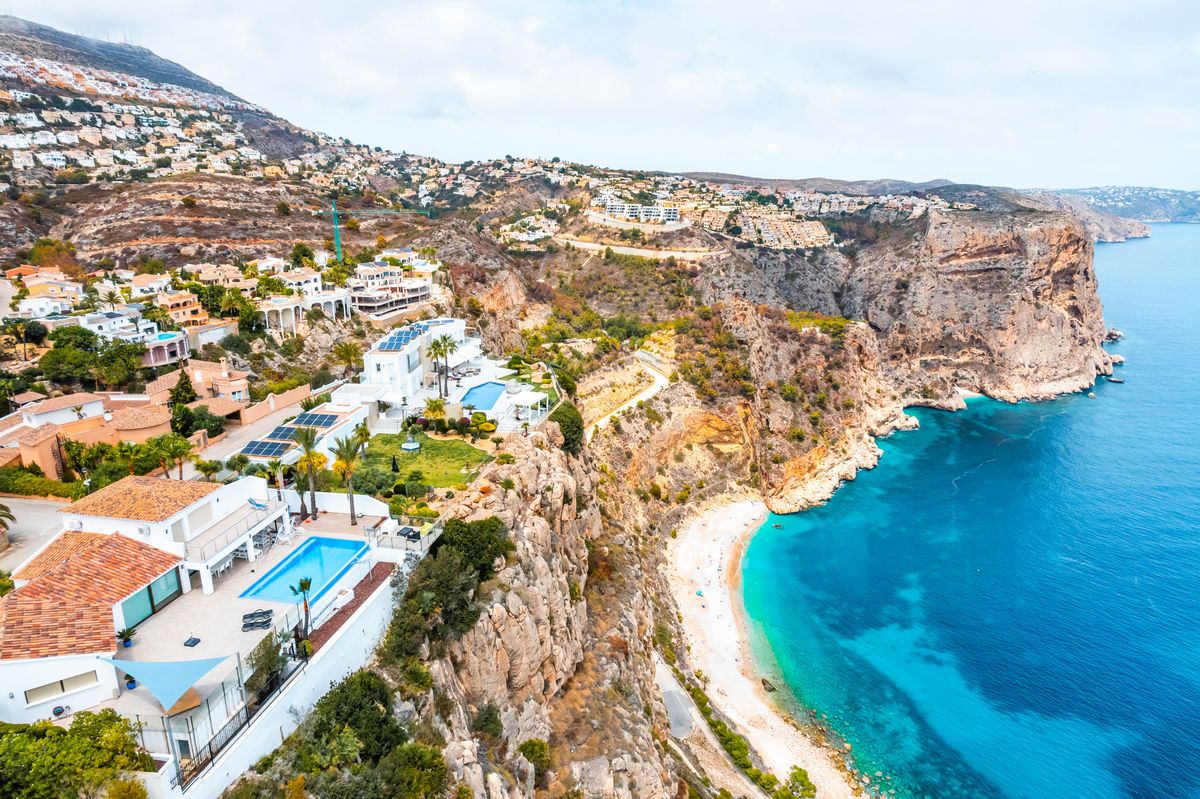
Costa Blanca is the cheapest summer holiday destination for 2026, it has been revealed (Image: Getty Images)
A popular Spanish region with white sand beaches and pristine blue water has been named as the cheapest summer holiday destination for 2026.
As we look to book our summer getaways for next year, Which? has compared the prices of 5,393 package holidays from Jet2holidays and easyJet Holidays to reveal the most affordable options. This was based on a seven-night stay, including flights, departing around August 2, with two people sharing a room with various board types.
Following their extensive research, the experts found that Costa Blanca, along Spain’s Mediterranean coastline, was the most budget-friendly option for a holiday deal next year. For a stay in Costa Blanca during the height of summer, Which? discovered that it would cost, on average, £864 per person for a seven-night package.
This is partly due to its popular and affordable seaside resort of Benidorm, which has often been dubbed the ‘New York of the Mediterranean’ or the ‘Spanish Las Vegas’. Benidorm is undeniably appealing with its sprawling golden sand beaches and turquoise waters, while its cheap drinks, lively nightlife, family entertainment and towering buildings only add to its unique allure.
In its research, Which? found that Benidorm offered some of the cheapest holidays from £535 per person for a week’s self-catering at the two-star Playamar apartments. Meanwhile, an all-inclusive option at the four-star Flamingo Beach Resort, featuring three outdoor pools, would cost £886pp with EasyJet Holidays.
But there’s much more to Costa Blanca than Benidorm, with quieter Spanish areas away from the tourist crowds. One option is the charming and picturesque hilltop town of Altea, offering sensational views over the Mediterranean, with room-only options available for £ 1,033 per person at the luxurious five-star SH Villa Gadea.
Costa Blanca was the only destination Which? found to be less than £900 for a week’s stay in August. Elsewhere in the research, the second most affordable package holiday was revealed as Tuscany, nestled in the heart of Italy.
Tuscany is renowned for its rolling hills, Renaissance masterpieces, and iconic cities such as Florence, Siena, and Pisa. A week-long stay in this captivating Italian region would set you back £929 per person, inclusive of flights and accommodation.
Coming in third on the list of budget-friendly summer escapes is the breathtaking Agadir coast in Morocco, famed for its expansive sandy beaches and status as a prime resort destination. With an abundance of accommodation choices along the coastline, centred around beach days, a stay here would amount to £946pp.
According to Which?, six of the top ten cheapest holiday destinations for 2026 are located in Spain, with Tenerife, Fuerteventura, and Gran Canaria among them. Additionally, Zante in Greece, celebrated for its crystal-clear waters, lush landscapes and vibrant nightlife, also secured a spot in the top 10.
Here are the cheapest package holiday destinations for 2026, as outlined by Which? The results show the average price, per person, for a seven-night package stay.
Costa Blanca, Spain – £864
Tuscany, Italy – £929
Agadir coast, Morocco – £946
Dalaman area, Turkey – £1,048
Tenerife, Canary Islands – £1,073
Fuerteventura, Canary Islands – £1,119
Gran Canaria, Canary Islands – £1,121
Costa Brava, Spain – £1,125
Costa Dorada, Spain – £1,133
Zante, Greece – £1,142
Do you have a travel story to share? Email webtravel@reachplc.com
Whitby was named the most in-demand UK destination over the summer holidays, but if you prefer to explore at a more relaxed pace then winter is a perfect time for a last-minute getaway
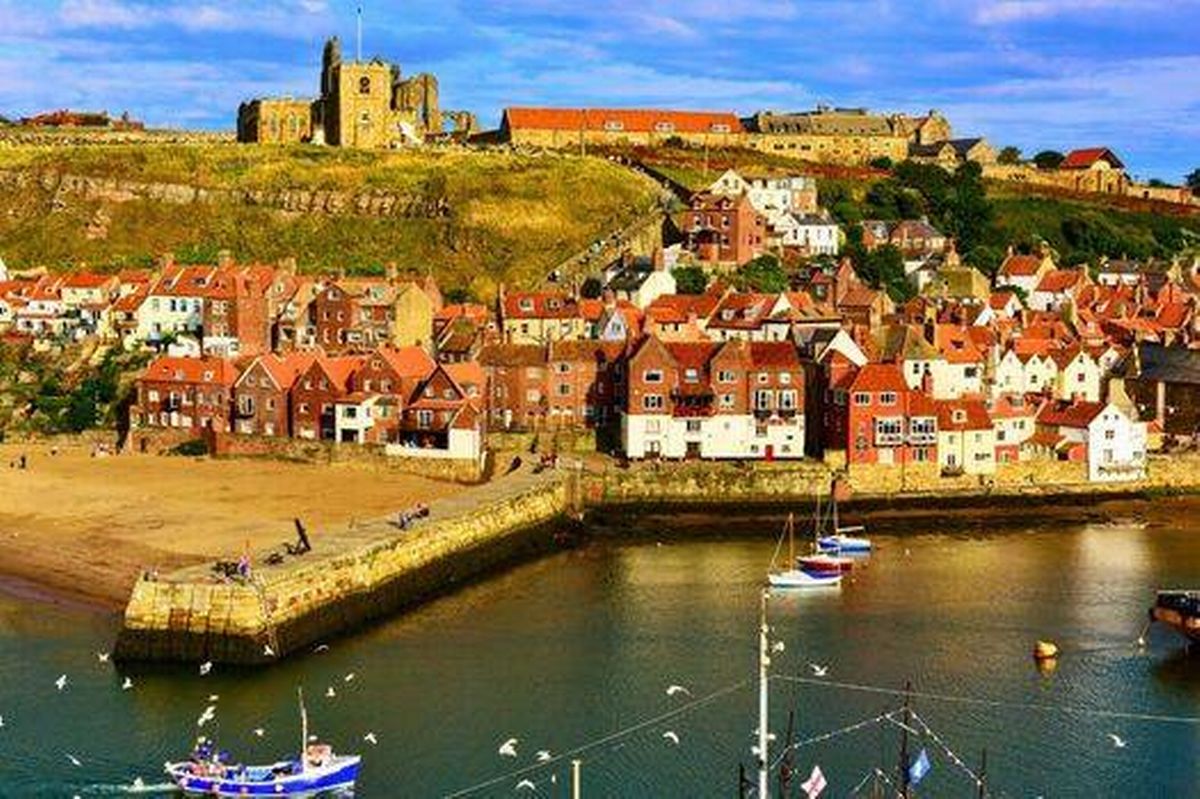
It is the perfect place for a winter break as it has lots of historic sites and breathtaking views (Image: Getty)
Winter often presents an opportunity to take things easy and relax, but if you’ve got some spare time on your hands, it could also be the ideal moment to fit in a spontaneous break before the new year arrives.
The UK boasts numerous stunning destinations, yet during the warmer months, these spots can become swamped with holidaymakers, frequently pushing up costs and making it more challenging to truly savour your travels.
If you’d rather explore without the hustle and bustle, then Emma, a travel specialist and founder of That Travel, has revealed that now is an excellent time to discover Whitby, which earned recognition as one of Britain’s most sought-after staycation destinations.
This past summer, Sykes Holiday Cottages crowned the Yorkshire coastal town as the nation’s top pick for the summer holidays. According to their findings, it emerged as the most coveted destination during the school break, with reservations climbing by 4% compared to the previous year.
She explained: “While Whitby gets masses of crowds in summer, winter remains a pretty peaceful time of year, and they don’t even experience the same Christmas chaos that many other towns and cities in the UK do. In other words? It’s a perfect little Christmas break – just be sure to wrap up warm to survive the crisp sea air.”
Whitby stands out as a distinctive town renowned for its spectacular coastline featuring breathtaking clifftop panoramas, while also carrying an eerie legacy due to its ancient Abbey and links to Dracula. Bram Stoker, the mastermind behind the iconic vampire novel, was so taken by Whitby during his visit in the late 19th century that he wove several of the town’s landmarks into his narrative.
This connection has given birth to the renowned Whitby Goth weekend, a biannual event where the town dons black attire to celebrate alternative cultures through music festivals and various activities.
While Whitby might not be your typical winter getaway, it’s known for its eccentric festivals and hosts an array of intriguing events around the Christmas period.
One such unique activity is the town’s Krampus Run, a parade where participants dress as the mythical creature from folklore.
The festival boasts fire breathers, drummers, and other eye-catching performances, culminating in an effigy burning on the cliffside to ward off the winter chill.
Additionally, the North Yorkshire Moors will be operating a Santa Express this year, offering a stylish way to appreciate the surrounding countryside and partake in a festive sing-along.
For those who relish Christmas tunes, Whitby Abbey will host numerous carol services and be adorned with stunning decorations, allowing visitors to marvel at the vibrant light display.
A winter visit to Whitby provides a stark contrast to the bustling summer season. For those seeking a more tranquil, cosy experience, securing last-minute accommodation during this time is often a breeze.
With its quaint cobbled streets, striking coastline, and delightful independent shops, Whitby is a picturesque destination and an ideal pick for a spontaneous winter getaway.
It offers stunning coastal views, a thriving high street and a rich history – and it’s perfect even in the rain
Nicola Roy Spare Time writer
11:23, 24 Dec 2025
Largs on the west coast of Scotland is the perfect seaside town, in my opinion (Image: Nicola Roy)
Christmas is a really exciting time, but it’ll be January before we know it, and the thought of the long, dark months ahead is enough to ruin anyone’s festive cheer.
However, one easy way to combat the January blues is to get out and about, blowing off the cobwebs by the seaside. And there are definitely no shortage of amazing UK spots to choose from.
There’s one particular location I went to loads when I was younger, that draws crowds in the summer, but is less visited during winter. However, after spending a drizzly and cold weekend there for the first time in years, I’m surprised to say it’s just as charming – maybe even more so.
Largs, an amazing seaside town on Scotland’s west coast, about an hour from Glasgow, is the place in question. Renowned for its Viking museum, quaint amusement arcades and ferry trips to the Isle of Cumbrae, it’s a destination many Scots are likely to have enjoyed during the warm summer days, reports the Express.
It’s one of those places that I remembered so fondly that I was convinced it couldn’t possibly live up to my nostalgic recollections – especially under grey skies.
But on the contrary, our family trip was filled with lovely rainy beach walks, delicious food, and even a couple of unexpected Viking sightings – all without a hint of sunshine.
Nestled by the Firth of Clyde, this charming seaside town offers everything you could want, including an array of lovely hotels and accommodation options. We stayed at the Old Rectory, a stunning holiday home that comfortably sleeps up to 14 guests, complete with a hot tub and ample space for relaxation.
One of the best things about Largs is how close you always are to the waterfront, no matter where you’re staying. The Victorian-style promenade is brimming with activities, sights, and a fantastic selection of eateries serving everything from traditional fish and chips to mouth-watering Thai cuisine.
Largs holds historical significance as the site of a pivotal battle in 1263, marking the end of extensive Viking influence in Scotland. You can delve into this history at the Vikingar museum or immerse yourself in the annual Largs Viking Festival, which we were fortunate enough to experience during our visit, complete with battle re-enactments, live music, and intriguing costumes.
Beyond its Viking heritage, Largs is also renowned for its art deco-style ice cream parlour, a long-standing attraction for visitors over the years.
Nardini’s, hailed as Scotland’s most famous cafe, is a must-visit for its inviting atmosphere and irresistible ice cream. Nestled on the waterfront like Vikingar, it’s an idyllic spot to enjoy a scoop or two of your favourite ice cream flavour.
Beyond its famed frozen treats, Nardini’s also offers a vast selection of cakes and light bites, making it a perfect pit stop for lunch or a quick snack during your seaside strolls. Venture further into the town, and you’ll discover quaint winding streets brimming with independent gift shops, eateries, and even more ice cream parlours.
One morning, we found ourselves at Perk, a vibrant cafe full of plants and books, boasting an impressive menu. The vanilla matcha was divine, and I couldn’t resist ordering the sumptuous feta and avocado waffles.
And if you’re still peckish after your meal, there’s a cake cabinet bursting with pastries and other sweet treats available for takeaway.
While Largs may not be home to any high street giants, it does boast an array of independent vendors showcasing their unique products. A large market tent houses retailers offering everything from organic dog food to wooden lamps, jewellery, soaps, and even tarot readings – a real treasure trove that could keep you occupied all day.
For those looking for a bit of an adventure, a quick ferry ride from the port will whisk you away to the Isle of Cumbrae, home to the lively town of Millport. The island is compact enough to cycle around in just a few hours, with a rewarding pint waiting for you at the end before a swift 10-minute sail back to the mainland.
Nearby lies the stunning Kelburn Castle, a beautiful park and estate that even hosts its own music festival during the summer months. It’s a family-friendly spot, boasting numerous playparks, waterfalls and more to discover – all conveniently located less than 10 minutes from Largs.
But truth be told, Largs itself offers more than enough to keep you entertained for a day or even a weekend. Don’t let the typical Scottish drizzle deter you – it only adds to the charm of the seafront walks and makes the cosy ice-cream parlours even more inviting.
SCATTERED across the UK are a number of beautiful seaside towns and one has been described as looking like Cornwall – despite being over 400 miles away.
The village of Staithes was once the largest fishing port on the North East coast – it’s still used for fishing, but on a much smaller scale.
Sign up for the Travel newsletter
Thank you!
The fishing village of Staithes sits on the Yorkshire coastCredit: AlamyIt has boutique shops, a museum, pubs and cafesCredit: Alamy
It has pretty cobbled streets with a small sandy beach that sits inside its natural harbour and traditional seaside cottages.
Despite its position along the Yorkshire coastline, lots of people are saying looks like it belongs in the south.
She toldCountry Living: “The viewdown to the village is almost enough to remember it by, but the narrow streets, pretty houses and a sheltered, sandy beach that’s as popular withfossilhunters as it is with families, put Staithes firmly at the top of the places-to-go-back-to list.
“There are pubs, cafes and tearooms, but not so many that it feels impersonal.
“I met a couple who were so taken with the place, that they’d spontaneously decided to extend their holiday.”
Here’s where to find the ‘best seaside town’ in the UK with a castle on the beach…
Bamburgh in Northumberland is constantly topping the rankings when it comes to the UK’s best seaside town.
The annual Which? ranking of seaside towns is created every year, with thousands of people surveyed about their experiences of UK beach holidays over the last year.
Once again,Bamburghin Northumberland came top of the pile, making it four years in a row that the north east town has claimed the title.
Bamburgh is renowned for its stunning sandy shoreline, backed by the imposing ruins ofits ancient castle.
One Travel Writer who visited said: “Visitors can take a dip in the fresh North Sea if they’re feeling bold, however I decided to simply dig my toes into the soft sand and take in the sights of Bamburgh Castle, which stands imposingly atop a hill behind the beach, creating a real life work of art.
“Making the scene even more idyllic is the small snack van, Bait at Bamburgh, tucked away in a car park behind the dunes.
“Its phenomenal crab crumpets are its signature dish, while local smoked Craster kippers are also on offer, providing beach-goers with delicious gourmet seafood treats plucked straight from the sea in front of them.
“The same locally-sourced produce can be found in places like the Potted Lobster, a relaxed bistro-style restaurant, whose freshly-prepared meals have earned it a place in the Michelin guide on four separate occasions.
“TheCopper Kettle and Clock Tower tearoomsserve similarly well-regarded fare. The former of the two describes itself as being “widely recognised as one of the finest Tea Rooms in the country” while the latter is part of the castle that draws people to Bamburgh from far and wide.“
The Ukrainian military says its forces have withdrawn from the battle-scarred town of Siversk in the eastern Donetsk region after heavy fighting with Russian forces.
In a statement on Telegram on Tuesday, Ukraine’s General Staff said that Russian troops had a “significant advantage” in manpower and equipment and had exerted constant pressure on the defending Ukrainian troops by staging small-unit assaults in difficult weather conditions.
Recommended Stories
list of 4 itemsend of list
Ukraine’s decision to withdraw its forces was made to “preserve the lives of our soldiers and the combat capability of the units”, the General Staff said.
Heavy losses were inflicted on Russian forces before the order to retreat was given, and Siversk remains “under the fire control of our troops”, and “enemy units are being blocked to prevent their further advance,” the General Staff added.
Ukraine’s DeepState military monitoring site reported late on Tuesday that Russian forces had occupied Siversk as well as Hrabovske, a village in Ukraine’s Sumy region close to the border with Russia.
Russian Lieutenant General Sergei Medvedev had told Russian President Vladimir Putin on December 11 that troops had taken Siversk, where fighting has been fierce in recent months, but Ukrainian officials denied the Russian reports at the time.
Ukraine’s military said at the time that Russian troops were “taking advantage of unfavourable weather conditions” to launch attacks, but were mostly being “destroyed on the approaches”.
The Kyiv Independent news site said that, despite Siversk’s modest size – it had a pre-war population of 10,000, and now, just a few hundred civilians remain – the town was key to the defence of northern Donetsk.
The town had helped shield the larger Sloviansk and Kramatorsk areas, “the main bastions of Ukraine’s so-called ‘fortress belt’”, which Russia has been unable to conquer since the start of fighting, the Kyiv Independent said.
Donetsk is one of three Ukrainian regions at the centre of Russia’s territorial demands, which are the stumbling blocks to reaching an agreement on a ceasefire. Ukraine’s leaders have said they will not concede their country’s territory taken during Moscow’s invasion.
Russian forces had already seized an estimated 19 percent of Ukrainian territory as of early December, including Crimea, which Moscow annexed in 2014, all of the Luhansk region, and more than 80 percent of Donetsk, according to the Reuters news agency.
Russian forces also control about 75 percent of the Kherson and Zaporizhia regions, and small parts of the Kharkiv, Sumy, Mykolaiv and Dnipropetrovsk regions, according to Reuters.
A 28-point peace plan first put forward by the administration of US President Donald Trump last month says that a negotiated settlement would see Crimea, Luhansk and Donetsk “recognised as de facto Russian, including by the US”.
Ukrainian President Volodymyr Zelenskyy recently said that the United States is pushing for Ukraine to withdraw its forces from the Donetsk region to establish a “free economic zone” in the area, which he said the Russian side is referring to as a “demilitarised zone”.
People visit the graves of fallen Ukrainian soldiers, decorated with Christmas trees and New Year’s decorations, at the Lychakiv Military Cemetery, in Lviv, Ukraine on Tuesday [Yuriy Dyachyshyn/AFP]
Pope saddened as fighting continues over Christmas
The latest setback for Kyiv on the battlefield came as Zelenskyy said on Tuesday that Russian forces had launched another “massive attack” on Ukraine on Monday night, killing at least three people, including a four-year-old girl, across 13 regions targeted with drones and missiles.
In Russia, Ukrainian drone attacks killed four people in the Belgorod region over the past two days, local officials said.
Pope Leo expressed disappointment on Tuesday that Russia had apparently refused to agree to a ceasefire on December 25, the date many Christians celebrate Christmas.
“I will make an appeal one more time to people of goodwill to respect at least Christmas Day as a day of peace,” Leo said, speaking to reporters outside his residence in Castel Gandolfo, Italy.
“Maybe they will listen to us, and there will be at least 24 hours, a day of peace, across the world,” he said.
While most people in Ukraine and Russia are Christians, many are Orthodox, meaning they observe Christmas on January 7.
Russian President Vladimir Putin announced an unexpected 30-hour unilateral truce a day before Easter this year, a rare pause in Russia’s war on Ukraine, which has now continued for close to three years, after Russia’s full-scale invasion in February 2022.
THE future of a historic pier and its record-holding railway remain in doubt as repairs and ownership questions drag out.
Hythe Pier in Hampshire is the UK’s seventh-longest of its kind but has been shut for more than a year, and has kept essential ferry services out of reach.
Sign up for the Travel newsletter
Thank you!
Hythe Pier is home to the world’s oldest pier railwayCredit: GettyThe Hythe Pier in Hampshire leads into Southampton WaterCredit: Getty
Located in Hampshire, the pier is a crucial stopping point for the Hythe Ferry, which ran regular services to Southampton before the closure.
Concerned residents have been searching for answers about when the pier would open and ferry services resume given that repair and electrical works seem to have concluded.
Services were suspended in August last year over health and safety concerns when damage was found underneath the landing pontoon.
But the ferry service never resumed, and the pier was once again closed in autumn this year to carry out electrical work.
“Essential works to support the pier and ferry operations are progressing,” a spokesperson for the ferry company told the BBC.
When contacted by The Sun, the ferry’s spokesperson said algae on the pier needed to be cleared out before services could resume. However, cleaning could only occur once the weather had dried up for a period of time, so the algae was likely to be removed in spring.
This is a blow for locals who have waited months for answers about when they could expect the ferry to be up and running again.
What has made the situation more complicated is a change in ownership of the Hythe and Southampton Ferry Company.
Investment firm Njord Partners has taken over Red Funnel, which owned the ferry company, but it has not been made clear how this would impact services.
“We simply don’t know anything about whether the Hythe Ferry was included in the takeover, and as the tenant of the pier, it’s their responsibility to determine when it can reopen again – we’ve asked them and had no answer,” vice-chair of the parish council, Mark Clark, told the BBC.
A PR firm representing Red Funnel issued a statement on the matter saying there was work being done to find solutions for a “sustainable future.”
“We’re pleased to confirm that the owners of Hythe Pier recently completed critical electrical repairs,” read the statement to the BBC.
“This is an important step forwards but there is still work to be done.
“The ferry is a historic and much-loved service, and we are working hard behind the scenes, together with local partners, to find the right solution and secure a sustainable future”.
The pier is owned by local councillor Ashleigh Mutimear-MacMillan who said it was closed by the tenant – Southampton and Hythe Ferry Company – and she was considering getting the pier registered as a charity.
“Decisions about access, operation and reopening sit with the Hythe Ferry,” she wrote in a Facebook post.
“As the pier owner, I continue to engage with the tenant and have been working to resolve electrical issues affecting the pier and associated community facilities.”
Mutimear-MacMillan said her idea of switching the pier business to a charity was because “the only income to the pier is rental income, and the full annual income has already been spent on essential electrical works.”
“There are no further funds available at this time through the private limited company, which is why longer-term funding options are being considered,” she wrote.
The pier and railway have been closed since August 2024Credit: Getty
A rural Texas community says nonstop noise from a bitcoin mine is destroying their lives. Residents in Hood County describe the 24/7 hum of cooling fans as “torture,” while operators defend the project as a major jobs and tax boost. Al Jazeera’s Phil Lavelle says AI data centres may bring even bigger battles ahead.
The trains will run Monday to Thursday so is mainly a commuter route, and it will sadly not run in the school holidays.
However, a day trip mid week means it can easily be visited with the new route.
Josh Babarinde MP said: “I am delighted that our campaign to restore the direct train service between Eastbourne and London Bridge has been successful – this is a massive win for our town.”
It will also stop at Lewes, another seaside town previously without a direct London route.
Most read in Beach holidays
It was also backed by Jenny Saunders, Southern’s Customer Services Director, who said: “I am delighted that we’ve been able to introduce this direct service from the coast to the capital.”
Tickets start from around £25.
Of course, you can still travel to Eastbourne from London Victoria.
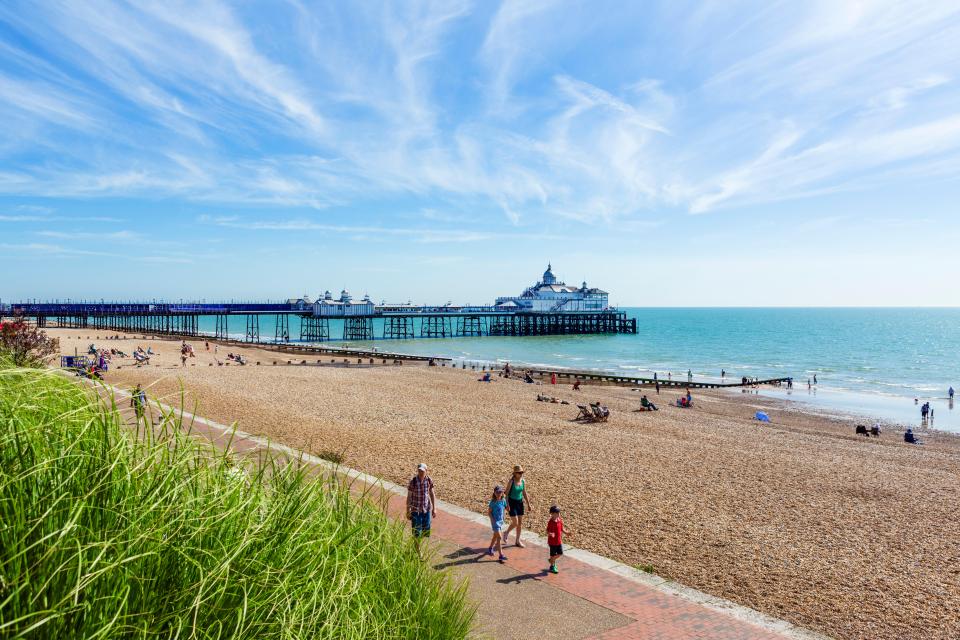
Eastbourne was a popular seaside destination during the Victorian times, but became run down over the years.
WHEN there’s no snow anywhere else, there’s still a bit of powder in Obertauern.
This tiny Alpine town has more snow than anywhere else in Austria, and its season lasts from November until May.
Sign up for the Travel newsletter
Thank you!
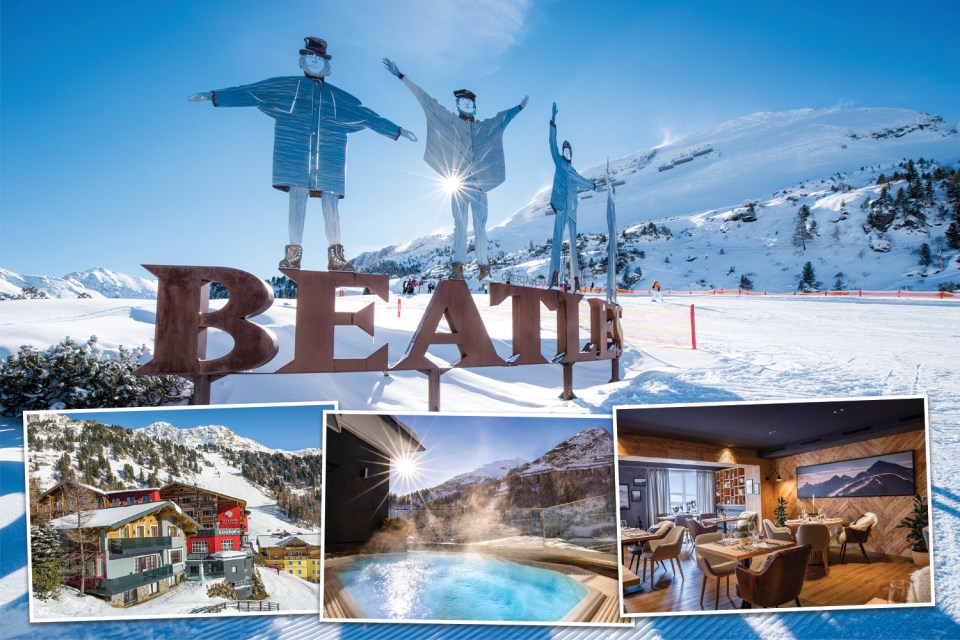
The Beatles filmed their 1965 movie, Help! here and had hired body-doubles to perform the action shots on skisCredit: SuppliedThe 4H+ Kesselspitze Chalet & Hotel is one of three in the town owned by Dubrovnik-based ValamarCredit: Supplied
So it’s no wonder when The Beatles were looking for a snow-sure location to film scenes for their 1965 movie Help! they opted for the once-unknown village 56 miles from Salzburg.
Body doubles were hired to perform the band’s action shots on skis — and Paul McCartney’s stand-in still lives here today.
This year marks the 60th year since the filming took place — transforming a previously quiet mountain village into the centre of pop culture for a few unforgettable days.
The global attention sparked by the Fab Four’s visit marked a turning point for Obertauern.
Beatles fans still make pilgrimages to the village, and scattered throughout the village are three monuments to commemorate the band.
And if, like The Beatles, you aren’t much of a skier, you can still catch a gondola to the peaks to enjoy the restaurants, with deckchairs overlooking the mountains.
But, of course, Obertauern is all about the snow, which reaches a maximum depth of 8½ft.
In the evenings, I’d watch snowfall from the cosy window seat in my room at Kesselspitze Chalet & Hotel, on the edge of town.
It fell so heavily I couldn’t see beyond it — not lights in the windows of nearby buildings, nor the mountains behind. It was everything a winter wonderland should be.
I hadn’t skied for a while, so I booked beginners lessons, and it is true what they say about teachers — the good ones make a massive difference. Mine made it look a doddle.
I may have stuck to safety on the nursery slopes while I practised my turns, but my classmates got the hang of it in no time.
Leg massage
It meant they could graduate to tougher challenges on the blue, red and black routes, including the Gamsleiten 2 — a scary 45- degree ski-run.
Back in town, the Eurobeat was booming in the apres-ski bars.
Still in full gear with skis parked against railings, people downed beers, wine and cocktails while they stomped to the beat.
The incredible mountain view from the hot tubCredit: Supplied
A pint of beer costs an average of €6 while a glass of good Austrian wine is around €4.30.
If you’re not partying or skiing, there are shops to browse, plus restaurants and cafes to enjoy.
A highlight of the trip for me, however, was the hotel and its facilities.
The 4*+ Kesselspitze is one of three in the town owned by Croatia-based Valamar.
It is everything I expected from an Alpine hotel: Lots of wood, stone and rich colours, with a real fire in the bar, while the decor in my room was luxurious yet homely.
The food, a combination of help-yourself buffet and a la carte, was amazing, and there was so much of it that I always felt well-fuelled before and after hitting the slopes.
I loved the hotel’s Balance Spa. Tired and aching, I recuperated in the sauna, steam room and Finnish sauna (much hotter) and booked in for a leg massage to soothe my throbbing calves.
There’s something spectacular about relaxing in an outdoor Jacuzzi while it is snowing — the heat of the bubbles clashing with the cold, and the mountains right in front of you.
It is the perfect way to soak away any aches and pains, ready for another day on the slopes.
In the evenings, I’d watch the snow fall from the cosy window seat in my room at Kesselspitze hotel on the edge of townCredit: Supplied
GO: OBERTAUERN, AUSTRIA
GETTING THERE: British Airways flies from London Gatwick to Salzburg from £59 each way. See britishairways.com.
STAYING THERE: Double rooms at Kesselspitze Hotel & Chalet cost from £303 per night.
MORE INFO: Ski rental costs from €30 per day, and day ski passes cost from €65 per adult and €32.50 per child.
After three girls die of cancer in a town in Mexico, a group of mothers and a scientist investigate the water supply.
When three young girls die from leukaemia within a year in a Mexican town, the authorities insist that the water is not contaminated. A teacher and local mothers demand answers and form an action group to investigate the cause. When they team up with a scientist, they find out their water is highly radioactive.
Corporate agriculture for export has depleted the aquifers, leaving behind an ancient layer of groundwater that is poisoning their town. This revelation prompts national outrage and leads the government to cut off the town’s water supply, while some officials still claim that the water is safe.
As the community turns against the women, they face a difficult choice. They must either give up their activism or keep fighting for clean water and environmental justice.
The Age of Water is a documentary film by Isabel Alcantara Atalaya and Alfredo Alcantara.
A PRETTY UK seaside town will be getting trains from London for the first time.
The operator Grand Central has launched the first-ever direct trains between Seaham and London.
Sign up for the Travel newsletter
Thank you!
The seaside town of Seaham now has four daily services to LondonCredit: AlamyThe journey will cut 30 minutes off previous journey timesCredit: Alamy
There are now four direct services between Seaham and London King’s Cross in each direction, every day.
Before the service was launched, passengers travelling from Seaham would have to change trains to travel into London, taking the total journey time to four hours.
The new direct service sheds 30 minutes off of that journey time, taking around three and a half hours in total.
One-way tickets cost from £30.50 per person, when booked in advance.
Chris Brandon, director at Grand Central, said: “For the first time in history, residents here have a direct, reliable connection to London — a connection that reflects the town’s growing ambition and needs.
“This launch reflects our mission to continue investing in the North East: through our £300million order of new trains, and through seeking increased track access rights, which will allow us to provide more services in the region for years to come.”
Grahame Morris, Member of Parliament for Easington, said: “The East Durham Coastline has been underused for decades, and I’m delighted that Grand Central has recognised the enormous potential of this route and worked hard to make it a reality.”
Seaham is located around a 17-minute drive from Sunderland in County Durham.
And the town is even home to a famous beach that stretches a mile-long and often features lots of sea glass, ideal for collecting.
Sea glass is man-made glass that at some point or another has ended up in the sea.
And when it does, it is ground down over the years and eventually washes up on the shore.
This is because during the Victorian era there was a bottle factory nearby that used to put waste directly into the sea.
There is even a beach called Glass Beach, located at the front of the town.
One recent visitor said: “If you’re looking for a place to find treasure then this is the one!
“There’s loads to see here from beautiful glass and fossils to a friendly little robin that comes and sits with you while you hunt for treasure.”
But if you want to explore a sandy spot, then head to The Slope Beach which looks out at Seaham Lighthouse.
A recent visitor said: “A hidden Seaham gem, with a gently sloping sandy beach leading down to a protected sea, with great views of the lighthouse at the far end of the pier.
In Seaham you can explore a beach, known for sea glassCredit: Alamy
“Great parking, a freshwater tap at the top of the beach, and all the facilities of the marina right next door, including toilets and a fantastic array of cafes.
“A great trip out for the kids, or a peaceful few hours to one’s self when they’re in school. Lovely!”
The town itself then also features a number of places to grab a bite to eat, including a Wetherspoons pub.
Or just up from Seaham Beach you can head to the Crows Nest pub, where you can order mac and cheese or Hunter’s chicken for £11.79.
If you fancy fresh seafood, head to The Lamp Room with options including a surf and turf salad for £16.95 or a seafood linguine for £15.95.
One diner commented: “The food was amazing, fresh, and very tasty.
“We had fresh mussels with fries, and the sauce was delicious.”
CBS News is moving forward with a series of town hall and debate telecasts with a major advertiser backing them, the first major initiative under editor-in-chief Bari Weiss.
The news division announced Thursday it will have a series of one hour single issue programs under the title “Things That Matter” done in collaboration with the digital platform the Free Press.
CBS News parent Paramount acquired the Free Press which was co-founded by Weiss, in September.
Bank of America will be a major sponsor of the series.
The town hall participants include Vice President JD Vance, who will discuss the state of the country and the future of the Republican Party, OpenAI Chief Executive Sam Altman on artificial intelligence and Maryland Gov. Wes Moore on the future of the Democratic Party.
The debate subjects include “Should Gen Z Believe in the American Dream?,” “Does America Need God? and “Has Feminism Failed Women?” The debaters include journalist Liz Plank, New York Times opinion writer Ross Douthat, and Isabel Brown, a representative for the right-wing organization Turning Point USA.
No dates have been set, but the programs will air in the current 2025-26 TV season which ends in May.
CBS tested the town hall format Saturday with a telecast that featured Weiss sitting down with Erika Kirk, the widow of slain right-wing activist Charlie Kirk. The program taped in front of an invited audience and averaged 1.9 million viewers according to Nielsen data, on par with what CBS entertainment programming has delivered in the 8 p.m. hour in the current TV season.
The town hall format where a news subject takes questions from audience members has long been a staple of cable news channels. Broadcast networks have typically only used it with presidential candidates.
“Things That Matter” is less of a play for ratings than a symbol of the new vision for CBS News under Weiss.
“We believe that the vast majority of Americans crave honest conversation and civil, passionate debate,” Weiss said in a statement. “This series is for them. In a moment in which people believe that truth is whatever they are served on their social media feed, we can think of nothing more important than insisting that the only way to get to the truth is by speaking to one another.”
Weiss hosted the town hall with Kirk. CBS News has not announced the on-air talent for the “Things That Matter” series.
Weiss was recruited by Paramount Chief Executive David Ellison to pull the news division towards the political center where he believes most of the country stands.
The Free Press gained popularity for its criticism of DEI, so-called woke policies, and strong support of Israel. The site is often described as “heterodox” and has been critical of numerous actions of the Trump administration. But its biggest fans tend to be in the business community who disdain high taxes and big government.
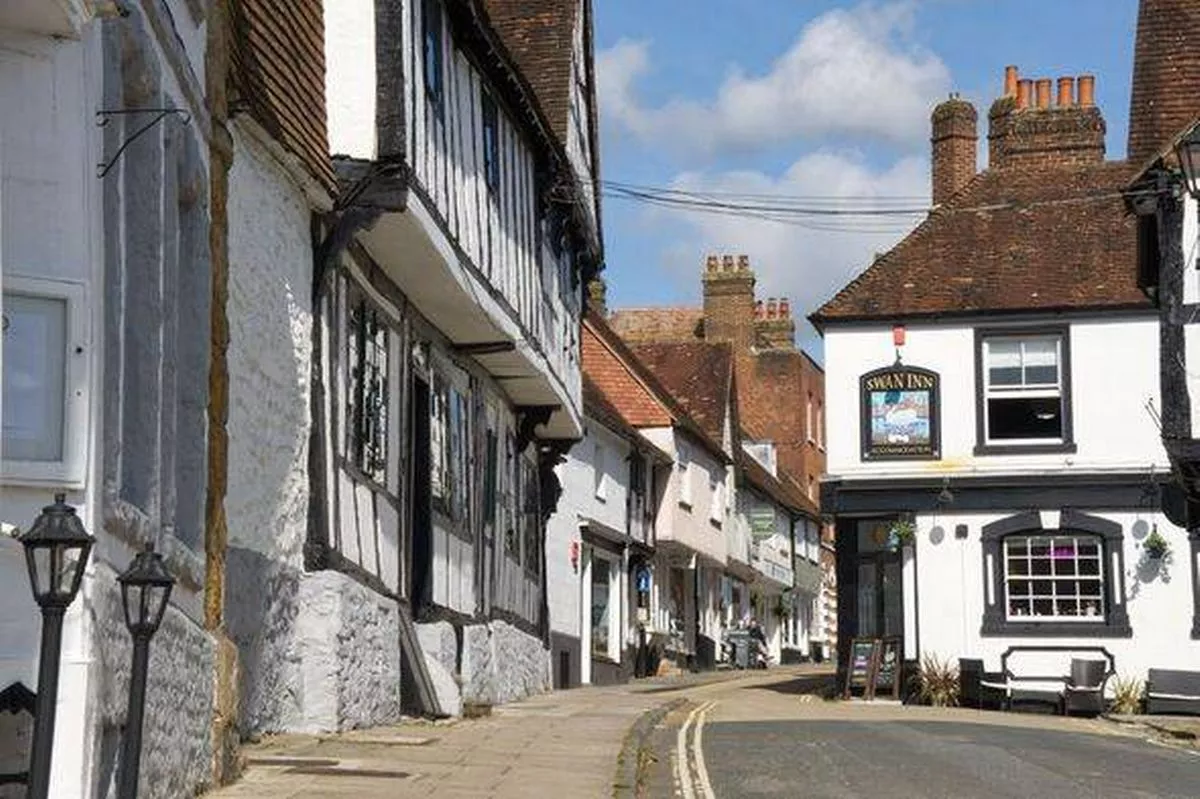
This gorgeous market town has Tudor buildings, and royal polo heritage.
10:47, 18 Dec 2025Updated 10:56, 18 Dec 2025
Midhurst is a charming market town nestled in West Sussex(Image: Getty)
If you’re dreaming of a getaway to a quintessentially British market town, complete with cobbled streets and Tudor architecture, then Midhurst in West Sussex is the place for you. Often hailed as a gem in West Sussex’s crown, it’s no wonder Midhurst has been voted one of the best places to live in the UK.
This charming, friendly town centres around a market square and boasts an abundance of historic architecture, giving it a traditional feel. It’s a magnet for the rich, famous, and even royalty, thanks to its status as the home of British polo – making it the perfect spot to try your hand at a new skill.
Notable figures such as King Charles, Prince Harry, and Prince William have all competed here, with Lady Diana Spencer making an appearance in July 1981, just days before her wedding to the then Prince of Wales.
Just a mile away from the town centre is the world-famous Cowdray Park Polo Club, host of the Gold Cup, considered one of the most significant events on the British social calendar, reports the Express.
Situated within the South Downs National Park, life in Midhurst unfolds against a backdrop of stunning landscapes, offering a tranquil atmosphere.
No visit would be complete without exploring the national park, which boasts beautiful walking trails, making it the ideal base to take in more of Midhurst’s picturesque surroundings.
Located on the River Rother, Midhurst is 20 miles inland from the English Channel and 12 miles north of Chichester.
Why not pop into The Spread Eagle? It’s one of England’s oldest coaching inns, dating back to 1430, and it’s brimming with character and charm at every turn.
A “wealth” of independent shops awaits you on West Street, Red Lion Street, Church Hill, Knockhundred Row and North Street.
Midhurst truly embodies the enchantment of Christmas, as the town is transformed into a festive wonderland adorned with twinkling lights.
Each year, the season begins with a Christmas street party, where the town’s tree and stunning lights are ceremoniously switched on. To celebrate the occasion, its numerous boutiques extend their opening hours, offering the perfect opportunity to find unique gifts.
A quintessential town has long been named one of the prettiest towns in the UK, and it’s easy to see why with its cobbled lanes and independent shops filling the quaint streets
Amy Jones Senior Travel Journalist and Alycia McNamara
12:54, 17 Dec 2025
Petworth is a charming UK town filled with picturesque cobbled lanes(Image: Getty Images)
During this time of year, there’s nothing better than wandering around a charming UK town before stopping off at a cosy pub. There’s one location that’s well worth a visit.
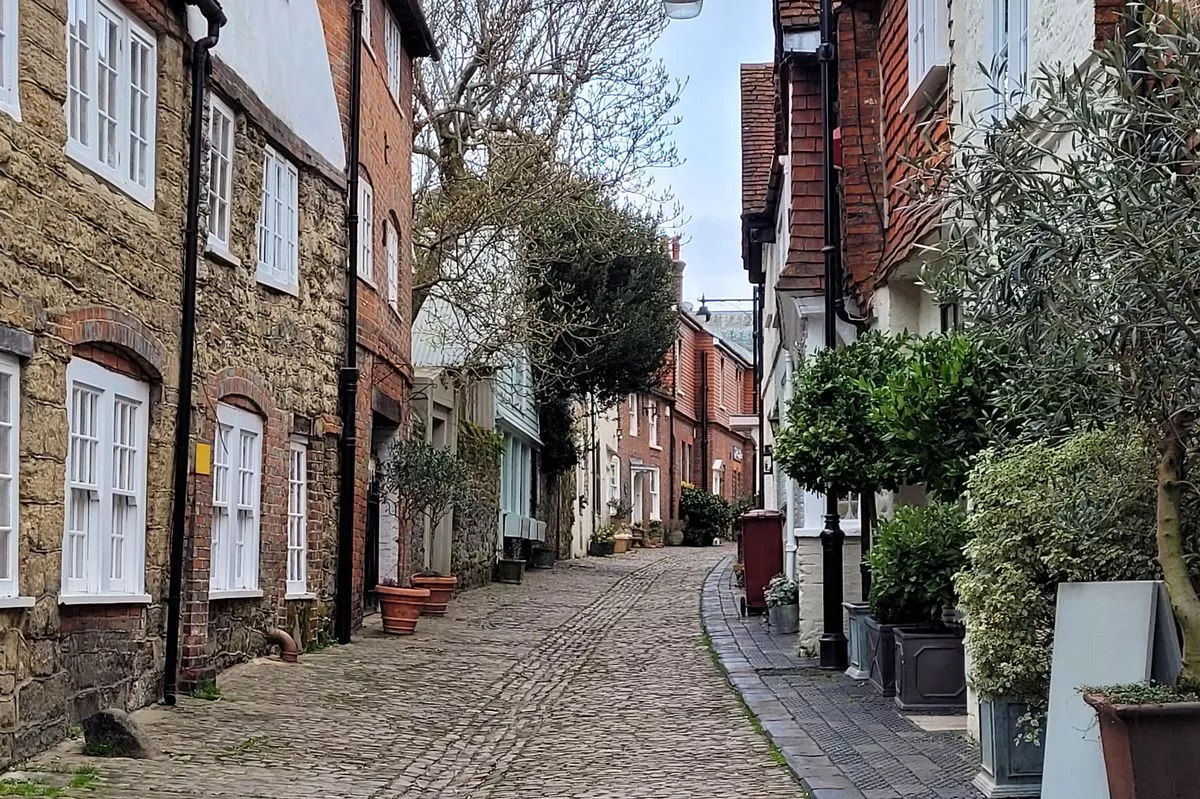
The unspoilt English town of Petworth in Sussex is like stepping back in time, featuring quaint cobbled lanes lined with antique emporiums. There are independent shops tucked among the streets, along with cafes, delis and inviting pubs that make for an idyllic day out.
Petworth Antiques Market itself is home to more than 40 dealers, where you can discover everything from stunning furniture pieces to ornaments and various home accessories. When peckish, pop into The Hungry Guest delicatessen on Middle Street before venturing out to explore the sprawling 700-acre Petworth Park, which lies beneath the magnificent 17th-century Petworth House.
Inside, visitors can explore the 17th-century stately home and uncover a treasure trove featuring an internationally significant collection of art and sculpture. You may even recognise it from films such as Napoleon, Rebecca, and Maleficent, as well as its appearance on Netflix’s Bridgerton.
One Tripadvisor reviewer commented: “Pretty Petsworth. Petsworth House is a beautiful period home with an amazing Mural up the staircase. The artist who painted the mural can be found hiding behind one of the pillars in the painted mural. A favourite of Turner – the famous artist who used to stay here and paint. The grounds and lake are really pretty.
“The Town nearby has some beautiful medieval houses, which are antique shops, as well as a great antique market. A great place to walk around and have afternoon tea. One of my favourite historical towns.”
Another shared: “Our first visit to Petworth and we thoroughly enjoyed it. Although the house isn’t particularly impressive from the outside, the artwork within certainly is worth viewing. We did a guided tour with an extremely knowledgeable gentleman, which was greatly enjoyable and informative.
“I’m not even a great art fan, but he brought everything to life. Afterwards, we enjoyed a coffee in the cafe and a lovely walk around the estate in the sunshine. I would say it is more suited to adults than children, but we really enjoyed our visit.”
Petworth sits just over half an hour’s drive from Chichester and approximately 50 minutes from Portsmouth. If you’re a fan of nature and wildlife, be sure to look out for the hundreds of deer that freely wander around the park.
The park is one of the best-preserved examples of an English landscape designed by the renowned Lancelot ‘Capability’ Brown. From here, you can enjoy stunning views of the South Downs, with the park offering the perfect vantage point.
It’s also the perfect spot to escape the hustle and bustle to enjoy a refreshing walk. Not to mention that Petworth has been so highly praised, it was hailed as one of the UK’s most picturesque towns by Condé Nast Traveller earlier this year.
So, if you’re planning a day trip in the UK, consider Petworth for a delightful and tranquil outing this winter.
Do you have a travel story to share? Email webtravel@reachplc.com
GINGERBREAD has become a staple of Christmas – and there is a town in the UK that is considered the home of it.
Ormskirk is a market town in Lancashire sitting around 13 miles from Liverpool.
Sign up for the Travel newsletter
Thank you!
Ormskirk is known for its unique gingerbread which dates back to the 1700sCredit: http://www.mrthompsonsbakery.co.ukThe town also has one of the oldest and most traditional markets in the countryCredit: Alamy
The town has its very own gingerbread history which dates back to the early 1700s when “Gingerbread Ladies” would sell their homemade spiced goods from baskets.
These were especially popular with travellers at coaching inns and later railway passengers.
Ormskirk gingerbread was even rumored to be enjoyed byKing Edward VII.
While the gingerbread we buy in shops usually has a distinct taste and snap, Ormskirk Gingerbreadis very different.
If wrapping up for country walks is what you prefer to do in winter, then head to Rufford Old Hall.
The National Trust Tudor and Jacobean house that’s around 500 years old sits on the outskirts of Ormskirk.
Here are period rooms to explore along with a cosy Victorian tearoom which serves afternoon tea, cakes, scones and tray bakes.
There’s also a secondhand bookshop, garden and woodland, and the site has a two mile circular walk too from the hall along the Leeds and Liverpool canal.
Ormskirk holds a market every Thursday and Saturday that’s one of the oldest in the country.
It’s one of the UK’s oldest and most traditional markets having been open for almost 700 years.
The Kicking Donkey pub has a cosy fireplace and serves Sunday roastsCredit: TripadvisorRufford Old Hall has a pretty tearoom as well as gardens and woodland for winter walksCredit: Alamy
There you’ll find around 100 stalls selling baked goods to clothing and gifts.
When it comes to cosy pubs, there are plenty in Ormskirk like The Kicking Donkey which is another great winter spot as it has an open fire and hearty meals.
On Sundays the classic country pub serves up roast dinners from beef brisket to gammon and turkey, to pork belly and chicken from £16.75.
One visitor said: “Lovely traditional pub, real fires and candles, amazing food and service and fabulous negroni.”
Other popular spots include Tiny Tavern Ormskirk, The Cricketers, Lost and Found and The Buck I’th Vine.
Here’s UK’s longest seaside village that’s surrounded by countryside & is the best for winter walks…
Sat on Devon‘s Jurassic Coast, Branscombe stretches around 3.5 miles long and is known for its pebble beach, thatched cottages and historic buildings.
The village features a mile-long high street running through its centre and it is surrounded by rolling hills with grazing sheep.
Alex Gwillim, local travel expert at Sweetcombe Cottage Holidays, said: “Branscombe is one of Devon’s most picturesque villages, and its cosy aesthetic paired with wellness-inspired activities makes it ideal for those looking for a staycation that prioritises self-care.”
And she isn’t wrong; Branscombe boasts amazing coastal walks like the South West Coast Path.
“Situated along the South West Coast Path, Branscombe makes the perfect starting point for a winter walk through woodland, beaches, and clifftops.
“From here, you can explore the Beer head loop or venture further along the coast to Sidmouth.”
And of course, Branscombe’s beach is a top spot to explore, with pebbles and often quieter during the autumn and winter months.
Alex added: “The mile long beach is ideal for a dog walk or simply clearing your head.”
Visitors can also get a glimpse of the UNESCO World Heritage Jurassic Coast at the beach, with dramatic cliffs.
For little ones, there are plenty of rock pools to explore and fossils to find, including early reptiles, plants and marine life.
After exploring the beach, make sure to visit The Old Bakery and The Forge, both of which are National Trust sites.
The pretty market town was crowned Best Place to Live in the country in 2012 and won the Irish Tidy Towns Competition three times, yet few tourists make it there
The town was voted the best place to live(Image: frankix via Getty Images)
The UK is home to some truly stunning villages and towns. From cobbled streets winding through rolling countryside to clifftop whitewashed hamlets and fairy-tale cottages scattered across the landscape, Britain has it all.
But travel just a bit further afield, and you’ll discover places that could easily rival – or even outshine – the best of what Britain has to offer. Westport in County Mayo, Ireland, is one such gem. Getting there couldn’t be easier, with Ryanair, British Airways, and Aer Lingus all flying into Knock, the closest airport to Westport. From there, it’s just an hour’s drive west to this coastal Heritage Town.
The journey itself is a treat, with the scenery becoming increasingly dramatic as you near the Atlantic and the mountains loom larger. Croagh Patrick, known as Ireland’s “Holy Mountain,” sits just five miles from town, its distinctive cone-shaped peak dominating the skyline above Clew Bay.
The mountain draws both pilgrims and tourists alike. Every year on the last Sunday in July, worshippers make the gruelling climb to the summit, where they visit a chapel, attend Mass, and often perform acts of devotion – some even tackling the ascent barefoot or on their knees.
If that sounds a bit too intense for a relaxing break, don’t worry – there’s plenty to keep you entertained in the town itself. Westport boasts a beautiful Georgian town centre, while stone bridges span the tree-lined paths that run alongside the River Carrowbeg.
The town is remarkably pristine, offering an exceptional quality of life. Westport has triumphed in the Irish Tidy Towns Competition three times – in 2001, 2006, and 2008 – and was named Best Place to Live in Ireland by The Irish Times in 2012.
It comes as no surprise that Westport is home to a wealth of outstanding pubs. Venues like Matt Molloy’s, MacBride’s, Porter House, and JJ O’Malley’s are all reliable choices and regularly feature traditional Irish bands in the evenings.
When the weather’s nice, tourists can wander along the Quay before making their way to The Point. “This is a fabulous place to meet locals on a nice day as they swim in the shallow waters of Clew Bay. I sat at a table and laughed as they chatted with each other, calling to friends who were not in the water. It was a kick to be a fly on the wall and witness friends and neighbours giving each other a hard time and laughing and gossiping,” notes travel blogger Wander Your Way.
Many tourists staying in Westport opt to explore destinations beyond the town centre, immersing themselves in the dramatic beauty of the countryside. A popular local saying in Clew Bay claims there’s “an island for every day of the year.”
In reality, there are roughly 120 designated islands, alongside countless smaller submerged limestone drumlins that appear when the tide goes out.
Clare Island is the largest of the true islands, its majestic silhouette looming on the horizon like a giant humpback whale. The short ferry crossing from Roonagh Pier is essential for visitors, providing spectacular walks and vistas. Clare attracts birdwatchers in their droves, who come to spot kittiwakes, fulmars, peregrines, guillemots, and the most charming of all – puffins.
For those prepared to travel further offshore, Inishturk beckons, billed as a “little piece of paradise,” according to the local tourism authority. Must-sees include the golden sands of Tra na nUan and Curraun, Ireland’s sole offshore-island natural lagoon, dramatic sea cliffs, and uncommon wild flora.
Westport is a treasure that’s difficult to fault, commonly considered a combination of Ireland’s best natural attractions with welcoming culture and streets that remain pleasantly uncrowded.
“I am a huge fan of Westport and County Mayo, perhaps because my wife’s cousin owns the Clew Bay Hotel and Madden’s Restaurant. I highly recommend both. Renting bikes in Westport and riding the Great Western Greenway is fantastic, love it. It’s a charming little town with excellent restaurants and pubs,” one devotee recently posted on Reddit. Another person enthused: “I second Westport! My wife and I had our honeymoon there (years ago, and in Clew Bay Hotel too! ) and frequently return. The people in the restaurants, bars, and shops are all so welcoming. If you’re not a fan of the pubs (and the music), there are plenty of interesting and easily accessible walks and cycle paths nearby. Can’t wait to go back!”.
A third observer noted: “It really does seem magical out there, lots of outdoor activities and seems less busy with tourists.”
Human Rights Watch, an international non-governmental organisation, has raised concerns over the dire humanitarian situation in the Democratic Republic of Congo, following the capture of Uvira town by M23/AFC rebels.
In a statement released on Monday, Dec. 15, Human Rights Watch reported that the offensive launched by M23/AFC, with support from Rwanda in Uvira and the surrounding areas, has resulted in a significant displacement of populations. It stated that access to humanitarian assistance has been severely diminished.
According to figures from the United Nations, approximately 200,000 people have fled the fighting, including over 30,000 who have crossed the border into Burundi. Congolese refugees arriving in Burundi have informed UN officials that they are receiving little to no humanitarian assistance. Human Rights Watch reports that local hospitals and health centres are overwhelmed amid a decline in humanitarian aid due to limited access and financial resources.
The organisation emphasises the suspension of food assistance in the province, stating that the UN World Food Programme has halted its support throughout South Kivu, worsening the living conditions of displaced populations still in areas affected by conflict. They are urging all forces present on the ground to ensure humanitarian access and the protection of civilians. In particular, they demand that the Rwandan authorities and the M23 guarantee access to essential items for the population’s survival, including water, food, and medicine.
Human Rights Watch states that the lack of progress in humanitarian aid, despite recent diplomatic efforts, is concerning.
“The Washington Accords dealing with the situation in the Eastern DR Congo have not permitted improved security nor better access to aid for the civilians near Uvira in South Kivu,” said Clementine de Montjoye, Human Rights Watch’s principal researcher for the Great Lakes region.
While humanitarian needs are rapidly increasing, Human Rights Watch exhorts its international partners to act quickly.
“The situation faced by civilians in South Kivu is more and more perilous, and the humanitarian needs are considerable,” the non-governmental organisation said, calling for an urgent reinforcement of assistance and the adequate protection of civilian populations.
Human Rights Watch has expressed alarm over the worsening humanitarian crisis in the Democratic Republic of Congo, particularly after the M23/AFC rebels, with Rwandan support, seized Uvira town. The conflict has displaced around 200,000 people, with over 30,000 fleeing to Burundi, where they receive minimal humanitarian support. The organisation highlights the overwhelming pressure on local health facilities and the suspension of the UN World Food Programme’s aid in South Kivu, exacerbating the plight of those in conflict-ridden areas.
Human Rights Watch urges all involved forces to ensure the protection of civilians and access to essential services like food, water, and medicine. Despite diplomatic efforts, progress in humanitarian aid remains limited, with recent agreements showing little effect on improving security or aid distribution in South Kivu. The NGO calls for urgent international action to bolster aid efforts and provide adequate protection for civilians amidst increasing peril and significant humanitarian needs.
SUNLOUNGERS are a staple of any beach holiday, in fact holidaymakers won’t remember a time before them.
The lounger was first established in the late 1800s and looks a lot different to how we know them – and in fact, were founded in a small town in Germany.
Sign up for the Travel newsletter
Thank you!
This seaside resort in Germany is recognised for being home to the first sunloungerCredit: AlamyThe beach chairs are called Strandkorb and are still found on Baltic Sea beaches todayCredit: Alamy
With the sunlounger’s success, beach chairs then popped up in seaside towns neighbouring the North and Baltic Seas.
For anyone heading to Warnemünde, you’ll still be able to find the woven-style chairs, called Strandkorb, on its beaches.
Warnemünde sits just outside of Rostock and is known for its marina and being a cruise-ship stop and it’s beach that is almost two miles long.
One recent visitors wrote of the beach on Tripadvisor: “Finest white sandy beach behind a generously laid out, wide promenade. You could fill hourglasses with this sand.”
Most read in Beach holidays
Another called it “one of the best beaches in Europe” and a third said: “The beach in Warnemünde is one of the most beautiful beaches on the German Baltic coast.
“Everything here is open and spacious. The sand has a Caribbean feel to me. We always enjoy coming here.”
Warnemünde’s fine sandy beach is almost two miles longCredit: Alamy
Other sites include the Warnemünde lighthouse which was used for more than 100 years.
You can visit the area around the lighthouse for free, but going up the lighthouse tower costs a small fee.
Visitors can then climb up 135 steps to the top for panoramic views over the coast.
Other places to explore is the teapot-shaped buildingcalled Teepott with restaurants, cafés, and souvenir shops, and Alter Strom, which was the old trade route into Rostock.
Now it’s lined with fishing boats and on the shore are seafood restaurants, and cafes.
The Teapott building is right next to the port town’s lighthouseCredit: Alamy
While there are no flights to Warnemünde, you can easily get there via water as plenty of cruises make a stop there.
P&O Cruises offers two itineraries around Northern Europe and Scandinavia that makes a stop in the German port town.
Fred Olsen Cruise Lines also offers a route to Warnemünde for example on its ‘Enchanting Landmarks of the Baltic’.
It starts from Copenhagen to Warnemünde, Gdansk, Klaipeda, Riga and Tallinn.