The move opens key assets to private investment and comes as Petroperu faces mounting losses and debt.
Published On 2 Jan 20262 Jan 2026
Share
Peru’s government has approved an emergency decree allowing private investment in parts of the state-owned oil company Petroperu, as authorities move to stabilise a firm weighed down by mounting losses and debt.
President Jose Jeri announced the decision shortly before the beginning of the new year.
Recommended Stories
list of 4 itemsend of list
The measure permits the reorganisation of Petroperu into one or more asset units, opening the door to private participation in key operations. That includes those at the flagship Talara refinery, which recently underwent a $6.5bn upgrade.
Beyond the refinery, Petroperu operates or holds concessions for six crude oil blocks with limited production, alongside a nationwide fuel distribution and marketing network.
In a statement, Peru’s Ministry of Energy and Mines said the decree seeks to “ensure compliance with financial obligations through technical management of its assets, laying the foundation for Petroperu to become a self-sustaining company”.
The ministry said the company’s financial position “is particularly sensitive”, citing accumulated losses of $479m between January and October 2025, as well as debts to suppliers totalling $764m through December.
Those figures come on top of reported losses of $774m in the previous year.
Petroperu’s financial strain has been compounded by debt linked to the Talara refinery modernisation, which ultimately cost double its original estimate and led to the company losing its investment-grade credit rating in 2022.
Since then, the government has repeatedly stepped in to support the firm, providing about $5.3bn in financing between 2022 and 2024.
The company, which is seen as crucial to Peru’s energy security, has also faced environmental scrutiny.
Authorities declared an “environmental emergency” and launched an investigation following an oil spill along a stretch of the country’s northern coastline in 2024, affecting an estimated 47 to 229 hectares (about 116 to 566 acres).
The Petroperu restructuring effort comes amid persistent political instability in Peru. Several presidents have failed to complete full terms in recent years, including Dina Boluarte, who was impeached by Congress in October.
Her successor, Jeri, has struggled to steady leadership at Petroperu, appointing three board chairs in just three months.
The move comes as Peru faces continuing political volatility, economic uncertainty and public pressure for stronger oversight of state institutions.
Second release of prisoners related to 2024 election protests seen as possible conciliatory move from Maduro.
Published On 1 Jan 20261 Jan 2026
Share
The government of Venezuelan leader Nicolas Maduro has released dozens of prisoners held for protesting his disputed victory in the country’s 2024 election.
The release of at least 87 prisoners comes as the administration of United States President Donald Trump has continued its pressure campaign against Caracas.
Recommended Stories
list of 3 itemsend of list
It was the second release within a week, in what some observers have viewed as an effort by Maduro to strike a more conciliatory tone, even as he has accused Trump of seeking to topple his government and seize Venezuela’s vast oil reserves.
Two rights groups, the Committee for the Freedom of Political Prisoners and the Committee of Mothers in Defense of the Truth, confirmed the release on Thursday.
“On the morning of January 1, mothers and relatives reported new releases of political prisoners from Tocoron prison in Aragua state” in northern Venezuela, the Committee for the Freedom of Political Prisoners wrote on social media.
Venezuela’s government had previously announced the release of 99 prisoners on December 25, calling it “a concrete expression of the State’s commitment to peace, dialogue and justice”.
However, Foro Penal, a leading Venezuelan rights group, said afterwards it was only able to verify the release of 61 prisoners at the time.
Maduro claimed victory in the July 2024 vote, maintaining he had secured a third six-year term. The opposition has alleged widespread fraud, publishing results later verified by independent experts showing that Edmond Gonzalez had won by a landslide.
Gonzalez ran in place of opposition leader Maria Corina Machado after she was banned from standing in the election. Machado recently emerged in Oslo, Norway, after spending months in hiding.
The disputed vote prompted widespread protests across the country, resulting in at least 28 deaths and thousands of arrests.
Official records show that at least 2,000 people have since been released, while more than 700 people are still believed to be held for political reasons.
The disputed election has, in part, undergirded the Trump administration’s pressure against Maduro, whom they have accused of running a drug trafficking operation that aims to destabilise the US.
The Pentagon has surged military assets off the coast of Venezuela since August, with Trump earlier this week revealing the first attack on Venezuelan soil targeting a dock allegedly used to load drug boats earlier this week.
The US has also blockaded sanctioned oil tankers entering and exiting Venezuela, while simultaneously carrying out strikes on alleged drug boats in the Caribbean and eastern Pacific, in what rights groups say amount to extrajudicial killings.
More than 100 people have been killed in the strikes so far.
From exile, Machado has vocally supported the US pressure campaign. She has been more circumspect on strikes on Venezuelan territory, while maintaining that Venezuela has been “invaded” by “terrorist groups” and “drug cartels”.
Venezuela experts have warned that many opposition groups in the country oppose US military action.
Local officials say the death toll could rise as seven people are missing following the attack on New Year’s Eve.
Published On 1 Jan 20261 Jan 2026
Share
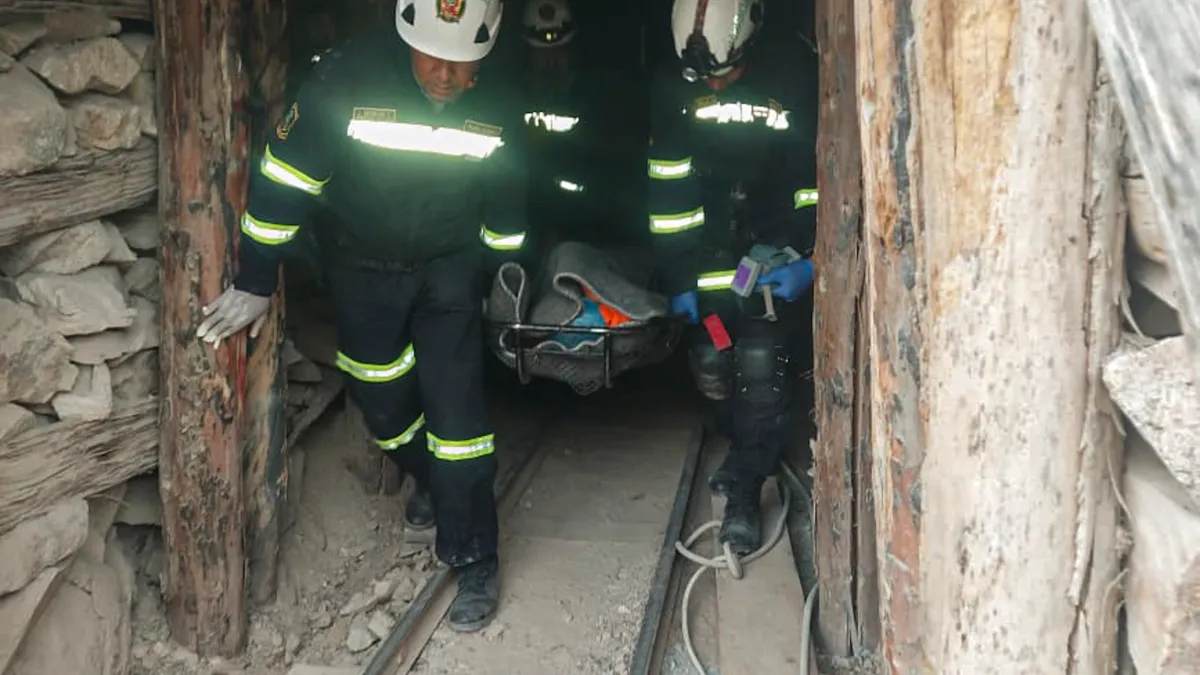
At least three people have been killed and seven remain missing following an attack on an informal mine in northern Peru, according to local officials.
In a video shared by the Peruvian news outlet Canal N on Thursday, Pataz Mayor Aldo Marino said the attack took place about an hour before midnight on New Year’s Eve.
Recommended Stories
list of 3 itemsend of list
“According to information I received from the police, three people were killed at a mine entrance, and seven are missing,” Marino said, noting that the final death toll could be as high as 15 as more bodies are recovered.
Details of the incident are still emerging, but informal mining operations are a frequent source of conflict in South America, as criminal groups jockey for control.
The latest incident took place near the town of Vijus, in the department of La Libertad in northwestern Peru.
Police reported that 13 miners had been killed in the same region last May. That incident prompted a stern response from local authorities, including the 30-day suspension of mining activities and a night-time curfew.
The region is known for its gold mines, including one of the largest in the world, Lagunas Norte.
But informal mines have also cropped up, as rural residents and criminal gangs try to carve a fortune from the mountains of Pataz, the province where the recent bloodshed unfolded.
In the wake of Wednesday’s incident, police have arrested two people, and an investigation is under way.
The news agency Reuters cited local prosecutors as saying that 11 shell casings had been recovered at the scene of the attack.
A mining company, Poderosa, also told the media that its security personnel had heard the gunfire and, after approaching the crime scene, discovered that three people were dead.
Many informal miners operate using temporary permits issued by the government, known as REINFO permits.
Reuters reported that the government suspended the permits of about 50,000 small-scale miners in July as part of a formalisation process, allowing about 30,000 to continue operations.
Peru exported $15.5bn worth of gold in 2024, compared with $11bn the year before. The country’s financial watchdog has estimated that about 40 percent of the country’s gold comes from illicit enterprises.
The Brazilian Federal Supreme Court has again denied a request from the defence team of former President Jair Bolsonaro to move him from prison to house arrest.
Bolsonaro, 70, has been in and out of hospital over the past week, undergoing multiple treatments for aggressive hiccups and a hernia.
Recommended Stories
list of 3 itemsend of list
But on Thursday, his petition for house arrest on “humanitarian grounds” was denied, a day after it was filed.
In explaining the court’s decision, Justice Alexandre de Moraes argued that Bolsonaro already has access to round-the-clock medical care in police custody.
The former right-wing leader is currently being held at the federal police headquarters in the capital, Brasilia, after being sentenced to 27 years in prison for attempting to overturn his 2022 electoral defeat.
De Moraes also questioned whether Bolsonaro’s health merited “humanitarian” accommodations.
“Contrary to what the defence alleges, there has been no worsening of Jair Messias Bolsonaro’s health condition,” the justice said in his decision.
“Rather, his clinical condition showed improvement in the discomfort he was experiencing after undergoing elective surgeries, as indicated in the report from his own doctors.”
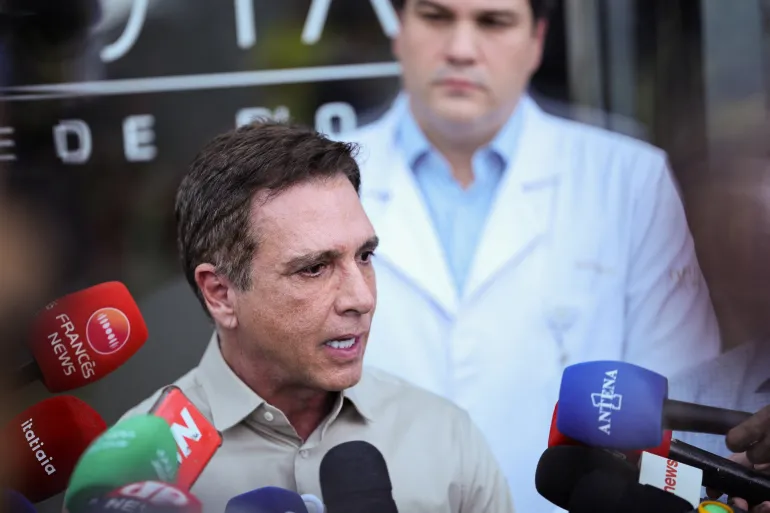
Dr Brasil Caiado speaks after Bolsonaro underwent surgery to treat hiccups on December 29, 2025 [Mateus Bonomi/Reuters]
Multiple requests
This is not the first time the court has rejected a similar petition from Bolsonaro, who has reportedly suffered from lingering conditions, including hiccups, related to an abdominal stabbing he survived on the campaign trail in 2018.
Bolsonaro was taken into custody in November after damaging an ankle monitor that allowed him to remain at home while pursuing appeals. He had been convicted in September.
But shortly after Bolsonaro was remanded into custody, his defence team filed a request for house arrest, warning of life-threatening conditions behind bars.
“It is certain that keeping the petitioner in a prison environment would pose a concrete and immediate risk to his physical integrity and even his life,” his lawyers wrote.
That request, and a subsequent one in December, have been denied.
On December 23, though, the Supreme Court approved Bolsonaro’s request to leave prison, in order to undergo surgery for a hernia, resulting from damage to his abdominal muscles.
He travelled to Brasilia’s DF Star hospital to receive treatment and has since pursued other procedures, including a phrenic nerve block treatment and an endoscopy, to address his persistent hiccups.
Election controversy
A former army captain, Bolsonaro became a rising star in Brazil’s far right and served as president for a single term, from 2019 to 2023.
During his term, he faced scrutiny for comments he made praising Brazil’s military dictatorship, which ruled the country from 1964 to 1985 and oversaw the systematic torture and killings of political dissidents.
He also allegedly used his office to cast doubt on the integrity of Brazil’s electronic voting system.
In 2023, Brazil’s Superior Electoral Court (TSE) would ultimately bar Bolsonaro from holding public office for eight years, citing instances where he broadcast unfounded allegations about the election system on state TV and social media.
Still, Bolsonaro was considered a frontrunner going into the 2022 presidential race, where he faced two-term former President Luiz Inacio Lula da Silva.
The race advanced to an October 30 run-off. Lula eked out a narrow win, besting the incumbent Bolsonaro by less than two percentage points, with 50.9 percent of the vote.
In the aftermath, Bolsonaro refused to publicly concede defeat, although media reports indicate he may have done so in private.
Meanwhile, he and his allies filed a legal challenge against the election outcome that was quickly rejected for its “total absence of any evidence”. Bolsonaro’s coalition was fined nearly $4.3m for the “bad faith” petition.
But the unfounded belief that Bolsonaro’s defeat was somehow illegitimate prompted his supporters to take to the streets. Some blocked highways. Others attacked the federal police headquarters.
The tensions culminated on January 8, 2023, a week after Lula’s inauguration, when thousands of Bolsonaro supporters stormed Brasilia’s Three Powers Plaza and broke into buildings representing Congress, the presidency and the Supreme Court.
Some supporters expressed hope that they could lead to a military coup that would remove Lula from power.
Senator Flavio Bolsonaro holds bobble-head dolls depicting US President Donald Trump and Bolsonaro on December 19, 2025 [Adriano Machado/Reuters]
Legal jeopardy
That attack prompted wide-ranging investigations, and in November 2024, federal police issued a sweeping report accusing Bolsonaro and 36 allies of attempting to “violently dismantle” Brazil’s constitutional order.
The report detailed alleged instances where Bolsonaro and his allies discussed invalidating the election results — or even assassinating Lula.
Last February, prosecutors formally charged Bolsonaro and dozens of codefendants for attempting to overthrow the 2022 election.
His trial unfolded despite high-level international pressure from right-wing figures like United States President Donald Trump, who imposed steep tariffs on Brazil in August to protest against the prosecution.
Still, in September, Bolsonaro was found guilty on five counts, including attempted coup d’etat, armed conspiracy, attempted abolition of the rule of law, destruction of public property and damage to national heritage.
Bolsonaro has denied wrongdoing throughout the case and has called his prosecution an attempt to silence a political rival.
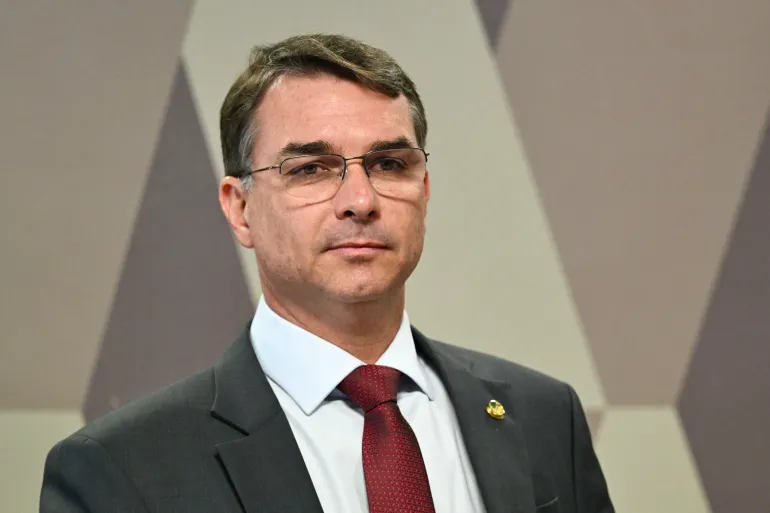
He remains a popular figure on the right, and his eldest son, Senator Flavio Bolsonaro, announced last month his intention to challenge Lula for the presidency this upcoming October.
Last month, Brazil’s conservative-led Congress also passed a bill that could shorten Bolsonaro’s sentence, though Lula has pledged to veto it.
The US says a search is underway for survivors after it bombed what it said was a suspected drug trafficking convoy. The attack is believed to have taken place off the coast of Venezuela.
The United States Department of the Treasury has issued a new round of sanctions aimed at isolating Venezuela’s oil industry, as part of President Donald Trump’s pressure campaign against the South American country.
The sanctions announced on Wednesday target four companies and their associated oil tankers, which are allegedly involved in transporting Venezuelan oil.
Recommended Stories
list of 3 itemsend of list
Trump has claimed that Venezuelan leader Nicolas Maduro leads a so-called “narco-terrorist” government that seeks to destabilise the US, a charge repeated in the latest sanctions announcements.
“Maduro’s regime increasingly depends on a shadow fleet of worldwide vessels to facilitate sanctionable activity, including sanctions evasion, and to generate revenue for its destabilizing operations,” the Treasury said on Wednesday.
Petroleum is Venezuela’s primary export, but the Trump administration has sought to cut the country off from its international markets.
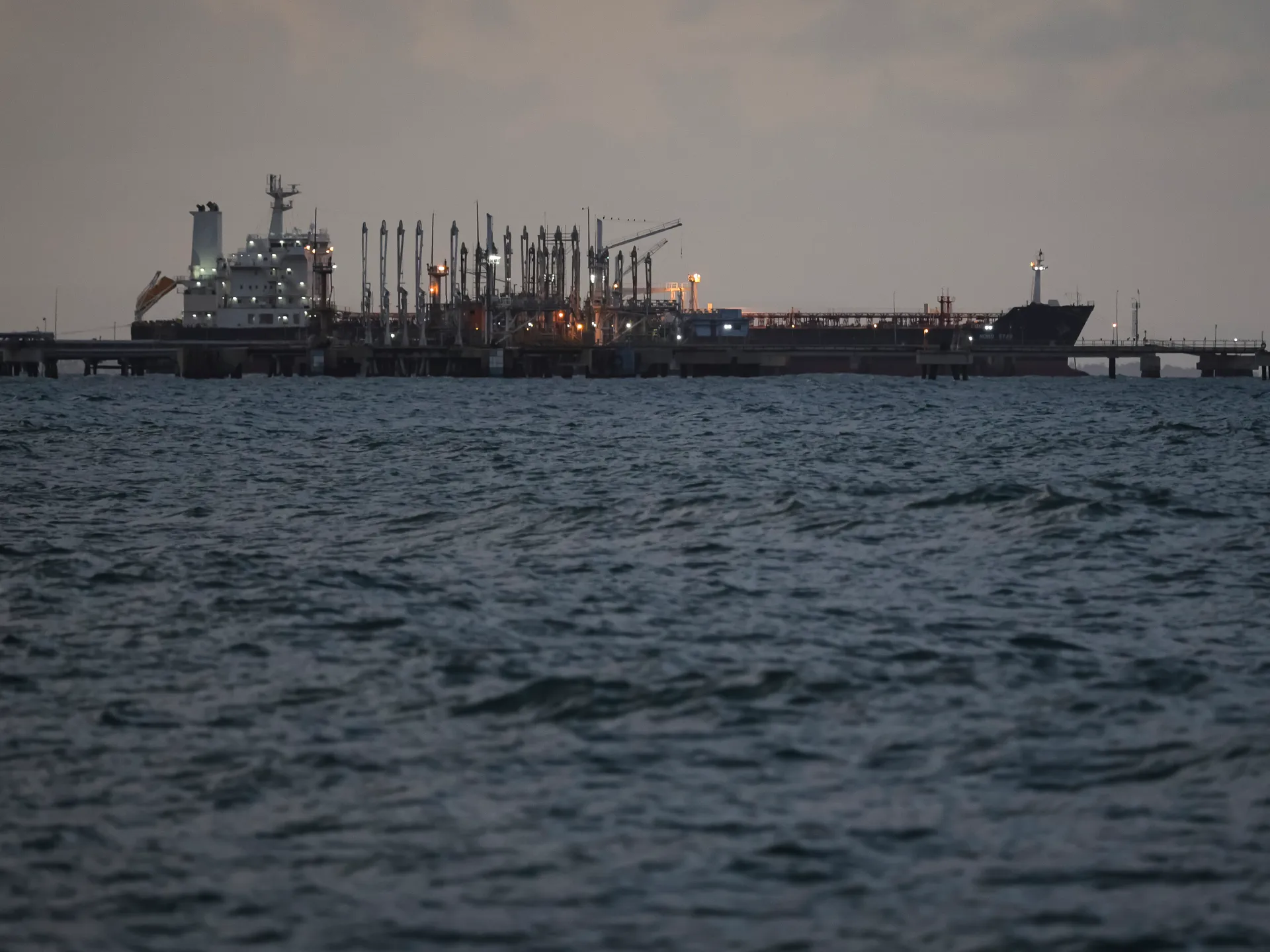
Wednesday’s notice accuses four tankers – the Nord Star, the Rosalind, the Valiant and the Della – of helping Venezuela’s oil sector to circumvent existing sanctions, thereby providing the “financial resources that fuel Maduro’s illegitimate narco-terrorist regime”.
“President Trump has been clear: We will not allow the illegitimate Maduro regime to profit from exporting oil while it floods the United States with deadly drugs,” said Treasury Secretary Scott Bessent.
“The Treasury Department will continue to implement President Trump’s campaign of pressure on Maduro’s regime.”
Claims on Venezuelan oil
The sanctions come a day after Washington imposed sanctions on a separate Venezuelan company it says assembled drones designed by Iran.
In recent months, the Trump administration has cited several motives for ratcheting up pressure against Venezuela, ranging from immigration to Maduro’s contested election in 2024.
Trump, for instance, has framed the pressure campaign as a means of stemming the trade of illegal drugs, despite Venezuela exporting virtually none of the administration’s main target, fentanyl.
Critics have also accused Washington of seeking to topple Maduro’s government to take control of the country’s vast oil reserves.
Trump officials have fuelled those suspicions with remarks seeming to assert ownership over Venezuela’s oil.
On December 17, a day after Trump announced a “total and complete blockade” of sanctioned oil tankers entering and leaving Venezuela, his top adviser, Stephen Miller, claimed that the US “created the oil industry in Venezuela”.
He suggested that the oil was stolen from the US when Venezuela nationalised its petroleum industry, starting in 1976.
That process accelerated after the 1998 election of socialist President Hugo Chavez, who reasserted state control over Venezuela’s oil sector, ultimately leading to the seizure of foreign assets in 2007.
That “tyrannical expropriation” scheme, Miller alleged, “was the largest recorded theft of American wealth and property”.
Still, one major US oil company, Chevron, continues to operate in the country.
Trump has echoed Miller’s claims, writing online that the US “will not allow a Hostile Regime to take our Oil, Land, or any other Assets”.
He added that all of those assets “must be returned to the United States, IMMEDIATELY”.
Military build-up in the Caribbean
In recent months, the Trump administration has tightened its focus on Venezuela’s oil industry, taking a series of military actions against tankers.
On December 10, the administration seized its first tanker, the Skipper, followed by a second seizure 10 days later.
The US military has reportedly been pursuing a third tanker as it crosses the Atlantic Ocean.
The attacks on the oil tankers come several months after the US began surging aircraft, warships and other military assets to the Caribbean region along Venezuela’s coast.
Since September 2, the US military has conducted dozens of bombing campaigns against alleged drug-smuggling boats in international waters in the Caribbean Sea and eastern Pacific, in what rights groups call extrajudicial killings.
More than 100 people have been killed, and the administration has offered scant legal justification for the attacks.
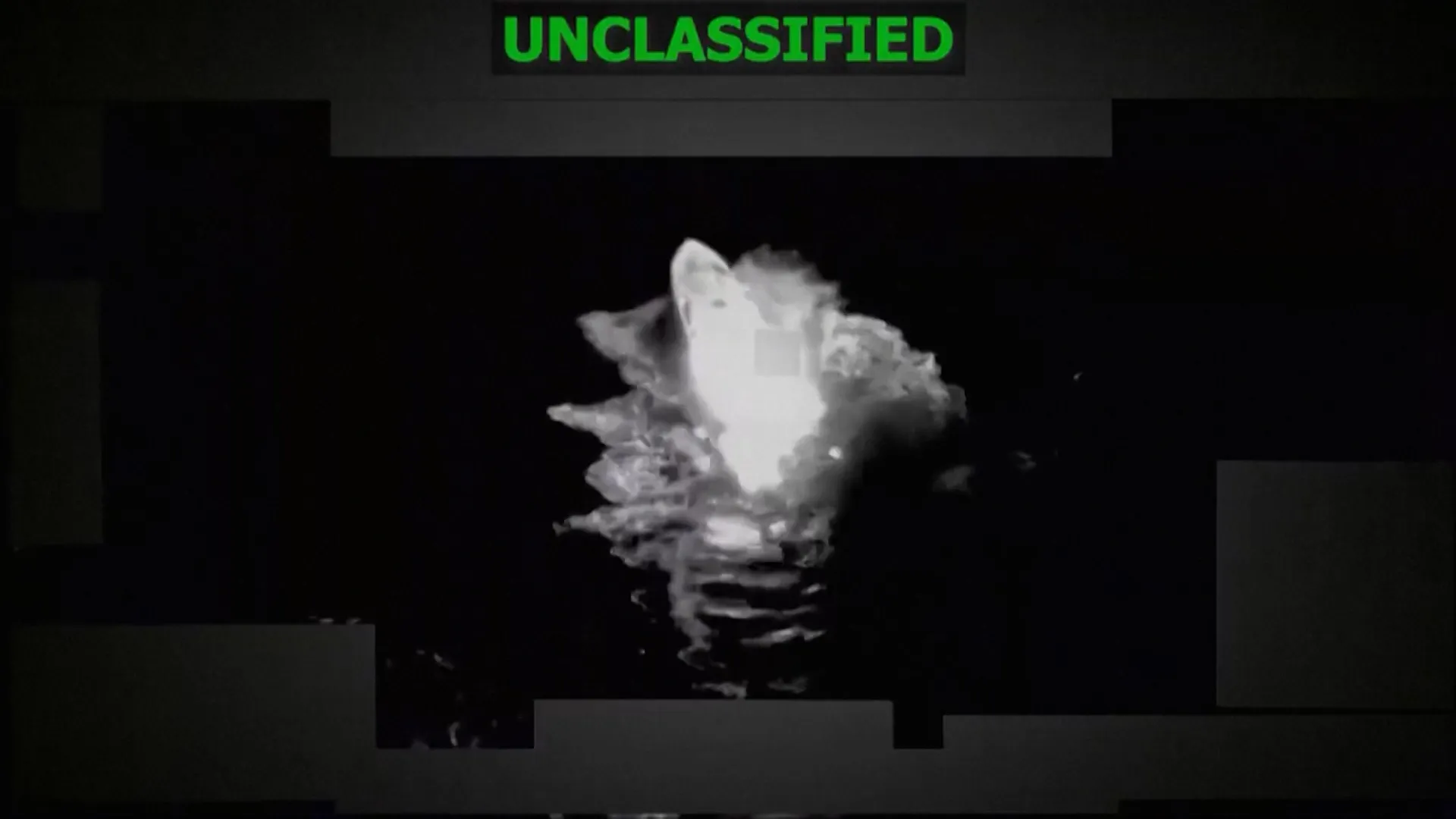
On Monday, Trump told reporters that the US had struck a “dock area” in Venezuela he claimed was used to load the alleged drug boats.
The dock bombing is believed to be the first of its kind on Venezuelan soil, though Trump has long threatened to begin attacking land-based targets.
While the administration has not officially revealed which agency was behind the dock strike, US media has widely reported it was conducted by the Central Intelligence Agency (CIA).
Washington accuses Tehran and Caracas of ‘reckless proliferation of deadly weapons’ amid spiraling tensions.
Published On 30 Dec 202530 Dec 2025
Share
Washington, DC – The United States has issued sanctions against a Venezuelan company over accusations that it helped acquire Iranian-designed drones as Washington’s tensions with both Tehran and Caracas escalate.
The penalties on Tuesday targeted Empresa Aeronautica Nacional SA (EANSA), a Venezuelan firm that the US Department of the Treasury said “maintains and oversees the assembly of” drones from Iran’s Qods Aviation Industries, which is already under sanctions by Washington.
Recommended Stories
list of 3 itemsend of list
The department also sanctioned the company’s chairman, Jose Jesus Urdaneta Gonzalez, accusing him of coordinating “with members and representatives of the Venezuelan and Iranian armed forces on the production of UAVs [unmanned aerial vehicles] in Venezuela”.
“Treasury is holding Iran and Venezuela accountable for their aggressive and reckless proliferation of deadly weapons around the world,” Treasury official John Hurley said in a statement.
“We will continue to take swift action to deprive those who enable Iran’s military-industrial complex access to the US financial system,” he said. The sanctions freeze any assets of the targeted firms and individuals in the US and make it generally illegal for American citizens to engage in financial transactions with them.
In its statement, the US alleged Tehran and Caracas have coordinated the “provision” of drones to Venezuela since 2006.
Iran’s Ministry of Defence and Armed Forces Logistics (MODAFL) has been under US sanctions since 2020 for what Washington said is its role in both selling and procuring weapons. The US is by far the largest weapons exporter in the world.
On Tuesday, the US Treasury Department also imposed new sanctions against several Iranians it accused of links to Iran’s arms industry.
The actions came a day after President Donald Trump threatened more strikes against Iran if the country rebuilds its missile capabilities or nuclear programme.
The US had joined Israel in its attacks against Iran in June and bombed the country’s three main nuclear sites before a ceasefire ended a 12-day escalation.
“Now I hear that Iran is trying to build up again, and if they are, we’re going to have to knock them down,” Trump said on Monday during a joint news conference with visiting Israeli Prime Minister Benjamin Netanyahu. “We’ll knock them down. We’ll knock the hell out of them. But hopefully, that’s not happening.”
“The response of the Islamic Republic of Iran to any oppressive aggression will be harsh and regrettable,” President Masoud Pezeshkian wrote in a social media post.
The Trump administration has also taken a confrontational approach towards Venezuela.
The US president announced this week that the US “hit” a dock in the Latin American country that he said was used to load drug boats. Details of the nature of the strike remain unclear.
Trump and some of his top aides have falsely suggested that Venezuela’s oil belongs to the US. Washington has also accused Venezuelan President Nicolas Maduro, without evidence, of leading a drug trafficking organisation.
The Trump administration has simultaneously been carrying out strikes against what it says are drug-running vessels in the Caribbean Sea and eastern Pacific Ocean, a campaign that many legal experts said violates US and international law and is tantamount to extrajudicial killings.
Over the past month, the US also has seized at least two oil tankers off the coast of Venezuela after Trump announced a naval blockade against the country.
Venezuela has rejected the US moves as “piracy” and accused the Trump administration of seeking to topple Maduro’s government.
Mexico’s Navy says the train was carrying 250 people when it derailed partially near the town of Nizanda in Oaxaca.
Published On 29 Dec 202529 Dec 2025
Share
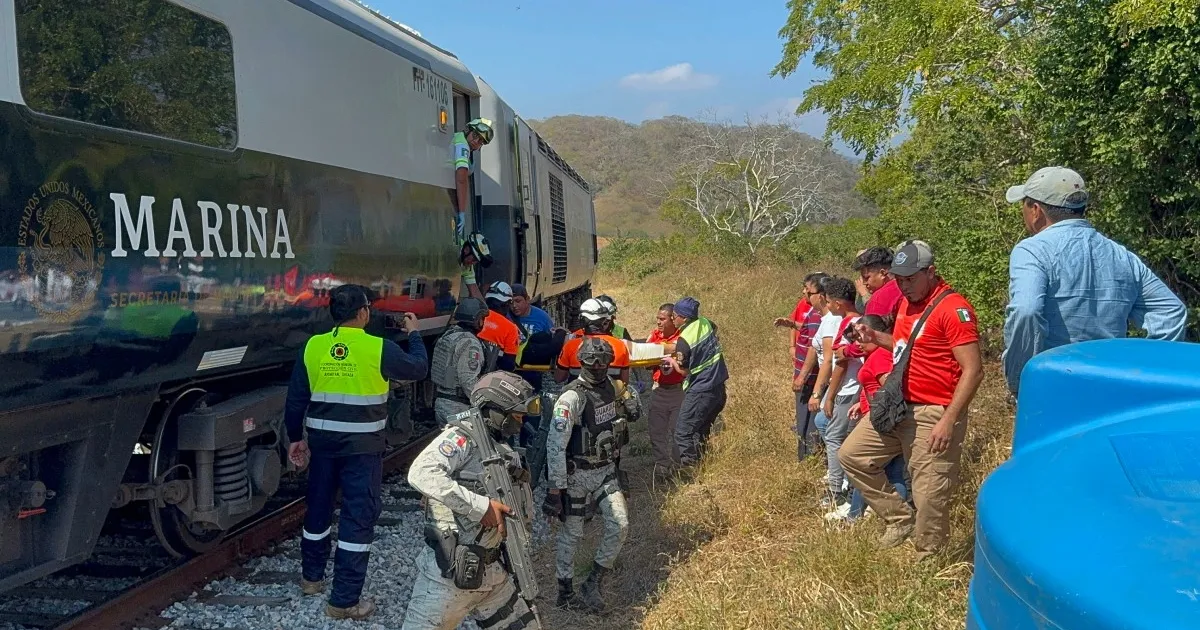
A train carrying 250 people has derailed partially in southern Mexico, killing at least 13 people and injuring 98, according to officials.
The Mexican Navy said that the Interoceanic Train linking the states of Oaxaca and Veracruz went off the rails on Sunday as it passed a curve near the town of Nizanda.
Recommended Stories
list of 4 itemsend of list
It said that 98 people were injured and that, “unfortunately, 13 people lost their lives”.
The train was carrying nine crew members and 241 passengers at the time of the accident. Of those on board, 139 were reported to be out of danger, while 36 of the 98 injured were still receiving medical assistance.
Sheinbaum said she has directed the secretary of the navy and other senior personnel to travel to the area and assist the families of those affected. She added that the Ministry of Interior is coordinating the response to the incident.
Mexico’s Attorney General’s Office said it was opening an investigation to determine the cause of the accident.
Uno Noticias Television, a Mexican channel, reported that emergency units were near the site of the accident but faced difficulty in accessing the area.
Images circulating on social media and posted by Mexican news outlets showed one of the carriages of the train on its side, while another was completely separated from the train tracks.
Translation: Passenger train derailed. Interoceanic in the Isthmus. This Sunday, the Interoceanic passenger train derailed, 5 kilometres south of Nizanda, belonging to Asuncion Ixtaltepec, Oaxaca. Injuries have been reported; the train had departed from Salina Cruz, Oaxaca, and was heading to Coatzacoalcos, Veracruz. Emergency units are near the area, but the difficult access to the site is complicating rescue efforts.
Video clips posted online also showed some of the passengers trapped in the derailed carriages.
A passenger was quoted by Mexico’s La Razon newspaper as saying that before the derailment, the train “was coming very fast”.
“We don’t know if it lost its brakes,” the passenger told La Razon.
In a statement posted on X, Oaxaca Governor Salomon Jara Cruz expressed his government’s “heartfelt condolences to the families of those who lost their lives in this unfortunate accident”.
The train runs between the Gulf of Mexico and the Pacific Ocean, and carries both passengers and freight.
On December 20, a train on the same route collided with a cargo truck attempting to cross the tracks, although the incident did not result in any deaths.
The line was inaugurated in 2023 as a major infrastructure project under then-President Andres Manuel Lopez Obrador to develop southeast Mexico.
The initiative was designed to modernise the rail link across the Isthmus of Tehuantepec, a land bridge connecting Mexico’s Pacific port of Salina Cruz with Coatzacoalcos on the Gulf Coast.
The Mexican government has sought to develop the Isthmus into a strategic trade corridor, expanding ports, railways and industrial infrastructure with the goal of creating a route that could compete with the Panama Canal.
The bus, which was travelling between Guatemala City and San Marcos, crashed for unknown reasons, authorities say.
Published On 27 Dec 202527 Dec 2025
Share
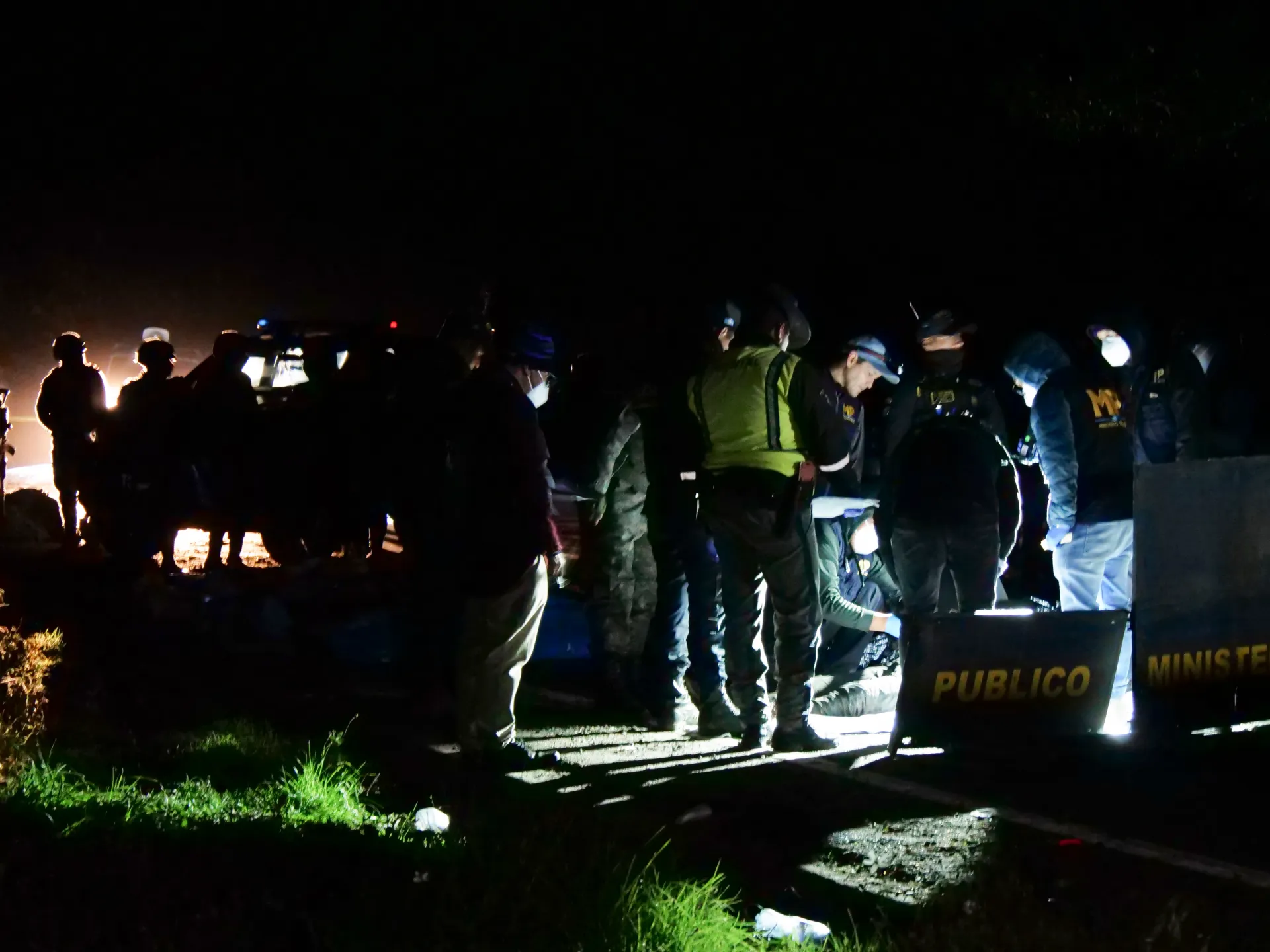
At least 15 people have been killed and 19 injured after a passenger bus plunged into a ravine on the Inter-American Highway in western Guatemala, local authorities say.
The deaths included 11 men, three women and a minor, according to Leandro Amado, a spokesperson for local firefighters.
Recommended Stories
list of 4 itemsend of list
Amado told reporters on Saturday that some 19 injured people were taken to hospitals near the scene of the accident.
The crash occurred in the Solola Department between kilometres 172 and 174, in an area nicknamed “Alaska Peak” because of its rugged terrain, in the department of Totonicapan (western Guatemala).
The dense fog in that area also often reduces visibility for drivers taking the route in question.
‘Reason unknown’
The bus, which was travelling between Guatemala City and the department of San Marcos, on the border with Mexico, fell into a ravine almost 75 metres (250ft) deep for unknown reasons, Amado added.
Images shared by the fire department on social media early on Saturday showed the wrecked bus in the ravine as firefighters worked at the scene of the incident to rescue the wounded and recover the bodies of the victims.
Relatives of the passengers have arrived at the scene of the accident as well as the hospitals around the area searching for their loved ones, local media reports said.
Early in 2025, more than 50 people died and many others were injured in another major bus crash in the country, when the vehicle plunged into a polluted ravine outside Guatemala City.
Ex-Brazilian police chief caught using fake Paraguay passport in attempt to board flight to Panama, sent back to Brazil.
Published On 27 Dec 202527 Dec 2025
Share
A Brazilian former police chief, who fled the country after he was convicted as an accomplice in the attempted coup by Brazil’s far-right ex-President Jair Bolsonaro, has been arrested in Paraguay, according to the country’s immigration agency.
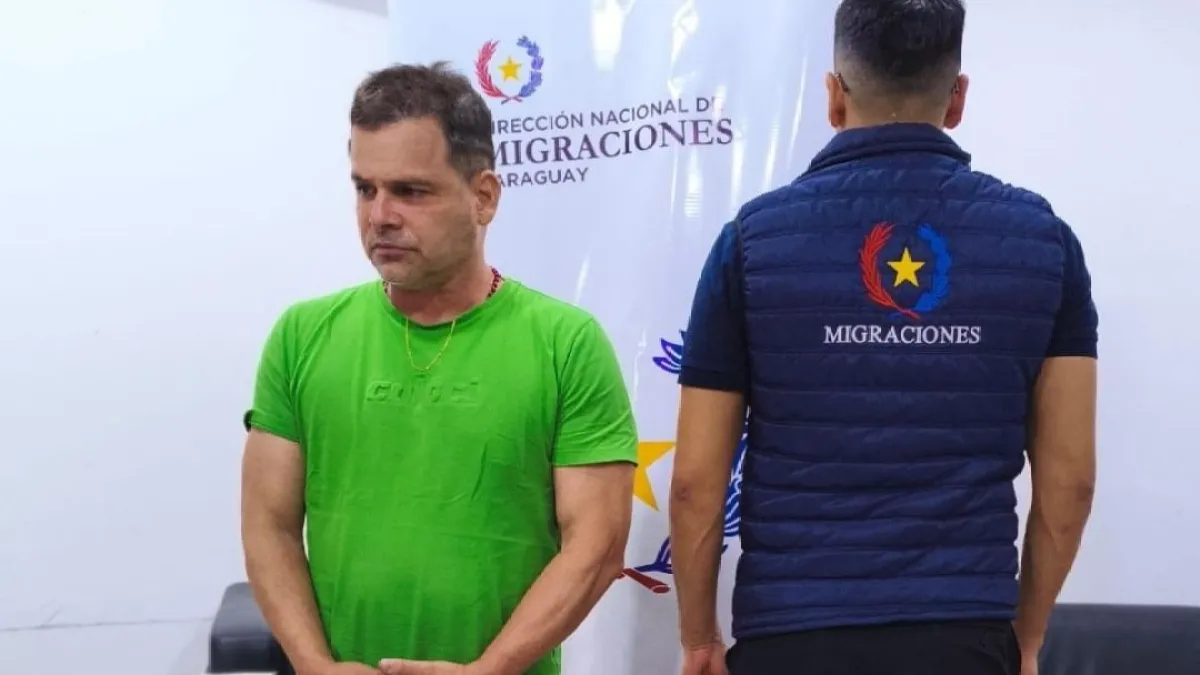
Silvinei Vasques was arrested on Friday at the Silvio Pettirossi International Airport in Paraguay’s capital Asuncion, the Paraguayan National Migration Directorate (DNM) said in a statement posted on its website.
Recommended Stories
list of 3 itemsend of list
The agency said Vasques was arrested for “identity theft” after “attempting to evade immigration controls by impersonating a Paraguayan citizen”.
Vasques was arrested while attempting to board a flight to Panama, declaring El Salvador as his final destination, the DNM statement said.
The wanted police chief had “clandestinely” entered Paraguay while “evading justice in his home country”, DNM added.
An image published on X by Paraguayan immigration authorities showed Vasques’s arrest and identification.
A separate video clip posted on the same account showed Vasques being turned over to Brazilian federal police at the Friendship Bridge border crossing that connects Paraguay’s Ciudad del Este and Brazil’s Foz do Iguacu.
Translation: The National Directorate of Migration (DNM) expelled Silvinei Vasques from the country. Moments ago, the DNM expelled Silvinei Vasques (50) from the country, subsequently handing him over to Brazilian Federal Police authorities at the Friendship Bridge border crossing.
Vasques, the former chief of Brazil’s highway police, was accused of deploying officers to prevent voters in left-leaning areas from casting their ballots in 2022 elections that Bolsonaro lost to left-wing candidate and current President Luiz Inacio Lula da Silva.
He was arrested in 2023 and placed under supervision with an electronic ankle monitor pending trial. Earlier this month, he was sentenced to more than 24 years in prison to be served under house arrest. He fled Brazil shortly after.
Brazilian media reported that Vasques broke his ankle monitor and drove across the border to Paraguay.
Brazil Supreme Court Justice Alexandre de Moraes ordered the fugitive’s preventive detention as a precautionary measure on Friday, Reuters news agency reported, citing a court document and information from two people familiar with the matter.
Reached by Reuters, Vasques’s lawyer did not comment on his client’s attempt to flee.
Vasques is not the first official convicted over the 2023 coup attempt who has tried to escape from Brazil. In November, the Supreme Court ordered the arrest of the former intelligence agency director Alexandre Ramagem, who left the country in September and has since been living in the United States.
That same month, Justice Moraes also ordered Bolsonaro be detained after the former president tried to remove his court-ordered ankle monitor using a soldering iron, in what the court saw as an attempt to escape justice.
Bolsonaro, 70, is now serving a 27-year sentence in jail after being found guilty in September of having led the plot to prevent Lula from taking office.
Washington’s top diplomat says he thanked Asfura, who was backed by Trump, for ‘advocacy of US strategic objectives’.
Published On 26 Dec 202526 Dec 2025
Share
United States Secretary of State Marco Rubio has congratulated Honduran President-elect Nasry Asfura, whom President Donald Trump had endorsed, for his victory in the Central American country’s contentious election.
The Department of State said on Friday that Rubio and Asfura in a phone call discussed collaboration on issues such as trade and security.
Recommended Stories
list of 3 itemsend of list
“Secretary Rubio commended President-Elect Asfura for his advocacy of US strategic objectives, including advancing our bilateral and regional security cooperation, and strengthening economic ties between our two countries,” the State Department said in a statement.
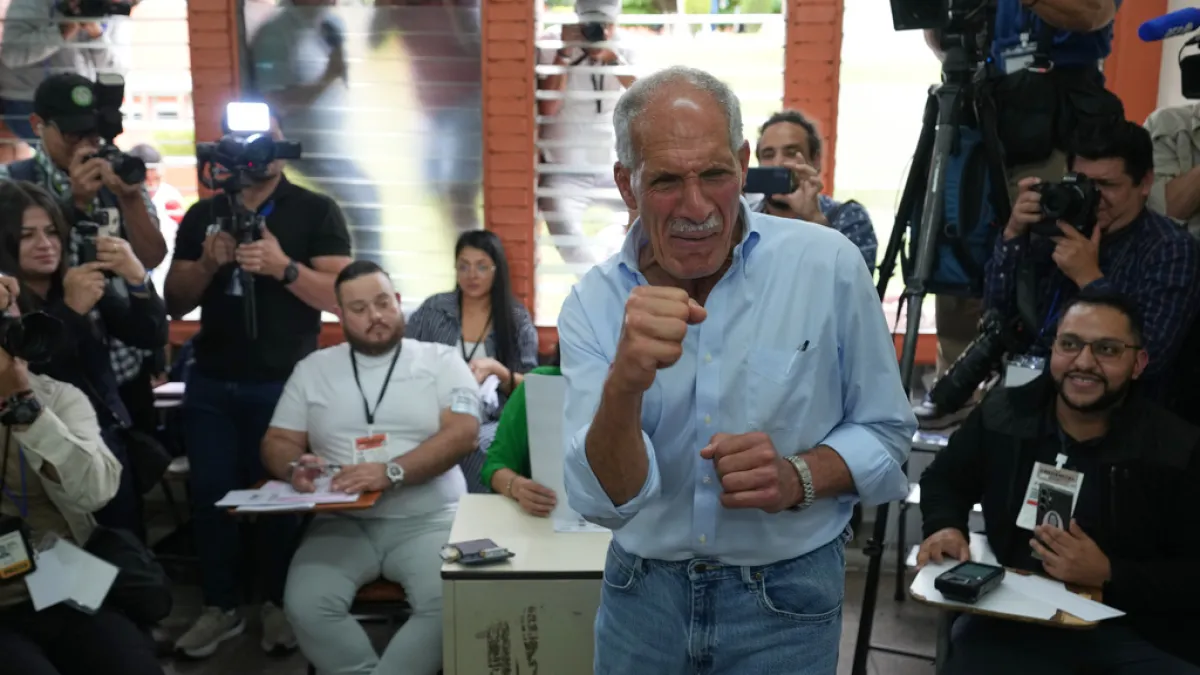
Asfura claimed a narrow victory on Wednesday in the November 30 election marked by Trump’s intervention on his behalf. Election authorities declared Asfura the winner after weeks of counting amid high tensions and allegations of fraud and impropriety from other candidates.
The right-wing Asfura, representing the National Party, edged out Salvador Nasralla of the centre-right Liberal Party with 40.27 percent of the vote to Nasralla’s 39.53 percent.
“Today, with deep gratitude, I accept the honour of being able to work for you. I extend my hand so we can walk together with determination to work tirelessly for Honduras. I will not fail you,” Asfura said in a video statement released on Wednesday night.
Both Nasralla and Rixi Moncada, the candidate for current President Xiomara Castro’s left-leaning LIBRE Party, who came in a distant third, have disputed the results of the election.
Nasralla said on Wednesday that election authorities had “betrayed the Honduran people”. He also took aim at Trump, who said before the election that a victory for anyone but Asfura would put US economic ties with Honduras at risk.
“Mr President, your endorsed candidate in Honduras is complicit in silencing the votes of our citizens,” Nasralla said in a social media post. “If he is truly worthy of your backing, if his hands are clean, if he has nothing to fear, then why doesn’t he allow for every vote to be counted?”
Honduras has experienced several contested elections since a US-backed coup in 2009. Protests over the November election have thus far remained peaceful.
Before the election, Trump also issued a criticised pardon for right-wing former Honduran President Juan Orlando Hernandez, who was convicted of crimes linked to the trafficking of drugs to the US during his time in office.
The pardon came as the US says it is shifting its foreign policy focus to the Americas.
Asfura, the former mayor of Honduras’s capital, Tegucigalpa, is of Palestinian descent. But his National Party is staunchly pro-Israel.
Under Hernandez in 2021, Honduras became only the fourth country to move its embassy in Israel to Jerusalem in breach of international law.
Asfura has also aligned himself with Trump and other right-wing leaders in the Americas, including Argentina’s Javier Milei.
Bolsonaro’s operation addressed a painful double hernia; doctors anticipate five to seven days of hospitalisation.
Published On 25 Dec 202525 Dec 2025
Share
Former Brazilian President Jair Bolsonaro, who is serving a prison sentence for an attempted coup, underwent a “successful” surgery for an inguinal hernia, his wife has said.
The 70-year-old former leader left prison on Wednesday for the first time since late November to undergo the procedure on Thursday at the DF Star Hospital in Brasilia.
Recommended Stories
list of 3 itemsend of list
“Successful surgery completed, without complications. Now we wait for him to wake up from anaesthesia,” his wife Michelle announced in an Instagram post.
Bolsonaro has been serving a 27-year term since November for an attempted coup. He was granted court permission to leave prison after federal police doctors confirmed that he needed the procedure.
Doctors say Bolsonaro’s double hernia causes him pain. The former leader, who was in power between 2019 and 2022, has gone through several other surgeries since he was stabbed in the abdomen during a campaign rally in 2018. He was also diagnosed with skin cancer recently.
Doctors for the far-right president from 2019 to 2022 anticipated that his hospitalisation would last between five and seven more days.
The surgery was to repair an inguinal hernia – a protrusion in the groin area due to a tear in the abdominal muscles.
“It is a complex surgery,” Dr Claudio Birolini said on Wednesday. “But it is a standardised … scheduled surgery, so we expect the procedure to be carried out without major complications.”
After the operation, doctors are to assess whether Bolsonaro can undergo an additional procedure: blockage of the phrenic nerve, which controls the diaphragm, for recurrent hiccups, Birolini said.
Brazil’s Supreme Court sentenced Bolsonaro to prison in September after he was found guilty of having led a scheme to prevent President Luiz Inacio Lula da Silva from taking office and to retain power.
Bolsonaro has maintained his innocence, declaring he was a victim of political persecution.
He has been confined to a small room with a minibar, air conditioning and a television at the federal police headquarters in Brasilia.
Succession
Early on Thursday, his eldest son, Senator Flavio Bolsonaro, told reporters before the surgery that his father had written a letter confirming he had appointed him as the Liberal Party’s presidential candidate in next year’s election. Flavio announced on December 5 that he would challenge Lula, who is seeking a fourth nonconsecutive term, as the party’s candidate.
The senator read the letter to journalists, and his office released a reproduction of it to the media.
“He represents the continuation of the path of prosperity that I began well before becoming president, as I believe we must restore the responsibility of leading Brazil with justice, resolve and loyalty to the aspirations of the Brazilian people,” Bolsonaro said in the handwritten letter, dated Thursday.
Senator Flavio Bolsonaro, son of former President Jair Bolsonaro, in Brasilia, on December 17, 2025 [AFP]
According to Flavio, the letter sought to clarify any “doubt” about his father’s support for his presidential bid.
“Many people say they had not heard it from his own mouth or had not seen a letter signed by him. I believe this clears up any shadow of doubt,” he said after reading the letter.
The former president and several of his allies were convicted by a panel of Supreme Court justices for attempting to overthrow Brazil’s democratic system following his 2022 election defeat.
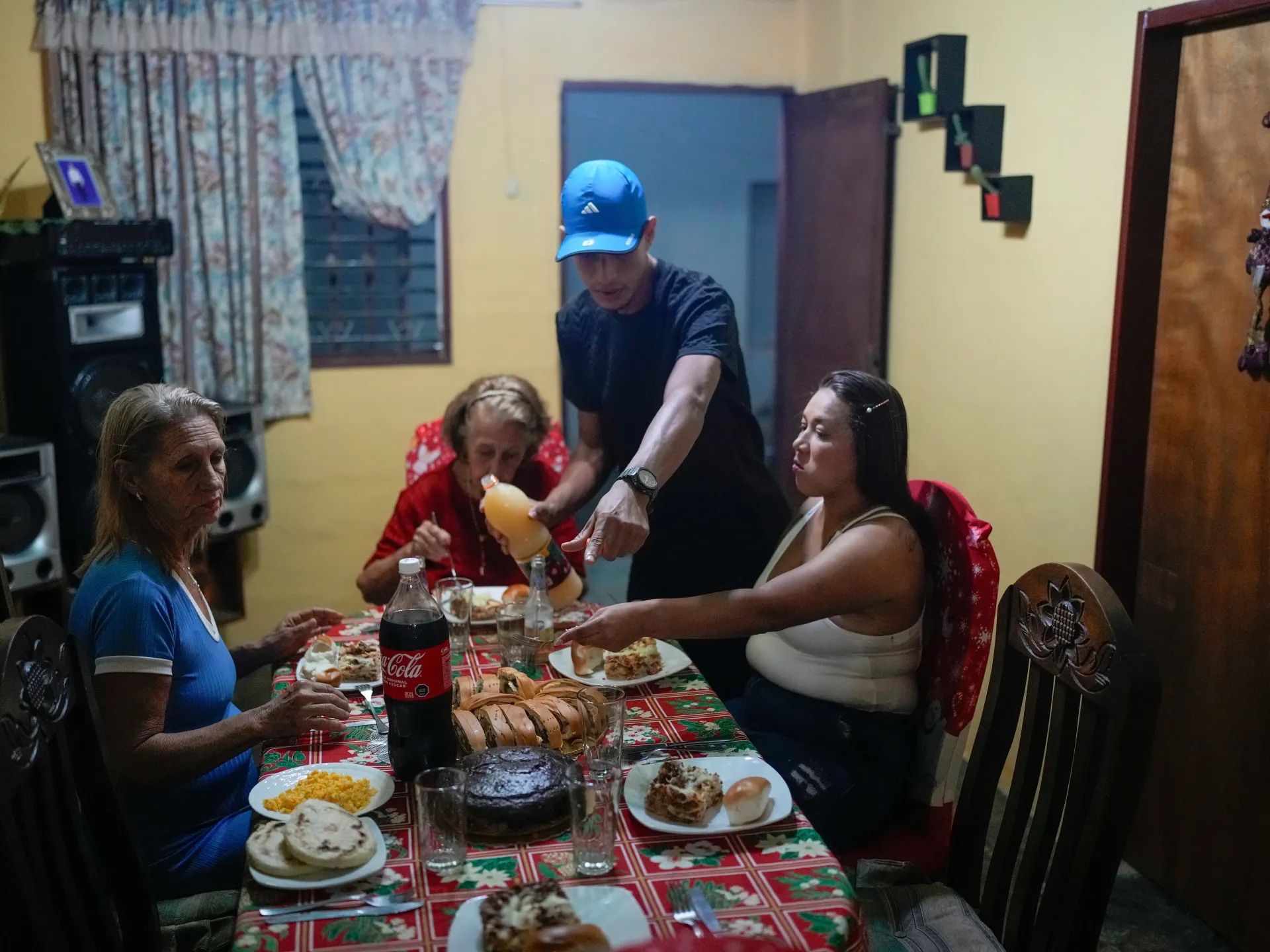
This was not the Christmas that Mariela Gomez would have imagined a year ago.
Or the one that thousands of other Venezuelan immigrants in the United States would have thought. But Donald Trump returned to the White House in January and quickly ended their US dream.
Gomez found herself spending the holiday in northern Venezuela for the first time in eight years. She dressed up, cooked, got her son a scooter and smiled for her in-laws. Hard as she tried, though, she could not ignore the main challenges facing returning migrants: unemployment and poverty.
“We had a modest dinner, not quite what we’d hoped for, but at least we had food on the table,” Gomez said of the lasagne-like dish she shared with her partner and in-laws instead of the traditional Christmas dish of stuffed corn dough hallacas. “Making hallacas here is a bit expensive, and since we’re unemployed, we couldn’t afford to make them.”
Gomez, her two sons and her partner returned to the city of Maracay on October 27 after crossing the US-Mexico border to Texas, where they were quickly swept up by US Border Patrol amid the Trump administration’s crackdown on immigration. They were deported to Mexico, from where they began the dangerous journey back to Venezuela.
They crossed Central America by bus, but once in Panama, the family could not afford to continue to Colombia via boat in the Caribbean. Instead, they took the cheaper route along the Pacific’s choppy waters, sitting on top of sloshing petrol tanks in a cargo boat for several hours and then transferring to a fast boat until reaching a jungled area of Colombia. They spent about two weeks there until they were wired money to make it to the border with Venezuela.
Gomez was among the more than 7.7 million Venezuelans who left their home country in the last decade, when its economy came undone as a result of a drop in oil prices, corruption and mismanagement. She lived in Colombia and Peru for years before setting her sights on the US with hopes of building a new life.
Steady deportations
Trump’s second term has dashed the hopes of many like Gomez.
As of September, more than 14,000 migrants, mostly from Venezuela, had returned to South America since Trump moved to limit migration to the US, according to figures from Colombia, Panama and Costa Rica. In addition, Venezuelans were steadily deported to their home country this year after President Nicolas Maduro, under pressure from the White House, did away with his longstanding policy of not accepting deportees from the US.
Immigrants arrived regularly at the airport outside the capital, Caracas, on flights operated by a US government contractor or Venezuela’s state-owned airline. More than 13,000 migrants returned this year on the chartered flights.
Gomez’s return to Venezuela also allowed her to see the now 20-year-old daughter she left behind when she fled the country’s complex crisis. They talked and drank beer during the holiday, knowing it might be the last time they shared a drink for a while – Gomez’s daughter will migrate to Brazil next month.
Gomez is hoping to make hallacas for New Year’s Eve and is also hoping for a job. But her prayers for next year are mostly for good health.
“I ask God for many things, first and foremost life and health, so we can continue enjoying our family,” she said.
Families celebrate Christmas releases while calling for full freedom of detainees.
Published On 25 Dec 202525 Dec 2025
Share
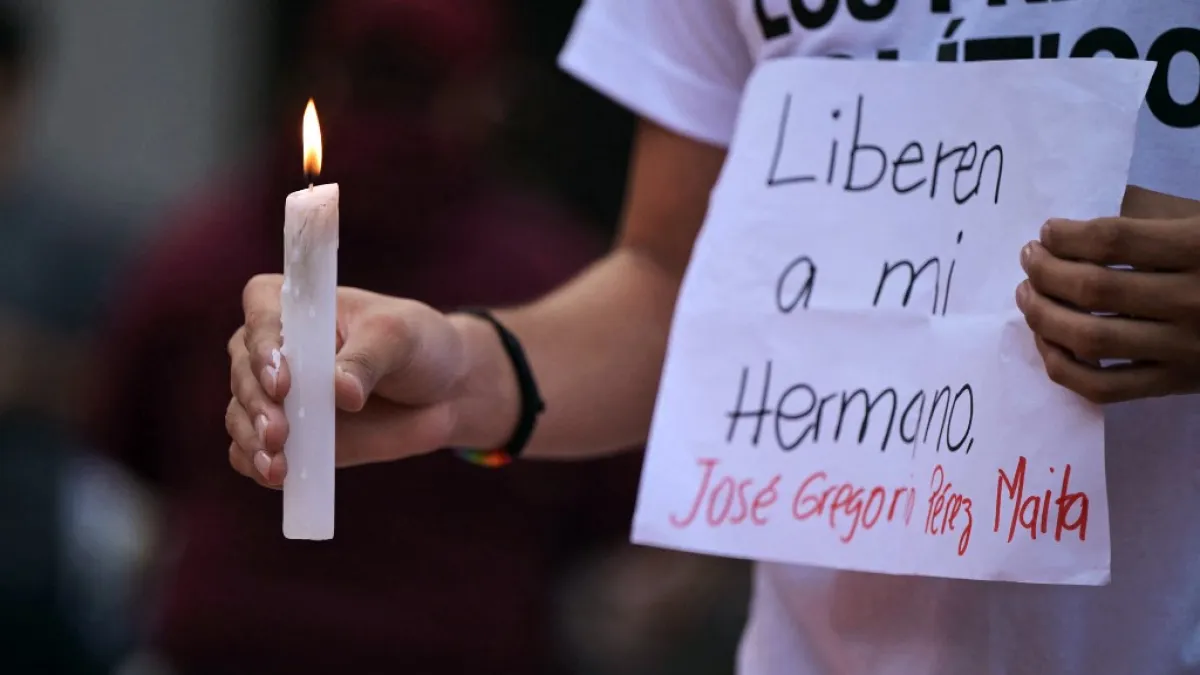
Authorities in Venezuela have released at least 60 people arrested during protests against President Nicolas Maduro’s re-election, according to a human rights advocacy group, though campaigners say hundreds remain behind bars.
The releases began early on Thursday, over Christmas, according to the Committee for the Freedom of Political Prisoners, a group of rights activists and relatives of detainees arrested during unrest that followed July’s presidential election.
Recommended Stories
list of 3 itemsend of list
“We celebrate the release of more than 60 Venezuelans, who should never have been arbitrarily detained,” committee head Andreina Baduel told the AFP news agency.
“Although they are not entirely free, we will continue working for their full freedom and that of all political prisoners.”
Maduro secured a third term in office in the July 2024 vote, a result rejected by parts of the opposition amid allegations of fraud. The disputed outcome triggered weeks of demonstrations, during which authorities arrested about 2,400 people. Nearly 2,000 have since been released, according to rights groups.
Despite the latest releases, Venezuela still holds at least 902 political prisoners, according to Foro Penal, an NGO that monitors detentions.
Relatives said many of those freed had been held at Tocoron prison, a maximum-security facility in Aragua state, roughly 134km (83 miles) from the capital Caracas. Officials have not publicly clarified the conditions under which detainees were released.
“We must remember that there are more than 1,000 families with political prisoners,” Baduel said. Her father, Raul Isaias Baduel, a former defence minister and once an ally of the late president, Hugo Chavez, died in custody in 2021.
Asfura says he is ready to govern after narrow vote as the US urges ‘all parties to respect the confirmed results’.
Nasry Asfura, a conservative candidate backed by United States President Donald Trump, has won the closely contested presidential elections in Honduras, the country’s election council has said.
The final results, announced on Wednesday – more than 20 days after the vote took place – are likely to lead to challenges in the Central American nation.
Recommended Stories
list of 3 itemsend of list
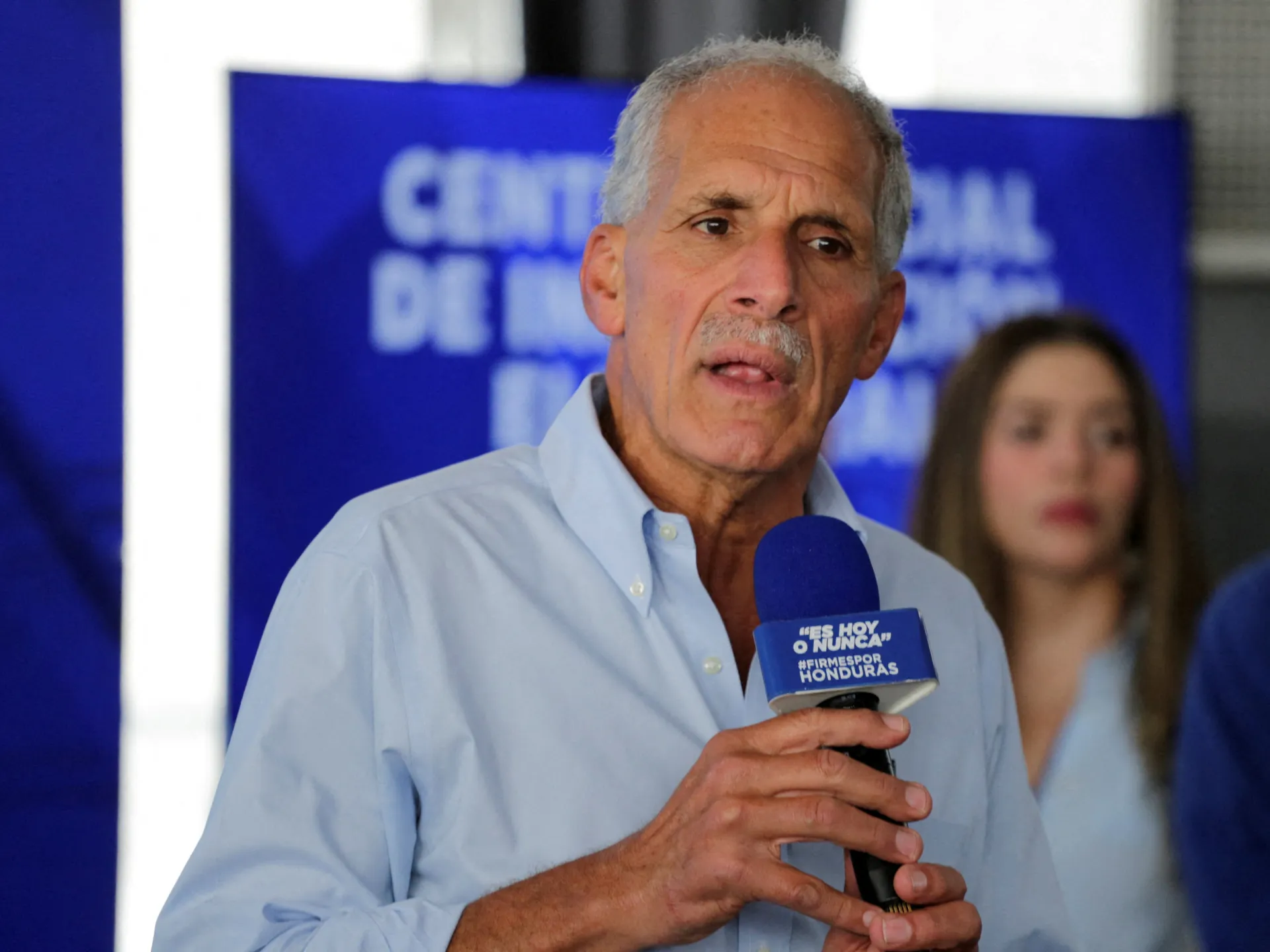
According to the electoral authority, known as the CNE, Asfura won 40.3 percent of the vote, edging out centre-right Liberal Party candidate Salvador Nasralla, who received 39.5 percent.
In a brief social media post, Asfura thanked the CNE on Wednesday. “Honduras: I am prepared to govern. I will not fail you,” he wrote.
Trump had come out strongly in support of Asfura, attacking Nasralla and left-wing candidate Rixi Moncada, who ended up garnering less than 20 percent of the votes.
US Secretary of State Marco Rubio was quick to congratulate Asfura on Wednesday, saying that Washington looks forward to working with him.
“The people of Honduras have spoken: Nasry Asfura is Honduras’ next president,” Rubio wrote in a social media post.
In a separate statement, Rubio urged “all parties to respect the confirmed results” of the elections.
Earlier this month, Trump pardoned former Honduran President Juan Orlando Hernandez – a member of Asfura’s National Party – who was serving a lengthy prison sentence in the US for drug trafficking.
Asfura, the former mayor of Honduras’s capital, Tegucigalpa, is of Palestinian descent. But his National Party is staunchly pro-Israel.
Under Hernandez in 2021, Honduras became only the fourth country to move its embassy in Israel to Jerusalem in breach of international law. Asfura has also aligned himself with Trump and other right-wing leaders in the Americas, including Argentina’s Javier Milei.
The Argentinian president hailed Honduras’s election results on Wednesday, calling it a victory against “narcosocialism”, although the National Party’s Hernandez is a convicted drug trafficker.
“The Honduran people expressed themselves with courage at the ballot boxes and chose to end years of authoritarianism and decay,” Milei wrote in a social media post.
“From Argentina, we celebrate the triumph of freedom and reaffirm our commitment to democracy, the popular will, and the unrestricted respect for institutions in the region.”
Asfura’s victory marks another win for right-wing candidates in Latin America over the past year. Chile and Bolivia have also elected ultraconservative presidents in 2025, and last year, El Salvador’s right-wing leader Nayib Bukele comfortably won re-election.
The results appear to reverse the “Pink Tide” – the wave of left-wing leaders who rose to power in the region in the early 2020s.
The rise of right-wing governments in the region coincides with a US pressure campaign against Venezuela’s left-wing President Nicolas Maduro.
Trump has imposed an oil blockade on Venezuela and amassed US troops and military assets near the country.
UN experts criticise US blockade for endangering human rights and call for an investigation into alleged violations.
Published On 24 Dec 202524 Dec 2025
Share
Four United Nations human rights experts have condemned the partial naval blockade of Venezuela by the United States, finding it an illegal armed aggression and calling on the US Congress to intervene.
“There is no right to enforce unilateral sanctions through an armed blockade,” the UN experts said in a joint statement on Wednesday.
Recommended Stories
list of 3 itemsend of list
The US has deployed a major military force in the Caribbean and intercepted oil tankers as part of a naval blockade against Venezuelan vessels it considers to be under sanctions.
A blockade is a prohibited use of military force against another country under the UN Charter, they added.
“It is such a serious use of force that it is also expressly recognised as illegal armed aggression under the General Assembly’s 1974 Definition of Aggression,” the experts said. “The illegal use of force, and threats to use further force at sea and on land, gravely endanger the human right to life and other rights in Venezuela and the region.”
US President Donald Trump accuses Venezuela of using oil, the South American country’s main resource, to finance “narcoterrorism, human trafficking, murders and kidnappings”.
Caracas denies any involvement in drug trafficking. It says Washington is seeking to overthrow its president, Nicolas Maduro, to seize Venezuela’s oil reserves, the largest in the world.
Since September, US forces have launched dozens of air strikes on boats that Washington alleges were transporting drugs. It has yet to provide evidence for those accusations. More than 100 people have been killed.
‘US Congress should intervene’
“These killings amount to violations of the right to life. They must be investigated and those responsible held accountable,” the experts said.
“Meanwhile, the US Congress should intervene to prevent further attacks and lift the blockade,” they added.
They called on countries to take measures to stop the blockade and illegal killings and bring the perpetrators to justice.
The four who signed the joint statement are: Ben Saul, special rapporteur on protecting human rights while countering “terrorism”; George Katrougalos, an expert on promoting a democratic and equitable international order; development expert Surya Deva; and Gina Romero, special rapporteur on the right to freedom of peaceful assembly and association.
Venezuela’s National Assembly has passed a law enacting harsh penalties for those who support or help finance blockades and acts of piracy, including up to 20 years in prison.
The legislation was passed on Tuesday after the United States seized oil tankers linked to Venezuela, acts that the government of President Nicolas Maduro has denounced as lawless acts of piracy.
Recommended Stories
list of 3 itemsend of list
“This law seeks to protect the national economy and avoid the erosion of living standards for the population,” lawmaker Giuseppe Alessandrello said, while presenting the law before the National Assembly, controlled by Maduro’s governing party.
The US has carried out a series of increasingly aggressive measures over the past several months, deploying sizeable military forces to Latin America, seizing oil tankers, killing dozens of people in military strikes on what it says are drug-trafficking boats, and threatening land strikes on Venezuela itself.
The legality of some of those acts, such as the seizure of oil tankers in international waters, is contested. Others, such as the strikes against alleged drug traffickers, are widely considered illegal.
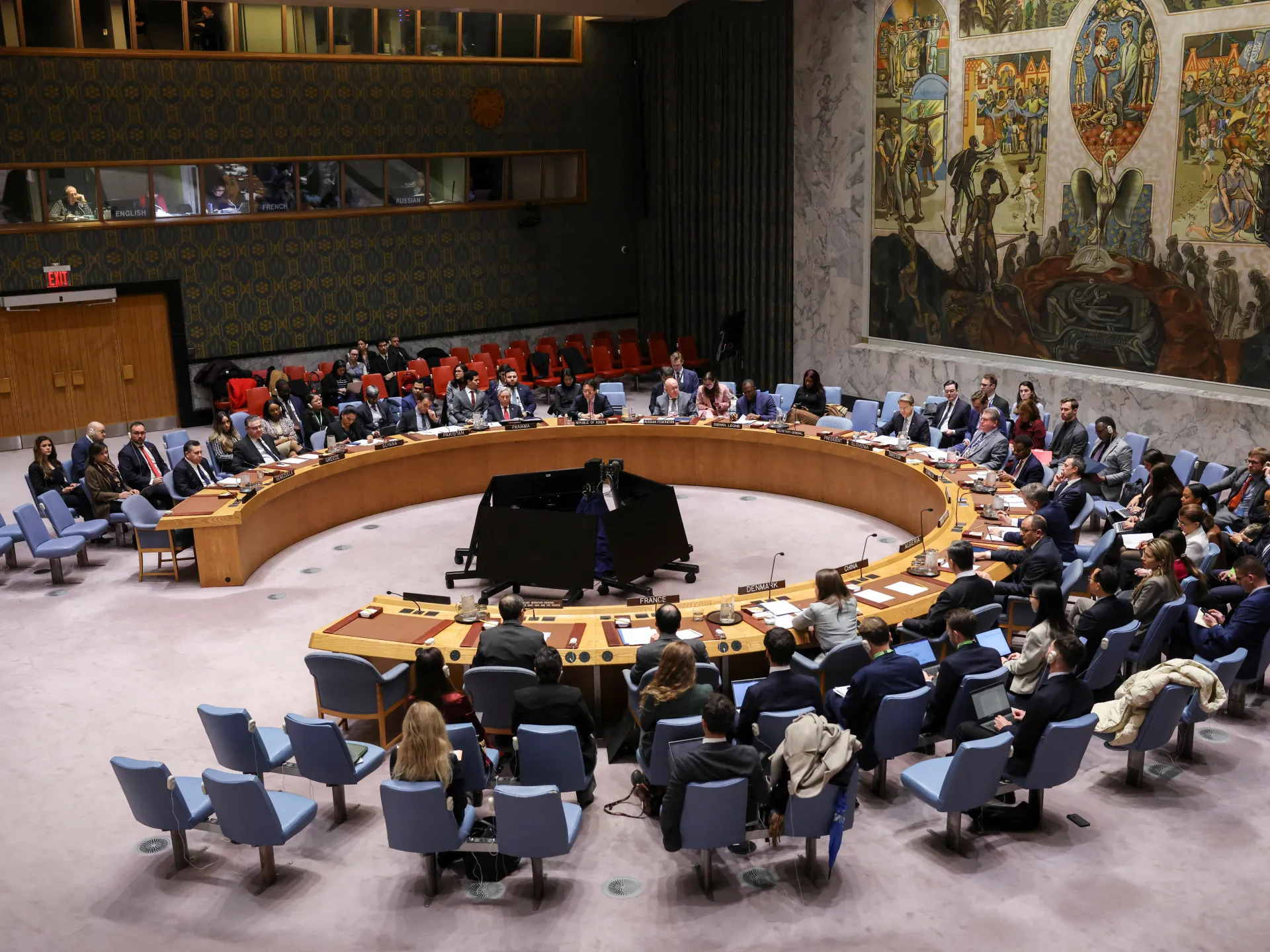
“We are in the presence of a power that acts outside of international law, demanding that Venezuelans vacate our country and hand it over,” Samuel Moncada, Venezuela’s representative at the United Nations, told the Security Council (UNSC) during a meeting on Tuesday.
“The threat is not Venezuela,” he added. “The threat is the US government.”
China and Russia also criticised US actions. Russia’s ambassador, Vassily Nebenzia, said that the Trump administration was creating a “template” for the use of force that could be used against other Latin American countries in the future.
“We saw clear support for Venezuela from Russia and China, but also from Colombia, and even from some other member states, talking about how the US needs to abide by international law and calling for de-escalation,” Al Jazeera correspondent Gabriel Elizondo said from the UN.
He added that several Latin American countries with right-wing governments, such as Argentina, Panama and Chile, appeared to side with the US.
“The bottom line here is that we have not gotten any better sense from the United States on what their endgame is here, where they plan to take this,” he added.
The Wall Street Journal reported on Tuesday that the US military had moved special operations aircraft and cargo planes with troops into the Caribbean this week.
“We have a massive armada formed, the biggest we’ve ever had, and by far the biggest we’ve ever had in South America,” Trump told reporters on Monday.
Maduro has said the US is seeking to topple his government and seize control of Venezuela’s large oil reserves, which members of the Trump administration have falsely claimed rightfully belong to the US. Trump said on Monday that the US would retain the oil seized from the tankers as well as the tankers themselves.
Addressing the UNSC, the US ambassador, Mike Waltz, said that oil sales were a “primary economic lifeline for Maduro and his illegitimate regime”, repeating an unsubstantiated claim that Maduro oversees a vast criminal enterprise that traffics drugs to the US.
“The single most serious threat to this hemisphere, our very own neighbourhood and the United States, is from transnational terrorist and criminal groups,” Waltz said.
The US pressure campaign has become a useful pretext for the Venezuelan government’s efforts to crack down on internal dissent.
Rights groups have said that Maduro’s government has become more repressive since the presidential election in July 2024, in which Maduro claimed victory despite the widespread doubts about the credibility of the results. The opposition has maintained it was the true winner, and few countries have recognised Maduro’s victory.
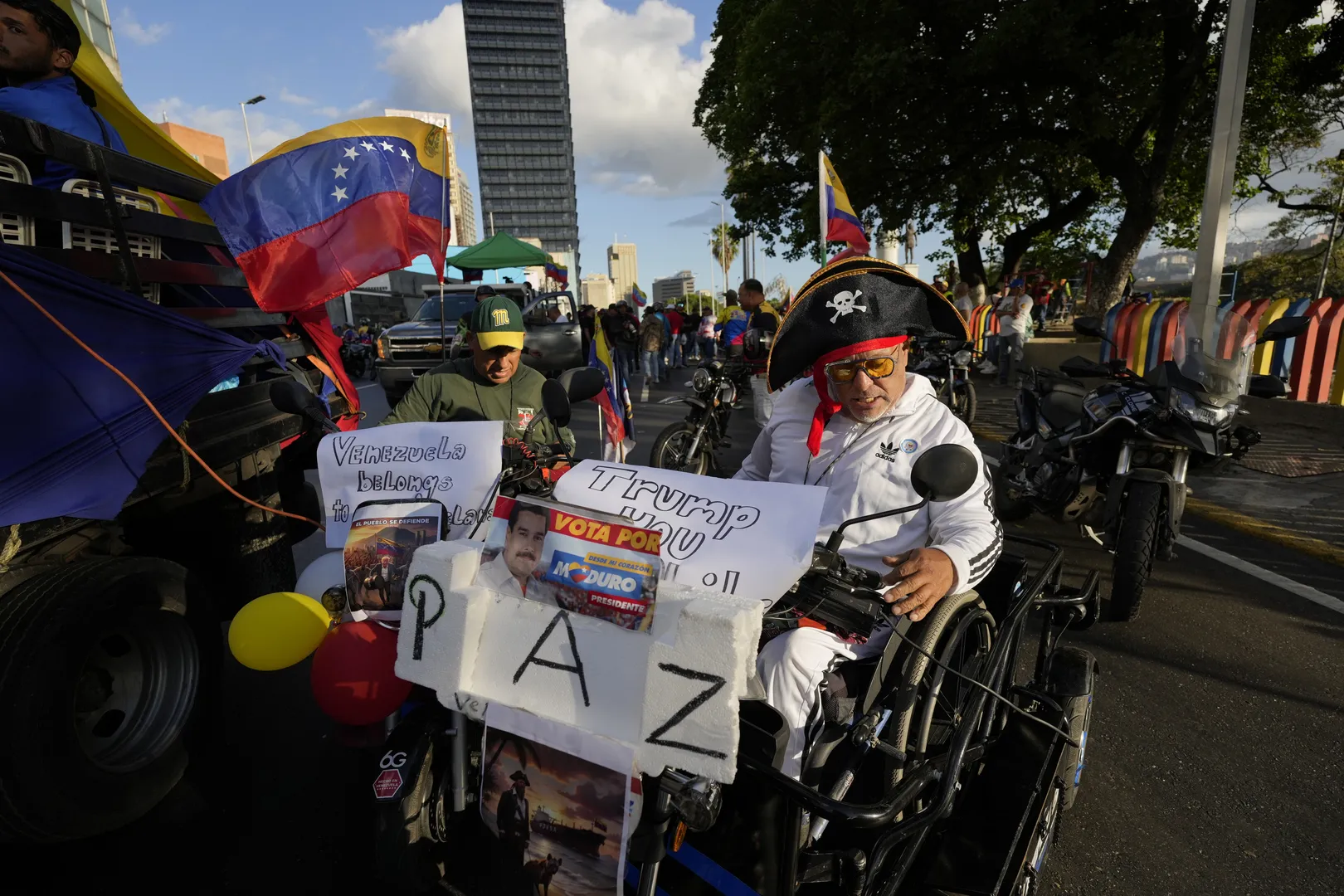
Motorcyclists wearing pirate costumes rode through Caracas in a protest against US President Donald Trump, after Washington ordered the seizure of Venezuelan oil tankers under a blockade targeting vessels linked to sanctions.
US President Donald Trump warned Nicolas Maduro to ‘not play tough’ and to step down on Monday, while the Venezuelan leader said Trump should focus on the issues in his own country. Trump told reporters the US will keep 1.9 million barrels of oil that were seized near Venezuela in December.
United States President Donald Trump has issued a new warning to Nicolas Maduro, saying “it would be smart” for the Venezuelan leader to leave power, as Washington escalates a pressure campaign against Caracas.
The warning on Monday came as Russia pledged “full support” for Maduro’s government, and China condemned the US’s seizure of two oil tankers off the coast of Venezuela.
Recommended Stories
list of 4 itemsend of list
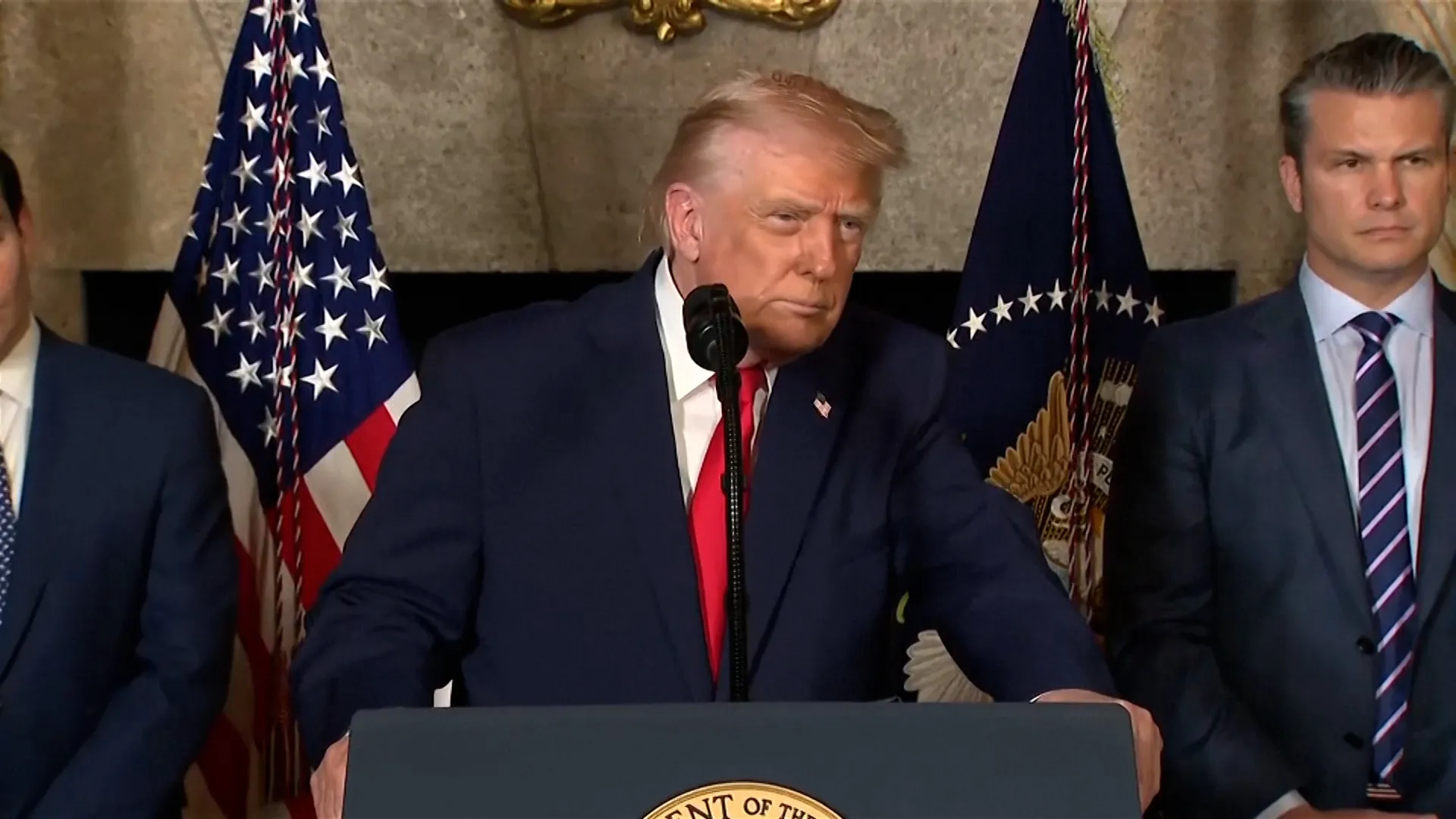
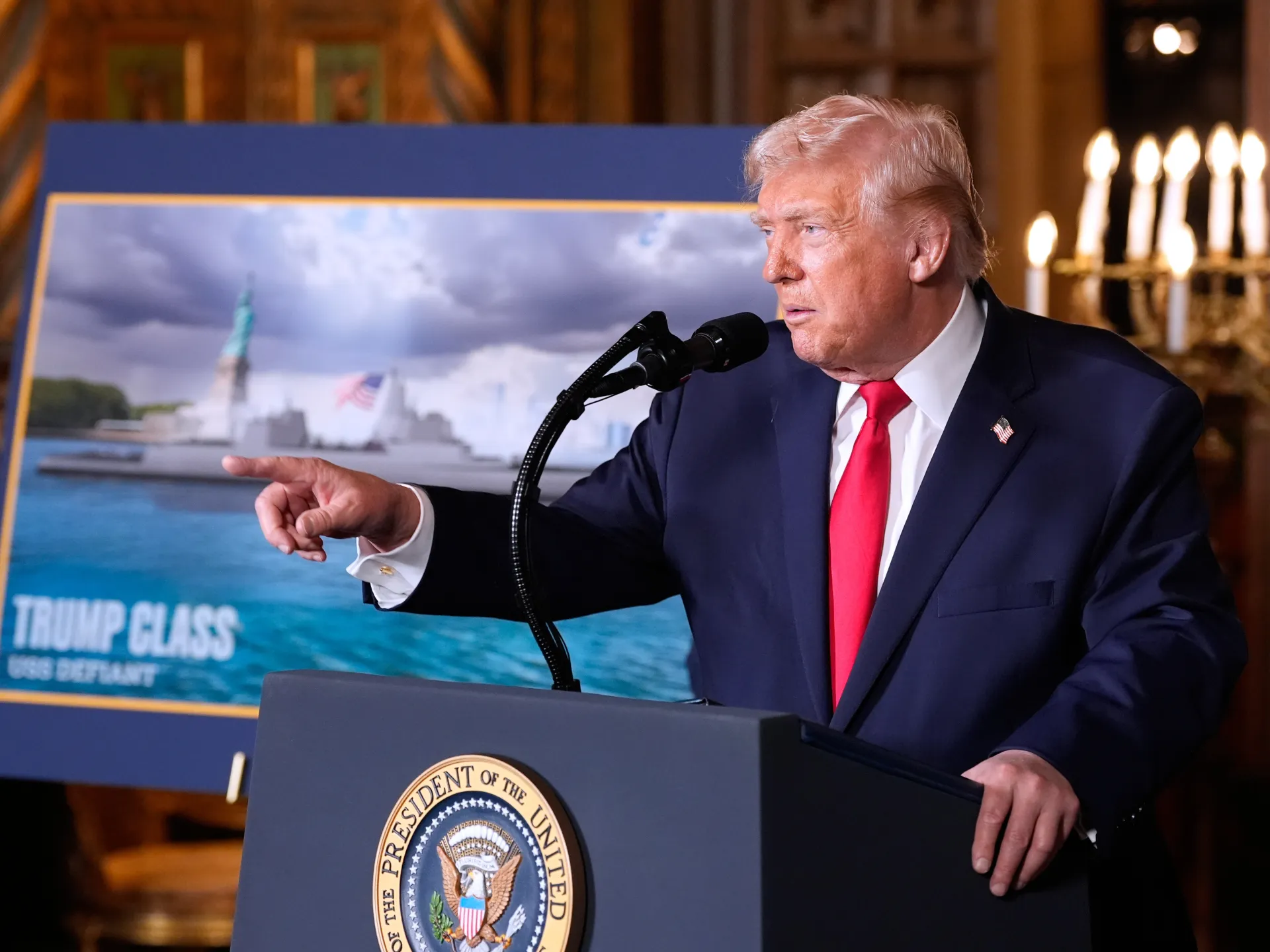
Trump, speaking at his Mar-a-Lago resort in Florida alongside his top national security aides, Secretary of State Marco Rubio and Secretary of Defense Pete Hegseth, suggested that he remains ready to further escalate his four-month pressure campaign.
When asked if the goal was to force Maduro from power, Trump told reporters: “Well, I think it probably would… That’s up to him what he wants to do. I think it’d be smart for him to do that. But again, we’re gonna find out.”
“If he wants to do something, if he plays tough, it’ll be the last time he’s ever able to play tough,” he added.
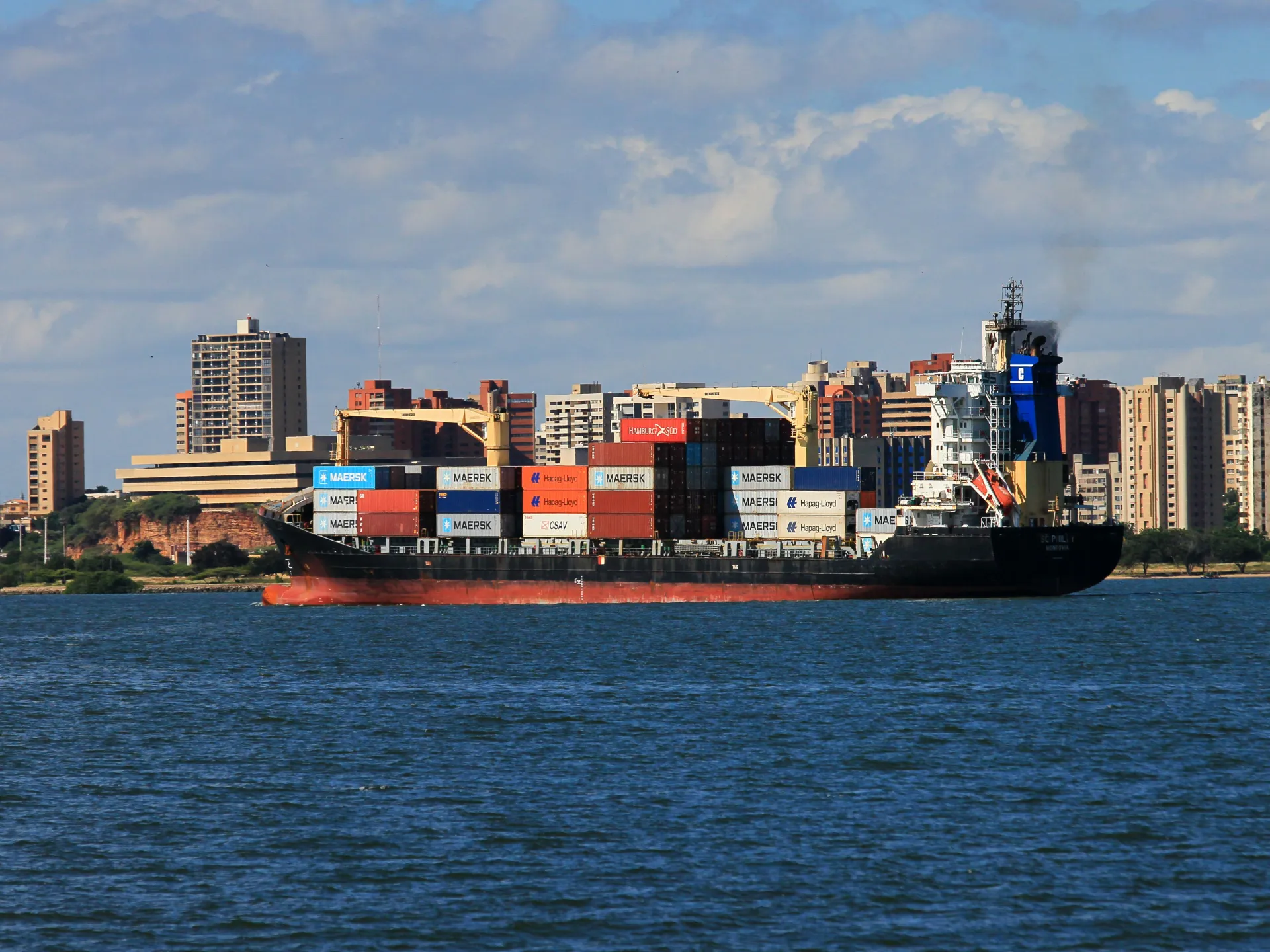
Trump levied his latest threat as the US coastguard continued for a second day to chase a third oil tanker that it described as part of a “dark fleet” that Venezuela uses to evade US sanctions.
“It’s moving along, and we’ll end up getting it,” Trump said.
The US president also promised to keep the ships and the nearly 4 million barrels of Venezuelan oil the coastguard has seized so far.
“Maybe we’ll sell it. Maybe we’ll keep it. Maybe we will use it in the strategic reserves,” he said. “We’re keeping it. We’re keeping the ships also.”
Maduro fires back
Trump’s campaign against Venezuela’s vital oil sector comes amid a large US military buildup in the region with a stated mission of combating drug trafficking, as well as more than two dozen strikes on alleged drug trafficking vessels in the Pacific Ocean and Caribbean Sea near the South American nation.
Critics have questioned the legality of the attacks, which have killed more than 100 people.
Venezuela denies any involvement in drug trafficking and insists that Washington is seeking to overthrow Maduro to seize the country’s oil reserves, which are the world’s largest.
It has condemned the US’s vessel seizures as acts of “international piracy”.
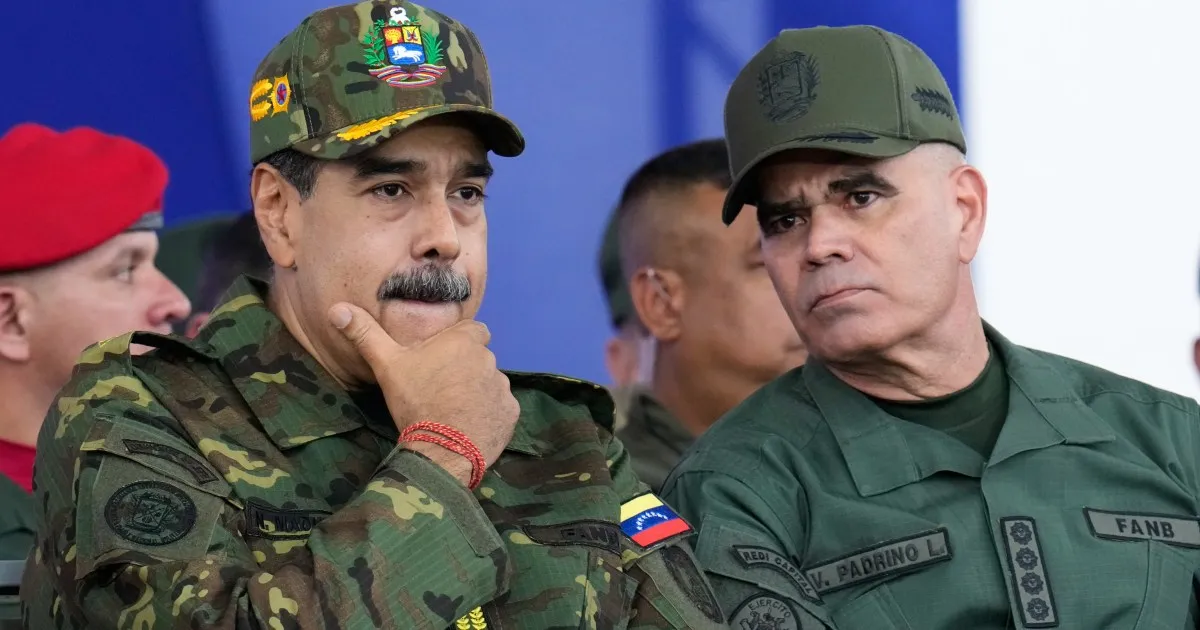
Maduro fired back at Trump hours after the latest warning, saying the US president would be “better off” if he focused on his own country’s problems rather than threatening Caracas.
“He would be better off in his own country on economic and social issues, and he would be better off in the world if he took care of his country’s affairs,” Maduro said in a speech broadcast on public television.
The exchange of words came on the eve of a United Nations Security Council meeting on Tuesday to discuss the growing crisis.
Russia’s Minister of Foreign Affairs Sergey Lavrov, in a phone call with his Venezuelan counterpart, Yvan Gil, slammed the US’s actions and expressed support for Caracas.
“The ministers expressed their deep concern over the escalation of Washington’s actions in the Caribbean Sea, which could have serious consequences for the region and threaten international shipping,” the Russian Ministry of Foreign Affairs said in a statement.
“The Russian side reaffirmed its full support for and solidarity with the Venezuelan leadership and people in the current context,” it added.
US blockade
China also condemned the US’s latest moves as a “serious violation of international law”.
“China opposes any actions that violate the purposes and principles of the United Nations Charter and infringe upon the sovereignty and security of other countries,” said Lin Jian, a spokesperson for the Chinese Foreign Ministry.
“Venezuela has the right to develop independently and engage in a mutually beneficial cooperation with other nations. China understands and supports Venezuela’s stance in safeguarding its legitimate rights and interests,” he added.
Last week, Rubio brushed aside Moscow’s stated support for Caracas.
Washington, he said, was “not concerned about an escalation with Russia with regards to Venezuela” as “they have their hands full in Ukraine”.
US-Russia relations have soured in recent weeks as Trump has voiced frustration with Moscow over the lack of a resolution on the war in Ukraine
Gil, on Monday, also read a letter on state television, signed by Maduro and addressed to UN member nations, warning that the US blockade “will affect the supply of oil and energy” globally.
“Venezuela reaffirms its vocation for peace, but also declares with absolute clarity that it is prepared to defend its sovereignty, its territorial integrity and its resources in accordance with international law,” he said.
“However, we responsibly warn that these aggressions will not only impact Venezuela. The blockade and piracy against Venezuelan energy trade will affect oil and energy supply, increase instability in international markets, and hit the economies of Latin America, the Caribbean, and the world, especially in the most vulnerable countries.”
The incident marks the second time in recent weeks that the US has seized an oil tanker near Venezuela.
Published On 20 Dec 202520 Dec 2025
Share
The United States has seized an oil tanker off the coast of Venezuela in international waters, according to officials quoted by international news agencies.
The incident comes just days after US President Donald Trump announced a “blockade” of all sanctioned oil tankers entering and leaving Venezuela.
Recommended Stories
list of 3 itemsend of list
This also marks the second time in recent weeks that the US has seized a tanker near Venezuela and comes amid a large US military build-up in the region as President Donald Trump continues to ramp up pressure on Venezuelan President Nicolas Maduro.
Three officials, who were speaking to the Reuters news agency on the condition of anonymity, did not say where the operation was taking place but added the Coast Guard was in the lead.
Two officials, speaking to The Associated Press news agency, also confirmed the operations. The action was described as a “consented boarding”, with the tanker stopping voluntarily and allowing US forces to board it, one official said.
Al Jazeera’s Heide Zhou-Castro said that there was no official confirmation from the US authorities on the operation.
“We are still waiting for confirmation from the White House and Pentagon on the details, including which ship, where it was located, and whether or not this ship was beneath the US sanctions,” she said.