Israel

Winter floods wreak havoc on Gaza displacement camps as Israel blocks aid | Gaza News

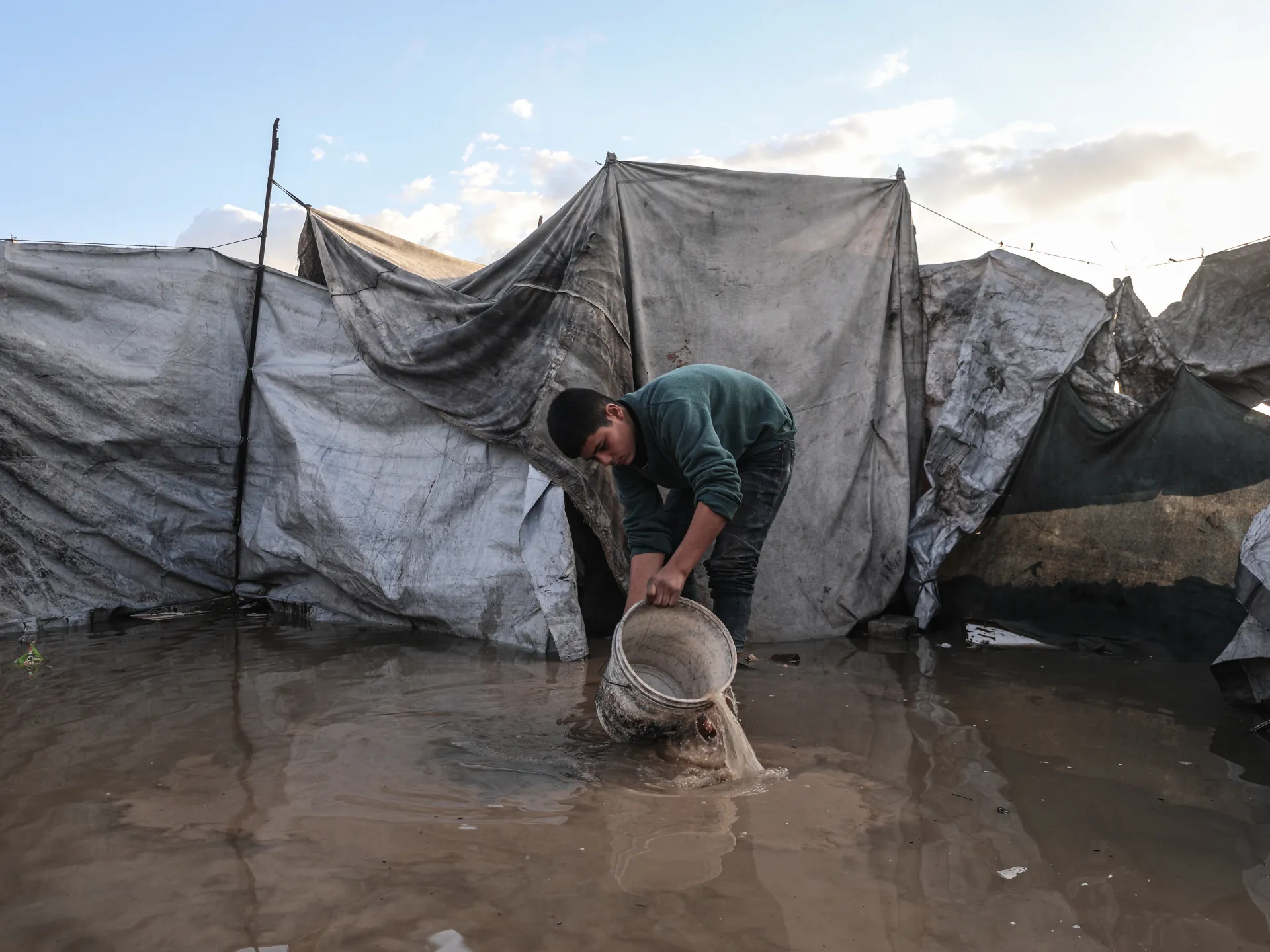
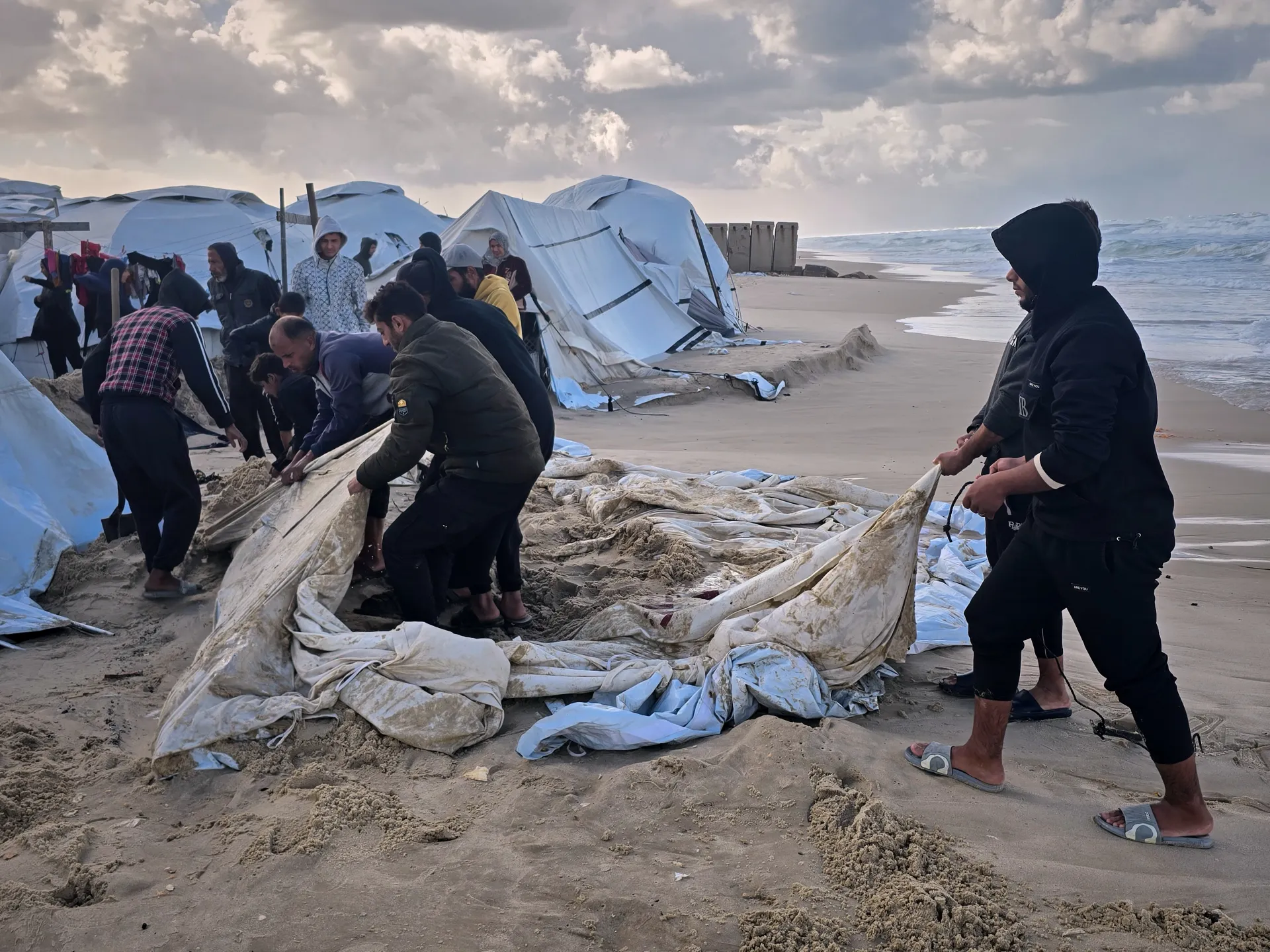
Winter rain has lashed the Gaza Strip over the weekend, flooding displacement camps with ankle-deep water as Palestinians struggled to stay dry in flimsy, worn-out tents. These Palestinians have been displaced after more than two years of Israel’s genocidal war, which has destroyed much of the besieged enclave.

In Khan Younis, soaked blankets and swamped clay cooking ovens added to the misery. Children in flip-flops navigated through puddles while adults desperately used shovels and tin cans to remove water from tents or extracted collapsed shelters from mud.

“Puddles formed, and there was a bad smell,” said Majdoleen Tarabein, displaced from Rafah in southern Gaza. “The tent flew away. We don’t know what to do or where to go.”

She and her family attempted to wring sodden blankets dry by hand.

“When we woke up in the morning, we found that the water had entered the tent,” said Eman Abu Riziq, also displaced in Khan Younis. “These are the mattresses. They are all completely soaked.”

She added that her family is still grieving her husband’s death less than two weeks ago.

“Where are the mediators? We don’t want food. We don’t want anything. We are exhausted. We just want mattresses and covers,” pleaded Fatima Abu Omar while trying to stabilise a collapsing shelter.

At least 15 people, including three babies, have died this month from hypothermia following the rains and plunging temperatures, according to the authorities in Gaza.

Emergency workers have warned against staying in damaged buildings due to collapse risks, yet with most of the territory in rubble after relentless and ongoing Israeli bombardment, shelter options are scarce. United Nations estimates from July indicate nearly 80 percent of Gaza’s buildings have been destroyed or damaged.

Since the ceasefire between Israel and Hamas began, 414 people have been killed and 1,142 wounded, with the overall Palestinian death toll reaching at least 71,266, according to the Health Ministry.

Aid deliveries to Gaza fall significantly short of ceasefire-mandated amounts, humanitarian organisations report. The Israeli military authority overseeing humanitarian aid stated that 4,200 aid trucks entered Gaza in the past week, along with sanitation equipment and winter supplies, but refused to specify the quantity of tents provided. Aid groups emphasise that current supplies cannot meet overwhelming needs.

Since the ceasefire, approximately 72,000 tents and 403,000 tarps have entered Gaza, according to Shelter Cluster, an international aid coalition led by the Norwegian Refugee Council.

“People in Gaza are surviving in flimsy, waterlogged tents and among ruins,” Philippe Lazzarini, commissioner-general of the UN refugee aid organisation in Gaza, said on social media. “There is nothing inevitable about this. Aid supplies are not being allowed in at the scale required.”

Source link

How will Israel’s recognition of Somaliland impact the Middle East? | Politics

A diplomatic breakthrough after more than 30 years of international isolation, following its break-up from Somalia.

But Israel’s recognition of Somaliland as an independent state is drawing widespread condemnation.

Somaliland is strategically located near the Bab al Mandeb, through which a third of the world’s shipping crosses into the Red sea.

That makes it vital for maritime security and intelligence operations in a volatile region.

Will more countries follow Israel and recognise Somaliland?

Presenter: Adrian Finighan

Guests: Adam Matan, Independent Horn of Africa Consultant.

Alon Pinkas, Former Ambassador and Consul General of Israel in New York.

Xavier Abu Eid, Political Scientist specialising in Palestine and Israel.

Source link

Any Israeli presence in Somaliland will be a ‘target’: Houthi leader | Houthis News

Israel on Friday announced it is officially recognising Somaliland, a first for the self-proclaimed republic since 1991.

The leader of Yemen’s Houthi rebels has warned any Israeli presence in Somaliland would be considered a “military target”, in the latest condemnation of Israel’s move to recognise the breakaway region.

“We consider any Israeli presence in Somaliland a military target for our armed forces, as it constitutes aggression against Somalia and Yemen, and a threat to the security of the region,” said the group’s chief, Abdel-Malik al-Houthi, according to a statement published by rebel media online.

Recommended Stories

list of 4 itemsend of list

Israel announced on Friday that it is officially recognising Somaliland, a first for the self-proclaimed republic that in 1991 declared it unilaterally separated from Somalia.

The Houthi chief warned that the move carried grave consequences, saying that recognition is “a hostile stance targeting Somalia and its African surroundings, as well as Yemen, the Red Sea, and the countries along both shores of the Red Sea”.

Somaliland, which has for decades pushed for international recognition, enjoys a strategic position on the Gulf of Aden and has its own money, passport and army.

Regional analysts say a rapprochement with Somaliland would provide Israel with better access to the Red Sea, enabling it to hit Houthi rebels in Yemen.

After launching its genocidal war on Gaza in October 2023, Israel repeatedly struck targets in Yemen in response to Houthi attacks on Israel, which the Yemeni rebels said were in solidarity with Palestinians in Gaza.

The Houthis have halted their attacks since a fragile truce began in Gaza in October.

Somaliland has been diplomatically isolated since its unilateral declaration of independence, even if it has generally experienced greater stability than Somalia, where al-Shabab fighters periodically mount attacks in the capital, Mogadishu.

Israel’s recognition of Somaliland was criticised by the African Union, Egypt, Turkiye, the six-nation Gulf Cooperation Council, and the Saudi-based Organisation of Islamic Cooperation.

The European Union insisted that Somalia’s sovereignty should be respected.

Source link

When Palestinian existence is portrayed as hate | Israel-Palestine conflict

I am a Palestinian. And increasingly, that fact alone is treated as a provocation.

In recent months, I have watched anti-Semitism — a real, lethal form of hatred with a long and horrific history — be stripped of its meaning and weaponised to silence Palestinians, criminalise solidarity with us, and shield Israel from accountability as it carries out a genocide in Gaza. This is not about protecting Jewish people. It is about protecting power.

The pattern is now impossible to ignore.

A children’s educator, Ms Rachel, whose entire public work is built around care, learning, and empathy, is branded “Anti-Semite of the Year” — not for her engaging in any form of hate speech, but for expressing concern for Palestinian children. For acknowledging that children in Gaza are being bombed, starved, and traumatised. For expressing compassion.

As a Palestinian, I hear the message clearly: even empathy for our children is dangerous.

Then there is Palestine Action, a protest movement that targets weapons manufacturers supplying Israel’s military. Instead of being debated, challenged, or even criticised within a democratic framework, it is proscribed as a “terrorist” organisation, casually equated with ISIL (ISIS) – a group responsible for mass executions, sexual slavery, and genocidal violence.

This comparison is not just obscene. It is deliberate. It collapses the meaning of “terrorism” so completely that political dissent becomes extremism by definition. Resistance becomes pathology. Protest becomes “terror”. And Palestinians, once again, are framed not as a people under occupation, but as a permanent threat.

Language itself is now being criminalised. Phrases like “globalise the Intifada” are banned without any serious engagement with history or meaning. Intifada — a word that literally means “shaking off” — is torn from its political context as an uprising against military occupation and reduced to a slur. Palestinians are denied even the right to name their resistance.

At the same time, international law is being actively dismantled.

Staff and judges at the International Criminal Court are sanctioned and intimidated for daring to investigate Israeli war crimes. Francesca Albanese, the United Nations special rapporteur on Palestine, has not only been sanctioned, but also relentlessly smeared — because she uses the language of international law to describe occupation, apartheid, and genocide.

When international law is applied to African leaders, it is celebrated.
When it is applied to Israel, it is treated as an act of hostility.

This brings us to Australia — and to one of the most revealing moments of all.

After the horrific Bondi Beach attack, which shocked and horrified people across Australia, Israel’s Prime Minister Benjamin Netanyahu accused the Australian government of encouraging anti-Semitism. Not because of any incitement, not because of inflammatory rhetoric — but because Australia had moved towards recognising Palestine as a state.

Read that again.

The diplomatic recognition of Palestinian statehood — long framed as essential to peace and grounded in international law — is presented as a moral failing, even as a contributor to anti-Semitic violence. Palestinian existence itself is treated as the problem.

What makes this moment so disturbing is not only that Netanyahu made this claim, but that so many centres of power ran with it rather than challenged it.

Instead of forcefully rejecting the idea that recognising Palestinian rights could “encourage anti-Semitism”, governments, institutions, and commentators allowed the premise to stand. Some echoed it outright. Others stayed silent. Almost none confronted the dangerous logic at its core: that Palestinian political recognition is inherently destabilising, provocative, or threatening.

This is how moral collapse happens — not with thunder, but with acquiescence.

The result is not safety for the Jewish people, but erasure of the Palestinian people.

As a Palestinian, I find it devastating.

It means my identity is not merely contested — it is criminalised. My grief is not simply ignored — it is politicised. My demand for justice is not debated — it is pathologised as hatred.

Anti-Semitism is real. It must be confronted seriously and without hesitation. The Jewish people deserve safety, dignity, and protection — everywhere. But when anti-Semitism is stretched to include children’s educators, UN experts, international judges, protest movements, chants, words, and even the diplomatic recognition of Palestine, then the term no longer serves to protect Jewish people.

It protects a state from accountability.

Worse still, this weaponisation endangers Jews by collapsing Jewish identity into the actions of a government committing mass atrocities. It tells the world that Israel speaks for all Jews — and that anyone who objects must therefore be hostile to Jews themselves. That is not protection. It is recklessness masquerading as morality.

For Palestinians like me, the psychological toll is immense.

I am tired of having to preface every sentence with disclaimers.

I am deeply pained by watching my people starve while being lectured about tone.

I am angry that international law seems to apply only in certain politically convenient cases.

And I am grieving — not just for Gaza, but for the moral collapse unfolding around it.

Opposing genocide is not anti-Semitism.

Solidarity is not “terrorism”.

Recognising Palestine is not incitement.

Naming your suffering is not violence.

If the world insists on calling me an anti-Semite for refusing to accept the annihilation of my people, then it is not anti-Semitism that is being countered.

It is genocide that is being justified.

And history will remember who helped make that possible.

The views expressed in this article are the author’s own and do not necessarily reflect Al Jazeera’s editorial stance.

Source link

Javad Zarif: Main threat to the Middle East is Israel, not Iran | Israel-Iran conflict

Iran’s former foreign minister argues Israel, backed by the US, has killed every opportunity for peace.

Months after being attacked by the United States and Israel, Iran finds itself in the crosshairs again, with Israeli officials lobbying US President Donald Trump to address Tehran’s ballistic missiles.

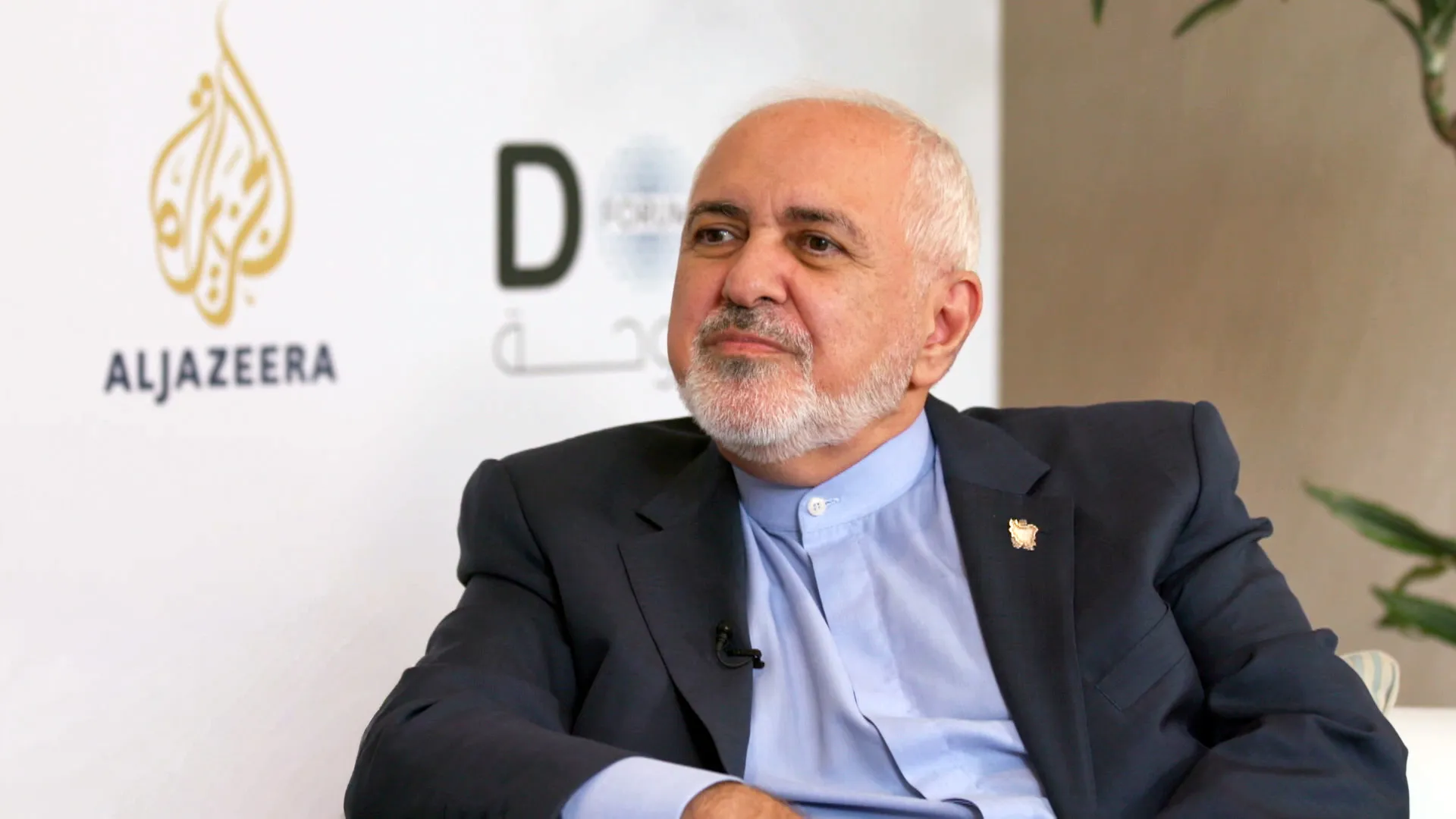
Veteran Iranian diplomat Javad Zarif tells host Steve Clemons that “everybody lost any faith in diplomacy” after Israel and the US attacked Iran following five rounds of reconciliation talks between Washington and Tehran.

Zarif added that Israel has historically thwarted every opportunity for reconciliation between Iran and the US, and that Trump’s style of diplomacy is disastrous, as it creates “negotiations that end up in war”.

Source link

US-Israel ties: What Netanyahu and Trump will discuss in Florida | Donald Trump News

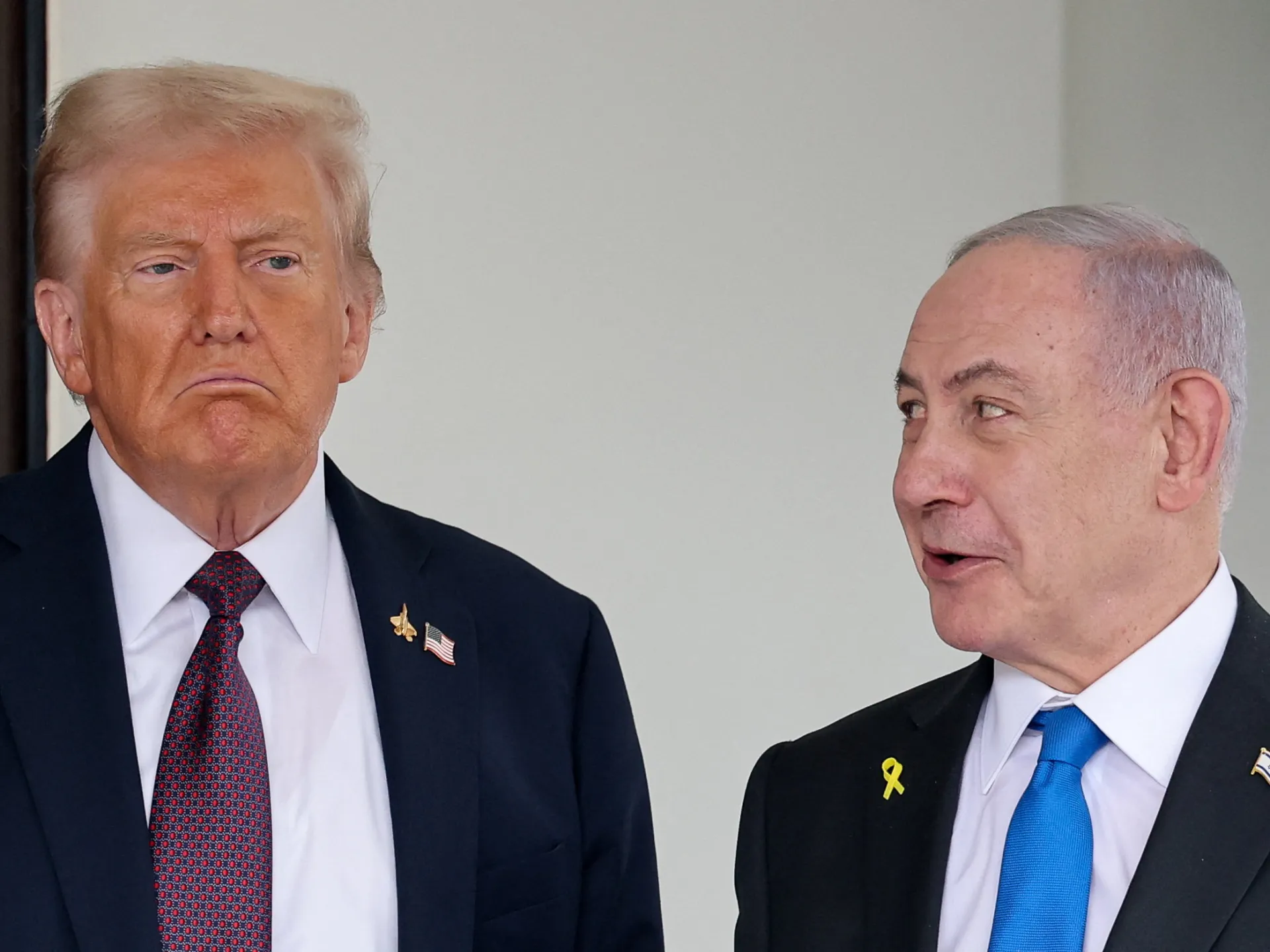
Israeli Prime Minister Benjamin Netanyahu will visit the United States to meet with President Donald Trump as regional turmoil approaches a boiling point amid Israel’s attacks in Palestine, Lebanon and Syria and mounting tensions with Iran.

Netanyahu is to hold talks with Trump at the president’s Mar-a-Lago resort in Florida on Monday as Washington pushes to complete the first phase of the Gaza truce.

Recommended Stories

list of 3 itemsend of list

The visit comes as the US continues to pursue its 20-point “peace plan” in the Palestinian enclave despite near-daily Israeli violations of the truce.

Israel is also escalating attacks in the occupied West Bank, Lebanon and Syria as Israeli officials suggest that another war with Iran is possible.

What will Netanyahu discuss with Trump, and where do US-Israel ties stand?

Al Jazeera looks at the prime minister’s trip to the US and how it may play out.

When will Netanyahu arrive?

The Israeli prime minister will arrive in the US on Sunday. However, the talks will not take place at the White House. Instead, Netanyahu will meet Trump in Florida, where the US president is spending the holidays.

The meeting between the two leaders is expected to take place on Monday.

How many times has Netanyahu visited Trump?

This will be Netanyahu’s fifth visit to the US in 10 months. The Israeli prime minister has been hosted by Trump more than any other world leader.

In February, he became the first foreign leader to visit the White House after Trump returned to the presidency.

He visited again in April and July. In September, he also met with Trump in Washington, DC, after the United Nations General Assembly in New York.

What has the relationship between Trump and Netanyahu been like so far?

Netanyahu often says Trump is the best friend Israel has ever had in the White House.

During his first term, Trump pushed US policy further in favour of Israel’s right-wing government. He moved the US embassy to Jerusalem, recognised and claimed Israeli sovereignty over Syria’s occupied Golan Heights and cut off funding to the United Nations agency for Palestinian refugees (UNRWA).

Since returning to the White House this year, Trump has shown a greater willingness to publicly disagree with Netanyahu. Still, his administration has provided unflinching support for Israel, including the decision to renew the genocidal war on Gaza in March after a brief ceasefire.

Trump joined the Israeli attack on Iran in June to the dismay of some segments of his base. And he pushed to secure the current truce in Gaza.

The US president also opposed the Israeli attack on Doha in September. And he swiftly lifted sanctions against Syria despite some apparent Israeli reservations.

The ties between the two leaders have seen some peaks and valleys. In 2020, Trump was irked when Netanyahu rushed to congratulate Joe Biden on his election victory against Trump, who has falsely insisted the election was fraudulent.

“I haven’t spoken to him [Netanyahu] since,” Trump told the Axios news site in 2021. “F*** him.”

The strong ties between the two leaders were rekindled after Trump won the presidency again in 2024 and unleashed a crackdown on Palestinian rights activists in the US.

In November, Trump formally asked Israeli President Isaac Herzog to pardon Netanyahu, who is facing corruption charges at home.

The two leaders, however, are not in complete alignment, and cracks in their positions are showing up over issues that include Gaza, Syria and the US partnerships with Turkiye and the Gulf states.

During his US visit, Netanyahu may seek to flatter Trump and project a warm relationship with the US president to advance his agenda and signal to his political rivals in Israel that he still enjoys support from Washington.

How has Netanyahu dealt with the US since October 7, 2023?

Since the outbreak of the war in Gaza, Netanyahu has asked for unchecked US diplomatic and military support.

Then-President Biden travelled to Israel 11 days after Hamas’s October 7, 2023, attacks on southern Israel, and he declared that support for the US ally is “vital for America’s national security”.

His “bear hug” of Netanyahu on arrival at the airport in Tel Aviv would set the stage for the US backing of Israel as it unleashed horror and destruction on Gaza, which has translated into more than $21bn in military aid and multiple vetoes at the UN Security Council over the past two years.

Netanyahu has seized on the notion that Israel is an extension of US interests and security structure. In a speech to the US Congress last year, the prime minister argued that Israel is fighting Iran indirectly in Gaza and Lebanon.

“We’re not only protecting ourselves. We’re protecting you,” he told US lawmakers.

Throughout the war, there have been countless reports that Biden and Trump have been displeased or angry with Netanyahu. But US weapons and political backing for Israel have continued to flow uninterrupted. And Netanyahu makes a point of always expressing gratitude to US presidents, even when there may be apparent tensions.

Where does the US stand on the Gaza truce?

US Secretary of State Marco Rubio said last week that the top priority for the Trump administration is to complete the first stage of the Gaza ceasefire and move from mere cessation of hostilities to long-term governance, stabilisation and reconstruction of the Palestinian enclave.

Israel has been violating the ceasefire in Gaza regularly, recently killing at least six Palestinians in an attack that targeted a wedding.

But Trump, who claims to have brought peace to the Middle East for the first time in 3,000 years, has focused on broadly moving the truce forward rather than on Israel’s daily conduct.

“No one is arguing that the status quo is sustainable in the long term, nor desirable, and that’s why we have a sense of urgency about bringing phase one to its full completion,” Rubio said last week.

The top US diplomat has also suggested that there could be some flexibility when it comes to disarming Hamas under the agreement, saying the “baseline” should be ensuring that the group does not pose a threat to Israel rather than removing the guns of every fighter.

But Israel appears to be operating with a different set of priorities. Defence Minister Israel Katz said on Tuesday that the country is looking to re-establish settlements in Gaza, which are illegal under international law.

He later walked back those comments but stressed that Israel would maintain a permanent military presence in the territory, which would violate the Trump plan.

Expect Gaza to be a key topic of discussion between Netanyahu and Trump.

Can a Syria agreement be reached?

Trump has literally and figuratively embraced Syrian President Ahmed al-Sharaa over the past year, lifting sanctions against the country and beginning security cooperation with his government’s security forces.

But Israel is pursuing its own agenda in Syria. Hours after the collapse of the government of former President Bashar al-Assad a year ago, Israel began expanding its occupation of Syria beyond the Golan Heights.

Although the new Syrian authorities stressed early on that they did not seek confrontation with Israel, the Israeli military launched a bombardment campaign against Syria’s state and military institutions.

Israeli forces have also been conducting raids in southern Syria and abducting and disappearing residents.

After the Israeli military killed 13 Syrians in an air raid last month, Trump issued a veiled criticism of Israel.

“It is very important that Israel maintain a strong and true dialogue with Syria and that nothing takes place that will interfere with Syria’s evolution into a prosperous state,” he said.

Syria and Israel were in talks earlier this year to establish a security agreement short of full diplomatic normalisation. But the negotiations appeared to collapse after Israeli leaders insisted on holding onto the land captured after al-Assad’s fall.

With Netanyahu in town, Trump will likely renew the push for a Syria-Israel agreement.

Why is Iran back in the headlines?

Netanyahu’s visit comes amid louder alarm bells in Israel about Iran rebuilding its missile capacity after their 12-day war in June.

NBC News reported last week that the Israeli prime minister will brief the US president about more potential strikes against Iran.

The pro-Israel camp in Trump’s orbit seems to be already mobilising rhetorically against Iran’s missile programme.

US Senator Lindsey Graham visited Israel this month and called Iran’s missiles a “real threat” to Israel.

“This trip is about elevating the risk ballistic missiles pose to Israel,” Graham told The Jerusalem Post.

Trump authorised strikes against Iran’s nuclear sites during the June war, which he said “obliterated” the Iranian nuclear programme.

Although there is no evidence that Iran has been weaponising its nuclear programme, fears about a possible Iranian atomic bomb were the driving public justification for the US involvement in the conflict.

So it will be hard for Netanyahu to persuade Trump to back a war against Iran, said Sina Toossi, a senior fellow at the Center for International Policy.

The president is portraying himself as a peacemaker and prioritising a possible confrontation with Venezuela.

“It could just as well backfire on Netanyahu,” Toossi said of the push for more strikes against Iran. But he underscored that Trump is “unpredictable”, and he has surrounded himself with pro-Israel hawks, including Rubio.

What is the state of US-Israel relations?

Despite growing dissent on the left and right of the US political spectrum, Trump’s support for Israel remains unwavering.

This month, the US Congress passed a military spending bill that includes $600m in military aid to Israel.

The Trump administration has continued to avoid even verbal criticism of Israel’s aggressive behaviour in the region, including Gaza ceasefire violations and the expansion of illegal settlements in the West Bank.

At a White House Hanukkah celebration on December 16, Trump bemoaned the growing scepticism of unconditional support for Israel in Congress, falsely likening it to anti-Semitism.

“If you go back 10, 12, 15 years ago, at the most, the strongest lobby in Washington was the Jewish lobby. It was Israel. That’s no longer true,” Trump said.

“You have to be very careful. You have a Congress in particular which is becoming anti-Semitic.”

Despite Trump’s position, analysts said the gap between the strategic priorities of the US and Israel is growing.

While Washington is pushing for economic cooperation in the Middle East, Israel is seeking “total dominance” over the region, including US partners in the Gulf, Toossi said.

“Israel is pushing this uncompromising posture and strategic objective that I think is going to come to a head more with core US interests,” Toossi told Al Jazeera.

What’s next for the US-Israel alliance?

If you drive down Independence Avenue in Washington, DC, you will likely see more Israeli than American flags displayed on the windows of congressional offices.

Despite the shifting public opinion, Israel still has overwhelming support in Congress and the White House. And although criticism of Israel is growing within the Republican base, Israel’s detractors have been pushed to the margins of the movement.

Marjorie Taylor Greene is leaving Congress; commentator Tucker Carlson is facing constant attacks and accusations of anti-Semitism; and Congressman Tom Massie is facing a Trump-backed primary challenger.

Meanwhile, Trump’s inner circle is filled with staunch Israel supporters, including Rubio, megadonor Miriam Adelson and radio show host Mark Levin.

But amid the erosion of public support, especially among young people, Israel may face a reckoning in American politics in the long term.

On the Democratic side, some of Israel’s strongest supporters in Congress are facing primary challenges from progressive candidates who are centring Palestinian rights.

The most powerful pro-Israel lobbying group, the American Israel Public Affairs Committee (AIPAC), is increasingly becoming a toxic brand for Democrats.

On the right, the faultlines in the consensus in support of Israel are growing wider. That trend was put on display at the right-wing AmericaFest conference this month when debates raged around support for Israel, a topic that was a foregone conclusion for conservatives a few years ago.

Although the Trump administration has been pushing to codify opposition to Zionism as anti-Semitism to punish Palestinian rights supporters, Vice President JD Vance has presented a more nuanced view on the issue.

“What is actually happening is that there is a real backlash to a consensus view in American foreign policy,” Vance recently told the UnHerd website.

“I think we ought to have that conversation and not try to shut it down. Most Americans are not anti-Semitic – they’re never going to be anti-Semitic – and I think we should focus on the real debate.”

Bottom line, the currents are changing, but the US commitment to Israel remains solid – for now.
Source link

Somalia condemns Israel’s recognition of Somaliland as ‘naked invasion’ | Benjamin Netanyahu News

Somalia’s president calls for unity at an emergency joint session of parliament, which declares the Israeli move ‘null and void’.

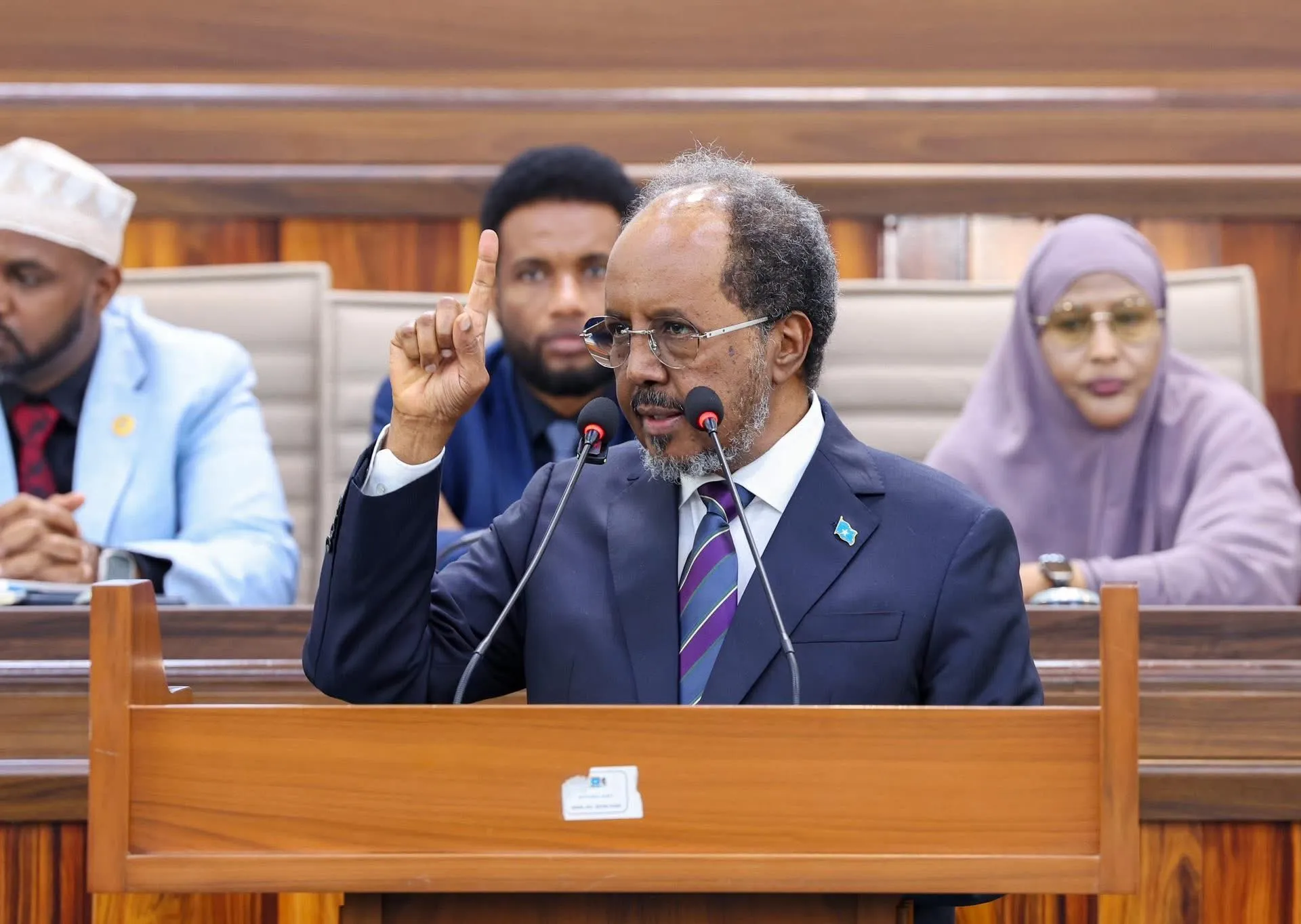
Somalia’s president has condemned Israel’s recognition of the breakaway region of Somaliland as a “naked invasion”, warning that the move threatens to ignite separatist movements elsewhere.

Addressing an emergency joint session of parliament on Sunday, President Hassan Sheikh Mohamud said Israeli Prime Minister Benjamin Netanyahu has committed the “greatest abuse” of Somalia’s sovereignty in the nation’s history and referred to Israel as an “enemy”.

Recommended Stories

list of 4 itemsend of list

“I am encouraging the Somali people to be calm and to defend the unity and the independence of our country, which is facing this naked invasion,” he said.

Lawmakers unanimously passed a resolution declaring Israel’s recognition as “null and void” although the measure is largely symbolic given that Somalia has not controlled Somaliland since it declared independence in 1991, which Somalia has never accepted.

The resolution warns that individuals or institutions violating Somalia’s sovereignty will face legal consequences under the country’s penal code and international law. It directed the government to take up the matter with the United Nations, African Union, Arab League and other regional bodies.

‘Existential threat’

Netanyahu on Friday announced that Israel had established full diplomatic relations with Somaliland, describing the move as being in the spirit of the United States-brokered Abraham Accords, which normalised ties between Israel and several Arab countries.

The announcement made Israel the first UN member state to formally recognise the self-declared state, which has sought international acceptance for more than three decades without success.

Mohamud accused Netanyahu of trying to import Middle Eastern conflicts into Somalia and promised his country would not allow its territory to be used as a military base to attack other nations.

He urged Somalis to set aside “tribal and regional rivalries” to confront what he described as an “existential threat” to the country’s unity.

“We need to combine our wisdom and strengths to defend our existence and sovereignty,” the president said, calling on Somaliland’s leaders to enter meaningful negotiations to preserve Somalia’s territorial integrity.

Somali Prime Minister Hamza Barre told Al Jazeera Arabic that Israel was “searching for a foothold in the Horn of Africa” and called on it to recognise and accept a Palestinian state instead.

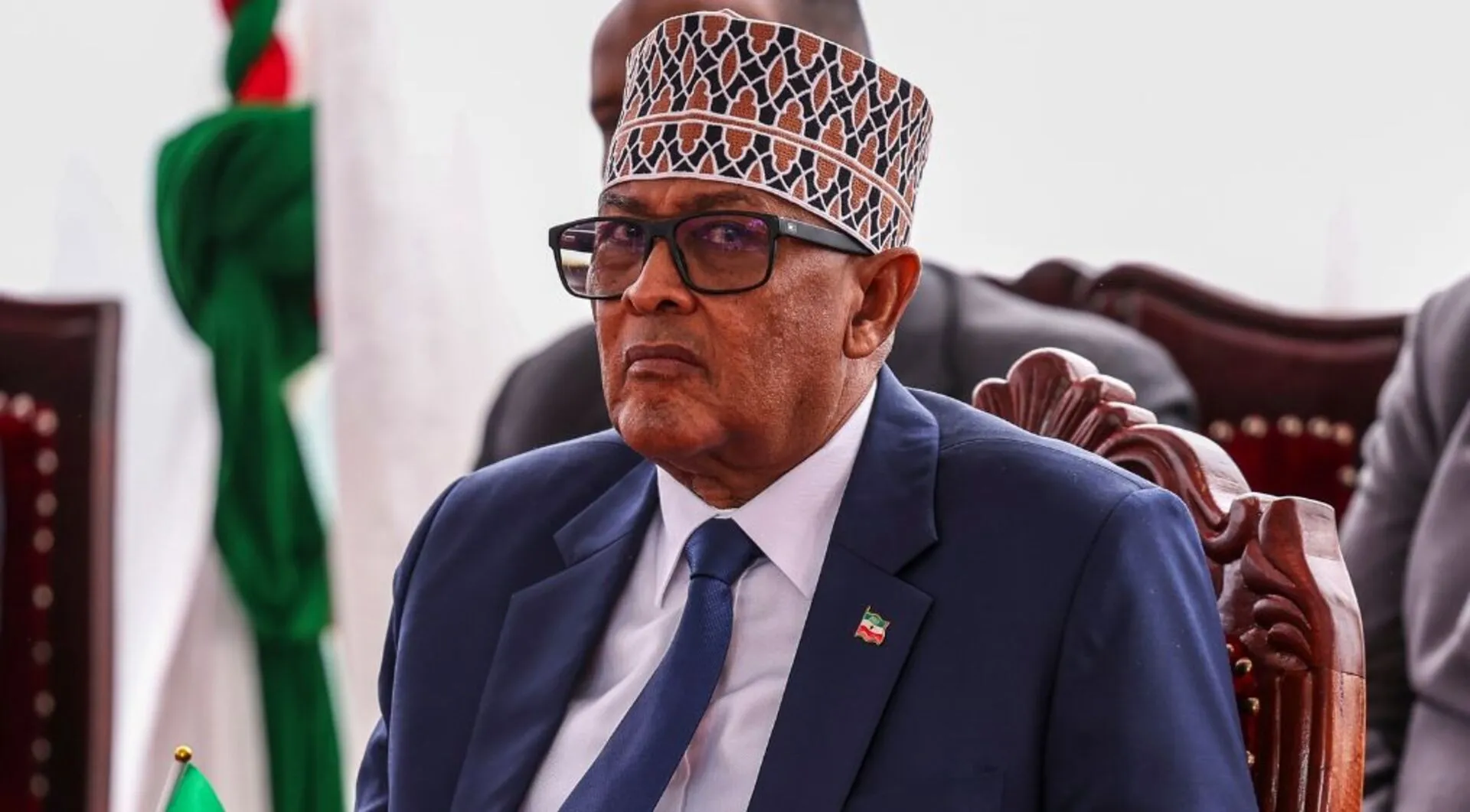
Defending the Israeli move, Somaliland President Abdirahman Mohamed Abdullahi, known locally as Cirro, said on Friday that Somaliland’s recognition “is not a threat, not an act of hostility” to neighbouring countries.

He said his nation is “deeply rooted in Islamic values of moderation, justice and coexistence” and does not represent an alignment against any Islamic nation or community.

Meanwhile, the Israeli decision sparked immediate international backlash

A joint statement issued on Saturday by 21 Arab and African countries and the Organisation of Islamic Cooperation condemned the recognition as a grave violation of international law and the UN Charter.

In a statement, the Palestinian Ministry of Foreign Affairs expressed support for Somalia.

Regional leaders – including the presidents of Kenya, Uganda, Tanzania and Djibouti – held phone calls with Mohamud to reaffirm support for Somalia’s territorial integrity. Eritrea separately called on China to take action at the UN Security Council, drawing parallels to the Taiwan issue.

The European Union issued a statement calling for respect for Somalia’s sovereignty but stopped short of condemning the move. It urged authorities in Mogadishu and Hargeisa to engage in dialogue.

Israel’s move to recognise Somaliland came during a more than two-year genocidal war in Gaza, in which more than 70,000 Palestinians have been killed.

Israel is currently being investigated by the International Court of Justice over allegations of genocide, and Netanyahu is the subject of an arrest warrant issued by the International Criminal Court on accusations of war crimes and crimes against humanity.

Somaliland broke away from Somalia in 1991 after a civil war under military ruler Siad Barre. The self-declared republic controls part of northwestern Somalia and has its own constitution, currency and flag. It claims the territory of the former British Somaliland protectorate, but its eastern regions remain under the control of rival administrations loyal to Somalia.

Asked by the New York Post on Friday if he would recognise Somaliland, US President Donald Trump replied “no” although he added that the matter remained under study. “Does anyone know what Somaliland is, really?” Trump asked.

The UN Security Council is expected to discuss Israel’s recognition of Somaliland on Monday.

Source link

Iran president says US, Israel, Europe waging ‘full-fledged war’ on country | Israel-Iran conflict News

If Israel and the US were to attack Iran again, they would ‘face a more decisive response’, Pezeshkian warns.

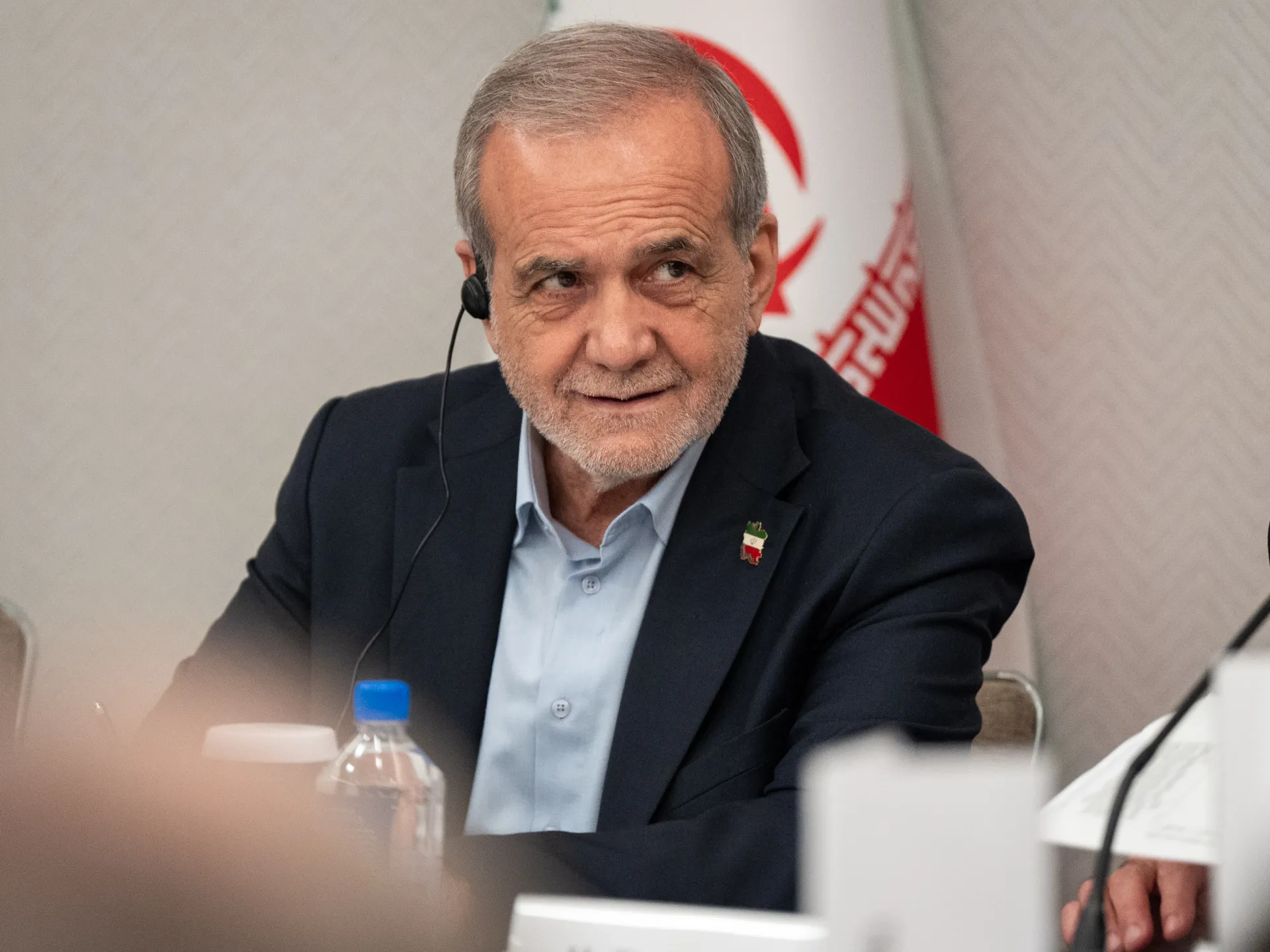
Iranian President Masoud Pezeshkian says that the United States, Israel and Europe are waging a “full-fledged war” against his country.

“In my opinion, we are in a full-fledged war with America, Israel and Europe. They do not want our country to stand on its feet,” Pezeshkian told the official site of Supreme Leader Ayatollah Ali Khamenei in an interview on Saturday.

Recommended Stories

list of 3 itemsend of list

The president’s remarks come ahead of Israeli Prime Minister Benjamin Netanyahu’s meeting on Monday with US President Donald Trump. They also come six months after Israel and the US launched strikes on Iran, and after France, Germany and the United Kingdom reimposed United Nations sanctions on Iran in September over its nuclear programme.

“Our dear military forces are doing their jobs with strength, and now, in terms of equipment and manpower, despite all the problems we have, they are stronger than when they [Israel and the US] attacked,” Pezeshkian said.

“So, if they want to attack, they will naturally face a more decisive response.”

The president said that “this war” is unlike past ones.

“This war is worse than Iraq’s war against us. If one understands it well, this war is far more complex and difficult than that war,” Pezeshkian said, referring to the 1980-1988 conflict between the neighbouring countries in which thousands were killed.

The US and its allies accuse Iran of seeking to acquire nuclear weapons, a claim Tehran has repeatedly denied.

Israel and Iran engaged in a 12-day war in June, triggered by an unprecedented Israeli attack on Iranian military and nuclear sites, as well as civilian areas.

The strikes caused more than 1,000 casualties, according to Iranian authorities.

The US later joined the Israeli operation, bombing three Iranian nuclear sites.

Washington’s involvement brought a halt to negotiations with Tehran, which began in April, over its nuclear programme.

Since returning to the White House in January, US President Donald Trump has revived his so-called “maximum pressure” policy against Iran, initiated during his first term.

That has included additional sanctions designed to economically cripple the country and dry up its oil revenues from sales on the global market.

According to recent reports, when Netanyahu visits Trump at his Mar-a-Lago resort in Florida this weekend, he will be pushing for more military actions against Iran, this time focusing on Tehran’s missile programme.

Source link

Palestinians suffer flooded tents and debris as cold and rain lash Gaza | Israel-Palestine conflict News

Tens of thousands of displaced Palestinians in Gaza, surrounded by tents and debris, are suffering through more winter rains after two years of Israeli bombardment destroyed much of the Strip.

A polar low-pressure system accompanied by heavy rain and strong winds swept across the Gaza Strip on Saturday. It is the third polar low to affect the Palestinian territory this winter, with a fourth low-pressure system forecast to hit the area starting on Monday, meteorologist Laith al-Allami told the Anadolu news agency.

Recommended Stories

list of 4 itemsend of list

Many families have been living in tents since late 2023, for most of the duration of Israel’s genocidal war on Gaza.

The enclave is imminently facing freezing temperatures, rain and strong winds, as the authorities warn the downpour could intensify into a full-blown storm.

Mohammed Maslah, a displaced Palestinian now in Gaza City, told Al Jazeera in his rugged tent that he did not have a choice but to stay there.

“I could not find anywhere to live in Gaza, except Gaza Port,” he told Al Jazeera. “I’m forced to stay here because my home is under Israeli control. After just a few hours of rain, we were soaked.”

In Deir al-Balah, Shaima Wadi, a mother of four children who was displaced from Jabaliya in the north, spoke to the Associated Press. “We have been living in this tent for two years. Every time it rains and the tent collapses over our heads, we try to put up new pieces of wood,” she said. “With how expensive everything has become, and without any income, we can barely afford clothes for our children or mattresses for them to sleep on.”

The heavy rains earlier this month flooded tents and makeshift shelters across Gaza, where most of the buildings have been destroyed or damaged by Israeli attacks.

So far in December, at least 15 people, including three babies, died from hypothermia following rains and plunging temperatures, with several buildings collapsing, according to the authorities in Gaza. Aid organisations have called for Israel to allow more shelters and other humanitarian aid into the territory.

Ibrahim Abu al-Reesh, head of field operations for the Civil Defence in the Gaza Port area, said that his teams responded to various distress calls as weather conditions got harsher in places where displaced people set up fragile tents.

“We worked hard to cover some of these damaged tents with plastic sheets after they were flooded by rainwater,” he told Al Jazeera.

Al Jazeera’s Ibrahim Al Khalili, reporting from Gaza City, said that winter has been adding to the suffering of tens of thousands of displaced Palestinians who do not have safe shelters.

“The same misery repeats as each rain fills neighbourhoods with muddy water,” he said.

Ceasefire talks

As Palestinians face dire conditions in Gaza, Israeli Prime Minister Benjamin Netanyahu is expected to visit Washington, DC, in the coming days while negotiators and others discuss the second stage of the ceasefire that took effect on October 10.

The progress in the peace process has been slow. Challenges in phase two of the ceasefire include the deployment of an international stabilisation force, a technocratic governing body for Gaza, the proposed disarmament of Hamas and further Israeli troop withdrawals from the territory.

So far, the agreement has partially held despite Israel’s repeated violations.

Since the ceasefire went into effect, more than 414 Palestinians have been killed and 1,142 wounded, according to Gaza’s Ministry of Health.

It also said the bodies of 679 people were pulled from the rubble during the same period, as the truce makes it safer to search for the remains of people killed earlier.

The ministry on Saturday said that 29 bodies, including 25 recovered from under the rubble, had been brought to local hospitals over the past 48 hours.

The overall Palestinian death toll from Israel’s war has risen to at least 71,266, the ministry said, and another 171,219 have been wounded.

Source link

Israel’s recognition of Somaliland slammed across world capitals | Politics News

Regional blocs join nations in condemning Israel’s move to formally recognise breakaway Somali region as independent.

The Arab League, the Gulf Cooperation Council (GCC) and the African Union (AU) have joined numerous countries decrying Israel’s formal recognition of the northern Somali breakaway region of Somaliland as an independent state.

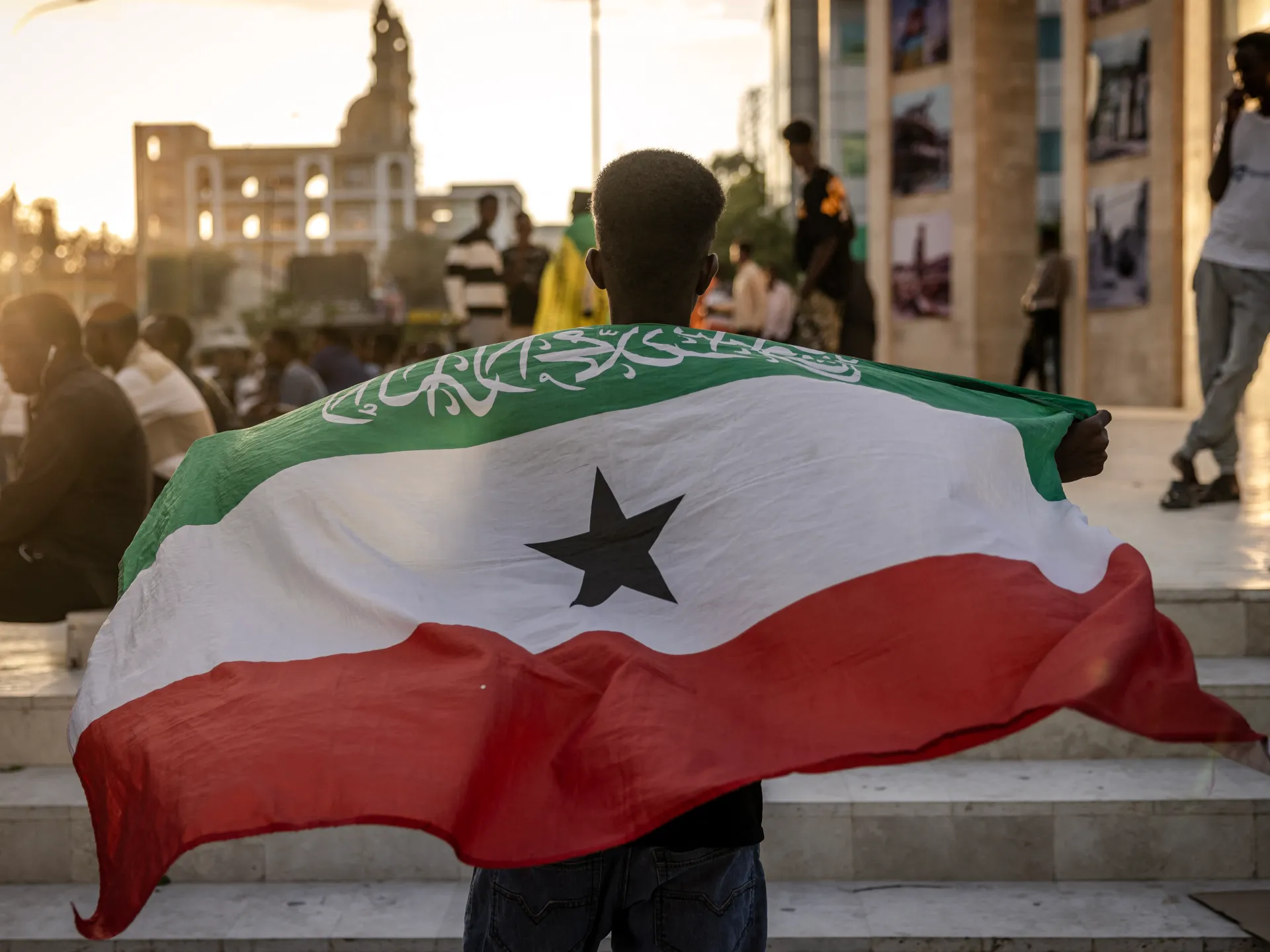
Somaliland, a region in the Horn of Africa, declared independence from Somalia in 1991 and has pushed for international recognition for decades, with President Abdirahman Mohamed Abdullahi making it a top priority since taking office last year.

Recommended Stories

list of 4 itemsend of list

Israel announced on Friday that it viewed Somaliland as an “independent and sovereign state”, becoming the first country to make such a declaration.

The announcement prompted Somalia to call the decision a “deliberate attack” on its sovereignty that would undermine regional peace.

In a statement on Friday, the AU continental bloc rejected Israel’s move and warned that it risked “setting a dangerous precedent with far-reaching implications for peace and stability across the continent”.

The AU Commission chair, Mahmoud Ali Youssouf, said the institution “firmly rejects any initiative or action aimed at recognising Somaliland as an independent entity, recalling that Somaliland remains an integral part of the Federal Republic of Somalia”.

‘Dangerous precedent’

Arab League Secretary-General Ahmed Aboul Gheit called Israel’s action “a clear violation of international law and a flagrant infringement of the principle of the unity and sovereignty of states”.

“Any attempt to impose unilateral recognitions constitutes an unacceptable interference in Somalia’s internal affairs and sets a dangerous precedent that threatens regional and international security and stability,” he warned.

The GCC called the development “a grave violation of the principles of international law and a blatant infringement” of Somalia’s sovereignty.

“This recognition represents a dangerous precedent that will undermine the foundations of stability in the Horn of Africa region and open the door to further tensions and conflicts, contradicting regional and international efforts aimed at strengthening international peace and security in the region,” GCC Secretary-General Jasem Albudaiwi said in a statement.

The European Union said it respected Somalia’s territorial integrity and sovereignty, calling for dialogue between the Somali national government and Somaliland.

The foreign ministers of Somalia, Egypt, Turkiye and Djibouti also condemned Israel’s recognition of Somaliland, saying: “The ministers affirmed their total rejection and condemnation of Israel’s recognition of the Somaliland region, stressing their full support for the unity, sovereignty and territorial integrity of Somalia.”

Egypt’s Ministry of Foreign Affairs made the statement following a phone call between the countries’ top diplomats on Friday.

Somalia demands reversal of recognition

Qatar, Iran, Saudi Arabia, Pakistan and China were among the other countries that condemned Israel’s move.

The Palestinian Authority and Hamas also rejected Israel’s recognition of Somaliland.

On Friday, Somalia demanded Israel reverse its recognition of Somaliland as independent, condemning the move as an act of “aggression that will never be tolerated”.

However, Somaliland leader Abdullahi hailed Israel’s decision as a “historic moment” and said in a post on X that it marked the beginning of a “strategic partnership”.

As world leaders weighed in, Somalia’s al-Qaeda-linked armed group al-Shabab pledged on Saturday to fight any attempt by Israel “to claim or use parts of Somaliland”.

“We will not accept it, and we will fight against it,” the group that has waged a decades-long armed rebellion in the region said in a statement.

United States President Donald Trump also commented on the issue.

Asked by the New York Post newspaper whether Washington planned to also recognise Somaliland, Trump said “no”.

“Does anyone know what Somaliland is, really?” he added on Friday.

Source link

Israeli forces take over homes, impose curfew on West Bank’s Qabatiya | Occupied West Bank News

Incursion follows Israeli defence minister’s order for military to ‘act forcefully’ against the Palestinian town.

Israeli forces have carried out mass arrests and forced dozens of families from their homes in the town of Qabatiya in the occupied West Bank, on the second day of a sweeping military operation ordered by Israel’s defence minister.

Israeli forces sealed off entrances to Qabatiya while rounding up and interrogating dozens of residents on Saturday, local sources told Al Jazeera. They converted several homes into military interrogation centres, displacing their occupants, according to the Palestinian Wafa news agency.

Recommended Stories

list of 4 itemsend of list

Israel’s Army Radio reported that the town is subject to a “full curfew”.

The crackdown follows an order by Israeli Defense Minister Israel Katz ​to “act forcefully … against the village of Qabatiya”, where he claims a Palestinian alleged of carrying out a stabbing and car-ramming attack in northern Israel hails from.

In a statement on Friday, Israel’s military said it had deployed troops from multiple divisions, along with border police and members of the Shin Bet security service, into Qabatiya. It said forces had raided the attack suspect’s home and were preparing to demolish it.

Rights groups have long condemned Israel’s practice of demolishing the family homes of Palestinians accused of attacks against Israelis, describing it as an illegal form of collective punishment.

Israel’s military claimed its forces would “scan additional locations in the village” and “work to arrest wanted individuals and locate weapons”.

“There is a sense of fear among people in town,” one resident told Al Jazeera. “There are Israeli threats and Israeli incitement.”

The Israeli military raids on Saturday also extended elsewhere in the occupied West Bank, including to several villages surrounding Ramallah and Hebron, Wafa reported. Israeli forces assaulted and arrested eight people from the towns of Dura, Abda and Imreish near Hebron, according to the news agency.

Israeli military incursions and attacks across the occupied West Bank have been a near-daily occurrence during Israel’s genocidal war on Gaza.

Since October 7, 2023, Israeli authorities have arrested nearly 21,000 Palestinians. As of December 1, some 9,300 Palestinian prisoners were in Israeli jails, more than a third of them detained without charges.

Palestinian prisoners have been tortured, sexually abused and even killed in custody.

Source link

A year on, Israel still holds Gaza doctor Hussam Abu Safia without charge | Israel-Palestine conflict News

Gaza City – Dr Hussam Abu Safia, 52, remains in an Israeli prison a year after Israel detained him without charges or trial.

His family and supporters are demanding his release as his health deteriorates amid reports of the inhumane conditions under which he is being held.

Recommended Stories

list of 3 itemsend of list

Abu Safia, known for his steadfast presence as director of Kamal Adwan Hospital in Beit Lahiya, north of Gaza City, has become central in international discussions on the protection of medical personnel in armed conflicts.

He insisted on staying at the hospital, along with several medical staff, despite continuous Israeli attacks on the facility.

Israel eventually surrounded the hospital and forced everyone to evacuate. Since then, Abu Safia has been in detention, and the hospital has been out of service.

He was transferred between Israeli prisons, from the notorious Sde Teiman holding facility to Ofer Prison, being mistreated continuously.

No charges have been brought against Abu Safia, who is held under the “unlawful combatant” law, which allows detention without a standard criminal trial and denies detainees access to the evidence against them.

A family’s suffering

Abu Safia is being held in extreme conditions and, according to lawyers, has lost more than a third of his body weight.

His family is worried about him as he also suffers from heart problems, an irregular heartbeat, high blood pressure, skin infections and a lack of specialised medical care.

His eldest son, Ilyas, 27, told Al Jazeera via Zoom from Kazakhstan, where the family fled a month ago, about their grief over Abu Safia’s detention, adding that his father’s only “crime” was being a doctor.

Ilyas, his mother Albina and four siblings stayed with his father at Kamal Adwan through the Israeli attacks, despite opportunities to leave Gaza, especially as Albina is a Kazakh citizen.

On October 26, 2024, Israel killed Ilyas’s brother, Ibrahim, 20, while it shelled the hospital.

“The entire medical staff cried in grief for [my father] and for Ibrahim,” Ilyas said.

The taking of Dr Abu Safia

At dawn on December 27, 2024, the hospital woke up to a tightened Israeli siege with tanks and quadcopter drones.

Israeli tanks had been around Kamal Adwan since mid-October 2024, gradually moving closer – destroying parts of the infrastructure like water tanks – until that day when they were so close nobody could move outside.

Doctor in scrubs sitting with arms crossed
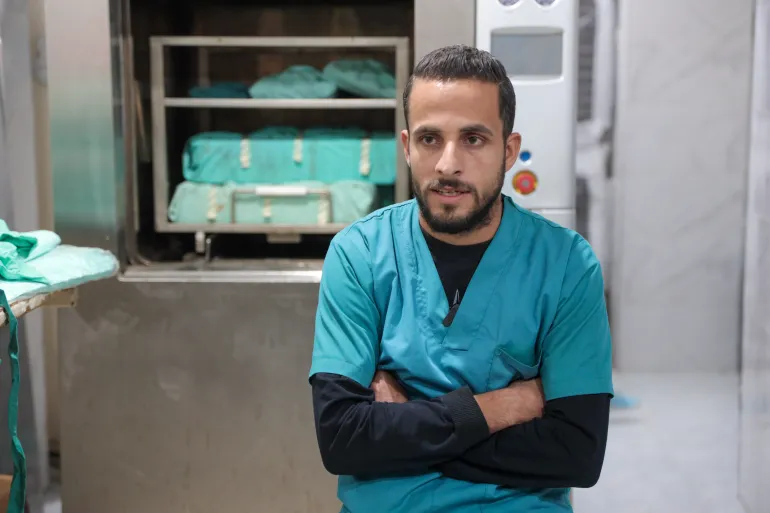
Dr  Walid al-Badi remained with Abu Safia in Kamal Adwan until they were forced to evacuate [Abdelhakim Abu Riash/ Al Jazeera]

Patients and staff gathered in the emergency reception corridor, according to Dr Walid al-Badi, 29, who stayed with Abu Safia until his arrest, and spoke to Al Jazeera on December 25 at the Baptist Hospital in Gaza City.

“The situation was extremely tense, loudspeakers were calling on everyone to evacuate, but Dr Abu Safia asked us to remain calm. Then the loudspeakers called Dr Abu Safia to come to the tank.”

Abu Safia was ordered to enter an armoured vehicle. According to al-Badi, the doctor returned carrying a sheet of instructions, dishevelled, his clothes dusty and a bruise under his chin.

Everyone rushed to check on him, and he told them that he had been assaulted.

“Israeli media showed a video claiming they … treated him with respect, but they didn’t show … how he was assaulted in the tank, threatened,” al-Badi said.

Abu Safia was ordered by the Israelis to prepare a list of everyone in the hospital, which he did and returned to the armoured vehicle, where he was told that only 20 staff could remain. The rest had to leave.

“Around 10am, the Israelis allowed some ambulances to take patients, wounded people, some displaced civilians, and the doctor’s family to the Indonesian Hospital [about 1km away] while the medical teams left on foot,” al-Badi recounts.

However, several patients remained, besieged along with the medics.

“The doctor told me to go, but I told him I would stay with him until the end.”

The only female medic who remained was intensive care unit head, Dr Mai Barhouma, who spoke to Al Jazeera from the Baptist Hospital.

Barhouma had been working with critical patients dependent on medical equipment and oxygen, and her conscience would not allow her to leave, despite Abu Safia asking her to.

The Israeli army repeatedly summoned Abu Safia for new instructions, once, according to Drs Barhouma and al-Badi, offering a safe exit for him alone.

He refused, insisting that he would stay with his staff. At about 10pm, the quadcopters ordered everyone to line up and evacuate.

During this time, Israel shelled and set fire to the upper floors and turned off the electricity.

“We were heartbroken as Dr Abu Safia led [us] out,” al-Badi recalled. “I hugged Dr Abu Safia, who was crying as he left the hospital he tried so hard to stay in.”

Testimonies from that day say medical staff were taken to al-Fakhoura School in Jabalia, where they were beaten and tortured by Israeli soldiers during interrogations.

Barhouma left in an ambulance with an ICU patient, but the ambulance was held for hours at the school.

Doctor in her white coat and a hijab smiles at the camera
Dr  Mai  Barhouma, who oversaw the ICU at Kamal Adwan Hospital, insisted on staying with Dr Abu Safia until the moment the hospital was evacuated [Abdelhakim Abu Riash/ Al Jazeera]

“The soldiers bound our hands and forced us to walk towards al-Fakhoura school, [2km away] from the hospital. Our colleagues who had left in the morning were still there, being tortured,” al-Badi recalled, adding that they arrived at about midnight.

“They ordered us to strip down to our underwear, tied our hands and began severely beating us with boots and rifle butts, insulting and verbally abusing us.”

The interrogation and beatings of the medics in the freezing cold continued for hours while Barhouma was in the ambulance with the critically ill patient.

“The oxygen ran out, so I started using a manual resuscitation pump. My hands swelled from pumping nonstop, terrified that the patient would die,” she said.

She described hearing the screams of the male medics being tortured, and then being ordered out of the ambulance by Israeli soldiers.

“The soldier asked for my ID and took an eye scan, then ordered me to get out, but I refused and told him I had a critical patient who would die if I left them.”

Eventually, the Israelis released the medics, including al-Badi and Abu Safia, ordering them to head for western Gaza, while sending the ambulance with Barhouma in it on an alternate route westwards.

But the relief didn’t last. They had only walked a few metres when an Israeli officer called out to Abu Safia.

“Our faces froze,” al-Badi said. “The doctor asked what was wrong. The officers said: ‘We want you with us in Israel.’”

Al-Badi and a nurse tried to pull the doctor away, but he rebuked them and told them to keep walking.

“I was crying like a child being separated from his father as I watched the doctor being arrested and dressed in the white nylon uniform for detainees.”

Calls for his release

Abu Safia’s family are appealing to human rights and legal bodies for his immediate release.

“My father’s lawyers visited him around seven times over the past year, [each visit allowed only] after exhausting attempts with the prison administration. Each time, my father’s condition has deteriorated significantly,” Ilyas told Al Jazeera.

A photo of a computer screen with the image of Ilyas Abu Safiya on a video call. A clean-shaven young man with dark hair. Reflected in the computer screen is a streetlight because the journalists could only get enough internet to run an online interview by standing in the street, due to Israel's blockade of all services and goods in Gaza
Ilyas Abu Safia, Abu  Safiya’s eldest son, speaking to Al Jazeera via Zoom from Kazakhstan about the latest updates on his father’s case and detention conditions [Abdelhakim Abu Riash/ Al Jazeera]

“[He] has fractures in his thigh and shrapnel in his foot from an injury while at the hospital before his arrest. He also suffers other health problems and is subjected to severe psychological and physical abuse that does not befit his age.

“Israel is trying to criminalise my father’s work, his continued service to people and his efforts to save the wounded and the sick in an area Israel itself considered a ‘red zone’ at the time.

“My father’s presence and steadfastness inside the hospital posed a major obstacle to the Israeli army and its plan to empty the north of its residents.”

Ilyas is proud of his father.

“My father is a doctor who will be held up worldwide as an example of adherence to medical ethics and courage.

“I am proud beyond words, and I hope to embrace him soon and see him emerge from the darkness of prison safe and well.”

small square photo of smiling Dr Abu Saiya in a mask and cap
Dr Hussam Abu Safia [Courtesy Ilyas Abu Safia]

Source link

Somalia demands Israel withdraw Somaliland recognition | Benjamin Netanyahu News

Somalia has demanded Israel reverse its recognition of the breakaway region of Somaliland, condemning the move as an act of “aggression that will never be tolerated”.

Ali Omar, Somalia’s state minister for foreign affairs, told Al Jazeera in an interview on Saturday that the government would pursue all available diplomatic means to challenge what it described as an act of “state aggression” and Israeli interference in the country’s internal affairs.

Recommended Stories

list of 4 itemsend of list

The sharp rebuke came a day after Israel became the first nation in the world to formally recognise Somaliland, triggering swift condemnation across African and Arab nations, and raising concerns about whether the move was part of an alleged Israeli plan to forcibly displace Palestinians.

Somaliland broke away from Somalia in 1991 following a brutal civil war but has never secured recognition from any United Nations member state. The self-declared republic has established its own currency, flag and parliament, though its eastern territories remain disputed.

“This will never be acceptable or tolerable to our government and people who are united in defending our territorial integrity,” Omar said. “Our government strongly advises the State of Israel to rescind its divisive actions and abide by international law.”

Somaliland President Abdirahman Mohamed Abdullahi, known locally as Cirro, had been signalling for weeks that recognition by an unnamed state was imminent, though he didn’t clarify which country. Somaliland’s capital Hargeisa had been dotted with billboards in recent weeks, telling residents that recognition was coming.

Omar said the strategic importance of the Horn of Africa was driving foreign interference and interest. “The importance of this region isn’t new. It is still important for international trade today,” he said.

‘Displacement of Palestinians’

Omar accused Israel of pursuing Somaliland’s recognition in order to further displace Palestinians from Gaza. “One of the motivating factors is the displacement of Palestinians from Gaza,” he told Al Jazeera. “It has been widely known – Israel’s goal on that issue.”

Palestine’s foreign ministry backed Somalia, recalling that Israel had previously identified Somaliland as a potential destination for forcibly displacing Palestinians from Gaza, which it described as a “red line”.

On Saturday, Somaliland’s Cirro defended the Israeli move, insisting it was “not directed against any state, nor does it pose a threat to regional peace”.

Hours after Israeli Prime Minister Benjamin Netanyahu announced the recognition on Friday, Somalia’s prime minister’s office issued a statement describing Israel’s action as a deliberate attack on Somalia’s sovereignty and an unlawful step, and emphasising that Somaliland remains an integral and “inseparable” part of the Somali territory.

Netanyahu framed the diplomatic breakthrough with Somaliland as being in the spirit of the Abraham Accords and said he would champion Somaliland’s cause during his meeting with United States President Donald Trump on Monday. Netanyahu also invited Cirro to Israel, which the latter has accepted.

But Trump has distanced himself from close ally Netanyahu on the issue, telling The New York Post newspaper he would not follow Israel’s lead.

Somalia’s Public Works Minister Ayub Ismail Yusuf welcomed Trump’s stance, writing on social media: “Thank you for your support, Mr. President.”

Trump’s comments marked a shift from August, when he told a news conference his administration was working on the Somaliland issue. In recent weeks, the US president has frequently attacked the Somali community in the US and Somalia.

The US has also expressed frustration with Somalia, saying at a recent UN Security Council meeting that Somali authorities had failed in improving security in the country despite billions in aid, and signalling it will not continue to fund a costly peacekeeping mission.

Meanwhile, the African Union’s chairperson, Mahamoud Ali Youssouf, rejected any initiative aimed at recognising Somaliland as an independent nation, warning it would set a dangerous precedent with far-reaching implications. The continental bloc cited a 1964 decision on the intangibility of borders inherited at a country’s independence as a fundamental principle.

Arab League Secretary-General Ahmed Aboul Gheit also condemned what he described as a provocative Israeli assault on the sovereignty of an Arab and African state. He said the Israeli recognition was a clear violation of international law and a flagrant infringement of the principle of state sovereignty.

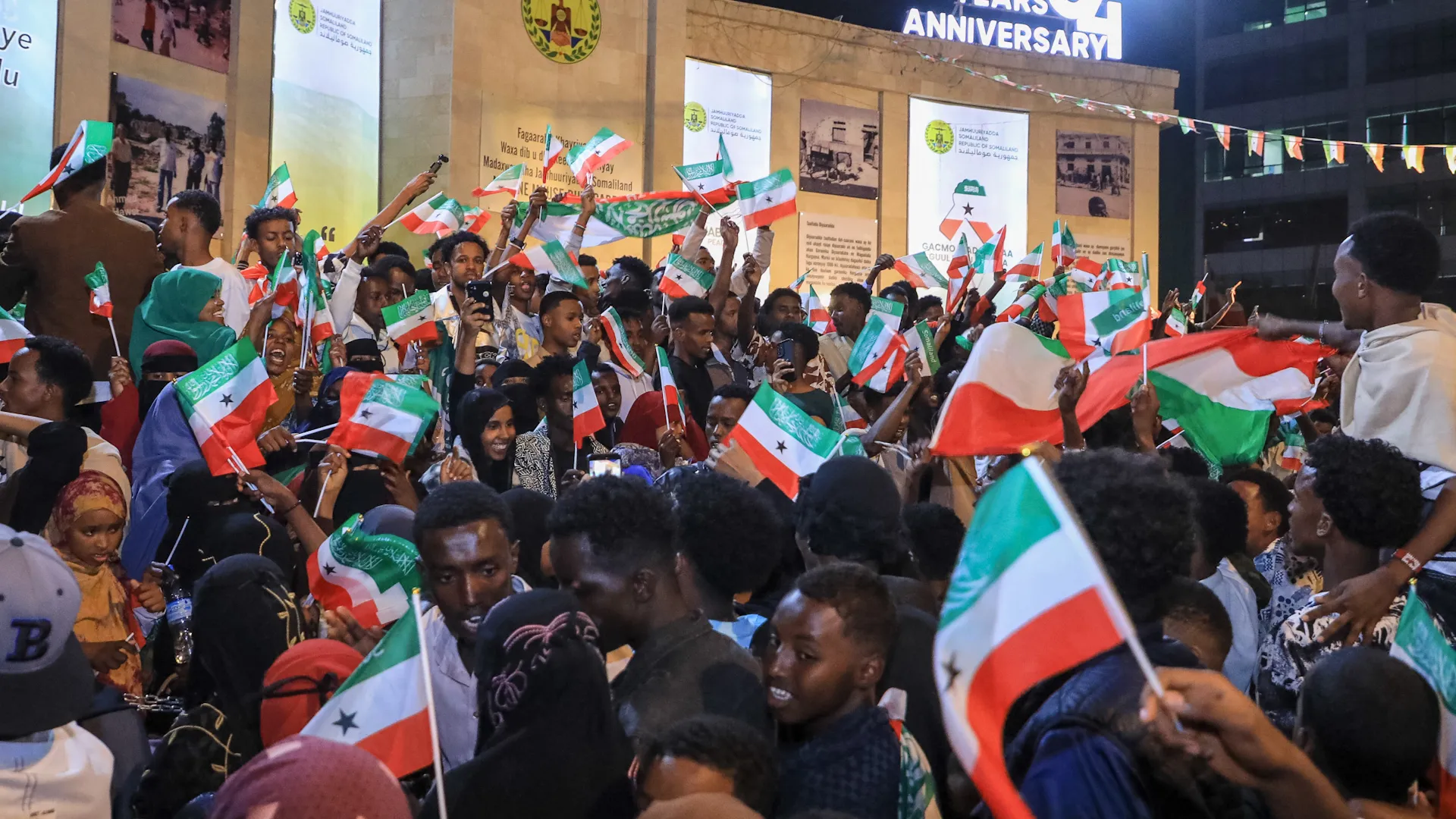
Despite the international reactions, thousands poured onto the streets of Hargeisa on Friday to celebrate what many saw as the end of 30 years of diplomatic isolation. The Israeli flag was emblazoned on the national museum as residents welcomed the breakthrough.

Somalia has historically had contentious relations with Israel, stemming from Israel’s historic ties with Somalia’s regional rival, Ethiopia.

During the Cold War, Israel provided Ethiopia with military training, intelligence and weapons, while Somalia, aligned with Arab states hostile to Israel, was defeated in the 1977 Ogaden War, a setback that helped fuel decades of civil unrest.

Somaliland declared independence from Somalia in 1991 following persecution under former leader Mohammed Siad Barre, but Somalia has never recognised the breakaway region.

Earlier this month, Israeli Deputy Foreign Minister Sharren Haskel revealed there had been communication with Somalia’s government about shared concerns over Houthi influence in the region.

But Omar, the Somali state minister for foreign affairs, strongly denied any ties with Israel, stating that the country’s position on Israeli policies remained unchanged.

Source link

Two people dead in stabbing, car-ramming attack in Israel | Israel-Palestine conflict News

Attack comes a day after an Israeli army reservist in civilian clothes rammed his vehicle into a Palestinian man praying on the roadside.

Two people have died in a stabbing and car-ramming attack in northern Israel, officials say.

Israeli police and emergency workers said a Palestinian from the Israeli-occupied West Bank attacked and killed a man and a woman on Friday before he was shot and wounded.

Recommended Stories

list of 3 itemsend of list

The attack came a day after an Israeli military reservist dressed in civilian clothes rammed his vehicle into a Palestinian man who was praying on a roadside in the West Bank after earlier firing shots in the area.

“Footage was ⁠received of an armed individual running over a Palestinian ​individual,” the Israeli military said in a statement about Thursday’s attack, adding ‍that the Israeli reservist’s military service had been terminated. The Palestinian man went to hospital for checks after the attack before returning ​home.

In Friday’s incident, Israeli police said the attacker first crashed his vehicle into people in the northern city of Beit Shean, killing a 68-year-old man, and then sped onto a highway.

Later, he fatally stabbed a 20-year-old woman near the highway, “and the suspect was ultimately engaged with gunfire near Maonot Junction in Afula following intervention by a civilian bystander,” police said, adding that the attacker was taken to a hospital.

Both the victims were pronounced dead at the scene by paramedics, Israel’s rescue services said. A teenage boy was hospitalised with minor wounds sustained in the car-ramming, according to bystanders.

The Israeli military said the attacker had “infiltrated into Israeli territory several days ago”.

Since Israel’s genocidal war in Gaza began in October 2023, tens of thousands of Palestinians have been killed there.

At the same time, Israeli settlers have escalated violence in the West Bank, seizing Palestinian land and harassing civilians while Israeli forces conduct regular raids and arrests.

More than 1,000 Palestinians have been killed in the West Bank ‌since October 7, 2023, mostly in operations by security forces and some by settler violence, according ‍to the United Nations.

In the same period, 57 Israelis have been killed in Palestinian attacks.

After Friday’s incident, Israeli Defence Minister Israel Katz said he had instructed the military ​to respond forcefully in ‌the West Bank town of Qabatiya, where he said the assailant came from.

The Israeli military said it was “preparing for an operation” ‌in the area.

Source link

Palestinian allegedly kills man, teen girl in Israel

Israeli police pictured in September secure the entrance to the King Hussein Bridge Border Crossing. On Friday, an assailant allegedly ran over a 68‑year‑old man in Beit Shean before driving to Ein Harod, where he fatally stabbed an 18‑year‑old woman and injured a teenager. File Photo by Debbie Hill/ UPI | License Photo

Dec. 26 (UPI) — Israeli police said a Palestinian man from the West Bank killed two people in a so-called “terror attack” in northern Israel on Friday.

The assailant allegedly ran over a 68‑year‑old man in Beit Shean before driving to Ein Harod, where he fatally stabbed an 18‑year‑old woman and injured a teenager.

“This was a rolling terror attack,” police said.

Hebrew-language media identified the victim of the northern Israel terror attack as 19‑year‑old Aviv Maor of Kibbutz Ein Harod. The other victim’s identity was not released.

A civilian shot and wounded the suspect, who was taken to a hospital.

The two victims were declared dead on scene.

Defense Minister Israel Katz ordered a military response in the attacker’s hometown of Qabaitya to prevent further violence.

Meanwhile, Israel’s military stated it was “preparing for an operation” in the area.

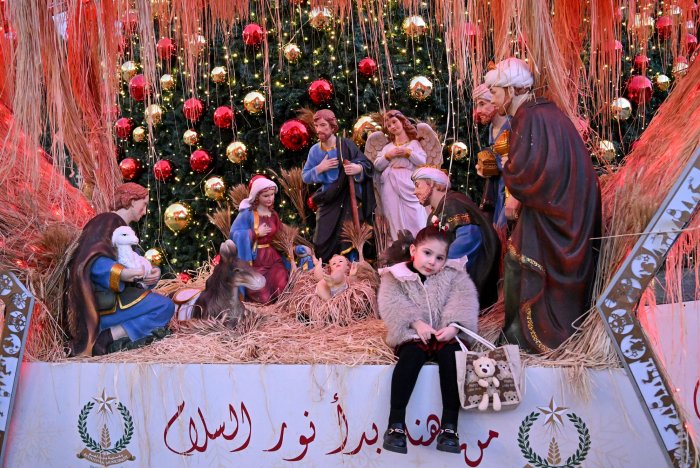
A young girl sits in front of a nativity scene in Manger Square, outside the Church of Nativity, in the biblical town of Bethlehem, West Bank, on December 23, 2025. Photo by Debbie Hill/UPI | License Photo

Source link

Israel becomes first country to recognise Somaliland | Politics News

BREAKING,

Breakaway region achieves diplomatic breakthrough after more than 30 years without international recognition

Israel has become the first nation in the world to formally recognise Somaliland, ending the breakaway region’s three-decade quest for international legitimacy.

Foreign Minister Gideon Saar announced on Friday that Israel and the Republic of Somaliland had signed an agreement establishing full diplomatic relations, including the appointment of ambassadors and the opening of embassies in both countries.

The historic accord marks a significant breakthrough for Somaliland, which declared independence from Somalia in 1991 but has failed to gain recognition from any United Nations member state.

Somaliland controls the northwestern of the former British Protectorate on what is today northern Somalia.

Israeli Prime Minister Benjamin Netanyahu described the new friendship as “seminal and historic” in a video call with Somaliland President Abdirahman Mohamed Abdullahi, inviting him to visit Israel and calling it a “great opportunity to expand their partnership.”

Saar said the agreement followed a year of extensive dialogue between the two governments and was based on a joint decision by Netanyahu and Abdullahi.

“We will work together to promote the relations between our countries and nations, regional stability and economic prosperity,” Saar wrote on social media, adding that he had instructed his ministry to immediately institutionalise ties across a wide range of fields.

More to come…

Source link

What are the consequences of Israel’s expanding illegal settlements? | Israel-Palestine conflict News

Israel is escalating the confiscation of Palestinian land in the occupied West Bank.

Israel has carried out the biggest land grab in the occupied West Bank since the signing of the Oslo Accords more than three decades ago.

Its right-wing government has accelerated the confiscation of Palestinian land to build new settlements, which are illegal under international law.

Recommended Stories

list of 3 itemsend of list

At the same time, Israeli settler attacks are increasing and intensifying.

For many Palestinians, this means all hopes of peace are dashed and, with them, the prospects of an independent state.

So what are Israel’s plans in the West Bank? And what are the implications of its policies?

Presenter:

Dareen Abughaida

Guests:

Xavier Abu Eid – political analyst and former adviser to the PLO negotiation team

Daniel Levy – president of the US/Middle East Project and a former Israeli negotiator

Yariv Oppenheimer – Israeli human rights activist and board member of the Peace Now advocacy group

Source link

14 countries urge Israel to halt settlement construction in West Bank – Middle East Monitor

Fourteen countries, including France, Britain, Canada, Germany and Japan, condemned on Wednesday Israel’s recent decision to approve new Jewish settlements in the occupied West Bank. They called on the Israeli government to reverse the decision and to stop expanding settlements. 

In a joint statement published by the French Foreign Ministry, the countries said: “We, States of Belgium, Canada, Denmark, France, Germany, Italy, Iceland, Ireland, Japan, Malta, the Netherlands, Norway, Spain and the United Kingdom condemn the approval by the Israeli security cabinet of 19 new settlements in the occupied West Bank.”      

The statement added: “We recall our clear opposition to any form of annexation and to the expansion of settlement policies.”   

Earlier, the Israeli government’s security cabinet approved the establishment of 19 new settlements in the occupied West Bank. This brings the total number of settlements approved over the past three years to 69.

READ: Shtayyeh: Settler population in West Bank and Jerusalem hits 881,000

Source link

Infant among Palestinians wounded in attacks by Israeli settlers, soldiers | Crimes Against Humanity News

Eight-month-old among multiple Palestinians wounded in attacks across the occupied West Bank.

Five Israeli settlers have been arrested over their alleged involvement in an attack on a Palestinian home that wounded an eight-month-old baby in the occupied West Bank.

The Palestinian news agency Wafa reported that the infant suffered “moderate injuries to the face and head” in the attack that took place late on Wednesday involving “a group of armed settlers” who were throwing stones at homes and property in the town of Sair, north of Hebron.

Israeli police on Thursday said five settlers were arrested after they received reports of “stones being thrown by Israeli civilians toward a Palestinian home”.

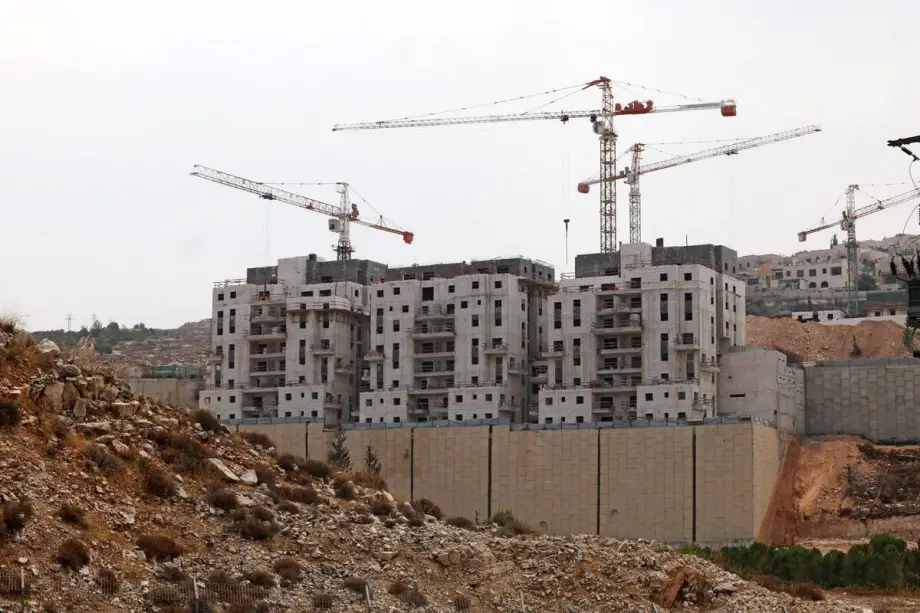
Israeli settlements and outposts are Jewish-only communities built on Palestinian land that are illegal under international law. They can range in size from a single dwelling to a collection of high rises. About 700,000 settlers live in the West Bank and occupied East Jerusalem, according to the Israeli advocacy group Peace Now.

Elsewhere in the West Bank, a 17-year-old boy was shot and dozens of Palestinians suffered tear gas inhalation during an Israeli army raid in the town of Beit Furik, east of Nablus, Wafa reported.

The report added that “Israeli forces carried out a widespread incursion into the town, firing live bullets and tear gas canisters across its neighborhoods”.

Israeli forces also detained three Palestinians from Masafer Yatta, south of Hebron, after settler attacks.

Also in Masafer Yatta, Israeli forces raided homes and tents belonging to residents, searched them and vandalised their contents before detaining one resident.

Another Palestinian man was wounded in a settler attack in the town of Deir Jarir, east of Ramallah.

Local sources said armed settlers attacked homes near the village entrance, resulting in minor injuries to a young man.

Source link