New research analysed nearly 500,000 ratings across more than 17,000 cities globally, with Italy claiming all three top positions.
Chloe Dobinson Digital Production Editor and Vita Molyneux Travel reporter
11:39, 19 Dec 2025
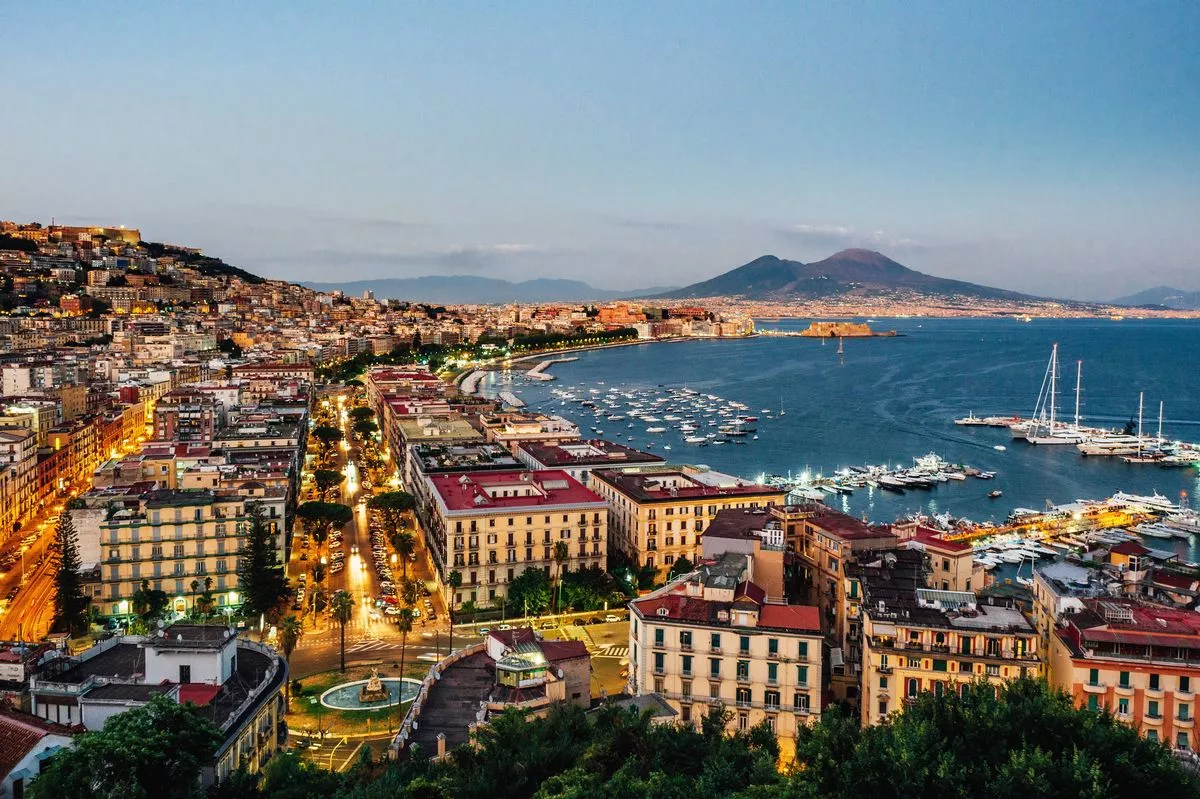
This city won the top spot(Image: FilippoBacci via Getty Images)
When it comes to culinary delights, people often dream of indulging in pasta in Italy, savouring sushi in Japan or relishing tacos in Mexico. Indeed, for many holidaymakers, their trips seem to revolve around the local cuisine.
Now, a study by TasteAtlas has revealed the top destinations for foodies worldwide. The team analysed nearly half a million ratings from 17,073 cities listed on its database.
Interestingly, many of the top-rated locations are conveniently located not too far from the UK, with the majority of the top 10 situated in Europe.
Naples clinched the coveted top spot, thanks to its status as the birthplace of pizza, lasagna and macaroni. However, this picturesque city wasn’t the only Italian destination to make the cut, reports the Express.
Milan bagged second place, owing to its signature dishes such as risotto and panettone. And let’s not forget that Milan is also the home of Campari, perfect for those looking to wash down their meals with a refreshing tipple.
Italy dominated the top three, with Bologna securing third place. The city is renowned for its spaghetti bolognese, ragu and tortellini.
Despite the heavy Italian presence, other popular cities like Paris, Vienna and Mumbai also made it into the top 10.
However, the UK didn’t manage to secure a spot in the top 30, alongside other notable absences including Hong Kong, Barcelona, Ho Chi Minh, Bangkok, and Amsterdam.
With Christmas just around the corner, it’s going to be a busy time in the Radford household as mum-of-22 Sue has opened up about festive dinner plans
Joe Crutchley Screen Time Reporter
10:45, 18 Dec 2025
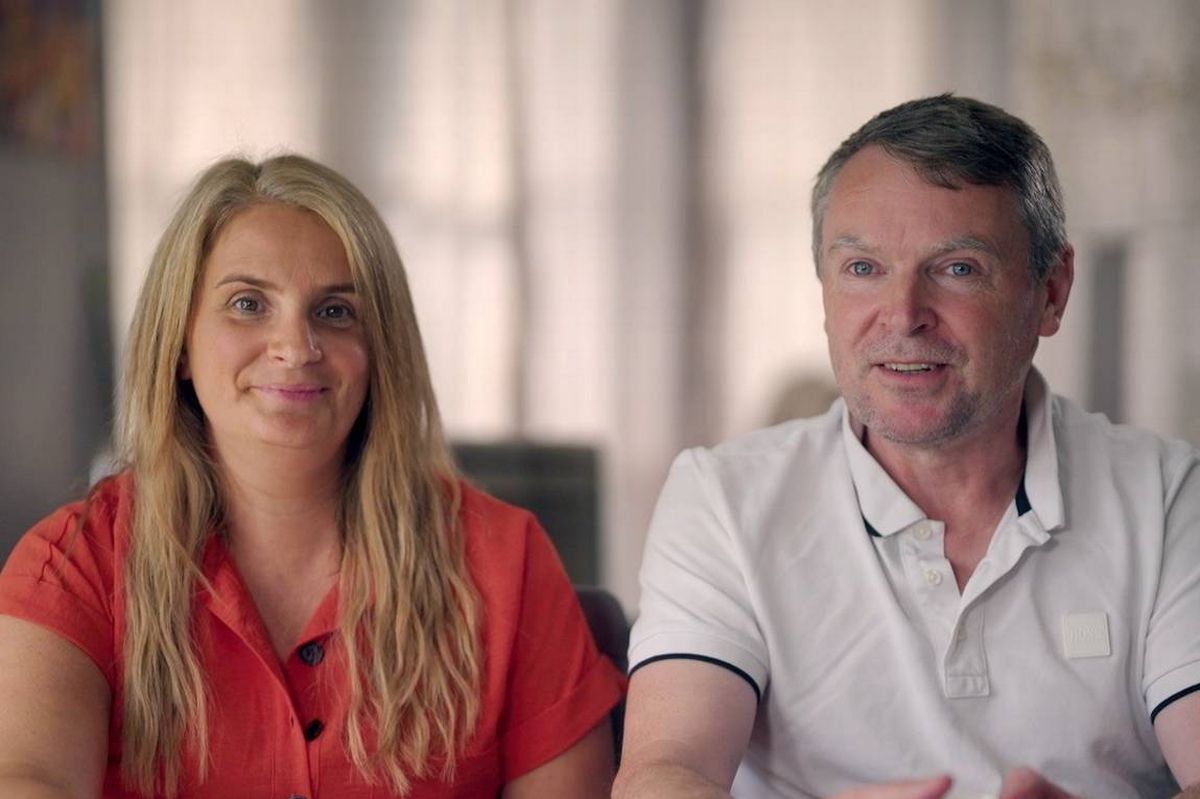
22 Kids and Counting Sue Radford’s lavish Christmas food shop including 60 Yorkshires(Image: Lion TV)
22 Kids and Counting star Sue Radford has revealed her Christmas food shop and fans are floored.
The proud mama of 22 children, Sue became a household name with the rest of the family back in 2012, when she let cameras into her home with husband Noel for the very first time.
Sue and Noel are parents to Christopher, Sophie, Chloe, Jack, Daniel, Luke, Millie, Katie, James, Ellie and Aimee, as well as Josh, Max, Tillie, Oscar, Casper, Alfie, stillborn in 2014, Hallie, Phoebe, Archie Bonnie and Heidie.
Since shooting to fame over 10 years ago, the Morecambe-based family have rarely remained off screens, with the latest series of Channel 5’s 22 Kids and Counting airing earlier this year.
And with Christmas just around the corner, it’s fair to say it’s going to be a busy time in the Radford household. In a clip from the latest episode, Sue revealed that she is hosting Christmas dinner for her entire family. And this includes Father Chloe, her partner Jake and their two-year-old daughter Mila.
During the instalment, Sue headed to her local Asda to stock up on food for her large family in the festive season. Piling her trolley high with groceries Sue said: “We’ve got pigs in blankets, so there’s 60 there.”
Sue added: “We’ve got 3kg of Brussels sprouts. I absolutely hate Brussels sprouts, but everybody else loves them.” She then picked up 4kg of carrots, 7.5k of potatoes and with it being Christmas, Sue stocked up on two large turkeys. Heading to the freezer aisle, Sue said: “Think I’ll probably try and get about 60 Yorkshires.”
Reacting to Sue’s food shop, one person on Facebook said: “I would just do beans on toast, would stress me out.” A second added: “Me too imagine cooking for them all, be my worst nightmare.” A third said: “So much food.” Another penned: “I can’t imagine cooking all that.”
It comes after Sue and Noel introduced their new four-legged family member in October – and fans were left gushing over the update.
Taking to their joint Instagram, the pair shared several photos of their adorable new dog. In the caption, they wrote: “Hi everyone I’m Mavie I’m a cream long-haired miniature Dachshund I’m settling in really well and everyone loves me.”
Animal lovers Sue and Noel have owned several dogs over the years. They have a border collie Lola, three French bulldogs Bluebell, Ivy and Mabel, and three miniature dachshunds Cookie, Minnie and Dolly.
While I continue on my journey to achieve Christmas nirvana by exploring the plethora of festive markets around Great Britain, there’s one beloved Christmas market that I’m just not a fan of.
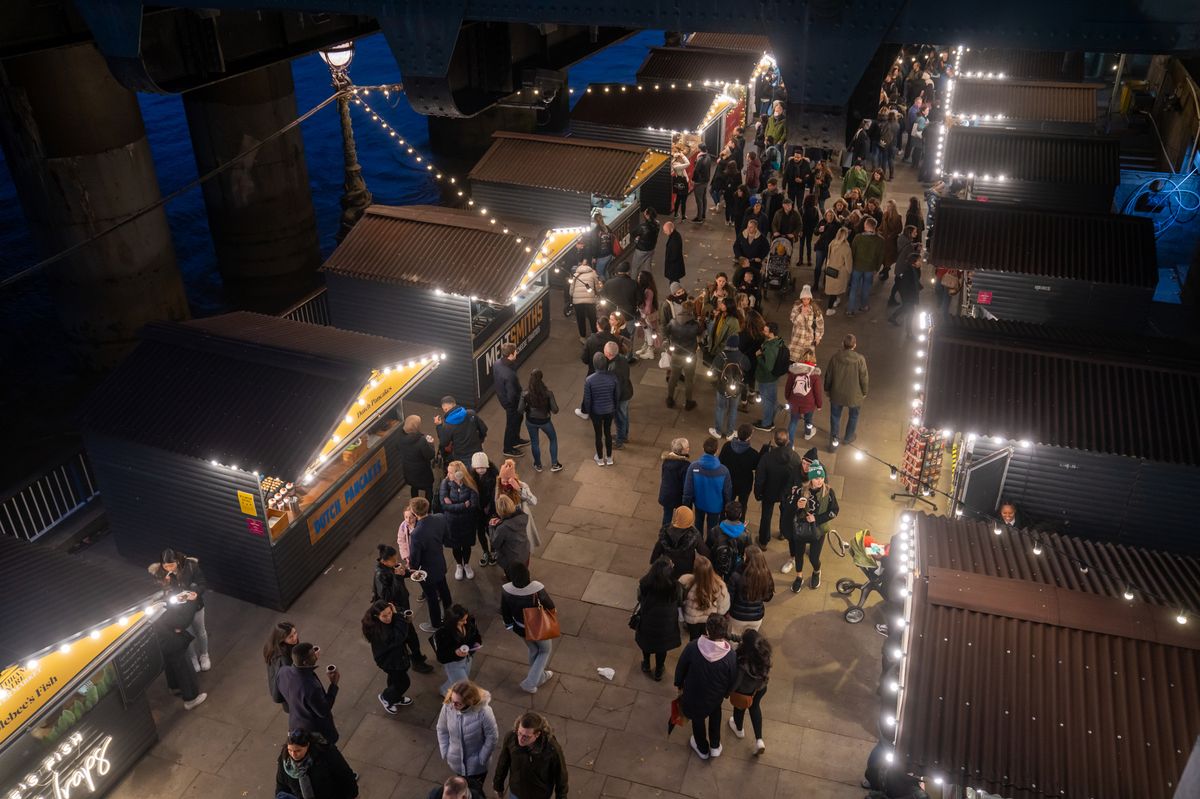
I’ve never met a Christmas market I didn’t like — till I met this one.(Image: Getty Images)
Going to Christmas markets is like an Olympic sport, and I, for one, am a self-proclaimed gold medallist.
I tend to find myself coming alive in the last two months of the year, as my hot chocolate-addled brain looks for its next fix complemented by Christmas lights and cheesy music. As Christmas chaos tightens its vice-like grip around unsuspecting UK residents, scores of us find ourselves Googling the million-dollar question: ‘Best Christmas markets in the UK?’
While I continue on my journey to achieve Christmas nirvana by exploring the plethora of festive markets around Great Britain, there’s one beloved Christmas market that I’m just not a fan of. Let’s just say — I’ve never met a Christmas market I didn’t like. Till I met the Southbank Christmas Market, that is.
While ‘absolutely hated’ is a strong phrase, ‘generally disappointed’ is not. And that’s how I felt about London’s Southbank Centre Winter Market. After hearing loads of complimentary things about it from my friends (and the internet) for ages, I decided to bundle up one fine Thursday evening and head on over to the ‘magical Christmas market on the River Thames’.
When I say the market ended before it started, I am not exaggerating. Southbank’s famed Christmas market had some seven odd stalls when I last visited (okay yes, I am exaggerating — it’s called a creative licence, look it up). And no, I refuse to add the scores of restaurants down the road — which earnestly dress themselves up in festive cheer and provide a jolly good time to visitors — to the count. I’m talking about the actual Southbank Christmas market, which actually is really quite tiny. I visited the market for the first (and last) time with my partner and our friend — all of us popping our Southbank Christmas Market cherry at the same time — and, as it goes with every ‘first-time’ virginity-losing story, we were all left wondering: is this it?
Having made the (never-ending) trek from East London, upon arriving, we felt like we were being Punk’d. Where were the rows of food and drink stalls? The gamut of overpriced souvenirs designed to entrap the unsuspecting tourist? The tat passing off as ‘must-haves’ this fashion cycle? It felt like someone clocked all the happiness Christmas markets brought to seasonally depressed individuals — and decided to suck every drop of joy straight out of them.
Because what’s the point of setting up a Christmas market if you can’t cause customers utter confusion over which bratwurst stall to go for? Why couldn’t I get four different shops selling the exact same patterned ceramic bowl and evil eye hangings at grossly varying price points? What is the point of this life, if I don’t buy mulled wine from 5 different stalls for a thousand million pounds each, as I happily hand them over all of my life’s savings?
There’s no point. And that’s why you won’t see me returning to the Southbank Christmas Market anytime soon. Except this Friday, because a spirited discussion with my colleagues before writing this article has already convinced me that I need to give it another shot (of overpriced Baileys, woohoo).
A woman shows coca leaves during an event for the National Day of Acullico (chewing of the plant) in Santa Cruz, Bolivia, in January. Then-Bolivian President Luis Arce said his countrymen have shown the world that the coca leaf ‘is not cocaine, File Photo by Juan Carlos Torrejon/EPA
Dec. 17 (UPI) — The government of President Rodrigo Paz said it will push to revise Bolivia’s legal framework for coca leaf cultivation after official data showed that planted areas exceed authorized limits and continue to expand.
According to the 2024 Coca Crop Monitoring Report by the United Nations Office on Drugs and Crime, presented in La Paz, Bolivia ended 2024 with about 34,000 hectares of coca crops, a 10% increase from the previous year.
That figure exceeds by 12,000 hectares the cap set by the 2017 General Law of Coca, which authorizes 22,000 hectares for legal cultivation.
Coca leaf is recognized in Bolivia’s Constitution for traditional, medicinal and cultural uses, but part of the production is diverted to cocaine manufacturing, the report said.
Earlier this month, the World Health Organization decided to keep coca leaf on its list of controlled substances, citing the risk to public health posed by its easy conversion into cocaine.
Against that backdrop, the Office on Drugs and Crime urged the Paz administration to strengthen control strategies, particularly in protected areas, and to update data on domestic demand for licit consumption.
Vice Minister for Social Defense and Controlled Substances Ernesto Justiniano said the government plans to amend the law, but said new parameters will depend on a fresh study to determine how much coca is needed for traditional use in Bolivia, according to local newspaper El Deber.
“Bolivia has more coca than it needs for traditional uses. Crops have not stayed at 22,000 hectares. By 2024, they were at 34,000, and in the next report, we will probably be close to 40,000 hectares because very little was eradicated this year — barely 1,700 hectares,” Justiniano said.
He said he recalled a study released in 2013 estimated that 14,700 hectares were sufficient for legal consumption, but that the limit was raised to 22,000 hectares in 2017 — a decision the new government now questions as lacking “technical justification,” the outlet ERBOL reported.
At the same time, the government said the eradication of illegal coca crops will again become a central pillar of its anti-drug strategy, with a focus on what it calls surplus production feeding drug trafficking.
To prepare the new study on domestic demand for coca leaf, authorities said they will invite representatives from coca-growing groups, academic institutions and other sectors to ensure transparency of the data.
Officials expect that once the findings are released, negotiations will begin with coca growers from the Chapare, a coca-producing region in central Bolivia.
Justiniano said farmers there blocked eradication efforts this year, mainly in the tropical Cochabamba region, an area widely regarded as the political stronghold of former President Evo Morales.
IF you’re off to Scotland on a £9.50 Holiday, here’s something to excite your taste buds.
Surrounded by sea and with rolling fertile lands, this beautiful country produces much of its own food, from seafood to hearty haggis.
Surrounded by sea and with rolling fertile lands, Scotland produces much of its own foodCredit: GettyFrom seafood to hearty haggis, and famous Scottish breakfasts from places like The Bandstand Bar & Restaurant in Nairn, travel experts have picked their fave spotsCredit: Trip Advisor
It’s also home to over 150 malt and grain distilleries, with countless whisky-tasting opportunities for those who like a tipple.
You can’t miss the opportunity to sample haggis, neeps and tatties (turnips and potatoes), traditional fish and chips or Scottish porridge.
And you can’t go wrong by starting the day with a full Scottish breakfast, with The Bandstand Bar & Restaurant in Nairn highly rated for theirs.
Another local speciality is Cullen Sink, a warming, thick soup made of smoked haddock, potatoes and onions, which you can sample at somewhere like Garden Cafe Pitlochry.
And that’s just the start. We’ve spoken to Scottish locals and holiday park staff to find out the best places to eat and drink – from sea-view restaurants to community-run cafes by the beach.
Here are some places to check out on your upcoming £9.50 Holiday…
Best cheap eats
Morvyn Cattanach, General Manager at Sandylands Holiday Park in Ayrshire recommends Doon the Beach, a community cafe just behind Stevenson Beach.
She said: “It’s a cabin that they’ve done out as a cafe – a wee hidden thing that people might not know about.
“It’s the perfect place to get a cup of tea after a walk on the beach. And it’s really budget friendly – we got two soups, two drinks and a bag of dog treats for £10.”
In the Highlands, Milk Bar cafe and The Auctioneers pub, both in Inverness, are highly rated for their good value food and drink.
Best dog-friendly cafe
If you have a pooch in tow, Morvyn Cattanach recommends heading to the coastal town of Irvine.
She said: “There’s a lovely cafe called GRO right next to the harbour where you can take your dog. It’s a great breakfast and brunch place – my favourite is avocados and eggs on toast (£9.80).”
The menu also features a “doggy section” with everything from sausages (£3) to “puppuccinos” (£2.50) for hounds.
The inn at the Moulin Hotel, which has a traditional brewery and cosy fireCredit: Trip Advisor
Best local pubs
Christopher Hill, Administration Manager at Tummel Valley Holiday Park in Perthshire, says Pitlochry is the place to find a variety of great pubs.
The Old Mill has a great setting, with a watermill outside and a nice beer garden.
The Auld Smiddy is a traditional pub with great food and a kids’ menu. There’s also the inn at the Moulin Hotel, which has a traditional brewery and cosy fire.”
Best for families
Adele Murray, a Scottish blogger originally from Aberfeldy in Highland Perthshire, says: “One of my family’s favourite pubs is Ailean Chraggan – or “The Crags” as locals call it – in Aberfeldy.
“It’s great for families, with a beer garden and outdoor play area. The Scottish Mussels are delicious and come from the west coast (£9.50 as a starter, £18.95 as a main), but I’ve also eaten pigeon and duck here – the food is great.”
The children’s menu includes garlic ciabatta (£3.50), mac and cheese (£6.25) and more.
Meanwhile, The Tree House in Ayr is a good option for families, with a genuinely good children’s menu and a laid-back vibe.
They also offer activity packs to keep kids entertained, and regular offers like steak nights for less than £15.
Ailean Chraggan – or “The Crags” as locals call it – in AberfeldyCredit: Trip Advisor
Best place for whisky tasting
The Scottish Sun Travel Editor, Heather Lowrie recommends The Blair Athol Distillery in Pitlochry, the Highlands.
She said: “It’s one of the oldest working distilleries in Scotland.”
One-hour tours cost from £19. Heather added: “Blair Castle, home to the Atholl family for over seven centuries with its spectacular grounds, is just seven miles away and worth a look.
“You can even go segwaying there with Segway Ecosse and take in Hercules Garden, Diana’s Grove and St Brides Kirk.”
Further north, Lossiemouth in Moray is another good option for sampling the country’s finest malts, with plenty of bars, cafes and restaurants in the town.
Heather said: “Whisky drinkers will love it as it’s in the famous Speyside whisky area, and close to a few of Scotland’s most famous distilleries including Glenfiddich, Macallan and Tamdhu.”
Best restaurant
Overlooking the Moray Firth, Sun Dancer is a modern bar and restaurant – the perfect place to watch the sunset beside a panoramic window.
Make the most of one of the offers, like “boozy brunch” Saturdays (£35pp for two courses and four cocktails, pre-booking essential).
Meanwhile, The Bistro in Ayr is a traditional Scottish restaurant that is highly rated for its dishes, which range from duck leg croquettes (£7.95) to hand-pressed burgers (£16) and butcher’s cut steak.
The Scottish Sun Travel Editor, Heather Lowrie recommends The Blair Athol Distillery in Pitlochry, the HighlandsCredit: Trip Advisor
Last week’s announcement that Italian cuisine has been added to Unesco’s intangible cultural heritage list came as no surprise to anyone familiar with that country’s obsession with food. Unesco called Italy’s cooking a “communal activity” in which “people of all ages and genders participate, exchanging recipes, suggestions and stories”.
It might have added people of all walks of life, too, because in Italy being a foodie is not the “preserve” of the chattering classes. I’ve heard building workers in a low-cost trattoria gravely discussing what starter and wine best complement a certain lunch dish, and a shabbily dressed nonna at Turin’s Porto Palazzo market enthusing over a variety of carrot available only at her favourite stall.
And in this land where the salami will change from one valley to the next, many people take an endearing pride in foods from their region, village, even family. So, in no particular order, here is a selection of local delights from the Alps to Sicily.
Star baker, Verona
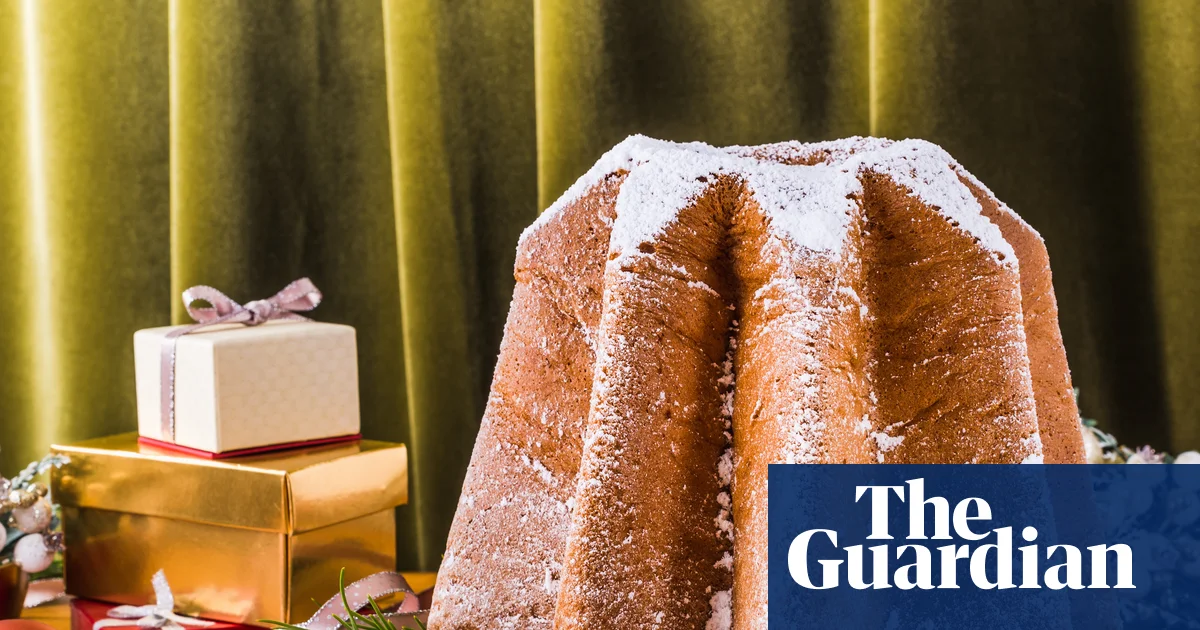
Panettone is now a British fixture alongside mince pies, but in fair Verona, the Christmas confection is pandoro, a soft, leavened cake made in a star-shaped tin, without the dried fruit that many dislike. It usually has a dusting of icing sugar to resemble the nearby alpine peaks. Pandoro, however, is a factory version of the older, round offella – made with sourdough matured for days, it has a denser crumb and comes topped with almonds. Try it at Antica Offelleria Verona, which uses a “mother” that is more than a century old.
Prosperity pulses, Umbria
The patchwork fields of Castelluccio di Norcia, where flowering lentils are grown. Photograph: Andrea Federici/Alamy
Christmas foods vary around Italy, but on New Year’s Eve lentils are a must. With their round, flat shape, they’re supposed to resemble coins and mean a wealthy year. The best lentils in Italy (some say the world) are the small, tender and quick-cooking ones from the high Castelluccio plain in southern Umbria, near Italy’s pork capital, Norcia. Castelluccio village and Norcia are still struggling after the 2016 earthquake, and make tourists very welcome. Conjure prosperity with a sausage and lentil dinner at Granaro del Monte, close to Norcia’s basilica, which finally reopened just over a month ago.
Dairy delight, Puglia
Fresh burrata cheese heads. Photograph: Vladimir Gerasimov/Alamy
For years it has been rare to open a menu anywhere and not find a starter involving burrata. But while this soft cheese feels luxurious, it originated in hard, thrifty lives near the ancient city of Andria in Puglia. Snowed in and unable to get their milk to market in the early 1900s, the Bianchino brothers were apparently casting around for a way to use it up. They mixed cream with scraps left from making mozzarella and stuffed them in a casing made of the same stretched-curd cheese – never imagining the wobbly pouches would later grace tables from Stockholm to Sydney. Today, Andria is known for the freshest burrata and cow’s milk mozzarella, and many Puglians, such as my friend Savio, won’t eat these cheeses anywhere else in Italy, as they’re best enjoyed within 24 hours. Buy at Caseificio Olanda, with its “milk museum”, on the outskirts of Andria.
Bread of heaven, Sardinia
Crispy pane carasau topped with tomato sauce, cheese, and poached egg. Photograph: Ivan Canavera/Alamy
Looking like an oversized poppadum, pane carasau is a crispy flatbread also called carta musica (manuscript paper). Double cooked so that it keeps, it was carried by shepherds spending months in high summer pastures and is one of Europe’s oldest breads: traces were found in 3,000-year-old nuraghe (stone tower) excavations. It is also delicious. Shards of pane carasau sprinkled with olive oil and sea salt are as moreish with drinks as any kettle chip – and much better for you. In Fonni, the highest town in Sardinia, the Sunalle bakery has made pane carasau for as long as anyone can remember. Panefratteria in Cagliari tops the flatbreads with tomato sauce, pecorino cheese and a poached egg.
Onions that won’t make you cry, Calabria
Tropea sweet red onions at a local market. Photograph: Dan Rentea/Alamy
Also dating back millennia, sweet red onions grown around the seaside town of Tropea were probably brought to Italy by the Phoenicians. But Calabria has made the cipolla rossa its own, claiming you can eat them raw like an apple. Their sweetness comes not from a high sugar content but a natural lack of pungent pyruvic acid. Fresh onions are available from May through summer at the Saturday market in Tropea. When you tire of them in salads and sandwiches, stew them with olive oil, salt and a few chilli flakes to make cipollata calabrese – for cucina povera (poverty cooking) that feels anything but.
Fish in a barrel, Lombardy
Missoltini at Tremezzina, Lake Como. Photograph: Alamy
From cheese and charcuterie to pickles, many delicacies arise from humans’ need to preserve food. So it was with missoltini, a freshwater answer to anchovies produced on the shores of Lake Como. Agoni, a kind of shad, are cleaned, salted, hung to dry for 10 days then packed in a barrel with bay leaves. They are traditionally eaten grilled with polenta, which modern palates may find rather strong and salty. I love them as an umami nugget in pasta or risotto recipes, or topping crisp crostini with honey and vinegar. Fishmonger and restaurant Da Ceko in Lecco does an excellent pumpkin salad with raisins and missoltini.
ARE you a “Just-in-case Jetsetter” or a “Chill Improviser” when it comes to travelling abroad?
A new travel quiz aims to uncover what type of traveller you are, by asking a series of trip-related questions.
Sign up for the Travel newsletter
Thank you!
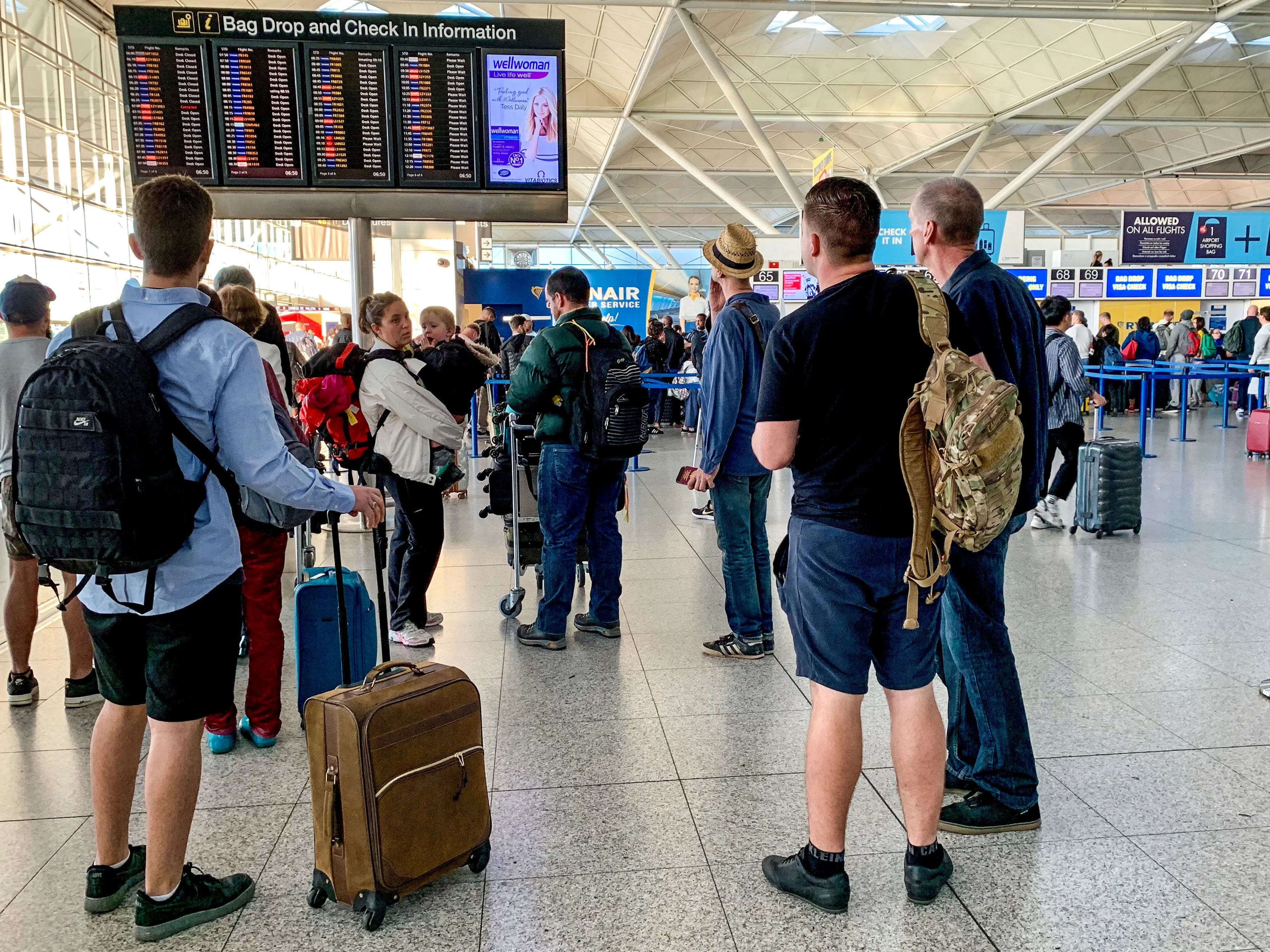
Triple checking your passport is one way Brits say they avoid travel dramasCredit: SWNS86 percent of people have experienced a travel mishap on holidayCredit: SWNS
Other outcomes include “The master planner” and “The social explorer”.
It comes after a poll of two thousand adults who go on holiday revealed Brits’ biggest travel blunders including getting lobster red sunburn (26 per cent).
Going exploring and winding up completely lost (24 per cent) and spilling my drink all over myself or even an unsuspecting stranger (14 per cent) also made the list of blush inducing mishaps.
Misreading a menu and ordering something unexpected (12 per cent) and accidently boarding the wrong train or bus (nine per cent) also made the top 30 list.
The study was commissioned by ibis to support the launch of its new social media miniseries, the Go Getters.
Jean-Yves Minet, global brand president of ibis, said: “Everyone travels differently. Some people prepare for every possibility, and others prefer to go with the flow – but no matter your style, the odd mishap is part of the experience and the story you tell when you get home.
“This research shows just how universal those moments are.
“We focus on making travel feel simple and stress-free, whether you’re the spontaneous type, or somewhere in the middle.
“What matters most is feeling confident on the move and being able to enjoy the journey, even when it does not quite go to plan. Sometimes the magic is in the mayhem – it certainly makes for the best story.”
The research found as many as 86 per cent have experienced some kind of mishap on holiday, with 11 per cent experiencing a mishap during most or all of their trips.
And while 68 per cent said other people had had a little laugh at their blunders, 77 per cent did manage to see the funny side too eventually.
When a holiday blunder strikes, 44 per cent would try to fix it, while 22 per cent said they would laugh it off straight away.
But while 56 per cent think a few travel dramas are all part of the adventure, 77 per cent believe they are pretty good at planning to avoid them in the first place.
Buying travel insurance (56 per cent), triple checking their passport is there (48 per cent) and continually applying sun cream (43 per cent) were among the key hacks to avoid disaster.
Followed by double checking the locks and keys (36 per cent), packing a first aid kit (31 per cent) and keeping a watchful eye on the weather forecast (30 per cent).
The research, carried out via OnePoll, also revealed 31 per cent want to travel more in 2026 than they did this year, with 35 per cent claiming the experience is more important than just ticking somewhere off their list.
When it comes to planning these trips, they prioritise location (61 per cent), as well as price (59 per cent) and reviews (44 per cent).
While 64 per cent think the key to affordable travel means getting the best value for money and smart planning and budgeting (40 per cent).
Jean-Yves added: “Everyone has had a moment on holiday that didn’t quite go to plan.
“These findings show just how common they are, and how quickly most people turn them into moments of connection, laughter and shared stories.”
THE TOP 30 BIGGEST HOLIDAY MISHAPS:
Got badly sunburnt
Got lost
Spilled a drink all over myself or someone else
Misread a menu and ordered something unexpected
Couldn’t connect to Wi-Fi when I needed it most
Got hit with unexpected roaming charges
Mistakenly boarded the wrong train or bus
Lost my luggage
Missed a flight
Going over the luggage allowance and having to repack at the check-in desk
Missed a scheduled tour or activity
Said the wrong thing in a local language leading to confusion
Asking a stranger to take a photo of you – and discovering later that my head’s cut off or they only took one blurry shot
Getting off at the wrong stop because you thought “next station” meant this one
Bought something I couldn’t bring home
Walked into the wrong hotel room
Jet-lag errors – Waking up ready for breakfast… only to realize it’s still the middle of the night
Got trapped in a bathroom
Dropping towel/swimwear off balcony
Putting my valuables in the hotel safe then immediately forgetting the code
Luggage mix-up, picking up the wrong suitcase at the airport
Had my suitcase break and all my clothes tumble out
Had an argument with a stranger over reserving a sunbed