The difference in the timing of the Christmas celebrations stretches back to 1582, when Pope Gregory XIII, ruled that the Catholic Church should follow a new calendar – called the Gregorian calendar, as it was closer to the solar calendar than the Julian calendar.
The Julian calendar had been established by Julius Caesar in 46 B.C.
Because it was the catholic pope who ruled on the adoption of the new calendar, many churches not aligned to the papacy ignored it, such as Protestants and the Coptic and Eastern Orthodox churches. Protestants accepted the new calendar in the early 1700s.
In 1922, the patriarch of Constantinople decided that the Gregorian calendar should be followed for the observance of Christmas, but not for Easter, and this edict was followed by many of the other Orthodox churches.
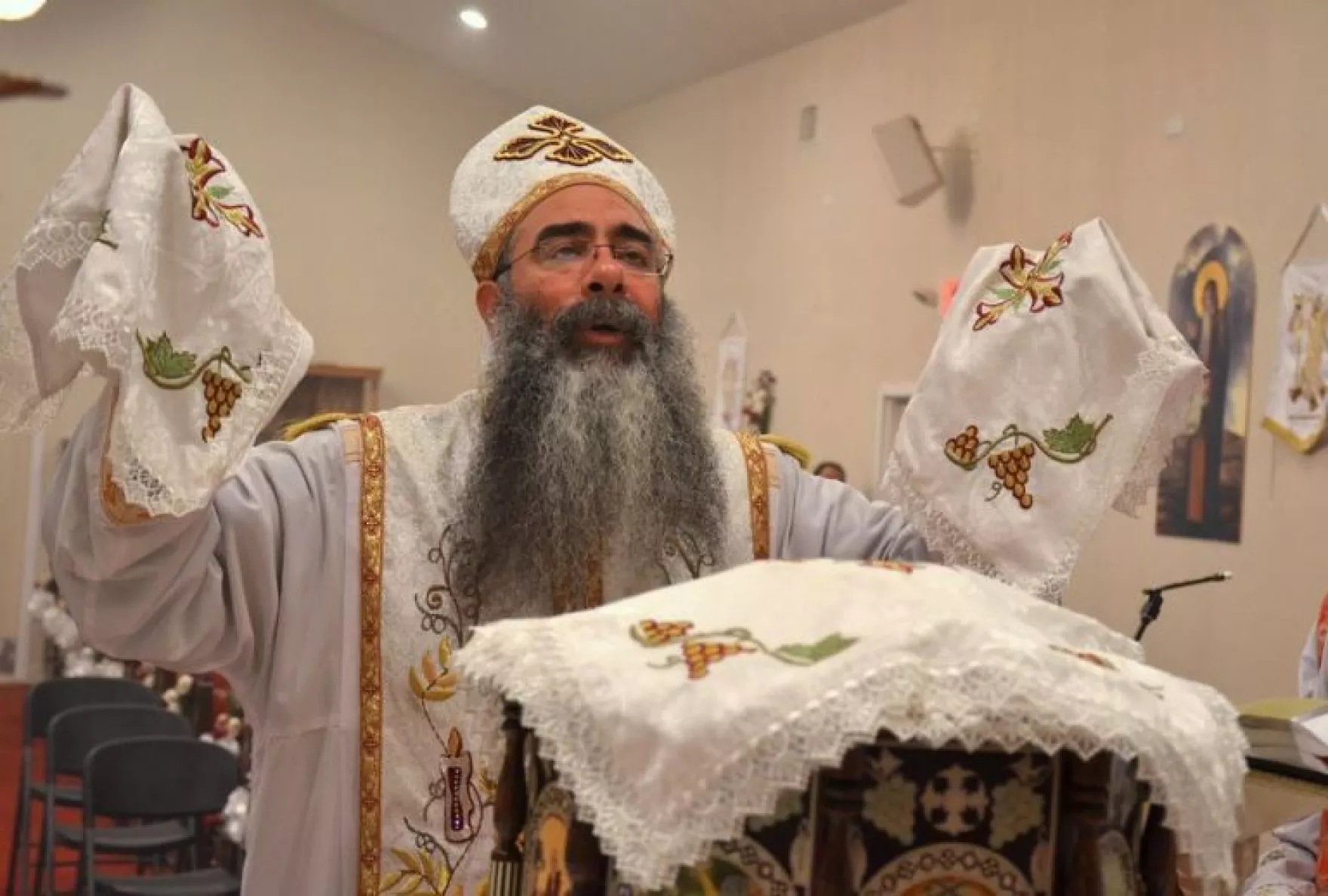
Coptic Orthodox Christians comprise 90% of Egypt’s 20 million Christians. The Coptic Orthodox Church has been a distinct Christian body since the schism that took place at the Council of Chalcedon in 451 AD when the Coptic Church broke from the rest of the Christian Church.
The Coptic Orthodox Church traces its origins to the 1st century AD when the Apostle Mark is said to have visited Egypt. Mark is regarded by Egypt’s Christians as the first Pope of Alexandria, the original seat of the church.
Egypt was almost entirely Christian on the eve of the Muslim Arab conquest around 640AD. It remained majority Christian until around the 13th century. The genesis of the word “Coptic” is the Greek word for Egypt, Aeygyptus.
Coptic Christmas was declared a national holiday in Egypt in 2005 by the government of Hosni Mubarak.