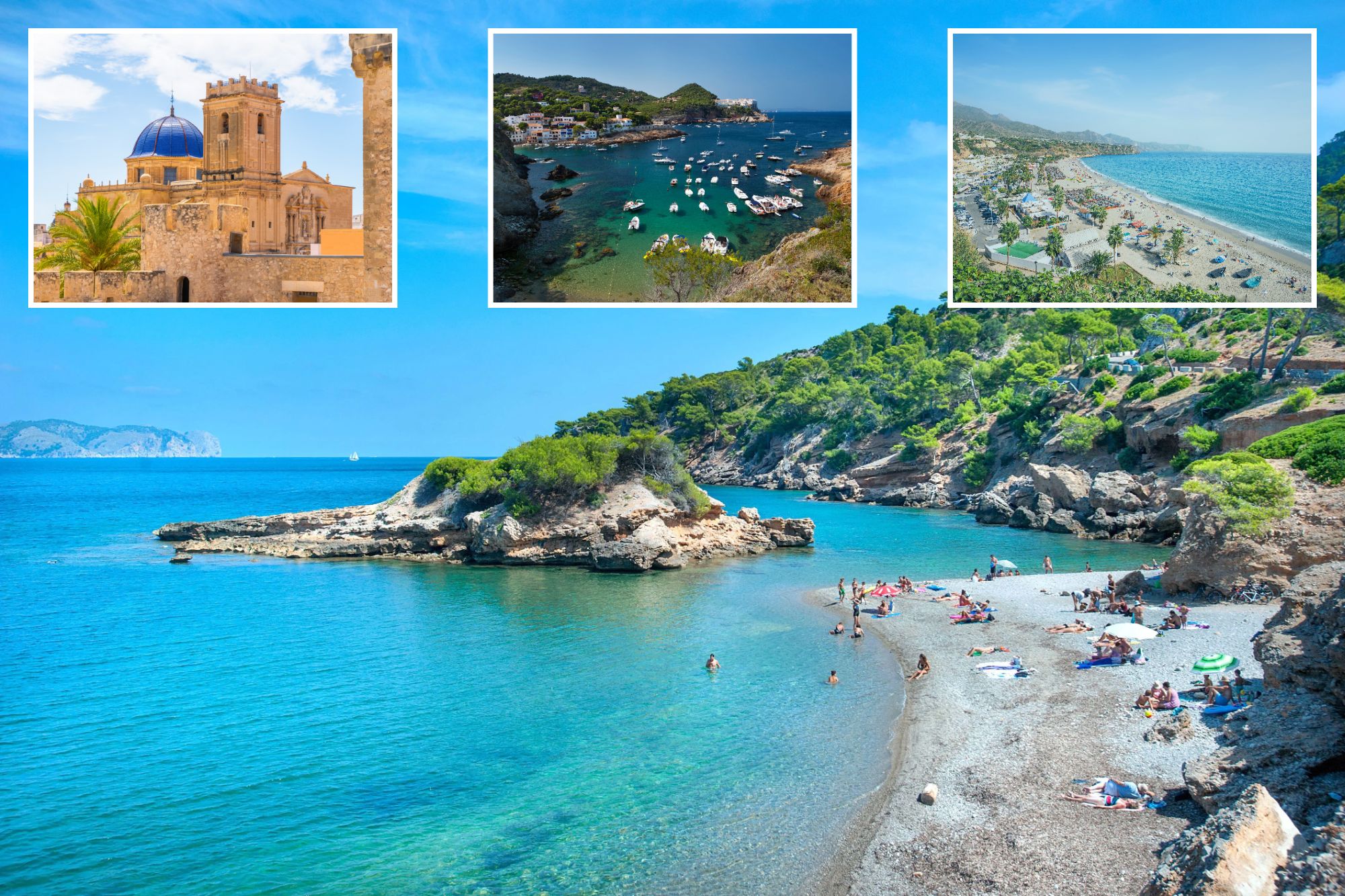

FROM the Canaries to Costa Blanca, these under-the-radar Spanish destinations should be on your holiday wish list.
We’ve picked out some of the best hidden gems across Spain, with whitewashed villages, beach towns and exotic city breaks for a fraction of the usual price and no crowds.
Manilva, Costa del Sol
If you’re heading to the Costa del Sol, leave behind the tourist hotspots of Malaga, Marbella and Torremolinos.
Instead, head to the local favourite of Manilva, around 27 miles south of Marbella.
This resort has a traditional hilltop white village (pueblo) with stunning coastal views, plus a marina and beach town, San Luis de Sabinillas.
The area is also full of vineyards – with producers like Nilva offering wine tastings and modern dry whites at a fraction of the price you’d pay in France or Italy.
For example, you’d pay £26.50 for a two-hour wine tour or £15 for a bottle of Dry Muscatel.
The pueblo and marina have loads of affordable tapas bars, such as Susi Gastro Tapas, where a plate of croquettes costs less than £4.
It’s also amazingly affordable to stay in Manilva.
A seven-night getaway here in 2025 cost an average of just £371 according to TravelSupermarket.
And hotel rooms cost from as little as £30 per night in spring, according to Hotels Combined.
It’s a great time of year to travel, with average highs of 20C and actual highs of 25C in April.
S’illot, Majorca
Get away from the hordes of Brits that flock to Magaluf and Palma, and make a beeline for S’illot on the other side of the island.
Around halfway down Majorca’s east coast, it’s quieter and calmer than the mainstream resorts, making it a hit with families and locals.
And it’s easy to see why. The water is turquoise, shallow and calm, beaches have soft sand and you can watch fishing boats in action.
Another advantage of S’illot is its location – you can jump on a bike and cycle the island’s beautiful coastline on a path linking several beach towns.
And at £449 per person for a week’s break according to TravelSupermarket, it’s also an affordable Spanish beach resort.
El Palmar de Vejer, Andalucía
This little surf town on the south-west coast in the province of Cádiz, is one of Spain’s best-kept secrets.
El Palmar de Vejer – or just El Palmar to locals – is loved by Spanish holiday-makers – but you’re unlikely to spot many Brits here because it’s less packaged for mass tourism.
It’s not the easiest destination to reach – from Malaga, you need to catch a three-hour train to Cádiz and board a bus down the coast that takes around an hour.
But the journey is well worth it. You’ll be greeted by a long, wide beach with soft golden sand, independent surf lodges and laid-back chiringuitos (beach bars).
Most of these serve proper Andalusian paella and fresh seafood, which you can eat with your toes in the sand while watching the Atlantic rollers.
You can bag a great meal with drinks for under €20 if you know where to go.
Try La Cerveceria, where a beer costs just £1.50 and a glass of white wine is less than £2.
Accommodation isn’t expensive either – instead of high-rise developments and hotel chains, you’ll find locally-run bungalows and guest houses.
Casa Reyes El Palmar has rooms from just £43.50pp per night (£87 for a double room).
Wake up to the sound of the sea, hit the beach, maybe book a surfing lesson and then head to a beach bar for lunch.
This place has the same relaxed, surfy vibe you get in California – no wonder locals call it “Cádizfornia”.
Elche, Costa Blanca
For an under-the-radar city break, head to Elche.
Around half an hour inland from Alicante, this city offers all the classic Spanish features – minus the crowds.
You may not have Costa Blanca’s famous beaches within walking distance, but you are only a short stroll to cultural highlights like pink palaces and Europe’s largest palm grove.
Built during the 11th and 13th centuries, Palau d’Altamira is a fortress that looks pink in the sun.
It’s now a museum packed with artefacts about the history of Elche – and has a nominal entrance fee (€3/£2.59 for anyone above the age of six; €1/86p for students; free entry for anyone on Sundays).
Just outside the main city is El Palmeral de Elche, a huge palm tree park and garden.
Home to a whopping 200,000 palm trees, it’s also completely free to enter.
If you do want beaches, the coastal towns of Urbanova and Arenales del Sol are a 25-minute drive away.
The city is filled with cosy tapas restaurants, like local hangout Bar Paquito, which has been serving homemade dishes like paella and fried rice since 1970, with prices from just €6.
You can also bag a bargain on hotels – The Ibis Elche has rooms from just £29.50pp per night (€59 for a double room).
Nerja, Costa del Sol
This former fishing village is around a 50-minute drive east of Malaga and is less built up than its Costa del Sol neighbours.
Pronounced “Ner-ha”, it;s a scenic resort on the Andalusian coast with a number of beaches, a 17th-century church and mountain-and-sea views.
With its soft sand, clear water and lively restaurants, the Blue Flag Burriana is arguably the best beach.
Powdery sand stretches for almost ten miles in Nerja, and you can try activities like water skiing and scuba diving.
Nerja is also packed with history, with Andalusian white villages and ancient caves dotting the seafront.
Balcon de Europa is an expansive, cliffside promontory, home to the 17th-century Church of El Salvador.
Worked up an appetite? Chiringuito Mauri is a rustic beachside restaurant serving seafood, chicken and paella cooked on a converted fishing boat.
It also won’t break the bank to eat here – paella costs from €6 (£5.30) and chicken dishes from €8.50 (£7.50).
Around a 25-minute walk along the seafront from the centre of town, Hotel Balcón de Europa has rooms from £57pp per night.
Almería, Andalucía
How about a holiday in Spain’s happiest city?
With a warm climate, low rainfall and excellent tapas bars, a stint in Almería will leave a smile on your face.
Despite the recent launch of new flights from the UK, this port city on the Iberian Peninsula is still often overlooked by Brits who flock to Madrid or Barcelona instead.
Its main attraction is the 16th-century Moorish Alcazaba (fortress) that has the best views of the city.
There is also the Barrio de la Chanca, a small quarter of the old town where colourful houses are built into the caves.
Beach lovers can head to Playa del Zapillo and Playa de Las Olas – both located just a stone’s throw away from the city’s trendy restaurants and bars.
There’s no shortage of tapas bars in Almeria, including Jovellanos 16, where small dishes like mushrooms in garlic sauce are served for free with every drink you order.
Almeria is also Europe‘s only city with a hot desert climate thanks to its proximity to the continent’s only desert.
A 30-minute drive away, the Tabernas Desert has been used as a filming location for famous Westerns, including The Good, the Bad and the Ugly.
And with rooms from as little as £35 a night at the likes of the Hostal Estacion, you can stay somewhere central without having to splash the cash.
El Rompido, Andalucía
Around half an hour west of Huelva city, El Rompido is a small seaside resort with plenty of beach bars, boat trips and good-value restaurants.
Backed by natural marshland and with narrow streets and whitewashed houses, this fishing village has a local feel, with many Spanish families choosing to holiday here in summer.
When it comes to activities, much of it is tied to the coast – think kayaking, a segway through the marshes and walking in the dunes – and there is a golf course with sea views.
La Flecha is an eight-mile spit of land that is accessible only by boat – offering incredible beaches of powder sand and a feeling of remoteness.
El Rompido is known for its “gambitas de Huelva” (small prawns) – try them at Doña Gamba, a local seafood bar in the village square (from €8.50/£7.50).
You won’t find any expensive boutique hotels or big chains here, meaning El Rompido is still both affordable and charming.
On the edge of town, Hotel Nuevo Portil has rooms from just £28pp (doubles from £56).
Tarifa, Andalucía
Europe’s southernmost point, Tarifa is loved by locals but often overlooked by Brits.
It features pristine, white sand beaches and, thanks to its location, lots of wind, meaning kitesurfers and windsurfers flock to the area.
It’s a great spot to watch or even try the sport for yourself, with group lessons with Captain Kite Tarifa costing around £58 (€66 for three hours).
For something less energetic, boat trips offer dolphin and whale watching, and you have views of Morocco across the Strait of Gibraltar.
Another option is to explore the 800-year-old Tarifa Castle, dip in the natural sea pools along the coast or simply hit the beach.
The town’s surf scene means it has a laid-back vibe, with lively tapas bars like El Lola serving just-cooked tortillas, local sherries and wine from Cádiz to diners on its terrace.
Don’t expect to see many chain hotels in Tarifa – that’s part of its appeal.
Located just 500 yards from the beach, the whitewashed La Casa de la Favorita has rooms from £44 per night, while the three-star Beach Hotel Dos Mares has rooms from £37.50pp per night (£75 for a double).
Arrieta, Lanzarote
Most of Lanzarote’s popular beach resorts, such as Playa Blanca and Puerto del Carmen, are found on the south of the island.
Instead, head north towards the more rugged coastline and you’ll discover the lesser-known fishing village of Arrieta.
With volcanic mountains on one side and the sea to the other, it offers the classic features of a holiday in the Canaries – but is blissfully uncrowded.
Join locals at La Garita beach, a sheltered cove where you can surf small waves, build sandcastles and sip €5 cocktails from a mojito truck parked by the sand.
You’re also within easy reach of Lanzarote’s wine-growing region, La Geria.
Minerally dry whites are paired perfectly with traditional Canarian potatoes (boiled and salty) and spicy red “mojo” sauce.
You can sample them on a wine tour with a company like Wine Tours Lanzarote or direct through the bodega (vineyard).
Accommodation in Arrieta tends to be small-scale, from villas to family-run places, rather than mega resorts.
The Eco Cabin at Finca de Arrieta costs from £40pp per night based on four sharing (€180).
Begur, Costa Brava
Around an hour north of Barcelona, and 30 miles beyond the package holiday favourite Tossa de Mar, sits the charming town of Begur.
Its golden sand, Moorish history and tapas bars keep the locals coming back year on year for stylish Spanish beach holidays.
You can happily spend your time hopping from cove to cove, each with steep walls plunging into turquoise water.
The Cami de Romda coastal path is a great hike between coves, while kayaking and stand-up paddleboarding gets you even closer to the sea caves.
But it’s not just a beach town. You’ll also find a medieval castle, narrow old town streets and “Indiano” mansions – homes built by people who went to Latin America and returned.
Begur is known for its fresh fish – try traditional Catalan fish stew and wines from the DO Emporda region.
One of Begur’s oldest restaurants, Restaurante Casa Juanita is known for its fresh, local rock fish – cooked before your eyes in an old wood oven.
Set in a 19th-century “Indiano” house, the three-star Cluc Hotel has rooms from £52.