“THIS can’t be it, can it?” I thought as I gazed up and down the road.
Instead of the ornate Athens streets I’d become used to, here were rundown second-hand electrical shops, smashed windows and crude graffiti.
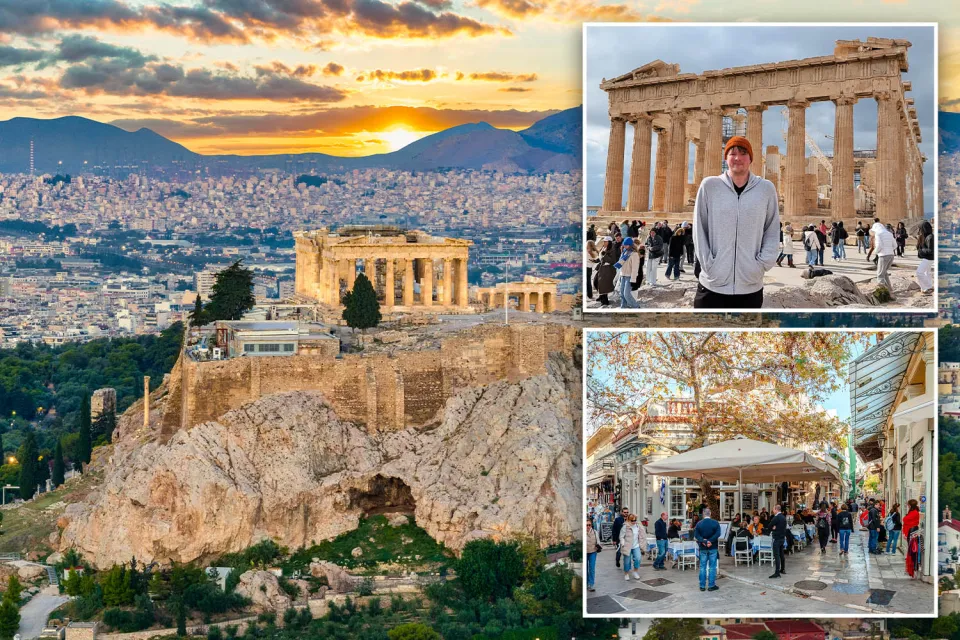
The iconic Athens skyline is a sight to beholdCredit: GettyThe bustling cafes in the Plaka quarterCredit: Getty
I checked my phone map.
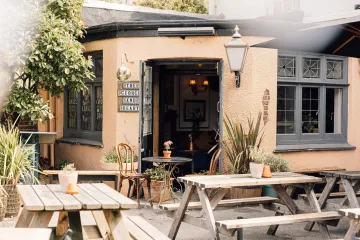
Sure enough, tucked beneath a battered cellar door, flush in the pavement, was the entrance to Diporto, one of the city’s best-kept culinary secrets.
Sign up for the Travel newsletter
Thank you!
Friends had tipped me off about this basement taverna in the Omonia district, serving real-deal Greek soul food and wine and, despite its dodgy entrance, it delivered in spades.
When most people think of Greek food, light salad dishes and dips spring to mind.
Out go the chilled dips, replaced by steaming pots of revithia (rich chickpea stew simmered with olive oil and lemon), piping-hot tomato and potato soups, grilled fish straight off the coals, and thick slabs of crusty sourdough.
Sitting next to massive vintage wine barrels, sipping house red from a metal jug, I was in food heaven.
Family-run bakery Feyrouz was another amazing spot secreted away down an alleyway, the heady scent of cumin, za’atar and toasted pine nuts wafting into the street.
The Sun’s Ryan Gray at the must-see AcropolisCredit: SuppliedThe tasty food at DiportoCredit: Alamy
Its signature street food includes lahmacun, a crispy spiced flatbread and peynirli, sourdough pasties stuffed with halloumi and spices.
It’s no wonder Time Out crowned Athens the most underrated winter city break in Europe.
With temperatures back in the UK plummeting, I was grateful for the relative warmth of 15C during my January trip.
Winter had clearly chased the tourists away.
Gone were the packed market streets and endless crowds.
I was free to roam around the Acropolis unfettered by the masses that gather in the summer heat and able to really appreciate just how awesome a spot it truly is.
The columns of the Parthenon rise almost 50ft while the view from the hill it stands on is spectacular.
Without the summer heat haze, the crisp sunshine reveals Mount Lycabettus towering next to it and the Aegean Sea visible behind the urban sprawl that lies at its base.
The dining room at DiportoCredit: SuppliedThe surprise door to top eatery DiportoCredit: Alamy
Thousands of years on, this ancient wonder hasn’t lost its magic.
Such remains are commonplace throughout Athens, with Hadrian’s Library, the Ancient Agora and the Temple of Olympian Zeus just some of the amazing ancient spots you find yourself wandering around, just a stone’s throw from the city centre.
Even in January, cafe culture is alive and kicking.
Wrapped in fleece blankets, locals huddle under outdoor patio heaters, sipping hot rakomelo (honeyed spiced brandy) in the historic Plaka quarter.
I climbed Mars Hill to catch the sunset over the city — an experience that’s usually a shoulder-to-shoulder fight in July, but in winter felt like my own private viewing platform.
What’s more, hotels are far cheaper in the winter, the lack of demand stretching your money much further than in the busier months.
This gave me the opportunity to try out a hotel chain I’d never used before and I was once again pleasantly surprised.
Bob W, which stands for “best of both worlds”, markets itself as somewhere between a local homestay and a lifestyle hotel.
They team up with nearby restaurants and cafes to bring locally produced food to your door in the morning for breakfast, while partnerships with local gyms mean guests have access included in the price of their stay, as well as the chance to join in with yoga classes and other sessions.
For just £40 a night at Bob W Akadimia, I had a sizeable design-conscious modern apartment, complete with a comfy double bed, living room area, huge bathroom with rainfall shower and a kitchenette.
It’s very tech forward — with check-in and even access to your room done via mobile phone — and all apartments feature high-speed wifi and smart TVs.
I would definitely recommend spending a night or two with Bob, much as I would visiting Athens for a little winter break.
Its combination of hearty winter stews, incredible archaeology, warmer weather and quiet, tourist-free streets means you can have a wonderful time getting to know the city properly before the summer rush transforms it into almost a different place.
GO: ATHENS
GETTING THERE: Fly direct to Athens in winter with easyJet from Gatwick and Manchester with returns from £79.
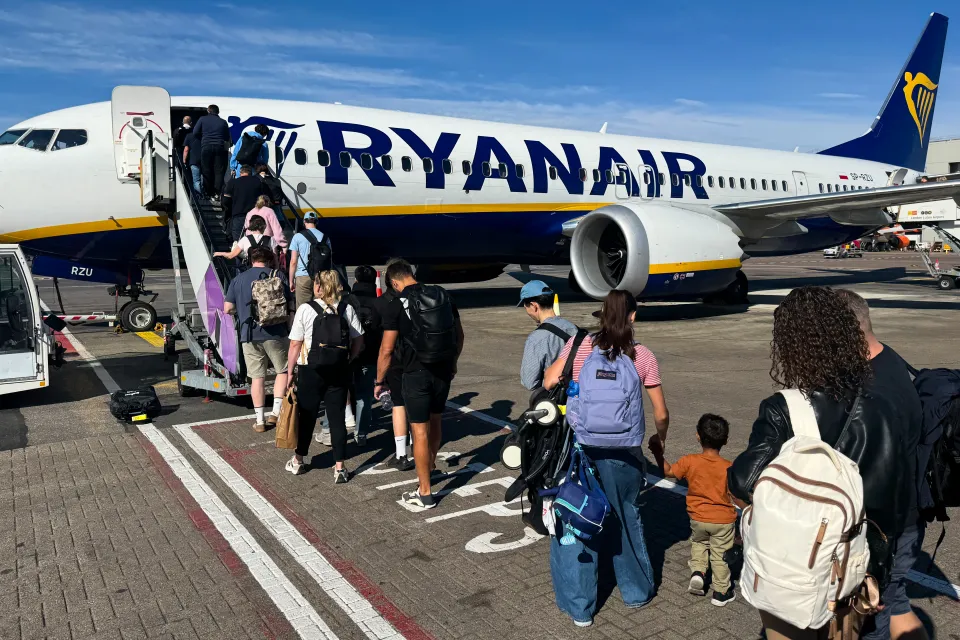
EASYJET is the latest airline to cut flights from its winter schedule in order to manage fuel costs.
The airline in total has now cut almost 1.4million seats between October 2026 and March 2027.
EasyJet has announced it will be cutting a further 600,000-700,000 seatsCredit: ALBIT / SplashNews.comIn total 1.4million flights have been axedCredit: Getty
EasyJet usually offers around 50million flights over the winter season.
But earlier this year it announced 700,000 flights would be axed from the schedule.
Sign up for the Travel newsletter
Thank you!
And now almost another 700,000 flights have been cut with latest axing meaning it’s had a reduction of two days’ worth of flying, according to Gurufocus.
Talking to the Financial Times, chief executive Kenton Jarvis explained that easyJet would be scaling back capacity over certain months so that it could avoid paying high fuel costs.
In a statement, the airline said “Subject to pricing and passenger demand, Ryanair expects this one-off winter schedule cut to reduce [November 2026 – March 2027 losses] by €70 million to €100 million (£85.8million).”
The two million seats works out to as many as 13,000 flights, although which routes will be affected is yet to be confirmed.
Ryanair has also cut seats for this year with warnings of price increasesCredit: Hans Lucas/AFP via Getty Images
Talking about 2027, Michael O’Leary said that flight prices were “only going one way”, which is “significantly upward”.
He added: “Fares for Ryanair passengers and every other passenger into the summer of 2027 are going to rise materially, I believe, because of significantly higher oil prices.”
THE festive season would not be complete without a trip to London’s iconic Hyde Park Winter Wonderland. And this year you can experience the festive fun for FREE thanks to The Sun!
Here is your chance to grab two FREE tickets to the event, including entry to the amazing Magical Ice Kingdom presents Neverland, in partnership with Great Ormond Street Hospital Charity.
Join Sun Club now — don’t miss out.
There is plenty of festive fun waiting for the whole familyCredit: Joshua Atkins
We have 10,000 FREE tickets up for grabs on a first-come, first-served basis, so do not miss out.
Spreading festive cheer since 2007, Hyde Park Winter Wonderland returns from Thursday, November 19 to Sunday, January 3.
Sign up for the Travel newsletter
Thank you!
With more than 150 rides, attractions and magical experiences to enjoy, there is something for everyone.
Your tickets will allow you to escape to the fantastic Magical Ice Kingdom presents Neverland – an enchanted world crafted from over500 tonnes of ice and snow and brought to life in partnership with GOSH Charity.
Step into the magic of Neverland at the Magical Ice KingdomCredit: Joshua Atkins
The adventure begins in the Darling family nursery, where you will meet Tinkerbell and Peter Pan.
Together you will journey through the Lost Boys’ camp, cross the enchanted mermaids pool and ‘board’ the Jolly Roger.
Fly down frozen slides and take on the fearsome Captain Hook to free Peter Pan – but be careful not to walk the plank!
Every turn will bring the story breathtakingly to life through hundreds of hand-carved sculptures, with a donation from every ticket going towards GOSH Charity.
From visits from Santa to carol singing with the Chaplaincy team, GOSH Charity brings comfort and joy to the wards, while giving more children the hope of many more Christmases to come.
And there is plenty more Christmas magic waiting to be discovered at Winter Wonderland.
Step out of the Magical Ice Kingdom and onto the UK’s largest open-air ice rink, enjoy a drink at Hyde Park’s iconic Victorian bandstand, or get your adrenaline pumping on one of the attraction’s many rollercoasters.
Thrillseekers can enjoy a spin on the 70m Giant Wheel for views across London or brave the Real Ice Slide powered by Joybuy.
Make festive memories at Hyde Park Winter Wonderland this ChristmasCredit: Joshua Atkins
If you fancy a party, head to the Bavarian Village for live music, DJs, seasonal singalongs and authentic German food and drink.
Or grab some stocking fillers at the Christmas Market where you can find handcrafted gifts and tempting seasonal treats.
You can also catch the new Gandeys K-pop Dragon Circus, bringing together K-pop music, dance and circus acts.
Two FREE Winter Wonderland tickets
To claim your tickets, follow the steps below:
Step 1: Join thesun.co.uk/club for just £1.99 a month or £12 for the first year, then £19.99 thereafter.
Step 2: Go to the Offers Hub and select the Winter Wonderland page. You do not need to collect Sun Savers codes.
Step 3: Your unique booking code will appear on this page. Redeeming a code does not guarantee tickets. Click the ‘Copy’ button and then hit ‘Book’. You will be directed to the Winter Wonderland website.
Step 4: Select your preferred date and time, then choose ‘The Sun Winter Wonderland Entry & Magical Ice Kingdom Offer’. Two tickets will be added automatically to your basket.
Step 5: Continue to checkout to complete your booking. You must book your tickets by Sunday, November 1.
Our tickets are available for visits between Thursday, November 19 to Sunday, December 6.
Or you can pick up the The Sun newspaper from Saturday, October 10 and collect Sun Savers codes to book your tickets.
Go to the Offers section, click Start Collecting on the Hyde Park Winter Wonderland page.
Collect THREE out of five Sun Savers codes printed daily in The Sun from Saturday, October 10 to Wednesday, October 14.
Enter your THREE Sun Savers codes on sunsavers.co.uk or scan them on the Sun Savers app.
Click ‘Book’ from 11am Monday, October 12. If you do not see the ‘Book’ button, you will need to refresh the page or restart your app.
Your unique booking code will appear on this page. Redeeming a code does not guarantee tickets. Click the ‘Copy’ button and then hit ‘Book’. You will be directed to the Winter Wonderland website.
Enter your code in the ‘Offer code’ box, select your preferred date and time. Select two tickets on ‘The Sun Winter Wonderland Entry’. Add any paid extras you would like.
Continue to checkout to complete your booking. You must book your tickets by Sunday, October 25.
Join Sun Club now — don’t miss out.
18+ UK only (exc. NI, IoM & CI). Sun Savers multiple code collect 10/10/26-14/10/26 or digital subscription required. Online access required. 5,000 pairs of tickets available (7,000 off-peak, 2,000 standard & 1,000 peak) on a first come, first served basis. Subject to availability, daily allocation limits apply. Tickets available between 19/11/26 – 06/12/26. 2 tickets per person only. Non-transferable and non-refundable. T&Cs apply, see sunsavers.co.uk or club.thesun.co.uk/sun-club. New customer offer: £2.99 per month for 3 months, £6.99 thereafter unless you cancel at least 7 days before your next billing date. Full T&Cs apply, visit thesun.co.uk/terms-and-conditions.
TORN on where to go on holiday next year? You’re in luck – the cool new places have been revealed.
Skyscanner’s Travel Trends 2027 report has looked at which destinations are seeing the biggest year-on-year searches.
This means these are the destinations which are seeing a boom in interest in demand, and much higher than the year before.
Skyscanner boss Bryan Batista said: “Travel is entering a new era.
Sign up for the Travel newsletter
Thank you!
“As people become more intentional about how they spend their time and money, they’re making different choices about where they go, how they book and what creates lasting value.”
So here are the top 10 destinations set to be the next big thing for Brits next year.
Yet the beach city of Da Nang has seen searches increase by 68 per cent according to Skyscanner (just after it was named a top 2027 holiday destination by Lonely Planet too).
There’s white sand beaches, but it is also, bizarrely, famous for its two beaches – Golden Beach, which is held between two huge stone hands, or Dragon Bridge which is shaped like the creature itself.
To get there, it is best to fly via places like Singapore or Bangkok, or a short domestic flight from other cities in Vietnam.
8. Sal, Cape Verde
Cape Verde’s Sal is great for no jet lag but hot wintersCredit: Alamy
Cape Verde remains a popular winter sun destination for Brits.
And a 67 per cent increase in searches to Sal means it is getting even more popular.
Hot weather all year round, no jet lag and short direct flights – all you’d need from a warm break from the UK
Flights to the African island are direct, with tour operators like TUI offering affordable package holidays.
9. Kittilä, Finland
Lapland is the best in Christmas, so try KittilaCredit: Alamy
If you want the ideal Christmas break, where better than Lapaland?
With searches up 65 per cent, Kittilä in Finland has it all husky sledding, reindeer safaris and and Northern Lights.
You an even head over to Levi for some fantastic skiing too.
EasyJet fly direct, and they start from £28.99.
10. Guatemala City, Guatemala
Volcanoes and fantastic food is all you need in Guatemala CityCredit: Alamy
The last trending destination on the list is Guatemala City which has seen searches increase 63 per cent.
It is actually the biggest capital in Central America, with everything you could want – fantastic coffee scene and historic museums.
The scenery is pretty stunning two, with a number of volcanoes being the backdrop.
Guatemala’s tourism minister suggested earlier this year that more flights from Europe could connect to the city – but until then, you’ll have to fly via Madrid with Iberia.
THE docile dugong munches on the swaying grasses covering the seabed, kicking up billows of sand as it lazily grazes.
Just a few feet above, I’m snorkelling in the warm waters of the Red Sea and fascinated by this gentle giant, also known as a sea cow.
The stylish Jaz Elite AmaraCredit: SuppliedA dugong, aka a sea cow, eating in the Red SeaCredit: Supplied
But it isn’t long before my attention is diverted by a magnificent green turtle gliding effortlessly to the surface for air.
And then there are the reefs, where shoals of vibrant fish dart between the thickly-carpeted colourful corals mere feet below me.
Sign up for the Travel newsletter
Thank you!
Best of all, this stunning marine life is just steps from my hotel, the beachfront 5H Jaz Elite Amara in the Egyptian resort of Marsa Alam.
This hot new winter-sun destination for tour giant Tui offers the chance to swim in the Marsa Mubarak reef in the bay right by the hotel, with a long pier bringing you to within metres of the natural wonders.
Further south than Hurghada on the Red Sea coast, direct flights to Marsa Alam this winter mean less time travelling and more time relaxing.
And I can’t think of somewhere more suited to that than the all-inclusive Jaz Elite Amara.
This sprawling resort features four huge pools fringed by loungers and over-water sunbeds as well as the largest outdoor whirlpool in Egypt.
And that’s before you get to the vast swathe of sand looking out on to the Marsa Mubarak reef, complete with a relaxed beach bar.
A turtle in the sea off Marsa AlamCredit: SuppliedA spacious room at the Jaz Elite AmaraCredit: Supplied
The 272 spacious rooms are set in six two-storey blocks around the pools amidst swaying palms and manicured gardens.
My second-floor room was cool (nice, quiet air con), calm and very comfortable, with two queen beds, a sofa and bathroom with twin sinks and huge rainfall shower.
The roomy terrace was perfect for relaxing, day or night.
You can upgrade to a sea view but I was perfectly happy with my room overlooking the pools. And you can also splash out a little extra on swim-up pool rooms.
Kids are well catered for with their own club space as well as dedicated pools, ideal for allowing Mum and Dad a chance to enjoy the gym and spa, with its sauna, steam room and range of treatments.
But the natural wonders of this environment are not to be missed.
The resort’s 5H PADI dive centre offers the chance to learn to scuba dive in gloriously warm waters with so much to see.
And while the desert landscape is stark, jumping onto a quad bike to roar through the wilderness is another thrilling way to explore.
Lisa on a quad bike on safariCredit: SuppliedLisa in a hot air balloon over LuxorCredit: Supplied
The landscape — and the driving — are surprisingly varied.
One minute we’re whizzing along flat, sun-baked plains, the next we are bouncing over rocky tracks along dry river beds.
It’s full throttle through narrow paths surrounded by towering sandstone cliffs, then we’re kicking up plumes of golden dust as we bank around dunes.
Do as we did and book a late-afternoon safari for the piece de resistance, though.
After an hour weaving our way through the desert, nothing could prepare me for the view as we crested a hill and looked down upon the glistening Red Sea as the sun began to set.
With the desert falling into the water, we paused to watch as the sky turned brilliant orange.
Making our way back to the Bedouin camp where we’d started as dusk fell, there were more treats to come with a generous buffet of lamb, chicken, vegetables, rice and salads.
Bellies full, we took a walk away from the bright lights of the camp with a guide to look skywards.
Lisa enjoys a spot of snorkellingCredit: SuppliedTutankhamun’s mummy in a tombCredit: Supplied
Free from light pollution, we were soon spotting stars and planets aplenty in the vast desert skies.
Back at the Jaz Elite Amara, there was still time for a nightcap and a little live entertainment on the hotel lobby’s generous terrace before bed.
And refuelling was never an issue with the all-inclusive hotel offering a huge buffet for breakfast, lunch and dinner, with live cooking stations and a vast amount of choice.
Breakfast featured all your usual hot favourites — with fresh omelettes and pancakes — as well as a vast array of fresh fruit and vegetables.
Lisa at the Temple of HatshepsutCredit: Supplied
GO: MARSA ALAM
GETTING/STAYING THERE: Seven nights’ all-inclusive at the 5H Jaz Amara Elite, Marsa Alam, is from £975pp including flights from Gatwick on January 10, 20kg checked luggage and transfers.
Lunch and dinner sees more choice, with meat and fresh fish cooked to order in front of you as well as a huge choice of salads, dips and mezze delights.
Hotel guests also get one a la carte meal a week in the hotel’s Tao Tao Asian restaurant, and day and night, fresh pizzas, burgers and salads are also served at the pool snack bar and Bay View beach restaurant.
My short stay proved just the tonic after a few long winter months — and even in February, when I went, we enjoyed temperatures in the mid to high 20s every day and glorious blue skies.
Add in the ease of flying directly into Marsa Alam, just a ten-minute drive from the Jaz Elite Amara, and you get a fuss-free, luxury sunshine break.
And after all that wonderful food, I possibly returned home looking not a little unlike my dugong friend.
Lisa in the Valley of KingsCredit: Supplied
IF YOU MISS THIS TOMB THEN TUT TUT
HE lies to one side of the tomb in a simple, clear glass box. Covered in a white shroud with just his head and feet visible, is the mummy of Tutankhamun.
The boy king died more than 3,300 years ago. Yet seeing him resting so quietly in his underground tomb in the Valley of the Kings was the absolute highlight of my trip to Luxor.
While the sparkling treasures discovered by Howard Carter in the tomb are now in the new Grand Egyptian Museum in Cairo, standing just inches from the king himself feels far more atmospheric.
The setting is surprisingly modest compared to the colourful, intricately decorated tombs of other pharaohs nearby – and all the more otherworldly for it.
And the best part is you can easily tick off a bucket-list wonder like this from your Red Sea beach holiday.
Staying in Marsa Alam, holidaymakers can book a tour to visit Luxor, the bustling city on the banks of the Nile, at the heart of the ancient Egyptian empire.
It’s an early start and a long drive – around four to five hours each way across the desert – but worth every single minute.
Accompanied by an expert Egyptologist, we kicked off our whistlestop tour at Karnak Temple.
The scale is astonishing – columns soar skywards and endless sphinxes stretch out before you.
From there, we clambered aboard a traditional felucca open-decked boat for a trip along – and across – the Nile to the west bank where waiting coaches ferried us to the Valley of the Kings.
You’ll have time to access three of the incredible 63 tombs that lie beneath the desert landscape.
Visiting Tutankhamun’s tomb requires a separate ticket – bought at the main visitor centre for around £11 – but coming all this way and skipping it would be a crime.
The scale of the tombs can take your breath away.
From the unique paintings of everyday ancient Egyptian life in Ramses III’s final resting place to the grand pillared hall and huge granite sarcophagus lid in the tomb of Merenptah, it’s almost too much to take in.
Emerging into the bright sunshine we made our way onwards to the equally impressive terraced Mortuary Temple of Hatshepsut, carved dramatically out of the cliff-face, and the mortuary temple of Ramses III, the second largest ancient temple in Egypt.
Our last gem sits unassumingly at the side of a road alongside a jumble of cafes and touristy shops.
The Colossi of Memnon are two huge, quartzite sandstone statues.
Nearly 60ft high, they depict Pharaoh Amenhotep III and once stood as guardians of the entrance to a vast mortuary temple complex and Egypt’s greatest ancient temple.
Time and man have ravaged the ancient wonder and just the two Colossi remain – standing guard in the shadow of the sun-baked cliffs of the Theban Hills.
The long journey back to Marsa Alam saw me quickly nodding off – my head full of the day’s adventures and still marvelling at the astonishing mummy at rest in his tomb.
LISA MINOT
Ancient Luxor tour from Marsa Alam with private Egyptologist guide, from £195pp, see tuimusement.com.
OUR Spotlight On column suggests what to see and do in the best holiday destinations abroad as well as lesser-known spots in the UK and abroad.
This week, we’re taking a look at the affordable winter sun destination of Hurghada in Egypt.
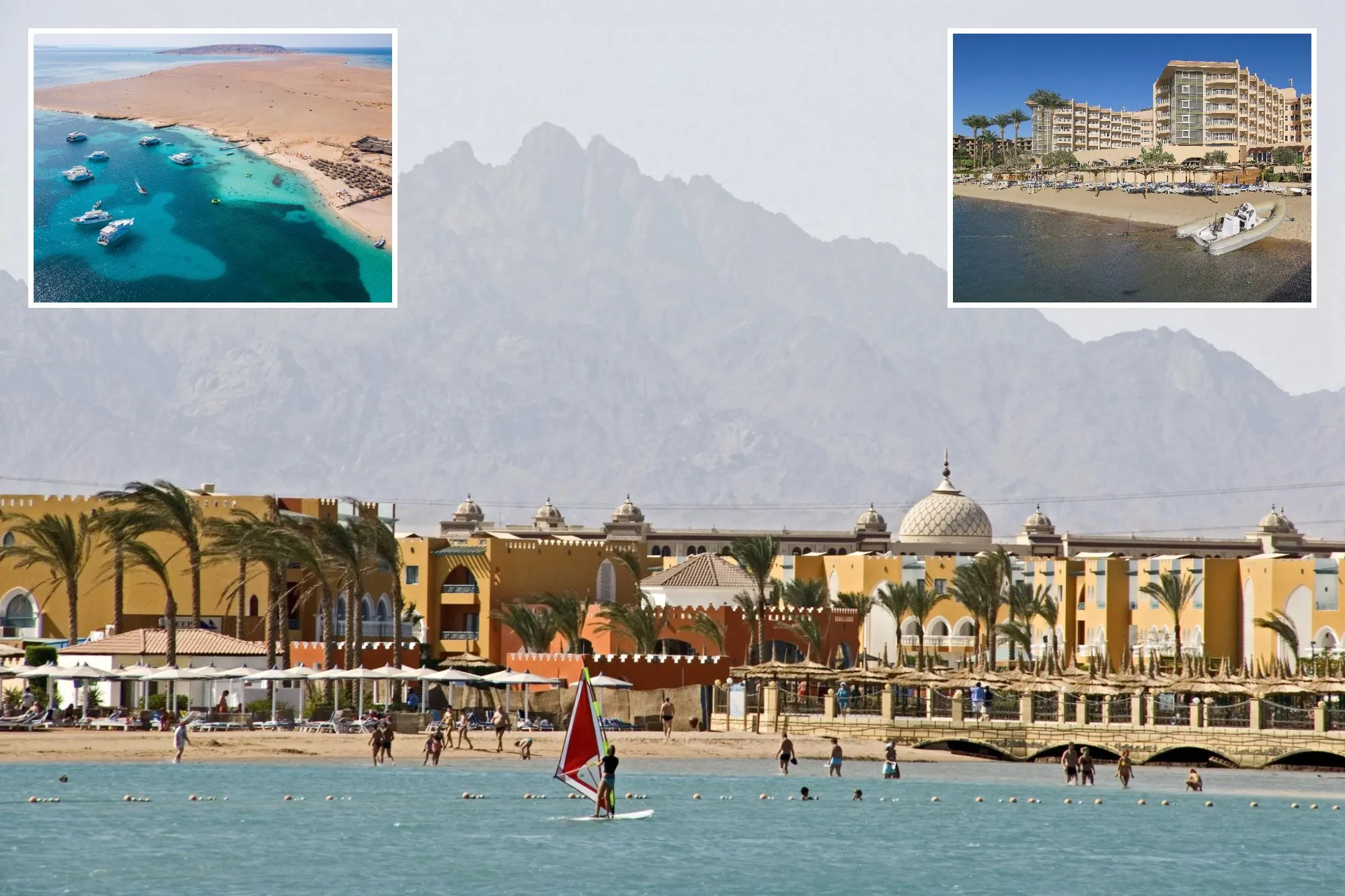
Hurghada is a the perfect winter sun hotspotCredit: AlamyQuick flights, cheap hotels – Hurghada beach resorts are the perfect spot from DecemberCredit: Alamy
There’s never been a better time to go – Wizz Air has launched new flights from London Gatwick to Hurghada, while easyJet has put holidays there in 2027 on sale.
It is one of the best spots for affordable winter sun too, with temperatures still over 24C in December, and holiday packages under £600pp.
Sign up for the Travel newsletter
Thank you!
Throw in beautiful beaches, fantastic diving opportunities and five hour flights, it’s the perfect mid-haul spot.
Aside from its year-round heat, Hurghada’s selling point is the ocean that it borders.
It’s positioned right on the Red Sea which is teeming with coral reefs and colourful fish.
You can easily spend a full-day snorkeling between reefs, hopping in and out of the water – most cruises include lunch on board the boat.
Blue Water Dive Resort & Sea Trips has a great selection of day cruises from around £22.
Some of the best diving is in Egypt tooCredit: Alamy
HIDDEN GEM
While most tourists will immerse themselves in the bustling markets or choose to spend an evening at a traditional Bedouin desert camp, very few make it out to Abu Minqar Island.
It was named after its beak-like shape with “Abu Minqar” translating as “Father of the Beak”, although many colloquially refer to it as ‘The Maldives of Egypt’ thanks to its clear waters and white sands.
This dinky sandbank sits just off of the coast of Hurghada can be reached by boat on day trips. If you fancy a go at kitesurfing, this is a popular place to try it.
BEST VIEW
Head to Hurghada Marina at sunset and you’ll be bowled over by the scene of shiny yachts bobbing on the water, baked in a hazy, orange glow.
From here, you can even see across to the minarets of the El Mina mosque.
Pop into one of the many bars that line the waterfront for a sundowner or dabble in some traditional shisha.
RATED RESTAURANT
Sheraton Road in the Sakkala district is THE place to go for a lively night out and it’s littered with buzzing restaurants.
One of the best is Starfish Seafood Restaurant that serves up the freshest of fish, plucked straight from the ocean.
Guests can select their raw food – expect prawns, calamari and whole fish – from behind the counter and chefs will cook it just to your liking.
For a taste of something traditional, try the Old Town where restaurants are a little more understated and more geared up for locals.
El Haga Restaurant is known for its excellent clay pot tagines.
BEST BAR
Little Buddha Hurghada is a favourite spot among tourists – and for good reason.
Once the dinner service ends, the whole place comes alive with thumping DJ sets that keep hip swinging until the early hours.
The cocktail lounge does an excellent sangria for around a fiver.
If you’re keen to take advantage of the glorious weather, Papas Beach Club on the marina is an all-day venue offered a laidback setting with pizzas and burgers by day before transforming into a nightclub at dusk.
HOTEL PICK
The swish 5* Hurghada Marriott Beach Resort occupies a prime location right on the beachfront and has its own private island connected to the hotel via jetty.
Rooms are modern and spacious with marble-clad bathrooms, with many overlooking a huge outdoor pool and the ocean just beyond that.
Guests will have their pick of five on site restaurants, including a surf and turf joint, patio cafe serving coffee and ice cream, and an international restaurant.
OUR Spotlight On column shines a light on the best things to see and do in popular holiday destinations, and some spots that are relatively under the radar.
This week we head to the Caribbean island of the Dominican Republic and the coastal town of Miches.
Here’s everything you need to know about the Dominican RepublicCredit: AlamyYou can see whales in the winter season as wellCredit: Alamy
Often said to be one of the cheapest islands in the Caribbean, it is also 30C in winter and beers are under £1.80.
eurochange has predicted where Brits will be jetting off to in 2026 thanks to recent money transactions – and it’s the Dominican Republic.
Sign up for the Travel newsletter
Thank you!
Laura Evans Fisk, Head of Digital & Engagement at eurochange said: “As we’ve seen transactions for the Dominican peso surge this year ahead of any other currency, we can definitely expect to see the Dominican Republic at the top of travel bucket lists for UK tourists in 2026.”
Direct flights make it easy to get to as well, taking around nine hours from London (both British Airways and TUI fly there) so here are some of our top tips.
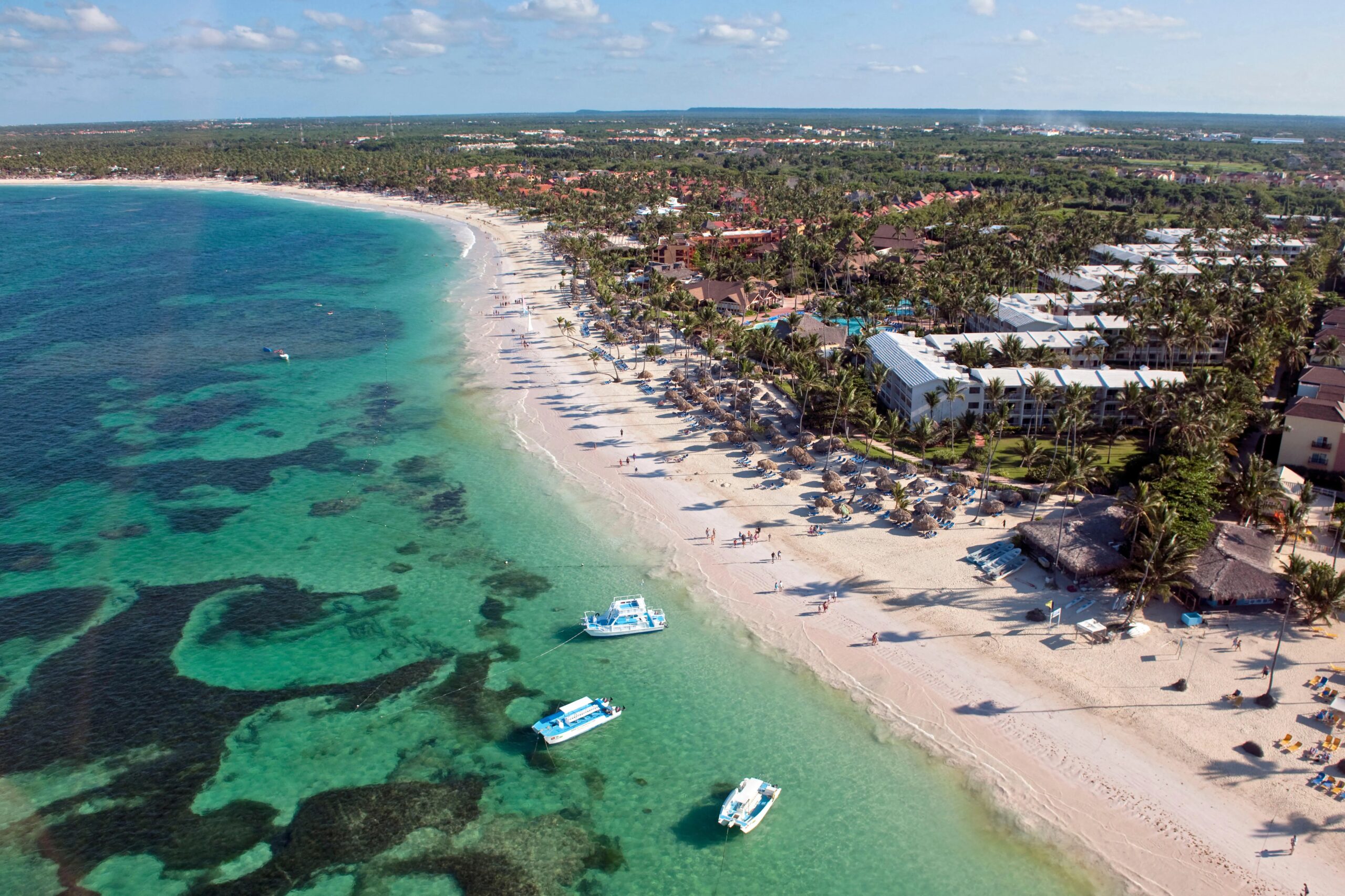
Playa Esmeralda is Miches’ showstopper. This vast ribbon of golden-white sand on the Dominican Republic’s northeastern coast stretches for miles, backed by coconut palms.
The water shifts from turquoise to deep emerald blue, giving the beach its name.
Unlike busier Caribbean resorts, it’s entirely possible to walk for half an hour here without seeing more than a handful of people – no fight for the sun loungers here!
Nature lovers shouldn’t miss Laguna Limón. This peaceful freshwater lagoon surrounded by tropical vegetation is home to dozens of bird species.
Boat tours glide through the wetlands while guides point out herons, pelicans and other wildlife.
Nearby, the crystal-clear pools of Caño Hondo offer a refreshing alternative to the beach, with natural pools cascading through lush forest.
HIDDEN GEM
The town itself and surrounding coastline – a place where emerald mountains tumble into palm-fringed beaches, humpback whales cruise offshore in winter, and brand new luxury hotels sit alongside sleepy fishing villages.
Unlike many Caribbean destinations, Miches still feels wonderfully undiscovered.
You can spend the morning hiking to panoramic viewpoints, the afternoon kayaking through mangroves and the evening watching the sun disappear over miles of virtually empty sand.
In recent years new resorts have arrived, but developers have taken a more low-key approach than elsewhere in the Dominican Republic, keeping much of the coastline untouched and embracing the natural surroundings.
Expect barely crowded beaches and very hot wintersCredit: Alamy
BEST VIEW
But the Instagram-worthy swings of Montaña Redonda have become one of the Dominican Republic’s most recognisable photo spots.
Perched hundreds of metres above sea level, the hill offers spectacular 360-degree views over lagoons, rainforest and the Atlantic Ocean.
Take a seat on the swing that stands at the end of the viewpoint and push out over the incredible green landscape.
RATED RESTAURANTS
Away from the resorts, Miches town offers a glimpse of local life. Small family-run restaurants serve freshly grilled fish, lobster, coconut rice and sancocho, the Dominican Republic’s famous hearty stew.
Try out Rajanoris in town, it’s an unassuming spot not often visited by tourists but it’s a good bet for meeting the locals and tasting mofongo, a savoury pork and plantain dish with lots of garlic!
BEST BAR
Rancho Lounge Miches has a casual atmosphere and lively music and serves up ice cold beer and of course, lots of rum!
WHERE TO STAY
The Zemi Miches All-Inclusive Resort, Curio Collection by Hilton is set on it’s own 800-metre stretch of sand, with nothing but palm trees and mountains for company.
Even though it’s secluded, there’s a wealth of things to do.
There are four different pools, including a kids pool, 11 bars and restaurants, and a swish spa for some pampering.
As for activities, there’s everything from a bowling alley to a padel court! See hilton.com.
Seven nights’ all-inclusive is from £1,569pp including flights from Manchester on November 17, 20kg luggage and transfers. See tui.co.uk.
THE UK might still be getting a last burst of heat but now is the time to lock in a winter sun holiday to get through the dark nights of December.
And new research has revealed which holiday destinations are much cheaper to go to this year compared to last year – and the ones to avoid which have jumped in price.
A new study has revealed which winter sun holiday destinations are cheaper to visit this yearCredit: AlamyTenerife was the top of the list for holidays that were more expensive this yearCredit: Alamy
The study, conducted by TravelSupermarket, looked at holiday prices between December 1 and January 31, looking at seven-night breaks.
And the biggest drop in prices was Gambia in West Africa.
Sign up for the Travel newsletter
Thank you!
The average holiday price last year was £299 each a night, while this winter it has dropped to £219 – a fall of nearly 27 per cent.
This was followed by Ras Al-Khaimah in the UAE, which fell 19.41 per cent £64 to £52.
Others that saw prices drop include Las Vegas (-13.05 per cent), Bali (-11.78 per cent), and Dominican Republic (8.82 per cent).
Chris Webber, Head of Holidays and Deals at TravelSupermarket, said: “This winter‘s package prices show that it pays to look beyond your usual destination.
“These are averages across different hotels and board bases, so individual holidays still need comparing carefully, but the picture is far more varied than winter sun simply becoming more expensive everywhere.
“There are savings further afield , with average package prices to the Dominican Republic down 8.8% and Jamaica down 6.1%.”
Gambia came out on top for the biggest price drop for winter holidays, down nearly 27%Credit: AlamyA trip to Bali is more affordable this year tooCredit: AlamyThe Algarve was one of the destinations that has jumped the most in price this winterCredit: Alamy
Sadly, it’s the destinations closer to home that have risen in price this year.
Tenerife, one of the hottest Spanish islands in winter, is up nearly 25 per cent compared to last year with average prices per person, per night going from £91 to £113.
The Algarve was close behind, with prices up from £81 to £99, a rise in 22.8 per cent.
The Bahamas (+18.67 per cent), Costa Blanca (+16.92 per cent) and Madeira and Porto Sando (+15.43 per cent) rounded up the top five.
10 holiday destinations that have DROPPED in price this winter
Gambia (-26.85%)
Ras Al-Khaimah (-19.41%)
Sousse (-18.39%)
Las Vegas (-13.05%)
Bali (-11.78%)
Dominican Republic (-8.82%)
Marrakech (-7.5%)
Jamaica (-6.08%)
Cape Verde (-6.01%)
Goa (-4.19%)
Chris added: “Average prices for Tenerife are up 10.5% year on year and Gran Canaria 8.2%, while Cape Verde is down 6% and Gambia nearly 27%.
“Neither is a new destination, but those contrasting price movements give travellers a reason to widen their search.
“Egypt also stands out because its average package price has barely moved, rising just 0.3%.
“At around £117 per person per night, it remains below the averages for Tenerife, Gran Canaria and Lanzarote in our analysis.”
Then from Birmingham you’ll be able to head to Copenhagen, Rome Fiumicino in Italy and Marrakech in Morocco which is perfect for winter sun – with some of these flights costing as little as £14.99 per person, per-way.
And there are other lesser-known destinations where you won’t find the crowds experienced elsewhere in Europe such as Tirana in Albania and Warsaw Modlin in Poland.
The airline has also announced that it is increasing the amount of flights departing Manchester Airport to 26 destinations including Malaga, Palma de Mallorca and Madrid in Spain.
It comes as the airline’s boss Michael O’Leary also warned of flight prices rising next year.
At a press conference last week, he said: “Fares for Ryanair passengers and every other passenger into the summer of 2027 are going to rise materially, I believe, because of significantly higher oil prices.
And the flights start from as little as £14.99 per person, per wayCredit: EPA
“I have no doubt fares are rising next year. The question is by how much.”
The airline also announced recently that it was axing even more seats that are equal to around 13,000 flights.
In 2025, France lost 25 routes and some 750,000 seats last winter and in Brussels, Ryanair axed 20 routes and cut one million seats across Brussels-Zaventem and Brussels South Charleroi airports.
THE UK Government has issued a new travel warning to Brits heading to Thailand following mass flooding.
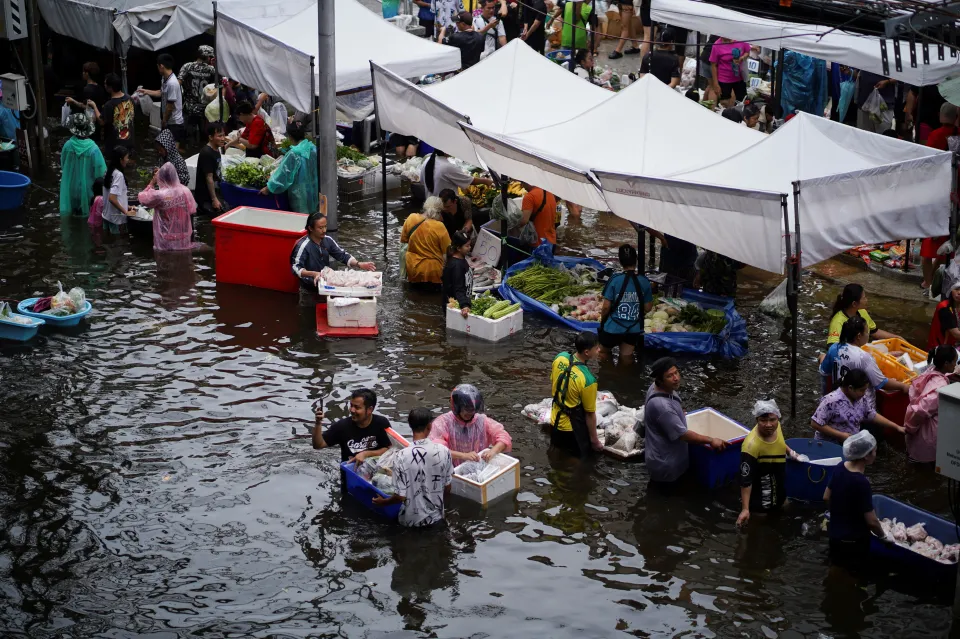
According to the Foreign Office, severe floods believed to be the worst in Bangkok in over a decade are impacting parts of Thailand caused by heavy rainfall.
Floods in Thailand are causing flights to Bangkok to be delayed or cancelledCredit: Reuters
Impacted destinations include Bangkok, Nonthaburi, Pathum Thani and Samut Prakan.
On the FCDO website it states: “All 50 districts of Bangkok have been declared disaster-affected areas. Travel disruption, including road closures and flooding of low-lying areas, is possible.
Sign up for the Travel newsletter
Thank you!
“The Thai government has declared special public holidays on 28 and 29 September in Bangkok, Nonthaburi, Pathum Thani and Samut Prakan.
“Many government offices and services may be closed or operating with reduced capacity.
SOME hotels give you a quiet pool, a basic buffet and a slightly battered table tennis table in the corner.
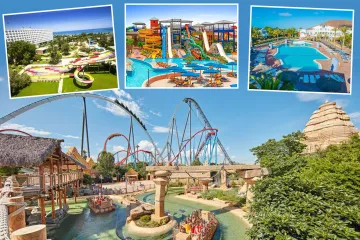
Others serve up 81 water slides, life-size dinosaurs, hypercoasters, wave machines and entire fairytale kingdoms.
There are some bonkers waterparks out there which are the perfect holiday spotsCredit: On the Beach
Variety is the spice of life, after all.
These are the resorts where the accommodation isn’t just somewhere to sleep – it is the holiday.
You could venture outside, obviously, but when there’s a full-scale waterpark or theme park right outside your bedroom door, convincing the children to leave the grounds would require a serious family negotiation.
I’ve hunted down eight of the wildest, most action-packed family resorts available this autumn and winter.
We’re talking theme park stays from £353pp and all-inclusive waterpark breaks from £405pp, with prices based on a family of four.
Every deal includes return flights and access to the hotel’s headline attractions too – so here are my eight picks guaranteed to ruin basic swimming pools for your children forever.
Aqua Mirage features a massive on-site waterpark packed with free-fall tower slidesCredit: On the Beach
Aqua Mirage Club & Aqua Parc, Morocco – from £573pp
You know a resort takes entertainment seriously when its grounds cover 20 full hectares beneath the Atlas Mountains.
Aqua Mirage features a massive on-site waterpark packed with free-fall tower slides, a sprawling wave pool and an interactive splash castle for preschoolers.
Away from the water, you get six tennis courts, football pitches, evening shows and several pool areas – including a dedicated adults-only pool and spa for parents trying to remember what silence feels like.
It also gives you two holidays in one: a high-energy waterpark resort and easy access to Marrakech’s historic souks and main square.
That means you can swap the post-Christmas slump for slides, sunshine and unlimited food and drink – without having to wrestle another turkey into the oven.
My insider tip at this hotel is to take advantage of its free shuttle into central Marrakech, saving your family a fortune on taxis when you do fancy a break from the slides.
PortAventura Hotel El Paso & Theme Park, Spain – from £353pp
Theme park tickets are included with your stay when you stay at PortAventura Hotel El PasoCredit: On the Beach
First things first: this isn’t just a hotel with a couple of slides attached – it’s a property built inside one of Europe’s largest theme park resorts.
Designed like a colourful Mexican hacienda, Hotel El Paso sits right on the edge of PortAventura Park, giving you easy access to six themed worlds packed with massive rollercoasters such as Shambhala and, my personal favourite, Furius Baco.
Right next door is Ferrari Land, home to Red Force – the 112-metre-high vertical accelerator that launches riders from 0 to 112mph in five seconds flat. I’m not speaking from experience this time. No, thank you.
The best bit is that PortAventura theme park tickets are included with your stay.
I found a five-night room-only package from £353pp, flying direct from Manchester on 24 October 2026 – right in the school half-term window.
When you consider how much standard admission to the park can cost on its own, getting your hotel, flights and multi-day park entry for £353pp in the school holidays is an absolute steal.
HL Paradise Island, Lanzarote – from £405pp
Guests staying at HL Paradise Island get free entry to Dino AquaparkCredit: On the Beach
There are waterpark hotels, and then there are waterpark hotels with giant prehistoric creatures towering over the slides.
Guests staying at HL Paradise Island get free entry to Dino Aquapark, where multi-lane racing chutes and enclosed tubes twist around massive, life-size dinosaurs.
The main resort features several swimming pools, sports courts, live evening entertainment and full all-inclusive dining.
Lanzarote stays pleasantly warm right through autumn and winter, making it a brilliant option for some sunshine when the UK enters full freezer mode.
As those dates fall over the February half-term period for many families, that’s excellent value for a school-holiday escape with food, drink and waterpark entry covered.
My tip here is to book an apartment. Having a separate living space and kitchenette means parents get somewhere to relax once the children crash out after a day of chasing dinosaurs.
LIVVO Costa Taurito & Waterpark, Gran Canaria – from £495pp
Lago Oasis Waterpark is a massive saltwater park packed with kamikaze chutes, racing slides and a giant pirate-ship splash fortressCredit: On the Beach
Taurito looks like someone has built an enormous holiday resort inside a canyon beside the coast.
At the heart of it is Lago Oasis Waterpark – a massive saltwater park packed with kamikaze chutes, racing slides and a giant pirate-ship splash fortress.
Guests at LIVVO Costa Taurito get access to the park, putting all the water-slide madness just steps from their room.
Southern Gran Canaria is one of Europe’s most reliable winter-sun destinations, and the hotel offers all-inclusive dining to keep the holiday food admin nice and simple.
It’s a compact half-term hit of winter sunshine, with flights, meals, drinks and waterpark access all rolled into one price.
I also love the natural volcanic-sand beach just 200 metres from the hotel, giving you somewhere quieter to escape whenever you need a breather from the slides.
Sol Dunas Family Fun, Cape Verde – from £430pp
Sol Dunas has multiple swimming pools, water slides, splash parks, playgrounds and sports courts, forming part of the wider Melia Dunas mega-complexCredit: On the Beach
Sol Dunas is less of a standard hotel and more of a self-contained holiday town.
This sprawling resort features multiple swimming pools, water slides, splash parks, playgrounds and sports courts, forming part of the wider Melia Dunas mega-complex.
Cape Verde is the closest thing to a long-haul winter-sun holiday on this list, serving up temperatures around 25C, plenty of blue skies and broad golden beaches on the island of Sal.
Being in the autumn half-term, this deal gives families almost a full week of reliable warmth without the faff of a connecting flight.
It costs slightly more than some of the Spanish options, but a full week of reliable warmth, direct flights and comprehensive all-inclusive dining at a resort of this size still represents excellent value.
Pickalbatros Aqua Blu Sharm, Egypt – from £638pp
Aqua Park City complex in Sharm El Sheikh, is a themed resort boasts high-speed racing chutes, wave pools, raft rides and towers of twisting tubesCredit: On the Beach
Aqua Blu features enough slides to make your local UK “waterpark” look like a damp garden shed.
Part of the enormous Aqua Park City complex in Sharm El Sheikh, this brightly themed resort boasts high-speed racing chutes, wave pools, raft rides and towers of twisting tubes.
The resort is fully all-inclusive and includes access to a private beach via a quick, free shuttle.
Sharm El Sheikh delivers reliable warmth throughout the year, making it a strong choice for autumn or winter sun.
It’s the most expensive deal on this list, but you’re getting more than a week of winter sun, all your food and drink, luggage and unlimited access to an enormous waterpark during a peak family-travel period.
The real insider perk, though, is the dedicated children’s buffet, built at a lower level so little ones can grab their own meals without endless parental manoeuvring. Genius.
Pickalbatros Jungle Aqua Park Resort – Neverland, Hurghada Egypt – from £565pp
Neverland has 81 slides and VR gaming arenasCredit: On the Beach
That includes giant family raft rides, multi-lane racers, wave pools and massive themed splash fortresses spread across a complex that feels as though it was designed by a child given an unlimited construction budget.
Beyond the waterpark, Neverland packs in VR gaming arenas, ice skating, huge live productions and an enormous selection of speciality restaurants.
Despite the ridiculous scale of the property, Egypt’s competitive resort market keeps prices shockingly low.
I found a six-night all-inclusive break from £565pp, flying indirectly from Manchester on 16 February 2027, with hold luggage included.
That gives you six nights of all-inclusive dining, luggage and non-stop access to 81 slides during the February half-term period for less than £600pp.
It’s also well worth using the hotel’s internal land train, which runs constantly around the complex, so tired little legs don’t have to walk miles between the slides and your room.
KEEN to get that winter sun break locked in? Holidaymakers on a budget should set their sights on Africa.
A new report released today by the Winter Sun Holidays Costs Barometer from The Post Office Travel Money reveals that Cape Town in South Africa, and Mombasa in Kenya, offer the best value for money for people seeking a sun-drenched winter break.
Cape Town came first making it the most affordable destination on the listPortugal’s Algarve came in sixth place overallCredit: Getty
To calculate which destination gives travellers more bang for their buck, the research considered the average costs of eight essential holiday items in 24 popular long-haul and short-haul destinations.
Items included a cup of filter coffee, a bottle of beer or lager, a can or bottle of cola, a glass of wine, a 1.5l bottle of water, suncream, insect repellent and a three-course evening meal for two with house wine.
Sign up for the Travel newsletter
Thank you!
The overall cost for all of the above came to just £58.24 in Cape Town, making it the most affordable destination on the list.
According to the Post Office, prices in the South African hotspot have fallen by 9.7 per cent in the last six months, which will have a hugely beneficial impact on tourists.
A three-course dinner with wine was shown to be cheaper here than anywhere else on the list, totalling £39.26 on average.
Despite its reputation for excellent wineries, Tokyo pipped Cape Town to the post for budget vino with a glass costing just £2.53 in Japan’s capital, on average, compared with £3.24 in Cape Town.
Tokyo came in third place overall on the affordability scale with a total barometer cost of £66.76, beaten by Mombasa, in second place, with an overall price tag of £63.66.
Prices haven’t dropped dramatically in this Kenyan city, but the rise of sterling against the Kenyan shilling does mean that you will now pay slightly less than when the country was last surveyed by the Post Office in March this year.
Coming in fourth place on the winter sun budget chart is Colombo in Sri Lanka, where a basket of all eight holiday essentials added up to £74.79, getting on for £20 more than the cheapest spot of Cape Town.
And be sure to ditch the wine and opt for beer instead, as a glass of red, white or rose will set you back £6.60 on average — over double the cost of a glass of wine in any of the previously named locations.
A bottle of beer, on the other hand, costs just £2.47.
Phuket in Thailand closely followed Colombo in fifth place with an overall barometer cost of £76.39 and cheap beer at £2.09 a bottle.
Of course, for the top five spots, the trade off for spending little while in the destination is shelling out for pricier flights to get there.
But remember that holidaymakers will be rewarded with better odds of sunshine and higher temperatures in these long-haul locations.
Those looking to stay a little closer to home still have budget-friendly options, however, including Portugal’sAlgarve which came in sixth place overall.
While the total cost of all holiday items came to a slightly steeper £82.35, coffee-drinkers won’t be complaining as this is the cheapest destination to grab yourself a cuppa (£1.27 on average).
Mombasa, in second place, with an overall price tag of £63.66Credit: Getty
The holiday location fared similarly to Spain’sCosta del Sol in seventh place and the Canary Island of Tenerife in eighth place, with overall costs of £83.58 and £87.46 respectively.
Prices for holiday items in all three short-haul destinations were on par with one another, although it was a bit pricier to eat out in Tenerife with a three-course meal for two with wine costing around £61.10.
At the opposite end of the scale, Scarborough was the priciest destination for winter sun — not the resort town on England’s North Sea, but the capital of the island of Tobago.
The Canary Island of Tenerife came in eighth place, with overall costs of £83.58 and £87.46 respectivelyCredit: Getty
Holiday item costs here rocketed to a whopping £144.15 in total — which is over double that of Cape Town.
A three-course meal here costs more than anywhere else on the list, at an eye-watering £119.26 for two people.
St. Georges in Grenada, Funchal in Madeira and Cancun in Mexico were also shown to be pricey, with total bills totting up to over £125.
Comparatively, the much-loved Sun reader resort of Orlando in the US came roughly in the middle, in 15th place overall.
Wine and beer was shown to be mean on the wallet in the Florida sunshine spot — at £6.81 and £5.30 respectively — but other items like suncream and insect repellent were more reasonable.
YOU’LL be able to travel to 34 more destinations with Jet2 from the UK soon.
The airline is launching a number of new routes for Winter 26/27, with destinations including winter sun spots, city breaks and pretty Christmas markets.
Jet2 is launching 34 new routes including winter sun spots with 25C weather in DecemberCredit: GettyOther destinations will be across Europe, such as Spain and DenmarkCredit: Alamy
It marks the airline’s biggest winter programme as well as its first winter season from London Gatwick Airport.
Destinations in Europe include La Palma in Spain, Copenhagen in Denmark and Vienna in Austria.
The Egyptian resort city sits on the Red Sea and is the ideal spot to head off scuba diving to see colourful coral reefs.
And there is sunshine year-round.
You’ll get the best of both worlds too as after exploring the water you can head to the desert, for a quad biking or camel riding experience.
Another destination getting Jet2 flights is a city that feels more like stepping into a Disney movie.
Often referred to as a fairytale city due to its winding medieval streets, Tallinn in Estonia takes just three hours to get to from the UK.
You could also head to a number of destinations with great Christmas markets – such as TallinnCredit: Mark Hannah
The old town of the city is full of interesting shops as well as grand medieval churches and walls.
For a city centre, it is very quiet as well.
And if you happen to visit in December, go the Christmas market, full of chalets selling handmade Estonian gifts as well as glögi – which is essentially Estonian mulled wine.
At the centre of the market is the world’s oldest recorded public Christmas tree as well, which dates back to 1441.
Steve Heapy, CEO of Jet2, said: “We are seeing strong demand from customers and independent travel agents for all kinds of winter holidays, so we have responded by putting a fantastic selection of brand-new routes on sale for Winter 26/27.
“Whether holidaymakers want winter sun, a festive Christmas market break, a ski holiday to the Alps or a city break, this expanded programme gives them more choice and flexibility than ever before.
“The addition of 34 new winter routes, three new destinations and our first winter season from London Gatwick Airport shows how we are continuing to grow in direct response to demand.
“This is about giving customers more of what they want for winter, with an exciting mix of destinations that caters for every type of getaway.”
Flights for the new routes cost from as little as £30 per way.
And if you don’t want to wait, the airline currently has 6.3 million seats on sale to 42 destinations for this winter.
Full list of the 34 new destinations
From Birmingham Airport: Copenhagen (Denmark); Sharm El Sheikh and Hurghada (Egypt)
From Bristol Airport: Cologne (Germany)
From East Midlands Airport: Agadir (Morocco); Gdansk (Poland); Sharm El Sheikh and Hurghada (Egypt)
From Edinburgh Airport: Strasbourg (France)
From Glasgow Airport: Hurghada (Egypt)
From Leeds Bradford Airport: Tallinn (Estonia); Sharm El Sheikh and Hurghada (Egypt)
From London Gatwick Airport: Agadir (Morocco); Funchal (Portugal); Tallinn (Estonia); Vienna (Austria); Cologne (Germany); Gdansk (Poland); Grenoble (France); Turin (Italy); Geneva (Switzerland); Salzburg (Austria); Chambery (France); Sharm El Sheikh and Hurghada (Egypt)
From Manchester Airport: Strasbourg (France); Sharm El Sheikh and Hurghada (Egypt)
From London Stansted Airport: La Palma (Spain); Strasbourg (France); Innsbruck (Austria); Sharm El Sheikh and Hurghada (Egypt)
In fact, it’s believed that Tangier was created by the son of Hercules, with the god himself staying in one of the caves.
It has a vibrant café culture thanks to its French influence, tapas culture from Spain – and a mix of languages too.
Thanks to its position in the north of the country, it has long, sandy beaches too like Plage de Tanger and Achakkar Beach.
The second cheapest for return flights is Seville which has an average price of £151.
Seville is Spain’s fourth-largest city – and is one of the hottest during the autumn, winter season.
During October, Seville can still reach highs of 26C and even in January can see highs of 16C.
The Greek island of Rhodes has seen the biggest decrease in price for return flightsCredit: Alamy
Here’s the list of the best value destinations for travel from Oct 2026 – Feb 2027…
These are the destinations and the average economy return flight price, according to Skyscanner…
Rhodes, Greece: Average price £218 (-21% YoY)
Montego Bay, Jamaica: Average price £764 (-13% YoY)
Tangier Morocco: Average price £105 (-13% YoY)
Seville, Spain: Average price £151 (-12% YoY)
Valencia, Spain: Average price £122 (-11% YoY)
Valletta, Malta: Average price £164 (-11% YoY)
Perth, Australia: Average price £1,425 (-6% YoY)
Some of the top attractions include the Royal Alcázar of Seville, Seville Cathedral and Plaza de Espana.
Rhodes in Greece has seen the biggest drop in flight prices year-on-year – it’s down 21 per cent.
The average return flight price is £218 – but in October, we found return flights for less than £60 with Ryanair.
The island is the fourth-largest in Greece, the biggest in the Dodecanese – and it’s considered quieter and cheaper than the likes of Santorini and Mykonos.
Lindos is a popular spot for visitors, the coastal village sits on the eastern coast with a clifftop Acropolis, whitewashed alleys, and sandy beaches.
Greece has incredible summers, but also mild winters with highs of 15C in January and February.
Seville is the fourth-warmest city in Spain during the autumn, winter seasonCredit: AlamyA long-haul option with cheaper flights this year is Montego Bay in JamaicaCredit: Alamy
Further afield, long-haul journeys that have cheap return flight include Montego Bay in Jamaica which from the UK has an average price £764.
Montego Bay on north-west coast of Jamaica is the capital of the parish of Saint James and is one of the most popular tourist spots on the island.
Of course Brits flock there for its great weather and beautiful bays like Doctor’s Cave Beach which is considered one of the most beautiful in the country with white sand and bright turquoise waters.
Aside from sunbathing and paddling, snorkelling is popular too as swimmers are likely to spot parrotfish, turtles, and small sharks.
Looking on Skyscanner, October is the cheapest month for flights with returns from £364.
Laura Lindsay, Travel Trends and Destination Expert at Skyscanner gives her top tips for cutting travel costs…
Head north For those able to depart from north of the border, Edinburgh airport has some of the best deals for those looking for school holiday breaks as Scottish schools aren’t off the same weeks as England.
Is there a better price when departing a day earlier or later? Searching by multiple dates and airports will give you the best chance of a bargain. Because some dates are more popular than others, prices will vary. The ‘whole month’ search tool allows you to see cheap flights at a glance and pick the right deal for you. Consider traveling a day before or a day after your original departure dates, flying on less popular days of the week is always cheaper.
Is there a comparable trip to a different destination? You see a deal from one airline to popular location like Naples, but is there a better price when you consider somewhere less well known, like underrated Bari in Puglia instead?
Can you get a better deal travelling with a different airline?Changing up the airlines you choose to fly with can seriously cut costs. Also, fares don’t have to be booked as returns. Look at flying out with one airline and back with another to save money. You can easily compare prices on Skyscanner’s cheapest month tool.
Is there a cheaper deal from a nearby airport? Travelling to an airport a bit further from home or further from your destination can unlock better pricing and routes. A great example of this is when flying from London to New York. There are so many options and going just a little bit further from your point of origin or destination could mean a saving of hundreds of pounds. Make sure to check using the ‘Nearby Airport’ search on Skyscanner.
If you’re still not sure, make a note “Setting up price alerts will ensure you’re the first to know as prices drop with any additional discounts or added supply. You can mark a flight you’re interested in and Skyscanner will email you whenever the price goes up or down.
Embrace spontaneity by exploring ‘Everywhere’ Re-embrace your spontaneous side and let Skyscanner’s algorithm find the cheapest deal. Just type in ‘Everywhere’ with your travel dates and the site will show you all the destinations that can be reached from your departure point listed in order of price so you can choose the most cost effective one.”
RYANAIR has announced that it is cutting more than half a million seats to two European countries before the end of this year.
The budget airline will scrap 550,000 seats from Estonia and Lithuania this winter, which means it will reduce its capacity to the two countries by around a quarter.
Ryanair is scrapping more than half a million seats to two European countriesCredit: Getty
The airline has said that the decision comes after higher airport costs in the two countries.
According to Ryanair, airport charges in Lithuania have risen by 30 per cent since 2023.
Sign up for the Travel newsletter
Thank you!
In Estonia, on the other hand, there has been an increase in charges at Tallinn Airport.
It isn’t clear how many UK flights will be affected, but overall it works out to as many as 3,000 overall.
Ryanair is now looking at increasing capacity in other destinations with lower airport charges.
For example, Riga in Latvia will gain around 40,000 seats this winter.
This means that the airline will operate 16 routes to Riga during this winter.
Ryanair has also decided to increase capacity on a number of other routes including Barcelona and Milan.
It is adding some seats to other destinations thoughCredit: Getty
A number of other destinations will also lose Ryanair seats this winter.
Greece is set to lose around 700,000 seats and 12 routes.
In Belgium, there will be a reduction of one million seats and 20 routes.
And the airline has already axed flights from a number of airports across Spain, Portugal and Germany.
The news comes just days after the airline said that it plans to have 11 million seats across Latvia, Estonia and Lithuania by 2031 and increase its aircraft in the region from seven to 16.
FROM Art Deco architecture and superstar football to incredible Cuban sandwiches and sizzling nightlife, Miami packs a serious punch for a short stay.
For Brits, it’s often combined with cruises from the Florida city’s port, making it the perfect start or end to a Caribbean cruise this winter.
Explore Miami’s Cuban influenceCredit: David CameronCuban sandwich stuffed with roasted pork, ham, swiss cheese and pickles at Old’s Havana Cuban Bar & CocinCredit: Supplied
The weather remains gorgeous throughout our colder months, with temperatures still in the mid to high 20s.
For first-timers, a stay on Miami Beach puts you right at the centre of the very best of this captivating city.
Sign up for the Travel newsletter
Thank you!
ARE THESE STREETS MADE FOR WALKING? It’s America — so no, the car remains king. But that’s not to say there aren’t walkable districts.
South Beach and Mid Beach excel with their paved Beachwalk and pedestrianised Lincoln Road is a shoppers’ paradise with all the popular brands and a host of cafes and restaurants offering al fresco dining.
In trendy Wynwood you can easily explore on foot to take in street art, galleries, boutiques and a buzzing nightlife scene.
ANYTHING FOR THE BUCKET LIST? Learn all about the huge Cuban influence on Miami on a food and drink tour of Little Havana with Miami Culinary Tours.
Over two and a half hours, you’ll stroll the streets learning how Cuban exiles transformed the city’s flavours and culture.
Among my favourites were the Cuban sandwich stuffed with roasted pork, ham, swiss cheese and pickles at Old’s Havana Cuban Bar & Cocina, washed down with a perfect mojito and the crispy beef empanadas from El Pub.
Another must is a stroll along South Beach’s Ocean Drive to admire the gorgeous Art Deco buildingsCredit: GettyThe Sun’s Lisa Minot on Miami BeachCredit: Supplied
But the tour also features stops at a traditional Cuban cigar shop and Domino Park to watch the locals play fast-paced games.
Another must is a stroll along South Beach’s Ocean Drive to admire the gorgeous Art Deco buildings — book a guided walk through getyourguide.com to bring the history to life.
WHERE SHOULD I EAT? Award- winning Austin chef Tyson Cole brings his very modern take on Japanese cuisine to Miami with not one but two restaurants, each offering a vast variety of unusual sushi, sashimi and nigiri paired with quirky flavours from citrus to smoke.
Uchi in Wynwood leans into the citrus while sister restaurant Uchiko is all about char and open-flame cooking. The vast menus can be a bit overwhelming but the brilliant staff will guide you and the quality is outstanding. Visit during the daily Happy Hours to enjoy it for a fraction of the price.
I FANCY A DRINK: Of course, for the in-crowd and those with deep pockets, there are plenty of stunning cocktail joints and seriously cool hotel bars on South Beach — including MILA just off Lincoln Road and the Matador Bar at the Miami Beach Edition.
But for those of us with smaller bank balances, taking advantage of happy hours is a great way to save. Sweet Liberty in Collins Park in Mid Beach has a popular happy hour from 4pm to 7pm with cocktails from £7.40 and craft beers from £4.50. Cafe La Trova in Little Havana sees waiters formally serving up Cuban daiquiris and mojitos.
Or head to Veza Sur Brewing Co. & Cerveceria La Tropical in Wynwood for an outdoor beer garden with pints from £5.20.
WHERE SHOULD I STAY? For all the benefits of South Beach without the crowds, stay at gorgeous Art Deco gem, The Palms Hotel and Spa.
Just ten minutes by car from Ocean Drive and Wynwood, the hotel’s lush gardens feature a pool and tiki bar plus plenty of loungers.
You can stroll onto the stunning white sands where even more loungers and shades await.
The hotel has a great focus on sustainability — you can pick up a bucket on the beach to help tidy up and be rewarded with a free gelato.
The light and airy rooms have an understated, tropical vibe and the ocean views are stunning.
THE SUMMER holidays are in the rearview mirror now, so it’s likely you’re already daydreaming about next year’s getaway.
As for where to book, these spots have been revealed as the trending destinations for 2027 including one place in Europe with tropical-looking beaches, and another country with highs of 30C even in winter.
One of the country’s tipped to be popular next year is called ‘Europe’s Maldives’Credit: AlamyEgypt has been increasing in popularity and this will continue into next yearCredit: Getty
Advantage Travel Partnership, a UK-based consortium of independent travel businesses has said Albania as the destination to watch for 2027.
The country is much lesser-visited by Brits than the likes of France, Spain and Greece – but it has so much to offer, including beautiful beaches and hot summers.
Sign up for the Travel newsletter
Thank you!
One spot along the Albanian Riviera called Ksamil is regularly labelled the ‘Maldives of Europe,’ for its stunning coastline.
The village is in the south of Albania very close to Corfu – in fact on a clear day you can see across to the island.
Ksamil has white-sand beaches, turquoise waters, and offshore islands that you can swim to from the mainland, giving it similar attributes to the Maldives.
The easiest way to get to Ksamil is actually to fly into Corfu Airport and take a quick ferry crossing across.
Another spot in Albania that is loved by singer Dua Lipa is the seaside village, Dhermi, which in the summertime is called a ‘bustling seaside paradise’.
It has pebbled beaches, beach clubs, a historic old town, and one of the biggest attractions is Pirates’ Cave.
Albania during the spring sits around the mid-20s, and during summertime can be over 30C.
There are direct flights from London Heathrow, Stansted and Luton to the country’s capital, Tirana, which start from £30.
Ksamil has been called Europe’s Maldives thanks to its white-sand beaches and clear watersCredit: Alamy Stock Photo
Visitors to Albania have been steadily rising, previous statistics reveal that tourists visiting Albania nearly doubled from 6.4million in 2019 to 11.7million in 2024.
Other places that the data revealed are on the up next year include Egypt, an affordable winter sun hotspot.
The country and particularly Red Sea resorts attract Brits in the later part of the year thanks to its high temperatures.
In October, Egypt can still bask on the beach in 30C heat – meanwhile the UK’s average is around 10C.
Marsa Alam is one of the quieter spots that’s gaining popularityCredit: AlamyHong Kong could be set to welcome more British travellers next yearCredit: Getty
He named Sharm El Sheikh as a popular spot for couples with its blend of relaxation, vibrant nightlife, and world‑class reefs.
Hurghada is a spot that’s “especially popular with families thanks to its impressive all‑inclusive offering, shallow beaches, and brilliant snorkelling”.
Nearby Marsa Alam is also gaining in popularity thanks to its “pristine beaches, exceptional diving, and a more laid‑back atmosphere”.
There are plenty of direct flights to Egypt from the UK, particularly in the winter months, with an average flight time of just over five hours.
Two other on-the-rise destinations for 2027 include Hong Kong and Vietnam.
Further afield, Vietnam is another country that’s set to ‘trend’ in 2027Credit: Getty ImagesHeading to Vietnam make sure to stop by unique Train StreetCredit: Alamy
James said: “From the moment I touched down in Hanoi, Vietnam’s capital, I knew my trip would be unforgettable.
“The city doesn’t just welcome you — it wraps you in its embrace with the hum of motorbikes, the aroma of street food, and a culture so vibrant you can’t help but fall in love.
“My favourite memories of Hanoi, however, were on Train Street. This narrow alley is famed for its railway, which runs straight through the centre, so close to the tiny cafés flanking the street that you can feel the rush of air when the carriages whoosh past.”
Outside of the capital, one popular activity is kayaking along Ha Long Bay which has emerald waters and is surrounded by towering limestone cliffs.
No one will be disappointed by the food and drink scene in Vietnam, James enjoyed Huda beer, crispy fried spring rolls, and a stir-fried rice noodle dish for less than £8.
EVER dreamt of getting a World Record? Well, you soon can have a chance at securing one in a huge new UK attraction dedicated entirely Guinness World Records.
Guinness World Records London, which is the first permanent entertainment venue from Guinness World Records, will open at The O2 in Greenwich, this winter.
Will Munford, Adjudicator at Guinness World Records, said: “Guinness World Records London will give every guest the unique chance to take on our line-up of brilliantly fun and exciting record attempts, and potentially walk away a world record breaker themselves.
“We know how competitive families can get, so we want to find out who is the most competitive of them all and get them along to our new attraction to see if they have what it takes to become our first record breakers!”
The countdown to Christmas is on with millions of Brits planning to make a festive escape. But if you’re heading overseas time is running out to sort out any issues with your passport
Christmas can be an incredibly busy travel time(Image: Dursun Aydemir/Anadolu via Getty Images)
Whether it’s a Christmas market, Lapland trip, or just seeing family, millions of Brits will head overseas during the festive season. And with only 99 days to go until the big day, one thing that Brits need to be checking right now is their passport.
Passport renewals usually take about three weeks to process after being received by the passport office, so family travel experts advise checking your document now to ensure you have plenty of time to put in an application if needed.
It’s also worth remembering that while three weeks is the general time the HM Passport Office advises for a passport renewal, at busy times of year such as the run up to Christmas this timeframe can be longer.
The advice comes from family holiday firm Lapland Famille who say that the cut off for a pre-Christmas passport application should be October 16, as this gives about a month for the passport to be issued, with around 10 weeks to spare should there be any issues or delays.
As we’re now inside the 100-day countdown to Christmas, this is the best time to check your passport and ensure it meets the requirements for your trip. It also warned that travellers should follow the official GOV.UK advise and not book a trip until they have a valid passport. It’s especially important to check child passports, as these last five years rather than ten, so make sure you check each family member’s document separately.
For those visiting the Schengen area, which includes all 29 European Union member states plus Iceland, Liechtenstein, Norway, and Switzerland, a minimum of three months validity needs to be left on your passport from the day you plan to depart the zone. This means if you were planning to leave the Schengen area on December 28 of this year, your passport will need to be valid up until March 28, 2027.
Issue dates continue to catch Brits out due to post-Brexit rules. Check your issue date is within the past 10 years if you plan to visit the EU. You should also make sure you check the FCDO advice for your destination country as well airline document requirements in plenty of time before you fly.
Alex Dyer, managing director at Lapland Famille, said: “Four passports can look in date at a glance, and it’s easy to assume the whole family is ready to go. I’d rather parents find a problem while they’re still choosing a trip, because once you’ve booked activities and arranged time off work, one unusable passport can affect everyone’s holiday.”
Pre-Christmas passport check list
Validity – should have at least three months remaining from your departure date if visiting the Schengen area
Issue date – passports issued more than 10 years ago are no longer accepted in the EU
Damage – rips, water damage, and marks can all see a passport rejected
Blank pages – most countries require at least two blank pages for stamps
Have a story you want to share? Email us at webtravel@reachplc.com
YES, we know it’s still T-shirt weather in much of England for at least five hours of the day in between downpours, but it’s time to start thinking about booking your Christmas days out.
One for the calendars is an immersive festive experience that transports families through a snowy North Pole, that’s returning for the second year in a row – and it has a new village and playground.
An immersive experience will return to London this yearCredit: suppliedChildren will travel through the North Pole to meet SantaCredit: supplied
The Wundrful World of Christmas will return this November taking families on a journey through the snowy landscape to see Santa.
It’s specifically designed for children between the ages of three and eight, who will venture through the frosty landscape in a 50-minute experience.
Sign up for the Travel newsletter
Thank you!
The journey through the North Pole will begin in the Enchanted Forest towards the Elves’ Workshops.
Little ones can say hello to the elves who will be busy making presents and working at the toy sorting station.
Then onto visit Mrs Claus in her cosy cottage where she’ll have plenty of biscuits to go around and tell a story or two.
Then it’s into Santa’s Study to do some letter writing and meet him in person.
Along the way there will be live performers, theatrical sets, storytelling animation screens and plenty of festive lights.
New for this year is the Elves’ Playground which will be fully kitted out with Christmas lights and trees.
It will also have fairground rides, food and drink and even a Christmas market for trinkets and gifts.
For anyone who visited last year at its Borough Yards venue, the experience has moved to Immerse LDN at Excel London.
Mrs Claus will have a biscuit or two and a story for the kidsCredit: suppliedThe elves will be busy at the sorting station and there will be a new playground tooCredit: supplied
Last year, one visitor said: “Lovely doing this experience with you guys!”
Another added: “We loved it too. Ours [kids] chewed the ear off Santa and he was brilliantly patient with the epic chinwag session.”
It will run from November 13 until December 24 and you can buy tickets here.
Tickets for adults start from £29.90 and £24.90 for children (1-15 years).
LOOKING to bag a bargain at sea? Now is THE time to embark on a booking.
The UK’s annual CLIA Cruise Week runs until Sunday and there are great deals to be had.
Now is THE time to embark on a booking and bag a bargain at seaCredit: �Christopher Ison.https://christopherison.photoshelter.com/contactExplora Journeys’ Explora II departs for Malta from Barcelona on March 14, 2027, with 30 per cent discounts on offer
After a record 2.54million Brits headed up the gangway in 2025, it is time to join the party.
Nigel Thompson shares his pick of the offers to book now.
Sign up for the Travel newsletter
Thank you!
EASTERN CARIBBEAN – 14 nights from £1,349pp
JET away from selected UK airports on November 13 to join P&O’s newest ship Arvia in Barbados for a round-trip visiting Martinique, Saint Kitts, Tortola (British Virgin Islands), St Maarten, Antigua, Saint Lucia and Grenada.
Includes transfers and gratuities — and on applicable Select Price bookings up to December 17, get extra on-board spending up to £350 per cabin.
PORTUGAL, MOROCCO & MEDITERRANEAN – Seven nights from £449pp
Visit València and the city’s Plaza Redonda (centre)Credit: Getty
SAVE £111pp on a winter warmer itinerary on Celestyal Discovery, sailing from Lisbon (overnight) to Tarragona (for Barcelona) via Tangier, Valencia, Majorca and Sete.
Soft drinks, wifi and gratuities are included, although flights cost extra. Departs on December 12.
FRANCE, SPAIN & PORTUGAL – 14 nights from £1,115pp
It’s adults-only on the Ambassador Cruise Line’s Ambition which sails a no-fly Easter trip from Tilbury, EssexCredit: Ambassador PR
ADULTS-only Ambassador Cruise Line’s Ambition sails a no-fly Easter trip from Tilbury, Essex, on March 24, 2027 visiting Honfleur, Le Verdon (for Bordeaux), Vigo (for Santiago de Compostela), Cadiz, Malaga, Lisbon and Leixoes (for Porto).
Use code CLIA10 during Cruise Week to get ten per cent off, with up to £400 on-board credit per cabin also on offer.
BOUTIQUE brand Explora Journeys’ Explora II departs for Malta from Barcelona on March 14, 2027, with 30 per cent discounts on offer.
Visit La Spezia (for Pisa/Florence), Civitavecchia (for Rome), Naples and Sicily (Syracuse), with passengers enjoying benefits such as nine culinary experiences, in-suite dining, unlimited drinks, wifi, spa access, wellness activities and gratuities.
The Tauber at the scenic medieval village of Wertheim in Bavaria, GermanyCredit: Getty
IT is never too early to start thinking about Christmas — and you can get a festive fix on a four-night sailing aboard Viva Cruises’ Tiara, departing on a round trip from Frankfurt on December 14.
The itinerary ticks off Wertheim, Wurzburg and Miltenberg and comes with a £100 flight credit offer, selected premium drinks, one complimentary high tea, welcome bottle of prosecco, wifi and gratuities.
MEDITERRANEAN & PORTUGAL – Nine nights from £2,515pp
Take in the stunning views from a typical terrace in LisbonCredit: Getty
GOT cash to splash? Grab a half-price luxury voyage on adults-only Oceania Sirena, sailing on January 4, 2027 from Civitavecchia (Rome) to Lisbon via Livorno (for Pisa/Florence), Genoa, Nice, Marseille, Barcelona, Alicante, Motril (for Granada), Cadiz and Lisbon.
The deal includes a balcony cabin, speciality dining, gratuities, wifi and either wine and beer by the glass or shore excursion credit.
RIVER RHINE AND DUTCH WATERWAYS – Seven nights from £1,299pp
Cologne Cathedral with Hohenzollern BridgeCredit: Getty
SAVE up to £750pp on an all-inclusive voyage from Rotterdam (overnight) to Mainz, Germany, aboard Saga River Cruises’ Spirit of the Rhine, departing on October 26, 2027.
En route, it visits Zaandam and Arnhem in the Netherlands and Germany’s Cologne and Rudesheim.
Bonus extras include flights, nationwide return chauffeur service to the UK airport, transfers, excursions, wifi and gratuities.