warfare

The Fragile Ukraine Ceasefire Reveals the Limits of Diplomacy in Prolonged Modern Warfare

The continued clashes and drone strikes reported by Ukraine despite a United States brokered ceasefire reveal the deep structural difficulties facing diplomatic efforts to end the Russia Ukraine war. Although both Moscow and Kyiv formally agreed to a temporary ceasefire between May 9 and May 11, reports of ongoing battlefield engagements, drone operations, and civilian casualties demonstrate how fragile and limited such agreements have become in the context of prolonged modern warfare.

The ceasefire emerged as part of a broader diplomatic push led by United States President Donald Trump to reduce hostilities and create momentum toward wider peace negotiations. However, within days both Russia and Ukraine accused each other of violations, exposing the absence of trust, verification mechanisms, and shared strategic objectives between the two sides.

The developments illustrate a broader reality increasingly visible in contemporary conflicts. Ceasefires no longer necessarily represent steps toward peace. Instead, they often function as temporary tactical pauses within wars that continue politically, militarily, and psychologically even during formal periods of de escalation.

The Structural Fragility of Modern Ceasefires

The Ukraine conflict demonstrates why ceasefires in modern interstate wars are becoming increasingly difficult to sustain. Unlike traditional wars where front lines were relatively static and centralized military command structures exercised greater control, contemporary conflicts involve decentralized operations, drone warfare, rapid communication systems, and continuous battlefield surveillance.

In such environments, even limited military activity can quickly trigger accusations of violations and retaliation. The reported drone attacks, artillery clashes, and combat engagements along the front line reflect how difficult it is to fully halt military operations across an extensive and heavily militarized battlefield.

Furthermore, both Russia and Ukraine continue to pursue strategic objectives incompatible with lasting compromise. Russia seeks to consolidate territorial gains and maintain pressure on Ukrainian forces, while Ukraine aims to resist occupation and preserve sovereignty. Without broader political agreement regarding the war’s fundamental issues, temporary ceasefires remain highly vulnerable to collapse.

The result is a situation where ceasefires may reduce the intensity of conflict in some areas while violence continues in others, creating ambiguity regarding whether peace efforts are genuinely progressing.

Drone Warfare and the Transformation of the Battlefield

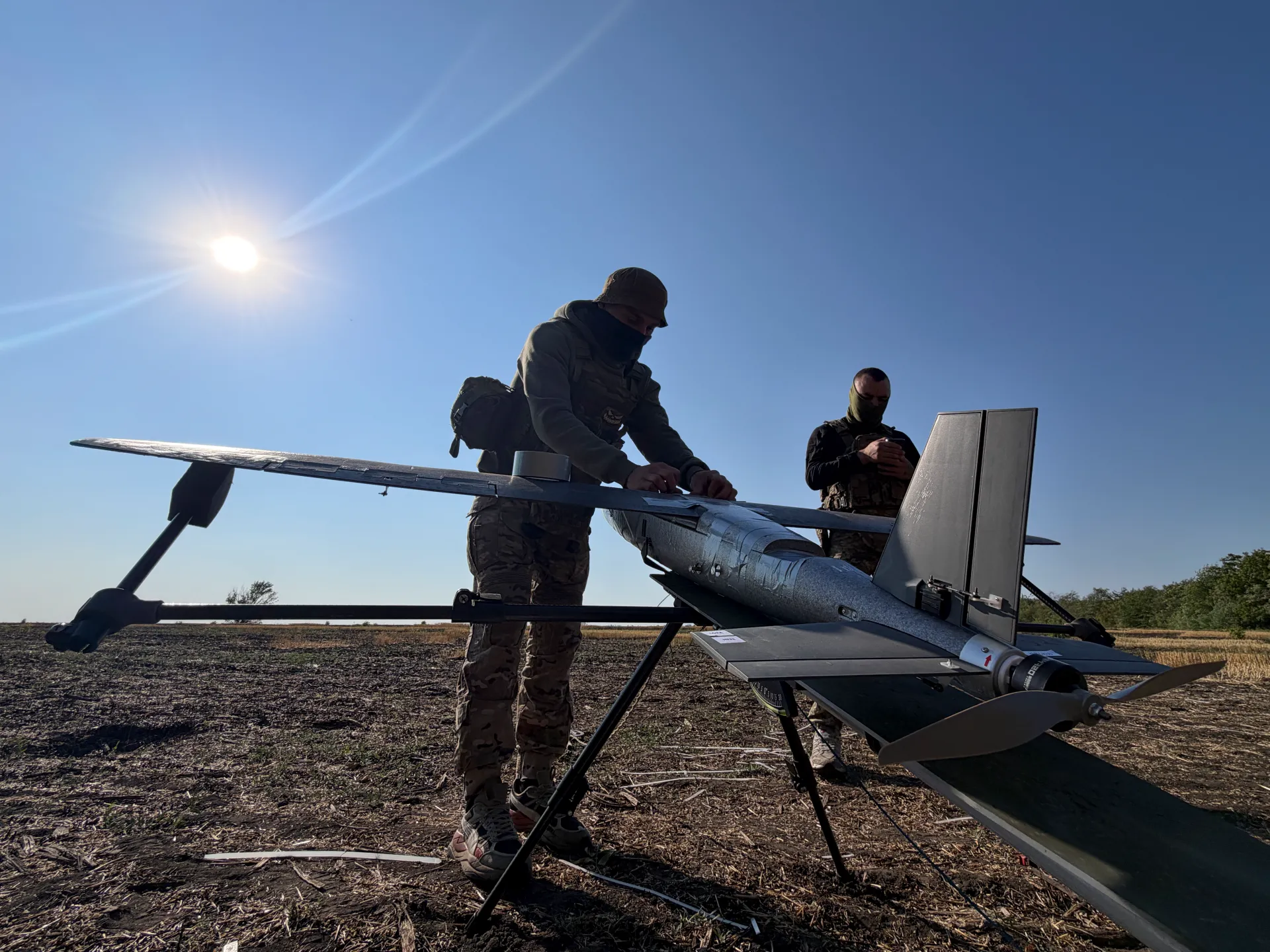
One of the most significant features of the current conflict is the central role of drones in sustaining military operations even during ceasefire periods. Ukraine’s military reported thousands of so called kamikaze drone deployments, while Russia simultaneously accused Ukraine of launching drone attacks into Russian territory.

Drone warfare fundamentally alters the nature of ceasefires because unmanned systems allow states to maintain pressure without large scale troop offensives. Drones can conduct reconnaissance, target infrastructure, disrupt logistics, and inflict psychological pressure while remaining below the threshold of full conventional escalation.

This creates a strategic grey zone where both sides can continue military activity while formally claiming commitment to ceasefire agreements. The low cost, flexibility, and deniability associated with drone operations make them especially attractive during periods of limited diplomatic engagement.

The widespread use of drones also reflects the broader transformation of modern warfare into a technologically driven conflict characterized by constant surveillance and persistent low intensity attacks. In this environment, the distinction between war and ceasefire becomes increasingly blurred.

The apparent breakdown of the ceasefire also highlights the growing limitations facing United States led diplomatic efforts. Although Washington remains deeply influential in shaping international negotiations surrounding the conflict, its ability to enforce compliance remains constrained.

Temporary ceasefires require more than political announcements. They depend on verification systems, mutual trust, enforcement mechanisms, and shared incentives for de escalation. None of these conditions currently exist at sufficient levels between Russia and Ukraine.

Moreover, both sides appear to view military pressure as essential to strengthening their negotiating positions. This creates a paradox where diplomacy and warfare occur simultaneously rather than sequentially. Ceasefires therefore become instruments for tactical adjustment rather than genuine pathways toward peace.

The involvement of the United States also introduces additional geopolitical dimensions. Russia continues to frame the conflict as part of a broader confrontation with Western influence, while Ukraine depends heavily on Western military and diplomatic support. These dynamics complicate efforts to establish neutral or mutually accepted mediation frameworks.

Humanitarian Consequences and Civilian Vulnerability

Despite diplomatic initiatives, civilians continue to bear the costs of ongoing violence. Reports of deaths and injuries across regions including Zaporizhzhia, Kherson, Kharkiv, Donetsk, and Mykolaiv demonstrate how even limited ceasefire violations can produce severe humanitarian consequences.

Modern conflicts increasingly expose civilian populations to continuous insecurity because fighting extends beyond conventional front lines. Drone strikes, missile attacks, and artillery exchanges create environments where daily life remains unstable regardless of official diplomatic announcements.

This persistent insecurity also produces long term social and psychological effects. Populations living under repeated cycles of ceasefire and renewed violence may gradually lose confidence in diplomatic processes altogether. Such conditions weaken public trust in negotiations and reinforce perceptions that military outcomes remain more decisive than political agreements.

The humanitarian dimension therefore remains central to understanding the broader implications of the war. Beyond territorial disputes and geopolitical competition, the conflict continues to reshape civilian life, displacement patterns, and regional stability across Eastern Europe.

The Strategic Logic Behind Continued Fighting

The continuation of battlefield clashes despite the ceasefire reflects rational strategic calculations by both parties. Neither Russia nor Ukraine wishes to allow the other side opportunities to regroup, reinforce positions, or gain battlefield advantage during temporary pauses.

For Russia, maintaining pressure along advancing sectors preserves momentum and signals military resolve. For Ukraine, continued resistance demonstrates operational resilience and prevents normalization of Russian territorial control.

This strategic logic makes limited violations almost inevitable in prolonged wars where military outcomes remain uncertain. Ceasefires become fragile because both sides fear that restraint could weaken their broader position in future negotiations or battlefield developments.

The situation also reflects how wars of attrition generate incentives for constant pressure rather than stable pauses. Each side seeks to exhaust the opponent economically, militarily, and psychologically over time.

Analysis

The reported ceasefire violations in Ukraine demonstrate the growing difficulty of achieving meaningful de escalation in modern high intensity conflicts. Temporary agreements may reduce some forms of violence, but they rarely address the deeper strategic, political, and technological dynamics sustaining prolonged warfare.

The Ukraine conflict illustrates several important realities shaping contemporary international security. First, ceasefires without comprehensive political frameworks remain highly unstable. Second, drone warfare and decentralized military technologies blur the distinction between peace and conflict. Third, diplomatic efforts increasingly coexist with ongoing military operations rather than replacing them.

The events also reveal the limits of external mediation in wars where core strategic objectives remain fundamentally incompatible. As long as both Russia and Ukraine continue viewing military pressure as essential to their long term goals, ceasefires are likely to function more as tactical interruptions than genuine transitions toward peace.

Ultimately, the fragility of the current ceasefire reflects a broader transformation in warfare itself. Modern conflicts are no longer defined solely by formal declarations of war or peace, but by continuous cycles of negotiation, limited escalation, technological warfare, and strategic uncertainty.

With information from Reuters.

Source link

From Ukraine to Taiwan: Drone warfare lessons meet Indo-Pacific reality

A C-230 Overkill (Striker)) one-way attack drone is on display during a press tour in Taichung, Taiwan, on Tuesday. Thunder Tiger Corp. is a Taiwanese company that designs and manufactures defense-oriented unmanned vehicles, including UAVs, unmanned surface vessels, underwater ROVs and all-terrain ground vehicles. Photo by Ritchie B. Tongo/EPA

April 23 (UPI) — As tensions simmer across the Taiwan Strait, Taiwan is quietly accelerating a shift toward drone-centric defense.

The nation is betting that swarms of low-cost, domestically produced systems can help offset the numerical and industrial advantages of China’s People’s Liberation Army Navy and its expanding network of maritime auxiliaries.

This approach reflects a broader recalibration in Taipei — a move away from expensive, vulnerable platforms toward distributed, resilient and scalable capabilities designed to complicate any attempt at invasion or blockade.

At its core lies a simple calculation. In a high-intensity Indo-Pacific conflict, quantity, adaptability and survivability may matter more than traditional firepower.

From platforms to swarms

Taiwan’s embrace of drones is rooted in the concept of asymmetric warfare. Rather than matching China ship-for-ship or missile-for-missile, Taipei is investing in systems that can be mass-produced, dispersed and rapidly replaced.

“It’s not really about ‘swarms’ yet — it’s about mass. Large volumes of drones used in salvos to overwhelm defenses and increase the probability of a successful strike,” said Molly Campbell, analyst at the Center for a New American Security in Washington, D.C.

Government plans call for the procurement of up to 200,000 drones over the coming decade, spanning aerial, maritime and hybrid platforms in what officials describe as a whole-of-society approach to resilience.

These include a broad mix of air (UAV), surface (USV) and underwater (UUV) drones, designed to operate in contested littoral environments.

The objective is clear: saturate defenses, disrupt amphibious operations and raise the cost of any Chinese military action.

“What Taiwan is trying to do is shift from heavy, high-end defense platforms to a more dispersed and resilient model,” Simona Alba Grano, a senior fellow at the Asia Society Policy Institute, told UPI.

In Taiwan’s case, where the goal is not to defeat China outright, but to make any invasion “extremely costly and uncertain,” such systems fit squarely within a broader denial strategy.

Lessons from Ukraine — with limits

Taiwan’s drone push has been influenced by Ukraine’s battlefield innovations, where low-cost unmanned systems have reshaped modern warfare.

Ukraine’s use of maritime drones in the Black Sea, striking high-value naval targets with relatively inexpensive systems, provides a compelling reference point. It has also highlighted the importance of rapid iteration, short development cycles and close integration between operators and industry.

Taiwanese companies have begun engaging with this ecosystem, supplying components and spare parts to Ukrainian operators and seeking to gain exposure to combat-driven innovation.

Yet, the analogy has limits.

The Taiwan Strait presents a far more demanding operational environment as it is wider, more exposed and subject to extreme weather conditions. Systems must operate over longer distances, carry heavier payloads and withstand harsher maritime conditions.

At the same time, Ukraine’s drone ecosystem is shaped by continuous battlefield validation, giving its manufacturers a level of operational credibility that remains difficult to replicate elsewhere.

Advances in unmanned systems, including long-range platforms and “mothership” concepts, also are eroding the Taiwan Strait’s traditional role as a natural buffer, increasing the tempo of gray-zone interactions.

Ukraine has demonstrated what is possible. Taiwan must now determine what is adaptable to its own operational environment.

Industrial ambition meets resistance

Taiwan’s challenge is no longer strategic clarity, but execution on the ground. The gap between planning and implementation, particularly in scaling capabilities and coordinating across agencies, now defines the island’s defense posture.

“Ukraine’s drone production is on a completely different scale. It’s nowhere near comparable to what Taiwan is currently able to produce, ” Campbell said.

Authorities have signaled openness to integrating foreign expertise, pursuing joint production and accelerating domestic manufacturing. Yet, progress has been uneven.

Industry insiders point to reluctance among local manufacturers to share market opportunities within a rapidly expanding defense budget. This has constrained collaboration both domestically and internationally, slowing efforts to build a more integrated ecosystem.

This dynamic is particularly visible in Taiwan’s interactions with Ukraine. Despite Kyiv’s operational experience and willingness to cooperate, Taiwanese firms have at times resisted incorporating Ukrainian know-how into their platforms, limiting co-development opportunities.

At the same time, Taiwanese companies have sought to market their own systems abroad, often with limited success in operationally mature environments. The result is a mismatch between industrial ambition and battlefield credibility in a highly competitive, experience-driven sector.

The fragmentation of Taiwan’s drone ecosystem comes at a critical moment, when speed, scale and integration are essential.

Cutting the China supply chain

Another pillar of Taiwan’s strategy is reducing reliance on Chinese components, long a structural vulnerability in the global drone industry.

“Taiwan is making a concerted effort to eliminate Chinese components from its drone supply chain to reduce dependence and mitigate security risks, said Ava Shen, an analyst at the Eurasia Group.

Taipei is working with international partners, particularly the United States, to develop a secure, China-free supply chain for unmanned systems. This effort is now backed by policy initiatives in Washington, where bipartisan legislation seeks to expand joint drone production and strengthen industrial resilience between the two partners.

The objective is not only to secure supply chains, but also to align production ecosystems in ways that enhance interoperability and long-term sustainability.

However, decoupling comes with trade-offs. Eliminating Chinese components increases production costs, extends timelines and complicates scaling. These constraints risk slowing deployment at a moment when speed is critical.

Meanwhile, China continues to expand its own unmanned capabilities, including drone swarms, electronic warfare systems and the conversion of legacy platforms into remotely operated assets. The scale of its industrial base and the integration of civilian and military sectors present a formidable challenge.

If Taiwan’s approach emphasizes agility and innovation, China’s rests on mass, coordination and systemic depth.

Southeast Asia as regional test bed

Beyond Taiwan, Southeast Asia, particularly along the South China Sea littoral, is emerging as a practical testing ground for unmanned systems.

The United States has expanded drone support to regional partners, providing intelligence, surveillance and reconnaissance platforms such as the ScanEagle, RQ-20 Puma and Skydio X10 UAVs to countries including the Philippines, Vietnam, Malaysia and Indonesia. These systems are primarily used to enhance maritime awareness in contested areas.

The Philippines, under sustained pressure from Beijing, has become a focal point. The United States has deployed MQ-9A Reaper for extended surveillance missions and introduced maritime drones, such as the Devil Ray T-38.

Together, these deployments are turning parts of Southeast Asia into a real-world environment for testing unmanned concepts short of conflict, particularly in maritime surveillance and denial.

China has also deployed uncrewed surface vehicles such as the Sea Wing and Wave Glider types, many of which have been lost or recovered by fishermen and coast guards, in the South China Sea as well as in the Java Sea, highlighting both the spread and the fragility of these systems in contested waters.

Deterrence, escalation and uncertainty

Drones offer Taiwan a pathway to strengthen deterrence by denial, increasing the cost, complexity and uncertainty of any military action. But they also introduce new risks.

The proliferation of low-cost systems may lower the threshold for escalation, especially in ambiguous encounters involving coast guard or maritime militia vessels. What begins as signaling or harassment could escalate more rapidly in an environment saturated with autonomous or semi-autonomous platforms.

Moreover, drone networks depend heavily on communications, data links and supply chains – all of which are vulnerable to disruption through cyber operations or electronic warfare.

Race against time

For Taiwan, the shift toward drone-centric defense is both an opportunity and a race against time.

Drones offer a scalable and cost-effective means of offsetting China’s advantages. But success depends on overcoming internal fragmentation, accelerating production and adapting technologies to local operational realities.

The central question is no longer whether drones will shape the balance in the Taiwan Strait, but whether Taiwan can scale and integrate them fast enough to make deterrence credible.

As China continues to refine its own capabilities, the balance in the Strait may increasingly hinge on a simple but decisive factor: which side can deploy, adapt and sustain unmanned systems at scale.

Source link

From dropping bombs to pressuring banks: U.S. pivots to economic warfare on Iran

If the U.S. and Iran aren’t able to soon come to a deal to end the war or extend the ceasefire that expires next week, the Trump administration is setting the stage to shift its war campaign toward a more economic-focused effort aimed at choking Tehran into submission rather than relying on bombs alone.

Treasury Secretary Scott Bessent told reporters at a White House briefing Wednesday that the U.S. plans to ramp up economic pain on Iran, and said the new moves will be the “financial equivalent” of a bombing campaign.

The threat of secondary economic sanctions on countries doing business with people, firms, and ships under Iranian control — including allies like the United Arab Emirates and competitors like China — represents an escalation of sanctions that the U.S. is already employing.

Bessent said the administration has “told companies, we have told countries that if you are buying Iranian oil, that if Iranian money is sitting in your banks, we are now willing to apply secondary sanctions, which is a very stern measure. And the Iranians should know that this is going to be the financial equivalent of what we saw in the kinetic activities.”

Treasury Department warns China, Hong Kong, the UAE and Oman

The warning comes the day after the Treasury Department sent a letter to financial institutions in China, Hong Kong, the UAE, and Oman, threatening to levy secondary sanctions for doing business with Iran, and accusing those countries of allowing Iranian illicit activities to flow through their financial institutions.

It’s part of an economic playbook that President Trump still can use to pressure Iran to accept U.S. proposals to limit its nuclear ambitions, a person familiar with the administration’s thinking told the Associated Press. The person spoke on the condition of anonymity because they were not authorized to discuss private discussions on the record.

Privately, the argument being made to Trump is that the Iranians think they can weather the storm — but if they cannot pay their loyalists, that could pressure Iran to the table.

And some in the administration believe there are still more economic targets that can be hit that would put the economic hurt on Iran, including bonyads, the charitable trusts that account for a significant percentage of the Iranian economy.

Bessent told reporters that two Chinese banks have received warnings about handling Iranian money. Trump is preparing to visit Beijing next month for talks with Chinese President Xi Jinping.

Bessent also said that Iran’s Gulf neighbors are now willing to look at freezing Iranian money in their banks because of Iran’s aggression during the war.

Daniel Pickard, a sanctions attorney, said imposing secondary sanctions could result in “diplomatic and economic blowback” from allies that could hurt efforts to build coalitions against Tehran.

“A lot of our trading partners have been outspoken in regard to their opposition to the conflict in Iran,” Pickard said. “Most economic sanctions professionals would agree that when you get more people on the team, the chances of your economic sanctions being effective are greater.”

On Wednesday, the U.S. imposed sanctions on an oil smuggling network connected to the deceased senior Iranian security official Ali Shamkhani, who was a close advisor to the former Supreme Leader of Iran. Sanctions include dozens of individuals, companies, and vessels involved in secretly transporting and selling Iranian and Russian oil through front companies, many of which are in the UAE.

“Treasury will continue to cut off Iran’s illicit smuggling and terror proxy networks,” Bessent said in a statement. “Financial institutions should be on notice that Treasury will leverage all tools and authorities, including secondary sanctions, against those that continue to support Tehran’s terrorist activities.

The administration believes the momentum has shifted

Trump administration officials have also signaled growing confidence that the ceasefire and a blockade of shipments from Iranian ports in the Strait of Hormuz have shifted momentum in Trump’s favor.

Iran has endured tens of billions of dollars in damage during the bombardment to the country’s infrastructure — including setbacks to its oil industry, the heart of its fragile and long-isolated economy — that could take years to repair.

Vice President JD Vance on Tuesday said Trump “doesn’t want to make, like, a small deal. He wants to make the grand bargain.”

“That’s the trade that he’s offering,” Vance said. “If you guys commit to not having a nuclear weapon, we are going to make Iran thrive.”

The president’s deputy chief of staff, Stephen Miller, offered a more caustic assessment of the moment, suggesting that Trump had “played the checkmate move” on Iran by implementing the blockage in the strait.

“If Iran chooses the path of a deal that’s great for the world, that’s great for everybody. If Iran chooses the path of economic strangulation by blockade, then the world will pass Iran by,” Miller said in a Fox News appearance Tuesday evening. “New energy routes will be established. New supply chains will be established. Other nations throughout the region — throughout the world, and especially America — will power the world and Iran will become a footnote.”

Some Republicans are skeptical that more sanctions will work

Some Republicans believe that any tactic to exert more pressure on Tehran is worth trying.

“I would support anything,” said Sen. Thom Tillis (R-N.C.). “If the administration came up with the ideas, I would support all of the above. More pressure, the better.”

Others were skeptical, noting that Tehran was already facing a litany of economic penalties that had little impact on its behavior.

“I’m not sure if it’s sanctions that’ll do it. I think we’re putting some pretty heavy sanctions on right now,” said Sen. Mike Rounds (R-S.D.), a member of the Banking and Armed Services Committees. “I personally am just not optimistic that we actually can fix this thing without a regime change.”

Trita Parsi, executive vice president of the Quincy Institute, a think tank that has been critical of Trump’s decision to launch the war, says that Trump had been “politically cornered and strategically constrained” before he announced the ceasefire. But now, Parsi argues, Trump may have altered the difficult dynamic and created a situation where “Iran now appears to need an agreement more than the United States does.”

“The window now open offers Tehran a chance to convert battlefield leverage into lasting strategic gain,” Parsi wrote in a new analysis. “To let it close would mean forfeiting not just incremental progress, but the possibility of reshaping its economic and geopolitical position. By contrast, the United States, having already secured a tenuous exit ramp through the ceasefire, has less at stake in the short term.”

Hussein, Madhani, Weissert and Kim write for the Associated Press.

Source link