War in Iran

Arab News | US House recess delays vote on Hegseth impeachment over Iran war

DUBAI: The US House of Representatives has gone into an early recess without voting on a Republican lawmaker’s bid to impeach Defense Secretary Pete Hegseth over the US’ war on Iran.

House Speaker Mike Johnson sent lawmakers home on Wednesday, ending the chamber’s scheduled business a day early and delaying action on a resolution by Republican Rep. Thomas Massie that accuses Hegseth of conducting military operations against Iran without congressional authorization.

The move comes as President Donald Trump said on Wednesday that the seven-month war on Iran was “hopefully” nearing its end and that Tehran wanted to reach a deal.

Trump is also expected to meet GCC leaders on the sidelines of the UN General Assembly in New York, with discussions expected to include the conflict and its aftermath.

Massie, a Kentucky Republican and longtime critic of the administration’s Iran policy, introduced eight articles of impeachment against Hegseth on Tuesday. 

He accused the defense secretary of violating the War Powers Resolution by continuing hostilities against Iran without congressional authorization, as well as other alleged abuses of power related to US military operations.

Massie had sought to force a vote in the House within two legislative days. His resolution was therefore left pending after Johnson ended the House’s session early.

Massie condemned the decision, accusing Johnson of avoiding a debate over the US military campaign.

“I’m trying to stop a war,” Massie said from the House floor on Wednesday, while criticizing the speaker for sending lawmakers home.

Johnson defended the House’s record and dismissed Massie’s impeachment effort as a “stunt,” saying the chamber had completed its legislative work.

The early recess also comes after the House voted this week on a separate war powers measure concerning the Iran conflict, with several Republicans joining Democrats in backing efforts to rein in the administration’s military authority.

The House is now expected to return after the November midterm elections, leaving Massie’s impeachment resolution and other pending legislation unresolved.

– With AP

Source link

Arab News | US House votes for a third time to end the Iran war as conflict drags on

WASHINGTON: For a third time, the US House has voted to end the war in Iran, approving a war powers resolution that would halt President Donald Trump’s ability to continue military action without congressional approval.

The roll call late Tuesday, 220-204, was similar to earlier efforts this summer, with a few more Republicans joining all Democrats voting to bring an end to the conflict. None of the resolutions have made it to the president’s desk, where Trump would almost certainly veto the measure.

“Remember when Donald Trump said that this war would last just a few weeks?” said Rep. Seth Moulton, D-Mass., who served as a Marine during the Iraq War and pushed the resolution forward.

He said it’s time for Congress to “actually ask tough questions, as the Constitution directs us to do, rather than be subservient to another warmongering administration.”

Republican Rep. Brian Mast of Florida, the chairman of the House Foreign Affairs Committee, questioned which military resources Democrats would want to remove from the region where he said Iran remains a threat.

Mast said Trump is against “forever wars, and that is what he is ending” — the decades of hostilities from Iran.

“They are a continuous ongoing threat to the United States,” Mast said. “Enough is enough.”

Last war powers vote before the midterms

The action is likely the last House vote on the Iran war ahead of the midterm elections, where the conflict overseas is playing a substantial role in the political campaigns. The war that Trump launched Feb. 28 has dragged, with on-again, off-again deadly missile strikes being exchanged and causing havoc in the region for nearly seven months.

Lawmakers are heading home at the end of the week to campaign nearly full-time, with less than 50 days to go before the elections that will determine control of Congress as Democrats try to wrest power from Republicans.

Voters are confronting high prices, particularly for gas at the pumps, as the conflict disrupts the flow of oil resources through the vital Strait of Hormuz.

The Congressional Budget Office said Tuesday that the war has cost more than $38 billion, as of Aug. 1, and is projected to be costing between $2 billion and $3 billion monthly, depending on the intensity of the fighting. The budget office projected inflation will be 0.5 percentage points higher than expected heading into 2027 due to the war.

Trump himself had promised not to involve the U.S. in foreign wars when he won a second term in the White House, and his actions against Iran are weighing on the Republican Party that controls the House and Senate. Most Americans say the war in Iran has not been worth fighting, according to an AP-NORC poll in July.

In the previous House actions, four Republicans voted to halt the war in Iran, but that number rose to seven in Tuesday’s war powers vote, including GOP lawmakers from battleground Iowa, Rep. Zachary Nunn and Rep. Mariannette Miller-Meeks, and retiring Rep. Nancy Mace of South Carolina.

They joined GOP Reps. Tom Barrett of Michigan, Warren Davidson of Ohio, Brian Fitzpatrick of Pennsylvania and Rep. Thomas Massie of Kentucky voting in favor of the war powers resolution, with all Democrats.

War powers being put to the test

Congress has tried repeatedly to alter the trajectory of the war against Iran, but efforts to limit the Trump administration’s military action remain a longshot so long as the president is able to fend off or veto the measures.

The House first approved a war powers resolution in June, and followed up with another one in July, all seeking to halt U.S. action in Iran. The Senate on its 10th try also approved a war powers resolution to end the conflict, but GOP senators quickly reversed course the next day after Trump berated them during a closed-door lunch.

While the Constitution gives Congress the authority to declare war, it also gives the president authority as the commander in chief to engage in some military actions. The War Powers Act, created in the aftermath of the Vietnam conflict, sought to put a more specific time limit on the president’s power, requiring congressional approval for sustained military actions after 60 or 90 days.

House Speaker Mike Johnson acknowledged at a press conference Tuesday the need to bring gas prices down.

But the Republican speaker said he believes the Iran conflict is entering a “new phase” as allies step up to help stabilize the region. When that happens, he said, “you’re going to see, as the president said, anytime gas prices will go down again, the cost of groceries will as well.”

Johnson said Trump expects the shift after the election, and the speaker added, “I’d love it to happen today.”

Source link

Arab News | Iran war cost hits $38 billion, forecast to rise $3 billion a month, CBO says

WASHINGTON: The six-month-old US war against Iran has cost $38 billion so far and that amount is projected to rise by $3 billion a month, Congress’ nonpartisan bookkeeper reported on Tuesday, as the Trump administration searches for ways to end the conflict and reopen the vital Strait of Hormuz.

The war is expected to increase inflation by 0.5 percent in the first three months of 2027, according to the Congressional Budget Office accounting, which totaled expenses through August 1.

The mounting costs have strained US munitions stockpiles and driven up energy prices, raising concerns about the country’s ability to respond to other potential conflicts and adding pressure on an already stretched federal budget.

The cost was close to the $37.5 billion that Defense Secretary Pete ‌Hegseth reported at ‌a Senate hearing on July 21.

The budget office said the majority ‌of ⁠the costs stem ⁠from the rapid drawdown of munitions, estimating that it could take five years to replenish US stockpiles. Reuters reported in August that the US had used “virtually all” of its long-range precision missiles during the war.

The Department of Defense did not cooperate with congressional financial auditors, CBO reported.

Representatives from the White House and Department of Defense did not immediately respond to requests for comment.

The inquiry was conducted at the request of the top Democrat on the US House of Representatives Budget Committee, Brendan Boyle of Pennsylvania.

“Donald Trump’s disastrous war in Iran ⁠has already taken the lives of brave American servicemembers and left others ‌wounded,” Boyle said in a statement.

“Beyond that human toll, this ‌nonpartisan CBO report makes clear that the war has also cost American taxpayers tens of billions of dollars and counting, ‌while continuing to drive up costs.”

Eighteen US military service members have died in the Iran war.

The ‌report did not include costs of recent strikes on commercial vessels in the Strait of Hormuz and attacks on US military installations in the region. It also did not factor in the borrowing expenses associated with financing the war, which could add tens of billions of dollars to the total cost.

IMPACT ON US READINESS

The CBO accounting ‌found the war could have sprawling consequences for the US defense posture and the domestic economy.

The deficit in critical munitions, including missile interceptors, risks hampering the ⁠Pentagon’s response in ⁠the event of another major conflict, such as potential hostilities involving China and Taiwan, CBO said.

At the July hearing in the Senate, Hegseth pleaded for nearly $90 billion emergency funding legislation to restock munitions supplies.

“Without these funds, we face critical shortfalls,” Hegseth said.

Energy shocks caused by attacks in the Strait of Hormuz — the narrow waterway through which roughly 20 percent of the world’s oil traveled before the war — and on energy facilities in neighboring Gulf countries have sharply increased prices for consumers and global producers.

The rising cost of the war also threatens to weigh on deteriorating US fiscal health. The nation’s total public debt surpassed $40 trillion in August.

Trump regularly contrasts the Iran war with the US invasions of Iraq and Afghanistan that followed the September 11, 2001, attacks.

The eight-year US war in Iraq, which involved more than 100,000 ground troops at its peak, cost $2 trillion, Reuters reported. The two-decade-long US conflict in Afghanistan, which also involved more than 100,000 troops at its most intense, cost $2.3 trillion, according to Brown University’s Costs of War project.

Source link

Arab News | Iraq eyes Europe as it seeks to diversify oil exports: PM

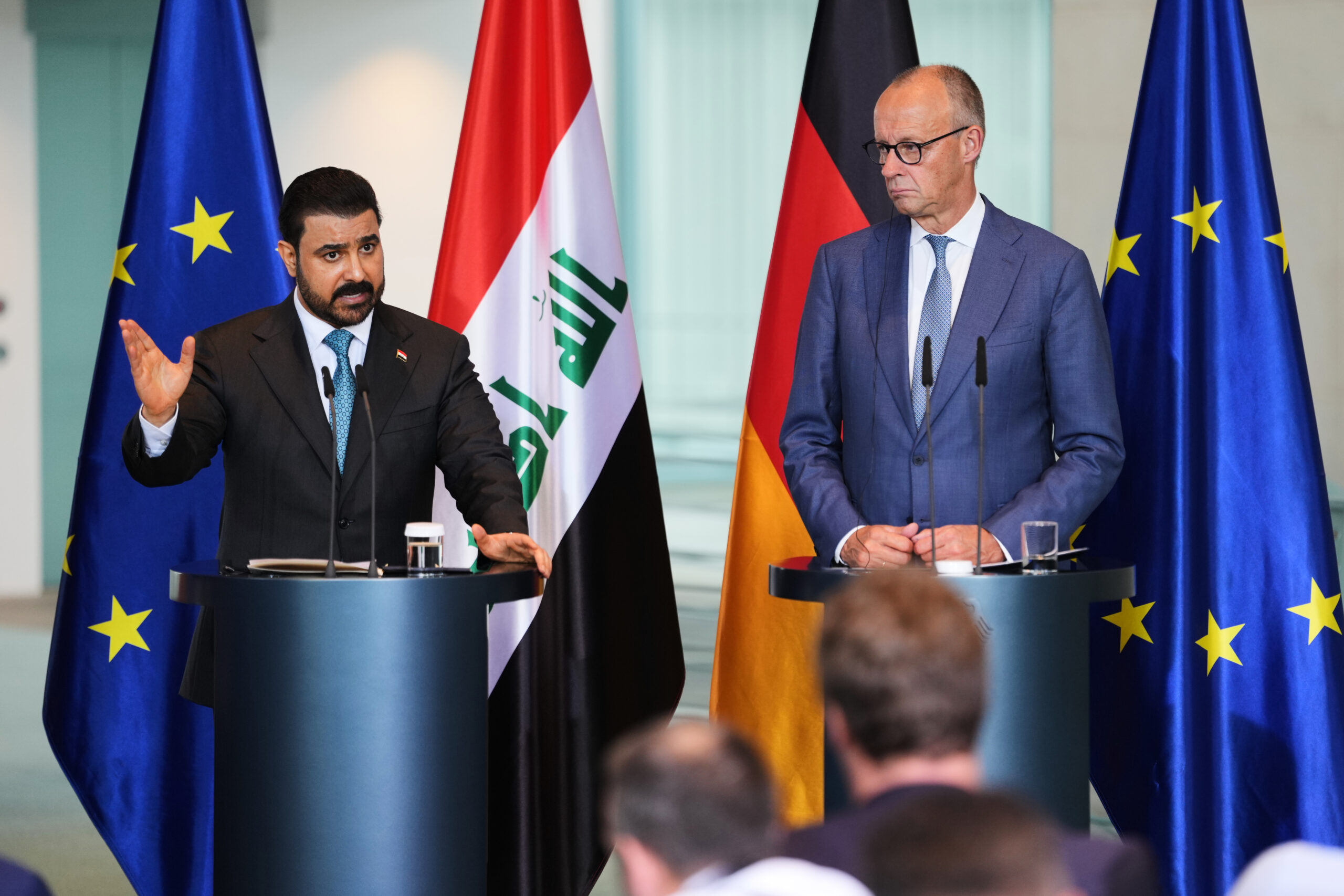
BERLIN: Iraqi Prime Minister Ali al-Zaidi said on Tuesday that he discussed selling oil to Europe during visits to France and Germany, as Baghdad seeks to diversify its export routes and reduce its reliance on the Strait of Hormuz.

During a press conference with German Chancellor Friedrich Merz in Berlin, Zaidi said “we want to expand and diversify our export routes”.

He added that “Iraq cannot remain hostage to a single corridor” as recent events have demonstrated, referring to the Strait of Hormuz, which has been blockaded by Iran during the Middle East war.

Zaidi said that he had discussed oil exports to Europe with Merz and French President Emmanuel Macron, whom he met in Paris on Monday.

Crude oil sales account for nearly 90 percent of Iraq’s revenue but its exports have been hurt by the outbreak of the Middle East war between Iran and the United States.

Before the war began in February, Iraq produced around four million barrels per day, and exported an average of 3.4 million bpd, mostly via Hormuz.

Most of its oil exports go to East Asia, with China and India its largest buyers.

Due to the disruption, Iraq began exporting crude using tanker trucks through Syria, as well as through a pipeline to the Turkish port of Ceyhan, although these routes can handle only a fraction of its usual sea-bound trade.

Zaidi said that Baghdad could “double its oil exports through the Mediterranean” to supply markets in Europe and the United States.

Zaidi, who hopes to increase Iraq’s oil production to 10 million barrels per day, said that “a large share, or nearly half, can go to European countries and the West”.

He said that Iraq and Germany were expected to reach “an understanding on the export of crude oil” while Baghdad would purchase German technology and equipment.

Merz said that the main focus for Iraqi-German cooperation is the economy.

“Many German companies are now active in Iraq. They are developing new solutions, for example for energy supply,” he said, adding that “the best example is an agreement on Iraq’s electricity supply, which we will sign today”.

Merz also expressed his concerns after Yemen’s Houthis cemented their control over the Bab al-Mandab waterway at the entrance to the Red Sea, a vital route for Saudi oil exports.

“This further exacerbates the situation on the energy markets, and also affects Germany,” he said.


Source link

Arab News | Somalis rethink trade routes as Houthis disrupt established shipping channels

MOGADISHU, Somalia: Somalia’s business community is seeking alternative shipping routes due to disruptions and security concerns around the Bab Al-Mandab Strait and the Strait of Hormuz after Iran-backed Houthis captured a key port city and an island, sending thousands of Yemenis fleeing to neighboring Djibouti.

Companies have traditionally imported goods from Asia through Gulf countries, such as the United Arab Emirates, Oman, and Saudi Arabia. Now, some are trying a more direct approach.

“The latest tensions in the Bab Al-Mandab Strait, as well as those in the Strait of Hormuz, have negatively impacted us,” said Mohamed Ali Nur, director of Mogadishu Seaport. “But we have also taken measures to avoid that disruption.”

Nur said his port has worked with exporters to find alternative routes.

“For the first time, we brought a ship carrying sugar directly from Sri Lanka,” Nur said. “This could be a strategy we developed because of these tensions.”

Yemen’s internationally recognized government and Saudi Arabia have been battling the Houthis for 12 years.

The recent escalation has ended a ceasefire that had largely stopped civil war across Yemen since 2022.

Now the number of people from Yemen fleeing the fighting is soaring.

On Sunday, the International Organization for Migration said over 85,000 people have been displaced since the beginning of the month. More than 2,000 people have reached Djibouti, which neighbors Somalia, the agency said.

At Mogadishu’s busy seaport, cargo ships continue to unload food and other commodities. Somalia is particularly dependent on maritime trade for many of the goods its people use every day.

For ordinary Somali consumers, changes in shipping routes can eventually be felt in the markets, where imported food and other goods are sold. Longer or more complicated journeys can mean higher transportation costs and delays in getting products onto store shelves.

Capt Ali Jemdi, who is originally from Syria and ships cargoes of sugar, said uncertainty in the region is already creating concerns for ships operating along the routes.

“There is some trouble over there because of the war,” he told The Associated Press, referring to the Arabian Gulf and surrounding waters. “The Bab al-Mandab may also have some issues for the vessel.”

He said the instability could make maritime transportation and trade more difficult.


Source link

Arab News | Saudi Arabia, UAE call for united Gulf stance amid regional escalation

RIYADH: Saudi Arabia and the UAE stressed the need for closer coordination and a united Gulf position as they discussed efforts to contain escalating tensions across the region on Sunday.

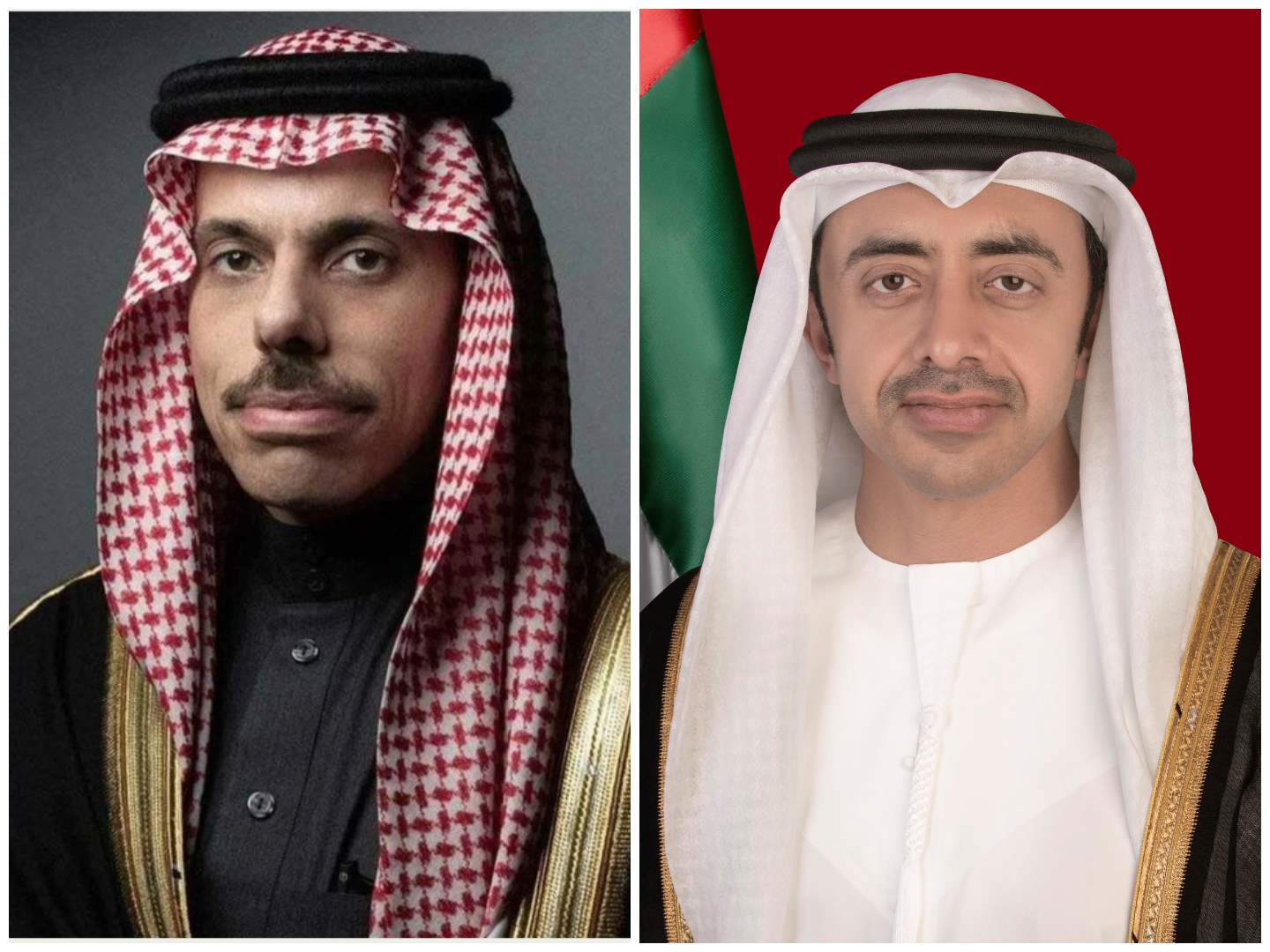
During a phone call, Saudi Foreign Minister Prince Faisal bin Farhan discussed rapidly evolving regional developments and efforts to prevent further escalation with Sheikh Abdullah bin Zayed Al-Nahyan, the UAE’s deputy prime minister and foreign minister.

The ministers stressed on the need to align positions and strength consultations between Riyadh and Abu Dhabi to support joint Gulf action and safeguard the security and resources of GCC states.

The call comes amid renewed attacks on Gulf states, including recent Houthi strikes targeting civilian and economic sites in southern Saudi Arabia.

Prince Faisal earlier on Sunday told the BRICS summit in New Delhi that Saudi Arabia’s national security, territorial integrity and resources were “non-negotiable,” warning that GCC states would not tolerate attacks on their territories, facilities or vital interests.

He also called for a shift away from confrontation toward de-escalation and diplomatic efforts, arguing that lasting regional security depended on respect for sovereignty, non-interference and good-neighbourly relations.

Source link

Arab News | Gulf of Oman oil spill doubles in size

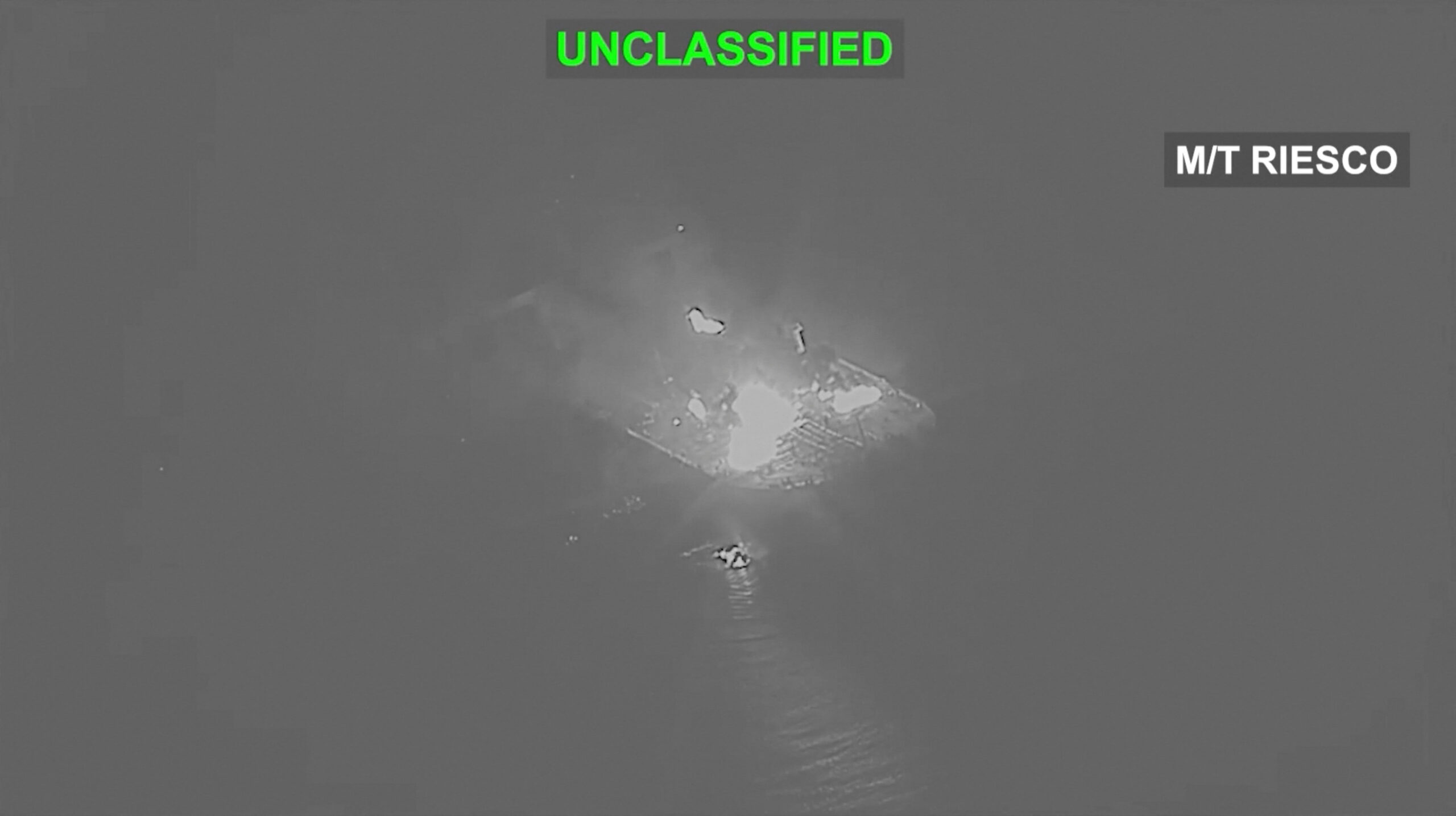
A large-scale oil spill, believed to be from a tanker struck by the US military, doubled in size between Wednesday and Thursday, endangering two protected areas off Oman and Iran, said Nina Noelle of Greenpeace Germany.

The tanker RIESCO was one of four attacked Tuesday in the Gulf of Oman. A fifth was destroyed in the Strait of Hormuz off Iran’s Kharg island.

The visible area of pollution measured about 400 square kilometers (154 square miles) on Thursday, Noelle said. Satellite images reviewed by The Associated Press showed the spill stretching almost 70 kilometers (43 miles) long.

The spill is located between the Musandam protected area on the Omani side, which includes one of the region’s most important seabird breeding islands.

On the Iranian side is the Hara-e Roud-e Gaz Protected Area in Hormozgan province that includes mangrove forests.

“The current situation in the Strait of Hormuz, together with our experience of oil spills since the beginning of the war, unfortunately suggests that an effective response is unlikely,” Noelle said.


Source link

Arab News | US military says 100 ships redirected in past 2 months of Iran blockade

WASHINGTON: The US military said Saturday that it has pushed back 100 commercial vessels in the past 60 days under its blockade of Iranian ports.

“ZERO ships have passed through the blockade without US forces allowing. American service members remain laser focused on this mission,” US Central Command said on X.

Iran blocked the strategic Strait of Hormuz after the US and Israel launched attacks on Tehran in late February.

In response, the United States has sought to prevent ships from traveling to and from Iranian ports to deprive Tehran of revenue.


Source link

Arab News | US forces 99 vessels to alter course amid Iran blockade

The US military has forced 99 commercial vessels to change course in the Gulf region as it enforces its blockade of Iranian ports, the US Central Command (CENTCOM) said Friday in a social media post.

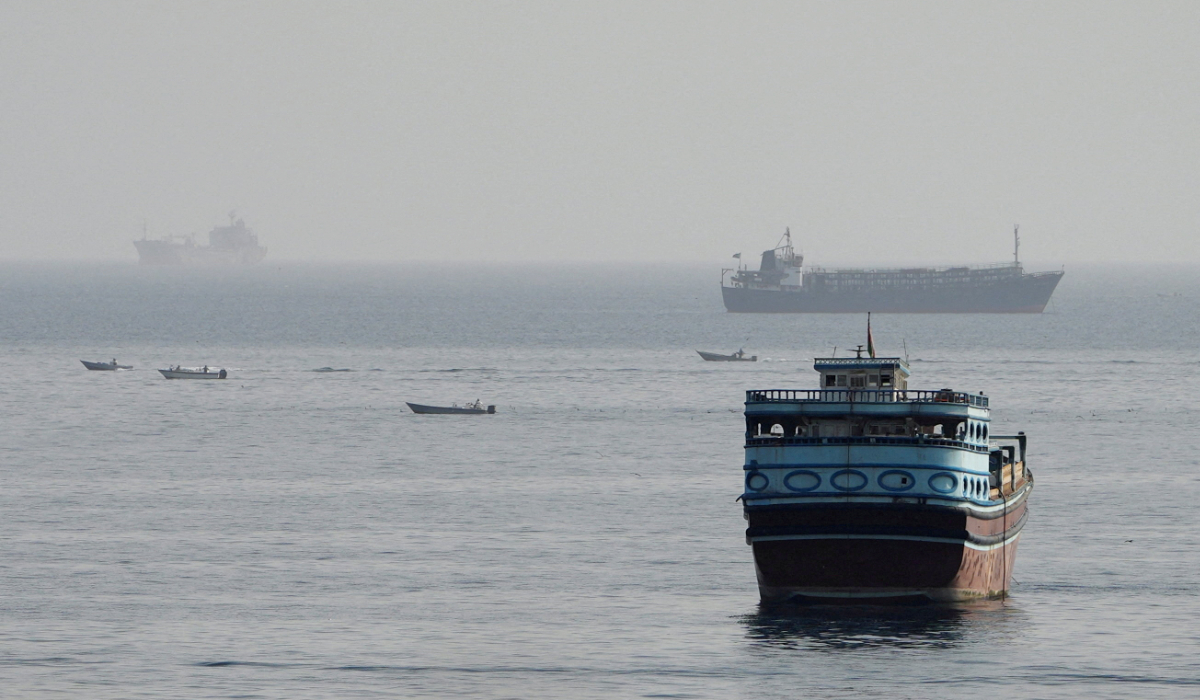
Earlier the day, Iranian Foreign Ministry spokesman Esmaeil Baghaei said that foreign ministers from Gulf littoral states are scheduled to meet in Oman on Monday to exchange views on regional issues, including talks between Iran and Oman on designating safe routes in the Strait of Hormuz.

He said the meeting will be attended by Iran, Iraq and other Gulf littoral states, adding that he hoped it would prepare the ground for improving understanding among regional countries and contributing to joint regional security.

A day earlier, the US-led Joint Maritime Information Center (JMIC) said in a notice that maritime security conditions in the Middle East remained tense, with the maritime security threat level in the Strait of Hormuz still rated as “severe.”

The notice also warned of a high likelihood of attacks on vessels amid the current security situation.


Source link

Arab News | Gulf, Muslim organizations rally behind Saudi Arabia after pipeline attack

RIYADH: Gulf and Muslim organizations on Saturday condemned a drone attack on Saudi Arabia’s East-West oil pipeline, expressing solidarity with the Kingdom and warning that the strikes represented a dangerous escalation threatening regional security and vital infrastructure.

The Gulf Cooperation Council (GCC), Muslim World League (MWL), Organization of Islamic Cooperation (OIC), Qatar and Bahrain issued statements early Saturday after several drones originating from Iraqi territory targeted the pipeline in the Riyadh and Madinah regions, causing injuries and material damage.

GCC Secretary-General Jasem Mohamed Albudaiwi condemned the attack “in the strongest terms,” describing it as “a dangerous escalation and an unacceptable threat” to Saudi Arabia’s security, territorial integrity and vital installations. He said the attack was also a “flagrant violation” of international law.

Albudaiwi reiterated the GCC’s categorical rejection of actions targeting Saudi Arabia’s security, stability and national assets. He called on the Iraqi government to intensify its efforts and take “necessary, decisive measures” to prevent its territory from being used as a launchpad for attacks, stop such operations and deter their recurrence.

He reaffirmed the GCC’s “complete and steadfast solidarity” with Saudi Arabia and its support for measures the Kingdom takes to protect its security, sovereignty, facilities, citizens and residents.

Qatar likewise condemned the attack “in the strongest terms,” saying the targeting of civilian and economic facilities was a “flagrant violation of international law” and a dangerous escalation that could undermine regional security and stability.

Qatar’s Foreign Ministry commended what it described as Saudi Arabia’s responsible approach in supporting the Iraqi government’s efforts to prevent its territory from being used to launch attacks against Saudi Arabia and neighboring countries. It expressed full solidarity with the Kingdom and support for measures to protect its sovereignty, security and facilities.

Bahrain’s Foreign Ministry also strongly condemned the attack, describing it as a flagrant violation of international law, the UN Charter and the principles of good neighborliness. It said the targeting of vital civilian facilities threatened the security of energy supplies.

Bahrain affirmed its full solidarity with Saudi Arabia, stressing that the Kingdom’s security and stability were “an integral part” of Bahrain’s own security and stability. It also recognized Saudi Arabia’s right to take all necessary measures under international law to protect its sovereignty, security, facilities, citizens and residents, and expressed wishes for a speedy recovery for those injured.

The Bahraini ministry called for preventing the territory of any country from being used as a launching pad for attacks against neighboring states. It voiced support for Iraq’s efforts to prevent a recurrence and urged the international community to assume its responsibilities in confronting attacks aimed at harming energy security and destabilizing regional security and stability.

The map illustrates alternative long-term routes for exporting Gulf crude oil, bypassing the Strait of Hormuz, highlighting existing, planned, and under-discussion pipelines across the Middle East, including Saudi Arabia, UAE, Iraq, and Syria.

The Muslim World League also strongly condemned the strikes. Its secretary-general, Sheikh Mohammed bin Abdulkarim Al-Issa, described the attacks as “treacherous criminal attacks” that violate religious values, laws, international norms and humanitarian principles.

Al-Issa said the league, its bodies and global councils, as well as Muslims under its umbrella, stood in full solidarity with Saudi Arabia in measures taken to deter the attackers, preserve its security and sovereignty, and protect citizens and residents.

The OIC also strongly condemned the attack, Al-Ekhbariyah said in a post on X.

Temporary shutdown

The Saudi Energy Ministry said Friday that the pipeline had been temporarily shut down as a precaution after multiple attacks Thursday morning. Several people were injured and received medical treatment, while emergency and specialized technical teams were deployed to secure the pipeline and assess its condition.

The Saudi Foreign Ministry said the drones were launched from Iraq and that Riyadh had decided not to retaliate at this stage following a request from Iraqi Prime Minister Ali Al-Zaidi.

Saudi Arabia said it would give the Iraqi government an opportunity to take the necessary measures to prevent attacks launched from Iraqi territory against the Kingdom and neighboring countries, while reserving the right to take all measures necessary to protect its sovereignty, security, facilities, citizens and residents.

Iraq condemned attacks threatening Saudi security and stability and ordered an urgent investigation into the militia responsible and parties supporting it. Baghdad said its territory and airspace would not be allowed to serve as a launchpad for attacks against any country.

The pipeline shutdown comes as the East-West route has assumed greater importance amid the wider regional conflict and threats to shipping through the Strait of Hormuz. The roughly 1,200-kilometer pipeline carries Saudi crude from fields in the Kingdom’s east to the Red Sea port of Yanbu, providing an alternative route that bypasses Hormuz.

The attack also followed a series of strikes by Iran-backed Houthi forces in Yemen against Saudi civilian and energy infrastructure. Earlier in the week, attacks targeted Abha, Khamis Mushait, Jazan and Najran, causing fires at oil facilities and temporarily disrupting some operations, according to the Saudi Energy Ministry. Those attacks wounded 73 civilians, including women and children.

The latest pipeline attack has heightened concerns over the security of Saudi Arabia’s energy infrastructure at a time when regional hostilities are threatening multiple routes for Gulf oil exports.

Source link

Arab News | ‘That’s why we fight’: Trump links 9/11 to Iran conflict

WASHINGTON: President Donald Trump vowed Friday that the United States would never forget the September 11, 2001 attacks and suggested the country was continuing the “war on terror” 25 years later by fighting Iran.

Speaking at the Pentagon after skipping the main 9/11 commemorations in New York, Republican Trump also hit out at domestic “fanatics” in an apparent swipe at Democrats.

“Today we renew the sacred oath that we first swore in their names a quarter of a century ago. We will never, ever forget. That’s why we fight today,” Trump said in a speech.

“We don’t have a choice. There can only be victory. We fight hard. We fight to win,” added the president, who was accompanied by First Lady Melania Trump.

One of the jets hijacked on 9/11 hit the Pentagon in Washington, killing 184 people who were remembered by a single bell tolling as their names were read out.

But presidents have previously marked major anniversaries by attending several sites including New York, where the majority of the 2,977 victims were killed in the attacks on the World Trade Center.

Trump went on to link the fight against Al-Qaeda launched by his Republican predecessor George W. Bush to the US-Israeli war on Iran which is now in its seventh month.

“Today we salute every member of the United States military who served in the ‘War on Terror.’ It is a war on sick, horrible terror,” Trump said.

“And we salute the service members working right now to ensure the world’s number one sponsor of terror, the Islamic Republic of Iran, will never ever have a nuclear weapon.”

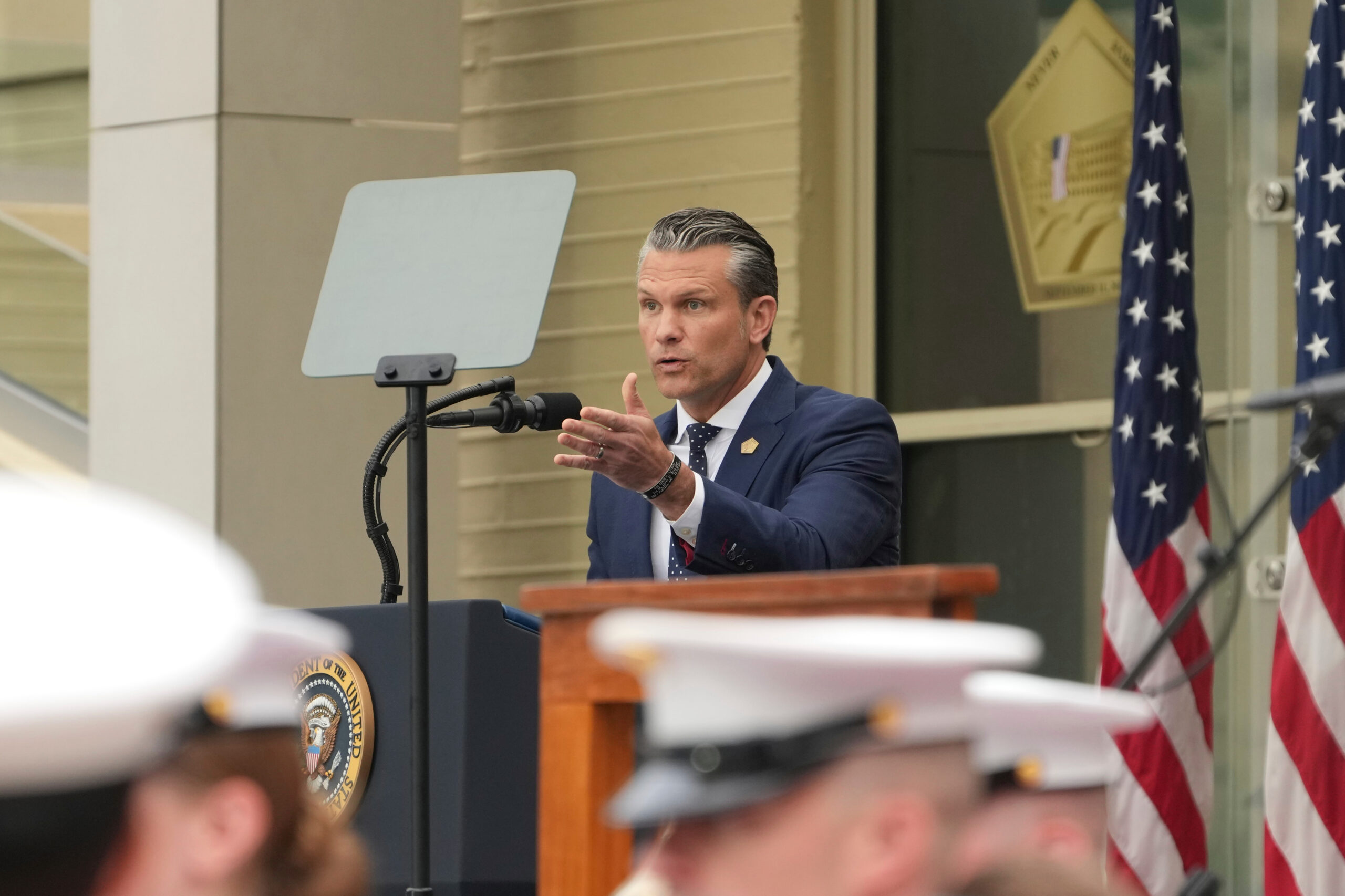
US Defense Secretary Pete Hegseth also lashed out at Iran in his remarks to the Pentagon ceremony.

“Over the past six months, we have laid waste to the world’s most prolific state sponsor of terrorism. Our warriors have fought an Islamic theocracy that has wished us death for nearly half a century,” Hegseth said.

The Iran war has slid into a stalemate with Iran largely maintaining its grip on the Strait of Hormuz, and keeping oil prices high, despite sporadic exchanges of fire with the United States.

Trump also turned to the domestic front, a day after a Republican convention for the US midterm elections in which Trump and Vice President JD Vance accused Democrats of sympathizing with the 9/11 attackers.

“A generation after 9/11, we also know that the final response to those atrocities and the ultimate victory over the perpetrators will not be found on a foreign battlefield,” Trump said.

Telling the story of a firefighter killed in the attacks whose son went on to become a US Navy veteran, Trump said it showed that “we can be a nation whose heroes are not fanatics for an abstract cause.”

In his speech to the Republican convention on Wednesday, Trump had used the same term: “With your vote in this election, you can tell these far-left lunatics and fanatics that America is not for sale to them or to anybody else.”

Republicans at the convention repeatedly trained their fire on left-wing Democratic senate hopeful Abdul El-Sayed over his previous social media posts about 9/11.


Source link

Arab News | Saudi Arabia shields supply chains with national war-risk insurance pool

RIYADH: Trade can grind to a halt before ports close or shipping lanes are blocked. Disruption can begin elsewhere, when cargo or vessels become too costly or difficult to insure, or when markets are unable to provide adequate coverage for war-related risks.

Against a backdrop of rising geopolitical risks in the region and their spillover into maritime traffic, insurance and reinsurance markets, Saudi Arabia is moving to establish a national framework to help keep trade flowing even in a highly volatile maritime environment.

In response, the Cabinet approved the establishment of the “Saudi War Risks Insurance Pool for Cargo and Vessels,” a step aimed at building domestic insurance capacity to address risks that could drive up transportation and trade costs or constrain global insurers’ ability to provide coverage.

The initiative is also intended to help ensure the continuity of goods flows and support businesses involved in transportation and logistics.

The move is particularly significant for Saudi Arabia as it expands its role as a trade and logistics hub. The competitiveness of ports and distribution centers depends not only on cargo-handling speed and transport costs, but also on companies’ ability to price and manage risks when geopolitical conditions change abruptly.

Saudi Finance Minister Mohammed Al-Jadaan said after the Cabinet approved the mechanism that the Saudi marine insurance pool was a specialized national mechanism designed to support the continuity of trade and supply chains through a public-private partnership.

He said the pool would directly enhance the technical preparedness of the domestic insurance market and expand its capacity to provide the necessary coverage under rules and frameworks set by the Insurance Authority.

He added that the initiative would strengthen the resilience of the national economy and help safeguard its stability amid regional and international crises and challenges.

Industry specialists who spoke to Asharq Al-Awsat said the pool’s economic value would be most evident during crises, when insurance premiums surge or insurers and reinsurers tighten their acceptance of risks associated with particular regions.

They said a stable insurance safety net could give transport companies, importers and exporters greater room to plan and continue operating.

A stable insurance environment

Logistics specialist Nashmi Al-Harbi said rising shipping risks in the Red Sea and the Gulf had prompted some insurers to tighten their conditions for covering vessels linked to the region.

That makes the establishment of the Saudi pool particularly timely for domestic transport and logistics companies, he said, as it would help reduce one of the main sources of uncertainty affecting international shipping contracts.

Al-Harbi told Asharq Al-Awsat that international companies doing business with Saudi Arabia, or whose cargo passes through its ports, would also benefit from greater clarity and stability in the insurance environment.

He said the pool’s scope would not be limited to vessels based in the kingdom but would extend to activities and companies with Saudi interests, subject to approved eligibility and coverage requirements.

Al-Harbi said providing stable war-risk coverage would make Saudi Arabia more attractive as a regional hub for storage, distribution and re-exporting.

Logistics companies do not consider only port, transport and cargo-handling costs when selecting destinations, he said. They also take into account the costs of risks to goods and vessels throughout their journeys.

The cost of risk

Supply chain and logistics expert Khalid Al-Ghamdi said the importance of the Saudi war-risk insurance pool went beyond providing coverage for vessels and cargo.

It also addressed a deeper challenge facing businesses: the difficulty of predicting risk costs when geopolitical conditions change suddenly.

Al-Ghamdi said a national war-risk safety net would give Saudi logistics companies greater stability when planning voyages, signing contracts and setting prices.

Companies managing thousands of containers need to know more than the cost of fuel, transport and cargo handling, he said.

They also need greater certainty about insurance costs so that insurance risks do not suddenly become a heavy financial burden or an obstacle to keeping voyages in operation.

The decision sends a message to international logistics companies that Saudi Arabia is continuing to build a business environment capable of operating even when shipping is disrupted, he said.

That could become an additional factor in decisions by global companies when choosing ports and distribution and re-export centers.

Al-Ghamdi added that the selection of a logistics hub was based not only on location and transport costs, but also on its ability to absorb shocks and manage risks associated with trade flows.

Strengthening that capacity could improve supply-chain resilience, bolster international companies’ confidence and create opportunities for more effective risk-management partnerships, he said.

Insurance pool arrangements

The initiative establishes a national insurance mechanism bringing together the public and private sectors under the supervision of the Insurance Authority.

It is intended to strengthen the domestic insurance market’s ability to handle war risks associated with maritime transport and mitigate the effects of volatility and rising reinsurance costs in global markets.

The initiative also aims to enhance Saudi Arabia’s competitiveness as a logistics hub at a time when more flexible tools are needed to manage the risks facing trade and transport.

As part of its implementation, the Saudi Reinsurance Company, known as Saudi Re, said that the Insurance Authority had selected it to lead and structure the pool’s arrangements, with participation from insurers operating in the domestic market.

Saudi Re will manage the pool’s technical operations and reinsurance arrangements. Beneficiaries will be able to obtain coverage through participating insurers under approved terms and conditions.

Initiative’s objectives

The Insurance Authority has identified four main objectives for the pool: enhancing the insurance market’s preparedness and capacity to absorb marine insurance risks; supporting the continuity of trade and supply chains; limiting the effects of sharp volatility and higher reinsurance costs in global markets; and strengthening Saudi Arabia’s competitiveness as a major logistics hub.

The pool will cover cargo transported by land, sea and air, as well as marine hull insurance against covered damage and risks.

It will also cover charterers’ liability and provide protection and indemnity coverage, offering broader protection to parties involved in transport and trade.

Eligible beneficiaries include exporters and importers; vessel owners and operators; shipping, freight and maritime transport companies; businesses involved in cargo movements, logistics and supply chains; and Saudi insurers participating in the pool.

International models

Saudi Arabia is not alone in adopting such a mechanism. Other countries have established national pools to address rising war risks and difficulties in obtaining coverage from traditional insurance markets.

India offers a recent example. This year, it launched a marine insurance pool with a total capacity of $1.5 billion, including a $1.4 billion sovereign guarantee, to cover war risks affecting vessels and cargo linked to Indian interests.

India’s experience demonstrated the scale of demand for such coverage. The scheme issued more than 1,600 policies within weeks of beginning operations, while war-risk insurance premiums fell by about 35% to 40% from the peaks recorded during the escalation of regional tensions.

The trend reflects a shift in how countries manage maritime war risks — from relying entirely on global insurance and reinsurance markets to developing domestic capacity that can help keep trade moving when coverage becomes more expensive or private insurers’ appetite for risk declines.
Source link

Arab News | Iran and Gulf states to meet in push for Hormuz deal, FT reports

‌Gulf foreign ministers plan to meet their Iranian counterpart in a push by Oman and Iran ‌to ‌secure buy-in for ‌a temporary deal to manage shipping through the Strait of Hormuz, the Financial Times reported on ‌Friday. The ‌gathering is ‌scheduled to ‌be held on Monday in the Omani coastal ‌city of Salalah, the report said, citing two people briefed on the matter.

Reuters could not immediately verify the report.


Source link

Arab News | Trump says he does not regret Iran war despite impact it may have on midterm elections

WASHINGTON: President ‌Donald Trump said he did not regret going to war against Iran despite the impact the conflict may have ​on the November US midterm elections.

“I don’t believe in the word ‘regret.’ You can always question yourself a little bit,” Trump said in an interview with Fox News host Laura Ingraham when asked if he regretted the Iran war due to the impact it may have on the elections.

“If ‌I had ‌it do again, I would ​do ‌exactly ⁠as ​I did,” ⁠Trump said in the interview broadcast on Thursday on “The Ingraham Angle” show.

Trump dismissed suggestions that some of his supporters were upset and demoralized about the war.

“I don’t think they’re demoralized. I think they’re very proud of the fact that I’m not letting ⁠Iran have a nuclear weapon,” Trump said.

Trump ‌reiterated his thinking that ‌the war will end immediately after ​the midterm election.

“It ‌ends right after the election,” Trump said in ‌the interview. He made similar comments on Wednesday, alleging Tehran was trying to influence the elections that will determine whether Trump’s Republican Party retains control of Congress.

The rise in ‌oil and gas prices due to the US-Israeli war on Iran has become ⁠a major ⁠issue for Republicans in the lead-up to the elections.

The US and Israel attacked Iran on February 28 and Iran responded with its own strikes on Israel and Gulf states that host US bases. US-Israeli strikes on Iran and Israeli attacks on Lebanon have killed thousands and displaced millions.
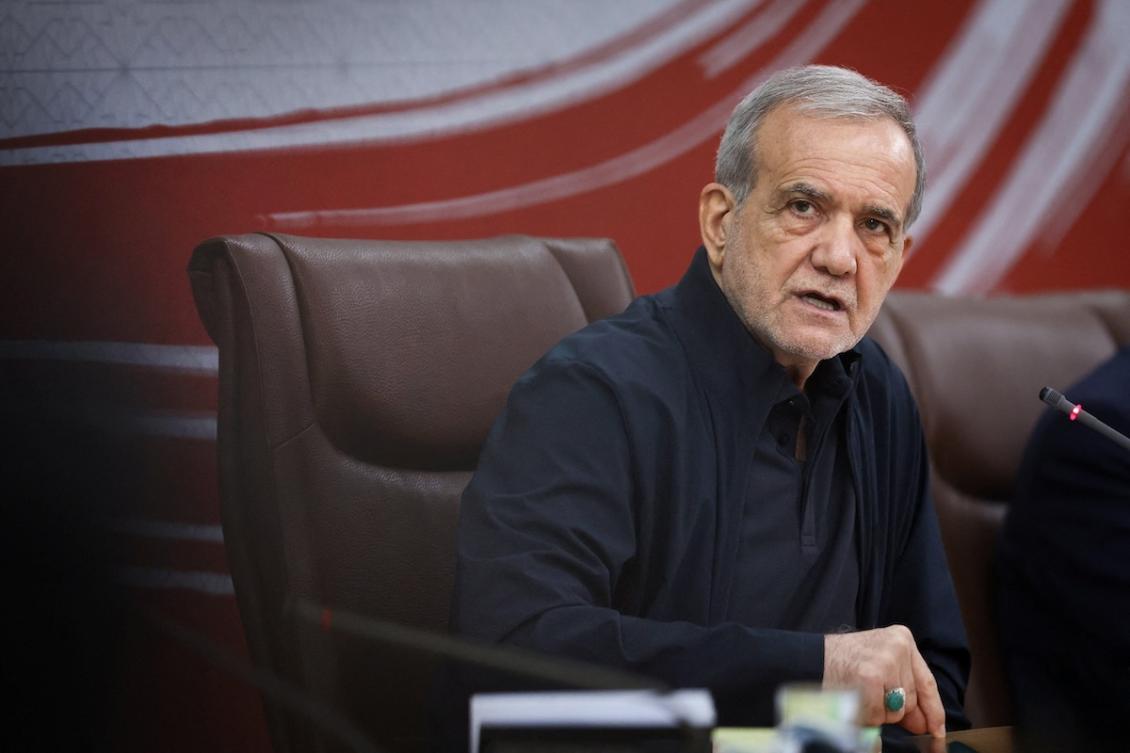
Trump has cited weakening Iran’s nuclear capabilities as one of his war objectives. Iran does not have ​nuclear weapons and says ​its uranium enrichment program is for peaceful purposes. The US is nuclear-armed.


Source link

Arab News | UN sanctions committee paralyzed as nuclear watchdog refers Iran to Security Council for first time in 20 years

NEW YORK CITY: A UN Security Council committee tasked with overseeing sanctions on Iran remained blocked for a fourth consecutive quarter on Thursday.

Council members traded accusations over the panel’s inertia, against a backdrop of intensifying US-Iran hostilities and a landmark decision by the UN’s nuclear watchdog to refer Tehran back to the council for the first time in 20 years.

The 1737 Sanctions Committee has not met in the year since it was reestablished with the backing of most council members, and no report on its activities was presented during Thursday’s session after China and Russia once again blocked it.

The impasse has also stalled the appointment of experts to a panel, the mandate for which is due to expire on Sept. 27, that is intended to support the sanctions-monitoring work of the committee.

The dispute dates back to August 2025 when France, Germany and the UK triggered a so-called “snapback” mechanism under the 2015 Joint Comprehensive Plan of Action, commonly known as the Iran nuclear deal, to reimpose pre-2015 UN sanctions on Tehran.

China and Russia dispute the legality of that move, arguing that all sanctions lapsed on Oct. 19, 2025, with the scheduled expiration of the deal, and so the council’s consideration of the Iranian nuclear file was effectively ended.

Against this backdrop of an unresolved procedural fight, the Security Council session on Thursday was dominated by more recent developments: the International Atomic Energy Agency’s formal referral of Iran to the Security Council and the General Assembly this week; and the continuing military exchanges between Iran and the US.

The agency’s board of governors voted 23-3 on Wednesday to refer Iran over its noncompliance with international nuclear safeguards, the first such referral in two decades. China, Niger and Russia voted no and eight countries abstained.

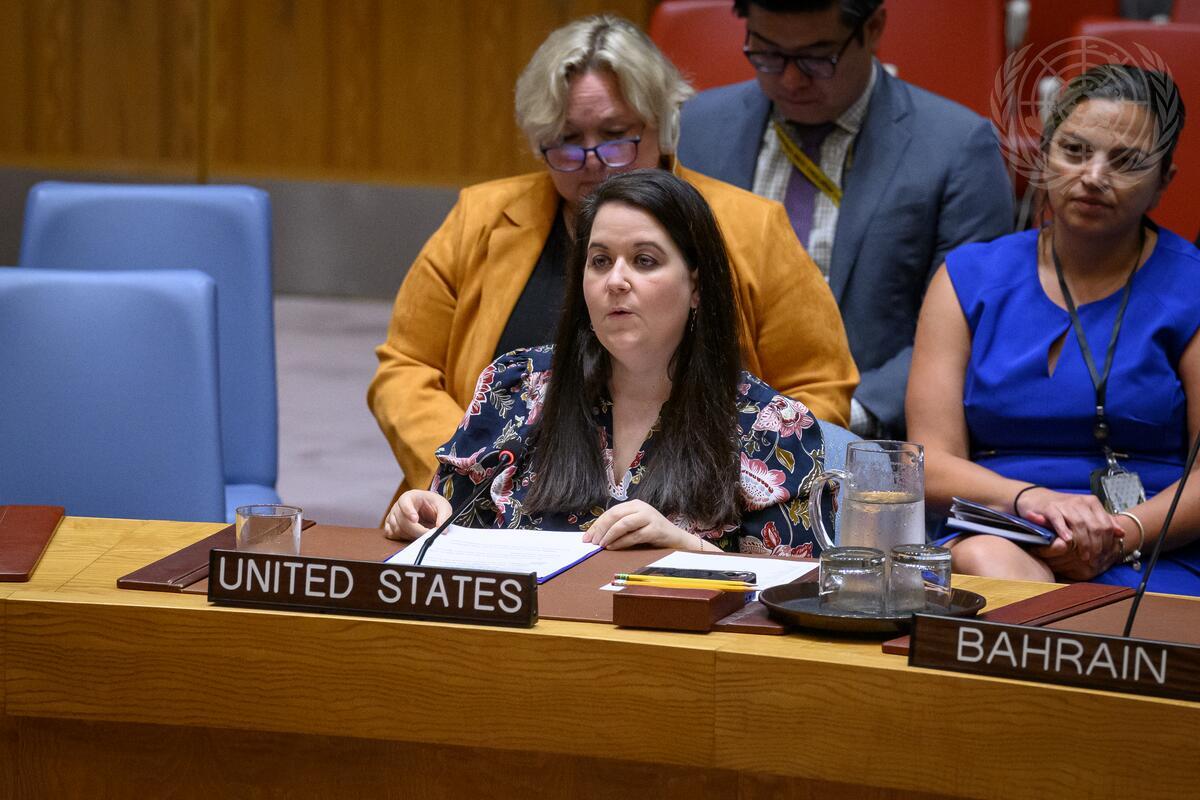
Ambassador Jennifer Locetta, the US alternate representative for special political affairs, told the council that the IAEA “has not received information from Iran regarding the status of its declared nuclear materials or facilities” and has been denied access to carry out verification procedures.

The agency’s director general, Rafael Mariano Grossi, has again urged Tehran to engage constructively with the process, she added. Locetta dismissed Iranian claims that inspections were being blocked as a result of security concerns, noting that “Ukraine has been a worse and more constant war zone” and yet IAEA inspectors had still been able to work there throughout the conflict.

Washington, she said, would “look to partners in the coming days to weigh options” for strengthening the sanctions regime.

China’s deputy permanent representative, Sun Lei, voted against the meeting’s agenda and placed the blame for the deteriorating situation squarely on Washington. He said the US strikes and campaign of “maximum pressure” on Iran were the “primary causes” of the crisis.

A memorandum of understanding between the US and Iran in June was “undermined shortly after it took effect” by renewed military clashes, he added, and Washington had since “intensified unilateral sanctions” and “launched a new round of military strikes” against Tehran.

Beijing, he said, opposed further use of force and called for a return to efforts to reach a political and diplomatic settlement based on “equality and mutual respect.”

France’s ambassador to the UN, Jerome Bonnafont, said Iran’s stockpile of more than 440 kilograms of uranium enriched to 60 percent had “no credible civilian justification” and was sufficient for about 10 nuclear devices.

He cited the latest report by Grossi as saying the situation “raises an issue of proliferation and should be addressed with the greatest urgency.”

France backed a US-drafted resolution for the renewal of the expert panel’s mandate, Bonnafont added. He called for the full reopening to international shipping of the Strait of Hormuz, and offered a French naval presence there, alongside the UK, to help secure freedom of navigation.

Pakistan’s permanent representative, Asim Iftikhar Ahmad, told the council that the “upsurge of violence in the Middle East in the last few days” was “unsettling for the prospects of peace,” and said Islamabad was engaged in back-channel diplomacy to encourage de-escalation.

He urged “all sides to exercise restraint” and voiced concern over the continuing divisions within the council.

A memorandum of understanding between Washington and Tehran in June, which paused hostilities and set a 60-day window for a final nuclear agreement, expired on Aug. 17 without any deal.

The Strait of Hormuz remains effectively closed to international shipping, attacks on vessels have continued, and the US has revoked sanctions waivers on Iranian oil exports. A Security Council vote on renewal of the Iran sanctions expert panel’s mandate is scheduled for Sept. 17.


Source link

Arab News | Multiple US military aircraft suffered damage in overnight strikes on Jordan air base, CBS says

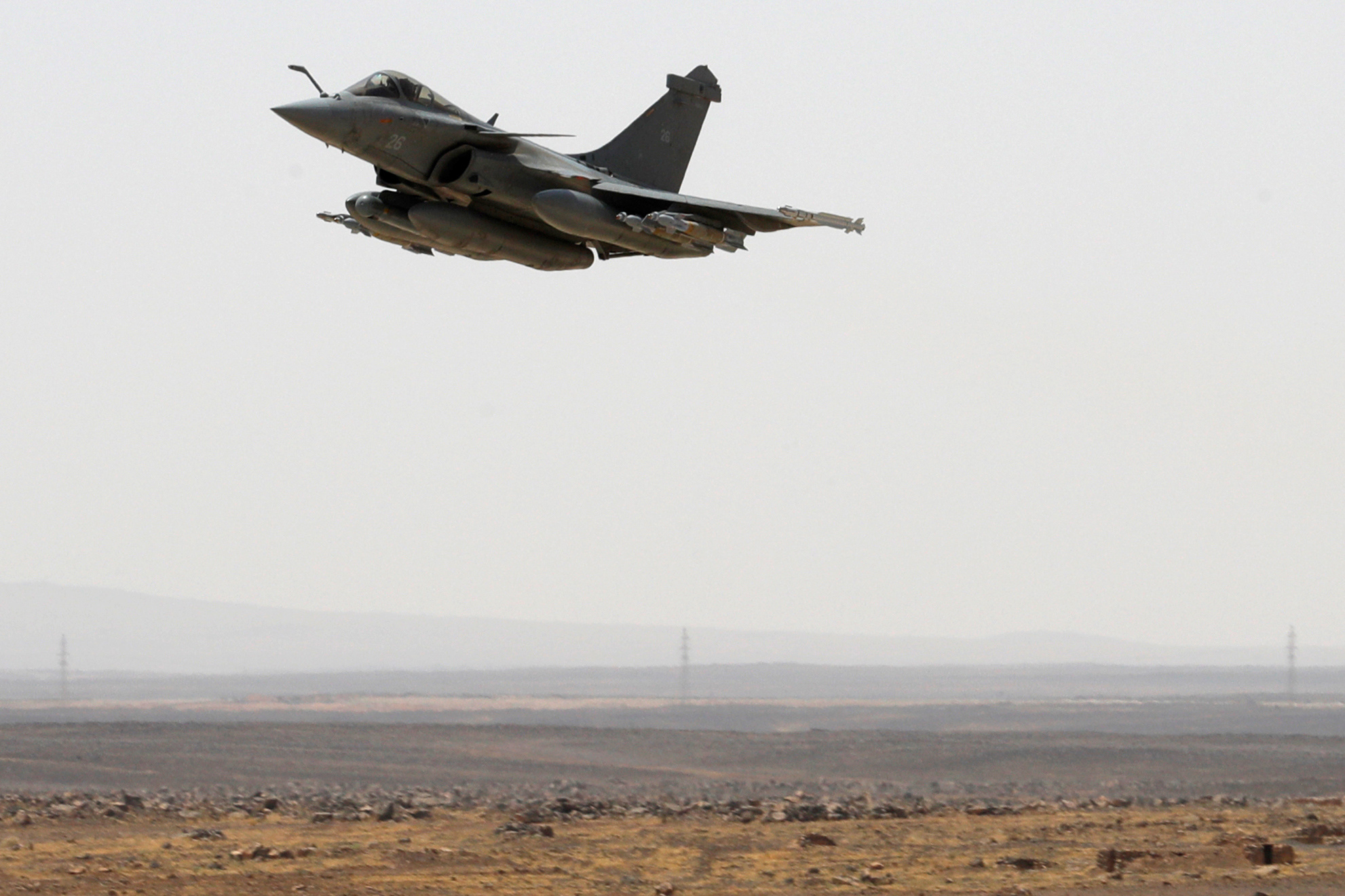
Sept ‌9 (Reuters) – Multiple American military aircraft suffered damage in strikes overnight on the Muwaffaq ‌Salti ‌Air Base in ‌Jordan, CBS reporter Jennifer Jacobs said on Wednesday on X.

One A-10 Thunderbolt, known ‌as the ‌Warthog, was ‌struck ‌and left with a missing wing, while ‌roughly eight F-15s sustained light damage and were placed back into service, she added.

Source link

Arab News | Iran says ‘prohibited zone’ near Hormuz to cover parts of Gulf of Oman and beyond

TEHRAN: Iran’s Guards said on Wednesday that a new “prohibited zone” outside the Strait of Hormuz would cover parts of the Gulf of Oman and beyond, adding that they would announce the exact coordinates later.

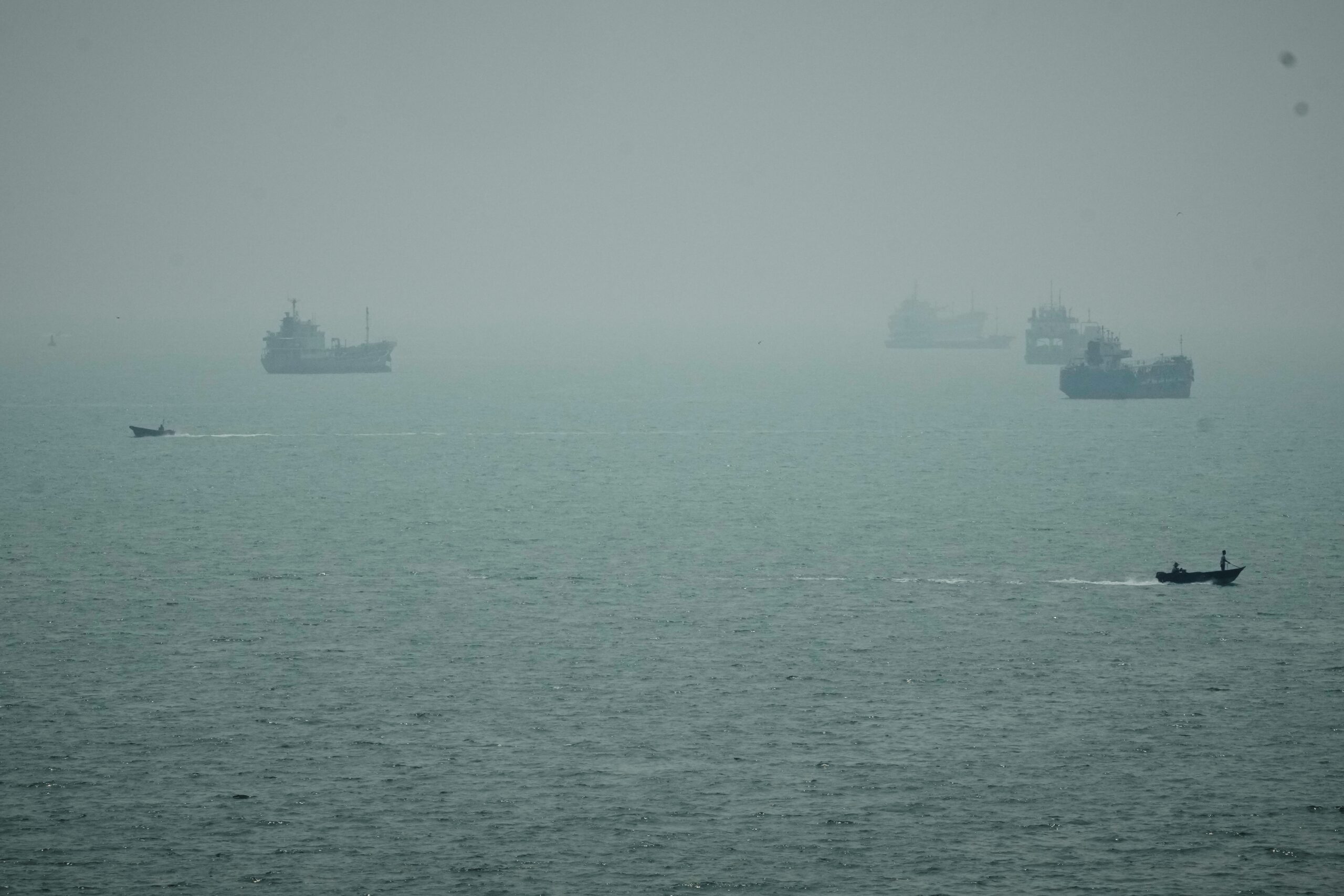
“It approximately starts from the direction of Chabahar, covering part of the Sea of Oman and another part of the Arabian Sea, along the route that can lead to the Strait of Hormuz,” Guards spokesman Hossein Mohebi told state television.

“If a vessel enters that area without coordination, it will be subject to our sanctions… It means, for example, that if it later wants to come and use the Strait of Hormuz, if it wants to receive services somewhere, such as insurance or other related services, we will refrain from providing those services,” he added.

The announcement comes after Iran reported “significant progress” with Oman, both coastal states on Hormuz, in discussions of a temporary shipping route through the strait.

Iranian forces have restricted traffic through Hormuz, a vital energy conduit, since the start of the war with the United States on February 28. The US has imposed a counter-blockade on Iranian ports.

Tehran has required vessels to seek permission to transit, insisting there will be no return to the pre-war system of unrestricted navigation.

On Tuesday, Iranian forces said they have struck 10 vessels which attempted to cross Hormuz without coordination.

US President Donald Trump said in recent days that American forces have helped facilitate the passage of vessels through the strait, “averaging 30 ships a night.”

Iran’s security chief Mohsen Rezaei said Sunday that the US tries each night to help five or six ships through, “and usually these ships get hit.”

During his interview on Wednesday, Mohebi said the US should also “release $24 billion in Iran’s frozen assets, and refrain from any interference in the country’s nuclear and missile capabilities.”


Source link

Arab News | Iran military vows ‘more severe’ reprisals if US attacks continue

TEHRAN: Iran said Sunday that its forces attacked a US naval drone trying to enter the Strait of Hormuz, hours after targeting ships in retaliation for American strikes on three oil tankers.

The latest round of clashes, which began with US raids last week, comes amid a deadlock in their six-month war.

Iran has maintained its stranglehold on the strategic Strait of Hormuz while Washington continues a counter-blockade of Iranian ports.

Washington is also seeking to choke Iran’s economy, rolling out sanctions on entities with financial links to the Islamic republic in a bid to force it into submission.

The Islamic Revolutionary Guard Corps, the ideological arm of Iran’s military, said Sunday it “attacked an American military unmanned surface vessel” attempting to enter the strait, according to a statement carried by state television.

Hours earlier, the IRGC said its naval forces “targeted three oil tankers on the unauthorised route of the Strait of Hormuz and three vessels affiliated with the child-killing America in other areas”.

Iran’s top negotiator Mohammad Bagher Ghalibaf threatened on Sunday to launch swifter and more forceful responses to US attacks.

“The Americans must have understood that the era of proportionate responses has come to an end,” said Ghalibaf in a speech carried by state media, adding that “any aggression against Iran’s interests and security will receive a faster, more intense and more painful response”.

It warned ships not to attempt to transit by unapproved routes.

On Saturday, US Central Command (CENTCOM), which oversees American military operations in the region, said it struck tankers linked to the Iranian Guards, accusing the most powerful arm of the Iranian military of unsuccessfully firing at American warships.

“Following Iran’s failed attacks, CENTCOM permanently disabled the IRGC crude oil carriers M/T Downy off the coast of Kharg Island and M/T Stark 1 near Jask,” it said.

“American forces also completely destroyed the unladen crude oil carrier M/T Kylo… in the Gulf of Oman, striking the vessel in multiple critical locations to render it inoperable after the crew was directed to abandon ship.”

Video posted by CENTCOM showed large fireballs and billowing flames after projectiles slammed into the ships.

The three vessels were “part of a multibillion-dollar shadow network that funds the IRGC and its regional proxies”, it said.

‘Higher economic cost’

The Guards meanwhile claimed the two American warships they targeted had been “forced to retreat” after “suffering damage”, but CENTCOM said those ships successfully evaded Iranian attacks.

CENTCOM commander Admiral Brad Cooper said after the operation: “If you shoot at two of our ships, we will impose an even higher economic cost — taking out three of yours.”

The Iranian foreign ministry hit out at Washington over the strikes on oil tankers, calling them “illegal and aggressive actions”.

A correspondent for Iranian state TV in Jask in the southern province of Hormozgan said one of the tankers was empty and the second was carrying oil. The crews were transported to shore on lifeboats, they said.

Another state TV correspondent on Kharg Island said the attack there caused no casualties.

Iran’s Khatam-al Anbiya central military command warned that if the US continued its attacks, then Tehran’s retaliation against US warships would be “more severe than before, and there is a possibility of their expansion”.

The administration of US President Donald Trump has tried to downplay the significance of the six-month conflict, which has proven increasingly unpopular at home as midterm elections near.

US Vice President JD Vance went so far as to say that he “wouldn’t call it a war”.

Trump reiterated that view on Friday, calling the war “small potatoes” for Washington.

Iran’s Security Chief Mohsen Rezaei warned this week that the Islamic republic had adopted a “new strategy” against Washington that “will shatter your foundations”.

The US has been trying to step up pressure on Tehran in a bid to wrestle control of the Hormuz strait, through which one-fifth of world oil supplies previously flowed.

A fragile ceasefire between the two sides collapsed in July after attacks on commercial ships in the strategic waterway.

Trump has in recent weeks repeatedly threatened to claim sovereignty over the strait, even posting a map showing it as “new US territory”.

Vance has insisted the US will not reopen talks with Iran until it ends attacks on commercial shipping in Hormuz.


Source link

Arab News | Iran arrests alleged opposition supporters after video circulates

Tehran: Iranian authorities have arrested a number of people accused of appearing in a rare video waving the flag of an outlawed opposition group, state television said Sunday.

Videos circulating online in recent days showed individuals riding motorbikes on empty streets in Iran while waving the white-and-red banner of the banned People’s Mujahedin Organisation of Iran (MEK).

On Sunday, state television said authorities had identified and arrested “all the individuals who appeared in this clip” and that they were “associated” with MEK, without specifying how many.

It said the motorcade had been travelling near the city of Karaj, west of Tehran, but it was not clear when the footage was recorded.

Founded in the 1960s in opposition to Iran’s then Western-backed shah, the MEK was outlawed after the 1979 Islamic revolution and later fought alongside Saddam Hussein’s forces during the Iran-Iraq war.

The group has for decades advocated regime change in Iran from abroad, while Tehran has accused its members of cooperating with its arch-enemy, Israel.

Iran has been at war with the United States since February 28, when US-Israeli strikes killed the Islamic republic’s supreme leader Ayatollah Ali Khamenei along with senior military officials.

Iran retaliated with attacks across the region as the conflict spread.


Source link