The year 2026 brings significant travel changes for Brits heading to the EU and beyond, so make sure you know the new rules coming into effect this year, and how they might impact your holiday plans

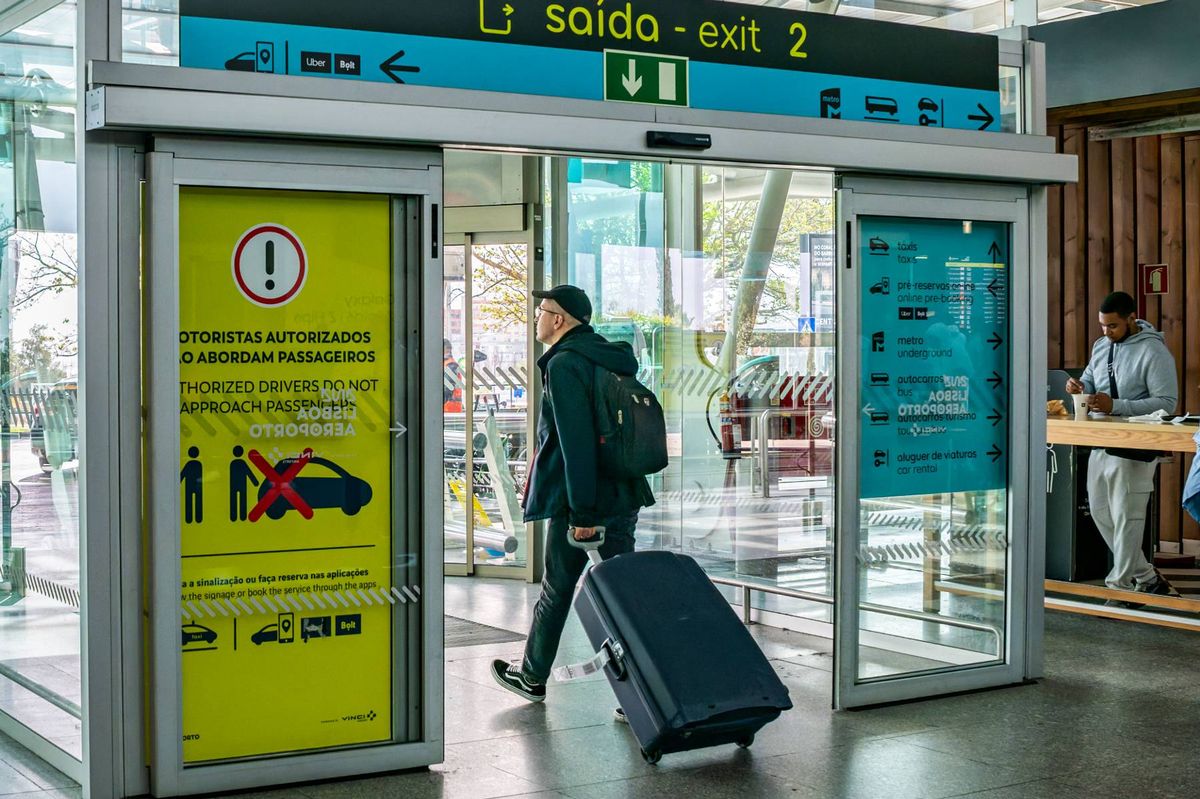
Getting through the airport could be slower once EES is implemented(Image: Horacio Villalobos#Corbis/Corbis via Getty Images)
The travel landscape is always changing, with shifts in airport rules, tourism limitations, and additional paperwork often leaving holidaymakers puzzled about how the changes will affect them and what they need to do.
It seems that 2026 will see the way people travel change once more, especially for Brits journeying to or from the EU. The potential need for a visa waiver looms large, and the new entry and exit system is set to be introduced this year. But what does this mean for the typical holidaymaker?
Below is a rundown of some of the key travel rules you will want on your radar if you’ve got a trip lined up.
ETIAS – EU Visas
ETIAS (European Travel Information and Authorisation System) is a new visa waiver programme for exempt visitors travelling to the EU. It’s a lot like the United States’ ESTA, and the process will be similar for those planning a European holiday.
Once in place, Brits planning an EU getaway will need to fill out an ETIAS application, which is a pre-screening that allows you to enter the Schengen Area without a visa. While the process will be simple, the main downside is that the visa will set you back €20 per person, about £17, with under 18s and over 70s exempt from the charge.
However, once approved, the ETIAS will remain valid for three years or until your passport expires, whichever comes first. At present, no official launch date for ETIAS has been announced, but it’s wise to keep an eye out for any updates. Recently, Spain announced they were pushing the date back. It was thought that ETIAS would be required to visit the country by October 2026, but due to operational challenges, there will be a six month grace period, so it won’t be mandatory until April 2027.
As when applying for any travel visa or official document, it’s highly recommended to only use the official ETIAS website and avoid third-party sites.
EU Entry/Exit System (EES)
After multiple delays, the Entry/Exit System (EES) is set to be fully implemented by the deadline of April 10. Luckily, you don’t need to do anything once this system is in place, but Brits are being warned to they could face long airport queues upon arrival in the EU.
Once in place, anyone from outside the Schengen Area, including Brits, will have to submit fingerprints and a facial image at the border when entering all Schengen member countries, including Iceland, Liechtenstein, Norway, and Switzerland. It means the phasing out of manual passport stamps and is set to make it easier for EU officials to identify those who overstay.
Car passengers from the Port of Dover were set to go through the EES system from October, but the date has now been pushed back until “early 2026”, with no exact date confirmed.
Tourist tax hikes and higher attraction fees
Brits travelling to certain countries could get caught out by additional charges as governments try to tackle overtourism.
A growing number of destinations are introducing tourist taxes, and while these are usually small nightly fees, they can quickly add up for longer stays or larger groups. English mayors are also set to gain the power to impose tourist taxes, meaning even domestic holidays could carry extra costs.
New tourist taxes set to kick off in 2026 include Edinburgh, where a 5% surcharge will be added to hotel bills from July, and Thailand, which will impose a 300 baht fee (roughly £7) on air passengers.
Brits jetting off overseas may also find themselves forking out more than the locals to gain entry to popular attractions. A prime example is Paris’s Louvre, which recently declared that from early 2026, EEA residents will be asked to cough up €22 (approximately £19.15) for admission, while those outside the EEA, including Brits, will face a steeper €32 entrance fee (around £27.86).
U.S. National Parks are also planning to roll out a two-tier pricing system for American citizens and tourists. The latter group will be slapped with an extra $100 charge on top of standard fees to access famous parks such as the Grand Canyon and Yellowstone. This additional cost can be charged per person or per vehicle, depending on the park’s rules.
For instance, a family trip to the Grand Canyon usually sets visitors back by $35 (roughly £25.87) for a private car. However, under the new regulations for non-Americans, this fee will rocket to a whopping $135, meaning tourists could end up shelling out just shy of £100 merely to cross the threshold.
Rowdy passenger fines
A new French law is cracking down on out-of-control passengers, a move that could soon be followed by other EU countries. Travellers flying through French airspace who break rules such as using electronic devices when asked not to, obstructing flight crew, or ignoring safety instructions, now face hefty fines of up to €10,000 and bans from flying for up to four years.
For those who repeatedly flout the rules, fines can rocket to €20,000, serving as a stern warning to be on your best behaviour when flying. The French Civil Aviation Authority will keep a record of misbehaviour, allowing French airlines to report troublesome passengers and pinpoint repeat offenders.
Changes to liquid rules
UK airports are working to abolish the 100ml liquids rule, with new high-tech scanners being rolled out which means passengers won’t need to adhere to the strict restrictions that have been in place for years.
There was an original deadline of June 2024 for all UK airports to have these in place, but this has been repeatedly delayed, with some airports having finished the roll out, and others still doing the upgrades. As a result, your best bet is to check the rules at your individual airport.
The UK government advises on its website: “At most airports, you cannot take liquids in containers larger than 100ml through security. This still applies if the container is only part full. Some airports may allow you to take liquid in containers that hold up to 2 litres of liquid.”
READ MORE: Beach resort with ‘best chance for sunshine’, 30C weather and £43 flightsREAD MORE: Inside Europe’s video game-themed all-inclusive where each room has its own console
Passengers at Birmingham, Gatwick, and Edinburgh airports can now pack up to two litres of liquids in their carry-on bags, thanks to upgraded scanning technology. Over at Luton Airport, while the 100ml rule still applies, there’s no need to separate liquids from your hand luggage anymore.
This means you can throw out those tiny plastic bags, and simply put your hand luggage on the belt, saving time when going through security.
However, it’s important to bear in mind that rules may vary at your destination. So, if you’re carrying a two-litre bottle from the UK in your hand luggage, you might have to stow it in your checked luggage for the return trip.
Tougher smoking and vaping restrictions
Several Spanish holiday destinations popular with Brits are planning stricter rules on smoking and vaping in public spaces. In some tourist magnets like Barcelona and the Balearic Islands, lighting up a cigarette or vape is already banned on beaches, while certain beaches in the Canaries have been designated as ‘clean-air zones’.
However, new proposals potentially coming into force in 2026 could see a blanket ban on smoking and vaping in various outdoor areas, including beaches and bar terraces across Spain, with instant fines for rule-breakers. In the Canary Islands, penalties for breaching anti-smoking laws currently range from €30 to €2,000 (roughly £26 to £1,730), so similar fines are expected to accompany the new regulations.
Have a story you want to share? Email us at webtravel@reachplc.com