How the US and Israel are waging war on Iran’s medicines, vaccines | US-Israel war on Iran News
The United States and Israel have carried out multiple attacks on medical facilities in the course of their war on Iran.
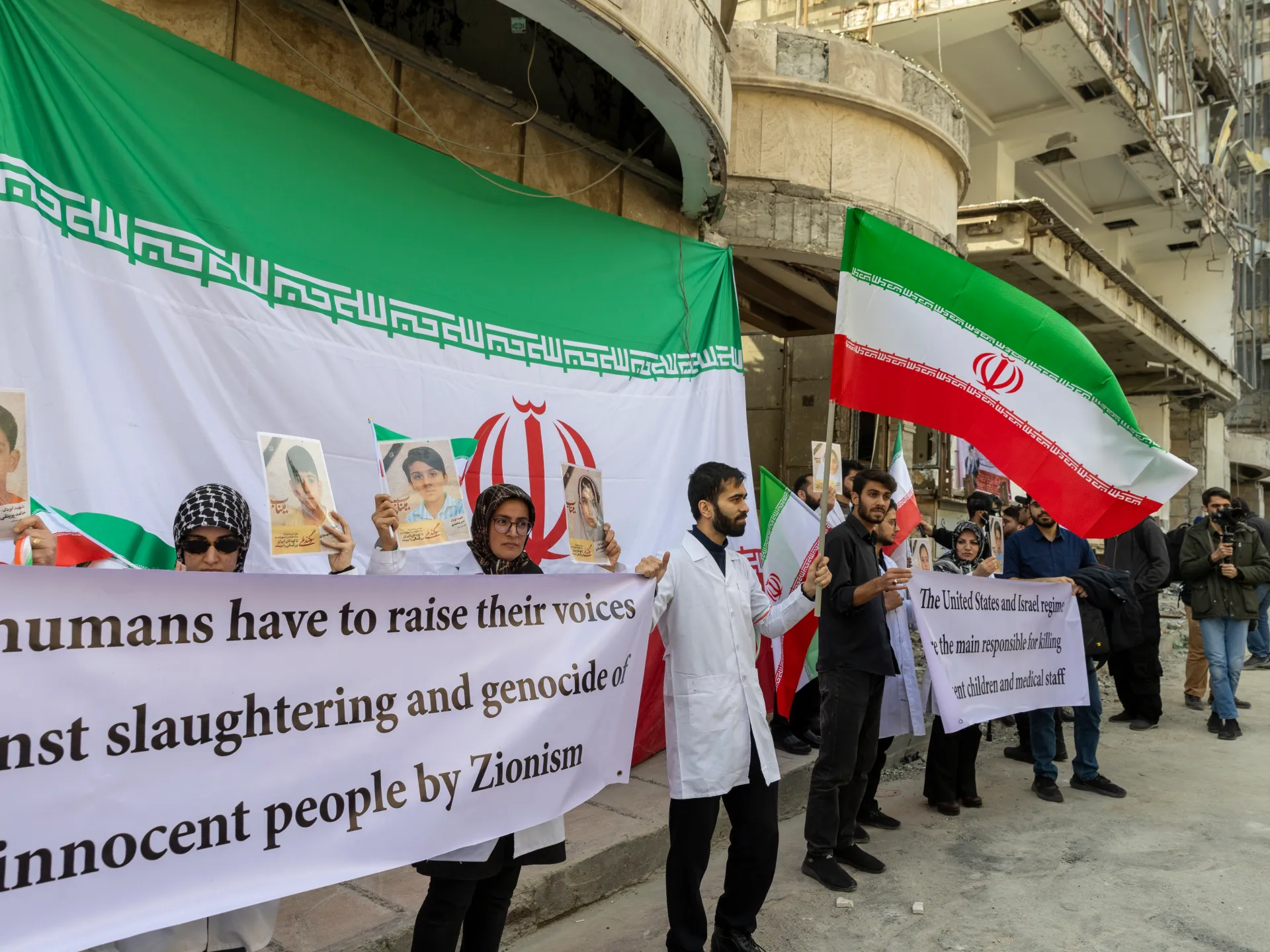
On Thursday, Iranian President Masoud Pezeshkian appealed to international health organisations to respond to attacks on medical facilities in Iran, including the Pasteur Institute in capital Tehran, a key centre that Iranian officials said had been targeted that day.
At least 2,076 people have been killed and 26,500 have been wounded in Iran since the US and Israel first launched strikes on the country on February 28.
Here is a closer look at how the US and Israel have hit healthcare facilities in Iran.
What has the Iranian president said about attacks on healthcare?
On Thursday, Pezeshkian wrote in an X post: “What message does attacking hospitals, pharmaceutical companies and the Pasteur Institute as a medical research center in Iran convey?”
The Iranian president, 71, a heart surgeon by profession, continued: “As a specialist physician, I urge WHO [the World Health Organization], the Red Cross, Doctors Without Borders and physicians worldwide to respond to this crime against humanity.”
What is the Pasteur Institute, which has been targeted?
On Thursday, Iranian Foreign Ministry spokesman Esmaeil Baghaei wrote in an X post: “The American-Israeli aggressors have attacked the Pasteur Institute of Iran – the oldest and most prestigious research and public health centre in Iran and the entire Middle East, founded in 1920 through an agreement between the Pasteur Institute of Paris and the Iranian government.”
Baghaei deemed the attack “heartbreaking, cruel, despicable, and utterly outrageous”.
He did not specify whether there were casualties from the attack.
The institute was founded more than 100 years ago in collaboration with the Institut Pasteur in Paris, an internationally renowned centre for biomedical research, which itself was founded in 1887.
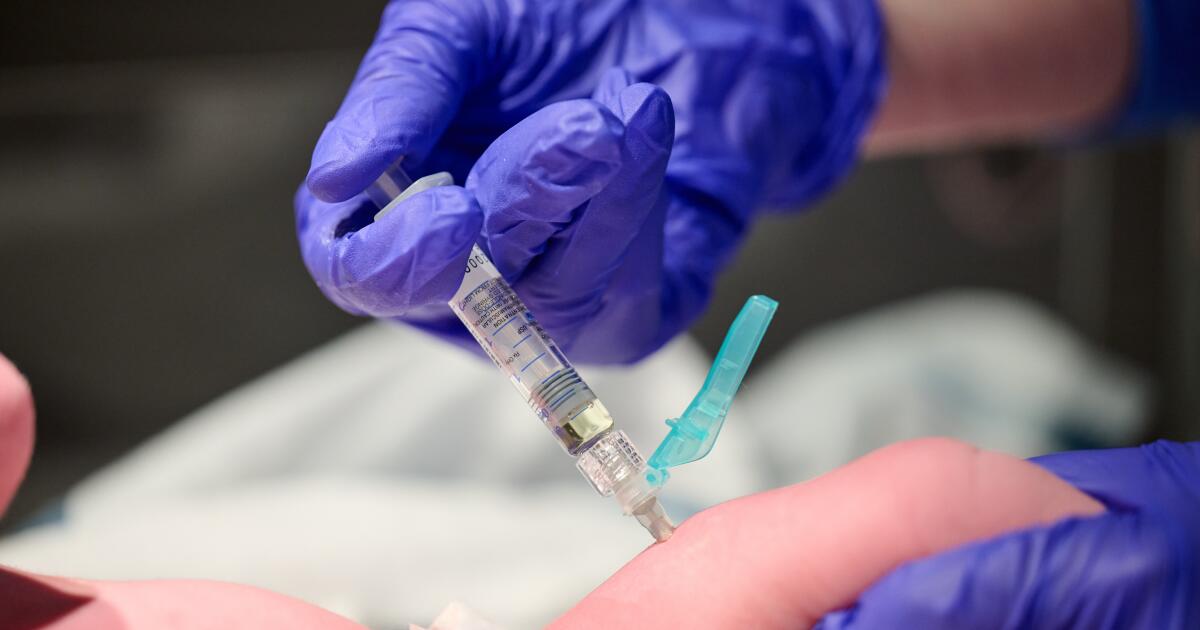
The institute in Iran conducts research on infectious diseases, produces vaccines and biological products and provides advanced diagnostics.
The centre has played a central role in fighting endemic diseases such as smallpox and cholera. It also supports Iran’s national immunisation programme by developing and producing vaccines and related biologicals – including those used against diseases such as tetanus, hepatitis B and measles.
Tedros Adhanom Ghebreyesus, the director general of the WHO, wrote in an X post on Friday that two departments of the Pasteur Institute of Iran have also been working closely with the WHO.
“The conflict in Iran, and the region, is impacting the delivery of health services and the safety of health workers, patients, and civilians present at health facilities,” Ghebreyesus wrote.
Which other healthcare facilities have been hit in Iran?
“Since 1 March, WHO has verified over 20 attacks on health care in Iran, resulting in at least nine deaths, including that of an infectious diseases health worker and a member of the Iranian Red Crescent Society,” Ghebreyesus wrote in his X post.
Some of the facilities hit include:
Red Crescent warehouse
On Friday morning, a drone strike hit a Red Crescent relief warehouse in Iran’s Bushehr province.
While no casualties were reported, the attack destroyed two relief containers, two buses and emergency vehicles, Fars news agency reported.
Tofigh Daru
On March 31, Israeli-US strikes hit one of Iran’s largest pharmaceutical companies in Tehran, the Iranian government said in a post on X.
The company was later identified as Tofigh Daru Research and Engineering Company, which is owned by the Social Security Investment Company, a state-run holding firm. On LinkedIn, Tofigh Daru states that it develops and produces active pharmaceutical ingredients “in the anticancer, narcotics, cardiovascular to immunomodulatory segments”.
No confirmed casualty numbers were reported from that strike.
Delaram Sina Psychiatric Hospital
This newly constructed hospital in Tehran was significantly damaged during an attack on the capital on March 29, according to the state-run Islamic Republic News Agency (IRNA).
About 30 patients were in the hospital at the time of the strike late on Monday, the hospital’s director told IRNA. No specific casualty figures for the hospital have been reported.
Ali Hospital
The hospital in Andimeshk in Iran’s Khuzestan province sustained damage from an explosion on March 21, according to the Mehr and Fars news agencies.
In his post on Friday, Ghebreyesus confirmed this attack and said the facility had been forced to evacuate staff and cease services.
Reports about the attack do not mention casualties at the hospital.
Gandhi Hospital
On March 2, Gandhi Hospital in Tehran was damaged during attacks on a television communications tower nearby.
No confirmed casualty figures were reported for the hospital itself.
What does international law say about attacks on healthcare?
International humanitarian law states that health establishments and units, including hospitals, should not be attacked, according to the International Committee of the Red Cross.
These protections also apply to the sick and wounded, to medical staff and to means of transport such as ambulances.
In 2016, the United Nations Security Council resolution 2286 was adopted unanimously. This condemns attacks on healthcare and calls on nations to respect international law.
However, last year record attacks on healthcare during armed conflict were recorded, according to the WHO’s Surveillance System for Attacks on Health Care (SSA).
The SSA said that in armed conflicts worldwide, 1,348 attacks on medical facilities resulted in the killing of 1,981 people. The majority of these deaths were in Sudan, where 1,620 people were killed, followed by Myanmar, where 148 people were killed.
This was a sharp uptick from 2024, when 944 patients and medical personnel were killed in armed conflict.
Where else has Israel targeted medical staff and facilities?
Lebanon
Besides Iran, Israeli attacks have also targeted healthcare facilities in Lebanon.
A month into its latest bombardment of Lebanon, Israel has killed 53 medical workers, destroyed 87 ambulances or medical centres, and forced the closure of five hospitals, according to Lebanon’s Ministry of Public Health.
“Israeli strikes and blanket evacuation orders are cutting people off from care and shrinking the space for health services to function,” Luna Hammad, the Lebanon medical coordinator for Doctors Without Borders (MSF), told Al Jazeera, adding that MSF has seen “a documented pattern of attacks affecting healthcare”.
Gaza
Throughout its genocidal war in Gaza, Israel has also attacked healthcare facilities in the Palestinian enclave.
In October 2023, hundreds of people sheltering in the car park of Gaza’s al-Ahli Hospital were killed in an Israeli attack, according to Palestinian health officials.
Israel attributed the explosion at the facility to a misfired rocket launched by the Palestinian Islamic Jihad, an allegation denied by the armed group.
In March 2024, the Israeli military said it killed 90 people in its raid on al-Shifa Hospital during a siege, as displaced Palestinians sheltering in the facility described long detentions and abuse.
In December 2024, the Israeli army arrested Dr Hussam Abu Safia, the director of Kamal Adwan Hospital, after refusing to follow orders to abandon one of the last functioning hospitals in northern Gaza. His arrest came a day after the military killed approximately 20 Palestinians and apprehended about 240 in a raid inside the hospital, which was one of the “largest operations” conducted in the territory until that time.
In March 2025, Israeli forces reportedly shot dead 15 Palestinian medics for the Palestine Red Crescent Society and inside clearly identifiable PRCS ambulances, during a rescue mission in Rafah’s Tal as-Sultan neighbourhood.