Facing protests, Newsom drops most of plan limiting utility wildfire liabilities
In a late-night deal with lawmakers, Gov. Gavin Newsom agreed to drop his push for legislation that would have shifted more of the cost of utility-sparked wildfires to property insurers, sharply raising premiums across the state.
After weeks of closed-door negotiations with lawmakers and protests by wildfire survivors, the governor also backed away from a proposal that reduced amounts fire victims could receive and transferred more of the damage costs to local governments.
Wildfire victims and other critics had called the plan a corporate bailout.
According to a 96-page bill, published at 7:26 a.m. Saturday, Newsom and lawmakers agreed on some measures aimed at reducing the costs of future utility-sparked wildfires.
The bill would limit certain fees of attorneys representing insurance companies, while also stopping hedge funds and private equity firms from profiting on wildfire claims.
Last year, hedge funds were offering to buy claims that insurers had against Southern California Edison for the Eaton fire, leading to calls for reform.
The bill would also create a state program to get payments more quickly to wildfire victims.
“This is all real progress for future fire survivors,” Newsom said in a statement.
“Nonetheless, this system needs full structural reform — not a partial one,” he added. “I urge the Legislature to build on this progress next year and finish the work we started to secure the Wildfire Fund’s long-term durability, stabilize electricity rates, and ensure fire victims are never again turned into unsecured creditors in a bankruptcy proceeding.”
The complex legislation — added by gutting and amending a bill known as Senate Bill 492 — was introduced less than three days before the legislative session was to end Monday.
The session must now be extended until Tuesday because of a 2016 voter-approved proposition that requires bills or amendments to be in print at least 72 hours before the state Senate or Assembly can vote on them.
Eaton wildfire survivors and other groups had been calling on Newsom for weeks to unveil the legislation so that they could see the details.
More than 50 Eaton fire survivors showed up to protest in front of the governor’s mansion on Monday night in Sacramento, where Newsom was holding an event for legislators.
“Who should pay?” they chanted. “Shareholders should pay!”
On Saturday, wildfire victims praised lawmakers who had stood up to the governor’s push for legislation benefiting the utilities.
“Survivors from across California came to Sacramento and asked our elected representatives to stand with the people whose homes, communities and lives have been devastated,” Joy Chen, executive director of Every Fire Survivor’s Network, said. “They listened. And in the face of extraordinary pressure from some of the most powerful interests in our state, they centered on survivors and California families.”
Edison and the state’s two other big for-profit utilities had been lobbying Newsom and lawmakers to further shield them and their shareholders from wildfire liabilities ever since last year’s Eaton fire caused some investors to flee and the price of their stock to tumble.
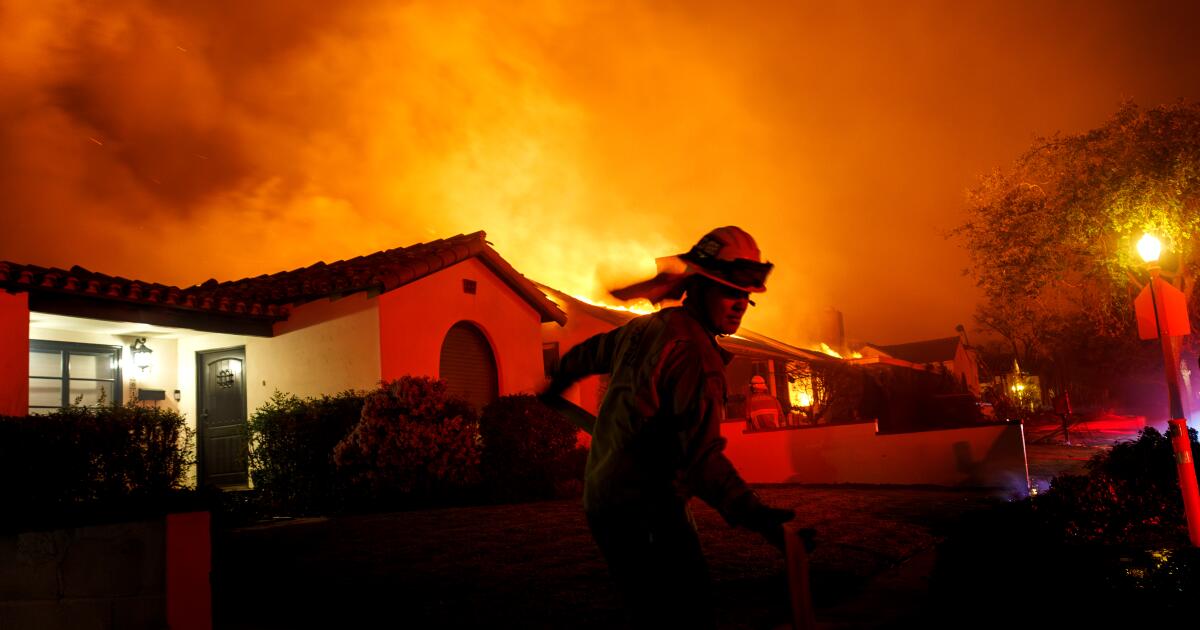
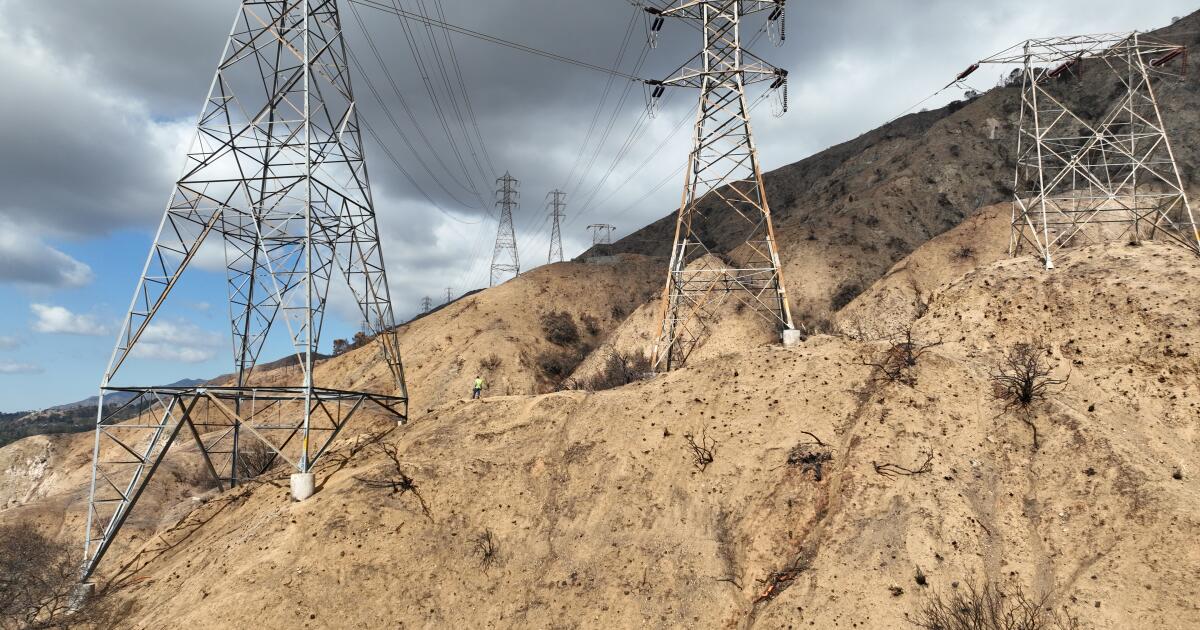
Government fire investigators said the fire, which killed 19 people and destroyed thousands of homes, was caused by electrical arcing on Edison’s out-of-service transmission line in Eaton Canyon. Edison kept the line in place despite not using it since 1971.
More than 11,000 households have filed suit against the utility, claiming it acted negligently, which the company denies.
Utilities asked Newsom to strengthen a framework that he and lawmakers created in 2019 to protect utilities from bankruptcy after their equipment ignites a catastrophic fire. The law created a $21-billion wildfire fund, which is now reimbursing Edison for the settlements it is making to victims who agree not to sue.
Last year, also in legislation revealed in the session’s last days, Newsom created a second fund of $18 billion to pay for future fires.
According to a confidential document Newsom’s staff sent to lawmakers, the governor also wanted to cap the amount the fund would reimburse a utility for wildfire damages at $6 billion and require electric customers to pay for costs above that amount. That would have limited utilities’ liability for the fire but increased electric bills.
That measure was not in the legislation published Saturday morning.
Newsom said in his statement Saturday that the bill would strengthen accountability for utilities that spark fires by stopping executives from receiving bonuses after a fire.
The fine print in the bill states that the company must have a plan that prevents top executives from receiving “short-term” bonuses after a fire that results in 500 or more structures damaged.
The governor had touted in 2019 that his legislation had tied utility executive pay to the company’s safety performance. But the language allowed the companies to decide how to do that.
Despite the deadly Eaton fire, bonuses awarded to Pedro Pizarro, the chief executive of Edison International and other executives soared last year. Pizarro received $16.6 million in cash, stock and other compensation last year, up 20% from 2024.
The new legislation applies only to Edison, Pacific Gas & Electric and San Diego Gas & Electric. Those three for-profit utilities have caused at least seven of California’s 20 most destructive fires, according to the California Department of Forestry and Fire Protection.