USIsrael

Why has Italy’s Giorgia Meloni suspended a defence pact with Israel? | US-Israel war on Iran News

Italy’s decision to suspend a defence agreement with Israel has more symbolic value than concrete consequences, but it is an unprecedented move by the Italian government and reflects deep unease over its longtime ally’s actions in the Middle East, analysts say.

On Monday, Prime Minister Giorgia Meloni said Italy would not renew a memorandum of understanding – signed in 2003 and ratified in 2005 – between the two countries’ ministries of defence. The accord provided a framework for cooperation in “defence industry and procurement policy” and “import, export and transit of defence and military equipment”, among other things.

Recommended Stories

list of 3 itemsend of list

The memorandum was set to automatically renew every five years “unless a written notice of intention to denounce is given” by one of the two countries to the other.

That notice arrived on Monday in a letter written by Italian Defence Minister Guido Crosetto to his Israeli counterpart, Israel Katz.

The Israeli government has downplayed the move. Foreign Minister Gideon Saar said it was a deal that “never materialised” and did not have “substantial content”. “Israel’s security will not be harmed,” he wrote on X.

It is true that the Italy-Israel agreement constituted more of a political framework than a series of operational commitments between the two countries. Furthermore, the Italian government’s decision does not cancel it outright, as opposition parties and human rights advocates have long demanded, but merely suspends it.

Still, the move is a sharp reversal for a right-wing government that has been one of Europe’s staunchest allies of Israel.

Along with Germany, Italy has been one of the strongest opponents of calls to suspend a trade agreement between Israel and the European Union. Italy has largely supported Israel’s war on Gaza, which a United Nations inquiry says amounts to genocide, and it has refused to recognise Palestinian statehood. 

But relations between Israel and Italy have soured recently.

On Monday, the Italian ambassador to Tel Aviv, Luca Ferrari, was summoned after Italy’s Foreign Minister Antonio Tajani condemned Israel for its “unacceptable attacks against the civilian population” in Lebanon during a visit there. And last week, the Italian government accused Israeli forces of firing warning shots at a convoy of Italian peacekeepers in southern Lebanon, prompting Tajani to summon the Israeli ambassador.

Israel also launched a massive attack across Lebanon last week, bombing 100 targets in 10 minutes on Wednesday, shortly after a two-week truce between Iran and the US was called. That series of strikes killed hundreds of people in one of the country’s worst mass slaughters since the end of the country’s civil war in 1990. Observers say the attack on Lebanon was an unwelcome disruptor to efforts to de-escalate tensions in the region.

De-escalating Middle East tensions

The Italian government’s decision to suspend its defence agreement with Israel “must be seen within a broader effort to progressively stabilise the region, including by reducing tensions in Lebanon”, said Michele Valensise, president of the Institute for International Affairs and former secretary-general of Italy’s Ministry of Foreign Affairs.

“Israel’s military operation there objectively constitutes an irritant, complicating negotiations with the Iranians,” said Valensise. “If the Lebanese front can be part of a deal with Iran, then everyone has an interest in de-escalation there.”

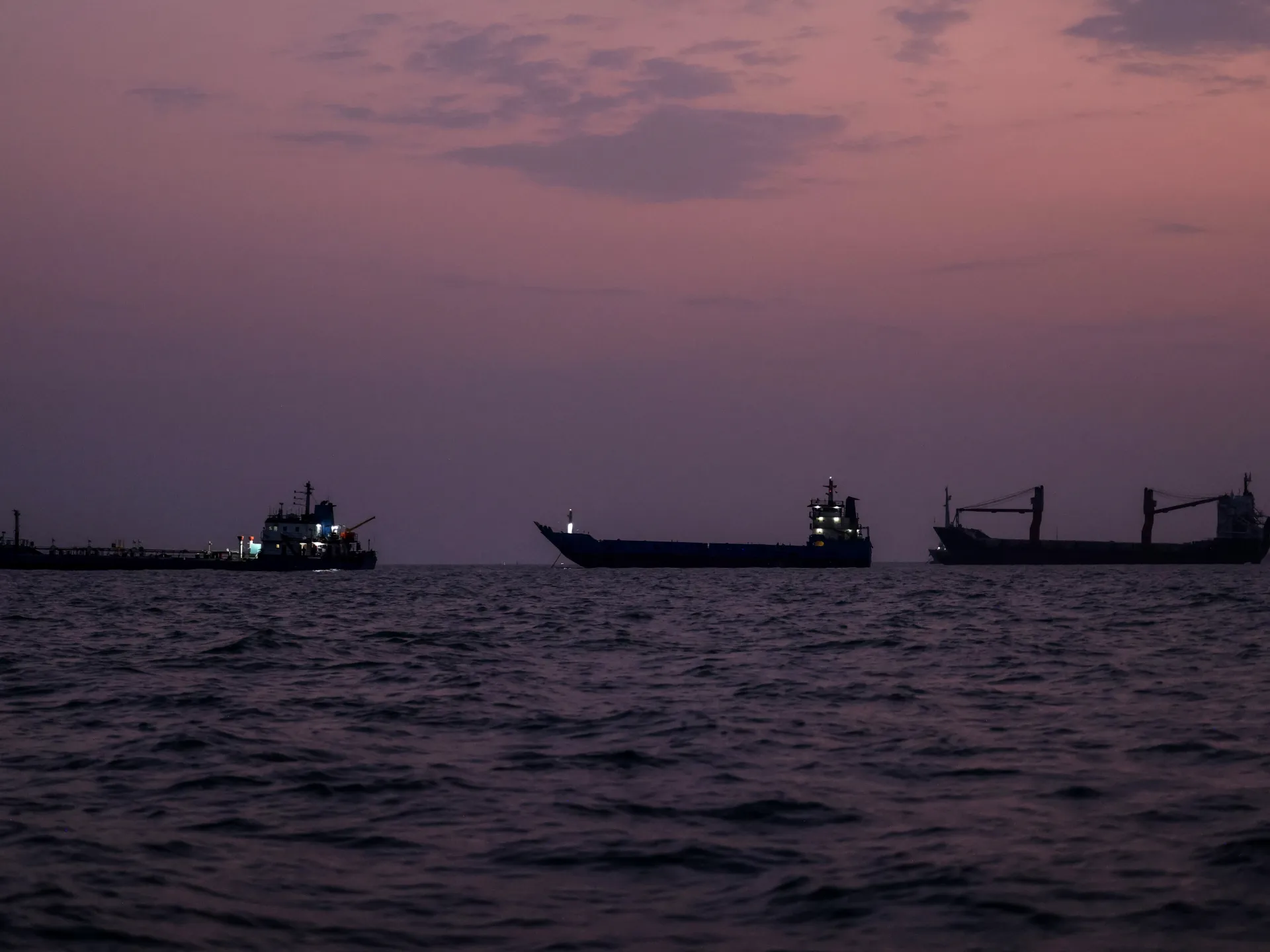
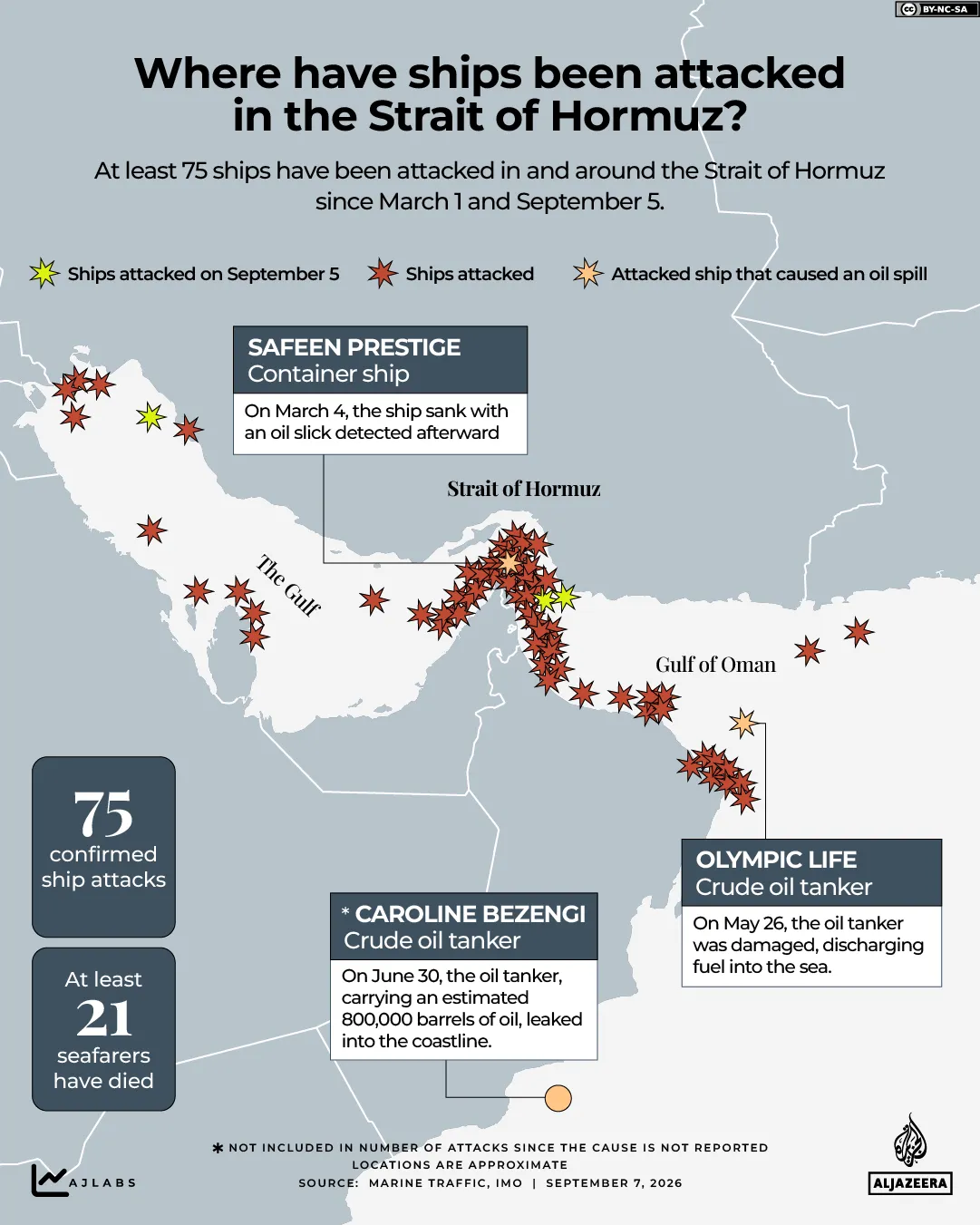
European governments, including Italy, have been watching nervously as the United States-Israeli war on Iran has unfolded. Following initial joint Israel-US strikes on Tehran on February 28, Iranian forces brought shipping traffic in the Strait of Hormuz to a near-total halt, causing the paralysis of the one-fifth of global oil and liquefied natural gas (LNG) exports that pass through the narrow waterway in peacetime.

Following a first failed round of high-stakes Iran-US talks in Islamabad last weekend – amid a fragile two-week truce – Washington imposed a naval blockade on Iranian ports, further aggravating fears of a protracted energy crisis. Italy heavily relies on gas imports.

‘Stop the genocide’

Possibly more importantly, Italy’s government and prime minister are preparing for elections next year.

“There is a general discontent over the war in Iran and the crisis in the Strait of Hormuz – a crisis that’s impacting Italian growth and, if it continues, could have a significant impact on citizens, something Meloni worries about in a pre-election year,” said Arturo Varvelli, a political scientist and senior policy fellow at the European Council on Foreign Relations.

Italian public opinion also has a strong pro-Palestinian component. Last October, more than two million Italians took to the streets as part of a general strike in solidarity with the Global Sumud Flotilla, which was intercepted by Israel while trying to bring aid to Palestinians in Gaza. The flotilla had been carrying 40 Italians among its passengers, calling on Israel to “stop the genocide”.

“There’s a concern that this will be a long agony, between an increasingly unmanageable Trump and the economic problems he and Netanyahu have caused with the war in the Middle East,” Varvelli said.

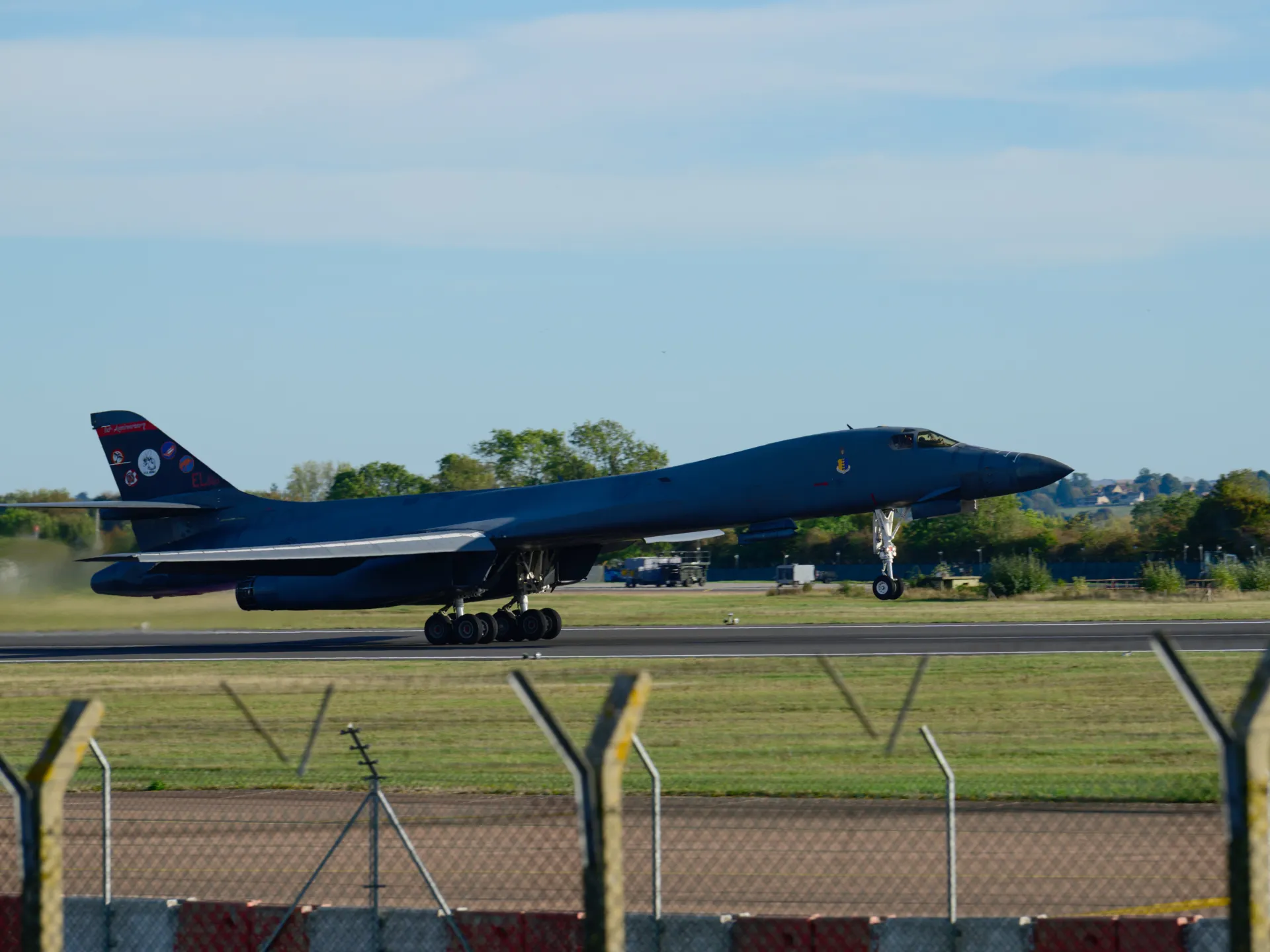
After years of efforts to emerge as US President Donald Trump’s “whisperer” in Europe, Meloni has been pushed by the war in Iran to put some distance between herself and Trump. Rome refused the US president’s request to join a naval coalition to force the opening of the Strait of Hormuz and to allow US bombers to refuel at a military base in southern Italy.

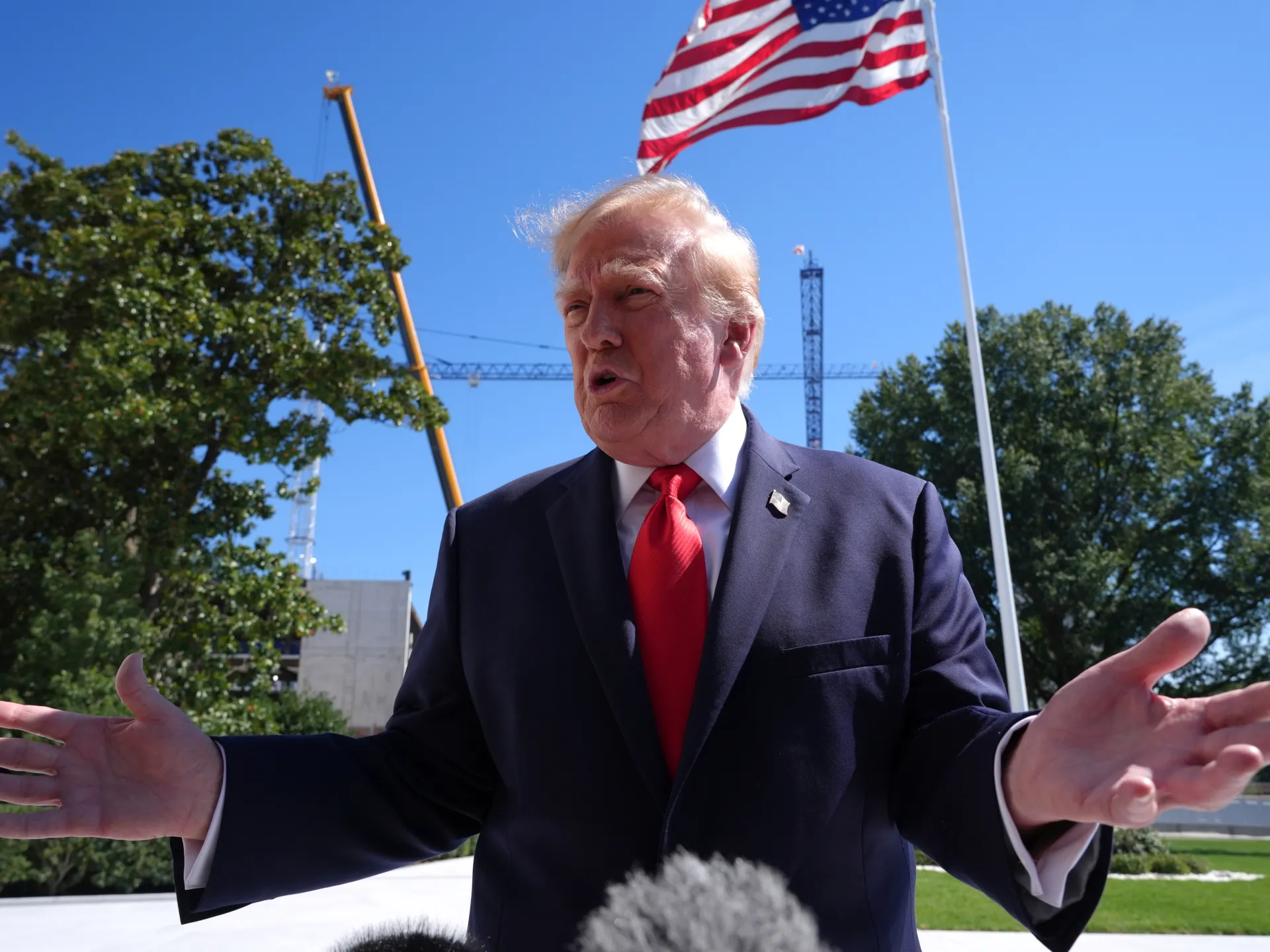
Trump had not commented on those decisions until yesterday, when, in an interview with Italian newspaper Corriere della Sera, he took aim at Meloni. The Italian PM had leapt to defend Pope Leo XIV after he became embroiled in a feud with Trump. Pope Leo had condemned the US president’s threat that Iran’s “civilisation will die” if it didn’t re-open the Strait of Hormuz. In response to that, Trump unleashed a storm of criticism at Leo, calling him “weak on crime” and “terrible for foreign policy”. He said he does not “want a Pope who criticises the President of the United States”.

Trump also posted a bizarre image of himself as a Christ-like figure healing the sick on social media. He has since claimed it was meant to depict him as a doctor, following widespread criticism.

Of Meloni, who he once affectionately called “a real live wire”, Trump said, “I’m shocked at her” during an interview with Corriere della Sera on Tuesday.

“Do people like her? I can’t believe it,” he said in the interview, adding, “I thought she had courage. I was wrong.”

Source link

Saudi Arabia-hosted Asian Cup draw rescheduled due to US-Israel war on Iran | Football News

Draw for the 24-team 2027 AFC Asian Cup, originally set for Saturday, moved to May 9.

The draw for the 2027 ⁠Asian Cup ⁠in Saudi Arabia has been rescheduled for May 9 in Riyadh as the ⁠United States-Israel war on Iran disrupts regional sporting events.

The draw, originally scheduled for last Saturday, will be held at the historic At-Turaif District in Diriyah. The Asian Football Confederation (AFC) said ⁠on Wednesday that the postponement was ‌made to ensure the full participation of all key stakeholders and member associations.

Recommended Stories

list of 4 itemsend of list

A number of sporting events across the region have been postponed or cancelled due to the war, which began on February 28.

Saudi Arabia is set to ⁠host the 24-team, quadrennial continental championship for the first time from January 7 to February 5. With 23 of the ⁠24 teams already confirmed, the draw will divide the qualified ⁠nations into six groups of ⁠four.

The final qualification place will be decided on June 4 when Lebanon face Yemen in a playoff.

Defending champions ‌Qatar have already secured their place at the finals along with four-time winners Japan and fellow ‌World ‌Cup qualifiers South Korea, Iran, Jordan, Australia and Uzbekistan.

Source link

Aid groups bidding to boost relief shipments into Iran | US-Israel war on Iran News

Supply of humanitarian aid for people displaced by the conflict has been complicated by air and sea route closures.

Aid groups have said they’re seeking to boost humanitarian relief shipments into Iran as the effects of the United States-Israeli war hit the population.

The International Federation of Red Cross and Red Crescent Societies (IFRC) said on Tuesday that it had delivered “life-saving” aid and medical supplies, marking one of the first humanitarian shipments since the war began.

Recommended Stories

list of 4 itemsend of list

The shipment entered the country through Turkiye on Sunday, IFRC spokesman Tommaso Della Longa said in a statement. Iran faces a deepening humanitarian crisis after nearly six weeks of conflict that has killed more than 3,000 people, according to Iranian authorities, and displaced up to 3.2 million, he stressed.

“The operation is critical as humanitarian supply chains into Iran have been severely disrupted in recent weeks due to the conflict, making it increasingly difficult and more costly for essential medical and relief items to reach those in need,” the spokesman said.

The convoy, which departed from the Turkish capital Ankara on Friday, carried around 200 trauma kits containing emergency medical supplies along with tents and blankets.

epa12886919 People gather and view photographs of people killed in a US-Israeli airstrike on a residential building, displayed in front of the same building that was hit in Tehran, Iran, 13 April 2026. Iran and the US have failed to reach an agreement after peace talks held in Islamabad on 11 April. EPA/ABEDIN TAHERKENAREH
A residential building that was hit by a strike in Iran’s capital, Tehran  [Abedin Taherkenareh/EPA]

‘Needs are high’

The Turkish Red Crescent Society also dispatched four trucks separately carrying 48 tonnes of aid, including emergency shelters, hygiene kits and first-aid supplies.

“Needs are high, medical needs in particular, but also the psychological toll on people is immense,” Della Longa said.

He noted the toll on the Iranian Red Crescent Society has been high, confirming that the organisation had lost four relief workers in the line of duty.

The effort to respond to humanitarian needs in Iran is growing.

The International Committee of the Red Cross (ICRC) said on Tuesday that it had dispatched 14 trucks from Jordan carrying household supplies for around 25,000 people, including mattresses, jerry cans, kitchen sets and solar lamps.

In addition, ICRC said, 200 generators and 100 motor pumps purchased locally had been donated to the Iranian Red Crescent Society to support relief and rescue operations

Air and sea routes have been blocked by the conflict, it said, making overland crossings through Turkiye and Jordan critical for aid delivery.

The relief comes amid a fragile two-week ceasefire between the United States and Iran.

According to the Turkish Red Crescent Society’s president, Fatma Meric Yilmaz, around 3.6 percent of Iran’s 90 million people have been displaced, while 62,000 homes and more than 20,000 businesses have been destroyed.

Source link

No ships ‘make it past US blockade’ in Hormuz strait in first day: Pentagon | US-Israel war on Iran News

CENTCOM contradicts reports on ships breaking blockade as Trump says US-Iran talks could resume in the next two days.

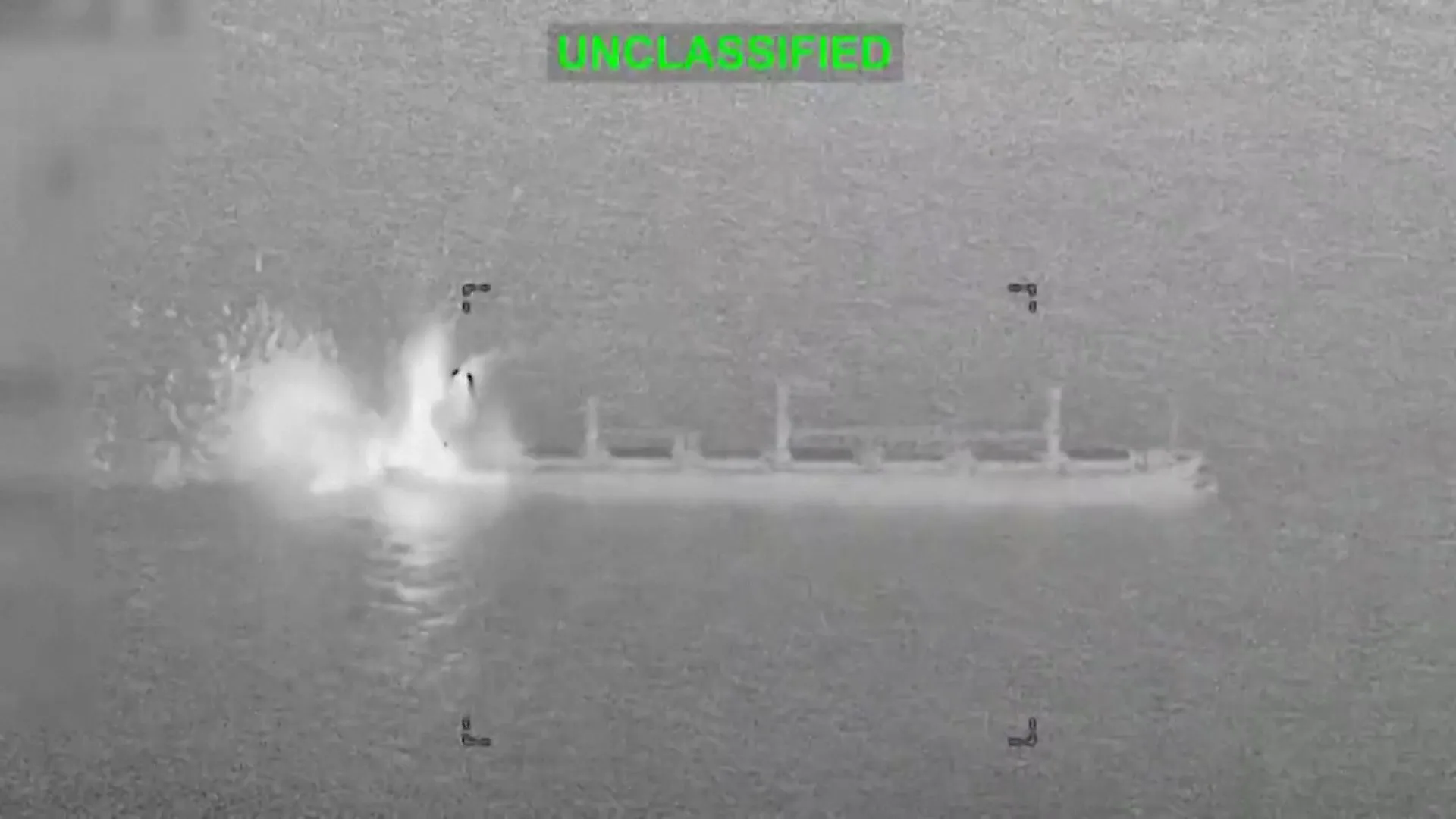
The Pentagon says no ships “made it past” the United States military blockade in the Strait of Hormuz in its first 24 hours and six merchant ships followed orders to turn around.

The statement on Tuesday from the US military’s Central Command (CENTCOM) was the first update since US President Donald Trump announced the blockade of the waterway after US-Iran talks over the weekend in Pakistan failed to yield an agreement on ending the war the US and Israel launched on February 28.

Recommended Stories

list of 3 itemsend of list

CENTCOM said the blockade applies only to vessels “entering and exiting Iranian ports” and other vessels remain free to transit the waterway.

It added: “US forces are supporting freedom of navigation for vessels transiting the Strait of Hormuz to and from non-Iranian ports.”

The Reuters news agency reported at least three vessels transited the strait during the first 24 hours of the blockade, citing shipping data. They included two tankers sanctioned by the US. The three ships were not heading to Iranian ports, according to Reuters.

However, the AFP news agency and several US media outlets, citing data from the maritime tracker Kpler, reported two ships had transited the waterway after leaving Iranian ports on Monday.

CENTCOM said 10,000 US sailors, Marines and airmen were involved in the operation, along with more than a dozen US warships and dozens of aircraft.

Military observers have widely said US forces have the capability to maintain the blockade for the foreseeable future but the continued pressure increases the likelihood of Iranian attacks. That in turn could see a two-week ceasefire that began on Wednesday collapse.

Meanwhile, any efforts to intercept vessels from strategic foes, including China, could create new escalations. The strategy is also likely to continue to roil global oil markets.

Iran has decried the US approach as “piracy” while Trump on Monday promised to “eliminate” any Iranian ships that seek to break the blockade.

Trump says more talks are possible

The update on Tuesday came as both sides signalled they would be open to further talks after failing to reach a breakthrough during 21 hours of negotiations between a US delegation led by Vice President JD Vance and an Iranian delegation led by parliamentary Speaker Mohammad Bagher Ghalibaf.

The talks were the highest-level face-to-face contact between the two countries since the 1979 Islamic revolution.

Key unresolved sticking points include control of the Strait of Hormuz, the future of Iran’s nuclear programme and whether the ceasefire extended to Israel’s ongoing invasion and bombardment of Lebanon.

In an interview with the New York Post newspaper on Tuesday, Trump said “something could be happening over the next two days” in Islamabad as he hailed Pakistani Field Marshal Asim Munir, who has been among the officials shepherding the negotiations.

Reporting from Tehran, Al Jazeera’s Ali Hashem said sources stated there are already messages being exchanged regarding what both sides consider to be “bridgeable issues”.

“Iran is open to talks, and it showed that from last week when it went to Islamabad. The main hurdle always is the mistrust, distrust between both sides,” Hashem said.

“For the Iranians, they’ve been repeating that they’re open. If the Americans want to fight, they’re going to fight. And if they want to talk, they can talk.”

Source link

Who controls the Strait of Hormuz? | US-Israel war on Iran

A US move to block the strait has intensified a broader struggle over who controls access and under what terms.

Now, the United States is the one shutting the Strait of Hormuz, even as President Donald Trump was calling for it to reopen just a few days ago. He said ships entering or leaving Iranian ports would be stopped by the navy after talks between Tehran and Washington fell apart.

However, this is not just about a blockade. Iran is tightening its grip on the strait, demanding the right to impose tolls on ships passing through it.

The ripple effects could go beyond energy and trade flows, challenging the dominance of the US dollar in global shipping.

Source link

Russia’s Lavrov visits China as US pressures Iran with Hormuz blockade | US-Israel war on Iran News

Russian Foreign Minister Sergey Lavrov has arrived in Beijing as the United States blocks the Strait of Hormuz, through which China imports about a third of its oil supplies.

Lavrov received a red-carpet welcome on Tuesday, according to photos shared by Russia’s Ministry of Foreign Affairs.

Recommended Stories

list of 4 itemsend of list

Beijing and Moscow have condemned the US and Israel over their war on Iran, with China also being economically affected by the energy crisis it has caused.

China, a big importer of Iranian oil, also slammed a recently imposed US scheme to blockade vessels entering or departing Iranian ports and coastal areas, including in the Gulf and the Gulf of Oman.

“The Strait of Hormuz is an important international trade route for goods and energy, and maintaining its security, stability, and unimpeded flow is in the common interest of the international community,” China’s Ministry of Foreign Affairs spokesman Guo Jiakun said on Monday.

Lavrov speaks to Araghchi

Al Jazeera’s Alan Fisher, reporting from Washington, DC, said the US’s goal is to choke Iran off by blocking everything coming in and out of Iranian ports.

“What the US hopes is that there’ll be pressure on Iran from some of its main business partners, including China,” he said, adding that Beijing imports about a third of its oil from Iran. “The United States is hoping that pressure on China will mean China putting pressure on Iran and forcing Iran to get back to the negotiating table.”

On Monday, Lavrov held a telephone conversation with his Iranian counterpart, Abbas Araghchi.

The top Russian diplomat told  Araghchi it was important to guard against any resumption of hostilities in the Middle East, and said Russia stood ready to help with a settlement, according to a statement by the Russian Foreign Ministry.

“S Lavrov emphasised the importance of preventing a recurrence of armed confrontation and once again confirmed Russia’s unwavering readiness to assist in resolving the crisis, which has no military solution,” the ministry said.

It added Araghchi related to Lavrov details of US-Iran talks in Pakistan at the weekend, which failed to reach a breakthrough.

Beijing and Moscow are close economic and political partners, and the relationship has deepened further since Russia’s full-scale invasion of Ukraine in 2022.

Wang also held a call with Lavrov on April 5, when they agreed that Beijing and Moscow would work together to de-escalate tensions in the Middle East.

Diplomacy traffic in Beijing

China welcomed a string of leaders of countries that have been affected by the war and its economic fallout this week, including Spanish Prime Minister Pedro Sanchez and United Arab Emirates President Mohamed bin Zayed Al Nahyan, also known as MBZ.

Chinese President Xi Jinping met MBZ and Sanchez on Tuesday morning, and Vietnamese President To Lam is expected in China for a four-day trip.

“I think what this really speaks to is that many people around the world have been surprised that China has not played a more active role in the Iran war, given it has such strong ties with Tehran, including as Iran’s largest trading partner and buyer of crude oil,” Al Jazeera’s Katrina Yu, reporting from Beijing, said.

“But what China has been doing, besides calling for restraint and more negotiation, is taking advantage of this moment to really look at states that may be a little disenchanted with the US or looking to diversify from reliance on Washington,” Yu said.

“China has presented itself as the opposite of Washington – a reliable, stable and predictable partner. For many states, that message really appeals.”

Trump’s threats after ‘fabricated’ reports

Trump, who is scheduled to visit Beijing next month for talks with Xi, said on Sunday he would hit China’s goods with a 50 percent tariff if it provided military assistance to Tehran.

His comments came the same day CNN reported that US intelligence indicated China was preparing to deliver new air defence systems to Iran within the next few weeks, quoting three people familiar with the assessments.

On Tuesday, Chinese Foreign Ministry spokesman Guo said those reports were “completely fabricated”.

“If the US insists on using this as an excuse to impose additional tariffs on China, China will definitely take resolute countermeasures,” he said.

Source link

Iran war: What is happening on day 46 of the US-Iran conflict? | US-Israel war on Iran News

The US started a blockade on Iranian ports, but Trump said there is still a chance for Tehran to reach a deal.

President Donald Trump said there is still room for Iran to strike a deal, despite the US blockade of Iranian ports, as Israel intensified its invasion of southern Lebanon.

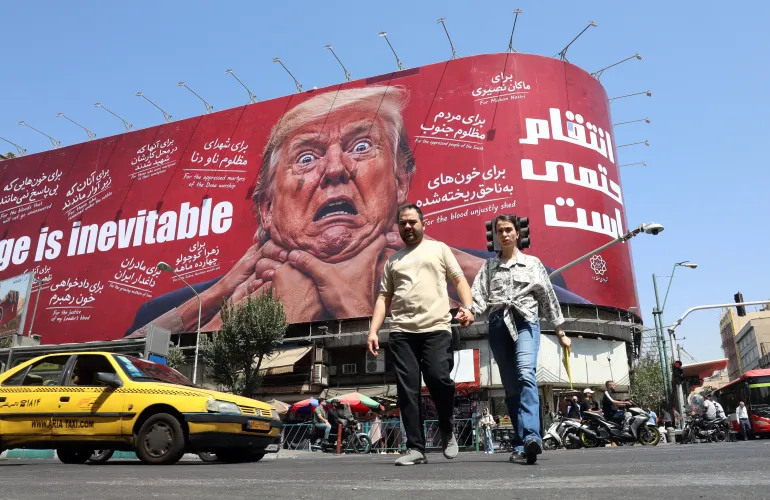
Iran has accused Washington of “piracy” as thousands rally in Tehran against the move, which targets shipping through the Strait of Hormuz.

Recommended Stories

list of 1 itemend of list

The Associated Press news agency reported on Tuesday that diplomatic efforts to revive US-Iran talks are continuing, with Pakistan offering to host a second round of negotiations in Islamabad this week.

Here is what we know:

In Iran

  • US blockade and protests: The US measures are now being enforced, prompting Iranian accusations of “piracy” and demonstrations in Tehran against the restrictions on maritime traffic.
  • Tehran calls blockade ‘illegal’: Iran’s armed forces condemned the move as unlawful, warning that targeting its ports could put shipping across the Gulf at risk.
  • IRGC warns of escalation: A Revolutionary Guard spokesperson said Iran still has “unused capabilities” and could deploy new tactics if the conflict deepens.
  • Tehran backs pope: Iran’s Parliament Speaker Mohammad Bagher Ghalibaf praised Pope Leo XIV for condemning the war, calling his stance “fearless”.
  • Russia withdraws nuclear staff: Russia has pulled most of its personnel from Iran’s only nuclear power plant, built with Moscow’s support, according to the head of the country’s atomic energy agency.

War diplomacy

  • Qatar urges mediation: Qatar’s Foreign Minister Sheikh Mohammed bin Abdulrahman bin Jassim Al Thani urged Iran and the US to engage constructively in mediation efforts.
  • Pakistan says truce ‘holding’: Prime Minister Shehbaz Sharif said the ceasefire between the US and Iran was “holding”, with efforts ongoing to reach a deal after weekend talks failed.
  • Shipping disruption grows: A UN spokesperson said there is “no military solution”, warning that instability in the Strait of Hormuz is worsening global economic fragility. About 20,000 vessels are reported stranded, with supply chains, including fertiliser, under strain.
  • Push to include Lebanon: The United Kingdom urged Lebanon’s inclusion in a broader US-Iran ceasefire framework, which currently excludes fighting involving Hezbollah.
  • Talks planned with Lebanon despite fighting: Israeli and Lebanese ambassadors will hold talks on Tuesday in Washington, DC, aimed at halting the war.
  • Hezbollah rejects negotiations: Hezbollah leader Naim Qassem on Monday urged Lebanon to cancel the planned meeting in Washington, reiterating his group’s opposition to any direct engagement with Israel.
  • Russia to accept Iran’s uranium: The Kremlin has repeated an offer to accept Iran’s enriched uranium as part of a potential agreement with the US. In comments carried by Russia’s state-owned RIA Novosti news agency, Kremlin spokesman Dmitry Peskov said the proposal “was voiced by President [Vladimir] Putin in contacts with both the United States and regional states”.

INTERACTIVE_LIVETRACKER_IRAN_US_ISRAEL_MIDDLEEAST_ATTACKS_April 13_2026_GMT1645-1776099548

In the US

  • Iran ‘wants a deal’: Trump said Iranian representatives had reached out to pursue a peace agreement after talks in Pakistan ended without a breakthrough. “They’d like to make a deal. Very badly,” he told reporters, without specifying who made contact.
  • No apology over pope remarks: Trump said he had “nothing to apologise for” after criticising Pope Leo XIV for calling for an end to the conflict. He described the pope as “weak” on key issues, including Iran.
  • Warning over Iranian vessels: Trump said US forces would destroy any Iranian “fast attack ships” approaching the naval blockade now in effect.
  • Domestic politics and war powers: Senate Democrats, led by Chuck Schumer, are pushing for another vote to curb Trump’s authority to wage war on Iran. Schumer criticised the campaign as an “epic fail”, citing rising US fuel prices, while previous efforts have been blocked by Republicans.
  • Arrests of protesters: Police in New York City have arrested about 90 protesters in Manhattan as they stopped traffic to protest against the war on Iran and the US’s arms sales to Israel. Jewish Voice for Peace, the group leading the protest, said those taken into custody included whistleblower Chelsea Manning, actor Hari Nef and New York City Council Member Alexa Aviles.
  • Trump rails at pope: Trump has doubled down on his criticism of Pope Leo XIV, saying the pontiff’s opposition to the war in Iran was “wrong” and accusing him of being “weak on crime”.

In Israel

  • Israel pushes ‘buffer zone’: Israel’s military is continuing ground operations and air raids across southern Lebanon, bulldozing buildings in border towns such as Naqoura as part of efforts to create a “buffer zone”.
  • Hezbollah steps up attacks: Fighters have launched rockets and drones at Israeli troops and vehicles in areas including Bint Jbeil and Biyyada.
  • Accusations against Israel: Hezbollah chief Qassem accused Israeli Prime Minister Benjamin Netanyahu of pursuing a “Greater Israel” agenda with US backing.
  • Tensions with Italy: Israel summoned Italy’s ambassador after Foreign Minister Antonio Tajani condemned attacks on Beirut as “unacceptable”, following reports of more than 300 deaths.
  • The Israeli military said one soldier has been killed and three others have been wounded during battle in southern Lebanon.

In Lebanon

  • Israel continues to attack Lebanon: Israel has intensified its invasion of southern Lebanon, as the death toll from Israeli attacks since March 2 rises to at least 2,089.
  • An Israeli drone attack has hit a car travelling near southern Lebanon’s Nabatieh, killing at least two people, the National News Agency reported on Tuesday. Our colleagues at Al Jazeera Arabic say Israeli forces have launched two raids on the towns of Machgharah and Sohmor in the eastern Bekaa Valley.
  • Public opinion divided: Lebanese citizens appear split about negotiations, with some expressing fatigue from the war and hoping for a diplomatic breakthrough, while others remain sceptical of Israel’s intentions and doubt any deal will hold.
  • Canadian Foreign Minister Anita Anand confirmed in a statement posted on X that a Canadian national has died in southern Lebanon. The minister did not provide details on the events that led to the Canadian’s death.

Strait of Hormuz and energy crisis

  • The Reuters news agency is reporting that a Chinese tanker sanctioned ⁠by Washington has passed through the Strait of Hormuz despite a ⁠US blockade on the waterway. The tanker and its ‌owner, Shanghai Xuanrun Shipping Co Ltd, were previously sanctioned by the US for dealing with Iran.
  • US Energy Secretary Chris Wright said oil prices could keep rising until “we get meaningful ship traffic through the Strait of Hormuz”.

Source link

Anti-war protesters arrested in New York urging end to Israel weapon sales | US-Israel war on Iran News

Police in New York have arrested around 100 anti-war protesters who were staging a sit-in outside the offices of Senators Chuck Schumer and Kirsten Gillibrand, demanding an end to US weapons sales to Israel. The demonstration comes as Senator Bernie Sanders pushes to block more than $600m worth of bombs bound for Israel’s military.

Source link

Bahrain summons Iraqi envoy as pro-Iranian attacks persist in Gulf | US-Israel war on Iran News

Move reflects regional alarm over attacks by pro-Iranian groups based in Iraq, which continue despite ceasefire.

Bahrain has summoned an Iraqi envoy over drone attacks launched at the kingdom and other states in the region, which persist despite the US-Iran ceasefire.

The summoning of the diplomat on Monday followed similar action by Saudi Arabia the previous day, signalling growing regional concern over the activities of pro-Iranian groups based in Iraq and complicating Baghdad’s efforts to rebuild ties with its Arab neighbours.

Recommended Stories

list of 4 itemsend of list

Bahrain’s Ministry of Foreign Affairs strongly condemned the “continued malicious drone attacks” launched from Iraq towards Bahrain and several Gulf Cooperation Council countries, the state news agency BNA reported.

The ministry said Abdullah bin Ali Al Khalifa, director general of bilateral relations, had delivered an official protest note during the meeting with the Iraqi charge d’affaires, Ahmed Ismail al-Karawi.

The diplomatic missive called on Baghdad to address “these threats and attacks urgently and responsibly”.

Launchpad

During the United States-Israel war on Iran, Iraq has become a staging ground for a secondary conflict as drones and missiles are launched by Iran-aligned armed groups repeatedly targeting the Gulf states and Jordan.

US interests in Iraq also have been targeted, particularly the embassy in Baghdad.

Last month, several Gulf countries and Jordan demanded in a joint statement that Baghdad act immediately to stop attacks from its territory by Iran-aligned groups.

The statement was signed by Bahrain, Jordan, Kuwait, Qatar, Saudi Arabia and the United Arab Emirates.

Baghdad has categorically rejected the use of its territory to target Gulf states or Jordan, adding that it is taking necessary measures “in accordance with the constitution and the law”.

The attacks are severely testing Iraq’s painstakingly rebuilt ties with its Arab neighbours, leading Baghdad to issue a statement in which it offered “full readiness” to receive any information or evidence regarding the attacks to address them “responsibly and swiftly”.

Iran-aligned groups in Iraq had announced their commitment to a two-week Iran-US ceasefire that has been in place since dawn on Wednesday, and said they were suspending their actions towards the Gulf countries.

However, just hours after the ceasefire was announced, several Gulf nations reported missile and drone attacks on their territories.

Source link

What are the pros and cons of Trump’s Iranian naval blockade? | US-Israel war on Iran

NewsFeed

What does Donald Trump’s naval blockade of Iranian ports look like and can it achieve what the US president wants? It is hard to know when the planning appears to have been done on the fly, according to war studies lecturer Samir Puri.

Source link

Pakistan eyes narrow window to resuscitate US-Iran talks after breakdown | US-Israel war on Iran News

Islamabad, Pakistan – More than 12 hours of face-to-face negotiations between the United States and Iran ended without agreement in Islamabad on Sunday, leaving a fragile two-week ceasefire as the only barrier between diplomacy and a return to war.

Pakistan, which spent weeks positioning itself as a mediator and succeeded in bringing both sides into the same room, emerged with its role intact. But officials acknowledge the harder phase now begins — getting American and Iranian negotiators back into talks before their differences explode into full-fledged war again.

Recommended Stories

list of 4 itemsend of list

“Pakistan has been and will continue to play its role to facilitate engagements and dialogue between the Islamic Republic of Iran and the United States of America in the days to come,” Pakistan’s Deputy Prime Minister and Foreign Minister Ishaq Dar said in a statement after the conclusion of the talks.

The talks, the highest-level direct engagement between Washington and Tehran since the 1979 Islamic Revolution, faltered over differences surrounding Iran’s nuclear programme.

“The simple fact is that we need to see an affirmative commitment that they will not seek a nuclear weapon, and they will not seek the tools that would enable them to quickly achieve a nuclear weapon,” said US Vice President JD Vance, who led the American delegation alongside special envoy Steve Witkoff and US President Donald Trump’s son-in-law Jared Kushner.

However, Vance left a narrow opening for the resumption of talks.

“We leave here with a very simple proposal, a method of understanding that is our final and best offer. We’ll see if the Iranians accept it,” Vance said, tapping the podium for emphasis, before ending his brief remarks, which lasted for less than five minutes.

Pakistani and Iranian sources confirmed that the Iranian delegation met senior Pakistani officials later on Sunday before departing for Tehran, though details of those discussions remain unclear.

What is clear is that Pakistan isn’t giving up yet.

Washington’s red lines

US officials said that Iran had entered negotiations misreading its leverage, believing it held advantages that, in Washington’s assessment, it did not.

.
US Vice President JD Vance speaks during a news conference after meeting with representatives from Pakistan and Iran, on Sunday, April 12, 2026, in Islamabad, Pakistan [Jacquelyn Martin/Pool via Reuters]

According to these officials, Vance spent much of his time during the talks correcting what they described as Iranian misperceptions about the US position — asserting that no deal would be possible without a full commitment on the nuclear issue.

Officials also suggested that Trump’s subsequent announcement of a blockade in the Strait of Hormuz was not an impulsive reaction, but a pre-planned step aimed at removing the waterway as an Iranian bargaining tool and forcing the nuclear issue back to the centre of any future talks.

But the US officials, speaking on background, also acknowledged that the gulf in the positions between Washington and Tehran that they failed to bridge extended to issues beyond Iran’s nuclear programme.

In essence, they said, the two sides failed to agree on six key points: ending all uranium enrichment; dismantling major enrichment facilities; removing Iran’s stockpile of highly enriched uranium; accepting a broader regional security framework involving US allies; ending funding for groups Washington designates as “terrorist” organisations, including Hamas, Hezbollah and the Houthis; and fully reopening the Strait of Hormuz without tolls.

Hours after the talks ended, Trump acknowledged partial progress, but underscored the central impasse.

“The meeting went well, most points were agreed to, but the only point that really mattered, NUCLEAR, was not,” he wrote on Truth Social.

“Effective immediately, the United States Navy, the Finest in the World, will begin the process of BLOCKADING any and all Ships trying to enter, or leave, the Strait of Hormuz,” Trump said. “Iran will not be allowed to profit off this Illegal Act of EXTORTION.”

Iran has effectively controlled access to the Strait of Hormuz, through which roughly 20 percent of global oil supplies pass, since the US-Israeli attacks began on February 28.

Iran’s Islamic Revolutionary Guard Corps (IRGC) has imposed what analysts describe as a de facto toll system, requiring vessels to secure clearance codes and transit under escort through a controlled corridor.

The disruption has pushed oil prices above $100 per barrel at times, unsettling global markets and placing sustained pressure on energy-importing countries across Asia and Europe.

Tehran has framed its control of the strait as both a security measure and a key negotiating lever, one it has shown little willingness to relinquish without a broader settlement.

Tehran’s point of view

Iran’s account of the breakdown differed sharply.

In a post on X early on April 13, after returning to Tehran, Iran’s Foreign Minister Abbas Araghchi said his country had engaged in “good faith”, only to face shifting demands.

Pakistani Prime Minister Shehbaz Sharif meets with Iranian Parliament Speaker Mohammad Bagher Ghalibaf, as delegations from the United States and Iran are expected to hold peace talks, in Islamabad, Pakistan, April 11, 2026. Pakistan's Prime Minister Office/Handout via REUTERS THIS IMAGE HAS BEEN SUPPLIED BY A THIRD PARTY. BEST QUALITY AVAILABLE. REFILE - ADDING NATIONALITY 'PAKISTANI PRIME MINISTER SHEHBAZ SHARIF'.
Iranian Parliament Speaker Mohammad Bagher Ghalibaf, left, meets with Pakistani Prime Minister Shehbaz Sharif, right, in Islamabad on April 11, 2026 [Handout/Prime Minister’s Office via Reuters]

“When just inches away from an Islamabad MoU, we encountered maximalism, shifting goalposts, and blockade,” he wrote. “Zero lessons learned. Good will begets good will. Enmity begets enmity.”

The reference to an “Islamabad MoU”, a memorandum of understanding, was the clearest public signal yet that the two sides had come closer to a formal agreement than either government had previously acknowledged.

Iran’s Parliament Speaker Mohammad Bagher Ghalibaf, who led the country’s delegation, said his team had proposed “forward-looking initiatives”, but failed to secure trust.

“Due to the experiences of the two previous wars, we have no trust in the opposing side,” he wrote on Sunday.

Foreign Ministry spokesperson Esmaeil Baghaei also pointed to partial progress but unresolved differences.

“On some issues we actually reached mutual understanding, but there was a gap over two or three important issues and ultimately the talks didn’t result in an agreement,” he said.

Tehran’s key demands, including an end to Israeli strikes on Lebanon, the release of $6bn in frozen assets, guarantees on its nuclear programme and the right to charge vessels transiting the Strait of Hormuz, remained unmet.

Iran’s ambassador to Pakistan, Reza Amiri Moghadam, however, offered a more measured view — suggesting that Tehran was not closing the window on talks.

“The Islamabad Talks is not an event but a process,” he wrote in his message on X on Sunday. “The Islamabad Talks laid the foundation for a diplomatic process that, if trust and will are strengthened, can create a sustainable framework for the interests of all parties.”

Pakistan’s balancing act

For Pakistan, analysts say, the outcome represents a setback but not a failure.

Officials were careful to describe the talks as “an important opening step in a continuing diplomatic process”, stressing that issues of such complexity cannot be resolved in a single round.

The emphasis, they said, was on keeping the channel open.

Muhammad Obaidullah, a former Pakistan Navy commodore who has served in Iran as a diplomat, said expectations of a breakthrough were always unrealistic.

“The mere fact of bringing both parties face to face is a significant diplomatic achievement in itself,” he told Al Jazeera. “The diplomacy is not dead.”

Ishtiaq Ahmad, professor emeritus of international relations at Quaid-i-Azam University in Islamabad, went further.

“The talks did not collapse; they concluded without agreement but with a defined US offer on the table and the channel still intact,” he said.

“Pakistan’s role was to move the crisis from escalation to structured engagement, which it achieved. The absence of convergence reflects structural differences between the US and Iran, not a failure of mediation.”

Both Trump and Iranian officials have praised Pakistan’s Prime Minister Shehbaz Sharif and Chief of Army Staff Field Marshal Asim Munir for their efforts to secure the ceasefire, and for hosting the talks in Islamabad. That, say analysts, suggests that they remain open to further Pakistan-brokered negotiations.

Sahar Baloch, a Germany-based scholar of Iran, said that trust remains Pakistan’s most valuable asset.

“The real test of credibility is not preventing breakdowns, but remaining relevant after them,” she said.

U.S.-Iran peace talks in Islamabad
A man walks past a billboard announcing peace negotiations as delegations from the United States and Iran hold high-level talks in Islamabad, Pakistan, April 11, 2026 [Asim Hafeez/Reuters]

Fragile ceasefire

The immediate threat to Pakistan’s role comes from the evolving situation in the Strait of Hormuz and in Lebanon.

Iran has already warned that continued Israeli strikes on Lebanon could render negotiations meaningless. Iran’s President Masoud Pezeshkian has framed such attacks as a direct challenge to the ceasefire.

Trump’s blockade announcement now adds pressure from a second front.

Ahmad, a former Pakistan chair at Oxford University, warned that a collapse of the truce would sharply narrow diplomatic options.

“If the ceasefire collapses, the immediate consequence is the loss of the diplomatic window,” he said. “A second round becomes far more difficult because both sides would return to negotiating under active escalation, where positions tend to harden rather than converge.”

Obaidullah drew a historical parallel with the US naval quarantine of Cuba during the 1962 missile crisis. What if China were to use its own ships to import Iranian oil? Would the US attack them?

“The world will again be watching who blinks first,” Obaidullah said. “However, it may turn into a far greater conflict if neither side does.”

The Cuban Missile Crisis of October 1962 brought the US and the Soviet Union to the brink of nuclear war, after Washington discovered Moscow had installed nuclear missiles on Cuban soil, within striking distance of the American mainland.

The US blocked the Soviets from providing more equipment to Cuba, and eventually, a diplomatic settlement was reached, with the Soviets agreeing to withdraw the missiles in exchange for a US pledge not to invade Cuba.

Baloch, the Berlin-based scholar, agreed that the situation remains volatile.

“The ceasefire risks becoming more symbolic than substantive,” she said. “But paradoxically, escalation can sometimes force a return to talks, even if under more urgent and less favourable conditions.”

What is the road ahead?

Pakistan’s room for manoeuvring is also shaped by its economic fragility.

The disruption in the Strait of Hormuz has driven up energy prices, compounding pressures on an economy already under strain before the conflict.

Ahmad said this creates both urgency and limits.

“Economic exposure, especially to energy shocks and external financing, creates urgency for Pakistan to prevent a prolonged conflict,” he said.

“But it also reinforces a constraint: Pakistan cannot afford escalation with either side. Its leverage is not coercive; it is positional. It comes from being the only channel acceptable to both sides, not from the ability to impose outcomes,” Ahmad said.

Eight days remain until the end of the initial two-week truce, a window Pakistani officials said privately represents a genuine opportunity for further technical and political alignment, if both sides choose to use it.

Ahmad suggested that any breakthrough would depend on creating a sequence of steps acceptable to both sides.

“The US is asking for early nuclear commitments; Iran is asking for guarantees and relief first,” he said.

Pakistan’s role, he added, would be to help “structure this sequencing, keep both sides engaged, and prevent breakdown at each stage”.

Islamabad won’t be the one drafting a deal itself, he emphasised, noting, “At this point, maintaining the channel is as important as the substance of the deal itself.”

Source link

Starmer says UK will not support US blockade of Strait of Hormuz | US-Israel war on Iran News

Other US allies criticise Trump’s move, including France, Spain and Turkiye, and China also condemns the plan.

British Prime Minister Keir Starmer says his country will not join the blockade of the Strait of Hormuz announced by United States President Donald Trump, a move also criticised by other US allies.

“We are not supporting the blockade,” Starmer told BBC radio on Monday, adding that the United Kingdom “is not getting dragged in” to the US-Israel war on Iran.

Recommended Stories

list of 4 itemsend of list

Starmer said it was vital to get the strait reopened. In peacetime, about 20 percent of the world’s oil supplies pass through the strategic waterway that links the Gulf to the Indian Ocean.

“It is in my view vital that we get the strait open and fully open, and that’s where we’ve put all of our efforts in the last few weeks, and we’ll continue to do so,” he said.

Al Jazeera’s Rory Challands, reporting from London, said Starmer has continued to “maintain a delicate balancing act” of saying the UK will not be joining the war while being careful not to level any criticism directly at Trump regarding his actions in the war.

Traffic through the strait has been heavily restricted since the start of the war. Iran has allowed through only some vessels serving friendly countries, such as China.

Starmer made his statement as the US military announced it would block all maritime traffic entering and exiting Iranian ports starting from 14:00 GMT. It was unclear, however, how the US military would enforce the blockade.

“The blockade will be enforced impartially against vessels of all nations entering or departing Iranian ports and coastal areas, including all Iranian ports on the Arabian Gulf and Gulf of Oman,” the US military’s Central Command said.

US forces would not impede vessels transiting the Strait of Hormuz to and from non-Iranian ports, it added.

A map of the Strait of Hormuz
A map of the Strait of Hormuz [Courtesy of Roudi Baroudi]


In a lengthy social media post on Sunday, Trump said his goal was to clear the strait of mines and reopen it to all shipping and Iran must not be allowed to profit from controlling the waterway.

Meanwhile, French President Emmanuel Macron announced that France and the UK would hold a conference in the coming days aimed at restoring freedom of navigation in the strait.

Macron reiterated that no diplomatic effort be spared in reaching a lasting end to the US-Israel war on Iran.

Nicole Grajewski, assistant professor at the Center for International Research at the Paris Institute of Political Studies, said a US blockade was “not a minor coercive signal” but could rather be considered essentially a resumption of the war.

Other US allies also criticised Trump’s move, including Spanish Defence Minister Margarita Robles, who said the planned naval blockade “makes no sense”.

“It’s one more episode in this whole downward spiral into which we’ve been dragged,” she said.

Fellow NATO ally Turkiye said the Strait of Hormuz should open “as soon as possible”.

“Negotiations with Iran should be conducted, persuasion methods should be used and the strait should be opened as soon as possible,” Turkish Foreign Minister Hakan Fidan told the state-run Anadolu news agency.

China, Washington’s great power rival and a big importer of Iranian oil, also criticised the plan.

“The Strait of Hormuz is an important international trade route for goods and energy, and maintaining its security, stability and unimpeded flow is in the common interest of the international community,” Ministry of Foreign Affairs spokesman Guo Jiakun said, urging Iran and the US not to reignite the war.

Source link

Refugee in my own city: Surviving Tehran’s bombing, with my cat for company | US-Israel war on Iran News

Sana* is a 27-year-old woman living with her roommate, Fatemeh, in a two-bedroom apartment in western Tehran. The economics master’s student and risk control analyst at an investment firm had already survived the June 2025 Israel-Iran war. When the latest war began in late February, she promised herself she would not run away from the city again. As told to Ariya Farahand. 

The night before the war, every piece of news arriving on my phone had two possibilities: Either they strike, or they don’t. I stayed up late, waiting. Previously, the strikes had come around midnight, so I kept watching. When nothing happened, I put on some Persian music, poured myself a drink to take the edge off, and went to bed. I told myself the night had passed without an attack.

Recommended Stories

list of 3 itemsend of list

I was wrong.

It was 9:40am on February 28 when the first missiles hit Tehran. I was caught between sleep and wakefulness in my apartment in the west of the city. My neighbourhood hadn’t been targeted yet. I hadn’t heard any explosions. I didn’t know what to expect.

My phone began chiming with text messages I couldn’t bring myself to get up and check. When it started ringing, I realised that it was urgent. It was my boyfriend, his shaky voice enquiring if I was OK. Before I could answer, he blurted out: “They struck. They attacked.”

He didn’t need to elaborate further.

Within minutes, my mother, my father and my younger sister were calling from Sari, 250 kilometres (155 miles) north in Mazandaran province, where they’re based, begging me to leave the capital. I stared at my cat, Fandogh (Hazelnut). She stared back. I made myself a promise: No matter what happens, I am not leaving Tehran.

The 12-day war last June had broken something in me. On its third day, my family’s pressure forced me out of the city. The drive to Sari was miserable, and my parents’ house was crowded; none of us found peace. This time, I refused. My boyfriend urged me to go somewhere safer. I said no.

By mid-afternoon, my roommate Fatemeh had finally made it home from work, the gridlock traffic making her typical hour-and-a-half journey take four hours. She walked in, still wearing her coat, sat down in the middle of the living room, and wept – the first explosion, she told me, had hit right near her office.

Routine

The war settled into a grim routine. We learned to anticipate strikes during certain windows: early morning, the afternoon, and after 11 at night. The bombings were never predictable enough to be safe, but those were the hours we instinctively braced. We relied on supermarket deliveries to avoid going outside. If we absolutely needed something, we made a frantic dash to the shops and rushed straight back.

The internet was another kind of suffocation. When friends who had emigrated abroad heard there was “no internet”, they assumed it meant social media was blocked. But, for most people, it was a total blackout – we couldn’t even load Google. We kept buying virtual private networks (VPNs) that would work for a day and then stop. My daily life ran on podcasts and YouTube. Now there was nothing. I downloaded foreign TV series from local servers that were still operating just to keep my mind occupied. I read. I found a copy of Baghdad Diaries (a 2003 book recounting the war in Iraq), and its mirroring of my own reality sent a chill through me. You could write a whole book, I kept thinking, about what we were living through.

March 16 was one of the worst nights of my life – though it had started gently enough.

At my friends’ urging, I had gone to a nearby cafe that evening, the first time in weeks that anything felt briefly, superficially normal. I got home about 9pm, did some light cleaning, and was asleep by 11.

At 2:30 in the morning, a massive explosion tore through the silence. The force of it jolted me upright. Fatemeh was already awake. We stumbled into the hallway, peered out the window – and then an intense flash of light flooded the apartment, followed by a blast so violent we both screamed. Still in our pyjamas, without stopping to grab our phones, we sprinted down the fire escape to the lowest level of the parking garage. Several neighbours were already there.

Seven or eight more explosions followed. They were bombing near Mehrabad airport, close to us. I genuinely thought I was going to die.

When I finally went back upstairs, my cat was hiding in the wardrobe, trembling. My family and boyfriend had been calling and texting, without response, for hours, watching the news reports about strikes near the airport and imagining the worst. Guilt washed over me for leaving my cat behind. I called everyone to say I was alive.

Attempting normality

I felt like a refugee in my own city.

The days had already been darkening before that night. One day, an oil depot was struck. I had stepped out to do some shopping at the corner of the street. I stopped and looked up. It was the middle of the day, but the sky had turned black. Pitch black. Like the end of the world.

April 4 was my first day back in the office – and the day we would find out whether our contracts were being renewed or not. When I arrived, a colleague was already standing in the hallway, termination letter in hand, crying about how she would pay her rent, how she was supposed to find work in the middle of a war. I will never forget her tears. By midday, half the staff – 18 out of 41 – had been laid off. Nobody did any work.

I kept my job. Three days later, on my commute home, the streets were nearly empty – a journey that once took more than an hour took less than 20 minutes. The only queues were at petrol stations, snaking down deserted roads, after US President Donald Trump threatened to strike Iran’s energy infrastructure and destroy our “whole civilisation”. In the lift, my neighbour stepped in, carrying two large packs of bottled water and talked anxiously about pooling money for a building generator. That night, Fatemeh went to bed early, claiming she didn’t care about any of it. She had been biting her nails all evening. She showered before bed – so that she would be clean, she told me, if the water was cut off after an attack.

When the ceasefire was announced, I couldn’t believe it. I waited for the denial that never came. When it was finally clear the war was on pause, it felt as though a 100-kilogramme weight had been lifted from my chest.

I pulled the blanket over my head, but found I still couldn’t sleep. What happens next?

The first thing I did the following morning was book an appointment to get my hair cut and my nails done. The second thing I did was buy a high-grade VPN – expensive, about $4 a gigabyte — and scroll through Instagram for the first time in weeks.

Small things. The kind that makes you feel human again.

*The names used in this article are pseudonyms chosen for security reasons

Source link

US military threatens to blockade all Iranian ports starting on Monday | US-Israel war on Iran News

Vessels will still be able to transit Strait of Hormuz to and from non-Iranian ports, says CENTCOM; Iran warns any approaching military vessels will be breaching ceasefire.

The United States military has announced it will begin blockading all Iranian ports on Monday, its latest move to exert pressure on Tehran after marathon peace talks in Pakistan concluded without a deal.

In a statement on Sunday evening, US Central Command (CENTCOM) said the blockade would apply to “all maritime traffic entering and exiting Iranian ports” from 10am Eastern Time (14:00 GMT) on April 13. That includes “vessels of all nations entering or departing Iranian ports and coastal areas”, including those on the Gulf and the Gulf of Oman.

Recommended Stories

list of 3 itemsend of list

However, US forces “will not impede freedom of ⁠navigation for vessels transiting the Strait ⁠of Hormuz to and ⁠from non-Iranian ports,” CENTCOM said, in an apparent scaling back from President Donald Trump’s earlier threat to blockade the entire strait and pursue ships paying tolls to Iran.

“There are a lot of questions here,” said Al Jazeera’s Heidi Zhou-Castro from Washington, DC, pointing to “conflicting information” coming out of the US side.

“Trump said the blockade would target any and all ships trying to enter or leave the Strait of Hormuz. But CENTCOM is saying this would only target ships going to or from Iranian ports.”

The price of US crude oil jumped 8 percent to $104.24 a barrel after the US blockade threat. Brent crude oil, the international standard, increased 7 percent to $102.29.

Iran has essentially taken control over the Strait of Hormuz, a vital chokepoint for the global energy market, since the US and Israel launched a war against the country on February 28. Traffic through the waterway has since slowed to a trickle, nearly paralysing about one-fifth of the world’s oil and liquefied natural gas shipments.

Iran has continued to move its own vessels through the strait, while allowing limited passage of ships from other countries. Iranian officials have discussed setting up a toll system after the fighting ends.

In a statement responding to Trump’s blockade threat, Iran’s Islamic Revolutionary Guard Corps said any approaching military vessels would be in breach of a US-Iran ceasefire – meant to be in effect until April 22 – and “will be dealt with severely”.

The US-declared blockade appears to be triggered by the failure of the talks in Pakistan’s capital, Islamabad, raising fears of renewed fighting.

Iranian officials blamed the US side for failing to reach a deal, with Minister of Foreign Affairs Abbas Araghchi saying US negotiators shifted the “goalposts” and obstructed efforts when a memorandum of understanding was “just inches away”.

Zohreh Kharazmi, an associate professor at the University of Tehran, said the US “is not in a position to dictate” to Iranians how to behave, or “to choose which vessels may pass”.

“If this blockade becomes a contest between the resilience of the Islamic Republic and the resilience of global markets, it will not take long to see who is losing,” she said, adding that Iran “is ready for a prolonged war”.

“Technically, they [the US] cannot control the situation. With Hollywood-style strategies, they cannot prevail in this battleground.”

Source link

Rescuers dig through rubble after deadly Israeli strikes in south Lebanon | US-Israel war on Iran

NewsFeed

Rescuers are digging through rubble after a new wave of Israeli strikes across southern Lebanon killed at least 13 people. The attacks hit multiple towns in the Tyre and Nabatieh districts. The death toll from Israeli attacks in Lebanon climbs above 2,000.

Source link

Seven ways America can win the ceasefire and end the war | US-Israel war on Iran

It was too much to ask of United States Vice President JD Vance that he hammer out a peace agreement with representatives of the Islamic Republic of Iran after the first direct meeting of the two sides in more than a decade.

But it is not too much to ask for enemy combatants to maintain the ceasefire and for negotiators to come back to the table for a second round of meetings.

As of now, we still have a ceasefire. The question remains: Can America win it?

For President Donald Trump, this question is existential. If voters perceive that the US lost the war against Iran, the Republicans will lose Congress and the president would be on the political hot seat for his last two years in office.

If, on the other hand, voters perceive that this conflict with Iran was worth it and life returns to normal by the summer, then the Republicans have a better chance of breaking even in November’s midterm elections.

What would it take for the US to win the ceasefire and eventually get a peace agreement?

Well, first, the Strait of Hormuz must be open to all shipping. This must be the number one objective for the Trump administration as it is the one thing that has the most impact on the global economy and, most importantly for a domestic audience, the price of oil. Policy planners at the White House didn’t fully appreciate how Iran could seize control of this critical chokepoint in international commerce, but they appreciate it now.

Second, the US must increase domestic pressure on the Iranian regime. Stopping the bombing is a good way to do that. The Islamic Revolutionary Guard Corps has been significantly weakened by the joint US-Israeli attacks. Our intelligence community needs to do everything it can to strengthen the Iranian protest movement, arming them with weapons and resources. Bombing bridges and oil refineries would have been a significant blunder by the Americans because it would have made it much more difficult for insurgents within the country to mount any kind of opposition.

Third, the US must mend its relationships with its traditional allies. This isn’t just about Iran. Russia and China look at the tensions within NATO, and they rejoice. A more united Western world, especially when it comes to keeping the Strait of Hormuz open, is essential.

Fourth, the Trump administration needs to improve its messaging game. Right now, the US is thoroughly divided when it comes to this war. Even elements of Trump’s political base are deeply sceptical of the campaign. I understand the motivation behind the president’s maximalist rhetoric, but trying to convince your opponents that you are a madman who just might put his finger on the button comes with some downsides.

Our allies were frightened, the American people were concerned, the pope was aghast. Even some of the president’s biggest political fans called for him to be removed via the 25th Amendment of the US Constitution, which provides for replacing a sitting president due to incapacity. Messaging from Secretary of War Pete Hegseth hasn’t been much better. Calling this another Christian crusade is not helpful to our long-term goals in the region.

Fifth, the president needs to paint a picture of what peace would mean to the Iranian people and to the region in general and then sell it to them. What is happening with Venezuela is a perfect example of what could happen with Iran. We cut off the head of government there, but the rest of the political body is still mostly in place. We do not need a total change in the regime. We do need a total change in the attitude of the current regime.

Sixth, the president needs to firmly lay out what we expect from a lasting peace agreement and what we need from the Iranian regime. The first thing we need is actual peace. Enough with funding terrorism, terrorist proxies and never-ending war against Israel. Peace means peace. The nuclear programme must never be turned into nuclear weapons.

Seventh, the president needs to make sure Israel’s objectives are aligned with ours. This would require some blunt talk between Trump and Israeli Prime Minister Benjamin Netanyahu. Clearly, the Israeli prime minister sold Trump a bill of goods when he told him that this would be a quick war that would topple the Iranian regime at a relatively low cost. That hasn’t happened.

I appreciate how the Israelis are sick and tired of getting missiles sent their way from Hezbollah. But a forever war seems to be a key component of the Netanyahu political campaign, and that simply does not work for the American people any more.

The US and Israel need to be on the same page about what their objectives are now that we are in a lull in the fighting. This is critical to win this ceasefire.

The views expressed in this article are the author’s own and do not necessarily reflect Al Jazeera’s editorial stance.

Source link