Tech-heavy Nasdaq falls 2.6 percent as debate rages over whether AI is a bubble.
Published On 23 Oct 202623 Oct 2026
US tech stocks have dropped sharply amid market jitters over the sustainability of companies’ enormous capital investments in AI.
The Nasdaq Composite, which is dominated by tech firms linked to the AI boom, fell 2.6 percent on Thursday, its steepest fall since the index tumbled 4.2 percent on June 5.
Recommended Stories
list of 4 itemsend of list
The broader S&P 500 slid 1.21 percent, the benchmark’s biggest drop since a 1.52 percent decline on July 29.
Apart from Apple, each of the “Magnificent 7”, which make up more than one-third of the overall market, saw substantial losses.
Meta dropped nearly 7 percent after it raised its projected capital spending for this year to $135bn to $145bn in its latest earnings report, even as the Facebook parent company’s net profit fell short of expectations.
Amazon fell 4.6 percent, while Nvidia dropped 4.4 percent.
Tesla and Alphabet both fell 3.1 percent, while Microsoft declined 2.2 percent.
Apple rose 1.2 percent.
The sell-off extended to other major tech players, including Intel and Advanced Micro Devices, both of which fell about 8 percent, and Broadcom, which slid 4.3 percent.
Rising oil prices since February, due to the fallout of the US-Israel war on Iran, added to the downbeat mood.
Brent crude futures rose 4 percent on Thursday and continued to climb on Friday morning, taking the international benchmark above $114.20 a barrel, its highest since May.
Stocks slip in Asian trading
Major stock markets in Asia opened lower on Friday, following the losses on Wall Street.
Japan’s benchmark Nikkei 225 fell more than 2 percent in morning trading before recovering some ground, while South Korea’s KOSPI dropped as much as 3.5 percent.
The Hang Seng Index in Hong Kong fell about 0.5 percent.
Jay Goldberg, a senior analyst at Seaport Research Partners in San Francisco, said the swings in the market appeared to be driven more by sentiment than underlying fundamentals.
“In short, nothing has changed. Investors have just decided to be afraid this week. Everyone I speak to points to a different cause for the downfall … It’s just a giant wall of worry,” Goldberg told Al Jazeera.
“There are legitimate concerns about the AI trade, but this level of shift in the markets is driven much more by investor sentiment than any tangible reason.”
US tech companies’ huge investments in AI have stoked intense debate about whether a market bubble is forming similar to the one that preceded the 2000 dot-com crash.
While some Wall Street analysts view current levels of investment in datacentres and graphics processing units as unsustainable, others argue that AI will revolutionise society to a degree that justifies the eye-watering sums involved.
Global AI investment is forecast to reach $2.7 trillion in 2026 and $3.6 trillion in 2027, according to technology insights company Gartner.
Trump advises the Republican gubernatorial candidate to keep running the controversial advertisement.
Published On 23 Oct 202623 Oct 2026
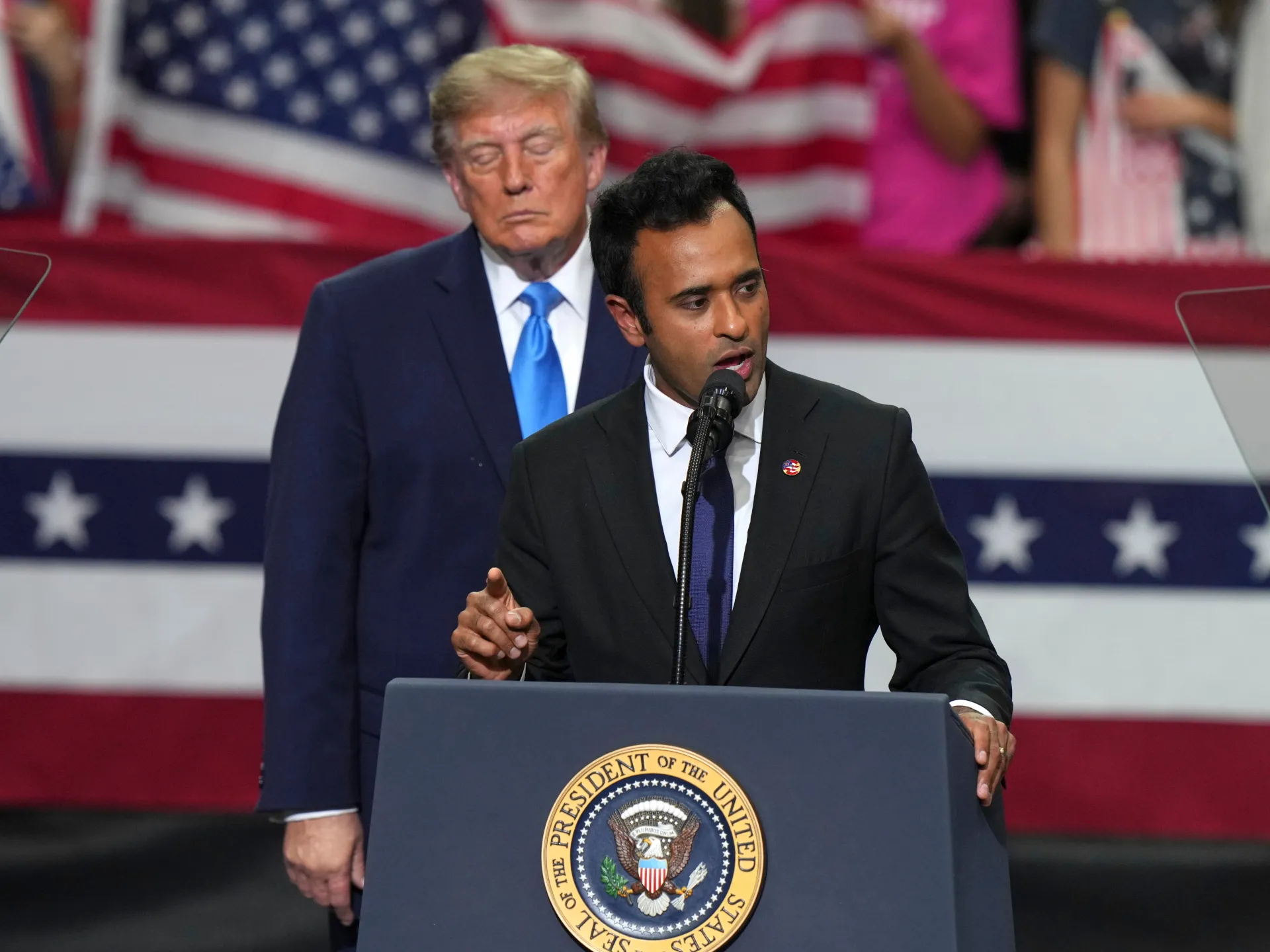
US President Donald Trump has backed Republican Vivek Ramaswamy amid controversy over an attack advertisement by the Ohio gubernatorial candidate against his Democratic rival.
Trump said in a social media post on Thursday that Ramaswamy should keep running the advertisement that features Democratic candidate Amy Acton’s estranged mother.
Recommended Stories
list of 3 itemsend of list
In the advertisement, Donna Arthur, Acton’s mother, disputes her daughter’s account of a childhood involving homelessness and sexual abuse by her stepfather, urging Ohioans not to vote for her.
Acton says she has not seen her mother since 1978. Acton’s brother has supported her account of being sexually abused by her stepfather when she was a child. The stepfather, who died in 2004, was charged with rape.
“Anybody whose mother spoke about a daughter in that way would normally lead to the daughter being precluded from serving in office,” Trump said.
The US president also attacked Republican Ohio Governor Mike DeWine, who advised Ramaswamy to take down the advertisement, labelling him “disloyal” to the Republican party.
‘It’s wrong’
At a gathering with reporters at the Ohio Statehouse, DeWine recalled the painful experiences of rape victims he dealt with as a county prosecutor and state attorney general.
“It’s wrong to run this ad,” he said. “And, even at this late time – my wife, Fran, saw the advertisement just run this morning on TV – I would just urge the Ramaswamy campaign to take this down.”
Acton’s brother, Philip Stearns, called the advertisement a “desperate, disgusting attack”, while Acton campaign spokesperson Addie Bullock called Ramaswamy’s decision to promote it “both despicable and entirely predictable”.
Vice President JD Vance, campaigning on Wednesday with Ramaswamy and US Senator Jon Husted, an Ohio Republican, had brushed aside the blowback.
Vance, a former senator from Ohio, expressed disgust with Republicans “whining” about the advertisement as low and in poor taste.
Ramaswamy’s campaign said it was spending $4m to promote the advertisement.
Opinion polls suggest Acton is narrowly leading Ramaswamy in a tight race to replace the term-limited DeWine.
Less than two weeks before the midterm elections, some Michigan voters are still deciding between Republican Mike Rogers and Democrat Abdul El-Sayed in the race for a US Senate seat. At an event in Detroit this week, one voter questioned why El-Sayed won’t say his ‘real name.’
Homeland Security targets nine states in a push to identify voting fraud, a move critics denounce as tantamount to voter intimidation.
Published On 22 Oct 202622 Oct 2026
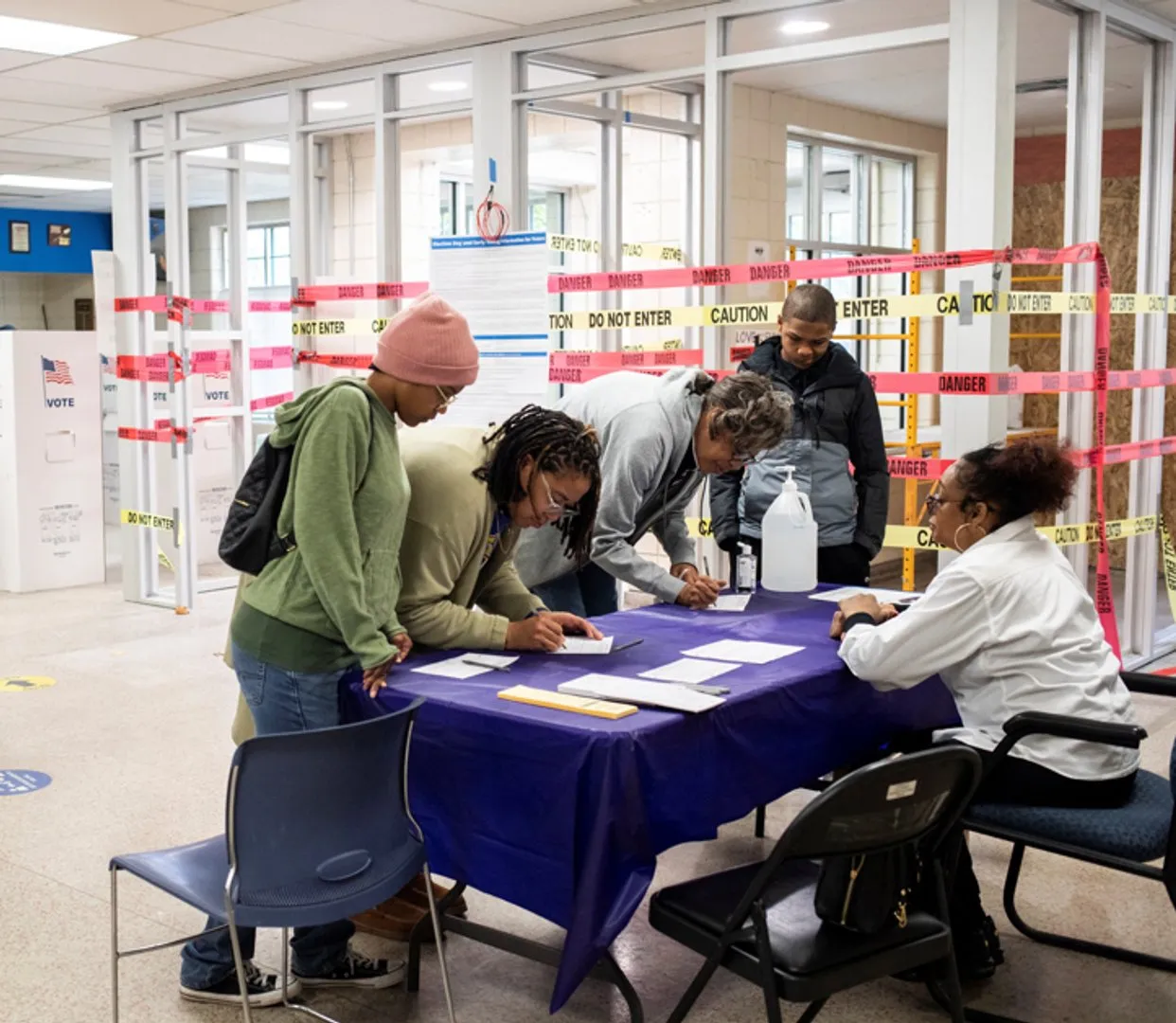
A United States federal judge has ordered the Department of Homeland Security (DHS) to halt operations aimed at finding non-citizen voters in nine states ahead of the midterm elections.
The ruling by US District Court Judge Araceli Martinez-Olguin said the investigations likely violate a provision of the Voting Rights Act that prohibits voter intimidation. She further said the DHS may have relied on flawed data in its investigations.
Recommended Stories
list of 3 itemsend of list
That leads to “an objectively reasonable fear of law enforcement entanglements that intimidates citizens from urging or aiding others in exercising their right to vote”, she wrote.
The order applies to federal efforts targeting California, Connecticut, Georgia, Missouri, Nevada, New York, Pennsylvania, Washington and Wisconsin.
The DHS has publicised what it has described as a push to identify individuals who have committed voter fraud, with some local offices posting photos of agents knocking on the doors of suspects.
The operations come as the administration of US President Donald Trump has sought to highlight instances of voter fraud ahead of the November 3 midterm vote.
While there are recorded instances of fraud in every election cycle, such isolated cases remain exceedingly rare.
There has been no evidence to indicate that non-citizen voters have influenced the outcome of any election at any level in the country.
In a statement following Thursday’s ruling, the DHS maintained that its investigations were aimed at “removing aliens who vote and dilute the votes of US citizens”.
“We have no plans to question or investigate people we believe to be US citizens,” it said.
In their lawsuit challenging the DHS’s efforts, the California Nurses Association and National Nurses United, along with the Voto Latino Foundation, San Francisco and Santa Clara County, said that some US citizens felt they were wrongly identified and questioned as part of the investigations.
A lawyer representing the groups said it was “clear from the start that DHS built its lists on bad data, never checked how often it was wrong, and recklessly sent agents to people’s homes weeks before an election”.
Benjamin Farley, the supervisory counsel for democracy defense at the National Immigration Law Center, said the ruling sent a strong message about voter intimidation ahead of the midterm vote.
“Yesterday’s decision is a clear rebuke of the government’s efforts to scare voters away from the polls this November and a reminder that all US citizens – regardless of color, place of birth, or the nationality of their family members – have the right to participate in American elections free of intimidation,” he said.
“No armed federal agent is going to stop us from casting our vote.”
NBA superstar LeBron James criticised by US President Donald Trump for disrespectful behaviour during national anthem.
Published On 22 Oct 202622 Oct 2026
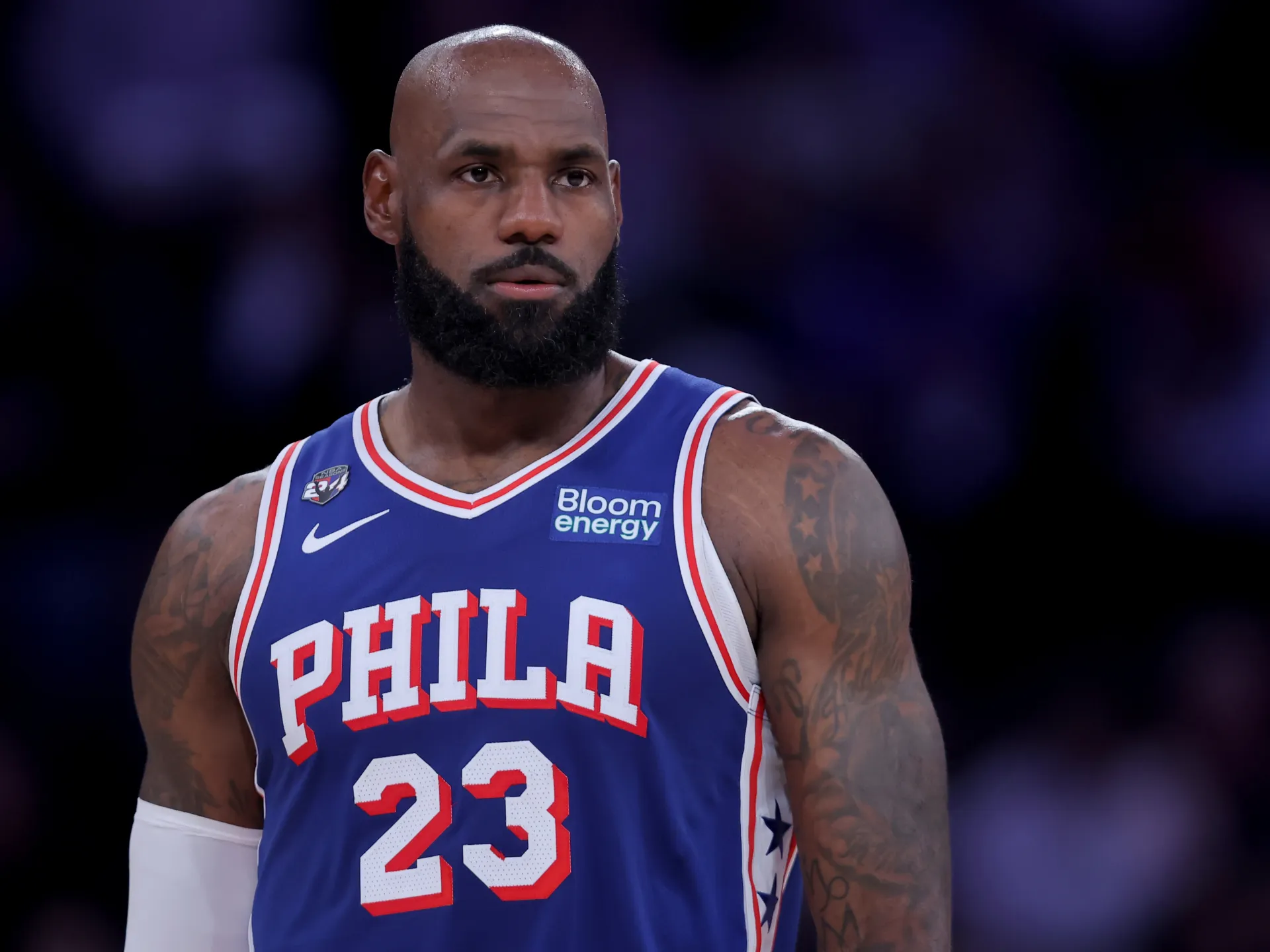
US President Donald Trump criticised National Basketball Association (NBA) superstar LeBron James on Thursday for what he called disrespectful behaviour during the singing of the US national anthem at a recent NBA game.
“While listening to our National Anthem, LeBron James disrespects our Country,” Trump said in a Truth Social post accompanied by a video showing James moving his body during the anthem.
Recommended Stories
list of 4 itemsend of list
“LeBron James should apologize to all of those Great American Warriors and Heroes who died for the American Flag, and all that our Country stands for!”
The clip Trump shared showed James standing in line with the members of the Philadelphia 76ers, swinging his arms in a warm-up-type stretch and performing basketball shooting movements.
A representative for the 76ers did not immediately respond to a request from Al Jazeera for comment.
Trump has repeatedly criticised athletes for their behaviour during pre-game renditions of the US national anthem, notably beginning with NFL quarterback Colin Kaepernick’s kneeling protest in support of racial justice.
Trump cancelled the planned White House visit of the Super Bowl champions Philadelphia Eagles in 2018 after the team disagreed with his call for players to stand during the anthem.
James became a leading voice in the Black Lives Matter movement in 2020 and has frequently supported progressive issues as he ascended to the top of the NBA’s all-time scoring list.
Not too long ago, when it came to dealing with Maduro & Co., Ric Grenell was considered a key figure in Washington DC. As the US braced for Trump’s second coming, Grenell was even deemed a contender to lead the State Department. The president opted for Marco Rubio, but created a new diplomatic post exclusively for Grenell: the Special Presidential Envoy for Special Missions, which had a Special focus on Venezuela and North Korea.
Given the leeway some middlemen retain in the Trump White House, Grenell’s debut was the subject of widespread speculation about who would ultimately command the Venezuela portfolio. Days into the second Trump presidency, while Maduro secured his last inauguration with an iron fist, Grenell arrived in Miraflores to meet with the dictator and his political strategist, Jorge Rodríguez, who looked delighted. Grenell left Caracas with six US citizens Maduro had held hostage, which he framed as a resounding diplomatic victory, though many more American prisoners were still left behind. He soon reaped a reward: Trump appointed Grenell to manage the Kennedy Center, an ideal hub to sow political and financial connections through grandiose social events. The president even wanted to rename the venue after himself. Grenell—widely considered a “MAGA insider”—emerged as an ideal ally to seal Trump’s imprint on the institution. It didn’t last long.
Twenty months later, he lost the job at the Kennedy Center and currently has no place in the current arrangement between Trump and Delcy Rodríguez.
Since last week, Grenell has been embroiled in a scandal of a multimillion-dollar, international dimension, which goes back to his Kennedy Center tenure. It speaks of the network of friends and contacts he had access to when empowered vis-à-vis the chavista clique. The New York Times characterizes the unfolding saga as “bitter even for Trump-era standards.” As it stands, the episode is yet another example of the broad discretion and opacity that US officials have claimed for themselves to navigate relations between Washington and political elites in Caracas, Balkan capitals, and beyond.
The Mildons and a misplaced transaction
The saga gained attention when news broke about the wedding between Trump’s former personal lawyer Alina Habba, 42, and Turhan Mildon, an obscure Turkish investor in his 20s with ties to President Recep Tayyip Erdogan. Mildon started to operate in Venezuela’s construction industry when Maduro was still in power, after a seemingly lucrative experience in the Democratic Republic of Congo. Love and business drew him to Caracas, the Middle East Eye reported in September: Mildon was then in a relationship with the daughter of Remigio Ceballos, a powerful chavista military commander, while he partnered with the Venezuelan State to revive as many as 10 unproductive cement plants.
His facilitator in Caracas was no other than Alex Saab, the disgraced moneyman of Maduro who is now in US custody.
According to New York Times reporters, Mildon not only lobbied Saab for the “Vencement” deal, but also took over a once-successful shrimp exporter Maduro seized in 2024. The company’s original owner is imprisoned in Venezuela.
Regarding Mildon’s new romance, he told the MEE that he met Habba some time ago through a mutual friend, “an ambassador in the US.”
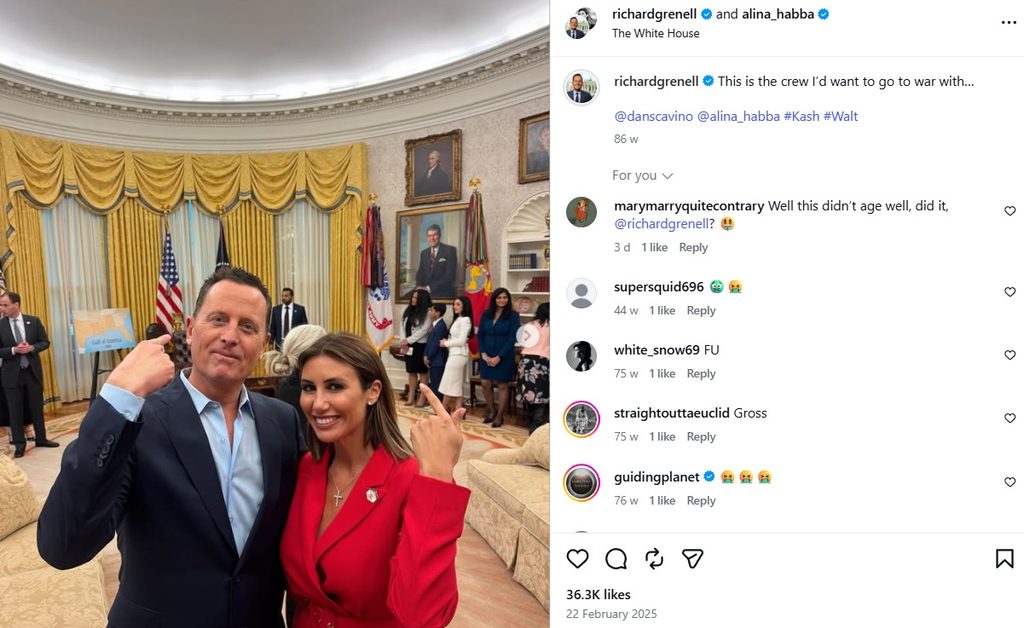
All smiles between Habba and the special envoy in the early days of Trump’s second term. Source: Grenell’s Instagram account.
The public fallout between Habba and Grenell surfaced last week, involving allegations over political favors in exchange for a multi-million-dollar contribution that was never registered. Axios first reported that Habba stormed into the Oval Office to tell Trump that Grenell persuaded Mildon, her new husband, to wire a $17.6 million donation to the Kennedy Center last year via a third-party’s bank account. Grenell denied the allegation on the spot, challenging the Mildons to submit proof.
Caracas Chronicles reached out to Grenell’s camp for comment on these developments and any reflections on his work in Venezuela, including whether he remains in contact with government officials under Delcy. We haven’t received a response. A Venezuelan opposition source who closely monitors Alex Saab’s legal case and business dealings declined to comment at this stage.
On Monday, Axios gave us an idea of the kind of evidence that Mildon’s lawyers are handing over. Grenell reportedly texted Mildon that the transaction would secure access to US officials, maybe even the president himself, through “VIP events” at the Kennedy Center. Grenell also offered to make him “the American face down in V,” which sounds like he saw Mildon as a potential poster child for US business interests in Maduro’s Venezuela.
Axios reports that a private defence company called TXAT allegedly received the payment. The transfer would not come from Mildon’s bank account, but from an account linked to the Congolese Ministry of Finance.
While revelations pile up and the Mildons build their case before President Trump, Grenell keeps witnessing his own change of luck, which began in the second half of last year, with the US military deployment in the Caribbean, and continued with Maduro’s ousting on January 3.
A bad streak
“I understand what he [Maduro] wants. I believe we can still have a deal. I believe in diplomacy, I believe in avoiding war,” Grenell claimed on September 17, 2025, during the CPAC international conference in Asunción, Paraguay.
Grenell already looked out of the loop. It was the early days of a US military campaign a few kilometers away from Venezuela, which had the stated purpose of dismantling narco-trafficking networks in the region. Grenell had become a champion of a supposedly mutually beneficial cooperation with the chavista elite in previous months. In contrast with the likes of Rubio and Mauricio Claver-Carone, Grenell pushed for the normalization of relations between the Trump administration and the Maduro regime. He portrayed his in-person meeting with Maduro and Jorge Rodríguez as a sign of what his approach could achieve. Soon, the US began deporting Venezuelan migrants and detainees in charter flights to Maiquetía, which Grenell could publicize as proof that his plan was working.
Analysts and reporters speculated over which idea would prevail: Grenell’s pitch that working with Maduro was the safe bet, or Rubio’s insistence on revoking the Chevron license and gutting the regime of financial resources. Soon enough, a tougher sanctions regime would isolate Venezuela. Rubio and Secretary of War Pete Hegseth grabbed the spotlight. Grenell found himself sidelined, but kept insisting his approach was the right one.
“I continue to talk to Maduro’s team,” Grenell told CBS after returning from CPAC, which featured the likes of presidents Santiago Peña and Javier Milei, and right-wing commentator Javier Negre, a Spanish media figure whose visibility in “Twitterzuela” has grown for praising Delcy Rodríguez and criticizing María Corina Machado’s camp.
Negre and Grenell pose together at CPAC 2025, in the Sheraton Hotel of Asunción. Source: Estado de Alarma TV.
Donald Trump shut Grenell down via telephone two weeks later, according to The New York Times, in the middle of an Oval Office meeting with senior military leaders. Grenell reportedly received orders to cease all communications with Maduro’s camp.
The aftermath of January 3 would further push him out. Rubio took an active role in handing instructions and often dealing directly with Delcy Rodríguez. In March, Grenell was relieved of his duties as president and executive director of the Kennedy Center. He formally retains the “Special Missions” post, but has stayed off the radar while other names (Claver-Carone, Alejandro Betancourt, Chris Wright and Jarrod Agen, to name a few) gained prominence over the Caracas dossier.
The unlucky colleagues
A string of successive scandals has also affected other Trump administration officials, who had to resign from their posts last week. Evidence available from open sources indicate two of them are close to Grenell.
The latest example is Katie Zacharia, the shortest-serving Press Secretary in the history of the White House. Following a clumsy first (and last) press briefing, Zacharia faced scrutiny over the false claim that she was an attorney. Some quick fact-checking from US media and observers found that Zacharia was neither licensed to work as counsel in the US nor that she worked as a lawyer in China, as she alleged at some point. Her LinkedIn page says she served as “general counsel” for Fix California, a non-profit that Grenell launched in 2021. The organization is focused on voter registration and advancing conservative causes in the Golden State, the liberal stronghold run by Democratic Governor Gavin Newsom—a constant target of Grenell’s attacks on social media.
Last year, Zacharia appeared twice in conservative media hailing Grenell’s work in Venezuela. On Fox News Night in February 2025, she recounted how Grenell supposedly forced Maduro to give in:
People didn’t know these hostages [American political prisoners in Venezuela] were in Venezuela. He asked Maduro: “I want these six hostages,” and he said, “Oh, I don’t have them.” And Ambassador Grenell said: “I need them, I’m gonna go back to the airplane and you’re gonna get them for me.” And the regime brought them to him…
The other disgraced ally of Grenell is Kimberly Guilfoyle, the ex-fiancée of Donald Trump Jr. (and Gavin Newsom’s ex-wife), who served as the US ambassador in Athens until last week. Guilfoye’s dismissal was actually the only news Katie Zacharia shared during her only presser.
Guilfoyle, whose fondness for parties and luxury was no secret, faced rising scrutiny in September. The Wall Street Journal reported that a Greek-American lobbyist had become a constant presence alongside her in official meetings across the Balkans, promoting energy deals with a Greek construction company. Then, the same journalists found that Guilfoyle asked a Trump donor to pay her $100,000 credit card bill just before her confirmation hearing. Despite some initial denial, the episode went on to exhaust Rubio and Trump, who forced her to resign last week.
The president also fired Paolo Zampolli last week, who served as special envoy for global partnerships. A longtime modeling agent, Zampolli is credited with introducing Donald Trump to Melania in 1998.
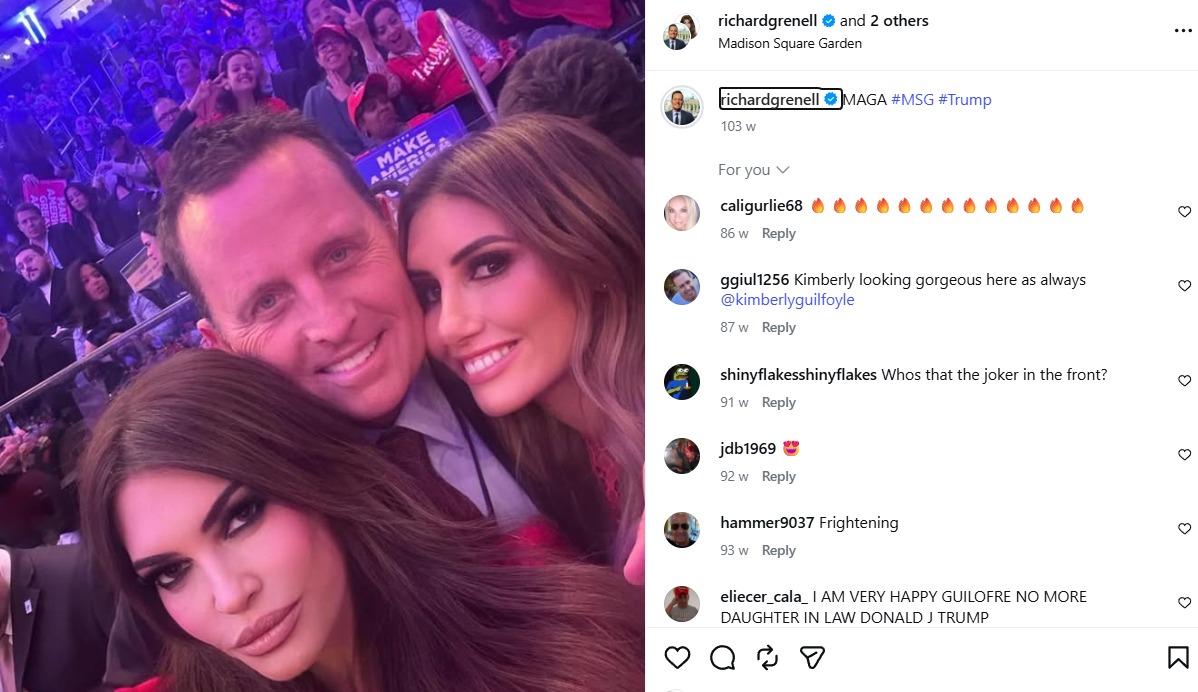
Guilfoyle, Don Jr. and Grenell at the latter’s farewell party as US ambassador to Germany.Grenell, Guilfoyle and Habba in an event at the Madison Square Garden.
Public records show that Grenell has also had interests in Southeastern Europe, where association with pro-Russian autocrats and involvement in controversial deals continue to dog MAGA and Trump’s owninner circle. Having served as special envoy for Kosovo-Serbia negotiations during Trump’s first term, Grenell maintains a close relationship with Aleksandar Vučić, Serbia’s increasingly authoritarian leader, who recently resigned the presidency to run for prime minister in a bid to further entrench his power. After leaving that post, Grenell advocated for a major luxury complex in central Belgrade backed by Jared Kushner’s investment firm.
In Romania, Grenell drew scrutiny for publicly opposing proceedings against internet personalities Andrew and Tristan Tate, who face severe criminal charges including human trafficking and rape across multiple jurisdictions.
Grenell, Machado and the Rodríguez siblings
A Venezuelan opposition insider suggests Grenell’s sidelining helped put an end to media noise about the Trump administration pursuing a diplomatic and commercial understanding with Maduro in 2025.
Grenell first came into contact with Maduro associates in 2021, when Florida politician David Rivera and Raúl Gorrín coordinated a backchannel meeting in Mexico City between Jorge Rodríguez, Grenell and Erik Prince. Delcy’s brother offered to swap six American prisoners for Alex Saab, then in US custody for the first time. Rivera, who couldn’t make it to the encounter, faces a decade in prison for secretly lobbying on behalf of Maduro during Trump’s first term—an operation orchestrated by Delcy Rodríguez, who finally achieved an understanding with Washington this year.
Grenell was perceived as a nuisance for regime-change ambitions among many opposition figures and observers. María Corina Machado had contact with Grenell in early 2025, but the relationship soured before long. Two senior members of Machado’s team were approached for a comment on Grenell’s role and relationship with their camp. Neither has replied so far.
Grenell reportedly sought to meet the opposition leader in person while she was hiding in Venezuela. The New York Times reported that she refused to provide a list of political prisoners who Grenell could prioritize during negotiations with chavista representatives. Grenell later voiced his displeasure when Machado won the Nobel Prize instead of his boss, claiming in a tweet that the award had “died years ago.”
Now, both Machado and Grenell appear to lack Trump’s confidence. But Machado is expected to find her way back to Venezuela, one way or another, while Grenell could face disgrace, deprived from the opportunity of providing access to the investment rush “down in V.”
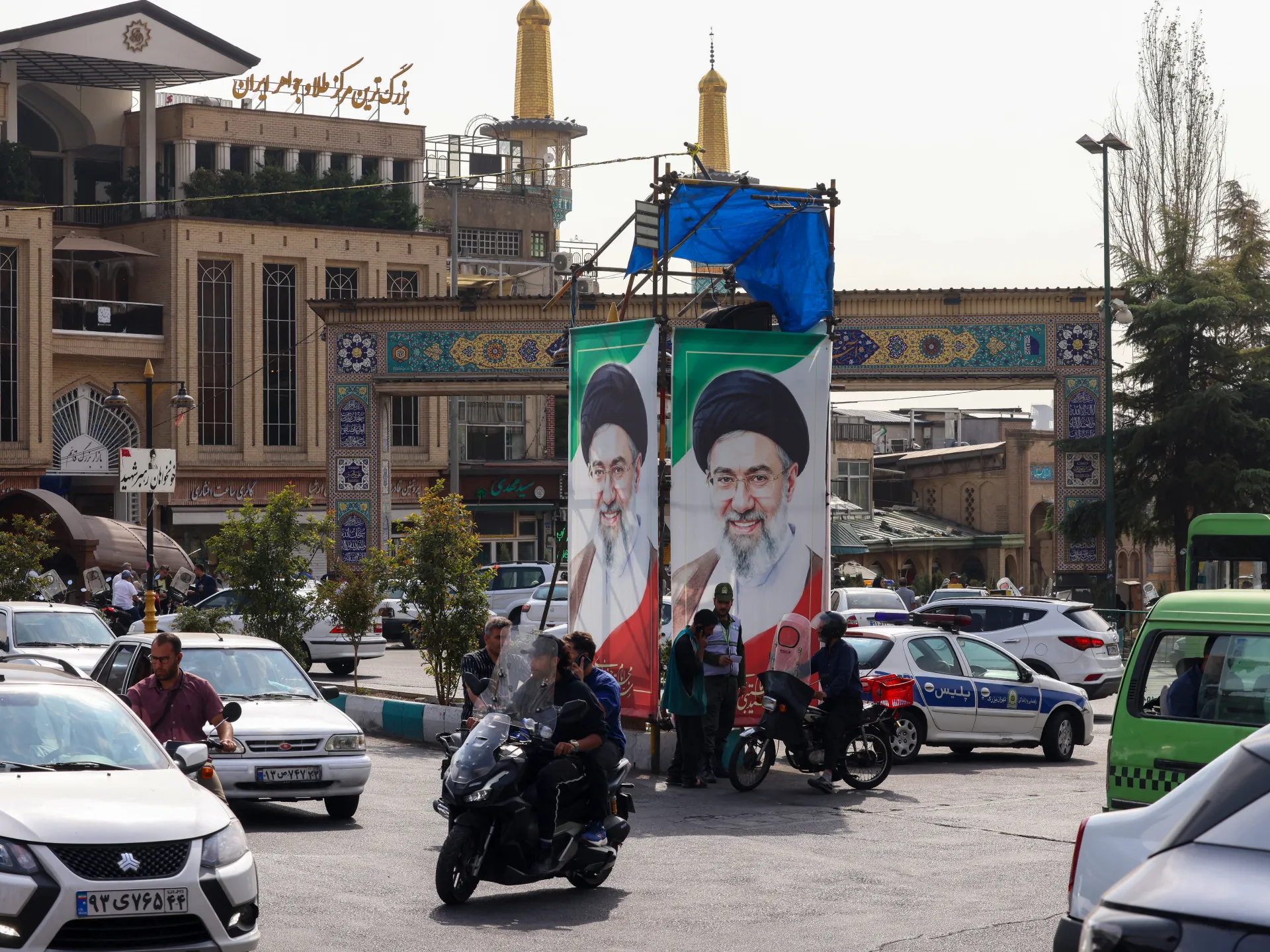
Iran’s Islamic Revolutionary Guard Corps (IRGC) says renewed attacks by the United States could prompt Tehran to invade neighbouring countries and hit bases used in US military operations as part of its new “offensive” strategy.
The warning on Wednesday came amid escalating attacks on shipping in the Strait of Hormuz, a global energy chokepoint, and uncertainty over diplomatic efforts to end the nearly eight-month war.
Recommended Stories
list of 3 itemsend of list
“Our defence doctrine was previously defensive; we used to say that if a country attacks us, we will respond. Now we say that if a country attacks us, we will both respond and launch an offensive,” IRGC spokesman Hossein Mohebi said.
Washington ordered some diplomatic personnel to leave Saudi Arabia amid attacks from Yemen’s Houthis while US President Donald Trump has signalled that a decision on the conflict could come soon.
According to media reports, the US and Israel are planning potential attacks on Iran in the coming weeks.
As negotiations seem stalled and both sides exchange threats, could the region be heading towards another military escalation?
What is Iran’s new doctrine?
The IRGC on Wednesday announced a shift towards an “offensive and asymmetrical” defence doctrine, threatening to invade countries that launch attacks against it.
Mohebi said Tehran would no longer limit its military operations to retaliatory strikes.
Mohebi stressed that Iran’s missile stockpile has increased 1.5 times since the 12-day war between Iran and Israel in June 2025. He did not provide specific figures.
“The quality of the missiles has improved significantly, and their range, destructive power and accuracy in hitting targets have increased,” the spokesman said.
Moreover, Mohebi said Iranian forces were in the “stage of preparing to unveil the ‘father of all bombs’. This is something new for the enemy.”
Meanwhile, attacks in the Strait of Hormuz continued unabated.
The IRGC’s navy said on Thursday that four vessels it accused of being involved in illegal oil transfers were struck and caught fire in the northern Gulf. Three other vessels hit mines west of the strait, it added.
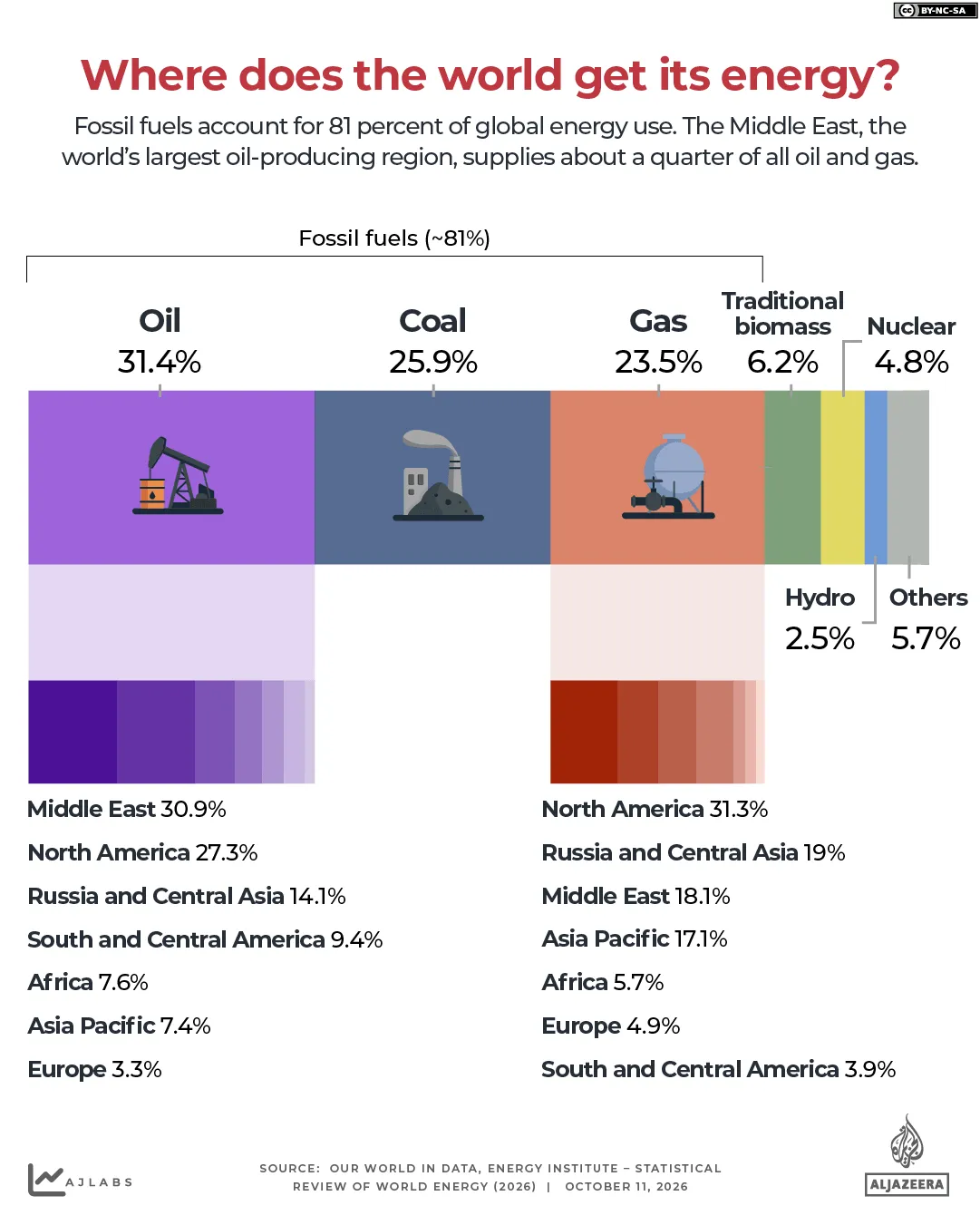
Before the war, one-fifth of the world’s oil and natural gas supplies passed through the Strait of Hormuz. While shipments through the strait are still below those levels, oil shipments from the region returned to pre-war levels last month as exporters found alternative ways to ship out their oil and gas, including using pipelines.
However, a flurry of recent attacks in the key waterway and the fighting between Yemen’s Houthis and its Saudi-backed, internationally recognised government, which has resulted in Houthi attacks on Saudi Arabia, have once again sent oil prices surging. Brent crude climbed above $110 a barrel on Thursday amid fears of further disruptions to regional energy supplies.
Why the shift?
Iran’s shift towards an offensive military doctrine reflects Tehran’s determination to make future US-Israeli attacks significantly more costly, according to analysts.
Negar Mortazavi, senior fellow at the Centre for International Policy, told Al Jazeera that Tehran was drawing lessons from the wars of 2025 and 2026 after its previous strategy of retaliation failed to prevent repeated attacks.
“Tehran now wants to establish a new equation: Any future attack on Iran will come at a much higher cost for the aggressors,” she told Al Jazeera.
Unable to match conventional US military capabilities, Iran is increasingly relying on asymmetric warfare, including missiles, drones and its leverage over the Strait of Hormuz, Mortazavi explained.
She said Tehran was pursuing a broader strategy aimed at imposing military, economic and political costs on Washington, including potentially influencing the November 3 US midterm elections.
(Al Jazeera)
“Iran wants to teach Washington a lesson: Attacking Iran comes with a high price, one that can even cost elections,” Mortazavi said, referring to US surveys that are predicting electoral losses for Trump’s Republican Party.
She added that Iranian officials were closely monitoring the elections, believing the economic fallout from the war could damage the Republican Party’s prospects of retaining control of Congress.
“The long-term objective is to establish deterrence so that future American administrations think twice before daring to attack Iran again,” she said.
Political analyst Rami Khouri said the doctrine was also intended to ensure that the consequences of attacks extend to the US, Israel and regional countries supporting their military operations.
“That’s one part of the strategy, that the suffering and the damage have to be equal and reciprocal,” Khouri, nonresident senior fellow at the Arab Center, told Al Jazeera.
Khouri argued that Tehran was also seeking to challenge what it views as longstanding Western domination of the region.
“The Iranians are actually working to try to end the colonial period,” he said.
He added that Iran’s strategy could extend the economic consequences of conflict far beyond the Middle East, affecting energy supplies, transportation, insurance costs and shipments of essential goods.
“The pain is going to go way beyond just the Middle East and Israel and the US and will hurt people in other parts of the world,” Khouri said.
What has the US said about resuming the war?
Trump has offered conflicting signals about Washington’s next steps.
On Wednesday, he said the US was no longer negotiating with Tehran and suggested developments were imminent. “We are going to have something one way or the other that’ll happen fairly soon,” he told reporters.
He also said Washington could end the war immediately but wanted a lasting outcome. “It’ll end very soon. We could leave now, but we want to make sure it lasts for a long time,” Trump said at a campaign rally in South Carolina.
Trump previously pledged not to attack Iran before the November 3 elections.
US Secretary of State Marco Rubio said this week that reaching a peace agreement is extremely difficult and insisted that Iran must stop targeting commercial shipping in the Strait of Hormuz.
Rubio has maintained that Washington will reject any agreement allowing Iran to develop nuclear weapons, which require highly enriched uranium. “The United States will not support any deal that creates a pathway for Iran to ever have a nuclear weapon,” he said on Wednesday.
Tehran insisted its right to enrichment is guaranteed under the Non-Proliferation Treaty.
Iran has offered a seven-day plan to restore shipping through the Strait of Hormuz in exchange for Washington ending its blockade of Iranian ports, easing sanctions and unfreezing Iranian assets.
Meanwhile, the US Department of State on Wednesday ordered nonemergency personnel and their families to leave Saudi Arabia after recent Houthi attacks.
The US embassy in Riyadh has warned of further attacks while American officials told the Reuters news agency that family members could be withdrawn from other Gulf missions.
State Department spokesman Tommy Piggott said departure orders for mission personnel across the Gulf have not been ordered, saying the current orders were for “employees and their family members in Saudi Arabia only”.
Israeli Prime Minister Benjamin Netanyahu reiterated on Sunday his pledge to topple Iran’s government, saying it was key to preventing it from rebuilding its nuclear programme and the “axis of resistance”, further raising prospects of an escalation.
Netanyahu made the comments as Israel’s longest-serving prime minister is locked in a tough battle to remain in power in Tuesday’s elections.
Is war imminent?
Analysts warned that renewed US-Israeli attacks on Iran are increasingly possible with both sides preparing for another confrontation despite the continued possibility of diplomacy.
“Another round of war seems to be approaching,” Mortazavi said.
“Both sides appear to be preparing for renewed confrontation while escalating tensions in the Strait of Hormuz increase the risk of a wider conflict,” she said.
Mortazavi added that the elections in the next two weeks in the US and Israel could influence the timing of military action but warned that the current trajectory appeared to favour escalation over negotiations.
Mohsen Rezaei, secretary of Iran’s Supreme National Security Council, on Wednesday said, “Everyone must know that any action against Iran comes at a cost.”
“If diplomacy can create this understanding, we prefer diplomacy, but if the war continues, Iran has the necessary means to sustain its response,” Rezaei said, according to the IRNA news agency.
Echoing Mortazavi, Khouri warned that another confrontation could be approaching although he said US threats might still be part of a negotiating strategy.
“I think imminent conflict is on the cards, but I don’t know if war is the right word to use,” Khouri told Al Jazeera.
He said renewed strikes could target Iran’s critical infrastructure, including electricity networks, transportation systems, bridges and essential services.
“We’re probably going to get some severe attacks on a few targets that will try to make life in Iran very difficult,” he said.
However, Khouri cautioned that Iran’s ability to withstand another major military offensive while inflicting comparable damage on its adversaries remained uncertain.
“It’s not clear if Iran has the ability to withstand major new assaults against it,” he said, while stressing that Tehran was unlikely to surrender to military pressure.
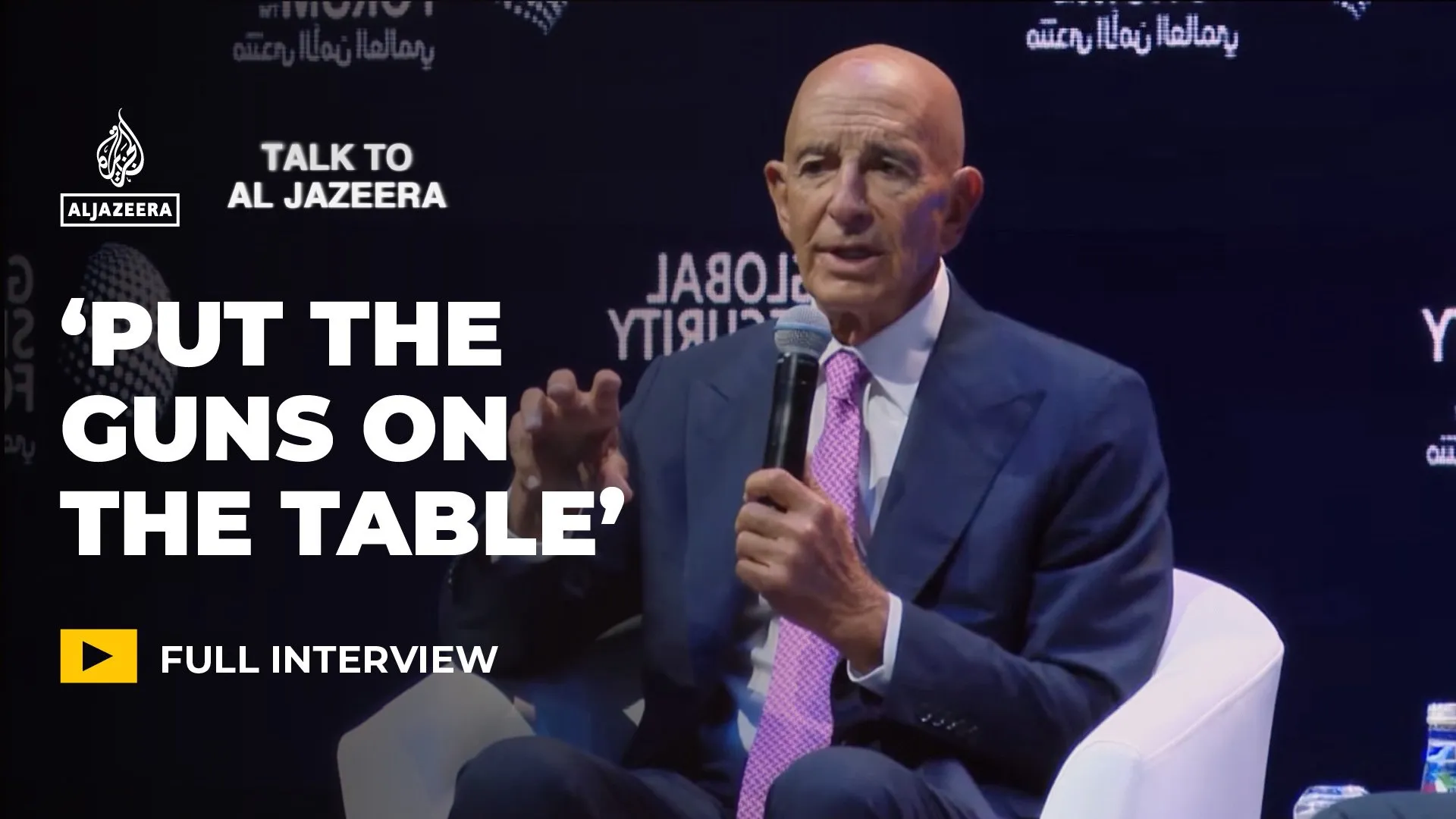
The US ambassador to Turkiye, Tom Barrack, says Washington’s relationship with the Middle East needs to change, from one of control to one of support.
The United States ambassador to Turkiye and special presidential envoy for Syria and Iraq says Washington’s relationship with the countries in the Middle East needs to change.
Tom Barrack says the US no longer seeks to dominate the region.
He won’t say whether the war in Iran was a mistake – but acknowledges the instability it caused has led to unintended consequences.
Barrack says President Donald Trump is against what he calls “forever wars”, and ending the US-Israel war on Iran will require a major compromise. According to him, each side will have to accept conditions it does not like.
However, he is worried that growing tensions could lead to miscalculation.
Barrack says trust is lacking between Washington and Tehran, and that is hampering talks to agree on a deal.
He tells Al Jazeera that countries in the region should not depend on the US to solve their problems and that they need to look out for themselves. He insists the Trump administration has not abandoned the region, but is rather re-examining its role.
Barrack admits that years of US involvement in the region demonstrate that intervention and regime change do not work. He says it is time to put down the guns and resolve disputes through negotiations and mutual respect.
US President Donald Trump praised a man who punched a protester at a midterm election rally held in Clemson, South Carolina. Trump thanked the assailant as the protester was being removed from the event.
‘I’m tired of people denigrating Muslims for being Muslims’
Former US President Bill Clinton quoted the Quran during a speech in Koinonia Worship Centre in Florida condemning discrimination against Muslims. Clinton recalled his daughter Chelsea introducing him to the verse.
Class action could be first in Australia to blame social media for harming its users.
Published On 22 Oct 202622 Oct 2026
Meta and its social media platforms Facebook and Instagram are facing a class action lawsuit in Australia over allegations that addictive design features are harming children and teenagers.
The lawsuit, filed by MinterEllison in the Australian Federal Court, seeks to recover compensation for current and former users of Facebook and Instagram who claim they were exposed to harmful content or developed an addiction to social media as a result of using those platforms, the law firm said in a statement released on Thursday.
Recommended Stories
list of 3 itemsend of list
“This proceeding raises important questions about the design and operation of social media platforms and their impact on children and teenagers in Australia. Those questions will now be considered through the Federal Court process,” MinterEllison Partner William Nolan said in the statement.
The class action suit was filed on behalf of eight plaintiffs who allege they were harmed by Meta while they were below the age of 18.
In a suppression order on Monday, the court prohibited the reporting of any information that could reveal their identities and the statement of claim.
“We are aware of this claim and we will defend ourselves vigorously,” a Meta spokesperson said.
Litigation Lending Services said it was funding the class action for Australian families who “would have no practical means of pursuing these claims against a global technology giant”.
The lawsuit comes amid rising tensions between Australia and Big Tech after a world-first ban on social media for children below 16 in 2025, and newly proposed rules that could let users switch off algorithm-driven content on their feeds.
Meta agreed in August to pay $18bn to settle with nearly all US states to resolve claims that it designed social media to addict children.
China finished 0.233 points ahead of the Americans, denying them a chance to win an gold eighth consecutive team gold.
Published On 22 Oct 202622 Oct 2026
China have denied the United States an eighth consecutive women’s team title at the Artistic Gymnastics World Championships as Qiu Qiyuan sealed a dramatic victory with the final routine.
Qiu needed to score more than 12.600 points in the closing floor routine to give her country gold and did just enough with 12.833 on Wednesday.
Recommended Stories
list of 4 itemsend of list
The USA last failed to win gold when they were beaten by Russia at the 2010 championships, but were left to count the cost of several errors on the balance beam in Rotterdam.
China, who also led the way in qualifying, finished with 165.764 points, edging out the Americans by 0.233 overall.
Japan were a further 1.468 points behind as they completed the podium ahead of fourth-placed France.
Silver medallists USA, from left, gold medallists China and bronze medallists Japan stand on the podium [Francisco Seco/AP]
USA superstar Simone Biles, a 23-time world champion including five times in the team competition, is taking a break from the sport and has not competed since the 2024 Paris Olympics, where she won three gold medals.
The reigning champions took a healthy lead at the halfway stage, helped by strong vault and uneven bars routines by Skye Blakely, the only gymnast on the team who was part of the quintet that won their seventh consecutive title in 2023.
But 18-year-old Caylor Dulcy stumbled on the beam, scoring just 12.333, as the Americans were outscored by more than four points on the apparatus by their rivals.
Zhang Qingying, who topped beam qualifying, in particular made them pay with a sparkling performance that earned her 15.066 points.
The Chinese were put under pressure on the floor, but Qiu held her nerve to secure their first women’s team world crown since 2006.
The championships continue in the Netherlands on Thursday as Japan’s Daiki Hashimoto defends his men’s all-around title, with a big challenge expected from his compatriot and Olympic champion Shinnosuke Oka.
Japan took the men’s team title on Tuesday, pipping Russia and China.
Zhang Qingying competes in the uneven bars [Francisco Seco/AP]
US federal judge blocked wall’s construction on Texas-Mexico border amid an ongoing legal battle.
Published On 22 Oct 202622 Oct 2026
The Trump administration has asked the Supreme Court to allow it to resume plans to build a border wall through the Big Bend region of West Texas, as part of its anti-immigration policy to strengthen security on the border with Mexico.
The Justice Department filed an emergency request on Wednesday asking the court to lift a federal judge’s injunction in a lower court that has halted construction while a lawsuit against the project, brought by an environmental group and other challengers, plays out.
Recommended Stories
list of 3 itemsend of list
The Department of Homeland Security plans include vehicle barriers, patrol roads, lighting and detection technology in and around Big Bend National Park.
Big Bend has about 805km (500 miles) of border, and, according to opponents of the project who have sued the administration, accounts for about 1 percent of migrant arrests.
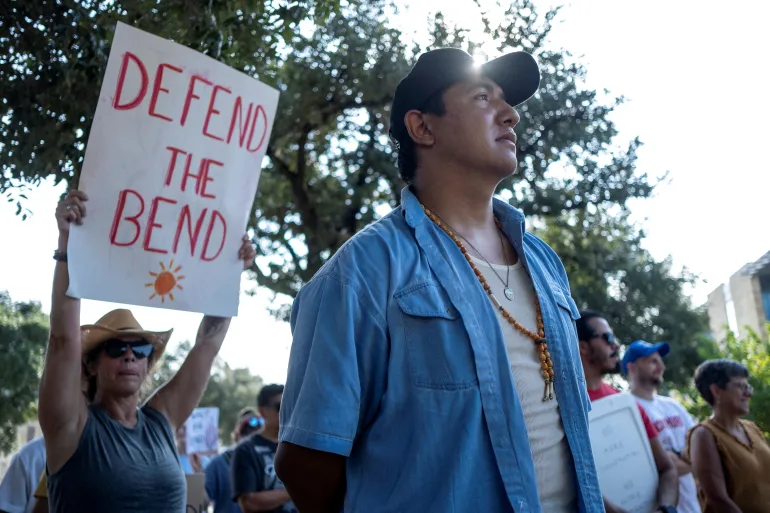
Lipan Apache tribe member Joey Montoya attends a rally opposing border wall construction in Big Bend National Park, outside the federal courthouse during an emergency hearing on the project in San Antonio, Texas, on August 28, 2026 [File: Joel Angel Juarez/Reuters]
Landscape, historic church
The lawsuit, filed by plaintiffs including the Center for Biological Diversity and a Big Bend-area river guide, seeks to preserve the landscape, protect a historic church, and challenge the federal government’s waivers of environmental and historical laws to fast-track the $1.7bn project.
Former Homeland Security Secretary Kristi Noem and current Secretary Markwayne Mullin, who issued the waivers between February and July, found the region to be an “area of high illegal entry”, requiring additional barriers to control the border.
US District Judge Kathleen Cardone issued an injunction in El Paso on October 2 halting work “until and unless Defendants comply with all applicable laws,” she wrote in her order.
In a later opinion, the judge found that the waivers exceeded the authority of Noem and Mullin.
The Justice Department in its request urged the Supreme Court to pause or overturn Cardone’s injunction.
The Supreme Court has not yet responded to this appeal.
“Even assuming that the secretary’s waiver authority implicates a question of ‘vast economic and political significance,’ Congress did clearly authorize the secretary both to build border barriers and to waive legal requirements in order to facilitate their expeditious construction,” the Justice Department wrote.
In August, the administration paused construction in Big Bend after the project drew bipartisan criticism over its potential impact on the park’s landscape and wildlife.
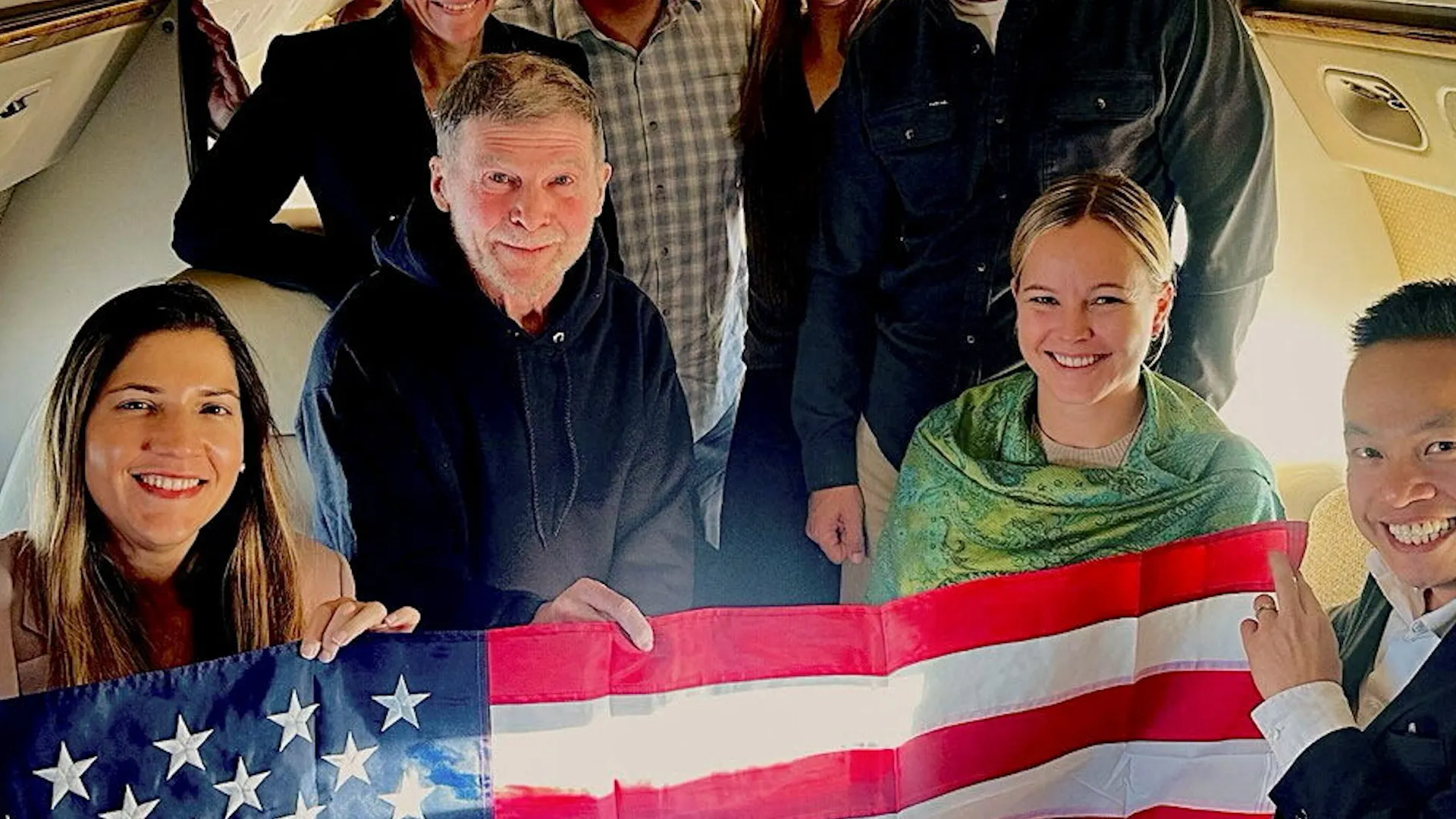
US citizen Stephen Hubbard has been freed from a Russian prison, four years after being convicted of being a mercenary for Ukraine, a claim he denies. The 74-year-old’s release coincided with US envoy Steve Witkoff’s visit to Russia to try and get Moscow to rejoin peace talks.
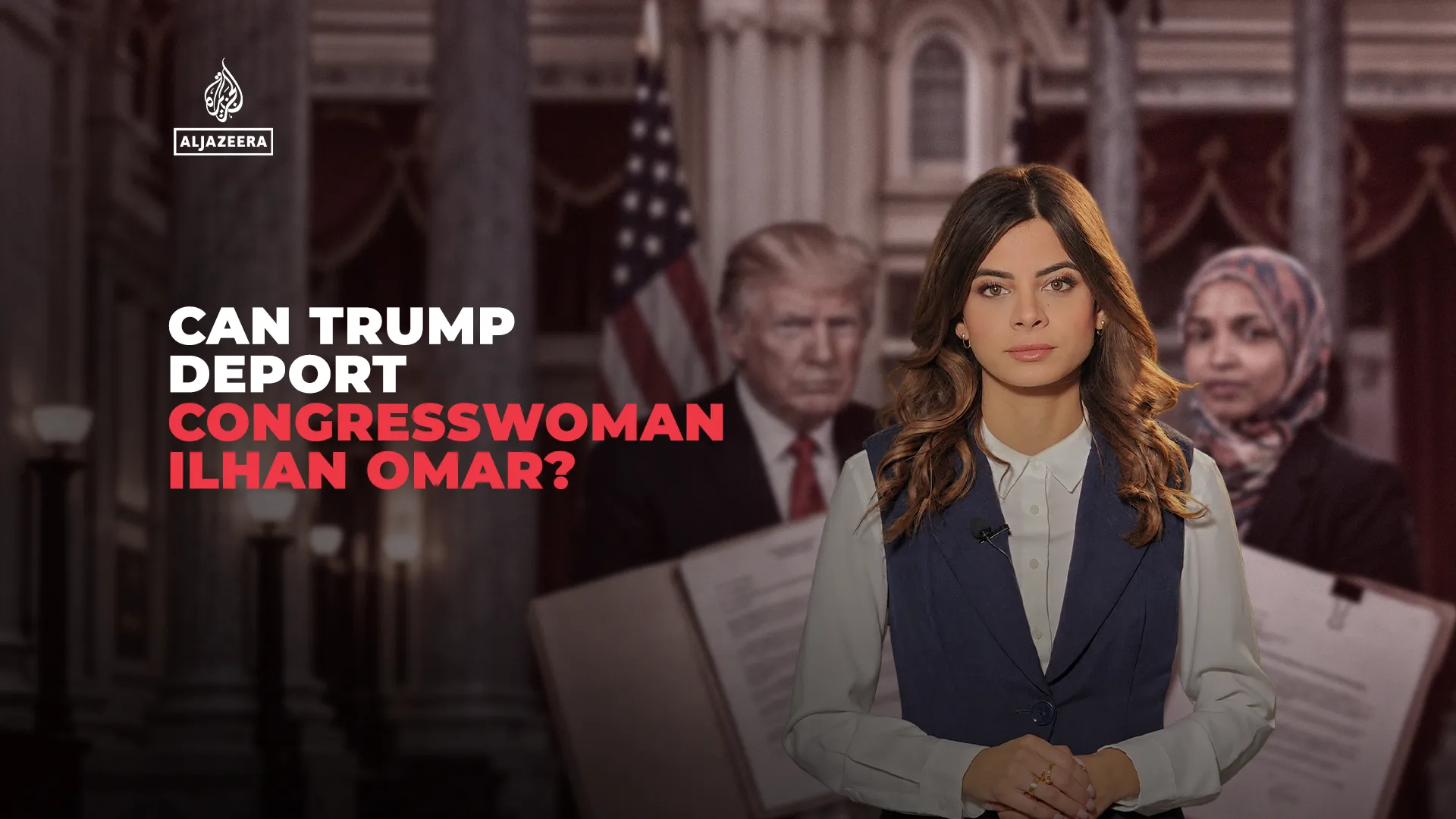
US President Donald Trump says Congresswoman Ilhan Omar could face jail or deportation as federal authorities investigate allegations surrounding her US citizenship. Omar denies wrongdoing and accuses the administration of political intimidation. With the midterm elections approaching, what could happen next?
Neil Bush says that he will vote for Democrat James Talarico due to reservations about Republican candidate Ken Paxton.
Published On 22 Oct 202622 Oct 2026
Neil Bush, brother of former Republican President George W Bush, has said that he voted for the Democratic candidate James Talarico in a crucial race for the United States Senate.
In a social media post on Tuesday, Bush said he voted for Talarico due to concerns about the Republican candidate, Texas Attorney General Ken Paxton.
Recommended Stories
list of 3 itemsend of list
Talarico and Paxton are in a tight race for Texas’s open Senate seat. Democrats are hoping to seize control of the 100-member Senate in the November 3 midterm elections, when 35 seats will be on the ballot.
Bush’s endorsement of Talarico is the latest sign of division among Texas Republicans.
Bush comes from a prominent Republican family: not only was his brother a president, but his father, the late George HW Bush, was too.
“My concerns about his judgment and conduct are hardly mine alone,” Bush wrote. “He was impeached by the Republican-controlled Texas House, although subsequently acquitted by the Texas Senate.”
To explain his decision, Bush pointed to Paxton’s divisive track record, including efforts to support President Donald Trump’s false claims about the 2020 presidential election.
“I have been deeply troubled by Paxton’s conduct as Texas Attorney General, particularly his decision to challenge the results of the 2020 presidential election in other states in an effort to help Donald Trump remain in power,” Bush said.
“I believe that effort was an affront to our democratic institutions and the peaceful transfer of power.”
His brother, the former president, has largely receded from political life and has declined to endorse candidates in recent elections. Before serving in the White House from 2001 to 2009, George W Bush was governor of Texas.
But George W Bush’s daughter Barbara Bush has also shown her support for Talarico by donating to a political action committee backing his campaign.
Texas has long been considered a Republican stronghold, and Democrats have not won a Senate race in the state since 1988.
But polls show Talarico locked in a close race with Paxton, who defeated incumbent Senator John Cornyn in the Republican Party’s primary run-off on May 26.
In a statement, Trump criticised Cornyn as “not supportive of [him] when times were tough”, while praising Paxton as a “MAGA Warrior”.
Some Republicans have expressed frustration over Trump’s intervention on Paxton’s behalf, given the vulnerabilities posed by his state impeachment and other scandals.
A Marist poll released on October 14 found Talarico winning 47 percent of the vote compared to 45 percent for Paxton.
All injured individuals were immediately transported to hospitals, civil aviation says updates to come.
Published On 22 Oct 202622 Oct 2026
One person has been killed and eight injured in an attack on Saudi Arabia’s King Fahd International Airport in the eastern city of Dammam, the country’s civil aviation authority announced.
All of the wounded, whose injuries range from minor to critical, were transported to hospitals to receive medical attention, the General Authority of Civil Aviation (GACA) said in a statement on Wednesday.
Recommended Stories
list of 3 itemsend of list
Earlier in the day, two people were killed after Saudi air defences intercepted a drone that was attempting to hit a facility at Saudi Aramco’s Shaybah oilfield, the Ministry of Energy said.
It was the latest in a series of assaults on Saudi airports as conflict intensifies between Houthi forces and the Saudi-backed internationally recognised Yemeni government.
Last week, the kingdom reported that a projectile strike on Riyadh’s King Khalid International Airport on October 11 killed one person and injured 11. On October 10, the civil aviation authority reported that a separate attack on the same airport claimed the lives of 12 people and injured more than 300.
On Wednesday, the US State Department ordered diplomats and family members to depart from its missions in Saudi Arabia amid the ongoing Houthi attacks. There are also plans to withdraw family members from a number of other US missions in the region, US officials told Reuters.
The US embassy in Riyadh issued a security alert on Wednesday about possible further attacks by the Houthis on Saudi Arabia.
The United States has accused Canadian politicians of trying to influence its midterm elections, pointing to Canada’s efforts to push back against President Donald Trump’s tariff campaign.
In a fact sheet released on Wednesday, the US embassy accused Canada of being dismissive of its allegations of election interference.
Recommended Stories
list of 3 itemsend of list
“The Canadian government brushes off concerns about potential interference in U.S. elections, even as its ministers and premiers openly describe plans to influence American politics in official documents and public appearances,” the fact sheet reads.
The two countries have been locked in a trade war since the start of Trump’s second term in 2025, with Canada responding to US tariffs with import taxes of its own.
But the US embassy identified public statements about the tariffs as being attempts to sway the November 3 midterm election.
Among the politicians singled out in the fact sheet was Canadian Industry Minister Melanie Joly. The fact sheet pointed to comments Joly made in August about responding to Trump’s tariffs.
“We’re also targeting products that will target states in the US. And so we’re being wise and strategic to put political pressure,” Joly said at the time.
The embassy also took issue with Joly’s meetings with Democratic officials in Boston and Chicago in September. When asked by a reporter what she thought might happen with regard to tariffs if Democrats won the midterms, she said, “That’s exactly why I’m meeting so many governors and potential presidential candidates.”
Joly has rejected the suggestion that her actions could amount to interference, saying Canada would never meddle in US elections. She said her meetings with US politicians, both Democratic and Republican, were about building Canada’s economy.
“Fundamentally, what I’ve done in the US is to attract investments,” she told reporters on October 14.
The embassy also pointed to Ontario Premier Doug Ford’s calls for retaliatory measures on US products, as well as his government’s advertising campaign against Trump’s tariffs, launched last year.
The campaign, which featured clips of former US President Ronald Reagan criticising tariffs in a 1987 radio address, prompted Trump to call off trade talks with Canada in October 2025.
While the embassy laid out several examples of Canadian officials trying to influence US trade policy, it didn’t explain how those efforts amounted to interference.
Other instances of alleged election interference included Liberal MP Anthony Housefather saying he had campaigned in Florida on behalf of Democratic Representative Debbie Wasserman Schultz, ahead of her primary election in August.
The fact sheet also accused individual Canadians of illegally participating in US elections, naming 11 people who had been charged or sentenced for voting between 2012 and 2024.
The sheet did not, however, present any evidence linking those citizens to a Canadian government effort to involve itself in US elections.
“All Canadians should refrain from attempting to participate in or influence U.S. elections in any way,” the US embassy’s statement said. “Americans decide America’s elections.”
The fact sheet comes a week after US Ambassador to Canada Pete Hoekstra said Washington was closely watching Canada for signs of interference ahead of the midterms.
“We’re monitoring it, we’re evaluating it and if some of it becomes election interference then America will respond to it,” Hoekstra said in a podcast interview on The Really Big Show, according to The Canadian Press.
The US and Canada have long been allies, but relations have frayed since Trump returned to office.
Not only has the Republican leader triggered a trade war with Canada, but he has also repeatedly threatened to make Canada a 51st state.
There have also been reports that separatist leaders from Alberta had sought support from Trump administration officials ahead of a failed referendum on the province’s independence this week.
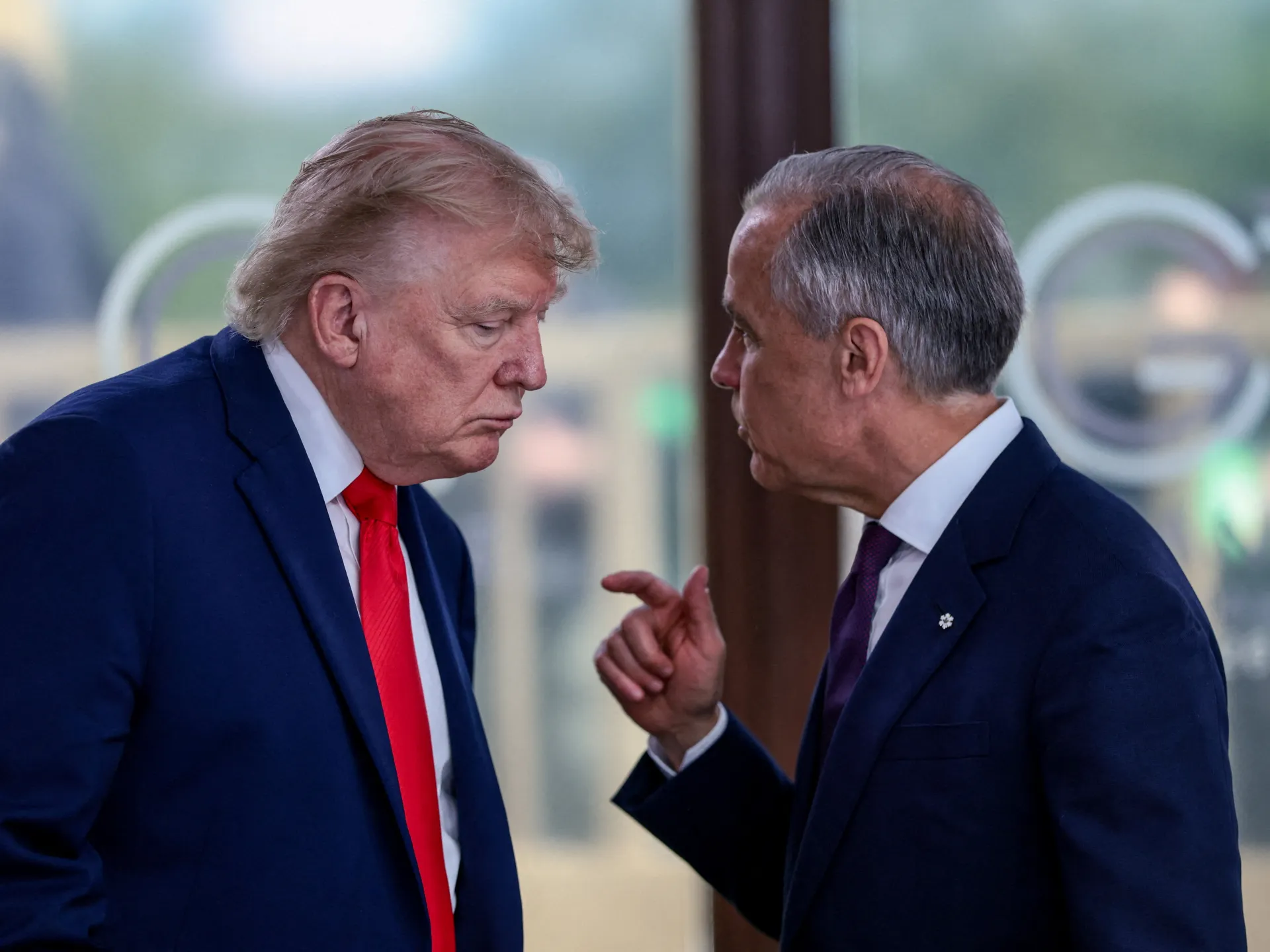
Ahead of Monday’s provincial vote, Canadian Prime Minister Mark Carney addressed concerns about potential US interference in the referendum, saying Canada expected foreign governments to stay out of its elections.
“Our expectation is, to be absolutely clear, on foreign governments, United States included, is we don’t get ourselves involved in their elections, they don’t get themselves involved in our elections,” he told Global News.
Al Jazeera has reached out to the Prime Minister’s Office and Global Affairs Canada for comment, as well as the office of Ontario Premier Doug Ford and Industry Minister Joly.
WASHINGTON — President Trump’s latest embrace of Russian President Vladimir Putin is deepening alarm in Washington and among America’s allies that the White House pressure campaign could leave Ukraine vulnerable as Moscow advances.
Trump’s push to end the war, which has raged since 2022, comes on the cusp of a midterm election that could give Democrats partial or full control of Congress, expanding their oversight powers, and as polls show more than two-thirds of Americans disapprove of the president’s handling of foreign policy and support Kyiv’s fight against Russian aggression.
On Monday, Trump dismissed Russia’s ongoing assault on its neighbor, telling reporters that “they haven’t been doing much,” even as Russian forces bombed a park in Kharkiv that day, killing a mother and her 14-month-old child in her stroller.
Two days later, in St. Petersburg, Trump’s special envoy, Steve Witkoff, described Putin as a “humanitarian,” despite his invasion unleashing Europe’s deadliest conflict since World War II.
“You talk so much about my president, President Trump, being a humanitarian. You are a humanitarian also, sir,” Witkoff said after securing the release of a detained U.S. citizen from the Kremlin. At least two other Americans, both from Los Angeles, remain wrongfully detained by Russia. “I salute you, and I commend you,” he added.
Rep. Don Bacon (R-Neb.) described Witkoff’s remarks as “another embarrassment” after a steady stream of entreaties to Moscow from the Trump administration.
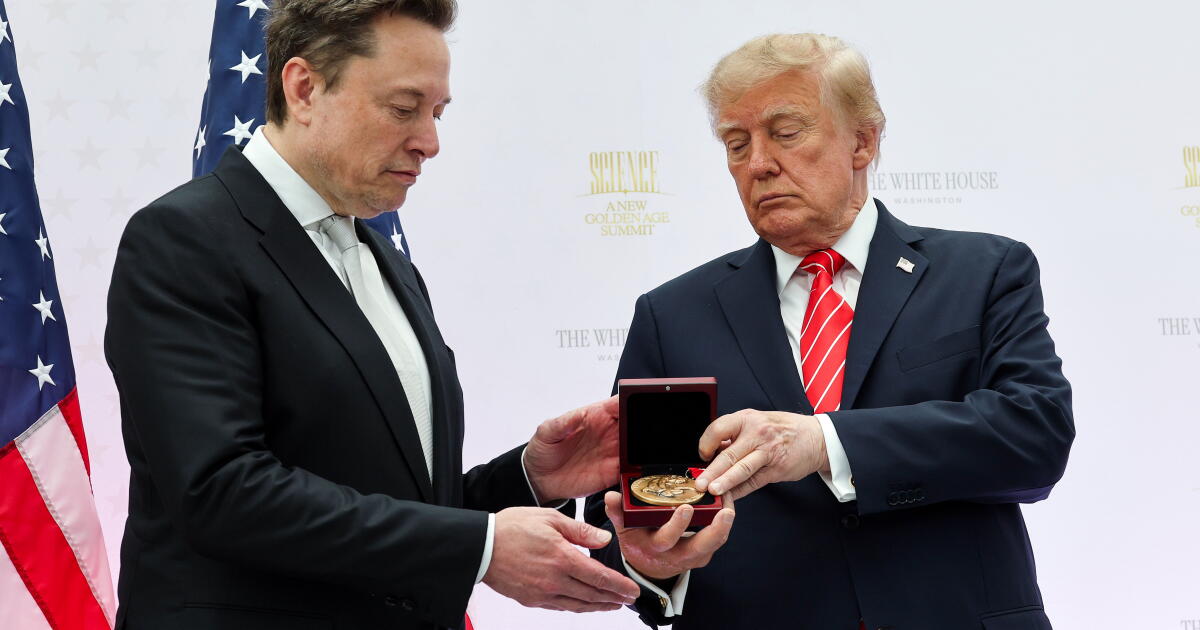
The diplomatic push follows Trump’s decision two weeks ago to import Russian diesel, a move that could bolster Moscow’s war effort and violate U.S. law. Days later, after Ukrainian President Volodymyr Zelensky publicly condemned the move, Trump ally Elon Musk reportedly throttled the speed of Starshield, a military-grade satellite internet service from Starlink that Kyiv relies on to defend itself against Russian attacks.
The Trump administration failed to provide Kyiv with intelligence warnings of incoming ballistic missile strikes, blaming the weather. The president waived sanctions on Russia that were passed just months earlier with overwhelming bipartisan support in the aftermath of the death of Sen. Lindsey Graham, a Trump ally and Ukraine supporter. And Trump declined to approve the transfer of interceptor missiles to Ukraine — more defensive weaponry used to protect the country from Russian strikes that have increasingly targeted civilian areas.
The developments have raised fresh questions over whether Trump has exceeded his legal authority in reshaping U.S. policy on Ukraine.
Russian diesel imports could violate a 2022 federal ban, the Ending Importation of Russian Oil Act, and throttling Starshield, withholding intelligence and delaying missile transfers could breach contractual or statutory obligations set forth by Congress — all potential subjects of investigation for a willing Congress.
And Trump’s push comes at a moment of political peril, as he faces the prospect of a Democratic-led legislature and a Republican Party ready to move beyond his lame-duck presidency.
But freedom from political obligation could also allow Trump to pursue his agenda without the needs for coalitions or popular support.
The prospect of an unchecked Trump has stoked fears on Capitol Hill that the White House could abandon Kyiv altogether.
Nine senators from both parties have asked the Pentagon’s inspector general to investigate the Starlink episode, while lawmakers across the aisle have condemned the speed restrictions. And should they take power after the midterms, Democrats are also weighing whether to make Defense Secretary Pete Hegseth’s resignation a condition of further defense funding, citing his criticism of Ukraine, according to a report in the newspaper the Hill.
“Congress will unequivocally reaffirm that Ukraine is an indispensable ally to the United States, that Russia is a self-declared enemy of the United States, and that the United States will 100% support and defend the people of Ukraine in their fight for their own freedom against this brutal, illegal, and unprovoked Russian invasion,” said Rep. Brian Fitzpatrick (R-Pa.).
“The United States must provide any and all defensive equipment that Ukraine needs to defend itself,” Fitzpatrick added. “Anyone who attempts to limit the use of Starshield for Ukraine will be fully investigated and will be held fully accountable, to include public congressional oversight hearings.”
Marco Rubio, the president’s secretary of State and national security advisor, was initially silent on Trump’s moves. But he ultimately defended them when confronted by reporters on a recent visit to Central Asia.
“We’re no longer going to be defensive about this topic,” Rubio said. “If it were not for the assistance of the United States, including under the Trump administration, there would be no Ukraine right now. Ukraine, as a sovereign state, would not exist.”
Still, Rep. Michael R. Turner (R-Ohio), a former chair of the House Intelligence Committee, said Sunday that Rubio’s explanation of Ukraine’s loss of Starlink access was “absolutely not” sufficient.
“This is something where there needs to be an investigation, there needs to be a congressional investigation,” Turner told CBS. “Lives are at risk, and lives are lost over these things.”
Trump has told reporters in recent days that his goal remains to secure a peace deal that ends the world’s deadliest conflict since World War II. But Mitt Romney, a former GOP senator from Utah and the Republican presidential nominee in 2012, dismissed Trump’s arguments as a break from U.S. values.
“Churchill could have shortened WW2 by years if he had just ‘done a deal’ with Hitler,” Romney wrote on social media. “George Washington could have done a deal to end the American Revolution.”
Zelensky “is in good company,” he added.
Europe, too, is preparing for a new confrontation with the Trump administration over the defense of Ukraine.
Germany’s chancellor rejected Trump’s approach, saying of Europe, “We are the firewall.” And the European diplomatic service responded with derision to Trump’s waiver of sanctions.
“When Russia escalates aggression against Ukraine,” the European Union’s diplomatic service said in a statement, “Europe responds with more pressure on the aggressor.”
Trump has floated a trilateral summit with Putin and Chinese President Xi Jinping in Shenzhen, China, next month, fueling European fears that he could strike a deal on Ukraine without Kyiv at the table.
The Russians and Ukrainians agreed this week in principle to begin peace talks at a technical level moderated by the United States. No timeline or framework has been set for the talks.
In an interview on Fox News, Zelensky said that he was prepared to agree to a peace deal that froze the existing battle lines, ceding nearly a quarter of Ukrainian land to Russian control. Over the last year, Russia has demanded that Kyiv also relinquish land in the Donbas region that it has failed to conquer through military means.
“Right now, we have to freeze. And I think this is a real way to end this war. We call this ceasefire,” Zelensky said. “This is minimum what we need from Russia today.”
“The most important is peace, and secure peace,” he added, “not to be afraid that occupation will come back, aggression will come back, killing will come back.”
US president has continued to support data centres in advance of midterms, despite growing opposition from Republicans.
Published On 21 Oct 202621 Oct 2026
United States President Donald Trump has said AI data centres should pay “dividends” to communities, in a shift before the midterm elections.
“If companies want to make their Data Centers popular, pay the community, and/or individuals within the community, a ‘dividend’” Trump said in a post on Truth Social on Wednesday.
Recommended Stories
list of 3 itemsend of list
The president’s comments come after he doubled down on his support for data centres, a stance seen as one of several political liabilities for Republicans in the run-up to the midterm election, as Trump’s approval rating has hit record lows.
Polls show dismal support for such centres amid concerns about the sprawling complexes’ water and energy use.
In the post, Trump advised companies that they could make the centres popular if they “pay the community, and/or individuals within the community, a ‘dividend’.”
“I have watched the process closely, and Data Centers that were highly unpopular in a certain area, have become extremely popular when a financial deal is struck,” he said. “MAKE DEALS, and get them built!!!”
Several top Republican candidates have opposed data centres before the midterm polls, with the issue emerging as an area of rare bipartisan consensus in advance of the November 3 vote.
Republican Senate candidates, including Ken Paxton in Texas, Mike Rogers in Michigan and John Husted in Ohio, have all called for more restrictions and oversight on the centres, in a reversal of earlier positions.
The issue featured prominently in a recent debate in Iowa, where Republican Senate Candidate Ashley Hinson said the local level should decide whether to build AI data centres.
Despite the shifting sentiment, Trump in late August issued an impassioned defence of data centres, decrying what he called “the anti-Data Center movement” as a gift to China.
“The only reason that communities throughout the USA should not want Data Centers is if they want to end up being backwards and poor,” Trump wrote at the time.
“If they want to be successful and rich, with far lower taxes and jobs all over the place, let Data Reign.”
Trump has taken several measures to accelerate data centre development, including issuing an executive order last year that called for measures to fast-track permitting and environmental review. The order promised to use federal land for the “expeditious and orderly development of data centers”.
Trump has also backed a voluntary pledge by AI companies to cover the full cost of the electricity data centres use, but has avoided supporting legally binding federal restrictions.
A Gallup poll conducted in March suggested that 71 percent of Americans opposed establishing AI data centres in their areas.
An ABC News/Washington Post/Ipsos poll released on Wednesday identified a similar rate of disapproval, with 72 percent of respondents saying that they opposed building new data centres in their communities.
Lander says dozens remain in Israeli custody after being detained while helping Palestinian farmers harvest olives.
Published On 21 Oct 202621 Oct 2026
United States Democratic congressional candidate Brad Lander says he has been released from Israeli military custody with a warning after being detained alongside dozens of volunteers helping Palestinian farmers harvest olives in the occupied West Bank on Wednesday.
But several dozen others, including rabbis and international volunteers, remain in detention, according to Lander, who called them to be released immediately.
“I’ve been released from IDF custody with a ‘warning,’ apparently because of my public profile,” Lander wrote on X. “I told them I wasn’t even a congressmember yet, just a nominee.”
Lander, a former New York City comptroller and mayoral candidate, was among approximately 80 volunteers detained by Israeli soldiers and police near the village of Nahalin, outside Bethlehem, according to the Israeli organisation Rabbis for Human Rights.
The group, which included American, Israeli, Palestinian, British and Canadian volunteers, had been accompanying Palestinian farmers for about two hours when Israeli forces arrived and informed them that they were in a closed military zone.
The volunteers were then taken to a police station, according to Rabbis for Human Rights.
The Israeli government has not responded to a request for comment.








![Lipan Apache tribe member Joey Montoya attends a rally opposing border wall construction in Big Bend National Park outside the US federal courthouse during an emergency hearing for a Petition for a Temporary Restraining Order against the Department of Homeland Security, in San Antonio, Texas, US, August 28, 2026 [Joel Angel Juarez/Reuters]](https://i0.wp.com/www.aljazeera.com/wp-content/uploads/2026/10/2026-10-03T005837Z_737004234_RC2R7NAH97N9_RTRMADP_3_USA-MIGRATION-BIG-BEND-1792629816.jpg?w=640&ssl=1)