The park is considered the largest in the UK, and among the biggest in Europe, and it’s packed with activities and things for kids to do, perfect for a last-minute Easter or half-term break
This article contains affiliate links, we will receive a commission on any sales we generate from it. Learn more
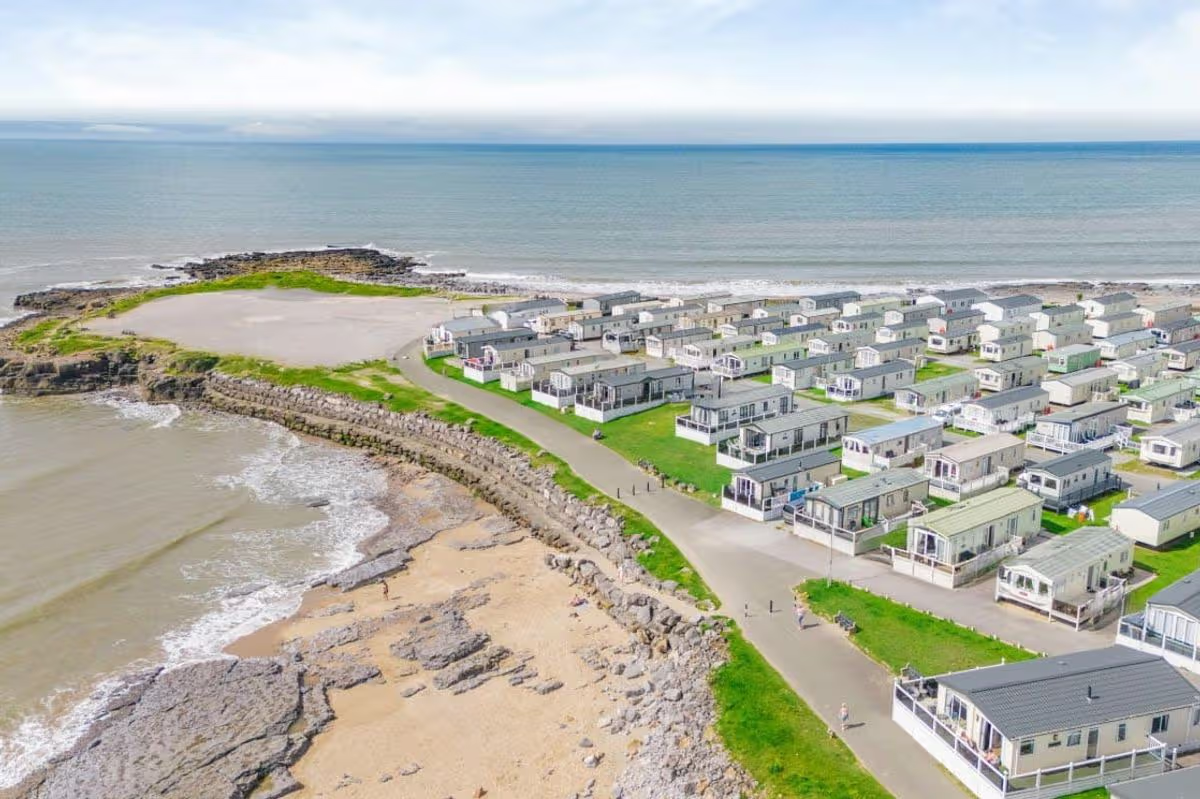
The holiday park enjoys direct beach access(Image: Parkdean)
Holiday parks can be a great choice for families. Staying in a caravan or lodge means you get more space than the average hotel room, and just steps away from your accommodation you can enjoy the park’s entertainment and activities.
If you like a holiday park with a lively atmosphere and plenty to do, then there’s one option that could be perfect for your family break. Widely considered to be the largest holiday park in the UK, Trecco Bay Holiday Park in Porthcawl, South Wales, has over 2,000 caravans and lodges in its beachfront park, and it’s also among the largest in Europe.
Guests can choose from a wide range of two to four-bedroom caravans and lodges with a variety of accommodation grades from Bronze to Prestige. There are even pet-friendly options for those who want to bring their dog along to join in the fun. All accommodation includes a living area, a fully-equipped kitchen, and separate bedroom areas. You can check availability and book via Parkdean’s website.
The park has a large indoor pool complex, which includes a waterslide, and outside, you’ll find a wet play zone complete with shoots and water guns that opens in the warmer months. Families can book activities such as Aqua Paddlers, which allow kids to race around the pool, and Aqua Jets, which help you dive and swim under the water.
A high-ropes course is a fun way to balance and swing through the tree tops, or you can hire Family Karts and zip around the park together. There’s also an adventure playground, amusement arcade, soft play, plus kids’ clubs to keep little ones entertained.
While you can choose to stay in and cook in your caravan, the park has lots of restaurants, bars, and takeaways if you feel like a night off. Guests can enjoy a Burger King or Papa John’s, or family favourites at the Boathouse. There’s an Indian menu at Tandoori Kitchen, and American-style cuisine at Thunderbird Chicken among the many dining options.
Trecco Bay sits on a sandy beach, and some accommodation has sea views. This Blue Flag beach is just steps from the park and has lifeguards during peak periods, so kids can paddle and swim in the clear waters. The promenade is the perfect place for coastal walks, and you can even walk along the Wales Coast Path to nearby Porthcawl for a day trip.
The park has a 4.2 star rating on Google, with one recent review saying: “Lots of activities for the kids! High ropes, climbing wall and sport activities are great choices! Pool was fab.” However, one negative review said: “We left a day early. I had booked three nights, but we left the next morning because of the filth and the strong smell. With the cold weather, we had to open the windows because the smell was awful.”
Porthcawl has classic seaside town vibes, and here you’ll find more beaches, a charming local museum, a historic lighthouse, and a high street with independent shops and colourful terraced houses. If you’d rather stay closer to the town, there are B&Bs available such as Olivia House Guest House And Hotel which has a quirky interior, and the beachfront Seabank Hotel.
Have a story you want to share? Email us at webtravel@reachplc.com
WITH the UK’s unpredictable weather, summer always feels far away – but a new weather-proof attraction is soon opening in a popular seaside town.
A multi-activity indoor attraction is set to welcome people in a few months in Blackpool.
Sign up for the Travel newsletter
Thank you!
A new £3million attraction is opening in Blackpool this JuneCredit: Tenpin UKTenpin will feature 24 bowling lanes, as well as other activitiesCredit: Tenpin UK
Tenpin will feature 24 bowling lanes which can be used for parties, groups and casual play.
But there will also be other activities in the venue, including two karaoke rooms.
For those wanting to burn some steps there will be a laser tag arena too.
And if you like a challenge, there will be three immersive escape rooms to have a go at.
Families visiting with younger children can also use a soft play area and there will be an area for adult visitors as well, with interactive darts and pool tables.
To extend the fun, there will also be a fully equipped arcade.
While enjoying the different activities in the venue, visitors can enjoy a tipple from the cocktail bar and lounge area where live sport will be shown.
Laura Barlow, Regional Manager from Tenpin said: “This is a significant investment in Blackpool’s leisure offering and, most importantly, in its residents.
“We wanted to create a space that families, friends and local groups can use week in and week out.
“Blackpool deserves high-quality, modern entertainment that is accessible all year round, and this venue has been designed to deliver exactly that.”
Construction on the new venue has already started and the attraction will officially open on June 5.
Another new venue will be opening in Wakefield, also with 24 bowling lanes, two karaoke rooms, a laser tag arena, three escape rooms, an arcade area and pool tables.
Tenpin already has 58 sites across the UK.
A game of bowling usually costs around £9.95, when booked in advance, and often different venues have offers on, including ‘Tenpin Tuesdays’ where you can get 50 per cent off bowling and some drinks, and £10 Thursdays where you can get two games of bowling for a tenner.
Other activities include laser tag, karaoke rooms and immersive escape roomsCredit: Tenpin UK
If heading to Blackpool before June 5, there are plenty of other things you can do.
For example, you could head to Blackpool Pleasure Beach Resort, where from April 4 you can head to Twilight Thrills, where the park extends its opening hours until 9pm.
The Twilight Thrills evenings will also have live DJ sets, entertainment and roaming characters.
Between April 10 and 12, there will also be a three-day festival at the seaside attraction called Turn It Up Festival with music by Harry Styles and Sabrina Carpenter among others.
Tenpin isn’t the only project going on in Blackpool either.
The venue will officially open on June 5Credit: Tenpin UK
THE North Norfolk Fryer is returning to the tracks this summer.
Onboard, passengers can enjoy chippy tea and ice cream dessert to make it feel like being at the seaside – but on a heritage steam train instead.
Sign up for the Travel newsletter
Thank you!
You can hop onboard a fish and chip train this summer in NorfolkCredit: North Norfolk RailwayTickets start from £87.50 for twoCredit: North Norfolk Railway
The Norfolk Fryer picks passengers up from Sheringham Station in Norfolk and embarks on a 90-minute return journey to Holt.
Onboard, guests will be served up local fish and chips – and to finish, a tub of Ronaldo’s ice cream.
There’s also a bar onboard for anyone wanting to enjoy a tipple.
The trains run from Sheringham to Holt and back with the return journey taking around 90 minutes.
Diners will get to enjoy their chippy tea and countryside views in either the Gresley Buffet Car, which has been fully restored with a 1930s art deco interior or in one of the 1950s British Railways carriages.
A table for two in First Class starts from £87.50 while a table for two in regular seating is £79.50.
There are also options to sit in tables of three or four if you fancy gong as a group.
Seats are bound to go quickly and you’ll need to book in advance on their website.
The trains set off every Wednesday from April 1, 2026 at 6.30PM.
There are other experiences onboard too from sausage and mash dinners, to brunch, cream tea and even gin trains.
For even more fish and chips, fans of the seaside classic should head up to Whitby.
The awards are considered the ‘Oscars’ of the fish and chip industry and at this spot you can eat in or take away their seaside fish suppers.
You can opt for plaice with chipped potatoes, lemon and homemade tartare sauce for £20.95.
Or try out the cod with chipped potatoes, lemon and homemade tartare sauce in three sizes: small for £15.95; medium for £19.95 and large for £21.95.
Then for takeaway, you could grab cod and chips, haddock and chips or scampi and chips all for £13.50 each.
There’s a children’s menu too.
If you fancy a full on stay in Whitby – check out this hotel…
*If you click on a link in this box, we will earn affiliate revenue
Whitby, North Yorkshire With a history of sailors and vampires, a dramatic coastal path, and the very best in pints and scampi, it takes a lot to beat Whitby. Pop in the amusements, eat award-winning fish and chips, and board the all-singing Captain Cook boat tour on the harbour. The Royal Hotel overlooks the harbour with stays from just £68 per room.
Trains will travel from the town of Sheringham to Holt in NorfolkCredit: AlamyFish and chip train is back this summer with trips across the countrysideCredit: North Norfolk Railway
THE LNER first class lounge at London King’s Cross Station will reopen tomorrow after a plush makeover.
It’s the perfect place to relax with plenty of seating, private booths and complimentary food and drink.
Sign up for the Travel newsletter
Thank you!
LNER has resigned its first class lounge in London King’s CrossCredit: LNERThe six private booths are a new addition to the lounge in the busy train stationCredit: LNER
LNER is the only passenger lounge at King’s Cross Station and it closed a few months ago for an upgrade.
It will reopen on March 31, 2026 with a brand-new look – and it’s very fancy.
Inside is an open plan area with dark red walls and pink coloured furnishings along with elegant lamps and little tables.
New to the lounge are six booths that have been designed to be private and are ticked away from the main lounge.
Guests to the lounge can enjoy the snacks on the curved banquette seating, or nearby tables and chairs.
Thanks to the redesigning of the space, the capacity of the lounge has increased to 122.
Off the back of customer feedback, other additions include more luggage and storage areas and resigned the reception.
There are new screens too for platform information so customers shouldn’t miss their train – even if they’re relaxing in the lounge.
The lounge is on the mezzanine level of King’s Cross stationCredit: Alamy
Colette Casey, Customer Experience Director at LNER, said: “The Lounge has been transformed into a modern, comfortable, relaxing area for our First Class customers to spend time in and enjoy before or after travelling with us, and we cannot wait to hear what they think of the changes.”
There is some disappointing news and that is that most travellers won’t be able to use the lounge as it’s only accessible to first-class LNER ticket holders.
But if you do have one of these tickets, then you can access the lounge from the ground floor located next to Waitrose.
Or head upstairs to the entrance on the mezzanine.
The lounge is open during the weekdays from 7am until 9.25pm.
Saturdays it’s open 8am to 8.15pm and 9am to 8.15pm on Sundays.
There’s also a free family zone with beach huts, a soft play area and a huge train set within London King’s Cross.
It’s right next to the Travel Centre and can be used by families who are booked onto trains departing the station – but it’s not limited to LNER customers.
Inside are four brightly-coloured beach huts complete with tabletop toys and games.
There’s a bespoke Hornby train set, keeping both big and little kids entertained.
And there’s a soft play area with a slide and a tiny black boulder doubling as a climbing frame.
Here’s another secret spot in London St Pancras…
Just opposite Kings Cross within St Pancras is somewhere else that you may not have stumbled upon – and you can get free drinks.
A hidden bar called the Booking Office 1869 is within the St Pancras Renaissance Hotel London.
Each day at 5:05pm, visitors can have a free drink.
According to a TikTok video posted by @thecuriouspixie: “A bill rings, a flame ignites and a bartender will perform a full rum punch ritual.”
This happens at 5:05pm because the hotel originally opened on May 5, 1873, but the booking office opened in 1869 – which is where the name comes from.
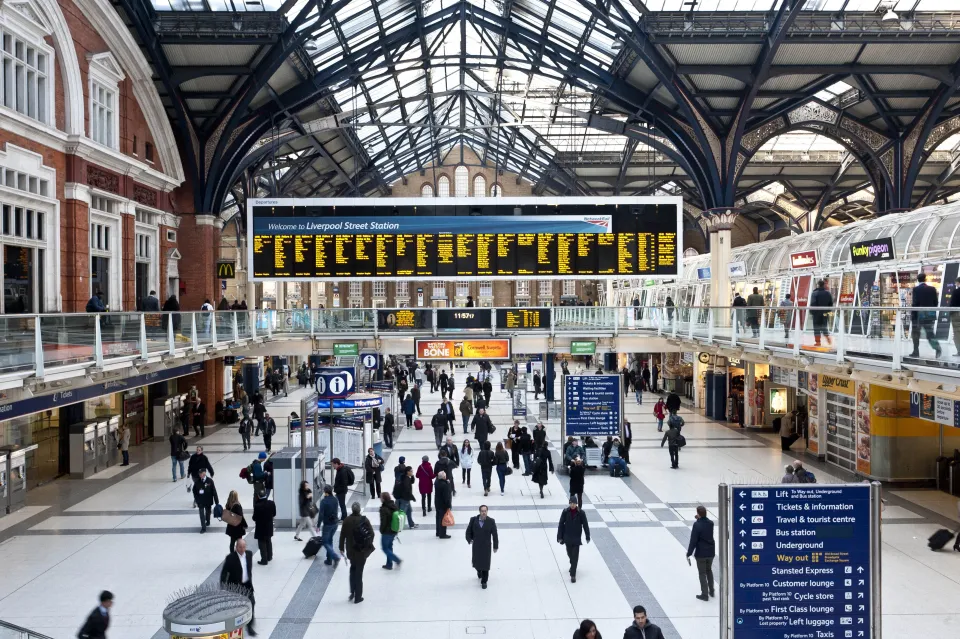
The closure at Liverpool Street Station will take place to improve roof drainage and track drainage, as well as vegetation management.
While most of the work has already been carried out, passengers have been told that Liverpool Street’s mainline station will experience its final closure on March 28 and March 29.
The Elizabeth line will still be running, however, there will be no access to the main concourse. Commuters have been also been warned that there will be no Overground Weaver line trains operating this weekend.
Train operating company, Greater Anglia, stated on its website: “On both days, Liverpool Street Main Line station will be closed (including the concourse) to all Greater Anglia, Stansted Express, c2c, Elizabeth line and London Overground services.
“Greater Anglia services to/from Cambridge, Bishop’s Stortford, Hertford East and Stansted Airport will start/terminate at Stratford.”
They added: “On both days, Elizabeth line’s low level Liverpool Street station remains open however services will not run beyond Stratford due to closures on the Great Eastern mainline.
“On both days London Overground Weaver line services will not run between London Liverpool Street and Enfield Town/Cheshunt/Chingford.”
Commuters have been directed to use rail replacement buses where possible. The services will run between Seven Sisters and Enfield Town/Cheshunt and Hackney Downs and Chingford.
Officials have urged passengers to plan their journeys ahead of time. It comes as the station recorded a staggering 98 million entries and exits between April 2024 and March 2025.
Trish Ashton, TfL’s Director of Rail, said: “We’re sorry for any disruption caused by weekend engineering work impacting London Overground and Elizabeth line services during March.
“These planned works are essential to help keep our services safe and reliable. Customers are advised to ‘check before they travel’ using the TfL Go app or at TfL.gov.uk, and allow a little extra time for their journeys.”
You can also check the Network Rail website here for more information on planned works.
SPLIT between heading to a seaside town or the Cotswolds over Easter? Well, what if you could head to the Cotswolds but still get time on the beach…
A beach isn’t the first thing that comes to mind when thinking of the Cotswolds, but near the village of Somerford Keynes you’ll find one, and you can head there from this week.
Sign up for the Travel newsletter
Thank you!
Cotswolds Country Park and Beach features the UK’s largest inland beachCredit: Facebook/Cotswold country Park and BeachFamilies can chill on the beach or have a dip in the waterCredit: Facebook/Cotswold country Park and Beach
Cotswolds Country Park and Beach features the largest inland beach in the UK, as well as swimming lagoons.
This is despite the Cotswolds beach being more than 70 miles from the sea.
And the attraction reopens on March 27, including the Main Beach Swimming spot where visitors can have a paddle or sunbathe on the sand.
The beach also looks out across the lake, which means you can keep an eye on kids splashing in the water or watch people pedal on pedalo swans.
Each session lasts around an hour and costs from £15 per person.
There are a number of other activities you can do at the park, like an inflatable course on the waterCredit: Facebook/Cotswold country Park and Beach
If you think the water is a little nippy or would rather stay firmly dry, there is a minigolf course as well, which costs £5 per play.
And children needing to burn some energy can have a go on the climbing wall for the same price, or head to the two playgrounds.
You will also need to pay to get into the park in the first place, which varies depending on the time of the year.
In May, you could enjoy the sun while mid-season prices are available, which costs £4.09 per person or £13.64 per car of up to five people, so about £2.73 each.
However, during the high season, it usually costs £5 per person, or £18.18 for a car of up to five people (so about £3.64 each)
Our favourite UK holiday parks
*If you click on a link in this box, we will earn affiliate revenue.
Park Holidays UK Sand le Mere, Yorkshire
This holiday park in Yorkshire is a thriving family resort, just steps from Tunstall Beach. Entertainment is what this resort does best, with costume character performances, Link-up Bingo, and cabaret shows. Accommodation ranges from fully-equipped Gold Caravans to Platinum Lodges with sun decks and luxury bedding.
This beachfront resort in St Ives, Cornwall, is a true beach bum’s paradise – whether you want to laze out on the sand or take to the waves for some surfing. Activities include disc golf, a Nerf challenge, and an outdoor cinema, as well as indoor activities for the colder months like karaoke, bingo, and DJ sets.
This holiday park has loads of unique activities on offer, including TikTok dance classes, alpaca feeding, a pump track for BMX riding, and taking a ride on the resort’s very own miniature railway. Throw in bug hotel and den building, pond dipping, survival skills workshops, and a lake for paddleboard and pedalo hire, and you’ve got yourself an action-packed park.
This beachfront resort is a classic family favourite. If you’re not up to swimming in the sea, there’s four fantastic pools here, as well as water flumes, underwater jets, inflatable jet skis and kayak races. Plus if you’ve got any little fans of Paw Patrol or Milkshake!, you’ll be glad to know there’s Milkshake! Mornings and Paw Patrol Mighty Missions to keep your tots entertained.
In the surrounding area, there are a few places you can choose to stay at as well.
For example, you could head to Cotswold Lakes Camping at Field Farm, which is surrounded by lakes, wildlife and rolling hills.
The site boasts hardstanding pitches with electrical hook-ups, grass pitches, and open field grass pitches, as well as hot showers, indoor and outdoor kitchens, and is dog-friendly.
A standard grass pitch sleeping up to six people costs from £40 a night.
And if you want to explore the wider area, Cirencester is down the road.
The pretty market town sits on the River Churn, and it is the largest town in the Cotswolds.
If you are looking for more places to explore in the Cotswolds, head to the ‘Golden Triangle’, where you will find some of the UK’s prettiest towns.
Plus, the ‘Gateway to the Cotswolds’ that had the first English king, has been named one of the best places to live in the UK.
Admission costs as littler as £2.73 per personCredit: Facebook/Cotswold country Park and Beach
GO to Dungeon Lane today and it’s strange to think it occupies a special place in Paul McCartney’s heart.
Yet it will go down in pop history alongside other street names associated with him, joining Penny Lane and Abbey Road.
Sign up for the Showbiz newsletter
Thank you!
Paul McCartney today in a picture taken by his daughterCredit: Mary McCartneyPaul, left, makes his debut public performance, aged 15, with The Quarrymen, led by John Lennon, right, in 1957Credit: PA:Press AssociationPaul in his early years, aged 8Credit: Alamy
Situated in the Speke neighbourhood of Liverpool, the L24 postal district, a faded road sign sets the tone for its desolate air.
It is bordered on one side by a solar farm business and, on the other, by a fenced-off area of scrubland which separates it from the city’s John Lennon Airport.
Before you get very far, a bright yellow “emergency access gate” bars further exploration.
But, as a child, Dungeon Lane was McCartney’s gateway to a stunning rural idyll where he could escape the hustle and bustle of urban life.
In the Fifties, the lane took him past a daffodil farm to the Oglet Shore on the widest stretch of the River Mersey.
I wonder if young Paul, a keen birdwatcher, ventured into this wilderness clutching his trusty The Observer’s Book Of Birds.
There, he may have spotted any number of waders — curlew, snipe, dunlin, black-tailed godwits.
What we do know is that his lifelong love of our feathered friends began in those days.
This helps explain the compositions dotted through his career such as Blackbird with The Beatles, Single Pigeon with Wings, Two Magpies with The Fireman and solo efforts Jenny Wren and Long Tailed Winter Bird.
To McCartney, his early rambles into the countryside represent humbler, simpler times before The Fab Four exploded on to the scene, before his storied life in the dazzling glare of publicity.
Paul with his dad Jim and brother MikeCredit: GettyPaul’s childhood home at 20 Forthlin RoadCredit: Getty ImagesPaul with mum Mary and younger brother Mike
Sir Paul, 83, has called his 19th solo album The Boys Of Dungeon Lane . . . which is, as he suggests, a trip down memory lane.
He got the title from the lyrics of its first single, Days We Left Behind, released yesterday, a nostalgia-filled acceptance that he has a far longer past than future.
Intimate, beautifully sung with Macca playing acoustic guitar, bass, piano and harmonium himself (how does he do that!?), it is the first taste of a project that has been five years in the making.
“This is very much a memory song for me,” he says. “I was thinking about just that . . . the days I left behind.
“And I do often wonder if I’m just writing about the past — but then I think, how can you write about anything else?”
For McCartney, the song conjures up “a lot of memories of Liverpool. It involves a bit in the middle about John [Lennon] and Forthlin Road which is the street I used to live in. Dungeon Lane is near there.”
Paul was born on June 18, 1942, to his midwife mother Mary and salesman father Jim, and they moved with younger brother Mike to 20, Forthlin Road, Allerton, in the mid-Fifties from Speke, where they had lived since 1947.
We also know that Paul first bumped into John on July 6, 1957, at roughly 4pm, at a garden fete behind St Peter’s Church, Woolton.
In Days We Left Behind, he sings of the bond he formed with the lanky lad 20 months older than him: “We met at Forthlin Road/And wrote a secret code/To never be spoken.”
Continuing his reflection on the song, he says: “I used to live in a place called Speke which is quite working class.
“We didn’t have much at all but it didn’t matter because all the people were great and you didn’t notice you didn’t have much.”
As already mentioned, birdwatching was a hobby, one that required little cash and gave him a lot of pleasure “in the nearby woods and fields”.
Sir Paul with his wife NancyCredit: PA:Press AssociationPaul, a keen birdwatcher, owned The Observer’s Book Of BirdsCredit: Alamy
A recent entry in Macca’s Spotify playlists, under the banner Sticking Out Of My Back Pocket, came accompanied by these musings . . .
“My mum had the midwife’s house on the edge of Liverpool, where we lived,” he says.
“It was where Liverpool just stopped and became deep countryside, so that was when I had the opportunity to do quite a bit of birdwatching.”
He particularly cherishes the moment he saw a “skylark rising into the sky, singing its sweet song”.
That unforgettable sight has found its way into Days We Left Behind, with its lines, “In the skies the skylarks rise/Above the sounds of war/Since that day I knew they’d stay/With me for evermore.”
All these decades later, he reflects: “And now because I live part-time on a farm [in Sussex], I’m able to see a lot of birds and I don’t need The Observer’s Book Of Birds quite so much as I did back then.”
McCartney’s new album promises to be one of the most personal, most autobiographical song cycles he’s ever recorded, while also finding room for up-to-date love songs dedicated to third wife Nancy.
Yesterday’s announcement states that it finds him in a “candid, vulnerable and deeply reflective mood, writing with rare openness about his childhood in post-war Liverpool, the resilience of his parents, and early adventures shared with George Harrison and John Lennon”.
I’m guessing here but songs yet to be heard, Momma Gets By and Salesman Saint, appear to be affectionate remembrances of mum Mary, who died when Paul was just 14, and dad Jim.
Sir Paul has called his 19th solo album The Boys Of Dungeon LaneCredit: SuppliedDungeon Lane, now fenced off on both sidesCredit: supplied
This is not the first time Macca has delved into his early years for songwriting inspiration.
I talked to him about the playful On My Way To Work, which appeared on his 2013 album, New.
He called it a “collection of memories all morphed together”, providing a fascinating glimpse into his life before Beatlemania.
“It’s about me going to my first job, before The Beatles took off, which was working on a lorry for a delivery company called Speedy Prompt Deliveries — SPD.”
McCartney described going to work on the council-run green and cream buses which led to him looking at risqué magazines like Parade.
“I’d go on the bus at some unearthly hour of the morning,” he said. “I might buy a magazine and look at the nudies. I was too young to be interested in the news!”
He remembered how hard-up kids like him ripped the fronts off cigarette packets and traded duplicates with their mates, instead of collecting “football cards or, like in America, baseball cards”.
“It was like, ‘I’ll swap you two Craven A for a Woodbine’. Then there were the posh brands because this bus route went from the centre of Liverpool to the outskirts.
“Posh people would be smoking Passing Clouds or Sobranies and packets of those were very prized.”
Another song, Queenie Eye, referenced a childhood street game from “1940s Britain”.
“It’s what we used to get up to before video games and that whole home entertainment thing,” he said.
“Someone would be elected to be ‘the one’ or the ‘queenie eye’. We’d all stand behind that person and he would throw a ball over his head and one of us would catch it and hide.
“Then we would all chant, ‘Queenie eye, queenie eye, who’s got the ball? I haven’t got it. It isn’t in my pocket!’ It was simple entertainment for simple minds but great fun.”
Now it is time to return to the 2020s and the creation of The Boys Of Dungeon Lane, the follow-up to his captivating lockdown album, McCartney III.
This time, we’re told we can expect “Wings-style rock, Beatles- style harmonies and McCartney-style grooves”.
TRACK LIST
As You Lie There
Lost Horizon
Days We Left Behind
Ripples in a Pond
Mountain Top
Down South
We Two
Come Inside
Never Know
Home to Us
Life Can Be Hard
First Star of the Night
Salesman Saint
Momma Gets By
The process began around five years ago when Macca met American live-wire producer Andrew Watt, known for his work with Ozzy Osbourne, Lady Gaga, Post Malone and The Beatles’ greatest Sixties chart rivals, the Rolling Stones.
Watt, I gather, “pulled a guitar” on his latest rock icon, who instantly happened upon a chord he didn’t recognise.
As the story goes, the ever- experimental McCartney changed one note, then another, until he had a three-chord sequence.
That led to his new record’s opening track, As You Lie There, which in turn set the ball rolling for the other 13 songs.
It’s remarkable that, as with McCartney III, he is credited with playing all the instruments himself across the whole thing.
It brings to mind how at ease this enduring music obsessive seemed as he suggested specific drum beats and fills to Ringo Starr in The Beatles’ Get Back documentary.
With Macca still touring and playing momentous shows like his 2022 Glastonbury epic, Days We Left Behind has been honed over half a decade when time permitted.
During that period, he even managed to introduce the Stones to producer Watt, who helmed their 2023 comeback album, Hackney Diamonds.
When McCartney was in Los Angeles working with Watt, he was brought in to play bass on Mick Jagger and Co’s punk blast, Bite My Head Off.
Upon its release, I spoke to Keith Richards who was made up over their special guest.
“Yeah, Macca just strolled in with his bass,” the guitar legend drawled. “I think the song reminded him of those times [in the Sixties]. Beatlemania was equally as bizarre as Stones mania.”
There’s a moment towards the end of Bite My Head Off where you can hear someone saying, “Come on Paul, play something”.
“That might have been me,” smiled Richards.
But this is all about Britain’s greatest living songwriter, Paul McCartney, and his new album The Boys Of Dungeon Lane.
Time is precious but when it comes to music and life, he’s still facing forward at 83 — even if he’s remembering a youth long ago when “in the skies, the skylarks rise”.
Blackpool’s Sandcastle Waterpark has nearly completed it’s renovationCredit: AlamyThe changing rooms have been fully upgradedThe slides are also being repaintedCredit: Sandcastle Waterpark
The main upgrades will include some basic improvements, such as a new changing room village.
Images show a much more modern look for the cubicles, with the waterpark now 40 years old.
The slides are also being repainted, while new sound systems are being installed.
The waterpark, which opened in 1986, will be ready to show off the new look by the Easter holidays.
General manager Kyle Woodcock said: “This is a landmark year for us, and we wanted to mark our 40th birthday with improvements that our guests will really feel.”
In the mean time, there are 18 slides to choose from, as well as wave pools and river rapids.
One of the most popular slides is the Master Blaster which is also the longest indoor watercoaster in the UK.
Another record-breaker is Sidewinder, which is the first indoor half-pipe waterslide in the world.
Kids will love splashing their mates with the country’s biggest water cannon too.
It’s the perfect time to visit the waterpark too – the tropical climate means it is 30C all year round.
Splash out on a private Tiki Cabana, and you get unlimited alcohol and lunch for around £60 each.
The waterpark also has an adult only spa with saunas and steam rooms, which costs an extra £7 on top of a standard ticket.
There are two cafes for food and drink, as well as a shop for anything you’ve forgotten.
The new Harry Potter series is being filmed in locations across the UK, including at a pretty market town that has been named ‘one of the happiest places to live’
This charming town has been used as a filming location for the new Harry Potter series(Image: Getty Images)
The trailer for the new Harry Potter TV series has been released, prompting excitement among wizards and muggles. The HBO series is being filmed in locations across the UK, including in a picturesque market town that has been ranked as ‘one of the happiest places to live’ in Great Britain.
The highly anticipated Harry Potter series, based on the beloved books by J.K Rowling, will launch onto our screens in Christmas 2026, with the first trailer released this week. Ahead of its arrival, film crews have been spotted in various locations around the UK, as we get ready to welcome a new cast in the hugely popular Harry Potter franchise and watch the magic unfold all over again.
Among the UK destinations set to be featured in the HBO series are London, Hertfordshire, Devon, and Cornwall. However, it came as a surprise to the residents of Skipton, in North Yorkshire, when Harry Potter film crews were spotted in the charming market town.
Skipton has often been dubbed the ‘Gateway to the Dales’, thanks to its position as the southern entrance to the Yorkshire Dales National Park, with its lush valleys and heather moorlands that stretch across more than 2,100 square kilometres. The market town is steeped in rich heritage, with a preserved 900-year-old medieval castle, so it’s no wonder it’s been used as a filming location for Harry Potter.
At the end of last year, Harry Potter film crews were spotted in Skipton, as an actor performed a spell with his wand on top of a rooftop along a terraced street. While various areas in Yorkshire have previously been used as filming locations, residents were thrilled that the Harry Potter production had arrived in the small town of Skipton.
One resident told the BBC: “We’ve had bits of filming before, but I was surprised that they’ve picked it for something as colossal as this, so I’ll be very excited to see the end result.”
The filming reportedly took place on Westmoreland Street in Skipton, but it’s unclear if any further filming was done in the area. Another local told the publication: “It’s always exciting to have film crews hanging around and maybe put Skipton a little bit more on the map than what it already is.”
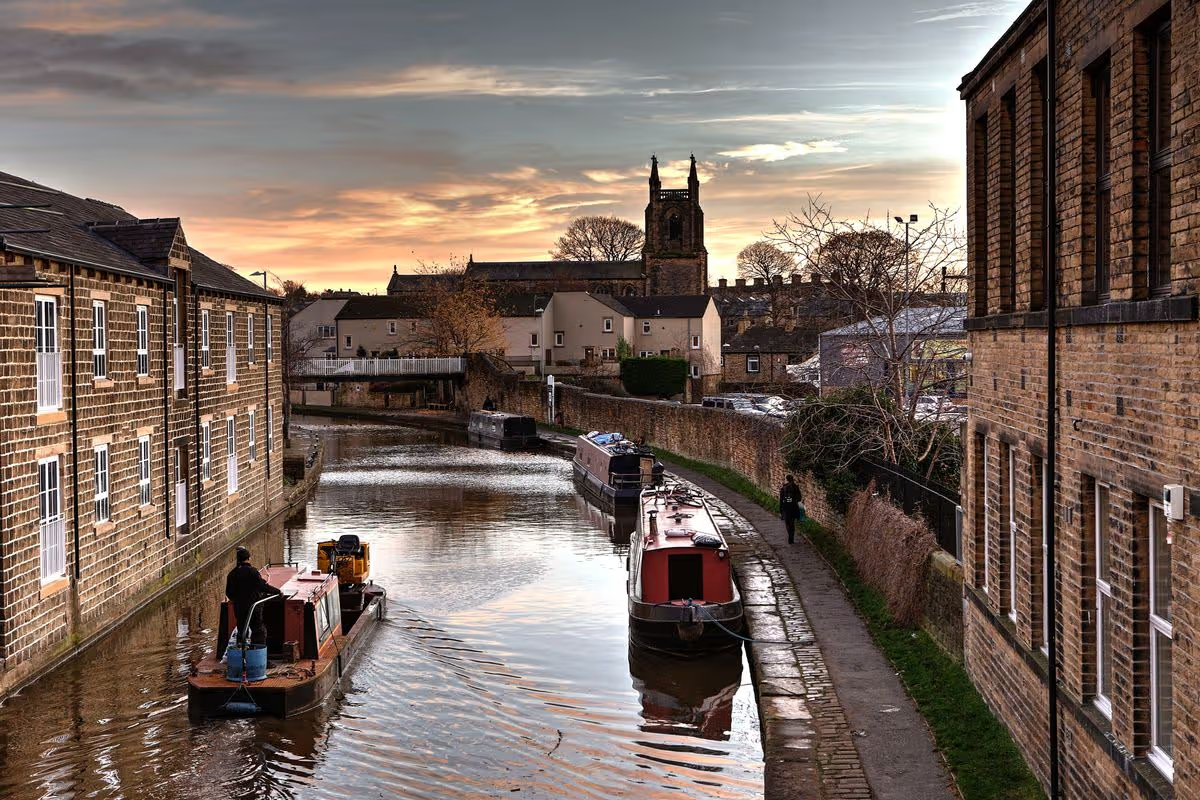
While we’ll have to wait a little longer to see just how much of Skipton is featured in the series, with producers remaining tight-lipped about locations, the town is certainly worth a visit in its own right. The high street is packed with independent retailers and delightful cafés, while the town’s location along the Leeds and Liverpool canal provides picturesque walks for an idyllic day out.
The cobbled high street leads up to the historic Skipton Castle, and there are numerous eateries in the town, including Phoebe’s restaurant, The Cock & Bottle pub, and The Clubhouse café. But one of the town’s highlights is the award-winning Skipton Market, which is believed to be one of the oldest in the country.
The outdoor market has been running since medieval times and has earned considerable recognition as the ‘best small outdoor market’ in the national Great British Market Awards. Found on the High Street, Skipton Market takes place every Monday, Wednesday, Friday and Saturday from 10am to 4pm, selling everything from food and produce to fashion and arts and crafts from local traders.
Yet it’s the residents who truly benefit from the charming town, as Skipton was named the ‘happiest place to live in Great Britain’ by Rightmove in their annual Happy at Home Index at the end of last year. Its convenient access to nature and green spaces was ranked as the top factor by Skipton residents, and there’s no shortage of landscapes to explore.
Beyond the nearby Yorkshire Dales National Park, there’s Aireville Park, a nature reserve, Castle Woods, and breathtaking Skipton Moor. With its undeniable charm and status as a film set, Skipton is well worth a visit, whether that’s for a weekend break or a day out, and is conveniently located just an hour’s drive from Leeds.
Do you have a travel story to share? Email webtravel@reachplc.com
THE must-visit destinations across the UK have been revealed and North Yorkshire has made the list.
With sweeping beaches, beautiful towns and movie backdrops – it’s no wonder Condé Nast Traveller as one of the ‘Best Places to Go in the UK in 2026’ – and here are some of our favourite spots to go in the county.
Sign up for the Travel newsletter
Thank you!
Robin Hood’s Bay is a must-visit for anyone heading to North YorkshireCredit: AlamyScarborough is considered a cheap seaside breakCredit: Alamy
Knaresborough
Along the River Nidd is this beautiful town which is often described as being ‘postcard perfect’, or looking like a ‘fairytale’.
It’s a few miles away from Harrogate and is known for having a huge viaduct as well as pretty riverside restaurants and cafes.
“There are a lot of pubs in Knaresborough – so many, I always lose count. I found 15 online, but I’m sure there’s more. There are traditional pubs with rich history, such as Blind Jack’s in the market square.
“One of my favourite pubs is Carriages, with its cosy atmosphere and tasty food. The outdoor area is great in summer, with views of pretty Knaresborough train station.”
Some of her other favourite things to do is heading up to Knaresborough Castle which is where you’ll get the best view of the viaduct.
Get onto the river itself in a row boat and get a bite to eat from Marigolds and an ice cream.
One popular attraction is Mother Shipton’s Cave which is named after the Yorkshire prophetess.
Whitby
The charming seaside town of Whitby has red-roofed houses, winding streets as well as huge cliffs.
Of course the nearby Gothic Whitby Abbey was Bram Stoker’s inspiration for his book, Dracula.
If you want to feel like you’re in the novel, walk up the 199 steps from the Old Town to St Mary’s Church and the Abbey ruins.
Travel Reporter Jenna Stevens who visited Whitby said: “In my trip to the North Yorkshire town, I ticked off all the staple activities. A Mr Whippy enjoyed by the harbour, spare change spent in Funland’s Amusements, and fish and chips for tea.
“Plus my stroll along the sands, backed by spectacular moss-green cliffs, was an ideal way to soak up those breath-taking views of the rugged Yorkshire coast.
One of the things that makes Whitby stand out amongst other seaside spots is its connection to a famous explorer, Captain Cook and the ‘House on the Harbour’ museum is a must-visit.”
Another must-visit in Whitby is Trenchers – which is the best fish and chip shop in the UK.
A takeaway cod and chips will set you back £13.50.
Here’s where to stay in Whitby…
*If you click on a link in this box, we will earn affiliate revenue
Whitby, North Yorkshire
With a history of sailors and vampires, a dramatic coastal path, and the very best in pints and scampi, it takes a lot to beat Whitby. Pop in the amusements, eat award-winning fish and chips, and board the all-singing Captain Cook boat tour on the harbour. The Royal Hotel overlooks the harbour with stays from just £68 per room.
She continued: “In summer, you’ll find dogs sprinting along the sands, while owners tuck into fresh crab sandwiches from the beachside hut and little ones fish for treasures in the rock pools.
“I prefer the village in winter, though, when visitors can stroll the rows of higgledy-piggledy boutiques and cafes dishing up wedges of homemade cakes piled high with buttercream.
“What’s more, there’s a restriction on visitor vehicles and cars are even banned from the harbour area, making it a great place for a car-free
Scarborough
Scarborough, which is known as England‘s first seaside resort, is split into two bays – the South and North Bay.
Each is worth exploring with the South Bay having most of the shops, restaurants and amusement arcades.
Meanwhile, the North Bay is much quieter and is a great place to simply enjoy the beach or go for a surf.
She described it as the “perfect family day out” where you spend “hardly any money.”
You can rent out a beach chalet from £50 a day and have a go on the cliff-railway for £2.50.
If you’re lucky enough, and bring a pair of binoculars you might spot bottlenose dolphins, porpoises and minke whales.
There is plenty of entertainment too and Alex explored the South Cliff Gardens, a hillside adventure playground and the arcades at Olympia Leisure.
Yorkshire Dales National Park
The Dales are known for glorious views and dramatic scenery and it is seeing a boom in popularity thanks to its appearance in Wuthering Heights.
The new film starring Margot Robbie and Jacob Elordi certainly had Brits talking when it came to cinemas last month.
Travel Writer Tracey Davies explored the gothic region and said: “Heathcliff is not the only mysterious, brooding beast in Yorkshire. The scenery provides just as much drama as the Wuthering Heights character.”
She added: “Largely shot on location in the Yorkshire Dales National Park — amid the landcapes of Swaledale and Arkengarthdale valleys and the peaceful village of Low Row — the movie shines a well-deserved spotlight on this glorious corner of England.
“With its scarred limestone hills, scattered with rocks, and rolling green pastures, criss-crossed with drystone walls and peppered with honeyed-stone villages, this region is the picture of a period drama.”
The sweeping Yorkshire Moors appeared in Wuthering HeightsCredit: AP
The Best Places to Go in the UK in 2026
Here are ‘The Best Places to Go in the UK in 2026’ according to CondéNast Traveller…
IF you’re planning a trip to the Cotswolds, one of the most popular areas is the ‘Golden Triangle’.
Not to be confused with the Indian Golden Triangle (covering New Delhi, Agra and Jaipur) the Golden Triangle of the Cotswolds covers three of the most popular towns.
Sign up for the Travel newsletter
Thank you!
The Cotswolds has its own ‘Golden Triangle’Credit: AlamyChipping Norton is where a lot of the celebs like The Beckhams liveCredit: Alamy
In between these towns are the famous fancy attractions such as Soho Farmhouse and Daylesford organic farm shop.
The first town is Chipping Norton, which is where a number of famous celebs live.
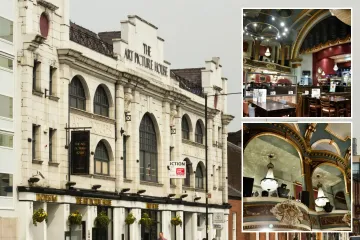
People are raving about a Wetherspoons pub which they say feels like being in a fancy hotelCredit: JD WetherspoonsHamilton Hall is found in London Liverpool Street StationCredit: JD WetherspoonsMany of the original features have been restoredCredit: JD Wetherspoons
Named after Great Eastern Railway Company Lord Claud Hamilton, it became a Wetherspoons in 1991.
It was both the first central London Wetherspoons and the first in a train station.
While the hotel itself is still open – you can stay at what is now the Andaz London Liverpool Street for £260 a night – many of the original features remain in the pub.
This includes the ornate mouldings and frescos, as well as the celling decorations, and artwork.
It is popular with train travellers and football fansCredit: AlamyIt was the first central London Wetherspoons to open more than 20 years agoCredit: JD Wetherspoons
A sprawling all-inclusive resort along the scenic coast has often been ranked as the ‘best in the UK’, with remarkable facilities that will keep everyone of all ages entertained
13:41, 24 Mar 2026Updated 13:41, 24 Mar 2026
This article contains affiliate links, we will receive a commission on any sales we generate from it. Learn more
The all-inclusive resort has often been ranked among the ‘best in the UK’(Image: Potters Resorts Hopton-on-Sea)
You don’t need to travel far to lap up the benefits of an all-inclusive resort, as one of the ‘best in the UK’ offers incredible facilities, ‘West End’ shows and unlimited drinks.
When we think of an all-inclusive resort, it’s easy to turn our minds to those in Europe, sipping cocktails around the pool by day, and watching lively entertainment by night. But why not ditch the cost of a flight for an all-inclusive escape in the UK, perfect for families during the school holidays or adults looking for a serene escape?
Situated between Great Yarmouth and Lowestoft on the Norfolk coast is the luxurious five-star, all-inclusive holiday resort, Potters Resorts Hopton-on-Sea, set across 65 acres.
Just a stone’s throw away from the golden sands of Hopton Beach, the resort has “something for everyone, and it’s all included”, and they mean everything, from its accommodation, drinks, meals, to entertainment, activities and facilities.
It’s been so highly praised and loved by visitors that Which? named it among the ‘best UK holiday parks & resorts’, while it was also highlighted as a TripAdvisor Travellers’ Choice. It’s not surprising, given the impressive facilities on offer.
The resort not only boasts two heated indoor swimming pools, a sauna, a steam room, and a whirlpool, but there’s also a spa where guests can pamper themselves with a massage or beauty treatment for an additional cost, but there’s so much more included in the price.
There are a bundle of fun activities, from their climbing wall and virtual reality experience, to pilates, yoga, nordic walking and dance classes. For those into sports, there’s certainly enough to keep you busy with badminton, tennis, pickleball, table tennis, air rifle shooting and archery all accessible.
Additionally, there’s a fully equipped gym, adventure golf, and bowls on the lawn of the World Indoor Bowls Championship. And if that wasn’t enough, there are traditional pub games and classic board games for those quieter afternoons, alongside snooker, pool, shuffleboard and darts, whatever your niche might be!
Sykes Cottages offers a wide range of handpicked holiday homes across the UK and Ireland, from cosy countryside retreats to stunning coastal escapes. Prices start from £27 per night
While the resort is predominantly for adults, it welcomes families and people of all ages during the school holidays, offering a host of fun-packed activities for kids, alongside its standard facilities. From KMX bikes and bungee trampolines to the inflatable assault course, football skills, and last man standing, the kids are bound to be entertained.
During the evenings, there is a packed programme of live music, dance, comedy, quizzes and cabaret, along with “West End-quality shows”.
Like any good all-inclusive, there’s plenty on offer food wise, with four meals a day for guests, as well as all-inclusive drinks covering teas and coffees, soft drinks, and a vast selection of beers, wines, and spirits.
For accommodation, the resort offers everything from a bungalow near the sea to hotel rooms near the main facilities, and penthouses with panoramic views of the scenic Norfolk coast. And when visitors can tear themselves away from the resort, there’s the sprawling Hopton Beach to explore, alongside the nearby town of Lowestoft and Great Yarmouth.
Following a visit in March this year, one visitor shared on TripAdvisor: “Just returned home from Potters, this was our 3rd visit in 8 months, and as always it was first class all the way. Food and entertainment were superb, our accommodation was a bungalow plus, which was very comfortable, tried various activities which we haven’t done on our previous visits, absolutely loved Mark Brewer and his team, they are all so funny and friendly, can’t wait to return again, which I’m sure will be very soon.”
“First time for myself, daughter, granddaughter & two great granddaughters aged 5 & 3, half term week, loved every minute, plenty to do for all ages, food varied & so plentiful! Will definitely be back!” another shared.
The brand also has Potter’s Resorts Five Lakes in Essex, offering a similar experience set among a whopping 333 acres in the heart of the countryside. For more information on Potters Resorts, or to book your break, you can visit their website. Of course it’s not the only offering in the region. Holiday firms including Haven and Parkdean Resorts also offer a plethora of stays in the area, complete with plenty of entertainment options.
Do you have a travel story to share? Email webtravel@reachplc.com
The UK’s ‘holiday park of the year’ has been revealed and it has everything including cosy glamping pods, beautiful beaches on the doorstep and incredible stargazing opportunities
The park offers eco-friendly accommodation in a natural setting(Image: Tranwell Farm Holidays.)
An eco-friendly holiday park close to Morpeth in Northumberland was named the best in the region at last night’s (March 19) Destination North East England Tourism Awards.
At the annual ceremony, now in its 24th year, Tranwell Farm Holidays was named the winner in the Camping, Glamping and Holiday Park of the Year category. The site is on a farm that has been cared for by the family for over 60 years, and since 2022 it has offered a range of unique glamping experiences.
Accommodation options include grass pitches, where you can camp surrounded by beautiful meadows, or you can bring your own caravan or campervan. There’s a cosy shepherds hut for two, a comfortable camping pod, and two woodland lodges surrounded by trees which come with a private log-fired hot tub.
Guests can also enjoy some unique experiences while they stay on the farm. There are sessions where they can meet the park’s rare breed lambs, and you may even get to bottle feed one or witness a birth. The park is also set in an area with an official ‘dark sky’, meaning it’s an incredibly spot for stargazing.
Guests can hire a stargazing kit including binoculars, hot water bottles, and a rug, and can even hire a telescope to help them explore the cosmos from Earth.
Less than a 10-minute drive away is Morpeth, a historic market town with the River Wansbeck running through its centre. It has a traditional high street with a mix of chains and independent shops, as well as the indoor Sanderson Arcade where you’ll find upscale boutiques.
Stroll along the riverfront Carlisle Park and spot historic buildings such as Morpeth Court. Once the town’s court and gaol, it now houses a colourful antiques centre and café, as well as holiday apartments. The Morpeth Chantry is another unique place to visit. This medieval chantry house, which once held church services, is now home to a bagpipe museum which often has live performances.
Northumberland is known for its long, beautiful and unspoilt beaches, and there are a few that can be explored nearby. About half an hour away is Blyth Beach, a sand and shingle beach that has a long promenade and colourful beach huts. Its waters have been rated as ‘excellent’ by the council, so you can take a dip or surf if the conditions are right.
Cambois Beach is also just a short drive away and this sandy beach has pretty sand dunes and footpaths among the sandy dunes. It’s a quieter spot with fewer facilities, but perfect for a peaceful walk and popular with dog walkers. You may even share the beach with a few people who are fishing, as it’s a great spot to catch flounder and cod.
Have a story you want to share? Email us at webtravel@reachplc.com
ONE of the UK’s biggest free museums has been named the most popular attraction in the UK.
The Natural History Museum in London has knocked off the British Museum from the top spot of most guests, with the Association of Leading Visitor Attractions (ALVA) revealing 7.1million people visited last year.
Sign up for the Travel newsletter
Thank you!
The Natural History Museum is the UK’s most popular attractionCredit: Alamy
This marked the best year in terms of visitors for the free attraction, with a 13 per cent rise compared to the previous year.
The attraction happens to be one of Travel Reporter Alice Penwill’s favourite free attractions in London.
She said: “Having been to the Natural History Museum recently, I’m not surprised it’s the UK’s most popular tourist attraction.
“Other London attractions are impressive, but you won’t ever forget walking in to see the skeleton of an 82-foot Blue Whale in the entryway.
“There’s something for everyone, whether you’re interested in fossils, reptiles and birds.
“My favourite part is The Vault where there are some of the most valuable treasures like diamonds, amethyst and gold crystals.
“There’s lots of green spaces outside too, and I saw lots of children enjoying the Evolution Garden with dinosaurs like a bronze Diplodocus that was installed a few years ago.”
Over the next couple of years, the Natural History Museum is also working on new openings.
A new Human Nature pop-up display will open in September 2026, inside a gallery that has been closed for 80 years.
Inside, visitors will be able to discover stories about human history and the natural world, with a number of specimens and historical objects on display that haven’t been seen before.
There will also be a prototype of one of the Crystal Palacedinosaurs, a monk seal called Jenny ‘the talking fish’ and a handaxe that was discovered alongside the remains of a woolly mammoth in 1859.
Later in 2027, there will be a new permanent gallery specifically for young children.
It will be designed for four to seven-year-olds with lots of hands-on interactive experiences about the natural world.
London, UK – February 15 2025: Visitors admire Dippy the iconic dinosaur skeleton situated in front of the grand Romanesque Revival architecture of the Natural History Museum in LondonCredit: Getty
Doug Gurr, director of the Natural History Museum, said: “We are thrilled to be the UK’s most popular visitor attraction, smashing all previous records for the sector!”
London has a load of free attractions as well, including some right by the Natural History Museum.
One of Sun Travel’s Deputy Travel Editor Kara Godfrey’s favourite free attractions in the city is just down the road.
She said: “Having started my career in fashion, it’s no surprise that the museum I’ve been to the most in London is the V&A.
“The museum itself is fantastic – not only for being free to visit, but because it’s the largest museum on arts and design in the world.
“Also the second largest in the UK (behind the British Museum), my favourite area is the Asian corridor, with insanely detailed artwork and sculptures.
The V&A museum is also in South Kensington and is free to visitCredit: GettyThe Science Museum is also close to the Natural History MuseumCredit: Getty
“There’s loads of free events coming right now, including one on Women Printmakers and one on iconic American Photographs.
“Make sure to save time for the cafe too. It’s also the oldest of its kind in the world and is a stunner.”
And Sun Travel’s Head of Travel (digital) Caroline McGuire also loves the Science Museum nearby.
She said: “The Science Museum in South Kensington is perfect for kids of all ages, I’ve been taking my child there since he was a one-year-old, as the interactive ‘Garden’ in the basement is perfect for toddlers and pre-schoolers.
“There are plenty of excellent free exhibitions around the museum – one of our favourites being the Space section – but the most popular (and deservedly so) is the paying Wonderlab, an interactive gallery featuring numerous experiments that will fascinate children aged 3-14.
Caroline shared: “Until I visited the Outernet, I thought it was all hype.
“Now, my son and I will make a 25-minute detour to spend even 20 minutes there, when we’re in central London.
“The huge multi-screened space on Tottenham Court Road screens artist-made short films throughout the day, and you can walk in from the street and spend as little or as much time there as you want.
“With screens covering the sides and ceiling, you really do feel like you are inside the films.”
The Southbank Centre has lots of free activities each school holidaysCredit: Getty
“We’ve done free kids raves, free doodling workshops, free crafts sessions and free DIY sessions where my six-year-old was given a hammer and saw and encouraged to help build a Moomin House overlooking the River Thames.
“Oh, and the free Jeppe Hein: Appearing Rooms fountains are one of the best places to take a kid for a splash around during a summer heatwave.”
Or you could head to a number of galleries including the Tate Modern, Tate Britain or National Portrait Gallery.
Alice said: “When I head to London, I make a beeline for the galleries.
“Getting to see walls upon walls lined with famous artwork for absolutely nothing is something we take for granted – and there are plenty to see in the city.
“There’s the Tate Modern and Tate Britain, The National Portrait Gallery, the National Gallery where you can see one of my favourite portraits, The Ugly Duchess.
“Not to mention lots of these venues have pretty cafes and even bars if you fancy taking a weight off your feet after exploring.”
Here are some other spots to visit across London that are free to visit.
London also has a number of free galleries including the Tate ModernCredit: GettyMinaLima features different items that are in the Harry Potter filmsCredit: Alamy
MinaLima
Elsewhere in London, you could head to one of Travel Reporter Cyann Fielding’s favourite spots – MinaLima.
Found in Soho, MinaLima is a shop and attraction that features the graphic designs from the Harry Potter films.
Named after Miraphora Mina and Eduardo Lima, who are responsible for most of the designs you see in the films including the Daily Prophet, the Advanced Potion Making textbook and Bertie Bott’s Every Flavour Beans, the destination features themed items for sale as well as prints of their designs.
Make sure to spend time exploring as there are also items from the films, and speak to the staff, who really know their stuff.
London parks
There are also a number of amazing outdoor places to visit in London including Kara’s favourite, the commons in south west London.
She said: “I spent the best part of a decade living in south London, with two years of that in and out of the Covid lockdowns.
“To stop myself from going insane, this meant lots of walking around my local parks.
“And from Balham you can easily walk three of the best in one day.
“I recommend starting at Clapham Common, one of the more open parks of the three with ponds and a Victorian bandstand that often has live concerts.
Clapham Common has ponds and a Victorian bandstandCredit: Getty
“Go down to Wandsworth Common, and you can walk along the train tracks or across the pond.
“Then nip through Balham (with a coffee at The Apple Blue Patisserie or Insta-famous Milk) and end in Tooting Bec Common, with a much more leafier and interesting park to explore.
“Need to cool down? Finish with a swim at Tooting Bec Lido as well, the biggest freshwater lido in the UK (£9.40 for adults or free for locals).”
Travel Reporter Jenna Steven’s favourite free spots also make good walks.
She said: “London has over 3,000 parks to explore, but St James’s Park is one of my favourites.
“This is mainly because I’m a big fan of the unique Duck Island, an aptly-named nature reserve on the east of St James’s Park Lake.
“The island has its own cottage, which is surrounded by vibrant greenery and blooming flowers in the springtime, looking like something out of a fairy-tale story book.
“Plus there’s scenic picnic spots by the bandstand, and several kiosks serving cold drinks and sandwiches to enjoy when the sun comes out – save those crusts for the birds!”
Or head to Lisa Minot’s favourite – Primrose Hill.
She said: “For fabulous FREE views across the whole of London, head to Primrose Hill in North London.
“First opened in 1842 as an open space for Londoners, it was originally part of Henry VIII’s hunting grounds.
“Today it offers fantastic panoramic views of the capital and is popular at sunrise and sunsets.
“It is one of six protected viewpoints in London, its highest point more than 63 metres above tree level.
“Trees are also kept low so as not to obscure the view.”
Covent Garden Piazza
If you fancy something a little more urban, venture to Covent Garden Piazza.
Jenna added: “There’s plenty of both branded and independent shops to browse, traditional cafes and bars, plus there’s always a pop-up giving away tasty treats of some kind.
“Here you’ll hear live music rising from the lower level that makes your stroll through the building even more beautiful.”
In the city centre, head to Covent Garden Piazza where you can browse shops including well-known brands and independent shopsCredit: GettyBorough Market is also a great spot to explore, though you will need to spend a bit of money if you want some foodCredit: Getty
She said: “From the viral strawberries in melted chocolate to endless street food options, traders have been operating from London’s Borough Market for more than 1,000 years.
“Today’s unique Victorian arcades, built in 1850, are home to stands offering premium quality speciality foods as well as plenty of grab-and-go options from oysters and paella to burgers and fish and chips.
“While you don’t have to pay to wander the busy pathways of Borough Market, the tempting foods on offer will mean you will not be able to resist parting with some of your cash!”
In other attraction news, there’s a new UK attraction which has been named among the best places to visit in the world – but it’s not for everyone.
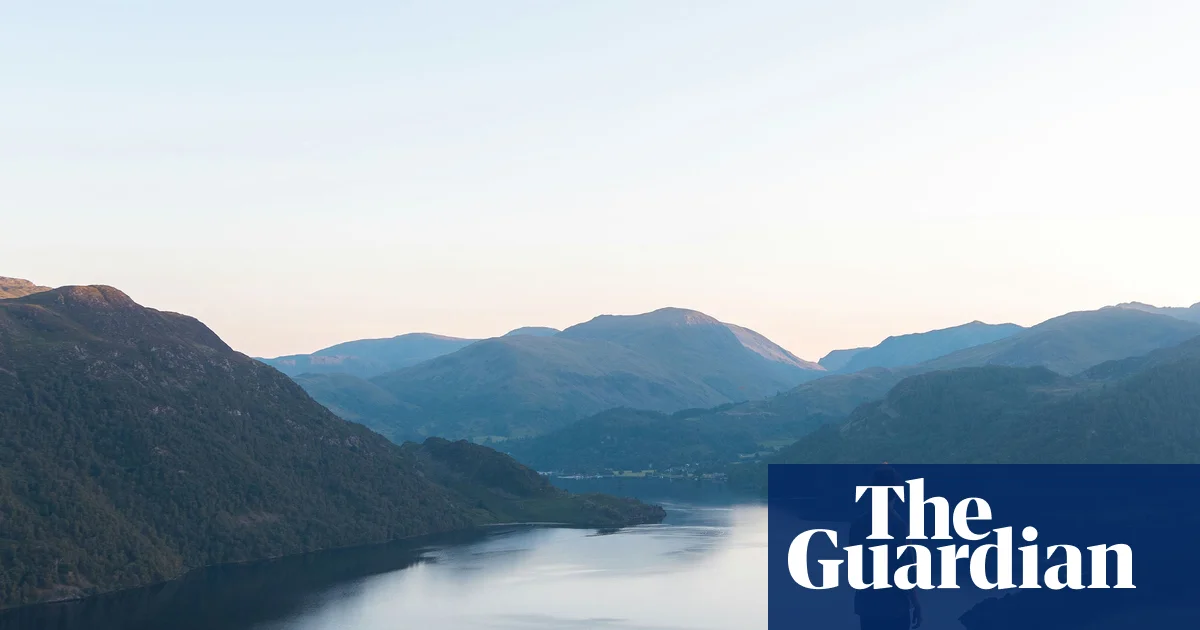
Before we enter the clouds on snow-capped Helvellyn, I glance back down at Ullswater. The early morning sun is bursting around the dark corners of High Dodd and Sleet Fell, sending a flush of light across the golden bracken and on to the hammered silver of the lake.
Further away to the south, ragged patches of snow cling to the high gullies. The nearest village, Glenridding, can barely be seen behind the leafless trees and all I can hear is the gurgle of the stream. It is the quintessential Lakeland scene: the steep slopes above the water, the soft colours and hard rock, all combining into something inimitable. And judging by the photographic and artistic record, it is one that has hardly changed since the Cumbrian wind first ruffled a Romantic poet’s curls.
Our best loved national parks – the Lake District, Peak District, Eryri (Snowdonia) and Dartmoor – all officially opened 75 years ago, in 1951. It was the result of a long campaign, arguably begun by one of those Romantics, William Wordsworth, a poet whose particular love for the Lakes led him to observe that the area should be “a sort of national property, in which every man has a right and an interest who has an eye to perceive and a heart to enjoy”. The resident of Dove Cottage at Grasmere fought, successfully, against railway building, noting the stupidity of destroying something precious in the pretence of increasing its influence.
That niggling dilemma has dogged the national parks ever since, but if Wordsworth were here now, I think he might approve, at least at first glance. The fate of some Alpine beauty spots has been avoided: no high-rise buildings break through the trees, no sports infrastructure litters the summits, and engineers have not blasted tunnels for bigger, faster, road and rail connections.
The planning process is tortuous, and woe betide anyone who likes a colour not in the Farrow & Ball catalogue, but our national parks survive, without sacrificing too much of their original charm.
Back in the 1970s my dad began taking me on his hiking trips. In those days, I didn’t share his excitement at “the views”, but I instantly grasped the magic of swimming under waterfalls, scrambling along ridges and sitting on mountain tops to eat hard-boiled eggs dipped in salt. He took us to all the national parks, and introduced us to their highlights. It was the start of a lifetime of exploration.
Dartmoor
Hiking through mossy Lydford Gorge on Dartmoor, in Devon. Photograph: Jack Jango/Alamy
The only area in England and Wales that has legal wild camping, Dartmoor is also the most threatened. A recent report detailed the sorry decline in biodiversity on its sites of special scientific interest (SSSI), but the truth is it remains in a better state than many other places. What makes Dartmoor special is the sheer extent of heathland: over 11,000 hectares of heather, gorse, bilberry and moor grasses, inhabited by birds, lizards, snakes and some rare butterflies. The top bird here is the red grouse, recently recognised as a distinct species, making it only the second reliably identifiable endemic British bird species.
Dartmoor’s reputation for other, more controversial species, is firmly established. On my first visit as a boy, I was reading The Hound of the Baskervilles and also glued to reports of escaped large cats. When we hiked past the infamous prison, and dad told us about “the Mad Axeman” inside, Dartmoor was firmly established in my head as the single most exciting area of Britain. I’ve never had reason to change that view.
Arguably the most evocative place is Wistman’s Wood, which is accessed from Two Bridges hotel, but popularity tends to destroy mystery and this is now an Instagrammed honeypot. Other excellent woodlands can be found down the Lydford Gorge near Tavistock or the Bovey Valley near Lustleigh, a village of thatched roofs where a cream tea is the acme of snackery. Try the Primrose Tearooms.
Nearby is Haytor Rocks, a magnet for climbers, and everyone else. It’s beautiful but popular. For tranquillity, try the military firing ranges: there’s nothing like an M115 Howitzer to deter most hikers, or perhaps it’s simply the need to check live firing times. It does seem to put visitors off, and there are wonderful viewpoints to be found, such as Yes Tor and High Willhays.
Eryri
Scrambling above Cwm Idwal in Eryri, where the renowned ‘staircase’ begins. Photograph: Andy Teasdale/Alamy
In Eryri, the hunt for peace and tranquillity has one rule: avoid Yr Wyddfa (Snowdon). Any other peak will be quiet in comparison. If you must go up Wales’s highest mountain, I suggest taking a less-frequented path, like the Watkin or Rhyd Ddu and go early – and I mean headtorch early. Another good option is the Ranger Path (Cwellyn), where the wind blew me off my feet as a nine-year-old. You might escape the crowds, but you can’t escape the weather.
Yr Wyddfa’s Crib Goch, one of Britain’s greatest ridge scrambles, can be a bit of a trial when oversubscribed, but there are many fine alternatives. Try Crib Lem on Carnedd Dafydd, accessible from Bethesda, or the Idwal Staircase, a tougher challenge that some might prefer to do roped up. Steve Ashton’s book Scrambles in Snowdonia is the essential guide.
One feature I love about Eryri is the way its industrial heritage has been repurposed to contemporary needs: the various slate mine attractions and the steam railways go from strength to strength. Bala Lake Railway has started work on extending its line into Bala town, a significant addition.
Lake District
The Lake District village of Grasmere, home of the Romantic poet William Wordsworth. Photograph: Andrew Roland/Alamy
The opening of the first parks triggered a wave of interest in hiking and a demand for route information. Like many others, my dad discovered Alfred Wainwright, whose hand-drawn pictorial guides are still a good way to find routes. Wainwright’s own favourite was Haystacks Fell, with an ascent from Buttermere via Scarth Gap. My own initiation into the joys of scrambling started with Wainwright routes up Lord’s Rake on Scafell Pike and Jack’s Rake on Pavey Ark, both serious undertakings.
Scrambling and its sister sports, fell-running and scree-racing, have a proud history in Lakeland. Over in Wasdale, sheep farmer Joss Naylor was an inspiration. As a teenager, I witnessed his hell-for-leather approach to scree slopes, transforming them from places to be avoided into a new challenge.
Wasdale, with its historic inn, remains a favourite. If the trail to Scafell Pike is often busy, look out for classic treks like the Mosedale Horseshoe, taking in Pillar, a stiff challenge when torn shreds of cloud are whistling around your ears. For the sure-footed, the climbers’ trail passing beneath Napes Needle is another gem. The Needle is a satisfying climb with historic importance. Photos of early pioneers the Abraham brothers, standing on top in their 1890s hobnail boots, fuelled interest in the new sport of rock climbing.
Across to the east, the 17½-mile trek from Pooley Bridge to Troutbeck over High Street is an absolute gem, with sustained panoramas on a clear day. Another classic is theKentmere Round, which normally starts at St Cuthbert’s church, near Staveley. For sheer delight in Cumbrian topographical names, the Kentmere Round is a must: Yoke Fell is followed by Wander Scar, Toadhowe Well and Shipman Knotts, among others. The best advice is to find a fell with an unfamiliar name, get the OS map and devise a route. Asking a local also usually pays off.
After an epic day of snow and ice on Helvellyn, I take my own advice. I am staying at Another Place hotel along the Ullswater north shore. The lakeside panorama tells the tale of changing times: there are paddleboards and kayaks on the water; groups heading off on wild swims; and a mobile sauna by the shore. Hotel director and local man David Vaughan tips me off about a favourite walk, on nearby Gowbarrow Fell.
The path starts at Aira Force waterfall, a well-known attraction, and the car park is busy. Beyond the falls, however, things are quieter. At 481 metres, the Gowbarrow summit is not high, but the panorama is superb. Further on comes the real climax: a balcony walk around the contours and above the lake.
A kestrel swoops past, close enough to see the wind ruffle its chestnut feathers. At the end, the path drops down to the woods and there’s a young woman, hesitating. Her kit looks fresh from the packet.
“Is there any scrambling up there?” she asks nervously.
“No,” I say, noticing her immaculate nails. “But there’s lots of mud.”
She takes a deep breath and grins. “OK.” Then sets off. Joss Naylor, my dad and the Romantic poets would all be proud. Our parks are still doing their best for us.
Take a trip to the “most fairytale castle in the UK” which is a short trip away from London on train. It offers breathtaking views and a Bridgerton-meets-fairytale vibe
Christine Younan Deputy Editor Social Newsdesk
04:02, 22 Mar 2026Updated 08:14, 22 Mar 2026
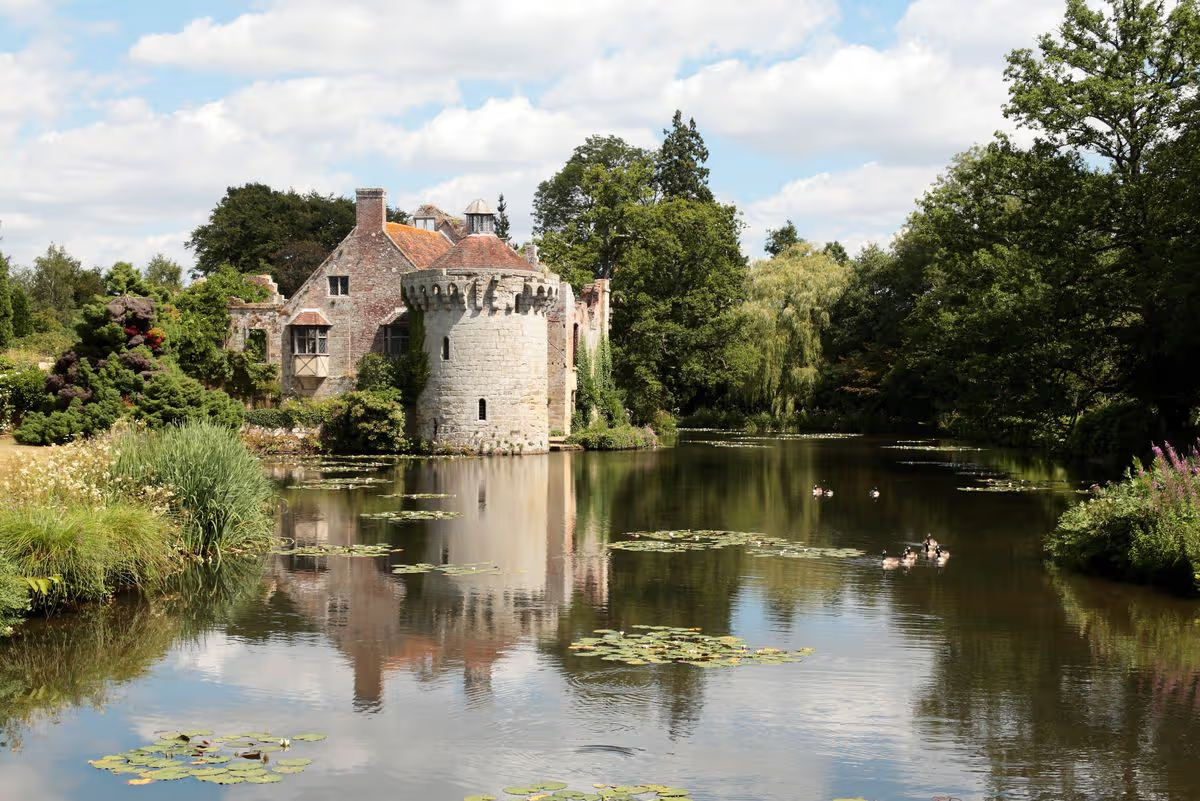
The castle looks like it’s out of a fairytale(Image: Getty Images/iStockphoto)
Embark on the most magical adventure of your life by visiting this fairytale castle – just 45 minutes away from London. If you fancy a trip outside of the city today, this location is a must for your bucket list.
It boasts breathtaking views, hidden pathways and is perfect for Bridgerton fans as it gives you that feel once you’re there. Whether you fancy a peaceful walk or a romantic picnic, why don’t you add Scotney Castle, in Tunbridge Wells, Kent, to your list now? It’s open daily from 10am all the way through to 5pm, which is ideal now that we’re blessed with more sunshine in the day.
One woman, who shares travel and lifestyle content on TikTok, recently paid a visit to the castle which has been dubbed the “most fairytale in the UK”.
In the video, she said: “The most fairytale castle in the UK – 45 minutes train from London Bridge, Scotney Castle – Royal Tunbridge Wells.”
Sharing her trip, the content creator took a 45-minute train journey from London Bridge to Tunbridge Wells then a 20-minute taxi ride to the entrance as there were no buses on Sunday.
She gushed: “Once there, you’ll be rewarded with breathtaking views, hidden pathways and a true Bridgerton-meets-fairytale vibe. Perfect for a peaceful photo walk or romantic picnic.”
Content cannot be displayed without consent
How to get to Scotney Castle:
If you’re travelling from London will have to drive for about 1 hour and a half, around 52.7miles, depending on where you are.
Otherwise some parts of the capital could take you about an hour. You will have to book as it’s likely the car park might be full which means you won’t be able to leave your vehicle on site.
As for trains, they frequently run from London Bridge to Tunbridge Wells which could cost around £20.
Alternatively, you can take a 50-55 minute train journey to Wadhurst, then a 15-minute taxi journey to Scotney Castle.
Wadhurst is the nearest station to the attraction, where it’s 7 miles, although Tunbridge Wells is also nearby (9 miles).
What to do at Scotney Castle:
The National Trust property offers a 14th-century moated castle ruin, a Victorian country mansion, and 770 acres of woodland and parkland.
You can explore the romantic gardens, check out the 1950s-style mansion, walk the estate trails, and visit the tea room.
There are also family activities available, like a “Summer of Play” area in the meadow with various activity zones which typically run through August.
The best time to visit is spring for blooming flowers, alternatively there are vibrant colours in autumn.
Tickets are approximately £22 per adult, £11 per child with gift aid and £4.50 for parking.
National Trust members can enjoy free entry and parking.
This seaside town has been named the best in the country and has a resort pedigree that stretches back well over 150 years, but it also has plenty of modern day challenges
This article contains affiliate links, we will receive a commission on any sales we generate from it. Learn more
Blackpool in winter: grey skies, bright spirit
Everyone has a story to tell about Blackpool. Usually a bad one.
Whether it’s tales of optimistic family holidays that turned into washouts, hotels mysteriously burning down, or stag-dos that bump into far-right protests, it’s the kind of place that people enjoy dunking on.
“What’s going on around here?” I asked the bartender of one town centre pub on my first evening in town.
“F*** all!” he said joyfully, before handing over my £3 pint.
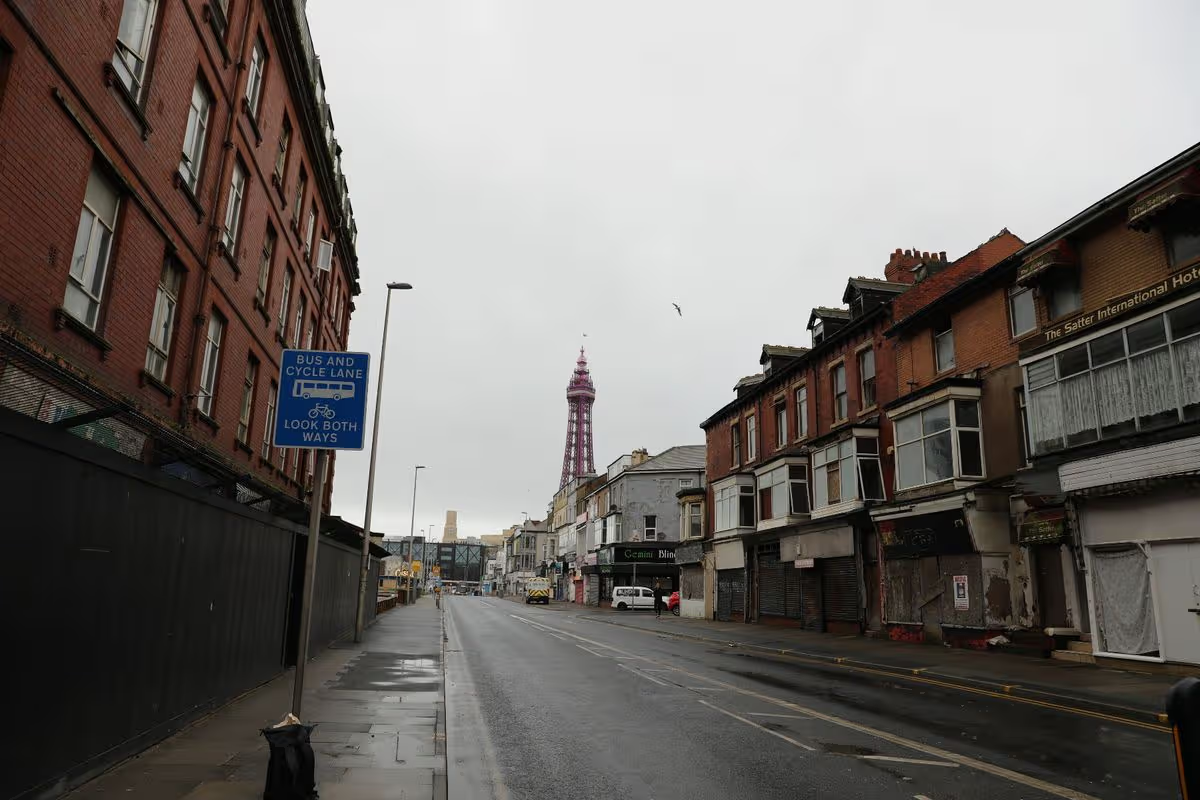
In one, quite literal way, he was onto something. Blackpool has a big problem with emptiness. Specifically, empty shops. Wander five minutes down the road from the Tower, and there are rows of crumbling units with boarded-up windows, clearly long vacated. Others seem occupied but shuttered against the winter winds and lack tourists. It’s a jarring experience, walking from the flashing lights and boinging sounds of the mega-arcades into a deserted lot piled with rubble.
The statistics don’t make for good reading. The town of 144,000 has the third-highest rate of empty shops in the country, according to the Centre for Cities, with 17.6% closed. In some areas, like Central Drive, the figure is 30%. Blackpool also has the second-most abandoned buildings, with one for every 45 people.
Some, such as the £7.6m easyJet Hotel on the prom that never materialised, or the vast, long-empty Odeon, are particularly annoying for residents. And for the newly elected Labour MP for Blackpool North, Chris Webb, who beat Tory Scott Benton partly by promising to tackle the problem.
“I am greatly concerned about it. There are far too many empty properties in the town,” he told the Mirror.
“Once you go past South Pier, you get to Bloomfield. It is the most deprived place in the county. The boarded-up shops there have an impact on whether people travel further out to great places like Waterlow Road and Bond Street.”
While a lot needs to be done, progress is being made. When I visited, builders were hammering away inside the Odeon building, which was adorned with a ‘Coming Soon – June 2026’ banner promising a family entertainment megaplex. An ‘Empty Properties Task Force’ was launched last month to target landlords of long-term vacant properties with Compulsory Purchase Orders, while cash is being splashed on modern retail units and green spaces in Central Drive. Under the new ‘High Street Rental Auctions’ initiative, the council can now sell off five-year leases for shops that have remained empty for over a year, which should help to inject a bit of life into the harder-hit areas.
As much as a lick of paint and Pride of Place funding won’t fix all of Blackpool’s deeply rooted deprivation issues or significantly lower its crime rate, it could help to bring the two versions of the town closer together.
In the summer, Blackpool is the same buzzing pleasure resort that has been enthralling millions of beach-dwelling, rock-chomping Brits since the Victorian age.
In the winter, however, it is a different story.
As soon as I stepped off the train on a dark February afternoon, a frosty gust of wind doused me in the famous North West precipitation. Somehow, I’d arrived in the only part of the country that wasn’t enjoying the first sunny shoots of Spring.
The combination of crumbling properties and miserable weather creates a stark vibe, utterly different from the sandcastle-and-donkey-rich summer months.
“It’s dead quiet out,” the Holiday Inn hotel receptionist remarked as we watched a few hunched raincoated figures push through the wind. For a town that relies on tourism to bring in £2 billion a year and support 30% of its jobs, becoming a relative winter wasteland is a big problem. And one that Blackpool might finally be answering.
Trainline data show that Blackpool is at the beginning of an off-season popularity boom.
Sajjad Motamed, the firm’s UK country manager, explained: “We’ve seen winter rail trips to Blackpool rise by more than 90% compared to last year, with particularly strong demand for weekend breaks. What’s striking is that the growth isn’t just coming from the North West – we’re seeing demand from right across the UK, for example, bookings from Edinburgh have more than tripled year-on-year. It suggests people nationwide are rediscovering classic seaside destinations outside of the traditional summer season, whether for a short getaway or to explore somewhere they may not have previously considered.”
Although the particular Thursday afternoon I’d turned up on was grim to the point that everyone sensible decided to stay inside, the spike in train bookings to a town recently named the country’s best by the Telegraph is borne out by official council figures. In 2023, Blackpool welcomed a record 21.5million visitors, a 5.3% rise in just a year. There are high hopes that 2024 and 2025 will increase the numbers further, once the stats are in.
So why are people coming in the winter?
One reason is cost. Blackpool was recently crowned the UK’s cheapest seaside resort, thanks to delights such as £1 burgers at Higgitt’s Las Vegas Arcade, £3.90 fish and chips at Bentley’s on Bond Street, and £6 breakfasts at Peekaboos. Come winter, room rates are slashed as hotels fight to fill the thousands of rooms in a town with the third cheapest property prices in England and Wales, according to Land Registry data.
Another is the growing selection of off-season activities.
I dropped into the 2024 opened Showtown Museum, which tells the story of Blackpool’s entertainment history through highly interactive exhibits and tapdancing staff members. Until April, a fascinating exhibition is telling the story of little people in the entertainment industry. It is difficult to imagine today, but the Blackpool Tower’s skygardens were once converted into a miniature village “populated” by little people.
Now visitors to the town can stop off at Showtown before heading up the Tower and down into the dungeons on the same Blackpool BIG Ticket that delivers 50% savings and costs £31
Throughout the year, there are plenty of free exhibitions on show at the listed Central Library, home to the Grundy Art Gallery.
After soaking up a bit of culture, you can head to the town’s iconic, year-round Coral Island. I’d bet a tub of 2ps that there is no bigger, more impressive or absurd arcade in the country. Stretching across a good number of football pitches’ worth of lurid carpeting, Coral Island is packed with one-armed bandits, coin droppers, the latest VR tech, and an indoor rollercoaster that wheels over the heads of the gamblers below.
Who cares if the Pleasure Beach is shut for the winter when you’ve got that?
As much as Mr Webb insists the town’s “reputation for stag and hen dos is greatly diminished”, it’s hard to argue that Blackpool isn’t a booze town. Whatever the season, across its 166 bars and pubs, you’ll find dozens of drinks deals cheap enough to make any Up From Londoner swoon. For a quiet but affordable pint, the Churchill is a good bet. For something a bit more late-night and rowdy, the Galleon delivers live music and a great atmosphere most nights.
For Mr Webb, the “missing piece” to the winter tourism slump puzzle would be an all-purpose indoor arena, designed for expos and eSports. Its arrival is uncertain and some way off yet, but talks with the owners of a Premier League football club are promising, the MP says.
This seems like a natural step for a town with a deep-rooted entertainment pedigree. From Strictly to George Formby, people have long come to Blackpool for a show. When I visited, Derren Brown was at the Grand as part of his Only Human tour. At the start of the performance, he uncorked several big cannisters of laughing gas into the auditorium to lull the crowd into a pliable state before having his mystifying, merry way with us.
Whether the gas was real or not, what wasn’t fake was the uproarious laughter of the audience throughout his two-hour set. Lancastrians are a friendly bunch. Whether it’s the charming staff in Stefani’s Pizza joint, a smily mum who stopped her pram for an impromptu chat, or the jovial reaction of an audience member publicly outed as a thief by Brown, there’s a good chance Blackpool will offer you a warm welcome, however miserable the weather.
IT’S Monday morning, pouring with rain and I’m lugging a wooden sledge up to the top of a steep hill.
This is where I will meet the delivery driver who’s dropping off my shopping for the week.
Sign up for the Travel newsletter
Thank you!
The stunning seafront at Clovelly in DevonCredit: Rolf E. StaerkClovelly is famed for its cobbled streets and the fact it doesn’t have any vehicular accessCredit: chrisdorney
Welcome to the life of a Clovellian — the name given to the residents of Clovelly in Devon, one of the country’s prettiest villages.
Once owned by the Queen of England, Clovelly dates back to the Domesday Book and is famed for its cobbled streets and the fact it doesn’t have any vehicular access.
For the 250 residents who live here, life is full of minor inconveniences but the trade-off is living somewhere quiet and safe with the community spirit of a bygone age — plus incredible views of the Atlantic.
Residents have to be approved by John Rous, the current owner and a direct descendant of Christine Hamlyn who inherited the estate in 1884.
The cottages in Clovelly are let to long-term residents only, so there aren’t any Airbnbs or second homes.
When we saw a house advertised on RightMove, we expressed our interest and met with the Estate Manager, who showed us around and explained the complexities of living there.
Then it was time for an audience with Mr Rous to see whether we would fit in and if we understood the ethos of Clovelly.
We succeeded, and were soon immersed in village life.
The harbour, at the bottom of the village, is generally where visitors gravitate and it’s a wonderful place for wild swimming as well as a hotspot for marine life.
I regularly see dolphins from my kitchen window and have to stop and pinch myself.
There are two pubs here, The New Inn and The Red Lion, and both are hubs for tourists and villagers alike.
I’ve even taken on one of the shops in the visitor centre’s car park where I’ll be teaching yoga, Pilates and providing a treatment space for massage and other therapies.
Because of the village’s layout, emergency services can’t access it, so if someone needs medical assistance they are either carried or walked to an ambulance.
In the event of a fire, crews need to come on foot or rely on specialist equipment to navigate their way from the top of the village.
It’s the reason why there isn’t any gas in the village. Instead, many of the cottages are heated by Aga Rayburn range cookers, which also heat up the water.
A delivery being done the old wayCredit: Unknown
Most days, we forage on the beach for wood for our log burners, which has saved us a fortune.
So it goes without saying that you have to be physically strong to live in Clovelly — pulling your sledge up and down the hill is tough going — and especially on moving-in day.
Until 1983, donkeys were used to haul heavy loads up the cobbled streets but, although you will often see them being walked around the village, their days of service are now over.
Luckily, online supermarket deliveries are a thing of modern convenience and Amy’s Pantry — a converted van full of groceries, fruit, vegetables, meat and dairy products — arrives each Wednesday.
Since moving to Clovelly, I am fitter than I’ve ever been and average 15,000 steps a day, although it is strange living somewhere where we are the subject of so much attention.
Our home is one of the most photographed cottages in the village, and in the busy summer months we are greeted by crowds of gawping tourists taking photos every time we open our front door.
When our son Zak recently visited from university, he couldn’t get over the fact we were a tourist attraction.
Generally, people are lovely and intrigued about what it’s like to live there.
However, we have had to buy a private sign for our gate because tourists kept coming into our garden.
There are regular festivals throughout the year, including the Seaweed Festival, Lifeboat Day and the Lobster & Crab Festival.
The Christmas light switch-on is a big event, too, with as many as 5,000 visitors coming to the village to enjoy the fireworks.
It’s the most incredible place and, despite the inconveniences, I couldn’t imagine living anywhere else now.
GO: CLOVELLY
STAYING THERE: The Red Lion in Clovelly has rooms from £180 on a B&B basis.
PASSENGERS face fresh travel misery as a major UK train station is set to partially close again this weekend.
Rail passengers can expect travel disruptions as the bustling hub undergoes a “once-in-a-lifetime overhaul”.
Sign up for the Travel newsletter
Thank you!
Trains have been slashed and major disruption is expected over the weekendCredit: Willie Vass
Trains have been slashed and major disruption is expected over the weekend at Manchester Piccadilly station.
Only a handful of services will run on Sunday, with no trains operating from the south and east until 1pm.
The busy city centre hub — one of the UK’s biggest — will have just Platforms 13 and 14 open until the afternoon, and even those will be running on a reduced timetable.
During last month’s shutdown, engineers carried out major upgrades — replacing 11 sets of points, laying 9km of signalling and telecoms cables, installing 4,000 sleepers and pouring 5,500 tonnes of new track foundation.
Bosses hailed the works as a “once-in-a-generation” improvement of the tracks.
This weekend’s services still running include routes to Liverpool Lime Street via Eccles and Earlestown, Blackpool North via Bolton, and Chester via Earlestown — but passengers are warned there is a reduced timetable.
Meanwhile, Metrolink services will continue running through Piccadilly this weekend as normal.
Separate tram works mean no services will run between Victoria and Rochdale on Sunday.
A spokesperson for Network Rail said: “We would like to say a big thank you to passengers for their patience while this once-in-a-generation upgrade has taken place over the last nine days.
“Manchester Piccadilly is one of the country’s busiest stations and it’s a key hub for people travelling to the North West.
“Upgrading the track over six lines in what’s known as the Piccadilly corridor will make journeys more reliable and the points and signalling systems less prone to faults – meaning fewer delays for passengers.
“It’s all part of our long-term commitment to invest millions of pounds to make the North West’s railway fit for the future.”
Nestled in the undulating countryside of Oxfordshire, you’ll find Cotswold Wildlife Park & Gardens, one of the finest zoos I’ve visited in the UK. In fact, it was recently hailed as the UK’s top zoo in a nationwide poll that evaluated everything from the diversity of animals to visitor satisfaction and value for money. I’m a huge fan of exploring the Cotswolds, so I was thrilled to see what this place had in store.
From the moment you cross the threshold, there’s a sense that every detail has been meticulously planned to ensure both animals and visitors feel comfortable. Spread over 160 acres of parkland and gardens, the ambience is serene and calming — it’s ideal for a leisurely, unhurried day out.
The park is home to over 260 species, each residing in roomy, naturalistic enclosures that integrate effortlessly with the surroundings. As you meander, you’ll come across magnificent creatures from all corners of the globe.
This includes giraffes, white rhinos, lemurs, Asiatic lions, Humboldt penguins and red pandas.
Every animal appears content and well looked after, a perception supported by the park’s high visitor ratings and numerous recent accolades for animal care and guest experience, reports the Express.
One of the highlights of my visit was the giraffe feeding experience, a unique encounter you can arrange as an additional treat.
Approaching these gentle giants at eye-level was a memory I won’t forget, and the keeper was available to impart intriguing facts about their behaviour, diet and conservation.
It was both educational and enchanting to observe their lengthy eyelashes and tongues at such close proximity.
Despite ranking among the UK’s premier wildlife attractions, the park never appeared overcrowded or hurried. The gardens and softly undulating lawns provided numerous places to pause, unwind and appreciate nature.
One of the reasons the park was crowned the best zoo is its outstanding value. Standard day tickets cost around £19 for adults and £13.50 for children aged three to 16, with slightly cheaper online tickets available if booked in advance.
Children under three go free, and parking is included with the ticket. Given the scale of the park, the quality of the animal care, and the range of experiences on offer, I found this incredibly reasonable, especially when compared to other UK wildlife attractions.
Whether you’re a wildlife enthusiast or a family looking for a memorable experience, Cotswold Wildlife Park & Gardens ticks all the boxes.
Its combination of scenery, immersive experiences and variety of animals makes this one of the best experiences I’ve ever had.
If you’re planning a visit, book your tickets in advance, take time to explore slowly, and don’t forget to say hello to the giraffes.
A pretty UK town packed with independent shops, cosy tearooms and acres of green space, has been named as the ‘most welcoming’ destination, and after a visit, you might never want to leave
This pretty UK town has been named as the ‘most welcoming’(Image: Getty Images)
There’s a list of beautiful UK towns that offer an idyllic day out, whether that’s taking a stroll along their meandering rivers or exploring their cobbled streets lined with medieval architecture.
Yet there’s one that’s been named the ‘most welcoming town’ of them all, thanks to warm charm you’ll struggle to find anywhere else.
Harrogate, in North Yorkshire, is a Victorian spa town known for its mineral springs, 200 acres of green space at The Stray park, cosy tearooms, independent boutiques, and, famously, the home of Yorkshire Tea. It has often been hailed as one of the happiest places to live and has once again secured the title of the most welcoming town in the UK.
Thanks to its warm and friendly atmosphere, hospitality, and repeat visitors, Harrogate was named the UK’s most welcoming destination in Booking.com’s 2026 Traveller Review Awards. It’s even thought that its tea heritage and charming tearooms could have something to do with its ranking, as a quarter of Brits associated a visit to the Yorkshire town with a cosy cup of brew.
Whether it’s a warming cuppa in one of their tearooms, cafés, hotels, or even pubs, the town’s history can’t be ignored, as it’s where the black tea blend of Yorkshire Tea has been produced by the Bettys & Taylors Group since 1977. It’s also home to the delightful Bettys Café Tea Room, offering afternoon tea in the imperial room of freshly baked scones and, of course, their signature tea.
But that’s not the only tearoom in this town. There’s also Jenny’s Tea Shop, Mama Doreen’s Emporium, and another Bettys Café Tea Room, just on the outskirts of the town.
Yet, away from its brews, streets are lined with boutiques, with Montpellier Quarter boasting more than 50 independent shops, bars, restaurants, antique shops, and art galleries. There’s also Cold Bath Road, which offers more eateries and shops, all while paying homage to the town’s spa heritage.
Harrogate is known as the ‘English Spa’ thanks to its mineral springs, which were discovered in the 16th century. It quickly became known as a wellness destination, thanks to its open green spaces, spa treatments, fresh air, and famed waters.
Today, there are original Turkish Baths for a relaxing treatment and the Royal Pump Room Museum for a closer look into the town’s spa heritage. Harrogate has remained known as a spa town and continues to attract visitors seeking to unwind from the stress of everyday life.
The town is characterised by Victorian and Georgian buildings, some of which make up its collection of hotels, and there are plenty of B&Bs available in the area. That’s when you can tear yourself away from the ample green spaces, with its position on the edge of the Yorkshire Dales National Park, a haven for avid walkers.
With acres of pristine landscapes, Harrogate is home to beautiful parks and tranquil gardens that offer scenic strolls during the warmer months. One of its most popular attractions, which welcomes around three million visitors a year, is the Grade II-listed Valley Gardens, featuring various areas to admire.
Whether you’re looking for a day out away from the city or a weekend escape, you might just feel at home in Harrogate. Plus, it’s nestled just over a 20-minute train journey from Leeds and half an hour from York, making it even more convenient.
Ryan Pearson, regional manager for UK and Ireland at Booking.com, said: “Booking.com’s Traveller Review Awards celebrate destinations that consistently deliver exceptional hospitality, and Harrogate has earned recognition as one of the UK’s most welcoming towns for this specific reason.
“Guests frequently praise the town’s friendly, attentive hosts and genuinely warm atmosphere, which makes visitors feel instantly at home. While Harrogate charms with its historic spa buildings, elegant streets, and beautiful surrounding countryside, it’s the town’s authentic, personable hospitality that inspires repeat visits and rave recommendations from travellers.”
Do you have a travel story to share? Email webtravel@reachplc.com