tv station

Nexstar finalizes acquisition of Tegna’s TV stations, despite opposition

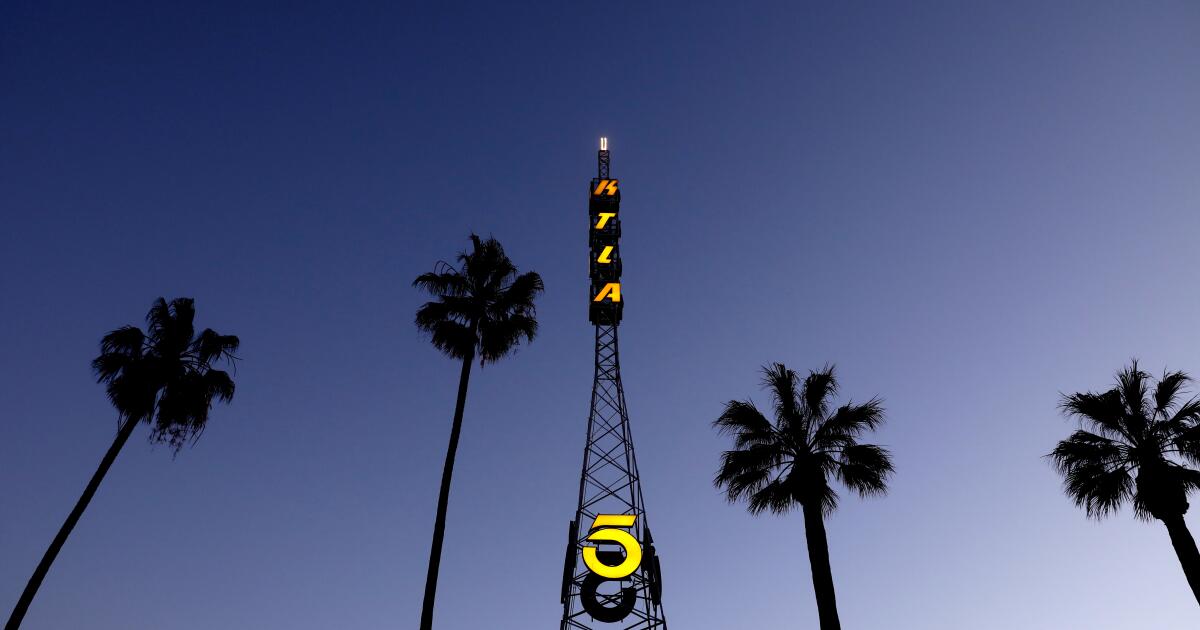
KTLA-owner Nexstar Media Group said it has closed its deal to acquire rival Tegna’s TV stations, despite opposition from eight state attorneys general who filed a lawsuit to block the merger.

The acquisition was approved by the Federal Communications Commission’s Media Bureau and the Justice Department, Irving, Texas-based Nexstar said Thursday.

“This transaction is essential to sustaining strong local journalism in the communities we serve,” Nexstar founder and Chief Executive Perry Sook said in a statement. “By bringing these two outstanding companies together, Nexstar will be a stronger, more dynamic enterprise — better positioned to deliver exceptional journalism and local programming with enhanced assets, capabilities and talent.”

Sook also mentioned President Trump and FCC Chairman Brendan Carr by name in the statement, saying the company was “grateful” they recognized the “dynamic forces shaping the media landscape” and allowed the transaction to move forward. Trump had supported the deal.

The surprise announcement came only a day after eight state attorneys general, including California’s Rob Bonta, sued to stop the deal, arguing it would give Nexstar too much control of local TV stations. At the time, Bonta said the combination would cause “irreparable harm to local news and consumers who rely on their reporting as a critical source of information.”

Nexstar is the largest TV station owner in the U.S., with 164 outlets including KTLA in Los Angeles. If the merger with Tegna succeeds, Nexstar would have 265 TV stations reaching 80% of the U.S. and multiple outlets in a number of markets.

The suit also claimed it would give the combined company too much leverage in negotiating fees from pay-TV providers that carry their stations, which could raise costs for consumers.

The plaintiffs in the suit also include state attorneys general in Colorado, Connecticut, Illinois, New York, North Carolina, Oregon and Virginia.

FCC Commissioner Anna Gomez said the merger violates the existing national ownership cap of 39% under federal law and said the acquisition did not receive a vote before the entire commission. The FCC approved this deal with waivers, meaning the company can operate in violation of that ownership cap.

“A transaction of this magnitude, which includes new and novel issues before the FCC, demands open deliberation before the full Commission, not a quiet sign-off meant to avoid public scrutiny,” Gomez said in a statement. “Given the increasingly alarming pace of reckless media consolidation, the American public deserves to know how and why this decision was made.”

The FCC did not respond to an immediate request for comment.

Times staff writers Stephen Battaglio and Meg James contributed to this report.
Source link

Eight state attorneys general file suit to block TV station group merger

A group of attorneys general are taking legal action to block Nexstar Media Group’s proposed $6.2-billion acquisition of Tegna’s TV stations, calling the deal bad for consumer cable bills and local journalism.

A lawsuit filed Wednesday in U.S. District Court in Sacramento says the proposed deal by eight state law enforcers, including California Atty. Gen. Rob Bonta, claims the proposed deal will give Nexstar too much control of local TV stations, ultimately hurting consumers by diminishing the diversity of news sources in their markets.

Bonta said in a statement that the deal will cause “irreparable harm to local news and consumers who rely on their reporting as a critical source of information.” The plaintiffs also include state attorneys general in Colorado, Connecticut, Illinois, New York, North Carolina, Oregon and Virginia.

The Irving, Texas-based Nexstar is currently the largest station owner in the U.S., with 164 outlets including KTLA in Los Angeles. If the merger with Tegna succeeds, Nexstar would have 265 TV stations reaching 80% of the U.S. and multiple outlets in a number of markets.

The suit also claims that the merger would give Nexstar too much leverage in negotiating fees from pay-TV providers that carry their stations. Higher fees paid to Nexstar would be passed along to consumers in their cable and satellite bills, the lawsuit asserts.

Most of Nexstar’s stations are affiliates of ABC, CBS, NBC and Fox, all of which carry NFL football, the highest-rated programming on TV by a wide margin. Disputes over carriage fees between station owners and pay-TV providers often result in blackouts and service interruptions to consumers.

DirecTV, which serves around 11 million pay-TV subscribers in the U.S., filed a similar lawsuit in the same court on Thursday, claiming the Nexstar deal will “irreparably drive up consumer costs, reduce local competition, shutter local newsrooms, and increase both the frequency and duration of blackouts of key local teams and network programming.”

A Nexstar representative did not respond to a request to comment.

President Trump has said he favors Nexstar’s proposed deal. But every major TV station owner believes consolidation in the TV station business is necessary to thrive going forward as they battle to compete with streaming video platforms that have eaten away at their audience share.

The companies say they are at a disadvantage in competing with tech companies by being limited to owning stations in 39% of the U.S., a cap that was set in 2003.

Nexstar recently cut veteran anchors and on-air reporters from its stations in Los Angeles, Chicago and New York. Further reductions in local TV newsrooms would occur if Nexstar succeeds in acquiring Tegna, which would likely mean consolidation of local newsrooms in which it owns more than one station.

Source link