TV Shows

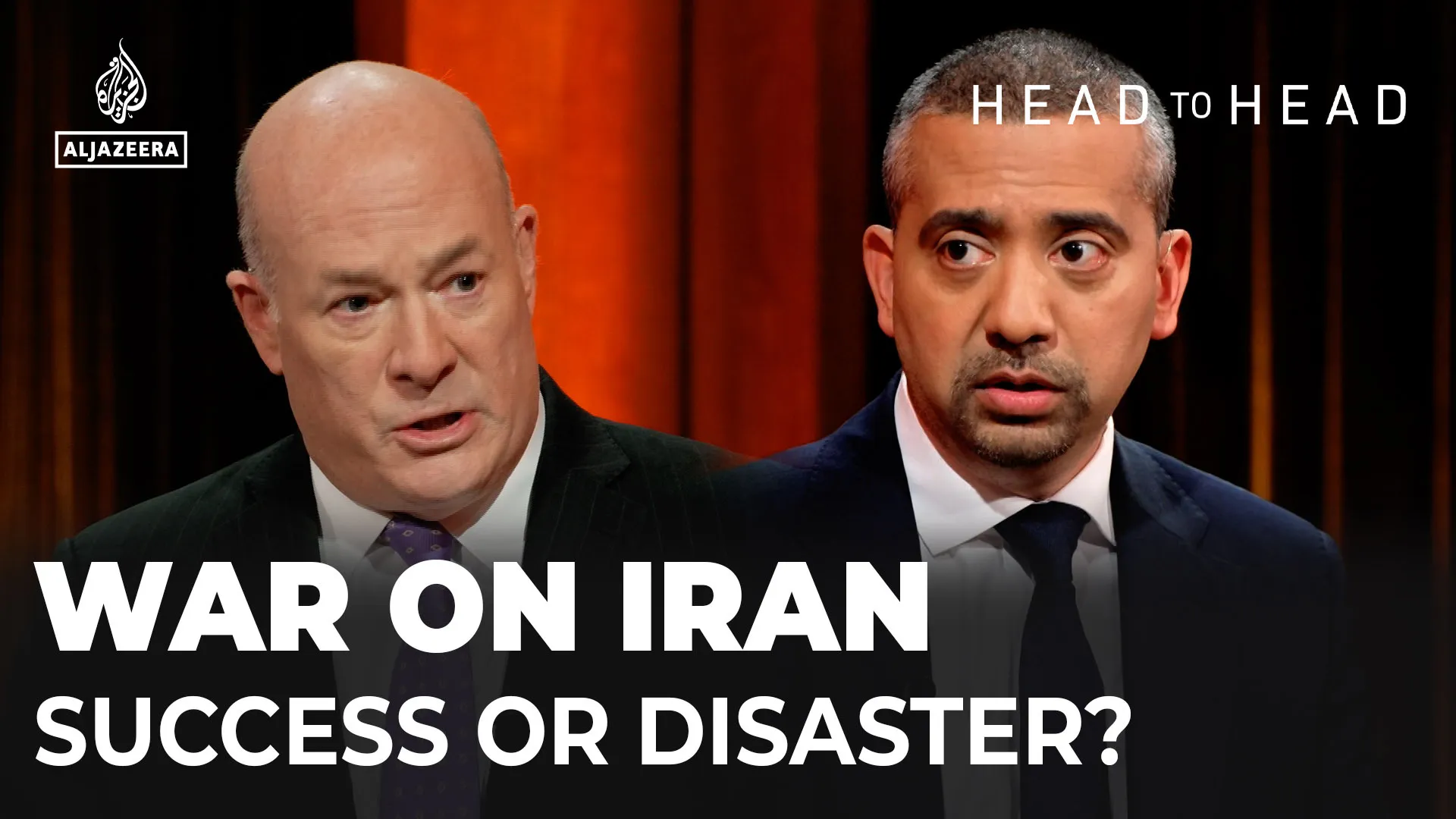
Are Middle East attacks pushing Asia towards an energy crisis? | US-Israel war on Iran

Energy facilities in the Middle East are under attack, including Qatar’s LNG, pushing prices higher.

In a sharp escalation in the Middle East conflict, energy production itself is now in the firing line.

Iran targeted facilities across the Gulf – including the world’s largest liquefied natural gas hub in Qatar.

It was retaliation for an Israeli strike on an Iranian gasfield hours earlier.

Energy prices are soaring, and countries from Asia to Europe are scrambling for alternative supplies.

But, for Asia – the world’s largest LNG buyer – this is a severe energy shock.

The region depends on Gulf supplies to keep its lights on, its factories running, and its people fed.

Source link

Have Israel, the US and Iran violated international law? | US-Israel war on Iran News

Civilian targets have been struck by all three warring parties.

Schools and hospitals bombed; strikes on apartment buildings; energy facilities targeted and attacks on neighbouring states.

Have Israel, the United States and Iran broken international law in the war? Or what legal justification might they claim?

Presenter: James Bays

Guests:

Geoffrey Nice – Human rights lawyer and former International Criminal Court prosecutor

Brian Finucane – Senior adviser with the US programme at the International Crisis Group and former legal adviser at the US State Department

Nicholas Tsagourias – Professor of international law at the University of Sheffield

Source link

Who’s left running Iran? | US-Israel war on Iran

Many of Tehran’s top leaders – from Supreme Leader Ali Khamenei to senior security figures – have been assassinated by the United States and Israel,

US President Trump and Israeli Prime Minister Netanyahu have framed the killings as victories in their war on Iran.

But Iran says its governance structure is designed to withstand such blows.

And that means the loss of any individual should not lead to the downfall of the system.

But how does this unique leadership structure work?

Who is keeping the government running, and how?

And what does it mean for the ongoing war?

Presenter: James Bays

Guests

Hamid Reza Gholamzadeh – director of House of Diplomacy, a think tank

Ali Vaez – director of the Iran Project at the International Crisis Group

Tim Ripley – defence analyst and editor of Defence Eye

Source link

Will the Houthis join Iran in war against Israel and the US? | US-Israel war on Iran News

The Yemeni armed group says all options are on the table.

As the US-Israeli war against Iran drags on, Yemen’s Ansar Allah, or the Houthis, have stayed out of the conflict.

But that could change. They have said they consider themselves directly concerned and could take a position alongside Iran.

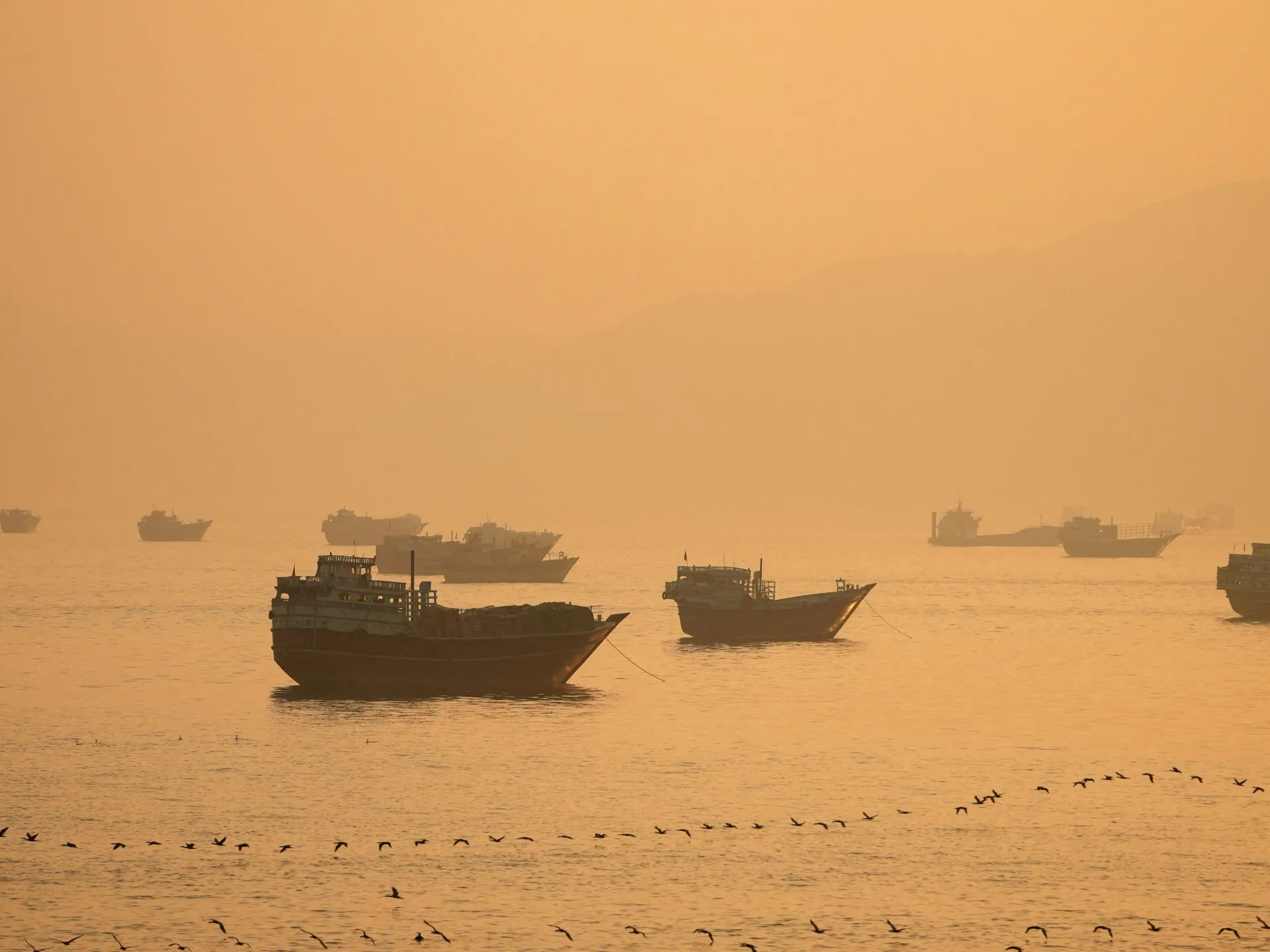
The armed group has attacked Israel and shipping in the Red Sea in recent years. If a new front opens up, global trade could be further disrupted in another maritime gateway. Shipping is already largely halted in the Strait of Hormuz, causing significant losses worldwide.

So, will the Houthis join the war? And what difference could that make for this volatile region?

Presenter: James Bays

Guests:

Farea al-Muslimi – research fellow in the Middle East and North Africa programme at Chatham House

Khaled Batarfi – political analyst who specialises in Saudi Arabian foreign policy

Rockford Weitz – director of the Fletcher Maritime Studies programme at Tufts University

Source link

What are the risks of turning energy sites into battlefields? | US-Israel war on Iran News

Oil and gas facilities in the Gulf have been attacked since early in the war on Iran.

The war in the Middle East took a serious turn when Israel bombed Iran’s energy facilities, pushing Iran to step up attacks on its Gulf neighbours.

The damage has been significant and will take years to repair. It also has long-term consequences, with Qatar already warning of a reduction in exports.

Recommended Stories

list of 3 itemsend of list

The escalation is dangerous, experts say, as energy exports from the Gulf region account for a fifth of global output.

So, what are the risks of turning energy facilities into battlefields?

Presenter: Imran Khan

Guests:

Mohsen Baharvand – Former Iranian ambassador to the United Kingdom

Jim Walsh – Research associate in MIT’s security studies programme

John Sfakianakis – Chief economist at the Gulf Research Center

Source link

Walker, Texas Ranger star and martial arts icon Chuck Norris dies at 86 | Obituaries News

Chuck Norris, a former martial arts champion and 1980s action-film hero, has died at the age of 86, according to his family.

In a statement posted to Instagram on Friday, his family described Norris’s death as sudden.

Recommended Stories

list of 3 itemsend of list

“It is with heavy hearts that our family shares the sudden passing of our beloved Chuck Norris yesterday morning,” the Norris family wrote.

“While we would like to keep the circumstances private, please know that he was surrounded by his family and was at peace.”

According to the publication Variety, Norris had been hospitalised in Hawaii since Thursday, though details were not disclosed.

Norris was the six-time undefeated World Professional Middleweight Karate Champion from 1968 to 1974. But he rose to wider fame in a series of action films, including 1985’s Code of Silence, 1984’s Missing in Action and 1986’s The Delta Force.

He further cemented his status as a household name when he starred from 1993 to 2001 in the popular TV series Walker, Texas Ranger, playing a principled lawman.

Norris’s tough-guy image made him an internet meme in his later years, though he received pushback for his far-right political views and embrace of conspiracy theories.

His family expressed gratitude to fans for their prayers during his hospitalisation.

“He lived his life with faith, purpose, and an unwavering commitment to the people he loved,” the post read. “Through his work, discipline, and kindness, he inspired millions around the world and left a lasting impact on so many lives.”

‘The ultimate tough guy’

Norris starred in more than two dozen films, often portraying stoic loners, soldiers, lawmen and all-American heroes who captured criminals and rescued hostages.

He made his film debut in 1973’s The Way of the Dragon, where he famously faced martial arts icon Bruce Lee in Rome’s Colosseum.

In 1985, Time magazine dubbed him “the ultimate tough guy” and “the undisputed superstar” of the B-movie action genre.

On screen, Norris was known for his signature roundhouse kicks, shrugging off gunfire and dispatching opponents with ease. His tough-guy persona made him a box-office draw and a television staple.

Decades later, he joined fellow action stars Sylvester Stallone, Arnold Schwarzenegger and Bruce Willis in 2012’s The Expendables 2, helping defeat a villain played by Belgian fighter Jean-Claude Van Damme.

He also became an unlikely internet phenomenon. In 2005, “Chuck Norris Facts”, a series of satirical jokes about his strength and masculinity, went viral and inspired several books.

The “Facts” included jokes like “Chuck Norris has a mug of nails instead of coffee in the morning” and “Chuck Norris doesn’t do push-ups; he pushes the Earth down.”

Chuck Norris speaks to reporters during a media availability before the NASCAR Sprint Cup Series
Chuck Norris speaks to reporters before the NASCAR Sprint Cup Series auto race at Texas Motor Speedway in Fort Worth, Texas, on November 6, 2026 [File: Larry Papke/AP Photo]

‘Texas has lost a legend’

Carlos Ray Norris was born on March 10, 1940, in Ryan, Oklahoma, the oldest of three brothers. The family moved to California after his parents divorced.

He described himself as extremely quiet and introverted as a young man, which he attributed to his father’s alcoholism and the family’s poverty.

“In school I was shy and inhibited,” Norris wrote in his 2004 memoir, Against All Odds: My Story. “If the teacher asked me to recite something aloud in front ‌of the ⁠class, I would just shake my head no.”

According to Norris, he was also not a natural athlete growing up, and he credited his martial arts career to intense training.

After graduating from school, he enlisted in the US Air Force in 1958. While stationed in South Korea, he learned Tang Soo Do, a form of karate, and other martial arts.

The future film star started teaching martial arts in California after his discharge. Actor Steve McQueen, who was one of Norris’s students, eventually encouraged him to try acting.

Tributes poured in following news of his death, including from political figures who shared Norris’s far-right leanings.

“Texas ‌has lost a legend,” Texas Governor Greg Abbott wrote on X, referencing Norris’s work on Walker, Texas Ranger.

“He electrified generations of conservatives. Giving them a passion and voice to fight for the principles that make America the greatest nation on earth.”

Israel’s Prime Minister Benjamin Netanyahu also paid tribute, calling Norris “a great friend of Israel and a close personal friend”.

High-profile stars and artists also mourned Norris’s passing, including several of Norris’s colleagues.

Stallone, for instance, wrote in a statement, “I had a great time working with Chuck. He was All American in every way. Great man and my condolences to his wonderful family.”

Author Stephen King, meanwhile, shared a memory of being thrilled — and scared — by Norris’s performance in the action-horror film Silent Rage.

“I thought he was great,” King said.


Source link

Could Iran war trigger the next global food shock? | US-Israel war on Iran

From factories to supermarket shelves, the Iran war is disrupting global supply chains.

First came the energy shock. Now, the Iran war is hitting something even more basic: Food.

With the Strait of Hormuz blocked, vessels are being rerouted and supply chains are under strain.

The disruption is pushing up the costs of almost everything from factories to supermarket shelves thousands of miles away.

The longer the Iran conflict continues, the greater the pressure on businesses and consumers worldwide.

The United Nations warns that rising food, oil and shipping costs could push an additional 45 million people into acute hunger – taking the global total above its record of 319 million.

Source link

What are Iran’s options as war goes on? | US-Israel war on Iran

Tehran defiant as US and Israeli attacks continue.

Relentless United States and Israeli attacks on Iran. Senior officials killed, with thousands of air strikes across the country.

Iran has retaliated, hitting Israel and its Gulf neighbours, targeting energy facilities and supply routes.

So what are Iran’s options now?

Presenter: Imran Khan

Guests:

Elijah Magnier – Military and political analyst specialising in wars in the Middle East

Setareh Sadeqi – Assistant professor in the Faculty of World Studies at the University of Tehran

Mehran Kamrava – Iranian studies unit at the Arab Center for Research and Policy Studies

Source link

Could the Iran war trigger a global recession? | US-Israel war on Iran

Energy prices are surging as the Iran war disrupts supply, raising risks for the US, China and Europe.

All eyes are on the Strait of Hormuz.

The longer it remains closed, the greater the damage to the global economy.

Iran continues to block tankers from shipping close to 20 percent of the world’s oil supply.

That is roughly twice the disruption the world suffered during the energy shock of the 1970s.

Big oil shocks have historically led to considerable economic turmoil, high inflation, stagnation and recession.

Oil and gas prices are already surging, and economies are expected to slow.

From American consumers to Chinese factories and European households, people across the world are already feeling the effect.

Source link

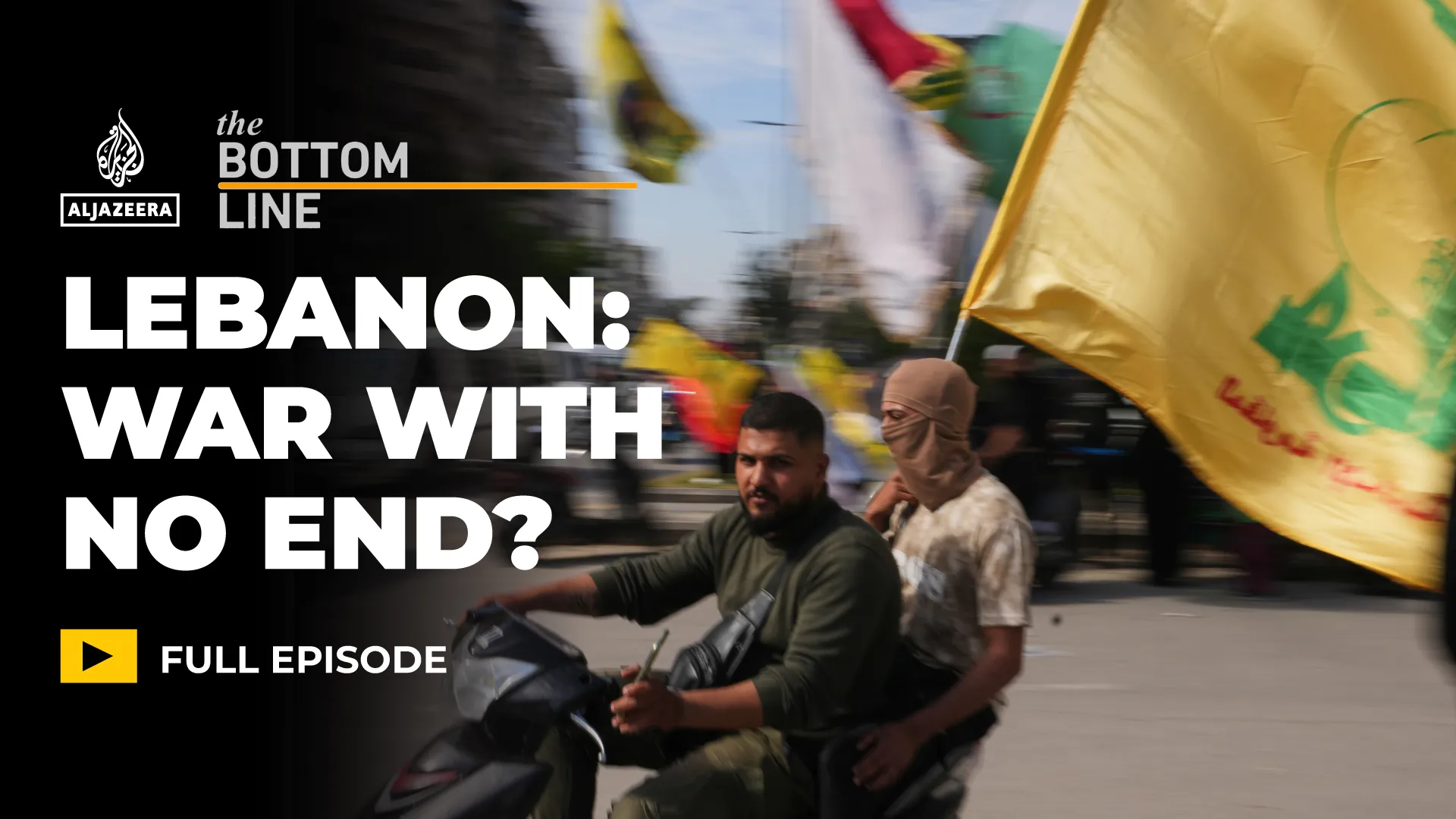
What is Israel’s endgame in Lebanon? | Israel attacks Lebanon

Israel seizes more territory in southern Lebanon and threatens to keep holding it.

It took just two days for Lebanon to be dragged into the US-Israeli war against Iran.

After a ceasefire between Israel and Hezbollah came into effect in Lebanon in November 2024, cross-border violence did not really end.

Now, nearly one million people have been forced from their homes.

The UN chief said Lebanon is part of a war it did not choose, but Israel is ramping up its offensive.

The Israeli defence minister says that if the Lebanese government will not rein in Hezbollah, Israel will.

So, what happens if it does? And what does that mean for civilians?

Presenter: James Bays

Guests:

Nadim Houry – Executive director of the Arab Reform Initiative

Maureen Philippon – Norwegian Refugee Council’s country director for Lebanon

Nicholas Noe – Editor-in-chief of the Beirut-based news service, Mideastwire.com

Source link

Who wins and loses in the global energy crisis? | Business and Economy

As oil prices surge, some economies benefit while others face rising costs.

The war in the Middle East is exposing how dependent the world is on a handful of strategic chokepoints.

The Strait of Hormuz – a narrow waterway in the Gulf – is closed.

The longer this goes on, the faster the global energy map could be reshaped.

From Europe to Asia, countries are facing mounting supply risks and the threat of an inflation shock.

If the conflict between the US, Israel and Iran drags on, alternatives will be hard to find.

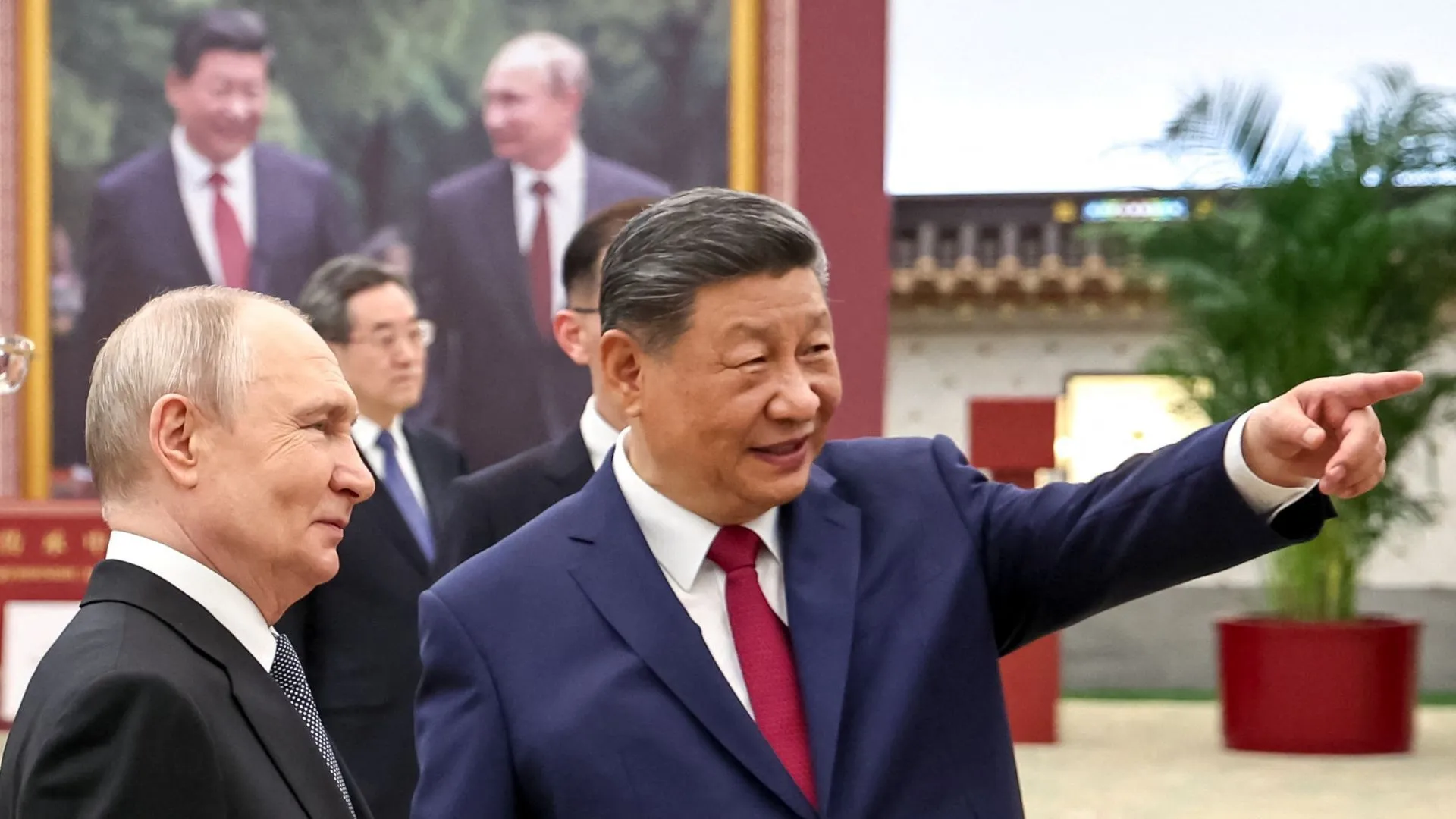
But, Russia is shaping up to be a major beneficiary, with soaring prices filling Moscow’s coffers despite Western sanctions.

Source link