DOJ sues Massachusetts, Rhode Island to end in-state tuition for noncitizens

June 30 (UPI) — The Trump administration has filed lawsuits challenging Massachusetts and Rhode Island laws that offer in-state tuition benefits to certain undocumented immigrants, alleging they unlawfully discriminate against U.S. citizens.
The lawsuits announced Monday are the latest the Justice Department has filed against state laws that offer in-state rates, financial aid or scholarships to certain undocumented immigrants who meet state residency or education requirements, which generally consist of living in the state for a number of years and attending high school there.
Justice Department lawyers allege these laws are illegal because they offer noncitizens benefits denied to U.S. citizens from other states.
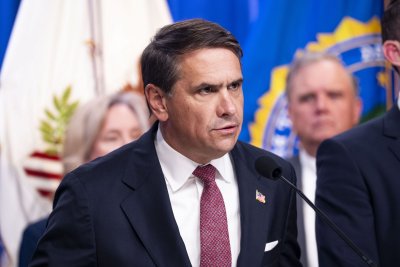
“The Department of Justice is committed to fulfilling President Trump’s promise that illegal aliens will not receive taxpayer benefits or preferential treatment over America’s own citizens,” Associate Attorney General Stanley Woodward said in a statement.
“As our nation marks 250 years of freedom, we will continue to challenge state laws that place aliens over citizens in clear defiance of Congress’ commands.”
Massachusetts has extended eligibility for in-state tuition benefits, financial aid and scholarships at Massachusetts state schools to qualifying undocumented immigrants since 2023, while Rhode Island has allowed qualifying undocumented immigrants to pay in-state tuition costs going back to 2011. Rhode Island then codified this law in 2021.
The lawsuits filed Monday ask the courts to enjoin enforcement of these laws, saying they violate a federal statute, enacted in 1996, that specifically bans offering in-state tuition to any noncitizen “unless a citizen or national of the United States is eligible for such a benefit … without regard to whether the citizen or national is such a resident.”
Proponents of these laws, sometimes referred to as Dream Act laws, argue that without offering in-state tuition rates, post-secondary education will be kept out of reach for undocumented immigrants living in the United States, while such laws can reduce high school dropout rates as well as raise student incomes and tax contributions, among other economic benefits.
The Trump administration has been targeting these laws as part of President Donald Trump‘s aggressive immigration policy that has seen mass roundups and deportations of noncitizens.
In April 2025, Trump signed an executive order directing the attorney general to identify and stop the enforcement of state laws and policies “favoring aliens over any groups of American citizens,” specifically highlighting laws that “provide in-state higher education tuition to aliens but not to out-of-state American citizens.”
Since then, federal prosecutors have challenged laws in 12 states. Four lawsuits, against Texas, Kentucky, Oklahoma and Nebraska, have resulted in orders permanently enjoining the states’ in-state tuition laws, while Kansas last week joined the Justice Department in seeking a proposed consent decree that must be approved by the court.
The remaining challenges are pending against Illinois, Minnesota, Virginia, California, New Jersey, Massachusetts and Rhode Island, all Democratic-led states.
According to the Higher Ed Immigration Portal, about 20 states and Washington, D.C., provide in-state tuition to undocumented students, while 18 and the nation’s capital also provide state financial aid.