Our journalists strive for accuracy but on occasion we make mistakes. For further details of our complaints policy and to make a complaint please click this link: thesun.co.uk/editorial-complaints/
PUMPKIN patches have always seemed like an unnecessary waste of time and money to me – how can you possibly make a whole day out of a 1-minute chore at the local Tesco?
Well… after a glorious five hours at Tulley’s Pumpkin Festival near Crawley in West Sussex, I am here to preach with the zeal of the newly converted.
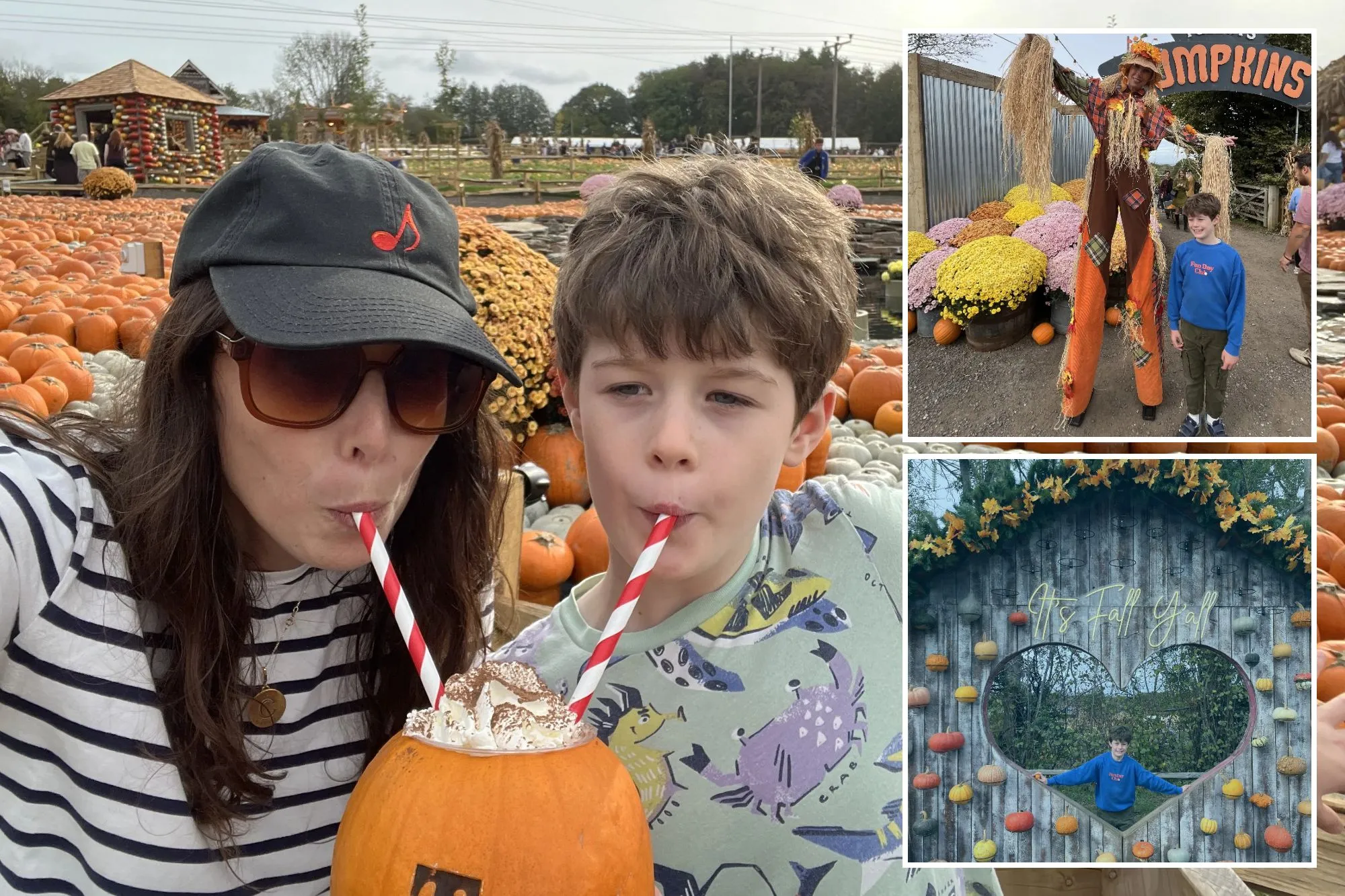
The Sun’s Head Of Travel, Digital, Caroline McGuire and her son at Tulley’s Pumpkin Festival
My son and I drove over an hour to reach the countryside site, which grows 1.5 million pumpkins over 100 acres in readiness for their autumn extravaganza.
During the drive, my son (and I privately) questioned why on earth we were travelling so far and how it could possibly be worth it.
Sign up for the Travel newsletter
Thank you!
Within a minute or so of entering their beautifully presented attraction – think huge barrels of autumn-hued flowers, massive crates of pumpkins and specialist gourds in all colours, shapes and sizes – we realised how wrong we were.
Tulleys Farm is HUGE and an absolute masterclass in how to put on a huge event.
First of all… the pumpkin picking. Armed with a wheelbarrow, we set off to the main patch to pick our Halloween masterpiece.
There were insane numbers of them spread out over an enormous field and we spent a good hour searching for both the largest and smallest, which felt like proper old-fashioned family fun.
This year, they’ve also introduced Pumpkin Valley, a new attraction featuring huge sculptures of hot air balloons, guitars, hobbit houses and lakes made of pumpkins.
Pumpkin patches are probably 50 per cent about the pumpkins and 50 per cent an opportunity for a great photoshoot and Tulleys has engineered some fabulous family pics that I’ll be scrolling back to for years.
Tulleys Farm grows 1.5 million pumpkins over 100 acres in readiness for their autumn extravaganzaPumpkin patches are probably 50 per cent about the pumpkins and 50 per cent an opportunity for a great photoshoot
They also have a lovely illuminated woodland walk, with plenty more photoshoot backdrops, which was so cute we did it twice – even though it was still broad daylight, thanks to our decision to visit in late September.
What’s particularly nice about all of this is how calm it all is, despite the huge crowds it draws.
We did wait in a line for 30 minutes for a £12 chocolate milk in a hollowed-out pumpkin, at my son’s insistence, but other than that I don’t think we waited for longer than a minute for anything.
There is a ferris wheel and a carousel for those looking for an extra bit of fun, but other than that it is all about pumpkin fun.
Musicians roam the site, playing songs to the kids, and also man the stage at a barn where diners have their lunch from a number of food outlets.
The food and drink offering is good, with a standard bar serving beers, wine and cocktails, and companies sell everything from Greek food and pizzas to burgers and pasta, alongside a number of coffee shacks, although plenty of families brought their own picnics in too.
Our last stop was the marketplace area, with the aforementioned, many-coloured gourds.
We had a great time picking out miniature pumpkins – from deep red and dark green to downright ugly, warty ones, all of which are now adorning our living room.
This year, they’ve also introduced Pumpkin Valley, a new attraction featuring huge sculptures of hot air balloons, guitars, hobbit houses and lakes made of pumpkins
I was slightly concerned about the costs racking up, as we piled 10 of them in the wheelbarrow alongside our giant pumpkin that is so large I can barely carry it 10 feet.
But one of the biggest surprises of all… when we got to the till, the whole lot (based on size) was just £17.
As we finally called it a day, wheeling our treasure to the car, my son proclaimed it was “more than worth the drive and he would have travelled twice as far,” then promptly asked if we could return for the Christmas festival that he’d spotted advertised on the way out.
IT’S beer season! The world-famous Oktoberfest has landed in Munich, its original location, where locals don traditional lederhosen and sip on steins of foamy nectar.
But why leave all the fun to them?
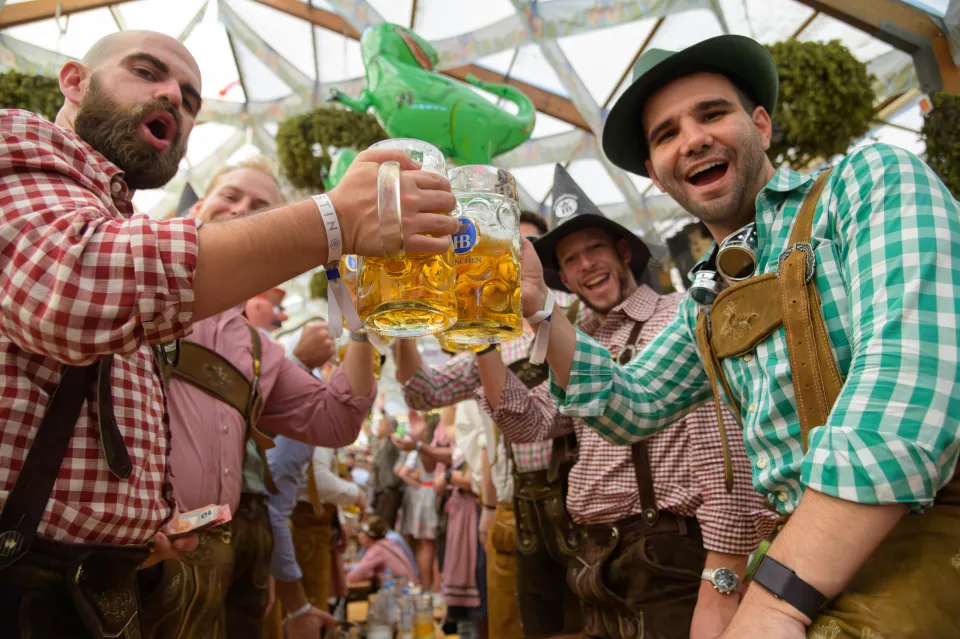
The world-famous Oktoberfest has landed in MunichCredit: kamisokaLocals don traditional lederhosen and sip on steins of foamy nectar
There are plenty of nods to the traditional beer-drinking event here in the UK and dress-up is often encouraged.
Whether you’re an avid pint drinker or simply want to revel in the fun, these experiences will leave you bottoms up . . . one way or another.
Sign up for the Travel newsletter
Thank you!
ALBERT’S SCHLOSS: The Bavarian-inspired Albert’s Schloss is hosting a special event until October 25 at its locations in Manchester, London, Birmingham and Liverpool.
Visitors will be able to knock back the Big Six brews served at Munich’s Oktober-fest while listening to a live oompah band blasting out traditional music.
Go on a Thursday, Friday or Saturday to witness the ceremonious wooden keg tapping, performed on stage using the traditional method – a big wooden mallet.
Expect special Bavarian sharing platters of pork knuckle, bratwurst and kraut, too.
Entry is generally free while the Das Big Six Bier Masterclass costs £55pp. See albertsschloss.com.
OKTOBERFEST UK: Don’t live near a big city? The official Oktoberfest UK travels far and wide across the country, bringing its large beer tents to mid-sized towns and coastal regions, as well as larger cities.
The events are running until October 31, with tickets still left in Milton Keynes, Portsmouth, Chelmsford and Plymouth, among other destinations.
The huge tents can hold up to 1,000 visitors and are lined with long wooden tables where punters can knock back their pints while joining live sing-alongs. Expect brass bands, massive steins, plus food vendors selling bratwurst and currywurst.
Afternoon and evening sessions last four to five hours. Tickets cost from around £15 for standing and around £25 for seated. See oktoberfestuk.co.uk.
CAMRA BEER FESTIVALS: The Campaign for Real Ale is hosting events all over the UK until early November.
Instead of German lagers, the focus will be on British cask ale, real cider and perry.
Don’t expect any lederhosen either – just like-minded beer fans.
Festivals are taking place in Berkshire, Nottinghamshire and Dorset, among many other locations.
CAMRA members can typically enter free, while prices usuallystart from £3 for non-members, depending on the location. See camra.org.uk/events.
BIERKELLER: These Bavarian-style venues – in Nottingham, Liverpool, Manchester, Birmingham, and London – are hosting special bottomless brunches until the end of the month.
Visitors have 90 minutes of unlimited draft beers and steins (there’s also prosecco, or cocktails for the non-lager drinkers of the group).
Most locations serve pretzels on arrival, followed by your pick of Bavarian dishes such as Bratwurst in a brioche or pretzel roll topped with sauerkraut, cheese frankfurters and pretzel-bun burgers.
Those visiting in the evening can get stuck into fun games such as stein-holding competitions and pretzel-tossing.
DITCH the rock-hard plastic airport seats and those wildly overpriced soggy meal deals – you don’t need to spend thousands on a first class plane ticket to kick off your next holiday in style.
Instead of stressing over departure boards and trying to find a seat in a packed terminal, you could be stretching out on a plush sofa in a private lounge before your next flight.
Relax in a comfy airport lounge instead of an overwhelming airport terminal with Priority PassCredit: getty
Save 20% on Priority Pass across 1,900+ airport lounges
Here you can tuck into a complimentary buffet, sip on free alcoholic beverages or even have a quick nap in a private sleep pod.
The secret to this pre-flight luxury is bagging a Priority Pass. Right now, Sun readers can slash 20% off the annual membership fee by clicking here.
Sign up for the Travel newsletter
Thank you!
Priority Pass members get access to over 1,900 airport lounges across the globe, including those in popular UK airports like London Heathrow, Gatwick, East Midlands, Manchester and Birmingham.
Lounges available depend on which airport you are flying from, but they include the luxurious Aspire Lounge with complimentary food and alcoholic drinks, as well as No. 1 Lounges, Skylife Lounge, Escape Lounges and more.
A standard membership normally costs £69 a year, but our discount for Sun readers drops the price to just £55.
Once you have your pass, you simply pay £24 each time you want to visit a lounge.
All Priority Pass member benefits
Priority Pass members get access to the following:
Complimentary food and drinks
Sleep pods to rest at certain airport locations
Be Relax spa treatments (at select lounges)
Bring along a guest (£24 Guest visit fee)
Discounts on more airport dining and spa treatments
The option to re-book selected lounges for a supplementary fee
Free membership to the WithU Fitness app (worth £79.99 per year)
And with all the complimentary food and free-flowing drink inside, you can easily make your money back with all your savings from skipping pricey terminal restaurants and bars.
Beyond the free food, the lounges offer high-speed Wi-Fi, plenty of charging points, comfy sofas and quiet zones.
Depending on the airport, you can even find dedicated workspaces, hot showers, and sleep pods to refresh yourself.
The VIP perks also extend beyond the lounge doors. Priority Pass members get access to Be Relax spa treatments, meaning you can treat yourself to a pre-flight massage or manicure at participating airports.
Enjoy complimentary alcoholic drinks at a variety of airport lounges with Priority PassCredit: AlamySwap those hard airport chairs for a cheeky drink at the airport loungeCredit: Getty
Save 20% on Priority Pass across 1,900+ airport lounges
You also get a brilliant freebie to use at home: complimentary access to the WithU Fitness app, which is normally worth £79.99.
The app creates you a personalised exercise program for the gym or home, complete with guided audio workouts coached by professionals.
So not only are you travelling well-fed and well-rested, but you’ve now got a fresh manicure to show off on holiday and a free workout program to take home and on your travels.
Does travelling in style get any better than this?
Priority Pass plan options
Standard Plan is on a pay-as-you-go basis – all lounge visits are charged £24 at the time of usage to your payment card.
£69 £55 for first year (20% discount) / £4.60 per month
Standard Plus includes 10 free visits during your membership year, visits after this will be charged £24 to your payment card.
£229 £206 for first year (10% discount) / £17.17 per month
The Prestige Plan is unlimited free member lounge visits. Under all three plans members can take accompanied guests into the lounges for the visit fee stated which is charged to your payment card.
£419 per year / £34.92 per month
Save 20% on Priority Pass across 1,900+ airport lounges
“WHO sang Bat Out Of Hell? Was it: A, Meatballs; B, Tom Jones; C . . . ?”
“A!” shouts my partner Sophie, and I duly push the button.
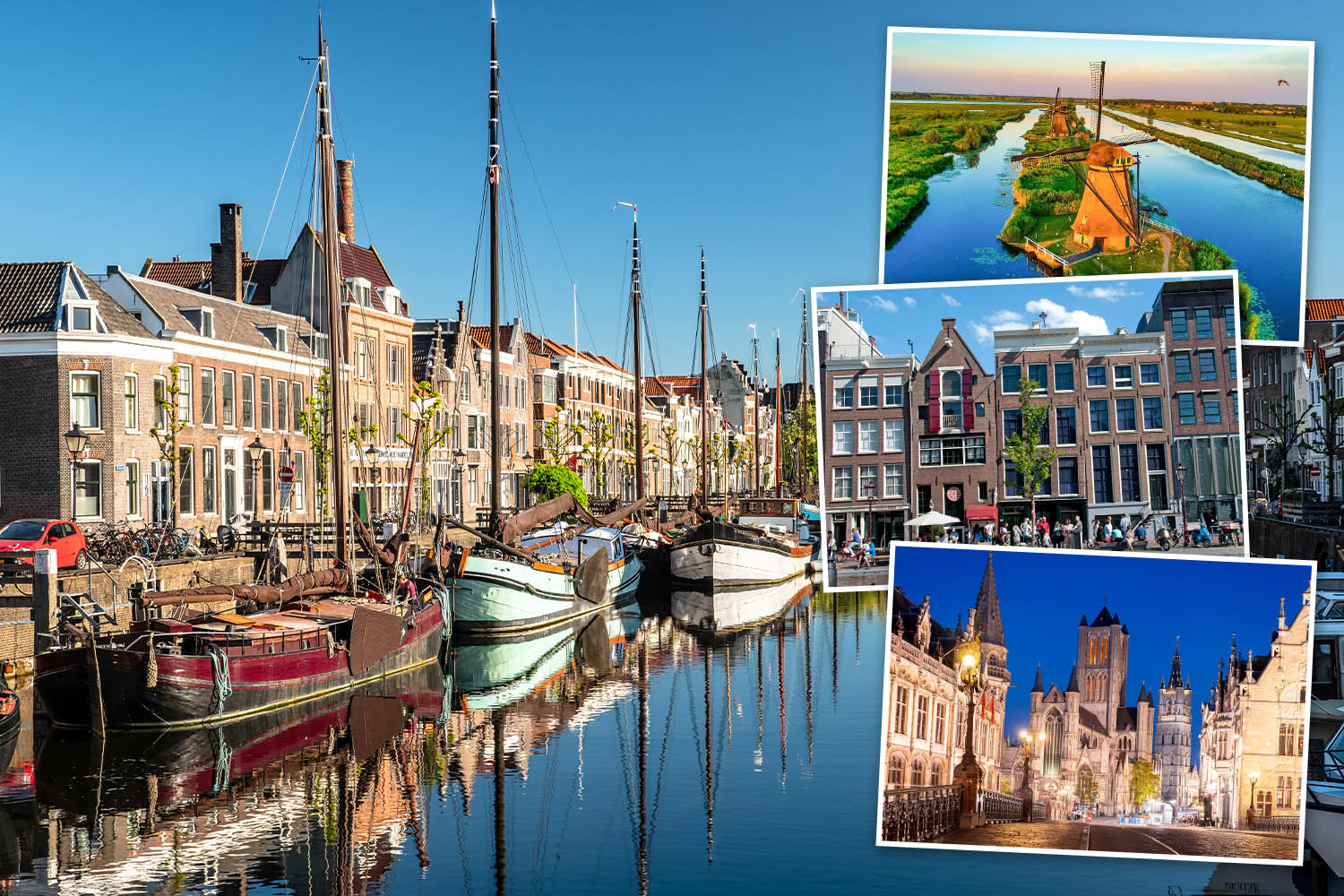
Glide through the waterways and canals of the Netherlands and BelgiumCredit: Achim ThomaeTui’s super-long Aria has enough room for 200 passengers and feels spacious throughoutCredit: Tui
Speed, you see, is key to this quiz.
But, then again, so is the right answer.
Sign up for the Travel newsletter
Thank you!
We are aboard Tui’s Aria for its Dutch Delta Discovery sailing, taking in the waterways and canals of the Netherlands and Belgium.
And the quiz we are playing, where each team has a handset to record and time their answers, is just a small part of the nightly entertainment.
Other fun includes cabaret, themed dance nights and musical bingo. And one of the joys is how laid-back it all is compared to the more glitzy shows of the huge ocean-going liners.
But while Aria, one of Tui’s quaint ships designed specially for river waterways, was significantly smaller than any ocean liner, it wasn’t less comfy.
With 96 cabins and enough room for 200 passengers, it feels spacious throughout.
There are two main communal areas: the bright Observatory Bar & Lounge on deck three, with floor-to-ceiling windows, and Verdastro restaurant below for plentiful breakfasts, lunches and dinners.
Kinderdijk is home to 19 historic windmills from the 1700sCredit: TuiMake it to Belgium and walk across the cobbled streets of medieval GhentCredit: Getty
There is also a pool, covered at night to become the Reflections Italian restaurant.
The main package is Full Board Plus, which includes three meals a day and selected drinks, including wine and beer, with lunch and dinner.
And although you may not have a choice of restaurant every night, the changing menu covered all tastes, with elegant dishes of beef wellington, artichoke souffle and a fresh catch of the day.
Our cabin was large, with plenty of storage and huge glass doors from which to watch the river banks pass by. A daily joy was throwing back the curtains to see what port we had woken up in.
We began our six-night journey in Amsterdam then stopped in Rotterdam, Veere, Ghent and Antwerp before circling back to our starting point. Our favourite was perhaps Rotterdam, the Netherlands’ second city.
It’s built along the river and 99 per cent of the buildings on the north bank were flattened in 15 minutes during a World War Two bombing raid.
It was rebuilt from the Fifties onward and is known for its unusual architecture.
One example is the Cube House development, an eccentric array of 38 bright yellow, cube-shaped houses connected together at stark angles in the sky.
They look like they would be awkward to live in. But don’t just ponder on it from the outside. If you want to find out what it’s like inside, you can tour one for 3.50 euro — and it’s great value.
Aside from the architecture, a major reason Rotterdam delighted Sophie and me was because it was one of the two times we took advantage of the daily guided trips put on by Tui.
The trip was actually a 20-minute taxi boat ride away in Kinderdijk, home to 19 historic windmills from the 1700s.
Now, I knew the Netherlands was famous for windmills, but I was surprised to learn their purpose was not for grinding wheat — but as an ingenious water-management system.
Visit the Anne Frank Museum are recommended to book weeks in advanceCredit: AlamyVisit Cube House in Rotterdam, where 38 houses are connected together at stark angles in the sky
With much of the country reclaimed from marshland, and below sea level, it is prone to flooding when heavy rains swell rivers and overwhelm drainage ditches.
To get round this, the windmills had huge wheels with paddles to scoop out the water from ditches and chuck it into a storage reservoir, which could then be let out into the rivers and sea.
But this aside, they are easy on the eye and it all feels so very Dutch.
If outdoor time is a big selling point for you, then you’ll love Veere in Zeeland (the next call on our trip), which is the region of islands and peninsulas that make up the west of the Netherlands.
If you feel energetic, I’d recommend hiring bikes for a scoot around the very flat landscape. There are lots of cycle lanes, which take you through gorgeous nature reserves and past vast lakes.
You can reward your efforts at the next port of call, Ghent in Belgium, as you sample beer, sausage and cheese on another Tui tour.
Ghent is a medieval gem with cobbled streets lined by fascinating, old-world buildings. It was so easy to immerse ourselves that we almost missed the boat before it set sail.
There’s no need to panic if you struggle to remember those daily timings, though. Tui’s own Navigate app will keep you up to date with the schedule and you can also use it to check menus or book trips.
With our cruise nearing an end, it was back to Amsterdam, a city renowned for its canals and laidback cafes.
You can’t run out of things to do but, in our short time, we opted to visit the Anne Frank Museum. Make sure you book it as soon as you pay for the cruise as you have to reserve weeks in advance.
The secret annex that hid Anne and her family from the Nazis is accessed through a doorway concealed by a movable bookcase. It is a sombre experience climbing into the hideout but a powerful reminder of one of history’s greatest terrors.
It left us feeling even more grateful for the evening feast we were about to tuck into back on board Aria.
A cheeseboard was a definite — I just wonder if they have any Meatloaf.
GO: DUTCH DELTA DISCOVERY CRUISE
SAILING/STAYING THERE: A seven-night Dutch Delta Discovery sailing on board Tui Aria is from £1,638pp based on two people sharing a cabin and including flights from Manchester.
Cruise departs Amsterdam on July 19, 2027, and calls at Zaandam, Rotterdam and Veere in the Netherlands and Ghent and Antwerp in Belgium. See tui.co.uk/rivercruises.
Today is the last day of CLIA Cruise Week, to snap yourself up a great deal head to thesun.co.uk/cruiseweek.
DEEP in the forest, I’m watching tiny, rare frogs swimming and croaking (more of a weird squeak, really) in a flooded chamber at ancient Roman city, Bouthroton.
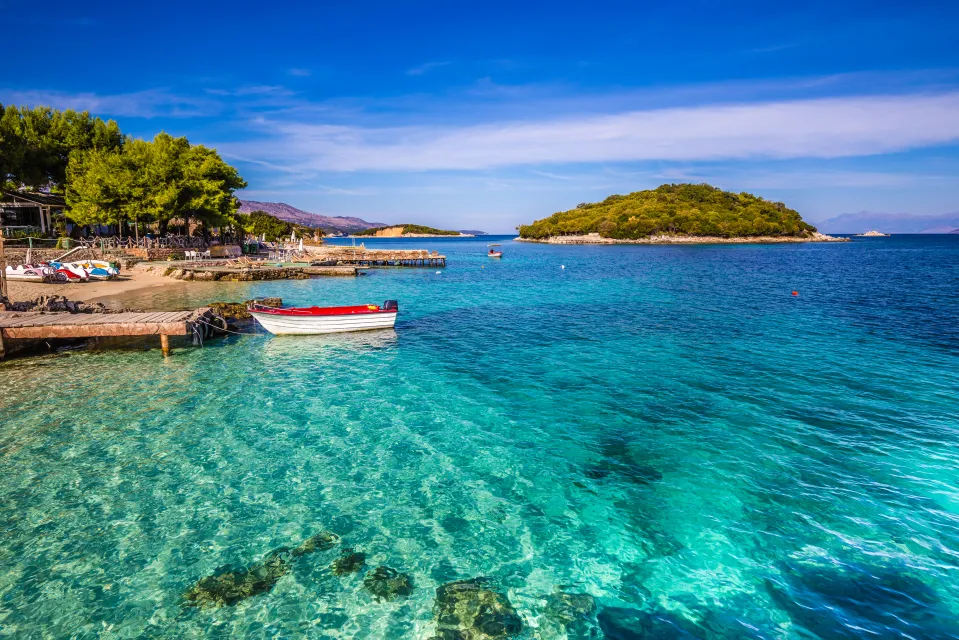
This is not what I expected in “the Maldives of Europe”.
Stunning Butrint National Park in AlbaniaCredit: Getty ImagesThe ancient amphitheatre at Butrint parkCredit: Getty Images
Apparently someone, somewhere posted online a couple of years ago that Albania has some fabulous beaches with turquoise water like the Indian Ocean paradise islands, and the nickname stuck.
I’d long been intrigued by what was a communist totalitarian state until the mid-Nineties and had thought of it more as “the North Korea of Europe”!
Sign up for the Travel newsletter
Thank you!
So when I was on holiday in nearby Corfu, and discovered full-day tours operated, I jumped at the chance to see for myself.
The good-value trips are run by Tui-owned Musement and mine started at 7.30am with a 30-minute coach transfer from the hotel to the port, then a 75-minute ferry across to beach resort Sarandë in Albania, a coach pick-up there and a few hours of guided sightseeing.
After a coffee pitstop, the coach headed south to the uncrowded, unspoilt Butrint archaeological site and its surrounding national park.
I’d heard of Butrint’s large lake but was not aware of its history, with human habitation here dating back thousands of years.
However, this visit took my group back to a “mere” 800 BC and the Unesco-listed ruins of Bouthroton founded by Greeks and taken over by Romans.
There’s a lot of walking on rough tracks in the forest and a fair few steps, so trainers are best.
Enthusiastic guide Lindita was a mine of information about the ancient forum, amphitheatre, public baths, aqueduct and almost 3,200ft of encircling walls, up to 23ft high.
A 4th-century earthquake affected sea levels, and the city was finally abandoned in the Middle Ages, with high tides causing flooding – but creating a habitat for those noisy little Greek water frogs and cute terrapins.
On to the adjacent national park, with Lindita explaining about the lake (actually a lagoon), which is linked to the sea by a 1.6-mile channel.
The rich birdlife includes the magnificently-named short-toed snake eagle while the mussels in the lake are hailed as Europe’s best.
Before the ferry back to Corfu, we had a brief photo stop at Sarandë’s Lëkurësi Castle – on an 800ft hill with outstanding views – and time for a chilled Albanian beer at a seafront bar.
The downside? It’s a 12 hour-plus day, with an agonising 2hr 10min journey back from the port to my hotel as other guests were dropped off. Still, I saw a lot of Corfu.
And while my included lunch was OK, I’ve never been on any excursion where water is not provided.
On the bus back to Sarandë – and from the ferry – I did spot some lovely beaches, but is Albania “the Maldives of Europe”? Hmm, not atoll. And there is a huge amount of unsightly hotel construction around Sarande and nearby Ksamil.
But the trip is an enjoyable, insightful taste of Albania and I’d definitely think about a holiday there. Maybe I’d even get to see a short-toed snake eagle.
Albania day trip from Crete, from £67pp plus port tax of 20Euros pp.