transfer

Man City guilty charges: Which clubs did ‘inflated’ money flow to in transfer market?

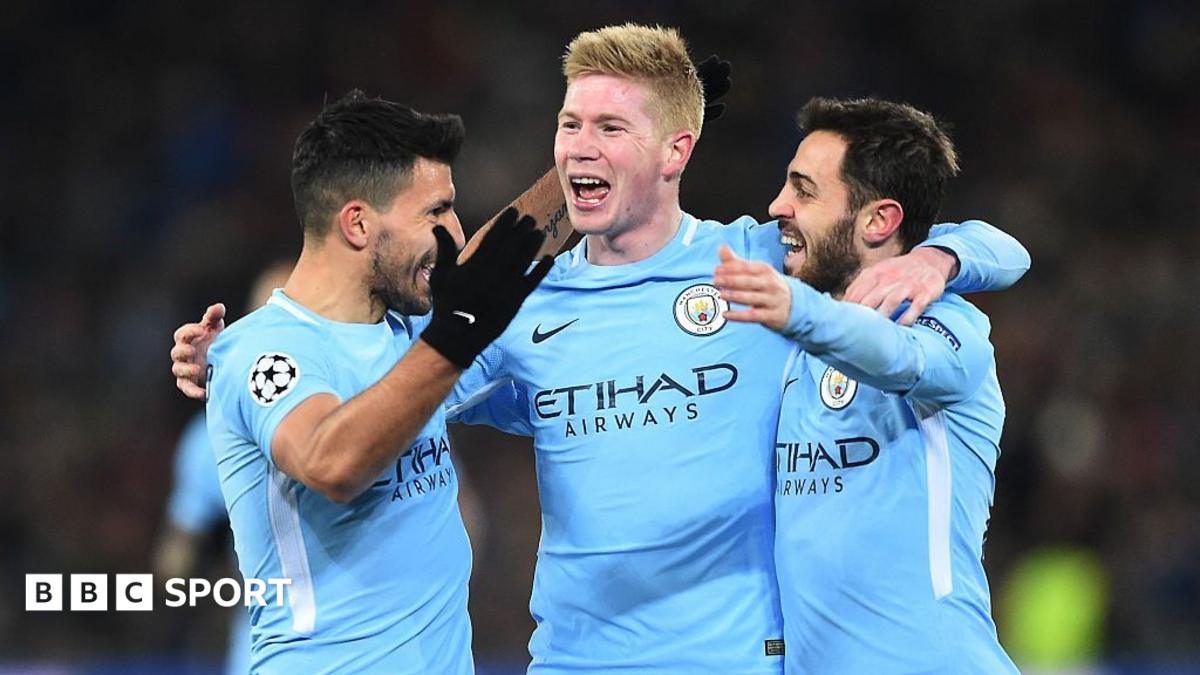
Manchester City‘s spending power unquestionably changed the world football transfer market – their willingness to pay higher fees and wages meant prices rose for everybody else too.

And once the world knows that a club has a wedge of cash burning a hole in its pocket courtesy of City, it can be difficult to spend it.

Asking prices may rise, and having an influx of money is no guarantee of it being well spent.

For many of the teams to whom City paid the most during this time, the money did not work out particularly beneficially.

Let’s take a look at some of the more interesting cases.

First up, Wolfsburg. They immediately signed winger Julian Draxler for about half the fee received for Kevin de Bruyne in 2016, as well as others including veteran defender Dante.

Having lost De Bruyne, they dropped from second to eighth in the Bundesliga before narrowly avoiding relegation in the subsequent two seasons.

And things did not go particularly well for second highest-ranked club Monaco either.

The most direct players they signed following the sales of Benjamin Mendy and Bernardo Silva in the same summer to Manchester City – Terence Kongolo and Keita Balde – did not work out in the long run, and the team went from winning Ligue 1 and reaching the Champions League semi-finals to almost being relegated within two years.

The club City purchased most players from in the 2009-18 period – Arsenal (four) – did not mount a serious Premier League title challenge during that time.

Some clubs who did not receive payments from City could also argue that the spending of money from their “inflated” accounts compromised their chances.

For example, Manchester City paid very similar totals to Benfica and Porto during the era, but nothing to Sporting, the club which makes up the big three in Portugal.

Sporting did not win a title between 2009 and 2018. There are many reasons for that, but could one of them be the fact that their direct rivals received money from City that would perhaps not have been on offer had they followed football’s financial rules?
Source link

South Korea, Ukraine relations sour over North Korean POW transfer | Russia-Ukraine war News

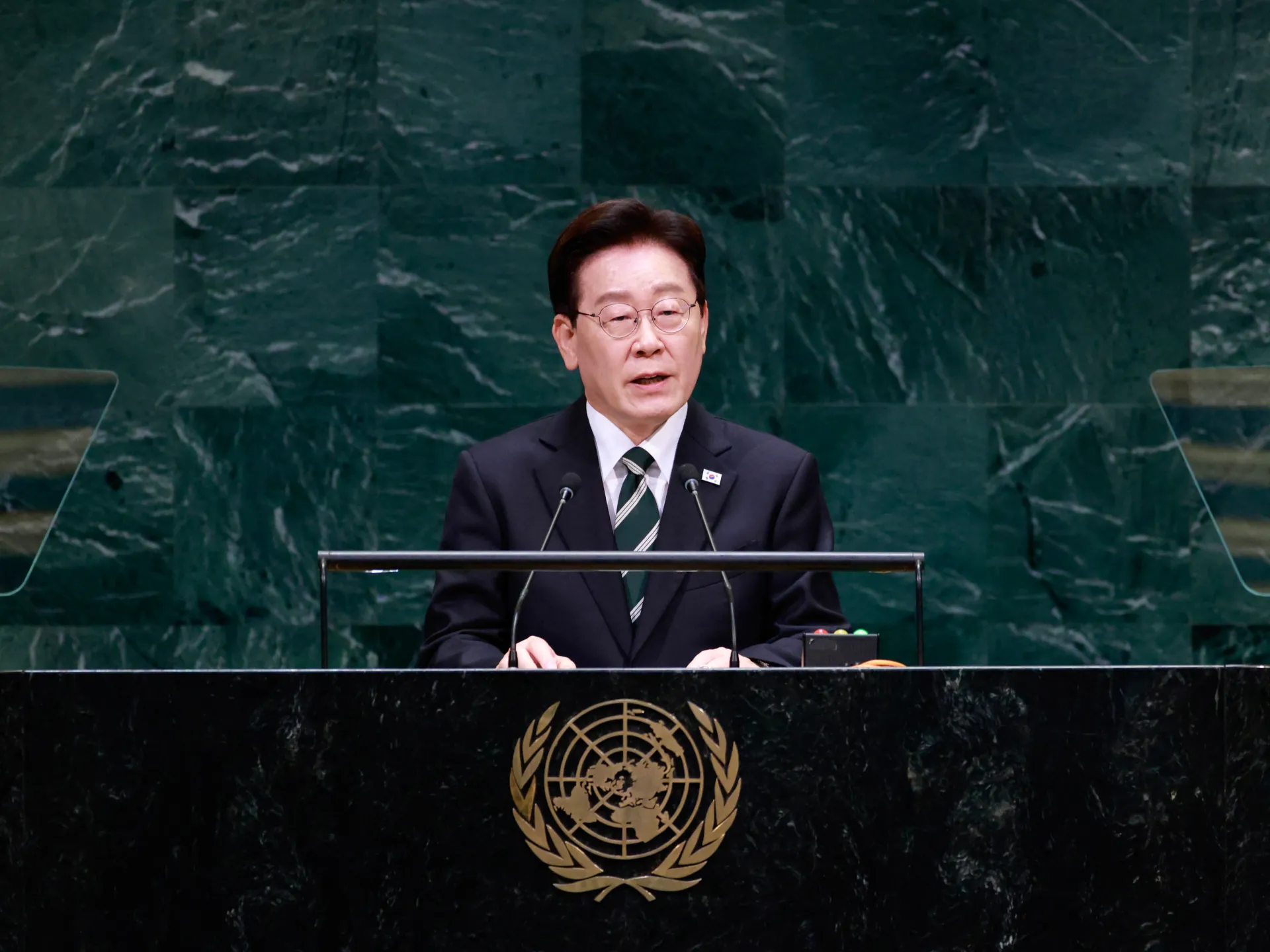
South Korea’s presidential office criticises Ukraine for denying POW nondisclosure agreement.

The South Korean president’s office has expressed “strong regret” over Ukraine’s disregard for a nondisclosure agreement with Seoul in the transfer of two North Korean prisoners of war (POWs) to Seoul, South Korean media reported.

Last week, Ukraine’s President Volodymyr Zelenskyy said in an address to the United Nations General Assembly (UNGA) that his country transferred two North Korean POWs to South Korea.

Recommended Stories

list of 3 itemsend of list

President Lee Jae Myung’s office “expresses strong regret over Ukraine’s unilateral disclosure [of the transfer] and its subsequent false announcement that there had not been a non-disclosure agreement”, the Yonhap news agency quoted Seong Ghi-hong, South Korea’s senior presidential secretary for public relations, as saying in a statement on Sunday.

The office said the nondisclosure agreement aimed to safeguard the soldiers from dangers they could face if their transfer were to be disclosed, in accordance with international law and humanitarian principles.

According to Yonhap, a South Korean media outlet, the Ukrainian presidential office said it had disclosed the transfer of the POWs without extensive details on the process, claiming that it would have been strange to keep the entire transfer a secret. Ukrainian media outlets reported a Ukrainian presidential source as denying the existence of a confidentiality agreement with Seoul, Yonhap said.

The South Korean presidential office said the Ukrainian presidential office’s “false” denial of the confidentiality agreement “seriously hampers” bilateral trust and causes serious disruptions to bilateral friendship.

Seong Ghi-hong said the government was considering additional measures over the issue, if necessary, Yonhap added.

North Korean POWS

Ukrainian forces captured the two North Korean soldiers in Russia’s Kursk region in January 2025.

Mounting evidence, including from intelligence ⁠reports and testimonies of defectors, has indicated that North Korean soldiers resorted to self-detonation or other forms of suicide rather than be captured.

In his UN address, Zelenskyy said, “These guys are not easy to capture alive.” He added, “One of them, when he realised he was going to be taken prisoner, tried to kill himself. And he was shocked that fate did not let him die.”

South Korean media reported that the two captured soldiers had expressed their desire to defect to South Korea.

The issue of North Korean prisoners of war was a key topic during the NATO summit in Ankara, Turkiye, where Lee met Zelenskyy in July.

Senior presidential spokesperson Kang Yu-jung stated afterwards that both leaders agreed to resolve the status of North Korean POWs in accordance with international law. This built on a prior agreement reached during the South Korea-Ukraine foreign ministers’ meeting in March, where both nations pledged to cooperate on the POW issue.

According to South Korean intelligence, North Korea is estimated to have deployed approximately 14,000-15,000 soldiers to support Russia’s efforts in its war with Ukraine since 2024, primarily in the Kursk border region. South Korean, Ukrainian and Western officials said they suffered heavy casualties, with more than 6,000 North Korean soldiers killed in the fighting.

The transfer comes as South Korea has backed efforts to revive dialogue with North Korea, while United States President Donald Trump has renewed his willingness to engage with Pyongyang.

Source link

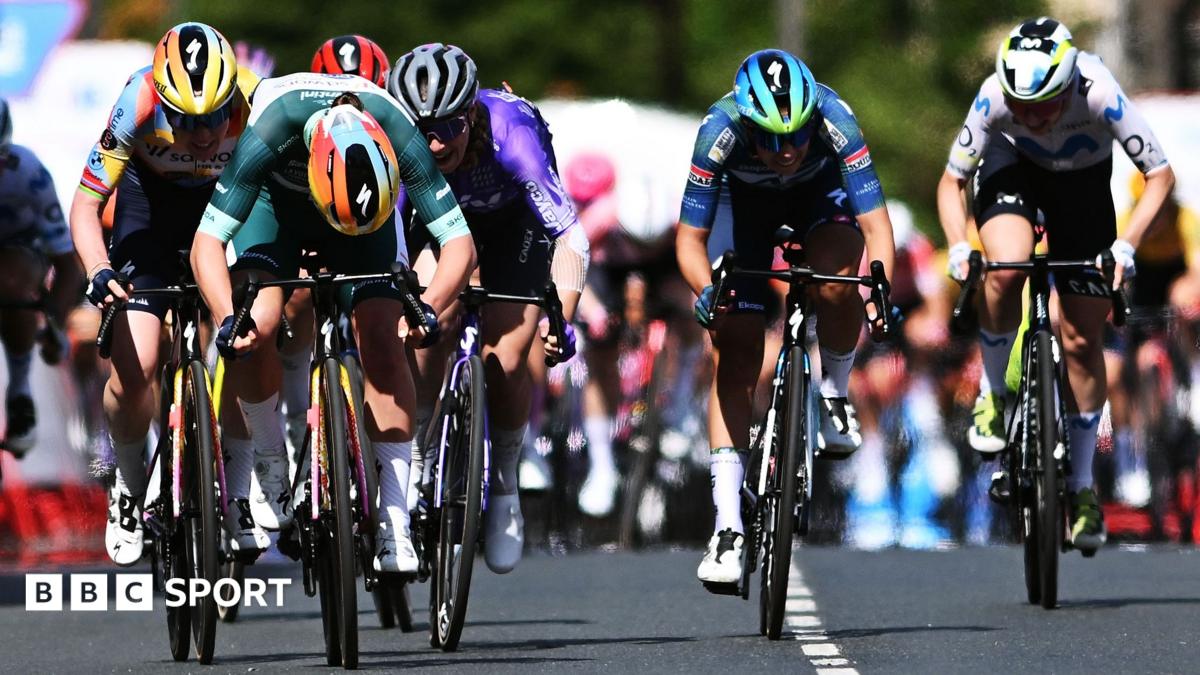
Transfer windows and drones among UCI ideas to boost cycling

Transfer windows, team budget caps and drones replacing convoy vehicles at races are three of the ideas to boost cycling in a new report from the sport’s global governing body.

The Union Cycliste Internationale’s (UCI) report, entitled “Future of Cycling”, examined road cycling and heard from 55 stakeholders including professional teams, national federations, race organisers and some riders.

It aims to turn a “large but passive audience into active, loyal fandom”, admitting cycling’s under-35 audience was “under-represented” and there was a need to “strengthen its appeal”.

“While the sport today enjoys strong and growing popularity across five continents, its media exposure and the revenue it generates for its stakeholders do not yet fully reflect its potential,” it said.

Among the most frequently referenced recommendations were:

  • A more coherent race calendar based on geography with fewer overlaps

  • More predictable rider participation in races alongside transfer windows and fees

  • Simplifying the ranking and category system

  • A stronger second division with clearer pathways

  • Continued growth of women’s cycling

  • A financial fairness mechanism, such as a budget cap on teams

The combined total budget of professional UCI tour teams in 2025 was £731m (850m euros), but individual team budgets vary.

Long-discussed budget caps, aimed at evening out the peloton and increasing “financial fairness”, would improve the attractiveness of the sport for investors according to the UCI.

But it admitted any such mechanism remains the biggest point of difference for stakeholders and would be at the heart of upcoming discussions.

Meanwhile work on a new transfer system and rider-agent regulation was already under way, it said.

Source link

Police hit migrants with batons during camp transfer in Ceuta | Human Rights News

Police in Ceuta used batons and fired shots into the air as they began moving migrants from beaches to a new camp. Nearly 10,000 remain in the Spanish territory weeks after a record influx saw more than 72,000 people cross from Morocco.

Source link