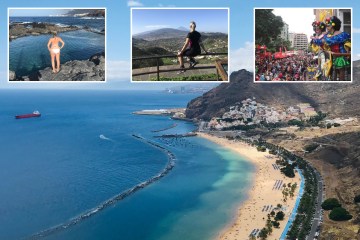
The cancellations were due to airport fees, Ryanair said, as well as environment taxes in Europe.
Sign up for the Travel newsletter
Thank you!
The removal of Ryanair flights – which also included a number of routes from the UK – has left just British Airways operating flights, along with European airlines TAP and Azores Airlines.
And new figures have found that the loss of Ryanair passengers has seen a drop in tourists of 100,000 already.
According to the Regional Statistics Service of the Azores (SREA), passengers arriving at the island airport dropped by 103,766 between April and August.
And there are fears this could increase even more, with projections of up to “391,000 overnight stays” lost a year.
They are often called Europe’s HawaiiCredit: Getty
Brits wanting to fly to the island from the UK can now only fly with British Airways, which runes flights from London Heathrow between April and October.
Otherwise alternative routes are to fly to Portugal with a connecting flight from Lisbon or Faro.
A TINY island off the coast of the UK has closed earlier than expected amid fears of incoming bad weather conditions.
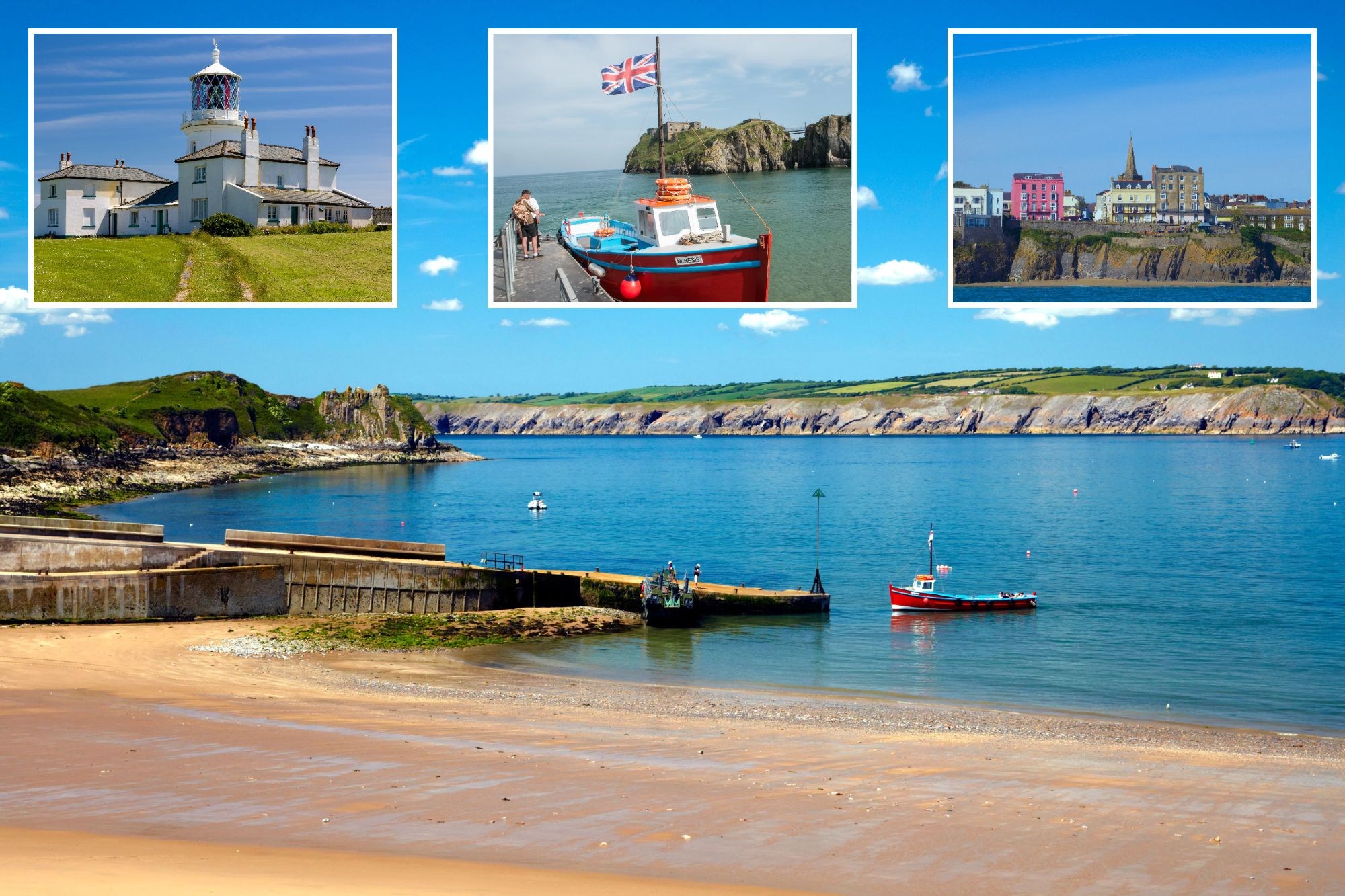
Caldey Island is a short, 20-minute boat ride from Tenby in Wales, with just 40 people living there.
Caldey Island has closed a month earlier than plannedCredit: AlamyThe only way to get to the island is by boatCredit: Alamy
However, in the summer months, tourists flock to the island when it reopens from Easter to the end of October.
Yet the island has since stopped boats almost a month early, citing upcoming weather concerns including high pressure and fog.
Sign up for the Travel newsletter
Thank you!
The island, owned by a group on monks, explained on social media: “After careful consideration, we have made the difficult decision to close Caldey Island for the remainder of the 2026 season.
“With the weather forecast for October looking particularly challenging, we feel it is the right decision to bring the season to a close a little earlier than usual.”
They added that it had been a “record-breaking season,” having been open for 64 days in a row from July to August.
The island will now stay closed until next year, likely opening in spring 2027.
But if you are planning your trip there next year, there is lots to do for a day trip to the ‘paradise’ island.
It is one of the UK’s holy islands, having been owned by monks for more than 1,500 years.
One of the main attractions is the lighthouseCredit: AlamyYou can expect a very quiet beach on the islandCredit: AlamyThere is also a small village with shops and cafesCredit: Alamy
Priory Bay is the beach that is open to tourists, with the golden sands often devoid of crowds.
The island also has a chocolate factory to explore, along with a cafe, tea garden and gift shop.
Along with five walking trails (where you can spot rare red squirrels), a playground and a lighthouse attraction, a new Visitor Centre is also set to open.
If you want to stay, there are three options – St Philomena’s, with full-board stays costing £75pp and St Teilo’s cottage which is £65 a night.
Otherwise there are some rooms in the Monastic Guesthouse, which is only for men, and must work with assisting the monks.
To visit the island, it costs £24.95 for adults and £12.95 for kids, with reduced rates for seniors and families.
Locals in Rome’s Trastevere district complain that tourists have been making noise in the early hours, leading one frustrated 74-year-old to resort to extreme measures
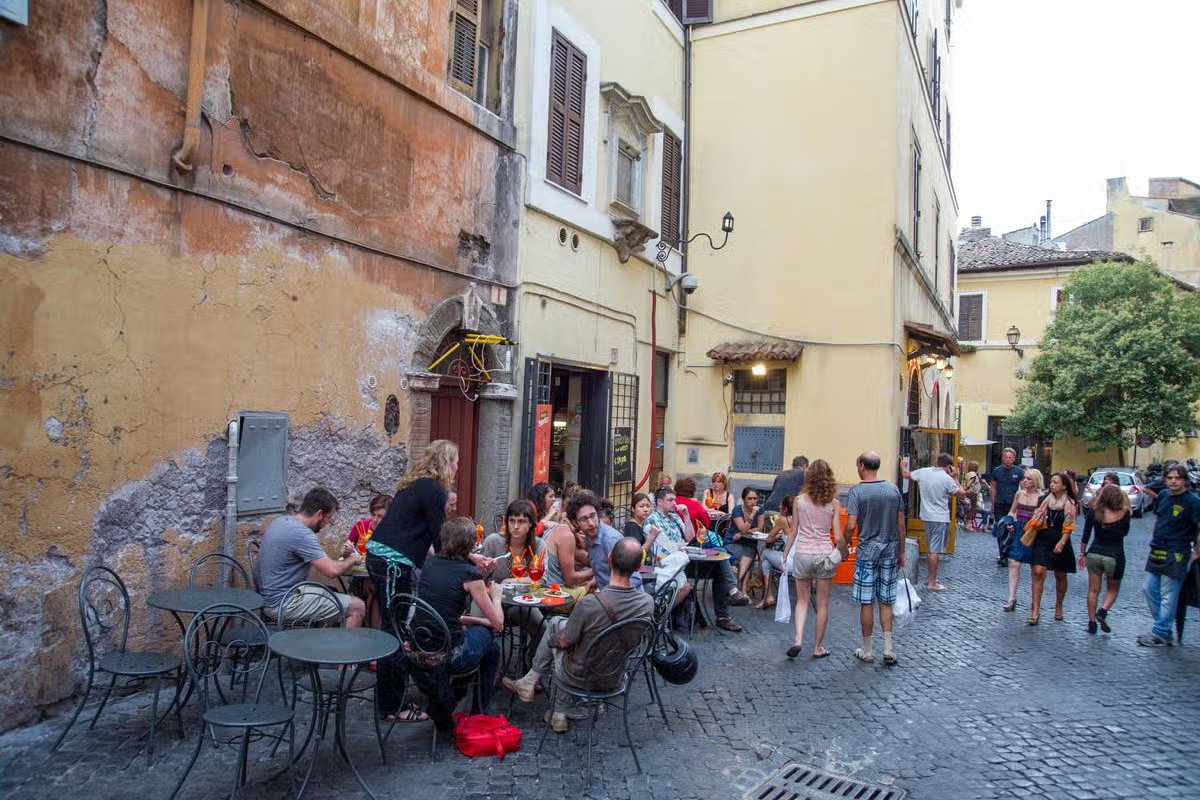
Trastevere neighbourhood in Rome
A frustrated Italian local has admitted to dousing rowdy, “drunk” British tourists with buckets of water after they disturbed her in the night. Locals in Rome’s Trastevere district complain that UK and US tourists have been making noise beneath apartments in the early hours, leading one 74-year-old to resort to extreme measures.
Rome has long been a popular holiday destination, drawing in millions of visitors each year. Tourists flock to the Italian capital to soak up the city’s Roman history and art, and enjoy its nightlife and world-famous cuisine.
With the swathes of tourists comes a downside, though: some allegedly get “extremely drunk” and cause a nuisance in the middle of the night. Local Simonetta Marcellini told The i Paper that she keeps buckets of water by her window.
She said: “At first I’m polite, and I point out to them that it is the early hours of the morning and that people will be sleeping. The moment they start arguing back and insulting me, I pour water on them.”
Simonetta, a former radiographer born in the area, has grown frustrated with the changes she’s witnessed. She claims there has been a marked decline in the quality of restaurants, and businesses have been replaced by bars and sandwich shops.
Meanwhile, Rome was inundated with 22.9 million visitors last year, a figure said to be more than seven times the local population. Simonetta decided she’d had enough when she spotted tourists urinating against her building.
She claims that life has “gotten much worse” in relation to tourism since the Covid pandemic. “Regulations are fewer and our complaints from years ago were underestimated.
“So a phenomenon that could have been controlled was practically left unchecked and we’ve arrived today with all the reckless partying.”
It comes after British holidaymakers were warned they could face a 500 euro fine in “some Italian towns”. The Foreign, Commonwealth and Development Office (FCDO) plays a crucial role in keeping Brits informed when travelling.
In its travel advice section for Italy, the FCDO warns that “some Italian towns and cities have specific laws, and you could be fined for breaking them”.
Some of the acts include eating and drinking near certain churches, historic monuments and public buildings. It’s also important to remember that entering or bathing in many public fountains is prohibited – including in Rome.
On the sun-kissed island of Capri (situated off Italy’s Amalfi Coast), a rule is in place regardingdisposable plastic. Visitors are banned from bringing items such as plastic bags, cutlery, cups, trays, or straws onto the island.
Further FCDO guidance reads: “Illegal traders operate on the streets of all major Italian cities. It is illegal to buy items from unlicensed street traders. If you do, you could be stopped by the local police and fined.
“It’s illegal to remove sand, shells or pebbles from coastal areas in Italy. You could face a large fine for doing so. It’s also illegal to collect various species of flowers, plants and herbs from mountain and wooded areas.
“For more information, check with the regional authorities of the area you’re visiting.”
Two women reportedly injured in blast in Athens’ historic Plaka district, buildings evacuated.
Published On 26 Sep 202626 Sep 2026
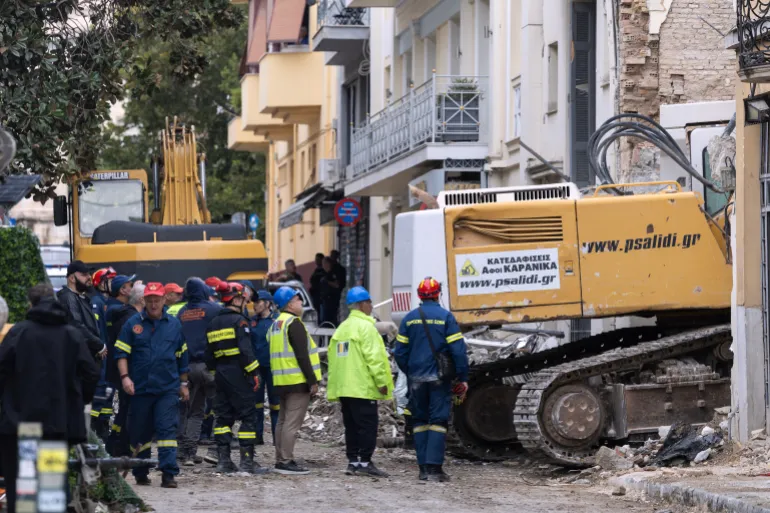
Rescue teams have recovered the bodies of six people killed in a building collapse following a a blast in the historic centre of Athens, Greece, according to local authorities.
Documents and belongings found with four of the victims – two men and two women – on Saturday indicated they were United States citizens, Greek state broadcaster ERT and other local media reported.
Recommended Stories
list of 3 itemsend of list
The other two victims were reportedly an elderly couple, a British man and a Greek woman, who lived on the building’s second floor.
Two women were injured in an adjacent building, according to the fire department.
The blast that brought down the small, two-storey building in the popular tourist district of Plaka on Friday was believed to have been caused by a major gas leak, Athens Mayor Haris Doukas said. Neighbouring buildings were damaged and evacuated, he said.
“The damage extends to the entire street as well as the street behind [the building],” Doukas said. “We are talking about an unimaginable catastrophe.”
Two adjoining buildings severely damaged might have to be demolished, he said.
The Greek daily newspaper Kathimerini reported on Friday that the four tourists, who were due to leave their accommodation at about 11:00am (08:00 GMT), failed to board their flight back to the US.
Rescuers work at the scene on September 26, 2026, one day after a powerful blast hit Athens’ Plaka district [Yorgos Karahalis/AP]
Plaka residents issued warning
A group of Plaka residents had alerted the municipality and the managers of the electricity and gas networks about the risks of short circuits or gas leaks in the area a year ago.
In a letter published by Kathimerini, the group called for the organisation of a security exercise to identify any potential shortcomings in the emergency response system.
The citizen movement “We Remain Active” also stated on social media that a resident of the street where the explosion occurred had reported a smell of gas for several weeks and had warned the authorities.
A Greek police spokeswoman confirmed on ERT that residents had made the report. However, the nature of the substance and its origin have not yet been determined.
Plaka lies at the foot of the Acropolis, Greece’s most visited ancient monument.
If you’re already dreaming about your next getaway, then you’re in luck, as the best places for 2027 have been named by Lonely Planet, and there’s a lesser-known Spanish city that warrants attention
This article contains affiliate links, we will receive a commission on any sales we generate from it. Learn more
A beautiful Spanish city has been named as the best place to visit in 2027, and its blissfully uncrowded (Image: Getty Images)
We’re all familiar with the Spanish hotspots of Madrid, Barcelona, Ibiza and Palma, but there’s a lesser-known destination worth putting on your radar. Often missed by tourists, Lonely Planet has hailed a Spanish city as the best place for 2027, with blissfully few crowds and free tapas under the Mediterranean sun.
It’s not too early to start thinking about your holiday plans for next year, and now just might be the best time, as Lonely Planet has released its ‘Best in Travel’ list, highlighting the top worldwide destinations to visit in 2027. Among their top 24, five underrated European spots made the list, including the beautiful city of León in Spain.
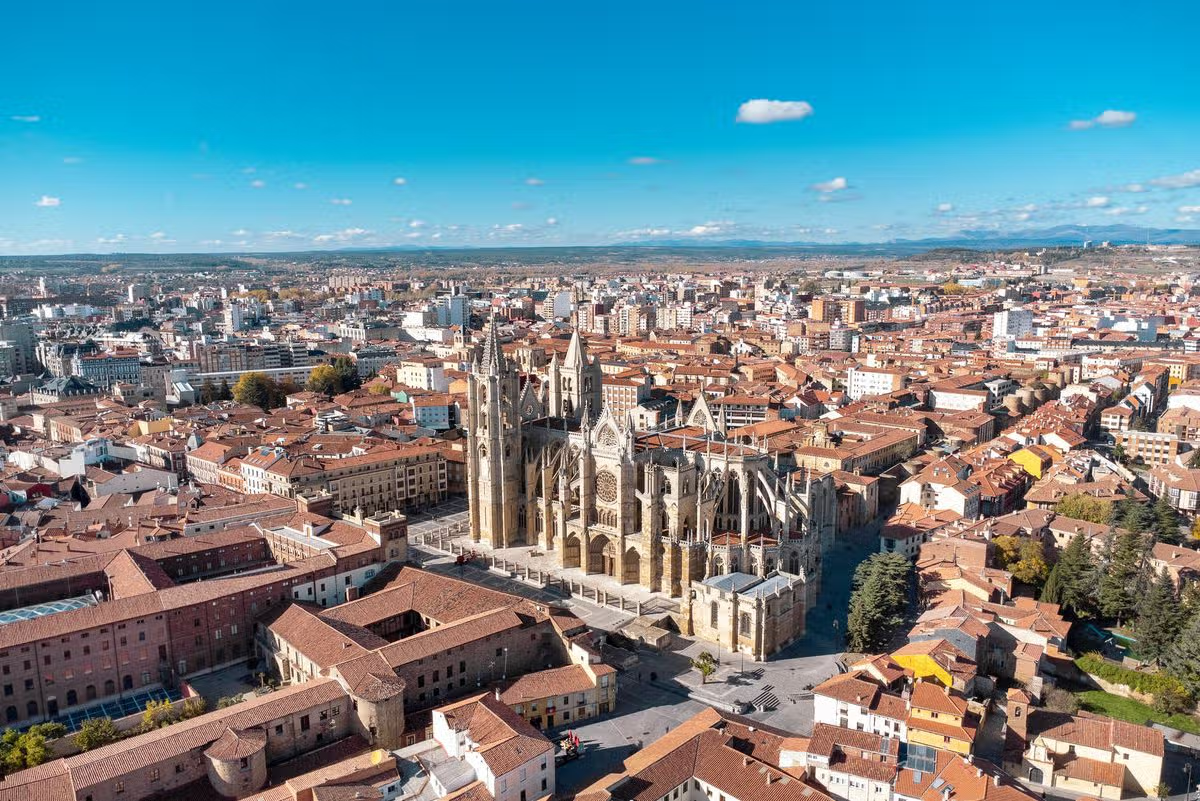
Sitting along the Bernesga River in northern Spain, León is brimming with whimsical architecture, a vibrant old quarter, and a welcoming free-tapas culture. Crowned as one of the best places to visit next year, Lonely Planet noted: “Located in northern Spain, off the traditional tourist radar, it is one of the country’s most evocative medieval cities, combining magnificent Gothic architecture, centuries of history and a lively contemporary spirit.”
Among its striking French-style Gothic landmarks is the majestic 13th-century León Cathedral, known as Pulchra Leonina, meaning ‘the Leonese beauty’ or ‘the House of Light’. It has more than 1,800 square meters of stained glass across 125 windows, along with intricate stone carvings and towering spires, leaving visitors in awe.
One traveller shared on TripAdvisor earlier this month: “This is an extraordinarily beautiful cathedral. The many stained glass windows create a unique ambience in the cathedral. It is an inspiring space for prayer. Take time to attend Mass so that you can just immerse in the beauty of the space.”
A second commented: “A real jewel in a city a little neglected by tourism. A Gothic marvel at the level of Reims Cathedral. And in addition to the splendid stained glass windows and an incredible atmosphere. The museum is also very rich. Worth the trip.” While one more exclaimed, “I think it’s the most spectacular cathedral I’ve ever seen. It’s worth paying to see.”
In the heart of the Spanish city sits the ancient Barrio Húmedo district, packed with more than 100 bars and a legendary free-tapas culture, where Leonese bars automatically serve a hearty free tapa, from croquetas and patatas bravas to stews, with every drink ordered, whether it’s a local wine or a small beer. The quarter comes alive with locals gathering for drinks and traditional Leonese cuisine, alongside a thriving nightlife scene.
Furthermore, the city is home to the Catholic church, the Basílica de San Isidoro, often referred to as the ‘Sistine Chapel of Romanesque art’, which is interestingly located on the site of an ancient Roman temple. The Casa Botines museum is another standout landmark with its fairy-tale design, and it houses a collection of Spanish art dating back to the 19th and 20th centuries.
Yet, there’s plenty to explore in León simply by wandering its narrow lanes and past medieval stone walls, with plenty of authentic espresso bars dotted around the city alongside trendy restaurants and cosy tapas bars serving up the best of Spanish cuisine. There are serene parks and gardens nestled along the river for gentle strolls and to soak up the sun during the warmer months, as well as outdoor terraces offering picturesque views over the unsung Spanish city.
Offering a closer insight into León, writer and traveller Mark Eveleigh told Lonely Planet: “By day, you’ll encounter a city with its roots firmly planted in the soil of northern Castilla, with its grand monuments, Catholic heritage and access to the Camino de Santiago. By night, León is taken over by a deep-into-the-night soundtrack of revelry that floods the narrow streets and plazas of the picturesque old quarter. Two cities in one.”
Do you have a travel story to share? Email webtravel@reachplc.com
A number of passengers needed medical treatment after the accident near the Sumidero Canyon in Chiapas, south-eastern Mexico
A photo of the aftermath of the accident(Image: James Gamble / SWNS)
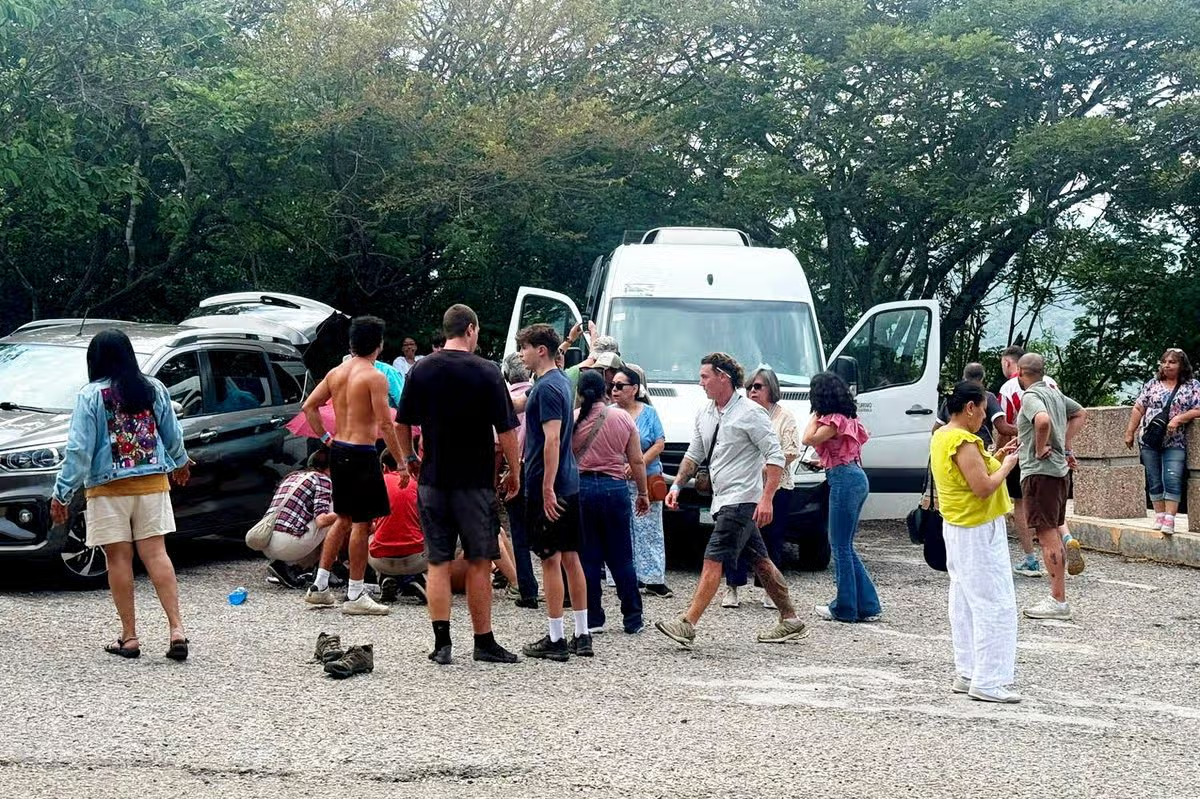
A group of backpackers including several Brits cheated death when their Mexican tour bus was stopped by a single bollard – as it rolled towards a terrifying 1,000m drop. They paid for a tour of the Sumidero Canyon in Chiapas, south-eastern Mexico, in July and, after walking around to take in the view, boarded their tour bus at the top of a steep drop – when it started rolling backwards.
The group say they feared they were headed for the canyon and many of them started diving off the bus headfirst to save themselves. Luckily, the bus hit a bollard and came to a stop before going over the edge.
But many of the passengers have been left traumatised by the near-death ordeal, with some suffering physical injuries and needing hospital treatment. James Gamble, 30, from Portsmouth, said: “I honestly thought I was going to die. It was hands-down the most terrifying experience of my life.
“Everyone was diving off the bus headfirst, thinking we were headed for the canyon. I just imagined the bus tilting backwards with nothing I could do.
“It was horrific. I didn’t stop shaking for an hour afterwards; people who weren’t even on the bus were crying and having panic attacks.”
James says that one passenger, Madeleine Glen, had tried to grab the handbrake as the bus was rolling, but it was already up. Several passengers were hospitalised following the terrifying incident after injuring themselves fleeing the bus.
Sophie Badelt, 22, from Switzerland, hit her head on a parked car as she dove from the moving bus and was bleeding profusely. A British nurse from another tour of the canyon helped to bandage her head while they waited for an ambulance.
Brit Hugo Evans, 20, was also injured in the ordeal and bandaged at the scene by paramedics. He said: “I dove out of the van, headfirst – that was the only option. I was in a blind panic. I thought we were going to die for sure.
“I hit my head on the floor and there was a lot of blood. I thought we were headed for the cliff. Everyone was freaking out when Sophie was screaming… She was drenched in blood. It was terrifying.”
The tour left on July 9 and cost 600 Mexican Pesos (£25.66) per person. All the passengers have since been refunded, and Sophie says that she has been compensated for her medical bills after weeks of back-and-forth.
There were three Dutch passengers – Britt van Engelen, 28, Yesol Sihn 29, and Floris van Neer, 30. Also onboard was Belgian tourist Hanne, 23, and Australian pair Garrison Hamlin, 28, and Brodie Hampson, 28.
James, a former journalist, says he stayed on the bus until it came to a halt and that he has been left shaken by the ordeal. He added: “We took some photos of the canyon at the viewpoint and were told to get back on the bus. The van was parked on a hill and I was sat near the back.
“We all piled back on the bus and, as the last people were getting on, we started rolling backwards. Maddy tried the handbrake, but it was already up and panic set in within seconds.
“Then there was an almighty crash as we hit the bollard and the five of us still on darted off the bus. The first thing we saw was Sophie lying on the floor, crying desperately for help and with blood seeping out of her head.”
The city is also considered one of the most beautiful places in the world
11:41, 14 Sep 2026Updated 11:56, 14 Sep 2026
Most overcrowded city in Europe has 7,700 tourists to every resident
A recent study by Go2Africa named the most overcrowded destinations in the world by analysing the number of visitors and comparing them with population figures. The experts said: “This gives us a better idea of where tourism might be overcrowding local areas.”
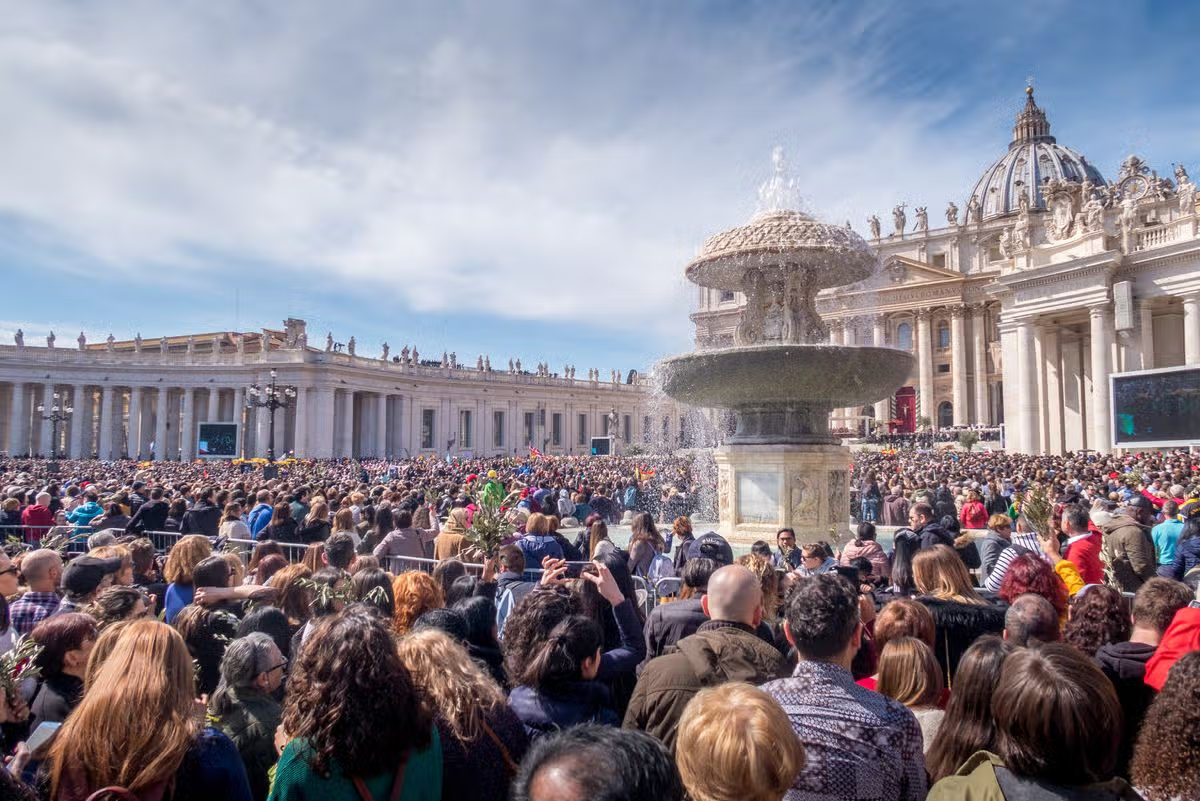
The data revealed that Vatican City is the most overcrowded place in Europe, with “an incredible 7,709 tourists to every resident”. The experts explained that “while this ratio is extreme, it comes with context: Vatican City, based within Rome, is just 0.44 square kilometres in size and is a place of pilgrimage and cultural significance for many people around the world”.
They added that its tiny population of 882 “consists mainly of clergy, diplomats, and officials, making it unlike any typical country”.
However, tourists describe the city as “too crowded to enjoy”. On TripAdvisor, one person said: “I have never seen crowds as big. We saw approximately 1,000 people lined up outside waiting to buy tickets.
“We had booked ahead, so we thought we had skipped the queue. We had, but when you get into the Museum, you join a line of more than 1,000 people filtering through, crammed together like sheep. It’s like this for the entire visit. It’s so busy that you don’t even get a chance to stop at any of the exhibits.”
Other people said it was “horrifically crowded” when they visited. “We went to the Vatican museums and Sistine Chapel and could not believe how unbelievably crowded it was.
“There was no way to see, let alone enjoy the art. For about three hours, everyone inched forward, carried by the mass crowd.”
Why are some destinations so overcrowded?
According to experts at Tourism Analytics, one of the main factors is that “the cost of international travel has dropped in recent years, making quick trips more feasible and frequent”.
Budget airlines have kept airfare “artificially cheap,” which encourages “more weekend city-breaks and long-haul vacations”.
At the same time, “accommodations via home-sharing apps are readily available, and package tours remain inexpensive”. This affordability, combined with flexible booking platforms, has lowered barriers to travel, leading to mass tourism.
Holidaymakers will face a nightly levy on hotel and Airbnb-style stays across large parts of England in a move welcomed by many mayors but described as risking “irreparable harm” to the tourism industry.
Regions across England will be able to charge an uncapped “tourist tax” on overnight stays to potentially generate tens of millions of pounds that would then be spent in those areas.
The move will bring England into line with many European nations and the US, where holidaymakers have for years been paying overnight visitor levies.
However, tourism and hospitality bosses warned it would have a “hugely damaging” impact on an industry already under pressure from a rise in tax and employment costs.
UKHospitality, the industry’s trade body, said a 5% overnight levy across England could result in 33,000 job losses and a £2bn hit to the economy, with regions more reliant on tourism, such as the Lake District, being worst affected.
The owner of Premier Inn, Britain’s biggest hotel chain, said it would be “hugely damaging” and urged ministers to “avoid inflicting what could be irreparable harm on this large and vital sector of the economy”.
The proposal for an overnight levy was backed by Keir Starmer’s government in November and is similar to a scheme running in Scotland.
Angela Rayner, the housing secretary, outlined the details behind the levy to England’s regional mayors in a meeting at No 10 North in Manchester on Thursday.
Under the proposal, which is expected to be introduced as a bill in parliament within months, mayors will be given the power to decide what is best for their area, but ministers do not expect the levy to become overly expensive.
Allen Simpson, the chief executive of UKHospitality, said the plans would put jobs at risk in some communities, and that the new tourism tax in Edinburgh was “already having damaging effects”. He told BBC Radio 4’s Today programme holidays in the UK were “already more expensive” than they appeared because of higher VAT.
“What we’re talking about here is an open-ended power for mayors to set tourism taxes at any level they want,” said Simpson. “And remember that if you go to Paris, if you go to Rome, if you go to Berlin, you’re paying a small tourism tax, but it’s capped.”
He added: “It will be the case that you’ll have holiday parks which can’t open in the shoulder seasons, and of course people who go on holiday will just have that little bit less money in their pocket.”
The overnight visitor levy was outlined in the king’s speech in May, but legislation was not brought forward before Starmer stood down as prime minister. Andy Burnham is likely to pitch the policy as part of his wider devolution agenda. No 10 has previously said local leaders would be “able to set out plans for how revenues will be invested by March 2028”.
As mayor of Greater Manchester, Burnham introduced the city visitor charge in April 2023 – a £1 per room per night fee – to pay for measures aimed at attracting more tourists. Last year other mayors, including Sadiq Khan in London, wrote a letter to the culture secretary, Lisa Nandy, and the then chancellor, Rachel Reeves, urging the government to introduce a visitor levy.
Sources from the London mayor’s office said a plan to make the payment a percentage rather than a flat fee was welcome. No decisions had been made on the design of the scheme or how revenues would be allocated, they said, but any levy would not be more than 5% of accommodation costs. “This will really help us support London’s growth and our offer to visitors,” they said.
Edinburgh became the first city in Scotland to introduce a tourist tax, at 5% in July, after the Scottish parliament passed a law last year granting councils the power to implement their own visitor levies. In Wales, councils will have the power to charge £1.30 a person a night in tax for most accommodation from April 2027.
But UKHospitality, which represents thousands of restaurants, hotels and pubs, has said a levy of 5% would be one of the highest tourist tax rates in Europe and hit households continuing to struggle with the cost of living. It has written to Burnham urging him instead to consider plans for a “holiday bonus”, under which central government revenues would be devolved to local authorities based on the number of visitors they attract.
Tourist taxes are common in Europe and the rest of the world, and are used in cities such as New York, Barcelona and Venice to fund local services.
The only thing gloomier than the leaden skies at lunch on day one of the third Test at Edgbaston will have been the mood in the Pakistan dressing room as things went from bad to worse.
Despite the shock treatment there was little sense the tourists will be sparked back to life to finish this series with a flourish as they slumped to 133 all out.
There may have only been 33.5 overs in the game but already their cause in Birmingham looks a forlorn one. If you have tickets, even for day three, it might be worth considering making other plans.
Former Pakistan captain Ramiz Raja said Pakistan’s “technique and mindset” were “pretty ordinary”.
“There’s mental fatigue and turmoil in the dugout, I can understand that,” he told Test Match Special.
“They have not been proactive at all. They have to have a plan. This is a flat pitch, it’s not a demon-like pitch, like the third day at Lord’s.”
In mitigation, CricViz’s bounce inconsistency rating had this pitch at 5.7 which is higher than at Edgbaston in 2025 (2.6 vs India), 2024 (3.2 vs West Indies) and 2023 (3.3 vs Australia).
England, of course, bowled well. Their four-pronged seam attack hitting their straps after Joe Root had won the toss in Autumnal conditions.
Former England captain Michael Vaughan said that Pakistan were “clearly shot for confidence” after such a disastrous morning.
“I feel for Pakistan because this is embarrassing with everything they’ve had to cope with in the last week,” he said.
Pakistan’s top five were all gone with the score on the Thwaite Memorial scoreboard showing just 48.
It meant unwanted history for the tourists.
It was the 12th time a team’s top five have all been out for single figures in a Test match – but the first time it has happened in the first innings.
They are closing in on a second record too.
A team has never started an innings worse than Pakistan during a series in England.
Their second wicket in this series has fallen with the score of 6 and 13 at Leeds, 16 and 7 at Lord’s and 14 when the second wicket fell on Wednesday.
That is a total of 56 runs for the first two wickets – an average partnership of 5.6 and 11.2 runs for the fall of the second wicket this series.
They are set to break a record set by Australia in 1888, who averaged just 16 for the fall of their second wicket in that series.
It’s hard not to feel some sympathy.
For example opener Saim Ayub, one of those called up for this Test, is playing in a first-class match for the first time since October 2025.
Facing Ollie Robinson in these conditions meant that his dismissal felt like a fait accompli from the moment the opener marked his guard.
Yet there was an end-of-term feel to some of the strokeplay from the Pakistan batters, too. At odds with the discipline they needed to show.
Four wickets down and Saud Shakeel and Babar Azam were extravagantly flashing their blades outside off stump. Two players into their thirties with plenty of experience, who should know better.
Pakistan’s false-shot percentage in the morning session was 40%, the second highest in the opening session of a Test since 2006.
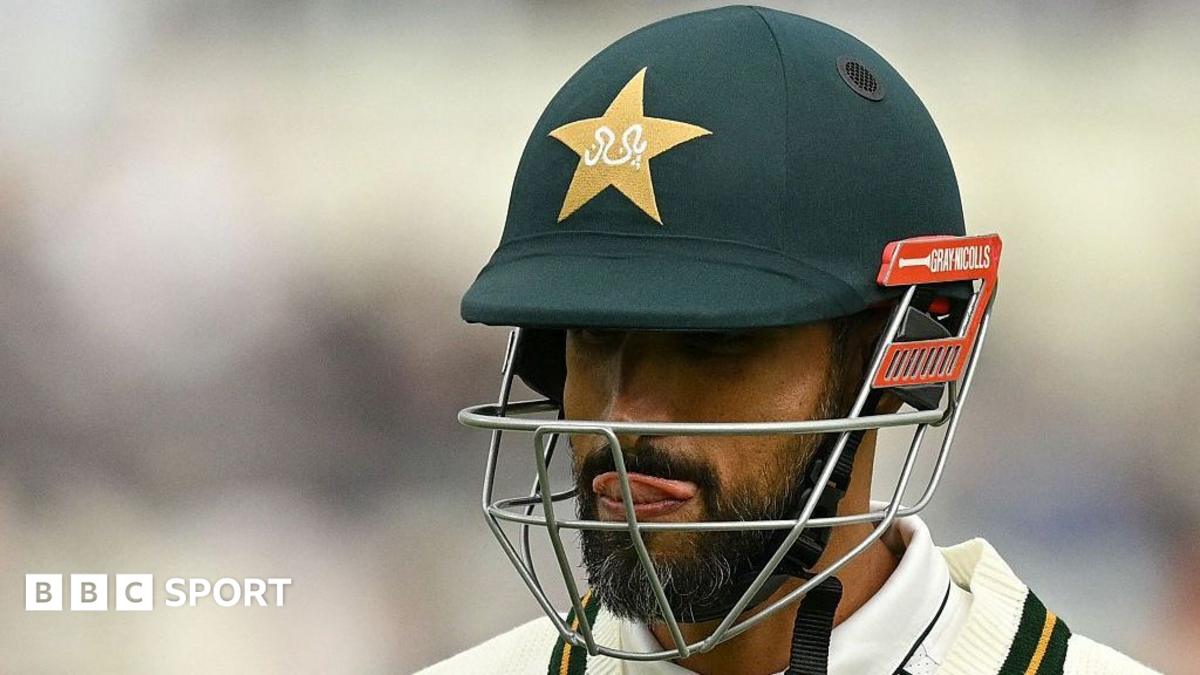
Saud survived until lunch but Babar perished 40 minutes before the interval – bowled by Tongue – gesticulating at the pitch.
“He [Babar] disintegrated. It’s tough for him,” added Ramiz.
“He’s got to explain all this mayhem and then he has to look after himself and then he’s got to work with the lot that are more T20 in nature than Test cricket.”
There has only been two teams in a three-match series that have been bowled out six times for under 200 and they were both in the 19th century – the 1888 Australians and South Africa in 1895-96.
Pakistan need to find some resolve when they bat again to avoid joining them.
THE holiday destinations without the crowds that want MORE tourism have been revealed.
Intrepid has released its annual ‘Not Hot’ List, partnering with Globetrenders to look at alternative destinations to visit instead of the popular, oversaturated places.
Intrepid’s underrated travel destinations for 2027 have been namedCredit: AlamyAlonnisos island in Greece sees a fraction of tourists compared to other islandsCredit: Alamy
Using both Intrepid’s local leaders and destination experts, along with trend forecasts, the study looks at three key elements – areas with few visitor numbers, their ability to welcome more tourists, and any new infrastructure for 2027 such as big events or transport systems.
When it comes to Europe, you might be surprised to realise there are still some Greek islands that don’t have the tourist crowds.
Sign up for the Travel newsletter
Thank you!
Intrepid named Alonnisos as a “not hot” destination which is a more sustainable holiday experience in the region.
They said: “Alonnisos is a slice of paradise that plays host to an array of aquatic and land-based delights, including the endlessly entertaining – and endangered – Mediterranean monk seals.”
The island is actually home to the National Marine Park of Alonnisos and Northern Sporades (Europe’s largest marine protected area), as well as Greece’s only underwater museum, the Peristera shipwreck.
It remains off the radar for most tourists as you can’t fly to the island, with it only accessible by ferry or private yacht.
In 2024, it saw just 70,000 tourists – compared to its neighbour Skiathos’ 500,000 or Santorini’s 3.4million.
Another European destination highlighted was Liepāja, a beach city in Latvia.
Nicknamed the Baltic Mediterranean, next year it will become Europe’s Capital of Culture, meaning hundreds of events, festivals and shows.
Samburu Game Reserve in Kenya is a quieter safari destinationCredit: AlamyCanad’s Whitehorse, in Yukon Territory was named as wellCredit: AlamyWhen it comes to Europe Dalsland in Sweden was highlighted, often nicknamed the country’s ‘Lake District’Credit: AlamyCarretera Austral in Chile also made the listCredit: Alamy
Just under 120,000 tourists visited last year, meaning you’ll get the five-mile, white sand beach all to yourself.
To get there, Ryanair fly to Palanga from London Stansted for £25, which is around an hour from Liepāja
Sweden‘s Dalsland made the top 10 list as well, for being “unspoilt and unexplored”.
Around two hours from both Gothenburg and Oslo, it is known as Sweden‘s ‘Lake District’ for all of its outdoor activities from wild camping to kayaking and hiking.
Just 320,000 people visited last year, compared to the capital of Stockholm which saw 16million.
Other destinations on Intrepid’s list included Samburu National Reserve in Kenya, named for being the place for both “crowd-averse safari fans” and an “emerging astrotourism destination”.
Georgia is fast becoming a new holiday destination, after both British Airways and easyJet launched direct flights to the capital Tbilisi last year.
But Intrepid praised Mestia as an alternative, quieter place which, while popular with neighbouring tourism, is set to become bigger with international tourism due to new infrastructure plans.
The Pekoe Trail is Sri Lanka’s first long-distance walking trail, and an alternative way of seeing the island nationCredit: AlamyTimor-Leste is one of Southeast Asia’s least visited destinations, and is getting easier to go to thanks to new flight connectionsCredit: AlamyJordan’s North Highlands were named as a great alternative to the country’s iconic desert landscapesCredit: AlamyAnd Mestia in Georgia is set to become more popular as wellCredit: Alamy
Otherwise it is popular as an outdoor adventure holiday destination, with both hiking and skiing experiences.
Also mentioned was the Northern Highlands in Jordan, a green “alternative to the country’s iconic landscapes” while “Arctic tourism” was highlighted for visiting Whitehorse in Canada.
Timor-Leste, one of South East Asia’s least-visited destinations was also highlighted, with new flight routes to connect the capital of Dili to major hubs such as Kuala Lumpar.
Sri Lanka‘s first long-distance walking trail Pekoe Trail (with a new 10-day Intrepid trip launched) and Chile‘s ‘route 7’ Carretera Austral rounded out the list.
Each year, Intrepid Travel releases its Not Hot List, spotlighting a short list of lesser-known destinations that are ready to welcome more visitors over the coming year
The old village of Chora in Alonnisos island is on the list(Image: Getty Images/iStockphoto)
While some destinations are creaking under the strain of too many visitors, others are actively hoping more tourists will come.
In recent years, Canary Islanders, Romans, Santorinians and even Laplandic folk have complained that overtourism is changing the way they live their lives, and for the worse. Roads are too busy; accommodation too expensive; neighbourhoods unreconigsable.
There are, however, some places that are actively hoping more people will come.
Each year, Intrepid Travel releases its Not Hot List, spotlighting a short list of lesser-known destinations that are ready to welcome more visitors in 2027. Developed using insights from Intrepid’s extensive global network of local leaders and destination experts, the list shines a light on under-the-radar alternatives and less-visited regions where travellers’ presence can have an outsized positive impact.
The destinations on the Not Hot List are selected based on three key criteria:
(1) being less visited, with fewer visitors than comparable places
(2) demonstrating tourism readiness, with infrastructure and capacity to support more tourists
(3) new initiatives, improved connectivity, major events, launches or infrastructure developments that give travellers a compelling reason to visit in 2027.
The 2027 Not Hot List
1. Samburu National Reserve, Kenya
2. Mestia, Georgia
3. Northern Highlands, Jordan
4. Whitehorse, Yukon, Canada
5. Alonnisos, Greece
6. Dili, Timor-Leste
7. Pekoe Trail, Sri Lanka
8. Liepāja, Latvia
9. Carretera Austral, Chile
This year’s list is designed to highlight destinations that offer compelling alternatives to some of travel’s most popular experiences. Kenya’s Samburu National Reserve, for example, represents a nationwide effort to combat overtourism in some of East Africa’s busiest national parks. While Chile’s Carretera Austral provides an alternative to some of the well-trodden trails of Patagonia.
The 2027 Not Hot List also highlights countries like Timor-Leste, Latvia and Georgia, which receive fewer international visitors than their regional counterparts, as well as lesser-known regions of Jordan and Sri Lanka.
To coincide with the report, Intrepid has launched five new trips to several of the featured regions. These include the new 10-day Kenya Safari Adventure, the 16-day Wild Canada & Alaska, the 10-day Hike Sri Lanka’s Pekoe Trail, the 12-day Jordan Uncovered and the new 9-day Trek the Trans-Caucasian Trail in Georgia.
Erica Kritikides, general manager of experiences at Intrepid Travel, said: “If we want tourism to continue to be a force for good, we need to constantly rethink how and where we travel. The Not Hot List isn’t just about surfacing lesser-known places, it aims to shift the conversation and help travellers to discover new destinations where their visit can make a meaningful contribution to local communities and economies.”
LONDON: The stabbing of a Saudi visitor during an attempted robbery in one of London’s wealthiest districts this week has sparked new discussions about the safety of Gulf tourists in the British capital and the precautions travelers should take in major European cities.
The man, in his 40s, was stabbed in Berkeley Square, Mayfair, on Thursday. Metropolitan Police officers and London Ambulance Service crews attended the victim, who was treated and taken to hospital. His injuries are said to be not life-threatening.
A 58-year-old man was arrested at the scene on suspicion of grievous bodily harm, possession of an offensive weapon and attempted robbery.
“This appears to be an isolated incident and there is currently nothing to suggest an ongoing risk to the wider public,” a Met spokesman told Arab News. “We recognize that this will cause concern among the community. Tackling knife crime and serious violence remains a priority for the Metropolitan Police.”
The Saudi embassy in London said it was coordinating with British authorities, supporting the victim and monitoring his condition until he is discharged.
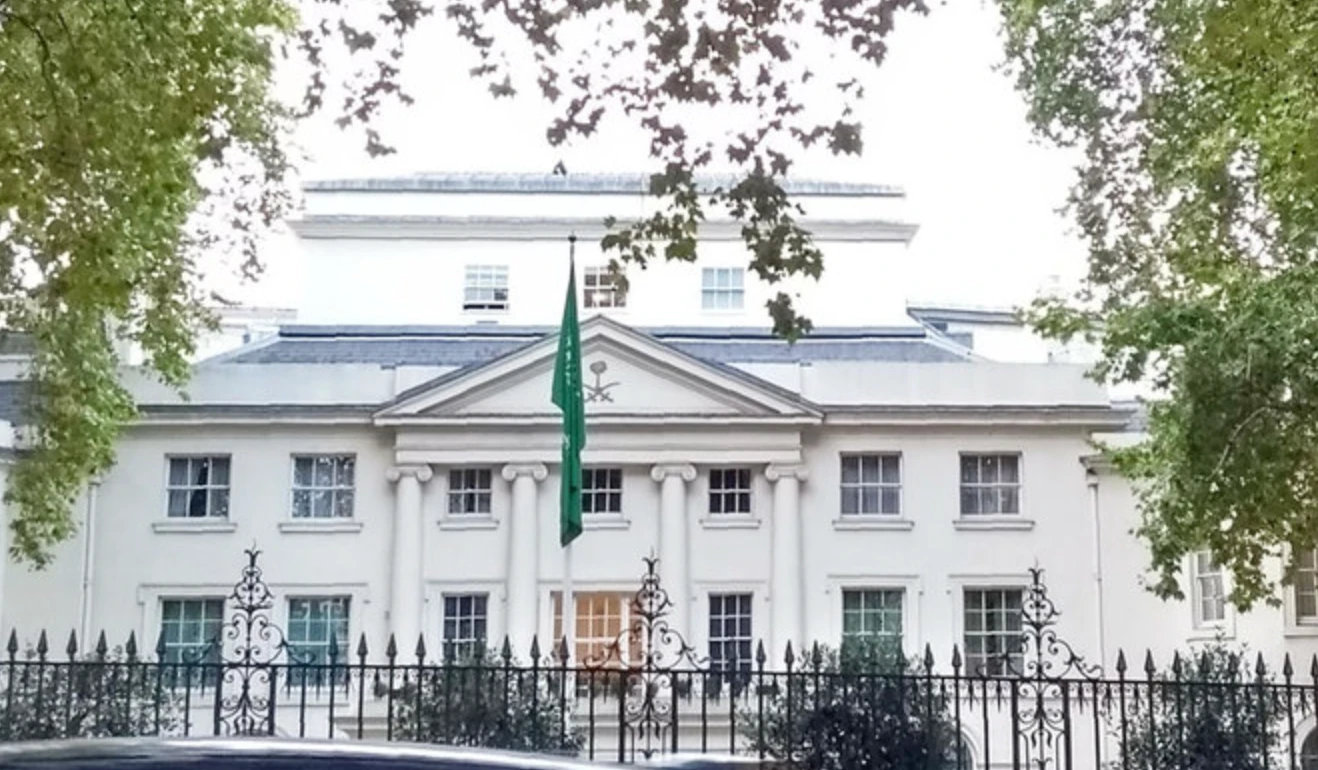
The Saudi Arabian embassy in London, featuring its distinctive green flag, is seen through the surrounding trees, highlighting its architectural elegance amidst the urban landscape.
It called for the investigation to be completed swiftly and for those responsible to be held accountable, while urging Saudi citizens in Britain to exercise caution and avoid carrying valuable possessions openly in public.
Arab News understands the embassy is expected to release the victim’s name shortly.
Reports indicate the attempted robbery may have been motivated by a luxury watch inside the man’s backpack, although it was not visible and nothing was ultimately stolen.
The incident has nevertheless resonated among Gulf travelers for whom London has long been a home-away-from-home and one of their favorite European destinations.
Jocelyne Elia, travel editor at Asharq Al-Awsat, said high-profile incidents could influence how visitors perceive the city even when they are statistically rare.
“Incidents like the recent stabbing are understandably concerning and can affect how safe Gulf visitors feel when travelling to the UK,” she told Arab News. “The Gulf is an extremely important tourism market for Britain, so repeated incidents could damage confidence and influence people’s decisions about where they travel, stay and shop.
The Mayfair stabbing means travelers should take extra precautions in areas known for luxury shopping, restaurants and nightlife. (AFP file)
“It is important that UK authorities respond strongly to these crimes while making clear that they are isolated incidents and that the UK remains a welcoming destination for Gulf visitors.”
Saudi tourism alone is a significant market for Britain.
The UK received a record 344,000 visits from the Kingdom in 2024, during which Saudi travelers spent about £771 million — an average of more than £2,200 per visit according to VisitBritain, citing data from the Office for National Statistics’ International Passenger Survey.
Figures obtained from the Metropolitan Police provide a partial picture of the crimes experienced by Saudi and other Gulf nationals in London. Records show 35 Saudi nationals were recorded as crime victims in 2021, rising to 65 in 2022 and 85 in 2023 — a total of 185 over the three years. Of those cases, 97 involved theft, 41 violence against the person and 12 robbery.
Across the six Gulf Cooperation Council nations, 498 people were recorded as victims during the three-year period, including 219 involving theft and 137 violence against the person.
The Met says some 92 percent of total recorded victims do not have a first nationality recorded. The figures also do not distinguish tourists from residents, students or other people, and so cannot be used to calculate the risk of a Saudi or Gulf visitor becoming a crime victim.
The Mayfair attack also comes little more than a year after the death of a Saudi national in Britain in another stabbing attack, although the circumstances were very different.
Mohammed Yousef Algasim, 20, was attending a 10-week English-language course in Cambridge when he was stabbed in the neck in an unprovoked attack outside his accommodation on Aug. 1, 2025.
His killer, Chas Corrigan, was convicted of murder in March and sentenced in June to life imprisonment with a minimum term to be served of 22 years and six months.
CCTV showed Corrigan, who had been drinking and had taken drugs, approach Algasim before walking away, turning back and stabbing him with a kitchen knife.
Police cordon off a street in central London as officers respond to an unspecified incident, drawing a crowd of onlookers nearby.London remains highly ranked for overall tourist safety and several forms of street crime are falling after intensive enforcement. (AFP file)
Such cases have contributed to concerns over violent crime, while the much more common experiences of pickpocketing, phone snatching and theft has increasingly shaped tourists’ perceptions of some European capitals.
The picture, however, is more nuanced than individual incidents might suggest.
Berkshire Hathaway Travel Protection’s 2026 ranking of the safest cities for travelers places four European cities among its top five; in order, they are Reykjavik, Copenhagen, Zurich, Amsterdam and Honolulu. London is ranked 13th safest overall and eighth specifically for safety from violent crime.
The company cautions that the survey measures conditions and traveler perceptions at a particular point in time rather than providing a guarantee that visitors will not encounter crime.
At the opposite end of the spectrum, a 2024 Forbes Advisor study of 60 international cities ranked Caracas as the riskiest destination for tourists, followed by Karachi, Yangon, Lagos and Manila.
Its assessment went beyond street crime to consider personal and health security, infrastructure, natural-disaster exposure, digital safety and government travel advisories.
However, a city can rank comparatively highly for overall safety while still experiencing particular forms of crime at levels noticeable to visitors. In London, mobile-phone theft is perhaps the most visible example.
A Metropolitan Police data series recorded 117,211 mobile phones stolen in London in 2024, the highest annual figure in the series and equivalent to about 321 phones a day. That followed 115,261 recorded stolen phones in 2023 and 90,810 in 2022.
The Met said it moved to a new crime-recording system in February 2024, meaning care must be taken when making direct comparisons. A newer offence series recorded 81,365 mobile-phone theft offences in 2024 and 71,391 in 2025, a decline of 12.3 percent. The difference reflects different police datasets and recording methodologies.
Police have since mounted their largest crackdown on phone theft to date. Earlier this summer, the Met released footage showing officers pursuing suspected phone thieves on high-powered e-bikes, conducting raids, arresting alleged handlers and recovering stolen devices as part of Operation Reckoning.
One raid on a shop in northwest London recovered more than 1,000 suspected stolen phones.
An earlier four-week phase of the operation resulted in 248 arrests and the recovery of 770 devices, while another investigation dismantled what the Met described as the UK’s largest mobile-phone smuggling network, responsible for trafficking as many as 40,000 stolen devices to China during 2024 and 2025.
Police said the network was handling the equivalent of about 40 percent of phones stolen in London at the time.
The crackdown appears to be having an effect, something London Mayor Sadiq Khan has been quick to capitalize on.
Across London, the Met said theft-from-the-person and robbery offences involving stolen mobile phones fell by 18 percent in the 12 months to May, representing around 14,000 fewer offences. Those falling figures provide an important counterpoint to perceptions of London as a city experiencing an unchecked crime wave.
But Elia said the Mayfair stabbing demonstrated why travelers should still take practical precautions, particularly in areas associated with luxury shopping, restaurants and nightlife.
She rejected the suggestion that Arab visitors should change traditional clothing or conceal their nationality because of safety concerns.
The attack in London’s upscale Mayfair district presents a dilemma familiar to visitors to many of Europe’s largest cities. (AFP file)
“The advice should simply be to be discreet with expensive watches, jewelry and designer bags, and phones, particularly in crowded areas or late at night,” Elia said.
“Keep valuables covered where possible, stay aware of your surroundings and avoid openly displaying expensive items. This is sensible advice for all tourists, not just Arabs.”
She added: “Saudi-British relations are strong, but the British government must do more to tackle rising crime, especially phone theft and robberies.”
For Gulf travelers, the latest attack presents a dilemma familiar to visitors to many of Europe’s largest cities.
London remains highly ranked for overall tourist safety and police data suggest several forms of street crime are falling after intensive enforcement.
At the same time, the stabbing of a Saudi visitor in the heart of Mayfair — coupled with the prevalence of phone and luxury-item theft — is a reminder that relative safety does not eliminate individual risk.
For the hundreds of thousands of Saudi visitors who travel to Britain each year, the message from both the embassy and travel experts is therefore one of vigilance rather than avoidance: London remains open to them, but valuables, surroundings and personal security cannot be taken for granted.
The recent stabbing of a Saudi visitor in London has raised safety concerns among Arab tourists, as the Met Police report a significant rise in crime against Gulf nationals, including theft and violent incidents.






![Rescuers work at the scene following Friday's powerful blast in Athens' Plaka district, Saturday, September 26, 2026 [Yorgos Karahalis/AP]](https://i0.wp.com/www.aljazeera.com/wp-content/uploads/2026/09/AP26269443758394-1790459604.jpg?w=640&ssl=1)