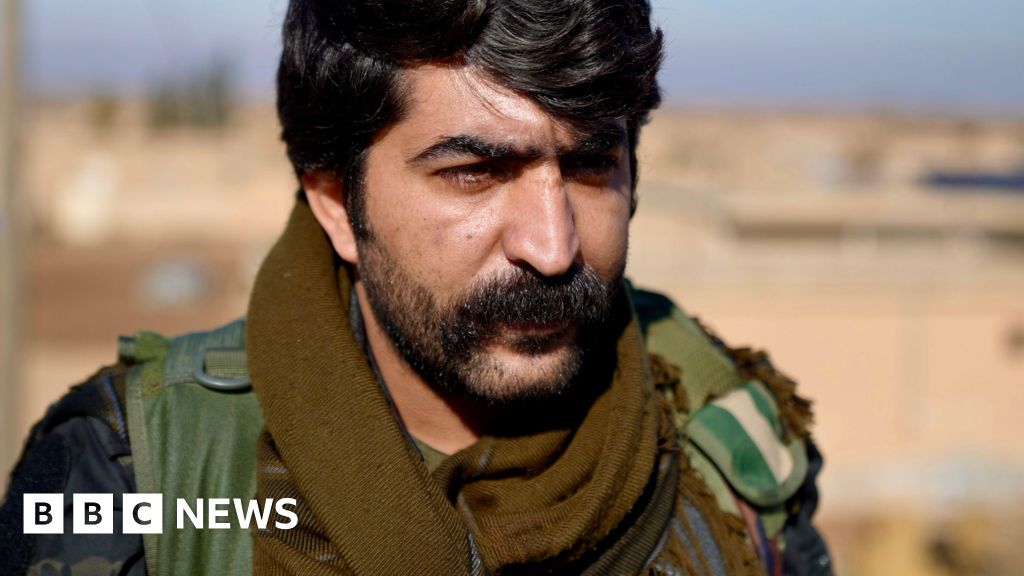
Syria's Kurds sense US betrayal as government forces push them back
The US fought IS with the Kurds for years. Now, Donald Trump is siding with Syria’s new leader.
Source link
The US fought IS with the Kurds for years. Now, Donald Trump is siding with Syria’s new leader.
Source link

Kurmin Wali, Nigeria – Like most Sundays in Kurmin Wali, the morning of January 18 began with early preparations for church and, later on, shopping at the weekly market.
But by 9:30am, it became clear to residents of the village in the Kajuru local government area of Nigeria’s Kaduna State that this Sunday would not be a normal one.
list of 3 itemsend of list
Gunmen known locally as bandits arrived in the village in numbers, armed with AK47 rifles.
They broke down doors and ordered people out of their homes and the village’s three churches.
They blocked the village exits before taking people and marching dozens into the forest at gunpoint.
Some captives were taken from church, while others were forcibly kidnapped as gunmen moved from house to house.
In one house, more than 30 members of an extended family were abducted.
Jummai Idris, a relative of the family that was taken, remains inconsolable.
She was home the day of the attack and did not go out.
“When I heard shouting, I took two children and we hid behind a house. That was how they [the bandits] missed us,” she told Al Jazeera.
“But I heard every shout, every cry and footstep as they picked up people from our house and surrounding houses,” she added, between sobs.
With tears streaming down her face, Idris recounts how she kept calling out the names of her missing family members – men, women and children.
Her house sits on the edge of the village, close to a bandits’ crossing point.
“I don’t know what they are doing to them now. I don’t know if they’ve eaten or not,” she said.
A total of 177 people were abducted that day. Eleven escaped their captors, but about a quarter of Kurmin Wali’s population remains captive.
Initially, state officials denied the attack had taken place.
In the immediate aftermath, Kaduna’s police commissioner called reports a “falsehood peddled by conflict entrepreneurs”.
Finally, two days later, Nigeria’s national police spokesman, Benjamin Hundeyin, admitted an “abduction” had indeed occurred on Sunday. He said police had launched security operations with the aim of “locating and safely rescuing the victims and restoring calm to the area”.
Uba Sani, Kaduna state’s governor, added that more than just rescuing the abductees, the government was committed to ensuring “that we establish permanent protection for them”.
There has been a police presence in Kurmin Wali since then. But it is not enough to reassure villagers.
Locals say the police are not there to protect the village, but merely to compile the names of victims they for days denied existed.
At the premises of Haske Cherubim and Seraphim Movement Church, the largest church in the village, days after the attack, a rust-coloured door lay on the floor, pulled off its hinges. Inside the mud-brick building, the site was chaotic.
Plastic chairs overturned in panic were strewn around the room – just as the kidnappers had left them.

The church building was where the captors brought everyone before marching them into the forest surrounding the village.
Residents said the gunmen divided themselves into different groups, targeting homes and churches in the village.
Maigirma Shekarau was among those taken before he managed to escape.
“They tied us, beat us up, before arriving us into the bush. We trekked a long distance before taking a break,” he said of his journey with his captors.
Shekarau, a father of five, was holding his three-year-old daughter when he and others were taken.
“When we reached an abandoned village, I ducked inside a room with my little daughter when the attackers weren’t looking. I closed the door and waited. After what seemed like eternity, and sure they were gone, I opened the door and walked back home, avoiding the bush path,” he said, now back in the village.
But on returning home, his heart sank. He and his three-year-old were the only ones who made it home. The rest of the family is still held by the kidnappers.
Standing in a parched field of long dried grass, Shekarau says the village no longer feels like home.
The village chief was also taken, but managed to escape. He now presides over a community hopeful for the return of the missing – but too scared to stay.
“Everyone is on edge. People are confused and don’t know what to do. Some haven’t eaten. There are entire families that are missing,” said Ishaku Danazumi, the village chief.
Danazumi says the kidnappers regularly visit and loot the village grain stores and the villagers’ possessions, including mobile phones.
Two days after the attack, residents said the bandits rode through their village again.
On that day, the community also received a ransom demand.
“They accused us of taking 10 motorcycles they hid in the bush to evade soldiers who operated here the week before,” Danazumi said. “But we didn’t see those bikes.”
The chief said the captors told him the return of the 10 bikes was a precondition for the return of his people.
But deep inside, he knows, more demands will follow.
In the village, residents wait in their thatch and mud-brick houses, hoping for their loved ones to return.
But because of fear and the tense situation, many are leaving the farming community.
“Anyone thinking about remaining in this village needs to reconsider,” said Panchan Madami, a resident who also survived the attack.
“Only the recklessly bold can stay with the current state of security here.”
Villagers said that before the January 18 attack, 21 people kidnapped by the bandits were returned to them after a ransom was paid. But just two days later, a quarter of the village was taken.
“It will be stupid to stay here, hoping things will be OK,” added Madami.
The government says it will establish a military post to protect the community from further attacks. But that is not comforting enough for Idris, who has also made up her mind to leave.
“I’m not coming back here,” she said, gathering her belongings to leave the village where she grew up and married. “I just hope the rest of my family gets back.”

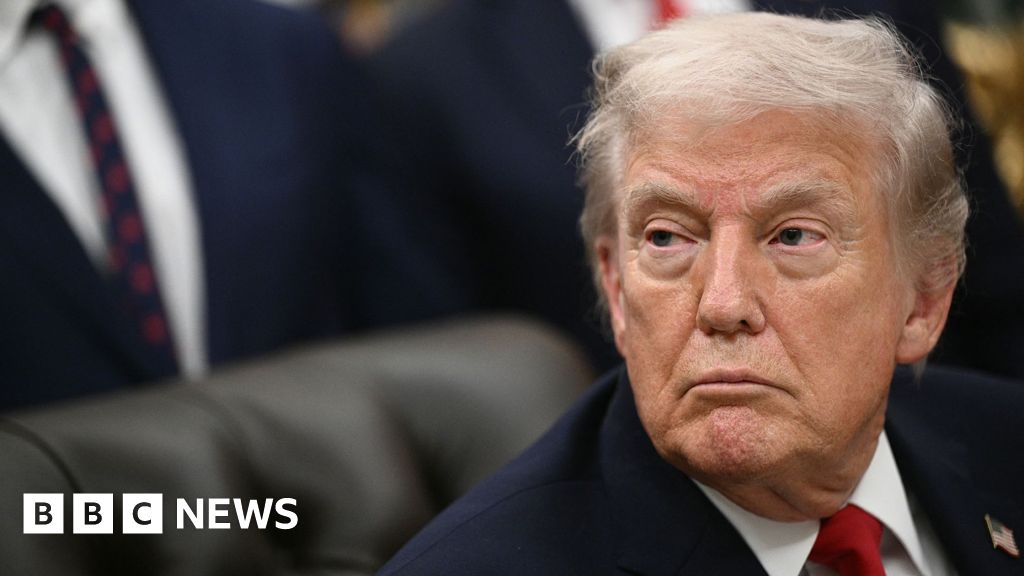
The US president’s comments come as Sir Keir Starmer arrives in Shanghai on the third day of his visit to China.
Source link
United Nations chief Antonio Guterres appears to point at Trump as critics say his ‘Board of Peace’ aims to replace UN.

Published On 30 Jan 202630 Jan 2026
Share
United Nations Secretary-General Antonio Guterres has warned that international “cooperation is eroding” in the world, during a media briefing where he took aim at one – maybe two – powerful countries undermining efforts to solve global problems collectively.
In his annual address as secretary-general, where he outlined priorities for the UN, Guterres said on Thursday that the world body stood ready to help members do more to address their most pressing issues, including the climate catastrophe, inequality, conflict and the rising influence of technology companies.
list of 4 itemsend of list
But he warned that “global problems will not be solved by one power calling the shots,” in apparent reference to United States President Donald Trump’s administration and his moves to abandon much of the UN system, while also impelling countries to join his newly-created “Board of Peace”.
Guterres went on to say that “two powers” would also not solve key problems by “carving the world into rival spheres of influence”, in what appeared to be a reference to China and its growing role in global affairs.
Guterres, who will step down from his position at the end of the year, underscored the UN’s ongoing commitment to international law amid concerns that treaties, which countries have abided by for decades, are coming undone.
Amid Israel’s genocidal war on Gaza and the brazen abduction of Venezuela’s President Nicolas Maduro by US forces, the UN chief warned that international law is being “trampled” and “multilateral institutions are under assault on many fronts.”
But, he added, the UN was still “pushing for peace – just and sustainable peace rooted in international law”.
Beginning in his first term as US President, Trump sought to end his country’s formal participation in many aspects of the UN system, while also eager to wield influence over key decision-making bodies, including through the use of the US veto in the UN’s powerful Security Council.
Trump’s current administration has also imposed sanctions on UN Special Rapporteur for Palestine Francesca Albanese and threatened to sanction negotiators involved in UN talks on shipping pollution at the International Maritime Organization.
The US leader’s actions have drawn criticism.
Brazilian President Luiz Inacio “Lula” da Silva earlier this month accused Trump of wanting to create “a new UN”.
Lula made his comment just days after Trump launched his “Board of Peace” initiative at the World Economic Forum in Davos, Switzerland.
While more than two dozen countries in the Middle East, Africa, Asia, Latin America and Europe have signed up as founding members of the peace board, several major nations, including France, have turned down invitations to join, and Canada has been excluded.
France said the Trump-led peace board “goes beyond the framework of Gaza and raises serious questions, in particular with respect to the principles and structure of the United Nations, which cannot be called into question”.
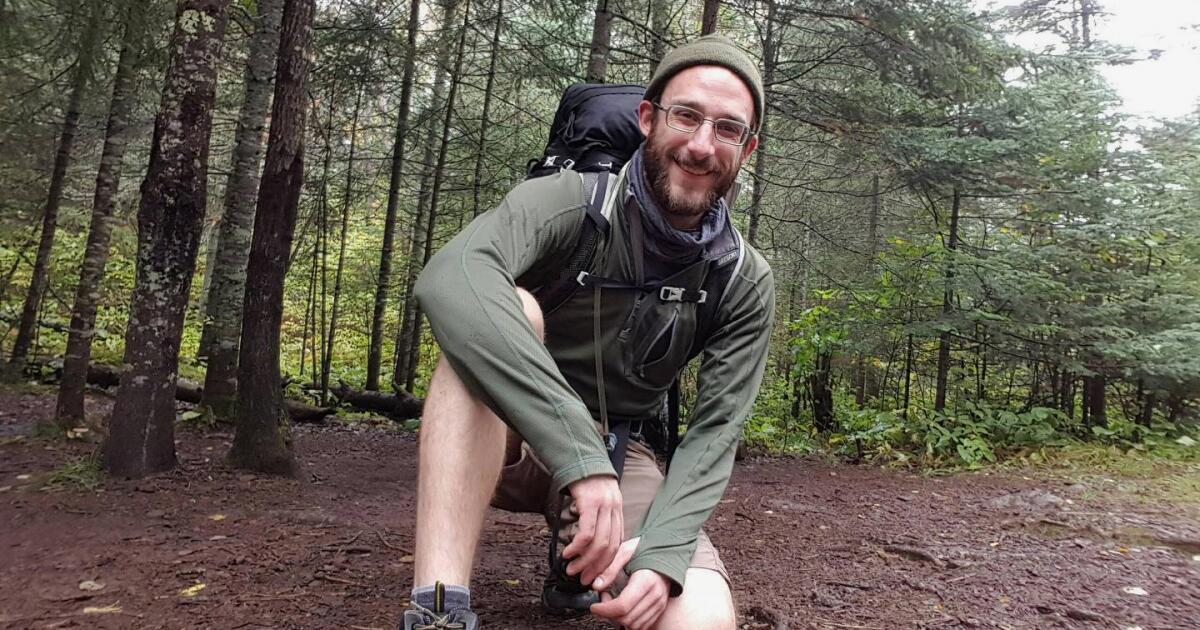
Renee Good and Alex Pretti were shot and killed this month in Minnesota. Silverio Villegas González was shot and killed in September in a Chicago suburb. Keith Porter Jr. was gunned down on New Year’s Eve in front of the Northridge apartment building where he lived.
All of them were slain by ICE agents.
In the past few months alone, America has repeatedly witnessed — from multiple angles and at varying playback speeds — groups of aggressive, twitchy, masked men conduct immigration sweeps on the order of President Trump and his Department of Homeland Security. The scenes are the stuff of nightmares, and even villainy.
After agent Jonathan Ross shot legal observer Good three times, including once in the head, he mumbled the expletives “f— b—” as her SUV drifted into a light post. Two weeks later, at least one ICE agent was seen clapping after Pretti was shot multiple times as he lay pinned on the ground.
If the intention of the Stephen Miller-run White House was to crush the resistance with violence, it has backfired. The number of protests in cities around the nation has grown in size and frequency. And local networks that offer instruction and training for how to legally observe ICE raids are proliferating by the day. In short, as ICE has ramped up its operations, so too has the resistance.
Now, a consortium of various civil rights and advocacy groups is calling for the largest anti-ICE demonstration to date, a national shutdown. “The people of the Twin Cities have shown the way for the whole country — to stop ICE’s reign of terror, we need to SHUT IT DOWN,” reads nationalshutdown.org. “On Friday, January 30, join a nationwide day of no school, no work and no shopping.”
Given the sense of urgency triggered by the invasive and deadly tactics of federal officers over the past few months, Friday’s planned shutdown could be huge. But unlike other major demonstrations, like the “No Kings” marches, it asks folks to take off work, school and stop shopping (yes, even online) in the name of democracy.
Taking time off work is not economically feasible for many Americans, especially given today’s affordability crisis (a concept that Trump believes was invented by Democrats). With that in mind, it may not be the most effective way to show solidarity with Minneapolis, Chicago, L.A. and other cities where a trip to Home Depot might include getting caught in an immigration raid. But it might be the safest option in an otherwise dangerously heated time, when peaceful protests are ending in violent killings.
We’ve been here before, even if the current images of killer goons in mismatched military gear might seem foreign and dystopian. Peaceful Civil Rights-era marches and protests often turned into bloody, brutal and murderous affairs, fueled by inhumane law enforcement tactics and vigilantes operating with impunity. But the majority of Americans — i.e. those who weren’t Black — didn’t see folks who looked like them slain by government agents who also looked like them. The naive notion that America protects its own has remained largely intact, until the current administration declared that anyone who’s not with them is against them.
Today, Washington’s on-high interpretation of Us and Them equals those who are pro-Trump (Us) and those who are not (Them). There are, of course, plenty of racist and bigoted caveats within that lunk-headed quotient, but generally, one side is dispensable while the other is not.
The Trump administration has characterized Pretti, who was carrying a concealed, permitted weapon at the time of his killing, as a domestic terrorist who essentially got what he deserved: “You cannot bring a firearm loaded with multiple magazines to any sort of protest that you want. It is that simple,” said FBI Director Kash Patel.
But when then-17-year-old Kyle Rittenhouse shot three #BLM protesters, killing two, at a 2020 Kenosha, Wis., demonstration decrying police brutality, he was — and still is —canonized as a hero by Trump and the right.
Historical data shows that when 3.5% of a population is actively involved in peaceful, sustained resistance, they can influence significant political shifts. Those numbers likely don’t differentiate between who makes it out of the peaceful protest alive and who emerges as a martyr for the cause. But one shouldn’t have to choose between exercising their 1st Amendment rights and making it home alive.
A bowl of leftover pap saved Audu Gimba* from being abducted, but his wife, children, and relatives were not as fortunate.
On Jan. 18, Audu’s family found their way to the Cherubim & Seraphim (C&S) Movement Church, Number 2, Kurmin Wali, Kaduna State, northwestern Nigeria, like they do every Sunday morning. Around 10:30 a.m., warning cries interrupted their service.
Terrorists had surrounded Kurmin Wali from all angles, unleashing their horrors on the worshippers of C & S 1 and 2 and the Evangelical Church Winning All (ECWA) Church in the same community. They would later make away with 177 people in total, according to Audu and some media reports.
“We tried to run out but discovered we were surrounded. Even if you run, they chase you down,” he recalled the horrors of that morning. He said the terrorists were also collecting phones and cash from the victims. Before they got to him, he threw his phone into the bushes, planning to retrieve it after he escaped.
The terrorists divided the captives into batches, with Audu and four others placed at the front.
“As we were walking, I saw one of my brothers being beaten by the terrorists. They demanded that he get them food from his house. He told them he only had leftover pap, and when he brought it to them, their attention shifted to it, including the terrorists holding us hostage. When I noticed that, I used that opportunity to run and hide, but the rest were taken into the forest,” he told HumAngle.
From his hiding spot, Audu watched as the terrorists brought out the remaining church members who had been hiding, made them lie on the ground, and then herded them into the forest.
“The terrorists were holding guns, which were similar to the ones soldiers use,” he told HumAngle. “All of them had weapons. They came out through three angles; even if you run, you will run into them from all angles.” Although no one was shot, the presence of the firearms and the terrorists’ known ruthlessness were enough to force the villagers into submission. They wore no masks, and the survivors who spoke to HumAngle said they did not recognise them as familiar faces.
They came in through the forest and returned through the same path, this time with unwilling villagers, leaving behind a trail of fear and heartbreak.

“My in-laws and two other women were heavily pregnant. My second wife and another in-law had daughters under two years old. My daughter was one year and two months old, and my three sons and their wives were all taken away into the forest. The children are not even old enough to walk on their own,” his voice cracked as he named his losses.
He admitted that revisiting the events of that day makes him want to break down and cry.
It wasn’t just his losses, he said, but also the reaction of the military, those meant to protect them, that further pushed him into despair.
“The day the soldiers arrived, we told them the path they followed. When one of my brothers insisted on showing them the way, one of the soldiers even threatened to slap him. I don’t think any soldiers walked for 10 minutes between the village and the forest. They just stood there watching us,” he lamented.
Security officials first dismissed the attack as a falsehood spread to cause chaos, only to later confirm it. The Kaduna State Governor, Uba Sani, said the reason for the denial was “to confirm details first before making any statements”.
“We need help,” Audu cried. “We don’t have anything to do unless the government helps us. What can I possibly do to help them come out? It’s just my wife and me; they have taken everyone else away.”
For the people of Kurmin Wali, this is not the first of such attacks. Eight days earlier, on Jan. 11, another mass abduction of about 21 people occurred. The people were released four days later, only after a ransom of ₦2.6 million was paid, according to another villager, Moses Noma*.
Attacks on the village remain largely underreported. Online searches for Kurmin Wali mostly return reports of the most recent abduction, belatedly drawing attention to yet another community Nigeria has failed to protect.
Moses escaped the latest attack, but his family had been directly affected by the previous one. The incident occurred at night.
“They entered my house and my brother’s house,” he recounted. “Twelve people from my family were kidnapped. I barely escaped with my wife. When I returned, I heard my mum crying. She had been badly beaten with metal and was injured. I picked her up along with my injured uncle and took them to the hospital.”
When Moses arrived, his mother was in a pool of her blood. He thinks the kidnappers must have assumed she died due to how badly she was bleeding. Even when he heard her cries, he hid until he was sure the terrorists had gone before he went to her side. Fortunately, her injuries were treatable, and she was able to return to her family.
Get our in-depth, creative coverage of conflict and development delivered to you every weekend.
Subscribe now to our newsletter!
Usually, when attacks like this occur, residents say they report them to military personnel stationed along nearby roads. However, soldiers often arrive late, if at all, and little is done until kidnappers demand ransom and eventually release victims on their own. In some cases, soldiers show up a day after the attack, claiming they did not receive permission to respond earlier, residents said.
“Even as we speak, we are currently patrolling the streets because no security forces have been dispatched,” the 30-year-old man explained a week after the attack, despite the governor’s visit four days earlier.
According to Moses, the village has been under constant threats and attacks for about three years. “Even in February last year, they came and kidnapped people,” he noted.
After such attacks, some residents flee to other parts of Kaduna, such as Marraraban Kajuru, Kasuwan Magani, and neighbouring towns, and return after some time. Moses, like others, usually finds his way back home, but the terror never stops.
James Kura* says it was the stars that guided him home that night.
“We were in church. We stationed some people outside to ensure security. When they saw them coming, they raised an alarm. We ran out, but soon discovered they had circled us. They put us together and collected all our money and phones in front of the church. Then they started to march us into the forest,” he narrated.

At one point, the terrorists stopped and started to beat them heavily with sticks before continuing with the march. James was injured during the assault.
They later arrived at Sabon Gida, a nearby village that has been deserted due to the constant terror attacks, one of the many ghost communities in Kaduna State. Some captives managed to escape there. But it was much later that James found the chance.
“I noticed I was lagging behind and the kidnappers were distracted, so I used that opportunity to hide somewhere in the bushes until they left. I started to walk into the forest and eventually found my way home by following the stars,” he recalled. James got home around 9 p.m. that night.
Despite his escape, many of his relatives and friends remain in captivity.
James and ten other escapees were taken to Barau Dikko Teaching Hospital in Kaduna town on Jan. 23, following the governor’s visit. Before then, James had tried to treat his injuries at a chemist’s shop in the village.
The hospital’s Chief Medical Director, Abdulqadir Musa, said the victims would receive maximum care and attention and would “leave the hospital smiling”.
Even so, this was not the first time James had been kidnapped. In 2021, he was abducted from his home and held captive for days, and the horrors of that experience fueled his determination to escape repeating it.
“They demanded a ransom of ₦1 million then, and they demanded other items like phones, which amounted to almost ₦200,000 extra,” he recalled.
Although the current ransom demand has not been formally communicated, James told HumAngle that the kidnappers are demanding 17 motorcycles, which they claimed were left behind after the attack. Residents say only three were found, some of them already stripped of parts such as headlights.
A separate report corroborates James’ account, adding that ₦250 million and three more motorcycles, bringing the total to 20, have been demanded by the terrorists.
For a community already struggling to survive, residents say such demands are difficult to meet. The Kaduna State government has said it will work with security operatives to ensure the victims are rescued unhurt.
“We have been collaborating with the relevant security agencies, both the military, the DSS, the police, and the Office of National Security Adviser, to ensure the quick return and recovery of our people that were abducted in this very important community,’’ Uba Sani said during his visit to Kurmin Wali.
Survivors like James are worried and concerned about their future security, the fate of their loved ones who are still in captivity, and the ransoms they may be forced to pay.
Nigeria has criminalised ransom payments, with violators facing at least 15 years in prison. Yet kidnapping continues to surge nationwide, with few successful rescue operations, leaving families with little choice.
On social media, people, including former top government officials, have crowdfunded for ransom. About ₦2.23 trillion in ransom payments was made between May 2023 and April 2024 in Nigeria, according to the National Bureau of Statistics.
“When the governor visited, he promised he would bring us security. The government is taking care of our hospital bills and feeding. But in addition to that, the most important thing we need now is financial support because we know we would have to pay ransom,” he added.
As for tightened security in the village, Audu said some military officials were stationed in front of their church during their morning service on Jan. 25. However, they are unaware of any action or movement to retrieve their loved ones, whose situation remains unknown.
*Names marked with an asterisk are pseudonyms we’ve used to protect the identities of those interviewed.
Ukraine’s Zelenskyy welcomed possible one-week pause after Russian attacks left homes with no heat in plummeting temperatures.
Published On 30 Jan 202630 Jan 2026
Share
Ukrainian President Volodymyr Zelenskyy has welcomed United States President Donald Trump’s announcement that Russia will not attack Kyiv and “various” Ukrainian towns for seven days as civilians struggle with a lack of heating amid freezing winter temperatures.
In a post on social media on Thursday, Zelenskyy said that Trump’s comments earlier in the day were an “important statement” about “the possibility of providing security for Kyiv and other Ukrainian cities during this extreme winter period”.
list of 4 itemsend of list
Zelenskyy said that the pause in bombing had been discussed by negotiators during recent ceasefire talks in the United Arab Emirates, and that they “expect the agreements to be implemented”.
“De-escalation steps contribute to real progress toward ending the war,” the Ukrainian leader added.
Trump said earlier on Thursday that Russian President Vladimir Putin had agreed to his request not to fire on Ukraine’s capital Kyiv for a week due to severely low temperatures.
“I personally asked President Putin not to fire into Kyiv and various towns for a week, and he agreed to do that,” Trump said at a cabinet meeting, citing the “extraordinary cold” in the region.
The announcements came as Kyiv Mayor Vitali Klitschko said on the Telegram messaging app on Thursday that 454 residential buildings remain without heating in the city, as the Ukrainian capital struggles to restore power to homes following repeated Russian bombings targeting power and heating infrastructure in recent weeks.
Temperatures are forecast to drop to -23 degrees Celsius (-9.4 degrees Fahrenheit) overnight in the Ukrainian capital this week.
Russia’s capital Moscow has experienced its heaviest snowfall in 200 years during the month of January, the meteorological observatory of Lomonosov Moscow State University said on Thursday, according to Russia’s state TASS news agency.
Russia and Ukraine also exchanged the bodies of soldiers killed in the war on Thursday, officials from both countries confirmed.
Similar exchanges have been agreed to during previous rounds of ceasefire talks. However, a breakthrough on ending Russia’s nearly four-year war on Ukraine has remained elusive.
Russian Foreign Minister Sergey Lavrov continued to pour cold water on ceasefire prospects on Thursday, saying that Moscow had yet to see a 20-point ceasefire plan that he said had been “reworked” by Ukraine and its allies.
Russia’s top diplomat also claimed that Ukraine had used brief pauses in fighting to “push” people to the front lines, according to TASS.
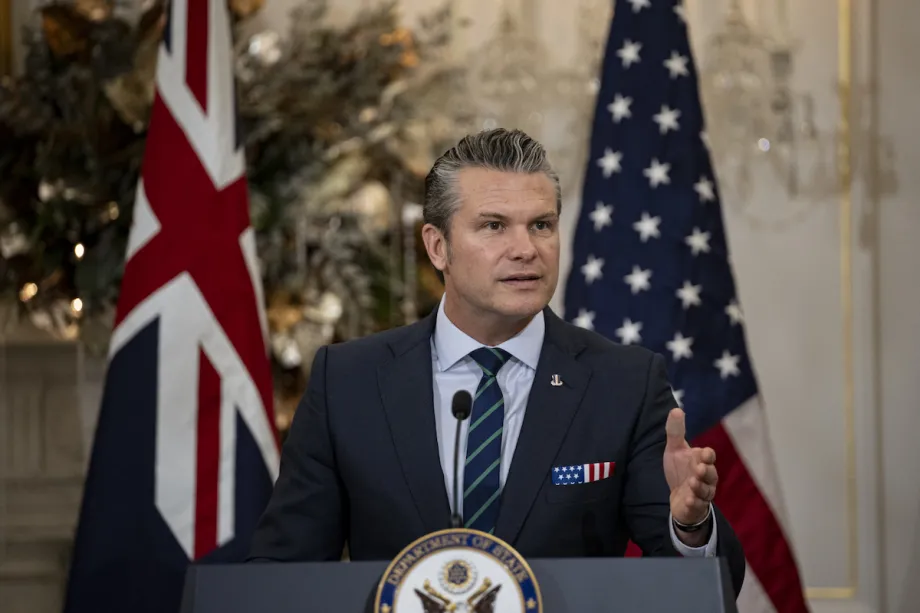
US Defense Secretary Pete Hegseth said Thursday the US is prepared to use “all options” to prevent Iran from pursuing nuclear weapons, while emphasizing that Washington is still leaving room for a diplomatic deal, Anadolu reports.
“With Iran right now, ensuring that they have all the options to make a deal. They should not pursue nuclear capabilities,” Hegseth said at a Cabinet meeting along with US President Donald Trump.
Trump reiterated Wednesday that a “massive armada” is headed to Iran, expressing hope that Tehran will “come to the table” and negotiate with Washington.
READ: Iran warns of uncontrollable consequences if attacked
Hegseth stressed that the Pentagon stands ready to carry out any directives issued by Trump, signaling that military options remain firmly on the table if diplomacy fails.
“We will be prepared to deliver whatever this president expects of the War Department, just like we did this month,” he said, referring to the US capture of Venezuelan President Nicolas Maduro on Jan. 3.
Iranian officials, meanwhile, have reacted strongly to the latest threat issued by Trump, as a US military fleet moves toward Iranian waters amid escalating tensions between the longtime adversaries.
READ: Israeli, Saudi officials visit US for Iran talks amid military buildup: Report
The TWZ Newsletter
Weekly insights and analysis on the latest developments in military technology, strategy, and foreign policy.
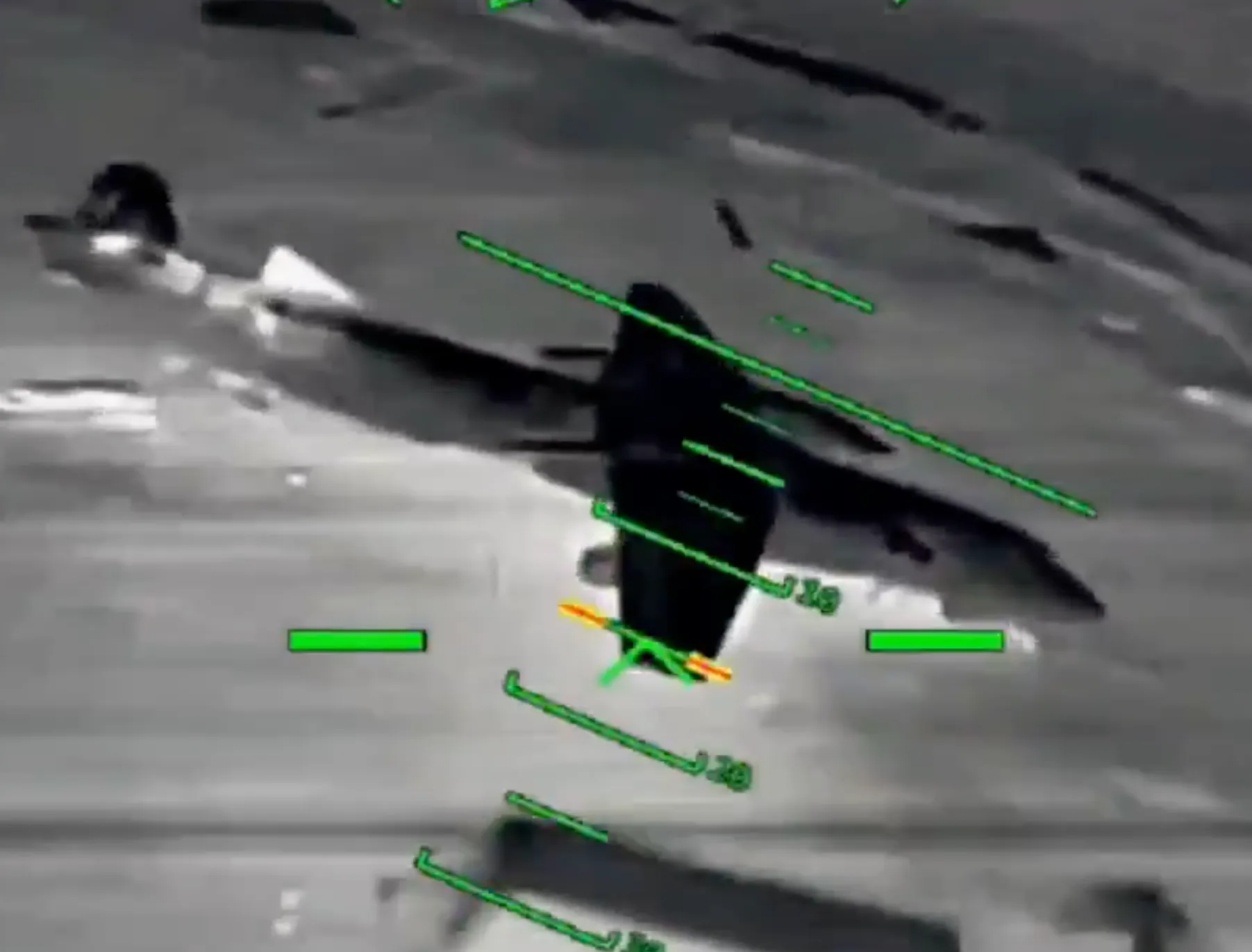
As both sides in the war in Ukraine continue their campaigns of long-range drone attacks, the Ukrainian government’s internal security agency has released a compilation of strikes directed against Russian airbases. The video, published by the Security Service of Ukraine (SBU), records drone strikes against Russian military aircraft by its special forces unit, the “Alpha Group,” also known as “A” Special Operations Center.
“The enemy is used to feeling safe in the deep rear. But for the special forces of “Alpha,” distance has long ceased to matter,” the SBU wrote in a post accompanying the video on social media.
The footage shows several Russian aircraft being targeted, from the perspective of the attacking drones. It appears that most, if not all, of these strikes were previously claimed, and some have been previously seen in the form of video stills. But the end result is certainly impressive, presuming all of the targeted aircraft were damaged or destroyed — which is far from clear from these videos.


The SBU claims that the total value of the damage was more than $1 billion, although it’s far from clear how this was calculated, especially since some of the airframes in question are decades old and no longer in production. It’s also notable that the SBU figure includes damage inflicted on ammunition and fuel depots at the airfields in question.
Regardless, the 15 aircraft claimed targeted by the SBU appear to comprise:
From what can be seen, the An-26 appears to have been damaged beyond repair, while one Su-24 seems to have had at least its tail section damaged; available satellite imagery may show a destroyed Su-24, but the quality of the imagery means that it can’t be determined for sure.

These aircraft were targeted at five different airfields, the SBU stated, without disclosing their exact locations.
However, based on open-source analysis, it seems that the targeted bases included Belbek, Kirovskoye, Saky, and Simferopol, all in Russian-occupied Crimea.

The growing threat of attacks like these on airbases has prompted Russia to build new hardened aircraft shelters and embark on additional construction to help shield aircraft from drone strikes and other indirect fire. This is part of a broader push by the Russian military to improve physical defenses at multiple airfields following the launch of the full-scale invasion of Ukraine.
The highlighted airfield raids in the video are part of a wider Ukrainian drone campaign carried out last year, in which the SBU also targeted Russian air defense systems, radar installations, and critical energy infrastructure.
As far as air defense systems are concerned, the SBU claims that it destroyed Russian equipment worth an estimated $4 billion last year. These included S-300, S-350, and S-400 surface-to-air missile systems, as well as advanced radar systems such as the Nebo-M, Podlet, and Protivnik-GE.
In 2025, Ukraine also carried out the spectacular Operation Spiderweb, a large-scale Ukrainian drone strike against airbases across Russia in June. This targeted Moscow’s fleet of strategic bombers and saw a reported 117 drones launched against at least four airfields.

New footage from Ukraine’s Operation Spiderweb hitting Russian bombers
Notable also is the fact that the specific Ukrainian campaign against Russian airfields is something that was brought up by U.S. President Donald Trump in a telephone call with his Russian counterpart, Vladimir Putin, last summer. The timing of that call suggests that Operation Spiderweb prompted that discussion.
Lots of people are reposting this Trump Truth Social post as if it’s recent (in part because Ukraine just released another video of hitting parked Russian warplanes), but it is in fact from last summer. pic.twitter.com/8jodT8bm7H
— Yaroslav Trofimov (@yarotrof) January 29, 2026
Ukraine’s ability to strike high-value Russian targets at considerable range has been bolstered through the addition of long-range cruise missiles, as well as an expanding inventory of attack drones, both large and small.
Meanwhile, SBU is continuing its long-range drone strikes.
Overnight on January 13, the security agency teamed up with the Ukrainian Navy to attack a drone production facility in Taganrog, where several production halls appear to have been destroyed, based on satellite analysis.
Ukrainian Defenders destroyed several warehouses of Atlant Aero plant in Taganrog, Russia. Combat drones and their parts were produced there.
Glory! pic.twitter.com/P6RcfpXtbl
— Anton Gerashchenko (@Gerashchenko_en) January 16, 2026
The facility in question, the Atlant Aero factory, is responsible, among others, for producing Russia’s Molniya loitering munition, widely used in Ukraine.
Ukrainian forces reportedly hit a Russian drone factory in the city of Taganrog tonight, setting it ablaze.
Multiple explosions were reported at the Atlant drone company, manufacturer of the Molniya-series attack drones. pic.twitter.com/yr3SA3b7gV
— OSINTtechnical (@Osinttechnical) January 13, 2026
Drones being used to strike enemy facilities producing drones is very much indicative of the path the war has taken, when it comes to the increasing use and diversity of uncrewed systems across all fronts.
For its part, Russia employed a BM-35 loitering munition to attack what was claimed by some observers to be a Ukrainian F-16 fighter at Kanatove Air Base in Ukraine’s Kirovohrad region, on January 26. In fact, the target was either a decoy or a ground-instructional aid, something that even Russia’s Rubicon Drone Operations Center attested to.
This is not the first time that a Russian drone strike has claimed a Ukrainian aircraft mock-up, but again demonstrates the potential vulnerability of airfields to these kinds of attacks.
Notably, too, the BM-35 drone used in the strike is reported to use satellite connectivity via Starlink, allowing operators to control it in real time over long distances.
The SBU’s latest ‘greatest hits’ compilation underscores how drone attacks on Russian military aircraft are one of its highest priorities and one that we will certainly see targeted again in the months to come.
Contact the author: thomas@thewarzone.com

Cricket fans will turn their attention to India and Sri Lanka as the International Cricket Council’s (ICC) T20 World Cup 2026 gets under way from February 7.
The tournament’s 10th edition, which will be spread over 54 matches, will conclude on March 8.
list of 4 itemsend of list
Here’s what you need to know about the T20 World Cup 2026’s format and schedule:
The tournament was expanded to include 20 teams in 2024, and the number of competitors will remain the same this year.
However, there was a late change in the team list as the ICC expelled Bangladesh from the tournament following a weeks-long impasse on their participation. Scotland replaced Bangladesh, who were kicked out due to their refusal to travel to India for the World Cup over security concerns.
The 20 teams have been divided into four groups of five teams each. These are:
Group A:
Group B:
Group C:
Group D:
The tournament will be divided into two group-based rounds and a knockout round, comprising the semifinals and the final.
The top two teams from each of the four groups will qualify for the Super 8 stage, where they will be divided into two groups of four teams each.
The two best-performing Super 8 teams will enter the semifinals.
Here’s a breakdown of the tournament’s schedule:
Five stadiums in India and three in Sri Lanka will host the tournament.
The venues for all fixtures, barring one semifinal and the final, have been confirmed by the ICC.
If India qualify for the semifinals, they will play in the second one at Wankhede Stadium in Mumbai.
Should Pakistan qualify for the last-four stage, they will play their match at the R Premadasa Stadium in Colombo on March 4.
Here’s a list of the venues:
India:
Sri Lanka:
Netherlands vs Pakistan at 11am (05:30 GMT) – SSC, Colombo
Scotland vs West Indies at 3pm (09:30 GMT) – Eden Gardens, Kolkata
India vs USA at 7pm (13:30 GMT) – Wankhede Stadium, Mumbai
Afghanistan vs New Zealand at 11am (05:30 GMT) – MA Chidambaram Stadium, Chennai
England vs Nepal at 3pm (09:30 GMT) – Wankhede Stadium, Mumbai
Sri Lanka vs Ireland at 7pm (13:30 GMT) – R Premadasa Stadium, Colombo
Scotland vs Italy at 11am (05:30 GMT) – Eden Gardens, Kolkata
Oman vs Zimbabwe at 3pm (09:30 GMT) – SSC, Colombo
Canada vs South Africa at 7pm (13:30 GMT) – Narendra Modi Stadium, Ahmedabad
Namibia vs Netherlands at 11am (05:30 GMT) – Arun Jaitley Stadium, New Delhi
New Zealand vs UAE at 3pm (09:30 GMT) – MA Chidambaram Stadium, Chennai
Pakistan vs USA at 7pm (13:30 GMT) – SSC, Colombo
Afghanistan vs South Africa at 11am (05:30 GMT) – Narendra Modi Stadium, Ahmedabad
Australia vs Ireland at 3pm (09:30 GMT) – R Premadasa Stadium, Colombo
England vs West Indies at 7pm (13:30 GMT) – Wankhede Stadium, Mumbai
Sri Lanka vs Oman at 11am (05:30 GMT) – Pallekele International Cricket Stadium, Kandy
Italy vs Nepal at 3pm (09:30 GMT) – Wankhede Stadium, Mumbai
India vs Namibia at 7pm (13:30 GMT) – Arun Jaitley Stadium, New Delhi
Australia vs Zimbabwe at 11am (05:30 GMT) – R Premadasa Stadium, Colombo
Canada vs UAE at 3pm (09:30 GMT) – Arun Jaitley Stadium, New Delhi
Netherlands vs USA at 7pm (13:30 GMT) – MA Chidambaram Stadium, Chennai
Ireland vs Oman at 11am (05:30 GMT) – SSC, Colombo
Scotland vs England at 3pm (09:30 GMT) – Eden Gardens, Kolkata
New Zealand vs South Africa at 7pm (13:30 GMT) – Narendra Modi Stadium, Ahmedabad
Nepal vs West Indies at 11am (05:30 GMT) – Wankhede Stadium, Mumbai
Namibia vs USA at 3pm (09:30 GMT) – MA Chidambaram Stadium, Chennai
India vs Pakistan at 7pm (13:30 GMT) – R Premadasa Stadium, Colombo
Afghanistan vs UAE at 11am (05:30 GMT) – Arun Jaitley Stadium, New Delhi
England vs Italy at 3pm (09:30 GMT) – Eden Gardens, Kolkata
Australia vs Sri Lanka at 7pm (13:30 GMT) – Pallekele International Cricket Stadium, Kandy
Canada vs New Zealand at 11am (05:30 GMT) – MA Chidambaram Stadium, Chennai
Ireland vs Zimbabwe at 3pm (09:30 GMT) – Pallekele International Cricket Stadium, Kandy
Scotland vs Nepal at 7pm (13:30 GMT) – Wankhede Stadium, Mumbai
South Africa vs UAE at 11am (05:30 GMT) – Arun Jaitley Stadium, New Delhi
Namibia vs Pakistan at 3pm (09:30 GMT) – SSC, Colombo
India vs Netherlands at 7pm (13:30 GMT) – Narendra Modi Stadium, Ahmedabad
Italy vs West Indies at 11am (05:30 GMT) – Eden Gardens, Kolkata
Sri Lanka vs Zimbabwe at 3pm (09:30 GMT) – R Premadasa Stadium, Colombo
Afghanistan vs Canada at 7pm (13:30 GMT) – MA Chidambaram Stadium, Chennai
Australia vs Oman at 7pm (13:30 GMT) – Pallekele International Cricket Stadium, Kandy
TBD vs TBD at 7pm (13:30 GMT) – R Premadasa Stadium, Colombo
TBD vs TBD at 3pm (09:30 GMT) – Pallekele International Cricket Stadium, Kandy
TBD vs TBD at 7pm (13:30 GMT) – Narendra Modi Stadium, Ahmedabad
TBD vs TBD at 7pm (13:30 GMT) – Wankhede Stadium, Mumbai
TBD vs TBD at 7pm (13:30 GMT) – Pallekele International Cricket Stadium, Kandy
TBD vs TBD at 7pm (13:30 GMT) – R Premadasa Stadium, Colombo
TBD vs TBD at 3pm (09:30 GMT) – Narendra Modi Stadium, Ahmedabad
TBD vs TBD at 7pm (13:30 GMT) – MA Chidambaram Stadium, Chennai
TBD vs TBD at 7pm (13:30 GMT) – R Premadasa Stadium, Colombo
TBD vs TBD at 7pm (13:30 GMT) – Pallekele International Cricket Stadium, Kandy
TBD vs TBD at 3pm (09:30 GMT) – Arun Jaitley Stadium, New Delhi
TBD vs TBD at 7pm (13:30 GMT) – Eden Gardens, Kolkata
First semifinal at 7pm (13:30 GMT) – Eden Gardens, Kolkata or R Premadasa Stadium, Colombo
Second semifinal at 7pm (13:30 GMT) – Wankhede Stadium, Mumbai
Final at 7pm (13:30 GMT) – Narendra Modi Stadium, Ahmedabad or R Premadasa Stadium, Colombo
Award-winning Palestinian journalist regains account with 1.4 million followers after surprise removal from video-sharing platform.
Published On 30 Jan 202630 Jan 2026
Share
Award-winning Palestinian journalist Bisan Owda says she has regained access to her TikTok account, one day after saying she was banned from the video-sharing platform.
Owda told Al Jazeera on Thursday that she thought that international media attention and pressure from nongovernmental organisations had helped get back her TikTok account, although now visitors and followers must type her full username to find her popular account on the site.
list of 4 itemsend of list
Owda also said that she had received a message from TikTok that many of her video posts are now “ineligible for recommendation”.
Al Jazeera was able to see Owda’s TikTok account on Friday, which has 1.4 million followers, although no new posts are visible from the Gaza-based journalist since September 2025.
Owda gained recognition internationally for posting daily videos from the war-torn Palestinian territory, where she greeted her audience in regular video diaries, saying, “It’s Bisan from Gaza – and I’m still alive” during Israel’s genocidal war on the enclave.
A contributor to Al Jazeera’s AJ+, Owda’s reporting earned her top journalism accolades, including Emmy, Peabody and Edward R Murrow awards.
Alerting followers to the removal of her account on Wednesday, Owda noted that Israeli Prime Minister Benjamin Netanyahu, who is suspected of war crimes in Gaza, had said that he hoped the purchase of TikTok “goes through, because it can be consequential”.
Despite a ceasefire in Gaza, Israeli attacks continue on the enclave, and last week, Israel’s ongoing strikes killed three Palestinian journalists in the territory.
According to the Committee to Protect Journalists, at least 207 Palestinian journalists and media workers have been killed in Gaza since October 2023, with the “vast majority” killed by Israeli forces.
The removal of Owda’s account also came as Israel’s top court again postponed making a decision on whether foreign journalists should be allowed to enter and report on Gaza independently of the Israeli military.
Al Jazeera contacted TikTok for comment, but a spokesperson said the company did not comment on specific accounts.
A spokesperson from TikTok told The New Arab media outlet that Owda’s account had been “temporarily restricted” in September following concerns of a potential impersonation risk.
The spokesperson said that following further review, the journalist’s account was reinstated and is now operating normally, according to The New Arab.
TikTok announced last week that a deal to establish a separate version of the platform in the United States had been completed, with the new entity controlled by investment firms, many of which are US companies, including several linked to President Donald Trump.
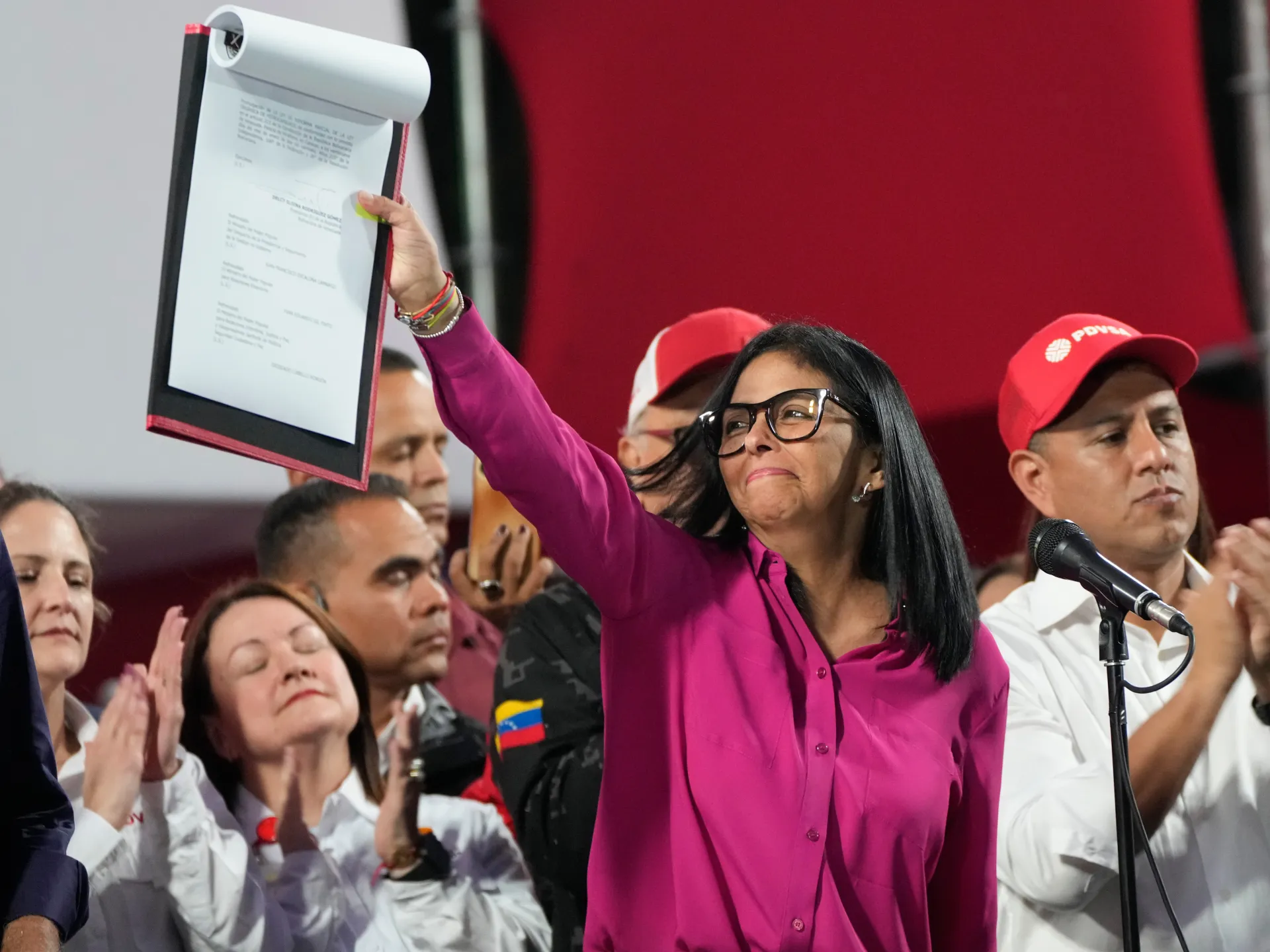
Venezuela’s interim President Delcy Rodriguez has signed into law a reform bill that will pave the way for increased privatisation in the South American country’s nationalised oil sector, fulfilling a key demand from her United States counterpart, Donald Trump.
On Thursday, Rodriguez held a signing ceremony with a group of state oil workers. She hailed the reform as a positive step for Venezuela’s economy.
list of 3 itemsend of list
“We’re talking about the future. We are talking about the country that we are going to give to our children,” Rodriguez said.
The ceremony came within hours of the National Assembly – dominated by members of Rodriguez’s United Socialist Party – passing the reform.
“Only good things will come after the suffering,” said Jorge Rodriguez, the assembly’s head and brother of the interim president.
Since the US military’s abduction of Venezuela’s former leader Nicolas Maduro and his wife Cilia Flores on January 3, the Trump administration has sought to pressure President Rodriguez to open the country’s oil sector to outside investment.
Trump has even warned that Rodriguez could “pay a very big price, probably bigger than Maduro”, should she fail to comply with his demands.
Thursday’s legislation will give private firms control over the sale and production of Venezuelan oil.
It would also require legal disputes to be resolved outside of Venezuelan courts, a change long sought by foreign companies, who argue that the judicial system in the country is dominated by the ruling socialist party.
The bill would also cap royalties collected by the government at 30 percent.
While Rodriguez signed the reform law, the Trump administration simultaneously announced it would loosen some sanctions restricting the sale of Venezuelan oil.
The Department of the Treasury said it would allow limited transactions by the country’s government and the state oil company PDVSA that were “necessary to the lifting, exportation, reexportation, sale, resale, supply, storage, marketing, purchase, delivery, or transportation of Venezuelan-origin oil, including the refining of such oil, by an established US entity”.
Previously, all of Venezuela’s oil sector was subject to sweeping US sanctions imposed in 2019, under Trump’s first term as president.
Thursday’s suite of changes is designed to make Venezuela’s oil market more appealing to outside petroleum firms, many of whom remain wary of investing in the country.
Under Maduro, Venezuela experienced waves of political repression and economic instability, and much of his government remains intact, though Maduro himself is currently awaiting trial in a New York prison.
His abduction resulted in dozens of deaths, and critics have accused the US of violating Venezuelan sovereignty.
Venezuela nationalised its oil sector in the 1970s, and in 2007, Maduro’s predecessor, Hugo Chavez, pushed the government to increase its control and expropriate foreign-held assets.
Following Maduro’s abduction, Trump administration officials have said that the US will decide to whom and under what conditions Venezuelan oil is sold, with proceeds deposited into a US-controlled bank account.
Concerns about the legality of such measures or the sovereignty of Venezuela have been waved aside by Trump and his allies, who previously asserted that Venezuelan oil should “belong” to the US.
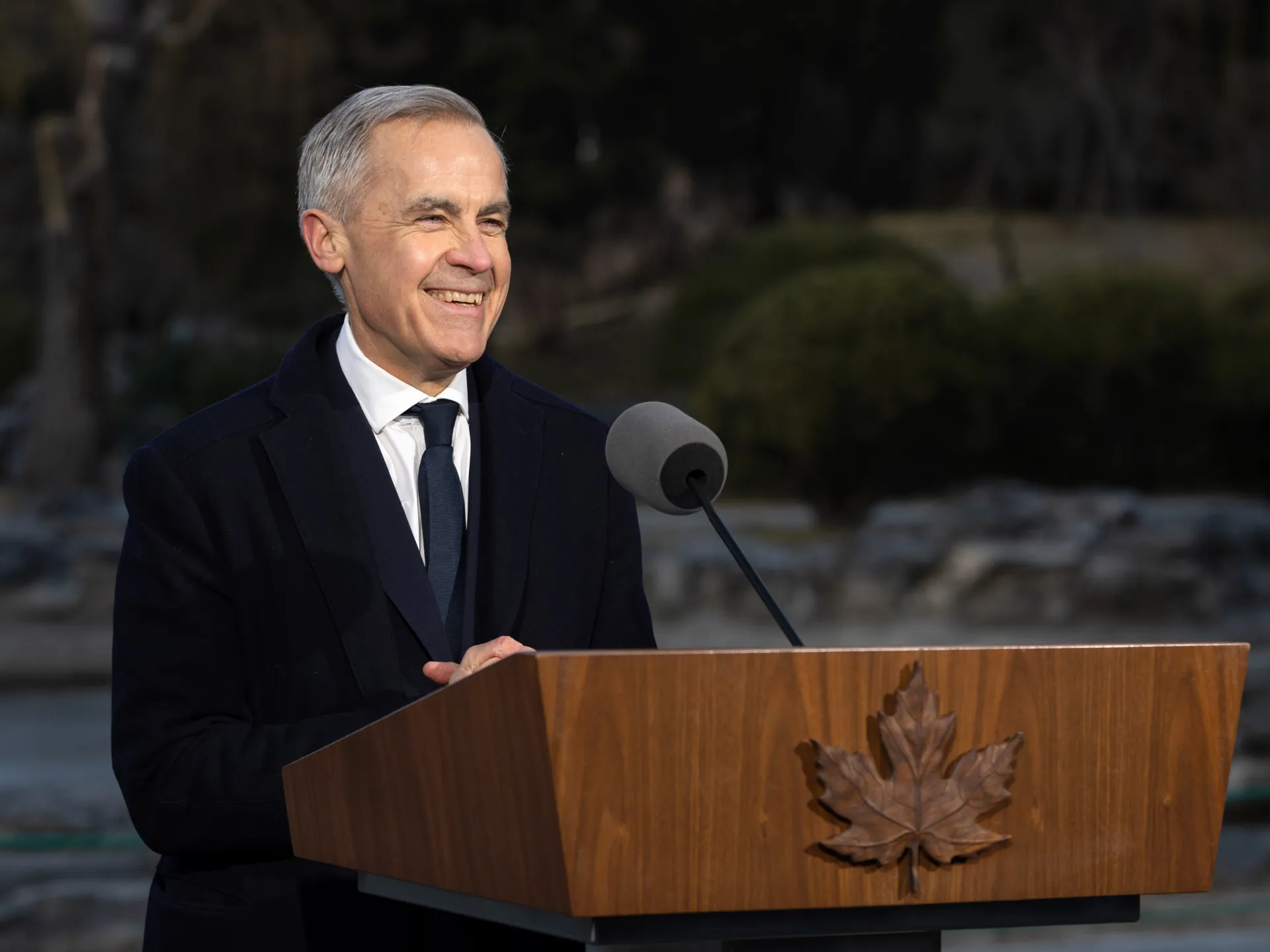
Canadian Prime Minister Mark Carney has hailed several new trade agreements, pledging to further diversify Ottawa’s partners while saying he “expects” the United States to respect his country’s sovereignty.
Carney discussed the trade deals during a meeting on Thursday with provincial and territorial leaders.
list of 3 itemsend of list
“Our country is more united, ambitious and determined than it has been in decades, and it’s incumbent on all of us to seize this moment, build big things together,” Carney said, as he hailed 12 new economic and security accords reached over the last six months.
His comments come amid ongoing frictions with the administration of US President Donald Trump, which has previously pushed to make Canada a “51st state”.
Carney highlighted in particular a new agreement with China to lower trade levies. That deal prompted a rebuke last week from Trump, who threatened to impose a 100 percent tariff on Canada.
In the face of Trump’s accusations that Canada would serve as a “drop-off port” for Chinese goods, Carney clarified that Ottawa was not seeking a free-trade agreement with Beijing.
But on Thursday, he nevertheless played up the perks he said the agreement would offer to Canada’s agriculture sector.
“Part of that agreement unlocks more than $7bn in export markets for Canadian farmers, ranchers, fish harvesters and workers across our country,” Carney said.
Carney added that Ottawa would soon seek to advance “trading relationships with global giants” including India, the Association of Southeast Asian Nations (ASEAN), and the South American trade bloc Mercosur.
“And we will work to renew our most important economic and security relationship with the United States through the joint review of the Canada-United States-Mexico agreement later this year,” he said, referring to the regional free trade agreement, which expires in July.
Carney’s pledge to diversify Canada’s portfolio of trade and security partners comes just eight days after he delivered an attention-grabbing speech at the World Economic Forum in Davos, Switzerland.
During the address, Carney warned that the “rules-based” international order was a fiction that was fading, replaced by “an era of great power rivalry”, where might makes right.
“We knew the story of the international rules-based order was partially false, that the strongest would exempt themselves when convenient, that trade rules were enforced asymmetrically,” Carney told the audience in Davos.
“We knew that international law applied with varying rigour depending on the identity of the accused or the victim.”
He ultimately called for the so-called “middle powers” of the world to rally together in these unpredictable times.
The speech was widely seen as a rebuke to Trump, who has launched an aggressive tariff campaign on global trading partners, including Canada.
In early January, Trump also abducted the leader of Venezuela, Nicolas Maduro, in what critics describe as a violation of international law.
His pledge to “run” Venezuela was followed by a series of aggressive statements towards the self-governing Danish territory of Greenland, which he threatened to seize.
Those threats have sent shudders through the NATO alliance, which counts both the US and Denmark as members.
Since before the start of his second term, Trump has also pushed to expand US control into Canada, repeatedly calling the country a “state” and its prime minister a “governor”.
In response to Carney’s speech at Davos, Trump withdrew Carney’s invitation to join his so-called Board of Peace.
Carney, however, has publicly stood by his statements, dismissing US Treasury Secretary Scott Bessent’s claims that he “aggressively” walked back his position during a private call with Trump.
In a separate exchange on Thursday, Carney was asked about reports that US officials had met with separatists seeking independence for the oil-wealthy province of Alberta.
The Financial Times reported that State Department officials have held three meetings with the Alberta Prosperity Project, a group that pushes for a referendum on whether the energy-producing western province should break away from Canada.
“We expect the US administration to respect Canadian sovereignty,” Carney replied.
“I’m always clear in my conversations with President Trump to that effect.”
Interior Minister says multiplication of political parties has fuelled divisions and weakened social cohesion.

Published On 29 Jan 202629 Jan 2026
Share
Burkina Faso’s military-led government has issued a decree dissolving all political parties that had already been forced to suspend activities after a coup four years ago.
The West African nation’s council of ministers passed the decree on Thursday amid the government’s ongoing crackdown on dissenting voices as it struggles to contain insurgencies linked to al-Qaeda and ISIL (ISIS).
list of 3 itemsend of list
Burkina Faso‘s Interior Minister Emile Zerbo said the decision was part of a broader effort to “rebuild the state” after alleged widespread abuses and dysfunction in the country’s multiparty system.
Zerbo said a government review found that the multiplication of political parties had fuelled divisions and weakened social cohesion.
The decree disbands all political parties and political formations, with all their assets now set to be transferred to the state.
Before the coup, the country had more than 100 registered political parties, with 15 represented in parliament after the 2020 general election.
Burkina Faso is led by Captain Ibrahim Traore, who seized power in a coup in September 2022, eight months after an earlier military coup had overthrown democratically elected President Roch Marc Kabore.
The country’s military leaders have cut ties with former colonial ruler France and turned to Russia for security support.
In 2024, as part of its crackdown on dissent, the government ordered internet service providers to suspend access to the websites and other digital platforms of the BBC, Voice of America and Human Rights Watch.
As it turned away from the West, Burkina Faso joined forces with neighbouring Mali and Niger, also ruled by military governments, in forming the Alliance of Sahel States (AES) in a bid to strengthen economic and military cooperation.
The TWZ Newsletter
Weekly insights and analysis on the latest developments in military technology, strategy, and foreign policy.
Lockheed Martin has offered a very rare confirmation of the RQ-170 Sentinel stealth drone‘s operational exploits, in this case, in support of the recent mission to capture Venezuelan dictator Nicolas Maduro.
“This is what you can expect from Lockheed Martin: continued significant investment to advance technology development and produce proven major weapon systems at ever greater scale. We build on this momentum with a powerful start to 2026,” CEO Jim Taiclet said during a quarterly earnings call this morning. “Lockheed Martin products, once again, proved critical to the U.S. military’s most demanding missions. The recent Operation Absolute Resolve [in Venezuela] included F-35 and F-22 fighter jets, RQ-170 Sentinel stealth drones, and Sikorsky Black Hawk helicopters, which helped ensure mission success while bringing the men and women of our armed forces home safely.”
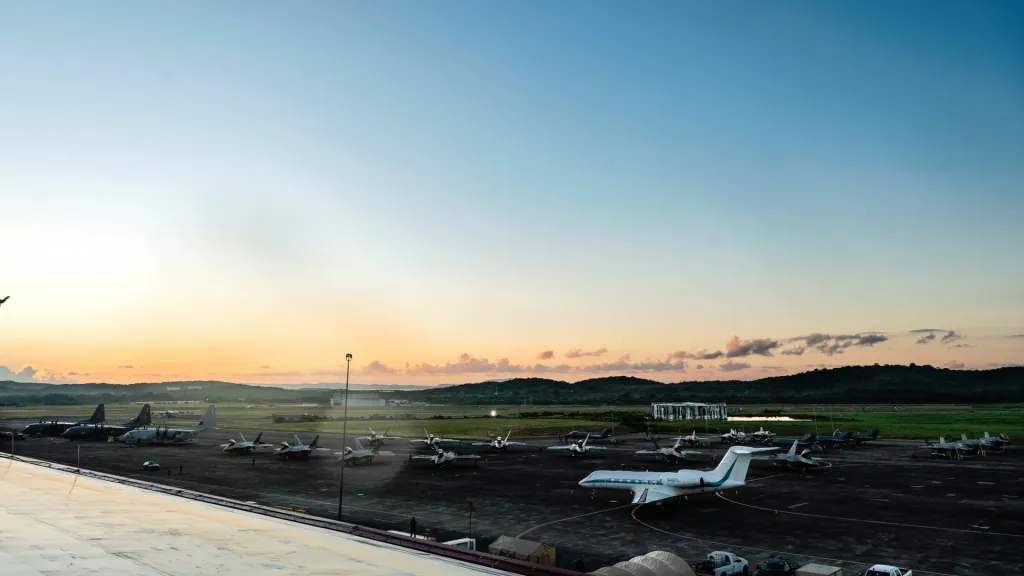
After the conclusion of Operation Absolute Resolve on January 3, video footage had emerged showing at least one, and possibly two, RQ-170s arriving at the former Naval Station Roosevelt Roads in Puerto Rico. This was a major hub for aircraft employed in the operation and had already offered very strong evidence of the Sentinel’s involvement.
The U.S. military subsequently confirmed that F-35s, F-22s, and Black Hawks – the latter belonging to the U.S. Army’s elite 160th Special Operations Aviation Regiment, the Night Stalkers – among many other types of aircraft had taken part in the operation. While mention was also made of the use of drones, the RQ-170 was not explicitly named.

A now-deleted post in December 2025 from Air Forces Southern (AFSOUTH) on X, which included a picture of an individual wearing a name patch with an RQ-170 silhouette and the sleeve insignia of the 432nd Wing, had prompted earlier questions about whether the drones were operating in the region. The only units known to fly Sentinel are the 30th and 44th Reconnaissance Squadrons, both of which are assigned to the 432nd Wing at Creech Air Force Base in Nevada. A total of between 20 and 30 RQ-170s are said to be in the Air Force’s inventory.
The exact role the RQ-170 played in Operation Absolute Resolve remains unclear, and Lockheed Martin CEO Jim Taiclet offered no further details. TWZ has previously detailed how the mission and the lead-up to it are exactly what the Sentinel was designed for. As we wrote:
“RQ-170s would have provided a valuable way to discreetly track Maduro’s movements and otherwise establish his ‘patterns of life,’ as well as those of the forces guarding him, for an extended period of time in the lead-up to the actual launch of the operation to capture him. During the mission itself, having one of the drones orbiting overhead would have provided an indispensable source of real-time information, including to help spot threats that might unexpectedly appear. Those same feeds would also have given senior leaders, including President Donald Trump, a way to watch the operation as it happened.”
…
“With all this in mind, RQ-170s could also have surveilled Venezuelan military bases and other sites that U.S. forces struck as part of the operation overnight, and helped with post-strike assessments. The Air Force has disclosed having at least conducted tests in the past of the Sentinel in the bomb damage assessment role in combination with B-2 bombers.”
Since then, it has also emerged that the U.S. military planning for the mission included preparations to destroy three airfields in the country if it appeared that fighters belonging to the Venezuelan Air Force were attempting to scramble and intercept the raiding force. That threat did not materialize, and none of those facilities were ultimately struck, but it would have been necessary to closely monitor them to be sure.
Substations were also targeted to cut power to the Fuerte Tiuna (Fort Tiuna), a sprawling military base in Venezuela’s capital, Caracas, housing Maduro’s fortress-like compound.

Multiple Venezuelan air defense assets were also struck at various locations in the country during the operation. TWZ has also highlighted previously how suppression and destruction of enemy air defenses (SEAD/DEAD) would have been a key mission for the F-22s and F-35s in the force package. U.S. Navy EA-18G Growlers, and likely at least one U.S. Air Force EC-130H Compass Call aircraft, also contributed electronic warfare support to this mission and other aspects of the operation.
The RQ-170’s participation in Operation Absolute Resolve adds to the still relatively limited publicly available information (and even less that is officially confirmed) about the use of these drones over the years. The U.S. Air Force only officially acknowledged the Sentinel’s existence in 2009, two years after it was first spotted in Afghanistan and had been dubbed the “Beast of Kandahar.”
RQ-170s were used to monitor aspects of Iran’s nuclear program, something that was thrust into the public eye after one of the drones went down in that country in 2011, a major intelligence loss. RQ-170s likely also played a role in relation to the Operation Midnight Hammer strikes on Iranian nuclear sites last year, where they could have provided direct overhead coverage and intelligence for post-mission bomb damage assessments.
Sentinels are understood to have surveilled Al Qaeda founder Osama Bin Laden’s compound in Pakistan in the lead-up to the raid that led to his death, which also occurred in 2011. This, as well as operations over Iran, are prime examples of the Sentinel’s ability to persistently surveil key sites even in denied areas. The preparations for and execution of Operation Absolute Resolve also followed a playbook with direct parallels, as well as notable differences, to the Bin Laden mission.
The stealthy RQ-170s have also deployed to South Korea in the past, from where they likely conducted flights at least very near to North Korean airspace. The drones have also been at least deployed elsewhere in the Pacific, as well.
Between 2022 and 2023, Sentinels may have flown missions in the Black Sea region, gathering intelligence on Russian forces on the heavily-defended occupied Crimean Peninsula. A satellite image available through Apple Maps showing an RQ-170 at Naval Air Station Sigonella in Italy has lent some further credence to those reports. Sigonella has been and continues to be a hub for intelligence, surveillance, and reconnaissance flights over the Black Sea. It is unclear when the image was taken, but it looks to be from a relevant timeframe based on the visible state of construction elsewhere at the base.


Though much still remains to be learned, the remarks today from Lockheed Martin CEO Taiclet have added a small, but notable addition to the story of the RQ-170.
Contact the author: joe@twz.com
The TWZ Newsletter
Weekly insights and analysis on the latest developments in military technology, strategy, and foreign policy.
The recent declassification of the United States’ Jumpseat spy satellite provides details on what was previously a highly secretive system, one that monitored critical Soviet military assets during some of the tensest years of the Cold War. While still redacted, the declassification provides never-before-seen imagery of a pioneering system that served the U.S. intelligence community for 35 years.

The declassification of certain elements of the Jumpseat program was announced by the director of the National Reconnaissance Office (NRO), the Pentagon intelligence branch responsible for U.S. government reconnaissance satellites.
There were eight satellite launches under Jumpseat (also known as AFP-711), between 1971 and 1987, one of them unsuccessful. Developed by the U.S. Air Force as part of the NRO’s Program A, the satellites were carried by Titan IIIB launch vehicles. Based on an original intercontinental ballistic missile (ICBM) design, these rockets lifted off from Vandenberg Air Force Base (now Vandenberg Space Force Base) in California.

System for Space – Titan III (remastered USAF documentary)
The NRO confirms the mission numbers 7701 to 7708 for the eight Jumpseat launches. Analysts had previously attempted to match the Jumpseat missions to known space launches out of Vandenberg, although so far only the first and last of these have actually been declassified. There is a possibility that some of the launches normally assessed to involve Jumpseat actually carried other payloads.
The NRO confirms our belief that there were 8 JUMPSEAT launches in 1981-87. and gives the dates for JUMPSEAT 1 and 8. Another program, QUASAR, had data relay satellites in the same orbit, and NRO has not released the dates for JS2 to 7 so we aren’t sure which launch is which.
— Jonathan McDowell (@planet4589) January 29, 2026
As a signals-collection satellite, Jumpseat was an important part of the broader signals intelligence (SIGINT) community. In simple terms, SIGINT assets are used to detect and intercept communications and other electronic emissions. Whether radios or radars, those emitters can also be geolocated and categorized, as well as listened in on.
Jumpseat was also active in two subsets of SIGINT. The first was communications intelligence (COMINT), including keeping tabs on day-to-day communications between military personnel, by eavesdropping on electronic signals. Secondly, Jumpseat gathered foreign instrumentation signals intelligence (FISINT), which involves intercepting and analyzing electromagnetic emissions from foreign weapon systems, such as missile telemetry, radar, and tracking signals. Particular military emitters of interest to Jumpseat likely included air defenses and command and control nodes, with the data gathered being used to help build an electronic order of battle of an adversary nation, specifically the Soviet Union.

Jumpseat collections “were initially against other adversarial countries’ weapon systems capabilities,” the document states, without providing more details.
Previously classified imagery of Jumpseat has also been released, with the NRO providing a mix of diagrams, artwork, and photos of models and test specimens.
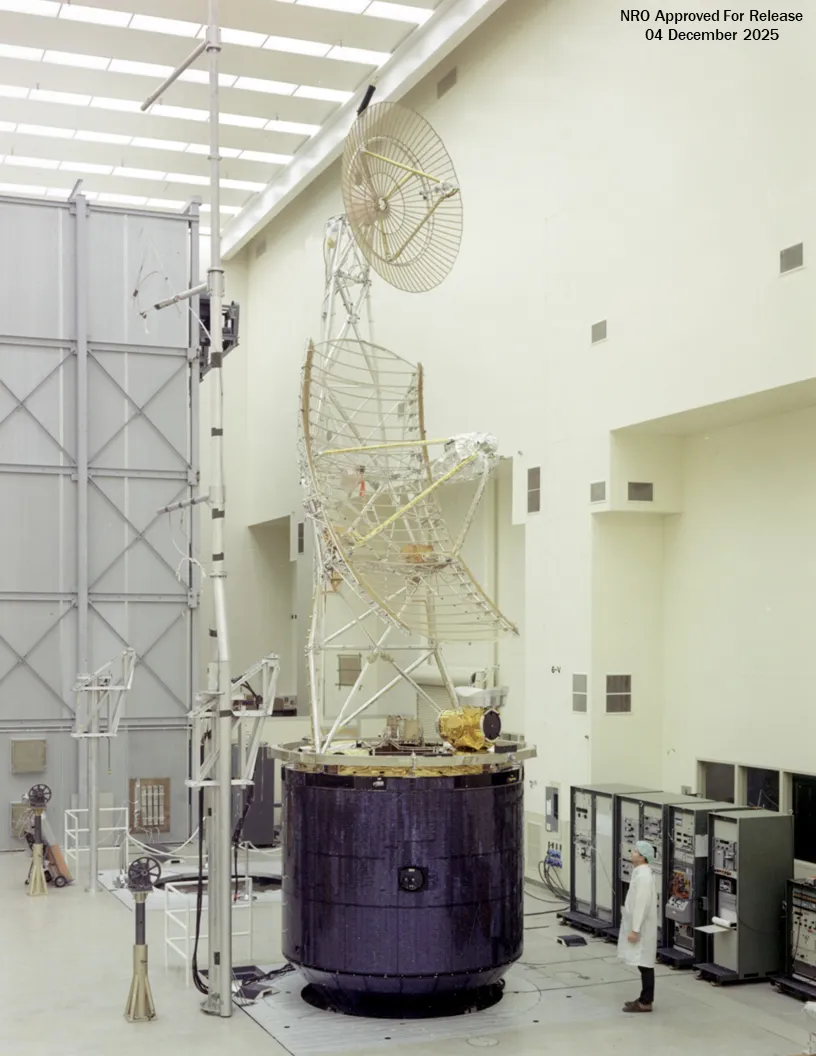
As far as is known, the Jumpseat satellites were built by Hughes, using a spin-stabilized bus, similar to that used in the TACSAT and the Intelsat-4 communications satellites. Key features of Jumpseat included a large, partially foldable dish antenna for data collection, as well as a smaller dish antenna to send data back to the ground.

What is interesting is that the main reflector of the JUMPSAT SIGINT antenna seems to have deployable parts…
Comparing the model vs the EMC chamber vs the shaker setup, the EMC chamber pic clearly has the reflector in a “deployed” state, vs folded for the shaker pic… https://t.co/k0oEiVZ0BE pic.twitter.com/36oo35yu3u
— DutchSpace (@DutchSpace) January 29, 2026
“The historical significance of Jumpseat cannot be understated,” said Dr. James Outzen, NRO director of the Center for the Study of National Reconnaissance, in a statement from the office. “Its orbit provided the United States a new vantage point for the collection of unique and critical signals intelligence from space.”
Jumpseat came as a follow-on to earlier electronic surveillance satellites, including Grab, Poppy, and Parcae.
These had begun to be fielded as the deepening Cold War heralded the possibility of a future weapons threat from space. This is something that was hammered home by the Soviet Union’s successful launch of the Sputnik 1 satellite, which would soon be followed by the first generation of ICBMs based on the same rocket technology.


“Following the end of World War II, threats of globally spreading communism and nuclear weapons proliferation fueled Americans’ anxiety of the unknown,” the NRO explains. “Across the world, the United States suspected that more American adversaries were building out extensive, topline defense arsenals including long-range missiles and atomic weapons.”
“Jumpseat’s core mission focus was to monitor adversarial offensive and defensive weapon system development,” the NRO states. “From its further orbital position, it aimed to collect data that might offer unique insight into existing and emerging threats.”

Jumpseat operated in a transponder mode, sending downlinked data to the NRO for initial processing. Once processed, the data was provided to the Department of Defense, the National Security Agency, and other national security elements.
While the NRO’s first electronic surveillance satellites — like Grab, Poppy, and Parcae — operated in low-earth orbit, Program A was tasked with developing a satellite for signals collection from a highly elliptical orbit. This was known as Project Earpop.

Jumpseat emerged from Earpop as “the United States’ first-generation, highly elliptical orbit (HEO) signals-collection satellite.” HEO refers to an elongated, egg-shaped trajectory, which is especially relevant for a spy satellite. In this way, the satellite has significant ‘dwell time’ at two points of its orbit, as it ascends and descends to its apogee.
In Jumpseat’s case, HEO kept the satellite for longer periods at high altitude over the northern polar regions: ideal for keeping watch on the Soviet Union. HEO above the northern polar regions is sometimes known as a Molniya orbit, after a series of Soviet satellites that operated here.
HEO, in this instance, should not be confused with a high-Earth orbit (HEO), one that takes a spacecraft beyond the geostationary orbital belt, which is defined as being around 22,236 miles above sea level.
Unconfirmed reports suggest that one of the key missions of Jumpseat was to monitor Soviet ballistic missile warning radars in the far north of the country. That would certainly make sense based on orbits, although there were plenty of other military emitters of great interest to the United States and its allies in this region.

FMI visualisation of HEO satellites monitoring the Arctic
The Jumpseat declassification memorandum notes that the satellites “performed admirably” and were only removed from the NRO’s SIGINT architecture as late as 2006.
The NRO says that the partial declassification of Jumpseat now is justified since these “will not cause harm to our current and future satellite systems.” The office also notes that it wants to bring attention to the program for its pioneering role in HEO signals-collection satellites.
As to what kinds of capabilities have taken over from Jumpseat, most aspects of these remain as secretive as their predecessor once was.
There are various unverified reports that a series of satellites known as Trumpet have taken over from Jumpseat. There are, meanwhile, many other large, classified payloads that the NRO has launched into space and which could perform similar functions
Meanwhile, this area of intelligence collection is increasingly being farmed out to commercial enterprises.
As the NRO states, “overhead collection of signals is no longer a government-only endeavor as several unclassified commercial ventures have launched signal collection systems whose capabilities are comparable if not superior to Jumpseat.”
As we have discussed in the past, the commercial space sector has opened up the possibility of constellations featuring potentially hundreds of intelligence-gathering satellites, and it will herald another revolution in both tactical and strategic space-based sensing. Starlink-like constellations, but used for sensing — which the United States is already pursuing — would be able to provide persistent surveillance of the entire globe at any given time. This would allow for continuous surveillance of any spot on the planet, not just snapshots in time taken during orbital flyovers by individual satellites. It is by no means clear what types of electronic intelligence collection can be done by such a constellation due to the small individual antenna sizes on each satellite, but if those limitations can be overcome, it could change how and when the U.S. monitors the electronic emissions of its adversaries.

Watch SpaceX deploy Starlink satellites into space
Regardless, having more satellites available and having ways to rapidly deploy new systems into orbit are increasingly urgent priorities, considering the stated level of threat posed to them by Russia and, increasingly, China.
Whatever is out there, or is set to be out there in the future, it will be indebted to the trailblazing work done by the secretive Jumpseat program.
Contact the author: thomas@thewarzone.com
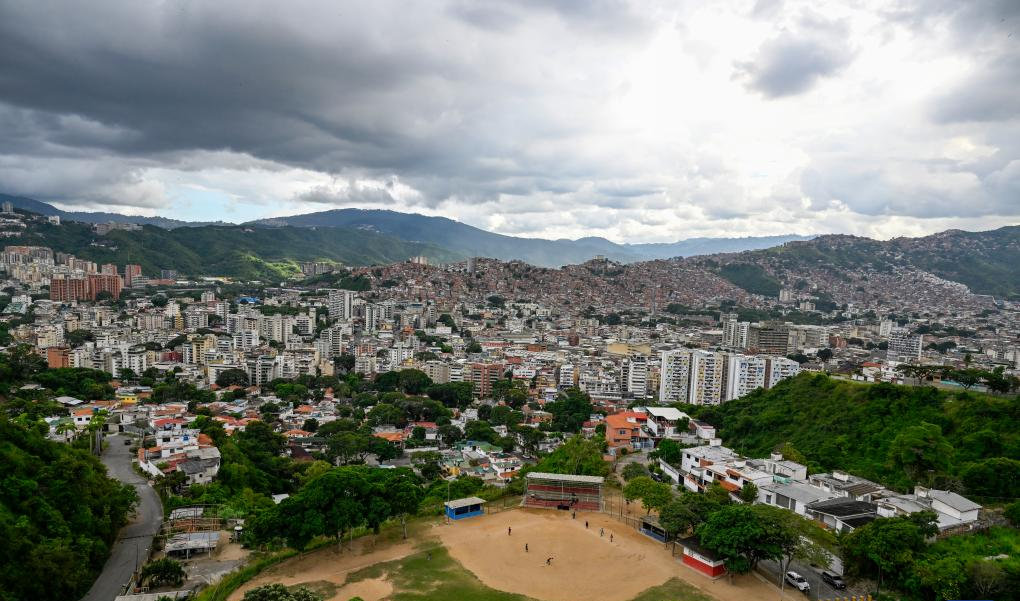
Venezuela is looking to access $4.9 billion in IMF-issued special drawing rights. (Xinhua)
Caracas, January 28, 2026 (venezuelanalysis.com) – International creditors have shown growing optimism to collect on defaulted Venezuelan debt in the wake of the January 3 US military strikes and kidnapping of President Nicolás Maduro.
According to Bloomberg, the volume of Venezuelan bonds traded increased tenfold since the start of the year. Securities have rallied to around 40 cents on the dollar, having hit lows of 1.5 cents on the dollar in the past.
A combination of defaulted bonds, unpaid loans and arbitration awards is estimated to total up to US $170 billion after years of accruing interest. The Maduro government began defaulting on debt service in 2017 as US sanctions crippled the Caribbean nation’s economy and ultimately blocked financial transactions altogether.
The Venezuelan Creditor Committee (VCC) expressed “readiness” to discuss a debt restructuring deal when authorized. The group brings together creditors including GMO, Greylock Capital, Mangart Capital, and Morgan Stanley, which hold over $10 billion in sovereign and state oil company PDVSA bonds.
Elias Ferrer Breda, financial analyst and director of Orinoco Research, told Venezuelanalysis that the “enthusiasm” means creditors feel a debt restructuring deal is “closer,” but warned that any agreement will hinge on US recognition of the Venezuelan government.
“The recognition, along with the lifting of primary sanctions, is the final obstacle,” he said. “There have been steps to reopen the US embassy in Caracas and a Venezuelan delegation headed by Félix Plasencia also visited DC.”
The first Trump administration recognized the self-proclaimed “interim government” led by Juan Guaidó as Venezuela’s legitimate authority in 2019, prompting Caracas to break diplomatic relations. After the parallel Guaidó administration dissolved in 2022, Washington transferred the recognition to the opposition-majority National Assembly whose term expired in 2021.
The small group of US-backed politicians retains control over Venezuelan-owned assets in the US. For its part, the Venezuelan government headed by Acting President Delcy Rodríguez has advocated a renewed diplomatic engagement with Washington. The two administrations have taken steps to reopen the respective embassies.
Ferrer, who also directs the Guacamaya media outlet, suggested that the State Department has no immediate plans to change its formal recognition of the defunct parliament.
“However, there is a de facto recognition of the Rodríguez acting government being built,” he went on to add. “This will become de jure sooner or later; it could be a few months or even a couple of years.”
Venezuela’s inability to sustain debt service, including settlements with creditors, as a result of sanctions, saw many corporations pursue legal avenues to collect. Crystallex, ConocoPhillips and several other companies are set to benefit from the proceeds of the forced judicial auction of Venezuela’s US-based refiner CITGO.
Washington’s formal recognition of the Rodríguez acting administration could also pave the way for Venezuela to access about $4.9 billion in “special drawing rights” issued by the International Monetary Fund (IMF). The IMF created the liquidity instruments in 2021 to help governments deal with the Covid-19 pandemic but blocked Venezuela from accessing its share as it followed Trump’s lead in not recognizing the Nicolás Maduro government.
According to reports, US Treasury Secretary Scott Bessent recently held meetings with the heads of the IMF and the World Bank to discuss a possible re-engagement with the South American country.
For their part, Venezuelan authorities have expressed a willingness to engage with creditors in the past, but US sanctions preempted any meaningful engagement.
Caracas’ debt also includes long-term oil-for-loan agreements with China. However, with Washington’s naval blockade recently blocking China-bound crude shipments, Beijing has reportedly sought assurances of the repayment of debts estimated at $10-20 billion.
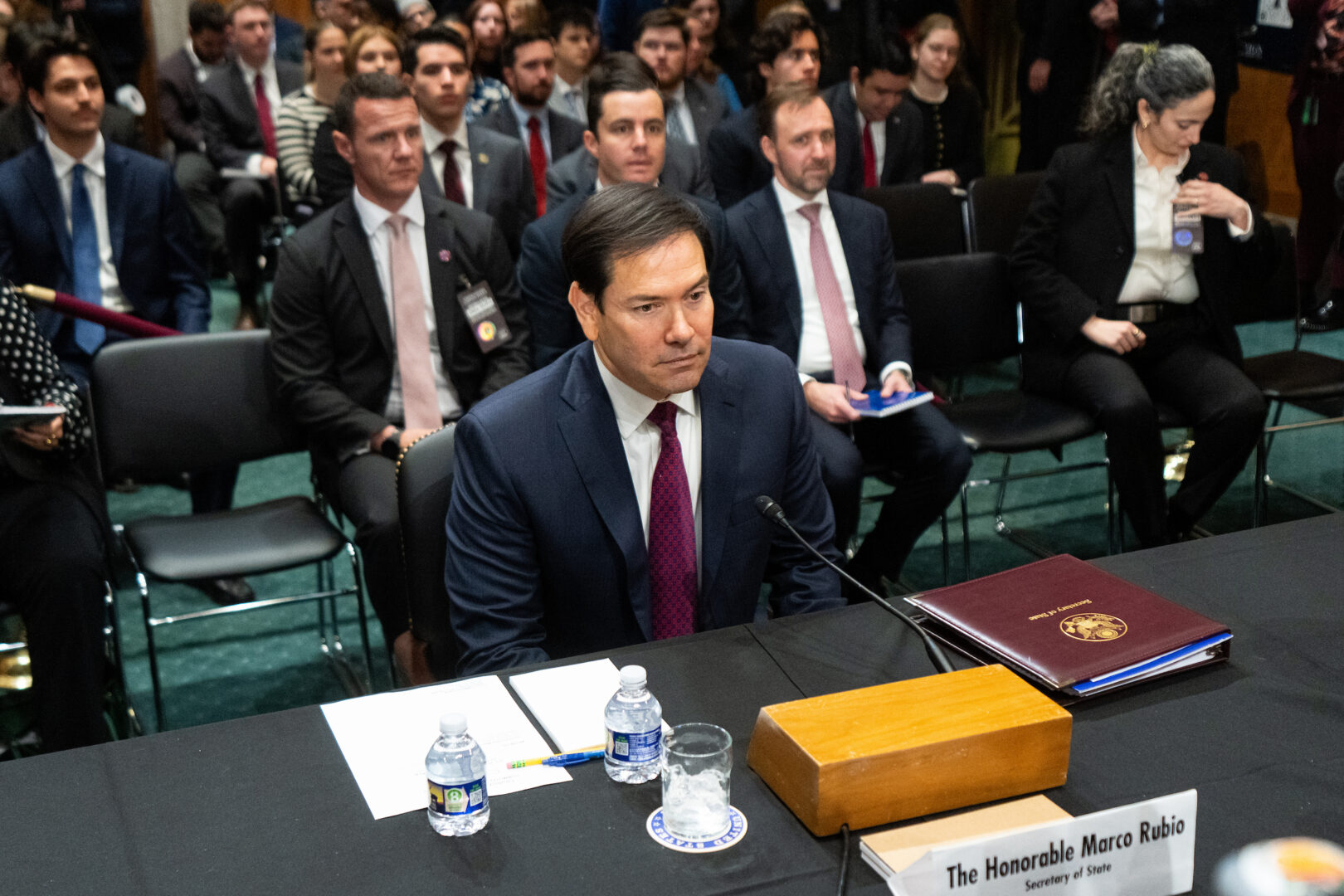
Rubio insisted that Caracas needs to have its expenses approved by Washington. (Bill Clark/CQ Roll Call)
Caracas, January 29, 2026 (venezuelanalysis.com) – US Secretary of State Marco Rubio defended the Trump administration’s January 3 attack on Venezuela and kidnapping of President Nicolás Maduro during a Senate hearing on Wednesday.
“[Having Maduro in power] was an enormous strategic risk for the United States,“ Rubio said in his testimony to the Senate Committee on Foreign Relations. “It was an untenable situation, and it had to be addressed.”
The Trump official claimed that the military operation aimed to “aid law enforcement” and did not constitute an act of war. He likewise emphasized the White House’s concern about Venezuela allegedly being a “base of operations” for US geopolitical rivals Iran, Russia, and China.
Rubio faced criticism from multiple senators, with Rand Paul arguing that the White House would consider a similar attack directed against the US as an act of war. Despite widespread criticism from Democrats and a handful of Republicans, efforts to pass War Powers resolutions have been narrowly defeated in both the Senate and the House of Representatives.
Maduro and First Lady Cilia Flores pleaded not guilty to charges including drug trafficking conspiracy in a New York federal court on January 5. US officials have never presented evidence tying high-ranking Venezuelan leaders to narcotics activities, and specialized agencies have consistently found the Caribbean nation to play a marginal role in global drug trafficking.
The Venezuelan government, led by Acting President Delcy Rodríguez, has repeatedly denounced the US attack and demanded the release of Maduro and Flores. At the same time, Rodríguez and other officials have advocated for renewed diplomatic engagement to settle “differences” with Washington.
The January 3 strikes, which killed 100 people, have drawn widespread condemnation in Latin America and beyond. A recent Progressive International summit in Colombia called for a joint regional response against US aggression.
During Wednesday’s hearing, Rubio reiterated the US government’s plans to control the Venezuelan oil sector and impose conditions on the acting Rodríguez administration. He added that the White House is seeking stability in the South American country ahead of a “democratic transition.”
Rubio additionally confirmed that Washington is administering Venezuelan oil sales, with proceeds deposited in US-controlled bank accounts in Qatar before a portion is rerouted to Caracas. He added that at some point the funds will run through Treasury Department accounts in the United States.
Democratic senators questioned the legality and transparency of the present arrangement. The Secretary of State further claimed that Caracas would need to submit a “budget request” before accessing its funds.
The initial deal reportedly comprised some 50 million barrels of oil, worth around $2 billion, that had accumulated due to a US naval blockade of Venezuelan exports. After a reported $300 million were turned over to Venezuelan private banks last week, the Venezuelan Central Bank announced that a further $200 million will be made available in early February.
Venezuelan banks are offering the foreign currency in auction to customers, with officials vowing priority for imports in the food and healthcare sectors.
According to Reuters, the US Treasury Department is preparing a general license to allow select corporations to engage in oil dealings with Caracas. Since 2017, the Venezuelan oil industry has been under wide-reaching unilateral coercive measures, including financial sanctions, an export embargo, and secondary sanctions.
In his address, Rubio went on to state that Venezuelan authorities “deserve credit for eradicating Chávez-era restrictions on private investment” in the oil industry, in reference to a recent overhaul of the country’s 2001 Hydrocarbons preliminarily approved last week. He added that a portion of oil revenues will be used for imports from US manufacturers.
On Tuesday, Acting President Rodríguez announced during a televised broadcast that Venezuela was importing medical equipment from the US using “unblocked funds.”
The Venezuelan leader emphasized the importance of relations based on mutual respect with the US and rejected claims that her government is subject to dictates from foreign actors. She affirmed that there are open “communication channels” with the Trump administration and collaboration with Rubio on a “working agenda.”
The acting authorities in Caracas have sought to promote a significant rebound of crude production by offering expanded benefits to private investors as part of the reform bill. Expected to be finally approved in the coming weeks, the new law abrogates provisions introduced under former President Hugo Chávez to ensure majority state control over the oil sector in favor of flexible arrangements granting substantial autonomy to corporate partners.
With the final Israeli captive returned, Palestinians are waiting to see if Israel will now implement a true ceasefire.
The remains of the final Israeli captive have been returned from Gaza. For months, the Israeli government has cited the remaining bodies of captives as a reason for limiting crossings, delaying aid deliveries and slowing the implementation of the agreed ceasefire. With this justification now gone, what will change for Palestinians in Gaza?
In this episode:
Episode credits:
This episode was produced by Sarí el-Khalili and Melanie Marich, with Tamara Khandaker, Tuleen Barakat, and our host, Malika Bilal. It was edited by Alexandra Locke.
Our sound designer is Alex Roldan. Our video editors are Hisham Abu Salah and Mohannad al-Melhemm. Alexandra Locke is The Take’s executive producer. Ney Alvarez is Al Jazeera’s head of audio.
Connect with us:
Published On 29 Jan 202629 Jan 2026
Share
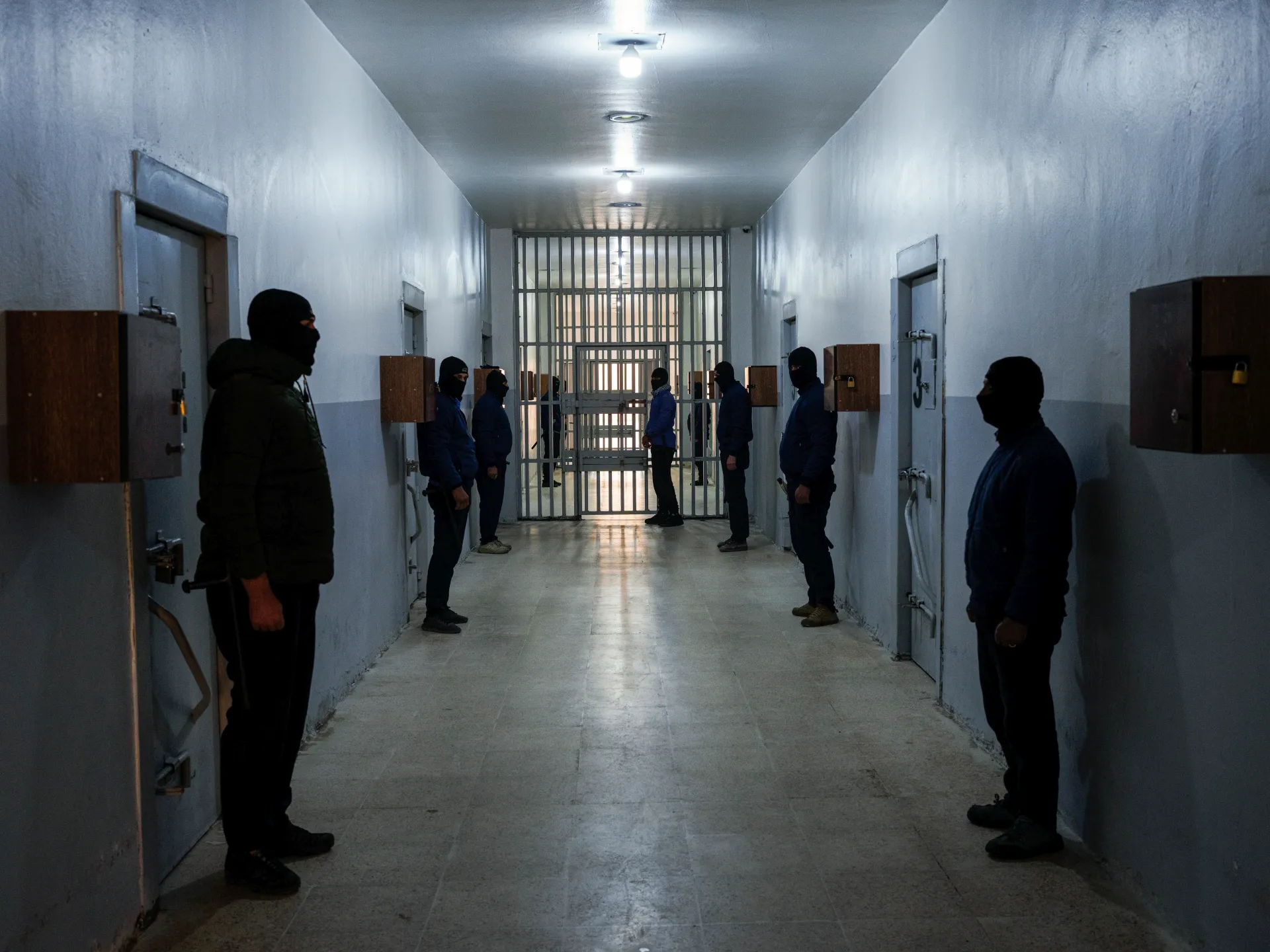
French lawyers for suspected ISIL members transferred from Syria say the men are suffering inhumane treatment in Iraqi jails.
Published On 29 Jan 202629 Jan 2026
Share
Lawyers for a group of French nationals accused of being part of ISIL (ISIS) and transferred by the United States from Syria to prisons in Iraq say the inmates have been subjected to “torture and inhumane treatment” there.
French media reported on Wednesday that lawyers Marie Dose and Matthieu Bagard visited the accused men in Baghdad during a recent visit and said their clients had been subjected to ill-treatment in detention in Iraq.
list of 4 itemsend of list
The abuse – including being slapped, strangled, handcuffed behind their backs “with a pulley system” and threatened with rape with iron bars – was inflicted to “make them confess to their presence in Iraq” during their alleged time in ISIL, which would give the Iraqi justice system jurisdiction to try them for their alleged crimes, the lawyers said.
The lawyers were quoted as saying the accused ISIL members “assured us that they had not been in Iraq before their arrest in Syria and their transfer to Baghdad”.
During their two-day visit, which began on Sunday, the lawyers, acting on behalf of the families of the prisoners, said they met 13 of the 47 French nationals alleged to be ISIL members who are being held in Iraq.
The 13 men said they were arrested from 2017 to March 23, 2019, the day ISIL lost control of Baghouz, Syria, ending its final hold on territory.
They said they were imprisoned in a jail in northeastern Syria under challenging conditions, in which four French inmates died due to illness and “severe deficiencies”, and they were interrogated on numerous occasions by the FBI, CIA and other agencies believed to represent France and the European Union.
The lawyers made the comments amid the transfer of large numbers of ISIL detainees from prisons and detention camps in Syria to Iraq on US military flights.
The wave of transfers was being carried out after a recent advance by Syrian government forces in the northeast against the Kurdish-led Syrian Democratic Forces (SDF), which the US trained and supported to fight ISIL. The SDF has controlled camps and prisons holding suspected ISIL members for years.
The escape of ISIL detainees during the fighting in cities like al-Shaddadi sparked concerns that they could regroup and pose a renewed security threat, prompting an arrangement for the US military to run flights transferring the prisoners to Iraqi jails.
The Associated Press news agency reported on Sunday that 275 prisoners had been transferred so far while the Anadolu Agency reported that thousands were planned to be transferred under the agreement.
Iraqi Prime Minister Mohammed Shia al-Sudani on Sunday said the transfer of the ISIL detainees was “temporary” and urged countries to repatriate their nationals.
In a separate statement on Sunday, Iraq’s highest judicial body said it would prosecute the transferred detainees after a meeting of top security and political officials.
The US has intensified threats against Iran if it doesn’t agree to its demands, as Trump says a ‘massive armada’ is amassing in the region. Al Jazeera’s Virginia Pietromarchi answers key questions on the latest escalation.

Published On 29 Jan 202629 Jan 2026
Share
DEVELOPING STORYDEVELOPING STORY,
Top official vows shift in operations after killings of US citizens, but says Trump not ‘surrendering’ mission.

Published On 29 Jan 202629 Jan 2026
Share
Tom Homan, United State President Donald Trump’s Border Czar, has vowed a shift in immigration enforcement operations in Minnesota, but maintained that Trump was not “surrendering” his mission.
Speaking during a news conference from the Midwestern state, where he was sent in the wake of two killings of US citizens by immigration enforcement officers this month, Homan vowed a lasting presence and more refined enforcement operations.
Still, he largely placed the blame of recent escalations on the administration offormer US President Joe Biden and the policies of local officials, saying that more cooperation would lead to less outrage.
“I’m staying until the problem’s gone,” Homan told reporters on Thursday, adding the Trump administration had promised and will continue to target individuals that constitute “public safety threats and national security threats”.
“We will conduct targeted enforcement operations. Targeted what we’ve done for decades,” Homan said. “When we hit the streets, we know exactly who we’re looking for.”
While Homan portrayed the approach as business as usual, immigration observers have said the administration has increasingly used dragnet strategies in an effort to meet sky-high detention quotas.
State and local law enforcement officials last week even detailed many of their off-duty officers had been randomly stopped and asked for their papers. They noted that all those stopped were people of colour.
On the campaign trail, Trump had vowed to target only “criminals”, but shortly after taking office, White House spokesperson said it considered anyone in the country without documentation to have committed a crime.
Homan vowed to continue meeting with local and state officials, hailing early “progress” even as differences remain. He highlighted a meeting with the State Attorney General Keith Ellison in which he “clarified for me that county jails may notify ICE of the release dates of criminal public safety risk so ICE can take custody”.
It remained unclear if the announcement represented a policy change. Minnesota has no explicit state laws preventing authorities from cooperating with ICE and the states prisons have a long track-record of coordinating with immigration officials on individuals convicted of crimes.
County jails typically coordinate based on their own discretion.
Homan was sent by Trump to replace Greg Bovino, the top border patrol official sent to the state as part of a massive enforcement operation that has sparked widespread protests.
On January 7, Immigration and Customs Enforcement (ICE) agent fatally shot Renee Nicole Good in Minneapolis. Last week, border patrol agents fatally shot Alex Pretti.