Paul McAuley took a trip to a US city known for its altitude, passion for the natural world, and mad passion for sports, finding a lot of difference with the UK and a lot of things to love

Paul McAuley checked out Denver
Off the plane. Bam. Clouds. Not the miserable grey blanket you roll your eyes at every time you leave home back in the UK, but the kind that looks like they’ve been lifted straight out of Toy Story.
They’re so close you feel like you could reach out and squeeze them – heck, even taste them if you’re that way inclined. It’s a pretty spectacular way to be welcomed to the Mile High City, and the first clue that Denver operates on a slightly different level. Both physically and metaphorically.
Perched 5,280ft above sea level, it’s home to as much altitude as it is attitude, a feeling that only gets stronger the more time you spend in the state capital. I flew from London Heathrow to Denver with British Airways to discover what the city and surrounding region had to offer, experiencing the best of Colorado on an ultimate city break with a Rocky Mountains twist.
Do you have a travel story to share? Email webtravel@reachplc.com
Nature
In many cities, nature is something you have to seek out. In Denver, it’s constantly sitting in the background, waiting for you to notice it. I ticked off a few parks – notably Civic Center and Confluence – on a breezy 12km run that felt fitting to finish at Target, and that sums up Denver in a nutshell.
You can spend the morning surrounded by nature and, an hour later, you’re wandering around one of America’s biggest shops buying something you absolutely don’t need. In my case, Kourtney Kardashian’s Lemme. I quickly noticed how active everyone is. And who can blame them? For most of the trip, the weather was amazing.
Shorts, socks and sandals were the uniform, right up until a lightning storm rolled in on Saturday night and delayed the women’s soccer match between Denver Summit FC and Seattle Reign FC. Even the altitude becomes part of the experience.
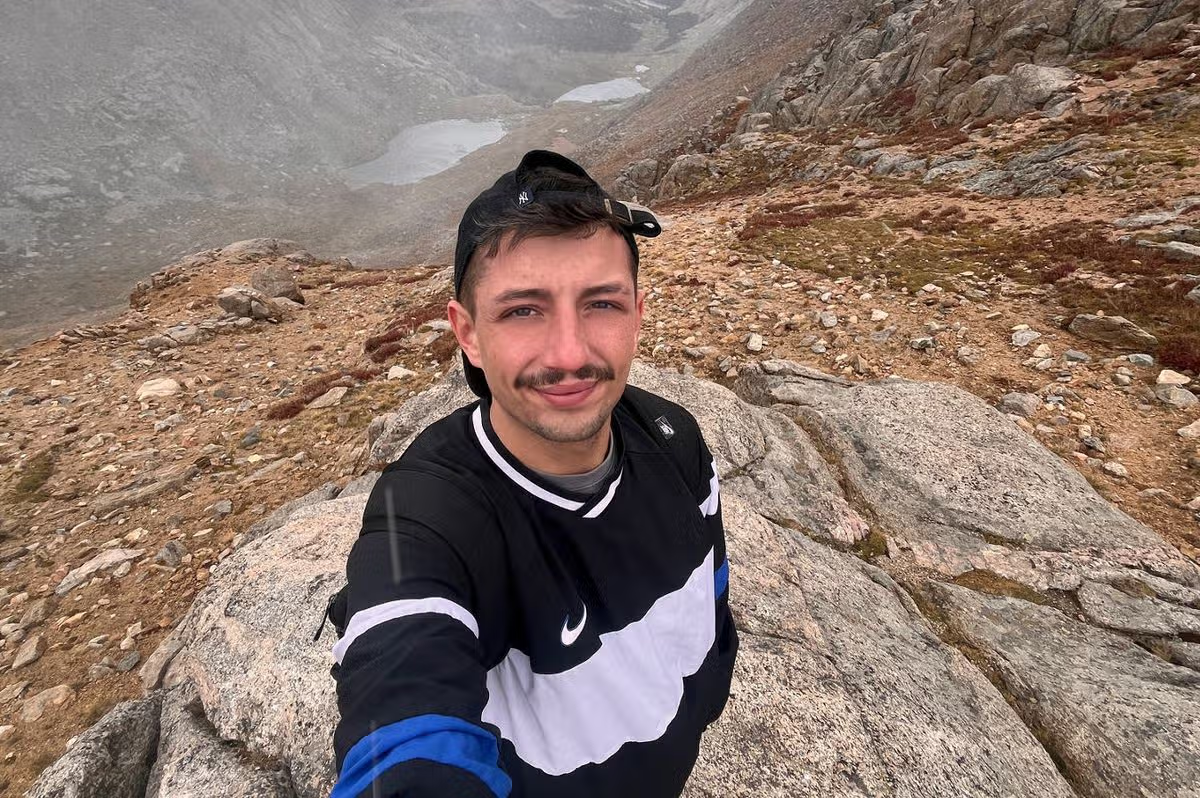
I knew Denver is the Mile High City before I arrived, but I found it out properly when I went up Mount Blue Sky for the morning. The higher I climbed, the more ridiculous the landscape became. Wildlife appears, the air feels cleaner and, once again, you’re back within touching distance of those clouds. I didn’t spot Frank the Tank – reportedly the biggest moose on record – but I did see marmots, famous to me for shouting “Allan” in the viral video.
The night before we visited, Lily Allen headlined the amphitheatre, performing West End Girl in its entirety. Yet you’d never have guessed. There wasn’t a whiff of the night before. No evidence of thousands of people drinking and dancing until late.
Instead, just hours after the concert, people were running, doing yoga, lifting weights and generally behaving as though exercising among enormous red rocks was the most normal thing in the world. Here, outdoors is a lifestyle, not an activity.
Nightlife
For all of Denver’s obsession with fresh air, mountain views and early-morning exercise, the city doesn’t shut down too early. Denver just has a different relationship with going out than in the UK. I was told people can start clubbing at 6pm and be home by 1am, meaning the morning is saved.
That sounds horrifying to anyone accustomed to a UK night out. But somehow, Denver makes it work. Even hotel bars are busy, with people actually going there simply for drinks. Imagine asking your mate to meet you in the Premier Inn bar before heading into town.
Culture
Parts of Denver feel like they’re in the middle of a rapid transformation. Old buildings sit alongside polished new restaurants, expensive smash burgers and bars with endless taps, while colourful street murals cover walls that feel like they’re constantly being reinvented.
Take the River North Art District for example. The vibrant neighbourhour prides itself on being “where art is made” and certainly lives up to its nickname – you’re spoilt for choice when it comes to Instagram backdrops. Here you will find Denver Central Market, where I ordered a chicken Caesar salad bagel from Call Your Mother before sitting outside to bask in the heat. Around us, people wandered past in Doc Martens and oversized T-shirts.
Denver has a strong sense of itself – “a blueberry sitting proudly in a bowl of raspberries” as one of our tour guides put it. It was my first time in America, and I’ll hold my hands up and admit my perception wasn’t the greatest. I’d spent far more time associating America with Donald Trump and the endless political noise around the country than thinking about the hundreds of miles of landscapes, cities and completely different ways of life that exist beyond it.
Denver was a reminder that America is a lot bigger, stranger and more varied than the version you can sometimes from a viral TikTok clip.
Sport
Denver doesn’t have the Liverpool and Everton divide. There is one NFL team in the city and you stick with them through the good and the bad and, in the case of the Broncos’ game against the Jacksonville Jaguars, a lot of penalties. The Broncos fanbase is something else, with a waiting list stretching around 20 years for season tickets. So when game day finally came around, the sense of occasion was hard to miss.
A white horse, fireworks, 28 cheerleaders, a remix of Take Me Home, Country Roads and a devilish attempt to get inside the opposition’s head all came into play before the first plays even graced the freshly painted grass.
It was clear the experience was as much about what happened off the field as on it, with 76,472 fans at the centre of everything. The noise was ridiculous. At one point, it was so loud the game had to stop for a jokingly named “fan assistant” timeout.
And this isn’t simply a football ground, either. Much of the stadium is owned by the Walton family behind Walmart, but its identity stretches far beyond the Broncos.
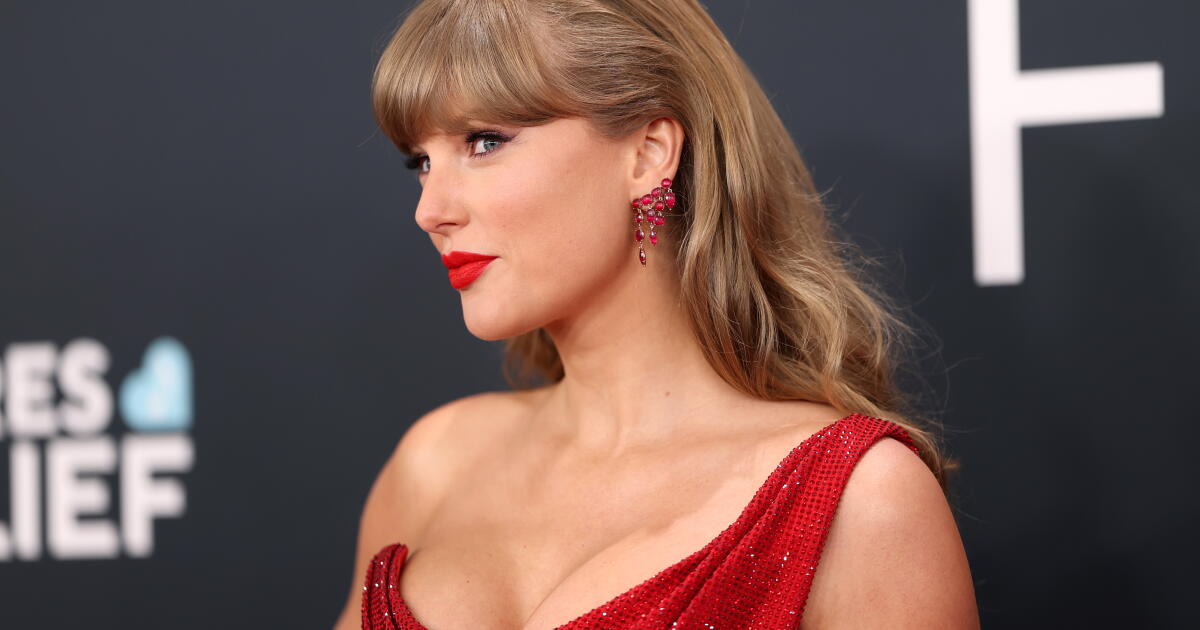
It has hosted everyone from Taylor Swift and The Weeknd to AC/DC, as well as monster trucks and countless other major events. Even if American football isn’t your thing, it’s the sort of place where you can understand why people want to experience it.
Growing up in the UK, drinking is hugely intertwined with sport. In Denver, drinking feels more like an addition to the experience. At Broncos games, designated drivers can enter a lottery, with one lucky fan winning a $150 gift card for agreeing to stay sober.
I couldn’t help wondering what Linda Bolejack bought with her winnings. It’s a tiny detail, but it says a lot about the cultural differences you notice when you stop and look.
So why go?
It’s not one single thing that makes Denver memorable. It’s the collision of all of them: the mountains rising behind skyscrapers, the NFL stadium surrounded by fans, the bars filling up earlier than you’d expect, and the sense that adventure is never particularly far away.
For a few days, it becomes surprisingly easy to slip into that rhythm and forget it isn’t your everyday life.
Book it
More information at visitdenver.com
Touchdown Trips offers a nine-night, four-game American football trip, including Denver Broncos vs Seattle Seahawks at Empower Field at Mile High, from £4,895pp. The package includes flights, transfers, game tickets and three all-inclusive tailgates.
Denver is home to seven major league sports teams: the Colorado Rockies (baseball), Colorado Rapids (men’s soccer), Colorado Mammoth (lacrosse), Colorado Avalanche (hockey), Denver Broncos (football), Denver Nuggets (basketball) and new Denver Summit FC (women’s soccer). British Airways and United Airlines fly direct daily from London Heathrow to Denver. Rooms at Limelight Denver start from £150 per night, excluding taxes and fees, based on two sharing a Deluxe King room.