HUGE headliners. Gorgeous Suffolk countryside. Woodland spas. Entire fairgrounds, theatre and comedy tents. Oh, and fluffy pink sheep.
If you’re looking for the UK’s best family festival, you’ve found it at Latitude.
Latitude Festival is famous for its signature pink sheep that graze the grasses by the riverCredit: Alamy Live NewsThe festival even has its own zen zone with massage tents, saunas, yoga sessions and moreCredit: Jenna Stevens
I visited the festival this year to celebrate its 20th birthday, and as a first-timer, it truly surprised me.
This year I sang my heart out to sets from Tom Odell and Lewis Capaldi, but over the years, the festival has hosted artists like The 1975, Liam Gallagher and Florence + The Machine.
Sign up for the Travel newsletter
Thank you!
Pair those headline sets with DJ sets from Dermot O’Leary and Gok Wan, and you’ve got yourself a pretty interesting line-up across the festival’s six music stages.
The thing that struck me the most about this festival was just how family-friendly it is.
At the very front of the main stage, you’ve got dedicated superfans stood against the barrier.
Zoom to the outer edges of the crowd, and you’ve got multi-generational families sat on camping chairs and picnic blankets, with pully trolleys packed with snacks, toys and games.
I saw pairs of grandparents slow-dancing together as well as tiny toddlers grooving on the grass.
Those who wanted to stay out late or head to over 18’s zones could do just that, whilst those who want to peel off early to put the kids to bed can easily do so, too.
Lewis Capaldi performed as a headline act for this year’s festival, celebrating 20 years of LatitudeCredit: AlamyThe Trailer Park stage hosts exciting sets from up-and-coming bands like Grooveline, who hail from County Leitrim in IrelandCredit: Jenna Stevens
It was refreshing to find a festival where you can enjoy huge headline acts such as Lewis Capaldi and David Byrne, and not get caught up in the pushing, shoving and moshing that comes with other UK festivals.
Although – if you are wanting that vibe – head to the Trailer Park late at night, where alternative and up-and-coming acts like Grooveline put on incredible, high-energy sets.
This is also the area of the woods that’s best for exploring, where you’ll find everything from a redneck oracle offering life advice, to a rat-themed caravan hosting a rat-themed rave.
I won’t lie, this exploration was done during the early hours of the morning and I was starting to question my own eyes. But I can assure you that the Trailer Park, in all of its randomness, is real.
There’s even a secret, apres-ski themed stage that plays dance music and blasts fake snow over the crowd – accessible only by crawling through an unsuspecting ski shed.
Forgetting the chaos of the nighttime escapades, this festival experience can also be as relaxed as you want it to be.
Maybe it’s the chilled Suffolk countryside that puts everyone at ease, but this festival has an incredibly relaxed and friendly atmosphere.
There’s even free punting trips along the river, where you’ll cruise by a floating stage that puts on experimental art performances and classical music from a live orchestra.
You can even go punting for free at the festivalCredit: Jenna StevensThe top-secret apres-ski stage is found by entering an abandoned-looking ski shedCredit: Jenna Stevens
And if you really want to unwind, there’s an entire wellness area dedicated to just that.
Slip through sparkling streamers into the zen zone and find food trucks serving nourishing smoothies, massage tents, saunas and daytime yoga sessions.
My favourite part of this zone was the “peace tree”, draped in flowers and colourful hangings, with soft cushions scattered across the grass beneath it.
It’s the ideal spot for a quick moment of meditation (or, let’s be honest, to retreat to when you’ve had one too many drinks).
Here, you can simply lie back on the earth, rest your head on a cushion, and breathe – and don’t worry, no one will judge if your quick lie-down turns into a full afternoon snooze.
To the left of the zen zone you’ll find the comedy tent, where you can catch a stand-up show from both budding talent and big names.
I managed to catch a set from the hilarious Sue Perkins, which started with all things Bake Off and ended on embarrassing, behind-the-scenes moments from her Netflix travel show.
Just a few minutes’ walk from the comedy tent will take you to the massive dedicated kids area, which is packed with free workshops, theatre shows and more from 10am – 6pm daily.
The festival even has its own fairground for kids with a helter skelter and moreCredit: Jenna StevensJenna and friend Georgia stayed in the Pink Moon campsiteCredit: Jenna Stevens
The baby and toddler tent offers a sheltered soft play plus areas to feed, change and even bathe the little ones.
For older kids, there’s a fairground with a giant helter skelter, plus a kids theatre tent with song and dance workshops, arts and crafts activities and pop-up Punch and Judy shows.
Over in the forest, you’ll find bushcraft skills, pop-up museums and interactive space and science stations. All in all, it’s pretty impossible for kids to get bored here.
When it comes to camping, there’s plenty of options.
There’s general weekend camping, plus dedicated family camping zones, ideal if you have children aged 16 and under in your group.
The family camping zone has its own ‘Enchanted Garden’ area with extra activities, plus it’s only a short walk from here into the main arena, which is ideal for those with little legs.
I stayed in the Pink Moon glamping area, which is well worth it if you’re looking to treat yourself.
Here there’s plenty of sparklingly-clean loos and showers, plus lounge zones with sofas and a dedicated pamper tent, complete with mirrors, hairdryers and straighteners that are yours to use.
As for food and drink, you’re pretty spoilt for choice here.
One food stall even offers a build-your-own picnicCredit: Jenna StevensFor a slice of home comforts, grab a big roast pork dinner from RoasthostCredit: Jenna Stevens
Stonebaked pizzas, macaroni cheese bowls, loaded jacket potatoes, coconut curries, duck wraps, fluffy Biscoff pancakes…my mouth is watering just thinking back to the meals I had.
Expect food festival prices, but my top recommendations would be to grab a salted maple iced latte from Pantha Coffee (£5), and indulge in home comforts with a full-on roast dinner from Roasthost (£18).
You can even just grab a side of roasties with gravy and cauli-cheese for a cheeky snack (£10).
Or head to The Local Larder by the kids zone to pack your own picnic, where you can put together a lunch of scotch eggs, sausage rolls, cheese twists, salads, pastries and more.
Want a wholesome family camping weekend where the kids have a fairground and woodland workshops on their doorstep? Sorted.
Or days of drinking at waterfront wine bars, going punting, catching a few DJ and comedy sets thne ending the night by dancing to drum and bass? That’s easily done, too.
All of this in a fantastical woodland setting dotted with pink sheep, hidden forest raves and floating river stages – I’d say that’s a recipe for a pretty magical weekend.
Latitude 2027 Early Bird tickets go on sale on August 13 at 10am.
Day tickets start from £110 for adults and £18 for children.
General weekend camping tickets start at £308 for adults and £28 for kids, which covers four nights of camping plus entry to all free performances, workshops and activities.
Pink Moon camping starts from £285 per adult for the weekend, excluding a festival entry ticket.
Klarna lets you split up the payments for your festival tickets, plus their debit card is packed with travel benefits.
Spread out your festival ticket payments by using Klarna, which offers flexible payment options such as splitting the cost of your ticket into three payments.
You can purchase Latitude tickets directly through the Klarna app, or choose Pay with Klarna at checkout.
For even more travel benefits, check out the Klarna Card.
The Klarna Card charges no foreign exchange fees, so you can tap abroad without worrying about any extra charges.
The card is accepted in over 200 countries, wherever Visa payments are accepted.
Pair it with a Klarna membership and you’ll also get travel insurance, cancel for any reason cover plus airport lounge access.
For these CFOs, summer is where the year is won or lost.
This article appears in the July/August issue of Global Finance Magazine.
Every spring, airlines, cruise lines, travel booking platforms, golf tour operators, race promoters and other seasonal businesses begin trying to answer the question that will define much of their year: How is summer shaping up? For their CFOs, a few months of peak demand often determine whether the entire year meets expectations.
This year, the early signals have been broadly encouraging. Despite conflict in the Middle East that rattled European and Asian bookings, travel advisories in Mexico, and lingering concerns about consumer sentiment, many travel companies reported strong demand. Europe’s TUI Group reported its best-ever first half, with 7.9 million summer bookings already in place, while Expedia posted its highest first-quarter EBITDA margin in 15 years.
But the stakes remain unusually high because many of these businesses generate a disproportionate share of their annual revenue in a relatively short window. Whether they operate airlines, racetracks, or golf tours, their finance chiefs spend months forecasting demand, managing labor and capital, and preparing for risks—from weather disruptions to geopolitical shocks—that could derail the season.
The Aviation CFO: Gauging Bad Weather
Max Mertz, Alaska Seaplanes
Today, by contrast, consumers want to travel, and the booking window is holding steady. That signal is especially important to the CFOs at companies whose fortunes depend on summer travel.
Max Mertz is CFO and co-owner of Alaska Seaplanes, which operates a fleet of 20 aircraft based in Juneau and serves communities throughout southeast Alaska. Summer brings millions of visitors to the state, many seeking flights over glaciers, bear safaris, and trips to remote fishing lodges.
“June, July, August, and then, if you add the shoulder season, which starts around mid-May and lasts until about a week after Labor Day, account for two-thirds of our revenue. It’s critical, honestly,” Mertz says.
Bookings at his company’s tourism subsidiary arrive months in advance, enabling year-over-year comparisons. Fishing lodges commit capacity based on their own guest projections. Strong retail sales and corporate bonus cycles in the Lower 48 states translate into lodge demand. Construction projects and gold and silver mines in remote communities create predictable demand for cargo and charters.
The seasonal concentration is all about costs.
“Aviation is a high fixed-cost industry,” Mertz says. “On a per-flight, per-unit basis, obviously the higher your volume, the more you cover fixed costs, so you’re making a good chunk of your bottom line as well.”
What makes Alaska Seaplanes unusual — even among seasonal businesses — is the extent to which weather inserts an uncontrollable financial variable. Anyone who has flown in Alaska knows how its dense cloud layer and mist can quickly form, grounding aircraft for days. Mertz has invested in reliability. Alaska Seaplanes has spent multiple seven-figure sums on specialized navigation systems that increase aircraft safety and reliability.
No Do-Overs: Running Racetracks
Weather also matters to Mike Morrisey. As CFO of Green Savoree Racing Promotions for the past 31 seasons, he oversees four motorsports race properties: Mid-Ohio; a newly built circuit in Markham, Ontario; St. Petersburg, Florida; and Portland, Oregon. “The summer is where you make your revenue,” he says.
Often, a big race weekend is a single 72-hour window when gate revenue, hospitality, suites, sponsorships, and concessions converge. There is no making it up later.
“When the checkered flag drops, we have crews out there tearing it all down” at the temporary street racing circuits, Morrisey says.
The leading indicators he watches for signs of summer success are ticket renewals and suite sales. The next forecasting cycle begins almost immediately after the prior season ends.
“We typically launch ticket renewals in the fall for the following year,” Morrisey says. “St. Pete tickets go on sale in mid-September, and Mid-Ohio in mid- to late October.” Suite customers are approached for renewal while the race is still being torn down.
The logistics of motorsports racing would likely surprise CFOs in other industries. Green Savoree owns roughly $4 million in portable grandstands and suite infrastructure. These aluminum structures sit in a St. Petersburg warehouse between events, are loaded onto about 40 trucks after the Florida race, and are shipped to Canada for use in Markham. The company operates with fewer than 50 full-time employees year-round, a number that swells to about 270 during the peak summer season.
Golf’s Stark Scheduling Problem
Gordon Dalgleish co-founded Perry Golf in 1984 and remains president of the luxury golf travel company he and his brother built around the British Isles. The company is now majority-owned by private equity investors. His seasonal challenge is stark: He sells access to some of the world’s most coveted golf inventory in a region that is closed for business for roughly half the year.
“It is very seasonal, and it doesn’t matter what you do,” says Dalgleish. “You cannot sell golf trips for November. It gets dark and rainy.”
The business operates at near-full capacity during the peak season and near-zero outside it; the peak season runs from late April to early October. St. Andrews, which Dalgleish calls the engine that “drives the bus” for the entire Scottish golf hospitality industry, closes for three weeks in September and early October for the Royal and Ancient Golf Club’s autumn meeting and the Dunhill Links Championship. When St. Andrews closes, the broader market goes quiet.
Booking lead time has changed dramatically, reshaping Perry Golf’s forecasting model.
Pre-Covid, Dalgleish saw a fairly predictable 12-month booking cycle. Inquiries would begin in July for the following summer, slow through the holidays, and ramp back up in January and February, giving him a clear picture of the season by late February. Today, he sees inquiries for July 2028 arriving in spring 2026. By this Christmas, he expects to have 40% to 50% of next summer’s bookings in hand.
One possible driver of this shift is affluent Americans, a key customer segment, who have reoriented their spending toward experiences rather than assets and who plan farther in advance to secure exactly what they want. However, the supply of premium Scottish golf inventory has barely grown.
“There are 25 courses that are on everyone’s must-play list in Scotland,” Dalgleish notes. Demand is running ahead of last year’s pace, and father-son trips are booking at high volumes. “There’s an affluence slushing around in golf just now.”
The Franchise Model Meets the Heat Wave
Josh Greear, Authority Brands
Josh Greear models a different kind of seasonal pressure. As CFO of Maryland-based Authority Brands, which derives over 90% of its revenue and more than $2 billion in annual system sales from 15 home services franchise brands, he manages seasonal concentration across a portfolio of businesses, each facing different summer inflection points.
“Summer’s always been important to Authority Brands,” Greear says. Its America’s Swimming Pools franchise business faces heavy warm-weather demand. Consumers tend to seek the services of its Mosquito Squad brand as critters emerge in warm weather. One Hour Heating & Air is driven by heat waves, not the calendar. Figuring out when to hire is tricky.
“The hardest time to manage labor is on the shoulder of the seasons, when you’re seeing the largest change,” Greear observes. In a business like One Hour Heating and Air, if temperatures spike sharply and you’re not prepared, you miss the demand and usually have no easy way to make it up. Conversely, if you’ve overstaffed in anticipation of early summer, profitability erodes.
To better manage risk, Greear says Authority Brands has invested in large-language-model-driven forecasting that integrates local weather trends, historical demand patterns, and brand-specific variables at the ZIP code level. The business now uses multivariate models that ingest large datasets and distill them into actionable insights for specific locations. For summer 2026, Greear flagged a milder-than-typical start to the season in many parts of the US, which will affect the timing of demand for weather-sensitive brands.
Greear measures success by revenue, share gains, and franchisee health: “If we’re taking share, our customers are happy, and, most importantly, our franchise owners are healthy, then our business is in a very stable, long-term strong position.”
Another way to manage seasonal risk, however, is to diversify: in this case, by owning businesses that operate year-round, collectively if not individually.
California-based Youth Enrichment Brands traces its roots to summer camp and has spread that model across 12 months; its portfolio now includes US Sports Camps, i9 Sports, and School of Rock, which together smooth the seasonal curve.
“As of 2025, less than 20% of our systemwide sales are derived from summer-based activities alone,” says Dustin Bertram, CFO. Winter programs, year-round leagues, and music instruction have broadened the revenue base. “The platforms that win will be those that remain focused on the customer experience, maintain diversified offerings, exercise disciplined cost control, and invest in evolving their programs.”
Summer by the Numbers
7.9 Million: Summer bookings already reported by TUI Group for 2026.
66%: Share of Alaska Seaplanes’ annual revenue generated between mid-May and shortly after Labor Day.
$4 Million: Value of Green Savoree Racing Promotions’ portable grandstands and hospitality infrastructure.
50 to 270: Growth in Green Savoree’s workforce during peak racing season.
40% to 50%: Portion of Perry Golf’s following summer bookings expected to be secured by Christmas.
20%: Share of Youth Enrichment Brands’ systemwide sales now derived from summer-only activities.
$4.5 Trillion: Estimated decline in global travel and tourism GDP during the pandemic.
62 Million: Travel and tourism jobs lost worldwide during Covid-19.
3 CFOs’ Offseason Work
As October arrives in Juneau, Alaska, rain socks in, cold air takes hold, and days grow short, but hibernation is the last thing on Max Mertz’s mind.
The CFO of Alaska Seaplanes leads a post-mortem of the mid-May to early September season: what worked and what didn’t. He dissects the summer’s financial results and builds budgets for the year ahead. He maps out fleet and capital needs and evaluates staffing levels against forecasts from fishing lodges and gold and silver mines, which are major users of Alaska Seaplanes in the summer.
The planning runs from October until it’s set by March or April. In between planning for the next summer, it’s party season — one for each major unit, always well attended, according to Mertz.
In the fall, Chris Scheer, CFO of KOA, which operates a network of 500 campgrounds across North America, evaluates the compressed summer window, during which he must execute flawlessly on pricing, operations, and the guest experience, because the period accounts for about half of KOA’s total annual revenues. That means during the off-season, he focuses on strategic planning for cash flow, rate setting, staffing, and capital expenditures.
In Indianapolis, Green Savoree Racing Promotions CFO Mike Morrisey spends his autumns calculating costs and securing funding for capital upgrades—such as replacing grandstands and revamping hospitality suites. Ticket renewals go out before Thanksgiving, and Morrisey watches how quickly they come in because the fans who’ll fill those grandstands are also the ones driving his financial projections.
Weld Royal is a contributing writer based in the U.S.
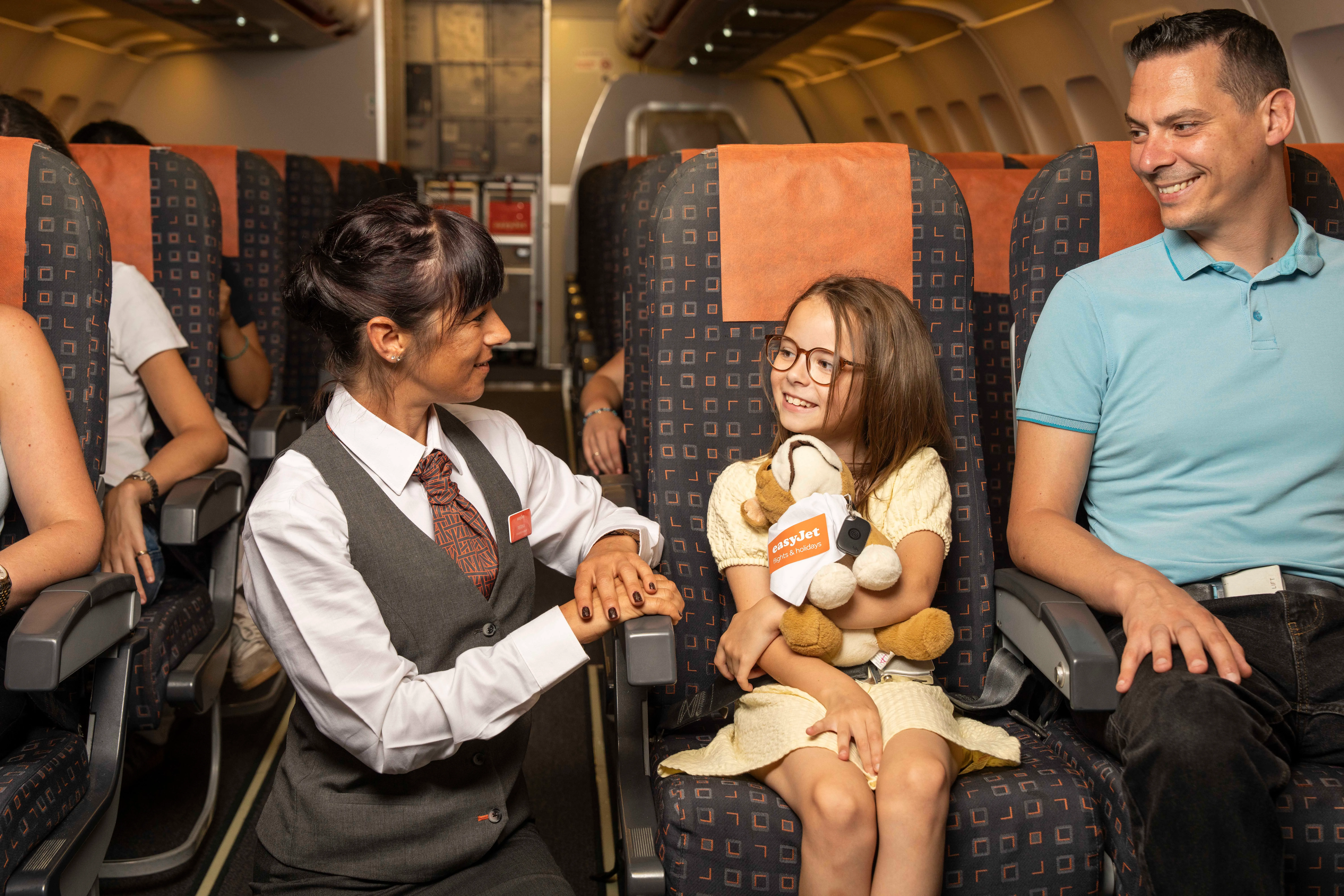
FREE trackers for soft toys are being offered to easyJet customers to help kids avoid losing them on holiday.
The Teddy Trackers devices fasten to children’s companions, and can be located via safety app Life360.
EasyJet has launched toy trackers to save parents from dealing with tantrums this summerCredit: easyJetThe airline and package holiday provider are teaming up with Life360Credit: easyJet
EasyJet, the airline and package holiday provider, has teamed up with Teddy Trackers to give parents peace of mind while they travel.
It comes after research, conducted by Censuswide, found two thirds of parents say their child has lost their favourite soft toy or comforter on holiday.
Sign up for the Travel newsletter
Thank you!
Stuart Wright, customer director at easyJet holidays, said: “We know that it’s often the little things that make the biggest difference to a family holiday.
“For many children, a favourite teddy or comfort toy is an important part of the journey and losing it can be upsetting at what should be an exciting time.
They are offering free Teddy Trackers for easyJet and easyJet holidays customersCredit: easyJetOver 370,000 families are set to jet off this summerCredit: Getty
“That’s why we’ve launched Teddy Trackers, giving families extra peace of mind while they’re away.”
The study also found 30 per cent of mums and dad’s of kids who lost toys while they were away, immediately bought an identical replacement online when they got home.
They would hope their little ones wouldn’t notice.
Nearly fourt in five parents say their child’s favourite toy travels with them on most, if not every, family holiday and more than half admit they would change their holiday plans to retrieve a lost toy.
Around 33 per cent of mums and dads say their child’s favourite toy is considered a member of the family.
Among the nation’s most-loved companions, stuffed bunnies take the number one spot as the most commonly lost toy at 26 per cent, followed by traditional teddy bears, and action figures or dolls.
The top toy names reported are Bunny, Teddy, Fluffy, and Billy.
Life360 claims more than 40,000 toys have been actively tracked around the world in the last 12 months through its trackers.
Tom Rizzo, GM International at Life360, said: “We are incredibly excited to be partnering with easyJet right in the middle of the busy summer holiday season, helping families to avoid teddy-related disasters.
“By slipping a Life360 Tile tracker onto a soft toy, the fear of losing it disappears.
“Whether a beloved bear is left behind at security or vanishes under a poolside sunbed, parents can pinpoint its location in seconds using the Life360 app.
“Best of all, the Tile is theirs to keep, meaning families will never have to worry about a lost furry companion on future adventures.”
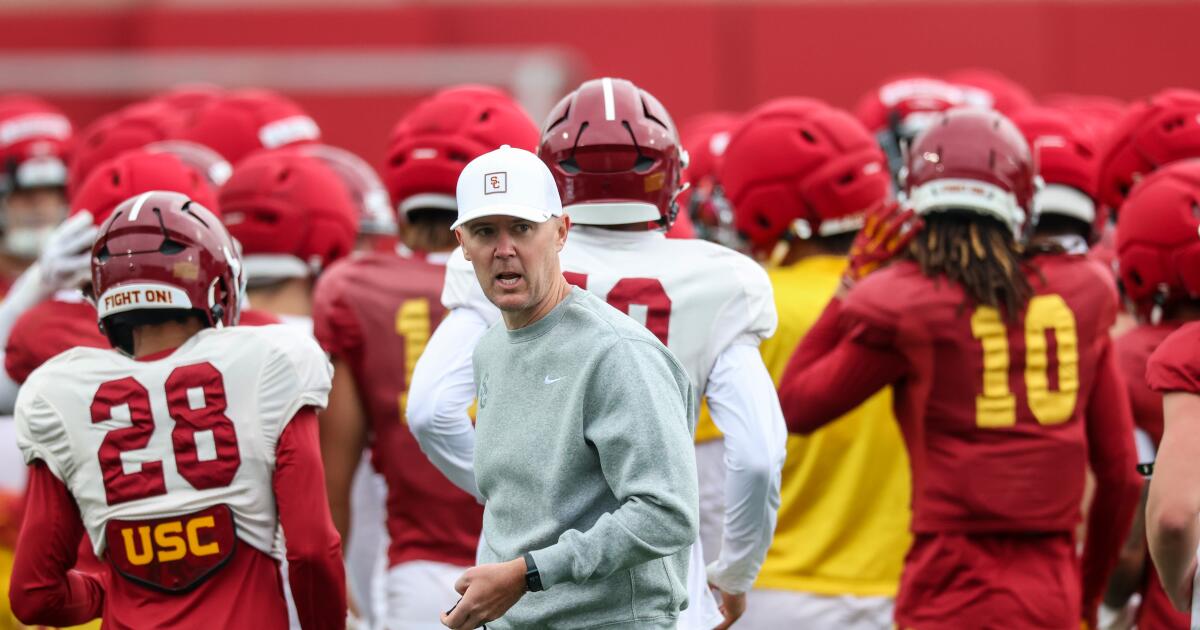
At the start of his fifth fall camp at USC, Lincoln Riley found himself enamored with all that felt new around him. Namely the state-of-the-art, $200-million facility towering over one end of the Trojans’ practice field, with all the luxuries any football coach could ask for.
“This building is magical,” Riley said. “It’s hard to explain how different, how fantastic it is.”
On the field, in front of that gleaming facility, the Trojans also were breaking in something entirely new on Saturday: their receiving corps.
USC opened training camp this week without the services of its top returning wideout, Tanook Hines, after the sophomore underwent an offseason surgical procedure that has yet to revealed. Riley said the injury affecting Hines, who missed the spring, isn’t “overly serious” and that he’s expected back for the start of the season. But his absence leaves the Trojans with a totally new and unproven group to catch passes; many of them are getting their first experience of college football, and of quarterback Jayden Maiava.
“A lot of new bodies. Fortunately he had spring and all summer with all these guys to start developing that chemistry and that confidence,” Riley said of Maiava. “But that’s going to be something we have to work at every single day.”
Among those new players is a host of top receiver recruits expected to contribute right away. Partly, out of necessity.
Freshmen wideouts Trent Mosley and Kayden Dixon-Wyatt already made a strong impression and should immediately step into roles on offense. Tron Baker is another who presumably could carve out a place. And joining them this week at practice, after just enrolling this summer, is a freshman wideout who some believe will be the best of the bunch, top-60 recruit Boobie Feaster.
It may take Feaster time to get up to speed. Hines stepped into a similar position last season, having just arrived on campus for the summer. He proceeded to start eight games anyway.
But Hines was 19 years old by the start of his freshman season. Feaster just turned 17 in late May — and presumably would be one of the youngest players ever to suit up for USC.
Receiver isn’t the only position at which the Trojans are trending young. USC should get key contributions out of freshmen at tight end (five-star Mark Bowman), on the defensive line (five-star Luke Wafle), in the secondary and, at some point, on the offensive line.
That sort of impact should be expected after bringing in a 35-player class that ranked No. 1 in the nation. It also helps, Riley said, that so much of that class has been enrolled for seven months.
“Having as many midyears made a massive difference; I mean, there’s no question about it,” Riley said. “You can feel some of the confidence level.
“And so the less that we can have new as we go on, the more these guys settle in off the field, the better they play.”
That’s the primary goal over the next four weeks of fall camp. One that Riley already has spent plenty of time focused on, while breaking in the Bloom Football Performance Center
“These first few days in here have honestly been a little bit of a dream,” Riley said. “It’s honestly been hard to get players to go home. I haven’t left this place in five days. I haven’t left the compound.”
IF you’ve ever wanted to live like a celebrity, your chance has finally arrived.
A growing number of famous faces – from Hollywood A-listers to royalty – have opened up their lavish homes and cozy cottages to the public.
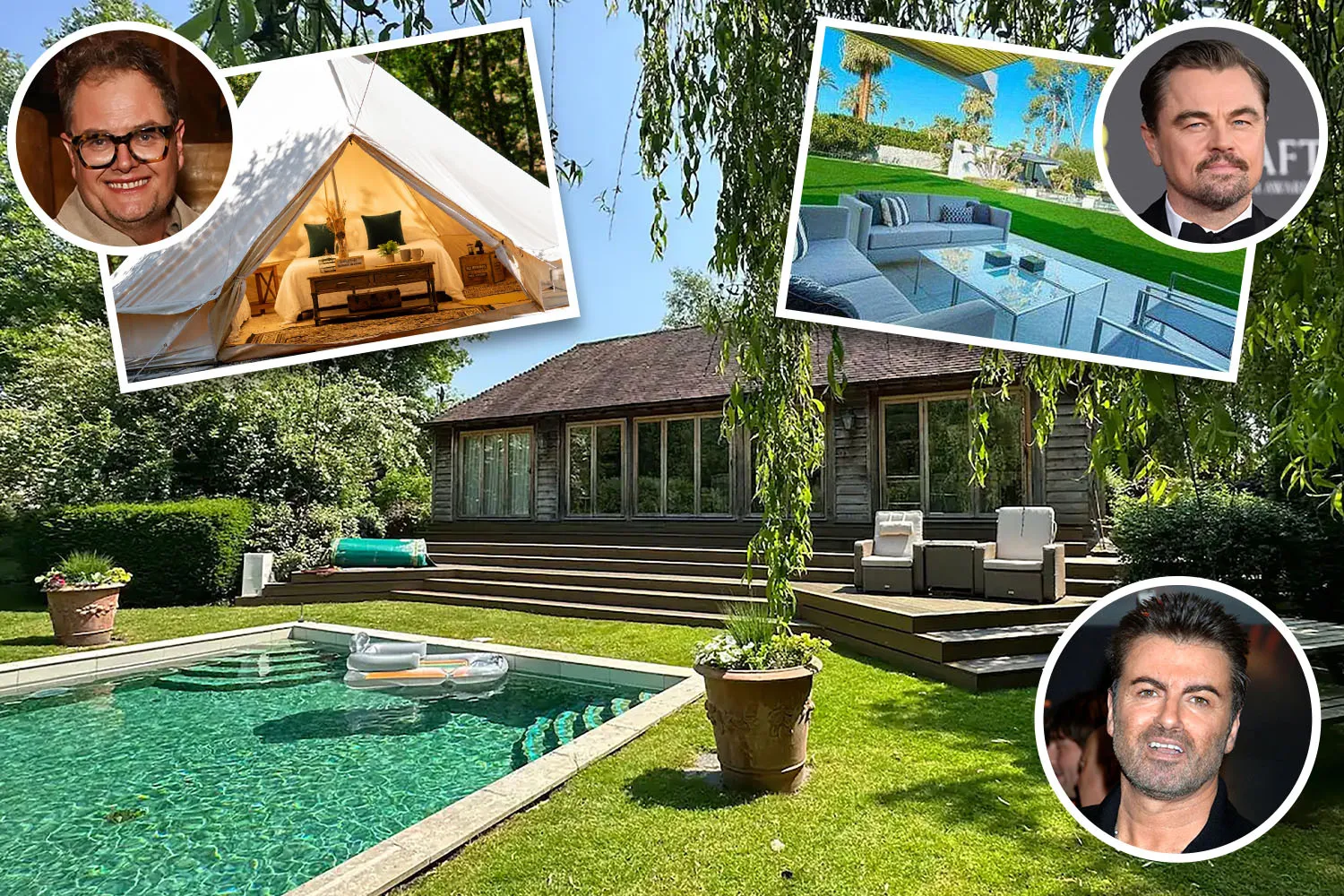
Alan Carr has announced he is to host luxury glamping trips in the grounds of his new luxury Scottish homeCredit: GettyThe comedian will allow people to camp out on the lawn of Ayton Castle in Berwickshire which he bought earlier this year for more than £3.3 millionCredit: Alamy
Whether you fancy relaxing poolside in a pop star’s hideaway, or spending the night on a royal estate, these exclusive stays let you step right into their world.
Here, we share some of the top celebrity-owned properties you can actually book this summer…
Sign up for the Travel newsletter
Thank you!
1. Alan Carr – Ayton Castle Estate Glamping (Scottish Borders)
Fresh off his victory on Celebrity Traitors, comedian Alan Carr snapped up the historic £3.3million Ayton Castle in Berwickshire, Scotland, earlier this year to convert into a luxury retreat.
This summer, guests can stay in fully furnished luxury bell tents right on the 17-bedroom 160-acre castle grounds, just an hour’s drive from Edinburgh.
At a cost of between £140 and £160 a night, the luxury tents sleep up to four people, and are “fully furnished with comfy beds, warm bedding and pillows.”
Visitors have been promised ‘serene walks’ through the estate’s vast woodland and wellness offerings on site including sauna and cold water sessions.
2. George Michael – The Pool House at Mill Cottage (Goring-on-Thames)
You can also book out the late George Michael’s stunning Oxfordshire cottage on AirbnbCredit: GettySoak up the sun at the Mill Cottage pool house’s luxurious swimming poolCredit: Not known, clear with picture desk
Pop legend George Michael bought Mill Cottage in South Oxfordshire in 2001, where he spent 15 peaceful years living by the River Thames until his passing in 2016.
The current owners transformed the superstar’s private pool house on the estate grounds into an exclusive one-bedroom guest hideaway, which costs around £720 a night over summer.
Sitting right on the riverbank, the retreat features exclusive access to a heated outdoor swimming pool, sun loungers, an outdoor BBQ, and a cozy fireplace.
It has become a dream stay for music fans looking to sip a drink poolside and experience the peaceful surroundings George loved so dearly.
Ex Emmerdale star Kelvin Fletcher rents out his Stag Cottage in the Peak DistrictCredit: INSTAGRAMKelvin converted a three-bed property on the edge of his 120-acre farmCredit: Sykes CottagesThe cottage comes with a private outdoor hot tub that has incredible viewsCredit: Sykes Cottages
Featured on ITV‘s Fletchers’ Family Farm, the actor converted a stone building on the edge of the property into a luxury three-bedroom holiday home.
The interior combines a cozy country aesthetic with modern comforts, including a traditional AGA stove, flagstone floors, and a wood-burning fireplace.
Outside, guests can soak in their private outdoor hot tub while taking in sweeping views of the surrounding Cheshire countryside and Peak District.
4. Jules Hudson – Mole Hill Hut (Herefordshire)
Escape to the Country’s Jules Hudson runs his own Wye Valley retreatCredit: InstagramHe has a shepherd’s hut and a tiny cabin available to rent out for the nightCredit: molehillhut.co.ukMole Hill Hut is located in a private meadow on Jules’ landCredit: molehillhut.co.uk
As the longtime presenter of BBC’s Escape to the Country, Jules Hudson used his rural expertise to handcraft his very own bespoke shepherd’s hut.
Tucked away in a private meadow on his own land near the scenic Wye Valley, the hut offers a secluded, off-grid retreat designed strictly for two.
It features a cozy double bed, a functional kitchenette, and an adjoining timber lounge area affectionately dubbed “The Trough.”
Guests can spend their evenings around the outdoor wood-burning stove enjoying panoramic views of Herefordshire’s rolling hills.
5. King Charles III – Balmoral cottages (Scottish highlands)
Live like royalty in one of King Charles’ rental propertiesCredit: GettyThe monarch has a number of properties available to hire at Balmoral, including Knocks CottageCredit: Balmoral EstateThere are 10 cottages available on the estate, alongside Knocks CottageCredit: Balmoral Estate
Fancy a stay fit for royalty? It may be easier than you think.
If you want to earn ultimate bragging rights among your pals, these self-catered lodges could be the perfect opportunity.
And you’ve got a few to choose from, as the Balmoral estate has 10 cottages available: Connachat Cottage, Garbh Allt Shiel, Karim Cottage, Knocks Cottage, the three Milton of Braichlie properties (Farmhouse, Mill Cottage, and Stable Cottage), Rhebreck Lodge, Sterinbeg, and Tigh Na Garaidh.
Unfortunately, if you dream of bumping into the likes of King Charles or Prince William and Kate Middleton, you may not be in luck, as you can’t book when the royal family is in residence.
6. Adam Henson – Cotswold Farm Park Lodges (Cotswolds)
Adam Henson has a number of accommodations available at his Cotswold Farm ParkCredit: BBCHe has stylish lodges situated on a corner of the farm – along with glamping pods and safari tentsCredit: Instagram/@cotswoldfarmpark
Countryfile presenter and rare-breed conservationist Adam Henson grew up on the 650-acre working farm in the heart of the Cotswolds.
Each year, thousands of visitors flock to his Cotswold Farm Park, a rare breeds centre and country play park in a picturesque corner of his land.
To give visitors a true taste of country life, he also built a collection of wooden lodges, safari tents, and glamping pods on the grounds.
Each custom-built timber lodge comes with modern amenities, an outdoor deck with a private hot tub, and a fire pit for evening stargazing.
Stays include complimentary admission to the farm park, where guests can meet rare livestock breeds and participate in daily farm activities.
7. Sting & Trudie Styler – Villa Il Palagio (Tuscany, Italy)
Musician Sting and actress wife Trudie Styler have a jaw-dropping Italian villa available to rentCredit: AFPVilla Il Palagio is located in Tuscany and has panoramic views of vineyardsCredit: palagio.com/Take a dip in the property’s pool or try wine produced on the estateCredit: il-palagio.com/villa
Music icon Sting and his film producer wife Trudie Styler bought this sprawling 16th-century Tuscan estate south of Florence back in 1997.
When the couple isn’t residing there, they open up the grand nine-bedroom main villa and surrounding historic guest cottages to private rentals.
The 860-acre organic estate boasts manicured Italian gardens, private swimming pools, a tennis court, and its own wine cellars.
Guests can sample olive oil, honey, and biodynamic wines produced directly on the estate while taking in views of the Chianti hills.
If you want a holiday fit for Leonardo Di Caprio, it is now possible with his rental propertyCredit: GettyLeonardo’s Palm Springs home has six bedrooms and a tennis courtCredit: Not known clear with Features
If you want to get the full Hollywood experience, Oscar-winning actor Leonardo DiCaprio has provided a way.
The star purchased an iconic mid-century modern architectural masterpiece in Palm Springs back in 2014.
Designed in 1964 by renowned architect Donald Wexler for entertainer Dinah Shore, the six-bedroom estate drips with vintage Hollywood glamour.
The compound features floor-to-ceiling glass walls, sleek stone fireplaces, a cocktail bar, a heated pool, and a private lighted tennis court.
Located in the prestigious Old Las Palmas neighborhood, it offers full luxury estate staffing and concierge services for short-term stays.
How to Book: Book through the official estate manager at 432 Hermosa.
9. Kirstie Allsopp – Meadowgate (North Devon)
Location, Location, Location host Kirstie Allsopp also has her own holiday homeCredit: AlamyMeadowgate Cottage in North Devon can accommodate up to 14 guestsCredit: http://www.classic.co.ukThe transformation of Meadowgate Cottage featured as part of Kirstie’s Homemade Home seriesCredit: http://www.classic.co.uk
Situated in the peaceful village of Welcombe in North Devon, the six-bedroom period cottage accommodates up to 14 guests.
The renovation process was even filmed as part of her Kirstie’s Homemade Home series.
The TV star personally decorated the interior with bold wallpapers, handcrafted details throughout every room, and upcycled vintage furniture.
A short walk through country lanes near the home brings guests directly to the secluded Atlantic beach at Welcombe Mouth.
10. Wayne Rooney – Royal Westmooreland estate (Barbados)
Wayne Rooney and wife Coleen Rooney also have a holiday home in Barbados that you can bookCredit: Tim StewartThe Rooneys’ £3million villa at the Royal Westmoreland estate comes with an extravagant price tagCredit: Refer to SourceThe mansion has five bedrooms and boasts an infinity poolCredit: Refer to Source
If you have lots of cash to spare, you can holiday like Coleen and Wayne Rooney who have a mansion in Barbados.
The £5million villa – located in the gorgeous Royal Westmoreland luxury estate in the Caribbean island – costs up to £25,000 a week to rent.
For that, you can expect a week of luxury at the five-bedroom pad that sleeps up to 14, which includes an infinity pool.
Sitting by idyllic palm trees, Wayne and Coleen’s white mansion opens up with a covered gated entrance.
Inside, the colour scheme is white and summery, with doors opening to the outside and fans situated above the beds to keep things cool.
NAME a better spot to camp than right by the beach?
Well, at an award-winning holiday park, you can now pitch up your tent just a few metres from the sand, this summer.
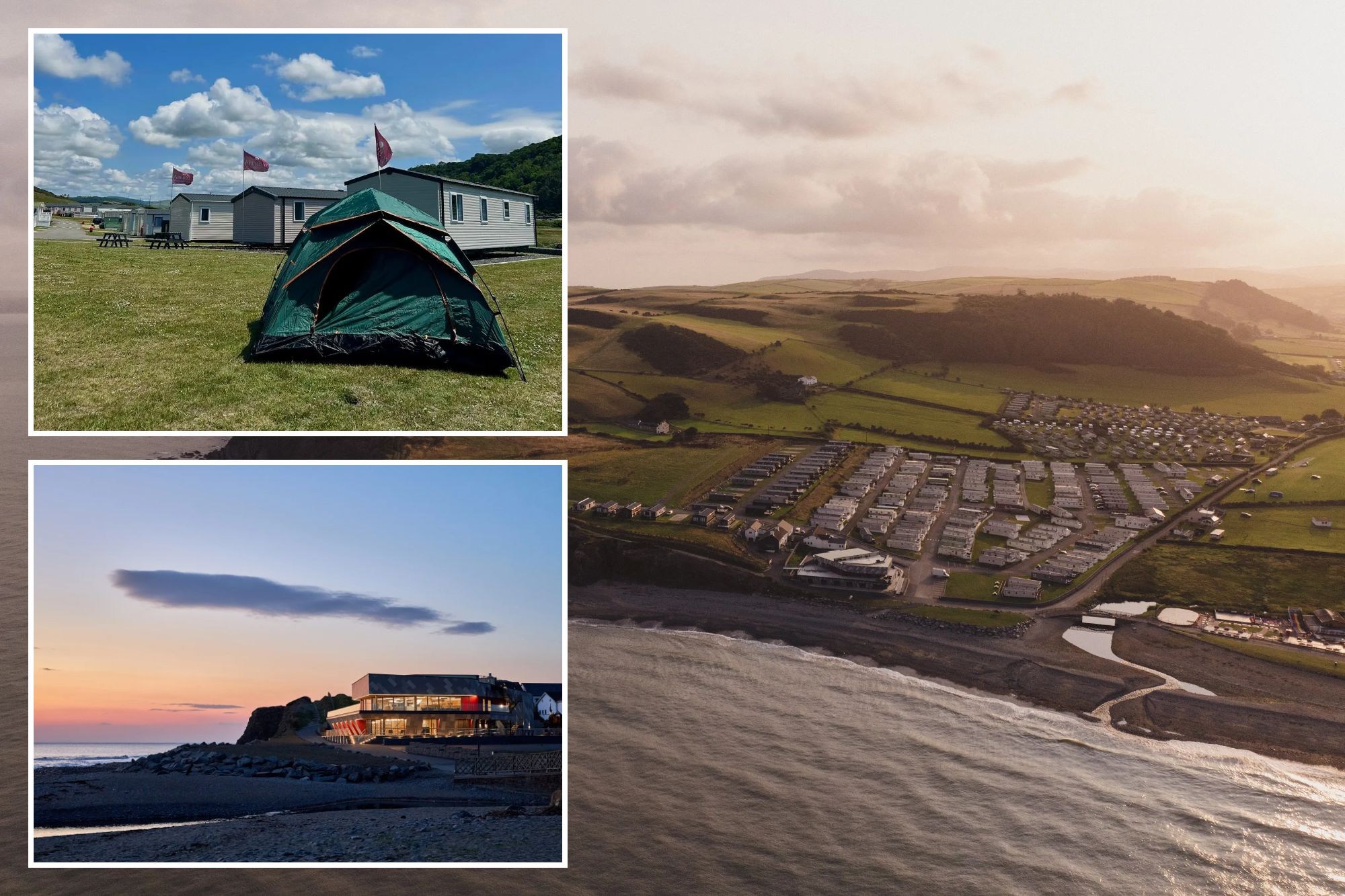
Aber Bay Holiday Park has launched camping pitches right by the beachCredit: � 2026 REBECCA DOUGLAS, all rights reserved.Each pitch costs £30 per nightCredit: Not known, clear with picture desk
Aber Bay Holiday Park near Aberystwyth in Wales will be launching beachside pitches from August 1, costing just £30 per night – which works out at £7.50 per person, per night.
You’d be right by Clarach Bay Beach, which is a sheltered, sand and shingle cove that stretches a mile long.
Sign up for the Travel newsletter
Thank you!
The beach is a great spot for kids with rock pools to explore and there is also a walking trail that heads over the cliffs.
One recent visitor said: “The beach is located right at the front of the park, it’s a sandy/stone beach with a stream running through the middle ideal for the younger children to explore/build dams etc! Beach is beautiful and always very clean.”
Another person added: “The bay itself has a beautiful gorgeous beach and facilities for children, the dogs loved it!”
A third person commented: “A lovely little beach front which is safe for children. The beach front also has a nice cafe which serves a good breakfast and tasty fish and chips.”
Guests also get to use all the facilities at the holiday park including an indoor heated pool, a games room, outdoor play area, restaurant, bar, shop and entertainment.
The park also recently opened a rooftop terrace which overlooks the coastline.
Guests get access to all the facilities in the park too including a heated swimming poolCredit: Toby Gray
The holiday park was named the best in Wales last year by the Welsh Hospitality Awards, making it one of the best holiday parks in the UK.
If you didn’t fancy camping, you could stay in one of the park’s caravans, lodges or glamping pods with their own hot tubs, instead.
A four-night break in September costs as little as £215 in a caravan sleeping up to eight people – that’s £6.72 per person, per night.
One recent visitor said: “Absolutely lovely location,right on the beach and so peaceful, loved waking up to the noise of the sea and will definitely be coming back for another stay.”
WHAT’S better than a hotel stay? One that comes with a free meal of course.
During the summerholidays, Premier Inn is offering free kids meals throughout the day in over 370 locations across the country.
Premier Inn has launched its new Kids Eat Free deal on breakfast, lunch and dinnerCredit: Mike Egerton/PA WireUp to two children under 15 can eat for free with every paying adultCredit: Premier Inn
Premier Inn’s new Kids Eat Free deal is in place from now until September 1 at hundreds of its hotels – and you can check which ones here.
With the offer, up to two children aged 15 or under can eat for free with every paying adult.
Sign up for the Travel newsletter
Thank you!
So in the morning when an adult orders a Full Breakfast with all the trimmings from £10.99, kids can fuel up too.
Premier Inn offers unlimited cooked breakfast and continental with unlimited soft and hot drinks.
In the afternoon or evening, up to two kids can choose from the children’s menu and have one free main meal per each paying adult.
On the children’s menu are dishes like 10-veg tomato pasta, spaghetti bolognese, pizzas, burgers, fish bites and poppin’ chicken.
Adults can opt for one main dish or a Meal Deal from £27.99 – it’s a two‑course dinner with a selected drink in the evening.
Adults can choose from dishes like fish and chips, curry, steak, salmon, pizza and a variety of burgers – which Sun Travel gave their verdict on.
There are lighter options too like the house Caesar salad, sweet and sour kings prawns and nourish bowls.
Premier Inn has also reduced the VAT on children’s meals saving 20 per cent on any additional kids’ meals not included in the free deal.
Premier Inn’s new Kids Eat Free deal ends on September 1Credit: Premier Inn
Here are the Ts&Cs for the Kids Eat Free Deal…
Kids Eat Free Breakfast: Up to 2 children (aged 15 and under) can enjoy a free breakfast for every adult purchasing a Full Premier Inn Breakfast.
Kids Eat Free Lunch/Dinner: Up to 2 children (aged 15 and under) can have one free main from the kids’ menu (small or large, if available) per adult.
The adult must order a main course from the core evening menu and a drink priced at £1.99 or more. For guests who have purchased a meal deal, this will count as a ‘main’.
Drinks will be charged at full price. This offer is only valid until September 1, 2026 inclusive across selected Premier Inn Thyme restaurants.
For more details of which locations are included please visit the website.
WILDFIRES are continuing to sweep across Europe and Turkey is one of the latest countries to battle the blazes.
Here’s everything you need to know right now about travelling to Turkey.
Wildfires have broken out in parts of Turkey including the Antalya ProvinceCredit: AFPAnother wildfire is in Seydikemer in the district of MuğlaCredit: AFP
Where are the wildfires in Turkey?
Fires have broken out in various parts of Turkey.
One location which is popular for holidays is Antalya, and within the province there are multiple wildfires.
Sign up for the Travel newsletter
Thank you!
Currently, these are further inland than the coastal resorts popular with tourists.
The Fethiye–Antalya highway was temporarily closed due to smoke but later reopened under controlled conditions.
Another serious and active fire is in Seydikemer, 20-minutes away from the city of Fethiye, where 600 people have been evacuated from their homes.
It’s in the hills between Fethiye and Marmaris – the fire started on Wednesday morning and spread into woodland.
On the northwestern Aegean coast, three neighborhoods in the Ayvalık district – Hacıveliler, Tıfıllar, and Bağyüzü – have been evacuated.
This is as a precaution due to a wildfire spreading across Turkey’s western Balıkesir province.
Agriculture Minister Ibrahim Yumakli said on X: “We are continuing to fight the wildfires day and night.
He said emergency responders had tackled 169 fires across the country since Wednesday, and 163 of those have “been completely brought under control.”
Antalya is one of the most popular regions for BritsCredit: Alamy
Is it safe to travel to Turkey right now?
Most of Turkey is still considered safe to travel to, excluding the areas of the Syrian-Turkey border.
But officials do heed warning about the natural disaster as there is a “high risk of wildfires during the summer season from April to October”.
It reads: “Wildfires happen frequently in Turkey during summer.
“You could get a fine or prison sentence for lighting a fire of any kind or discarding cigarettes in risk areas such as woodland. Look out for signs that tell you fires, barbeques, and smoking are prohibited.
“If there is a wildfire in your area, local authorities may tell you to leave your accommodation. Follow the directions of local authorities.
“If you see a wildfire, call emergency services on 112.”
GOV.UK adds that “extreme temperatures can affect many areas of Turkey over the summer months.”
Are flights still going to Turkey?
Flights to Turkey remain unaffected.
If you are due to fly in and have concerns, it may be worth contacting your airline to check if they are operating normally.
What if I have a holiday to Turkey booked?
As the Foreign Office has not warned against travel to Greece, there are no special circumstances in place for holidaymakers to cancel their trip and receive a full refund.
Depending on what travel insurance you have, your policy might include natural disaster cover.
If so, your insurance policy should cover you for when you are unable to reach your holiday destination due to natural disasters, like wildfires.
So it is worth checking your travel insurance policy.
Can I cancel my trip?
If you do choose to cancel your trip, it is best to contact your airline or holiday provider.
There is no obligation for companies to refund bookings unless government advice changes.
CHRISTMAS is months away for most of us – in the town of Bridlington, they’re already brushing off their Santa hats.
The seaside town in East Yorkshire will celebrate the festive season four months early with Santa’s Grotto and carol singing on the beach.
Christmas will arrive early in Yorkshire with festive train rides and eventsCredit: East Riding Culture and LeisureThere will be festive carols on the beach and Santa will make an appearanceCredit: East Riding Council
Between 10am and 4pm on August 5, Bridlington will transform into a winter wonderland – kind of.
Called Bridmas, the day is filled with events, lots of which are completely free.
Sign up for the Travel newsletter
Thank you!
On the beach is where it’s at with the local choir performing Christmas carols throughout the day.
There will be a festive face painter, an elf and bubble show and Christmas craft sessions.
Emmerdale is preparing for a huge summer surrounding some of the soap’s biggest female characters including Charity, Sadie, Dawn, Sarah, Gabby and Serena
08:30, 31 Jul 2026Updated 08:30, 31 Jul 2026
Emmerdale is all about strong women this summer
Emmerdale’s strong female characters will take centre stage this summer in a string of big storylines.
The ITV soap has promised a huge summer for some of the biggest characters, with explosive secrets being revealed, new alliances forming and devastating consequences.
For fan favourite Charity (Emma Atkins), there is much drama ahead as her lies catch up with her. With Charity desperate to protect her family, she falls deeper in the lies that the baby she carried belongs to her and Ross Barton.
With everything she holds dear at risk, a confession comes – and the secret she reveals threatens to shake the entire village to the core, with devastating scenes set to air for the wider Dingle family.
Sarah, played by Katie Hill, will struggle to cope when she gets pushed to the edge by devastating news. Her world could come crumbling down if she learns the truth about where her and Jacob’s daughter Leyla’s true parentage lies.
It is bad news for Dawn – played by Olivia Bromley – who finds herself caught in the crossfire of a terrifying feud. She seems happy with Joe Tate and her new family, but things take a turn for the worse.
As her wedding day approaches, she’s trapped and needs to make a huge choice. A present life as it is now, or the hope of finally having the future she wants for her and her family.
New arrival Serena (Casey Al-Shaqsy) has caused quite the star since she showed up as the newest member of the Sugden family. She faces more drama this summer, and needs to decide how much she will face to lose to protect her biggest secret.
Gabby – played by Rosie Bentham – has always been the centre of some big storylines in the Dales, but this summer, she is struggling to keep things under control. Her health will be devastatingly impacted by her struggles and her life is at risk.
She is faced with the biggest moral decision of her life when a terrible incident takes place. Will she destroy the lives of the people she cares about with her terrifying decision?
There’s also a huge return for Patsy Kensit’s character Sadie, who has quite the agenda when she waltzes back into the Dales. Armed with a big surprise, she has a secret to tell, and the village will be left reeling.
Emmerdale Producer, Laura Shaw, teased: “From explosive secrets that shatter lives to dangerous new allegiances that threaten to tear the village apart, this season promises to be one of our most intense yet. The village is set for a dramatic transformation, and we can’t wait for our audience to see the peril these characters face.”
WHEN it comes to coastal destinations, you might not have heard of Cooden Beach.
But with interest rising, it might be a spot that could soon take your fancy – not to mention it has a beachside terrace, hotel and nearby adventure play park.
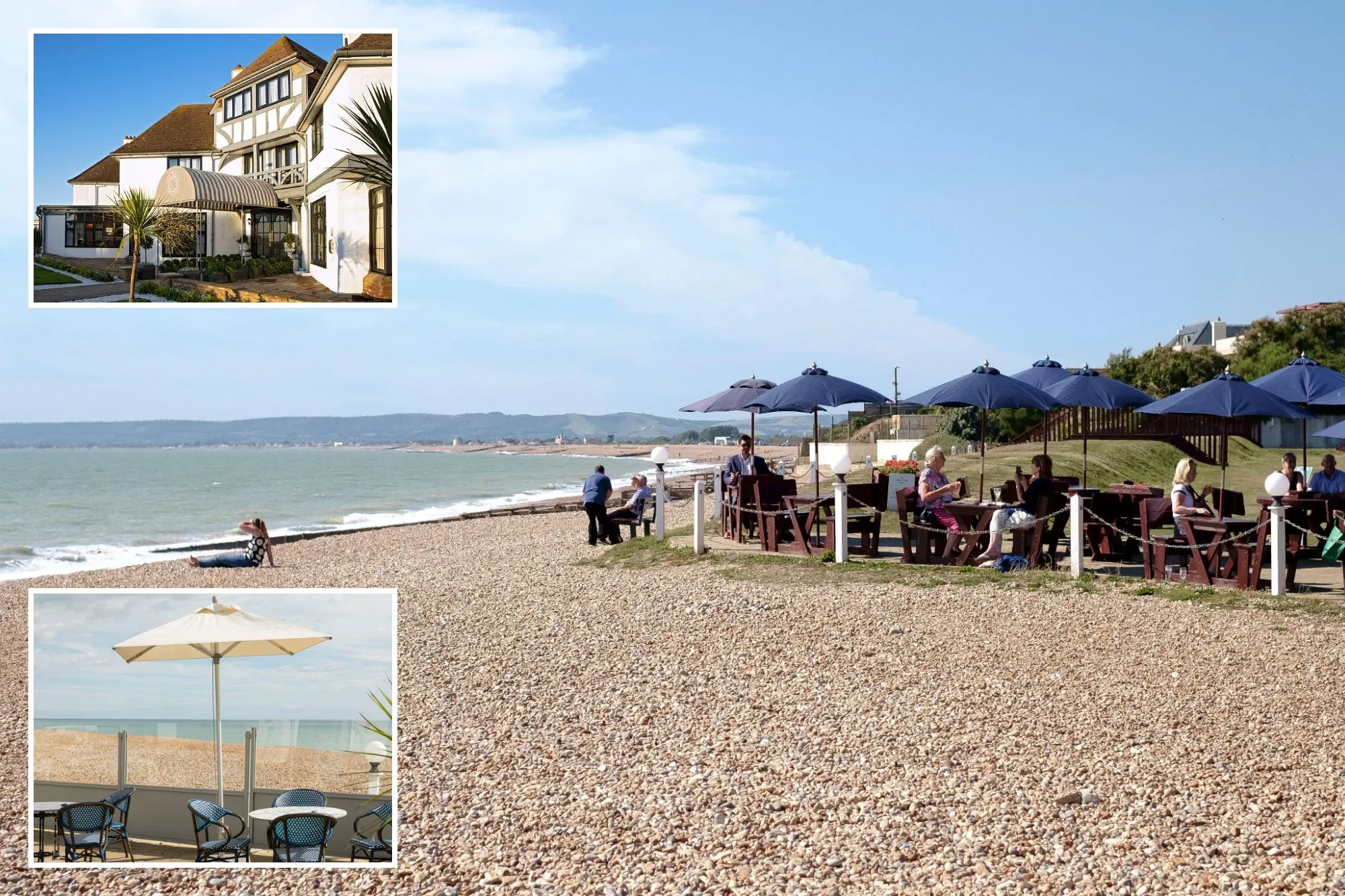
The Relais Cooden Beach & Spa is right next to Cooden BeachCredit: TripadvisorIts suntrap terrace looks out across the beachCredit: Ace Media
Google search data shows searches for Cooden Beach have jumped by 120 per cent in the past month.
Not to mention that other searches like “Cooden Beach hotel menu” and “Cooden Beach hotel restaurant” have risen by more than 5,000 per cent.
Sign up for the Travel newsletter
Thank you!
Cooden Beach in East Sussex is a simple spot in that it has no loud amusement parks to speak of, or arcades.
It’s ideal for anyone looking for a simple beach break rather than a resort.
The pebble beach is half-an-hour drive away from Eastbourne – but is much quieter, especially in the summer months.
One gem of the seaside town is the boutique coastal hotel that opened almost 100 years ago.
Saying that, it’s very modern with one of the most popular spots being its Seaview Terrace which on the beach with views across the shingle shore.
One visitor said “on a sunny day it looks and feels like the Med!”
Another called it “East Sussex’s best kept secret”.
Along with its beachfront terrace, it has bedrooms with sea views and a modern wellbeing thermal spa with heated loungers, rooms for treatments and a gym.
Tables and sun umbrellas from the Cooden Beach Hotel sit on the shore beachCredit: Alamy
There’s even a hot tub that looks out over the sea and beach-facing sauna.
Cosy Double rooms start from £110 per night and Family Rooms start from £190 per night.
The beach is on the outskirts of Bexhill-on-Sea which is known as the birthplace of British motor racing as it hosted the first automobile races in the country.
It also has a long seafront promenade and a huge De La Warr Pavilion where there are often art exhibitions and events.
For anyone heading to the seaside for a summer break, there’s also a nearby adventure park – and you get 10 per cent off if you stay with the hotel.
Called Knockhatch Adventure Park – it’s a play paradise for kids with jumping pillows, a pirate ship ride, huge water slides, a splash park and boating lake.
Knockhatch has a huge adventure playground with a castleCredit: KNOCKHATCHThere are water slides and an indoor soft play centre tooCredit: Facebook/Knockhatch Adventure Park
There are animal encounters in the owl sanctuary and a huge Dragon Castle playground to explore.
Inside there’s the Froggies soft play centre which is a multi-level play area with slides, ball-pools, a spider tower and tunnels.
The play park has lots of top reviews – one visitor wrote on Google: “Fantastic day out. So much to do we couldn’t fit it all in.”
Another said: “One of the best parks I have visited in a long while.”
Day tickets to Knockhatch Adventure Park start from £20.46.
You don’t have to book in advance but it’s advised to get a ticket before arrival to guarantee entry.
South Africa defender Olwethu Makhanya has become Rangers’ eighth summer signing, joining for an undisclosed fee from Philadelphia Union.
The 22-year-old centre-back played for the Major League Soccer side 53 times after breaking into the first team last year.
He has signed a four-year deal at Ibrox with the option of a further year.
“I can’t even explain how I am feeling right now, it is honestly a big honour and a huge blessing for me to join such a big club with so much history. I can’t wait to get started,” Makhanya said.
“For me, it has always been a dream to play football in Europe, ever since I was a kid, so to be here is a dream come true.”
Makhanya, who started his career with Stellenbosch in his homeland, was rewarded for his impressive club form by being included in South Africa’s 2026 World Cup squad.
The defender did not play at this summer’s finals, but Rangers boss Derek McInnes feels he has all the tools to thrive in Scotland.
“He’s got a lot of athleticism and good potential,” McInnes said prior to his side’s Scottish Premiership opener at Dundee United on Friday.
“And while he’s coming from the MLS, to a different country and a different type of football, we feel he’s got the attributes that can cope with that.”
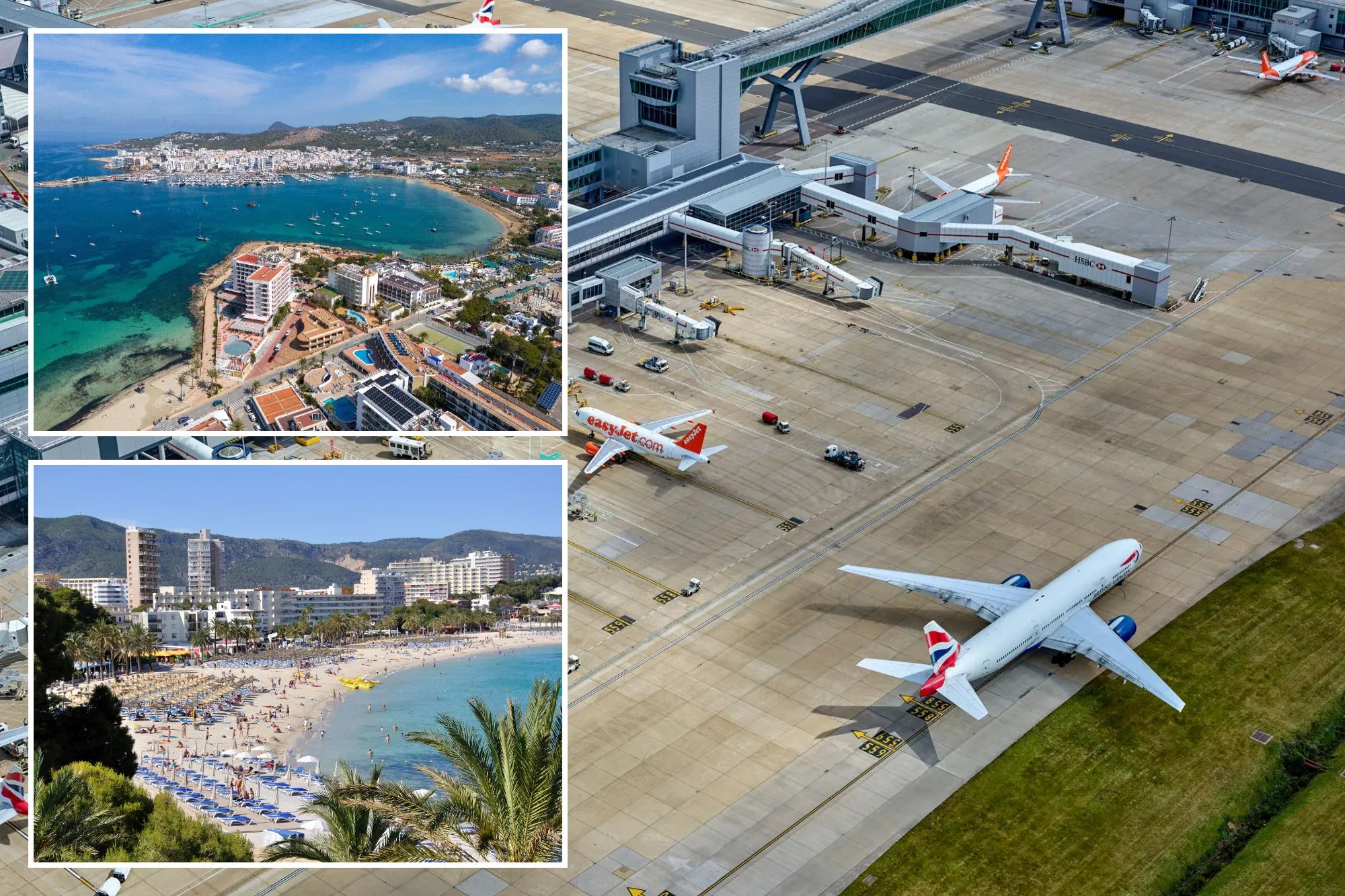
The UK flights to Europe with the worst cancellations have been revealedCredit: AlamyThe London Luton and Ibiza route came out on top as the worstCredit: Alamy
According to new analysis of flight data by AirAdvisor, flights between London’s key hubs and Majorca and Ibiza are most likely to be cancelled this summer.
The study looked at routes between the UK and European airports that had more than 100 flights scheduled per month.
Sign up for the Travel newsletter
Thank you!
Coming out on top is the route between London Luton and Ibiza with a cancellation rate of 5.56 per cent between June 1 and August 31.
London Heathrow to Majorca came up second worst for cancellations, at a rate of 1.6 per cent.
Overall, four of the top 10 routes from the UK with the highest cancellation rates are to Majorca.
More than two million Brits travel to Majorca during the peak summer season, with the airport also being one of the busiest airports in Europe.
According to AirAdvisor, so far this summer 36 of 1050 flights departing from Gatwick and Heathrow airports heading to Majorca have been cancelled – which is around 3.44 per cent.
Anton Radchenko, CEO of AirAdvisor said: “Cancellation risk on UK routes to Europe is not spread evenly, and this summer the Balearics are carrying a bigger share of the risk than anywhere else.
“That’s worth understanding before you travel, because a cancellation is not just a long wait at the gate. You lose your slot. Same-day options dry up quickly.
“And from that point on, the airline decides what happens next, not you.
“Under UK261, if you’re told your flight is cancelled less than 14 days before departure, you may be entitled to between £220 and £520 in compensation, depending on how far you were flying.”
Top 10 worst routes for cancellations
THESE are the worst airport routes from the UK for flight cancellations over the summer period:
London Luton – Ibiza = 5.56 per cent
London Heathrow – Palma de Mallorca = 1.60 per cent
London Gatwick – Lisbon = 1.43 per cent
London Heathrow – Ibiza = 1.38 per cent
London Gatwick – Palma de Mallorca = 1.31 per cent
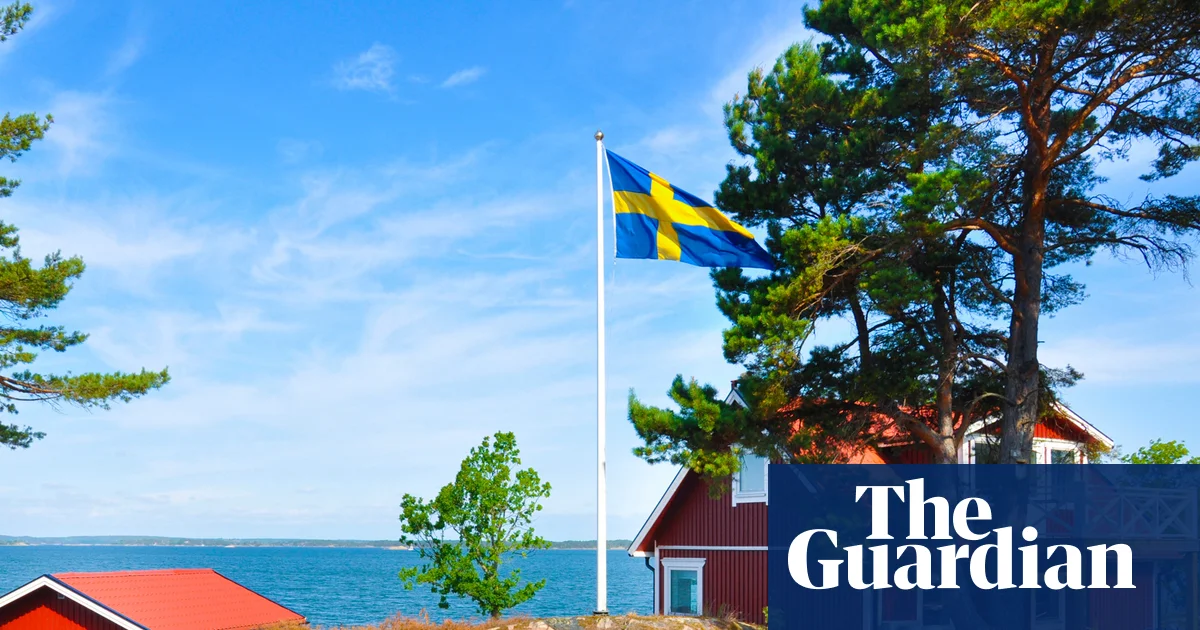
At 5am on Arkösund bay, it is so light it could be midday. I slip out of the pretty clapboard Arkösunds hotell, opened in 1895, as a small boat putters into the Baltic Sea, the sun sparkling on its calm waters. A wooden boardwalk invites me on to a string of tiny islets as geese arrow overhead and a mother swan coaxes her fluffy cygnets into a nook under a bridge.
I’m on Sweden’s east coast to explore the Östergötland archipelago, a sprawl of about 9,000 islands scattered across the Baltic Sea a few hours south of Stockholm. Quieter and less crowded than the better-known isles off Stockholm or Gothenburg, it covers several pockets of coastline and smaller archipelagos: Arkösund, Sankt Anna, Gryt and Tjust. The larger islands are flecked with traditional red timber summer houses, and are home to seals, sea birds, and dense, verdant forests of alder, cedar, oak and pine.
I’d arrived in a suitably slow fashion. My journey to Arkösund – a 45-minute drive from Norrköping station along a road locals call the End of the World – started 24 hours earlier, with an early morning Eurostar from London to Brussels, then on to Hamburg via Cologne, where I boarded the SJ EuroNight Train to Norrköping. I slept while we slipped across the Danish border in the early hours and crossed the Øresund Bridge into Sweden. Dawn unfolded in pink, dusky waves as we shuddered out of Malmö towards Östergötland.
Östergötland is a maze of small islands, fishing harbours and tiny villages. Photograph: Berndt-Joel Gunnarsson/Alamy
Visitors navigate the region’s islands in sailboats, small motorboats or kayaks, spending elongated summer days swimming, fishing and hiking. From Arkösund jetty, I take to the water with Åsa, a local guide, in a motorboat belonging to Kauko Lindstedt, a Finn who has spent 40 years living on the island of Aspöja, a four-mile crossing away. There is an unspoken rule, Åsa says, that if you spot a moored kayak or boat, move on. In the Swedish spirit of allemansrätten – the national law to roam and sleep freely in nature – there are enough islands for everyone.
Aspöja is one of the few inhabited islands and Lindstedt, as with many islanders I meet, is industrious: building, hunting, smoking fish, running boating tours, and eager to share his home, where just 25 people live year-round. We land at his jetty and walk across grassy meadows dotted with lumps of granite and teeming with butterflies. There are no cars, though the jetty has a communal wheelbarrow for groceries and post. We meet Helen, who farms sheep and cattle, knits, tans sheepskins, keeps bees, grows vegetables and runs the only restaurant, Forsmans på Aspöja, with her daughter. Lunch is smoked fish and boiled potatoes heaped with fresh dill, alongside a glass of Baltic seawater, filtered through the island’s small desalination plant.
The island of Aspöja, home to just 25 year-round inhabitants
On the trip back to the mainland, we pass an island stacked with fishing nets, buoys and wooden crates. A pair of craggy-faced men wave – brothers in their 70s, the final vestiges of a once thriving fishing industry, Åsa tells me. They are the last two fishers legally able to catch eels; the licence can only be passed on through family, and with none it ends with them.
The next day, Åsa and I drive further along the coast to the Sankt Anna archipelago, stopping for lunch at Mauritzberg Castle, a 400-year-old manor house rebuilt in pastel rococo splendour after the Russians burned it down in 1719. At the bay of Sankt Anna, I meet a German tourist packing his kayak for a 10-day solo adventure. He tells me he paddles for days from island to island without seeing a single soul and adores it – it’s his third trip here.
From the shore I clamber into a kayak alongside Andreas, my guide, another Finn who works for outfitter Kajakparadiset, and we paddle into the languid, liquid landscape. We stop for fika – hot coffee and something sweet – on one islet, stretching out on sun-scorched granite as a sea eagle soars above.
That night I sleep at Skärgårdsbyn Mon, a hotel on the mainland shore, after a meal of buttered sea bream and potatoes eaten on the wooden balcony of the Boathouse restaurant, overlooking the marina, with the islands spilling out behind. I wonder enviously which one the German kayaker has chosen to sleep on underneath the barely darkened sky.
I wake to rain. But with temperatures averaging around 23C, summer here is comfortable. Driving south with Åsa, I learn that about 70% of the country is forested, and it’s crossed by hiking and biking trails.
At Fyrudden, a hamlet on the south-eastern end of a narrow peninsula in the Gryt archipelago, Magnus Lindkvist, a boat captain, is waiting in his grandfather’s wooden boat to take us across eight miles of open water to the island of Harstena. It’s where his grandparents once lived and he spent every summer of his childhood, and continues to go there today with his family.
The Gryt archipelago. Photograph: Peter Gerdehag/Imagebank Sweden
A cluster of 18th-century cabins still stand. The old schoolhouse is a museum, depicting the history of these wild islands, where herring, eel fishing, seabird eggs and seal blubber were once the means of the islanders’ survival. A 1641 census registers two households, and a family tree traces local names back to their two families – including Magnus, and now his son.
Back on the mainland, we drive north and inland to spend the night in Söderköping, where in 1281 King Magnus Ladulås’ wife, Helvig, was crowned in its medieval church. This tiny town is steeped in history, standing at the eastern end of the Göta Canal, which the Swedes, in a bid to avoid Danish taxes, began building in 1810, connecting Gothenburg to the Baltic Sea. I spend the next morning cycling alongside it, stopping to sample ice-cream from the Smultronstället cafe and handmade chocolates from Jolla.
By evening, I am back in Norrköping, an industrial city once booming with textile and paper mills powered by water. Today, the mills have been restored into a stylish district of bars, apartments and offices. The streets are alive at night as students celebrate the end of term and city revellers gear up for a weekend of national celebrations.
From the train window the following day, as I head back to the UK, I watch the fields and forests unfurl as Norrköping station slides away behind me, the summer light filtering through the trees and across the red weatherboard farmsteads. A skein of geese flies overhead in a V, and I imagine the kayaker searching for his perfect island to camp tonight, and Magnus teaching his son to fish for herring from his great-grandfather’s boat – the delicate balance of nature and visitor continuing in harmony. The trip was provided by Visit Sweden. The writer travelled by rail from Eurostar London to Brussels (from £39 one-way), then to Cologne/Köln (from £16.50 one-way), and on to Hamburg (from £16.50 one-way). The SJ EuroNight train from Hamburg to Nörrköping costs from £40 one-way. Elite Grand hotel Norrköping has doubles from £80 B&B; Söderköpings Brunnfrom £93 B&B; Skärgårdsbyn Monfrom £100; and Arkösunds hotell from £170 B&B
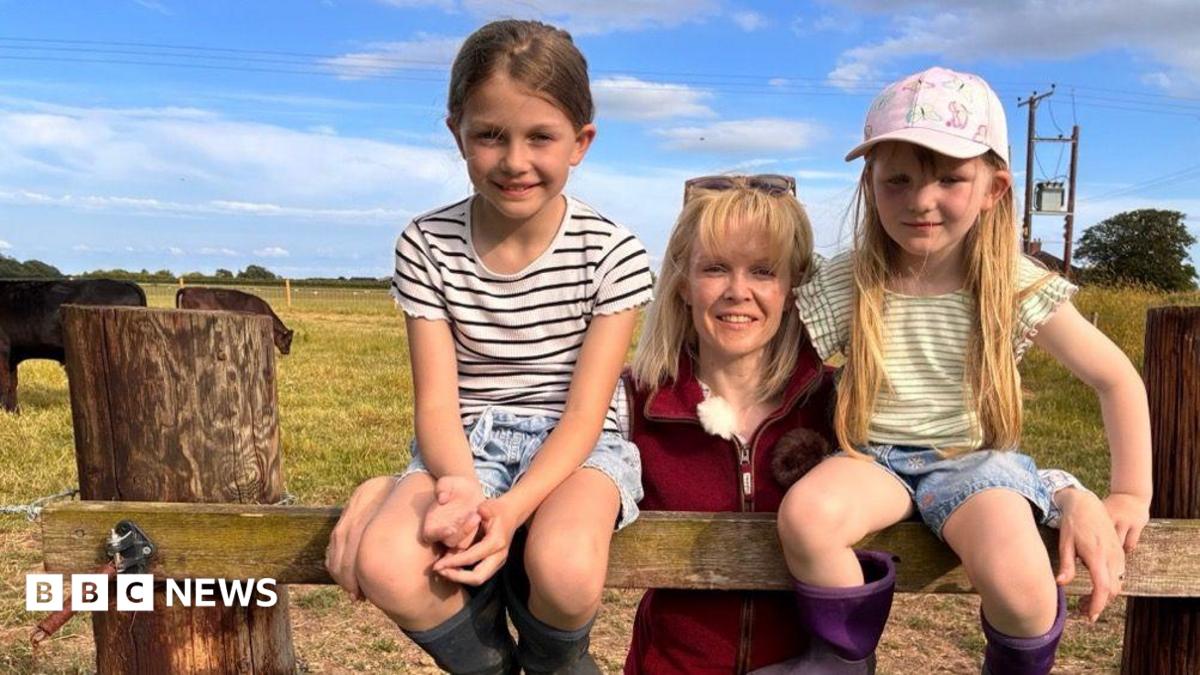
“I know I’m not going to be a millionaire running a bakery,” says Phil Clayton.
We are speaking in the busy bakery he runs with his wife Tina. It is only 10am, but the operation has been in full swing for nine hours.
Clayton says it is “absolutely not true” that the bakery enjoys more profit due to price rises.
In May, families were paying 2% more for bread rolls than they were a year earlier, according to the CPI.
But in April, farmers were receiving 0.3% less for wheat, the main ingredient, according to API figures.
The 2% increase in prices for customers is smaller than the 3% rise seen across the whole CPI index.
Clayton says he does not regret increasing his prices by 10p to 20p.
“My responsibility is to make sure all of this lot get paid,” he says, referring to his 30-strong team, which includes bakers, delivery drivers and Saturday staff employed in the cafe that adjoins the bakery.
Clayton points out the extra money shoppers pay at the tills goes towards increases in rent, wages, National Insurance, delivery fuel and the rising cost of flour – much of which originates from farms in the region.
Travel experts are suggesting British holidaymakers are opting for so-called ‘coolcations’ this summer as wildfires ravage parts of Europe including Spain, France, Italy and Portugal
The destination is easy to reach from the UK(Image: Getty Images)
Wildfires are currently raging across large parts of southern Europe. France, Italy, Spain, Portugal and Greece have all been affected – and this could potentially have a knock-on effect to British summer holiday plans.
These nations are often among those favoured by UK tourists during the warm summer months, but these nations may be too warm at the moment with temperatures surging past 40C.
France’s president Emmanuel Macron described the escalating situation as the nation’s worst wildfire crisis since World War Two, with firefighters battling blazes around the clock. Flames are also spreading at an alarming rate across Spain, while active fires continue to rage in northern and central Portugal, as well as Sicily and parts of southern Italy.
With this in mind travel experts have been suggesting potential alternatives if people want to take a so-called ‘coolcation’, and one name keeps cropping up.
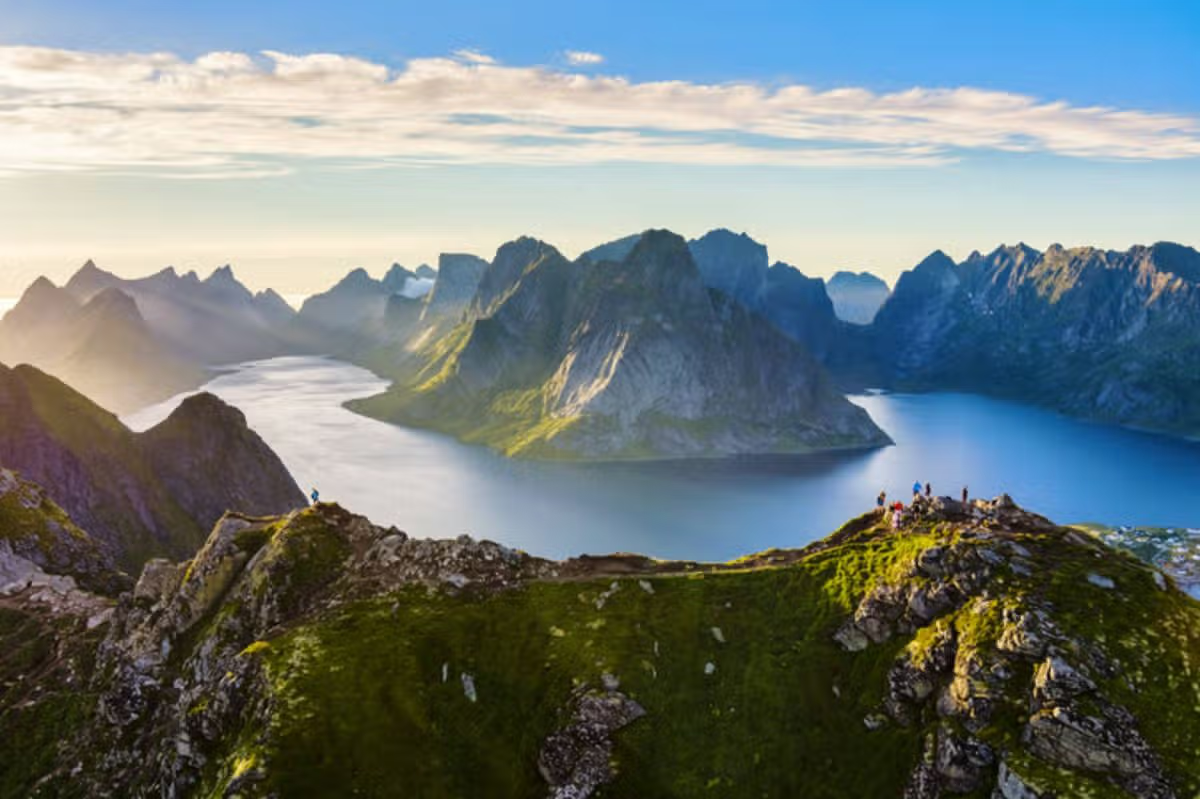
Several industry insiders suggested to Reach PLC that people might consider visiting Norway, and Scandinavia more broadly, owing to the milder temperatures that come with heading north instead of south, reports the Express.
Jacqueline Mondelli, of travel insurance marketplace Squaremouth, was among those to recommend Norway. She added: “Similar to last summer, we’re seeing coolcations draw travellers away from the traditional European hotspots like Italy, France, and Spain, in lieu of cooler climates and outdoor adventures.”
Emily Grossman, travel expert with the site TrustedHousesitters, said Norway could be a possibility for travellers looking for cooler climes: “For holiday travellers still weighing up their plans, it’s worth considering destinations less exposed to extreme heat and drought.
“We’re already seeing cooler summer climate choices reflected in TrustedHousesitters’ booking data. House-sitting stays in Norway up nearly 30% year-on-year, and Denmark is up over 24%.”
Norway, Denmark and Sweden are all straightforward to get to from the UK, with direct flights available from a range of airports across the country.
Alicia Hempstead, travel insurance expert at MoneySupermarket.com, suggested that those planning a holiday might want to look towards Scandinavia as an alternative destination.
She said: “As wildfires are unpredictable and can arise at any moment, especially during periods of extreme heat, it’s difficult to say where people should choose instead.
“However, the safest approach would be to choose destinations that are less prone to extreme heat, for example, countries in Scandinavia such as Denmark or Sweden.”
Tim Gunstone, of HotelPlanner, was in agreement, saying: “Tourists are choosing cooler European destinations and to travel to the hottest destinations in October rather than August.
“The biggest winner has been Scandinavia. This has seen August bookings grow by a massive 120%.”
Bryce Collins, founder of INTRO Travel, said: “If you’re set on Europe, head north. The nordics rarely see the extremes, and anywhere on a coast or a big lake stays cooler, there’s something calming about having all that water around.”
IF YOU love theme parks and often feel like you don’t get enough time in the day to see and do everything, then you might want to listen up.
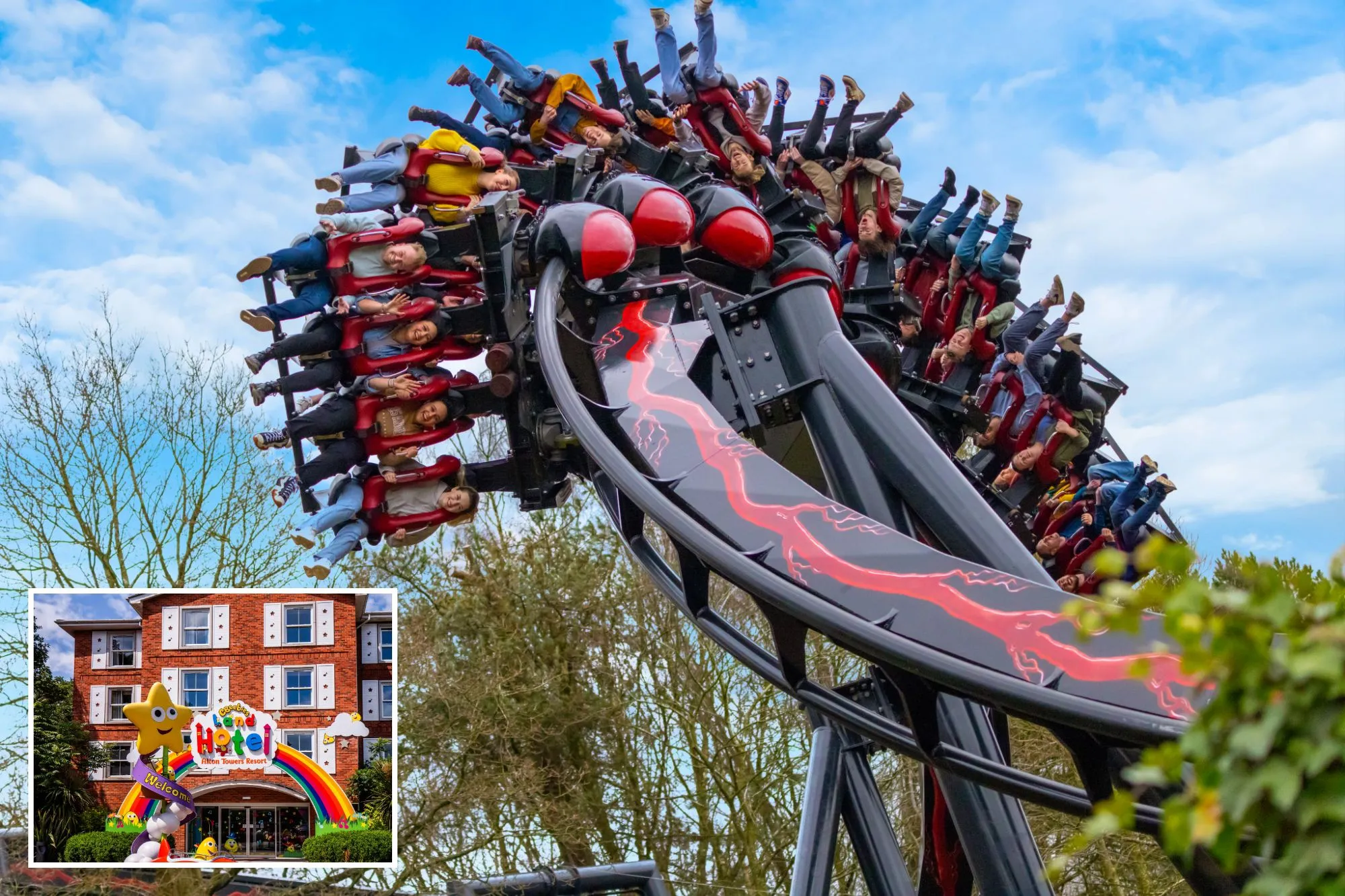
Alton Towers is extending its opening hours from Friday, August 14 to Monday, August 31.
You can head to Alton Towers for less this summerCredit: Alton TowersDay passes cost £34.13 instead of £39 per personCredit: Getty
The park will stay open until 7pm each night, which gives guests an extra hour in the park.
Mina Fattahi at Alton Towers Resort said: “More time to experience thrills is always a good thing, but the classic mistake that people make is to head straight for the big rollercoaster they see from the entrance.
Sign up for the Travel newsletter
Thank you!
“Instead, head to the rides at the back of the park first.
“You’ll beat the crowds, spend less time queueing and fit in more rides throughout the day.”
Tickets cost £34.13 per person, instead of £39 per person when bought online in advance.
Guests under 90cm still visit for free.
Short breaks over summer cost from £87 per personCredit: Not known, clear with picture desk
Sometimes visiting for a day is just not enough though, even with the additional hour.
If this applies to you, you can also book to stay at Alton Towers Resort for short breaks from £87 per person.
The offer is available for stays between July 20 and September 1 and includes a day’s access to the theme park and free kids entry to the waterpark.
You can choose between either the Alton Towers Hotel, Splash Landings Hotel, CBeebies Land Hotel, the Woodland Lodges at the Enchanted Village, Luxury Treehouses or the Stargazing Pods.
If staying at the Alton Towers Hotel, you can book into a themed room including ones with beds that look like a bathtub, a hot air balloon or even a princess carriage.
Alternatively, if you have toddlers the CBeebies Land Hotel is a great option, with live shows, games and meet and greets with CBeebies characters.
IS there anything more traditionally British than a big double-decker bus?
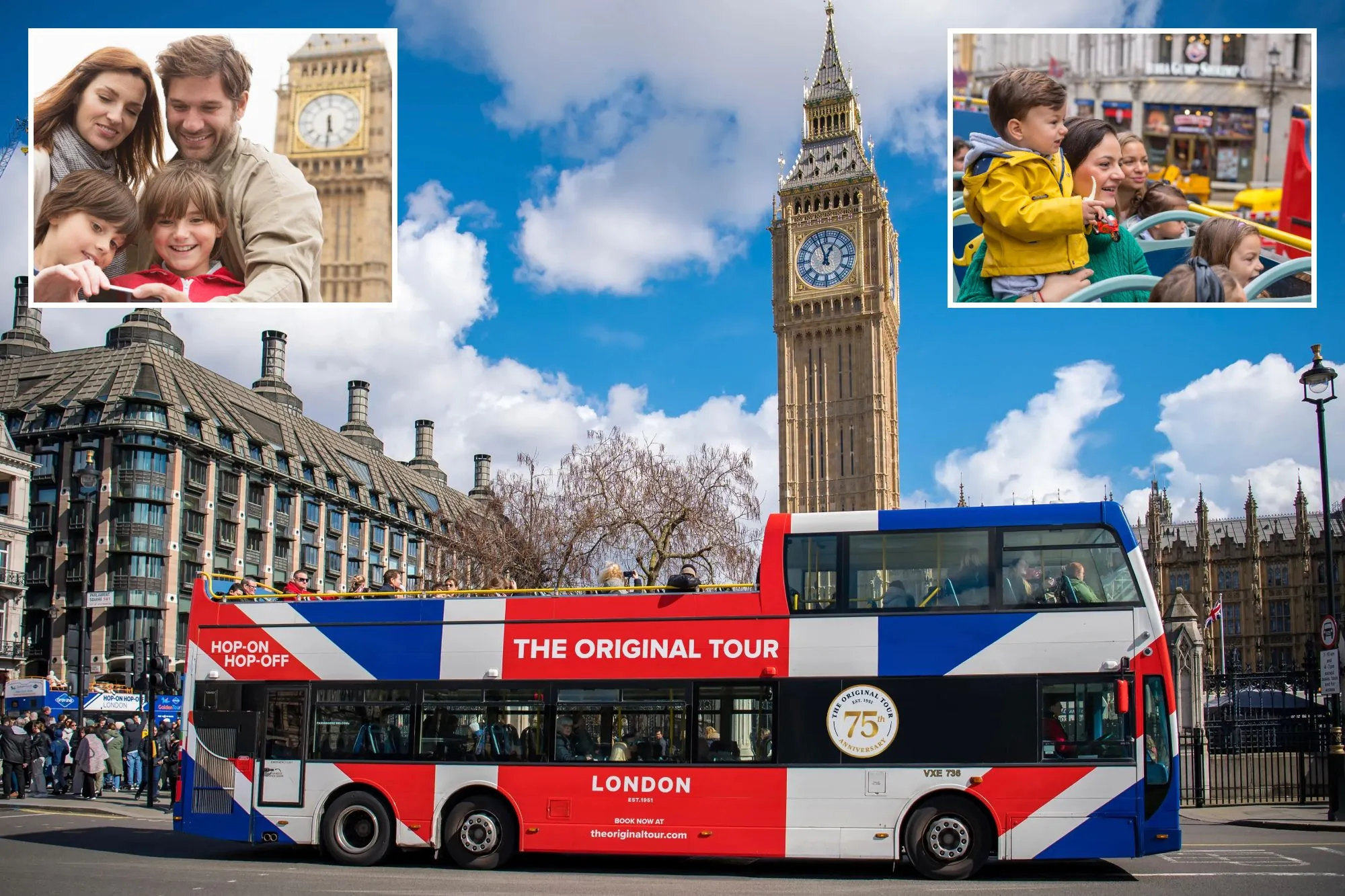
The Original London Bus Tour offer tours around the capital in classic, open-top buses – and there are some major savings to be had this summer.
The Original Tour are offering 25% off kids tickets for the Kids Tour of London this summerCredit: The Original Tour
Claim 25% off kids tickets for the The Original London Kids Tour
Families looking for an exciting day out in London can save 25% on children’s tickets for The Original Tour’s guided Kids Tour of London, with kids under 2 going free.
The tour is the only one of its kind, as the only live guided London bus tour that is catered specifically to kids.
Sign up for the Travel newsletter
Thank you!
Families can learn all about London from an enthusiastic tour guide on a 45 minute-long trip around the city.
The route will help you tick off all the major London sights, without the faff of hopping on and off the busy underground or walking long routes that are tiresome for little legs.
Simply sit back and relax on the open-top bus, where you are guaranteed a top deck seat.
You’ll cruise past landmarks like Buckingham Palace, Big Ben, Trafalgar Square, Downing Street, the London Eye and more.
But it’s not only about ticking off all the sights.
With the child-friendly commentary from the live tour guide, you’ll learn all the hidden secrets of London and fascinating facts that will make your day out all the more interesting.
Come September, the kids will have plenty of new knowledge to impress with at school – along with those fond family memories.
As the tour is catered to families, you can expect all the comforts like room to park your pram downstairs, free Wi-Fi, plus you’re allowed to bring snacks onboard.
The Original Tour offer the only open-top bus tour in London designed specifically for kidsCredit: The Original Tour
Claim 25% off kids tickets for the The Original London Kids Tour
The best part? You can also claim seven other freebies as part of the offer.
Plus you’ll get access to six self-guided walking tours via The Original Tour’s partner app.
That’s three ways to see London for the price of one – all of which are kid-friendly, hassle-free and put together by experts.
That way you can put together the perfect family day out in London during the school summer holidays that won’t break the bank.
Tours depart from Charles II Street, beside His Majesty’s Theatre. It’s recommended to arrive at least 10 minutes early, as seats are allocated on a first-come, first-served basis.
For added flexibility during the summer holidays, you can amend up to 24 hours before departure.
You can book your ticket online or browse other bus tours by clicking the button below.
The 25% off children’s tickets deal is a limited-time offer, and runs over the school summer holidays.
The offer also includes a free hop-on, hop-off Thames cruise plus six walking tour routesCredit: Getty
Claim 25% off kids tickets for the The Original London Kids Tour
Also under £20 in August are flights to Fez, Carcassone, Pula, Limoges and Milan.
There are 22 routes on sale from London Luton – some of the cheapest include one-way flights to Alicante in August for as little as £19.99.
Other flights for £19.99 include routes to Majorca – the popular Balearic island with beautiful beaches.
From Manchester Airport there are 50 routes available with cheap flights through the summer into autumn.
The Ryanair flash sale is only available untilCredit: BrasilNut1
In October, some of the cheapest flights are to Santander with one-way tickets from £15 – also you can head to Zagreb from £22 and Pisa from £18.
There are deals available from 22 airports including London Gatwick to Aberdeen, Teeside, Norwich and Leeds Bradford.
Ryanair’s Director of Comms, Jade Kirwan, said: “July Pay Day means one thing – it’s time to book your next summer getaway!”
“Whether you’re dreaming of a last-minute beach escape, a sun-soaked city break, or simply need a well-deserved getaway, Ryanair’s 24-hour July pay day flash sale has you covered with fares from as little as £19.99 for travel throughout August.
“Book before 23:59 tonight (Wed, 29 Jul) on the Ryanair App.”
The popular airline has shared a booking update for holidaymakers planning their next trip
The airline has shared an update for passengers (stock photo)(Image: Getty)
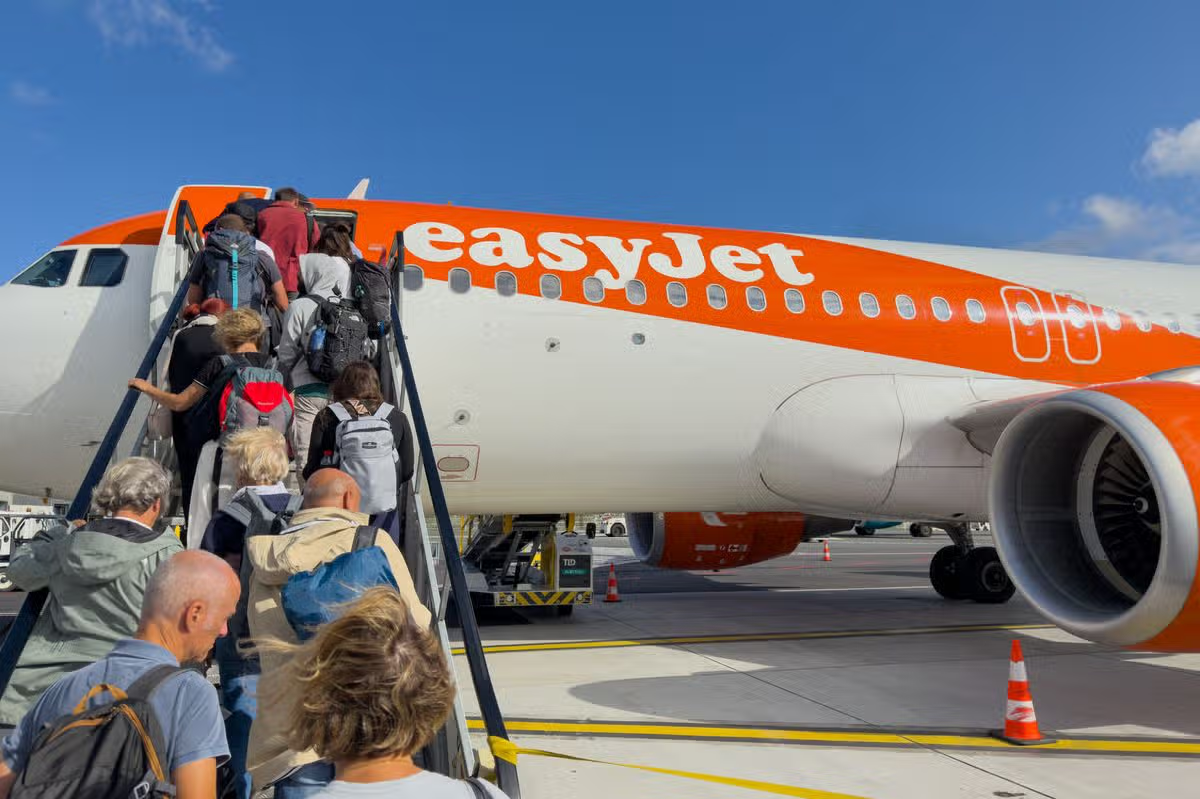
easyJet has shared a major update for holidaymakers planning their 2027 getaway. While the 2026 summer holidays aren’t over yet, many families are looking ahead to next year. For anyone interested in booking with easyJet, there’s good news.
The airline says its ‘big seat release’ has arrived, and customers can now book seats up until September 2027. Sharing a booking update on social media, easyJet took to Facebook to share the news with passengers. The post said: “Summer 2027 has landed.”
easyJet explained: “Our Big Seat Release is here, meaning you can secure your seat up until 26th September 2027 and start counting down to your next trip.” More information on the easyJet website states: “Summer 2027 flights are now on sale, making it easier than ever to plan your next adventure for the summer holidays and beyond.
“Whether you’re keen to explore somewhere new or revisit a favourite destination, you can book with confidence. Secure your seats for travel between 14 June 2027 and 26 September and start counting down to your well‑earned getaway. Book now and get ready to fly.”
According to the airline’s FAQ page, autumn 2027 flights will also be released soon. Passengers planning ahead can sign up for the airline’s newsletter to find out about upcoming releases. easyJet said its ‘big seat release’ events offer the ‘chance to grab the best fares early for popular destinations.’
If 2026 is anything to go by, travellers in 2027 will be booking destinations inspired by their favourite TV shows, books, and sports. In a blog post dedicated to 2026 travel trends, easyJet said 28% of Brits have been picking destinations based on TV or film.
This could be thanks to inspiration from hit shows like The White Lotus. Sharing a tip for customers, easyJet said: “Instead of the expensive Saint-Tropez, travellers are looking at nearby Toulon or Villefranche-sur-Mer for Riviera glamour at a lower price.”
Book enthusiasts are getting in on the action, too. easyJet said: “Travellers are visiting historic towns rediscovered through classic literature or their modern retellings. Top Spots: Verona (Shakespeare) and Pamplona (Hemingway). Why: People are seeking depth and narrative meaning rather than just ‘chasing novelty’.”
Meanwhile, sports lovers are choosing destinations that offer pickleball and padel when booking active holidays. The airline shared: “Golf holidays are no longer the only game in town.
“One in 10 Brits is now playing pickleball or padel while away. The Hotspot: Spain is the global centre of Padel, with over 20,000 courts and higher participation than tennis.
“Convenience: Padel racquets are small enough to fit in hand luggage, making it an easy addition to a trip.” More information is available on the easyJet website.