Sudan

‘We have nothing’: Endless pain for displaced civilians fleeing Sudan war | Sudan war News

People escaping fighting, lack of essential supplies in Heglig area faced with tough humanitarian conditions in search for shelter and safety.

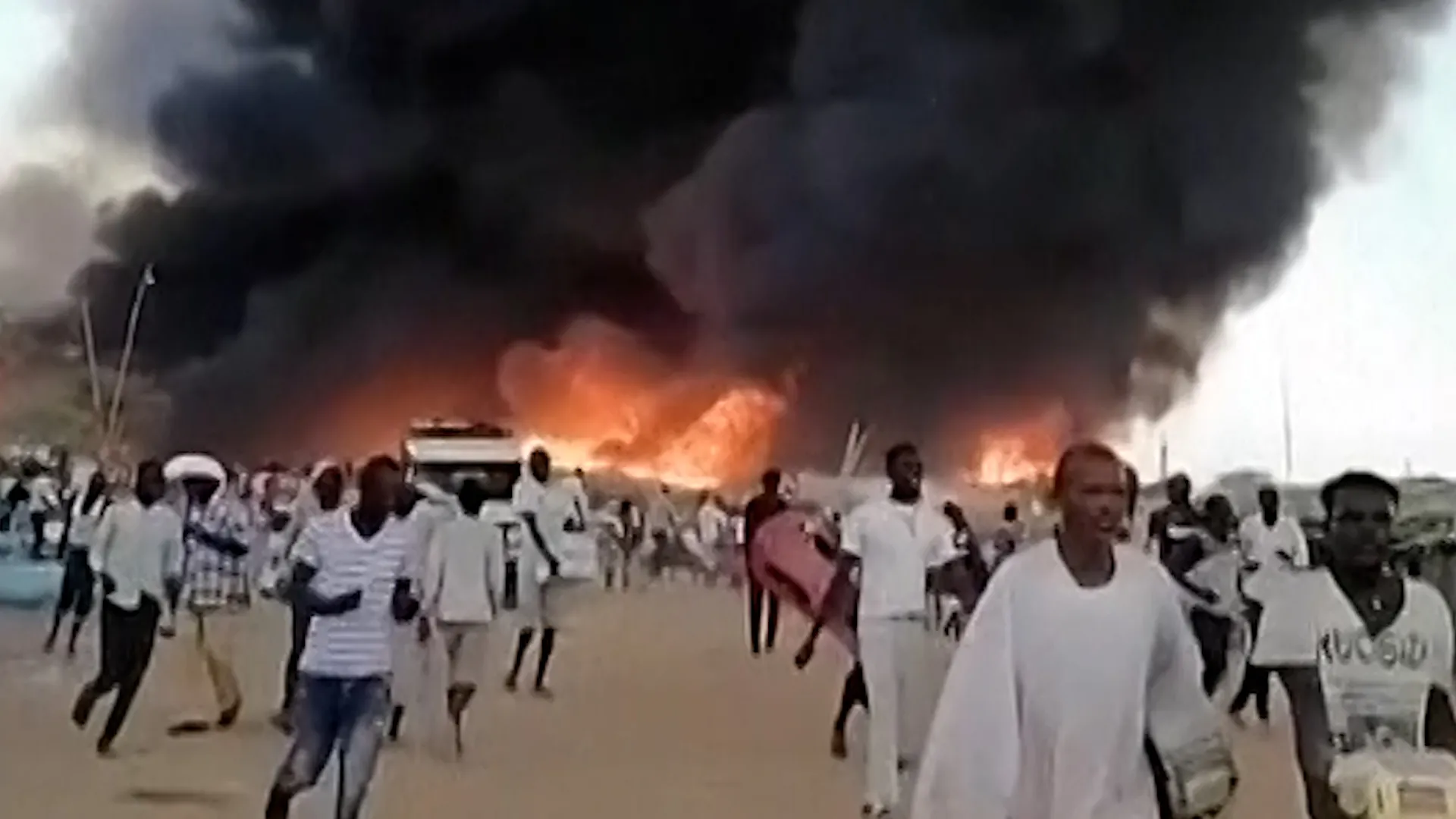
Kosti, Sudan – The flow of displaced people fleeing the fighting in Sudan shows no sign of slowing – the latest hailing from Heglig.

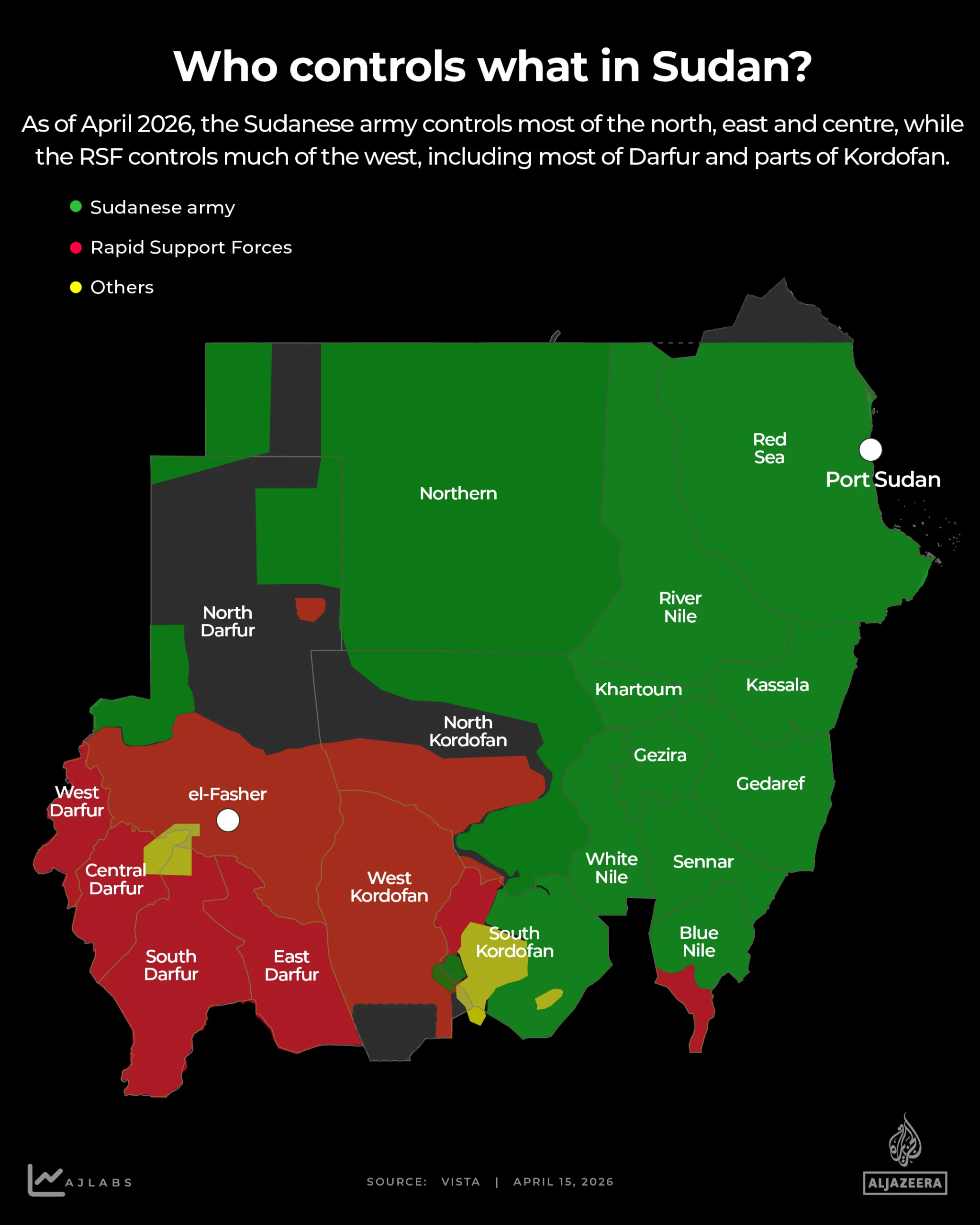
In early December, the paramilitary Rapid Support Forces (RSF) seized the strategic Heglig oilfield in West Kordofan province after its rival, the Sudanese Armed Forces (SAF), withdrew from the area.

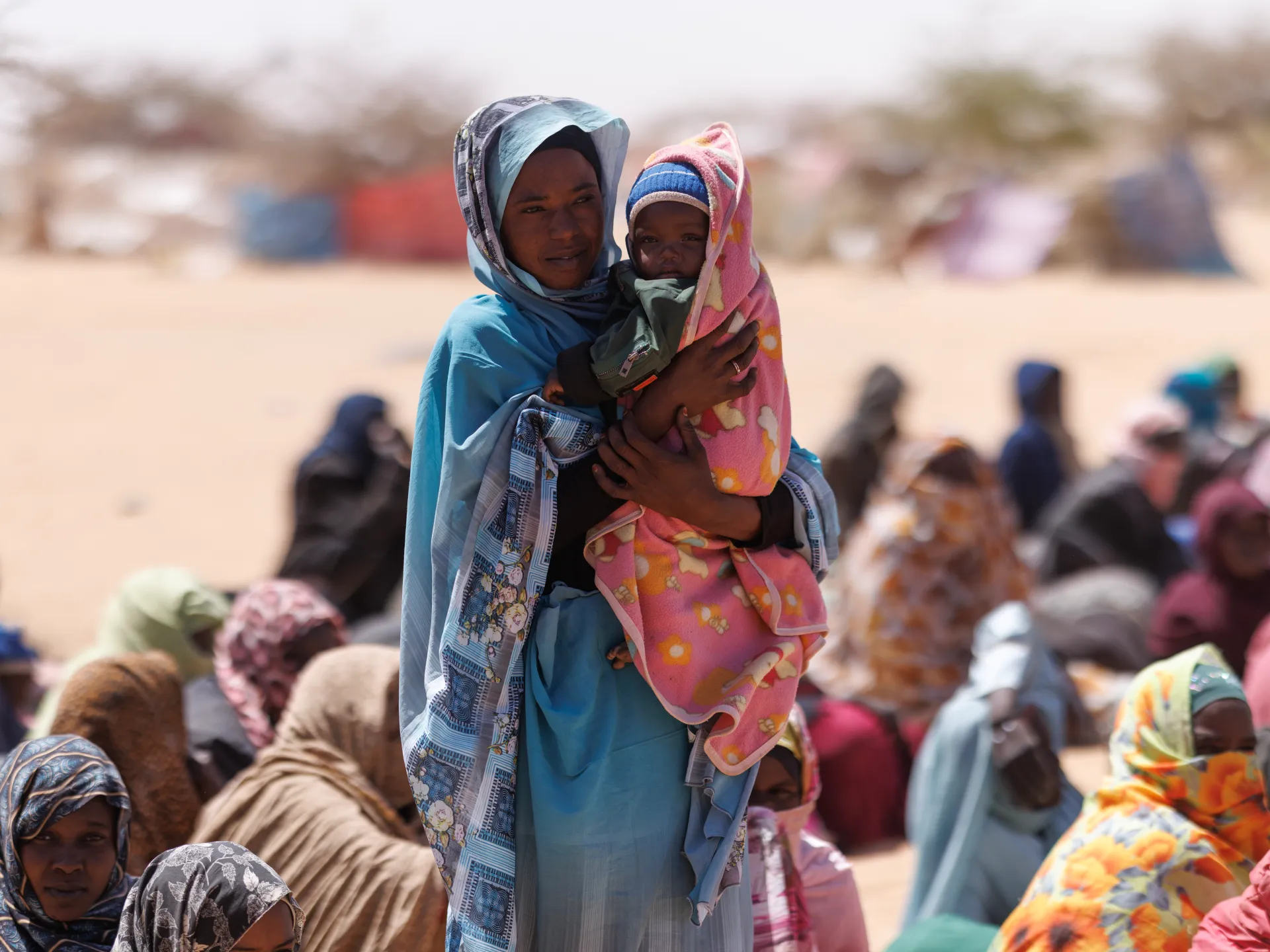
Nearly 1,700 displaced people, most of them children and women, escaped the fighting in the southern region and the lack of basic necessities.

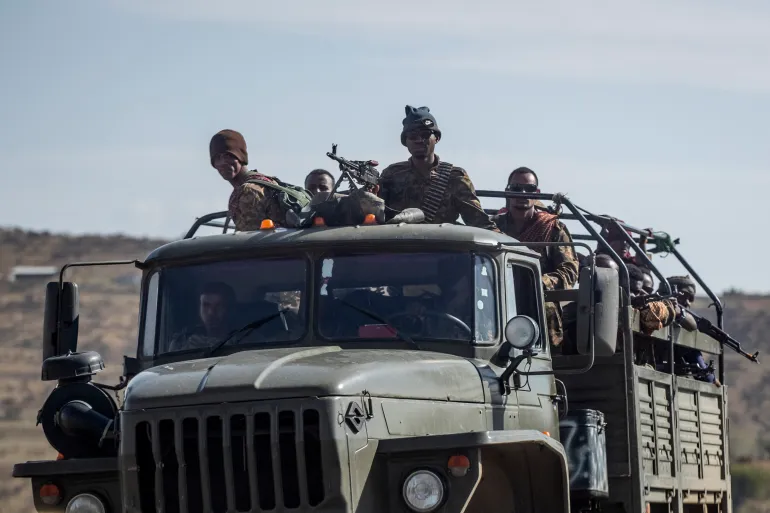
Some of them were fortunate enough to board trucks as they fled from their towns and villages in the area. After an arduous journey, the displaced people arrived at their new home – the Gos Alsalam displacement camp in Kosti, a city in the White Nile province.

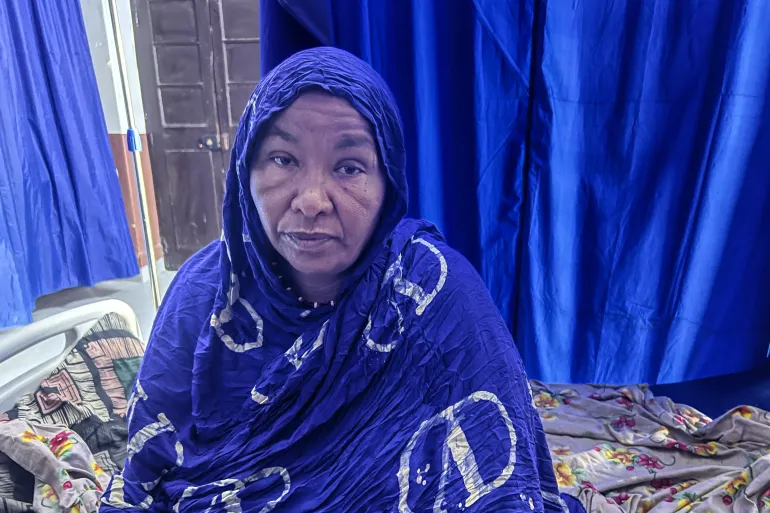
“We left without anything … we just took some clothes,” said an elderly woman who appeared exhausted and frail.Sudan map

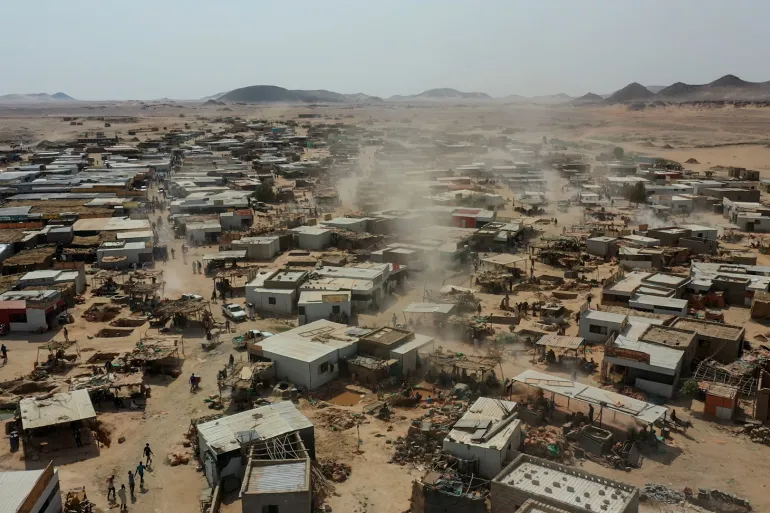
Inside the camp, the people arriving are faced with extremely harsh humanitarian conditions. Tents are being pitched in haste, but as the number of displaced people grows, so do the immense humanitarian needs. Yet, humanitarian support remains insufficient to cover even the bare minimum.

“We have no blankets or any sheets, nothing. We are old people,” said a displaced elderly woman.

‘I gave birth in the street’

Nearly three years of war between the RSF and SAF have forced 14 million people to flee their homes in a desperate attempt to find shelter and safety away from the heavy fighting that has killed tens of thousands.

Some 21 million across the country are facing acute hunger, in what the United Nations calls the world’s largest humanitarian crisis.

In a small corner of the Gos Alsalam camp, Umm Azmi sits next to her newborn baby. She recalled how she was overtaken by labour on the road and delivered her baby in the open air without any medical assistance.

“I was trying for nine months … but I gave birth in the street – the condition is very difficult,” the mother said.

“I had just given birth, and I had nothing to eat. Sometimes we eat anything we find in the streets,” she added.

Source link

Sudan’s Darfur grapples with severe measles outbreak amid ongoing violence | Sudan war News

MSF official tells Al Jazeera South Darfur hospital ‘overwhelmed’ by rapid increase in measles cases.

Displaced Sudanese families in the war-torn Darfur region are grappling with a dangerous measles outbreak that is spreading rapidly, a Doctors Without Borders (MSF) official warns.

Dr Ali Almohammed, an MSF emergency health manager, told Al Jazeera on Monday that the group has been “overwhelmed” by measles cases arriving each day at the Nyala Teaching Hospital in South Darfur, where MSF provides paediatric and maternal healthcare.

Recommended Stories

list of 4 itemsend of list

“We have 25 beds [in] isolation for measles, but every day the number of cases is increasing,” Almohammed said in an interview from Amsterdam.

“The capacity of MSF to respond to all the needs of the people in Darfur is really limited. We cannot cover everything. Yes, we are trying to focus on the most lifesaving medical care, but still, our capacity is also limited,” he said.

The outbreak of measles, a vaccine-preventable virus, comes as violence between the Sudanese military and the paramilitary Rapid Support Forces (RSF) in the western region of Darfur and neighbouring areas has surged in recent weeks.

More than 100,000 people have fled their homes in el-Fasher, the capital of North Darfur State, after the RSF seized control of the city in late October after an 18-month siege.

The United Nations recently warned that Darfur has become “the epicentre of human suffering in the world” and UN and other humanitarian agencies have stressed that trapped civilians lack medicines, food and other critical supplies.

More than 1,300 new cases

According to MSF, more than 1,300 new measles cases have been reported in Darfur since September.

An extremely contagious virus, measles causes high fevers, coughing and rashes.

It is particularly dangerous for children under age five because it can cause serious health complications, according to a fact sheet from the United States Centers for Disease Control and Prevention.

This week, MSF said that while nearly 179,000 Sudanese children had been vaccinated against the disease over six months last year, they are only a fraction of the 5 million who are at risk.

The organisation said it is not able to operate in most of North Darfur, including el-Fasher, or in East Darfur as a result of the ongoing conflict.

Almohammed also warned that other preventable diseases, such as diphtheria and whooping cough, are now appearing in Darfur with the number of vaccines arriving just a “drop in the ocean” of what’s needed.

According to MSF, shipping vaccines has been difficult due to ongoing violence as well as “significant administrative and bureaucratic hurdles”.

“We urge authorities to immediately eliminate all bureaucratic and administrative barriers to transporting vaccines throughout Darfur,” the organisation said in a statement.

“At the same time, there must be greater urgency from UNICEF to coordinate efforts to increase the transport and delivery of vaccines, syringes and the necessary supplies.”

Attacks on healthcare

Meanwhile, attacks on healthcare facilities in Sudan have worsened the situation for civilians and medical personnel.

On Saturday, the Sudan Doctors Network said the RSF released nine medical workers from detention in Nyala in South Darfur out of a total of 73 health workers who had been detained by the paramilitary group.

The network welcomed the move as a “positive” step but called for the release of all detained medical workers and civilians without exception.

On Friday, the World Health Organization said attacks on healthcare facilities in Sudan have killed 1,858 people and wounded 490 since the conflict began in mid-April 2023.

At least 70 health workers and about 5,000 civilians have been detained in Nyala in recent months, it added.

A day earlier, the Sudan Doctors Network said 234 medical workers have been killed, 507 injured and 59 reported missing since the war began.

Source link

Sudanese bloc declares Nairobi roadmap, but is it a civilian breakthrough? | Sudan war News

On December 16, Sudanese political parties, armed movements, civil society organisations, and prominent political figures signed a nine-point political roadmap in Nairobi, presenting it as a civilian-led initiative aimed at ending Sudan’s war and restoring a democratic transition.

Framed as an antiwar, pro-peace platform, it seeks to position civilians as a “third pole” against the two military actors in Sudan’s conflict: the Sudanese Armed Forces (SAF) and the paramilitary Rapid Support Forces (RSF).

Its authors say it represents an attempt to reclaim political agency for civilians after months of marginalisation by armed actors and foreign mediators, even though the declaration does not outline any concrete steps towards military reform.

The roadmap reignited longstanding debates within Sudanese political and civic circles about representation, legitimacy, and the persistent dominance of elite-driven civilian politics.

The roadmap

The Nairobi declaration emerged after a statement released by the Quad – Egypt, Saudi Arabia, the United Arab Emirates (UAE), and the United States – in September.

The Quad statement called for an immediate three-month truce to lead to a permanent ceasefire, humanitarian access to help civilians, and the creation of a political process for a civilian transition.

It also emphasised excluding remnants of former President Omar al-Bashir’s regime and reforming Sudan’s security forces under civilian oversight, all points that the Nairobi declaration echoed.

The Nairobi signatories included the National Umma Party, the Sudanese Congress Party, civil society organisations – including the Darfur Lawyers Association and the Coordination of Internally Displaced Persons and Refugees – and the Sudan Liberation Movement (SLM-AW) led by Abdelwahid al-Nur.

Former Prime Minister Abdalla Hamdok, who led Sudan’s transitional civilian government from al-Bashir’s overthrow in 2019 until the October 2021 military coup by the SAF and the RSF working in concert, also signed the declaration.

It was likewise endorsed by al-Nur, longtime leader of the SLM-AW armed group that controls Jebel Marra in Darfur and has historically rejected what he describes as “elite-driven” political settlements.

Falling short

Sudanese researcher Hamid Khalafallah told Al Jazeera that despite the intent to present a civilian leadership, the declaration falls short of reflecting Sudan’s broader civic movement.

The Nairobi coalition, he argued, mirrors earlier civilian formations that failed to connect with Sudanese citizens, particularly those most affected by the war.

“It’s in many ways a reproduction of former groups that have … struggled to represent the Sudanese people,” he said. “It’s still very much an elite group that does politics in the same way they always have.”

Although resistance committees – neighbourhood groups that emerged from Sudan’s protest movement and helped topple al-Bashir in 2019 – were referenced in the declaration, no committees formally endorsed or signed it.

Abdallah Hamdok on the left in a suit and Abdel Wahid Nur on the right in a striped shirt
Former Prime Minister Abdalla Hamdok, left, and Abdelwahid al-Nur met in 2019 in Khartoum [File: Embassy of France in Sudan/Facebook]

Drafts were reportedly shared with some grassroots groups, but the process advanced without waiting for collective deliberation – reinforcing concerns that civilians on the ground remain politically instrumentalised rather than empowered.

While al-Nur’s participation was hailed by some as a breakthrough, Khalafallah questioned the underlying motivation, arguing that his inclusion was intended to counterbalance rival military-aligned forces rather than transform civilian politics.

Before the Nairobi declaration, there were three main civilian coalitions in Sudan, each aligned with a warring party or accused of such an alliance.

Tasis is the coalition of political parties and armed movements that was founded in February 2025, before forming the RSF’s parallel government in July 2025, while the Democratic Bloc is a grouping of parties and armed groups aligned with the SAF.

Finally comes Hamdok’s Sumoud, comprising political parties and civil society organisations and accused by SAF of supporting the RSF.

Europe’s one-track civilian strategy

European officials have distanced themselves from the Nairobi initiative.

A senior European Union diplomat, speaking on condition of anonymity, told Al Jazeera that Brussels does not see the Nairobi roadmap as the foundation for a unified civilian process.

“We would like to see only one civilian process, that’s why we are helping the African Union [AU],” the source said. “Everything else is a distraction, like this Nairobi one.”

According to the EU official, the priority is not multiplying civilian platforms but consolidating them under a single credible framework, led by the AU and broadly accepted by Sudanese society.

“Our aim is to create a credible third pole – versus RSF and SAF,” the source said. “An inclusive one, supported by most Sudanese citizens.”

The EU plans to build a broad coalition that can take the lead after the Quad’s humanitarian truce and ceasefire proposals are accepted by the SAF and the RSF, including reforms placing security forces under civilian-led oversight.

The EU’s language reflects growing frustration among international actors with Sudan’s fragmented civilian landscape, while insisting that abandoning it would legitimise military rule by default.

“Of course, we are not naive that civilians will take over tomorrow,” the source said. “But we have to stand for our values.”

The EU official was blunt in assessing the conduct of Sudan’s warring parties, rejecting narratives that frame either side as a governing authority.

“I would not call what RSF does in Darfur ‘governing’, SAF is a bit better – but not much,” the source said.

“Look at the oil deal they did,” the official added. “Money is important; people are not.”

They referred to the latest agreement between the SAF and the RSF – under South Sudanese mediation – that both would withdraw from the Heglig oil facility, with South Sudanese troops deployed to secure the refinery following SAF’s pullout and the RSF’s capture of the site.

Warring parties as spoilers?

US-Africa policy expert Cameron Hudson told Al Jazeera that the Nairobi declaration appears to mimic the Quad’s recent statement, effectively presenting to the international community a roadmap that aligns with pre-existing objectives to gain Quad support.

“My sense is that the Nairobi declaration reverse engineers what the Quad has said,” Hudson said, suggesting that the initiative is designed more to attract international endorsement than to build genuine domestic consensus.

Hudson warned that this approach mishandles the sequencing of Sudan’s political transition, “prematurely” linking ceasefire efforts with reforms of the army or other political changes, arguing that these should remain on separate tracks until violence subsides.

“If what the Quad wants is an unconditional ceasefire, then it needs to pursue that, not create opportunities to trade a ceasefire for political assurances during a transition,” he said.

“For that reason, it is premature to be talking about reforming the army or other political reforms. These should remain in separate tracks for now.”

The tension is stark. The Quad and the European Union increasingly state that neither the SAF nor the RSF should have a political future and that remnants of the Bashir regime must be excluded entirely.

Yet both armed forces remain indispensable to any cessation of hostilities, creating an unresolved contradiction at the heart of international strategy.

Source link

Bangladesh says six peacekeepers killed in attack on UN base in Abyei | Conflict News

Eight people also injured in fighting with ‘terrorists’ in disputed region between Sudan and South Sudan.

At least six Bangladeshi peacekeepers were killed in a “terrorist” attack on a United Nations base in Abyei, a disputed region between Sudan and South Sudan, the Bangladesh army said.

The attack on Saturday also injured another eight people, the army stated.

Recommended Stories

list of 3 itemsend of list

“The situation in the area is still unstable and clashes with terrorists are ongoing,” the army said in a statement, adding that the authorities were working to provide medical treatment and rescue operations for those injured.

There was no immediate comment from the UN mission.

The attack comes just a month after the United Nations Security Council voted to renew a UN Interim Security Force for Abyei (UNISFA), the peacekeeping mission in the oil-rich disputed region between Sudan and South Sudan, for another year.

Bangladesh is one of the largest contributors to UN peacekeeping missions, and its troops have long been deployed in Abyei, a volatile region disputed between Sudan and South Sudan.

UNISFA’s peacekeeping mission was first deployed in 2011.

The 4,000 police and soldiers of UNISFA are tasked with protecting civilians in the region plagued by frequent armed clashes.

The Abyei region is split between two different groups with different loyalties.

The Ngok Dinka tribe have strong ethnic, cultural and linguistic ties to the Dinka of South Sudan, while the Misseriya are a nomadic Arab tribe with links to Sudan.

Abyei’s future was a critical feature of the 2005 peace deal that was signed between the Sudanese government and rebels that ended the civil war then and led the way to South Sudan’s independence.

However, unrest in the disputed area with South Sudan also continues at a time when Sudan is devastated by a more recent civil war that erupted in April 2023, when two generals started fighting over control of the country.

Sudan’s paramilitary Rapid Support Forces (RSF), which have been committing atrocities in Darfur and other regions, have also been active in Abyei.

Source link

RSF drone strike kills at least three in central Sudan, injures several | Sudan war News

Paramilitary force intensifies offensive in Kordofan region after seizing control of Darfur in October.

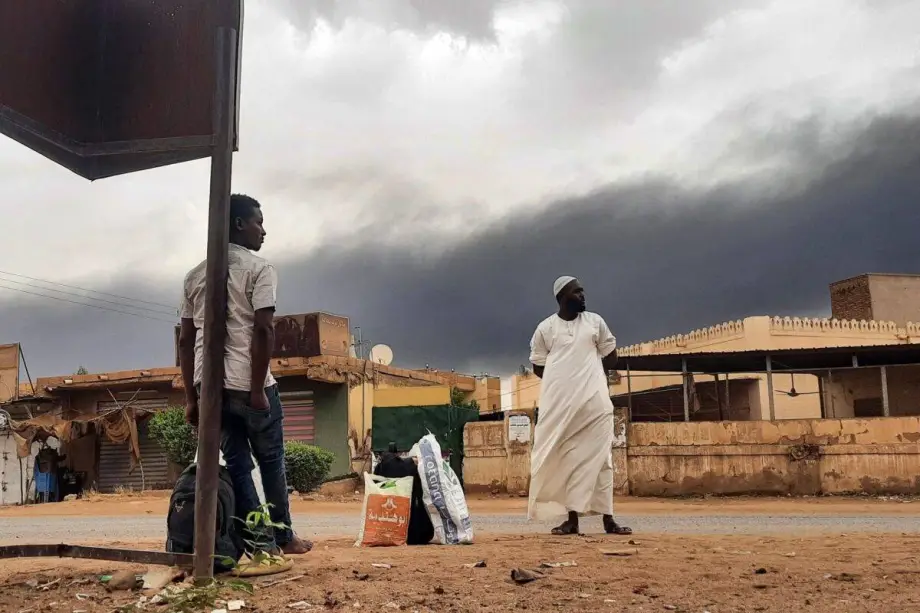
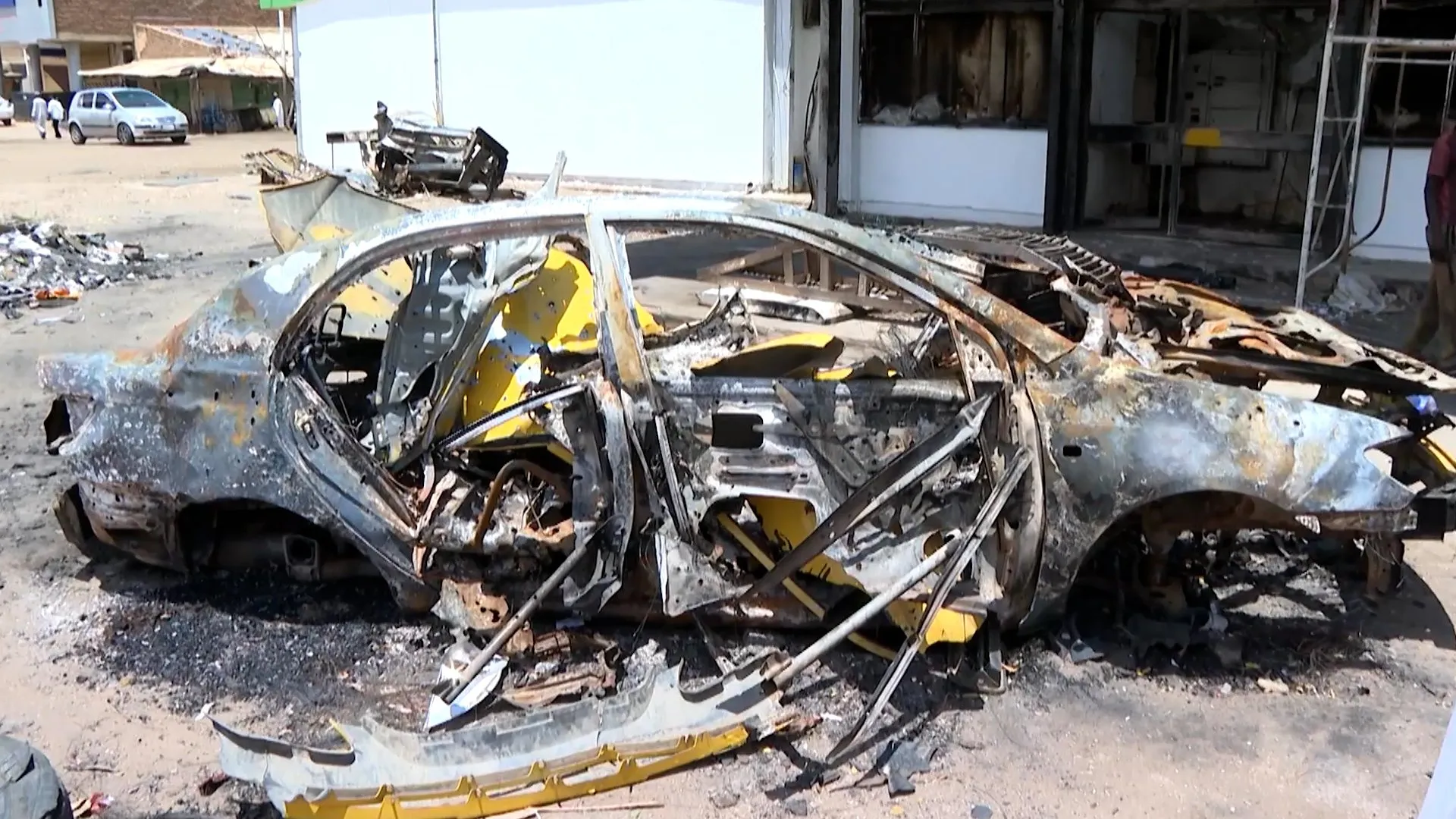
At least three people have been killed and nine others wounded, when the paramilitary Rapid Support Forces (RSF) launched a drone attack on a central Sudanese city, as fighting intensifies across the vast strategic region of Kordofan that could determine the war’s outcome.

The strike hit a square near a police station in the Tayba neighbourhood of el-Obeid on Saturday afternoon, military sources told Al Jazeera. Several of the wounded are in critical condition, they said.

Recommended Stories

list of 2 itemsend of list

The attack underscores the RSF’s expanding use of air power as it shifts its offensive from Darfur to the sprawling Kordofan region, home to critical oil infrastructure that has generated revenue for both Sudan and neighbouring South Sudan.

Military sources reported that the Sudanese Armed Forces (SAF) had earlier struck RSF positions in the town of Um Adara in South Kordofan, while RSF forces shelled the city of Um Rawaba in the north, causing civilian casualties.

An RSF drone also targeted army positions in Kosti city in White Nile state, in southeastern Sudan, destroying a military vehicle and injuring its crew, the sources added.

The three Kordofan states have witnessed fierce clashes in recent weeks, forcing tens of thousands to flee their homes and compounding what aid agencies describe as one of the world’s worst humanitarian emergencies.

The United Nations’ World Food Programme warned it will be forced to slash food rations by up to 70 percent for communities facing starvation starting in January due to critical funding shortages.

Ross Smith, the agency’s emergency preparedness director, said the cuts would affect those already “on the brink of famine” as well as vulnerable communities at risk of sliding into hunger.

The WFP said 20 million Sudanese are suffering from malnutrition, with six million facing famine-like conditions. Smith warned that funding could “collapse” by April, threatening the programme’s ability to continue operations.

Sudan’s war between the army and RSF has killed tens of thousands and displaced nearly 13 million people since fighting erupted in April 2023, according to international organisations.

Source link

South Sudan army to secure critical Heglig oilfield in Sudan war spillover | Sudan war News

South Sudan’s military has moved into the Heglig oilfield under an unprecedented agreement between the country and neighbouring Sudan’s warring parties to safeguard critical energy infrastructure from the country’s civil war.

The deployment on Wednesday came after the paramilitary Rapid Support Forces (RSF) captured the strategic site on December 8, compelling the government-aligned Sudanese Armed Forces (SAF) units to retreat across the border into South Sudan, where they reportedly surrendered their weapons.

Recommended Stories

list of 3 itemsend of list

The agreement aims to neutralise the facility from combat operations as fighting intensifies across Sudan’s Kordofan region, threatening both countries’ primary revenue source.

Official Sudanese government sources revealed to Al Jazeera that high-level contacts have taken place between the Sudanese and South Sudanese leaderships since the beginning of this week, after the RSF mobilized to attack the “Heglig” area. Understandings were reached to secure the evacuation of workers in the field and avoid military confrontations to ensure that the oil field and its facilities are not subjected to sabotage and destruction, and tribal leaders also played a role in that.

The deployment of South Sudan forces was based on a previous oil and security cooperation agreement signed between Khartoum and Juba, which stipulates the protection of oil fields, pipelines and central pumping stations for South Sudan’s oil, in addition to the electricity interconnection project and strengthening cooperation in the energy sector.

The new factor is the involvement of the RSF.

South Sudan People’s Defence Forces Chief of Staff Paul Nang said at Heglig that troops entered under a “tripartite agreement” involving President Salva Kiir, SAF chief Abdel Fattah al-Burhan, and RSF leader Mohamed Hamdan Dagalo, widely known as Hemedti, according to state broadcaster SSBC News.

The pact requires both Sudanese forces to withdraw from the area.

Nang stressed that South Sudanese forces would maintain strict neutrality.

“The primary goal is to completely neutralise the Heglig field from any combat operations”, he said, because it “represents an economic lifeline not only for South Sudan but for Sudan as well”.

The deployment followed a deadly drone attack on Tuesday evening that killed dozens, including three South Sudanese soldiers.

SAF confirmed using a drone to target RSF fighters at the facility, though the exact death toll remains unclear. Local media reported that seven tribal leaders and numerous RSF personnel died in the attack.

Approximately 3,900 Sudanese soldiers crossed into South Sudan’s Rubkona County after evacuating Heglig, handing over tanks, armoured vehicles and artillery to South Sudanese authorities, according to Unity State officials in South Sudan.

Thousands of civilians have also fled across the border since Sunday.

Heglig houses a central processing facility able to handle up to 130,000 barrels per day of South Sudanese crude destined for export through Sudanese pipelines. The site also includes Block 6, Sudan’s largest producing field.

Jan Pospisil, a South Sudan expert at Coventry University, explained the strategic calculus behind the unusual arrangement.

“From the SAF’s perspective, they don’t want the RSF to find another possible revenue stream, and it is better from their perspective for South Sudan to take control of the area,” he told Al Jazeera.

He added that the RSF “can’t really defend against air attacks by the SAF, as we saw with this drone strike, and they don’t need money right now”.

The seizure of Heglig marks the latest RSF advance as the conflict’s centre of gravity shifts from Darfur to the vast Kordofan region. The paramilitary force secured complete control of Darfur in October with the fall of el-Fasher, prompting international alarm over mass atrocities.

Activists at the Tawila camp told Al Jazeera that refugees continue arriving, with some forced to sleep outdoors due to insufficient resources.

UN human rights chief Volker Turk repeated a warning he issued last week that he was “extremely worried that we might see in Kordofan a repeat of the atrocities that have been committed in el-Fasher”, amid RSF advances in the region.

The Global Centre for the Responsibility to Protect echoed his warning, with Executive Director Savita Pawnday stressing that Sudan faces “one of the world’s gravest atrocity crises”, where civilians are enduring “unimaginable harm while the international community fails to respond”.

The fighting has triggered displacement, with the International Organization for Migration reporting more than 1,000 people fled South Kordofan province in just two days this week as combat intensified around the state capital, Kadugli.

In el-Fasher, the Sudan Doctors Network reported this week that the RSF is holding more than 19,000 detainees across Darfur prisons, including 73 medical personnel.

The medical advocacy group said cholera outbreaks are killing people due to overcrowding and the absence of adequate healthcare, with more than four deaths recorded weekly from medical neglect.

Source link