States scramble to send SNAP benefits to millions after shutdown ends
With the longest U.S. government shutdown over, state officials said Thursday that they are working quickly to get full SNAP food benefits to millions of people, though it could still take up to a week for some to receive their delayed aid.
A back-and-forth series of court rulings and shifting policies from President Trump’s administration has led to a patchwork distribution of November benefits under the Supplemental Nutrition Assistance Program. While some states had already issued full SNAP benefits, about two-thirds of states had issued only partial benefits or none at all before the government shutdown ended late Wednesday, according to an Associated Press tally.
The federal food program serves about 42 million people, or about 1 in 8 Americans, in lower-income households. They receive an average of about $190 monthly per person, though that doesn’t necessarily cover the full cost of groceries for a regular month.
A spokesperson for the U.S. Department of Agriculture, which runs the program, said in an email Wednesday that funds could be available “upon the government reopening, within 24 hours for most states.” But the agency didn’t say whether that timeline indicates when the money will be available to states or when it could be loaded onto the electronic cards used by beneficiaries.
West Virginia, which hadn’t issued SNAP benefits, should have full November benefits for all recipients by Friday, Gov. Patrick Morrisey said Thursday.
The Illinois Department of Human Services, which previously issued partial November benefits, said Thursday that it is “working to restore full SNAP benefits.” But it won’t happen instantly.
“We anticipate that the remaining benefit payments will be made over several days, starting tomorrow,” the department said in a statement, and that “all SNAP recipients will receive their full November benefits by November 20th.”
Colorado officials said late Wednesday that they are switching from delivering partial to full SNAP benefits, which could be loaded onto electronic cards starting as soon as Thursday.
Missouri’s Department of Social Services, which issued partial SNAP payments Tuesday, said Thursday that it is waiting for USDA guidance on how to issue the remaining November SNAP benefits but would move quickly once that guidance is received.
Paused SNAP payments stirred stress for some families
The delayed SNAP payments posed a new complication for Lee Harris’ family since his spouse was laid off a few months ago.
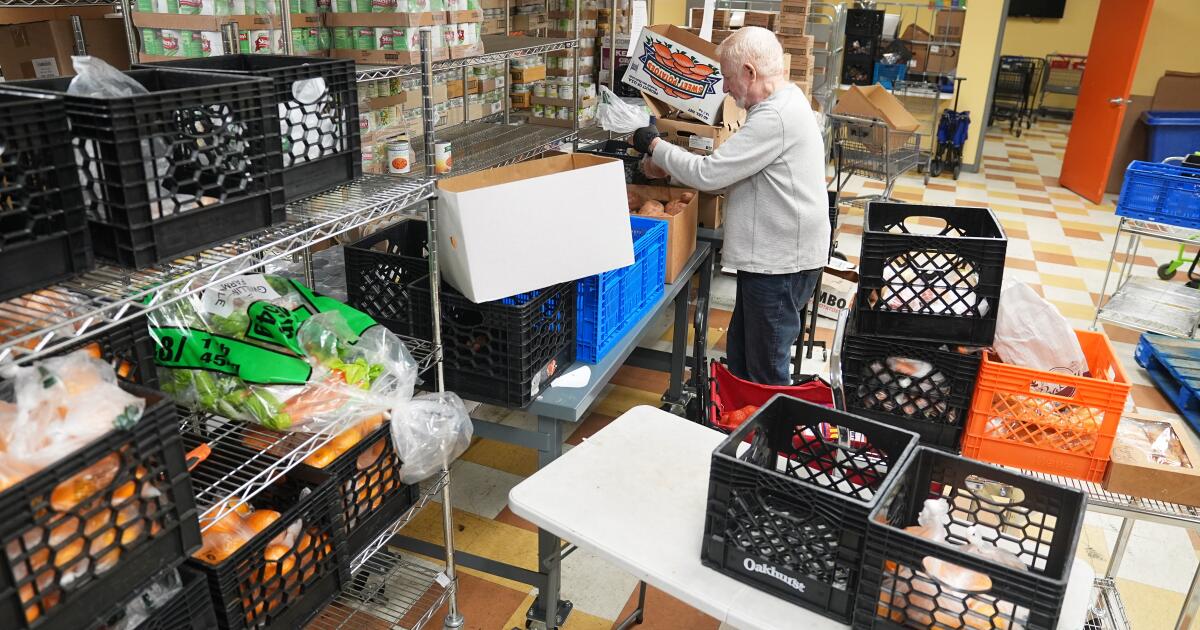
Harris, 34, said his North Little Rock, Ark., family got help from his temple and received food left by someone who was moving. With that assistance — and the knowledge that other families have greater needs — they skipped stopping by the food pantry they have sometimes used.
Harris’ family, including his three daughters, hasbeen able to keep meals fairly close to normal despite missing a SNAP payment this week. But they have still experienced stress and uncertainty.
“Not knowing a definite end,” Harris said, “I don’t know how much I need to stretch what I have in our pantry.”
Federal legislation funds SNAP for a year
The USDA told states Oct. 24 that it would not fund SNAP benefits for November amid the government shutdown. Many Democratic-led states sued to have the funding restored.
After judges ruled the Trump administration must tap into reserves to fund SNAP, the administration said it would fund up to 65% of its regular allocations. When a judge subsequently ordered full benefits, some states scrambled to quickly load SNAP benefits onto participants’ cards during a one-day window before the Supreme Court put that order on hold Friday.
Meanwhile, other states went forward with partial benefits, and still others issued nothing while waiting for further USDA guidance on the situation.
Amid the uncertainty over federal SNAP funding, some states tapped into their own funds to provide direct aid to SNAP recipients or additional money for nonprofit food banks.
The legislation to reopen the U.S. government provides full SNAP benefits not only for November but also for the remainder of the federal fiscal year, which runs through next September. Citing that legislation, the Justice Department on Thursday dropped its request for the Supreme Court to continue blocking a judicial order to pay full SNAP benefits.
Mulvihill and Lieb write for the Associated Press. AP writers John O’Connor in Springfield, Ill.; John Raby in Charleston, W.Va.; and Colleen Slevin in Denver contributed to this report.