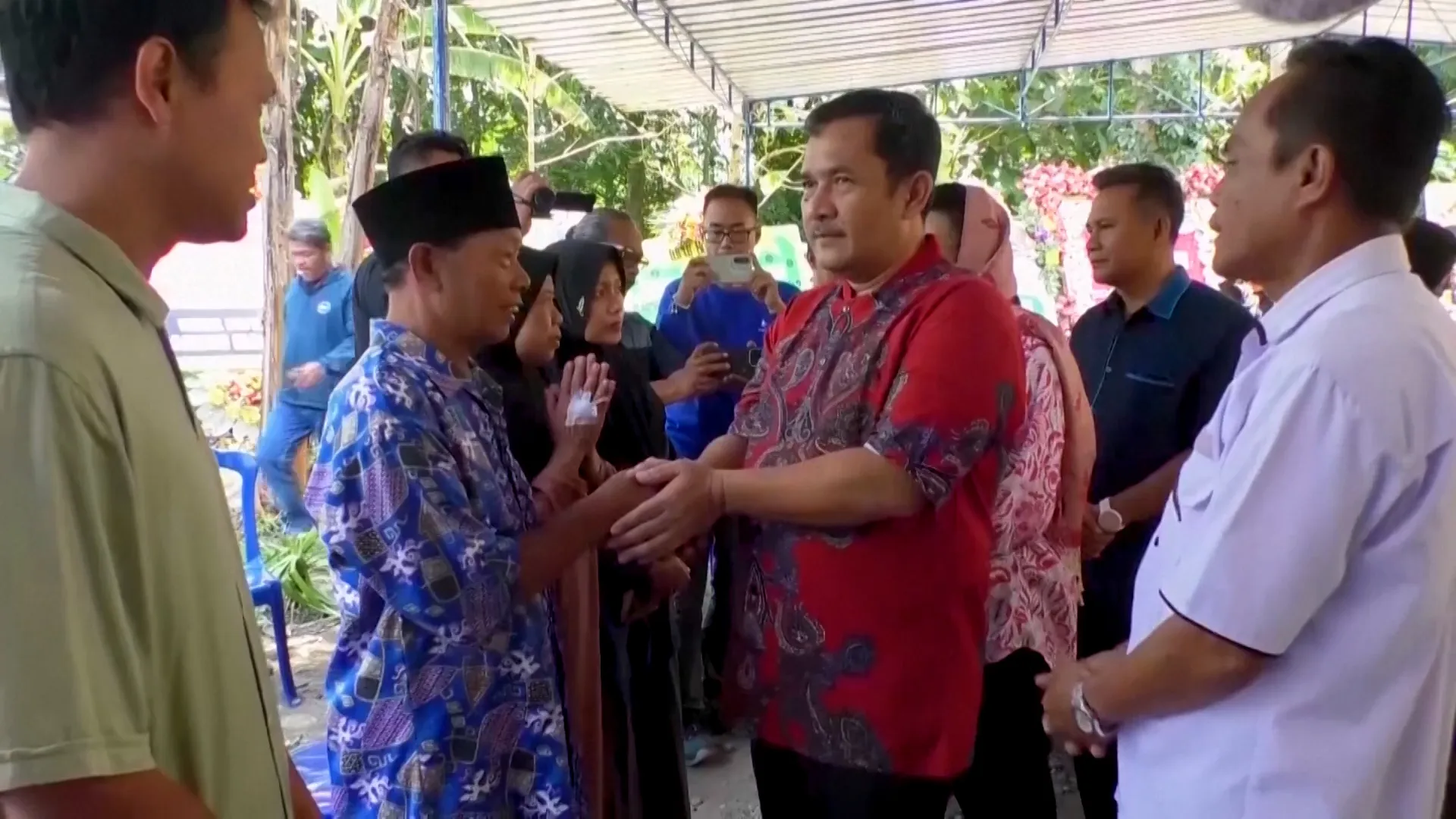
Families and colleagues held a memorial for UN peacekeeper Farizal Rhomadhon, one of three Indonesian soldiers killed within 24 hours of each other in Lebanon.
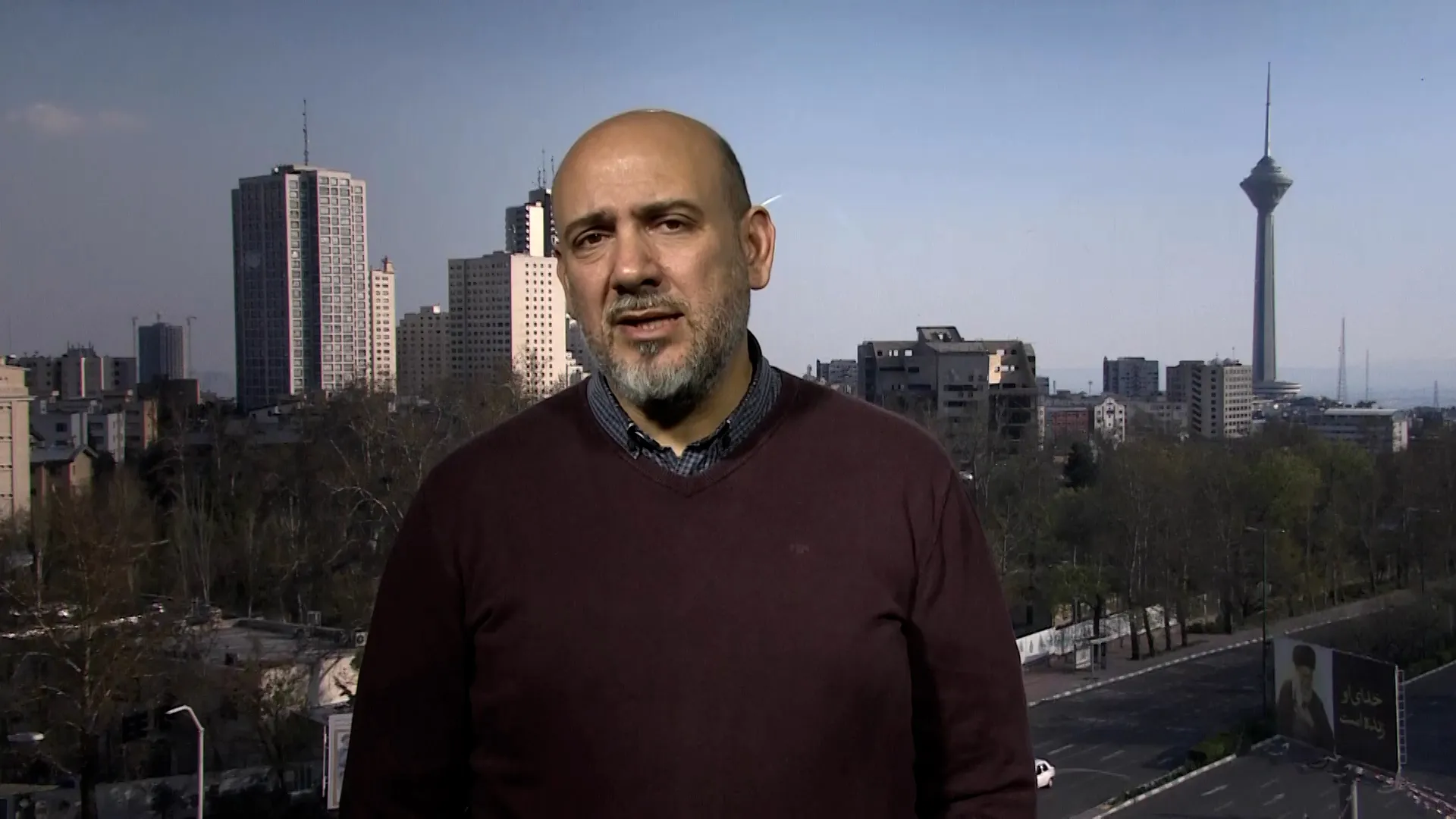
A senior Iranian official has laughed in response to US President Donald Trump’s claim that Iran’s president has asked for a ceasefire, Al Jazeera’s Ali Hashem says Trump’s comments come a day after Iran’s foreign minister said his country was not looking for a ceasefire.
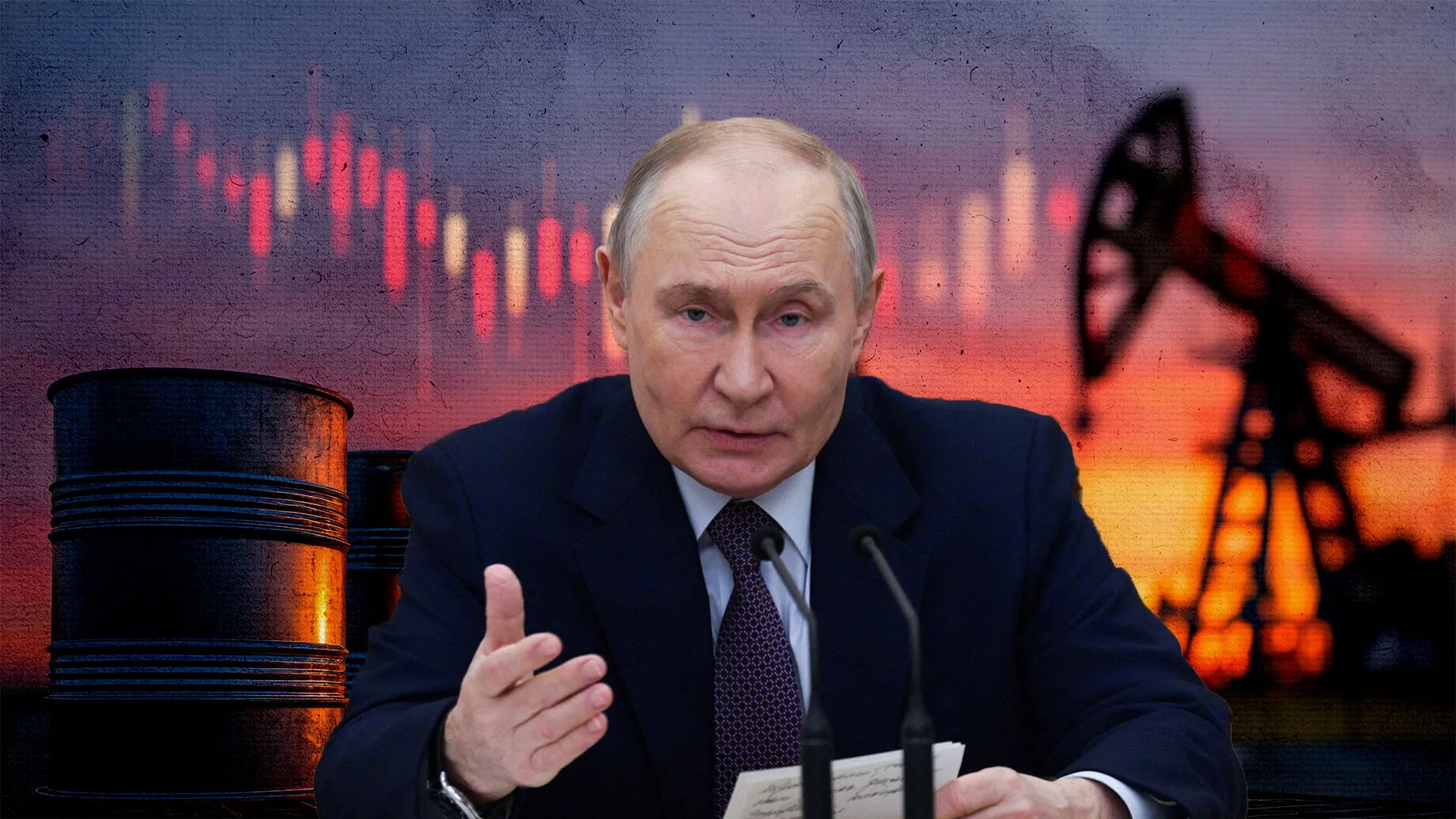
Higher crude prices due to the disruption in the Strait of Hormuz have helped Russia earn more from energy exports.
One nation that’s hoping to gain from the United States-Israel war on Iran is Russia, the world’s third largest oil producer. Higher crude prices due to the disruption in the Strait of Hormuz have allowed Russia to earn more from its oil and gas exports. A sanctions waiver announced by the US is also helping Moscow. But its revised budget plans are at risk after repeated Ukrainian attacks on its ports and oil refineries. Russia has banned petrol exports to protect against domestic fuel shortages. So can Russia help fill the global energy gap, or is its capacity already under threat?
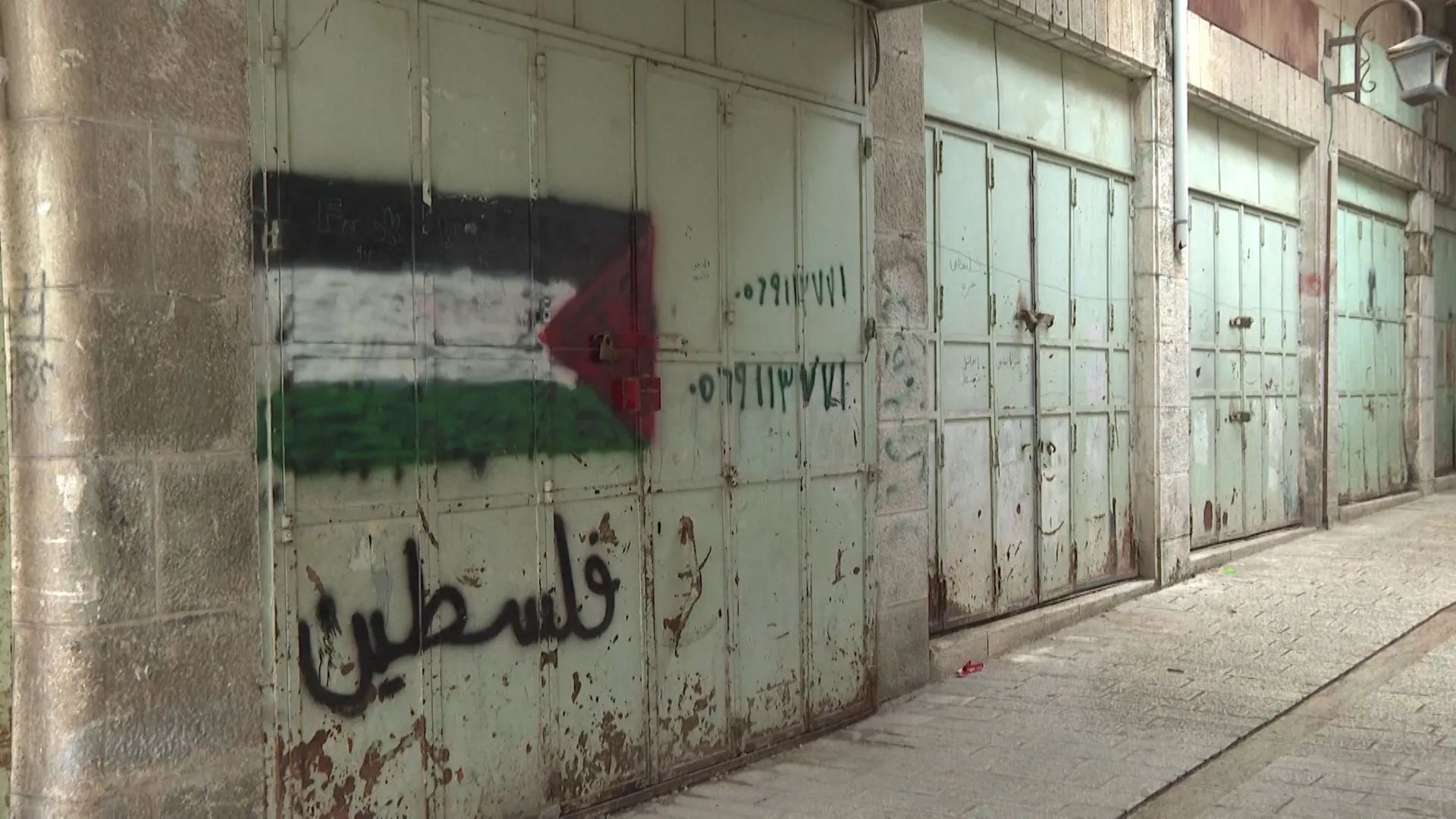
A general strike swept the occupied West Bank after Israel passed a death penalty law that only targets Palestinians, sparking international condemnation and protests.
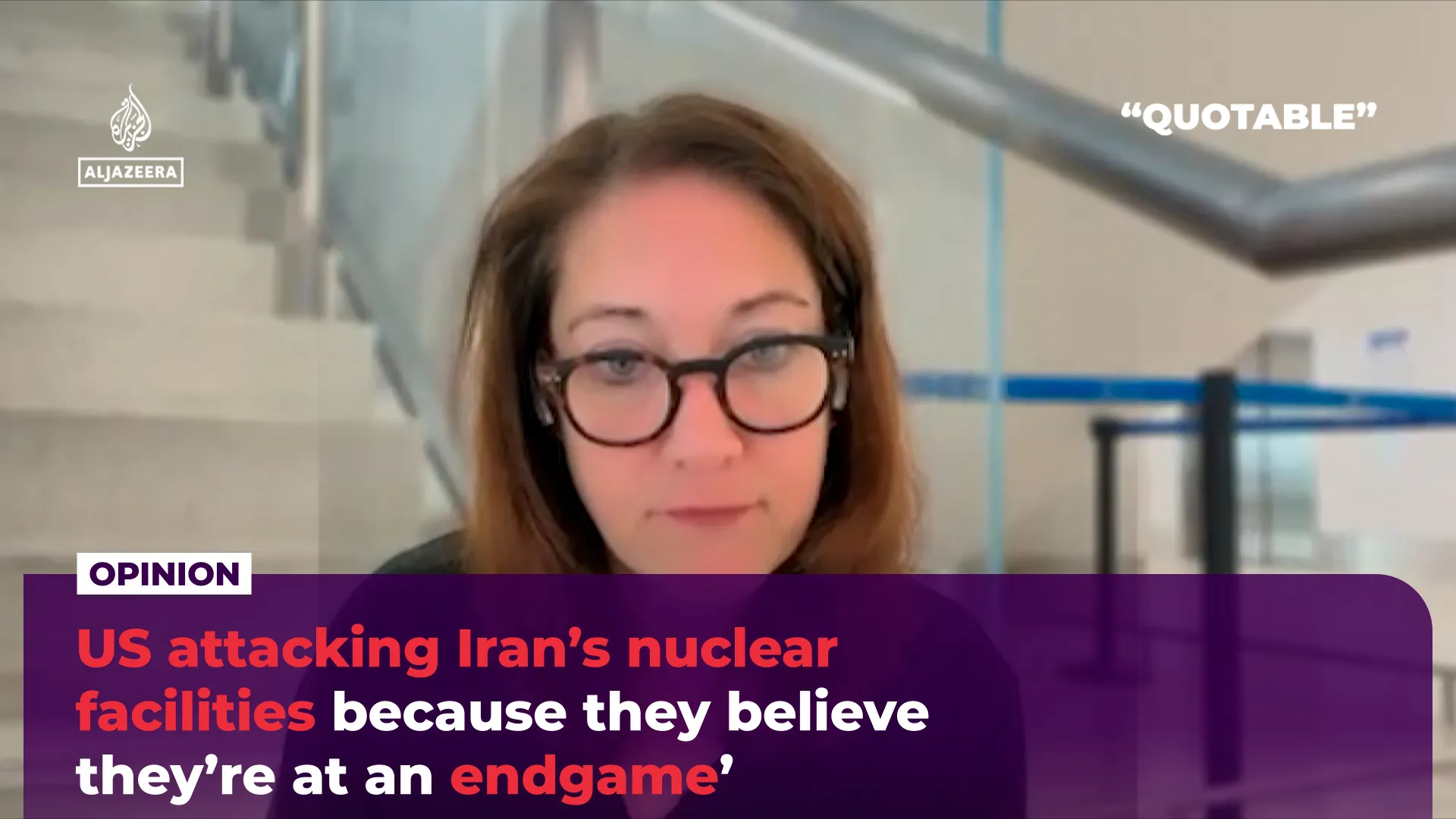
Former US Senior State Department official Jennifer Gavito argues why US attacking Iran’s nuclear facilities may be a sign that the war is coming to an end.
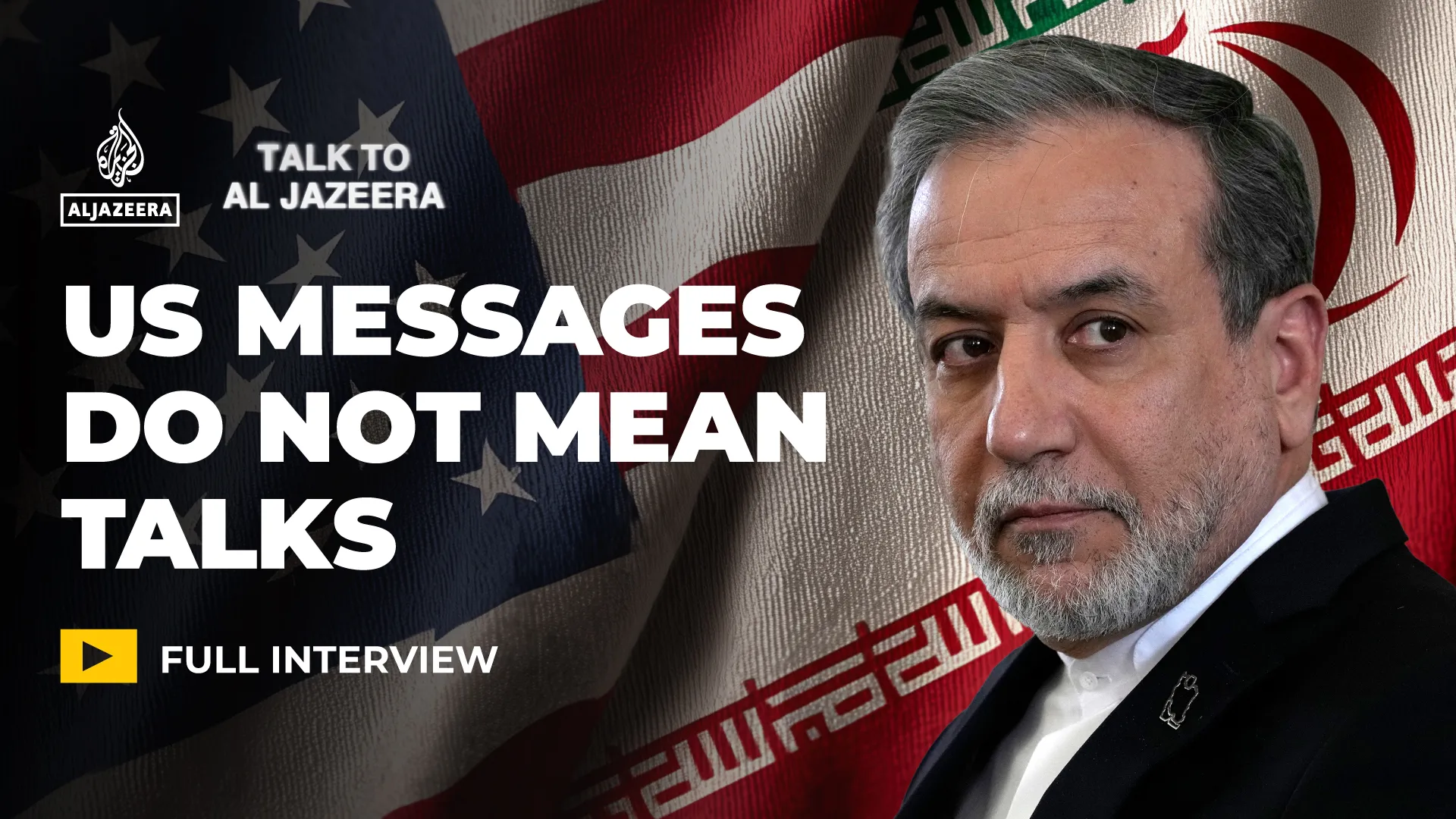
Iran’s foreign minister says message exchanges continue with Washington, but insists there are no negotiations, and no trust.
Iran’s Foreign Minister Abbas Araghchi tells Talk to Al Jazeera that Iran is not negotiating with the United States, despite ongoing exchanges of messages, including direct communication from US envoy Steve Witkoff.
Araghchi says talks lack trust, adding that no response has been given to US proposals, and that there is no basis for negotiations. Araghchi outlines Iran’s conditions for ending the war, warns against threats and deadlines, and signals a readiness to continue defending the country as regional tensions escalate.
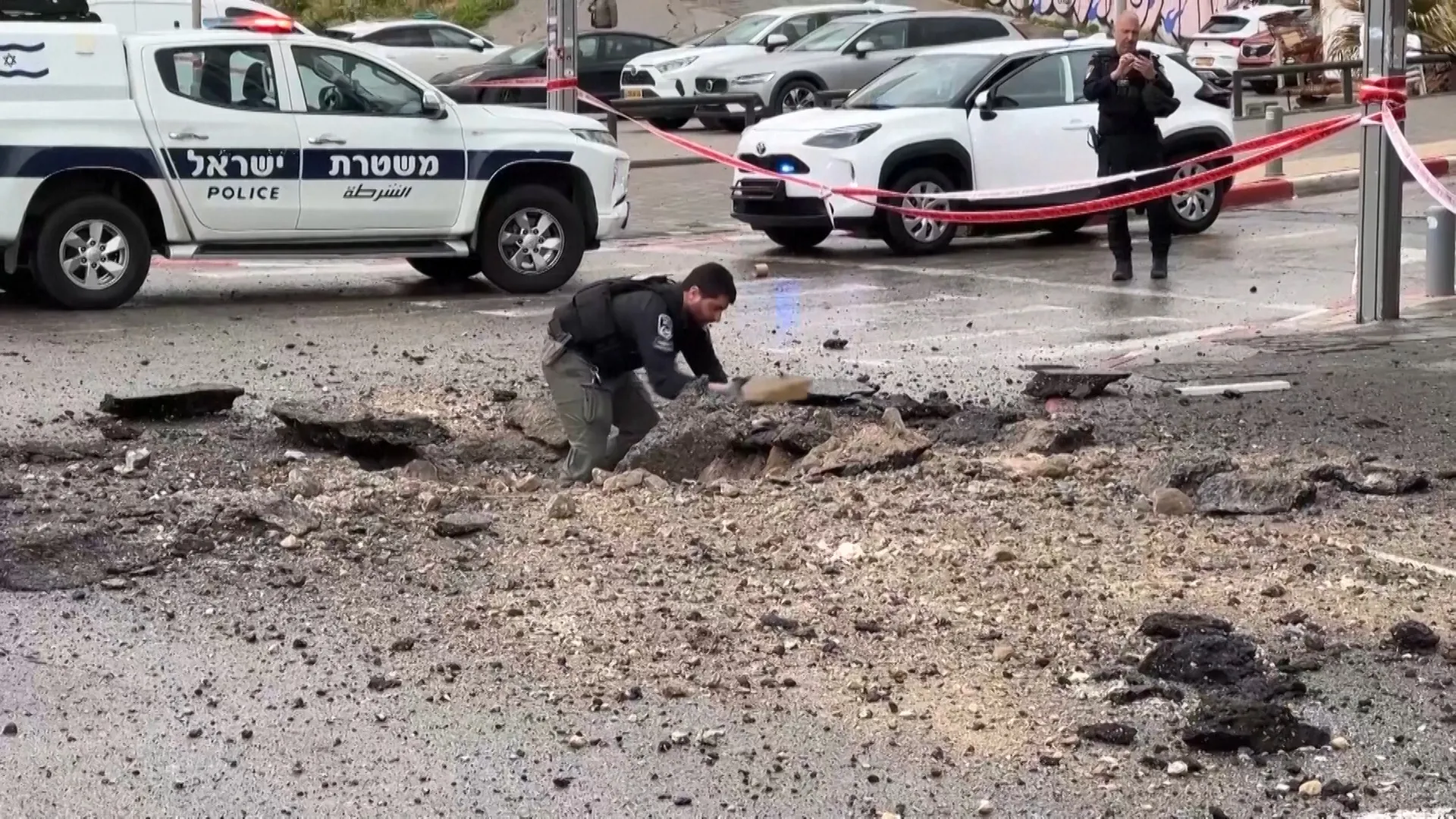
Police inspect a strike site in Tel Aviv after a missile hit the city, causing injuries as the US-Israeli war on Iran enters its fifth week. Meanwhile, Washington signals the conflict could soon wind down, even as timelines remain unclear.
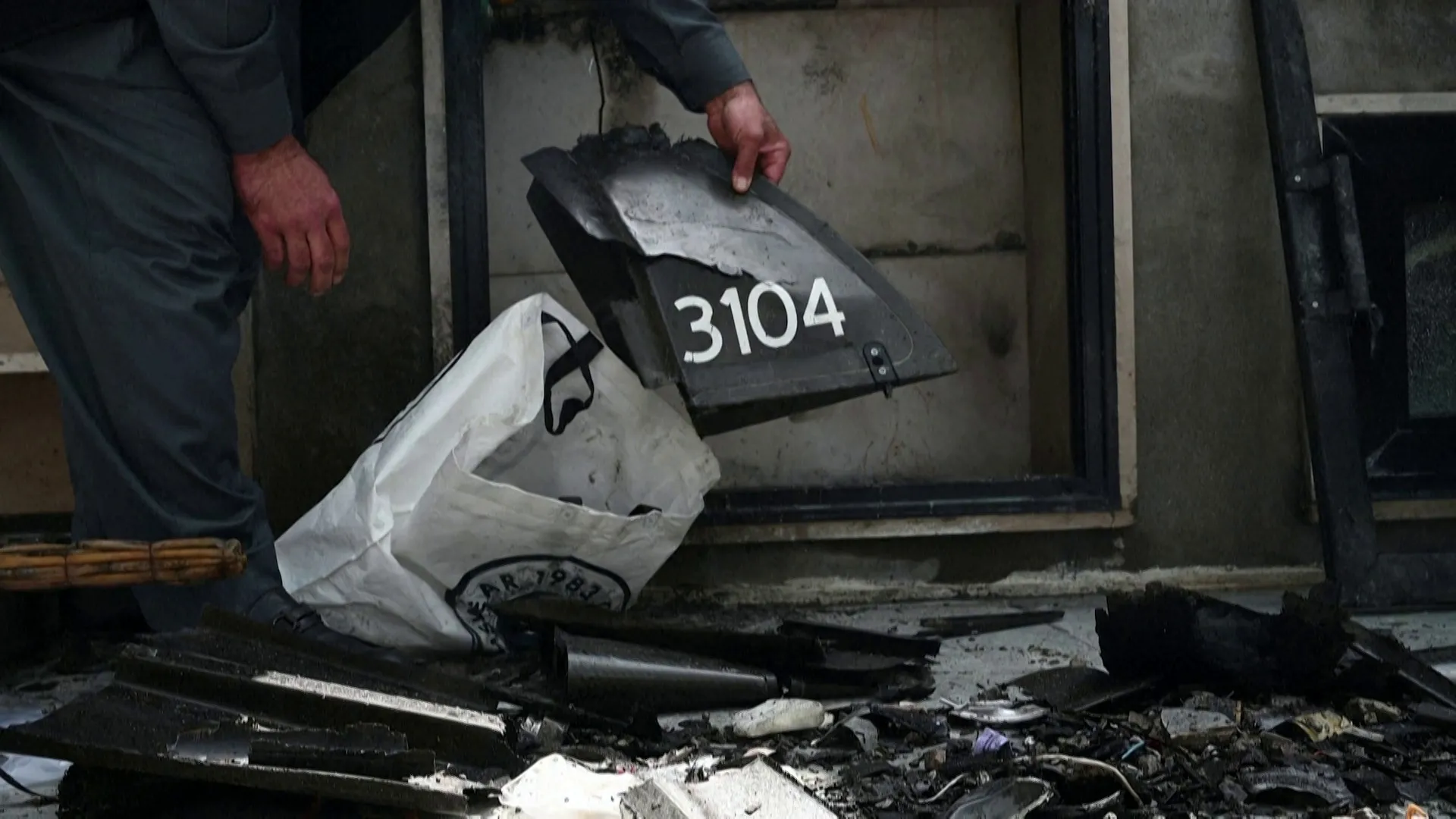
Residents living near Erbil’s international airport in northern Iraq, say falling drone debris has damaged vehicles and properties amid the escalating war on Iran.
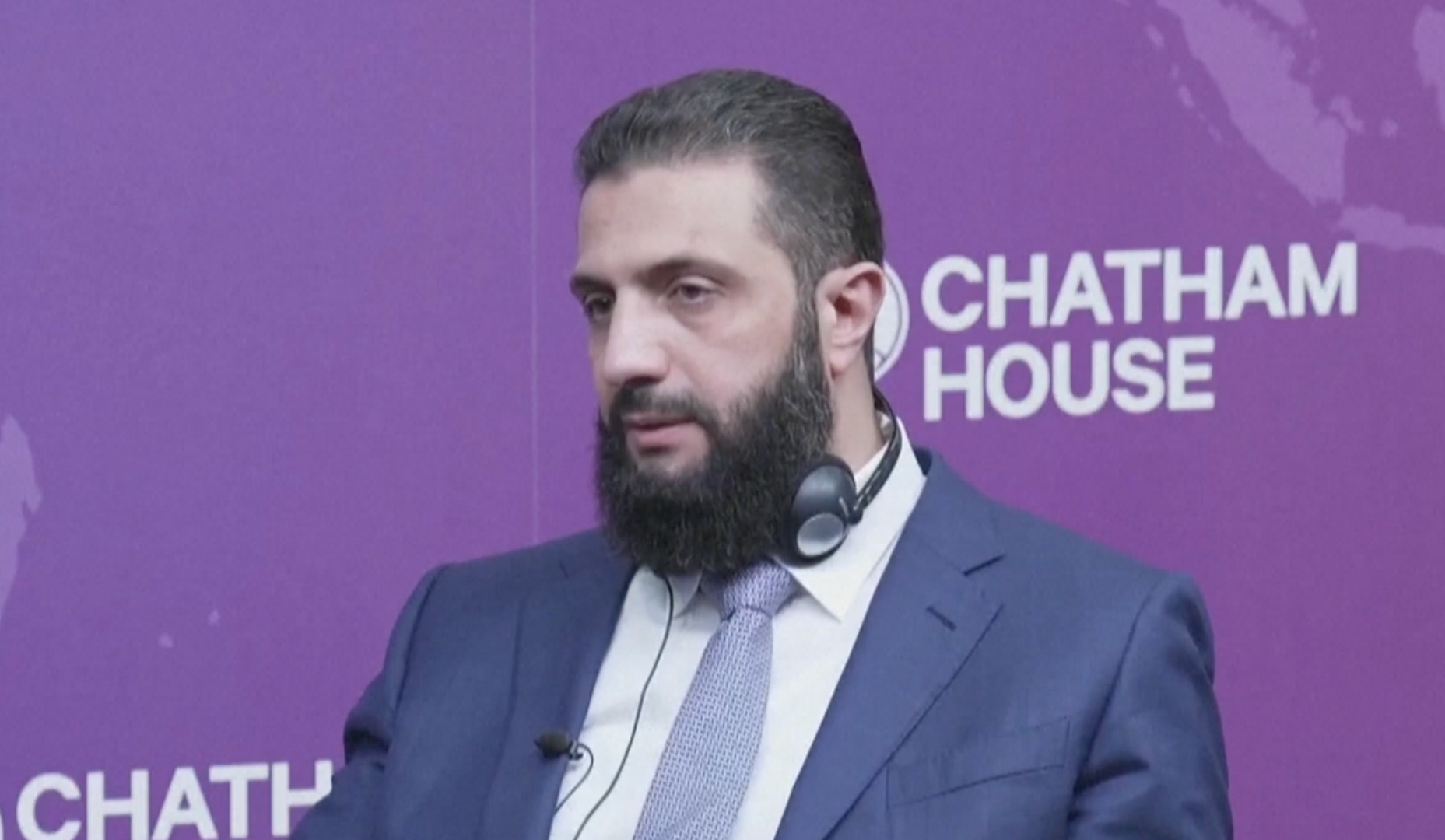
’14 years of war is enough for Syria’: Syrian President Ahmed al-Sharaa says Syria will remain outside the US-Israeli war on Iran unless it is directly targeted. His comments come as fighting continues across the region for a 31st day.
Slavery declared the gravest crime against humanity.
Slavery has been declared the gravest crime against humanity in a United Nations resolution. Argentina, Israel, and the United States were the only countries that voted against it, with many others abstaining. So what does this resolution mean, and why won’t the countries that built their wealth on slavery agree to a path for justice? Al Jazeera’s Marthe van der Wolf explains.
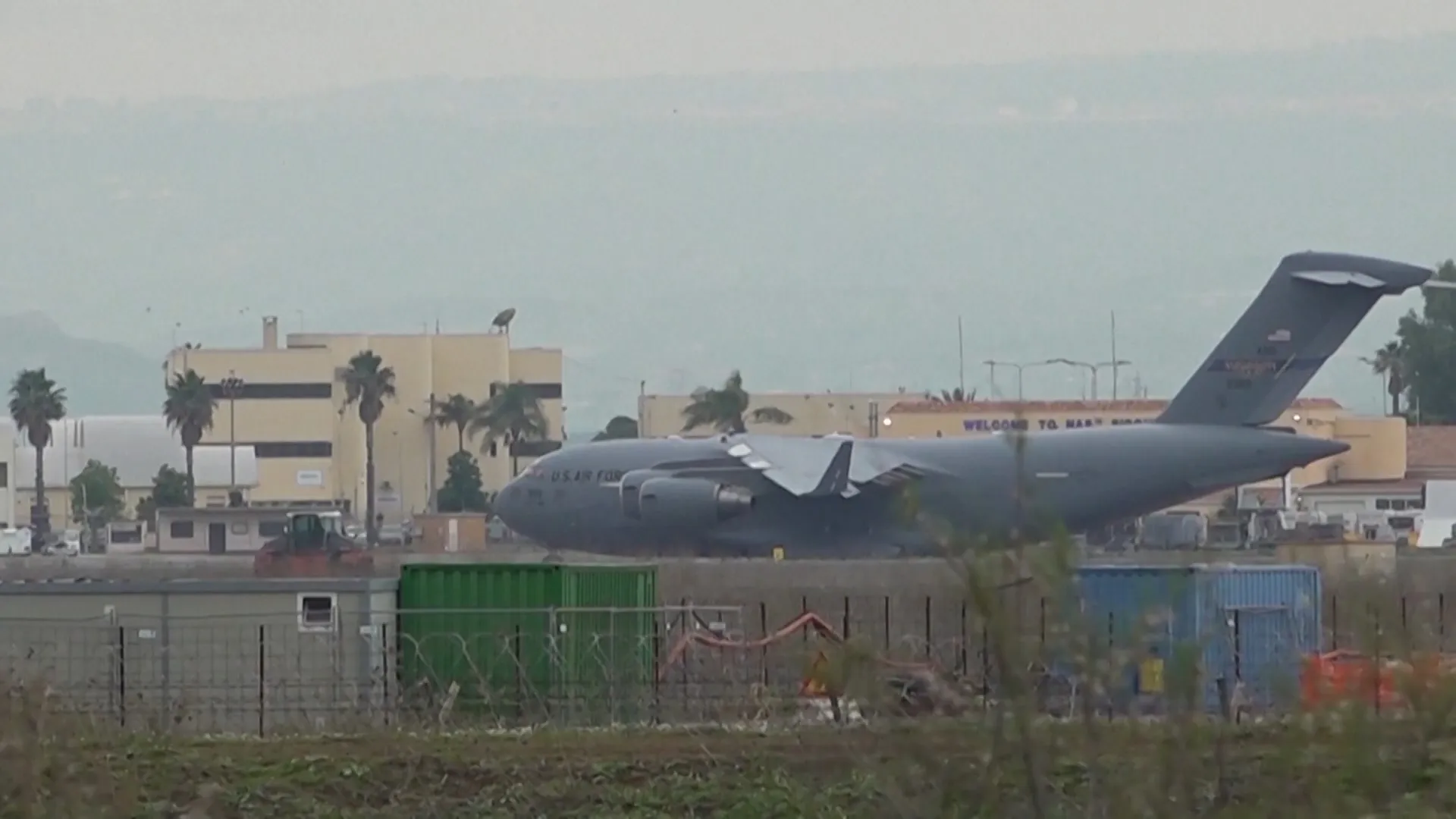
Italian press reports that the government has refuse to authorise US to land bombers at a base in Sicily for transit to the Middle East, where they could be used to strike Iran.
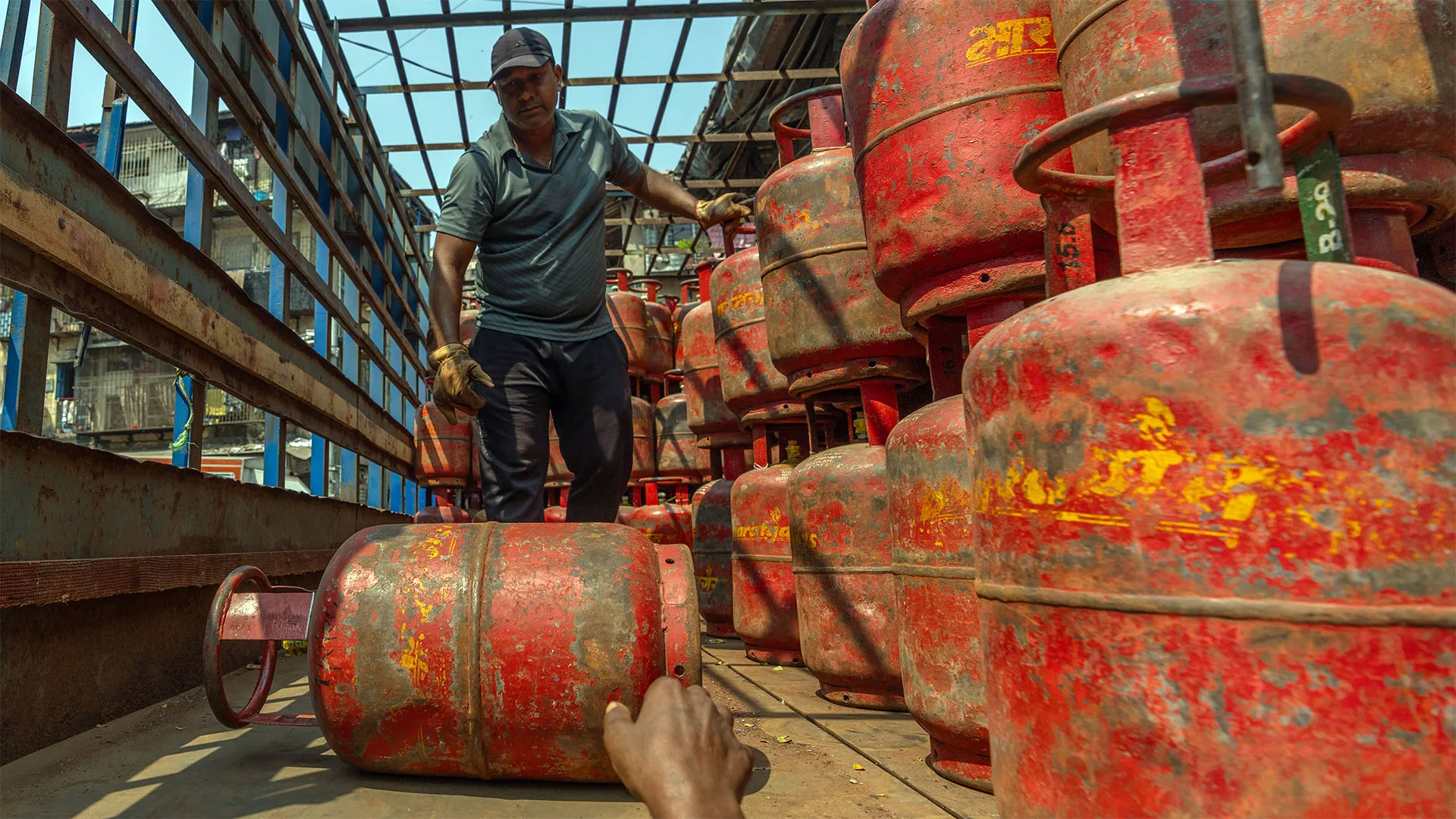
The Middle East conflict has cut off 20 percent of the world’s fuel supply. Countries are scrambling for alternatives.
The disruption in the Strait of Hormuz has cut access to one-fifth of the world’s oil and gas supply, leaving many countries scrambling for alternatives.
So what can they rely on to make up for the shortfall in a quick time?
Many Asian countries are turning to coal, reopening shuttered plants and expanding production.
Policymakers say immediate energy needs supplant environmental concerns.
Others are hoping to turn to renewables. Solar power is now the cheapest form of electricity in many parts of the world. But renewables, especially wind, have faced hostility from the Trump administration.
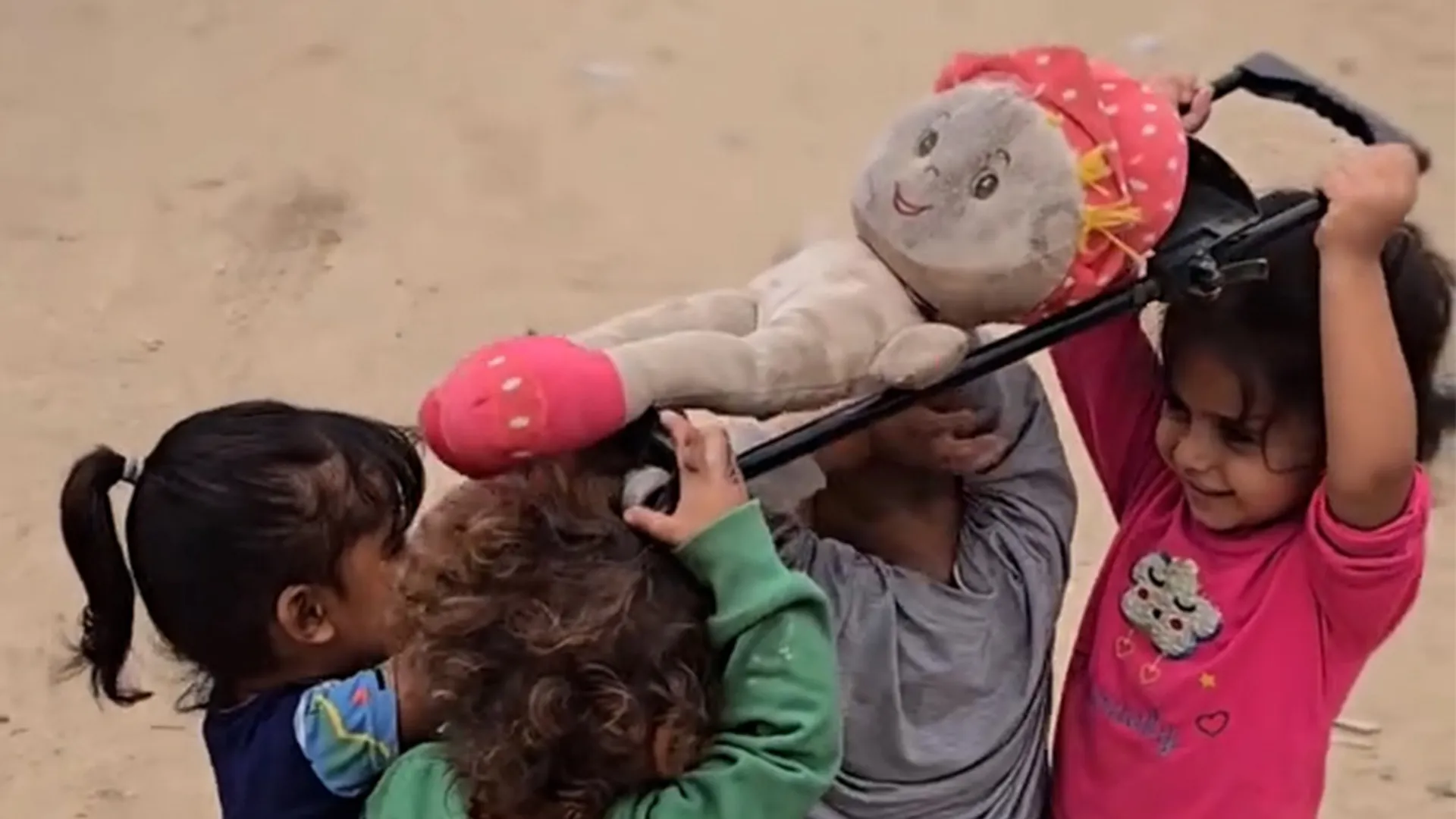
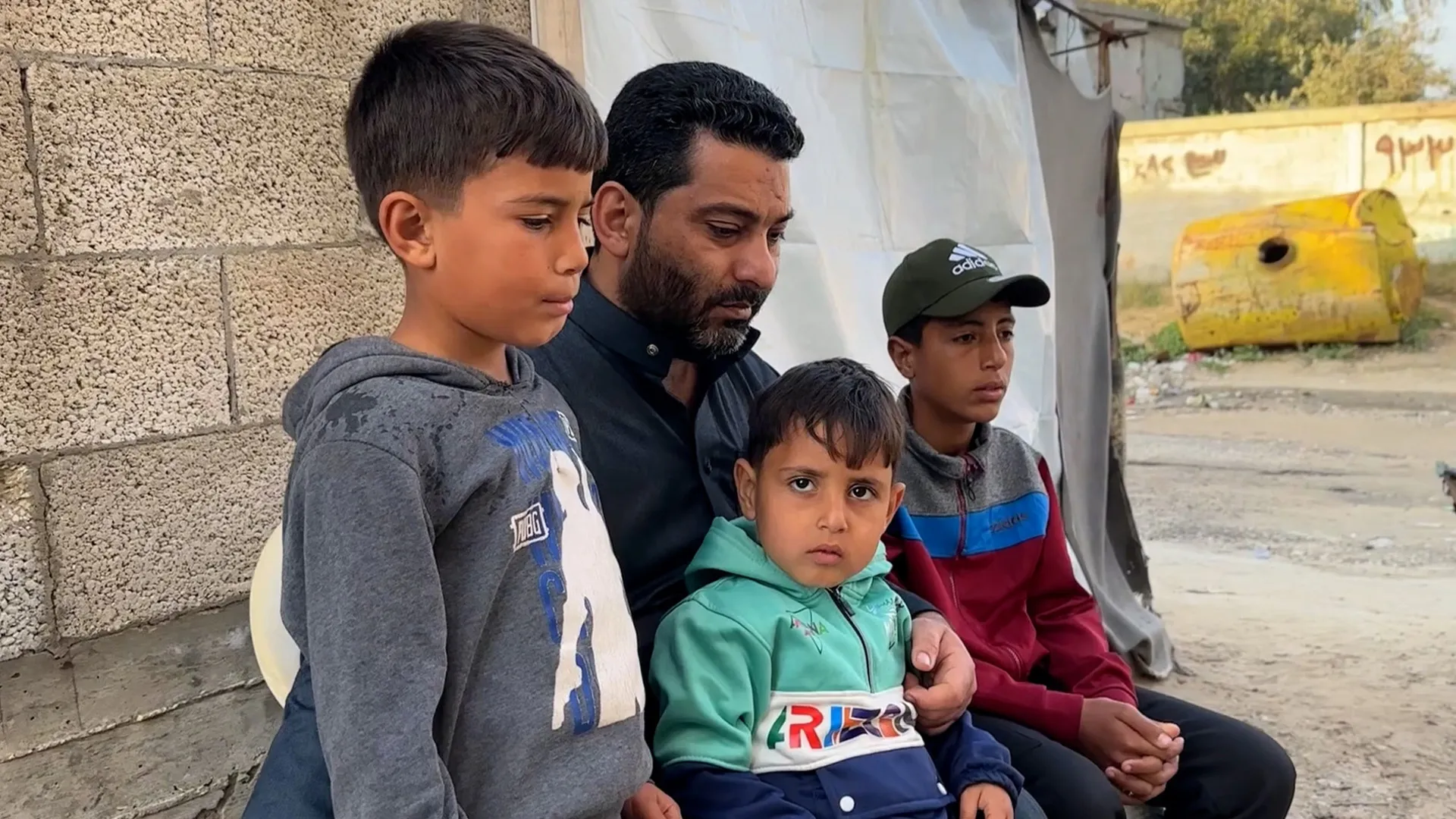
A video published by a Palestinian content creator shows a group of children carefully lifting their doll on a stretcher to reenact a funeral as they play together in a displacement camp in Gaza.
UK pro-Palestine activist Qesser Zuhrah has been arrested on terrorism charges after being released on bail last month. Video shows masked officers taking her from her home at dawn over what supporters say was an Instagram story.
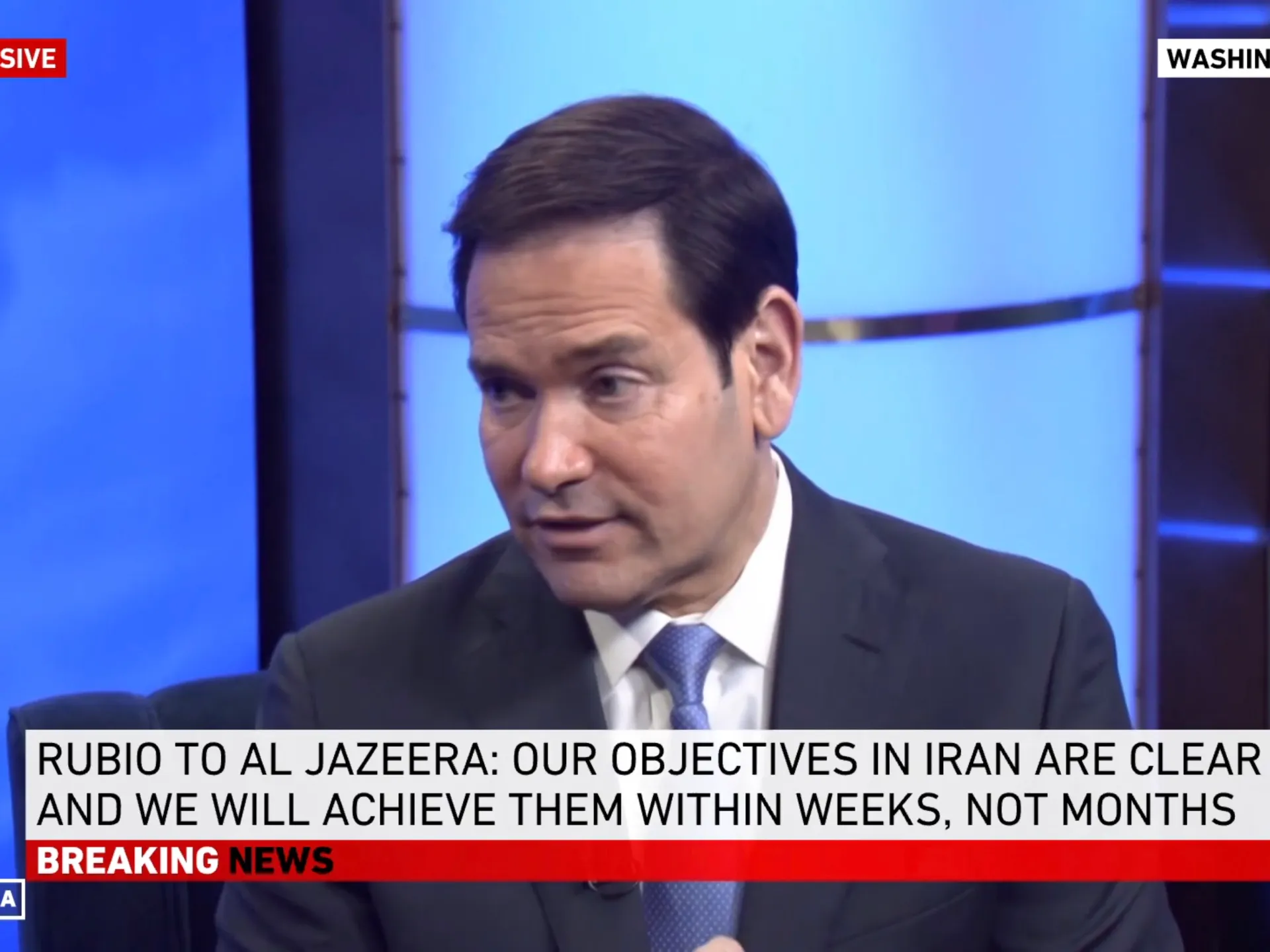
In an exclusive interview with Al Jazeera, US Secretary of State Marco Rubio outlines Washington’s position on Iran, saying US objectives will be achieved ‘within weeks, not months’. Rubio says talks are taking place between parties inside Iran and the United States, mainly through intermediaries, while warning that the Strait of Hormuz ‘will be opened one way or another’ after the military operation ends. He also says Iran must take concrete steps to abandon any ambition to acquire nuclear weapons.
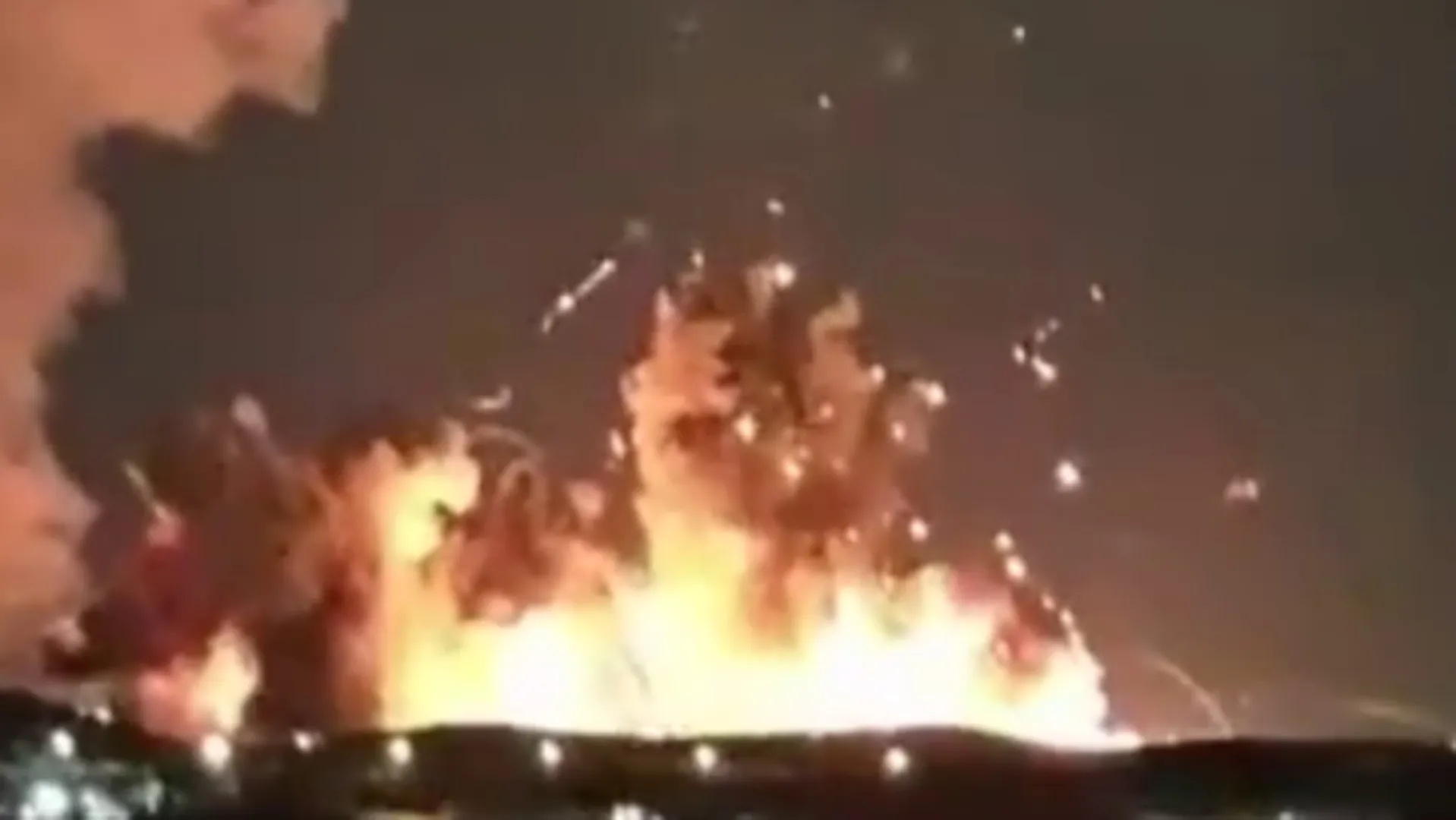
Witnesses have captured intense US-Israeli attacks on Isfahan, a city in Iran with a population of 2.3M, and home to the Badr military airbase. Huge explosions and fires have lit up the night sky.
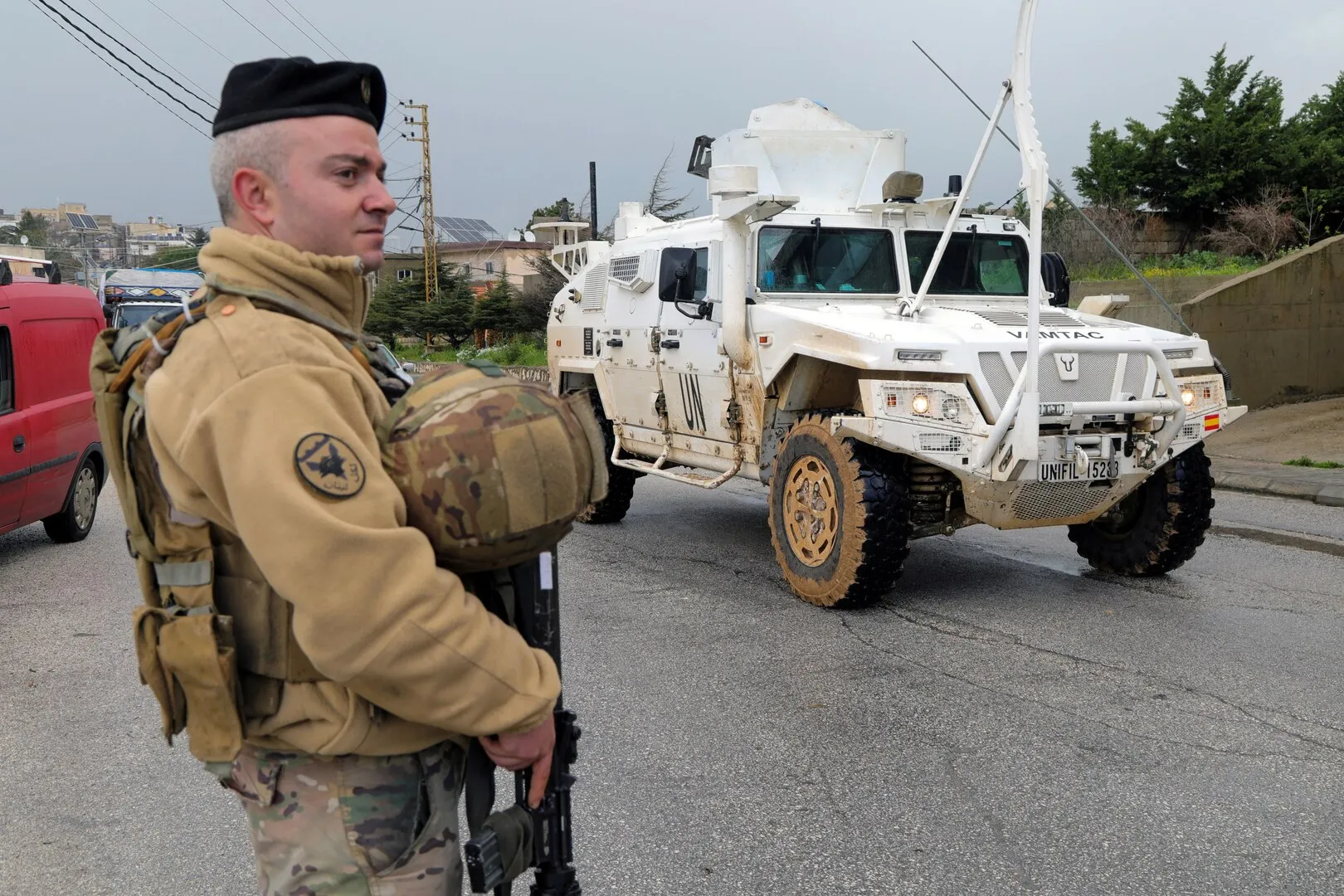
The UN has condemned the deaths of three Indonesian peacekeepers in southern Lebanon, who were killed in two separate incidents, including a vehicle explosion. They are the latest UN casualties since Israel expanded its ground invasion.
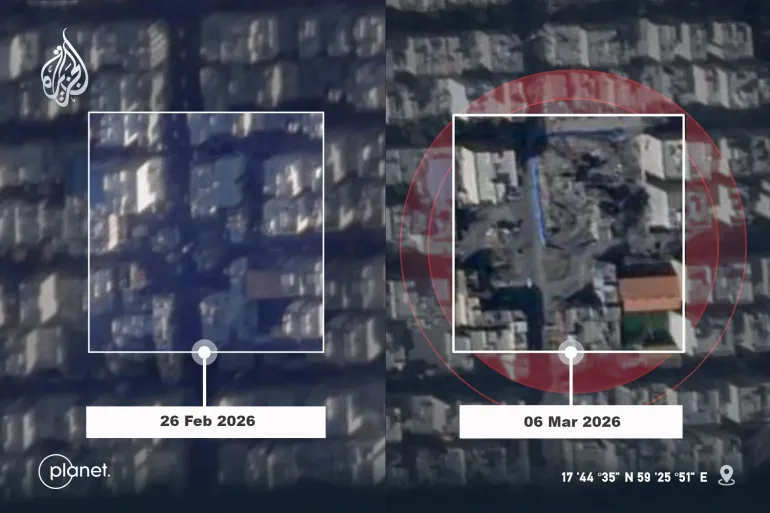
In the densely populated neighbourhoods of southern Tehran, the 11th Criminal Investigation Base once stood as a mundane symbol of local law enforcement. Its detectives investigated economic crimes, fraud and petty thefts.
The building housed no ballistic missiles, no uranium centrifuges and no military command centres. Today, it is a crater. In the opening wave of the United States-Israel war on Iran, warplanes wiped the local police station off the map.
Satellite imagery provided by Planet Labs shows the destruction of the 11th Criminal Investigation Base in southern Tehran on February 26 and March 6, 2026. [Al Jazeera/Planet]
It was not an isolated incident. An investigation by Al Jazeera’s Digital Investigations unit has verified that at least 75 internal security sites were destroyed or damaged in bombardments by Israel and the US from February 28 to March 10. The targeted facilities included local police stations, criminal investigation headquarters, public security offices and checkpoints operated by the Basij paramilitary force.
Al Jazeera mapped the strikes using open-source data, cross-referencing field reports with satellite imagery to confirm the destruction. However, conducting independent verification has grown increasingly difficult. On March 6, commercial satellite providers Planet Labs and Vantor restricted imagery over the Middle East, later expanding the blackout to impose a 14-day delay on all images of Iran.
While the companies said the blackout prevents hostile actors from endangering civilians, independent journalist Ken Klippenstein recently revealed a leaked US Space Force directive dictating how commercial satellite firms describe damage. The leak exposed a deliberate US effort to control the flow of information and obscure the reality of the battlefield.
Targeting population centres
The spatial distribution of the 75 verified strikes revealed a clear and deliberate strategy. Warplanes bypassed isolated military installations to hit the infrastructure Tehran uses to police its citizens.
An Al Jazeera map details the geographic distribution of the 75 internal security sites targeted by US-Israeli strikes, showing a heavy concentration in Tehran and western provinces. [Al Jazeera]
The capital alone absorbed 31 strikes, more than 40 percent of the total targets. Sanandaj, the capital of Kurdistan province, suffered eight strikes. The remaining targets were clustered tightly in major western and central cities, including Isfahan, Kermanshah and Hamedan. Meanwhile, Iran’s sprawling eastern and southeastern provinces remained largely untouched by this campaign.
By overlaying the strike coordinates with demographic maps, the investigation shows a near-perfect alignment with urban density. More than 70 percent of Iran’s population lives in these targeted western urban areas.
A population density map of Iran demonstrates how the strike locations closely align with the country’s most heavily populated urban centres. [Al Jazeera]
The strikes systematically targeted the Law Enforcement Command, known as FARAJA, and the Basij network. FARAJA, elevated in 2021 by late Supreme Leader Ali Khamenei to operate alongside the military, is currently led by Ahmad-Reza Radan. It manages daily urban law enforcement and riot control. The Basij, an immense volunteer paramilitary force deeply embedded in Iranian neighbourhoods, acts as the state’s ultimate tool for social control.
Engineering state collapse
The pattern of the US-Israeli air strikes points to an objective far removed from dismantling nuclear facilities or degrading military infrastructure. It reveals a calculated attempt to engineer the collapse of the Iranian state.
On February 28, US President Donald Trump launched the war and in a video address urged Iranians to take over their government once the bombs stopped falling. Israeli Prime Minister Benjamin Netanyahu echoed this sentiment in Farsi, calling on millions of Iranians to take to the streets and describing the military strategy as breaking the Iranian government’s bones.
The military planning, however, preceded events on the ground that Trump and Netanyahu pointed to for justification for their war. Israeli Defence Minister Israel Katz revealed in early March that Israel had been planning to strike Iran in mid-2026, long before January’s deadly government crackdown across Iran against economic protests.
Satellite imagery captures extensive damage to the Beheshti Basij headquarters in Tehran’s District 8 after the initial wave of strikes. [Al Jazeera/Planet]
This approach aligns with a broader Israeli doctrine. Daniel Levy, a former Israeli government adviser, previously told Al Jazeera that Israel has no interest in a smooth political transition in Tehran. What Israel wants is the collapse of the government and the state, Levy said, adding that if the repercussions spread to Iraq, the Gulf and the entire region, that is better from Israel’s point of view.
A failing strategy
Still, a month into the war, the US-Israeli strategy to spark an internal revolution through the systematic destruction of Iran’s internal security apparatus appears to be failing.
Iranians are living under daily bombardments. As missiles destroy civilian infrastructure and oil refineries burn, daily survival has eclipsed any coordinated political uprising. The United Nations special rapporteur on human rights in Iran has warned that civilians are facing a simultaneous military and human rights crisis.
Rather than collapsing, Iran’s internal security apparatus has adapted. During Ramadan, FARAJA deployed 24-hour patrols across Tehran, and riot police shut down public gatherings before the Persian New Year holiday. After the March 17 assassination of Basij commander Gholamreza Soleimani, Israeli forces released footage of strikes on mobile Basij checkpoints, indicating that Iranian security forces are still controlling the streets.
The US attempt to dismantle state security from the air mirrors its disastrous 2003 de-Baathification policy in neighbouring Iraq, which barred members of the former ruling Baath Party from holding government jobs, dismantled local policing and birthed a devastating sectarian war. Unlike in Iraq, Washington today has no troops on the ground in Iran to fill a security void it is trying to create.
Beneath the rubble of the 11th Criminal Investigation Base and dozens of stations like it, the US and Israel are aiming to bury the Iranian state and spark a popular revolt. Instead, they have trapped millions of civilians in a burning country.
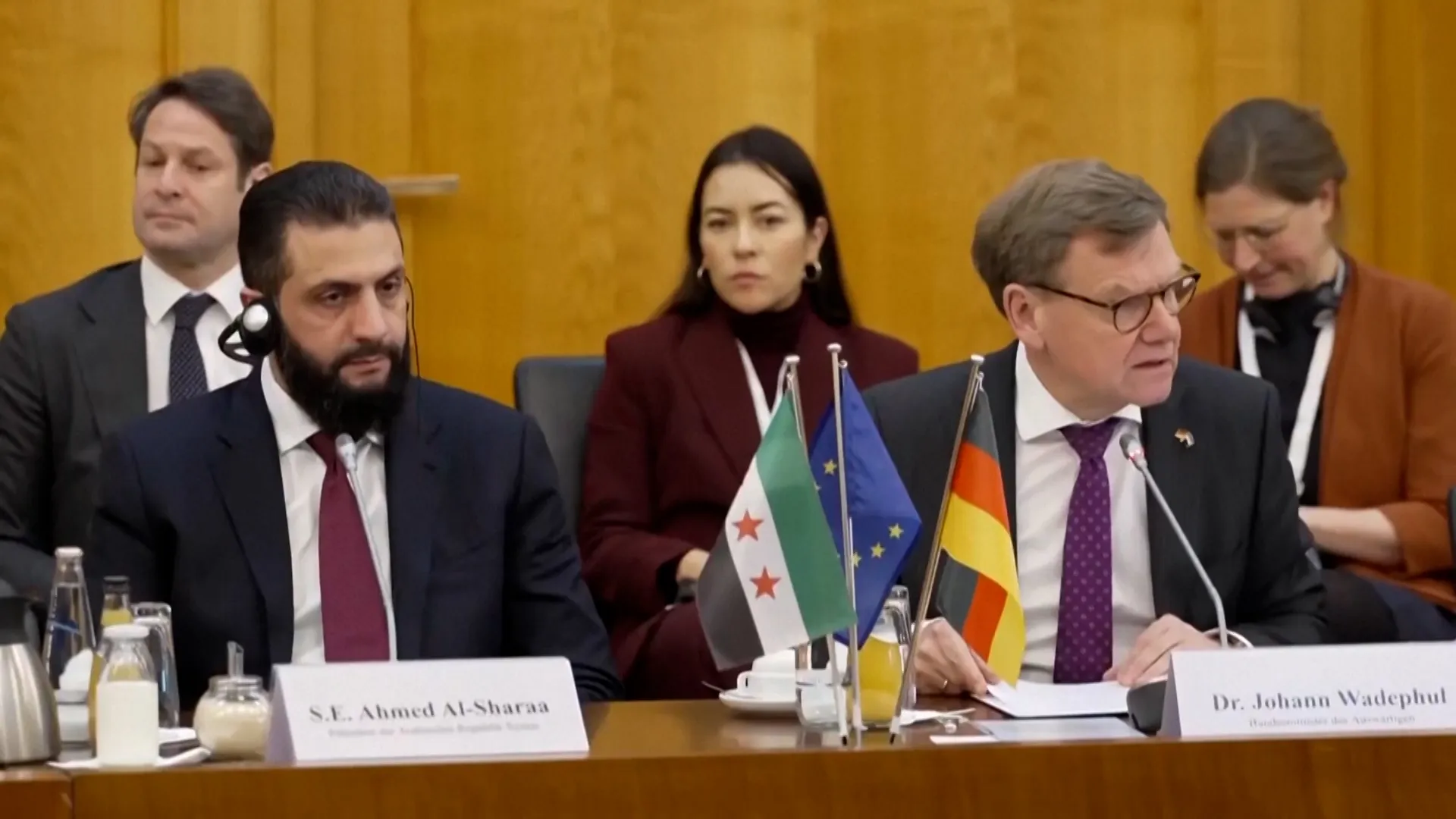
Syrian president Ahmed al-Sharaa met with top German officials in a visit to Berlin to discuss Syria’s stability, refugees in Germany and German support for reconstruction.