The Lakers appeared to be on their way to almost being whole Friday night when guard Collin Sexton returned to play for the first time this season. Then word came that key role player Jake LaRavia was out because of an ankle injury.
Still, the Lakers pressed on in their second game, a game against the crosstown rival Clippers, a game with meaning for both teams.
Though the Lakers were sloppy with the ball in the fourth quarter, having six players score in double figures helped them pull out a 125-117 win over the Clippers at Crypto.com Arena.
Austin Reaves led the way with 28 points and nine assists, but he had six turnovers. Luka Doncic had 23 points, seven assists and six rebounds, but he had 11 of the Lakers’ 21 turnovers.
Walker Kessler was a force again, scoring 22 points on 10-for-14 shooting, grabbing eight rebounds and blocking six shots.
The Lakers led by 15 points in the second half after the score was tied at halftime, but kept turning the ball over and saw the lead sliced to six with three minutes and 18 seconds left on a basket by Darius Garland, who finished with 26 points.
But Kessler played big in the final few minutes, making two free throws and blocking a shot late in the game.
Kessler sopened the game with his defensive presence. He stole the basketball and took it the length of the court for a two-handed dunk in the first quarter.
Kessler blocked a shot by Derrick Jones Jr., leading to a three-pointer by Reaves for an 89-77 Lakers lead in the third quarter.
Kessler then went to work on the backboards, grabbing an offensive rebound and scoring on a reverse layup while being fouled by Brook Lopez. Kessler flexed and yelled. He missed the free throw, but his basket had given the Lakers a 91-77 in the third quarter and it kept their momentum going.
Kessler kept up his fantastic play in the fourth quarter, challenging a shot on defense by Rui Hachimura and then running on the fast break to catch a lob from Reaves for a two-handed dunk and a 15-point Lakers lead.
It was also the return of Hachimura, who spent 3 ½-seasons with the Lakers before joining the Clippers this summer on a two-year, $28-million deal. The well-liked Hachimura was shown just how much when the Lakers played highlights from when he played with them.
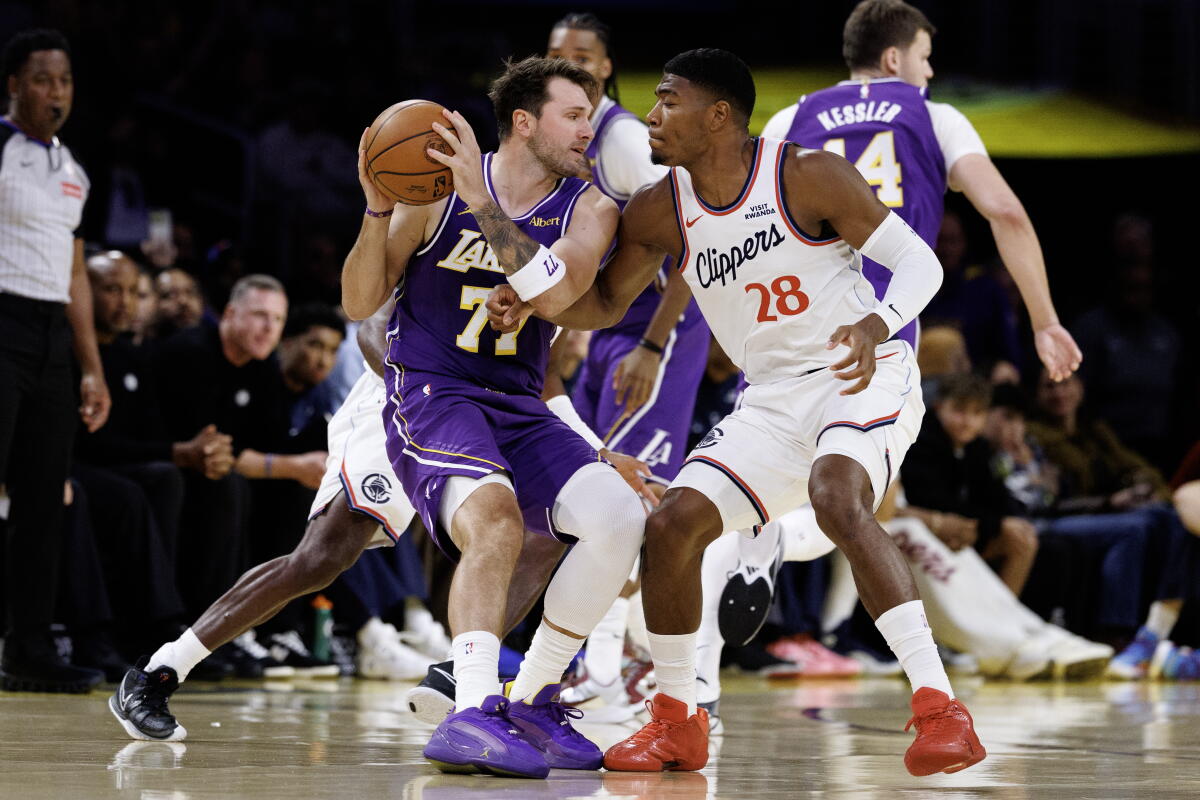
Clippers forward Rui Hachimura, playing tight defense on Lakers guard Luka Doncic, returned to Crypto.com Arena where played for parts of three seasons. He had 16 points, six rebounds and two steals.
(Gina Ferazzi / Los Angeles Times)
Hachimura had 12 points at the half, doing his part to help the Clippers stay at 64-64.
Before the game, Lakers coach JJ Redick spoke glowingly of how Hachimura played during the preseason for the Clippers.
“They’re running a lot of the same stuff for Rui that they ran for PG [Paul George] and at times Kawhi [Leonard],” Redick said. “He’s playing free and he’s playing ultra-aggressive right now.”
With three minutes and 52 seconds left in the first quarter, Sexton checked into the game, and his first play was a steal.
Sexton missed the first regular-season game and five exhibition games because of lower leg injury. He played 16 minutes and had five points and three steals.
Etc.
LaRavia didn’t play because of a sprained right ankle. LaRavia played in all 82 games last season for the first time in his career. His goal was to play in all 82 this season, but he’s already missed his first game and might not be available to play until Sunday at Utah or Tuesday at home against the Portland Trail Blazers.
“We talked last week and mentioned that was one of his goals for the season. He had the same goal last year and he was able to do that,” Redick said. “Play through some stuff at times last year. Wanted to play. We talked to him this morning before shoot-around and I was going to try to give it a go and went to the treatment room and just it’s not there, but he’s hopeful he could be back Sunday, if not Tuesday.”
NEW YORK — Artemi Panarin had two goals, Brandt Clarke scored in overtime and the Kings won their second consecutive game, 3-2, at the New York Islanders on Thursday night.
The Kings have back-to-back victories after losing their first six games. They were the final NHL team without a win before defeating Washington on Tuesday night.
The Kings were outplayed for much of the game and were outshot 43 to 26. Panarin beat rusty backup Semyon Varlamov glove side twice, and Darcy Kuemper kept making stops even as his rebound control was lacking, finishing with 41 saves.
Kuemper cracked for the first time with just under six minutes left in the second period when rookie Victor Eklund’s shot squeezed through on a power play. Matthew Schaefer wired a wrist shot past Kuemper 7:06 into the third.
Clarke scored the winner with 2:18 left in overtime after he and his teammates possessed the puck for several shifts in a row.
Varlamov, the 38-year-old making his first home start since Nov. 25, 2024, after double partial knee replacements, denied Adrian Kempe on a penalty shot and made some big-time saves after giving up the soft goals to Panarin on the Kings’ first five shots.
Panarin has four points in two games after four combined over the first six.
Kings forward Quinton Byfield was out after getting hurt against the Capitals. Byfield did not take part in the morning skate and is considered day to day with an upper-body injury.
Up next for the Kings: at the New Jersey Devils on Saturday.
Bollywood actor Tiger Shroff escaped unharmed after gunmen opened fire at his vehicle in Mumbai. His driver and an autorickshaw driver were reportedly injured. A social media post linked to the Lawrence Bishnoi gang claimed responsibility, but police are investigating the incident and verifying the claim.
Guatemalan police say they arrested two men in connection with the killing of Juan Francisco Solorzano Foppa.
Published On 18 Oct 202618 Oct 2026
Lawyer Juan Francisco Solorzano Foppa, known for his high-profile cases against powerful businessmen in Guatemala, has died after being shot by two men during a visit to a sports centre.
The attack on Saturday at the Campo Marte sports complex in Guatemala City resulted in the deaths of Foppa and another man, Gustavo Adolfo Aguilar Gamarro, according to the Public Prosecutor’s Office.
Recommended Stories
list of 3 itemsend of list
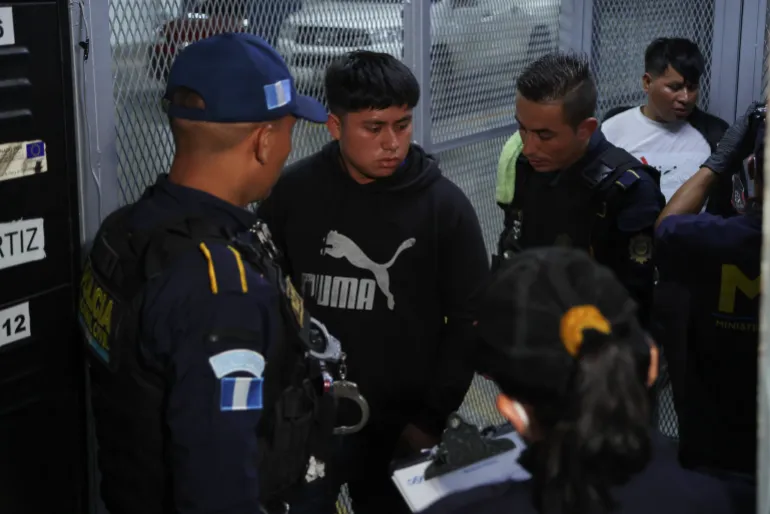
Shortly after, the Guatemalan police said they arrested two men and seized a carbine-style firearm and a motorcycle in connection with the case.
Suspects of lawyer Juan Francisco Solorzano Foppa’s murder in police custody, Guatemala City, October 17, 2026 [Mariano Macz/EPA]
Foppa was a 43-year-old former prosecutor and anticorruption lawyer who denounced wrongdoing by some of Guatemala’s most powerful politicians, business leaders and companies, and in 2023 briefly joined the defence team of a prominent journalist.
President Bernardo Arevalo condemned the attack. “I strongly condemn the cowardly murder of former prosecutor Juan Francisco Solorzano Foppa,” he wrote on his official X account. “Both the direct perpetrators and those who ordered the crime must face the full weight of the law.”
Arevalo said he has instructed his government to coordinate with the relevant authorities to solve the crime.
“Those who believe that terror can intimidate the people of Guatemala and the government I lead are mistaken. In honour of Foppa, in honour of our homeland, in honour of justice.”
Juan Francisco Solorzano Foppa, before entering a court hearing on charges of illicit association and conspiracy, in Guatemala City [File: Sandra Sebastian/Reuters]
Foppa headed the Criminal Investigations Directorate within the Public Prosecutor’s Office before he took charge of Guatemala’s tax authority (SAT) from 2016 to 2018, when he helped prosecute dozens of powerful Guatemalan business figures and recover unpaid taxes.
In 2025, Foppa alleged a connection between the Barrio 18 gang and the National Unity of Hope party, as well as links between criminal gangs and the judicial system. In 2023, he briefly joined the defence team of Guatemalan journalist Jose Ruben Zamora, who has become an international symbol of resistance to the criminalisation of journalism and the erosion of judicial independence in Central America.
Foppa had to leave the Zamora case after being accused by the Public Prosecutor’s Office of obstructing the proceedings and destroying or concealing information, a charge he denied but ultimately accepted as part of a plea agreement, saying he did not believe he would receive a fair trial.
Marco Reus had a goal and an assist to back JT Marcinkowski and the Galaxy beat the Portland Timbers 2-0 on Wednesday night at Dignity Health Sports Park.
Reus staked the Galaxy (10-11-9) to a 1-0 lead in the 17th minute when he used assists from Robert Taylor and Pablo Ruiz to score his eighth goal of the campaign.
That’s where the score stood until Reus set up up Justin Haak in the 80th minute for his second goal this season and his fourth in 110 matches. It was the career-high 11th assist for Reus.
Marcinkowski finished with five saves for the Galaxy. It was his fourth clean sheet in 24 starts this season.
James Pantemis stopped three shots for Portland (9-14-6).
The clubs played to a 1-1 draw in Portland to close out March.
The Galaxy improved to 6-4-5 at home, while the Timbers fall to 2-10-3 on the road.
Portland has gone 1-4-2 since the start of September.
The US president has long been unhappy with inside information about his administration being leaked to the media.
United States President Donald Trump has suggested that those who leak information to the news media should be shot as punishment.
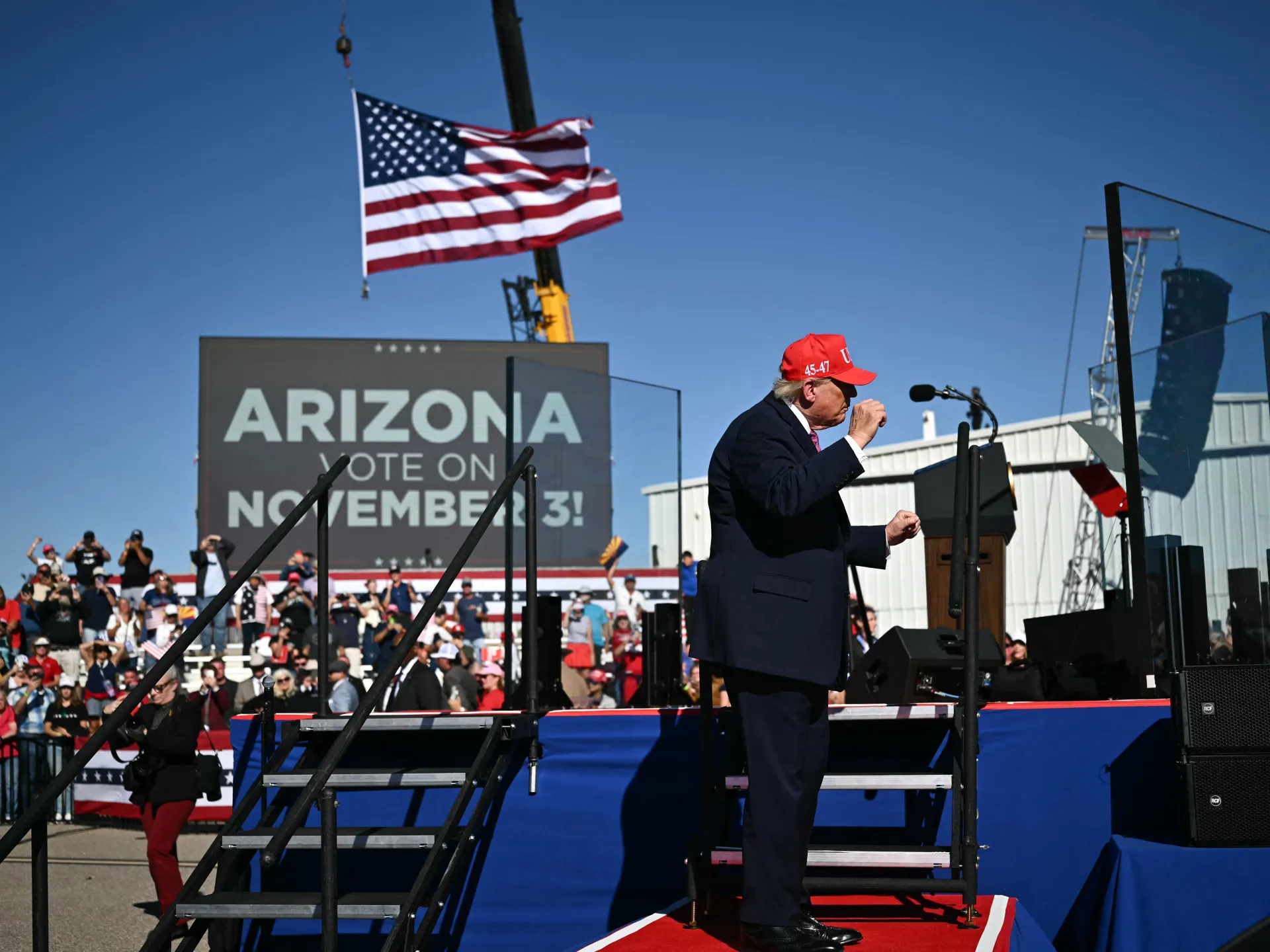
Trump made the remarks at a campaign rally in Bullhead City, Arizona, as he urged supporters to vote in the November 3 midterm elections.
Recommended Stories
list of 3 itemsend of list
“In my opinion, leakers should be shot,” Trump told the crowd. “In the old days, we used to shoot leakers, you know, when they leak what time you’re going to attack a country.”
Trump made the statement in an apparent reference to Operation Midnight Hammer, which saw the US launch a surprise attack on Iran in June 2025 during the 12-day war between Israel and Iran.
In the aftermath of the attack, several media outlets published findings from a preliminary report by the US Defense Intelligence Agency.
That report – which had not yet been released to the public – indicated that Iran was able to move some of its enriched uranium away from the sites the US had bombed.
It also suggested that the extent of the damage to Iran’s nuclear facilities was more modest than what Trump had asserted.
Trump, however, appeared to signal that the timing of the US attacks was among the leaked information. He accused the news media of putting military members in danger, calling out The New York Times and CNN in particular.
“They leaked the time we were leaving, the time we were arriving,” Trump said, claiming he had to reschedule the bombing campaign two days later as a result.
“Somebody leaked. Some sleaze-bag, they ought to go to jail or be shot. For the rest of their life, they should be in jail.”
Trump has long had an adversarial relationship with the news media, and he has previously called for harsh punishment against any official who passes on confidential information to news outlets.
After parts of the Defense Intelligence Agency report became public, he blamed lawmakers in the Democratic Party for its release.
“The Democrats are the ones who leaked the information on the PERFECT FLIGHT to the Nuclear Sites in Iran,” Trump wrote on social media at the time. “They should be prosecuted!”
Under Trump, the White House has taken aggressive action to track down the source of leaks.
Staff in his administration, as well as officers in the military, have also been asked to take polygraph tests.
Journalists at several news outlets, including The New York Times, The Washington Post and The Wall Street Journal, have also received subpoenas aimed at determining the sources of internal information made public.
The newspapers had reported on stories such as a botched Navy SEALs raid in North Korea and how Trump ignored internal Pentagon warnings against launching the Iran war.
Last year, the Department of Defense demanded that journalists who wished to access the Pentagon sign an agreement not to publish unauthorised material.
Much of the Pentagon press corps refused to agree, and a federal court struck down many of the new demands made on journalists at the department.
Trump has long raged against leakers, going back to his first term as president from 2017 to 2021.
Former White House official Alyssa Farah Griffin told a podcast in 2024 that Trump had called for leakers to be executed, after media outlets reported that he had taken shelter in a White House bunker during racial justice protests in 2020.
Trump appeared to reprise that sentiment in his speech to Arizona voters on Wednesday, less than three weeks before the November 3 midterms.
“Leakers should be dealt with very, very strongly,” Trump said. “To me, they are the scum of the earth.”
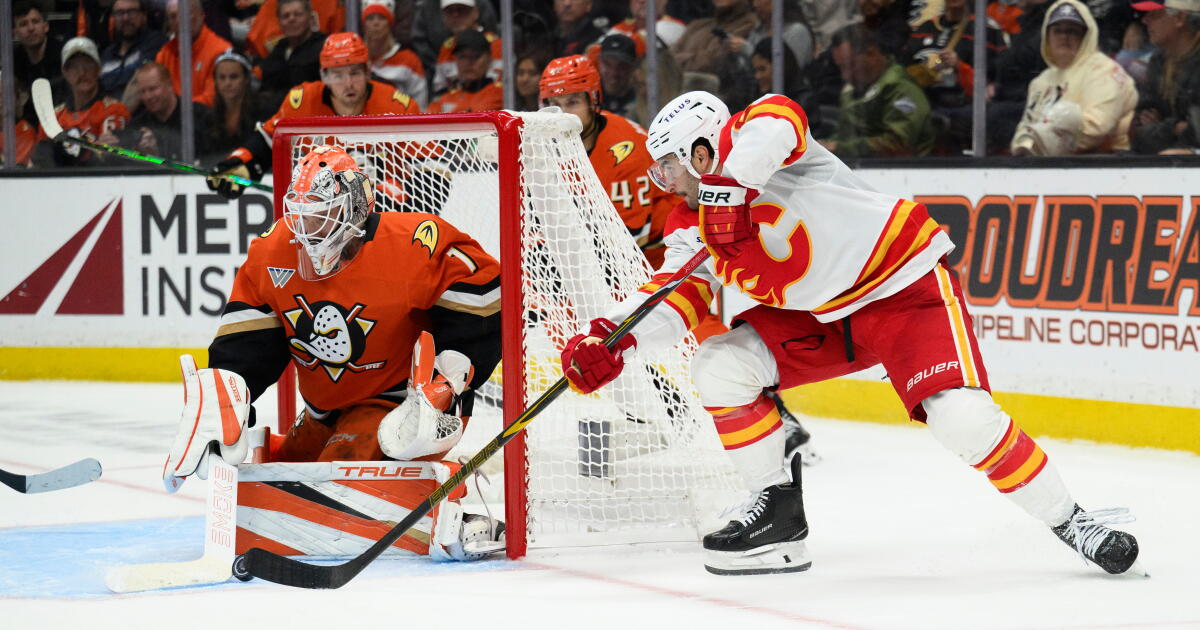
Martin Pospisil scored the tiebreaking goal with 4:22 left, Yegor Sharangovich added an empty-netter with 1:22 remaining and the Calgary Flames beat the Ducks 4-2 on Tuesday night.
Adam Klapka and Aydar Suniev added goals, and Dustin Wolf stopped 22 of 24 shots as the Flames (1-5) won for the first time this season. Beckett Sennecke and Leo Carlsson scored goals, and Lukas Dostal had 32 saves for the Ducks (4-2).
Pospisil’s decisive goal came after he took a pass from Suniev at the center circle, skated down the left side, deked Ducks defenders Tyson Hinds and Tristan Luneau by faking a shot and snapped the puck past Dostal’s short side for a 3-2 lead.
Anaheim gave up the tying goal just eight seconds after killing Calgary’s five-on-three advantage — with the help of Dostal’s four saves — for two minutes of the second.
As Sennecke (tripping) and Alex Killorn skated out of the penalty box, Flames winger Ryan Strome snuck a cross-ice pass from the outside the left circle to Suniev, who snapped a shot from the inside edge of the right circle past Dostal’s blocker for a 2-2 tie at the 8:02 mark.
The Flames took a 1-0 lead 8:32 into the first when Maksim Tsyplakov intercepted a pass in the Anaheim slot and touched a pass back to Klapka, who beat Dostal.
But the Ducks tallied twice within a 1:56 span of the first for a 2-1 lead. Sennecke stole the puck at his own blue line and beat Wolf glove-side for a breakaway goal with 7:51 left, and Carlsson’s shot from the right circle went over Wolf’s left shoulder for a power-play goal with 5:55 left.
Roger McQueen, the Ducks’ first pick in the 2025 draft, made his NHL debut after being recalled from the AHL San Diego Gulls. The 20-year-old center did not find the score sheet in 11 ½ minutes of ice time.
McQueen replaced center Ryan Poehling, who suffered a medial collateral ligament sprain that will sideline him for six to eight weeks. Ducks forward Cutter Gauthier missed the game because of a lower-body injury and is day to day.
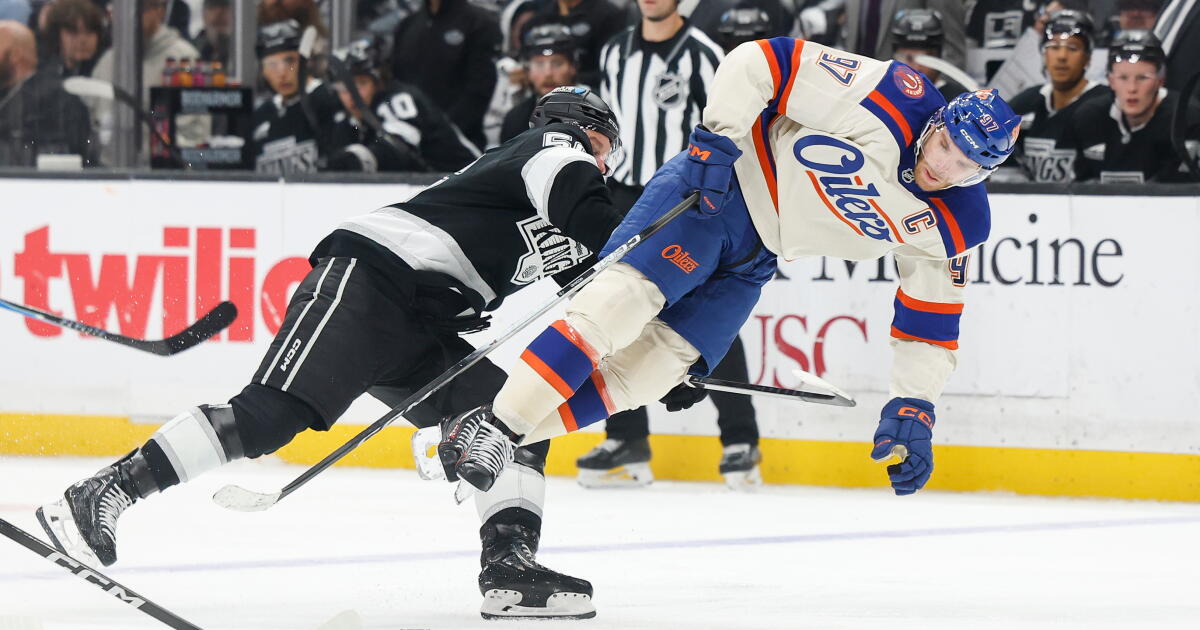
Connor McDavid had a goal and two assists in the dynamic first period of his four-point night, propelling the Edmonton Oilers to a 4-1 victory over the winless Kings on Tuesday.
Vasily Podkolzin got his sixth and seventh goals of the season, Leon Draisaitl also scored and Devon Levi made 39 saves for the Oilers, who have won five straight and scored at least three goals in every game of their 5-0-1 start.
McDavid recorded at least three points in a period for the 33rd time in his 11-year career, doing it in the first period for the 10th time. The six-time Art Ross Trophy winner as the NHL’s top scorer has a whopping 16 points already this season with five multi-point games.
Brandt Clarke scored for the Kings, who dropped to 0-3-2 to begin coach Peter Laviolette’s first season despite outshooting the Oilers 40-16. The Kings are still adjusting to their new direction under Laviolette, who wants offensive aggression from a team that has played deliberate, defense-first hockey for nearly two decades.
The Kings and Philadelphia are the NHL’s only winless teams.
Evan Bouchard had two assists for the Oilers, who are off to their strong start despite playing without injured Zach Hyman and Ryan Nugent-Hopkins.
Edmonton opened the scoring when McDavid froze Cody Ceci and fed the puck low to the quick-wristed Draisaitl. One minute later, Podkolzin converted the rebound after McDavid blew past Mikey Anderson and blistered a shot off Darcy Kuemper.
After the Kings had pinned Edmonton in its own end for nearly two full shifts late in the first period, McDavid came off the bench, accepted Ty Emberson’s pass at the blue line in stride and scored his fourth goal.
Kuemper was replaced by Anton Forsberg to start the second.
Clarke scored late in the second period on a long shot through traffic. The goal was Clarke’s first since the Kings’ young defensive cornerstone signed a five-year, $37-million deal last June.
McDavid and Draisaitl assisted on Podkolzin’s empty-net goal.
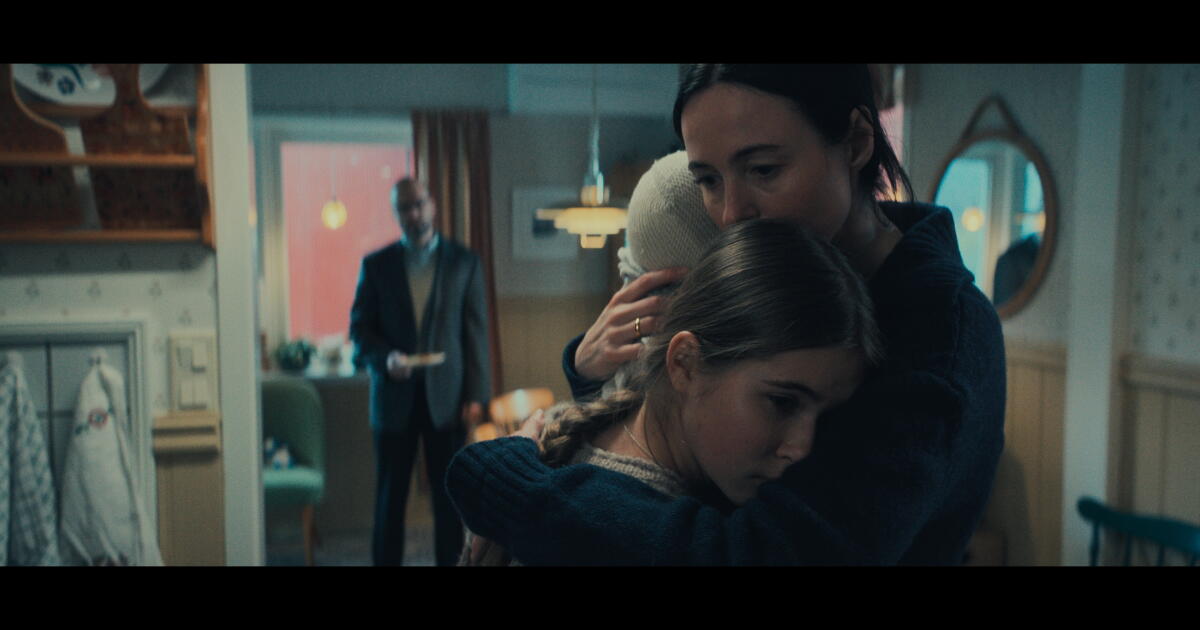
“We’re all hiding a little bit of our personality inside,” says director Cristian Mungiu of the characters in “Fjord,” a searing drama inspired by real Norwegian child welfare cases. “The film speaks about a limit of intimacy, after which you will need to make a choice not knowing precisely what happens. This is why I wanted the film to start at the end of a conversation in which you don’t really know what kind of punishments exist in this family.” Lighting and shallow focus deepen the uncertainty of a mother (Renate Reinsve) comforting her daughter (Vanessa Ceban) and a father (Sebastian Stan) waiting to have his say: “You need to admit when you’re wrong.” “You see the role of a mother who tries to play this more empathic part, while the father is the one playing the role of the educator who imposes his rules,” Mungiu says. “This shot speaks about our way of storytelling and designing everything to be ambiguous enough about their relationship. At the same time, this also speaks about a theme in the film: this idea that there isn’t anything like right and wrong and the truth. And we all believe that the truth belongs to us. And this is the problem.”
Ryan Poehling broke a tie with a short-handed goal at 5:35 of the third period, but was injured on the play in the Ducks’ 4-2 victory over the winless Calgary Flames on Saturday night to start a home-and-home series.
The teams will meet against Tuesday night in Anaheim.
Poehling was injured when he slid into the post and Flames goalie Dustin Wolf. Poehling, who also had an assist, didn’t return to the game.
Jackson LaCombe, Frank Vatrano and Nikita Nesterenko also scored for the Ducks (4-1-0), who won a second road game in two nights after a 5-1 win over the Winnipeg Jets. The Ducks have won their first three road games to start a season for the first time.
Ville Husso stopped 27 shots in his first start of the season.
Morgan Frost and Aydar Suniev scored for Calgary (0-5-0), which started a season with five straight losses for the first time.
Matt Coronato had two assists and Wolf stopped 24 shots.
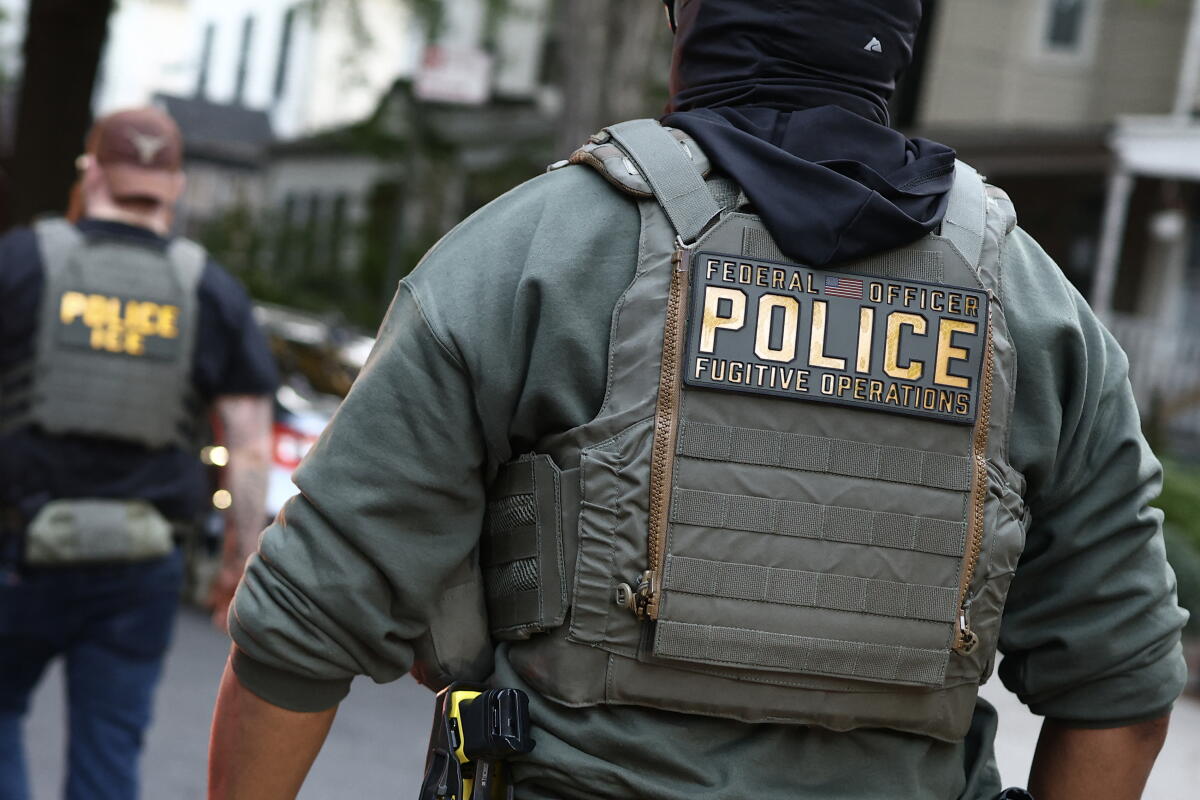
WASHINGTON — Federal immigration officers opened fire on a Dominican man in New York because he drove his car into officers’ vehicles and they believed their lives were in danger, a senior Immigration and Customs Enforcement official said Friday.
The 28-year-old man, whom New York City police identified as Oscar Belgal, was shot “superficially” in the neck as ICE officers attempted to arrest him, said Marcos Charles, head of ICE’s Enforcement and Removal Operations. Authorities have not released details of Belgal’s condition.
Officers used their vehicles to block the man as he attempted to drive away, but he accelerated toward them, Charles said during a news conference with U.S. Homeland Security Secretary Markwayne Mullin in Washington. The Department of Homeland Security said the news conference was about the “dangerous consequences of sanctuary city policies.”
“Our officers, using their training and believing that their life and the life of the partners and the general public were in danger, used their training and fired weapons,” Charles said.
Belgal had his 5-year-old son in the car with him when the shooting happened, officials said.
Mullin said ICE agents didn’t know the child was in the car, but that Belgal “was aware” and chose to put the boy at risk by trying to evade officers.
ICE previously tried to detain Belgal, Charles says
Belgal was associated with a robbery crew that used mopeds and weapons, and was convicted of grand larceny last year and sentenced to five years of probation, Charles said, adding that he evaded officers in September when ICE tried to arrest him for deportation.
The Legal Aid Society, which was representing Belgal in an ongoing drug case, called Friday for a “full and transparent” investigation of the shooting, the officers involved to be held accountable and an end to “ICE’s escalating presence in New York City.”
Federal agents walk near the scene where a man was shot by an ICE officer during an operation in the Bronx borough of New York on Oct. 8, according to local media and police.
(Charly Triballeau / AFP via Getty Images)
Belgal has pleaded not guilty to narcotics-sale charges in the drug case. The Legal Aid Society did not comment further.
New York City Mayor Zohran Mamdani and New York Gov. Kathy Hochul, both Democrats, said late Thursday that they had pressed Mullin and Republican President Trump to release Belgal, but to no avail. They also urged the administration to immediately release ICE officers’ body camera footage of the shooting and to halt immigration enforcement operations in the city.
Mullin said Belgal was being held in a “highly secured” detention facility outside New York City but declined to say where.
Attorneys representing Belgal filed an emergency petition Thursday night calling for his release. A hearing is scheduled for Friday afternoon.
He also confirmed ICE officers were wearing body cameras that were activated, but didn’t say when any of that footage would be released. Under agency policy, bodycam video can be released within 72 hours if “determined that it is in the best interests of the agency.”
On Friday, New York City police released footage from its officers as they arrived at the scene following the shooting. The department previously said its officers were not involved in the arrest and not at the scene when the shooting happened.
The video shows a city officer responding to a chaotic scene where Belgal — sitting on the ground with his hands behind his back and head drooping to one side — was surrounded by several officials. The video shows officers lifting Belgal and placing him in a black SUV. Police said he was taken to a hospital.
“Yo put pressure. Put pressure,” an officer can be heard saying as the SUV reverses down the block.
New York City Police Commissioner Jessica Tisch said Belgal was pulling into a parking space when a federal officer in plainclothes approached with his gun drawn, followed by another federal officer who also wasn’t in uniform. Belgal started to pull the car forward, and at least one of the officers fired seven rounds, hitting the man below his left ear.
Protesters and local officials decried the shooting as an example of the dangers of the Trump administration’s immigration crackdown.
New York City Mayor Zohran Mamdani arrives to speak to the media about the ICE shooting in the Bronx borough of New York on Oct. 8. Mamdani said he would ask President Trump to remove federal immigration agents from the city as tensions flared over the latest shooting involving ICE.
(Charly Triballeau / AFP via Getty Images)
Homeland Security Secretary Markwayne Mullin takes questions from reporters during a news conference at U.S. Immigration and Customs Enforcement headquarters on Friday in Washington, DC. Mullin, joined by ICE officials, addressed Thursday’s shooting of a man in New York City by a federal immigration agent as he spoke out against sanctuary city policies.
(Kevin Dietsch / Getty Images)
“There is no justification for what we have seen today,” Mamdani said late Thursday at the scene of the shooting.
Federal officers who surrounded the vehicle wore construction vests and masks, making it difficult to identify them as immigration officers, he said.
Mullin criticizes NYC’s immigration policies
Mullin devoted much of Friday’s news conference to criticizing Mamdani and New York City’s limits on cooperation with ICE. The Democrat, who took office in January, has restricted local cooperation with immigration enforcement operations and repeatedly called for the abolition of ICE.
“Sanctuary politicians, they create an environment for criminal activity to thrive, not for the American citizens to be safe,” Mullin said.
Homeland Security Secretary Markwayne Mullin takes questions from reporters during a news conference at U.S. Immigration and Customs Enforcement headquarters on Friday in Washington, DC. Mullin, joined by ICE officials, addressed Thursday’s shooting of a man in New York City by a federal immigration agent as he spoke out against sanctuary city policies.
(Kevin Dietsch / Getty Images)
ICE has asked local officials in New York to hold onto more than 14,000 people for federal officers to collect and place in immigration detention, he said.
“Silence. Absolute silence is what we have gotten back,” the secretary said. “Why would they release these individuals back onto the streets?”
“We’re enforcing our nation’s laws. We’re not picking and choosing,” Mullin continued. “Why is that controversial? We should all want law and order on our streets.”
ICE has justified other shootings with perceived threats to officers
During Trump’s second term, Homeland Security has often accused suspects of attempting to ram officers with vehicles or otherwise pose a threat and using that as justification for opening fire. But evidence from other shootings involving immigration enforcement officers has sometimes called into question that rationale.
In the Jan. 7 shooting death of Renee Good in Minneapolis, Homeland Security officials initially claimed an ICE officer opened fire in self-defense after Good attempted to run him over with her vehicle. Videos filmed from multiple angles challenged the administration’s narrative.
On July 10, ICE officers fatally shot Lorenzo Salgado Araujo in Houston as the Mexican national was driving his construction crew to a job site. DHS maintained Salgado Araujo rammed an ICE vehicle, but the three men inside his vehicle disputed the narrative.
Last year in a Chicago suburb, immigration officers fatally shot Silverio Villegas González after they say the Mexican national drove at them and dragged one with his car, causing “serious injuries.” But body camera videos from local police showed the agent who shot Villegas González walking around afterward and dismissing his own injuries as “nothing major.”
Santana and Marcelo write for the Associated Press. Marcelo reported from New York. AP reporters Anthony Izaguirre and Jennifer Peltz in New York City and Ryan Foley in Iowa City, Iowa, contributed to this report.
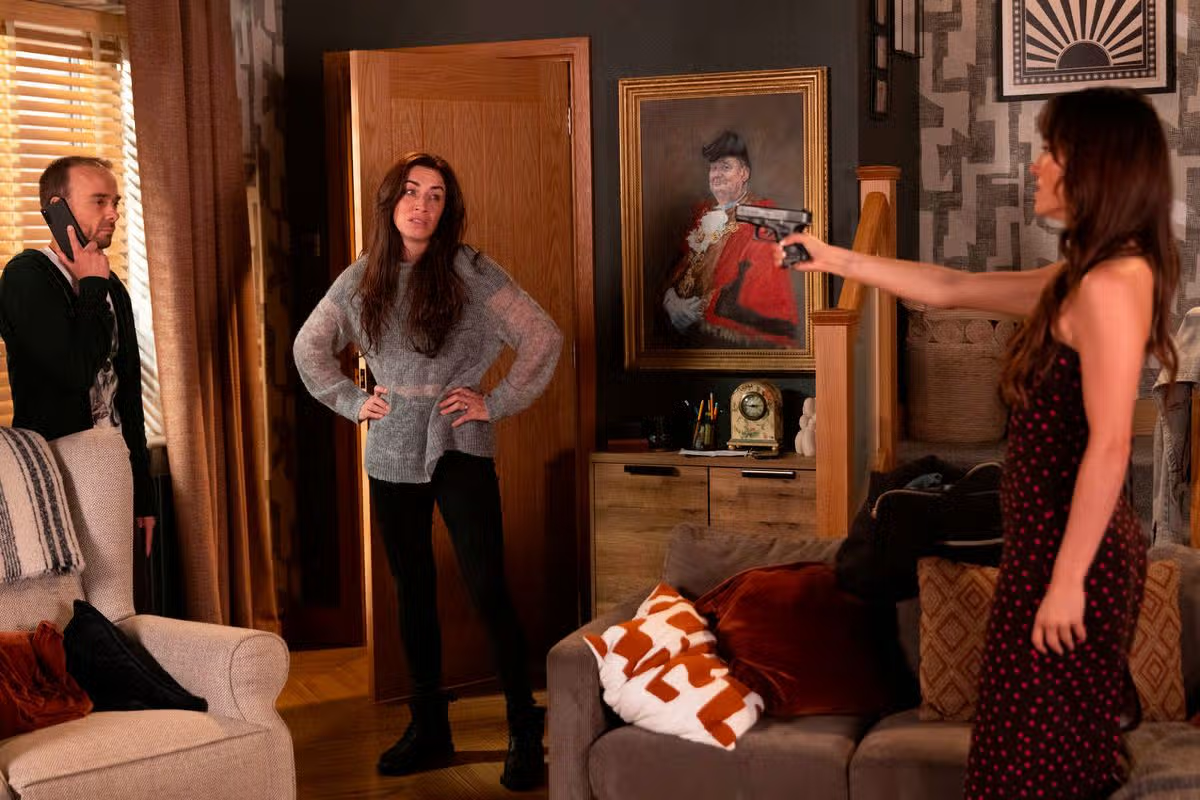
Coronation Street has released a first look at the moment villain Jodie Ramsey brandishes a gun in a deadly showdown with Shona and David Platt, moments before the gun goes off
21:01, 07 Oct 2026Updated 21:01, 07 Oct 2026
Jodie Ramsey points a gun at Coronation Street favourites David and Shona Platt in tense scenes(Image: ITV)
Jodie Ramsey points a gun at Coronation Street favourites David and Shona Platt in tense scenes on Thursday.
It seems a scuffle, with confusion over whether the gun is real or not, leads to it firing. But will death loom for Jodie, David or Shona, and will Jodie be stopped?
Fans have seen Jodie targeting her sister, and others, for weeks. On Thursday her plan to steal David all for herself comes into play, as she tries to seduce him.
Shona finally clocks that her villainous sister is out to get her, and plotting to steal her life. Confronting Jodie over her obsession with her family, the pair have it out, and secrets are exposed.
As David and Shona watch in horror, Jodie raises the gun at them. As David and Shona remain convinced it’s the fake gun they found recently, they challenge her unaware it’s real.
As the situation spirals the gun is fired, shooting someone. As the person collapses, the others are left reeling in horror – but who is shot, and will they die?
Will Jodie be successful in her seduction of David too, and could it lead to a sad split for him and Shona? All will be revealed during Friday’s dramatic episode of the ITV soap.
The fallout is being kept under wraps, while cryptic spoilers confirm someone could be safe. They state that David calls for an ambulance, so does this mean he isn’t hit?
Either way, paramedics soon arrive to tend to the victim, but their fate is not revealed. What is known is that in the days following, the police will investigate what has happened at the Platts house.
Soon it emerges not everyone is telling the truth about what went on, as statements are questioned. As detective Lisa Swain leads the investigation, she soon questions the given version of events.
Speaking to the Mirror recently, Shona actress Julia Goulding said Jodie would get a whole lot worse. She told us: “It’s only go to get more dramatic – how far will Jodie go? I think it’s going to wow everybody. It’s never plain sailing.”
Julia added of the plot: “I think she’s a really intricate complex character. Something has happened to make her like that; she’s not a baddie. She’s got many layers. It’s going to be interesting for the audience to peel those back. I love having Olivia with us; it’s nice exploring Shona’s background as well.”
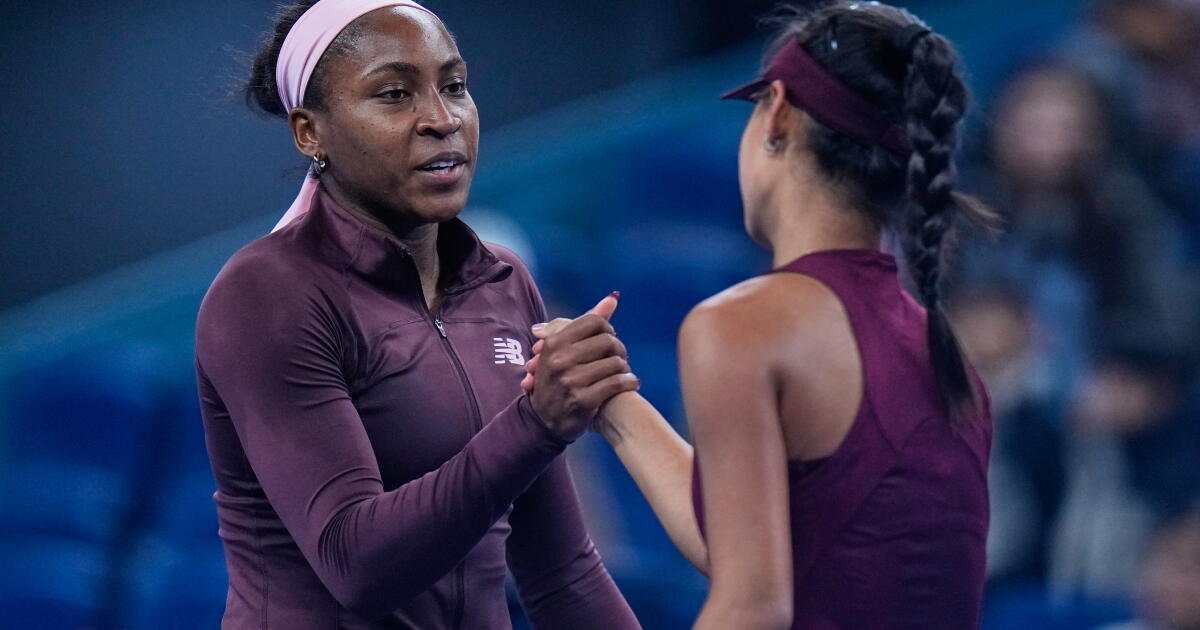
Coco Gauff is calling out the racist abuse she’s received online after following the rules during her latest match at the China Open.
The two-time Grand Slam champion defeated 16-year-old Sun Xinran 7-5, 6-1 on Monday to move on to the round of 16 at the Beijing event. After the match, Gauff took to social media to address the racist comments and messages she’d received for halting a point mid-rally and explained the point in question.
“[H]ey everyone, you can dislike me or disagree about what happened without being racist,” Gauff wrote in a post on X, replying to a user who directed profanity and a racist slur toward her. “[T]he amount of racist comments/dms I’ve received in the last few hours is insane. Lastly, I’m not a cheater or a thief.”
The tennis star then shared a screenshot of the lengthy explanation she posted to Instagram explaining the rules and why she stopped play when she did.
The point in question occurred during the first set, when Gauff was serving and down 4-5. She raised her hands to halt the point toward the end of a lengthy rally, just before Sun returned a volley that could have put her just two points shy of winning the first set.
But just as Sun closed into position to take her shot, the electronic advertising boards around the court flickered as it changed what was displayed.
“I saw it flicker in the beginning of the point but was not sure if that is what I actually saw,” Gauff wrote in her explanation. “[W]hen it flickered again I raised my hands before she hit her shot because this is when I was sure I saw the light flicker and it wasn’t my mind doing tricks.”
The chair umpire then conducted a video review of what happened, and ruled that the flickering ad constituted a “hindrance” outside of the control of the players, like some paper getting blown onto the court. According to the WTA rules, a point should be replayed from the beginning in such instances.
In her Instagram post, Gauff also explained that players are told that they can keep playing a point and challenge once it is over. Both Sun and Gauff would have been permitted to challenge the point regardless of who won it.
She called it an “unfortunate situation” and added that “it’s weird” that she’s “getting hate for following the rules.” Gauff also praised Sun and her talents, saying “it was an honor to share the court in front of her home crowd.”
The word “process” has been used so many times by the Scotland head coach and his players in recent days it’s probably the new team motto.
But there is truth in it.
Pocognoli is trying to implement a radically different system to his predecessor. Not only that, it’s a different mindset. All while trying to embed a clutch of new players.
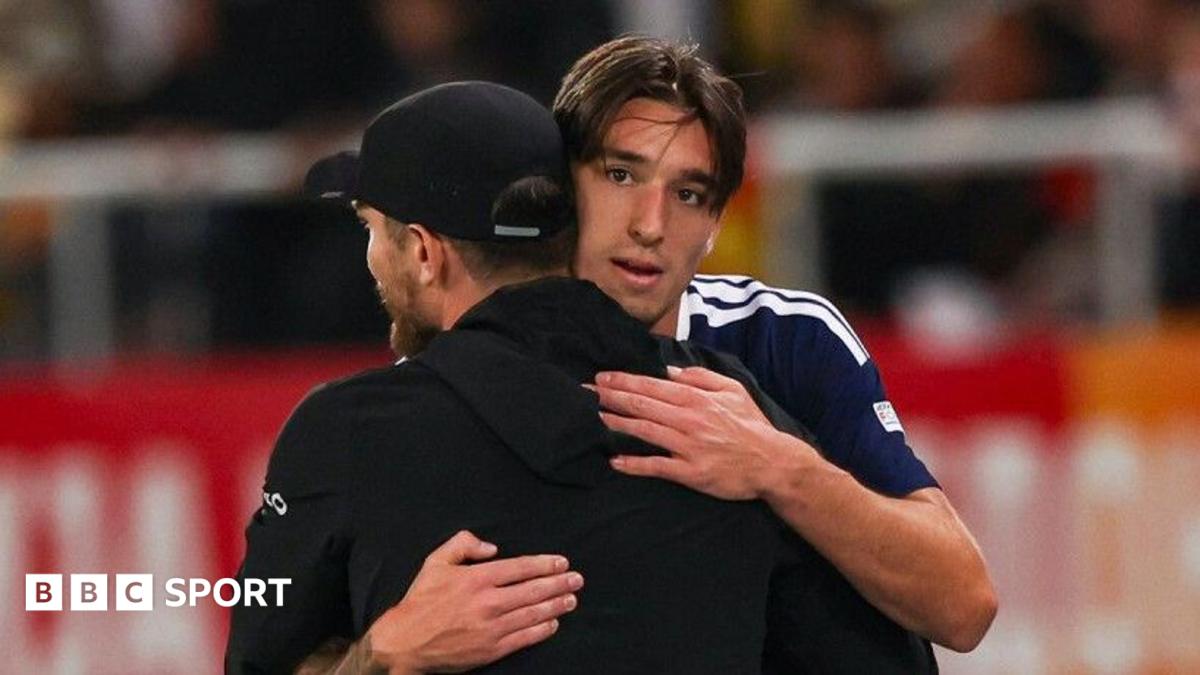
It’s early days for the Belgian, his group, and, of course, Bowie. But the man on loan at Sassuolo believes things are clicking, and it’s an opportunity for him to make his mark.
“It’s a lot longer international break,” he explained. “We spend a lot more time together so it’s good for him to get his message across and his ideas. Also, we play more games so we have to train a little bit less of course.
“I think for me it’s a fresh start with a new coach and different ideas.
“He said to me ‘you don’t need to prove yourself, just go and do what I know you can do’ and I feel like I’m just doing that.”
Bowie, who made his Rovers debut at 16, added: “I think people, obviously Scottish fans, have the same idea of how I was when I was at Hibs and that’s all they can remember.
“But I feel like since I moved to Serie A, it’s a different challenge against more experienced players and at a higher level.
“So, yeah, I feel like I’ve definitely kicked into another gear and I feel like I’m showing that.”
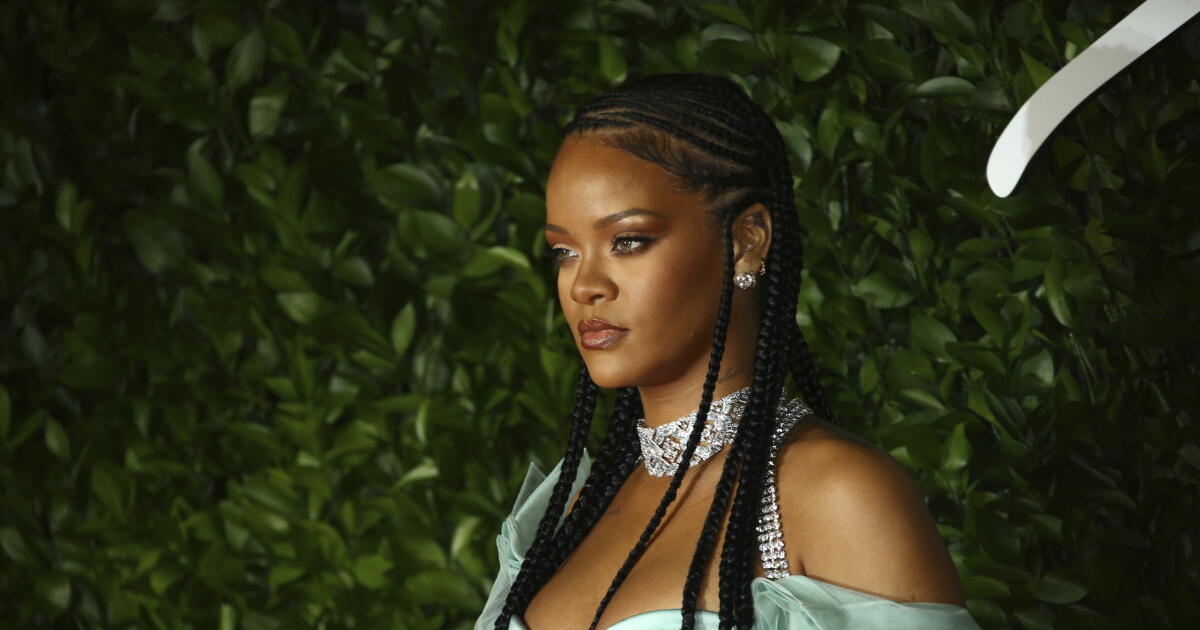
The case against the woman who authorities allege fired multiple bullets at pop singer Rihanna’s Beverly Hills mansion can move forward, a judge ruled Tuesday.
Florida woman Ivanna Lisette Ortiz, 36, was deemed mentally competent by Los Angeles Superior Court Judge Maria Cavalluzzi, meaning the criminal case can proceed after a competency evaluation delayed it for more than four months.
Case documents with Ortiz’s psychiatric evaluations were marked as confidential and sealed.
Officials allege that she put “numerous lives at risk” on March 8 when she drove a white Tesla to Rihanna’s neighborhood and fired about 20 rounds from an assault-style rifle. Rihanna, her partner A$AP Rocky and their three young children were home at the time.
Police discovered bullet holes or impacts on the exterior of the gate of Rihanna’s residence, a fence, the front windshield of an Airstream trailer, a patio area and on the exterior wall of a nursery room, according to a police document reviewed by City News Service.
At the time of the shooting, Rihanna and A$AP Rocky were inside the trailer, and their kids were inside the nursery room, according to reporting by the Associated Press.
Ortiz is facing 14 felony counts, including one count of attempted murder, 10 counts of assault with a semiautomatic firearm and three counts of shooting at an inhabited dwelling, vehicle or other target, court records show.
Ortiz had several prior arrests in her home state, The Times has reported. She was involved in a bankruptcy case in 2013, arrested on suspicion of careless driving in 2021, and arrested in 2023 on suspicion of domestic violence and battery.
Though she had no known affiliation with Rihanna, Ortiz often posted on social media about celebrities. In February, she shared a meme alleging Rihanna had AIDS and tagged Rihanna in a post on Facebook telling her to “say something to me directly instead of sneaking around.”
Another hearing is set for Wednesday morning at the Clara Shortridge Foltz Criminal Justice Center, court records show.
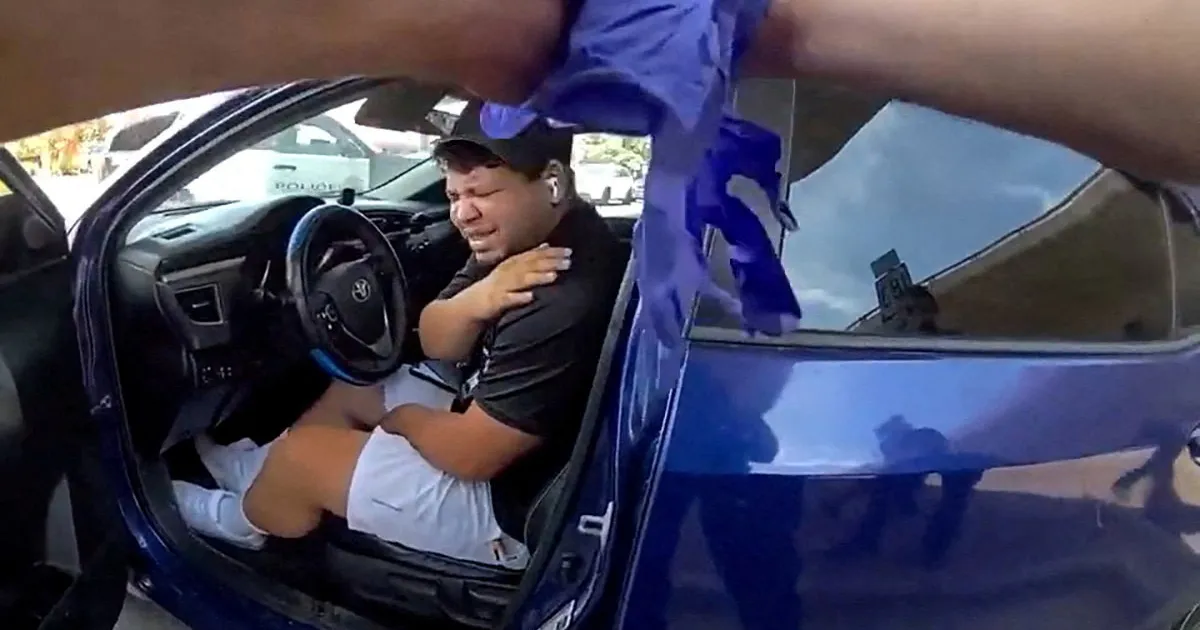
Wilber Rafael Garces Perez has disputed the government’s account of what led to his shooting during a Doordash delivery in Austin, Texas.
A Venezuelan asylum seeker who was shot in the back by a United States Immigration and Customs Enforcement (ICE) officer in Texas is facing a federal assault charge, after prosecutors accused him of striking the officer with his car’s side-view mirror.
Wilber Rafael Garces Perez, 28, appeared in federal court in Austin on Tuesday, where he was charged with assaulting, resisting and impeding a federal officer. He could face up to 20 years in prison if convicted.
Recommended Stories
list of 4 itemsend of list
The charge stems from a September 20 encounter that began while Garces Perez was making a DoorDash food delivery near a shopping centre in Austin, the Texas state capital.
A federal complaint filed on Monday says immigration officers noticed that Garces Perez’s car had its emergency lights flashing, and they ran a database check. They found it was registered to Garces Perez, who was subject to a final order of removal from the US.
When the officers approached, Garces Perez handed over his driver’s license through a partially opened window but did not get out of the car, the complaint says. He asked the officers to wait until his wife could arrive to retrieve the vehicle.
Court documents describe the exchange up to that point as “pleasant and not aggressive”.
About a minute later, however, court documents say Garces Perez “abruptly” closed his window and drove off, striking one of the officers in the torso with his driver’s side mirror.
That officer chased Garces Perez in his own vehicle and caught up with him a short time later. In the complaint, the officer alleges that Garces Perez then tried to drive into him, prompting him to open fire.
There is no publicly available footage showing the events described in the complaint, including the shooting.
Videos, however, have circulated online showing the shooting’s aftermath, with Garces Perez injured in his car.
The complaint relies on unreleased body-camera footage from one of the two ICE officers who stopped Garces Perez.
The second officer was not wearing a body camera, according to the affidavit. That officer says he was struck by Garces Perez’s side mirror and later shot him.
Garces Perez, however, gave federal investigators a different account of the moments immediately before he was shot.
He told investigators that, after a brief chase, a law enforcement SUV struck his car, causing it to spin around, according to the affidavit. He said the officer then opened fire, shooting him in the back.
Garces Perez has been held in a detention facility in south Texas since the shooting.
His lawyer, Kate Lincoln-Goldfinch, said on Sunday the bullet was still lodged in his body and that he has a fractured clavicle. In a social media post, Lincoln-Goldfinch explained that his supporters were worried he could develop sepsis or suffer permanent damage if he didn’t undergo surgery soon.
The Department of Homeland Security has argued, however, that Garces Perez is receiving adequate medical care.
Garces Perez’s legal team is also seeking to stop his removal from the US.
The Venezuelan national entered the US in 2024 through CBP One, an online programme expanded under former President Joe Biden to allow asylum seekers to make appointments with immigration authorities at the US-Mexico border.
Trump ended the programme on his first day back in office, accusing the app of contributing to an immigration crisis in the US. His administration has since relaunched CBP One as CBP Home, a self-deportation portal.
Lincoln-Goldfinch has said Garces Perez was legally seeking asylum in the US and had a valid work permit. She has asserted that he was ordered to be deported after missing an immigration court hearing because the notice had been sent to an old address.
Garces Perez is due back before a federal immigration judge on Wednesday for a separate hearing on whether he can remain in the country.
The case comes amid a surge in immigration enforcement during Trump’s second term, with ICE reporting more than 50,000 arrests in both July and August.
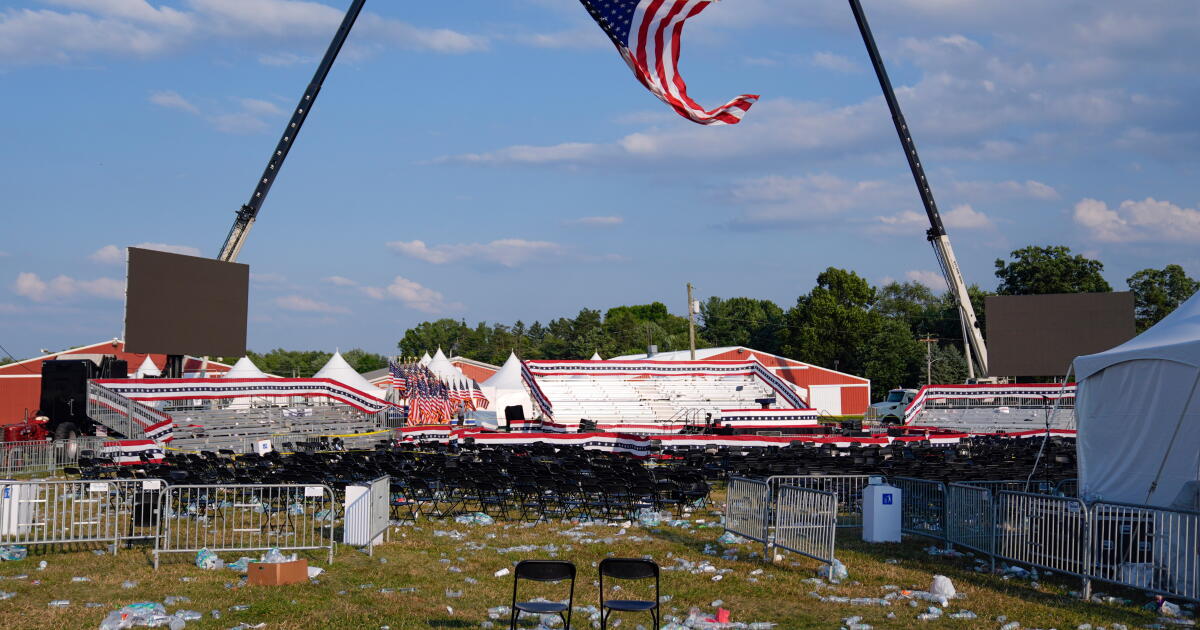
PITTSBURGH — James Copenhaver, one of three campaign rally attendees shot in 2024 during an assassination attempt on then-candidate Donald Trump, has died in Pittsburgh, his lawyer said Thursday. He was 76.
Copenhaver was in the bleachers during the event in Butler, Pa., when a 20-year-old gunman opened fire from a nearby rooftop, grazing Trump’s right ear with one bullet. Copenhaver was struck in the arm and in the abdomen, wounds that left him with lingering injuries and walking with a cane.
Two other attendees were also shot: David Dutch, who survived, and Corey Comperatore, who shielded his family from gunfire and was killed.
Copenhaver died Wednesday at Allegheny Health Network’s West Penn Hospital in Pittsburgh, according to a statement from the Allegheny County medical examiner cited in local media accounts.
Copenhaver’s lawyer, Joseph Feldman, said in a statement issued on behalf of the family that he died surrounded by loved ones. The statement did not specify whether his death was directly related to the injuries he suffered at the rally.
Copenhaver and his wife, Marianne Copenhaver, sued the federal government in June, alleging that the Secret Service and Department of Homeland Security had “utterly failed” to provide appropriate security at the rally. Copenhaver’s injuries required multiple surgeries, including a transection of his colon, and he had lingering kidney and other damage, including a loss of feeling in his leg. The lawsuit described the wounds as “debilitating, grievous, permanent and life altering.”
The family’s statement Thursday called Copenhaver above all else a devoted husband, father and grandfather who instilled the values of hard work, integrity and the service to others in his children.
“James’s dedication to this great country was a defining part of his life,” it said. “As a veteran, he proudly served our nation in the armed forces, and his love of country never wavered. James was a true American patriot who believed deeply in the freedoms and ideals upon which this nation was founded, and he embodied the very best traits of our great nation.”
In a statement posted to social media, President Trump on Thursday called Copenhaver “a true American Patriot.”
“Jim showed tremendous bravery, courageously continuing to FIGHT, FIGHT, FIGHT, and maintaining a positive spirit despite unimaginable hardships,” Trump wrote.