Screwworm

FDA issues emergency approval to use ivermectin against screwworm

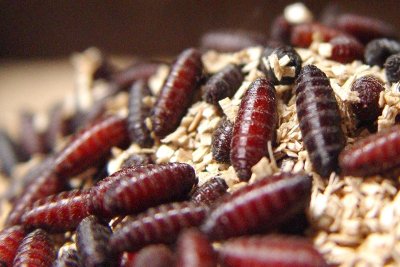
The Food and Drug Administration on Thursday issued an emergency approval for use of the drug ivermectin in the battle against New World screwworm infestations in U.S. cattle. Photo courtesy U.S. Department of Agriculture

Aug. 27 (UPI) — The Food and Drug Administration on Thursday issued an emergency approval for the use of the drug ivermectin against New World screwworm infestations in cattle, adding to the arsenal of weapons available against the flesh-eating insect.

The FDA approved an Emergency Use Authorization, or EUA, for Bimectin, the generic version of ivermectin, for injections in cattle when administered within 24 hours of birth, at the time of castration, or at the appearance of a wounds, the agency announced.

Bimectin injection remains unauthorized for use in lactating dairy cows or in calves that will be processed for veal.

Thursday’s move is the 14th EUA issued by the FDA against New World screwworm as the Trump administration attempts to deal with the still-growing infestation in Texas.

The Department of Agriculture has confirmed 47 domestic cases of New World screwworm, or NWS, in animals as of Thursday.

NWS is widely feared as a serious health and economic threat that could cost billions of dollars in losses to cattle, bison and horses. The pest was eradicated from the United States in 1966 and eliminated as far south as Panama by 2000, but reemerged in 2022 and has continued moving north through Central America and Mexico.

The U.S.-Mexico border was closed last year to protect U.S. animals from the threat. The ban was subsequently lifted on July 26.

Texas Agriculture Commissioner Sid Miller last month urged the FDA to authorize ivermectin in feed as an additional tool to combat the growing NWS threat.

Injectable ivermectin is not enough to keep pace with the outbreak and protect livestock from further infestations, he asserted.

“Texas ranchers are fighting for their livelihoods and the security of the American food supply. They don’t have time to wait,” Miller said. “We’ve already seen this parasite spread across multiple Texas counties in just a few weeks. Every day we delay is another day the New World screwworm gains ground. We need every effective weapon available, and we need it now.”

The Texas Grain and Feed Association “has committed to rapidly manufacture and distribute medicated feed upon approval, ensuring producers can begin using it without delay,” he noted.

Source link

Second New World Screwworm case confirmed in Texas cattle

June 6 (UPI) — A second case of New World screwworm was confirmed in Texas this week in a one-month old calf nearly six miles from where the first case was detected.

The U.S. Department of Agriculture announced the second confirmed case on Friday, which was detected in Zavala County, Texas, but 5.6 miles away from the first one.

The second case was confirmed just 24 hours after the first, which had been detected in a three-week old calf, and has spurred the USDA to step up surveillance, as well as take other actions to prevent the infestation from spreading.

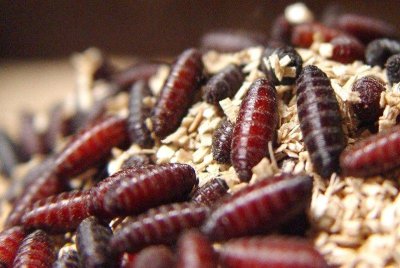
New World screwworm is spread by flies that lay their eggs in the exposed flesh of living animals — livestock, pets, wildlife and humans are all susceptible — and when the fly larvae, or maggots, emerge from the eggs they burrow through muscle as they grow.

Although screwworm was eradicated from the United States in the 1960s, severe infestations in recent years in Central America slowly moved toward the southern border and was detected here in 2025, according to the USDA.

“With our partners in Texas, we are responding with speed and strength,” the USDA said in a statement about the second case that was posted on X.

“We have defeated this pest before, and we will do it again,” the agency said. “America’s livestock producers have USDA’s FULL support.”

The primary way of controlling the spread of New World screwworm is a combination of trapping flies for testing, implementing detection and quarantine zones where it confirmed, and releasing sterile flies into the area it has been detected to prevent infected insects from reproducing, the agency said.

The USDA has encouraged people in the area of the two cases to check their pets and livestock for draining or enlarging wounds, if not maggots or eggs around bodily opening such as the nose, ears or genitals, or around the navel of newborn animals.

Although screwworm infection in humans is relatively rare, the infestations can happen in ways similar to animals and require immediate medical attention.

President Donald Trump discusses renovations to the Lincoln Reflecting Pool and makes an announcement on coal in the Oval Office at the White House on Thursday. Photo by Samuel Corum/UPI | License Photo

Source link