This hidden gem off the Cumbrian coast boasts a medieval castle, The Ship Inn pub, and a landlord crowned in a centuries-old tradition

The tiny island is protected by English Heritage(Image: Simon Ledingham / geograph.org.uk)
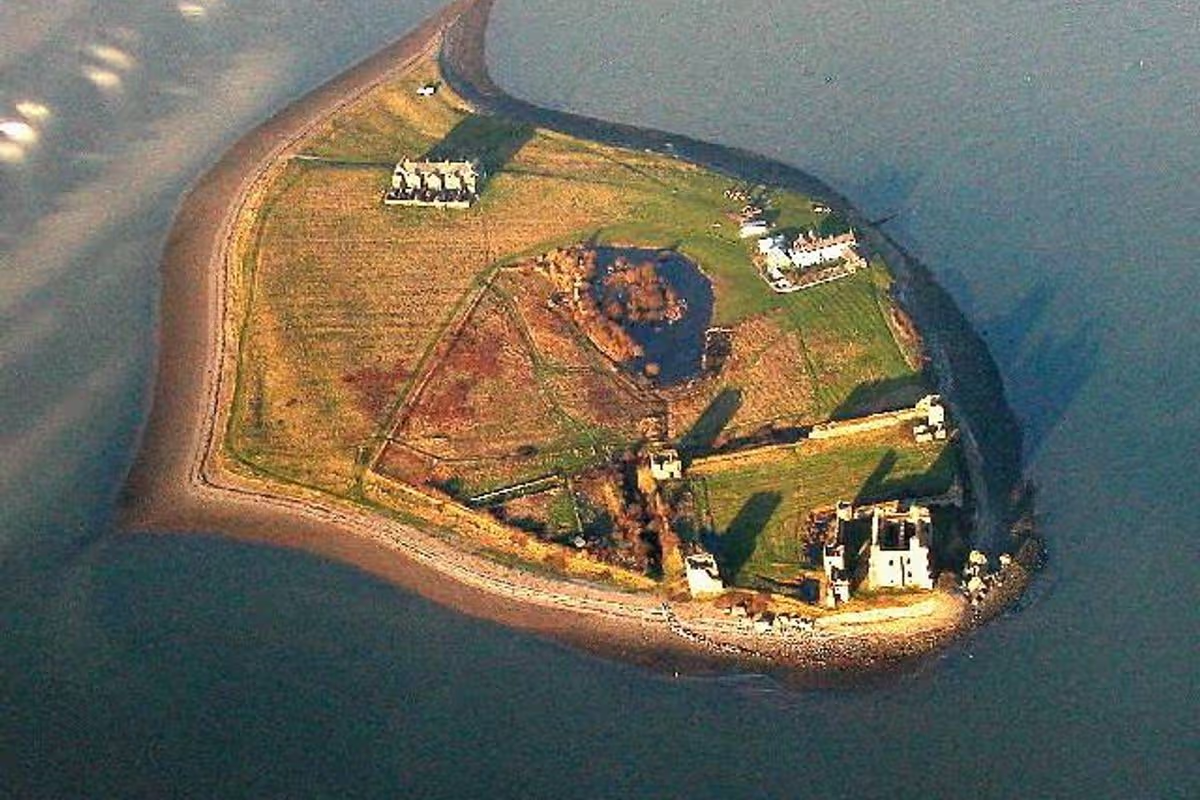
Charming and eccentric, this tiny island off the Cumbrian coastline attracts visitors eager to experience its remarkable setting and rich historical heritage.
Resembling something from a storybook, Piel Island boasts a crumbling castle and its own monarch – though not in the traditional sense.
As far as hidden treasures go, this destination epitomises the term, nestled discreetly beyond Barrow-in-Furness in Cumbria and accessible only by boat or guided crossing when tidal conditions permit.
Yet the panoramas upon arrival are spectacular, offering vistas across Yorkshire, the Lake District and even as far as Blackpool. It’s possible to spot Blackpool Tower emerging through the waves and, notably, ‘The Big One’ rollercoaster at Pleasure Beach.
Best Lancashire holiday cottage deals

Lancashire is known for its wide open skies, stunning landscapes and lively coastal resorts. Sykes Cottages has a wide range of self catering accommodation across the county from £42 a night.
One visitor described it as a secret “paradise”, saying on TripAdvisor : “We love everything about Piel, from the walk over the sands to the warm welcome at the pub and the always exciting exploration of the castle: we’ve seen it many times – always find something new!”
Historical background
Dominating the landscape stands a 14th-century fortification, referred to by some as Fouldry Castle, constructed by the Abbot of Furness with the purpose of protecting Barrow-in-Furness.
The structure served to defend against marauding pirates or Scottish invaders on the surrounding waters. Notably, it sheltered Lambert Simnel, a challenger to Henry VII’s crown, who arrived on the island in 1487.
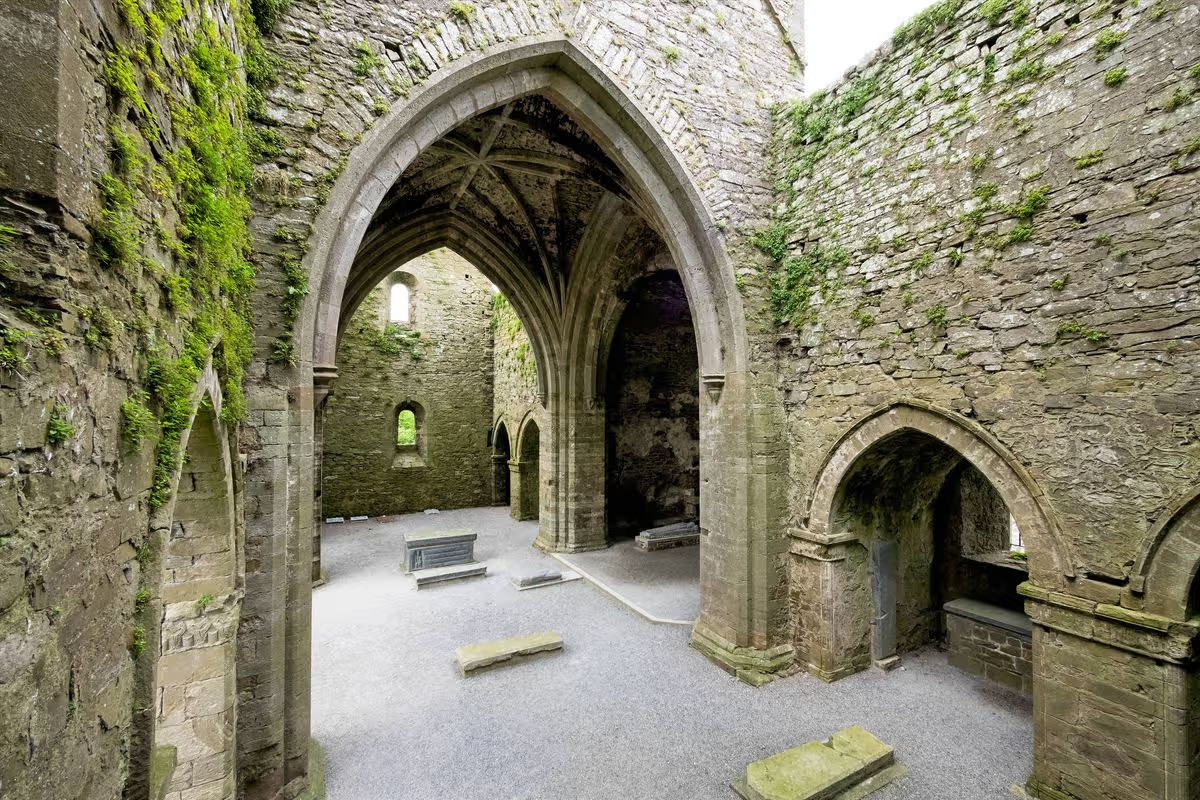
Whilst naturally the castle in its complete form couldn’t survive such an extended period, its remains stay remarkably preserved, revealing the principal structure that once stood there.
Guests can observe the keep, both the inner and outer baileys and the towered curtain walls, which possess an unsettling atmosphere.
The Ship Inn
The origins of The Ship Inn are somewhat unclear, though it’s thought to date back more than 300 years. Whilst there is minimal evidence, accounts indicate the location was converted from a former ship chandlery at some point during the 17th century.
Over the years, numerous travellers started using the pub as a boozy refuge, which led to several issues out at sea. Indeed, following a series of boating incidents and suspected fatalities in the 19th century, a coroner is believed to have issued a statement to the pub’s landlord.
The Ship Inn’s website states that it read: “The landlord of the Ship Inn should not supply drink so as to make incapable men who may have to take charge of a boat.”
Today, the pub continues to operate as a traditional community hub from March to September, offering an extensive selection of beers from local breweries, alongside wines, spirits and even better – food. The menu features beloved pub grub favourites including pies, wraps and jacket potatoes.
One Google review states: “Absolute gem of a place. We spent a half day on the island – took the ferry across (seven quid return for adults), had delicious burger and chips from the BARBECUE at the pub before a walk round the entire island, a wander round the castle ruins and time on the beach. Everyone was super friendly. We’d definitely consider going back to camp.”
Further cementing its unique charm, the pub’s landlord, Aaron Sanderson, who has held the role since 2022, was officially – or unofficially – crowned as the king of Piel in a traditional ceremony. This is a title bestowed upon every landlord of the pub, with the inaugural version of this ritual believed to have occurred in 1856.
In an interview with the BBC, Andersen said: “It’s definitely a unique role and difficult to do, but enjoyable at the same time. ” He also proudly declared that his pub boasts “probably one of the best beer gardens in the world.”
Getting there
Adding to the allure and mystery, the island is almost exclusively accessible via a single boat, which can only accommodate up to 12 passengers. The ferry departs from Roa Island in Barrow daily throughout the summer season, running from 11am right up until 4:30pm.
Reviews indicate that the journey costs around £7, and for those not quite ready to depart, camping is available from as little as £5. The cost is per tent and there’s no need for a pre-booking system; simply arrive and pitch up by the pub.
When the tide is low, there’s an opportunity to embark on a guided walk over to the island, but only when it’s safe to do so. As for driving, only three individuals have been granted permission to drive on the land, one of them being the king, naturally, and it’s no simple task.
Ensure our latest headlines always appear at the top of your Google Search by making us a Preferred Source. Click here to activate or add us as your Preferred Source in your Google search settings.