RTE

Which countries are boycotting Eurovision 2026 over Israel? The Song Contest boycott explained

EUROVISION 2026 is shaping up to be one of the most controversial editions of the contest in its 70-year history.

Five countries have confirmed they are not sending entries to Vienna, and some won’t even be airing the show on national TV.

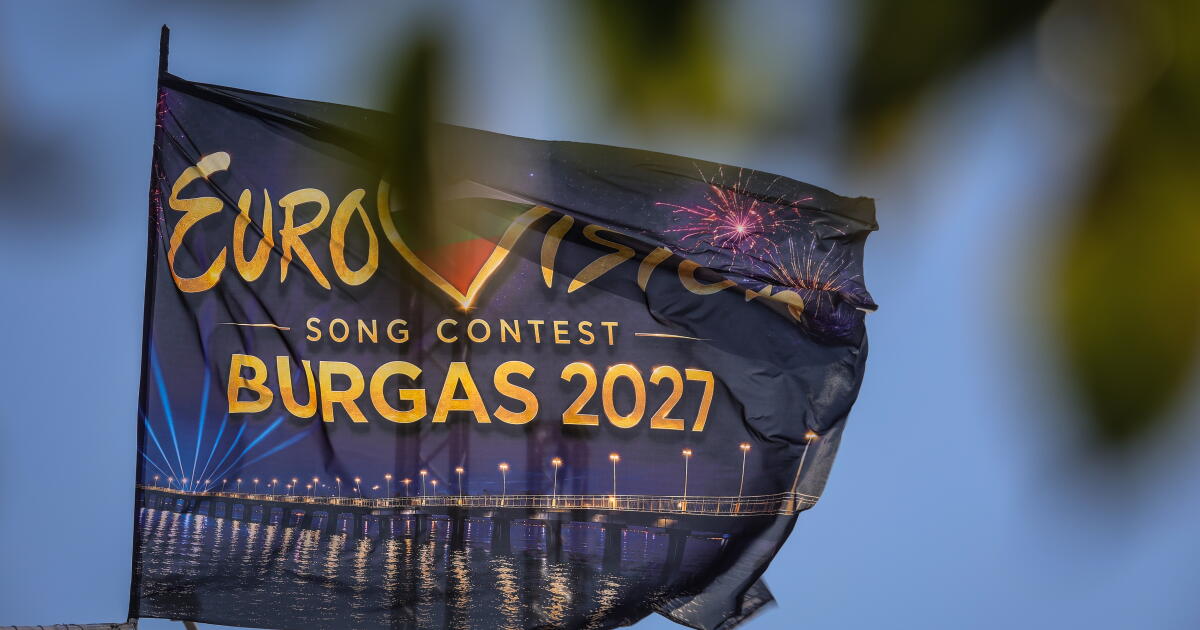
The Eurovision Song Contest 2026 logo on a purple banner, partially obscured by a tree with white blossoms.
A number of nations are boycotting the Eurovision Song Contest 2026 Credit: Reuters
Noam Bettan singing in the official music video for "Michelle."
Noam Bettan is representing Israel with his song Michelle Credit: @EurovisionSongContest / Youtube

Why is the Eurovision 2026 boycott happening?

The Eurovision walkouts followed the European Broadcasting Union’s (EBU) general assembly in Geneva on December 4, 2025.

EBU members voted on new rules to tighten voting and promotion guidelines, but did not put Israel’s participation itself to a separate vote – meaning Israeli broadcaster KAN was cleared to compete.

Within hours, Spain, the Netherlands, Ireland and Slovenia all announced their withdrawals. On December 10, 2025, Iceland followed suit.

The song contest will still be aired in Iceland and the Netherlands – but will not be broadcast in the other three nations.

read more on eurovision 2026

LIN’S BO PEEP

Eurovision 2026 favourite for Finland unmasked as topless Baywatch beauty


ON TRACK

Look Mum No Computer on how he persuaded BBC to let him represent UK at Eurovision

The boycotters have cited the war in Gaza and concerns over the integrity of recent contests.

Which countries are boycotting Eurovision 2026?

Spain was the first of the contest’s Big Five broadcasters – the five biggest financial contributors – to officially confirm it was boycotting Eurovision.

Secretary general of Spanish national broadcaster RTVE, Alfonso Morales, said: “We would like to express our serious doubts about the participation of Israeli broadcaster KAN in Eurovision 2026.

“The situation in Gaza, despite the ceasefire and the approval of the peace process, and Israel’s use of the contest for political purposes, make it increasingly difficult to maintain Eurovision as a neutral cultural event.”

A statement from Ireland’s national broadcaster RTÉ added: “RTÉ feels that Ireland’s participation remains unconscionable given the appalling loss of lives in Gaza and the humanitarian crisis there, which continues to put the lives of so many civilians at risk.”

Dutch broadcaster AVROTROS, in a statement from director general Taco Zimmerman, said: “Culture connects, but not at any cost. What has happened over the past year touches on our boundaries.

“Universal values such as humanity and freedom of the press have been seriously violated and are non-negotiable for us.”

Slovenian broadcaster RTVSLO’s chair Natalija Gorščak said: “For the third year in a row, the public has demanded that we say no to the participation of any country that attacks another country.

“We must follow European standards for peace and understanding.”

Iceland’s RÚV became the fifth country to confirm a boycott, with the broadcaster saying in a press release: “Given the public debate in this country and the reactions to the decision of the EBU that was taken last week, it is clear that neither joy nor peace will prevail regarding the participation of RÚV in Eurovision.”

What has Israel said about the boycott?

Israeli broadcaster KAN has defended its right to participate.

Addressing EBU members during the general assembly in Geneva, KAN CEO Golan Yochpaz said: “The attempt to remove KAN from the contest can only be understood as a cultural boycott.

“A boycott may begin today with Israel, but no one knows where it will end or who else it may harm.

“Are EBU members willing to be part of a step that harms freedom of creation and freedom of expression?”

Israeli President Isaac Herzog welcomed the EBU’s decision in a post on X, writing: “Israel deserves to be represented on every stage around the world, a cause to which I am fully and actively committed.

“I am pleased that Israel will once again participate in the Eurovision Song Contest, and I hope that the competition will remain one that champions culture, music, friendship between nations, and cross-border cultural understanding.

“Thank you to all our friends who stood up for Israel’s right to continue to contribute and compete at Eurovision.

“This decision demonstrates solidarity, fellowship, and cooperation, and reinforces the spirit of affinity between nations through culture and music.”

Israel is being represented at Eurovision 2026 by Noam Bettan with the song Michelle.

The Eurovision 2026 semi-finals are scheduled for Tuesday, May 12 and Thursday, May 14, while the Grand Final is set to take place on Saturday, May 16.

Source link