Spain is one of the most popular holiday destinations for Brits, but stricter rules have been introduced in hotspots including vaping bans, dress codes and driving restrictions – here’s what you need to know

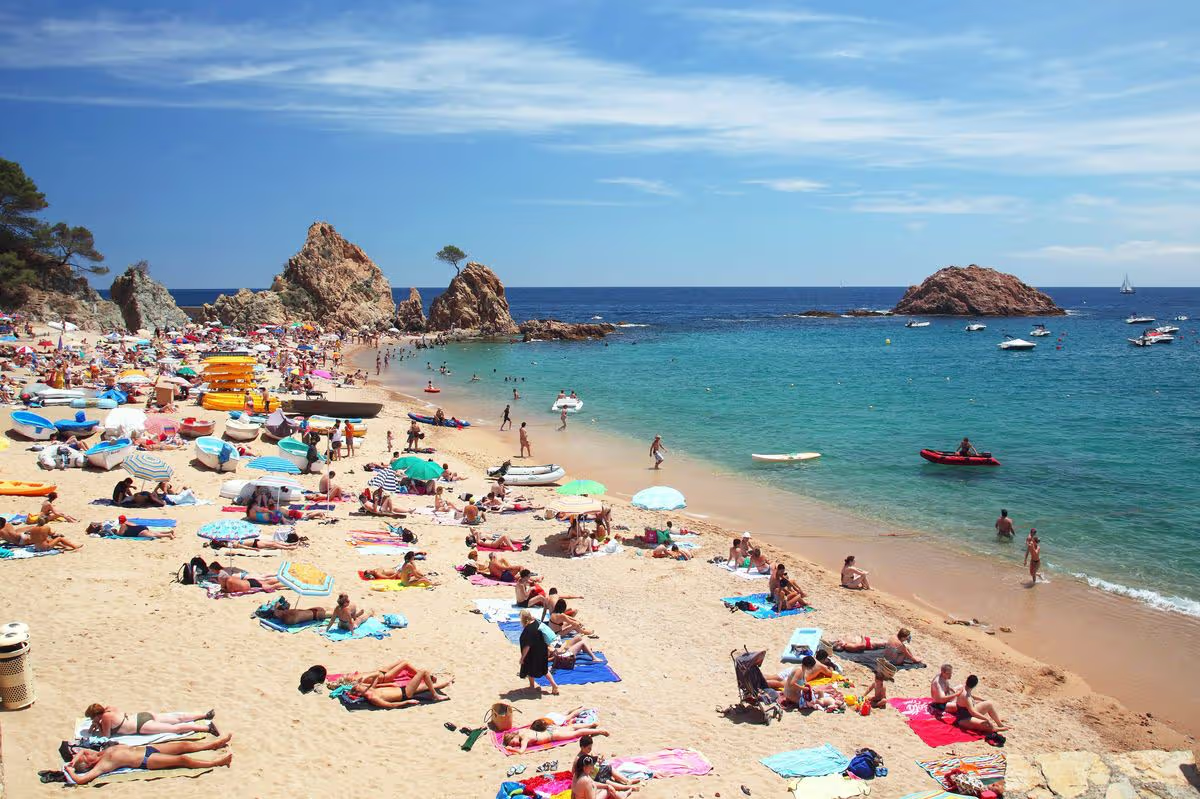
Spain is a popular destination for many Brits to go to(Image: fhm via Getty Images)
Spain remains one of the most popular holiday destinations for Brits, but in recent years, problems associated with excessive drinking and overtourism have prompted numerous hotspots – including the Canary Islands and Balearic Islands – to introduce tougher regulations for tourists.
From new measures to prevent people hogging sunbeds for hours on end, fresh vaping restrictions to even a regulation nicknamed the ‘bikini ban’, British holidaymakers should pay attention before their next trip; in certain instances, breaking the rules could result in a substantial fine.
To help you out, we’ve compiled some of the most significant regulations and recent updates to be aware of before your next Spanish break.
Vaping fines
Spain continues its clampdown on vaping, and the penalties for vaping in prohibited areas are just as severe as those for smoking. In 2025, the country brought in an outdoor smoking ban, which covers all manner of public areas, from restaurant and bar terraces to beaches
The prohibition includes smoking, vaping, shisha, any heated tobacco products, and nicotine pouches, with fines ranging between €30 to €2,000 (approximately £26 and £1,700), though for a first offence, it’s more likely to be towards the lower end. Watch out for signage before you take a drag of your vape.
Footwear restrictions
Planning to hire a car in Spain?
Think carefully about your footwear choice in the morning. If temperatures soar and you’re contemplating a pleasant coastal drive, you might be inclined to slip on flip-flops or slides, but this decision could land you with a substantial fine.
Spanish driving regulations demand footwear that permits ‘free movement’ to operate the pedals correctly, which excludes items such as flip-flops and sandals, high heels, wedges, or even going barefoot. Police officers can impose fines ranging from €80 to €200 (approximately £69 to £172) if they believe you lack proper control of your vehicle.
Therefore, if you’re organising a Spanish road trip, remember to pack some practical shoes to switch into.
Dress codes and ‘bikini bans’
Whilst in a Spanish seaside resort, it’s fairly typical to spot men wandering about topless or women sporting bikinis travelling to and from the beach. Nevertheless, certain Spanish destinations have grown weary of such displays and have introduced stringent regulations compelling holidaymakers to cover up when away from a beach or poolside.
The Foreign, Commonwealth and Development Office’s (FCDO) travel guidance for Spain notes: “In some parts of Spain, it’s illegal to be in the street wearing only a bikini or swimming shorts. Being bare-chested is also illegal in some areas in Spain. You could be fined if you’re caught wearing swimwear on the seafront promenade or adjacent streets.”
Penalties can reach up to €500 in certain areas, approximately £430. Spain isn’t the only country where you’ll encounter rules like these – certain parts of Italy have also brought in similar measures after residents grew tired of holidaymakers wandering around town or attempting to enter restaurants in their swimwear.
Alcohol crackdowns and bans
For countless holidaymakers, a trip to Spain wouldn’t be complete without a sangria or two. However, let’s be honest, Brits frequently take things too far when overseas, and in some regions, exhausted by intoxicated tourists, stringent crackdowns and prohibitions have been put in place.
In the Balearic Islands, particularly around Magaluf and Playa de Palma in Majorca, and San Antonio in Ibiza, there are now prohibitions on happy hours, all-you-can drink promotions, pub crawls, and party boat excursions. Some all-inclusive hotels in Majorca also cap daily drinks at six; three at lunchtime and three at dinner to prevent binge drinking and antisocial behaviour.
Particular resorts on both the mainland and the islands are taking action against people drinking on the street, as well as illegal parties being hosted in villas and private properties.
The FCDO also warns: “Hotels and other establishments will evict you if you behave dangerously on balconies. You could also get a fine.”
Reserving sunbeds
Bagging sunbeds with a towel remains a prevalent practice among British holidaymakers, despite its potential to irk other tourists, but some beaches are taking a stand against the habit by imposing fines. In a resort near Valencia, two retirees were slapped with a £250 fine for reserving sunbeds by laying down towels before 8am to secure a prime beachfront spot.
Whilst it’s unlikely to result in a fine, numerous Spanish hotels have taken action against sunbed monopolisers by confiscating their belongings or handing out warning cards if sunbeds are left unoccupied for a specified period.