quick

Markets Bet on Quick End to Iran War Despite Threats from Both Sides

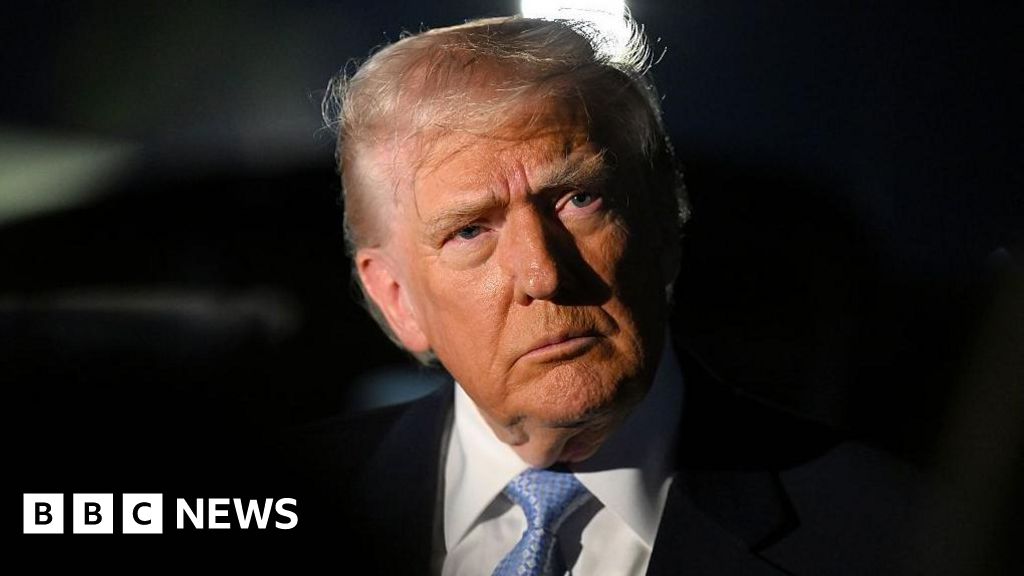
Investors placed strong bets on Tuesday that Donald Trump could bring the war in Iran to a rapid conclusion, even as both sides escalated threats. The Islamic Revolutionary Guards Corps of Iran declared that no oil would leave the Middle East until U.S. and Israeli attacks cease, prompting Trump to threaten that any attempt to block tanker traffic would be met with strikes “twenty times harder.”

Despite the rhetoric, markets quickly reversed the historic surge in crude prices seen on Monday. Brent crude briefly surged to nearly $120 a barrel, a level not seen since mid‑2022, but fell back to around $92 by Tuesday morning. Futures volumes were low, reflecting both caution and the fact that traders were recalibrating risk based on Trump’s comments that the U.S. was “very far ahead” of his initial four- to five-week timeframe for the conflict. Asian and European share prices staged a recovery from earlier steep falls, signaling that markets were treating Trump’s statements as a de-escalation signal, even if the on-the-ground situation remained dire.

Analysts noted that while the market’s reaction reflects optimism about a short conflict, underlying risks remain. Suvro Sarkar of DBS Bank observed that benchmark Middle Eastern grades like Murban and Dubai crude remain above $100 per barrel, meaning the fundamental pressures on supply have not dissipated.

On the Ground: Intensified Conflict

Meanwhile, the human and strategic realities on the ground remain stark. Tehran residents described the heaviest bombardment of the conflict yet, with strikes across the city leaving civilians fearful and homes damaged. One resident said, “It was like hell. They were bombing everywhere, every part of Tehran… my children are afraid to sleep now. We have nowhere to go.”

Israel is simultaneously operating under the assumption that Trump could end the war at any moment, sources familiar with its military plans told Reuters. This has encouraged Israeli forces to maximize damage on Iranian targets before any potential ceasefire, highlighting the tension between the short-term operational calculus and long-term strategic objectives.

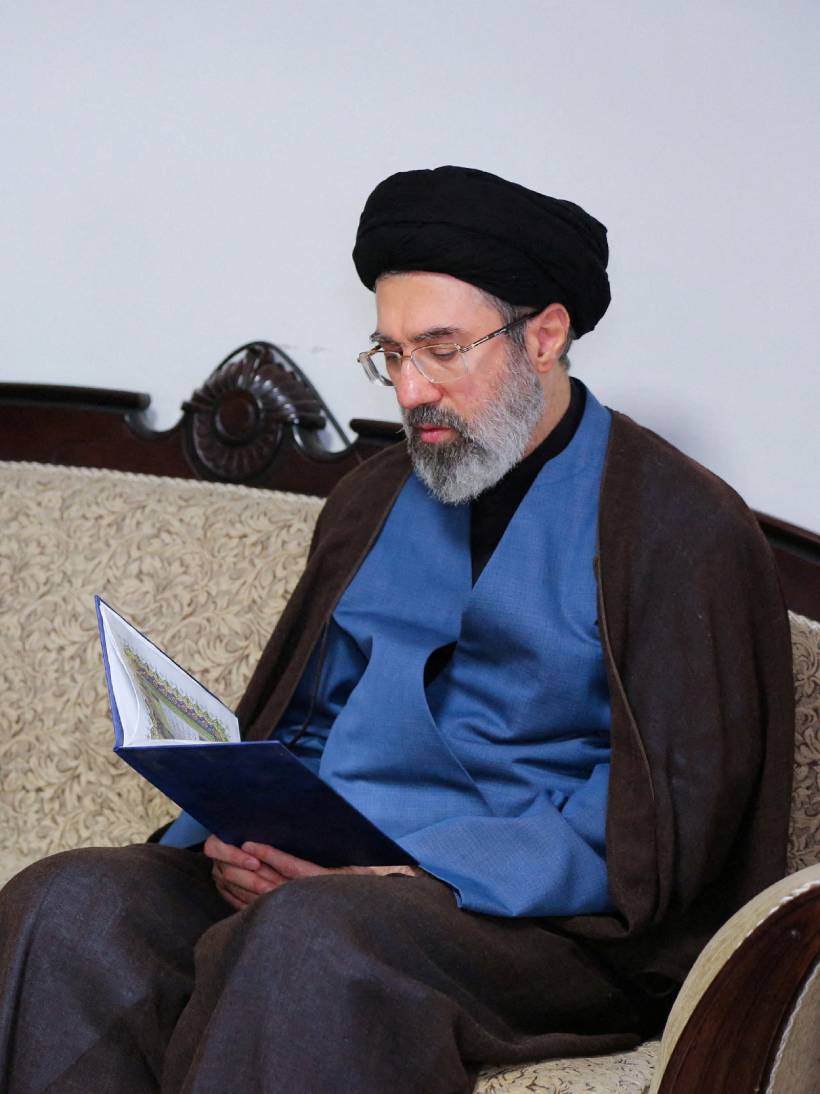
Iran’s appointment of hardliner Mojtaba Khamenei as Supreme Leader signals defiance against U.S. pressure to influence Iranian leadership, underscoring Tehran’s unwillingness to yield to external demands despite the military pressure.

Strategic Implications: Oil, Leadership, and Geopolitics

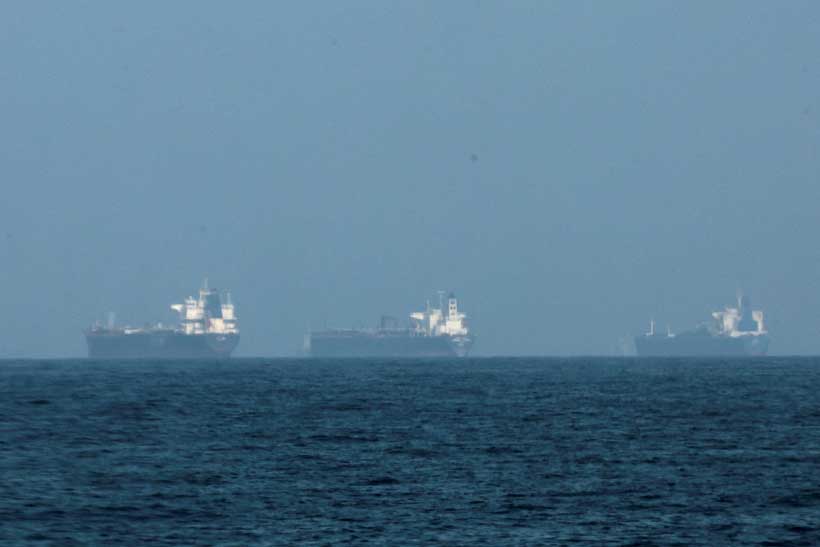
The war has effectively halted shipments through the Strait of Hormuz policy measures such as easing sanctions on Russia and releasing strategic oil reserves, are interpreted by markets as mitigating factors that could prevent a prolonged energy crisis.

However, the underlying political and military dynamics suggest that a rapid resolution may not meet all stated U.S. objectives. Ending the conflict quickly to restore oil flows would likely leave Iran’s leadership intact, which contrasts with Trump’s previous maximalist demands for influence over Iran’s succession. Israel’s objectives diverge further, as it continues to seek regime change and to weaken Tehran’s ability to strike beyond its borders, while U.S. officials emphasize missile and nuclear containment.

Human and Regional Costs

The war has already inflicted significant human costs. Iran’s U.N. ambassador reported at least 1,332 civilian deaths and thousands wounded since the airstrikes began. Iranian missile and drone strikes targeting Gulf states have damaged infrastructure, closed airports, and disrupted hotels, while retaliatory Israeli strikes in Lebanon have killed scores amid ongoing efforts to neutralize Hezbollah.

Domestically, Iran has suppressed dissent and anti-government protests following the death of Ali Khamenei, further complicating the social dynamics that external military action interacts with. Large-scale rallies in support of Mojtaba Khamenei demonstrate public mobilization in favor of the hardline leadership, which may limit the U.S. and Israel’s capacity to influence internal political outcomes even after the war concludes.

Analysis: Financial, Strategic, and Geopolitical Interplay

Markets are betting on a short conflict because of political signaling, but the broader picture is far more complex. Oil prices remain sensitive to supply disruptions, and the potential for renewed escalations persists. The market response highlights how sentiment can temporarily override fundamental risks, yet volatility is likely to continue as long as strategic objectives, military operations, and leadership decisions remain unresolved.

From a geopolitical perspective, the conflict illustrates the tension between military objectives and economic consequences. A rapid end to the war would stabilize energy markets and global growth expectations but may leave U.S. and Israeli goals partially unmet. Conversely, prolonging the conflict to pursue maximalist aims risks a sustained oil shock, regional instability, and wider economic fallout, echoing lessons from past Middle East crises in the 1970s.

Analysts emphasize that energy markets, geopolitical strategy, and human costs are tightly intertwined: traders respond quickly to political statements, but the underlying realities strikes, leadership decisions, and supply chain vulnerabilities ensure that uncertainty will remain high. The delicate balance between military pressure, diplomacy, and market psychology will determine whether the Iran conflict resolves quickly or evolves into a more protracted crisis.

With information from Reuters.

Source link

Iran Names Mojtaba Khamenei Leader, Diming Hopes for Quick Peace

Iran on Monday named Mojtaba Khamenei as its new supreme leader following the killing of his father, Ali Khamenei, in strikes on the first day of the current war. The move signals that Iran’s ruling establishment intends to maintain its hardline course despite the dramatic loss of the country’s most powerful figure.

Mojtaba Khamenei, a 56-year-old Shi’ite cleric with strong connections to Iran’s security apparatus, was quickly endorsed by political leaders, military bodies and religious institutions. Public ceremonies and declarations of loyalty were organised across the country, reflecting a rapid effort by the political system to demonstrate continuity and stability at a moment of intense external pressure.

The appointment is widely seen as closing off any near-term possibility of a negotiated end to the conflict that has engulfed the region. With a figure closely aligned with Iran’s powerful security institutions now leading the state, analysts expect Tehran to maintain a confrontational stance rather than seek quick concessions.

Consolidation of power within the system

Iran’s political and military leadership rallied quickly behind the new leader. Statements from the defence establishment pledged unwavering loyalty to Mojtaba Khamenei, describing him as commander-in-chief and promising to follow him “until the last drop of our blood.”

The swift consolidation of authority highlights the enduring strength of the Islamic Republic’s institutional framework. The supreme leader sits at the top of Iran’s political hierarchy, exercising ultimate control over the military, judiciary and key elements of the state.

Supporters of the government described the succession as a demonstration that the system could withstand even the killing of its long-serving leader. Some Iranians interviewed by media outlets expressed pride and relief that the leadership transition had occurred quickly during wartime, viewing it as a sign of national resilience.

Others, however, reacted with disappointment or anxiety. Many critics of the government had hoped that the death of the elder Khamenei might open the door to political change. Instead, the elevation of his son long considered close to the security establishment suggests continuity rather than reform.

Divided reactions inside Iran

Public reactions within Iran have reflected the country’s deep political divisions. Supporters of the authorities praised Mojtaba Khamenei’s appointment as a defiant response to foreign pressure and an affirmation that the Islamic Republic remains intact.

Critics, however, say the change offers little hope for political liberalisation. Many opposition figures and activists have remained quiet, in part because of fears of repression during wartime. The government recently suppressed widespread protests, and security forces maintain a strong presence across major cities.

Observers note that Iran’s powerful security institutions including the Islamic Revolutionary Guard Corps retain extensive resources and influence. The Guard and associated networks also control major sectors of the economy, reinforcing the system’s ability to maintain power even during crises.

International pressure and escalating conflict

The leadership change comes amid escalating hostilities involving Israel and the United States. U.S. President Donald Trump has demanded Iran’s unconditional surrender and has suggested Washington should have influence over the selection of Iran’s supreme leader.

Trump has previously warned that any successor to Ali Khamenei could face the same fate if Iran continued what he described as hostile policies. Israeli officials have also indicated that senior Iranian leaders could remain targets unless Tehran abandons its military programmes and regional alliances.

Israel’s stated war aims include dismantling Iran’s missile and nuclear capabilities, and some officials have also spoken of ending the country’s clerical system of rule. Washington’s position initially focused on military capabilities but has hardened during the conflict.

Meanwhile, Israeli operations have expanded across the region, including strikes in Beirut and other areas linked to Iranian-backed groups such as Hezbollah. Fighting and airstrikes have resulted in significant casualties in Iran, Lebanon and Israel.

Energy shock and global economic impact

The war has triggered one of the most severe energy disruptions in decades. Shipping through the Strait of Hormuz, a narrow waterway near Iran’s coast through which roughly a fifth of global oil and liquefied natural gas supplies pass, has been effectively halted.

With tankers unable to move for more than a week, producers have faced storage shortages and in some cases have been forced to halt pumping. The supply shock sent Brent crude prices surging sharply, briefly approaching $120 per barrel before settling above $100.

The surge has rattled financial markets worldwide, pushing stock indexes in Asia and Europe sharply lower and raising fears of inflationary pressure in major economies. Rising fuel costs also carry political implications in the United States, where gasoline prices are closely watched by voters ahead of upcoming elections.

Regional fighting intensifies

Military operations have continued across multiple fronts. Israeli forces have struck targets in central Iran and carried out attacks on infrastructure, including an oil refinery that sent thick black smoke rising over the capital, Tehran.

At the same time, Iranian-aligned forces have launched attacks elsewhere in the region. A refinery in Bahrain was damaged in a strike that forced the national oil company to declare force majeure, further highlighting the widening scope of the conflict.

Casualties have mounted rapidly. Iranian officials say more than 1,300 civilians have been killed in U.S.-Israeli strikes, while deaths have also been reported in Lebanon and Israel. Israeli authorities confirmed fatalities from Iranian missile attacks, and several soldiers have been killed in fighting along the Lebanese border.

Iran’s system of rule

The role of supreme leader was created following the Iranian Revolution of 1979, which established the Islamic Republic under clerical leadership. The position combines religious authority with ultimate political power.

Ali Khamenei held the office for more than three decades, shaping Iran’s foreign policy and domestic governance during periods of sanctions, regional conflict and diplomatic negotiations with world powers. His death in wartime marked one of the most dramatic moments in the country’s modern political history.

Mojtaba Khamenei has long been viewed as an influential figure behind the scenes, particularly within security institutions. Though less publicly prominent than other clerics, he has been widely considered close to the Revolutionary Guard and to key power brokers within the political establishment.

Analysis: Hardline continuity and a longer war

The rapid elevation of Mojtaba Khamenei suggests that Iran’s ruling system is prioritising continuity and cohesion over reform or compromise. By choosing a figure closely aligned with the security establishment, the leadership appears determined to project strength during wartime.

This choice reduces the likelihood of immediate diplomatic concessions that might have opened a path to de-escalation. A leader closely tied to Iran’s military institutions is more likely to emphasise resistance and national defence rather than negotiation under pressure.

At the same time, the succession demonstrates the resilience of Iran’s political structure. Despite the loss of its long-time leader and ongoing military attacks, the state apparatus has moved quickly to stabilise authority and present a unified front.

For the wider region and the global economy, the implications are significant. If Iran continues to pursue a confrontational strategy under its new leader, the conflict could become prolonged, keeping energy markets volatile and increasing the risk of further escalation across the Middle East.

With information from Reuters.
Source link

Renee Good ‘slow to anger, quick to love,’ her father says

Renee Good loved sparkles and laughter and any excuse for a celebration. She loved pretty much everyone she met, and was late for pretty much everything.

“She had this way of making you feel special and loved that I didn’t even understand … until we lost her,” Donna Ganger said Friday of her daughter, who was shot and killed by an immigration officer during the federal crackdown in Minneapolis.

She was “slow to anger, quick to love, quick to care,” said her father, Tim Ganger. “That’s the essence of who she was.”

Good, a 37-year-old mother of three, was killed Jan. 7 as immigration agents surged through the Minneapolis area, sparking waves of protests. Her death and that of another U.S. citizen, Alex Pretti, weeks later in Minneapolis sparked outrage across the country and calls to rein in immigration enforcement.

In a wide-ranging interview in Colorado, where some of the family lives, Good’s parents and two of her brothers, Brent and Luke Ganger, talked to the AP about the joy Good found in life, their grief and their hopes that her death can bring about change in a deeply polarized nation.

“It’s going to be hard in the future,” Donna Ganger said. “It’s going to be kind of a constant pain.”

Settling in Minneapolis

Good, who graduated from college later in life, was volunteering in a local school district and working as a substitute teacher when she was killed, her parents said.

“She was working so hard to get her education, and then she was finally able to use it, and I could just tell how happy she was and how fulfilled,” Donna Ganger said.

Good, her 6-year-old son and her partner, Becca Good — the women were not legally married, according to a family lawyer, but referred to each other as wives — had only recently relocated to Minneapolis from Kansas City, Mo., settling on a quiet residential street in a tight-knit neighborhood known for its progressive activism.

In social media accounts, Renee Good described herself as a “poet and writer and wife and mom.” On Pinterest, a profile picture shows her smiling and holding a young child, alongside posts about tattoos, hairstyles and home decorating.

The family “settled very quickly into the community in Minneapolis,” said Donna Ganger, describing how the neighborhood had also welcomed the rest of the family when they came after the shooting. They see that as the result of the love that Good had showed her new neighbors.

“It was incredible to receive that back,” Luke Ganger said.

Donna Ganger held a stuffed toy owl as she spoke, a gift from her daughter, who knew how much she loved the birds. It had sparkles on its feet, a reminder of Good’s love for glitter.

At Good’s memorial service, a table of glitter had been set out for guests. Donna Ganger had put a piece on a lens of her glasses and it’s remained there.

“She just kind of sparkled all the way through,” said Donna Ganger. “I think of her and I look down and see my little sparkle.”

‘A very American blend’

The family is “a very American blend,” Luke Ganger said recently in testimony to Congress. “We vote differently, and we rarely completely agree on the finer details of what it means to be a citizen of this country.”

Yet “we have always treated each other with love and respect,” he said.

On Friday, the family didn’t want to discuss the specifics of their differences, but Donna Ganger said she’d long prayed for guidance: “Before all this happened, I said, ‘Make me a wise woman.’”

In the hours after Good’s death, Trump administration officials said she had been shot as she tried to drive her car into an immigration officer. Homeland Security Secretary Kristi Noem said Good had committed “an act of domestic terrorism.”

But as video evidence and other details of the confrontation emerged, and criticism of the crackdown began growing, administration comments softened.

President Trump said he’d been told that Tim Ganger had supported him.

“He was all for Trump, loved Trump. And, you know, it’s terrible,” he told reporters. “I hope he still feels that way.”

Tim Ganger declined to talk about his political affiliation or whether it had changed with his daughter’s killing.

“I think I’m just going to leave that go,” he said. “There’s so many other important things” to deal with now, he added.

But family members said they hoped their ability to get along would be an inspiration.

“Our purpose through this whole tragic, difficult, unbelievable time, is to have something good come out of this,” Tim Ganger said. “Otherwise the senselessness of this is overwhelming.”

Sadness echoed in Donna Ganger’s voice as she talked about navigating family differences.

“Sometimes I’m just silly, you know, and I joke with them and I’m goofy,” she said. “But I want to be able to talk about hard things — and that’s hard sometimes with your own family to talk about hard things that maybe you don’t agree on. And I don’t want there to be any hardships between us or hurt.

“But it’s important that we learn to be careful with our words, but share them in a deep way,” she said. “It’s really important.”

Family members spoke only in general ways about the change they’d like to see come from Good’s death.

“I think it’s evident that something is broken, right?” said Brent Ganger. “And when something is broken, you have to take a deep look to see what it is that can be changed and fixed in order for it to not happen again.”

The morning of the shooting

On the morning of the shooting, as immigration raids and protests were flaring across the city, Becca Good has said she and Renee stopped their car in the street to support neighbors during an immigration operation.

Video shows Renee Good in a maroon SUV blocking part of the road and repeatedly honking her horn.

Two immigration officers get out of a truck and one orders Good to open her door. She reverses briefly, then turns the steering wheel as the officer says again, “Get out of the car.” Almost simultaneously, Becca Good, standing in the street shouts, “Drive, baby, drive!”

When Good begins pulling forward, an ICE officer standing in front of the vehicle — later identified as Jonathan Ross — pulls his weapon and fires at least two shots into the car, through the driver’s-side corner of the windshield and the driver’s window, killing Good.

Weeks later, Tim Ganger said he hoped the family’s tragedy would lead to change, though “I’m not even sure what that will look like.”

“But for something good, for people to stop and take a breath and take a look and have a dialog,” he said. “That’s the broader mission of what we want, for people to come together and take care of each other.”

The Justice Department has said it sees no basis to open a federal civil rights investigation into Good’s death, but the family has hired a law firm that is conducting its own investigation and exploring potential legal action.

Family members said no one from the federal government has contacted them about Good’s killing, and they are unsure whether anyone will be held accountable.

“All we can do is speak out and hope that our sincere words are enough to enact some kind of change,” Brent Ganger said.

Slevin and Sullivan write for the Associated Press and reported from Denver and Minneapolis, respectively.

Source link

Six of the best holiday destinations to book for some quick Vitamin D including 28C Spanish islands

THE washout weather that has plagued the country this year has many of us desperate for some sunshine.

As yet another rain-soaked week awaits, it makes sense to search out some blue skies and warm weather.

The washout weather that has plagued the country this year has many of us desperate for some sunshineCredit: Getty

With the Easter break a way off, now is the perfect time to head abroad for some vitamin D at decent prices.

Here Head of Travel Lisa Minot picks some great deals on guaranteed sunshine destinations . . . 

THE Canary Island favourite is always a good bet for sun as March arrives, with temperatures averaging in the low 20s.

The family-friendly 4-star Alexandre Gala near Playa de las Americas on the sun-drenched south-west coast has two outdoor pools, one of which is heated year-round.

WAIL OF A TIME

I drove Irish Route 66 with deserted golden beaches and pirate-like islands


COSTA LOT

The silly holiday mistakes that even Sun Travel team have made that cost hundreds

Tenerife is always a good bet for sun as March arrives, with temperatures averaging in the low 20sCredit: Getty

As well as a buffet restaurant and two bars, there is a spa and sports facilities.

Its central location means it is close to the beach, bars and restaurants and just 1km from the Siam Park water park.

GO: Seven nights’ half-board at the Alexandre Gala is from £677pp including flights from Birmingham on March 4. See thomascook.com.

WARMING up nicely in March, Cyprus offers average highs of 20C.

Set on the beachfront of Kato Paphos, the 5-star Ivi Mare hotel is designed exclusively for adults.

Warming up nicely in March, Cyprus offers average highs of 20CCredit: Getty

There are three restaurants — buffet, Mediterranean and Japanese — as well as two bars, two outdoor freshwater pools and an indoor one.

There also a spa with sauna, steam room and Jacuzzi plus treatments for a pamper between sunbathing sessions.

GO: Seven nights’ B&B at the Ivi Mare is from £969pp including flights from Gatwick on March 2 and transfers. See easyjet.com/en/holidays and ivimarepaphos.com.

YOU are guaranteed tropical sunshine on the Caribbean coast of Mexico — and the all-inclusive 5-star AVA Resort Cancun makes the most of it, with all rooms and suites featuring panoramic ocean views.

The 2.8-acre beachfront lagoon is perfect for sailing, kayaking and paddleboarding, while another six pools offer more water fun.

You are guaranteed tropical sunshine on the Caribbean coast of MexicoCredit: Getty

There are nine fine-dining restaurants and eight casual options, including street food and ice cream salons.

There are also bars, cocktail lounges and nightlife venues.

GO: Seven nights’ all-inclusive is from £2,175pp, including flights from Gatwick on March 11 and transfers. See ba.com and avaresortcancun.com.

AGADIR’S beaches are a hit with surfers thanks to the year-round swells.

And with temperatures sizzling in the high 20s around now, there is no better place to kick back on a sunlounger with a beer.

Agadir’s beaches are a hit with surfers thanks to the year-round swellsCredit: Getty

At this time of year, stays at the 5-star Hyatt Place Taghazout Bay are a steal, with luxurious rooms overlooking the ocean, two outdoor pools and a sandy beach just a 1.4km stroll away.

While golf enthusiasts are getting in the swing at the on-site 18-hole course, those seeking relaxation can book in at the Moroccan-themed spa.

GO: Seven nights’ B&B at the Hyatt Place Taghazout Bay is from £449pp with Luton flights on March 10. See loveholidays.co.uk.

ALL you will see from your room is blue at the 4-star Fuerteventura Princess, where four sprawling outdoor pools look on to the ocean.

Lush palm trees, volcanic mountains and hot weather make the island seem like a far-flung tropical escape, yet it is just a four-ish hour flight.

All you will see from your room is blue at the 4-star Fuerteventura Princess, where four sprawling outdoor pools look on to the oceanCredit: Roberto Moiola / Sysaworld

Sample local delights as well as familiar favourites at the buffet restaurant.

There is an outdoor tennis court, table tennis, billiards, volleyball and archery.

GO: Seven nights’ half-board at the Fuerteventura Princess is from £660pp including flights from Luton on March 4. See onthebeach.co.uk.

WITH GORGEOUS beaches and incredible swimming in coral reefs, Marsa Alam is ideal for a last-minute winter sun break.

TUI has new direct flights from Gatwick to the Red Sea resort, making it an easy flight with short transfers.

Marsa Alam is ideal for a last-minute winter sun break with its gorgeous beaches and incredible swimming in coral reefsCredit: Getty

The 4-star Jaz Grand Marsa has its own private beach with a coral reef, as well as five pools, three of which have sea views.

The spacious grounds feature gardens and water fountains, plus tennis courts.

GO: Seven nights’ all-inclusive at the Jaz Grand Marsa is from £666pp including flights from Gatwick on March 15. See tui.co.uk.

Source link