Venezuelan National Assembly Approves Pro-Business Mining Law
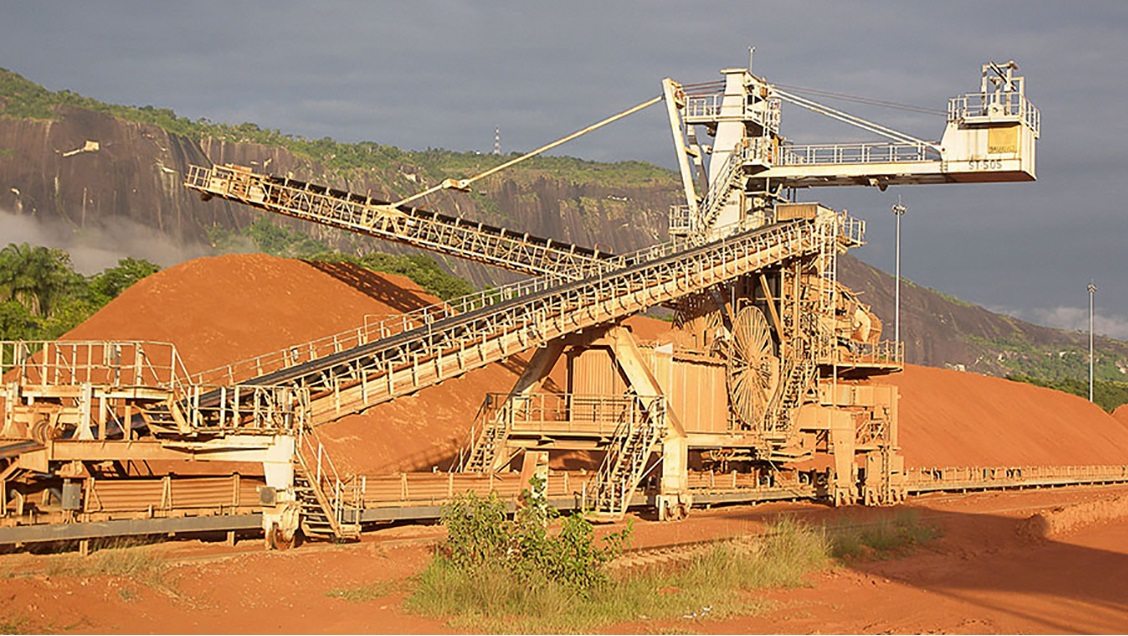
Venezuela holds significant gold, iron and bauxite deposits. (Archive)
Caracas, April 10, 2026 (venezuelanalysis.com) – The Venezuelan National Assembly unanimously approved a new mining law geared toward attracting foreign investment on Thursday.
Deputies backed the legislation after going through the bill’s 130 articles over four separate parliamentary sessions. A preliminary version was approved on March 9.
National Assembly President Jorge Rodríguez praised the parliamentary special commission that drafted the law and incorporated amendments after consultations, underscoring the bill’s far-reaching impact.
“We have approved a legal text which will undoubtedly become a vehicle for future prosperity,” he said during the legislative session, further promising that “every mineral from the Venezuelan soil will be translated into social welfare.”
Orlando Camacho, a deputy from the pro-government coalition, stated that the law’s objective is to “attract national and foreign capital with legal assurances” as well as “update the regulations” in the mining sector.
Divided into 19 sections, the legislation establishes a regulatory framework for small, medium, and large-scale mining, as well as the state’s prerogative to declare certain minerals strategic and reserve areas for security purposes. It also creates new oversight institutions and a state-run data bank.
Under the law, joint ventures, private corporations, and small-scale artisanal mining groups are allowed to receive concessions that can last up to 30 years and be renewed for two additional 10-year periods. Furthermore, private entities can bring disputes to international arbitration bodies.
Royalties and a mining tax are capped at 13 and 6 percent, respectively. The executive has the discretionary power to reduce them as well as grant additional fiscal incentives. The new law will replace a 2015 decree that imposed state control over mining exploration, as well as the 1999 Mining Law.
Former President Hugo Chávez sought to end foreign mining concessions in the 2000s, instead pushing for a leading state role and to interlink extraction activities to basic industries in sectors such as steel and aluminum.
The Chávez government likewise revoked several concessions from Western mining companies. A number of them, including Canada’s Crystallex and Gold Reserve, went on to secure compensation via international arbitration bodies.
Since 2015, the Nicolás Maduro government turned to mining as a potential revenue source amid escalating US sanctions, particularly in the 112,000 square-kilometer Orinoco Mining Arc. Nevertheless, the sector was targeted by unilateral coercive measures, while the proliferation of irregular mining groups has generated environmental concerns.
Venezuela possesses vast proven reserves of gold, iron, and bauxite, as well as lesser quantities of copper and nickel. Analysts have also drawn attention to Venezuela’s significant reserves of coltan in addition to unconfirmed rare earth deposits.
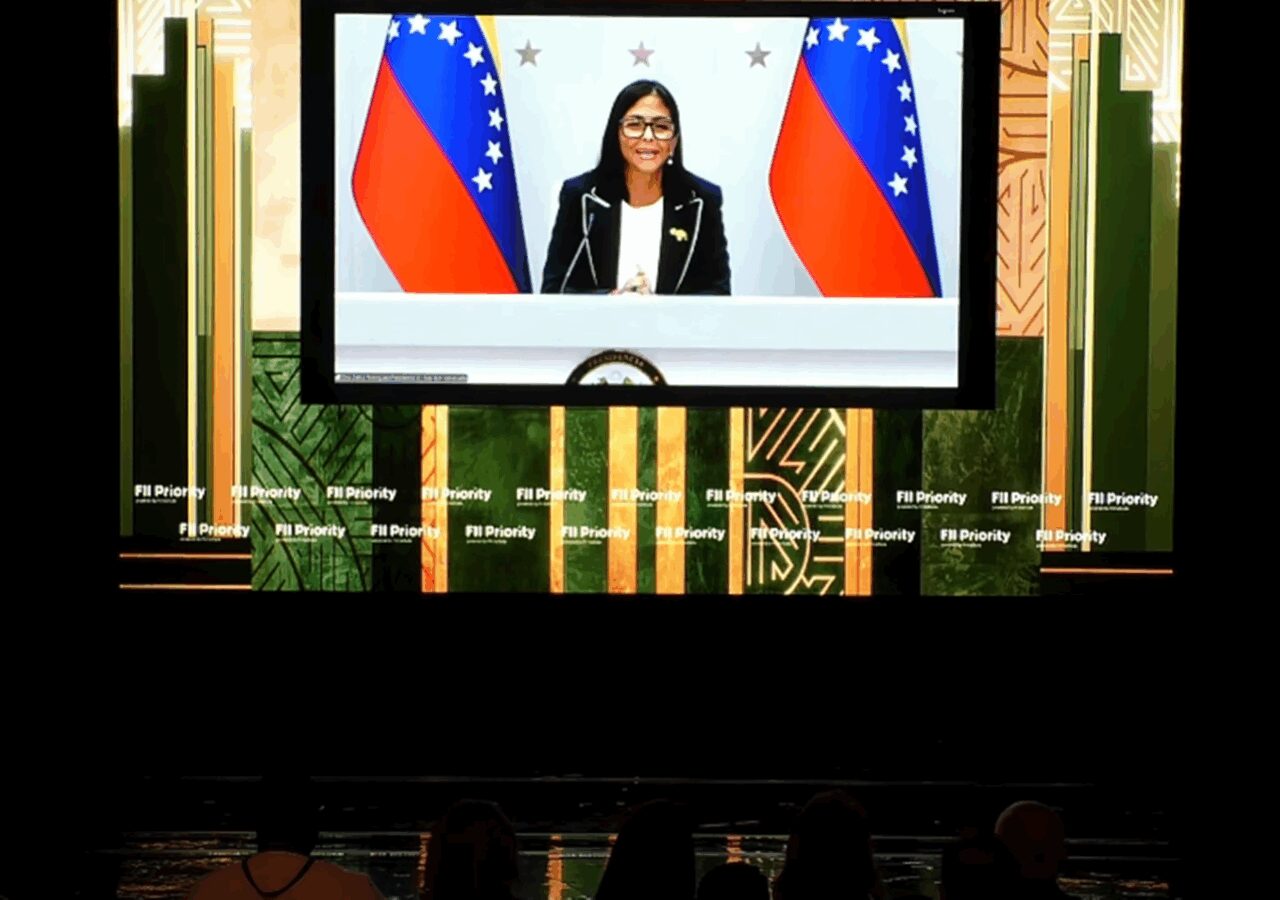
The approved legislation will be reviewed by the Venezuelan Supreme Court before being enacted by Acting President Delcy Rodríguez. On Thursday, the Venezuelan leader praised the new law as “a fundamental instrument to modernize and improve mining” in the Caribbean nation.
“This law strengthens legal security, attracts investment, and will boost our mineral wealth toward national development,” she wrote on social media.
Rodríguez first announced the mining reform during a visit by US Interior Secretary Doug Burgum in early March. Burgum, who holds the natural resource portfolio in the Trump administration, came to Venezuela with more than 20 mining executives from US and Canadian conglomerates. He praised Venezuela’s mineral wealth and potential opportunities for Western corporations.
US companies Caterpillar and Hartree Partners, alongside Canadian counterparts Gold Reserve and Lundin Mining, were among the firms to send representatives to Caracas with Burgum. Canada’s Roland Mineral Enterprises recently announced plans to “aggressively seek out and acquire interests in Venezuelan mineral properties,” singling out its interest in Las Cristinas gold project, which is estimated to contain over 14 million ounces of gold.
In late March, the Trump administration issued three general licenses to facilitate Western conglomerates’ participation in the Venezuelan mining sector.
The US Treasury sanctions waivers allow transactions with Venezuelan minerals, the provision of technology and services, and contract negotiations with Caracas. However, it mandates that corporations secure a special license before enacting contracts.
Washington’s licenses block transactions with entities from China, Cuba, Iran, North Korea and Russia. They additionally require that all Venezuela-bound revenues be deposited in accounts run by the US Treasury. A similar arrangement is presently in place regarding Venezuelan oil revenues, which are controlled by the Trump administration and released back to Caracas at the White House’s discretion.
The new mining law follows a recent pro-business overhaul of Venezuela’s Hydrocarbon Law, granting private conglomerates significant control over operations and sales, reduced fiscal responsibilities, and the possibility of taking disputes to international arbitration.
On Wednesday, Acting President Rodríguez announced several upcoming legislative projects to reform the South American country’s tax, labor, pension, and housing regulations.
Edited by Lucas Koerner in Fusagasugá, Colombia.