Privatisation

UEFA, AFC, CONCACAF hit out at Infantino over World Cup privatisation plan | Football News

Three confederations release letter criticising FIFA’s president over his proposal to sell off stakes in the World Cup.

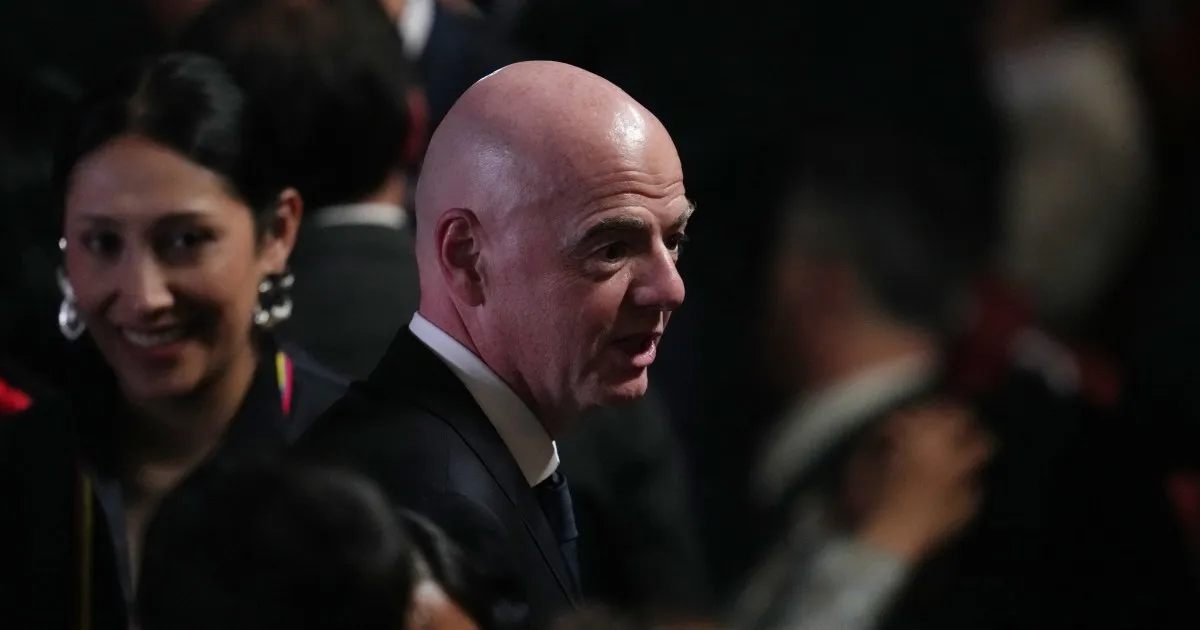
FIFA President Gianni Infantino has come under renewed fire as a joint letter from three confederations – UEFA, CONCACAF and AFC – declared that football “belongs to no individual”.

Infantino has received scathing criticism ever since launching, and then withdrawing within days, a plan to bring in private investment into FIFA competitions, including the World Cup.

Recommended Stories

list of 4 itemsend of list

FIFA had hit back on Saturday, claiming “a concerted and ongoing effort by some to undermine” football’s governing body and Infantino.

However, Monday’s letter from the governing bodies of European football (UEFA), North and Central America (CONCACAF) and Asia (AFC), showed his critics were unbowed.

“Leadership in football is not a possession. It is not about holding – or demanding – power to be held,” they wrote.

“When trust is broken through deception, when an individual places himself above the collective that entrusted him with authority, that duty has been abandoned,” the confederations added.

The three confederations called for a fully ⁠independent review into the stake sale proposal.

“Football’s strength has ⁠always been its unity,” the statement concluded. “We call for that unity to ‌be honoured now, for leadership that serves football, not ‌seeks ‌to command it.”

They also criticised a FIFA emergency meeting in Morocco last week, saying there was only one elected official present, while also calling for an independent review which FIFA would have ⁠no role in, to determine what led to this “profound failure of judgement”.

On Friday, Norwegian Football Federation (NFF) President ⁠Lise Klaveness, seen by some as a potential candidate to replace Infantino, called on the 56-year-old to step down from the presidency immediately. Klaveness has long been an outspoken critic of Infantino.

After quelling in-house dissent at the emergency meeting on Wednesday, FIFA apologised to the 211 federations and Infantino rallied his support among the six confederations that ⁠make up the world governing body.

Africa’s confederation CAF released a statement on behalf of its 54 members backing Infantino on Thursday, with CONCACAF member Mexico following suit along with South American countries Argentina, Paraguay, Ecuador and Bolivia.

On Friday, as Infantino attended the inauguration of Colombia’s new President Abelardo De La Espriella ⁠in Cali, FIFA released a blistering attack on the president’s critics, saying attempts to challenge his leadership must follow the governing body’s statutes and democratic procedures.

FIFA also echoed the statements of several of the bodies that supported Infantino, as well as one from South American confederation CONMEBOL.

FIFA’s ‌statement came after reports by The Daily Telegraph about payments made by UEFA to a former employee during Infantino’s time as the European governing body’s general secretary, allegations he has denied and that FIFA has rejected as unfounded.

Almost 70 of FIFA’s 211-member associations have said publicly they will ‌vote ‌for Infantino, with about a dozen either withdrawing previously promised support or saying they will not vote for him.

UEFA apart, the confederations that say they have lost confidence in Infantino are not completely united, with several Asian nations backing him as well as Mexico from CONCACAF.
Source link

The Privatisation of War and the International Law to Combat It

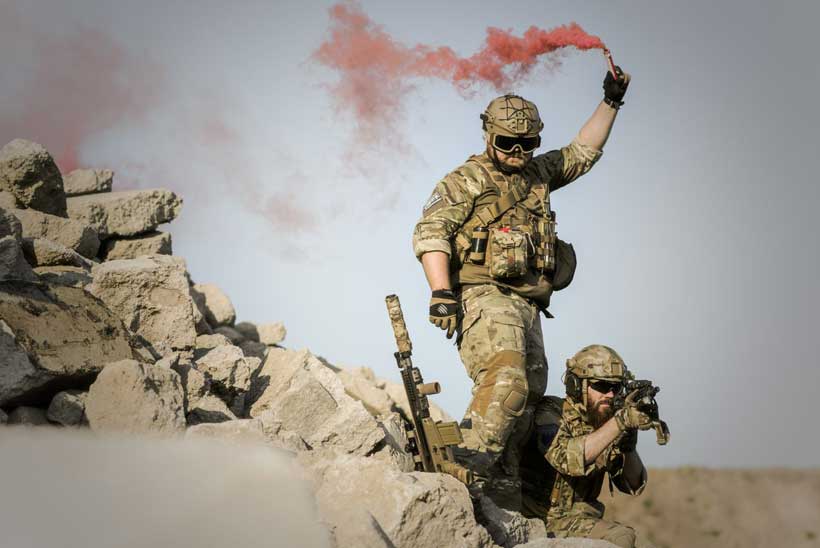
Modern conflicts are not just waged by state sponsored armed forces. In the last two decades there has been a rapid growth in the international recruitment of Private Military Companies (PMCs), used for everything from protecting top-level diplomats from harm in the Middle East to defending resource mining sites throughout Sub-Saharan Africa.

These commercial security contractors are indispensable partners to states, NGOs and corporations the world over. The growth of privatized conflict presents structural issues for international law and diplomacy.

Among the most consistent and frequent challenges to global peace and security is the glaring accountability vacuum relating to non-state actors. When a uniformed state soldier is found to have committed crimes they are subject to the rigorous legal structures of the military justice system, including the Geneva Convention. By comparison, PMC operators often exist in a legal grey area.

Host nations where such operators act, often experience a level of domestic instability where their own legal systems are overstretched, or politically weak to effectively take action against powerful private security forces. The nations routinely lack either the will or capacity to pursue legal action against heavily armed foreign PMC personnel. The home states of PMCs are never eager to prosecute for alleged offences committed abroad by the corporations which they sanction. This leads to an accountability vacuum.

Stay ahead of the geopolitical week.

MD Briefing delivers expert analysis across five global fronts — the Indo-Pacific, energy, geoeconomics, European security, and the Middle East — every Monday morning. Free.

Bringing the War-Zone Back Home

Due to a lack of a central tribunal for PMC abuses, such individuals usually fall to the jurisdiction of the domestic legal system in their home country. Taking war crimes back home presents a unique challenge for a domestic legal system. When prosecuting for violent abuses committed in a distant battlefield, standard criminal codes and procedures may prove ill-suited.

Attempts by domestic prosecutors to seek convictions for offenses such as murder or assault against their country’s PMC operators has led to lengthy and complex legal proceedings. Acts normally described a felony assault charge were made all the more difficult due to a defence team pointing to the hostile environment, self-defense and chain of command arguments during combat.

Diplomatic Fallout and Tensions

A failure to investigate or hold delinquent PMCs to account will trigger severe diplomatic backlash for a country. In a state in which private security companies are operating abroad and are subject to no scrutiny or legal checks and balances, public antagonism will increase and in some circumstances relations with the country of origin of these PMCs will be strained. In a fragile international environment, years of delicate diplomacy and international co-operation can be instantly sabotaged when a foreign military acts without limits.

International Cooperation Needed for PMC Regulation

It is essential that the international community moves beyond a voluntary framework to regulate PMCs. Regulations such as the Montreux document is an excellent starting point for regulation but more robust measures such as a mandatory convention governing the behavior and prosecution of private military contractors are needed.

Diplomats must proactively create standard operating procedures for the proper handling of private security forces, to avoid jurisdictional gaps, and take steps towards creating accountability for individual wrongdoers.

Source link