Venezuela: National Assembly Pushes Reform to Open Electricity to Private Sector
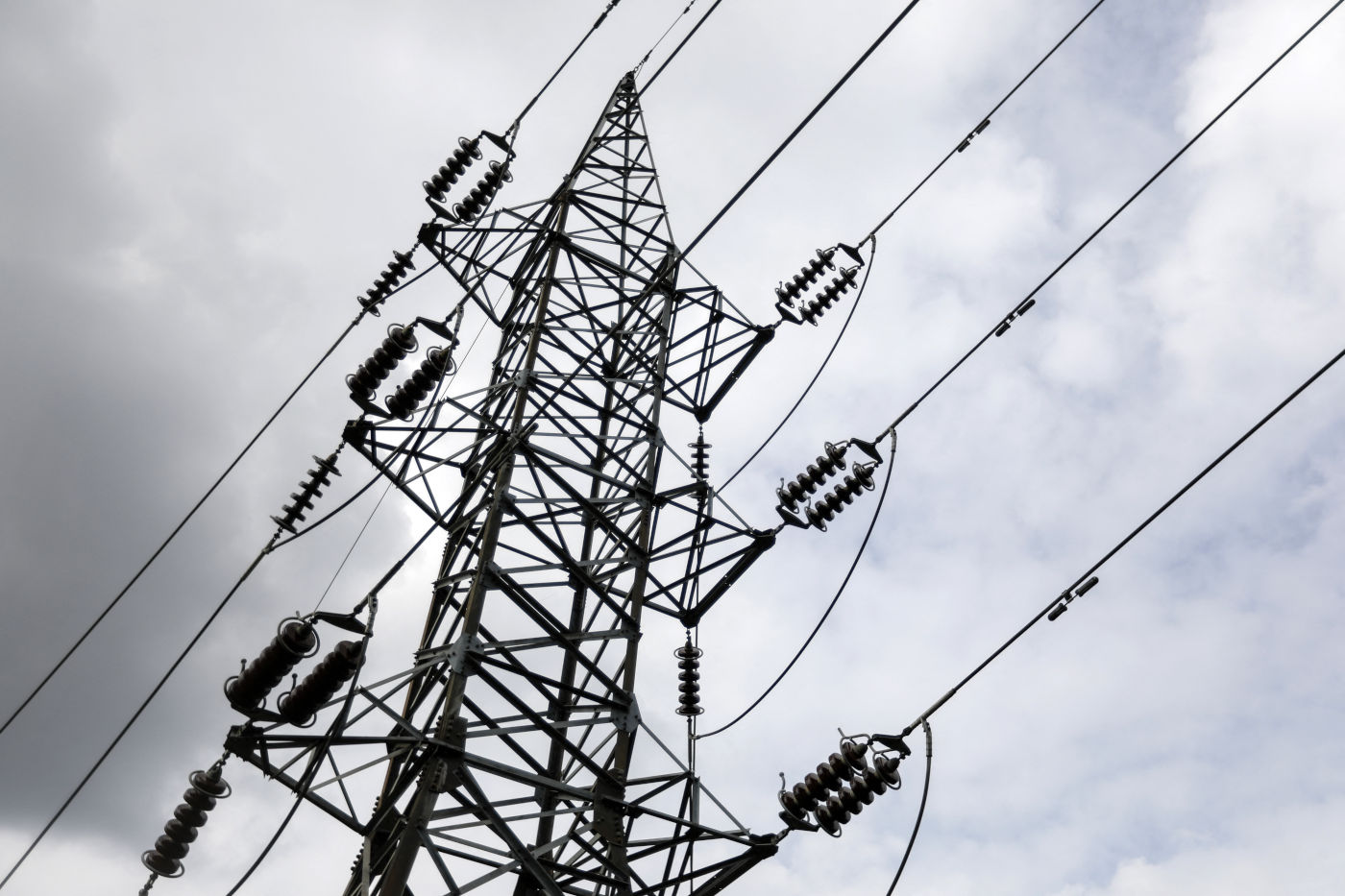
Private and mixed companies will be allowed to participate in electricity generation, transmission, distribution, and commercialization. (AFP)
Caracas, June 4, 2026 (venezuelanalysis.com) – The Venezuelan National Assembly preliminarily approved on Tuesday a reform to the country’s Organic Law of the National Electricity System and Service, proposing a structural overhaul of the National Electricity System (SEN).
One of the most significant changes is the incorporation of the private sector in electricity generation, transmission, distribution, and commercialization activities, breaking with two decades of state monopoly through the National Electric Corporation (Corpoelec).
According to the draft text seen by Venezuelanalysis, private corporations and joint ventures will be able to operate in the electric grid in what is termed a “diversification of actors in the service chain.” The mixed ventures, where the state can hold majority or minority stakes, will be approved directly by the government and not by the National Assembly.
“In recent decades, the electric system has showcased structural and financial limitations […] as a result of the productive reality and the negative impact of unilateral coercive measures,” the proposed law reads. “Faced with this reality, the Venezuelan state must assume an institutional and judicial reengineering.”
The bill establishes concessions with a maximum duration of 25 years, renewable for a further 15 years under specific conditions. Once a concession expires, all infrastructure, assets, substations, and data will automatically revert to the state in good condition and without compensation.
The proposed legislation announces the creation of a new tariff scheme “based on real costs and a reasonable return for investors.” Electricity, like most public services, has been heavily subsidized in recent decades in the Caribbean nation. The bill additionally introduces obligations for electricity distributors to compensate users for damages caused by blackouts or other failures.
The reform likewise establishes the possibility for the executive branch to grant tax exemptions to projects linked to renewable energy, rural electrification, or strategic investments in the electricity sector.
The 42-article legislation will now be subject to discussions and amendments before a second and decisive vote.
If approved, it would repeal the Organic Law for the Reorganization of the Electricity Sector, enacted by former President Hugo Chávez on July 31, 2007, which merged the country’s seven existing electricity companies through the creation of the National Electric Corporation. The legislation also defined all stages of electricity generation and distribution as “strategic for the nation.”
During Tuesday’s parliamentary session, United Socialist Party (PSUV) lawmaker Orlando Miranda argued that the electricity reform represented a “mixed and private capital strategy under a rigorous regime of concessions and public supervision.”
He noted that government plans to reinforce the grid with thermoelectric plants in the past 15 years were hampered by US economic sanctions. Miranda went on to add that increased tariffs are being studied to reflect the “real costs” of the system.
For his part, opposition legislator Ezio Angelini (Un Nuevo Tiempo) demanded that the reform address corruption, which he identified as a key factor behind Venezuela’s recurring power outages.
Angelini stated that in 2019 Venezuela generated around 20,000 megawatts (MW) while consuming approximately 12,000. Today, he claimed, the country produces close to 12,000 MW, roughly 40 percent of installed capacity, while demand has risen to 14,000. On May 11, Interior Minister Diosdado Cabello stated that electricity demand had surpassed 15,500 MW due to increased oil production.
Zulia state, considered the cradle of Venezuela’s oil industry, and other western regions have experienced daily blackouts lasting between eight and twelve hours in recent weeks. Supply instability also affects other services such as water pumping and cooking gas distribution.
Frequent power outages have also gripped oil fields in the Orinoco Belt, as crude extraction relies on electric motors that are vulnerable to tension fluctuations. According to Bloomberg, the Venezuelan government is urging international energy companies to generate their own electricity for oil and natural gas projects in an effort to shield the grid from the additional load.
Delegations from Siemens and General Electric visited the country in April and held talks with the Venezuelan government headed by Acting President Delcy Rodríguez. However, the two corporate giants are reportedly “hesitant” to take part in major projects due to doubts over Caracas’ financial capabilities.
Additionally, in mid-May, US Chargé d’Affaires in Venezuela John Barrett held a meeting with Electricity Minister Rolando Alcalá to discuss plans to “restore a reliable energy supply through US investment and collaboration.”
Electricity generation in Venezuela depends heavily on the 10 MW-capacity Guri hydroelectric complex in Bolívar state, making the system particularly vulnerable to climatic factors such as the high temperatures affecting the country. Venezuela suffered nationwide blackouts in 2019, with authorities blaming US-led cyberattacks.
The electricity reform follows legislative overhauls to the hydrocarbon and mining sectors that likewise curtailed the state’s role and responsibilities while granting private corporations expanded control over operations and sales, slashed royalties and taxes, and the ability to bring disputes to international arbitration bodies.
Edited by Ricardo Vaz in Caracas.