Who: Manchester United vs Tottenham Hotspur
What: English Premier League Matchweek 6
Where: Old Trafford, Manchester, United Kingdom
When: Saturday, October 9, at 5:30pm (16:30 GMT)
How to follow: Al Jazeera Sport will bring you all the build-up from 13:30 GMT.
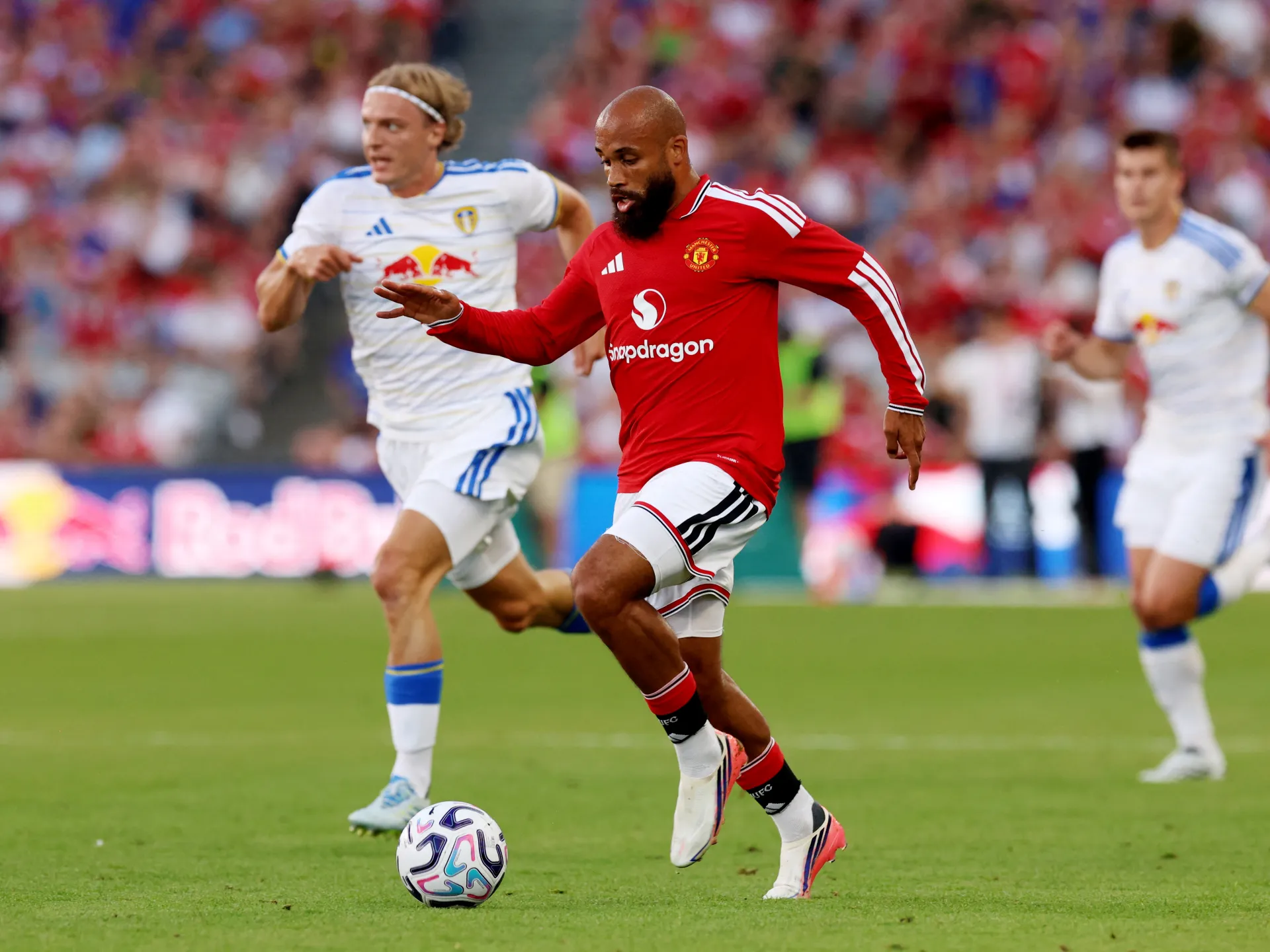
Manchester United and Tottenham are accustomed to battling it out at the top end of the Premier League, albeit for UEFA Champions League rankings as opposed the domestic crown in recent years for the former in particular.
Recommended Stories
list of 4 itemsend of list
Recent seasons have seen both slide to dramatic lows by their standards and a concerned Old Trafford welcomes a Spurs side, whose immediate concerns are far greater than those of the hosts.
Roberto De Zerbi’s struggling North Londoners are bottom of the table with only two points to their name after five games. United’s have one only once in that time and a Spurs win will see the sides level on points.
Al Jazeera Sport takes a closer look at a match that, although early in the season, could well shape the months ahead for both sides and the immediate futures of their managers in a game that has been labelled: “El Sackicko”.
Carrick casts an eye across Manchester to eye City’s woes
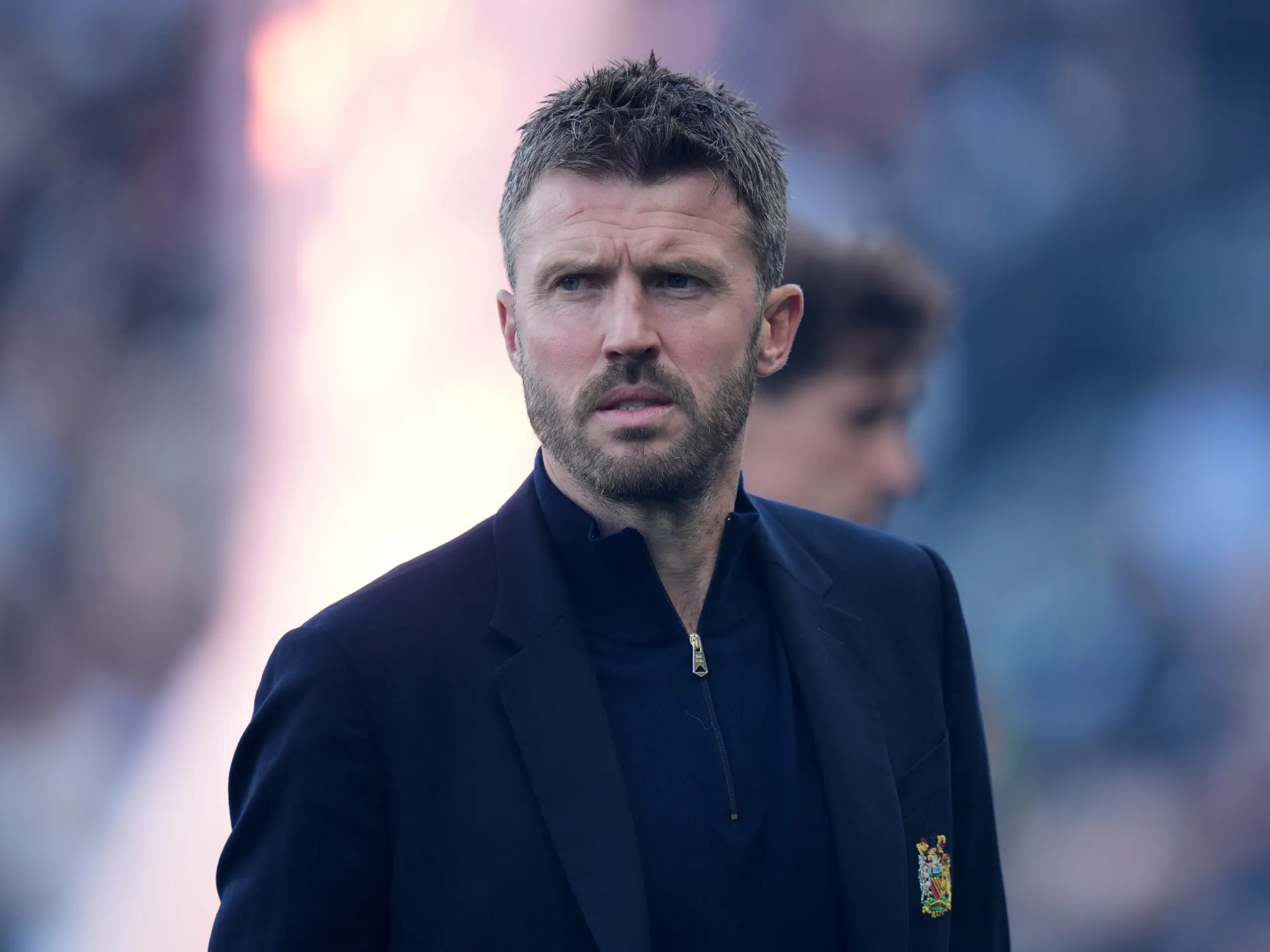
United head coach Michael Carrick has plenty of problems of his own, but has called for a swift resolution to Manchester City’s financial charges case, saying the long-running process had raised many questions and affected him personally.
Last month, an independent commission found City guilty of all charges relating to breaches of the Premier League’s financial rules over nine seasons, between the 2009-10 and 2017-18 campaigns, as well as three of four charges concerning their failure to cooperate with the investigation.
City, who currently top the Premier league table as the only side with a perfect record after five matches, have denied wrongdoing and lodged an appeal.
Carrick spent 12 years at United from 2006 to 2018, winning five Premier League titles and the Champions League among numerous honours, before taking charge in January following Ruben Amorim’s departure.
During his playing career, the 45-year-old former midfielder lost out in two title races won by City, including the 2011-12 campaign when United fell short on goal difference after Sergio Aguero’s dramatic title-clinching goal on the final day.
“It’s thrown up a lot of questions. As it’s still ongoing, and we don’t know how long it’s going to go,” Carrick told a press conference when asked about the City charges.
“It’s affected me personally in different ways over a period of time.”
Would medals make up for lost titles for Man United?
Asked if he wants the titles United missed out on, Carrick said he would reserve judgement until the process was complete.
“I think regardless of anything, a medal anyway, in any sport in history, I think later on you get the medal and it’s proven at different times,” the Englishman added.
“It’s the moment that you strive for to win and achieve in that moment, so the medal here or there, not getting blase about it, but that doesn’t bring the feeling of when you initially win or you don’t win. That’s essentially what we’re all in it for.”
De Zerbi calls on struggling Spurs to react in Man Utd clash
Roberto De Zerbi has urged bottom-of-the-table Tottenham to “react” to the pressure of their crunch clash with fellow strugglers United.
Spurs have been waiting for the chance to erase the bitter taste of a 3-2 home defeat against Aston Villa in their last match before the international break.
And, with scrutiny mounting on the Italian, the Spurs manager demanded his players rise to the challenge against United.
“I’ve been waiting for this game from three weeks. After the defeat at home against Villa, personally I wanted to play the day after,” he told reporters on Friday.
“It was difficult, it was very tough, especially the first week. But it is football. It is part of the situation in this moment. We have to react, to work in this moment.”
Misfiring Tottenham must improve their aim
Tottenham failed to score in their first four league games before finally finding the net twice against Villa.
De Zerbi conceded his team have to improve in attack if they are climb out of the bottom three.
“We created chances to score many other goals in these seven games but we didn’t. We are working to improve in the last third, the assists and the finishing,” he said.
“We are fourth in the table for the team who brings the ball into the opponents’ area the most times.
“It is nothing but it shows we can arrive in the area. We are not good enough to score goals so far when we have clear chances.”
Can Carrick or De Zerbi survive ‘El Sackicko’?
With Carrick also under pressure following their poor start, Tottenham’s trip to Manchester has been dubbed ‘El Sackicko’.
De Zerbi saved Tottenham from relegation after arriving late last season, but that final-day survival feat is unlikely to save him from the axe if results don’t improve soon.
“We are Tottenham. United and Tottenham are still big clubs in the Premier League,” he said.
“We have to deserve to work in this club, playing better and making different results.”
What happened the last time Man United played Tottenham
The sides last met in February in a Premier League encounter at Old Trafford with the home side winning 2-0.
Cristian Romero was shown red on the half-hour mark for Spurs before Bryan Mbeumo and Bruno Fernandes netted the United goals.
When did Tottenham last beat Manchester United?
Spurs famously beat United 1-0 in the UEFA Europa League final in May 2025, thanks to Brennan Johnson’s first-half strike.
The match marked Ange Postecoglou’s last game in charge of the club before being sacked for their lowly league finish.
Ruben Amorim paid the same heavy price the following season.
When did Tottenham last win a match at Manchester United?
Spurs piled the pressure on Amorim early in the 2024-2025 season with a 3-0 Premier League win at Old Trafford.
Johnson gave the away team a third-minute lead, before United had Bruno Fernandes sent off on the stroke of half-time.
Dejan Kulusevski and Dominic Solanke completed the scoring in the second half.
Head-to-head – Manchester United vs Tottenham
This will be the 205th meeting between the clubs with United winning 96 matches compared to Tottenham’s 56 victories.
Prediction – Manchester United vs Tottenham
The Opta supercomputer has given United a 54 percent chance of winning, while offering Spurs only a 22 percent chance of emerging victorious.
Manchester United team news
“It’s a bit mixed really through the internationals,” Carrick said. “(Wing back) Patrick Dorgu came off and it looks like he’ll be out probably for a number of weeks.
“(Defender) Noussair Mazraoui came off and took a knock. He’s not quite right yet, we’ll have to see how he is.”
He added that Carlos Baleba was improving, while fellow midfielder Kobbie Mainoo, winger Amad Diallo and forward Marcus Rashford had resumed limited training. Striker Benjamin Sesko remains further away from a return.
Predicted Manchester United starting lineup
Lammens; Dalot, Maguire, Martinez, Shaw; Mainoo, Tielemans; Mbeumo, Fernandes, Rashford; Cunha
Tottenham team news
Kulusevski, Xavi Simons, Wilson Odobert and Mykhaylo Mudryk all remain sidelined due to injury.
Jan Paul van Hecke has overcome a foot injury, but may miss out after his wife gave birth to twins – the club has said emotional needs will be taken into consideration.
Predicted Tottenham Hotspur starting lineup
Kinsky; Gray, Senesi, Van de Ven, Robertson; Gallagher, Tonali, Fernandes; Savio, Solanke, Marmoush