pp

10 best books to read in August 2026: fresh releases from Jill Lepore, Claudia Rankin and more

Reading List

10 books for your August reading list

If you buy books linked on our site, The Times may earn a commission from Bookshop.org, whose fees support independent bookstores.

If your summer could use a little energy boost, forget the complicated smoothie — turn to one of these fresh book releases instead. From fast-paced World War II history to a slow-burn rescue in rural Wyoming, along with an art-world mystery and a punchy look at modern America, you’ll find something to galvanize your bedside book stack. Happy reading!

FICTION:

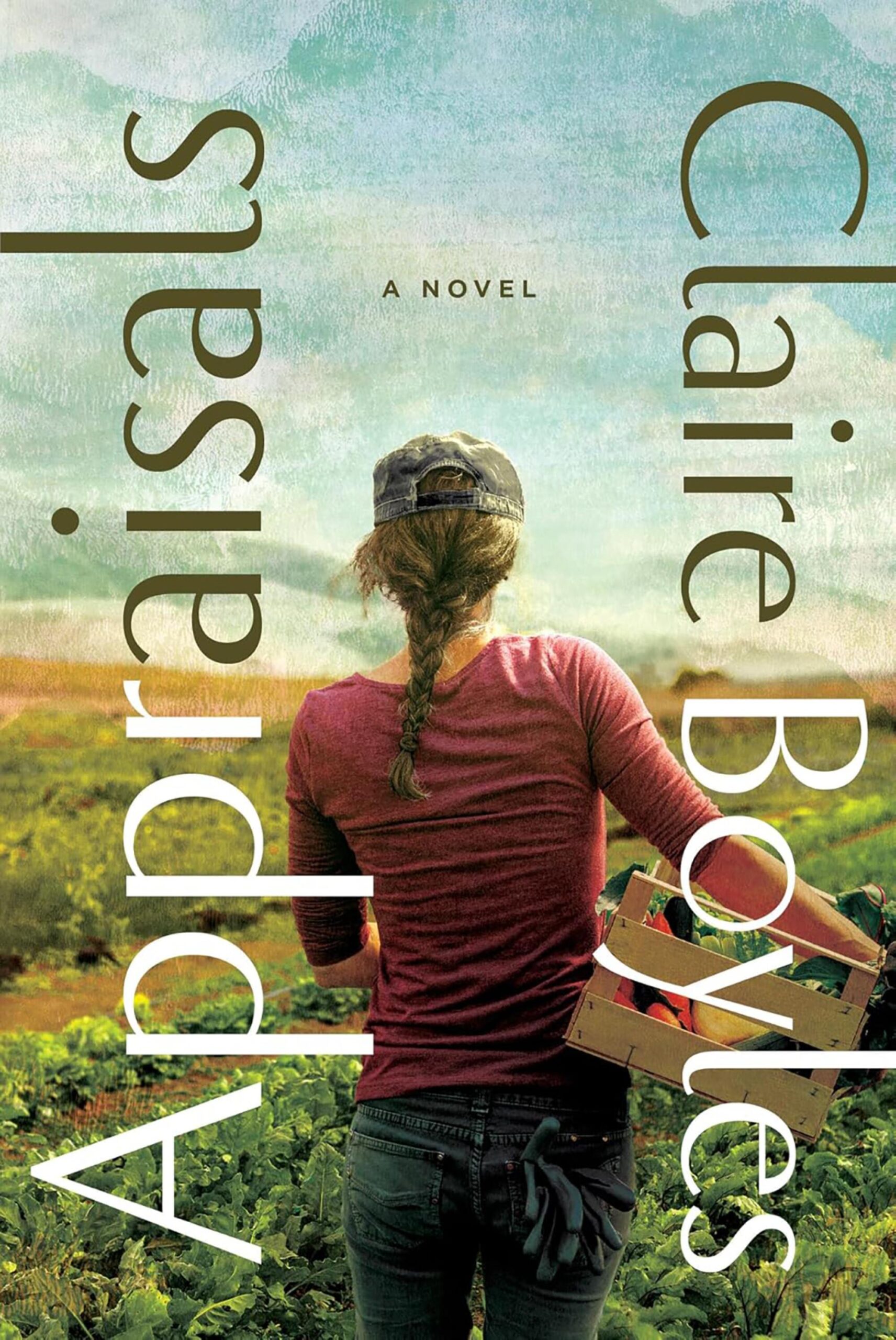
'Appraisals' by Claire Boyles

Appraisals: A Novel
By Claire Boyles
W. W. Norton: 288 pp., $30
(Aug. 4)

While Boyles’ debut novel ostensibly follows the fate of an Eastern Colorado family farm, its deeper purpose involves showing how dire water resources are for all agricultural endeavors in the region. Maggie and her husband Fish have inherited their land from her grandparents, but they and their teenage daughter Ozzie all know that without irrigation, even defeating big development plans won’t make much of a difference to locals.

'The Seekers of Deer Creek' by Thao Thai

The Seekers of Deer Creek: A Novel
By Thao Thai
Mariner Books: 320 pp., $30
(Aug. 4)

Vietnamese American sisters Vivi and Calla are also a curator and an artist. When their father dies and leaves behind a sketch that might be the work of renowned Vietnamese painter K.P. Lý, the siblings embark on a quest to find out whether Lý had connections to their family. Along the way they reexamine their difficult upbringing and find new ways to communicate that matter more than any artwork.

'Etna' by Paul Yoon

Etna: A Novel
By Paul Yoon
Scribner: 208 pp., $28
(Aug. 4)

Anyone who has seen “The Odyssey” with Matt Damon or is anticipating “Heart of the Beast” with Brad Pitt (about a veteran and his war dog), should pick up Yoon’s remarkable tale of a combat survivor in an alternate present who happens to be a former military dog named Etna. His adventures traversing a broken land of haunted people and animals may be less the stuff of future myth and more about trauma, but Yoon brilliantly creates voices for human and canine that make both more whole.

'A Tender Age' by Chang-Rae Lee

A Tender Age: A Novel
By Chang-Rae Lee
Riverhead: 368 pp., $30
(Aug. 11)

Jeon-Gi, known as J-G, is a relatively happy 10-year-old in 1976, until a neighbor’s attack on him fuels his own violent ideas. Although he gets a relatively easy sentence after threatening a classmate, J-G’s parents decide to send him to a Christian summer camp. Incidents there that might be sweet nostalgia for other kids only remind him of how different and lonely he feels inside. However, it’s J-G’s adult reason for sharing his experience that hits home.

'Sunrise' by Tea Obreht

Sunrise: A Novel
By Téa Obreht
Random House: 368 pp., $29
(Aug. 11)

Many, so so many, historical novels seek to tie a contemporary protagonist to a long-ago event or story; so so many fail to make the connections mean anything. That’s why Obreht’s superb and fascinating new book should earn a place on your 2026 reading list: She not only meaningfully connects the stories of a stranded young woman, an early-20th-century gunslinger, and a historical reenactor, but manages to make them illuminate each other.

NONFICTION:

'Triage' by Claudia Rankine

Triage
By Claudia Rankine
Graywolf: 192 pp., $28
(Aug. 4)

The book’s epigraph says a great deal: “Any attempt to name and describe our lives will always seem unstable because all language is a form of triage.” Rankine’s new attempt at triage focuses on her long friendship with a person identified only as “the theorist.” Anecdotes and analysis are interspersed with photos of all sorts of sofas and couches, calling into question ideas about where and how we find respite and support — or not.

'Your Fellow Americans' by Peter Santenello

Your Fellow Americans: Dispatches Across the Country We Call Home
By Peter Santenello
Simon & Schuster: 336 pp., $30
(Aug. 4)

Santenello has over 4 million subscribers on YouTube, where he posts videos about every kind of place in America — rich and poor, renowned and hidden, busy and abandoned. Love or hate the author’s self-described nonpartisan approach, you’ll find this book surprising, particularly as it reveals how geography, climate and infrastructure affect community and communication. Think Anthony Bourdain crossed with Michael Moore.

'Empire of Ashes' by James M. Scott

Empire of Ashes: Truman, Hirohito, and the Descent into Total War
By James M. Scott
W. W. Norton & Co.: 528 pp., $42
(Aug. 4)

Historian Scott (“Black Snow”) creates a propulsive read about the last days of World War II, in which America’s development of the atomic bomb pushed against Japan’s aggressive majority, with tragic results that many — including the author — believe necessary. The contrast between President Harry S. Truman, who had been in office for a matter of weeks, and Emperor Hirohito, whose military seemed unstoppable, remains shocking.

'The People's Historian' by Dave Zirin

The People’s Historian: The Outsized Life of Howard Zinn
By Dave Zirin
Dutton: 320 pp., $33
(Aug. 4)

Recently a friend showed me a list of books recommended by a pundit and asked which one to read first. Without hesitation I told her she should pick up “A People’s History of the United States” by Howard Zinn, first published in 1980 and still the most comprehensive remedial tonic to received wisdom I know. Zirin’s lively biography of this activist should remind everyone that history isn’t just about facts and figures but also context and compassion.

'The Rise and Fall of the Artificial State' by Jill Lepore

The Rise and Fall of the Artificial State
By Jill Lepore
Liveright Publishing Corp.: 336 pp., $30
(Aug. 25)

Hannah Arendt, one of the 20th century’s defining political thinkers, posited that modern life was making “being human superfluous”; her learned successor Lepore warns that our present bears out that idea. One day scholars will teach Lepore’s work alongside Arendt’s, seeing that Lepore interrogates not simply a modern moment, but traces our current machine age back to the 17th-century conceit for artifice as improvement. According to her, the way out is to get back to nature. Meet you in the woods.
Source link

10 books to read in July: New releases from Colson Whitehead and more

Reading List

10 books for your July reading list

If you buy books linked on our site, The Times may earn a commission from Bookshop.org, whose fees support independent bookstores.

New reads abound for your vacation tote throughout the weeks of July, with fiction picks featuring a Carnival cruise casualty, a highly entertaining jewel heist at the Waldorf-Astoria, and a Soviet-era madcap adventure. In nonfiction, authors consider how we define wild places, how we pigeonhole the aging, and how languages live or die. Happy reading!

FICTION:

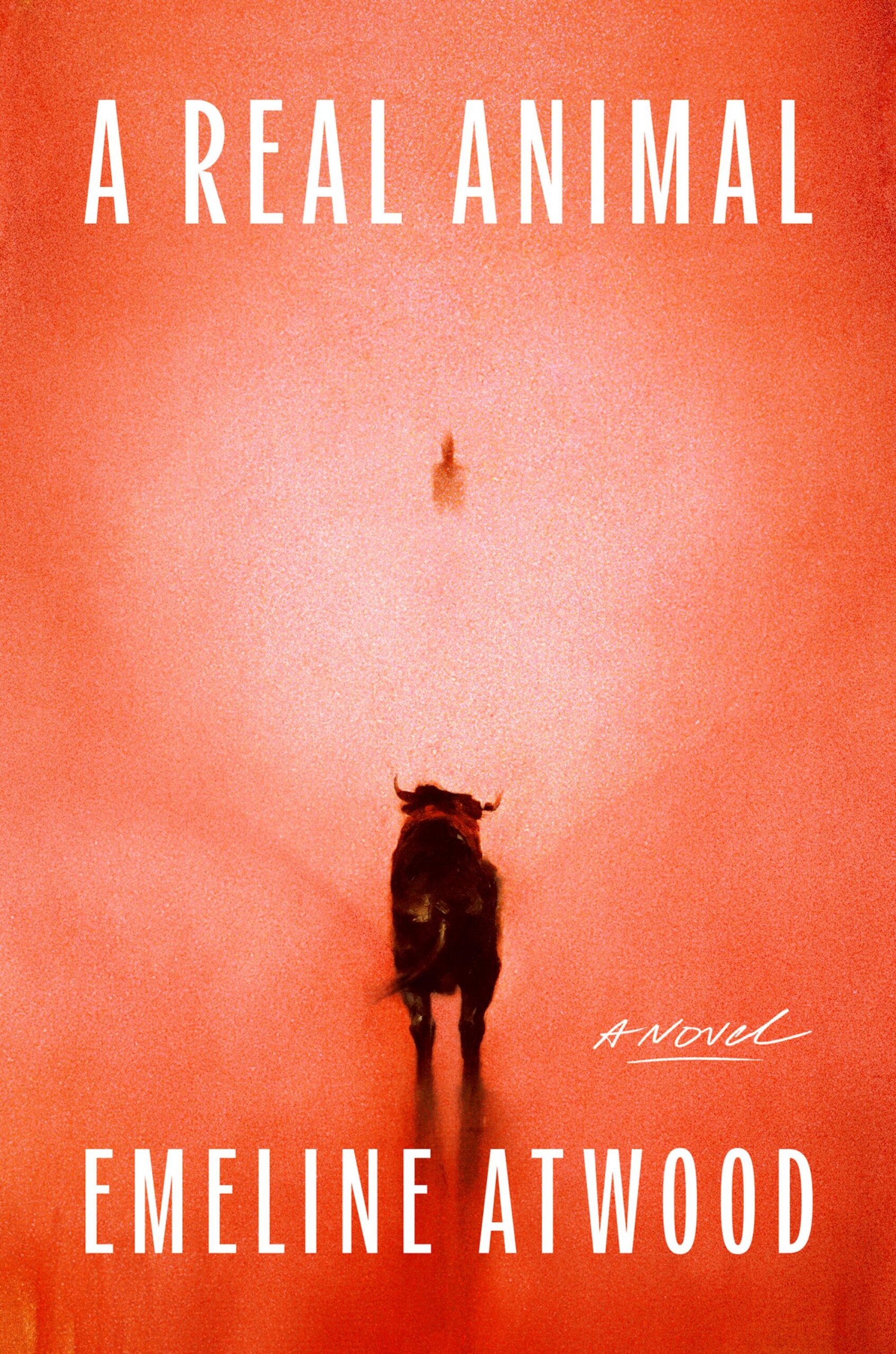
A REAL ANIMAL by Emeline Atwood

A Real Animal: A Novel
By Emeline Atwood
Catapult: 368 pp., $29
(July 7)
After surviving a sexual assault, narrator Lucy stalks her college campus as a leopard. Don’t spend too much time worrying about whether this transformation is real, or not; Lucy’s knowledge of her fierceness is the point, a fierceness she employs as she struggles to negotiate her independence from parents who wish she’d come home to recover and men who offer up their desires and ignore hers. It’s an astonishing debut with a compelling voice.

MAN OVERBOARD! by Kathleen Rooney

Man Overboard!: A Novel
By Kathleen Rooney
Gallery Books: 208 pp., $27
(July 7)
Readers expecting something akin to Rooney’s wondrous previous novel, “Lillian Boxfish Takes a Walk,” should remember that that book followed “Cher Ami “ and “Major Whittlesey,” a story about a pigeon and a World War I Army officer. In other words, Rooney doesn’t repeat herself, and in “Man Overboard!” she’s concocted a hilarious adventure tale of a man floating in the Gulf of Mexico, adrift with himself, his thoughts, and a few sea creatures.

ASTRONAUT! by Oana Aristides

Astronaut!: A Novel
By Oana Aristides
W. W. Norton: 272 pp., $28
(July 14)
Imagine a dystopia set neither in the future nor in fantasy; that’s the 1989 Romania 7-year-old Lia inhabits, its adults living in fear of Communist dictator Nicolae Ceauşescu, its infrastructure strained by deprivation, and its reality so scrambled that calling an explorer an “astronaut” instead of “cosmonaut” risks punishment. When Lia sets out to buy her mother a birthday gift, she sets in motion a series of weirdly probable yet totally weird events.

CITY OF WIDOWS by Nadia Hashimi

City of Widows: A Novel
By Nadia Hashimi
William Morrow: 432 pp., $32
(July 28)
During the two decades of American occupation, Afghanistan experienced a sort of peace, one in which women could be educated, work as professionals, and even serve in the military. When the U.S. left in 2020, those same women found themselves — regardless of their individual status — subject to Taliban restrictions that deny differences in gender, desire and ambition. Hashimi (Sparks Like Stars”) shows how desperate and daring the women become.

COOL MACHINE by Colson Whitehead

Cool Machine: A Novel
By Colson Whitehead
Doubleday: 368 pp., $30
(July 21)
First “Harlem Shuffle,” then “Crook Manifesto,” and now, “Cool Machine,” the highly anticipated “Harlem Trilogy” conclusion from the two-time Pulitzer Prize-winning Whitehead. The inimitable Ray Carney, who started out as a minor criminal, is now Sterling Furniture’s “Northeast Regional Dealer of the Month,” a respected businessman. It’s the mid-1980s, and when Ray’s beloved wife Elizabeth gets turned down for a small-business loan, he takes matters into his own hands, in his own former ways.

NONFICTION:

HOW TO KILL A LANGUAGE by Sophia Smith Galer

How to Kill a Language: Power, Resistance, and the Race to Save Our Words
By Sophia Smith Galer
Crown: 304 pp., $33
(July 7)
Smith Galer’s nonna spoke an Italian she called “dialet”; her mother spoke “dialet” and English; Smith Galer herself speaks only English. What do we lose, the author asks, when a language dies? The answers she found are powerful, like an enzyme to treat HIV that was found in a tree that was discovered because a researcher spoke Samoan. Unsurprisingly, she also found that language death often corresponds to ecological and cultural devastation.

THE EARTH SAID REMEMBER ME by Jason Dove Mark

The Earth Said Remember Me: How to Revive Our Memories and Restore Our Planet
By Jason Dove Mark
W. W. Norton: 224 pp., $25
(July 14)
Perhaps art will be the thing that preserves the environment, even if humans can’t save it. “Go outside. Bear witness. Make a record. Pass it on,” writes Mark in this eloquent, impassioned plea for us all to remain involved in environmental action. The more we appreciate the natural world, the more we’ll want to care for it, share it with others, and help future generations understand how some changes are natural and not all are inevitable.

AGING OUT by Lucy Schiller

Aging Out: An Exploration of Caregiving, Community, and How Americans Grow Old
By Lucy Schiller
Flatiron Books: 272 pp., $30
(July 14)
Services for the elderly range from luxury assisted-living facilities to special digital devices meant to bypass phone scams, but as Schiller explains, these things not only commodify a natural life passage — they separate older people from their natural communities. The author was inspired to investigate our country’s aging population when she cared for a grandmother who died from COVID; the book weaves the personal with the political in a meaningful way.

DAD, LOVE, ME: A Memoir by Matthew Quick

(Avid Reader Press/Simon & Schust)

Dad, Love, Me: A Memoir
By Matthew Quick
Avid Reader Press: 320 pp., $30
(July 21)
Novelist Quick (“The Silver Linings Playbook”) turns to memoir in recounting his contentious relationship with his father, whom he’s losing to dementia. While the author has had big highs (like the movie adaptation of “Playbook”), he’s also experienced deep lows, including alcoholism and severe creative block. Somehow, through recovery (which he credits to Jungian therapy), he affords both his imperfect, ailing parent and himself grace.

THE SAVAGE LANDSCAPE by Cal Fly

The Savage Landscape: How We Made the Wilderness
By Cal Flyn
Viking: 448 pp., $35
(July 28)
In “Downton Abbey”, the Dowager Duchess of Grantham starchily asked “What is a ‘weekend?’” In this book, journalist Cal Flyn asks — more affably, but with equal intensity — “What is a wilderness?” Her answer: Depends on your perspective. In other words, nearly every place on Earth teems with life. It’s only humans who have attached words like “wild” and “unexplored” to regions where they feel uncertain, afraid, and even awed.

Patrick is a freelance critic and author of the memoir “Life B.”

Source link