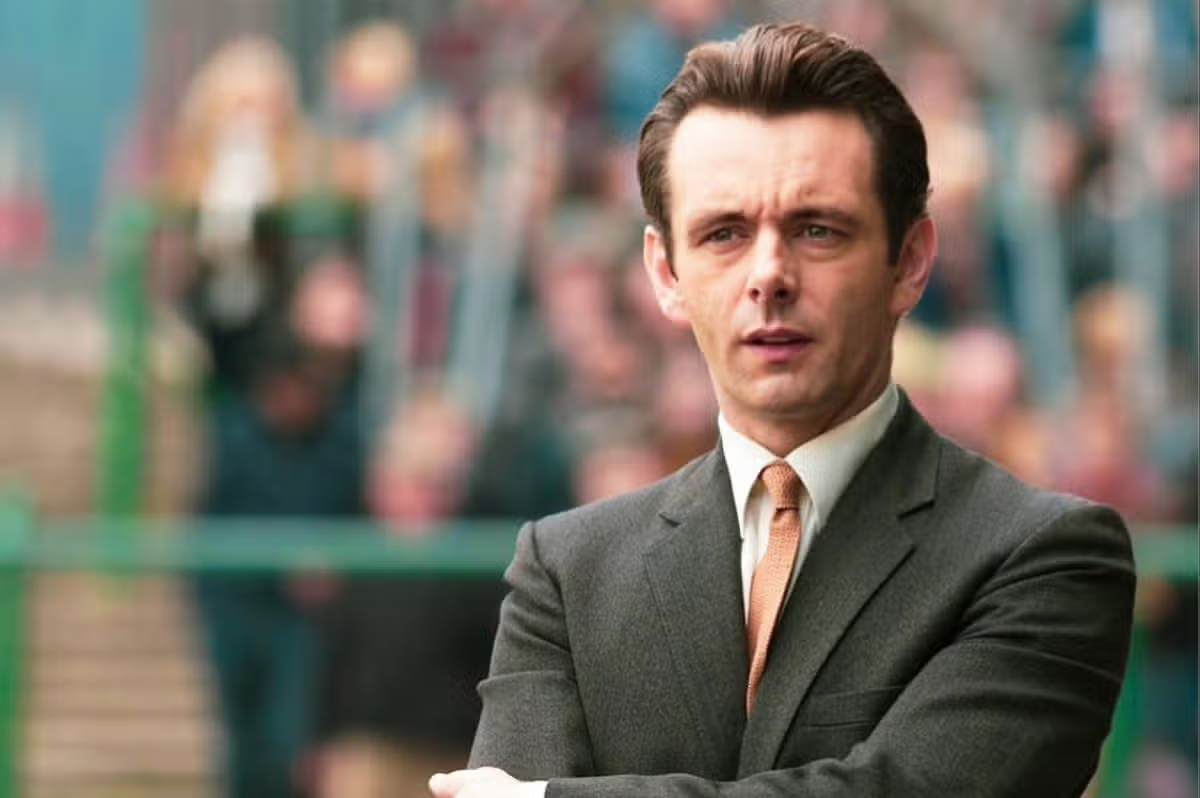
Alexander Skarsgård and Olivia Colman play bizarro newlyweds in a naughty parable about lust, jealousy and moral hypocrisy. The characters are thin but the ideas aren’t.
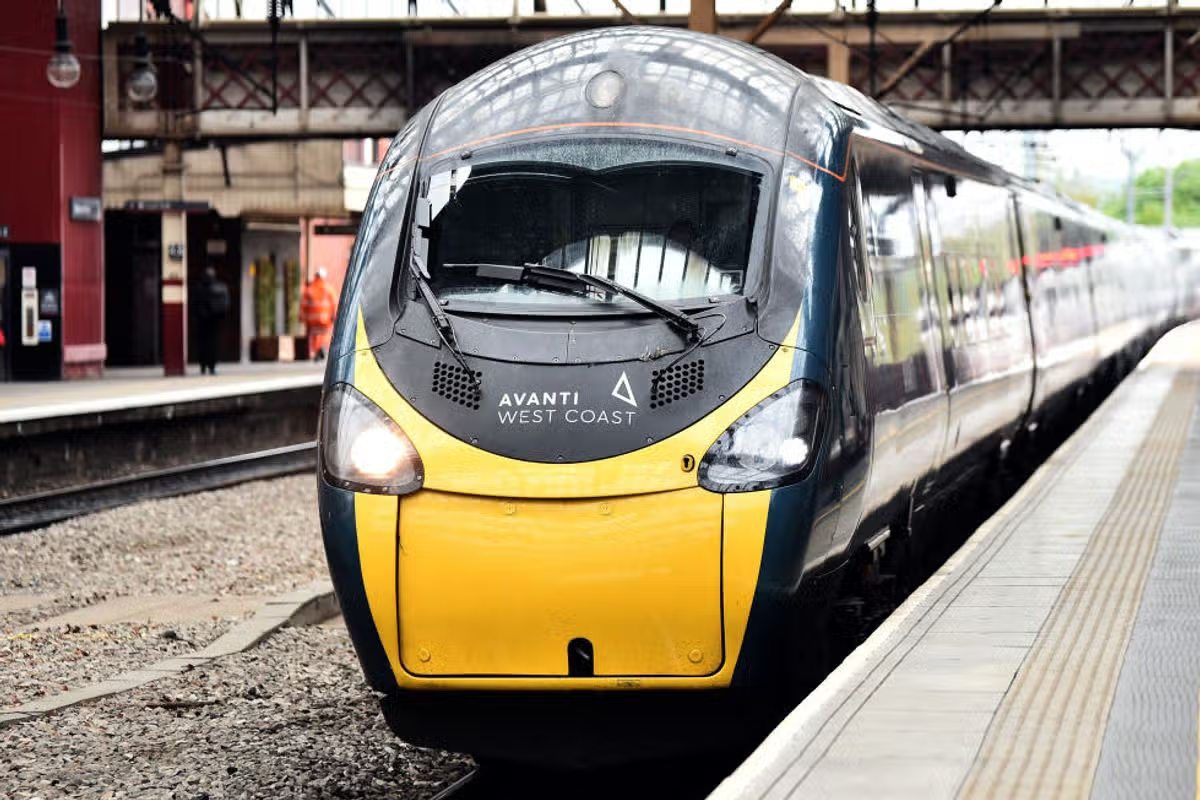
Avanti West Coast research says that more than half of all passengers would like a completely phone-free carriage
Research said more than two thirds (77%) of passengers said they want a window seat(Image: Nathan Stirk/Getty Images)
Railway boffins claim to have discovered the ‘perfect train journey’ – from dodging boiled eggs and sweaty feet to revealing the best seat on any train. Avanti West Coast research and customer data claims to have revealed the unwritten rules of onboard comfort and which behaviours generate disapproving tuts.
The intercity operator has launched its first Comfort Index to provide a unique insight into what passengers value most during their journey and how it varies across Britain.
Their research said more than two thirds (77%) said they want a window seat, 69% prefer to face forward and 58% want an empty seat beside them. Exactly one in five (20%) would even travel 15 minutes longer to keep it empty, 18% would pay an extra £5 and 22% would sacrifice Wi-Fi.
Another one in five (20%) would even swap their coveted window seat for a little more space. Avanti’s booking data suggests there may be such a thing as the perfect train seat, with Seat 18 in Coach B being the most reserved seat on its Pendolino services.
It was booked 179,685 times between September 2025 – September 2026 and matches passenger preferences of having a window and table.
While those travelling on the West Coast Main Line have similar thoughts about seats, snacks proved controversial with 52% of rail travellers objecting to boiled eggs and 48% to tuna sandwiches being eaten onboard.
They say the famously reserved reputation of British people extends to the carriage environment too, with more than two-thirds (68%) wanting more quiet carriages.
More than half (52%) would even choose a completely phone-free carriage, suggesting that for many Brits, the dream journey might simply be one where nobody makes any noise.
The Index also reveals a generational shift in the unwritten rules of train travel, with Gen Z passengers being more tolerant of video calls. It says 38% think Facetiming onboard is unacceptable compared to almost three quarters (72%) of over-65s.
Sounds of other people’s phones onboard reveals an even bigger generation gap. A huge 88% of over-65s object to TikToks or videos without headphones compared to just 51% of 18-24-year-olds.
Younger passengers are said to place greater emphasis on choice and ‘making the journey their own’. A surprising 62% of 25-34-year-olds say choosing between Standard, Premium and First Class matters during planning compared with 42% of over-65s.
Gen Z are bringing their own comforts onboard too, with one in eight (12%) 18-24-year-olds saying they’d even pack a massage gun. Avanti West Coast say everyone seems to agree on keeping your socks on, as three quarters (75%) say taking them off onboard is unacceptable.
A whopping 70% object to TikToks without headphones and 67% to someone cutting or filing their nails. The study also shows how rail journeys are considered part of the occasion, with 69% of Brits saying their leisure time starts the moment they get onboard.
Between September 2025 – September 2026 Avanti West Coast say their customers drank almost 420,000 cups of breakfast tea and ate 212,000 KitKats.
Beer proved another favourite, with 154,000 Grolsch Pilsners sold, painting a suitably British picture of onboard comfort – a cuppa, something sweet or a cold beer en route. From seating preference and noise tolerance to boiled eggs, the Index shows Brits might never agree on exactly what makes the perfect journey.
Kathryn O’Brien at Avanti West Coast said: “The Comfort Index shows everyone’s definition of comfort varies. While there’s some unspoken rail travel etiquette most seem to agree on, beyond that people have different thoughts on what makes a comfortable journey.
“For some it’s peace and quiet while for others it’s getting work done, enjoying a snack or having space to relax.
“Customers most value the ability to shape their journey around their own needs, whether that’s choosing the perfect seat or enjoying a cup of tea onboard. That’s why we offer our seat picker tool and a range of refreshments in our onboard shop, helping customers to enjoy their trip from the very moment they board.
“By better understanding what matters most to our customers, we can continue to enhance and develop the onboard experience. This includes upgrading Wi-Fi connectivity to make travelling with Avanti West Coast as comfortable as possible for everyone.”
The full Avanti West Coast Comfort Index is available here
Kylian Mbappe and Yan Diomande score stunners as Real beat Leipzig to make it three from three in Champions League.
Published On 21 Oct 202621 Oct 2026
Real Madrid claimed a third Champions League victory in as many games, thrashing RB Leipzig 4-1 on Wednesday, with Kylian Mbappe and Yan Diomande among the goalscorers for Jose Mourinho’s side.
Bernardo Silva opened the scoring for Madrid from close range late in a tight first half, with Arda Guler doubling the advantage of the record 15-time European champions soon after the interval.
Recommended Stories
list of 4 itemsend of list
Mbappe bent home a third before Tidiam Gomis pulled one back for the German side, and Diomande rammed a volley into the top corner late on to cap Madrid’s triumph.
Their fourth consecutive win across all competitions will boost Madrid’s morale ahead of Sunday’s La Liga Clasico against bitter rivals Barcelona.
Without a major trophy in two seasons and after a shaky domestic start, Madrid can at least boast a perfect record in Europe, unlike Barca after their defeat at Paris Saint-Germain on Tuesday.
Mourinho started Vinicius, serving a four-match ban in La Liga, on the left flank and benched former Leipzig winger Diomande, despite his improving form.
The coach also brought Bernardo Silva and Eduardo Camavinga into midfield and put midfielder Federico Valverde at right-back again, as he did in Sunday’s win at Sevilla.
Visitors Leipzig created the first big chance, with Madrid stopper Thibaut Courtois getting down low to make a superb save from Romulo Cardoso.
Vinicius, who improved on a poor showing at Roma last week without breaking out of his rut, drew a full-stretch save from Leipzig’s Maarten Vandevoordt.
Madrid carved out an advantage in the final stages of a low-key first half when Valverde cut the ball back for Guler, whose shot Vandevoordt saved. However, the goalkeeper could not clear it, and Silva darted in to prod over the line.
It was the former Manchester City midfielder’s first goal for the club after joining this summer.
Vandevoordt saved well from Valverde’s fierce effort before Guler put Madrid two goals ahead in the 52nd minute.
Jude Bellingham crossed to the back post and Mbappe nodded the ball across goal, with Guler able to hold off a defender and turn home.
Mbappe lashed a shot into the side netting after Bellingham teed it up, as Madrid looked to put the game out of sight.
Mourinho sent on Diomande for Vinicius with 20 minutes remaining, and the Brazilian looked disappointed on the bench, knowing he cannot play again until November 4, when Madrid visit AEK Athens.
Madrid’s record 140 million-euro ($157m) signing, Diomande, pulled the ball back to Mbappe on the edge of the box for Madrid’s third, and the French forward bent it home.
Leipzig quickly grabbed a consolation goal at the other end as Dean Huijsen switched off, with Gomis firing past Courtois.
Diomande ended proceedings with a bang, rattling an emphatic volley from Brahim Diaz’s cross into the top corner for his third goal in his last four appearances.
The feature film has been hailed a ‘cult classic’ and makes for ideal Halloween viewing – but fans don’t have long left to watch it
Film fans don’t have long left to watch the 2009 release on Netflix(Image: 20th Century Fox)
An ‘iconic’ noughties horror film is being removed from Netflix in a matter of days.
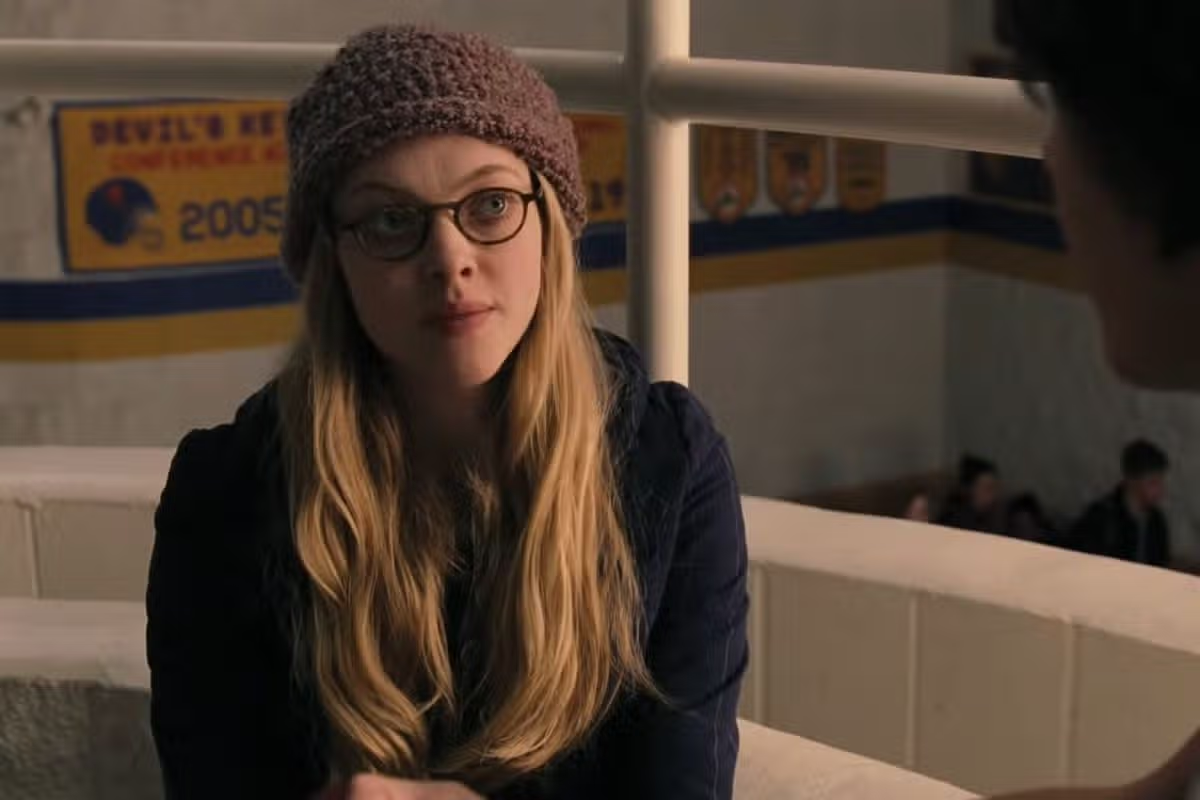
The film, released back in 2009, stars Hollywood heavyweights Megan Fox and Amanda Seyfried as two school friends who find themselves at odds after one of them is possessed by a demon and develops an appetite for boys.
The film in question is Jennifer’s Body, with Megan portraying the bloodthirsty cheerleader Jennifer Check who is sacrificed to Satan by an indie band looking to make it big, with devastating consequences. Amanda plays her nerdy best friend Anita ‘Needy’ Lesnicki, while the glittering ensemble cast also includes big names such as J.K Simmons, Adam Brody, Chris Pratt and Kyle Gallner.
Jennifer’s Body has been available on Netflix since May this year, but it is sadly about to be removed from the streaming giant. Netflix confirmed that the last available day to stream it will be November 7.
While the Rotten Tomatoes rating for the film is far from glowing – sitting at a measly 36 per cent from audiences – it still holds a special place in the hearts of many film fans. One reviewer gushed: “The perfect mix of gore, dry humour satire, original story, and, of course, an amazing soundtrack.
“As a horror/thriller superfan, this movie continues to delight even after seeing it ~10 times. Regardless of ratings it keeps playing and for good reason. A modern cult classic.”
Ensure our latest film stories always appear at the top of your Google Search by making us a Preferred Source.Click here to activate or add us as Preferred Source in your Google search settings.
Get Netflix free with Sky
This article contains affiliate links, we will receive a commission on any sales we generate from it. Learn more
Sky is giving away a free Netflix subscription with its new Sky Stream TV bundles, including the £15 Essential TV bundle. This lets members watch live and on-demand TV content without a satellite dish or aerial and includes hit shows like Stranger Things and The Last of Us.
Meanwhile a second fan of the film penned: “Genuinely love Jennifer’s Body. I feel like this movie was so misunderstood when it first came out because it’s so much more than just a horror movie. I love the mix of dark humour, gore, and the complicated friendship between Jennifer and Needy.”
They continued: “The movie also touches on female friendship, jealousy, and how women are treated, but in such a chaotic and entertaining way. Megan Fox was literally made for this role, and the whole aesthetic of the movie is everything.”
A third film fan simply said: “Cult classic for a reason,” as a fourth added: “Such an iconic 2000s movie never gets old.”
Jennifer’s Body is now streaming on Netflix. It will be removed from the platform after November 7.
The tupelo trees turn bright red, and one variety changes colour around ten days ahead of the rest.
By the water, swamp cypresses glow amber.
You can even arrive by steam on the Bluebell Railway, whose station is a 15-minute walk away.
Cost: £19 adults, £9.50 children — National Trust members free.
RICHMOND PARK, LONDON
BELLOWING stags are the soundtrack in October, when the red deer rut reaches its peak.
Head for the Isabella Plantation, a woodland garden where Japanese maples flare crimson and winged spindle bushes turn rosy scarlet.
Entry is free, but keep one eye on the leaves and the other on the stags, keeping at least 50m away.
Cost: Free entry and parking.
WESTONBIRT, THE NATIONAL ARBORETUM, GLOUCS
Enjoy the many varieties of trees at the National Arboretum in GloucestershireCredit: Getty
NEARLY 300 varieties of Japanese maple grow here, setting the Acer Glade ablaze.
A new trail through Silk Wood this year is themed around nine Japanese ideas about the seasons. Book ahead.
Cost: £19 weekdays or £22 weekends, children £5.
BLICKLING ESTATE, NORFOLK
BEECH, oak, lime and sweet chestnut are mirrored in the lake in front of this Jacobean mansion.
Follow the two-mile Lake Walk, then head into the Great Wood, where the beeches glow amber and a pyramid-shaped mausoleum stands among the trees.
Cost: Free entry to parkland — parking £5, NT members free.
CANNOCK CHASE, STAFFS
NOT every tree that turns gold is a broadleaf.
Larches are conifers that drop their needles in winter, and here they blaze yellow against the dark pines.
Follow the Sherbrook Valley trail to the stepping stones, with beeches adding copper along the way.
Cost: Free entry — parking from £1.20.
SHERWOOD FOREST, NOTTS
Pay your respects to the Major Oak, the giant at Sherwood Forests heartCredit: Getty
ROBIN Hood’s old stomping ground is at its best when the oaks turn russet.
Pay your respects to the Major Oak, the giant at its heart thought to be up to 1,200 years old.
Sadly, the ailing tree died this year after suffering drought and heatwaves, but it still stands as a monument.
Oaks turn late, so there’s still plenty of time.
Cost: Free entry — parking £7, RSPB members free.
HARDCASTLE CRAGS, WEST YORKS
BEECH, oak and birch cling to the sides of this steep valley, near Hebden Bridge, above the tumbling Hebden Water.
Follow the riverside path to Gibson Mill, a cotton mill built around 1800, then grab a drink from its Weaving Shed Cafe and sit out by the millpond, hemmed in by trees.
Cost: Free entry — parking £5–£8, NT members free.
LOUGHRIGG TARN AND ELTERWATER, CUMBRIA
FOR the classic Lake District postcard view, walk the easy four-mile loop from Elterwater village via Skelwith Bridge to Loughrigg Tarn.
On a still day, the Langdale Pikes, the craggy peaks at the head of the valley, are reflected in the water, framed by turning woodland.
Cost: Free entry — paid parking, NT members free.
ALLEN BANKS AND STAWARD GORGE, NORTHUMBERLAND
KEEP an eye out for elusive red squirrels in this deep gorge carved by the River Allen.
Most of its beeches were planted in the 19th century, and they spill copper and gold colours down the valley sides.
The riverside path then leads to medieval ruins and a Victorian summer house.
Cost: Free entry — parking £3–£5, NT members free.
COED Y BRENIN, SNOWDONIA
PISTYLL Cain plunges into a dark pool deep within the 9.000-acre King’s Forest.
You can reach it via a 2.2-mile walk beside the River Mawddach, leaving conifers behind for broadleaf woods and the ruins of old gold mines.
Cost: Free entry and parking at Tyddyn Gwladys.
LOCH AN EILEIN, CAIRNGORMS
A RUINED 13th-century castle on an island steals the show here.
In autumn, the birch, rowan and aspen of the ancient Rothiemurchus Forest flare gold against the dark Scots pines.
The flat 3.5-mile loop is easy for kids. Scotland turns first, so don’t hang about.
Cost: Free entry — parking £5 per car.
TOLLYMORE FOREST PARK, CO DOWN
Tollymore forest park is stunning in autumnCredit: Alamy
GAME Of Thrones fans will recognise this forest at the foot of the Mourne Mountains, which was used as a filming location.
Walk the River Trail along the River Shimna, crossing stepping stones and some of its 16 bridges beneath beech and oak.
Wide skies, gentle footpaths through gold and copper wooded hills, thatched cottages, cosy pubs and quirky shops: the Lincolnshire Wolds have all the ingredients for the perfect autumnal mini break. Victorian poet Alfred Tennyson lived in the village of Somersby for most of his first three decades and the local landscapes echo through his verses. In The Lady of Shalott: “Long fields of barley and of rye / That clothe the wold and meet the sky …”
The Lincolnshire Wolds National Landscape covers an area of 216 sq miles. On its southern boundary, halfway between Lincoln and the coast, the friendly market town of Horncastle bills itself as the “gateway to the Wolds”. With handsome brick houses, great cafes, a market on Thursdays and Saturdays and decent public transport links, it’s a perfect base for exploring the area.
The market town of Horncastle is a good base for exploring the area. Photograph: Jasmine Bryan/Alamy
Horncastle overflows with antique shops. Laurence Shaw, with half a century’s knowledge of the trade, runs an elegant wholesaler on the corner of East Street. In an old chapel across the road, the Trinity Centre has all kinds of ancient treasures piled in fantastical heaps under lancets of Victorian glass: porcelain milkmaids, jelly moulds, cotton reels, teetering piles of teacups and thick vines of jewellery. Round the corner in Stanhope Antique Centre you may find anything from a wooden decoy duck to a roulette wheel between chandeliers and grandfather clocks.
By the “Ducks Crossing!” sign opposite Tesco, mallards gather on the reedy River Bain. And in the 13th-century St Mary’s church there are gold angels in the rafters and lines from Tennyson’s poem Ring out, wild bells in stained glass. The new Riverscape Walk, launched last year, will take you past the canal basin, watermill and former leather tanning warehouses.
Take a hike
There are plenty of rewarding walks nearby and you don’t always need a car to reach them. The hourly 56 bus from Lincoln to Skegness stops in Horncastle and, 10 minutes later, in Hagworthingham, a peaceful Wold-edge village. From here, a six-mile loop of undulating lanes and footpaths takes in tiny Somersby, Tennyson’s birthplace, and Bag Enderby (which sounds straight out of Tolkien), where St Margaret’s church has an intricate 15th-century font, carved with religious symbols and medieval scenes. Bag Enderby’s -by suffix comes from an Old Norse word for village.
From Hagworthingham, you can also stroll through Snipe Dales nature reserve, where a 3-metre (10ft) wooden snipe, carved by local sculptor Nigel Sardeson,has just been installed on a wooded bank. The valleys here are fragrant with late meadowsweet and water mint and the trees are full of birdsong, from tiny goldcrests in the conifers to huge buzzards over the oaks. If you have time and energy to spare, the Viking Way long-distance walk – waymarked with horned Viking helmets – runs through Horncastle and the Wolds on its 149-mile journey from Rutland Water to the Humber.
A steel sculpture along the Viking Way near Woodhall Spa. Photograph: Nick Hatton/Alamy
Don’t miss
In Horncastle, the Joseph Banks Centre multitasks as a tourist info point, local museum and natural history hub. Banks, a botanist and Horncastle’s most famous inhabitant, sailed with Captain Cook and oversaw the creation of Kew Gardens. The museum courtyard is bright with hydrangeas, which Banks helped introduce into Britain.
The Edwardian village of Woodhall Spa, six miles from Horncastle, has wide leafy avenues and smart black-and-white buildings; even the public loos next to the Tory club are half timbered. Nineteenth-century entrepreneurs, digging for coal, found instead a source of mineral-rich water, a magnet for the era’s wellness-seekers. I meander past the Dambusters memorial and mural, the thriving Kinema in the Woods, opened in 1922, the nearby Tea House and Cottage Museum, then back to Horncastle along the sculpture-dotted Viking Way.
Where to eat
Horncastle’s top lunch spots include the cafe at Myers Bakery, fragrant with spice and yeast, where you can buy Lincolnshire plum loaf. Round the corner, the spacious and welcoming bike-themed Pedal and Paws serves pizzas, salads and cakes. No 8 Coffee Shop, which opened in March 2026, is already popular for inventive hot drinks such as cinnamon-bun matcha and pistachio hot chocolate.
Montebello, in the former Angel Inn, serves home-cooked Italian food, while Magpies offers refined white linen and candlelight dining, with dishes such as Grimsby crab linguine or loin of Lincolnshire lamb. Magpies also has rooms, in cottages next to a Tardis-like guitar shop.
Coffee and cake at Pedal and Paws. Illustration: Phoebe Taplin
Where to stay
The cheerful, timeworn Admiral Rodney Hotel is right in the middle of Horncastle, with affordable rooms and details you might see in pricier places: speedy wifi, retro radio, Twinings teabags. It offers great veggie breakfast options, fresh fruit and pastries, served in a big glass-walled conservatory with peacock fanlights. Dinner dishes such as pan-fried sea bass with pickled fennel, or sticky date pudding with butterscotch sauce, chicly garnished with edible flowers and micro-herbs, make a celebratory end to days spent hiking through the Wolds.
Getting there and around
The 56 bus heads to Horncastle from Lincoln bus station hourly and takes 50 minutes. The less frequent 30 bus takes 10 minutes longer and winds through warm-stoned villages. Local buses include the new B617 from Horncastle to Woodhall Spa. The coast is 20 miles away, on a bus with top-deck views across the Wolds.
Accommodation was provided by the Admiral Rodney, doubles from around £100, room only. Train travel was provided by LNER
This charming seaside village is just as beautiful in autumn as it is in summer
This beachside town is the perfect spot for autumn(Image: UCG, UCG/Universal Images Group via Getty Images)
Summer may be behind us, but that’s no reason to abandon a trip to the seaside. While taking a dip in the sea might not be on the cards, the British coast still has a great deal to offer.
There’s one spot in particular that locals affectionately call ‘God’s pocket’, owing to its mild microclimate that brings warmer, sunnier weather than the surrounding towns. And even if it’s simply too chilly for a swim, this gorgeous location boasts a bustling high street brimming with independent shops, cafés and pubs.
That magical place is East Wittering, tucked away along the shores of the Manhood Peninsula in West Sussex.
Ensure our latest DWP headlines always appear at the top of your Google Search by making us a Preferred Source. Click here to activate or add us as Preferred Source in your Google search settings.
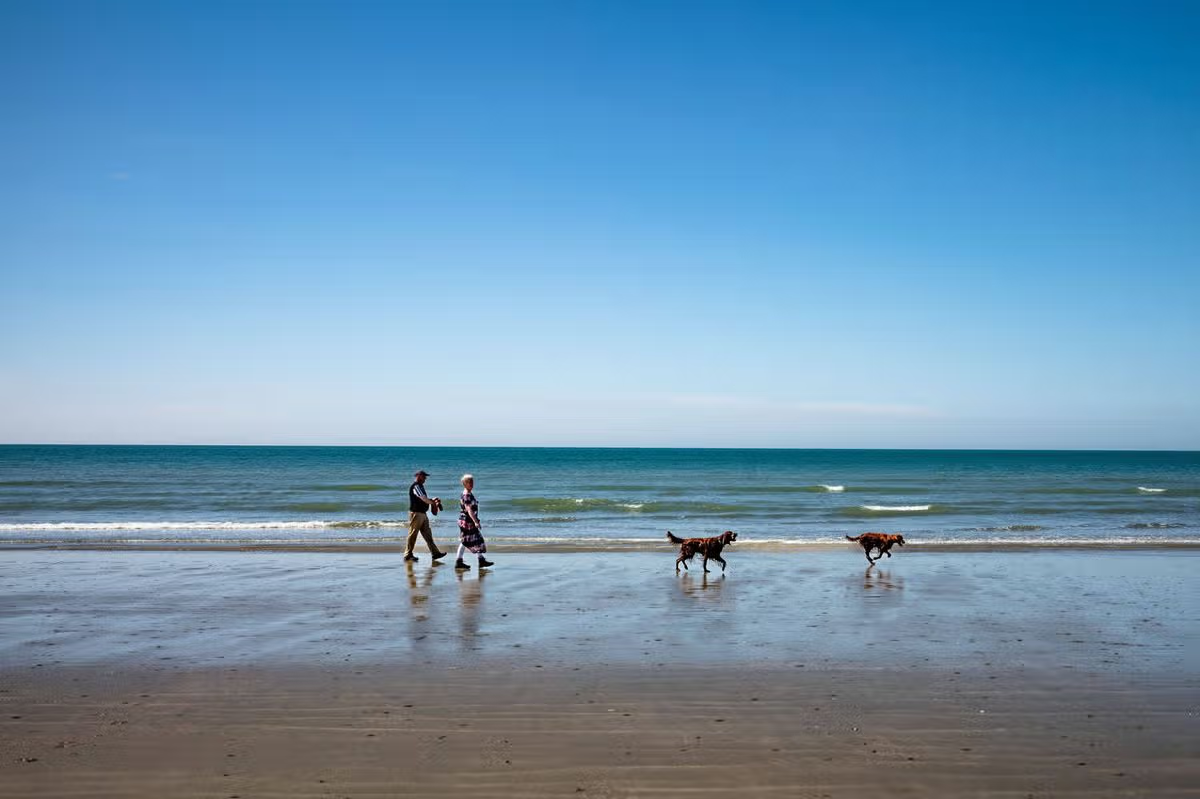
While it draws the crowds during summer, it’s equally as charming during the cooler months. Take a stroll along the pebbled beach and, at low tide, wander out across the exposed stretches of soft golden sand.
After soaking up the ocean views and breathing in the fresh sea air, head into town for a spot of exploring. Kick off your morning with a coffee from Ground, just a stone’s throw from the beach on Shore Street, before making your way to The Boulevard for a proper sit-down breakfast.
With a full stomach, you can throw yourself into some serious retail therapy. One of East Wittering’s greatest draws is its remarkable array of independent shops.
From vintage clothing and fashion at Let’s Go Back, to locally handcrafted art and jewellery at The Artisan Shoppe, there truly is something to suit every taste.
For those who love the great outdoors, there’s Wittering Surf Shop, while art enthusiasts can head to V. A Design Studios.
The latter is operated by local artist Victoria and stocks everything from large-scale paintings to hand-drawn cards.
Naturally, no weekend browse would be complete without a swift pint before heading home – and East Wittering has plenty of those too.
The Shore Inn is a firm favourite, tucked right beside the main beach entrance. It’s bustling, dog friendly and boasts outdoor seating if you fancy soaking up some of the early autumn sunshine.
There’s also regularly live music to enjoy while you sip on your drink.
Slightly further afield in West Wittering (roughly a 10 minute drive away) sits The Lamb Inn – an 18th century country pub brimming with character and featuring a gorgeous beer garden.
Netflix subscribers have been urged to check out a ‘heartbreaking’ true story that has been compared to Green Mile – but be warned as it’s said to be ‘one of the saddest films to ever exist’
Netflix viewers have been urged to check out the movie(Image: NETFLIX)
Netflix viewers have been left in floods of tears after watching a ‘hidden gem’ tucked away on the video streaming platform. Luke Eccleston, who reviews movies and television shows on social media, is urging Netflix subscribers to check out a ‘heartbreaking’ true story that’s perfect for Green Mile fans.
Luke, who posts under the username Eccy Reviews, said on TikTok: “I’m not saying this lightly, but you need to run to Netflix immediately because I’ve just discovered the biggest hidden gem. I’ll be very surprised if you’ve seen this film, and once you have, you will never, ever forget about it. The film that I’m talking about is called Miracle in Cell No 7. Now, if you’re someone who’s seen this film, you’ll know that this is one of the saddest films to ever exist.”
Ensure our latest headlines always appear at the top of your Google Search by making us a Preferred Source. Click here to activate or add us as Preferred Source in your Google search settings…
Content cannot be displayed without consent
‘This is one of the saddest films to ever exist’
Based on the the Korean movie Miracle in Cell No 7, it tells a story of love between a mentally-ill father who was wrongly accused of murder and his lovely six-year-old daughter.
Luke added: “It is actually based on a true story. This follows this man with special needs who has this younger daughter.
“After an incident where another little girl is killed, he is framed and sent to prison. He is sentenced to death. The people in the prison believe that he did the things.
“What he is accused of and the things they do to him is honestly awful. After time, they begin to realise who and what he is.
“The story, what comes out of it is genuinely incredible. I was shocked so many times watching this film. I was in so many tears.
“I’ve recommended this to so many friends, and every single person who’s watched it has said that they cried.”
‘I loved this movie, cried and cried’
Starring Aras Bulut Iynemli, Nisa Sofiya Aksongur, and Deniz Baysal, the movie has won 12 awards alongside its 13 nominations.
Commenting on Luke’s video, one user said: “Just put it on, I’ve got my tissues ready.”
Another user added: “Similar to Green Mile.”
A third user said: “I loved this movie, cried and cried. Amazing!”
Jurrien Timber, Eberechi Eze and Bukayo Saka score as Arsenal overcome Lille in UEFA Champions League.
Published On 13 Oct 202613 Oct 2026
Arsenal blew away Lille with a three-goal blitz in seven second-half minutes for a 3-0 win to extend their perfect start to the Champions League on Tuesday.
Jurrien Timber’s deft finish opened the floodgates just after the hour mark at the Emirates Stadium before Eberechi Eze and Bukayo Saka rounded off the scoring.
Recommended Stories
list of 4 itemsend of list
Victory takes Arsenal into a share of the lead at the top of the Champions League table alongside Barcelona and Sporting Lisbon.
Mikel Arteta was able to use the wealth of resources at his disposal as he made five changes to the side that beat Leeds 2-1 on Saturday.
But it was Lille boss Davide Ancelotti, son of Brazil coach Carlo Ancelotti, who was the happier after a goalless first half.
The visitors even had the ball in the net but Ayase Ueda was flagged offside.
Bruno Guimaraes came closest to breaking the deadlock for Arsenal before the break when he fired wide from close range and then saw a powerful shot from range parried by Berke Ozer.
The Gunners quickly went through the gears in the second period once Timber dinked the ball over Ozer from Noni Madueke’s pass.
Arteta had left arguably his three most potent attacking weapons on the bench and the introduction of Saka, Kai Havertz and Martin Odegaard made an immediate impact.
Saka’s low cross picked out Eze whose deflected shot flew into the top corner to end any doubt over the destiny of the three points.
The England winger then finished off an exquisite team move from Havertz’s cut-back for Arsenal’s third.
There were further cheers from the home fans when Olivier Giroud came on as a late substitute for Lille on his return to the club, where he scored 105 goals in a six-year spell.
But Giroud could not conjure up another Emirates goal as Lille remain without a Champions League point after their defeat to Real Betis on matchday one.
AUTUMN is the perfect time for a city break holiday abroad.
Fewer crowds, cooler temperatures, and quieter restaurants – there’s something to be said for a long weekend post-summer.
And with hundreds of countries under our belts, as the Travel Team at The Sun, we know which are the best spots to visit after summer but before winter is in full swing.
Here are our favourite cities to visit this autumn, along with our top tips, cheap pints and very affordable flights thrown in.
Warsaw, Poland
Try the cosy Hala Koszyki food hall for some fantastic foodCredit: Alamy
Known as the Grinch by friends due to my ambivalence to Christmas, Warsaw is the perfect place to visit in autumn before the festive season takes over.
Not only is it also frequently named one of the cheapest city break destinations, but it was named top city to visit by European Best Destinations 2026.
The architecture of the city is stunning, with historic 17th century buildings compared to the more modern Brutalist blocks.
Start with a wander around the beautiful Old Town which was reconstructed after WWII, when 85 per cent of it was destroyed.
Then head over to the Neon Museum, with hundreds of huge neon signs from the Cold War (one to get your camera out for, definitely).
The food scene is fantastic too – I highly rate Momu which specialises in Polish dishes using a smoke-roasting oven, or huge food hall Hala Koszyki which was the first of its kind in the city.
You can find really cheap hotels – ibis budgets start from as little as £35 (so £17.50 each), while Ryanair flights are £30 return. So a mega cheap holiday!
Or you can find two-night city breaks for just over £100pp with loveholidays. Kara Godfrey, Deputy Travel Editor
Lisbon, Portugal
Lisbon is still warm but just as beautiful outside of summer with lots to doCredit: AlamyHow about trying to design your own street art on a graffiti workshop?
The Portuguese capital comes into its own in autumn, with oodles of sunshine and warm temperatures perfect for exploring its maze of hilly streets, grand squares and spectacular architecture.
I’ve just returned from a perfect weekend break that went beyond the tourist trail with the help of the new Andaz Lisbon hotel (rooms from £242 a night).
Just steps from the grand, riverfront square Praca do Comercio, the hotel in a former grand bank has a spectacular rooftop restaurant and bar.
Their exclusive experiences pair you with locals to delve deeper – like renowned street artist Migeul Brum who not only gave us a whistle-stop tour of some incredible murals and installations but allowed us to get hands on and create our own with a graffiti workshop.
Their Seven Hills by Night revealed some of the city’s vibrant neighbourhoods for fun after dark.
We sipped classic cocktails in hidden speakeasy Foxtrot and enjoyed a live performance of traditional Fado music at Bohemia Lx Se.
And for a glimpse of the glorious seafaring history, a tuk tuk tour took us to the arty district of Belem where we explored the Belem Tower and Monument to the Discoveries.
And of course, no visit to the district would be complete without sampling the irresistible custard tarts at the original bakery, Pastels de Belem.
Flights to Lisbon from £14.99 from the UK. Lisa Minot, Head of Travel
Tallin, Estonia
You can get pints of hot chocolate – the perfect drink for an autumnal stayCredit: Alamy
The capital of Estonia might not be your first thought for a city break but it should be.
With a three-hour flight time, the city is far enough away to feel a bit more of an autumn chill but not so far that the flight feels like a strain.
Tallinn is an easy city to walk around; all the main sights are close to each other, especially in the UNESCO World Heritage-listed Old Town.
Here you’ll find Gothic spires, cobbled alleyways and the Kiek in de Kök Fortifications Museum which even explores the city’s coffee culture.
And everything is super cheap – I managed to visit the KGB Prison Cells and then grab lunch afterward for around £15.
A pint will set you back a few euros, as will a PINT of hot chocolate – yes really.
The benefit of go in autumn is that the freezing weather of winter hasn’t quite kicked in yet and you can enjoy exploring the city crowd-free.
With LastMinute.com, you could head away for three nights to Citybox Tallinn City Center Hotel, which has a modern interior and light airy rooms for £194pp for three nights including flights. Cyann Fielding, Travel Reporter
Seville, Spain
Seville comes into its own in shoulder seasonsCredit: Alamy
Seville is the Spanish city that comes alive in shoulder season – seeing as summer has unbearable highs that approach 40C.
But that drops off in autumn, meaning you can get some post-summer warmth within just a few hours.
And there are some fantastic, must-see attractions, from the Seville Cathedral (the largest gothic cathedral in the world) and the Moorish Royal Alcazar of Seville.
Skip the expensive flamenco shows and watch the many free performances in the parks.
The ultimate cheap breakfast is at Bar Alfafa, a tiny restaurant squeezed between two roads where you will find coffee and toast for just €2.10 (£1.78), as long as you can find a table between the locals.
The beauty of Spain is that wine is cheap (expect to pay around €2-€3 (£1.69-£2.54) per glass), but head to the local chain 100 Montaditos where you can get beers for under €1.50 (£1.27).
TUI has three-night breaks for as little as £180 each, with your hotel and flights thrown in.
Cheap booze, quick flights and 28C highs in autumn – what more could you want? Kara Godfrey, Deputy Travel Editor
Vilnius, Lithuania
Go back in time as the leaves change colour in VilniusCredit: Getty
If you aren’t still longing after lounging about on beaches or sun-searching, but are ready to embrace autumn in all its glory, I’d say a trip to Vilnius is on the cards.
The capital of Lithuania, especially its medieval Old Town is beautiful with cobblestone streets, towering church towers and shops with autumnal window displays.
With its old-school look, I felt almost as if I’d stepped back in time.
It’s quiet too as Lithuania gets far fewer visitors in general than the likes of Spain or Portugal.
When I popped out early on a Sunday morning for a wander around the Old Town, it was practically deserted.
To make it even better, food and drink is cheap too. One cafe called Vynomanai sold coffee for €2 (£1.70) and beer for €3 (£2.55).
The best snack I tried and a must-try is called kepta duona. Essentially it’s fried bread in garlic – which is like the UK’s version of pork scratchings.
Flights start from £19 with Ryanair, or Loveholidays has seven-night breaks from £249pp. Alice Penwill, Travel Reporter
Amsterdam, The Netherlands
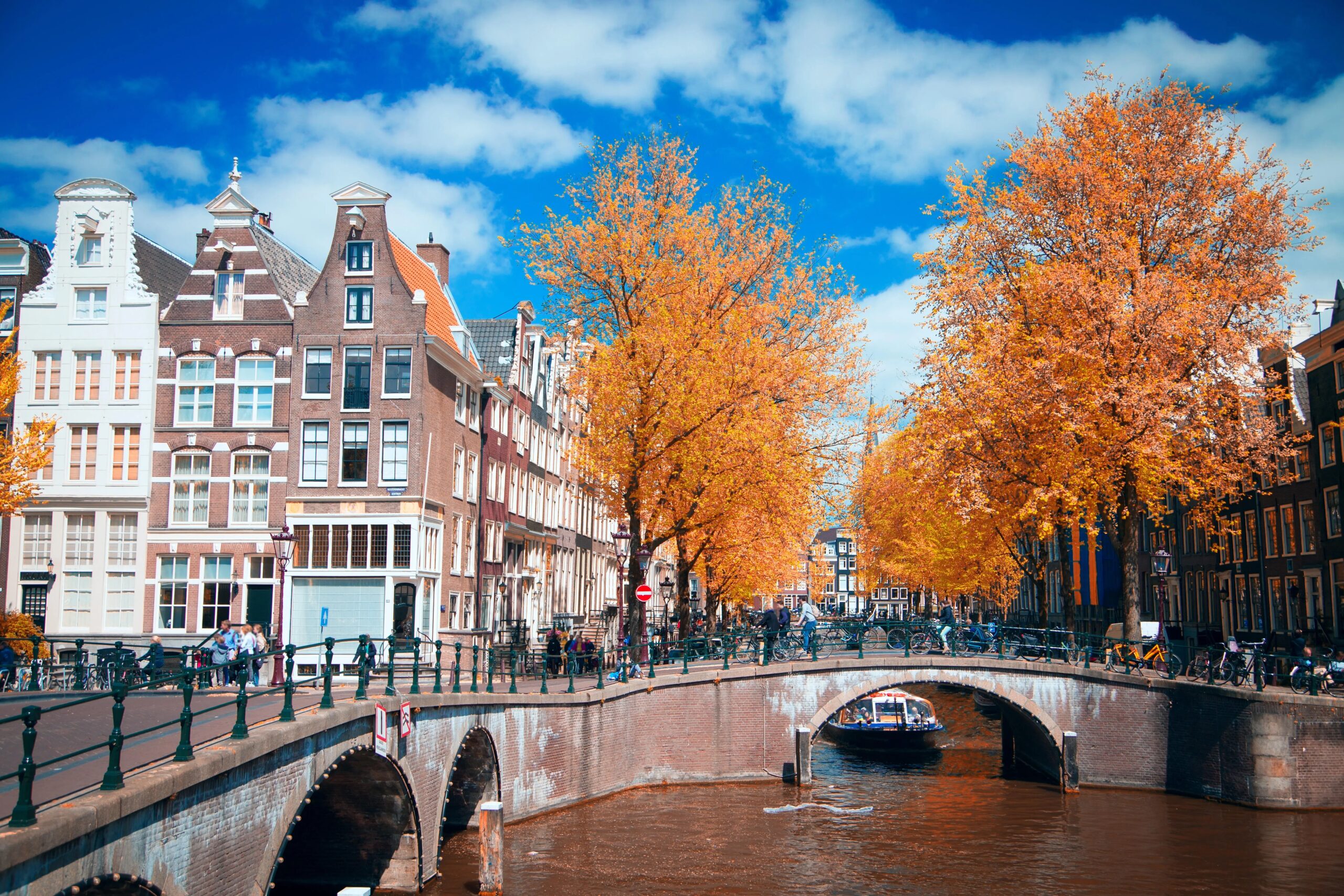
The famous canals come alive in autumnCredit: Alamy
Amsterdam is big on nature. Canals weave between its Baroque buildings and the cobblestone streets are lined by bushy trees that look even more spectacular in the autumn months, painting the streets in shades of red and orange.
While summer time is all about beer, the coming months focus on hot and cosy tipples like Warme Chocolademelk (Dutch Hot Chocolate) and Gluwhein (similar to mulled wine), both from around €4.
Grab yourself a glass from one of the traditional brown bars which tend to feature large windows from which visitors can watch the world go by, drink in hand.
Make sure to gobble back some Dutch classics. Comfort food is a staple in these parts and autumn is the perfect time of year to sample them.
Keep your eyes peeled for Stamppot, a hearty dish, made of mashed potato, sausages and sauerkraut – Moeders in the Jordaan whips up a truly authentic version.
Make sure to pick up some stroopwafels, too, a classic sweet treat which comprises of sticky caramel sandwiched between two thin, circular waffles.
You can still bag EasyJet flights from around £25 from London airports in November this year. Sophie Swietochowski, Assistant Travel Editor
Tirana, Albania
Tirana is often overlooked in favour of the Albanian Riviera but its a beautiful weekend destinationCredit: Alamy
It takes around three hours to reach the capital of Albania and once you’re there, there is plenty to do over a weekend at a leisurely pace.
In the centre of the city, visit Skanderbeg Square, the city’s central plaza featuring a towering clock tower.
Another top spot is the free Pyramid of Tirana – it’s a bit of a work-out to reach the top but the view of the city is well worth it.
And if there is one thing you shouldn’t miss, make sure to visit Bunk’Art 1 & 2 which are massive underground Cold War bunkers converted into museums, including one all about surveillance.
Street food will cost you a few quid and coffee or a pint is under £2 each.
What’s even better is that return flights cost as little as £28 per person. Cyann Fielding, Travel Reporter
Paris, France
Get some Christmas shopping done in the world’s fashion capitalCredit: AlamyIt’s one of the best places to come for food and shopping, says Sophie
I can think of no better place than Paris to transition you from summer, seamlessly into the cosy season. For me, it’s the shopping that draws me back year after year.
It is the fashion capital of the world, after all.
So make sure to travel with an empty suitcase so you can pick out your winter wardrobe while you’re here from the many vintage boutiques littered around the Le Marais district in the 3rd and 4th Arrondissements.
Here you’ll find classic kilo shops that sell bargain items priced by weight – you could pick up a whole outfit for €15.
Plus the city is just a hop, skip and a jumper over the Channel, reachable by plane, train or car – take your pick.
The culinary scene is another huge draw in autumn, too. Now is time to trade out the rosé wine for something more wintry and, in my opinion, no where in the world produces better red wine than France.
Le Barav, in the same region as the vintage shops, houses a wine shop on one side and restaurant on the other.
You can go and pick your wine for a supermarket price and then pay a €7 corkage fee to drink it in the restaurant area while tucking into a cracking charcuterie and cheese platter.
Wowcher city breaks with flights included start from £99. Sophie Swietochowski, Assistant Travel Editor
A baggily clad skateboarder’s wheels clatter across concrete floors, the noise bouncing off exposed pipes and iron girders. Vaulted skylights set in high ceilings illuminate the industrial space and its central kitchen, from which my main course – a silky lemon risotto, spiked with samphire, rhubarb, garlic, baby onions and basil – has just been transported.
I’m in the Dutch city of Eindhoven, in North Brabant, famous for its historic connection to Philips, the one-time electronics giant. The restaurant, Radio Royaal, is housed in what was once their engine room, in the Strijp-S neighbourhood. Today, Strijp-S buzzes with concept stores, an indoor food market, MU Hybrid Art House and the Area 51 skatepark. The broader area, Strijp, was where the company was largely headquartered: its zones are named S, T and R. In the late 90s, Philips withdrew from the city where it had started in 1891, and the letters I, J and P were never assigned.
Philips had employed about half of the region’s working population, so its departure for Amsterdam inevitably left a huge hole. Fortunately for Eindhoven, this was short-lived, and within a decade the city had reinvented itself as a multicultural hub for design and innovation – so much so that Dutch Design Week, the largest event of its kind in northern Europe, has been held here since 2005.
The innovative Trudo Tower is adorned with greenery. Photograph: Pixelbiss/Alamy
This year’s iteration, from 17 to 25 October, has a jam-packed programme of exhibitions, workshops and seminars at more than 100 locations around the city, with thousands of local and international designers involved. About 350,000 visitors are expected, with displays spanning everything from a bar made from mushrooms to the manipulation of Dutch wool (which is coarser than other wools, such as merino) for wearable garments.
Well beyond Design Week, however, Eindhoven packs a punch in terms of creativity. On my visit, I discovered a city that is not only vibrant and design-led, but also surprisingly green.
Completely off-limits during Philips’ heyday, Strijp-S is perhaps the liveliest example of Eindhoven’s reinvention, with innovative businesses making the most of the industrial spaces. It’s distinguished, too, by the Trudo Tower, a 19-storey building where facade planters froth with more than 70 species of greenery. Purpose-built in 2020, these eye-catching apartments were designed to provide affordable housing for low-income residents.
Despite the city’s industrial past, about 40% of Eindhoven’s landscape comprises greenery. Walkways – complete with bat boxes – run alongside the Dommel river, while larger spaces, such as Karpendonkse Plas and Philips de Jongh park, provide walking and biking opportunities. This, plus an average commute time of 15 minutes, helps to explain why Eindhoven was named the world’s least stressed city last year.
Evoluon exhibition and conference space. Photograph: Bildagentur/Joko/Alamy
As you walk from the UFO-shaped Evoluon (now functioning as an exhibition space and conference centre, and given by the company to the city on its 75th anniversary) on the edge of the Het Ven neighbourhood towards Strijp-R, the area becomes both green and residential. Ahead of the times, Philips saw the correlation between nature and healthy, happy employees. As early as 1910, the company started building workers’ accommodation with large gardens, which today are a mix of social and private housing.
Strijp-R’s primary allure, however, is the RK Complex. Formerly a Philips ceramics factory, it was bought by renowned Dutch designer Piet Hein Eek and opened in 2010. Other designers have workshops here, too: the idea, said Hein Eek, was to give young creatives an affordable space to work. The concept obviously works: in more than 15 years, only five of the 25 studios have changed hands.
Designer Piet Hein Eek’s studio. Photograph: Nick Bookelaar
Visitors flock here year-round to check out Hein Eek’s eco-forward scrap wood furniture and for glimpses into the studios, the cavernous exhibition space and the shop, packed with smaller design objects – ceramics, books, jewellery. The onsite Green Restaurant favours local, seasonal ingredients in hearty portions; it’s attached to the boutique Piet Hein Eek hotel, also one of the designer’s innovations. It has 14 rooms, each featuring a distinctive design style, with doubles from €135.
What makes a stay in Eindhoven even more interesting, however, are the myriad ways this impulse towards repurposing spaces, reusing materials and thinking sustainably shapes the visitor experience. I stayed at Hotel Mariënhge (doubles from €83) in the centre, a former monastery characterised by clean lines and cheeky art, its interiors effortlessly blending old and new.
From here, it’s a short walk to the retail district, where vintage stores range from the highly curated Yatva Vintage to a Salvation Army ReShare store. Near Strijp-R, I happen upon Luna & Lore, owned and run by Luna Hartogs. “Lore is about wisdom passed on from previous generations, and I learned to sew from my grandmother,” she explains, as I rifle delightedly through rails of upcycled vintage clothing. “For me, it’s also about passing things on for people to enjoy.”
“Eindhoven gets called ‘Vintage Valhalla’ – a paradise,” Erik van Gerwen of Eindhoven 365 tells me over dinner at Fifth NRE, itself housed in a former gas factory. “There’s the Philips legacy, but the presence of the Design Academy also ensures a lively community, passionate about innovatively making use of what already exists.”
Berenkuil graffiti zone. Photograph: Nick Bookelaar
Creating opportunities is a recurring theme in Eindhoven. I see it again at New Order of Fashion, a nonprofit organisation providing makers with resources to experiment with, as well as a sellers’ platform. It’s also a lab, researching the future of fashion from a regenerative perspective, and a public space aiming to inspire visitors to think about their consumer choices.
I loiter outside the Muziekgebouw concert hall: since 2024, its facade has featured a massive mural of a street musician and classical concert violinist embracing. Named Echoes of Harmony, it was commissioned by Eindhoven city council to represent music’s ability to bridge barriers, and since named best mural worldwide by Street Art Cities.
On the city’s north-eastern edge, graffers can legally unleash spray cans in Berenkuil, a two-level roundabout and now the country’s largest open-air graffiti zone. Ramps and rails make it a beeline for skateboarders, too; again, I hear wheels grinding on concrete. There are no dibs here: the art lasts mere days before it’s sprayed over by someone else, but that, I’m told, is the point. In Eindhoven, perhaps more than anywhere else, the idea that everything is ephemeral, yet also renewable, seems entirely at home.
One is Catholic, the other Jewish. One was a star linebacker for a private high school, Loyola, the other a star receiver for a public high school, Newbury Park. Both wear the same jersey number at UCLA, No. 20.
Scott Taylor and Shane Rosenthal became roommates last year and based on their many smiles, witty comeback lines and football success, it’s clear they’ve become best friends and best teammates.
“It’s cool,” Rosenthal said.
“We just get along really well,” Taylor said.
They share an apartment with two other UCLA players, punter Lennox Miller and defensive back Kuron Jabari.
Whatever initial concerns or perceived stereotypes they may have had quickly vanished after learning about their similar upbringings, goals and expectations to be good students and good people.
“I hosted him on his official visit,” Taylor said. “Hosted him for dinner, took him to Westwood. We have a lot of the same priorities, doing the right things, eating the right food, going to bed at the right time. Little things.”
Said Rosenthal: “We’re on the same timing for everything. He plays defense. I play offense. We’re able to watch film together, talk about football, talk about what he sees from the defense, talk about what I see from the offense and how we go at each other in practice.”
Taylor, a 6-foot-4, 241-pound sophomore who’s never seen a steak he didn’t want to eat, “is a damn good cook,” said his grandfather, Bill Thomason, a former Loyola principal and basketball coach. Thomason once bought his grandson Omaha Steaks as a birthday gift.
“They were so good,” Taylor said.
He sometimes drives home on Sundays to cook steaks for family members. And he eats them, too.
In the competition for who cleans the room the best, Rosenthal wins in a landslide.
“He might be the cleanest guy in the country,” Taylor said. “He might be an All-American cleaner.”
Said Rosenthal: “I definitely feel like I’m the cleanest guy in the apartment.”
As for washing clothes, both said there are no irons in sight. They learned how to do laundry at home but it appears parents are always welcome to help.
Taylor is dating a girl who’s Jewish but Rosenthal gets no credit as a matchmaker since they’ve been seeing each other well before Rosenthal arrived. “There’s usually two Jews in the apartment,” Rosenthal said.
Taylor has become a key pass rusher for the 4-0 Bruins going into Saturday’s game against Oregon. Rosenthal, also a sophomore, has received playing time as a gunner on punts while being a backup receiver. He’s the state-record holder in high school football with 24 career interceptions, so tackling on special teams is something he does well while waiting for the opportunity to show his receiving skills.
Taylor has used weight training to build up his body and give himself an NFL-like stature. It started back during the pandemic when he was 13. He decided to walk down the street to the local fitness center that was allowing kids to use the equipment for free — as long as they were 15. Somehow, he convinced them he was 15. When the business started charging him, he got his mom’s credit card, became a paid member and the rest is history. He has the talent to be on par with former UCLA linebacker Carson Schwesinger.
He also possesses the ability to comfortably talk in public. He was the only UCLA player chosen to answer questions from the media after Bob Chesney was introduced as head coach last December. On Tuesday, Taylor welcomed a group of middle school students touring Spaulding Field with high-fives and fist-pumps.
Taylor remembers his first impression of Chesney addressing the team.
“He’s a great communicator to you guys,” Taylor said of Chesney. “He’s also a great communicator to us. Everything’s crystal clear about what we’re supposed to do, what our role is since Day 1. He showed up and said, ‘If you guys choose to stay here’ and … this is before the portal even opened. ‘If you guys choose to stay here, we’re gonna do something special, so if you choose to stay, be ready to work, be ready to compete.’”
Taylor said the foundation of strong relationships within the team is important.
“It’s really special the connection we have,” he said. “And I think that speaks to who we are as a team because it’s really easy to play hard for each other when we’re so close off the field.”
If Chesney ever decides to host a team barbecue, Taylor is ready to lend his steak-cooking skills, with Rosenthal at his side.
I arrived in Verona, I admit, without a particularly clear idea of what aperitivo meant. In Italy, the ritual – broadly, a drink and something small to eat before a meal – speaks a different dialect in every city.
Milan has turned it into a polished after-work institution. In Venice, it is more itinerant: an ombra (a small glass of wine) along with a cicchetto (a bite-size snack) and then on to the next bacaro (one of the city’s traditional wine bars). Verona follows another logic.
Veronese wine writer Angelo Peretti has described the osteria (the traditional tavern at the heart of the city’s drinking culture) as a Verona institution: somewhere its social life takes shape over a gòto (the local word for a glass of wine), usually with something small to eat at the counter, often while standing.
I thought I understood. Then, at about 9.30am one morning, while drinking coffee opposite the Teatro Filarmonico, I noticed that aperitivo had already begun without me. A woman ordered a bianchetto, a small glass of white wine. A couple, already defeated by the heat, asked for two spritzes. Two friends shared a bottle of sparkling wine.
Nobody had announced that it was “aperitivo time”. More strikingly, nobody seemed to find any of this unusual.
That was when my search really began. I decided not to look for one type of bar, or even one type of drink. What mattered was whether I would actually stop there for an aperitivo – alone, with friends or simply while waiting for dinner.
Photograph: Gabriele Pasca
At Monte Baldo, which opened in 1909, the counter was still being set up, with a man I took to be the owner assembling the day’s tartine (small open sandwiches with various toppings). A very young waitress offered to help me choose a wine. There were more than 30 wines by the glass, mostly priced between €5.50 and €11. I chose an alta langa, a traditional-method sparkling wine from Piedmont, partly because the bottle was still unopened. They opened it without hesitation.
With lunch ahead, I ordered two tartine: baccalà mantecato (Veneto’s creamy stockfish spread whipped with olive oil) and boiled egg with anchovy. Both were excellent: fresh bread, generous toppings, clearly just made. The tartine cost €4.60; the wine €7.
As I was leaving, a man walked in carrying a motorcycle helmet. Before he had time to order came the question: “Your usual?” However many tourists pass through Verona, somebody still has a usual. 8.5/10
Photograph: Gabriele Pasca
This is one of Verona’s great wine institutions. I arrived before 7pm, as the tartine counter was being filled. The mood was formal: staff in crisp uniforms and a queue of slightly bewildered tourists. With one person serving, it moved slowly as he explained the wines, €3 tartine and where to eat them – at the bar, at small indoor tables, or outside.
I chose an €8 glass of franciacorta, Lombardy’s traditional-method sparkling wine, with two tartine: pancetta coppata (cured pork neck wrapped in pancetta) and gorgonzola cream. Both were generously topped, though the bread, while perfectly decent, wasn’t anything to write home about. Total: €14.
As I drank, nearby tables were laid for dinner and reserved signs appeared. I asked whether I should move. “Absolutely not.” Those few aperitivo tables, I was told, stay for drinkers unless the place is exceptionally busy. 6.5/10
Photograph: Gabriele Pasca
A sommelier I trust at one of Verona’s grander restaurants sent me to Tor-Tor, perhaps revealing more interest in wine than in the finer points of aperitivo. Still, it seemed worth a punt. Tucked down a side street behind the Arena, every outdoor table was taken; inside, a regular occupied the counter, deep in wine talk with the owners.
The blackboard and a small wooden menu board revealed a serious selection of natural wines, with plenty from Veneto. I went for a €7 orange wine – white grapes fermented in their skins – which came with popcorn, then added two €2 polpette (small savoury balls, one meat, one aubergine) plus €1.50 olives dressed with oil and chilli.
The polpette did the job nicely; the wine was excellent and expertly recommended. The crowd was overwhelmingly local, and the regular at the counter was still talking wine when I left. 8/10
Just across the Adige river in Veronetta, on the edge of Verona’s main tourist circuit, Ai Preti feels like a neighbourhood local. It is large, with dark wood throughout, and has the sort of retro look that comes from never having tried to look retro.
Two counters divide the food between cold tartine and hot snacks. I chose one with baccalà mantecato, another with caramelised onions, and a horse meat polpetta. Tartine cost €2, the polpetta slightly less; with a €4 glass of wine, the whole aperitivo came in under €10.
By 7.45pm, both displays were almost bare, although my polpetta seemed freshly cooked. The crowd looked entirely local, paying far more attention to one another than to the labels. Magazines lay around for anyone drinking alone. Here, aperitivo felt like the working day quietly unwinding. 7/10
Photograph: Gabriele Pasca
I was early for dinner. The restaurant next door was still closed and I had half an hour to kill. Filling the gap before dinner is, after all, the primary function of the aperitivo.
Velvet occupies part of a 15th-century palazzo. There is a handsome counter with stools, though I chose a small table. Three nearby tables were already occupied by a more dressed-up crowd than I had encountered in Veronetta, drinking and talking without much hurry.
There was plenty of wine on the list, but I went for a €12 negroni. It arrived with fried plantain crisps, cashews and little savoury pastries with tomato – at no extra cost. A separate food menu offers more substantial bites, including edamame falafel and chicken wings.
By the time I’d finished my drink, the restaurant next door was open. Half an hour neatly accounted for. 8/10
Photograph: Gabriele Pasca
Morandin was the only place I visited twice. My first visit was almost accidental – a glass of wine became dinner – so I returned a week later, just before 9pm, to make sure I hadn’t simply got lucky. On paper, its long afternoon closure, from 2.30 to 7pm, had been my only doubt.
It was another punishingly hot evening in Veronetta. Every outside table was taken and the fans inside did little more than move the heat around. I was wearing absurd red-and-blue striped trousers. A man I took to be one of the owners, there as a customer, noticed our near-matching trousers and came over for a high five. “They say we look like we’re in pyjamas. They don’t understand fashion.”
Wines run from €2.50 to €6 and, even at that relatively late hour, the cicchetti display was the fullest I had seen: battered vegetables, frittata, prawn skewers, €1.30 meatballs with tastasal (seasoned pork mince) and €1.80 tartine. I chose a durello, the crisp local sparkling wine from the Lessini hills, a meatball and a tuna-and-egg tartina.
The waiters were run off their feet; regulars greeted one another and foreign voices were scarce. Fifteen minutes later, I asked about dinner. “Full.” Ten minutes on, a table appeared. Aperitivo had not replaced dinner; it had made staying for it irresistible. 10/10
This beautiful city offers a quieter alternative to the UK’s busiest festive destinations, with a magnificent medieval cathedral, riverside walks and traditional pubs to warm up in.
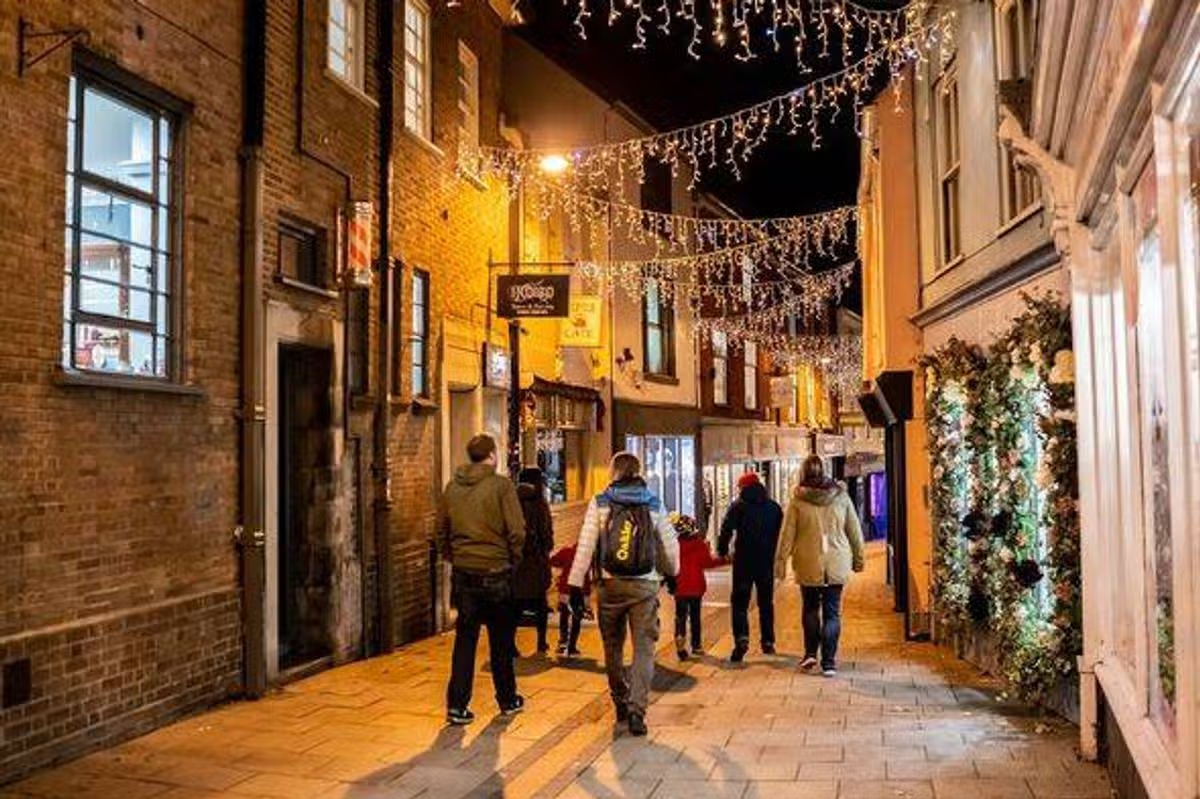
Beautiful city in England is a ‘cosy’ destination for a winter staycation(Image: Yackers1 via Getty Images)
Christmas markets might put Bath, York and Edinburgh high on your winter travel wish list, but Norwich has plenty to tempt anyone seeking a quieter staycation.
With its medieval landmarks, independent shops and welcoming pubs, the city combines festive atmosphere with opportunities to slow down and explore. Spend a day browsing for gifts, strolling beside the river or admiring the cathedral before settling in somewhere cosy.
Norwich is Britain’s only city located within a national park — one of its major draws.
Norwich was among the leading UK staycation destinations picked by specialists at StressFreeCarRental.com in 2024. The company’s CEO, John Charnock, said: “As the nights draw in and the temperatures plummet, it’s inevitable that many of us start to feel a little down at this time of year.
“The picturesque Broads National Park has miles and miles of footpaths for visitors to truly feel at one with nature and help to keep active. Norwich is a great city to connect with the outdoors and practice ecotherapy.”
Back in the city, Norwich Cathedral is a highlight for visitors drawn to its medieval architecture. Its appeal extends beyond the building itself, with Christmas services, concerts and a light show adding to the festive experience.
On TripAdvisor, one recent visitor to the cathedral said: “Visited early on a Friday morning as the Cathedral was being prepared for the weekend with Flower arrangers busy creating displays. We had a lovely chat with one of the volunteers.
“A lovely building made of Caen Stone. We visited the grave of brave Edith Cavell. There is small gift shop if you wish to purchase something. Beautiful grounds around the building.”
While another recent visitor added: “An outstanding cathedral. Well worth visiting. Entry fee is a suggested £5. Wonderful cloisters and some very interesting and historic graves and monuments. I would definitely go back as there is so much to see.”
For Christmas shopping, Norwich offers a mix of independent retailers and familiar high street names. Its bustling marketplace, shopping centres and Norwich Lanes provide plenty of places to hunt for gifts and keepsakes.
Rather than one huge Christmas market, the city has a collection of smaller festive events showcasing local creativity. There are also multiple Christmas markets and late-night shopping on Thursdays in the run-up to Christmas.
Seasonal lights and decorations brighten the streets, while historic venues including The Assembly House and The Maids Head Hotel add to the celebrations.
When it’s time for a break from browsing, the decorated Norwich Lanes make an inviting setting for a leisurely wander. Alternatively, head out from Norwich railway station for a walk beside the River Wensum.
Along the riverside, sights include Pull’s Ferry, Cow Tower and Norwich Cathedral, with pubs such as the Compleat Angler and The Red Lion offering somewhere to stop for a drink.
For a longer dose of history, try the city’s circular walking route, which follows the Wensum and crosses ancient bridges. Medieval city walls, the imposing castle and churches are among the landmarks to look out for.
Norwich’s oldest pub, The Adam and Eve, is conveniently placed along the route. And after a day spent exploring in the winter air, one of the city’s traditional pubs with a crackling fire could be just the place to finish.
Antler’s bag is ideal for running around all day or taking as hand luggageCredit: Antler
A GREAT work bag is hard to find, so when one comes along at half the RRP, well, that’s tough to resist.
Antler’s Icon Tote Bag in a beige sand hue has dropped from £120 to £60, bagging shoppers a tidy £60.
The tote bag is easy to pack and comfortable to carryCredit: Antler
Icon Tote Bag, £60 (was £120), from Antler
Shoppers have given the tote a five-star rating, describing it as being ‘very practical’ for travelling as a carry-on, but also for getaways or office days, with one noting: “This is the perfect work bag that I have been searching long and high for.
Sign up for the Travel newsletter
Thank you!
“It’s roomy enough to hold my laptop and headset, with a coffee and water bottle, notebook and possibly more.”
A second added: “Perfect for both work and social outings, 100% recommend.”
It comes in khaki and black for £72, and is made from 100% recycled, water-resistant fabric and features a full zip-top closure, so your precious belongings are protected whatever the weather.
It can fit laptops up to 16-inches, and there are eight internal slip pockets to keep everything in place.
And that’s not all: the tote features a water bottle holder too, while the external front pocket offers easy access for essentials.
Antler has also slashed the price of the Expandable Cabin Suitcase (now £105, down from £175) and the Medium Suitcase (now £164.50, down from £235.00), just in time for the October half term for those planning a family trip.
The tote comes in two other colour optionsCredit: Antler
It boasts a 4.9 rating based on 360 reviews: “It’s so spacious with lots of compartments that makes it perfect for travelling or if you have a busy job.”
There’s also the Typo Mode Tote from Cotton On, available in strawberry milk and cloud, which has been reduced from £30 to £15.
If you’re going away, this top-rated electric toothbrush is £185 off at Boots and comes with a travel case — the high street retailer has also launched a Fragrance Advent Calendar with several minis, perfect for slipping into your new tote bag.
There’s a saying in Cologne, repeated with the mild smugness of people who know they’re right: kölsch is the only culture you can drink. It sounds like a line lifted straight from the tourist board’s brochure. Then you spend a day working your way around the city’s traditional brewhouses and realise it’s a statement of fact.
Since 1997, kölsch has held a protected geographical indication within the EU, guaranteeing that any beer bearing the name is brewed within 50km of the city and made strictly to the Kölsch-Konvention. That agreement, signed in 1986, defined the style as “a light, highly attenuated, hop-accentuated, clear, top-fermenting ‘vollbier’ [full-beer]”, restricting production exclusively to the local area. It is, in effect, the champagne of pale ales: locally adored and tied to a city that has always insisted on doing things its own way.
The delivery is as ritualised as the brewing itself. You sit. A köbes – the traditionally deadpan, blue-aproned brewhouse waiter – arrives carrying a kranz (a circular tray) holding a ring of stangen, narrow 200ml glasses designed to keep the beer cold and effervescent long enough for you to drain one before the next takes its place. You drink. He marks a tally on your beer mat with a stub of pencil. You never order a second; you never need to. The conveyor belt only stops when you place your beer mat on top of your glass.
Ten hours, seven brewhouses and an inadvisable number of tally marks later, I had formed some very firm opinions about Cologne’s legendary liquid culture.
Photograph: Scott Antcliffe
The twin spires of Cologne cathedral are visible from the doorway of this brewhouse. So, unfortunately, is the gift shop and a tour group from Ohio. Früh am Dom, arguably the most internationally recognisable kölsch brand, is housed in a sprawling warren of vaulted dining rooms, cellars and long oak bars. It is enormous and boisterous, yet the kölsch, poured at speed to a rotating cast of daytrippers, lacks the crisp clarity found elsewhere. Being on the cathedral’s doorstep makes this prime real estate, but the footfall turns the room into something closer to a transit lounge, where most visitors drop in for a quick photo with their stange before rushing off. 4.5/10, €2.50
Photograph: Scott Antcliffe
Founded in 1912 and heavily renovated since, Sion merges a contemporary interior with old-world charm. The result is the slickest room on this list: warm mood lighting, clean lines and a menu that reaches beyond the usual brewhouse staples of fried pork and potatoes. The kölsch itself is technically flawless and refreshing, though it lacks the rustic bite of the city’s smaller producers. It’s a fine spot for a proper sit-down dinner rather than a session – and even the köbes here shows genuine warmth, a demeanour that feels either refreshing or faintly suspicious depending on how strictly you hold to Rhenish brusqueness. 6/10,€2.60
Photograph: Mauritius Images /Alamy
Beyond the tourist centre, in the lively and historic Friesenviertel district, is the hallowed Päffgen. Operating on Friesenstraße since 1883, this is one of the last hausbrauereien(brew pubs) that refuses to bottle for supermarket shelves; if you want Päffgen, you come here or haul a wooden keg home yourself. The beer is tapped straight from wooden barrels on the counter, giving a pour with a floral, grassy hop aroma, a hint of stone fruit and a crisp bitter finish. The room feels untouched by time – look out for the old wooden beichtstuhl (“confessional”), the elevated booth where the innkeeper once oversaw the floor and counted the day’s takings. One of the köbesse, sliding a fresh stange across the counter without breaking stride, put it more bluntly than any brochure could: “Kölsch is not a drink, it is a religion. And this is the church.” With its gruff, lightning-fast staff and a leafy beer garden out the back, Päffgen is the gold standard of kölsch culture. 9.5/10, €2.60
Photograph: Alan Kolnik/Alamy
Tucked into the historic old town, Peters is what the cathedral-adjacent halls wish they were. It strikes the finest balance in central Cologne, fiercely popular with local people while remaining welcoming to passing travellers. The interior is gorgeous – stained-glass skylights throwing amber light across scrubbed, decades-old wooden tables, dark wainscoting framing the chatter of the room. The kölsch is beautifully balanced: smooth, clean and poured properly cold. We might have come at a bad time, though, as it wasn’t particularly busy and lacked atmosphere. 7/10, €2.50
Sitting on the edge of the historic Heumarkt, Malzmühle is the second-oldest brewery in Cologne, operating on this spot since 1858. Destroyed almost entirely in the second world war, only the stone portal survived; you now pass through that same archway into a sprawling hall of rustic brickwork and heavy oak benches. Malzmühle brews Mühlen Kölsch, a pour favoured by the former US president Bill Clinton, who declared “Ich bin ein Kölsch” on a visit in 1999. It is slightly darker and maltier than its peers, with a gentle honey note against a solid bitter backbone. The atmosphere is unapologetically noisy and authentic – a meeting ground where workers in hi-vis vests share benches with executives in suits. We spoke to one of the köbesse, Carl, who told us he’d worked here for 38 years: “This is the place to be. These walls have seen so much and heard so many conversations. I wouldn’t work anywhere else.” 8.5/10, €2.50
Photograph: Scott Antcliffe
Gaffel is a heavy hitter among local people, distributed widely across the city’s bars and football stadiums. Its flagship hall, opposite the central station, is handsome and impeccably run, with high ceilings and sweeping arches giving it real metropolitan energy. The kölsch is consistently good – bright, sharply carbonated and noticeably hop-forward, exactly as the Konvention prescribes. Knowing this same beer is sold at the gate in Cologne Bonn airport slightly undercuts the local romance, though; it’s reliable in a high-volume, commercial way. The kitchen redeems it somewhat with a stellar himmel un ääd – crispy black pudding with smooth mash and stewed apples – comfort food good enough to justify the visit alone. 6.5/10, €2.50
Photograph: Scott Antcliffe
Down a cobbled alley in the old town, Sünner im Walfisch is pure historical theatre. Housed in a striking 17th-century step-gabled building, dismantled and rebuilt brick by brick on its current site, it serves as the old town outpost for Sünner, Cologne’s oldest operating kölsch brewery. Inside, narrow timber-framed rooms and low ceilings transport you back to medieval Rhineland. The beer is fantastic – crisp and dry with a peppery hop finish that makes it dangerously easy to drink – and it’s quieter and more intimate than the echoing halls near the station, its köbesse still delivering drinks with a wink of humour. A favourite for decor and character, if not quite for atmosphere. 8/10, €2.50
Scott Antcliffe’stravel to Cologne was provided byViking as part of its 8-dayRhine Getaway, from £1,695
OUR Spotlight On column gives you the lowdown on what to see and do in your favourite holiday hotspots – as well as lesser known gems.
This week we shine a light on a Florida favourite perfect for an autumn or winter break – Boca Raton.
Most Brits won’t have heard of Boca RatonCredit: SuppliedBut the beautifully laid-back beaches make it a secret paradiseCredit: Alamy
Close to the bright lights of Miami, it offers a more relaxed experience in a stunning coastal setting.
As the Head of Travel at the Sun, I recently visited Florida’s secret paradise, with with pristine beaches, surprisingly lush parks and Japanese gardens and a laid back vibe.
Sign up for the Travel newsletter
Thank you!
But with the new Brightline that speeds holidaymakers from Orlando to Miami on Eurostar-style trains stopping off in Boca, it’s easier than ever for us Brits to discover the delights of this upscale city that offers all the best of Miami without the crowds and frenetic city pace.
With jetlag waking me early, I took a stroll on the beachfront near Spanish River Park where the sun breaks over the water painting the sky in vibrant amber and violet tones.
Settling onto the sands, I had the beach almost to myself as pelicans flew low over the gentle surf and watched as the sun rose high.
So here are some of my other tips on exploring the lesser known US city.
MUST SEE / DO
A beloved local institution, Gumbo Limbo Nature Center invites visitors to explore Boca Raton’s coastal ecosystem through nature trails, butterfly gardens and marine conservation exhibits.
It is famous for its sea turtle rehabilitation facility, where visitors can see rescued loggerhead and green sea turtles getting nursed back to health.
Visit during turtle nesting season from March through October, when the centre hosts guided night-time turtle walks and seasonal hatchling releases.
HIDDEN GEM
The Morikami Museum and Japanese Gardens offer a serene escape that feels worlds away from the buzz of the coastline.
It is easy to get to thanks to a new Eurostar-like fast trainCredit: AlamyIf you want a quieter place to explore in Florida, this is the placeCredit: Alamy
Spanning 16 acres, the gardens celebrate centuries of Japanese design through tranquil ponds, bonsai collections and carefully curated pathways.
BEST VIEW
Set between the Atlantic Ocean and the Intracoastal Waterway, the Blue Flag designated Spanish River Park offers spectacular sunrise views over the beach and equally beautiful sunset scenes along its shaded walking trails and waterfront areas.
RATED RESTAURANT
Mizner Park, an open-air shopping and dining complex, is all pink-stucco Mediterranean Revival architecture and towering palm trees.
Here, Tryst blends classic French bistro charm with an inventive American menu under Chef Daniel Dore, featuring dishes from steak frites to a vegan mushroom lasagna topped with oat milk béchamel.
For more relaxed, value dining, Tomasso’s Pizza and Subs is a neighbourhood institution, serving up New York-style slices and massive sandwiches for decades.
A couple of slices or hot sub is from £7.33.
BEST BAR
American Social in Mizner Park is a fun sports bar bringing Modern American cuisine with a twist.
It is the perfect place not only if you want to catch a game, but also for an intimate dinner or a night with friends.
Beer lovers should head to Biergarten Boca Raton.
Tucked into Royal Palm Place, this indoor/outdoor spot stocks more than 24 beers on taps and has dozens of craft bottles as well.
With live music and generous happy hour deals, it’s a relaxed place to kick back.
HOTEL PICK
Fresh from a £5.4million renovation, the Boca Raton Marriott at Boca Center is close to Mizner Park in the city centre and an ideal base for discovering the area.
There’s a gorgeous outdoor pool with plenty of shade from towering palms and you can pick up a cocktail or two at the outdoor Drift bar.
End the day at Sonrisa, with its bold Caribbean-American flavours.
Rooms feature floor-to-ceiling windows to make the most of the views and a calm, neutral palette with splashes of marine blue.
YOU’LL be able to travel to 34 more destinations with Jet2 from the UK soon.
The airline is launching a number of new routes for Winter 26/27, with destinations including winter sun spots, city breaks and pretty Christmas markets.
Jet2 is launching 34 new routes including winter sun spots with 25C weather in DecemberCredit: GettyOther destinations will be across Europe, such as Spain and DenmarkCredit: Alamy
It marks the airline’s biggest winter programme as well as its first winter season from London Gatwick Airport.
Destinations in Europe include La Palma in Spain, Copenhagen in Denmark and Vienna in Austria.
The Egyptian resort city sits on the Red Sea and is the ideal spot to head off scuba diving to see colourful coral reefs.
And there is sunshine year-round.
You’ll get the best of both worlds too as after exploring the water you can head to the desert, for a quad biking or camel riding experience.
Another destination getting Jet2 flights is a city that feels more like stepping into a Disney movie.
Often referred to as a fairytale city due to its winding medieval streets, Tallinn in Estonia takes just three hours to get to from the UK.
You could also head to a number of destinations with great Christmas markets – such as TallinnCredit: Mark Hannah
The old town of the city is full of interesting shops as well as grand medieval churches and walls.
For a city centre, it is very quiet as well.
And if you happen to visit in December, go the Christmas market, full of chalets selling handmade Estonian gifts as well as glögi – which is essentially Estonian mulled wine.
At the centre of the market is the world’s oldest recorded public Christmas tree as well, which dates back to 1441.
Steve Heapy, CEO of Jet2, said: “We are seeing strong demand from customers and independent travel agents for all kinds of winter holidays, so we have responded by putting a fantastic selection of brand-new routes on sale for Winter 26/27.
“Whether holidaymakers want winter sun, a festive Christmas market break, a ski holiday to the Alps or a city break, this expanded programme gives them more choice and flexibility than ever before.
“The addition of 34 new winter routes, three new destinations and our first winter season from London Gatwick Airport shows how we are continuing to grow in direct response to demand.
“This is about giving customers more of what they want for winter, with an exciting mix of destinations that caters for every type of getaway.”
Flights for the new routes cost from as little as £30 per way.
And if you don’t want to wait, the airline currently has 6.3 million seats on sale to 42 destinations for this winter.
Full list of the 34 new destinations
From Birmingham Airport: Copenhagen (Denmark); Sharm El Sheikh and Hurghada (Egypt)
From Bristol Airport: Cologne (Germany)
From East Midlands Airport: Agadir (Morocco); Gdansk (Poland); Sharm El Sheikh and Hurghada (Egypt)
From Edinburgh Airport: Strasbourg (France)
From Glasgow Airport: Hurghada (Egypt)
From Leeds Bradford Airport: Tallinn (Estonia); Sharm El Sheikh and Hurghada (Egypt)
From London Gatwick Airport: Agadir (Morocco); Funchal (Portugal); Tallinn (Estonia); Vienna (Austria); Cologne (Germany); Gdansk (Poland); Grenoble (France); Turin (Italy); Geneva (Switzerland); Salzburg (Austria); Chambery (France); Sharm El Sheikh and Hurghada (Egypt)
From Manchester Airport: Strasbourg (France); Sharm El Sheikh and Hurghada (Egypt)
From London Stansted Airport: La Palma (Spain); Strasbourg (France); Innsbruck (Austria); Sharm El Sheikh and Hurghada (Egypt)
The Damned United tells an unbelievable true story that’s perfect for Ted Lasso fans.
Hayley Anderson Screen Time TV Reporter
10:10, 25 Sep 2026
Inside The Damned United cast on Netflix. (Image: BBC FILMs)
Netflix’s The Damned United stars legends from the worlds of Harry Potter, The Good Omens and Adolescence.
After dropping on Netflix at the weekend, sports drama The Damned United has soared into the streamer’s Top 10 most-watched list and continues to rise in the charts.
Originally released in 2009 and based on a novel by David Peace three years prior, The Damned United tells the turbulent tale of Brian Clough and his disastrous run as the manager of Leeds United in 1974. Only lasting 44 days in the job, Clough was quickly able to alienate the players and the board, leading to the collapse of his professional football career.
As Netflix subscribers continue to discover the classic sports film, here’s everything there is to know about The Damned United cast.
The Damned United cast in full
Brian Clough – Michael Sheen
Watch Jose Mourinho Netflix doc with free Netflix subscription
This article contains affiliate links, we will receive a commission on any sales we generate from it. Learn more
Jose Mourinho’s three-part Netflix documentary is available to watch at no extra cost for Sky customers as the provider gives away free subscriptions with each of its Sky Stream TV bundles.
Arrogant and fiercely outspoken Brian Clough wasn’t quiet when it came to criticising Leeds United’s former manager Don Revie.
So it took Clough by surprise when he was asked by the team’s board to take over managing the reigning champions.
Actor Michael Sheen has starred in an abundance of hit shows and films throughout his career including The Queen, Good Omens, Masters of Sex, The Twilight Saga and Frost/Nixon.
Peter Taylor – Timothy Spall
Peter Taylor is Clough’s loyal assistant manager and best friend who helps ground the fiery manager when needed.
He is portrayed by actor Timothy Spall who is best remembered for his work in Mr Turner, The King’s Speech and in the Harry Potter franchise as the villainous Peter Pettigrew.
Billy Bremner – Stephen Graham
Billy Bremner is the hard-working captain of Leeds United who is Clough’s main antagonist, leading the resistance that brings about the manager’s infamously short 44-day run at the club.
Bremner is brought to life in The Damned United by Emmy Award-winning actor Stephen Graham, renowned for his work in Netflix’s Adolescence, This is England, A Thousand Blows and Boardwalk Empire.
John O’Hare – Martin Compston
John O’Hare is the team’s striker, known for his aggressive team spirit while playing under Clough.
He is portrayed by none other than Martin Compston, famed for starring as DI Steve Arnott in the unforgettable Line of Duty.
Before becoming a household name in the BBC crime drama, Compston was a professional footballer in Scotland and made a couple of appearances playing for Greenock Morton.
Don Revie – Colm Meaney
Don Revie is the legendary, formidable Leeds United manager who leaves to manage the England national team. It is his exit from the team that leads his rival Clough to begin his chaotic short stint at Leeds.
Don is played by actor Colm Meaney who stars in Remarkably Bright Creatures, In the Land of Saints and Sinners and Star Trek: Deep Space Nine.
Sam Longson – Jim Broadbent
Prior to Clough joining Leeds United, he was the manager of Derby County with Sam Longson acting as its chairman.
Actor Jim Broadbent is recognised for starring in the Harry Potter and Bridget Jones franchises, as well as Game of Thrones and Only Fools and Horses.
The Damned United is available to watch on Netflix.
David Oyelowo is set to lead the cast in Sky’s new series The Girl with the Dragon Tattoo, alongside rising star Viola Prettejohn, who is known for playing young Princess Elizabeth in the sixth season of The Crown.
The eight-part Sky Original is adaptation of Stieg Larsson’s bestselling Millennium novels. It could be perfect for viewers who enjoyed shows such as The Fall and The Capture, with a dark mystery, complex characters and a dangerous investigation at its heart.
David, who is known for his roles in Selma and Interstellar will take on the role of investigative journalist Mikael Blomkvist. Viola Prettejohn will play Lisbeth Salander, the brilliant but troubled hacker at the centre of Larsson’s story.
The story follows Blomkvist as he is hired by wealthy businessman Henrik Vanger to investigate the disappearance of his niece Harriet.
Harriet vanished more than 30 years earlier from the Vanger family’s isolated island home, but Henrik remains convinced that a member of his own family was responsible.
Blomkvist soon teams up with Salander, an exceptionally talented hacker with a complicated past and a fierce determination to uncover the truth.
Together, they begin to uncover secrets buried within the Vanger family, leading them towards a far more dangerous mystery than they initially expected.
The new adaptation will bring Larsson’s story into the modern day, exploring themes including power, misogyny, secrecy and technology.
The original Girl with the Dragon Tattoo novel was published in 2005 and went on to become an international bestseller. The Millennium books have sold more than 100 million copies worldwide and have already been adapted for both Swedish and English-language audiences.
The first English-language film adaptation was released in 2011 and starred Daniel Craig as Blomkvist and Rooney Mara as Salander, with David Fincher directing.
The new Sky series will offer a fresh interpretation of the characters and story for a new audience and it comes from Left Bank Pictures, the production company behind The Crown and The Day of the Jackal.
Meghan Lyvers, Managing Director, Scripted Originals, Sky, said: “Lisbeth Salander and Mikael Blomkvist are two of modern fiction’s most iconic and compelling characters, and we’re thrilled to have Viola and David bringing them to life for a new generation.”
She added: “Our brilliant writing team, Reinaldo Marcus Green’s bold vision and our fantastic partners at Left Bank Pictures are creating a series that honours everything audiences love about The Girl with the Dragon Tattoo, while taking its characters, mystery and themes into a world that feels unmistakably of the moment. We can’t wait for audiences to experience it.”
Filming is due to begin in Lithuania next month, with the series set to air on Sky and NOW in the UK and Ireland, as well as Sky platforms across Italy, Germany, Switzerland and Austria.